Category
Subcategory
Manufacturer
Model
Presses
Powder Press, Soap Press, Juice Press, Etc.
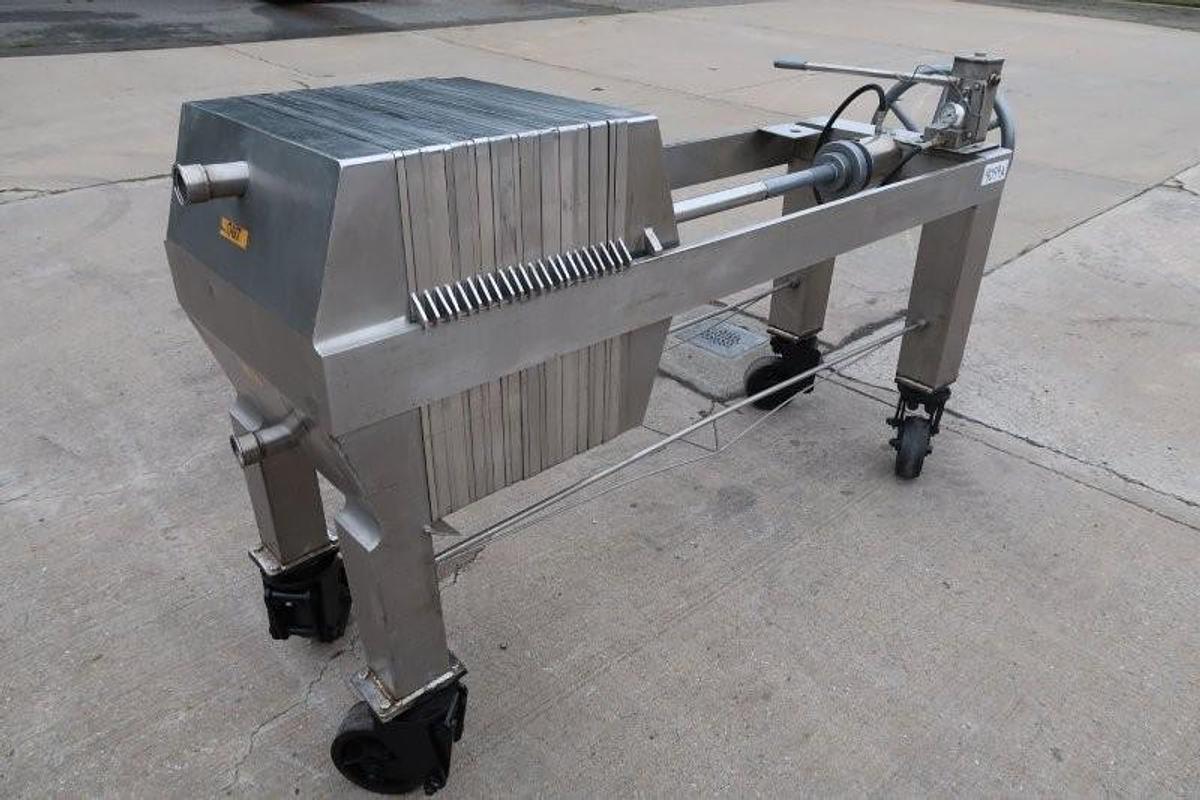
We stock used presses for a variety of industries including tablet presses, used powder compacting presses, used soap presses, used juice presses, and used apple presses. Our inventory of presses includes used KEMWALL powder presses, used CAVALLA powder presses, and used FITZPATRICK CHILLSONATOR roll compactors.
FAQ :
What types of used presses are available for sale?
The used press market covers a wide range of equipment designed for very different industrial applications. Common categories include hydraulic presses, pneumatic presses, mechanical punch presses, stamping presses, roll compactors, rotary powder compacting presses, soap presses, juice and fruit presses, briquetting machines, and drum presses. Within each category there are further distinctions, such as single-station versus multi-station rotary designs, or ram-discharge versus screw-feed configurations. Buyers sourcing equipment for pharmaceutical, nutraceutical, food processing, or personal care manufacturing will find specialized machines like tablet presses and powder compacting presses particularly relevant.
Inventory at any given time reflects what has recently come off production lines or been decommissioned, so availability changes frequently. Machines from manufacturers like Fitzpatrick, Kemwall, Cavalla, Vector, Vetraco, and Bepex appear regularly in the used market and are well-regarded in their respective industries. Because these are pre-owned machines, buyers should clarify the specific model, station count, tonnage rating, and material contact specifications before making a purchase decision. Matching the press type to the exact application, whether that is compacting powder, pressing soap cakes, extracting juice, or forming briquettes, is the single most important step in selecting the right equipment.
How do I verify the condition and working status of a used press before buying?
Verifying condition starts with requesting the machine's full operational history, including any available maintenance logs, service records, and records of past repairs or part replacements. This documentation tells you how hard the machine was run, whether scheduled maintenance was kept up, and whether any major components like the hydraulic pump, seals, or control system have been replaced. A press that was well-maintained in a low-volume operation is a very different purchase than one that ran three shifts a day for a decade without documented service.
Beyond paperwork, most reputable used equipment dealers will accommodate in-person inspections, virtual walk-throughs, or detailed video captures of the machine so buyers can assess its current state firsthand. Some machines are still installed and running at the facility where they are being sold, which gives buyers the opportunity to observe the press under actual operating conditions, with the dealer coordinating access between the buyer and the facility owner. Keep in mind that most dealers do not have production permits that would allow them to run actual product through a press at their own location, so testing in that context is typically limited to mechanical cycling and visual inspection rather than a full production trial. Hiring an independent machinery appraiser or sending a qualified technician for the in-person inspection is a sound practice, especially for higher-value equipment.
What should I inspect when evaluating a used press for purchase?
A thorough inspection of a used press covers both mechanical and electrical systems. On the mechanical side, check the frame and bed for cracks, warping, or signs of overload damage. Examine the ram or punch assembly for wear, scoring, or misalignment. For hydraulic presses, inspect cylinders, hoses, fittings, and the hydraulic power unit for leaks, corrosion, or evidence of improvised repairs. On rotary powder presses, the condition of the turret, punches, dies, and cam tracks directly affects output quality and should be assessed carefully. Briquetting and roll compactor equipment should be checked for roll surface wear and bearing condition.
Electrical and control systems deserve equal attention. Older machines may use obsolete programmable logic controllers or relay-based panels for which replacement parts are difficult to source. Confirm that safety interlocks, emergency stops, and guarding are intact and functional. If the machine has been sitting idle for an extended period, seals and gaskets may have dried out, and lubricants may have degraded, so factor reconditioning costs into your budget. Asking the dealer for a complete list of known issues or deferred maintenance items is reasonable and should be standard practice before any purchase decision.
Are used presses covered by any warranty?
Warranties on industrial equipment are typically offered by the original manufacturer and apply to machines sold through authorized channels under standard purchase agreements. Used equipment dealers generally sell machinery on an as-is basis, which means the condition of the machine at the time of sale is what the buyer receives, with no implied guarantee of continued performance. This is standard practice across the used machinery industry and reflects the fact that the dealer has no control over how the machine was operated or maintained during its prior service life.
Because used presses are sold as-is, the burden of due diligence falls squarely on the buyer. This makes the inspection process, discussed in detail in other questions here, especially important. Buyers should also contact the press manufacturer directly before purchasing to understand what level of technical support, spare parts availability, and service documentation they can expect for the specific model and age of machine they are considering. Older or discontinued models may have limited factory support, which is a meaningful factor in the total cost of ownership. Selecting a dealer with a long track record in the specific equipment category you are buying is one of the best ways to reduce risk in the absence of a formal warranty.
How do I find replacement parts for older used press models?
Sourcing parts for used industrial presses requires a layered approach. The first step is always to contact the press manufacturer directly. Many manufacturers continue to support older equipment with spare parts, technical drawings, and service manuals, though the depth of that support varies significantly by brand, model age, and whether the product line is still active. Manufacturers like Fitzpatrick, for example, have long histories in roll compaction and may still support legacy Chilsonator models, but it is worth confirming parts availability before committing to a purchase.
When factory parts are unavailable or prohibitively expensive, aftermarket suppliers and specialty machine shops are common alternatives. Many wear components, such as punches, dies, seals, bearings, and hydraulic fittings, can be fabricated or sourced from third-party suppliers using original drawings or reverse-engineered measurements. Online industrial parts marketplaces and other used equipment dealers are also worth checking, since decommissioned machines of the same model are sometimes parted out. Building a relationship with a dealer who specializes in your equipment category can be particularly valuable here, as they often have institutional knowledge about which parts are difficult to find and which suppliers are reliable.
What safety certifications should I look for when buying a used press?
Safety compliance is one of the most consequential factors in evaluating a used press, particularly for older machines that may have been built before current standards were in place. In the United States, OSHA regulations under 29 CFR 1910.217 govern mechanical power presses specifically, and buyers should confirm that any machine they are considering either meets current requirements or can be brought into compliance before installation. CE marking is the relevant standard for equipment sold or operated within the European Union and indicates conformity with applicable health and safety directives at the time of manufacture.
Beyond the certification marks themselves, buyers should examine the physical safety features of the machine. These include point-of-operation guarding, two-hand controls or light curtains, emergency stop circuits, and anti-repeat mechanisms on mechanical presses. Older presses may have been retrofitted with updated safety systems during their service life, which is a positive indicator, but any modifications should be documented and inspected carefully to confirm they were done correctly. If a machine lacks adequate guarding or has had safety systems bypassed or removed, the cost of bringing it into compliance needs to be factored into the purchase price. Consulting with a safety engineer before finalizing a purchase of any older press is a prudent step.
Can a used press be retrofitted or upgraded with modern controls?
Retrofitting used presses with modern control systems is a well-established practice and can meaningfully extend the useful life of mechanically sound equipment. The most common upgrades involve replacing outdated relay-based electrical panels with programmable logic controllers, adding human-machine interfaces for easier operation and diagnostics, and integrating updated safety systems such as light curtains, safety relays, and modern emergency stop circuits. For hydraulic presses, proportional valve systems and updated pressure controls can improve repeatability and reduce energy consumption compared to older on-off hydraulic circuits.
The feasibility and cost of a retrofit depend heavily on the specific machine. Presses with robust, well-documented mechanical frames are generally good candidates, since the drivetrain and structure often outlast the control systems by decades. Machines with proprietary or highly integrated original controls can be more complex to retrofit, and buyers should consult with a controls integrator or the press manufacturer before assuming a retrofit is straightforward. In some cases, the cost of a full controls upgrade approaches the cost of a more modern used machine, so it is worth doing a realistic cost-benefit analysis. That said, for specialized press types where used inventory is limited, a well-executed retrofit on a mechanically sound machine is often the most practical path to getting reliable, up-to-date equipment.
What is the average lifespan of an industrial press, and how do I assess remaining service life?
Industrial presses are among the longer-lived categories of manufacturing equipment. A well-built mechanical or hydraulic press that has been properly maintained can remain in productive service for 30 to 50 years or more. Rotary powder compacting presses and roll compactors in pharmaceutical and food processing applications tend to have somewhat shorter practical service lives due to the precision tolerances required, but even these machines regularly see 15 to 25 years of productive use with appropriate maintenance. The wide variance in lifespan makes individual machine assessment far more meaningful than any general rule of thumb.
Assessing remaining service life involves looking at several factors together: the total hours or cycles logged on the machine, the quality of maintenance over its life, the availability of wear parts going forward, and the current mechanical condition of critical components like the frame, ram, bearings, and hydraulic or mechanical drive system. A machine with 10,000 hours on it that was serviced religiously and stored properly may have more remaining life than a lower-hour machine that was run hard and neglected. Requesting all available service documentation, conducting a thorough physical inspection, and, where possible, having the machine run through its operating cycle before purchase are the most reliable ways to form a realistic picture of what you are buying.
What are the typical shipping and logistics considerations when buying a used press?
Shipping a used press involves more complexity than standard freight because of the weight, dimensions, and sensitivity of industrial machinery. Proper packaging is critical to preventing damage in transit. Depending on the size and fragility of the machine, this can range from basic palletization with banding and stretch wrap to full custom crating with blocking and bracing to immobilize internal components. Buyers should ask the dealer specifically what packaging will be provided and whether the shipping cost quoted includes adequate protection for the machine's condition.
Larger presses often require specialized rigging for loading at the origin and unloading at the destination. This typically means a forklift with sufficient capacity, or in some cases a crane, and a flatbed or step-deck trailer rather than a standard enclosed van. Rigging services at both ends are usually an additional cost beyond the base freight rate, and buyers should confirm who is responsible for arranging and paying for each step. For international shipments, customs documentation, import duties, and compliance with destination-country safety standards add further layers of planning. Getting a complete landed cost estimate, covering packaging, rigging, freight, and any applicable duties, before finalizing a purchase is the only way to accurately compare the true cost of equipment from different sellers or locations.
What payment terms are typical when purchasing used industrial presses?
Payment practices in the used machinery industry are fairly consistent across reputable dealers. The standard expectation is full payment prior to shipment. This protects the seller from the risk of releasing equipment before funds are confirmed, and it is a normal condition of sale that buyers should plan for when budgeting for a purchase. Wire transfer is the most common payment method for transactions of significant value, though some dealers also accept credit cards for smaller purchases, sometimes with a processing fee.
Some dealers extend payment terms to established customers with a history of prior transactions, but this is the exception rather than the rule for first-time buyers. If financing is needed, buyers typically arrange it independently through equipment financing companies or their own banking relationships, then pay the dealer in full at closing. Before committing to a purchase, buyers should confirm the exact payment requirements with the dealer, including the accepted methods, timing relative to inspection and shipping, and any deposit structure if the machine is being held pending final inspection. Understanding these terms upfront avoids surprises and helps both parties move through the transaction efficiently.