Category
Manufacturer
Model
Used Ovens for Sale
Pre-Owned Continuous Belt, Batch, and Rack Ovens In Stock
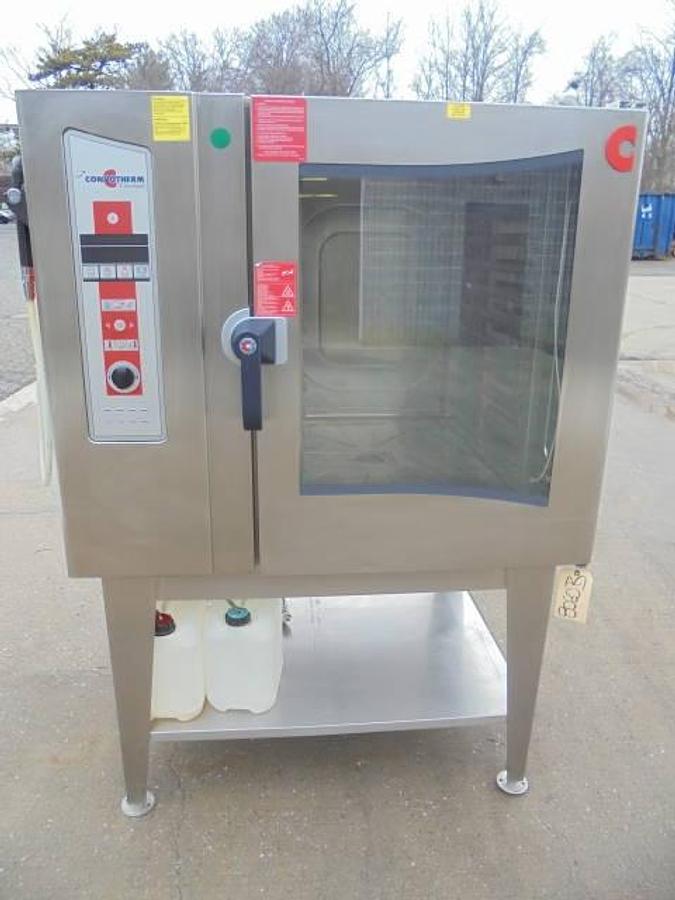
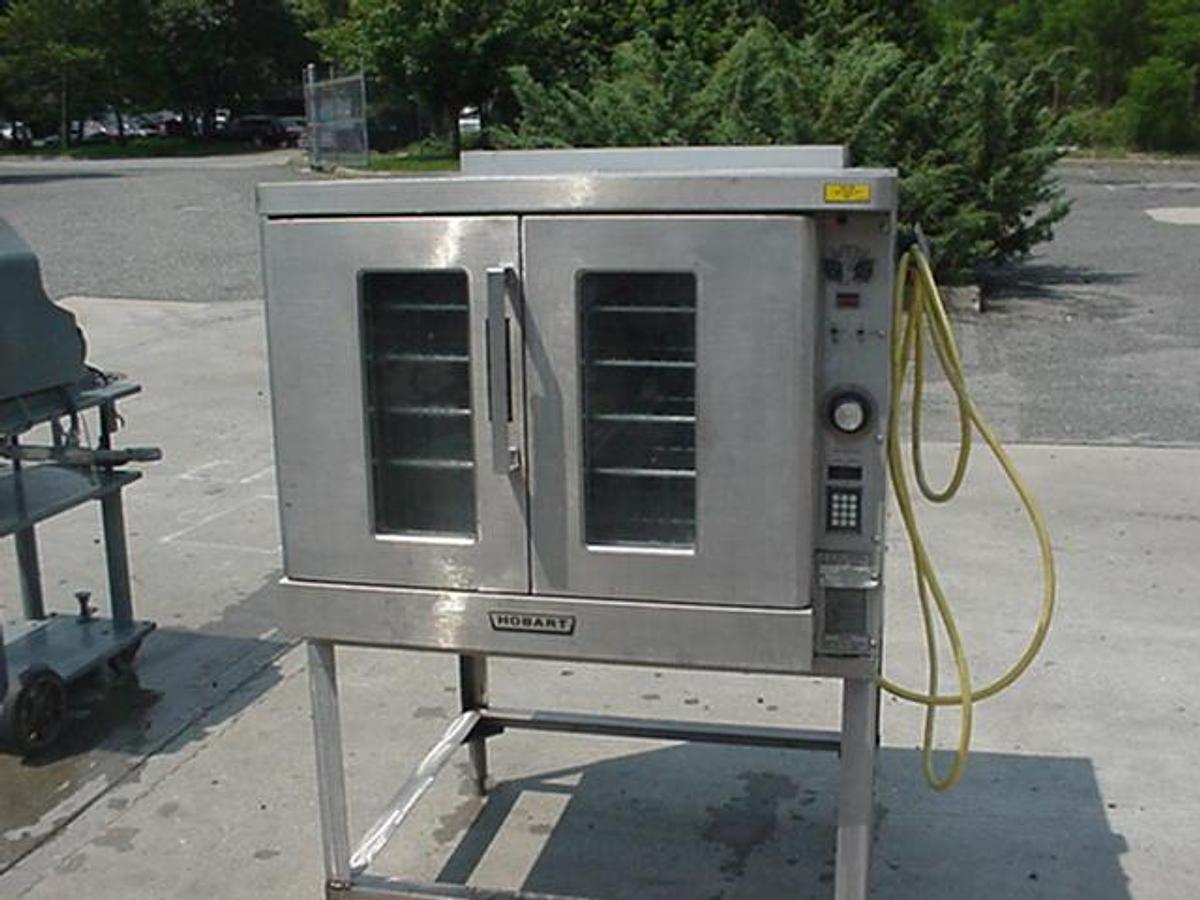
Wohl Industries stocks used ovens for bakery, snack, and prepared-food producers. You get pre-owned continuous belt ovens, batch ovens, and rack ovens in gas and electric builds. Continuous belt ovens bake cookies, crackers, and buns at steady output. Batch and rack ovens handle bread, pastry, and short runs. Zone control sets your color, moisture, and bake time. Stainless builds hold sanitary standards. Buying used cuts your capital cost and lead time. We inspect every machine before we ship. We have sold processing and packaging equipment since 1968. Send us your product and output, and we match you to the right oven.
FAQ :
What types of used industrial ovens are available on the market?
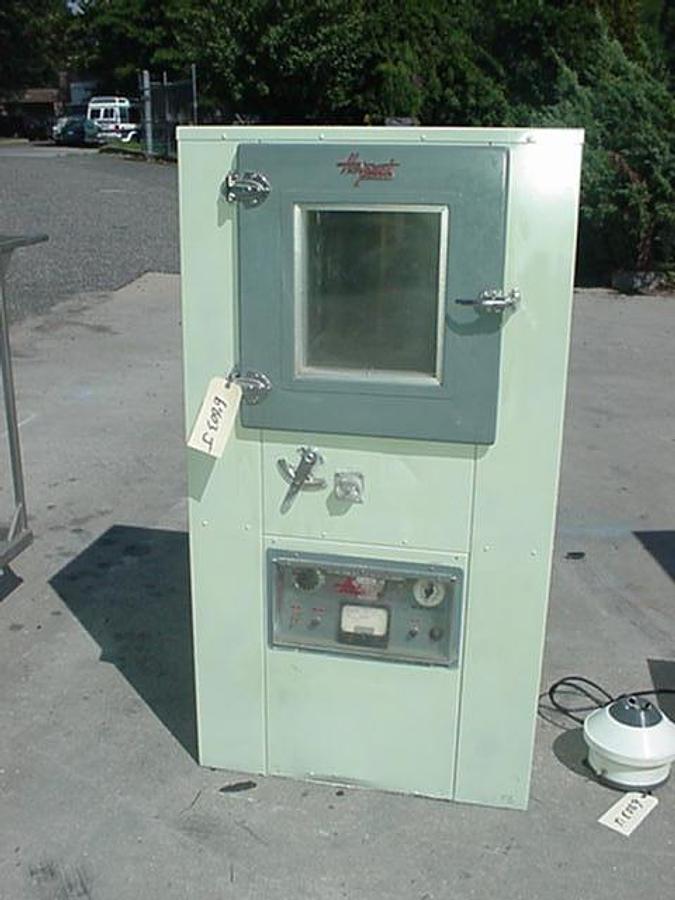
Used industrial ovens come in a wide range of configurations, each designed for specific production environments and heat processing applications. The most common types include batch ovens, which process a fixed load of parts or materials in a single cycle; conveyor and tunnel ovens, which move product continuously through a heated zone for high-volume production; cabinet ovens, which are compact units suited for lab work, pharmaceutical applications, or small-batch processing; and walk-in ovens, which are large enough to accommodate oversized parts or full racks of product. Fluidized bed dryer-coolers, incubators, and humidity cabinets round out the specialty end of the market for industries like food processing, life sciences, and materials testing.
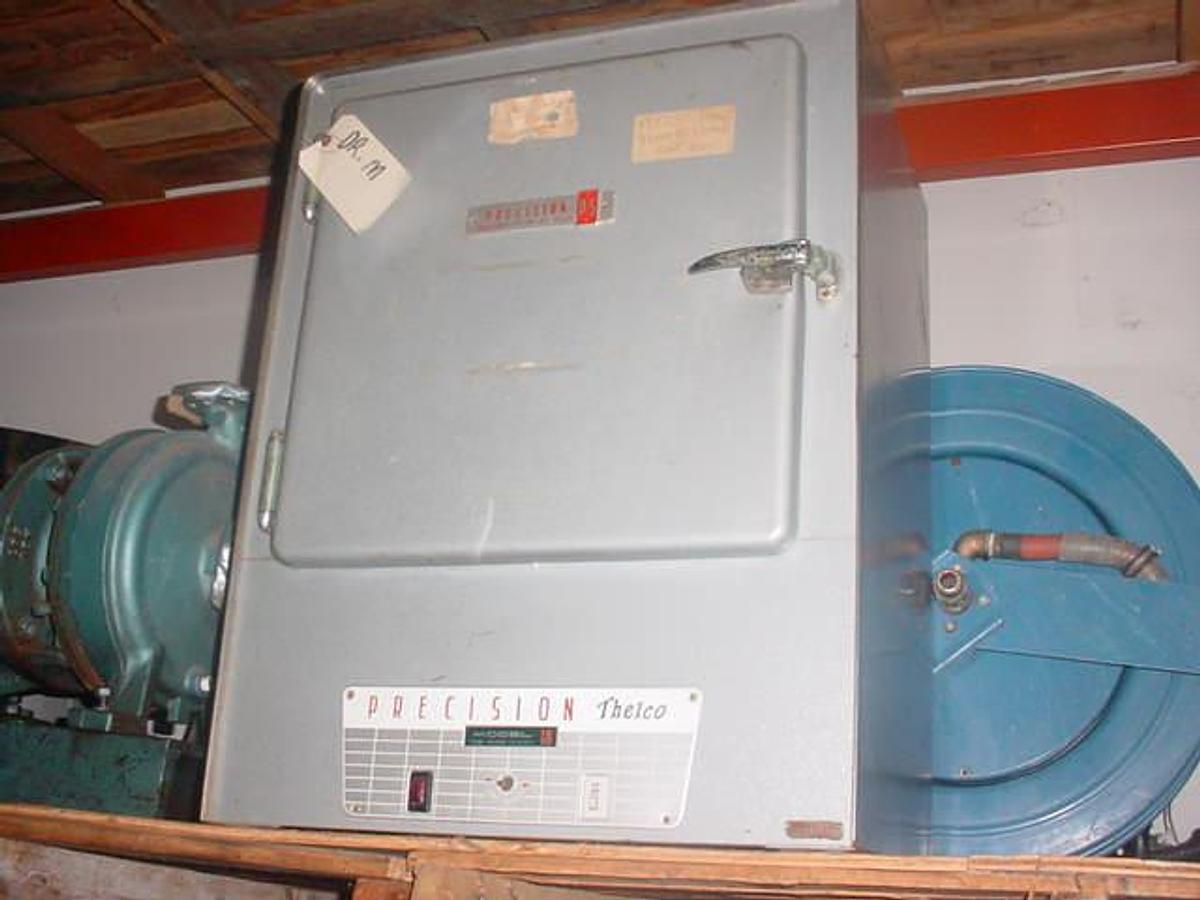
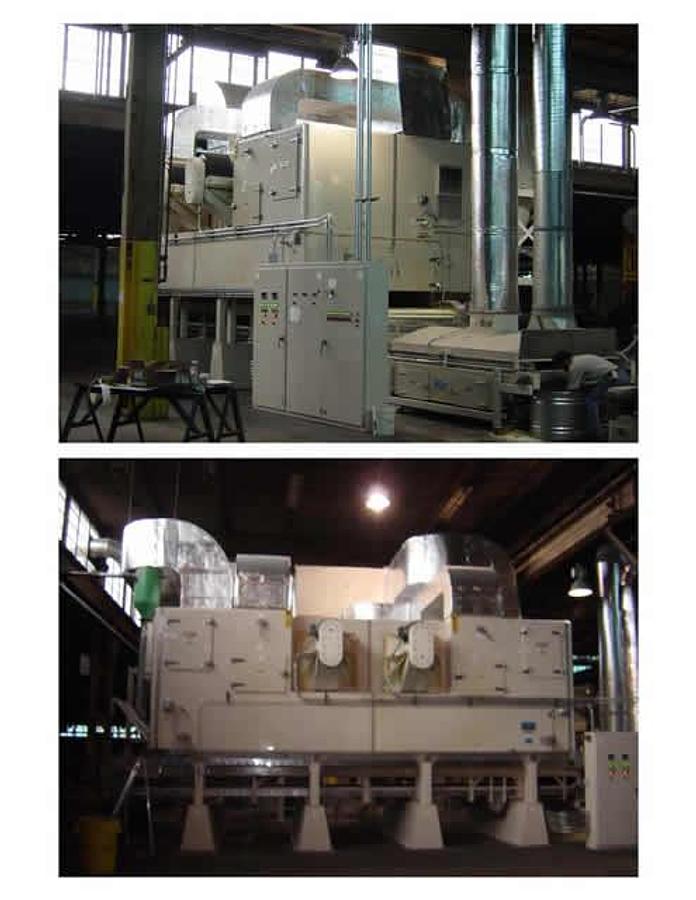
The used market reflects this variety well. At any given time, buyers can find tabletop electric ovens from brands like Blue M and Thelco, pharmaceutical-grade ovens with chart recorders from manufacturers like Gruenberg, conveyor-style tunnel ovens for food or industrial processing, and specialty units like the Wolverine Proctor Jetzone fluidized dryer-cooler. Matching the oven type to the application is the first step in any purchase decision. A batch oven that works perfectly for a job shop heat-treating metal components would be completely wrong for a tortilla manufacturer running continuous production, for example. Understanding the distinctions between these configurations before shopping saves time and prevents costly mismatches.
How do I verify the condition and working status of a used industrial oven before purchasing?
Verifying the condition of a used industrial oven requires more diligence than buying new equipment, since there is no factory acceptance test on record for the current owner. The most reliable approach is to request a live inspection, either in person or via video. Reputable used equipment dealers will typically accommodate both options. If the oven is still installed at a production facility, the dealer can often arrange access so the buyer can observe the machine running under actual operating conditions. If the oven has been decommissioned and moved to a dealer's warehouse, a video walkthrough showing the interior, controls, heating elements, and any visible wear is a reasonable alternative. Buyers should ask to see the temperature controller cycle through its setpoints, observe the door seals and insulation condition, and check for signs of corrosion, damaged wiring, or prior repairs.
It is worth noting that most used equipment dealers are not set up to run full production trials, since that would require product-specific permitting and materials. What dealers can typically demonstrate is electrical and mechanical function: that the oven powers on, reaches target temperatures, and that the controls, fans, and safety interlocks operate as expected. Buyers with critical tolerance requirements, such as aerospace or pharmaceutical applications, should ask specifically about temperature uniformity data or prior calibration records if available. Consulting with the original manufacturer about the specific model's age and serviceability is also a smart move, since parts availability and technical support can vary significantly depending on how old the unit is and whether the manufacturer still supports that product line.
What are the most reputable brands to look for when buying a used industrial oven?
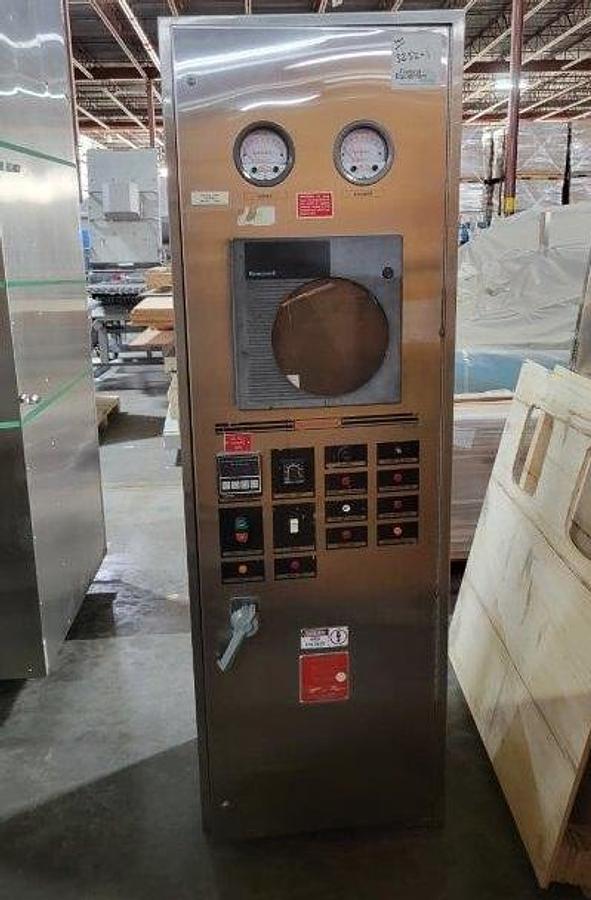
Brand reputation matters significantly in the used industrial oven market, primarily because it affects parts availability, technical support, and long-term reliability. Among the most sought-after names are Despatch, Grieve, Precision Quincy, Blue M, Binder, Thermcraft, and Wisconsin Oven. These manufacturers built equipment with durable construction and have maintained enough of a market presence that replacement parts, heating elements, and control components are generally still available. Blue M, for instance, appears frequently in the used market across lab and industrial settings and has a strong track record in temperature uniformity applications. Gruenberg is a recognized name in pharmaceutical and cleanroom-compatible ovens, often found with features like Honeywell chart recorders for process documentation.
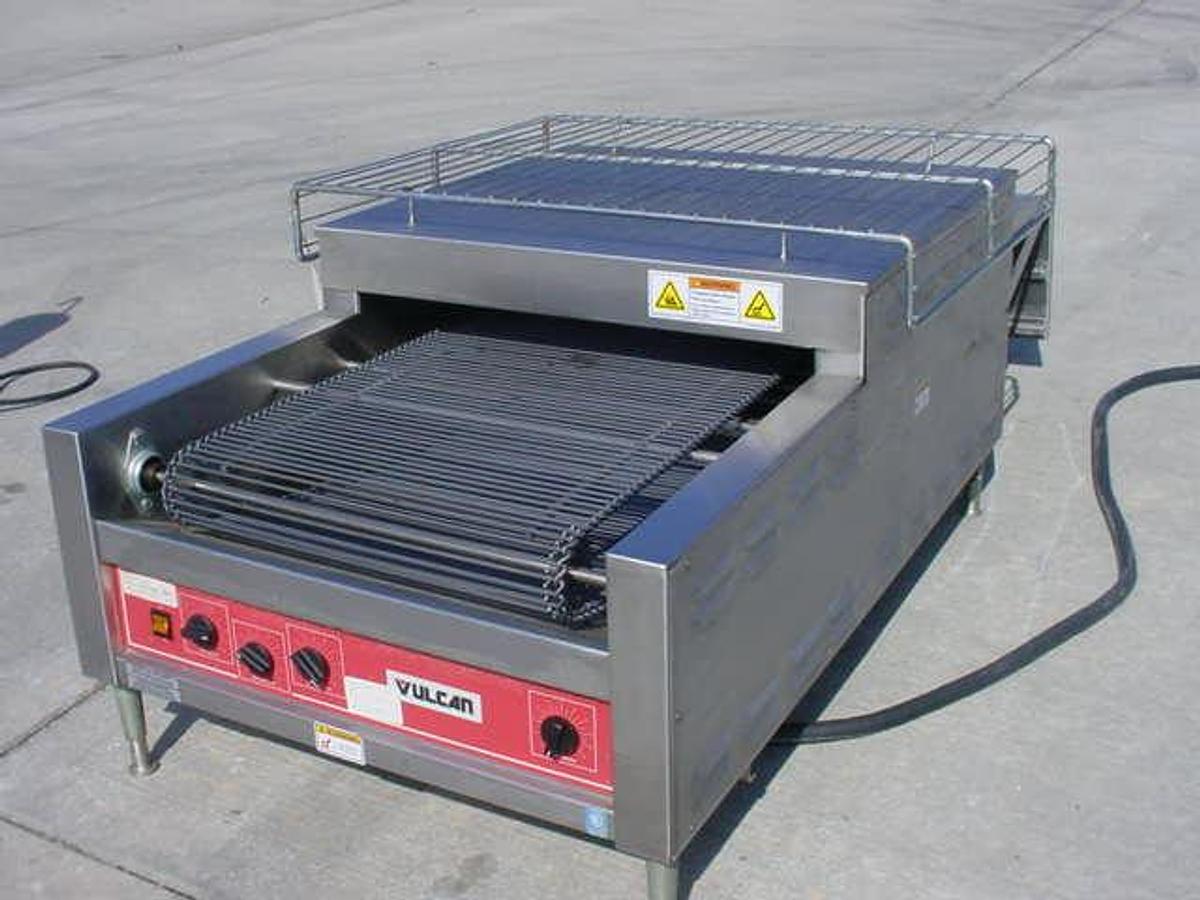
For food processing applications, brands like Superior, Wolverine Proctor, and Cleveland Range carry strong reputations in their respective niches. Vulcan is well-regarded in commercial food service and light industrial applications. When evaluating any brand in the used market, buyers should contact the manufacturer directly to ask two key questions: whether the model in question is still supported with parts, and what level of technical assistance is available for that age of equipment. A well-known brand name does not automatically mean parts are still in production, especially for units manufactured before the mid-1990s. Ovens built after 2000 generally benefit from better energy efficiency and a higher likelihood that compatible replacement components are still being manufactured, which reduces long-term ownership risk.
How old is too old when buying a used industrial oven?
There is no universal cutoff age for a used industrial oven, but age does directly affect two critical factors: parts availability and energy efficiency. Ovens manufactured after 2000 are generally considered the safer end of the used market because replacement heating elements, temperature controllers, and insulation materials are more likely to still be in production. Older units, particularly those from the 1980s or earlier, may have proprietary control systems that are no longer supported, making repairs difficult or expensive. That said, a well-maintained oven from the 1990s with a simple resistive heating system and a standard PID controller can still deliver years of reliable service, while a poorly maintained unit from 2010 could be a poor investment. Age is one factor, but condition and maintenance history carry equal or greater weight.
The intended application also matters. For general-purpose drying, curing, or heat-treating where temperature tolerances are not extremely tight, an older oven in good mechanical condition may be perfectly adequate. For pharmaceutical, aerospace, or electronics applications where temperature uniformity must meet strict specifications, buyers should prioritize units with verifiable calibration history and modern digital controls, which typically means focusing on equipment from the 2000s onward. Before dismissing an older unit, it is worth consulting the manufacturer to understand what service support and parts are still available. Some manufacturers maintain parts inventories for legacy equipment for decades. The key is to go in with clear information rather than assumptions, and to factor potential refurbishment costs into the total purchase price.
What certifications and compliance standards should a used industrial oven meet?
The relevant certifications for a used industrial oven depend heavily on the application and the industry it will serve. UL (Underwriters Laboratories) listing is one of the most commonly referenced safety certifications in North American markets, indicating the oven's electrical components and construction met established safety standards at the time of manufacture. CE marking is the equivalent standard for equipment used in European Union countries. OSHA compliance is less about a specific certification on the oven itself and more about how it is installed and operated within a facility, including proper ventilation, clearances, and operator safety procedures. For pharmaceutical manufacturing, ovens used in GMP environments may need to meet FDA 21 CFR Part 11 documentation requirements, which affects the type of controls and data recording the unit must support.
When buying used equipment, buyers should ask the dealer whether the unit was originally manufactured with UL or CE certification and whether that documentation is available. Keep in mind that modifications made to the oven after its initial certification, such as control upgrades or heating element replacements, can technically affect the validity of the original certification. For industries with strict regulatory oversight, like pharmaceutical, food processing, or aerospace, it is advisable to have the oven inspected and re-validated by a qualified technician after installation. Some buyers also choose to work with third-party inspection services that specialize in industrial equipment to verify that a used oven meets current safety and performance standards before it enters production service.
Can used industrial ovens be retrofitted or upgraded with modern controls?
Retrofitting used industrial ovens with modern controls is a common and cost-effective practice, particularly for older units that have solid structural and mechanical integrity but outdated temperature controllers or safety systems. The most frequent upgrade is replacing an analog or obsolete digital controller with a modern PID (proportional-integral-derivative) controller, which offers better temperature accuracy, programmable ramp-and-soak profiles, and often data logging capability. Brands like Watlow, Eurotherm, and Honeywell produce widely compatible aftermarket controllers that can be fitted to most oven configurations. Upgrading to a modern controller can meaningfully improve process repeatability, which matters in applications like composites curing, pharmaceutical drying, or electronics burn-in testing.
Beyond controls, other common retrofits include replacing aging heating elements, upgrading door seals and insulation to improve energy efficiency, adding data acquisition systems for process documentation, and installing updated over-temperature safety cutoffs. The feasibility and cost of these upgrades depend on the oven's construction and the availability of compatible components. Before purchasing a used oven with the intent to retrofit it, buyers should get quotes from qualified industrial electricians or oven service technicians to understand the full cost of bringing the unit up to their operational requirements. In many cases, a used oven that needs moderate control upgrades still represents significant savings over purchasing comparable capacity at current market prices, as long as the mechanical and structural components, including the chamber, insulation, and blower system, are in sound condition.
What should I know about shipping and delivery costs for a used industrial oven?
Shipping costs for used industrial ovens vary considerably based on the size and weight of the unit, the distance being shipped, and the level of packaging or crating required to protect the equipment in transit. Smaller tabletop or cabinet ovens can often be palletized and shipped via standard freight carriers at relatively modest cost. Larger units, including tunnel ovens, walk-in ovens, or industrial conveyor systems, may require custom crating and heavy-duty rigging for both loading at the dealer's facility and unloading at the buyer's site. Rigging services, which involve cranes, forklifts, or specialized machinery movers, are typically quoted separately and can add meaningfully to the total landed cost of the equipment.
Buyers should ask the dealer for a complete breakdown of packaging, rigging, freight, and any applicable fuel surcharges before committing to a purchase. Understanding the full landed cost, meaning the purchase price plus all costs to get the oven operational at the buyer's facility, is essential for making an accurate cost comparison. It is also worth asking whether the dealer ships internationally, as customs clearance, import duties, and compliance documentation can add further complexity and cost for cross-border transactions. For large or sensitive equipment, some buyers arrange for third-party machinery movers who specialize in industrial equipment relocation to handle the entire logistics chain, which can reduce the risk of transit damage and simplify the coordination between loading and delivery.
What payment terms are typical when purchasing used industrial equipment?
Most used equipment dealers require full payment before a machine is shipped or released. This is standard practice in the industry and reflects the nature of used machinery transactions, where the dealer needs to confirm funds before transferring ownership of equipment that cannot easily be returned or restocked. Payment is commonly accepted via wire transfer, which is the most widely used method for transactions of any significant size. Some dealers may accept other forms of payment depending on the transaction amount and the buyer's relationship with the seller.
Buyers who have an established purchasing history with a particular dealer may find that the dealer is willing to discuss alternative arrangements, but first-time buyers should expect to pay in full prior to shipment. For buyers concerned about the risk of paying before receiving equipment, working with a reputable dealer who has a verifiable track record in the industry is the most important safeguard. Checking the dealer's history, looking for references, and conducting a thorough inspection before payment are all reasonable steps. Some buyers also use escrow services for large transactions, though this is less common in used industrial equipment than in real estate or other asset classes. The key is to complete all due diligence, including inspection and any technical questions, before funds are transferred.
What is temperature uniformity and why does it matter when selecting a used industrial oven?
Temperature uniformity refers to how consistently heat is distributed throughout the oven's working chamber during operation. A perfectly uniform oven would maintain the exact same temperature at every point inside the chamber simultaneously. In practice, all ovens have some degree of variation, and the acceptable range depends entirely on the application. For general drying or curing of non-critical materials, a variation of plus or minus 10 degrees Fahrenheit may be perfectly acceptable. For aerospace composite curing, pharmaceutical sterilization, or electronics burn-in testing, the required uniformity may be plus or minus 2 to 5 degrees Fahrenheit or tighter, and those tolerances are often governed by industry specifications like AMS 2750 for aerospace heat treating.
In the used oven market, temperature uniformity is a specification that buyers often overlook until after purchase. Over time, heating elements can degrade unevenly, insulation can develop hot or cold spots, and blower motors can lose efficiency, all of which affect uniformity. Buyers with strict process requirements should ask whether the oven has any existing temperature uniformity survey (TUS) data on file, and factor in the cost of having a fresh TUS performed after installation. Even if a used oven passes a basic functional inspection, it may need recalibration or element replacement to meet tight uniformity specs. For applications where uniformity is critical, it is worth specifying this requirement explicitly when talking to the dealer so the right unit is identified from the start rather than discovering a mismatch after the oven arrives.
What industries commonly use industrial ovens, and how do applications differ across sectors?
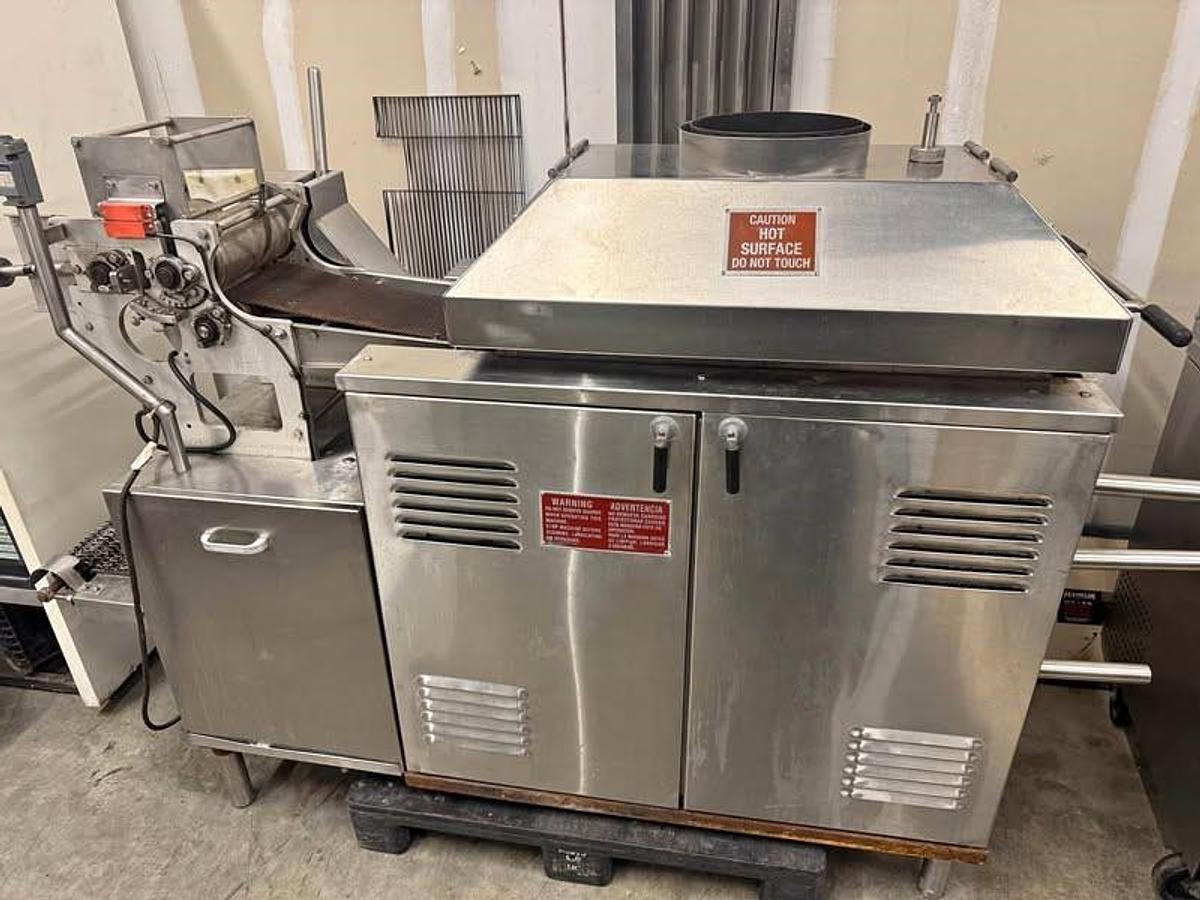
Industrial ovens serve an exceptionally broad range of industries, and the specific requirements vary enough that an oven well-suited for one application may be completely wrong for another. In manufacturing, batch and conveyor ovens are used for powder coat curing, paint drying, adhesive bonding, and composite curing in sectors like automotive, aerospace, and electronics. The food industry relies on tunnel ovens, conveyor ovens, and steam-heated dryers for baking, drying, and cooking at production scale, with equipment like corn tortilla ovens or continuous dryers handling hundreds of units per hour. Pharmaceutical and life sciences operations use ovens for sterilization, drying of active ingredients, and stability testing, often requiring stainless steel interiors, chart recorders for regulatory documentation, and tight temperature uniformity.
Laboratory and research applications use smaller precision ovens and incubators for sample drying, bacteriological work, and materials testing, where brands like Thermo Scientific, Blue M, Forma Scientific, and Hotpack are common finds in the used market. Each of these sectors has different expectations around construction materials, temperature range, airflow design, and documentation requirements. A pharmaceutical buyer, for example, will prioritize stainless steel construction, cleanroom compatibility, and calibration records, while a fabrication shop curing powder coat may care primarily about chamber size, temperature range, and energy efficiency. Understanding the specific demands of the intended application before searching the used market makes it far easier to evaluate whether a given unit is a practical fit.