Category
Manufacturer
Model
Used Form Fill Seal Machines for Sale
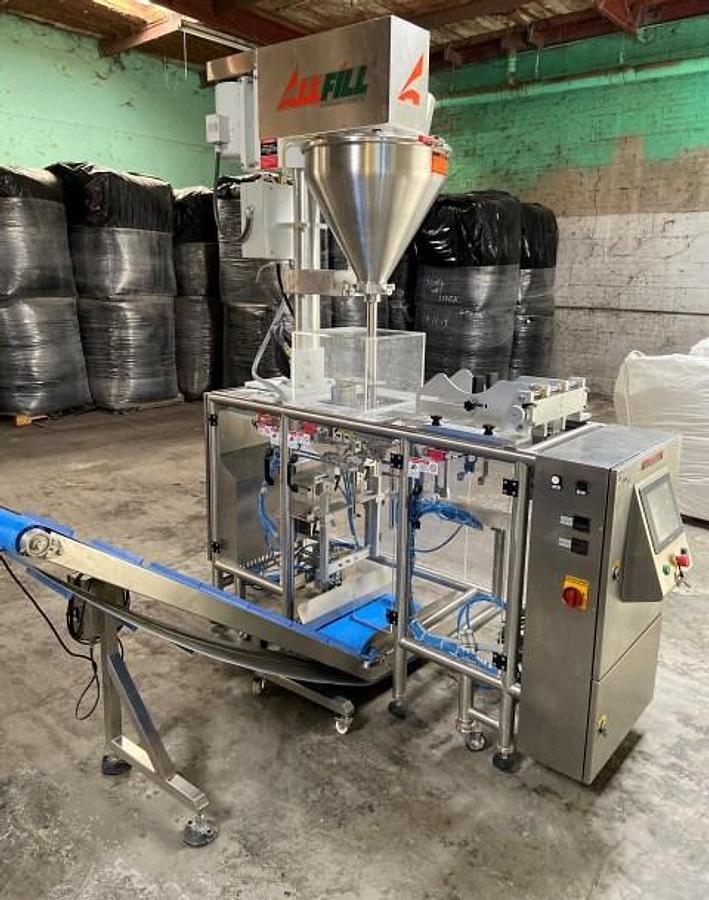
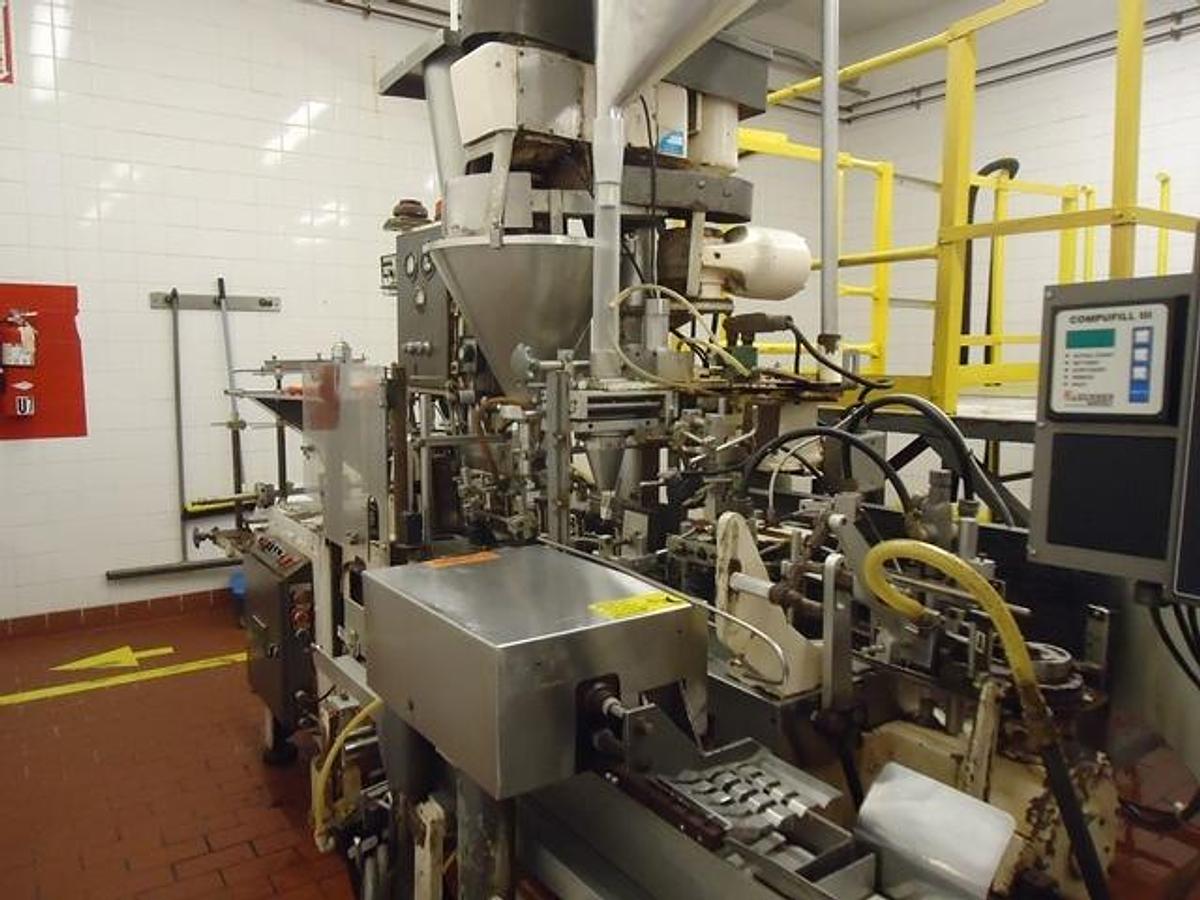
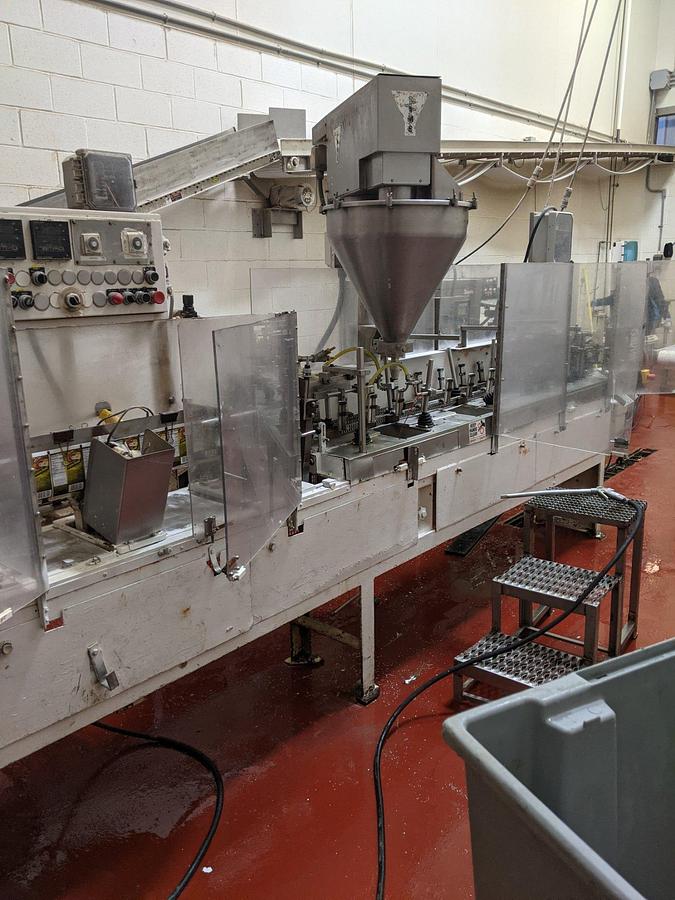
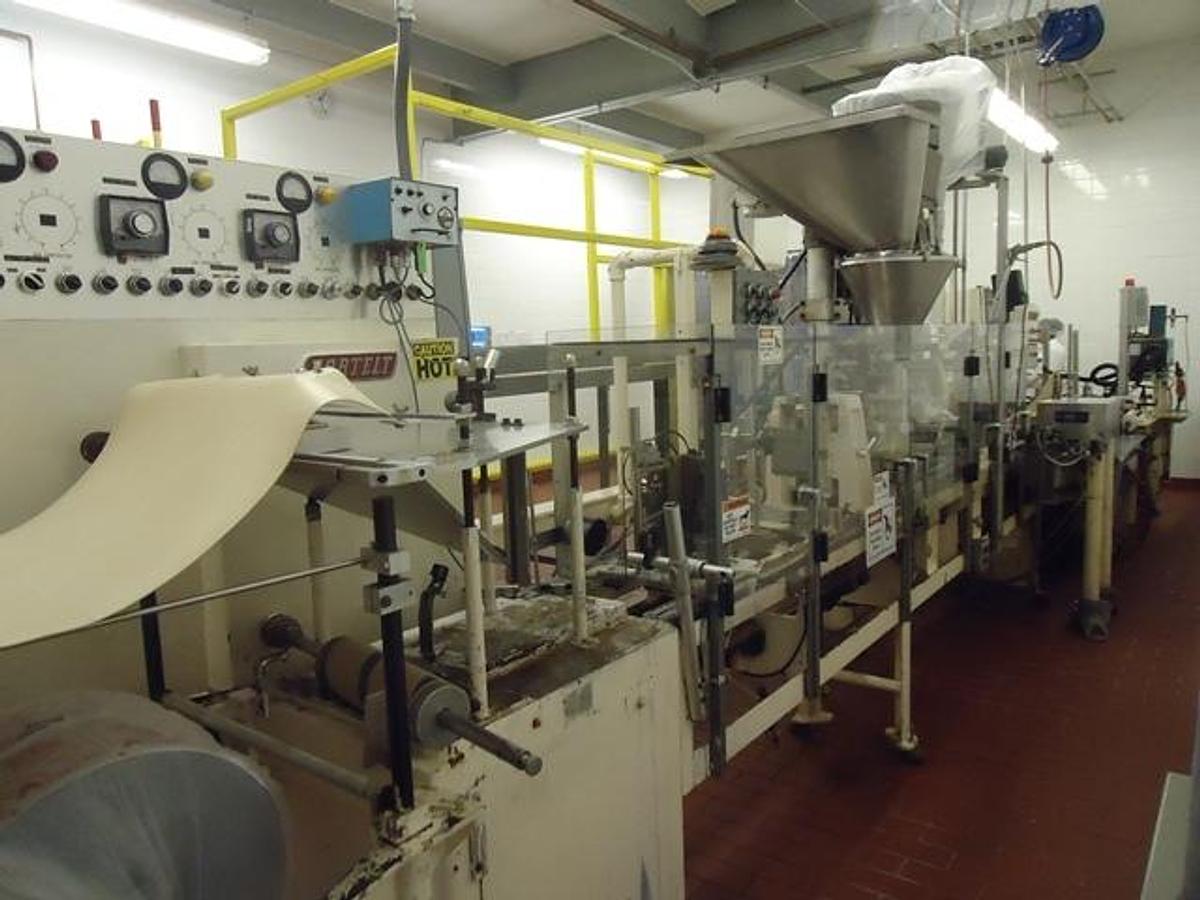
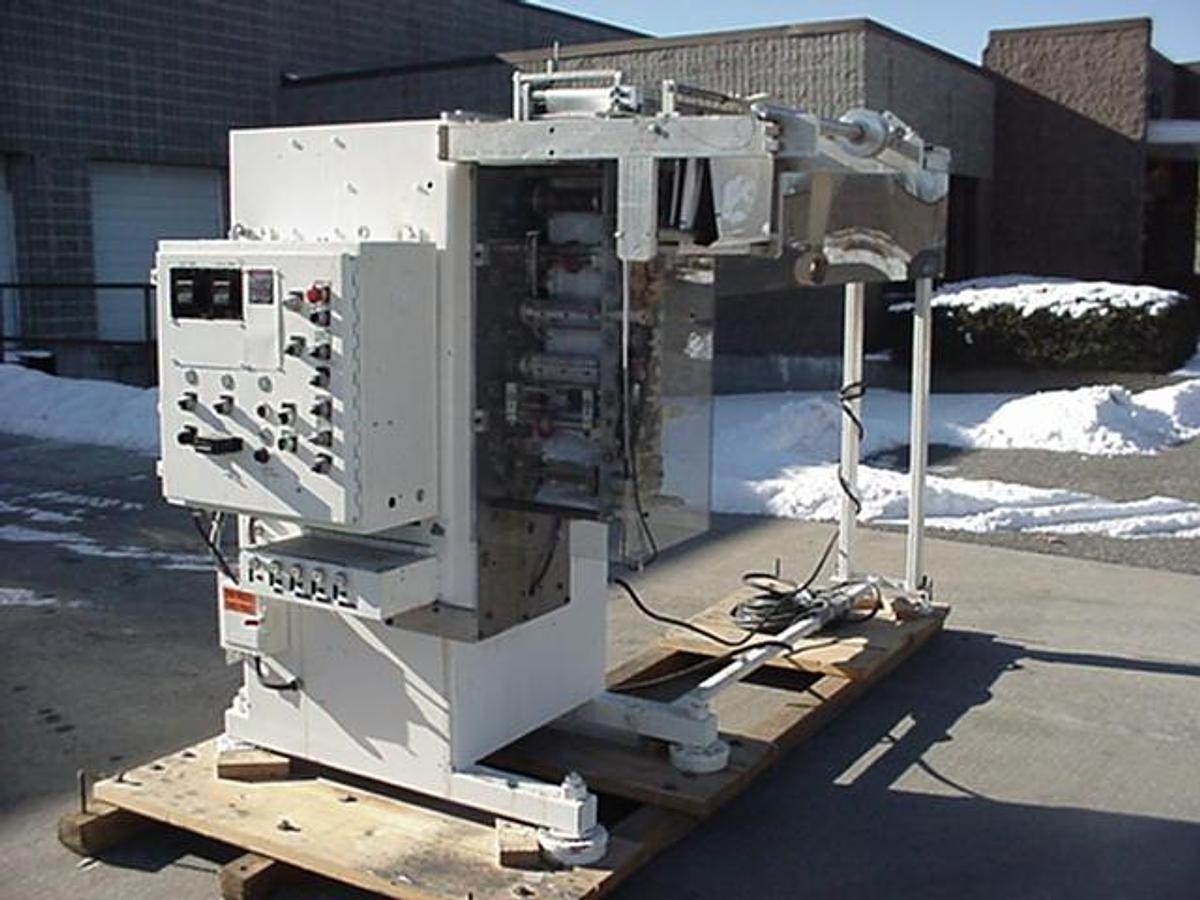
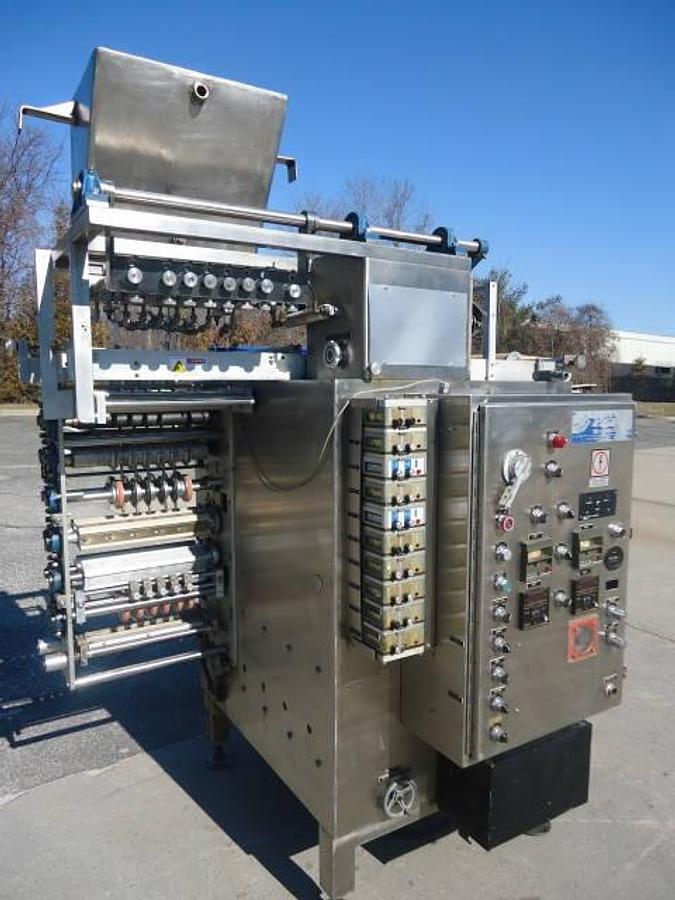
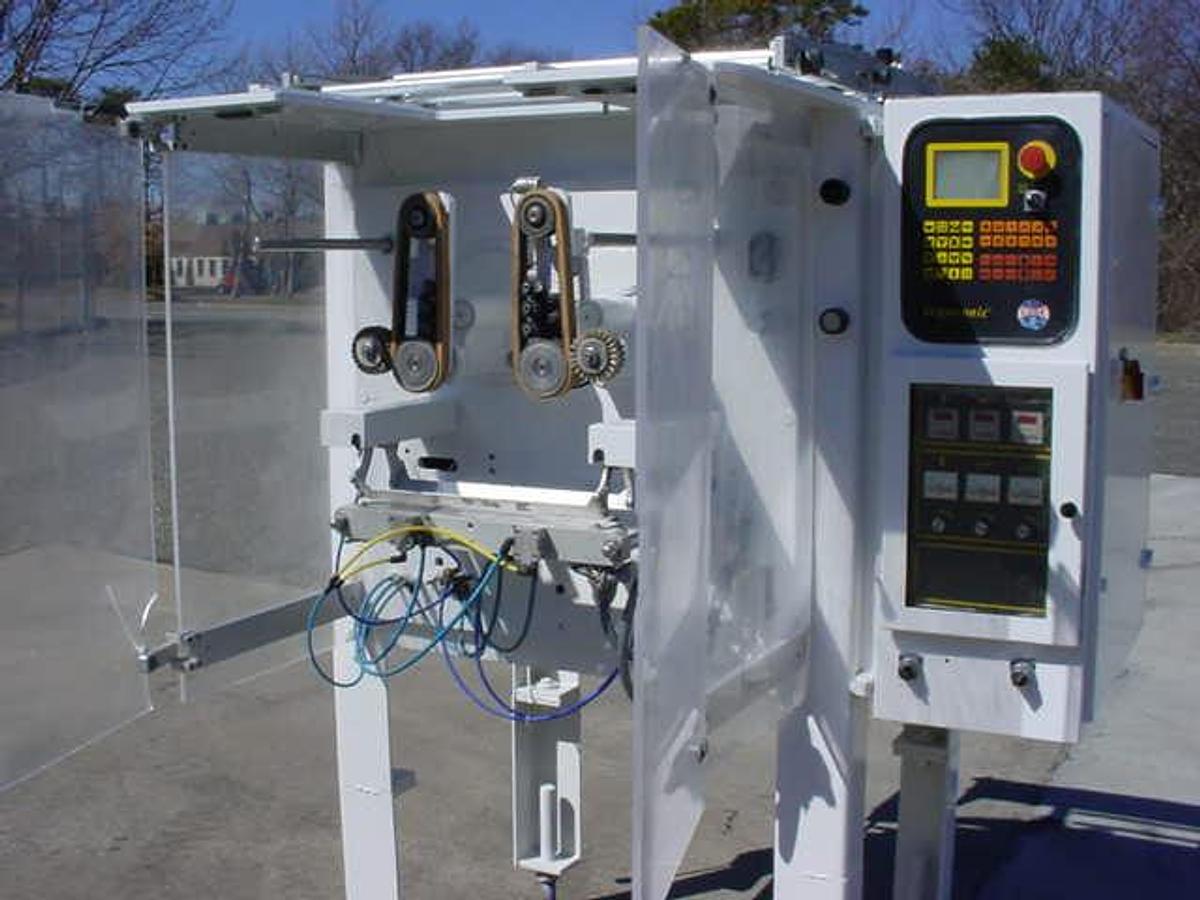
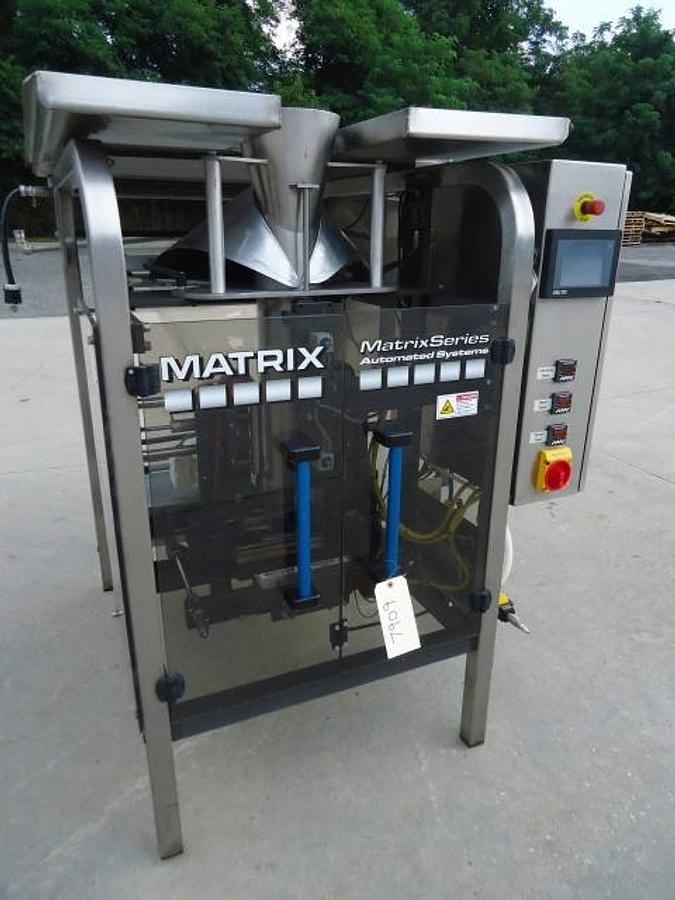
Pre-Owned Vertical and Horizontal Form Fill Seal Baggers In Stock
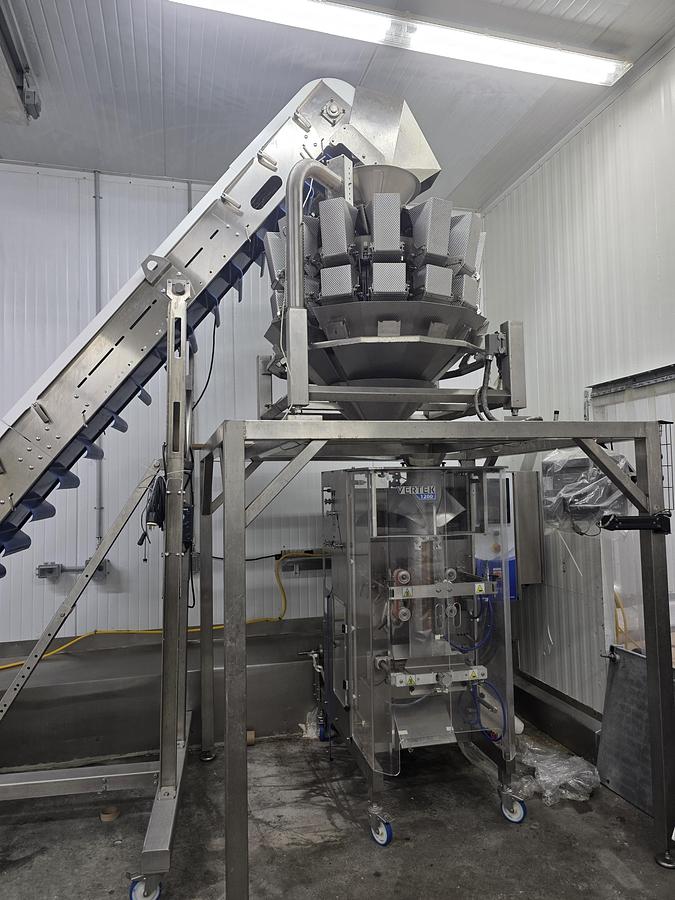
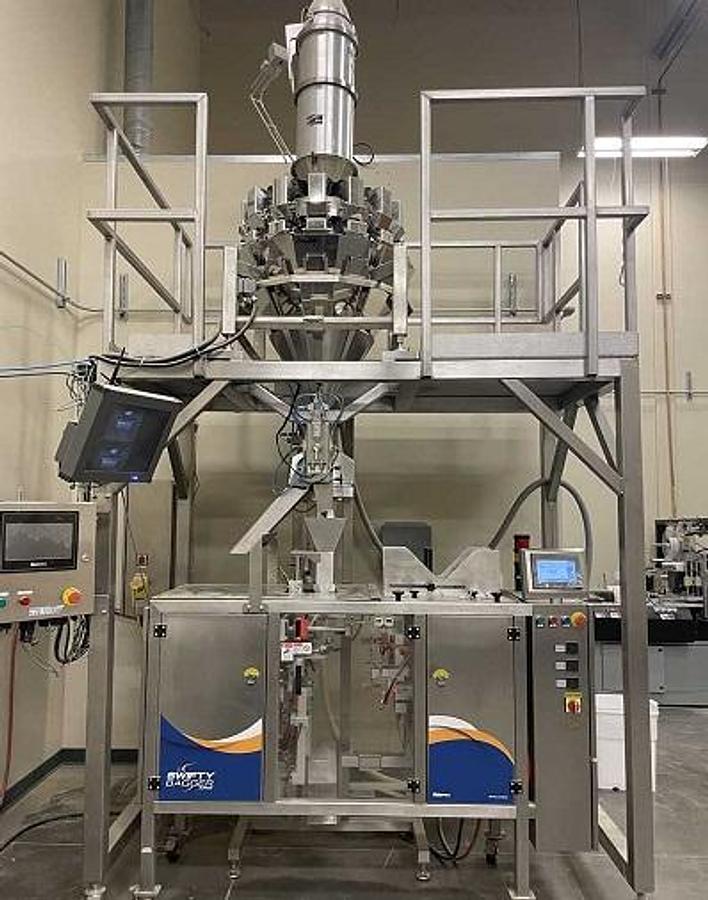
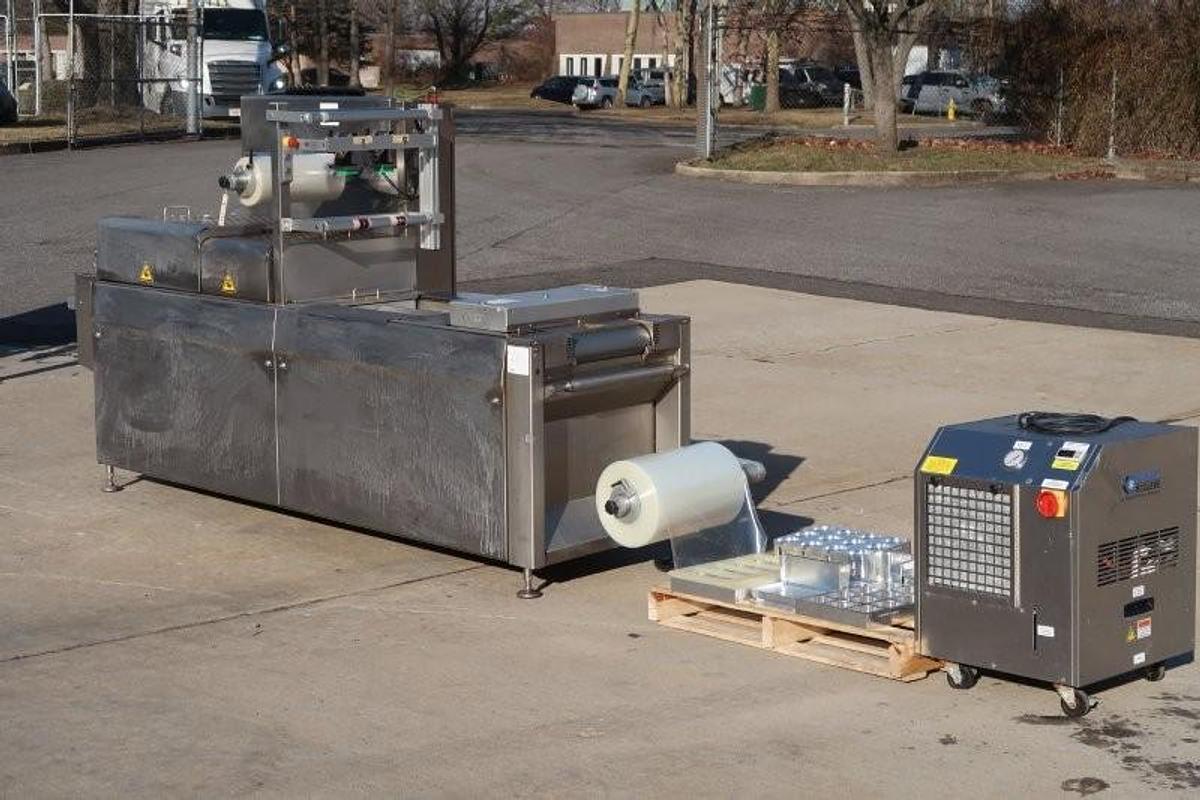
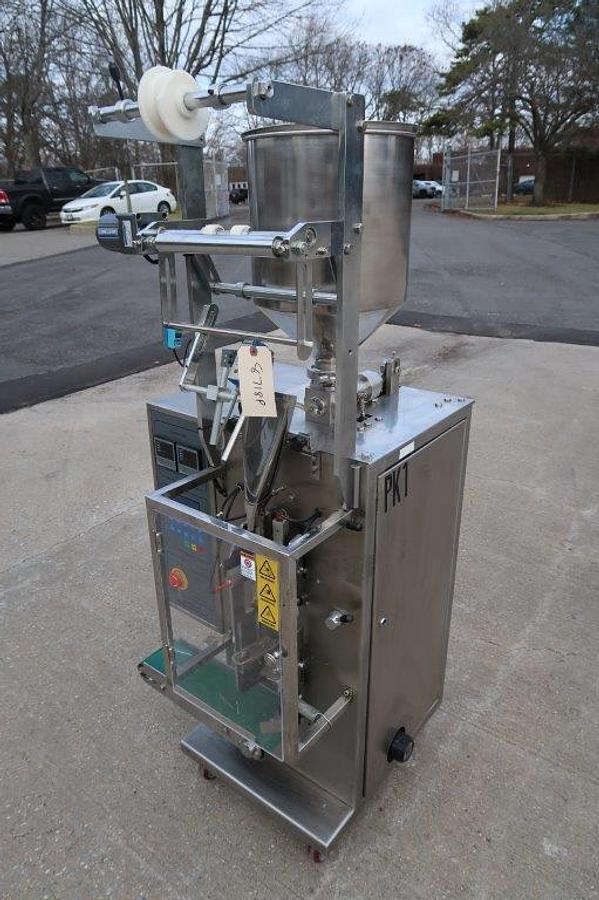
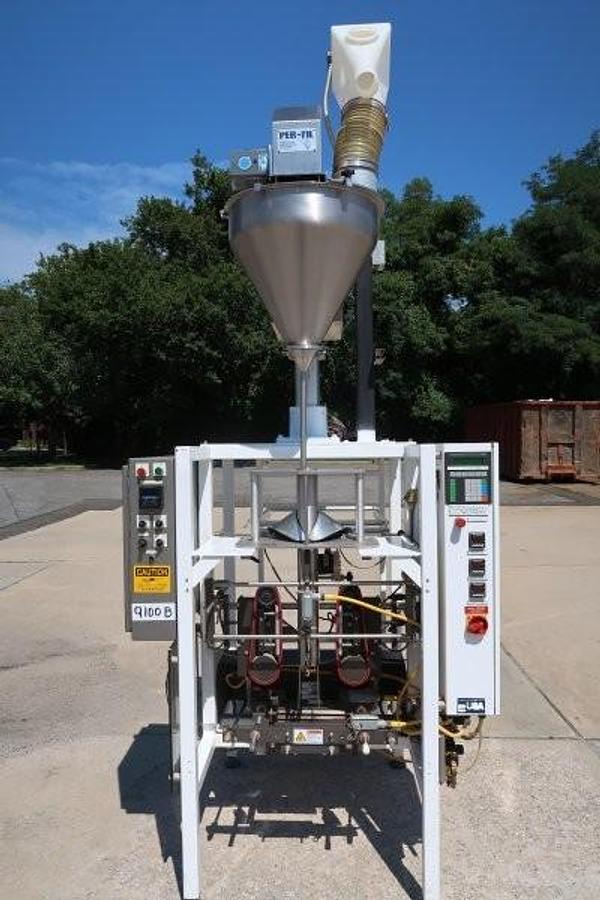
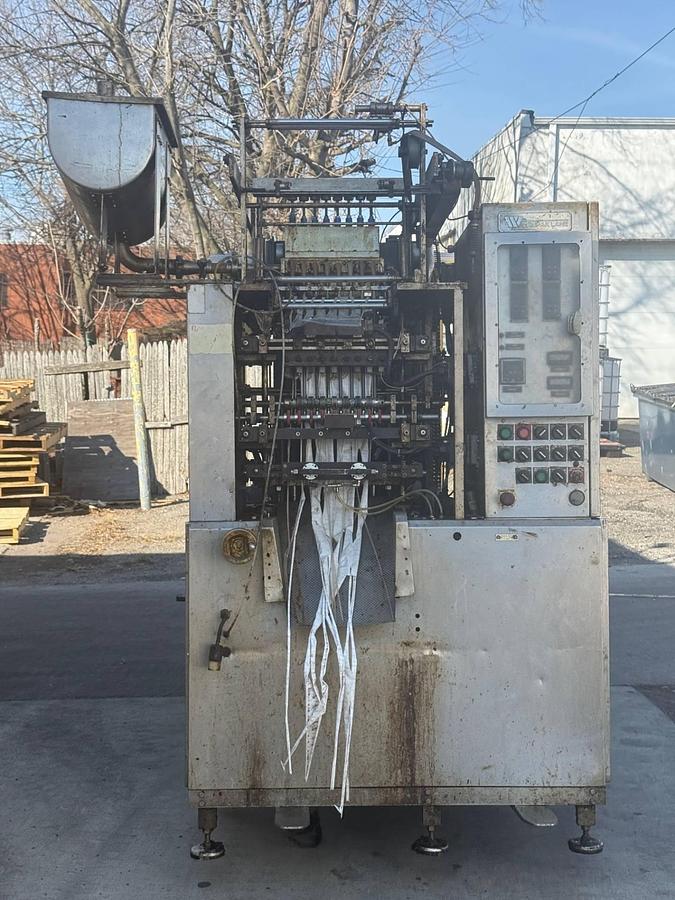
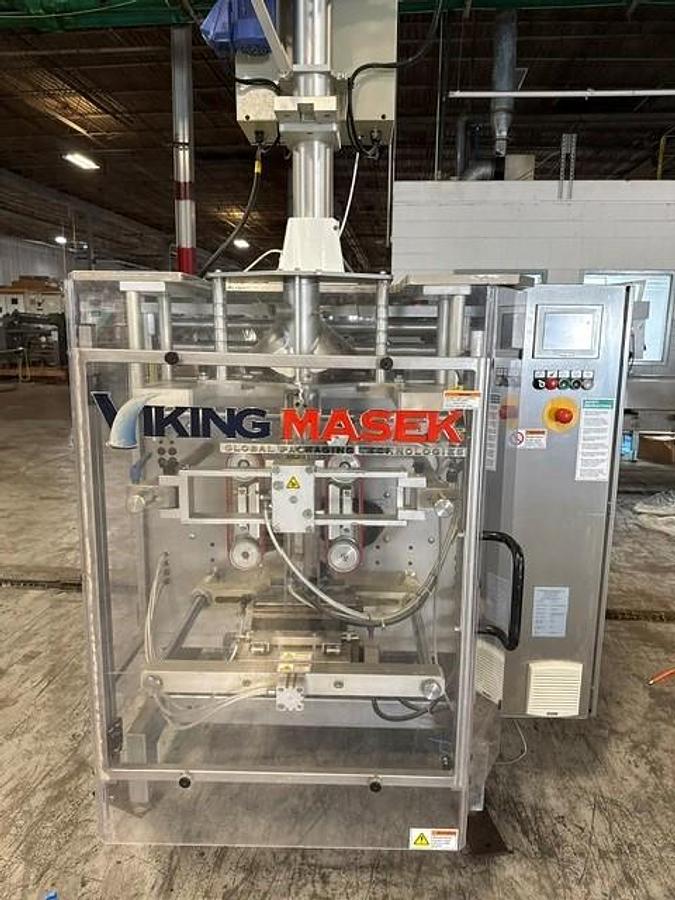
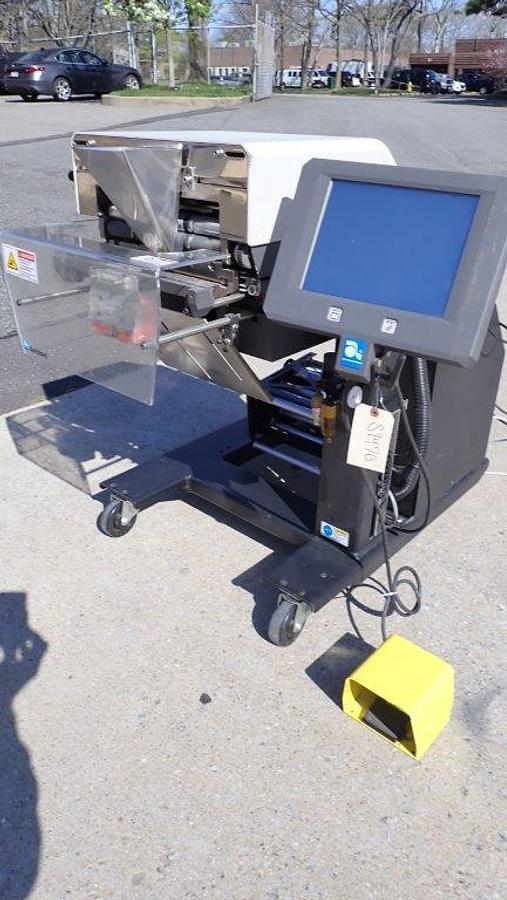
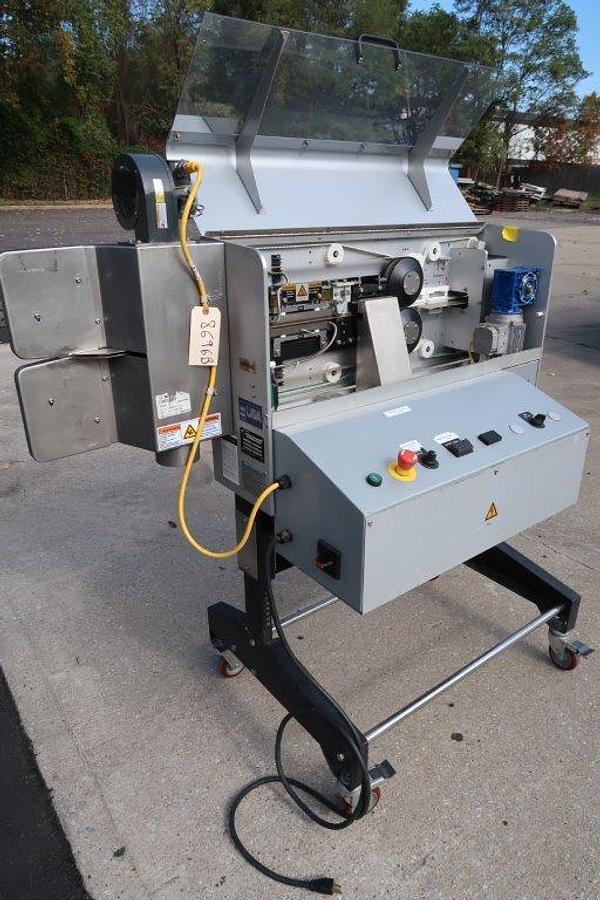
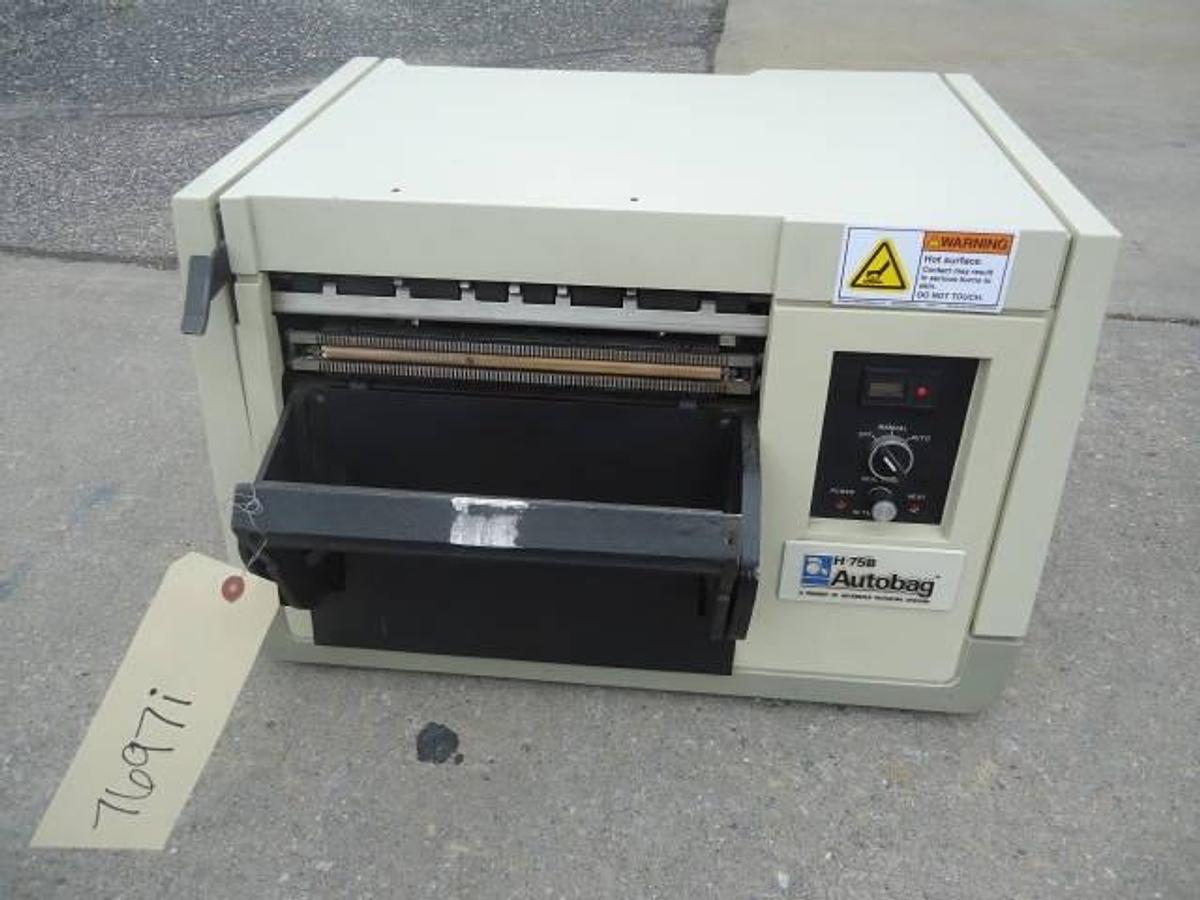
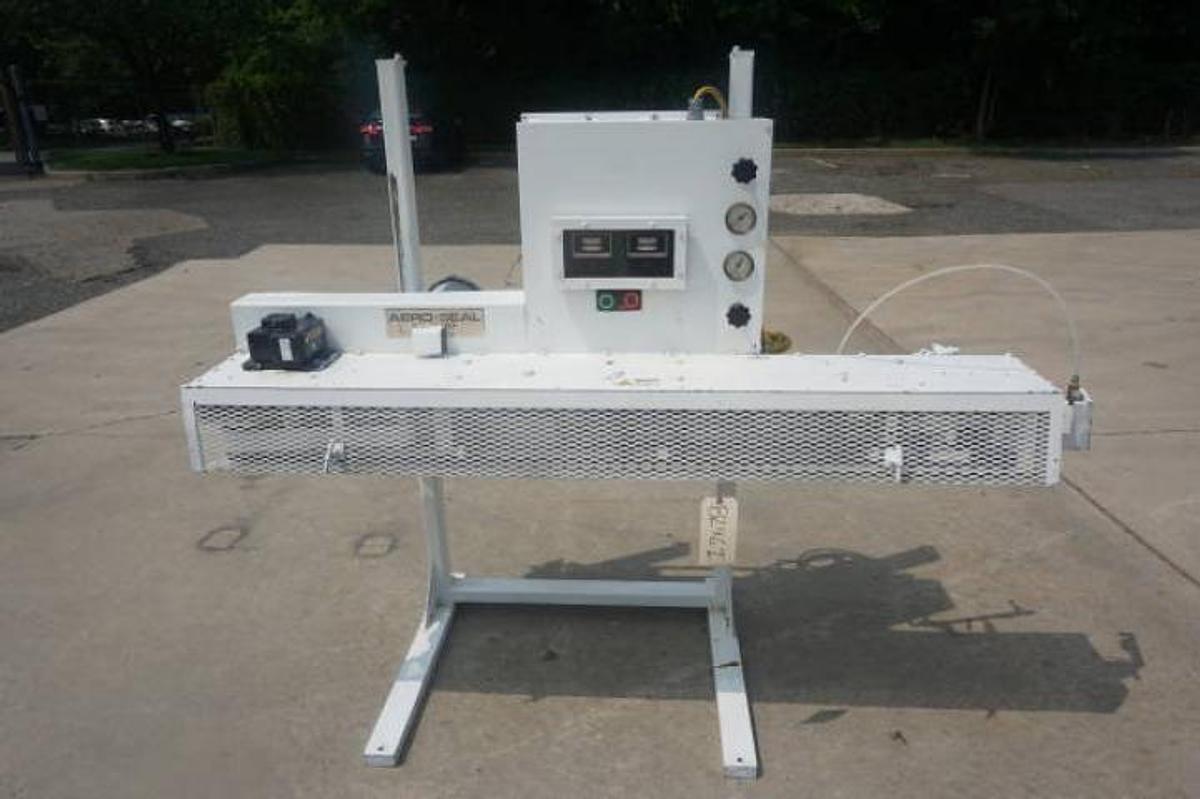
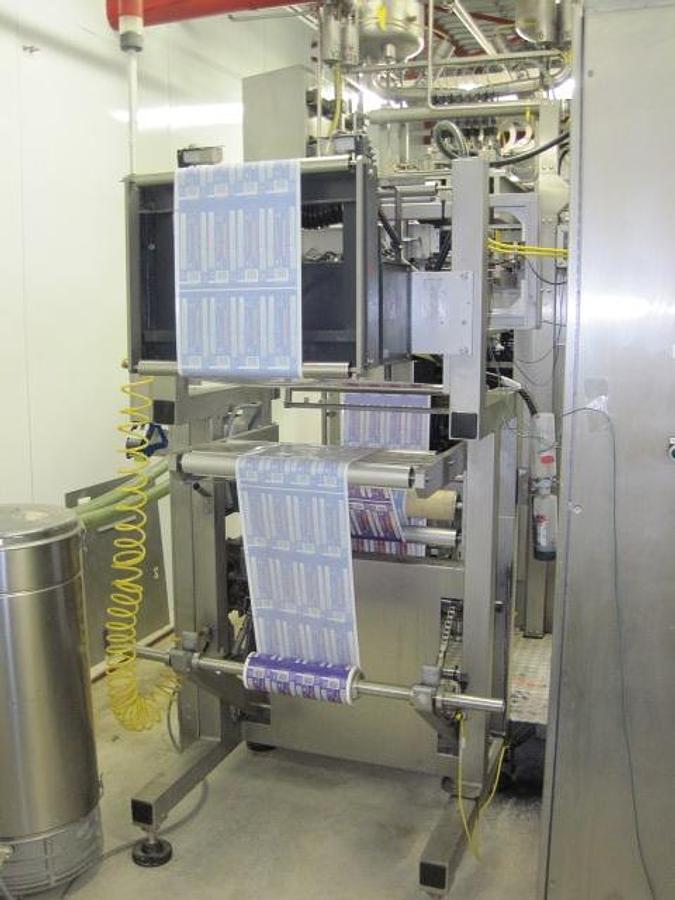
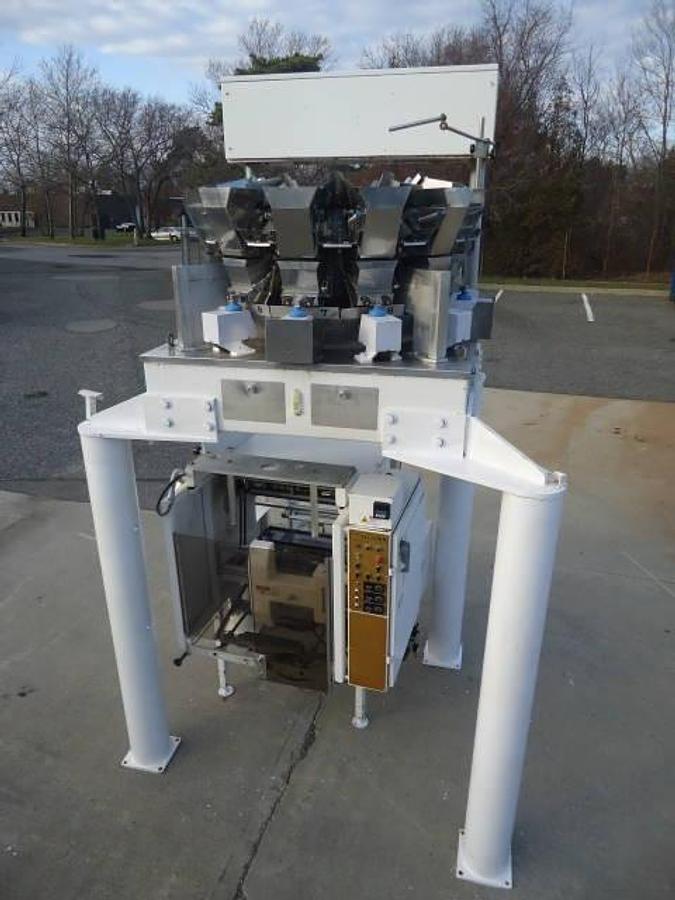
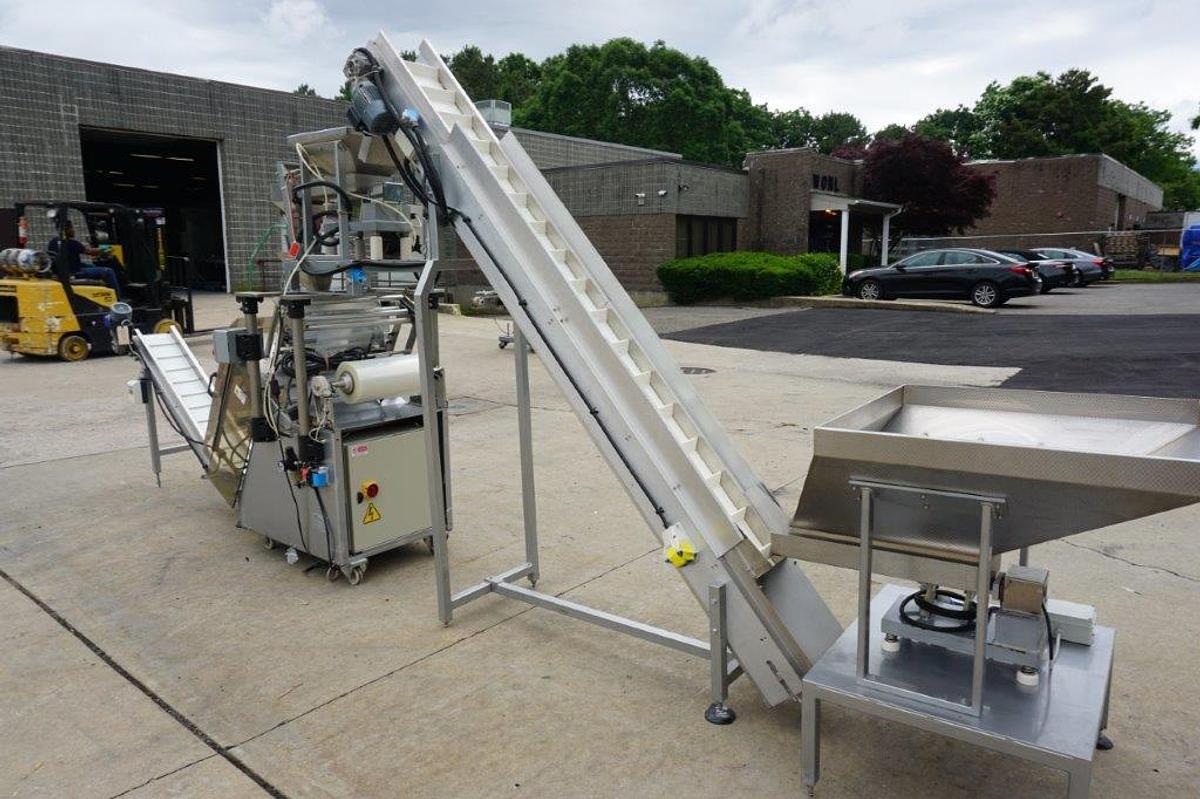
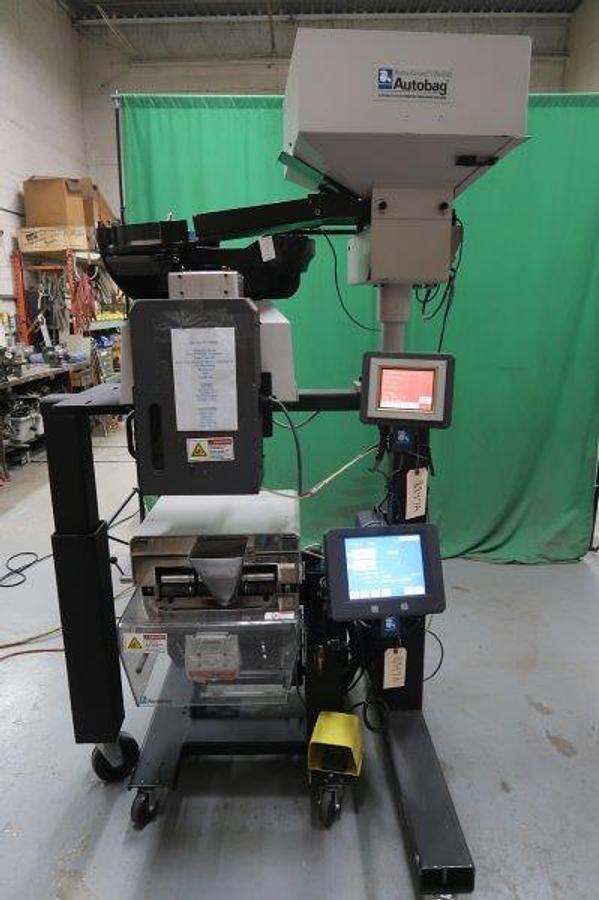
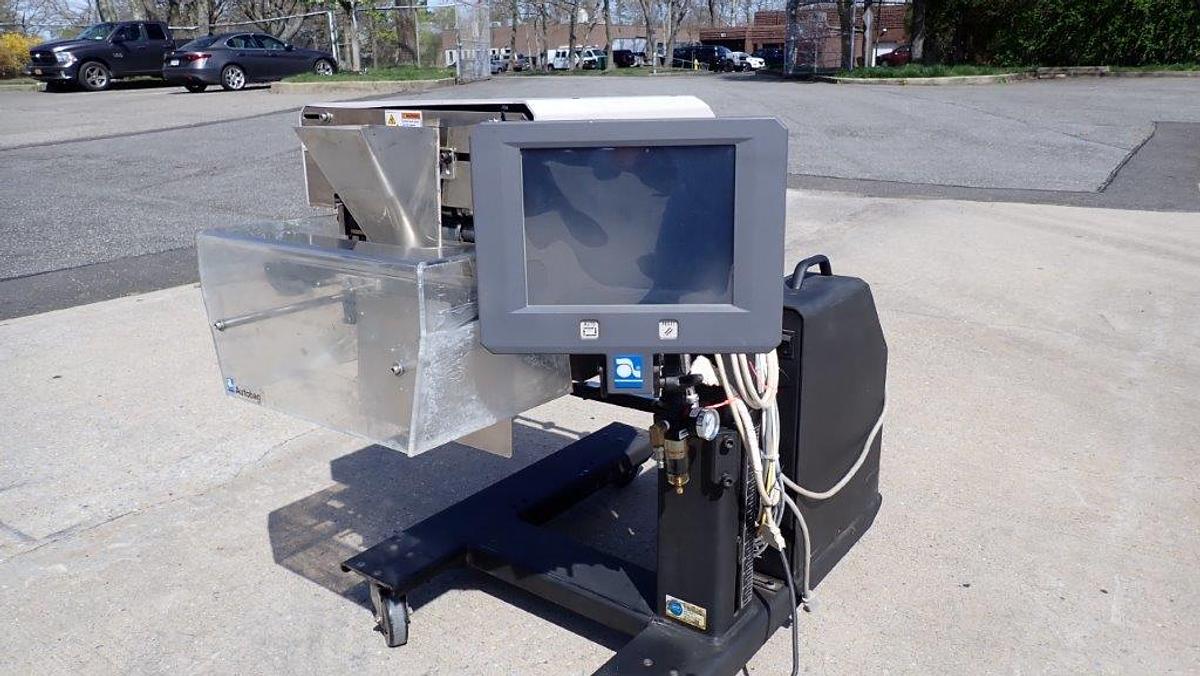
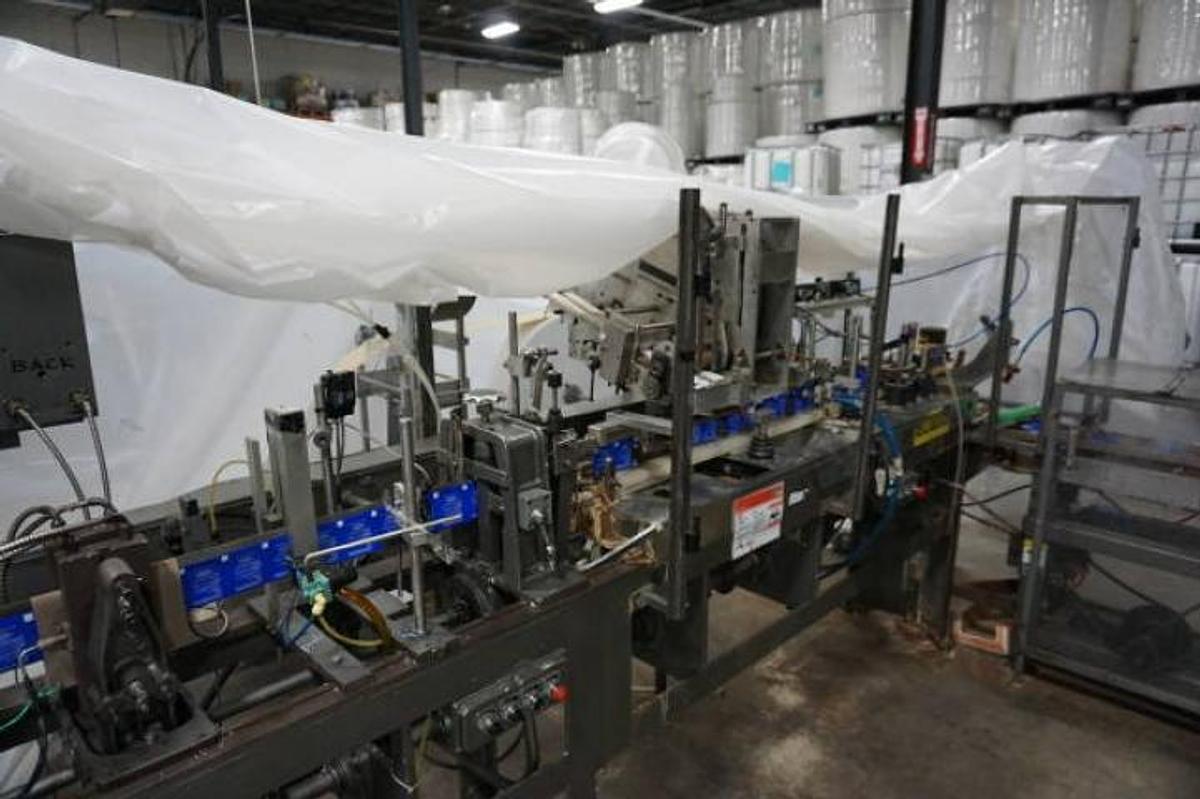
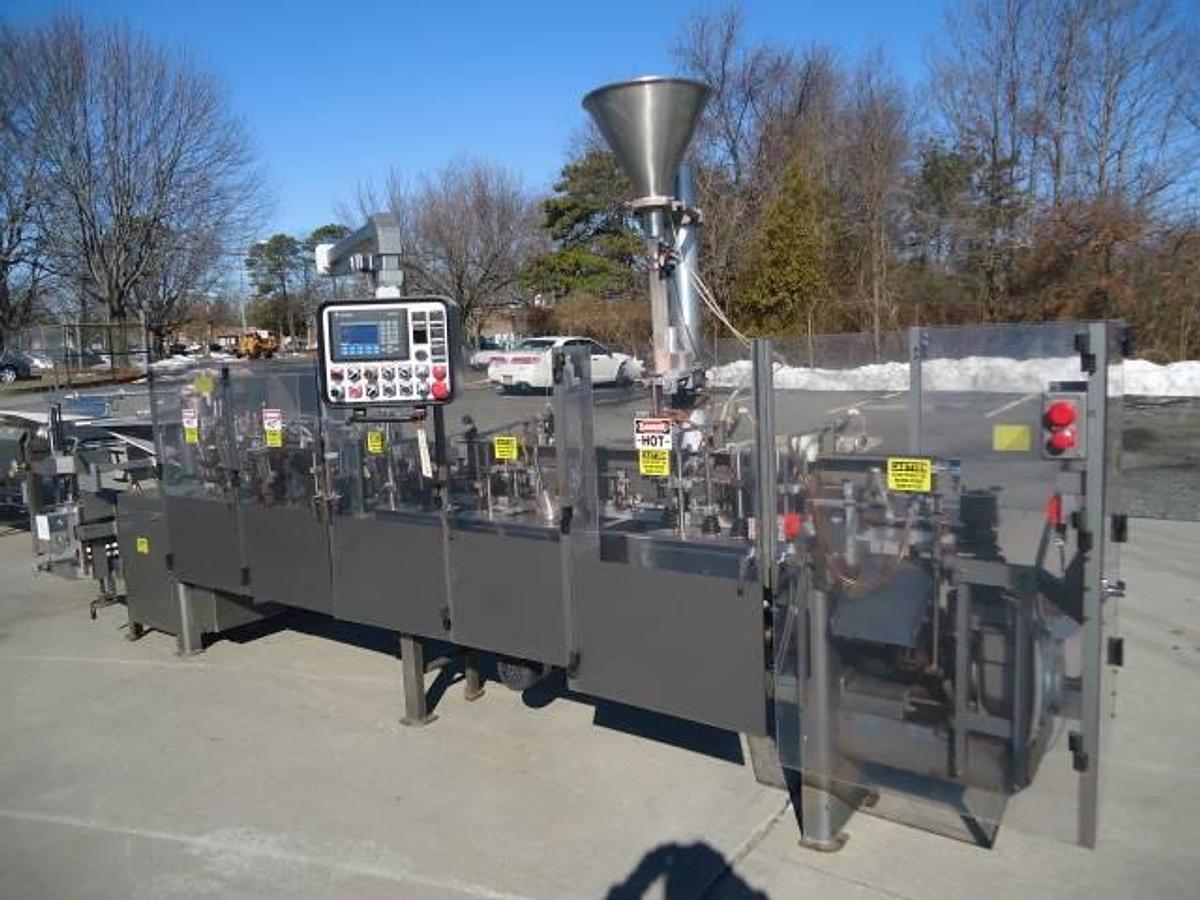
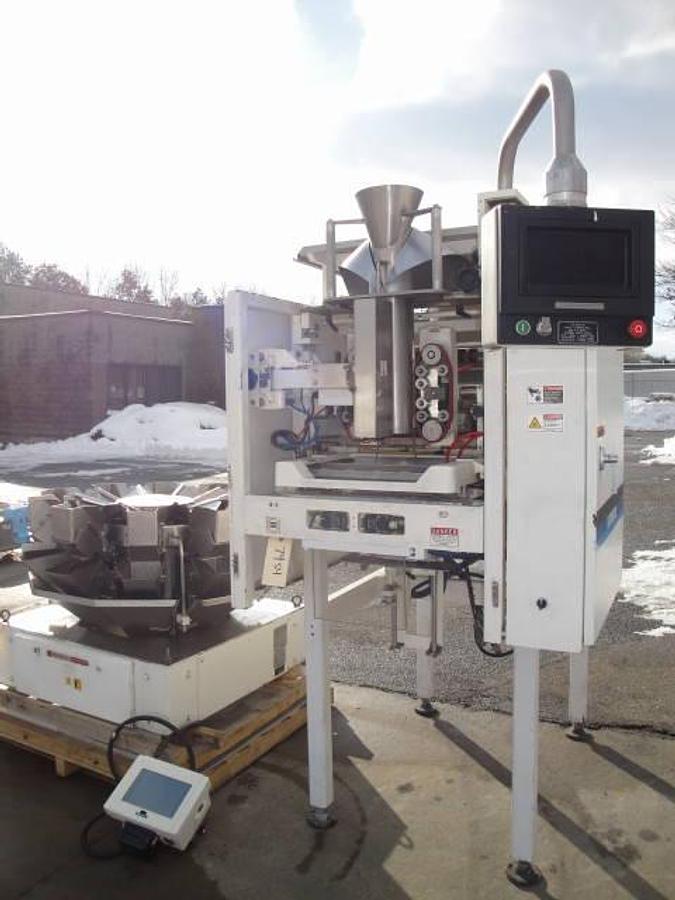
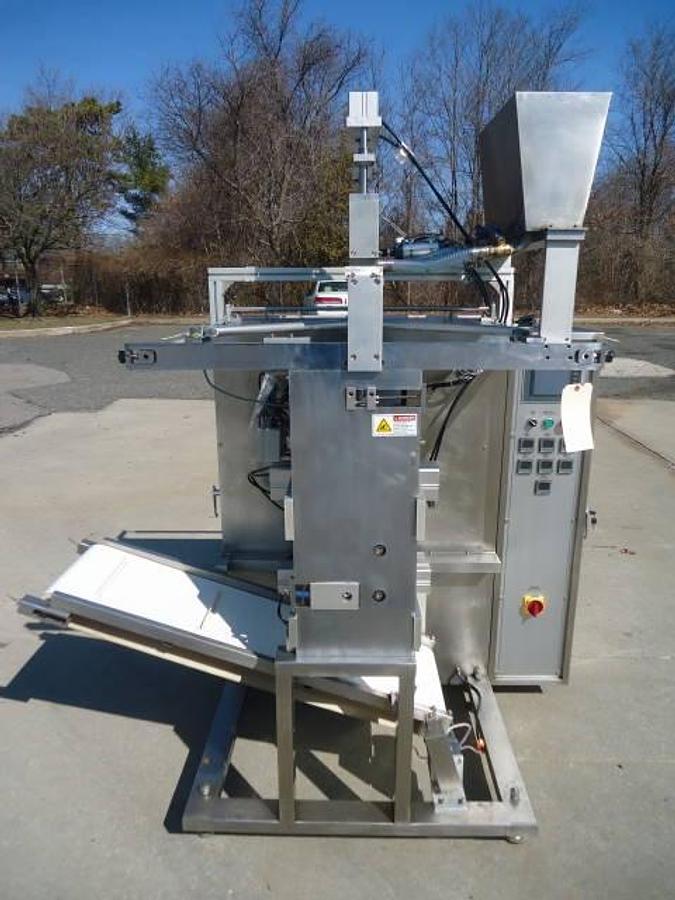
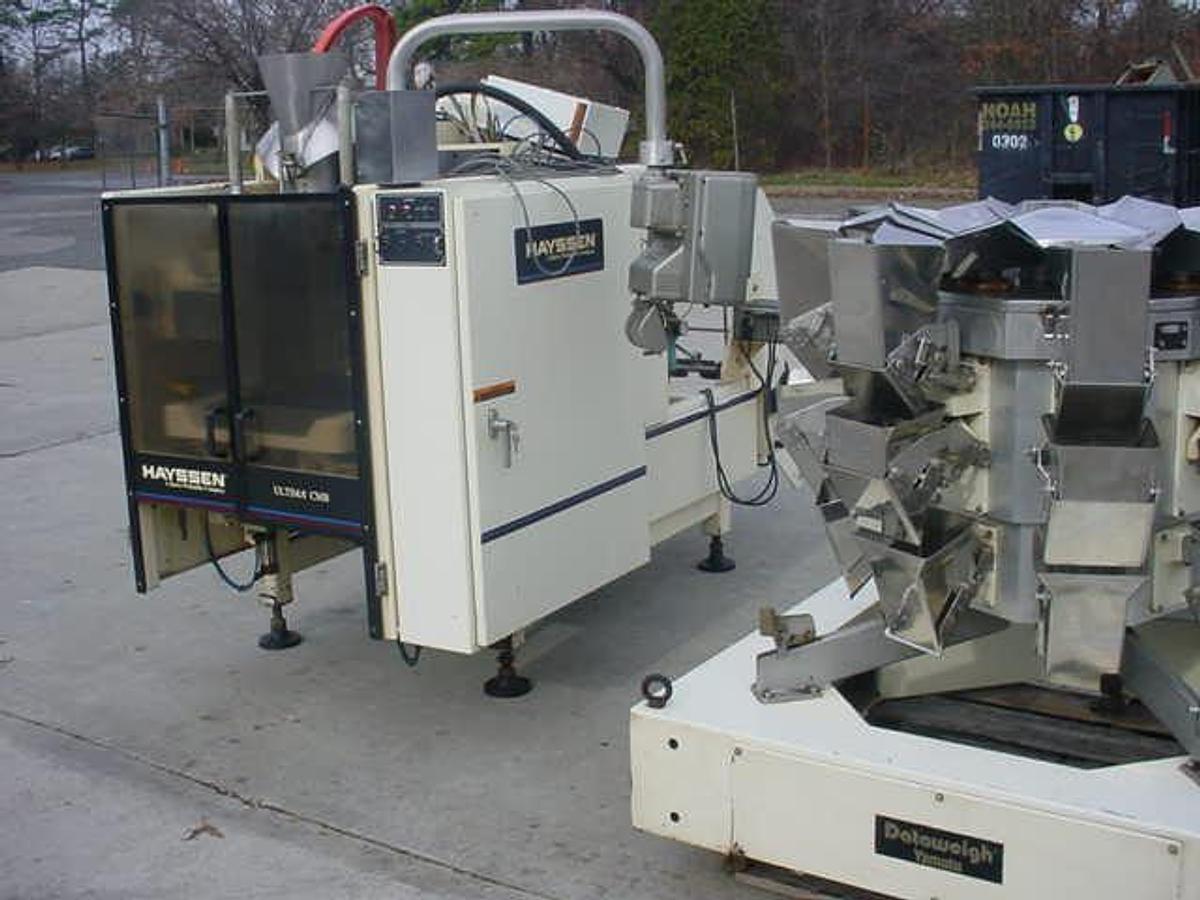
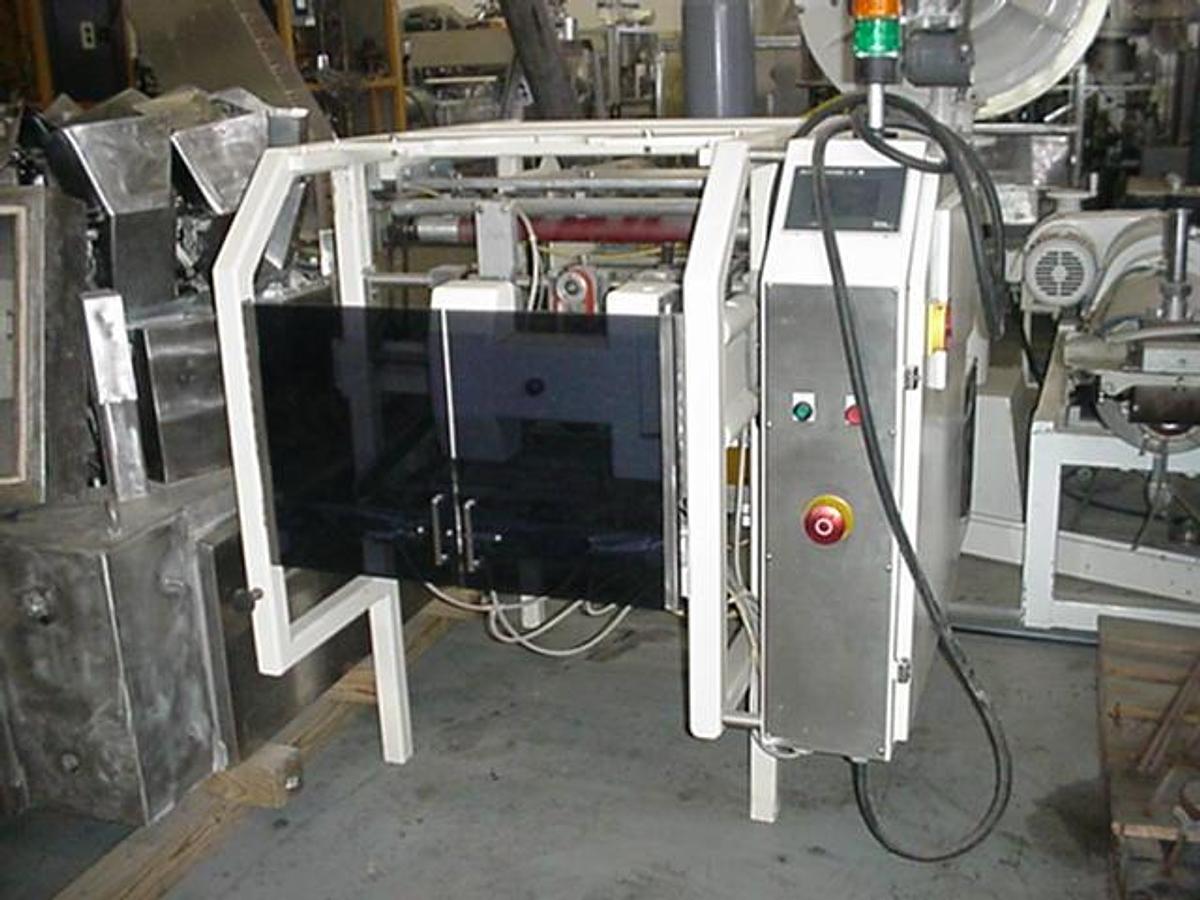
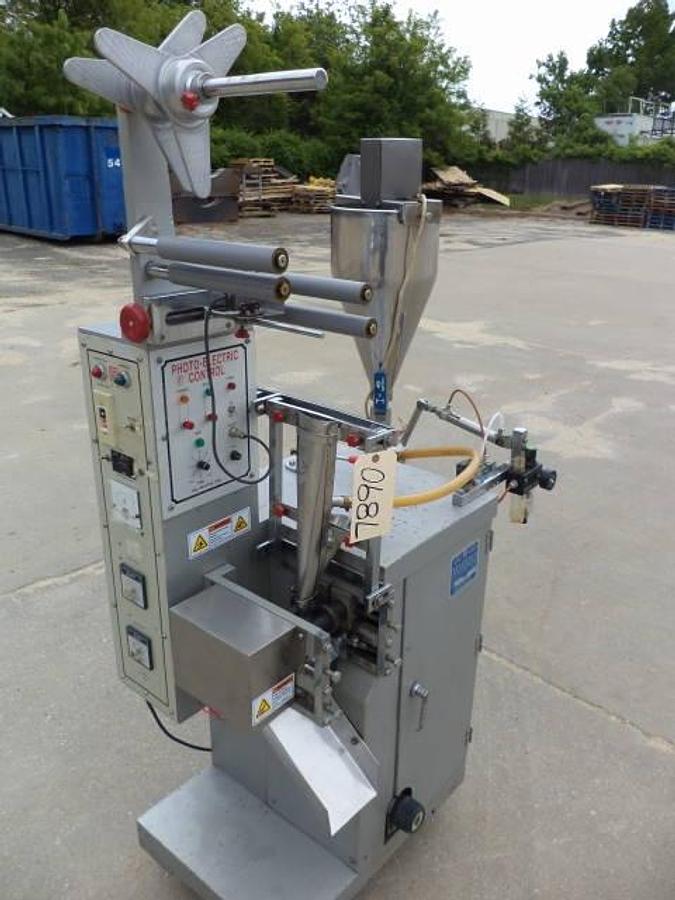
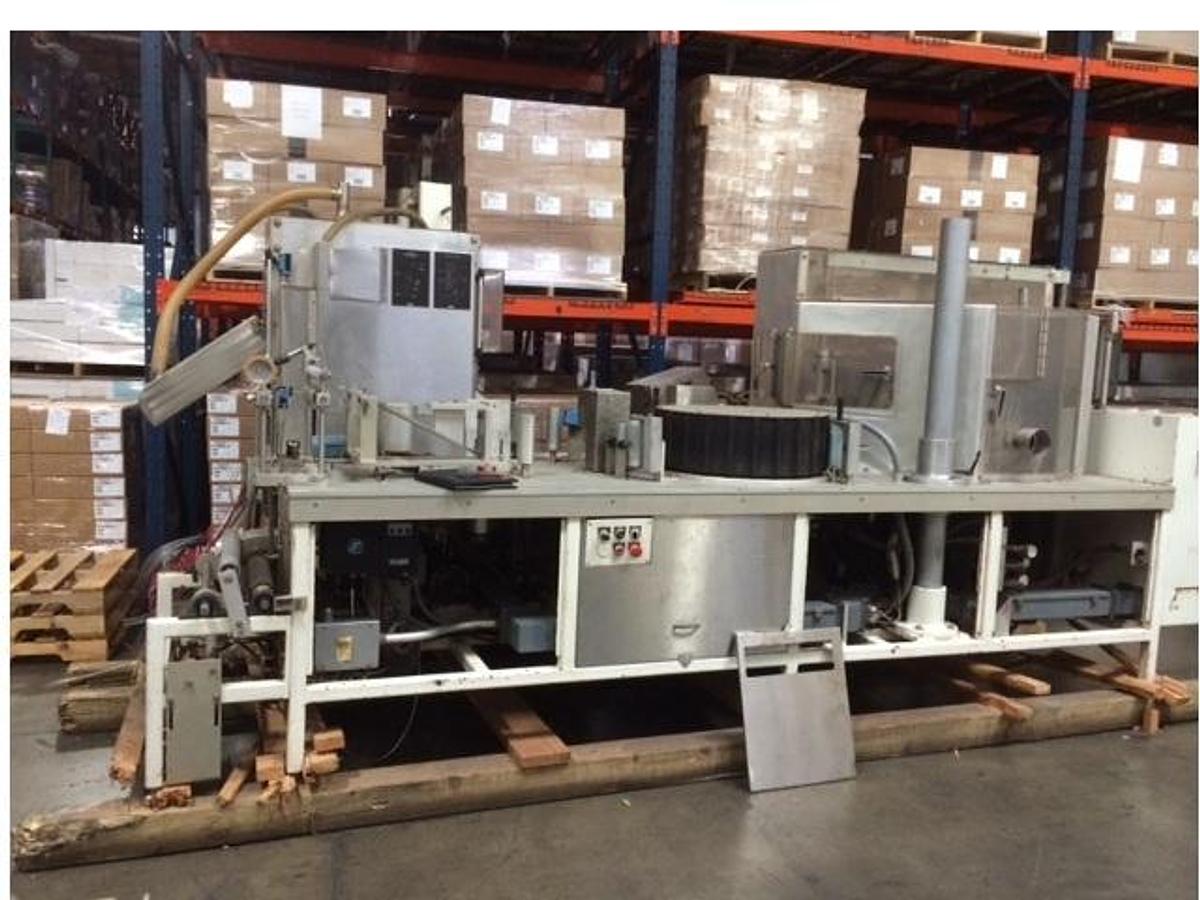
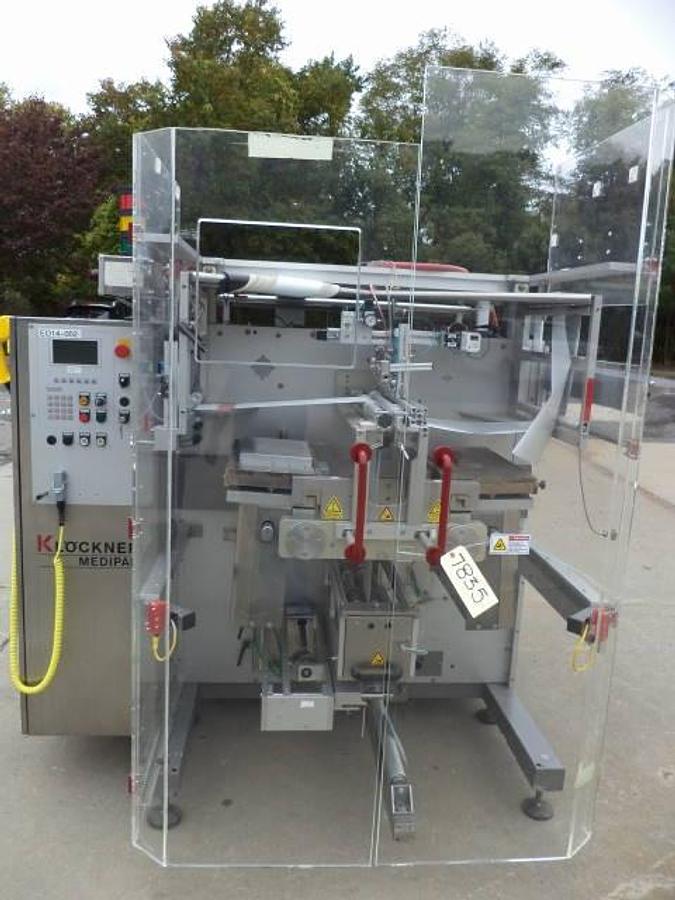
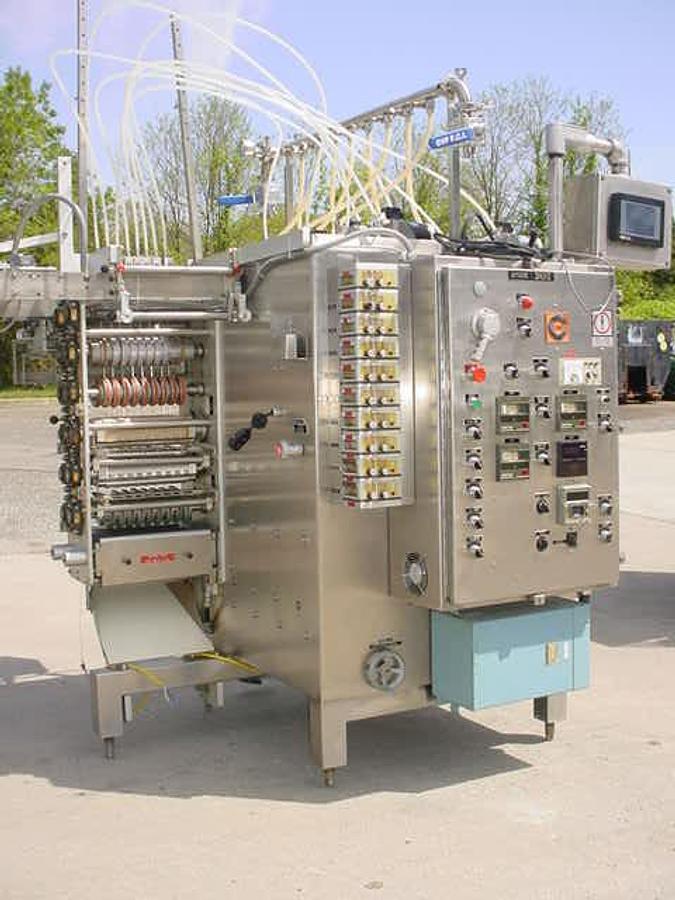
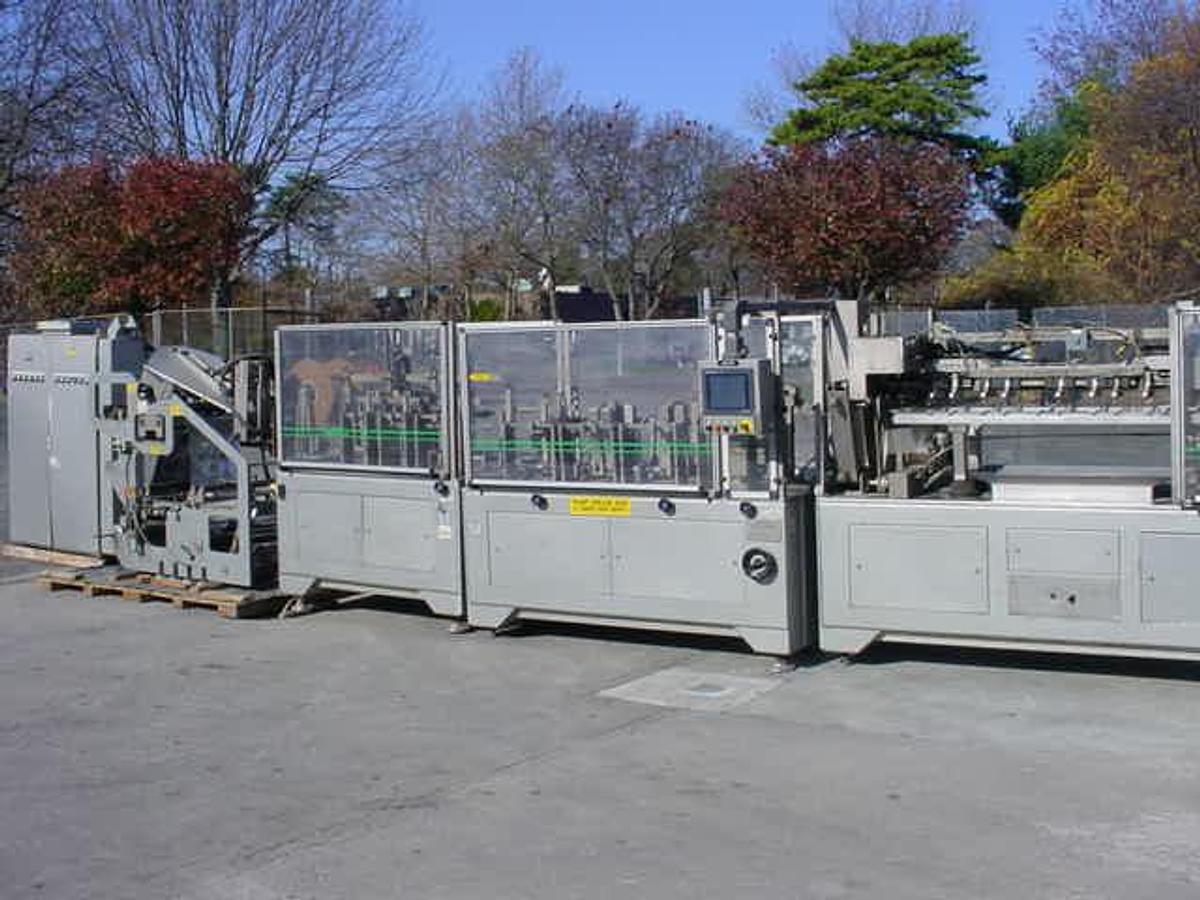
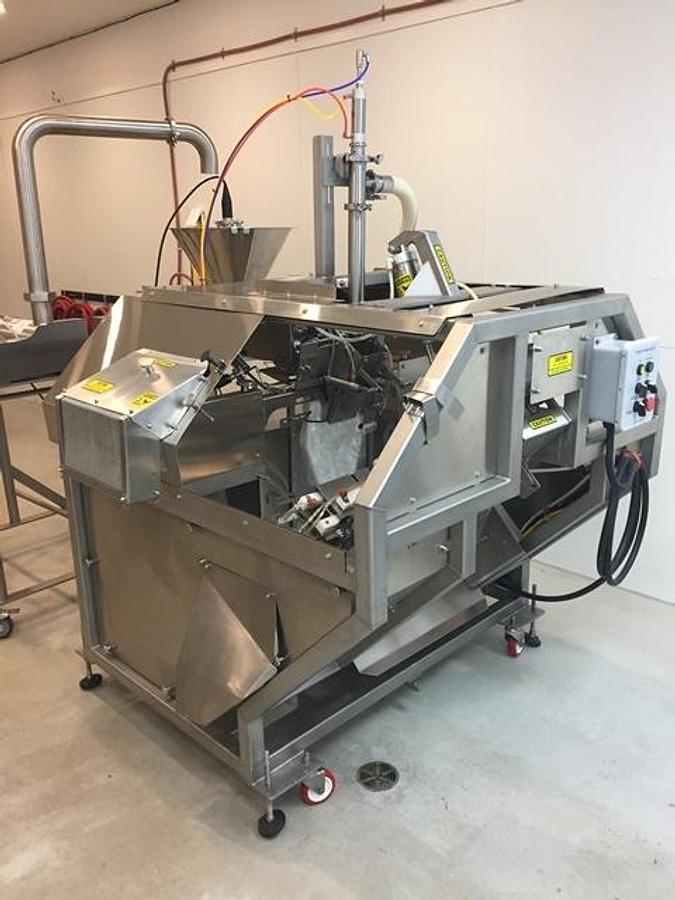
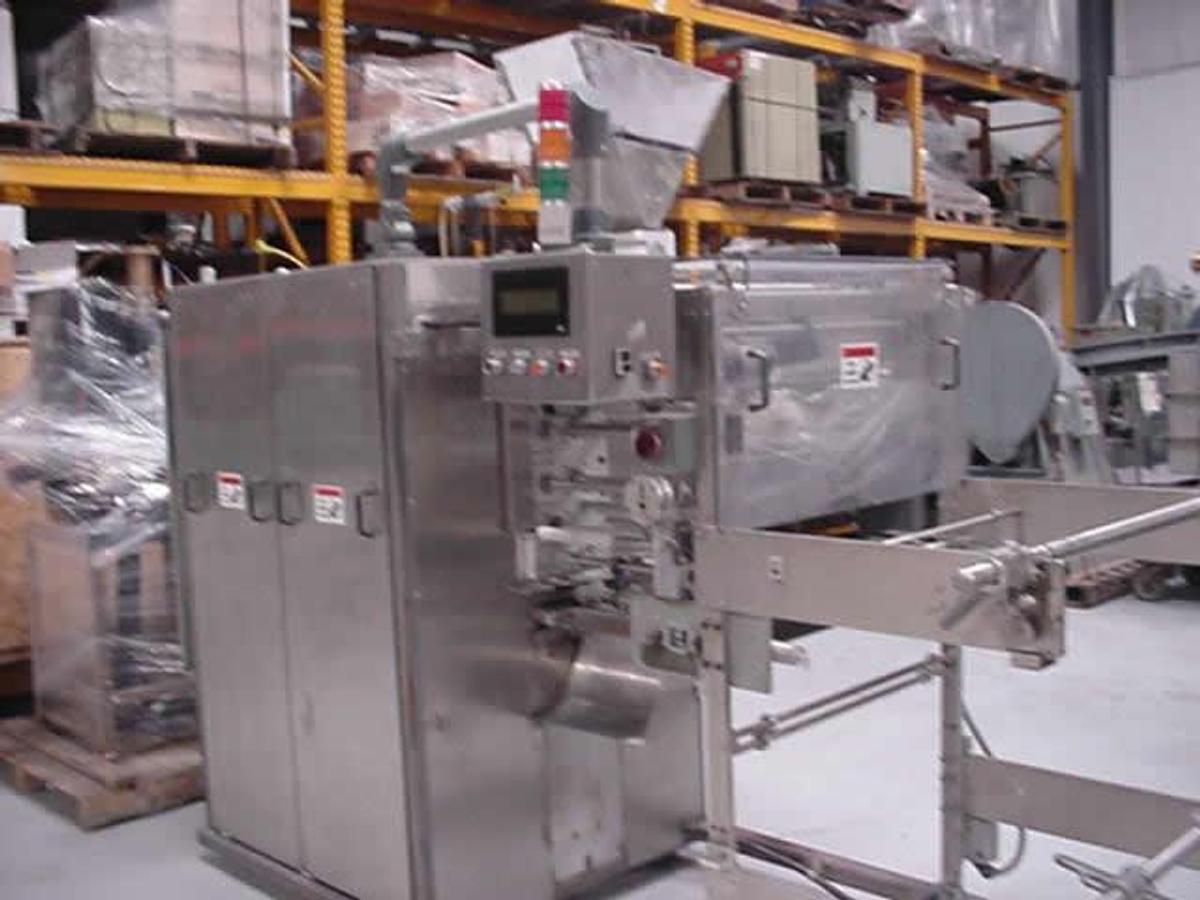
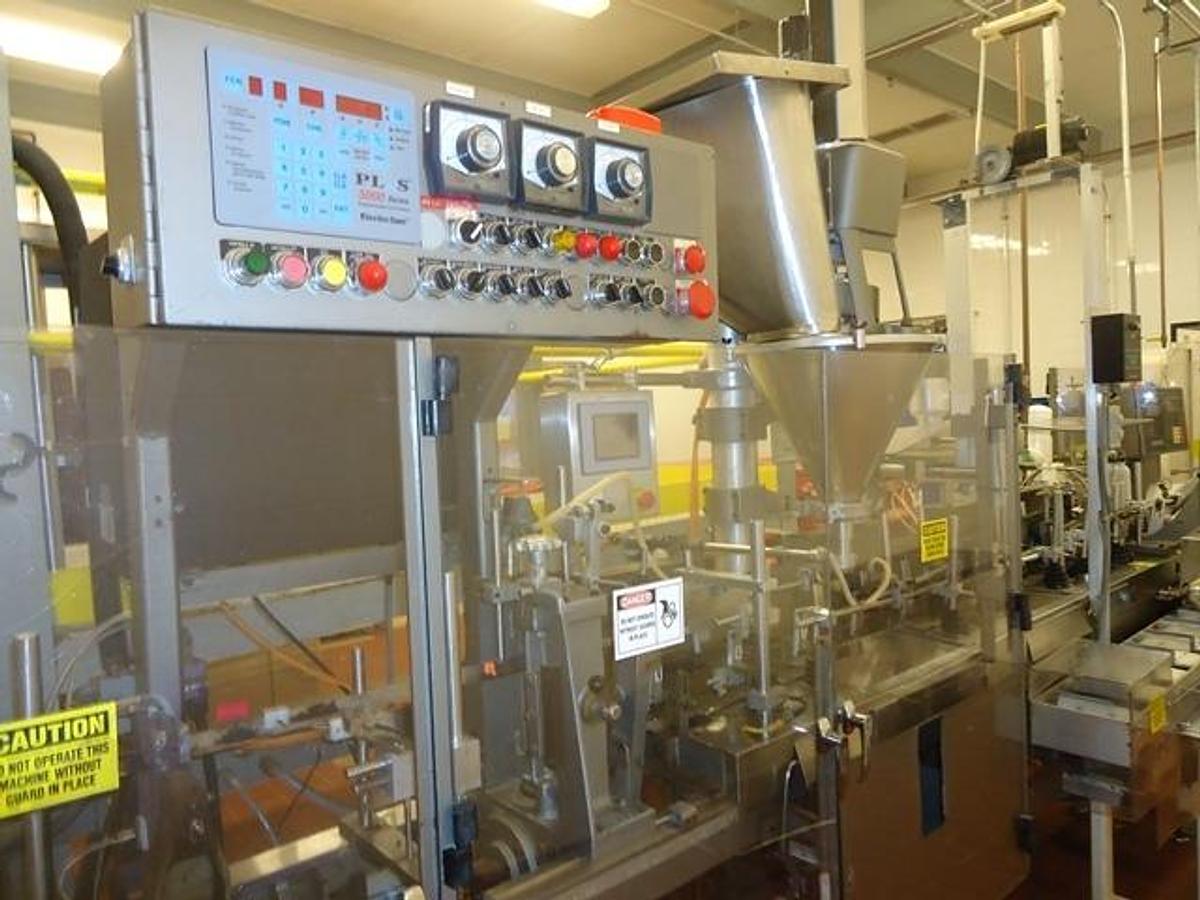
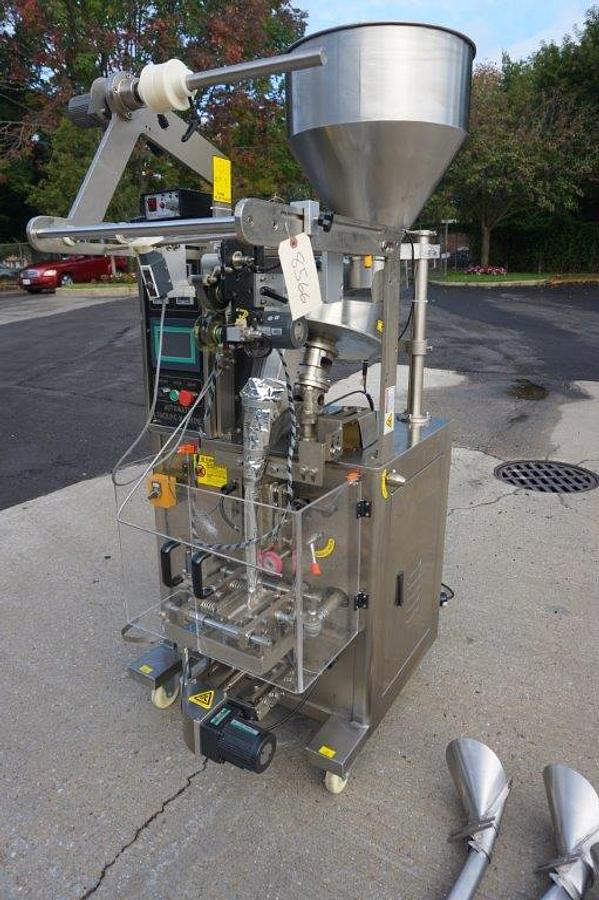
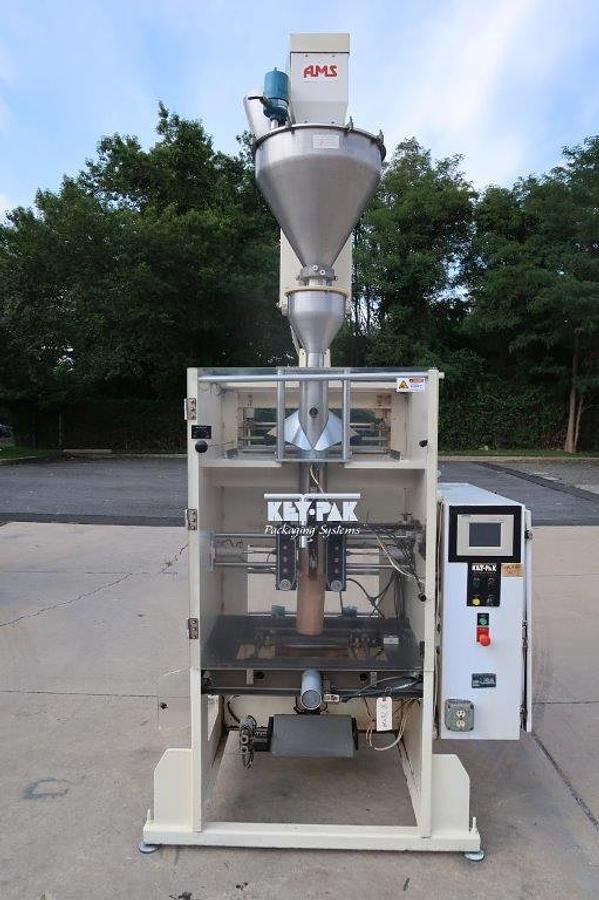
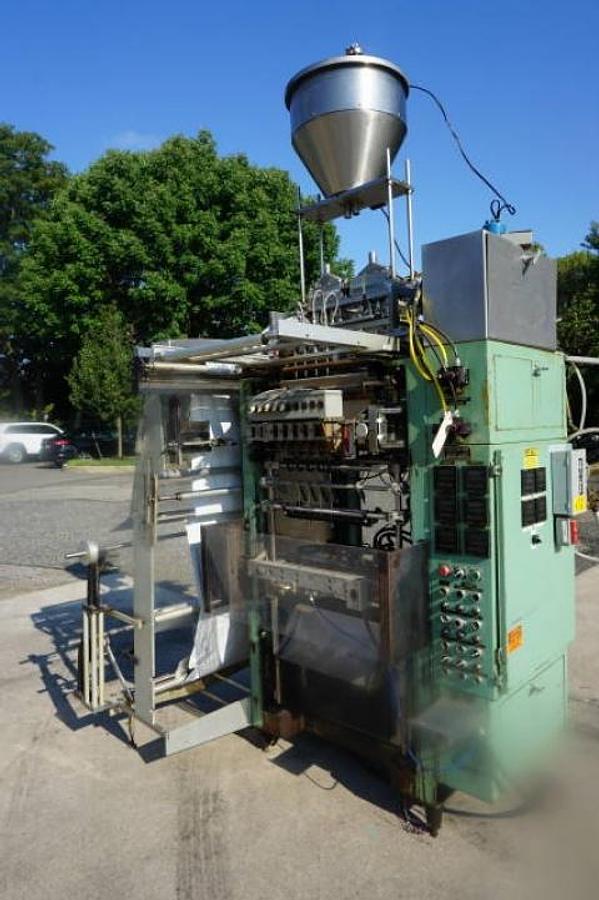
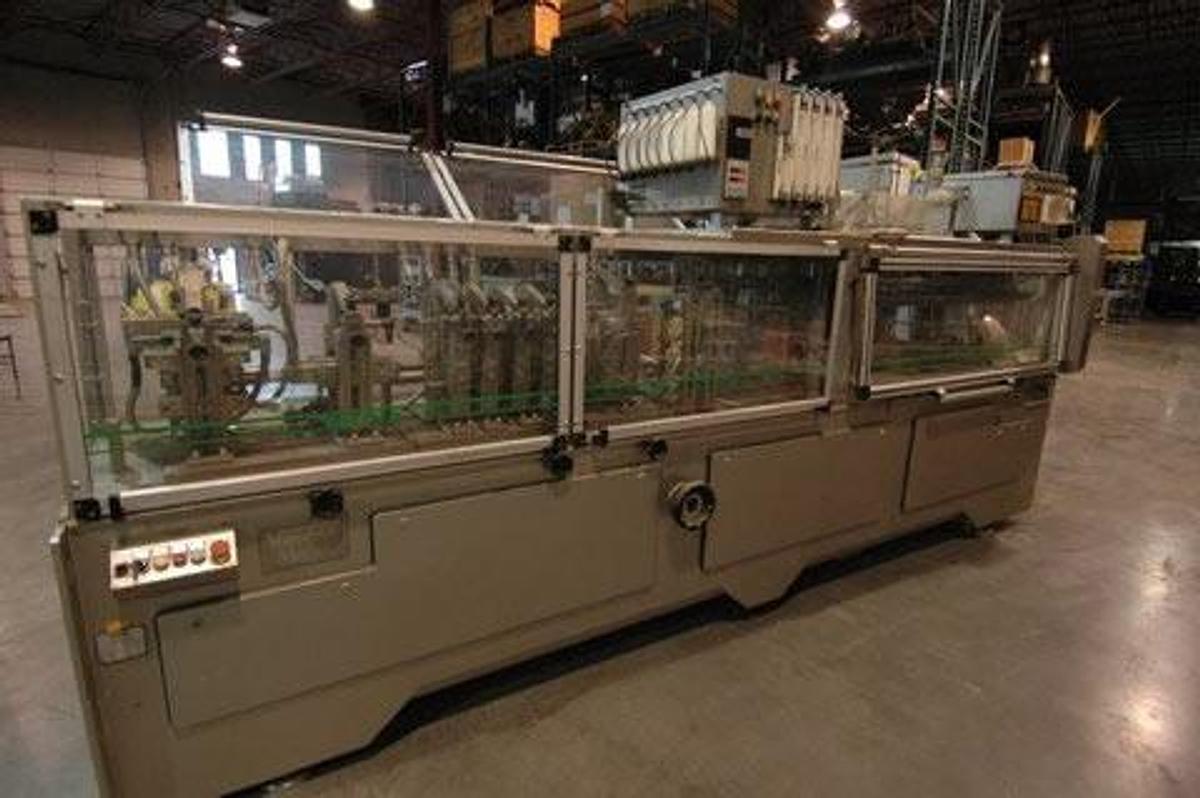
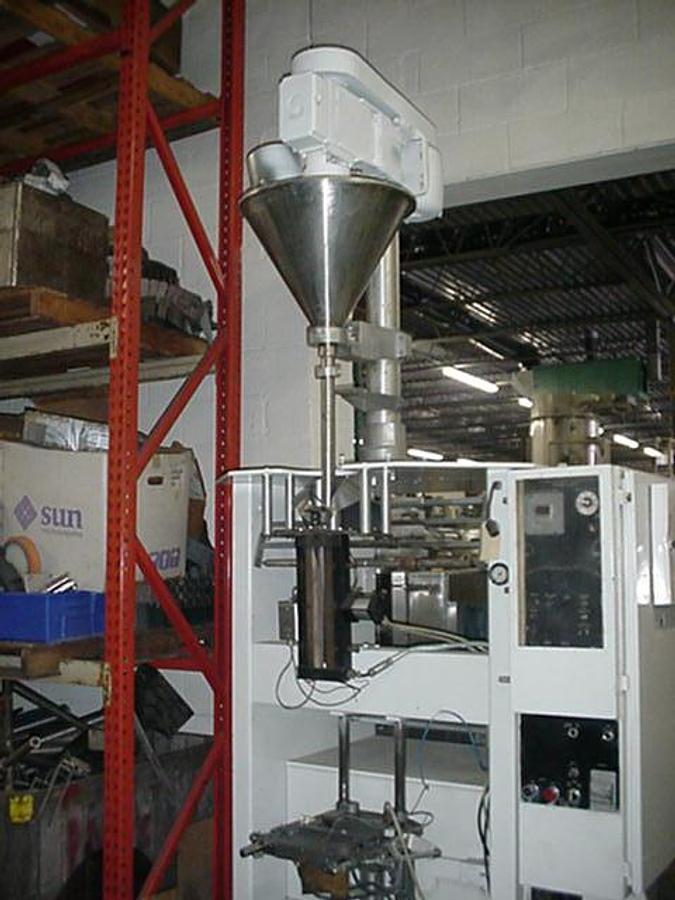
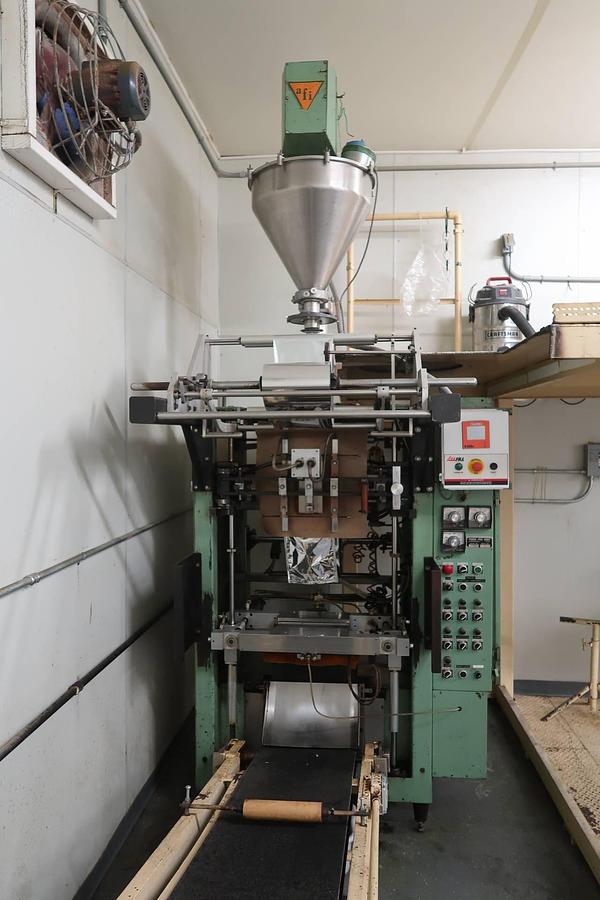
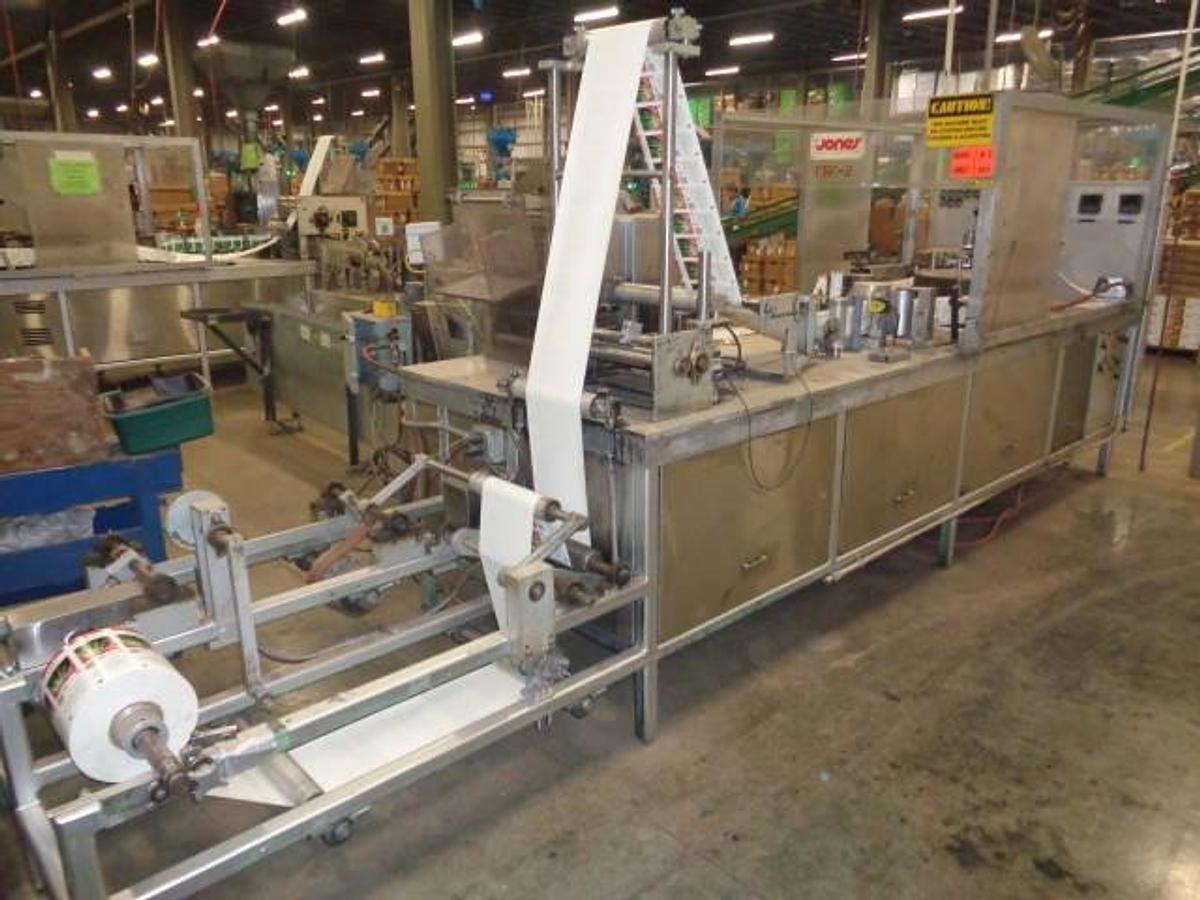
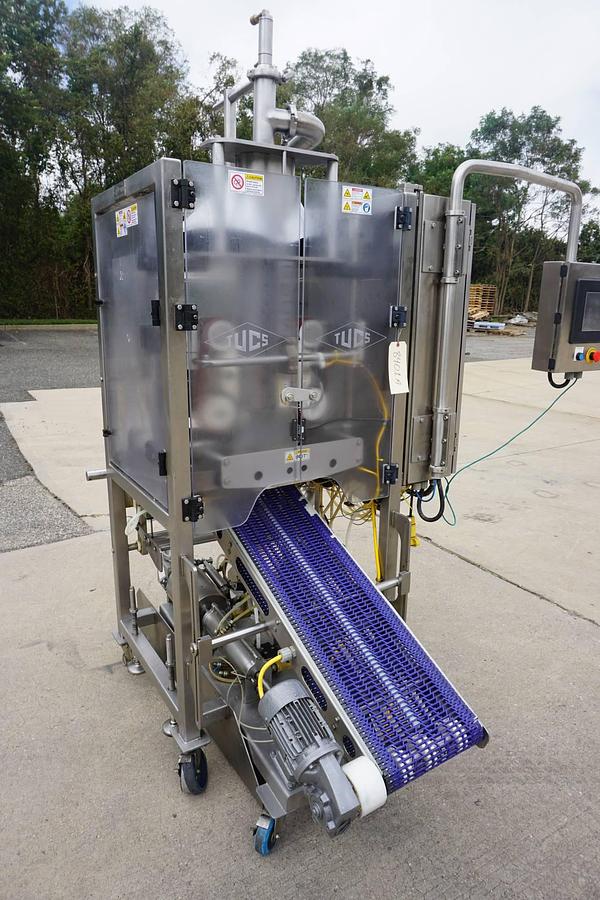
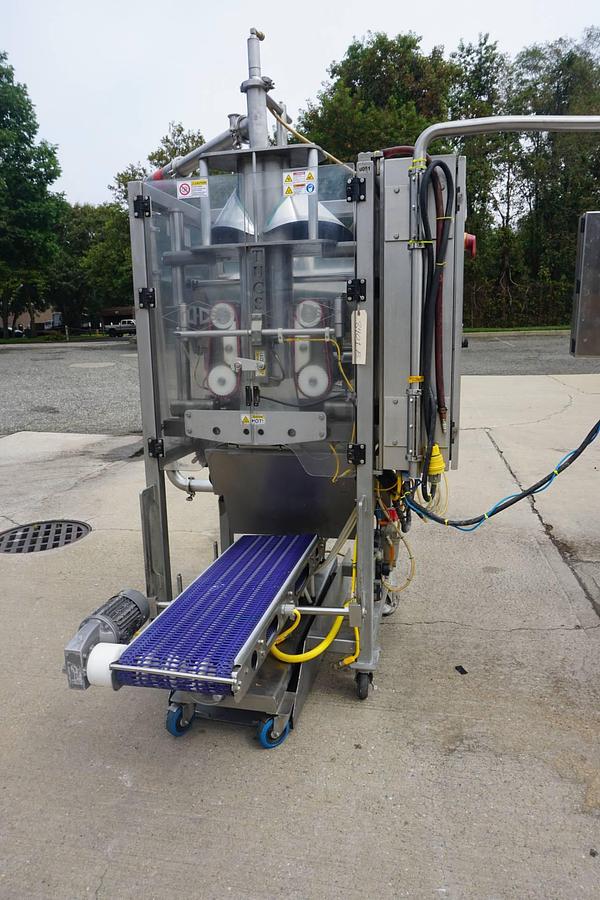
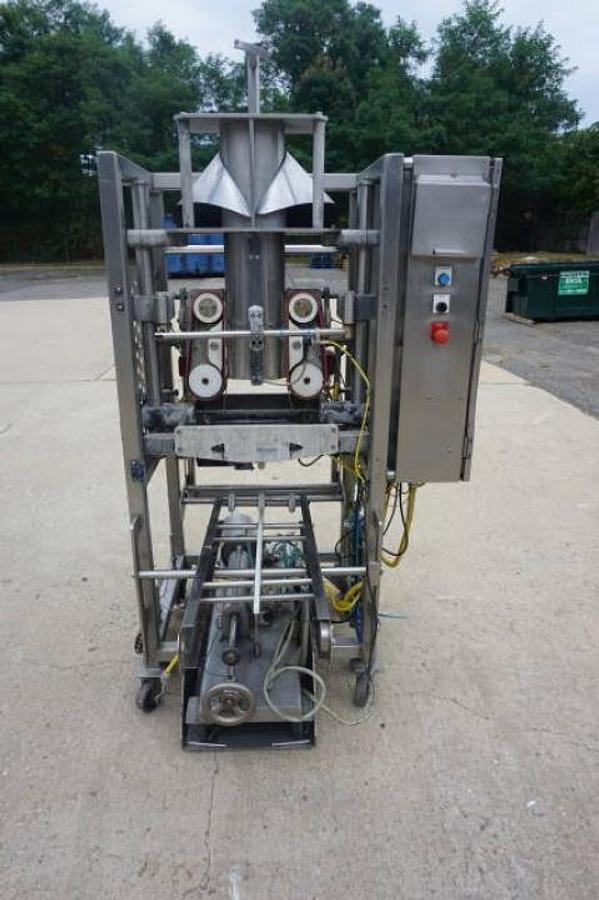
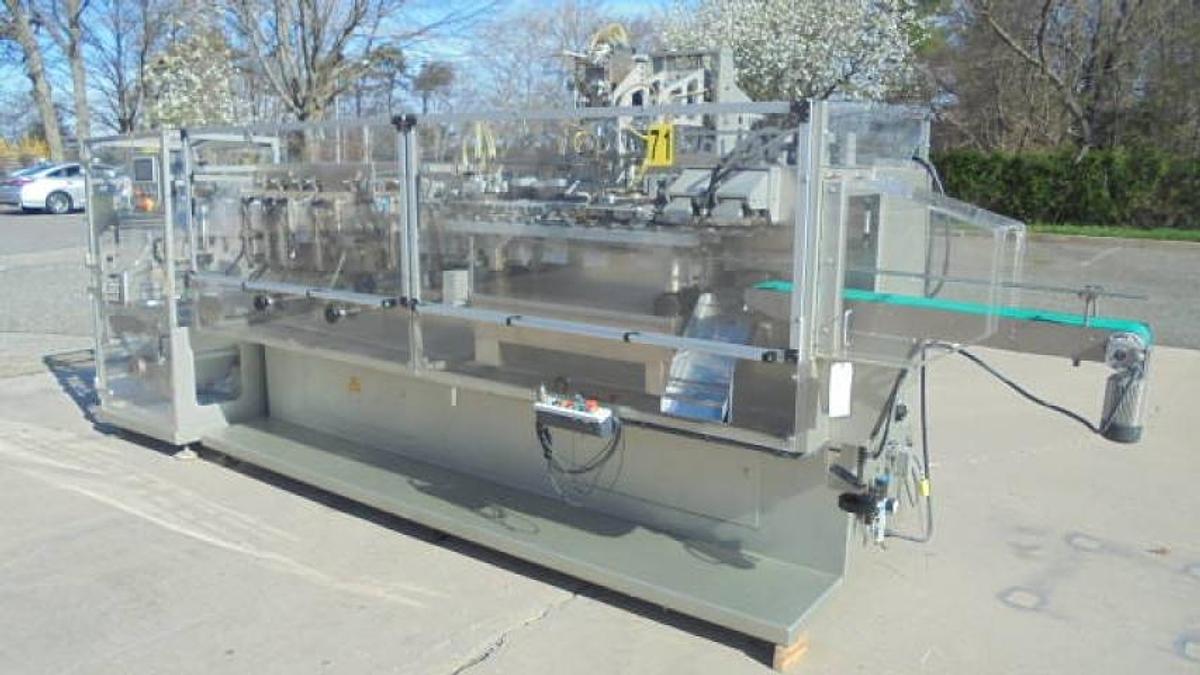
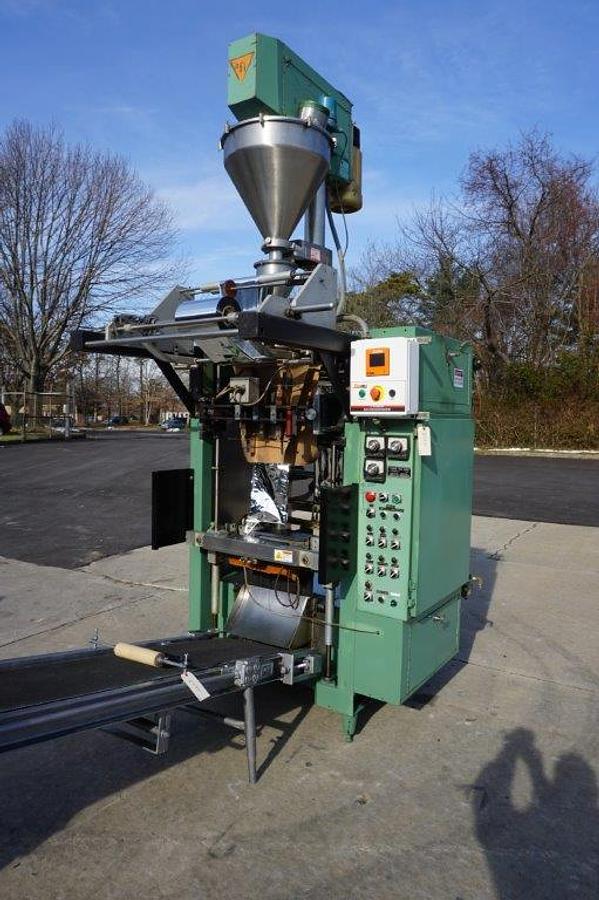
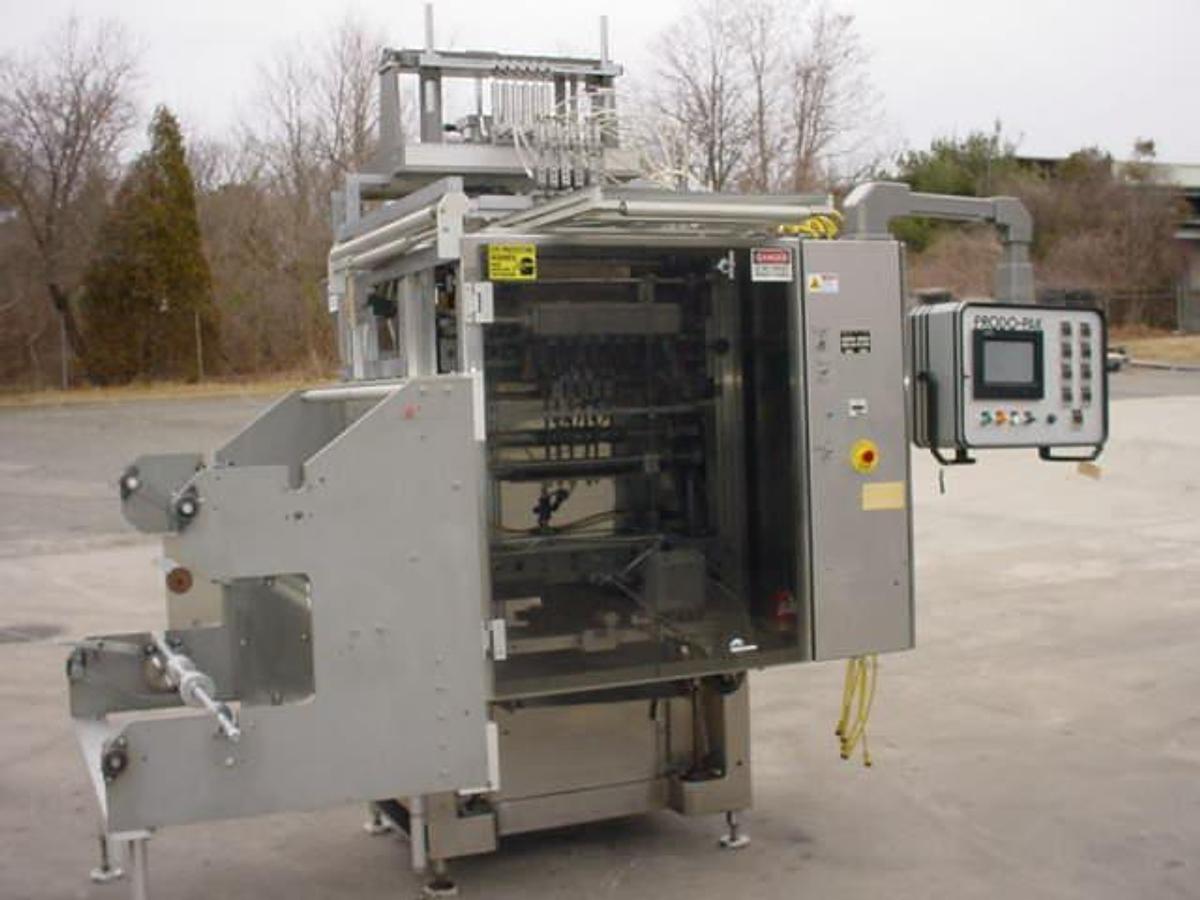
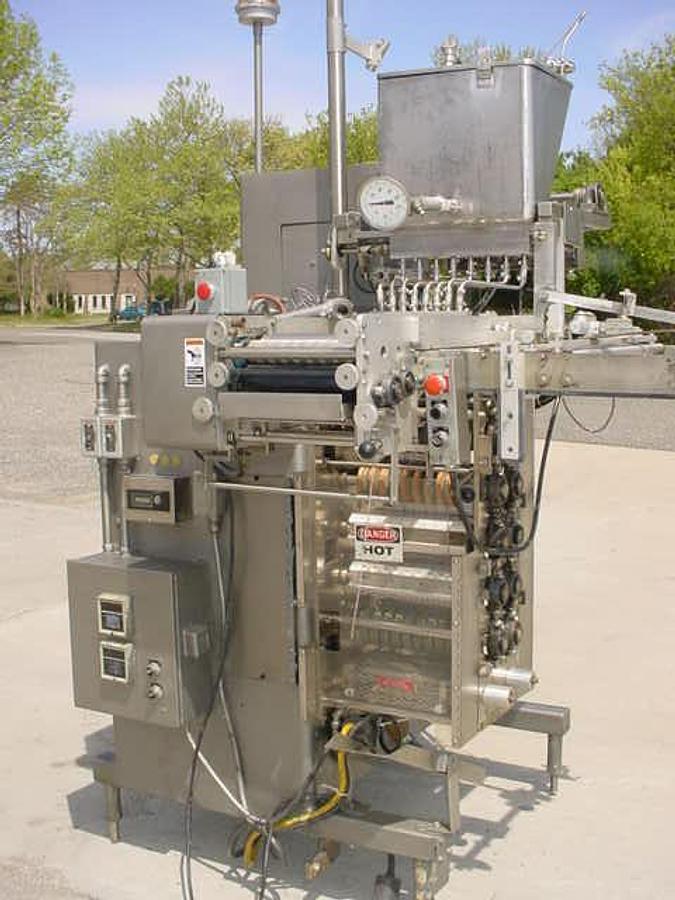
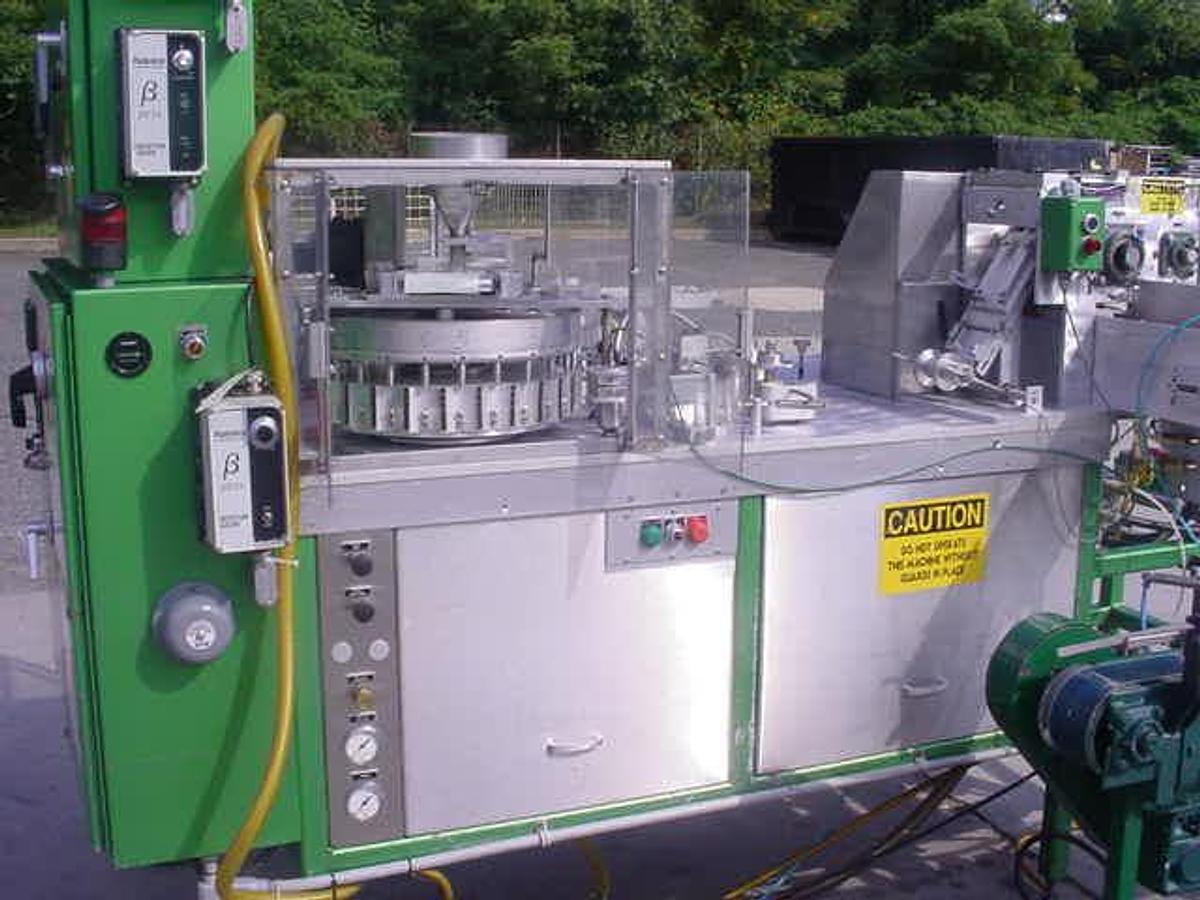
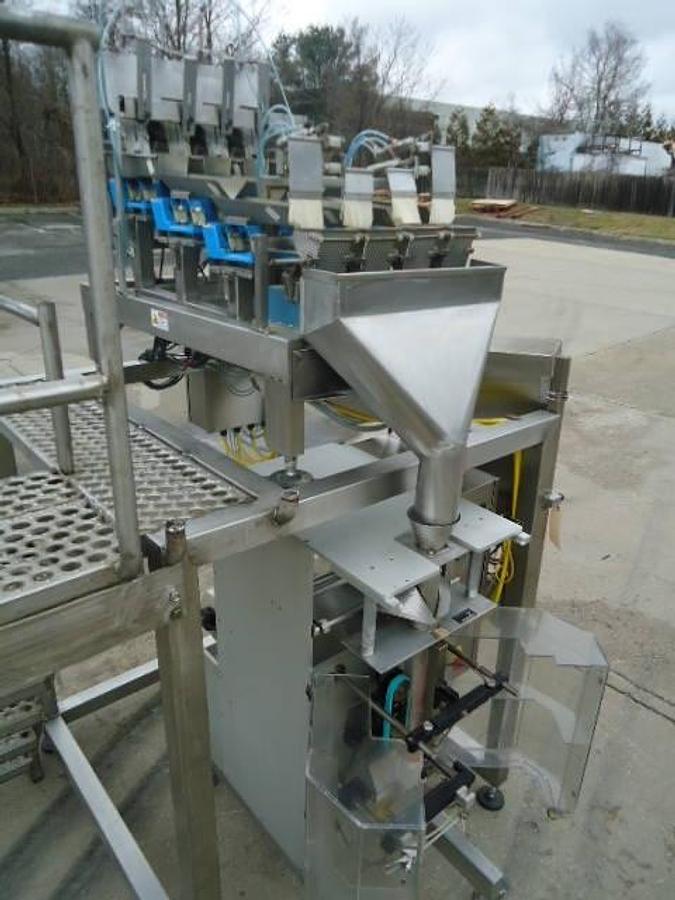
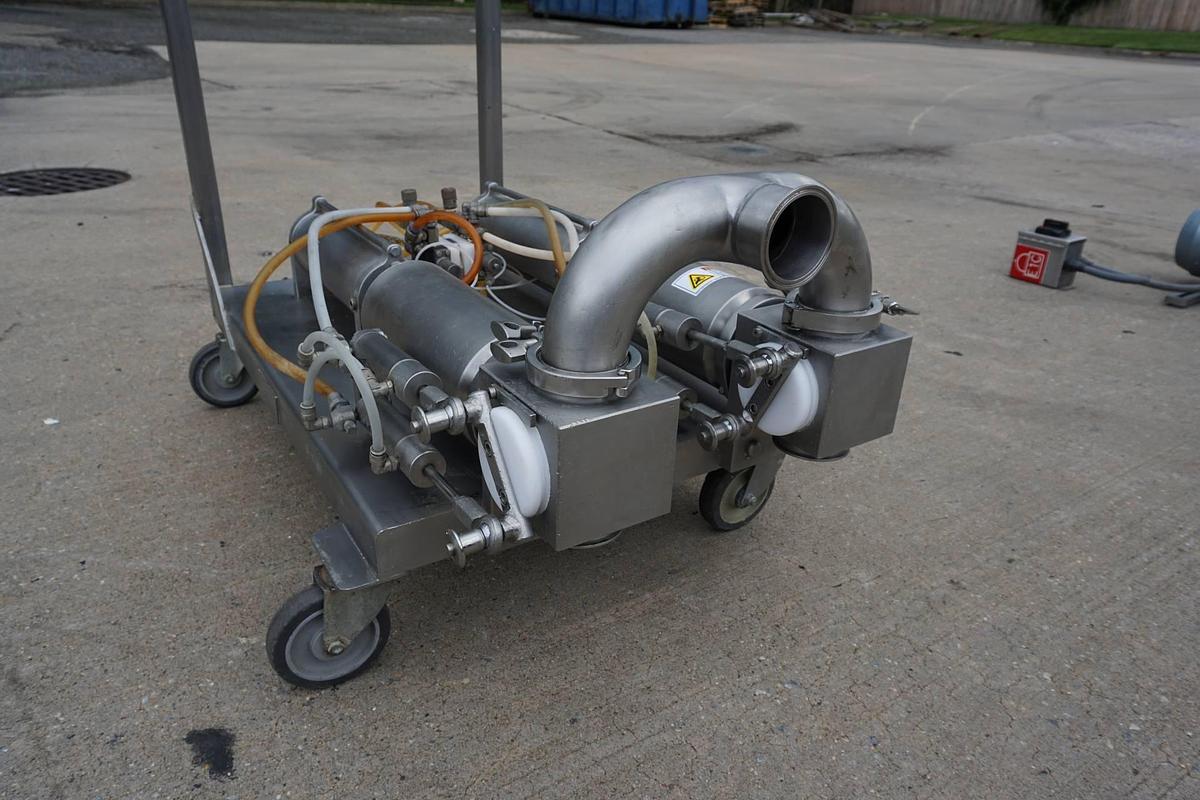
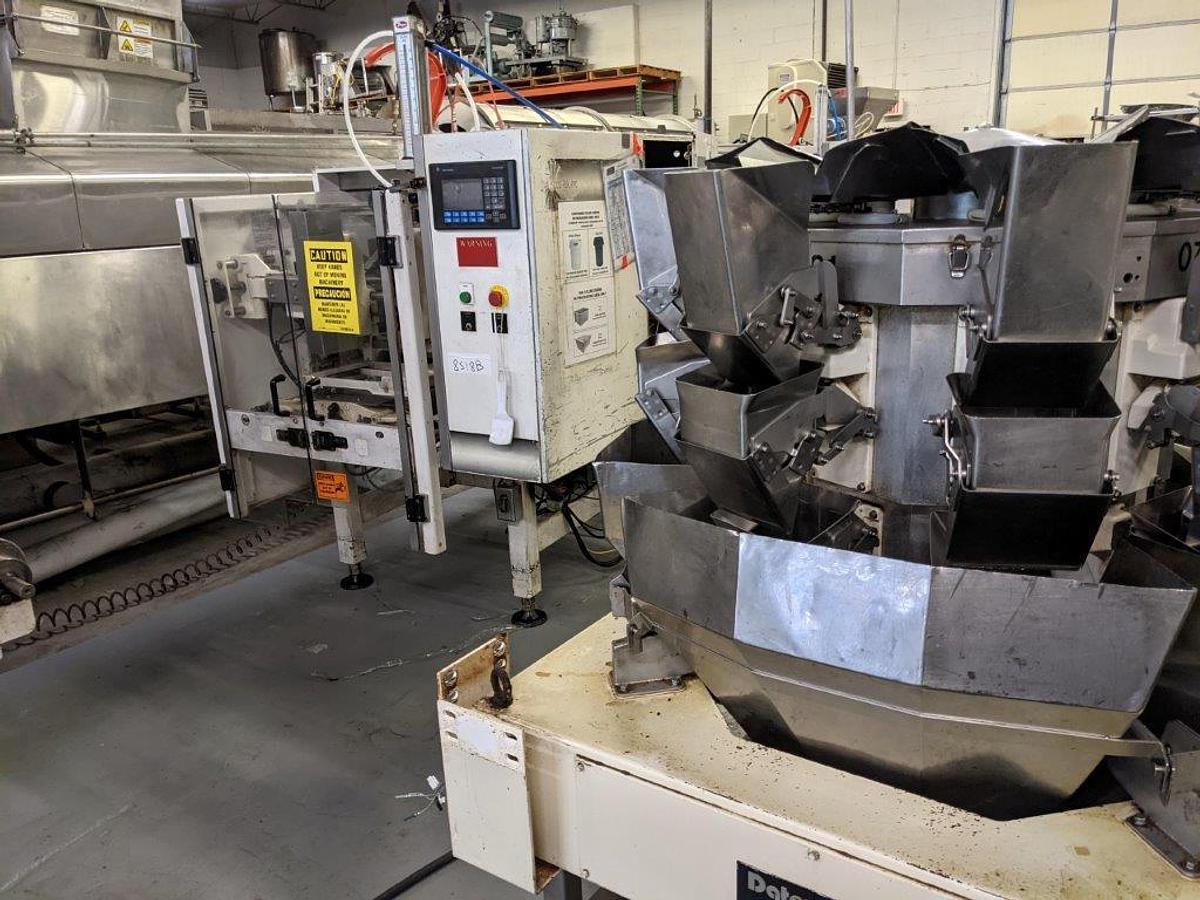
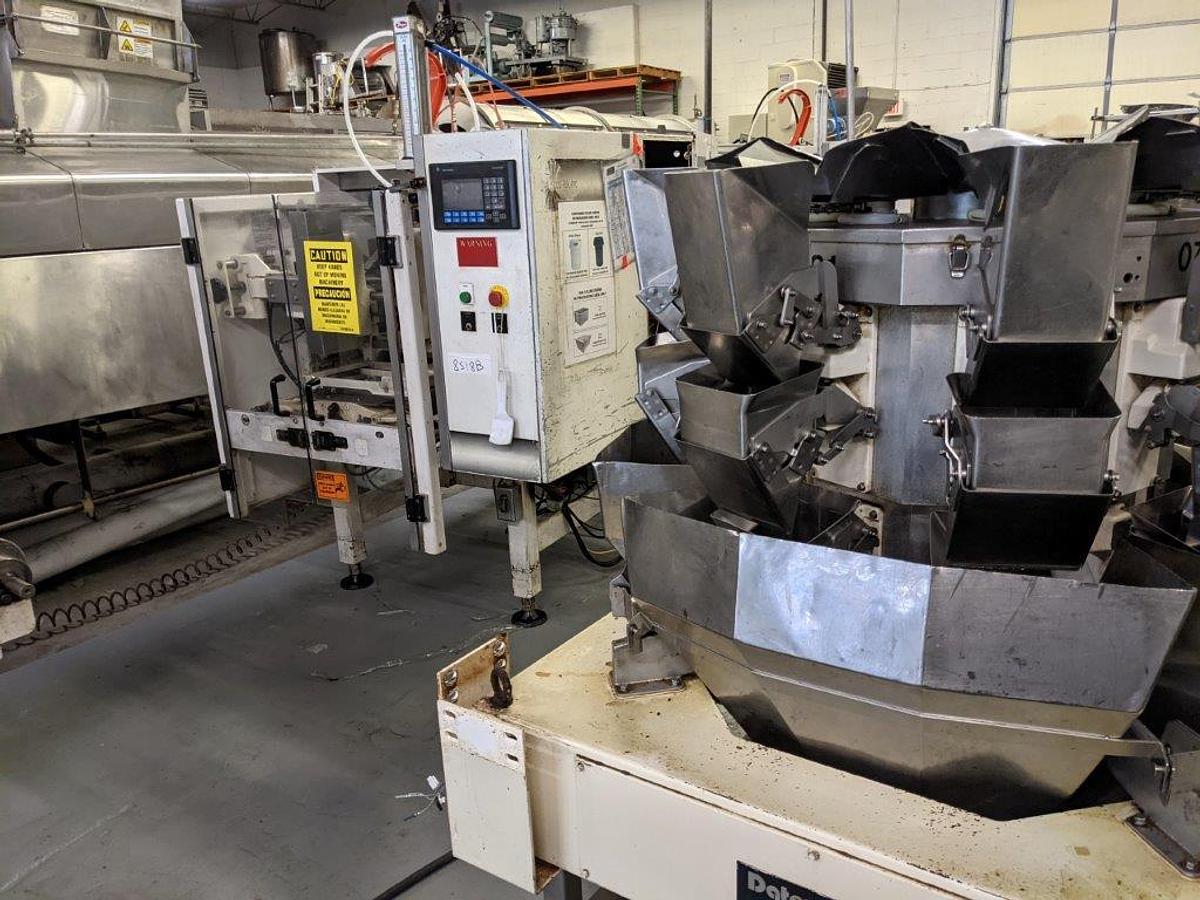
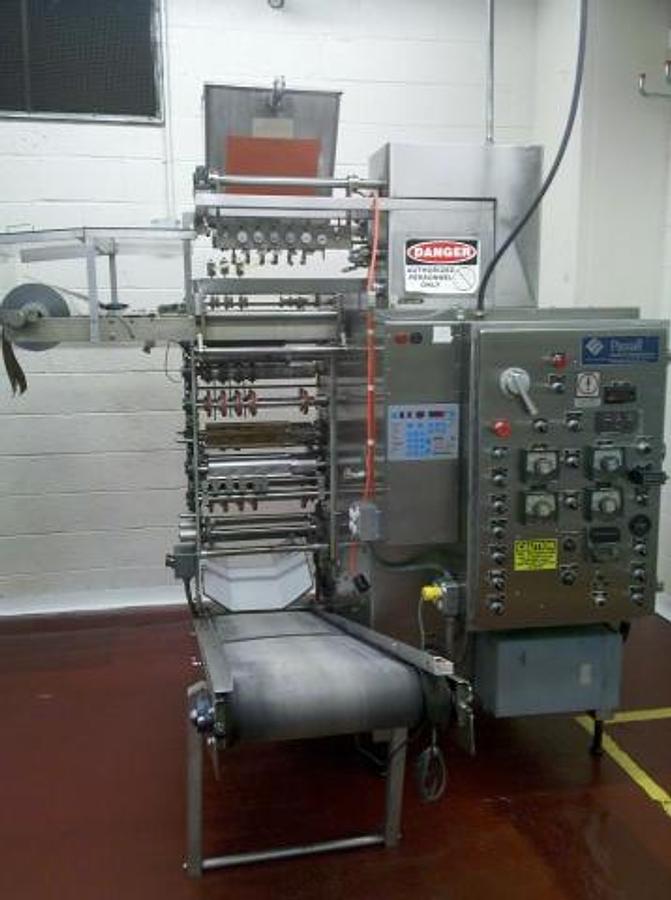
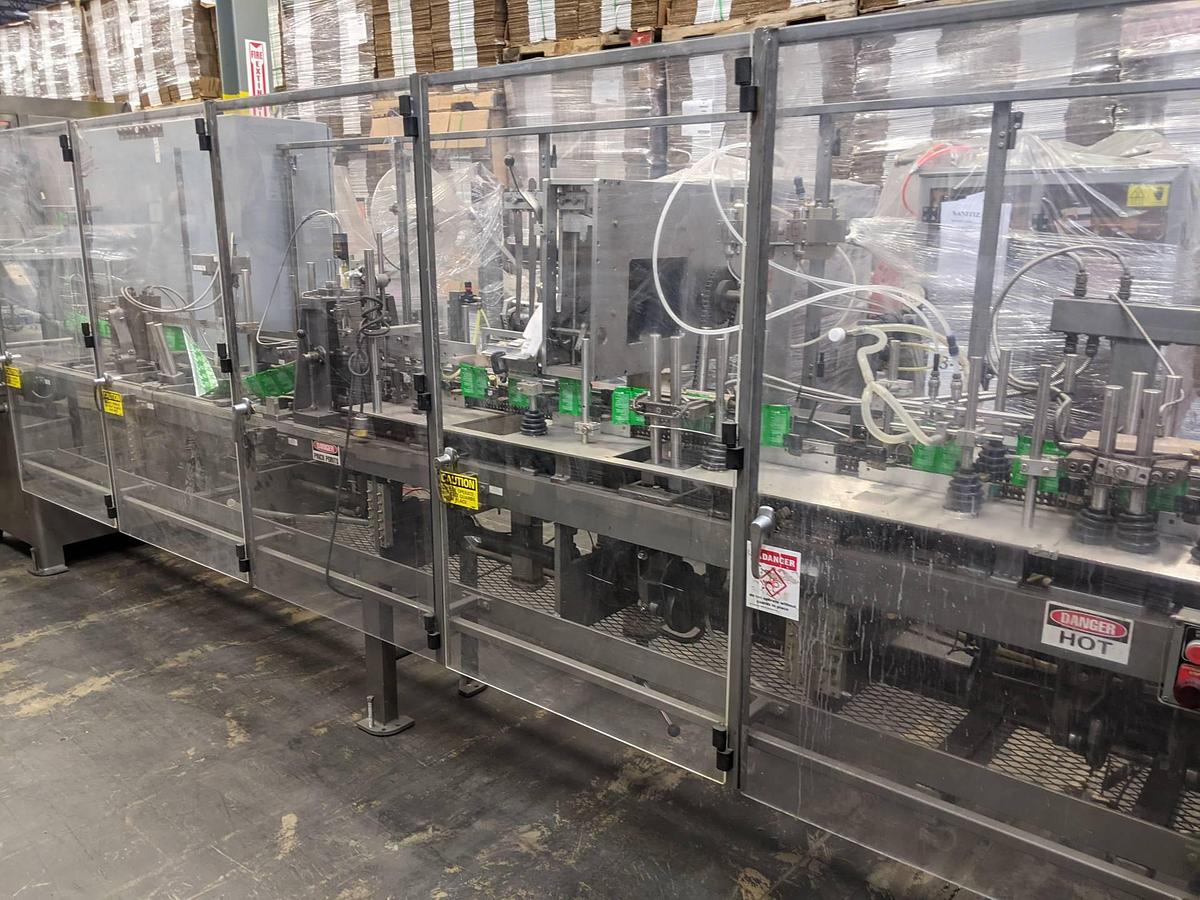
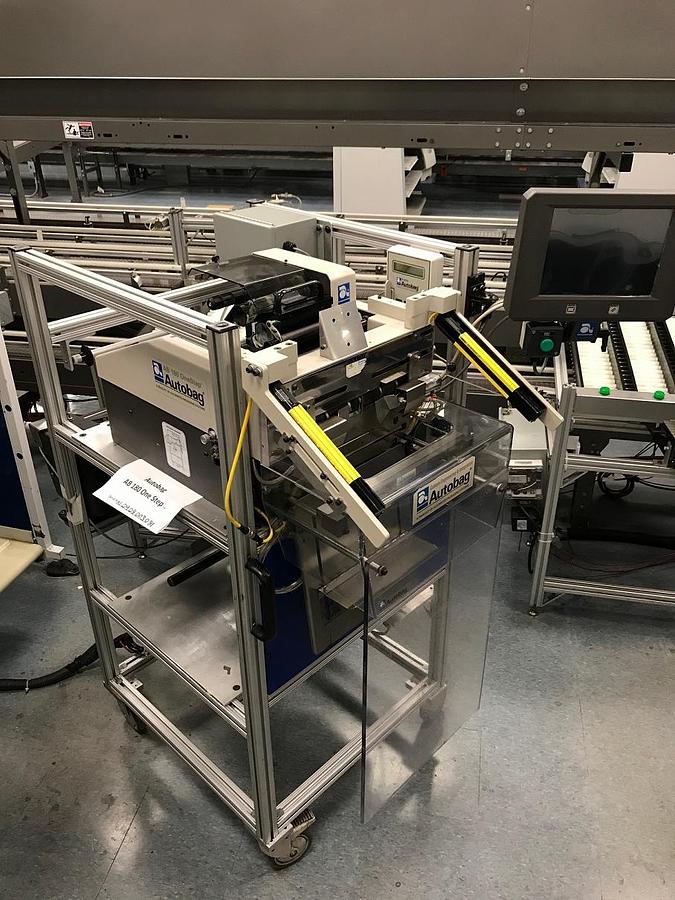
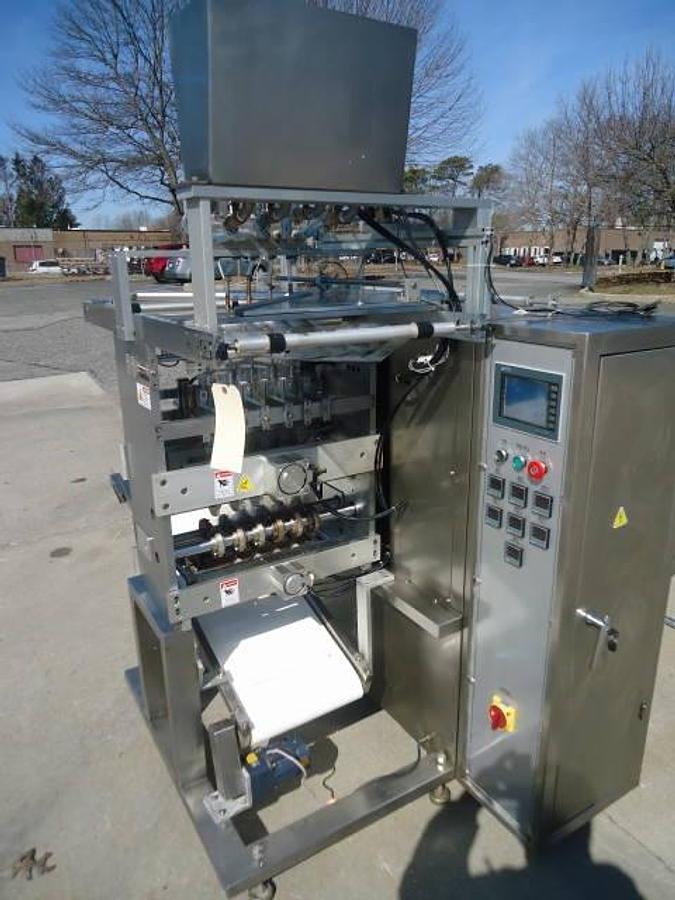
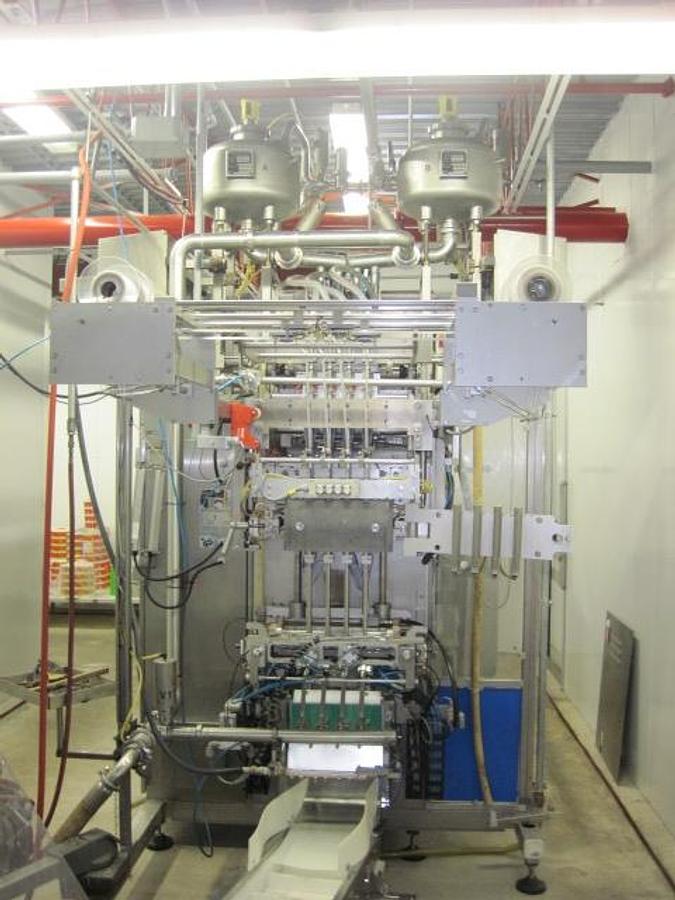
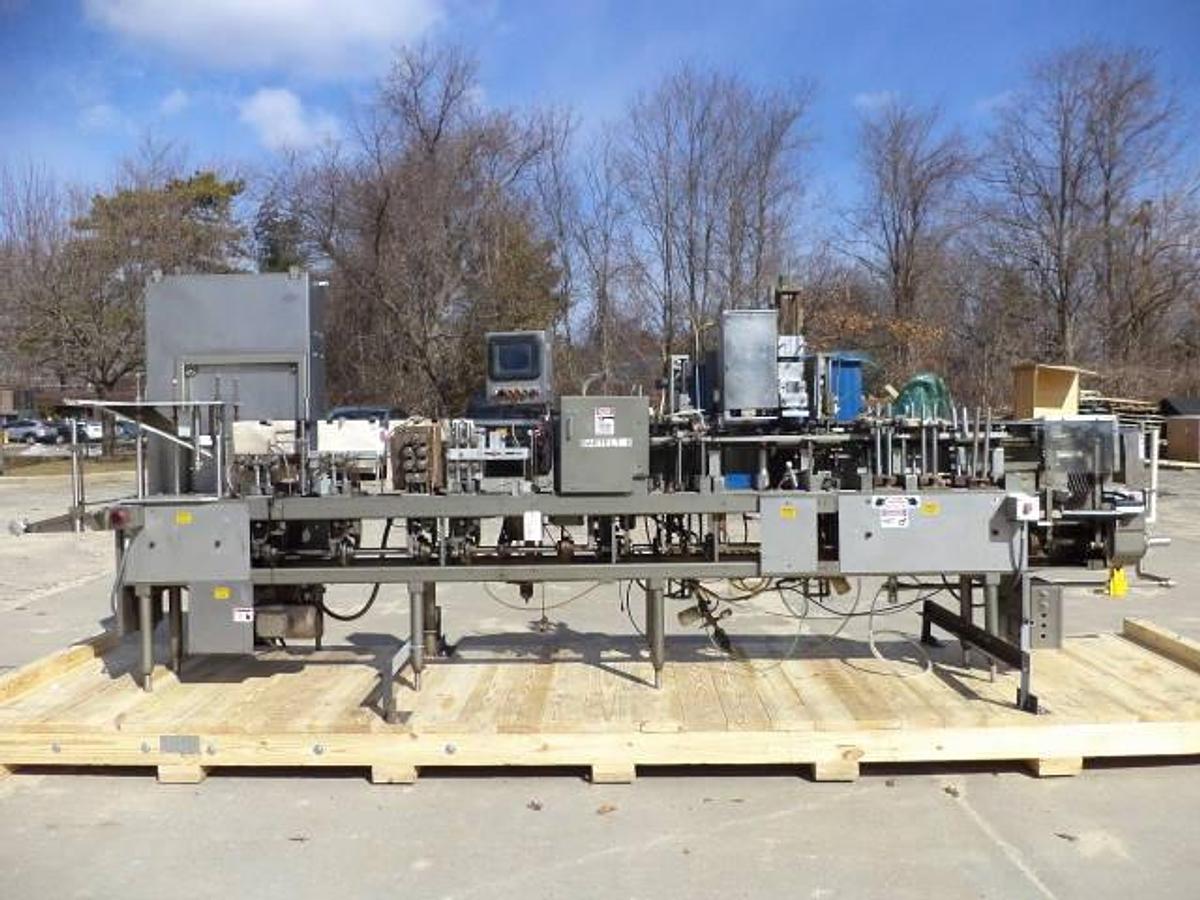
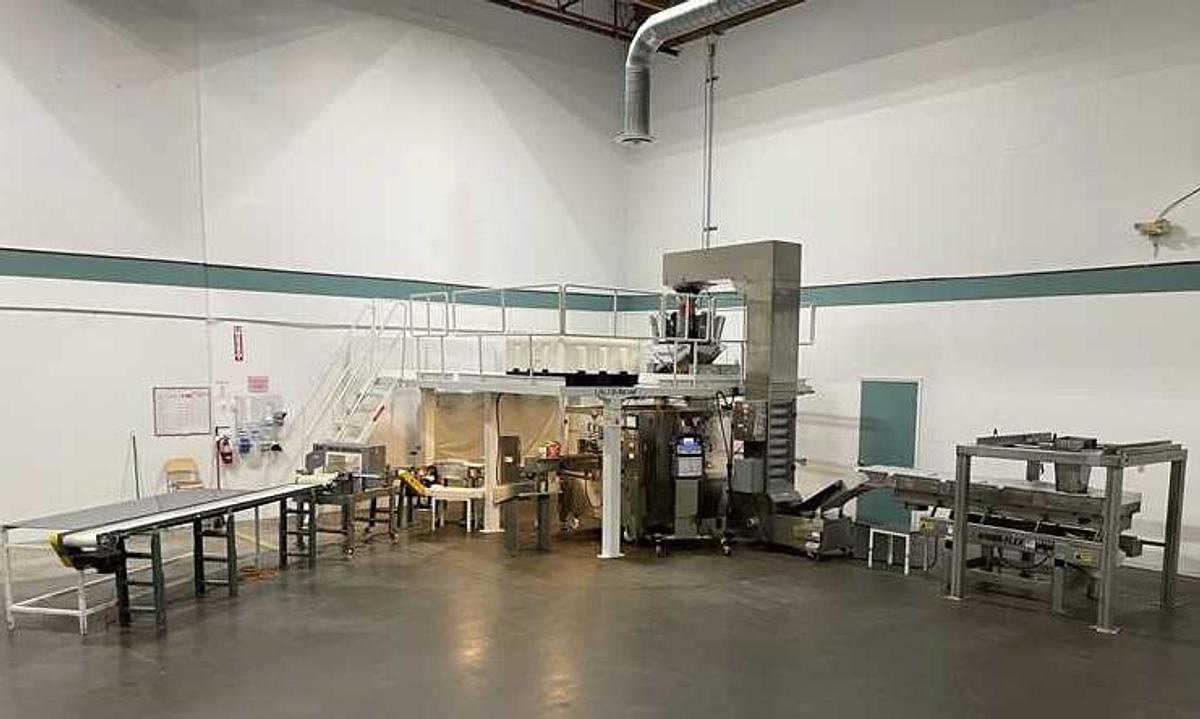
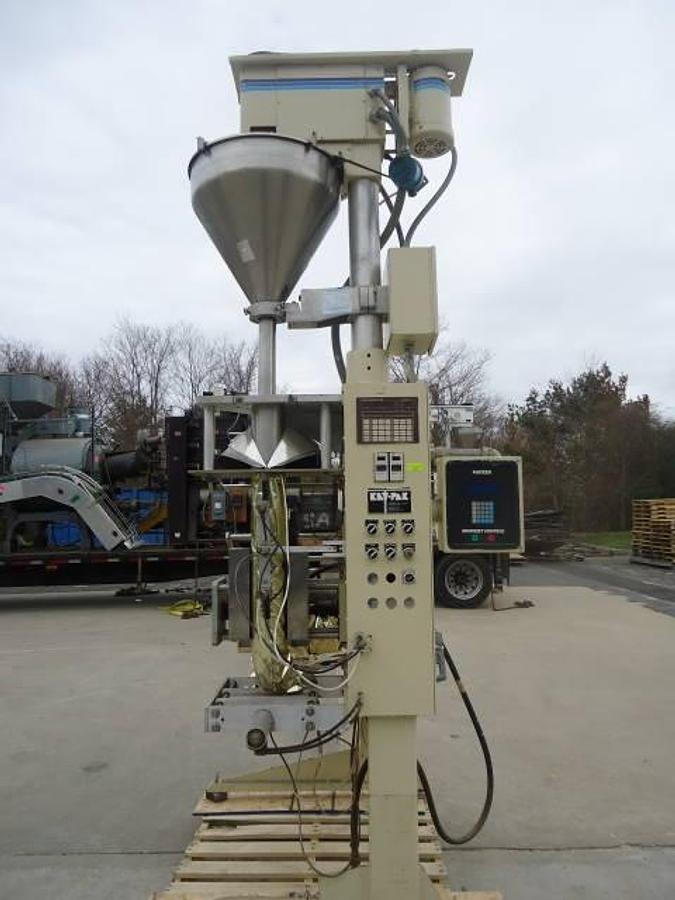
Wohl Industries stocks used form fill seal machines for snack, coffee, and pharmaceutical packagers. You get pre-owned vertical form fill seal baggers, horizontal machines, and stick pack lines. Vertical baggers form a bag from film, add product, and seal in one cycle. Snack plants run chips, nuts, and frozen produce this way. Horizontal machines pack bars, hardware, and medical parts. Stick pack lines portion coffee, sugar, and supplements. Buying used cuts your capital cost and lead time. We inspect every machine before we ship. We have sold processing and packaging equipment since 1968. Send us your bag size and product, and we match you to the right machine.
FAQ :
What is a form fill seal machine and how does it work?
A form fill seal (FFS) machine is an all-in-one packaging system that performs three functions in a single automated process: it forms a pouch or bag from a roll of flat film, fills that pouch with product, and then seals it closed. The film used can be paper, foil, plastic, or laminated combinations depending on the product and shelf-life requirements. The machine pulls film from a roll, shapes it around a forming collar or mandrel, fills it with a measured amount of product through a filling head (auger, piston, volumetric cup, or scale-based), and then applies heat or pressure to seal the package. The result is a finished, sealed package ready for distribution, all without manual handling of individual pouches.
FFS machines come in two primary orientations. Vertical form fill seal (VFFS) machines orient the film tube vertically, making them well-suited for free-flowing products like powders, granules, liquids, and snacks. Horizontal form fill seal (HFFS) machines move pouches horizontally through the machine and are commonly used for products like wet wipes, condiment packets, and pre-formed stand-up pouches. There are also rotary versions designed for high-speed sachet and pouch production. The filling mechanism varies by product type: auger heads handle powders, piston fillers handle creams and liquids, and combination weighers (like Ishida or Yamato rotary scales) handle products sold by weight. Understanding which configuration matches your product is the starting point for selecting the right machine.
What are the differences between VFFS and HFFS machines, and which is right for my product?
Vertical form fill seal (VFFS) and horizontal form fill seal (HFFS) machines handle packaging in fundamentally different ways, and the right choice depends heavily on the product being packaged. VFFS machines are the more common of the two and work well for products that can be dropped or pumped downward into a vertical tube of film, including granular products, powders, liquids, gels, and frozen items. They are widely used across food, pharmaceutical, and personal care applications. HFFS machines move the packaging film and product horizontally through the machine, which makes them better suited for flat sachets, wet wipes, towelettes, and products where the pouch needs to be pre-formed before filling. Brands like Bartelt are closely associated with horizontal pouch packaging, particularly for wet wipe and condiment applications.
Beyond orientation, the two machine types differ in footprint, film handling, and the types of seals they produce. VFFS machines typically have a smaller floor footprint and can run at very high speeds, making them popular for high-volume production. HFFS machines often produce a more precisely shaped pouch and can accommodate zipper closures, stand-up features, and multi-lane configurations more easily. When evaluating a used machine, it helps to know not just the orientation but also the specific pouch styles it was designed to produce, since some machines are purpose-built for particular formats like stick packs, doy-style pouches, or multi-lane sachets. Matching the machine's designed pouch format to your actual packaging requirements will save significant changeover time and tooling costs.
What should I inspect before buying a used form fill seal machine?
Buying a used form fill seal machine requires a more hands-on evaluation than purchasing capital equipment from a manufacturer. The most important areas to inspect are the sealing jaws and heating elements, the forming tube or collar, the film drive system, and the filling head. Sealing jaws wear over time and uneven wear can result in inconsistent seal quality, which is a critical issue for food safety and product integrity. Check that the jaws close evenly, that the heating elements function across their full temperature range, and that the jaw timing is consistent. The forming collar or tube should be free of cracks, deep scratches, or deformation, since these directly affect pouch geometry. Film drive rollers and belts should show even wear without glazing or cracking.
Beyond mechanical components, request as much machine history as the seller can provide, including hours of operation, prior maintenance records, and any known repairs or part replacements. Ask specifically whether the electrical controls and PLC are functional and whether the HMI (operator interface) is intact and readable. Older machines may have obsolete control systems that are difficult to service, so it is worth consulting the manufacturer directly to understand what level of support is still available for a given model and age. Reputable used equipment dealers will accommodate in-person inspections or, where that is not possible, video walkthroughs and recorded run demonstrations. Keep in mind that most dealers are not set up for full production runs during inspection, so what you are evaluating is mechanical condition and basic operational function rather than finished package output at full speed.
What types of products can be packaged on a form fill seal machine?
Form fill seal machines are used across a wide range of industries because they can handle an equally wide range of product types. In food production, they are commonly used for snack foods, frozen vegetables, coffee, sugar, condiment packets, and sauces. In personal care and cosmetics, they handle creams, lotions, shampoo sachets, and cleansing wipes. Pharmaceutical and medical applications include single-dose powders, gels, and antiseptic wipes. Industrial uses include packaging of seeds, hardware components, and chemical powders. The machine's filling head determines what product types it can handle: auger fillers work with fine and coarse powders, piston fillers handle viscous products like creams and sauces, gear pump fillers handle thin liquids, and combination weighers handle irregular solid pieces sold by weight.
The packaging film material is also a variable that expands or limits the product range. Standard polyethylene films work for dry goods, while foil laminates provide barrier protection for moisture-sensitive or oxygen-sensitive products. Paper-based films are used for certain food and pharmaceutical applications. Some machines are designed to run a single film type while others can be adjusted for multiple substrates with tooling changes. When evaluating a used machine, it is useful to know what products and films it was running in its prior application, since that gives a realistic picture of what it is proven to handle. A machine previously used for cream packets in a personal care facility, for example, tells you it has the sealing and filling configuration suited for viscous, moisture-rich products.
What are the most reliable brands of form fill seal machines to look for in the used market?
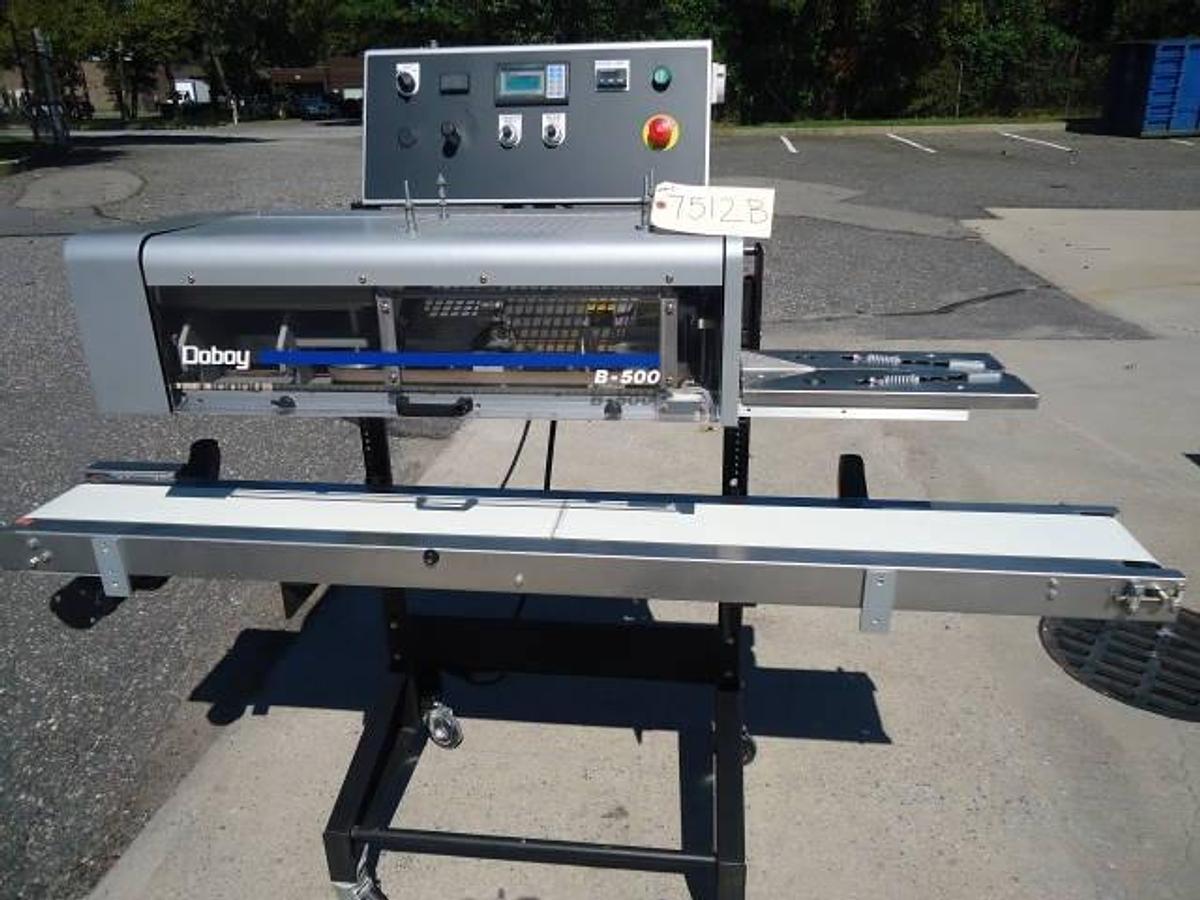
Several manufacturers have built long reputations for producing durable, serviceable form fill seal equipment, and their machines hold up well in the used market. Hayssen (including the Hayssen Ultima line) is widely regarded as one of the most dependable VFFS machine manufacturers, with machines known for consistent sealing performance and a large installed base that supports parts availability. Bosch packaging equipment, including machines produced under the Doboy name, has a strong reputation across both vertical and horizontal formats. Bartelt, now part of the Pro Mach group, is a go-to brand for horizontal pouch machines, particularly for wet wipe and condiment applications. Circle Packaging Machinery machines are well-regarded for liquid and cream applications in multi-lane vertical formats. Prodo-Pak machines appear regularly in the used market and are recognized for their durability in sachet and powder applications.
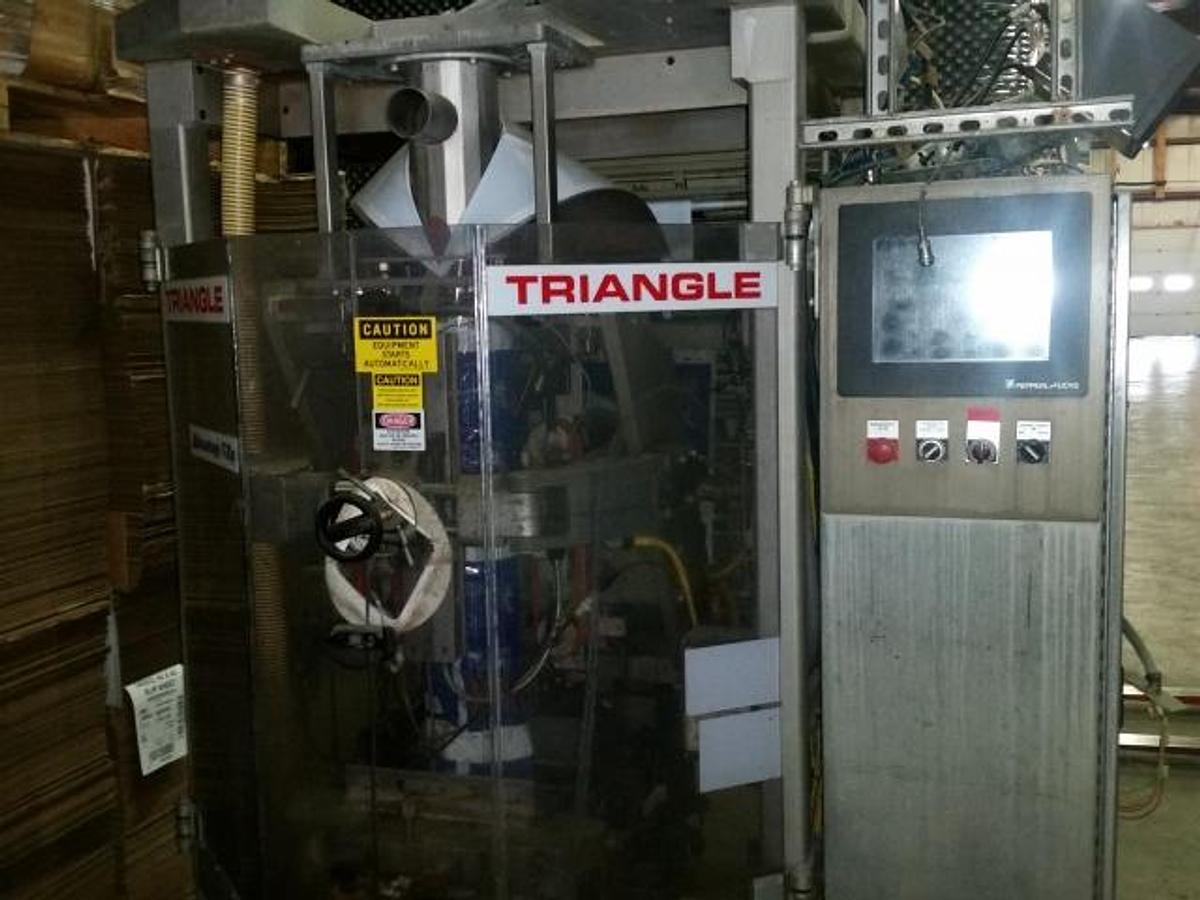
Other brands worth considering include Ilapak, Triangle Package Machinery, Matrix, Volpak, and Klockner Medipak, each of which has a track record in specific product categories. Weigher brands matter as well: Ishida and Yamato are the leading names in combination weighers and rotary scales that are often paired with VFFS baggers. When evaluating any used machine, brand reputation is a starting point but not the whole picture. The age of the specific model, the availability of spare parts, and the level of manufacturer support still offered for that model all factor into the real-world serviceability of the machine. Contacting the manufacturer directly before purchasing is a practical step to understand what support, parts, and documentation are still available.
Are replacement parts and technical support available for older used form fill seal machines?
Parts and support availability for used form fill seal machines varies significantly depending on the brand, model, and age of the equipment. For machines from established manufacturers like Hayssen, Bosch, Bartelt, and Ishida, many mechanical components remain available either directly from the manufacturer or through third-party parts suppliers. Wear items like sealing jaw inserts, heating elements, belts, and drive components are often stocked by aftermarket suppliers even for machines that are no longer in production. Electrical components, particularly PLCs and HMIs from older control platforms, can be more difficult to source and may require retrofitting with modern equivalents if the original parts are no longer manufactured.
Before purchasing a used machine, it is worth contacting the manufacturer directly to ask about parts and service support for the specific model and serial number you are considering. Manufacturers can often tell you whether the machine falls within a supported product line or whether it has been discontinued entirely. Some manufacturers will still provide documentation, wiring diagrams, and phone support even for older equipment, which can significantly reduce the cost of maintenance and troubleshooting. Third-party service technicians who specialize in packaging machinery are another resource, particularly for older machines where factory support has ended. Choosing a used machine from a brand with a large installed base increases the likelihood that independent technicians in your region will have hands-on experience with it, which can be just as valuable as direct manufacturer support.
How do I determine the right capacity and output speed for a used form fill seal machine?
Matching machine output capacity to your production requirements is one of the most important steps in selecting a used form fill seal machine. Output is typically measured in bags or pouches per minute, and this figure is influenced by several variables: the type of product being filled, the pouch size and format, the fill weight accuracy required, and whether the machine is running a single lane or multiple lanes simultaneously. A machine rated at 100 bags per minute under ideal conditions with a small sachet may produce significantly fewer bags per minute when running a larger pouch with a more complex seal pattern. When reviewing specifications for a used machine, look for output figures that reflect conditions similar to your actual application rather than the machine's theoretical maximum.
Beyond bags per minute, consider the fill weight range and accuracy the machine can achieve. If your product is sold by weight, the weigher or filler head paired with the machine needs to hit your target weight with acceptable variance consistently over a full production run. Film width compatibility is another practical constraint: the machine needs to accommodate the film width required for your pouch dimensions, and forming collars or tooling may need to be changed if your pouch size differs from what the machine was previously running. Changeover time between pouch sizes or product types is also worth evaluating, particularly if you run multiple SKUs. A machine that requires extensive tooling changes between formats may be efficient for high-volume single-SKU production but impractical for a facility that switches formats frequently.
What packaging film materials are compatible with form fill seal machines?
Form fill seal machines are designed to work with rollstock film, but the specific film types a machine can run depend on its sealing system, forming collar design, and film tension controls. The most common film materials used in FFS packaging include polyethylene (PE), polypropylene (PP), polyester (PET), nylon, and various laminated combinations of these materials. Foil laminates are widely used for products that require moisture or oxygen barriers, such as single-serve condiment packets, pharmaceutical sachets, and personal care creams. Paper-based films and paper-foil laminates are used in applications where a more sustainable or premium appearance is desired. The sealing temperature range of the machine must match the sealing layer of the film being used, since different film materials require different heat and pressure settings to achieve a consistent, leak-free seal.
Film thickness and stiffness also affect machine compatibility. Thicker or stiffer films can be harder to form around tight collars and may require adjustments to film tension and forming geometry. Some machines are specifically designed for thin, flexible films while others are built to handle heavier gauge materials. Multi-layer films with different sealing layers on the inside versus the outside require that the machine's forming and sealing system be set up to handle the film in the correct orientation. When evaluating a used machine, ask what film specifications it was running in its prior application, including the film width, gauge, and material type. This information helps confirm whether the machine's sealing system and forming tooling are compatible with the films you plan to use, or whether modifications will be needed.
What does the inspection process look like when buying a used form fill seal machine?
Reputable used equipment dealers typically offer buyers the opportunity to inspect machines either in person, via live video call, or through recorded video walkthroughs. The goal of any inspection is to get an accurate picture of the machine's current mechanical and electrical condition. In-person inspections are the most thorough option and allow a buyer or their technician to physically examine wear components, check for cracks or damage, review the control panel, and observe the machine cycling under power. Some machines are still installed and running at the facility where they were used, which means an in-person inspection can be arranged at the actual production site. In those cases, the machine may be actively in production or decommissioned but still on-site.
It is important to understand that most used equipment dealers are not set up to run full production trials with actual product during an inspection. Equipment dealers typically do not hold the production permits or have the facility infrastructure required to run a machine with real product at commercial output levels. What an inspection can realistically show is whether the machine powers on, whether the controls and HMI function, whether the mechanical components move freely and without obvious damage, and whether the sealing jaws and filling head appear to be in serviceable condition. Buyers who need a deeper technical assessment can arrange for an independent packaging machinery technician to accompany them during an in-person inspection. Gathering as much machine history as possible from the seller, including prior maintenance records and any known issues, rounds out the due diligence process before committing to a purchase.
What are the typical shipping and logistics considerations when purchasing a used form fill seal machine?
Shipping a used form fill seal machine involves more planning than standard freight because these are heavy, precision pieces of equipment that can be damaged in transit if not properly prepared. Smaller machines may be palletized and stretch-wrapped with minimal additional protection, while larger or more complex machines typically require custom wood crating to prevent movement and protect sensitive components like sealing jaws, forming collars, and control panels. The level of packaging required directly affects the shipping cost, and buyers should ask the dealer specifically what palletization or crating will be provided before agreeing to a purchase price. Understanding the full landed cost, which includes the machine price, crating, freight, and any unloading costs at the destination, is essential for accurate budgeting.
Larger machines often require specialized rigging for both loading at the dealer's facility and unloading at the buyer's facility. This can include forklifts with sufficient capacity, cranes, or machinery skates depending on the machine's weight and the access available at each location. Rigging costs are typically separate from standard freight charges and should be confirmed with the dealer in advance. Buyers should also consider whether their facility has the dock height, door clearance, and floor load capacity to receive a large piece of packaging equipment before the machine ships. Coordinating with the dealer on the timeline for crating, pickup, and estimated transit time helps avoid situations where the machine arrives before the facility is ready to receive it. International shipments add customs documentation and import duties to the logistics picture, which should be factored into the total cost.