Category
Subcategory
Manufacturer
Model
Extruders
Pasta Extruders, Snack Food Extruders, etc.
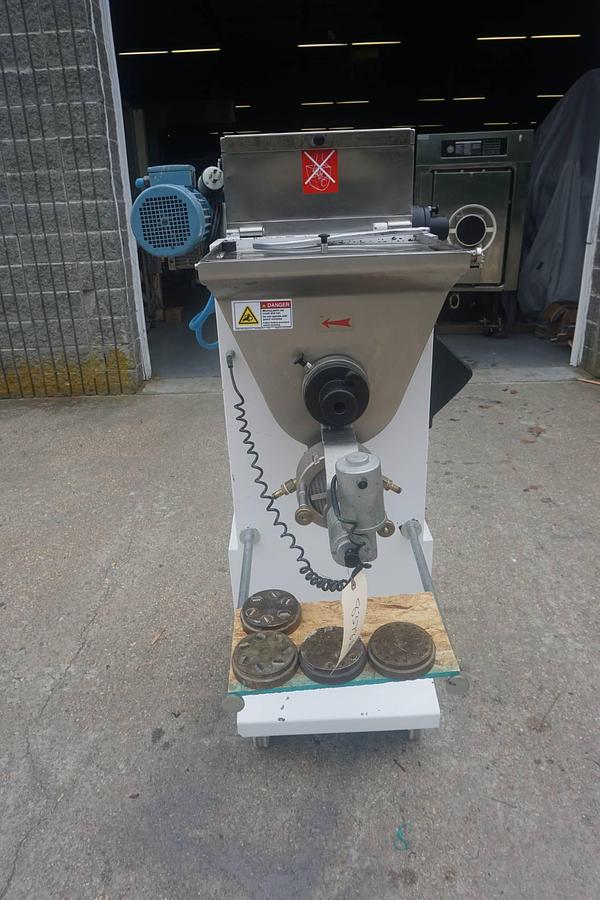
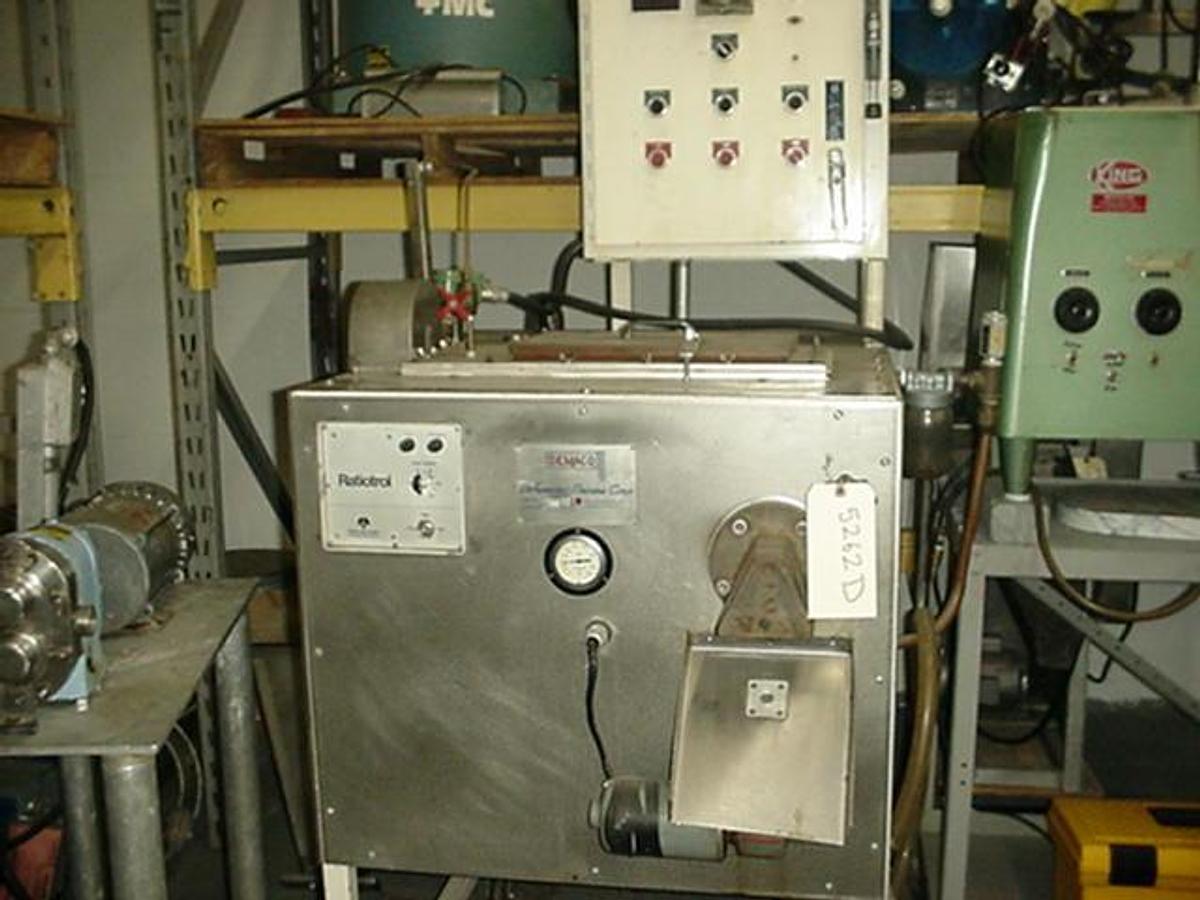
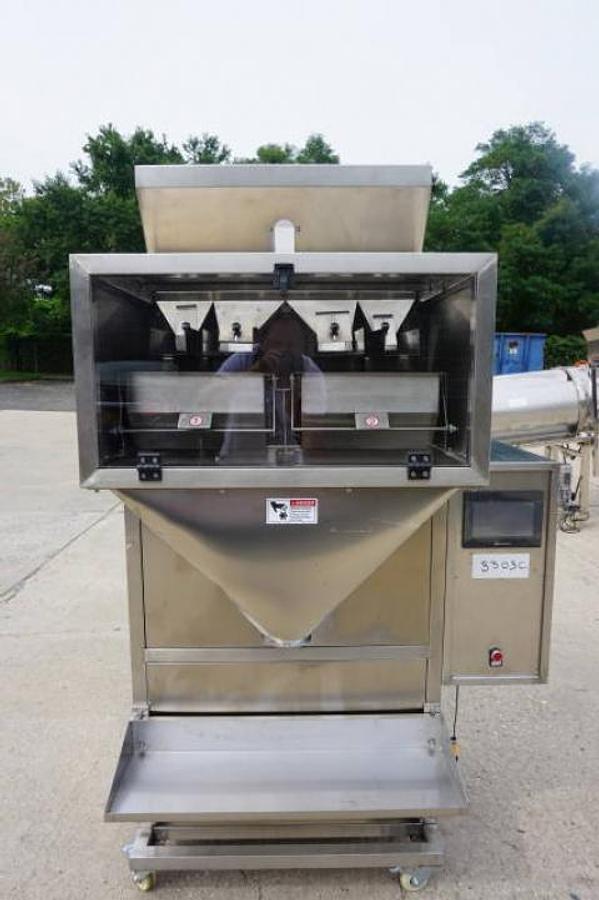
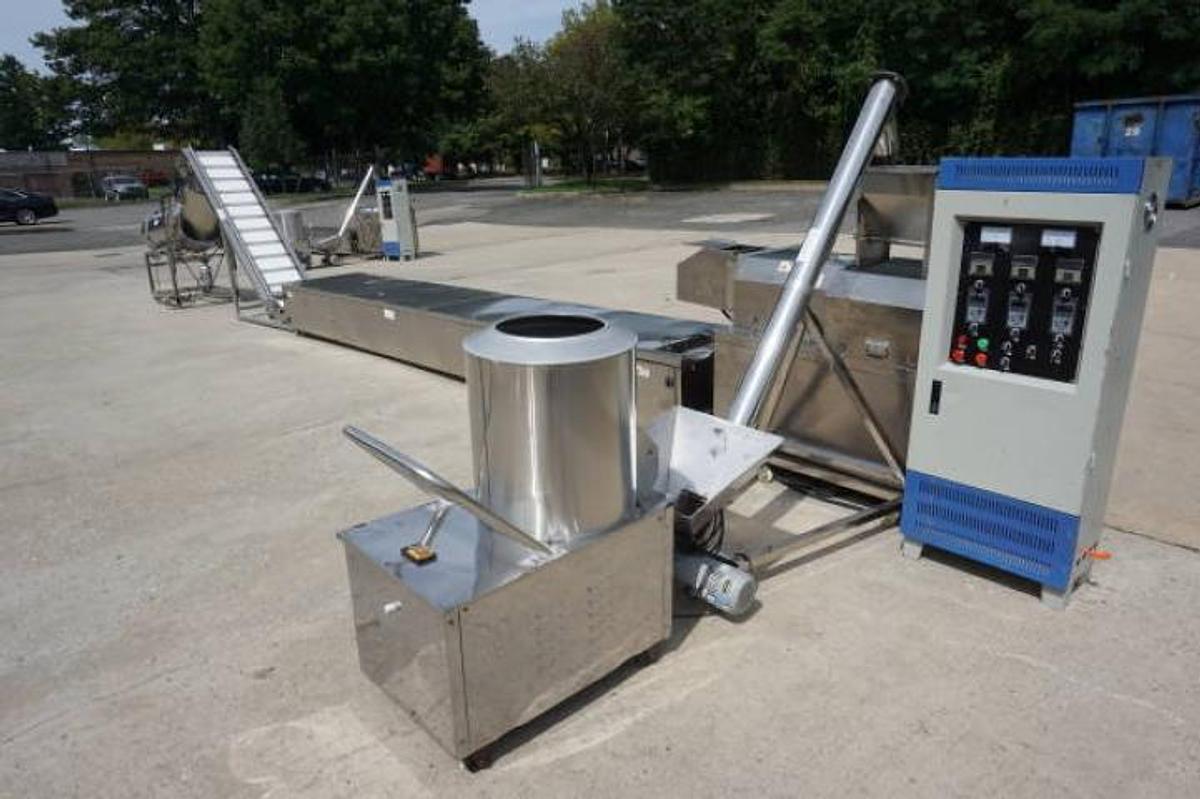
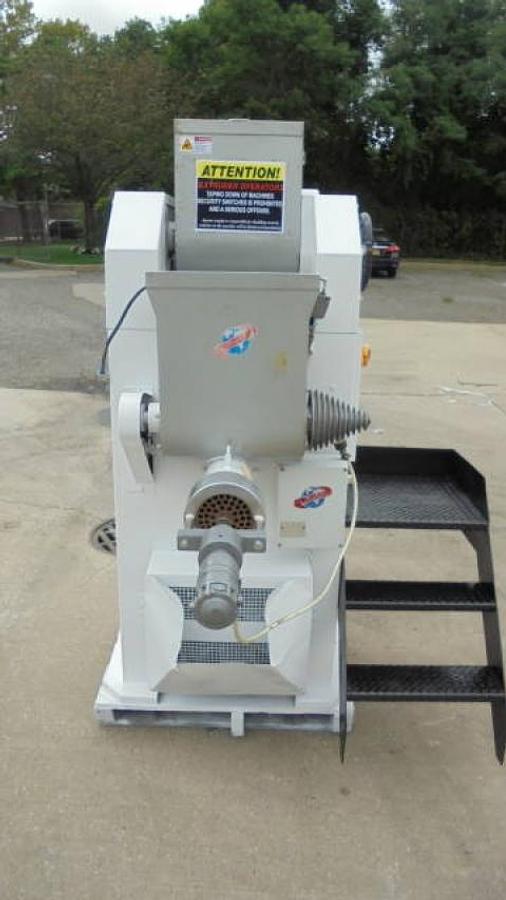
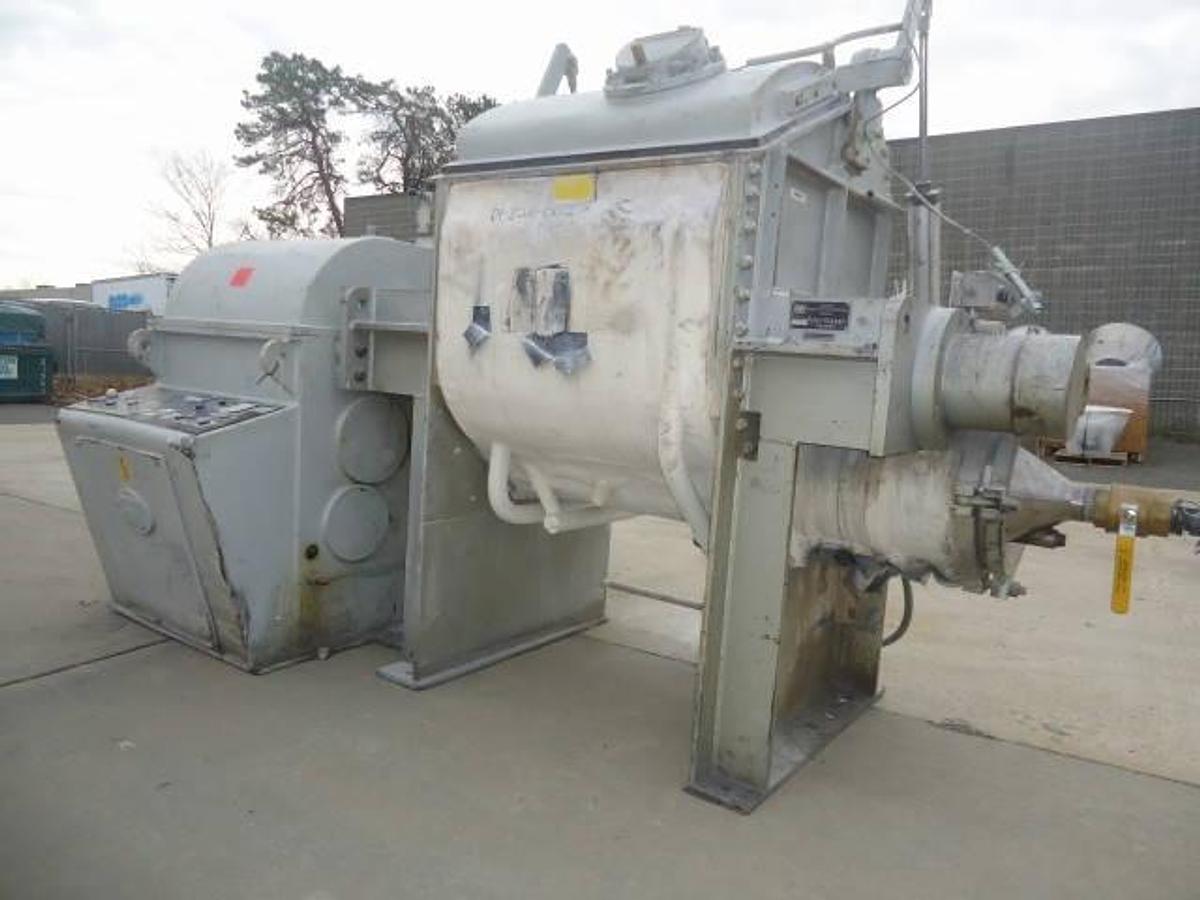
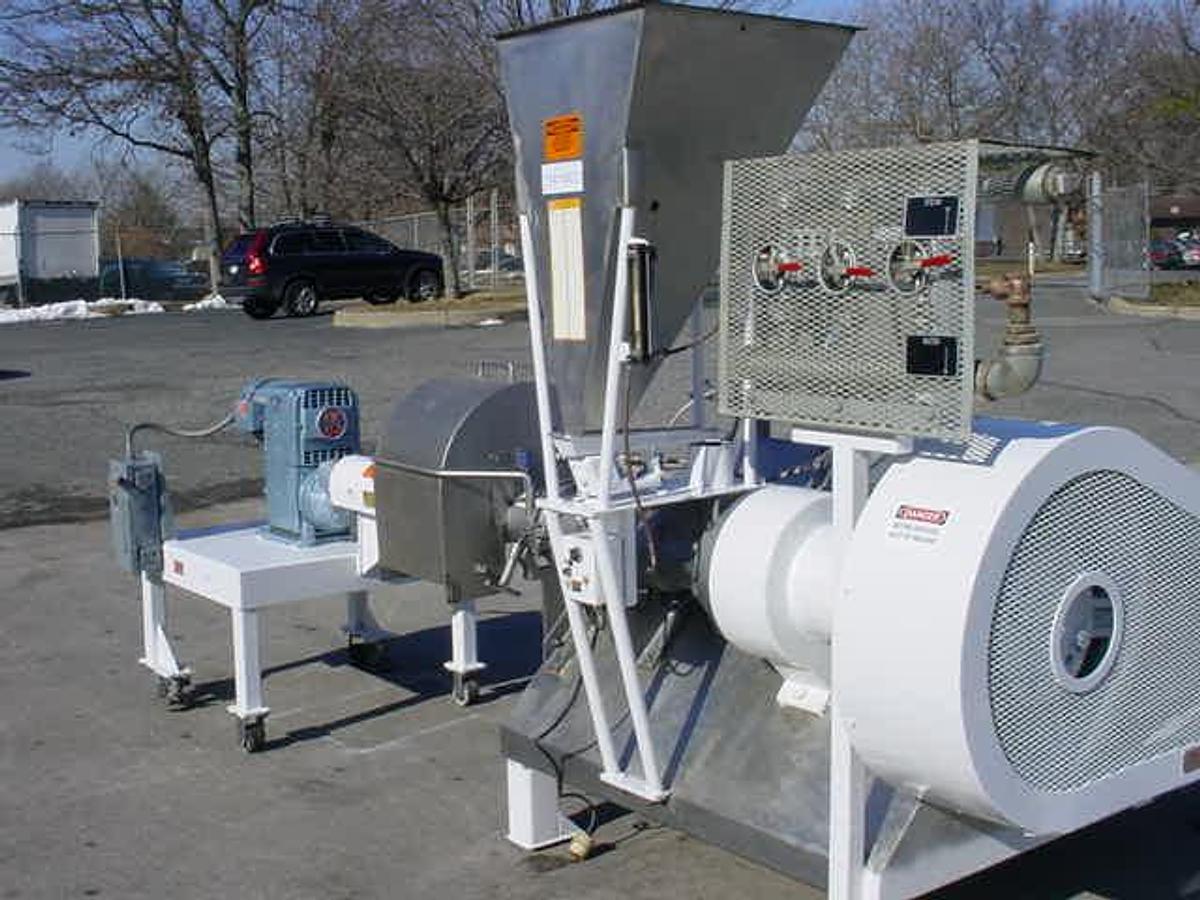
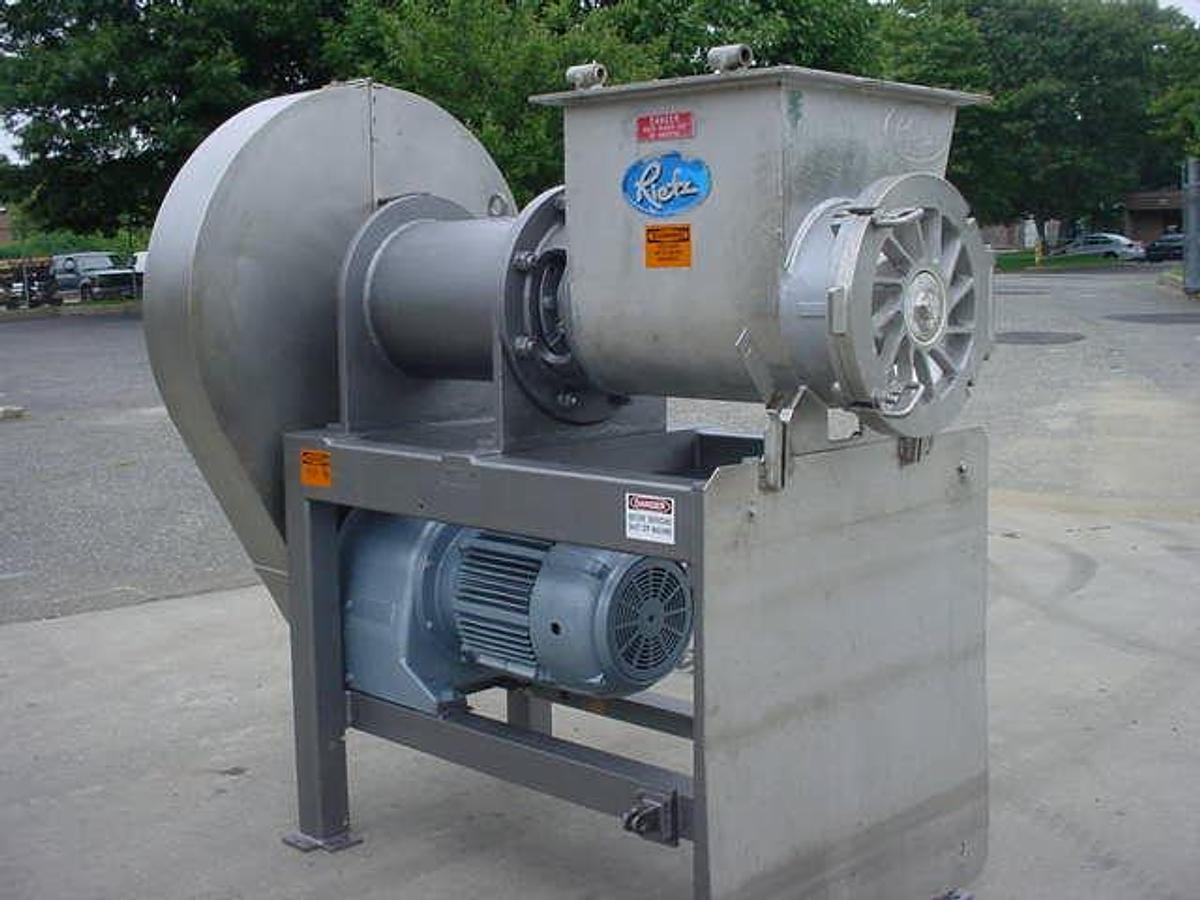
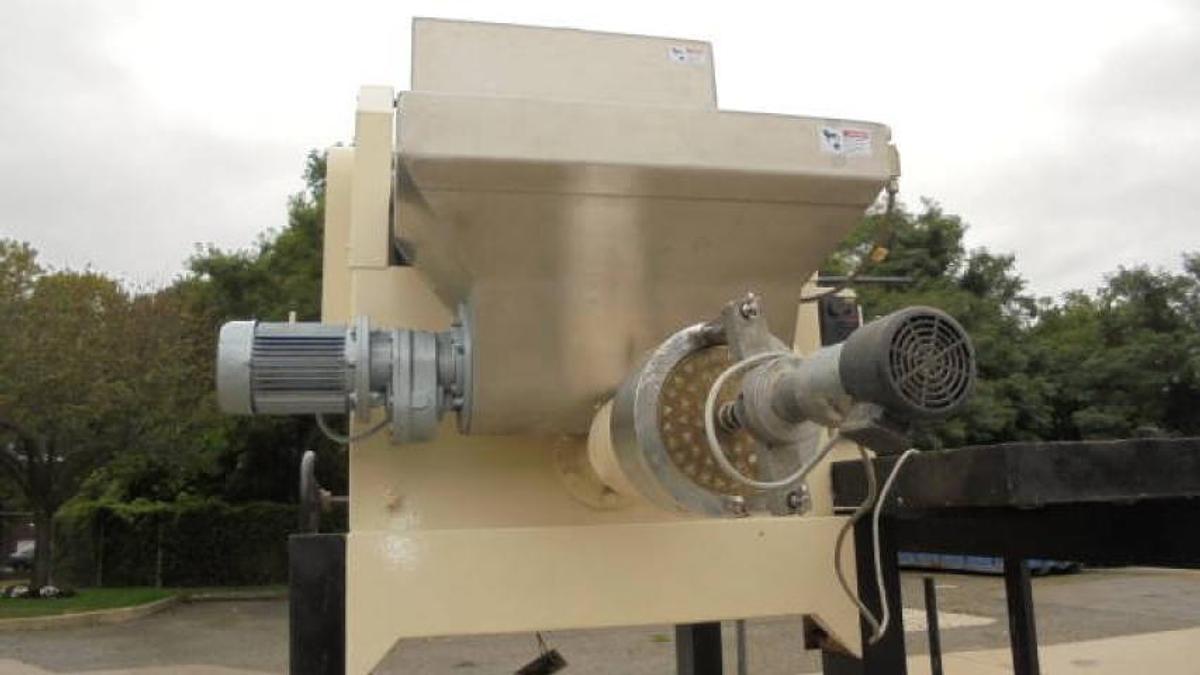
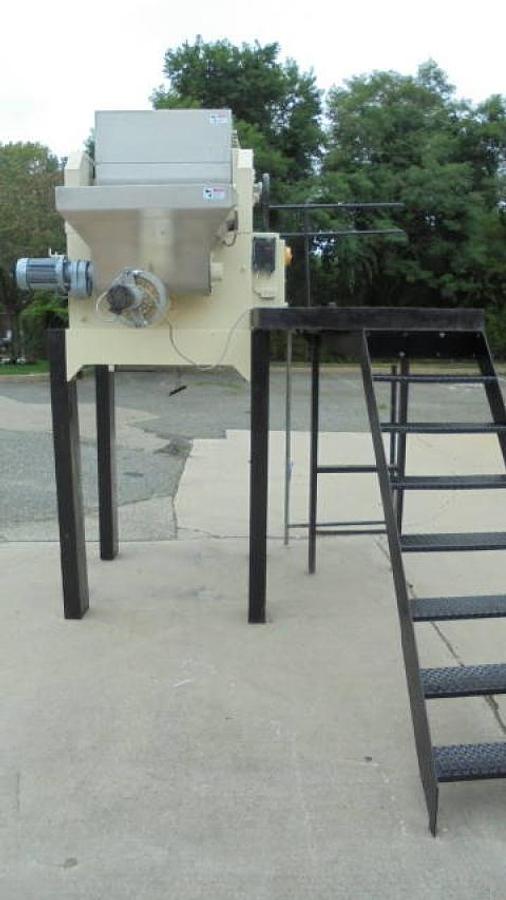
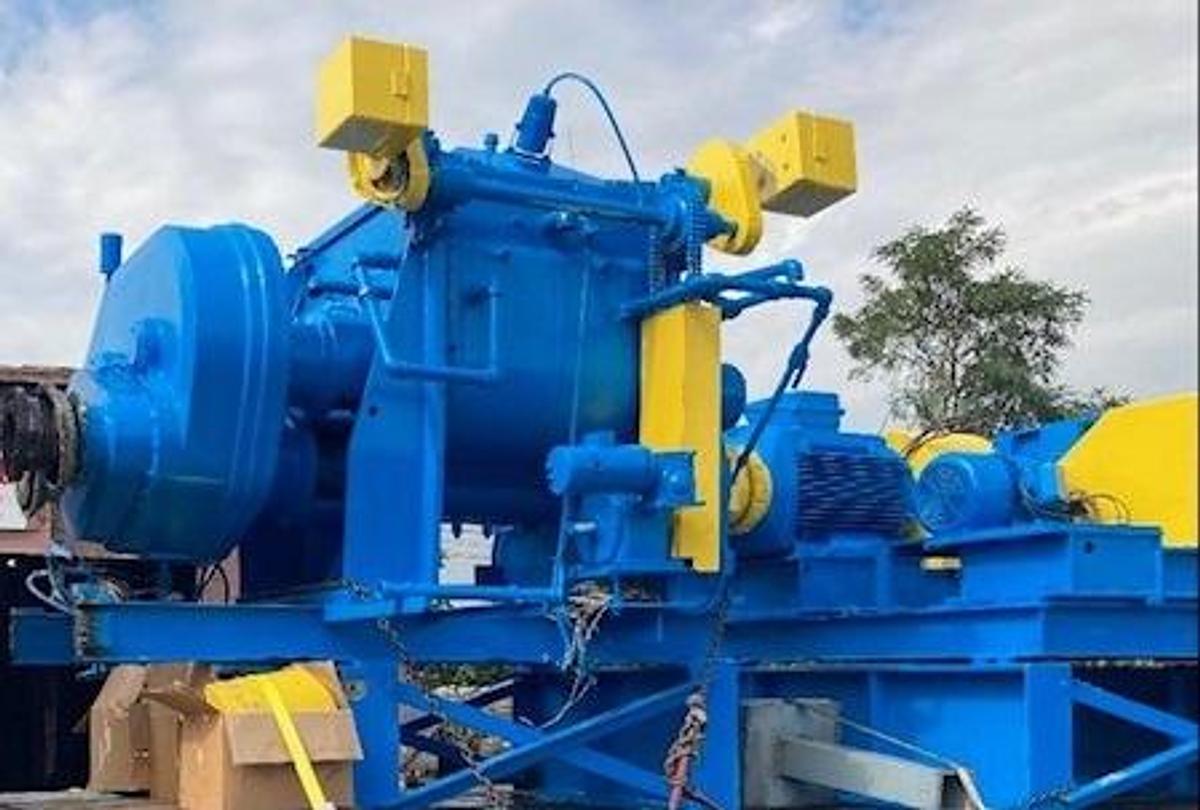
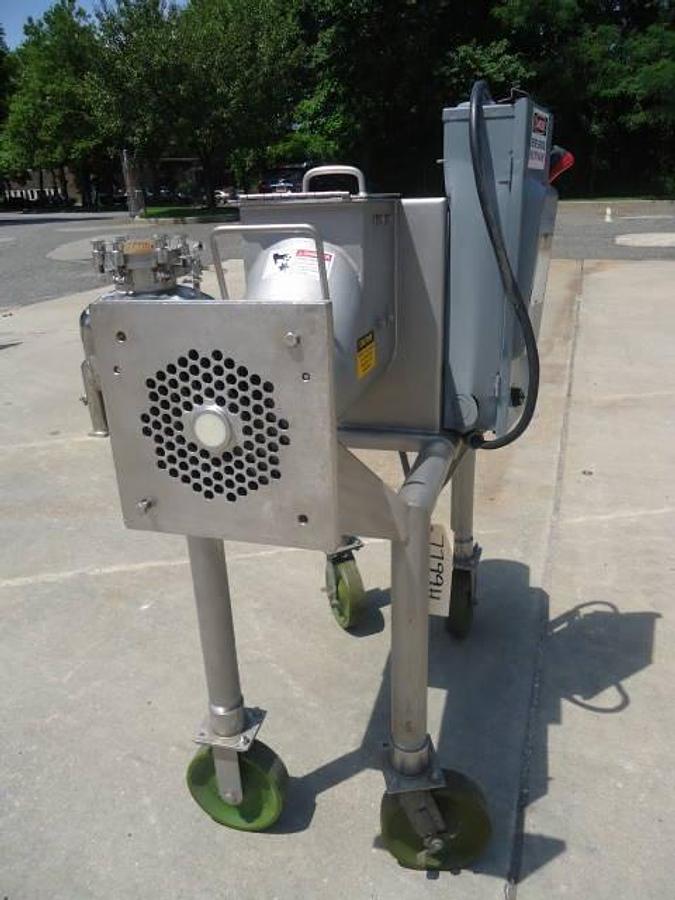
We supply extruders for the food and pet food industries and soap plodders for soap manufacturing. Many varieties of extruder are available including dough extruders, industrial pasta extruders, pet food extruders, and dog food extruders. Our inventory includes the WENGER extruder, a prominent brand of snack food extruder.
FAQ :
What types of extruders are available on the used equipment market?
Used extruders span a wide range of industries and applications, and the variety available at any given time reflects how broadly extrusion technology is used in manufacturing. In the food and pet food sectors, you'll commonly find pasta extruders, snack food extruders, dough extruders, dog food extruders, and cereal or corn puff extrusion lines. Soap manufacturing relies on plodders, which are a specialized form of extruder used to shape and compress soap bars. Lab-size or pilot-scale extruders also appear on the used market, which are useful for smaller production runs or product development work. Brands like Wenger, La Parmigiana, Italpast, and Baker Perkins are well-represented in used food processing inventories.
Beyond food, the used machinery market also carries extruders designed for plastics, rubber, and other industrial materials, though a dealer's inventory will depend on their area of specialization. Buyers should focus on dealers who concentrate on their specific industry, since a dealer with deep food processing expertise will carry more relevant equipment, have better knowledge of the machines they're selling, and be better positioned to answer technical questions. Checking a dealer's current and historical inventory gives a good sense of whether they regularly handle the type of extruder you need.
What is a realistic price range for used extruders?
Pricing on used extruders varies enormously depending on the type, size, age, condition, and brand of the machine. At the lower end, small lab-scale or pilot extruders can be found for a few thousand dollars. Mid-range commercial pasta extruders or snack food extruders from established manufacturers often fall somewhere between $10,000 and $75,000 depending on output capacity and included accessories. Large-scale industrial twin-screw or continuous extrusion systems can exceed $150,000 or more, particularly for high-output configurations with specialized controls.
Beyond the purchase price, buyers should factor in total cost of ownership. Shipping, rigging, installation, replacement dies, spare parts, and ongoing energy consumption all add to the real cost of putting a machine into production. Used equipment dealers typically price machines based on condition and market demand, and prices can fluctuate as inventory turns over. Getting a clear picture of the machine's current state through inspection, and checking with the manufacturer on parts availability for that specific model and age, helps avoid surprises after purchase.
What should I look for when evaluating the condition of a used extruder?
Evaluating a used extruder requires looking beyond the exterior to understand how the machine has been maintained and how much productive life it has left. Key areas to assess include the condition of the screw and barrel, since wear in these components directly affects output quality and throughput consistency. On food extruders, the condition of stainless steel contact surfaces matters for both hygiene compliance and longevity. Die condition, drive motor hours, gearbox condition, and the state of any heating or cooling systems are also worth examining closely. Asking the dealer for any available maintenance records or service history adds useful context.
Reputable used equipment dealers will accommodate in-person inspections at their facility, or they can arrange video walkthroughs and recorded inspections if travel isn't practical. In some cases, a machine may still be installed and running at the original production facility, which allows for a live operational inspection. Keep in mind that most equipment dealers are not set up to run full production tests with actual product, since that requires different permitting and operational infrastructure. The goal of any inspection is to get an accurate picture of the machine's current mechanical condition, so buyers should ask specific questions and request close-up footage of wear-prone components.
How important is output capacity when choosing an extruder, and how is it measured?
Output capacity is one of the most practical specifications for any commercial buyer, since it directly determines whether a machine can meet production targets. Extruder throughput is typically expressed in kilograms per hour (kg/hr) or pounds per hour (lbs/hr), and these figures vary widely across machine sizes and types. For example, a compact pasta extruder might be rated at 80 kg per hour, while a high-output snack food or pet food extrusion line can process several hundred kilograms per hour. Matching the machine's rated capacity to your actual production requirements, with some headroom for growth, is a sound approach.
It's worth noting that rated capacity figures are often based on specific product formulations and operating conditions. The actual throughput you achieve may vary depending on the material being processed, die configuration, moisture content, and how the machine is set up. When reviewing used equipment listings, look for machines where the rated output is clearly specified, and cross-reference that against the screw diameter and motor horsepower to get a more complete picture. Asking the dealer whether the machine was running at or near its rated capacity before being decommissioned is also a useful data point.
What are the key technical specifications to compare when shopping for a used extruder?
Several technical specifications carry the most weight when comparing used extruders. Screw diameter is a primary indicator of machine size and throughput potential, with larger diameters generally supporting higher output volumes. The L/D ratio (length-to-diameter) describes the screw's length relative to its diameter and affects how thoroughly the material is mixed and processed before exiting the die. Higher L/D ratios allow for more processing time and are often preferred for applications requiring consistent melt quality or thorough cooking in food applications. Screw speed, measured in RPM, affects shear and output rate and should be matched to the material being processed.
Motor horsepower is another practical figure to review, since it indicates the machine's capacity to handle denser or more viscous materials. On food extruders specifically, the number and configuration of die openings affects the shape and size of the finished product. Barrel construction (stainless steel versus carbon steel) matters for food safety and corrosion resistance. For any used machine, it's also worth consulting the manufacturer directly to understand what replacement parts and technical support are available for that specific model, since older or discontinued models may have limited parts availability.
Are used extruders suitable for small or mid-sized food businesses, or are they primarily for large industrial operations?
Used extruders are available across a wide range of scales, making them accessible to businesses well beyond large industrial operations. Lab-size and pilot-scale extruders are regularly available on the used market and are well-suited to smaller food manufacturers, specialty producers, or companies developing new product lines who don't yet need high-volume throughput. A compact pasta extruder rated at 105 lbs per hour, for instance, is a practical fit for a small pasta producer or a restaurant operation looking to scale up production. These smaller machines also tend to carry lower price points, which makes the economics more accessible for businesses with tighter capital budgets.
Mid-sized operations benefit particularly from the used equipment market because they can access commercial-grade machinery from established manufacturers at a fraction of what comparable equipment would cost if purchased through other channels. The key is matching the machine's capacity and configuration to actual production needs. Buying a machine that's significantly oversized for current output can mean paying for capacity that sits idle, while undersizing creates production bottlenecks. Taking the time to map out current and projected production volumes before evaluating specific machines leads to better purchasing decisions.
What industries and applications use extruders beyond food processing?
Extrusion is one of the more versatile manufacturing processes, and extruders are used across a broad range of industries. In plastics manufacturing, single-screw and twin-screw extruders are used to produce pipe, tubing, film, sheet, profiles, and pellets. The rubber industry uses extruders to shape gaskets, seals, hoses, and tire components. Pharmaceutical manufacturers use specialized extruders for hot melt extrusion of drug formulations. The 3D printing industry relies on extruders to produce filament from raw polymer pellets. Even soap manufacturing uses a form of extruder called a plodder to compress and shape soap bars.
Within food processing specifically, the range of applications is substantial. Pasta extruders shape dough into specific pasta formats. Snack food extruders produce puffed corn snacks, cheese puffs, and similar products by forcing cooked starch through a die under pressure. Pet food and dog food extruders use similar technology to produce kibble at high volumes. Cereal extrusion lines combine cooking, shaping, and sometimes puffing into a single continuous process. Understanding which industry a specific extruder was designed for is important when purchasing used equipment, since food-grade machines have different construction standards and compliance requirements than machines built for plastics or rubber.
What are typical power requirements for commercial extruders?
Power requirements for commercial extruders vary considerably based on machine size, screw configuration, and the material being processed. Smaller pasta extruders and lab-scale machines may operate on standard three-phase power in the range of 5 to 20 horsepower. Mid-sized snack food or pet food extruders commonly require motors in the 25 to 75 horsepower range, and larger continuous extrusion systems can demand 100 horsepower or more. A Wenger X-25 snack food extruder, as one example, uses a 75 hp motor, which gives a sense of the power draw involved at a commercial production scale.
Buyers should verify the voltage, phase, and frequency requirements of any used extruder before purchase and confirm that their facility's electrical infrastructure can support it. In some cases, transformers or phase converters may be needed, adding to the total installation cost. Energy consumption is also a meaningful component of the total cost of ownership over time, particularly for machines running multiple shifts. Reviewing motor specifications and asking the dealer about the machine's typical operating conditions helps buyers estimate ongoing energy costs more accurately before committing to a purchase.
How does the purchasing process work when buying a used extruder from a dealer?
Buying a used extruder from a dealer typically follows a straightforward process, though buyers should go in prepared to do their due diligence. The process generally starts with identifying machines that match your technical requirements, then requesting detailed specifications, photos, and condition information from the dealer. Reputable dealers will accommodate inspection requests, either in person at their facility, through a live video call, or via recorded video walkthroughs of the machine. In cases where the equipment is still installed at a production facility, the dealer may be able to arrange a visit to see the machine in its operating environment.
Payment terms in the used equipment industry typically require full payment prior to shipping. Some dealers extend terms to repeat customers, but buyers purchasing from a dealer for the first time should expect to pay in full before the machine ships. Shipping costs depend on the size and weight of the machine, the level of packaging or crating required to protect it in transit, and whether heavy-duty rigging is needed for loading and unloading. Larger extruders may require a crane or forklift with significant capacity, which adds to the landed cost. Buyers should request a full breakdown of packaging, rigging, and freight costs from the dealer before finalizing the purchase so there are no surprises when the machine arrives.
What should buyers know about parts availability and manufacturer support for used extruders?
Parts availability is one of the more practical concerns when purchasing a used extruder, and it deserves serious attention before committing to a machine. Established manufacturers like Wenger, Baker Perkins, and La Parmigiana have long track records in their respective industries, and some continue to support older models with replacement parts and technical documentation. However, the level of support available depends heavily on the age of the machine and whether the specific model is still within the manufacturer's active support window. Buyers should contact the manufacturer directly before purchasing to ask specifically about parts availability, lead times, and whether technical support is offered for that model.
For machines where manufacturer support has been reduced or discontinued, third-party parts suppliers and specialized repair shops can sometimes fill the gap, though this adds complexity to maintenance planning. Screw and barrel wear components, dies, and drive components are among the parts most commonly needed over a machine's service life. Stocking critical spare parts at the time of purchase, particularly for components with long lead times, is a common practice among experienced buyers of used industrial equipment. Selecting a dealer who specializes in the type of extruder you're buying also helps, since they're more likely to have useful knowledge about parts sourcing and common maintenance issues for the machines they sell.