Category
Manufacturer
Model
Used Soap Equipment for Sale
Pre-Owned Soap Plodders, Presses, and Roll Mills In Stock
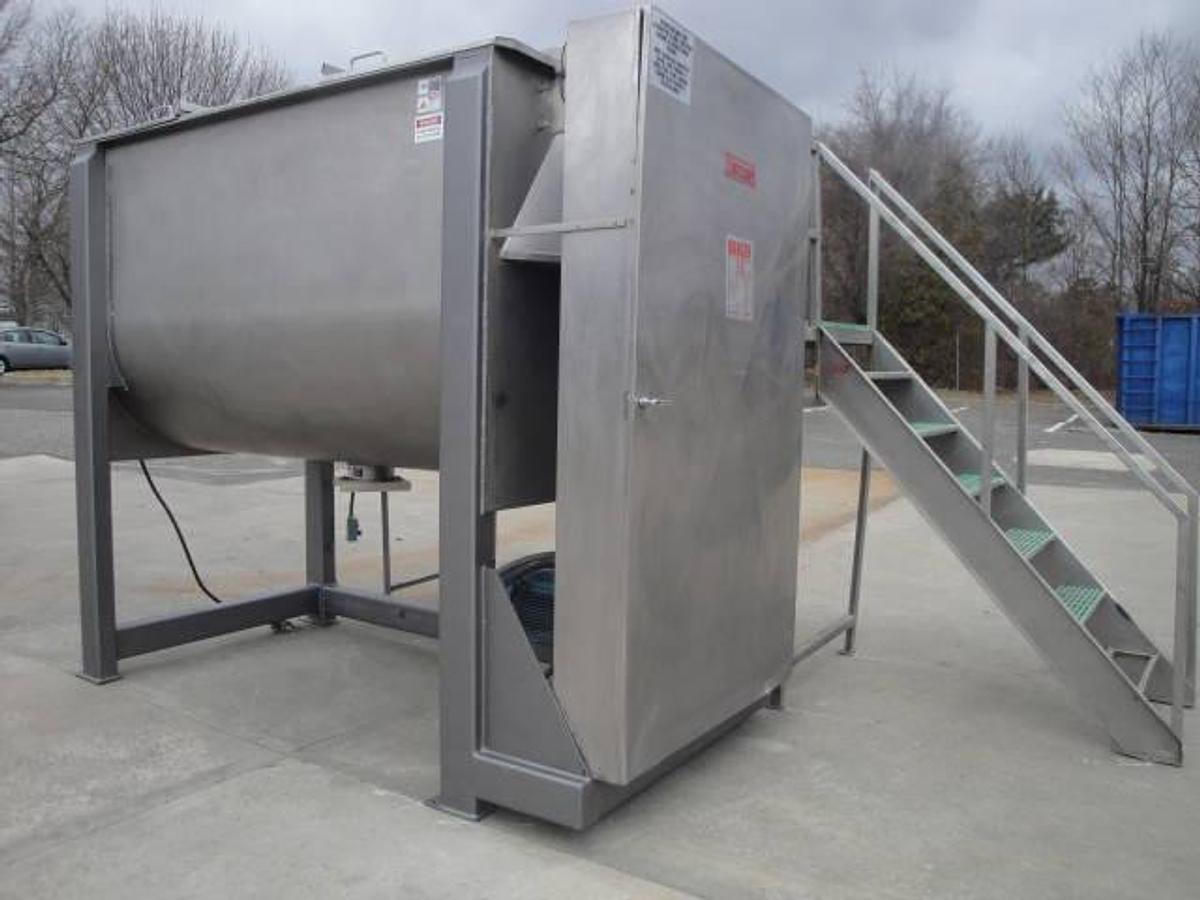
Wohl Industries stocks used soap equipment for bar soap and personal care manufacturers. You get pre-owned soap plodders, soap presses, roll mills, and amalgamators. Plodders extrude soap into a continuous bar for cutting. Presses stamp bars into finished shapes with logos. Roll mills refine soap chips into a smooth, uniform mass. Amalgamators blend color and fragrance into the base. Buying used cuts your capital cost and lead time. We inspect every machine before we ship. We have sold processing and packaging equipment since 1968. Send us your bar size and output, and we match you to the right machine.
FAQ :
What types of used soap making equipment are available for purchase?
Used soap making equipment covers every stage of bar soap production, from raw material blending through to finished product packaging. The main categories include soap plodders (also called soap extruders), amalgamators and mixers, refiners, presses and stampers, bar cutters, and wrapping or cartoning machines. A complete used production line might also include ribbon blenders for mixing soap base ingredients and vacuum plodders that remove air from the soap mass to produce a denser, harder bar. Capacity and configuration vary widely, with some lines capable of producing up to 3,000 bars per hour.
Within each category there are meaningful differences in design. Plodders, for example, range from single-screw to duplex (double-screw) vacuum models, with duplex units generally producing a smoother, more homogeneous bar. Refiners are used to improve the texture of the soap mass before extrusion, while presses and stampers give bars their final shape and embossed logo. On the packaging side, automatic wrappers and cartoners handle high-volume lines, whereas semi-automatic or manual equipment suits smaller operations. Well-known manufacturers in the used market include Binacchi, Mazzoni, ACMA, and Sigma Engineering, all of which built machines intended for long service lives in industrial soap plants.
How much does soap making equipment cost when bought used?
Pricing for used soap making equipment spans a very wide range depending on the type of machine, its age, condition, brand, and production capacity. A small pilot-plant mixer or a single-head soap press might sell for a few thousand dollars, while a complete duplex vacuum plodder from a reputable manufacturer like Mazzoni or Binacchi can run anywhere from $15,000 to $60,000 or more. Full production lines that include a refiner, plodder, cutter, and wrapper can reach six figures when purchased as a matched set. Stainless steel construction, which is the most desirable material for sanitation and corrosion resistance, tends to command a premium over older carbon steel machines.
Beyond the purchase price, buyers should factor in the full landed cost of the equipment. Rigging, crating, freight, and any reconditioning or parts replacement needed after delivery can add significantly to the total investment. A machine listed at an attractive price may require new seals, gaskets, mixing paddles, or heating elements, which are among the most common wear items on used soap equipment. Getting a clear picture of the machine's current condition through inspection, and requesting detailed photos or a video walkthrough from the dealer, helps avoid surprises. Comparing the total cost of a used machine against the price of sourcing equivalent capacity through other means is the practical way to evaluate whether a given deal makes sense.
Where can I buy used soap making equipment?
Used soap making equipment is sold through specialized industrial machinery dealers who focus on the personal care, chemical, or food processing industries. Dealers who specialize in soap and cosmetic manufacturing equipment are the most reliable source because they understand the specific requirements of the machinery, can identify the correct models and configurations, and are better positioned to answer technical questions about condition and compatibility. Generalist auction houses and surplus equipment sales also surface soap machinery periodically, but buyers there typically get less technical support and fewer opportunities for pre-purchase inspection.
When evaluating a dealer, look for a long track record in the industry and a verifiable inventory of soap-specific machines such as plodders, refiners, amalgamators, and wrappers. A reputable dealer will offer in-person or video inspections and be transparent about the machine's history and current condition. It is also worth contacting the original equipment manufacturer directly before purchasing, since the manufacturer can advise on parts availability, the level of technical support they still offer for a given model, and any known issues with that machine series. This is especially important for older equipment where documentation or spare parts may be limited.
What should I inspect before buying used soap making equipment?
A thorough pre-purchase inspection is the most important step a buyer can take when sourcing used soap making machinery. Start with the mechanical components most prone to wear: mixing paddles, screw flights on plodders and extruders, seals and gaskets, heating elements, and drive motors. Worn screw flights on a plodder will reduce output quality and throughput, while degraded seals can cause leaks and contamination issues. Ask the dealer for documentation on when the machine was last serviced, whether any major components have been replaced, and how long the machine was in active production before being decommissioned.
Beyond wear items, inspect the structural condition of the frame and any stainless steel contact surfaces for corrosion, pitting, or repairs that could affect sanitation. Electrical panels and controls should be checked for outdated components that may be difficult to source. Many dealers will accommodate in-person inspections at their facility or, if the machine is still located at the plant where it was used, can arrange access to the site. Virtual inspections via live video call are a practical alternative when travel is not feasible. Keep in mind that most equipment dealers are not set up for full production runs, so testing the machine with actual soap product is generally not possible during inspection. The goal is to get the most accurate picture of mechanical condition and completeness before committing to a purchase.
What brands of used soap making equipment are most sought after?
In the used market for industrial bar soap production, Binacchi and Mazzoni are among the most recognized names. Both are Italian manufacturers with long histories in soap plant engineering, and their machines, including dual-screw vacuum plodders, refiners, and presses, were built for continuous industrial use. Because of that durability, they retain strong resale value and are frequently sought by buyers looking for reliable used equipment. ACMA is another well-regarded name specifically for soap wrapping and cartoning machinery. On the mixing side, brands like Sigma Engineering appear regularly in the used market for combination refiner-extruder units.
For buyers sourcing equipment for smaller-scale or pilot operations, brands like Hobart and APV are sometimes found in the used market for mixing applications, though these are not soap-specific manufacturers. The practical advantage of sticking with established soap equipment brands is parts and service support. Before purchasing any used machine, it is worth contacting the manufacturer directly to ask which models they still support, whether spare parts are available, and what documentation they can provide. Older or discontinued models may have limited manufacturer support, which shifts more of the maintenance burden onto the buyer or a third-party service technician.
Does used soap making equipment come with a warranty?
Used soap making equipment is typically sold on an as-is basis by dealers, meaning no warranty is provided by the seller. Warranties are generally only issued by the original equipment manufacturer on new machinery. Because of this, the responsibility for evaluating condition and fitness for purpose falls squarely on the buyer prior to purchase. This is not unique to soap equipment but is standard practice across the used industrial machinery market.
The practical implication is that buyers need to do their due diligence before committing. Selecting a dealer with a verifiable track record in the soap and personal care equipment space reduces risk, since experienced dealers have a reputation to protect and are more likely to represent the condition of machines accurately. Requesting an in-person or video inspection, reviewing any available service history, and consulting the equipment manufacturer about parts availability and known issues with that model are all steps that help buyers make an informed decision. Building a relationship with a qualified maintenance technician who can assess the machine independently is also a sound approach, particularly for higher-value purchases like duplex vacuum plodders or full production lines.
How is used soap making equipment typically shipped?
Shipping used soap making equipment requires more planning than standard freight because these machines are heavy, often precision-built, and can be damaged if not properly secured during transit. Smaller items like single-head presses or pilot-plant mixers may ship palletized with appropriate blocking and bracing, while larger machines such as duplex vacuum plodders or complete production lines typically require custom wooden crating to prevent damage. The level of packaging directly affects freight cost, so buyers should ask the dealer for a detailed breakdown of palletization or crating charges before agreeing to a purchase price.
For very large or heavy equipment, professional rigging is required for both loading at the dealer's facility and unloading at the buyer's location. Rigging involves specialized equipment like forklifts, cranes, or machinery skates, and the cost is usually separate from the base freight charge. Buyers should request a full landed cost estimate that includes the machine price, rigging, packaging, freight, and any applicable fuel surcharges or liftgate fees. International shipments add customs, duties, and potentially fumigation requirements for wooden crating. Getting all of these figures before finalizing the purchase avoids unexpected costs and helps with accurate budgeting for the project.
Can used commercial soap making equipment meet cosmetic safety and GMP standards?
Used commercial soap making equipment can meet Good Manufacturing Practice (GMP) and FDA cosmetic manufacturing requirements, provided the machines are in sound mechanical condition and made from appropriate materials. Stainless steel is the preferred construction material for any surface that contacts soap product, because it resists corrosion, does not harbor bacteria in the same way porous materials can, and is straightforward to clean and sanitize. Many industrial soap machines from established manufacturers were built to stainless steel contact-surface standards from the factory, which is one reason they remain attractive in the used market.
That said, meeting GMP standards is as much about how equipment is maintained and operated as it is about the equipment itself. Buyers producing soap for retail sale should have a food-grade or cosmetic sanitation protocol in place and should inspect used machines carefully for any pitting, cracks, or residue buildup in contact areas that could compromise sanitation. It is also advisable to consult with a regulatory specialist or review FDA guidance on cosmetic manufacturing before putting used equipment into production for commercial sale. Replacing worn seals, gaskets, and any damaged stainless surfaces before startup is standard practice and helps ensure the equipment performs to the standard the production environment requires.
How difficult is it to find replacement parts for used soap making machinery?
Parts availability for used soap making machinery varies considerably depending on the manufacturer, the age of the machine, and whether that model is still in production. For well-supported brands like Binacchi and Mazzoni, many replacement parts including screw flights, seals, gaskets, and wear components are still available directly from the manufacturer or through authorized service networks, particularly for machines that are not excessively old. Contacting the manufacturer before purchasing a used machine is one of the most practical steps a buyer can take, since the manufacturer can confirm which parts are stocked, what the typical lead times are, and whether technical documentation is available for that specific model.
For older or discontinued models, parts sourcing becomes more challenging and may require custom fabrication or sourcing from third-party suppliers who specialize in aftermarket industrial components. Some buyers work with experienced millwrights or mechanical engineers who can reverse-engineer worn components when factory parts are no longer available. This adds cost and lead time but is often still more economical than replacing the entire machine. When evaluating a used soap machine, it is worth asking the dealer whether any spare parts are included with the sale, as sellers sometimes have leftover inventory from the original plant that can be transferred with the equipment.
What payment terms should I expect when buying used soap making equipment?
Most used equipment dealers require payment in full before a machine is released for shipping. This is standard practice in the used industrial machinery market and applies regardless of the purchase price. The reasoning is straightforward: once a machine leaves the dealer's facility, their ability to recover it in the event of a payment dispute is limited. Buyers should plan accordingly and have financing or capital in place before negotiating a purchase, since dealers are unlikely to hold equipment for extended periods without a deposit or full payment.
Some dealers will extend payment terms to buyers with whom they have an established purchasing history, but this is the exception rather than the rule for first-time transactions. Wire transfer is the most common payment method for used industrial equipment purchases, though some dealers accept other forms of payment depending on the transaction size. Before wiring funds, buyers should verify the dealer's credentials, confirm the machine details in writing, and ensure the invoice clearly describes the equipment, its condition as represented, and the agreed shipping terms. For large purchases, working with a dealer who has a verifiable track record in soap and personal care equipment provides meaningful assurance that the transaction will be handled professionally.