Category
Subcategory
Manufacturer
Model
Cleaners Container Air Cleaners & Water Cleaners
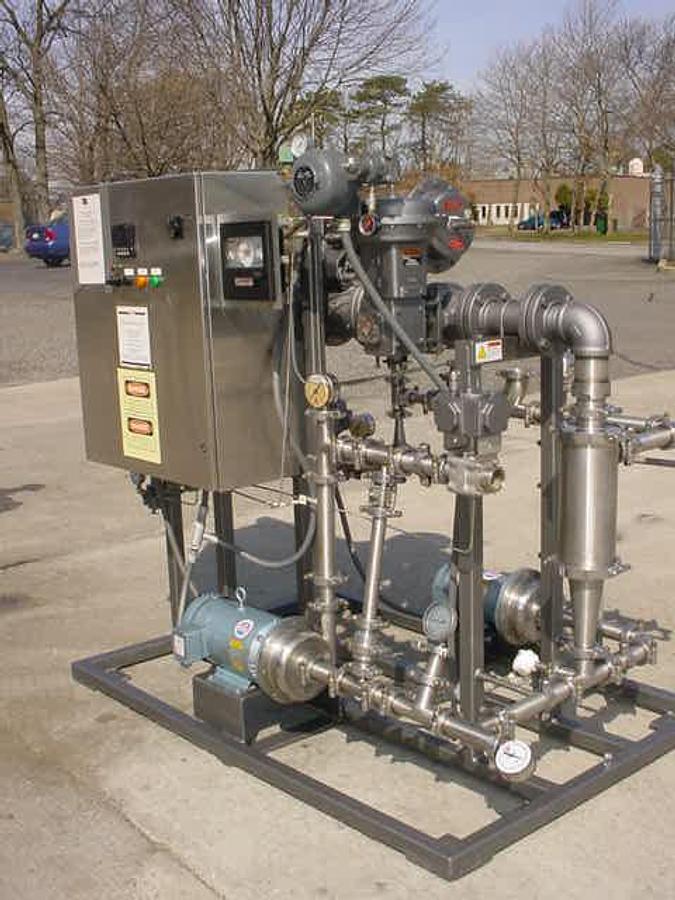
Our bottle cleaners utilize air cleaning, washing, rinsing, and sanitizing to clean all kinds of containers and bottles. We stock inverted air cleaners and used bottle cleaners and rinsers from brands including US BOTTLERS, McBRADY ENGINEERING, and ORBIT CLEANERS !
FAQ :
What types of used industrial cleaners are available on the market?
Used industrial cleaners span a wide range of categories depending on the application. The most commonly available types include bottle and container cleaners, vial and ampule washers, CIP (clean-in-place) systems, parts washers, pressure washers, ultrasonic cleaners, floor scrubbers, conveyor washers, and steam cleaners. Within the container cleaning segment specifically, you'll find machines that combine air cleaning, washing, rinsing, and sanitizing functions, including inverted air cleaners and bottle rinsers used heavily in food, beverage, and pharmaceutical production. Brands like US Bottlers, McBrady Engineering, Orbit Cleaners, Cozzoli, and Kaps-All represent the kinds of manufacturers whose equipment shows up regularly in the used market.
Beyond container and vial washing, industrial buyers also seek out rack, pan, and container washers for food processing and commercial kitchen environments, as well as CIP heating systems with pumps for sanitary processing lines. The breadth of available equipment means buyers can often find a used machine that closely matches their production specs, whether they need a compact benchtop unit or a fully automated inline washer. Because these machines are pre-owned, buyers should confirm the specific model, configuration, and condition details with the dealer before purchasing, as specifications can vary considerably between units of the same model line.
What should I inspect before purchasing a used industrial cleaner?
A thorough pre-purchase inspection is one of the most important steps when buying any used industrial cleaning equipment. Start with the mechanical components: check pump condition, motor function, hose integrity, seals, and spray nozzles. On washers and CIP systems, examine the stainless steel construction for corrosion, pitting, or weld repairs, since sanitary equipment is subject to harsh chemical and thermal cycling that degrades surfaces over time. Look at the control panel and electrical components for signs of water intrusion or improvised repairs. For vial and ampule washers, inspect the needle manifolds and injection ports carefully, as these are precision components that are expensive to replace.
Beyond the physical inspection, ask the dealer about the machine's operating history, including hours of use, the types of products or chemicals it processed, and whether it was in active production or decommissioned before being listed for sale. Some machines may still be running at the seller's facility, which allows for an in-person or video inspection in actual operating conditions. Keep in mind that most dealers do not have the permitting required to run full production tests, so buyers should understand that functional demonstrations may be limited to dry cycling or basic operational checks. Requesting photos, video walkthroughs, or an in-person visit before committing to a purchase is always a sound practice.
Do used industrial cleaners come with a warranty?
Warranties on used industrial equipment are handled very differently than they are on equipment purchased directly from a manufacturer. Manufacturers typically only extend warranty coverage to the first purchaser of a machine, and that coverage rarely transfers to subsequent buyers. Most used equipment dealers sell machinery on an as-is basis, which means the responsibility for evaluating condition and fitness for purpose falls on the buyer rather than the seller. This is standard practice across the used industrial equipment industry and is not specific to any one dealer or machine type.
Because of this, buyers should place significant weight on the reputation and track record of the dealer they choose to work with. A dealer who specializes in industrial cleaning and processing equipment, has a long history in the market, and is willing to facilitate thorough inspections is a far better choice than one offering vague assurances about machine condition. Buyers should also contact the equipment manufacturer directly before purchasing to understand what level of support, parts availability, and technical documentation they can expect for a specific model and age of machine. Older or discontinued models may have limited manufacturer support, which is a practical factor in the total cost of ownership.
What are the most reputable brands to look for when buying used industrial cleaners?
Brand reputation matters considerably in the used industrial cleaner market because it directly affects parts availability, service support, and resale value. In the general industrial cleaning segment, Karcher, Hotsy, Nilfisk, and Mi-T-M are frequently sought after for pressure washers and floor cleaning equipment due to their durability and widespread parts networks. For pharmaceutical and food-grade container washing, brands like Cozzoli, Kaps-All, McBrady Engineering, US Bottlers, and Orbit Cleaners are well-regarded for their build quality and precision engineering. GMP Systems and Pick are recognized names in CIP and sanitary heating system applications.
When evaluating a brand, consider how long the manufacturer has been in business, whether they still produce the model in question or a successor model, and how readily available replacement parts and technical manuals are. A machine from a manufacturer that is still active and supportive of its installed base is generally a safer purchase than one from a company that has exited the market or been acquired and discontinued the product line. Dealers who specialize in a particular industry segment, such as pharmaceutical filling or beverage processing, will typically carry equipment from the most relevant and trusted brands within that niche, which can simplify the sourcing process considerably.
How do I verify the maintenance history of a used industrial cleaner?
Verifying maintenance history is one of the trickier aspects of buying used industrial equipment, but there are several practical approaches. Start by asking the dealer for any documentation that came with the machine, including maintenance logs, service records, calibration certificates, or operator manuals. Equipment that was used in regulated industries like pharmaceuticals or food processing is more likely to have detailed maintenance records because those environments require documentation for compliance purposes. A CIP system or vial washer that was running in a GMP facility, for example, may have a well-documented service history that gives a buyer real confidence in its condition.
If formal records are unavailable, a detailed visual and mechanical inspection combined with a candid conversation with the dealer can fill in some of the gaps. Ask specifically about the last time consumable components like seals, pumps, and heating elements were replaced, and whether any major repairs were performed. If the machine is still installed at the original facility, an in-person inspection at the plant can be particularly revealing, as you can observe the overall maintenance culture of the operation and ask questions of the maintenance staff directly. While no used equipment purchase comes with perfect information, combining available documentation with a hands-on inspection gives buyers the most accurate picture of what they are actually getting.
Can I get replacement parts for used industrial cleaning equipment?
Parts availability is a practical concern that should factor into every used industrial cleaner purchase decision. For machines from major manufacturers that are still active in the market, replacement parts are generally obtainable either directly from the manufacturer or through authorized distributors. Components like pumps, seals, spray nozzles, heating elements, and control boards are often catalogued and stocked for models that have been in production for many years. Contacting the manufacturer before purchasing a specific used machine is a smart step, as their technical or parts department can tell you exactly what is available and at what lead time for the model you are considering.
For older or discontinued models, the parts situation becomes more variable. Some manufacturers maintain legacy parts inventories for discontinued lines, while others do not. In those cases, buyers sometimes source compatible aftermarket components, have parts fabricated, or work with third-party service companies that specialize in the equipment type. Stainless steel fabricated parts, for instance, can often be reproduced by a competent machine shop from original drawings or measurements. The key takeaway is that parts availability should be confirmed before purchase, not after, because discovering that a critical component is obsolete can turn an otherwise good deal into a costly problem.
What safety certifications should I check for when buying a used industrial cleaner?
Safety certifications on used industrial equipment can be a meaningful indicator of how the machine was originally built and whether it met recognized standards at the time of manufacture. Common certifications to look for include UL (Underwriters Laboratories) or CE marks for electrical safety, NSF International certification for equipment used in food and beverage contact applications, and 3-A Sanitary Standards compliance for dairy and food processing equipment. For pharmaceutical applications, buyers should check whether the machine was originally built to GMP standards and whether it carries any FDA-relevant documentation related to its design and materials.
It is worth understanding, however, that certifications reflect the state of the machine when it left the manufacturer, and modifications, repairs, or heavy use over time can affect whether a machine still meets those original standards in practice. If compliance with a specific certification is a regulatory requirement for your operation, consult with a qualified engineer or your facility's compliance team to assess whether a particular used machine can be recertified or brought back into compliance before putting it into production. Dealers familiar with regulated industries can often provide relevant documentation and help buyers understand the compliance history of the equipment they have in stock.
How is used industrial cleaning equipment typically shipped, and what are the costs involved?
Shipping used industrial cleaning equipment involves more complexity than standard freight because these machines are heavy, often contain delicate internal components, and require proper packaging to prevent damage in transit. Smaller units like benchtop vial washers or compact bottle rinsers may be palletized and shipped via standard LTL (less-than-truckload) freight carriers, while larger inline washers, CIP systems, or multi-tank units typically require custom crating and may need flatbed or specialized transport. The level of packaging required directly affects shipping costs, so buyers should ask the dealer for a detailed breakdown of palletization, crating, and freight charges before finalizing a purchase.
For larger or heavier machines, rigging costs for loading at the origin and unloading at the destination are an additional expense that buyers sometimes overlook. Rigging involves the use of forklifts, cranes, or other lifting equipment to safely move heavy machinery, and these services are typically arranged and billed separately from freight. Full payment is generally required before a dealer will release equipment for shipment, though some dealers may offer payment terms to established repeat customers. Getting a clear picture of the total landed cost, including the purchase price, packaging, rigging, freight, and any applicable taxes or import duties, is essential for accurate budgeting before committing to a purchase.
What is a CIP system, and why are used CIP systems popular in food and pharmaceutical processing?
CIP stands for clean-in-place, a method of cleaning the interior surfaces of pipes, vessels, tanks, and processing equipment without disassembling them. A CIP system circulates cleaning solutions, rinse water, and sometimes sanitizing agents through the equipment in a controlled sequence, removing product residues and microbial contamination efficiently and consistently. This approach is essential in industries where sanitation is critical and where frequent manual disassembly would be impractical or create contamination risks, including dairy, beverage, pharmaceutical, and biotech manufacturing. A typical CIP system includes a heating unit, circulation pumps, holding tanks for cleaning and rinse solutions, and automated controls to manage the cleaning cycle.
Used CIP systems are popular in the secondary market because they are expensive to purchase and install, and a well-maintained unit can deliver many years of reliable service. Buyers often find that a used CIP system from a reputable manufacturer, properly inspected and confirmed to be in good working order, represents significant savings compared to sourcing the equivalent capacity in new equipment. Stainless steel construction, which is standard on sanitary CIP systems, also tends to hold up well over time when properly maintained. Buyers should verify that all pumps, heating elements, and controls are functional, and confirm that the system's capacity and configuration are compatible with their specific process requirements before purchasing.
How can I inspect a used industrial cleaner before buying if I cannot visit the dealer in person?
Remote inspections have become a standard and accepted practice in the used industrial equipment market, and most reputable dealers will accommodate buyers who cannot travel for an in-person visit. The most common option is a video inspection, where the dealer records or streams a walkthrough of the machine, demonstrating its physical condition, showing key components up close, and cycling the equipment through basic operational functions where possible. A well-conducted video inspection should cover the exterior condition, all access panels and internal components, the control panel and electrical connections, any visible wear or damage, and a power-on demonstration if the machine is connected and operable.
Buyers should come prepared with a specific list of questions and areas they want the dealer to focus on during the video, rather than relying on a generic overview. Asking for close-up footage of pumps, seals, spray manifolds, heating elements, and any areas of visible wear is entirely reasonable. Some machines may still be installed and operating at the facility where they were used, in which case the dealer can often arrange an inspection at the plant, either in person or via video, where the equipment may be running under actual production conditions. Even with a thorough remote inspection, buyers should understand that some aspects of machine condition can only be fully assessed during physical operation, so factoring a degree of uncertainty into the purchase decision is always prudent.