Category
Manufacturer
Model
Used Reactors for Sale
Pre-Owned Jacketed, Agitated, and Vacuum Reactors In Stock
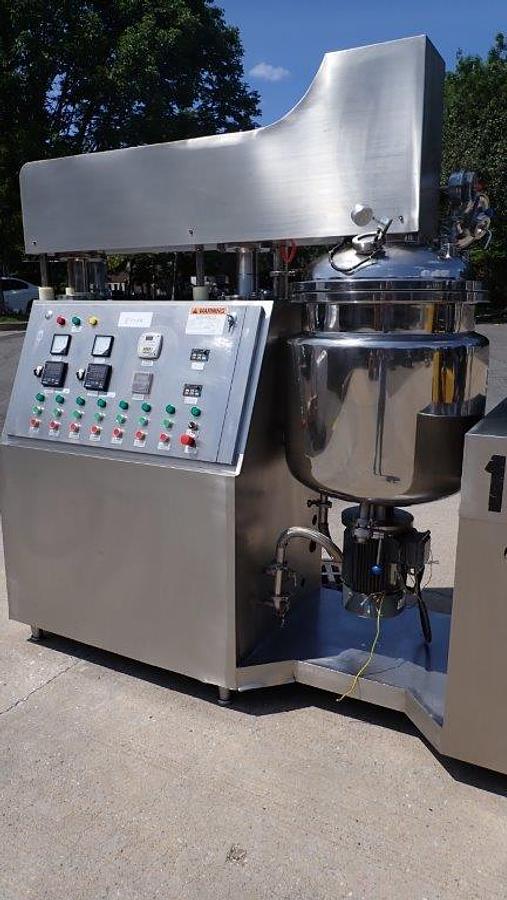
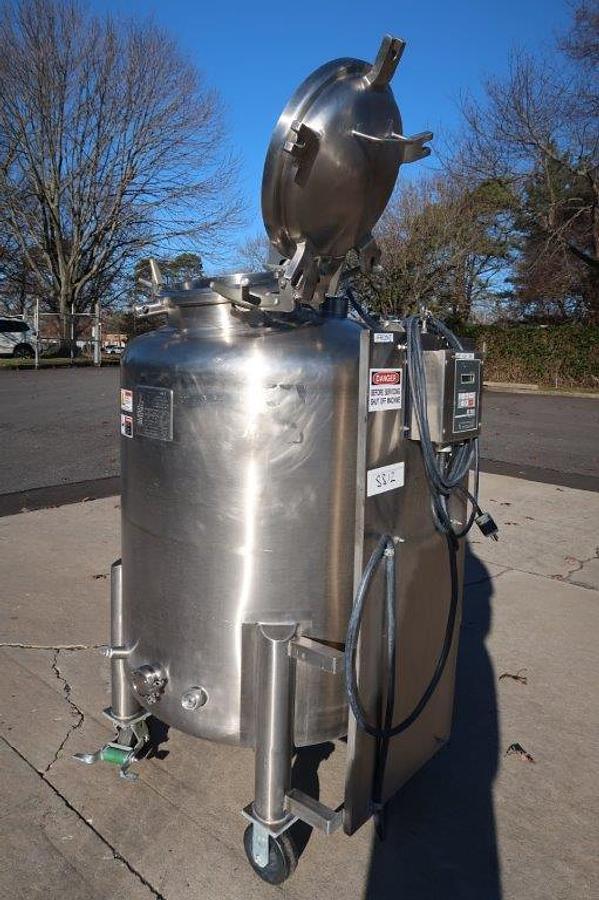
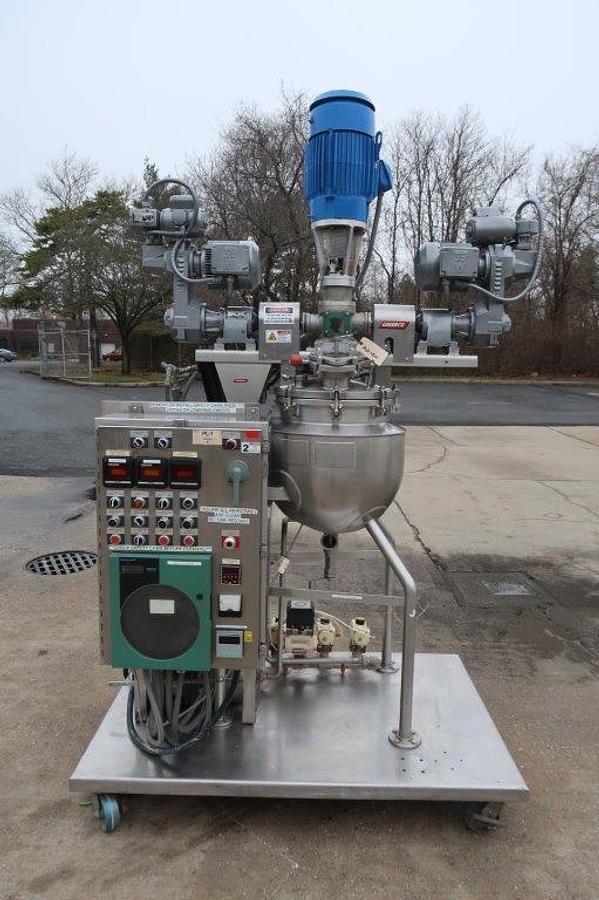
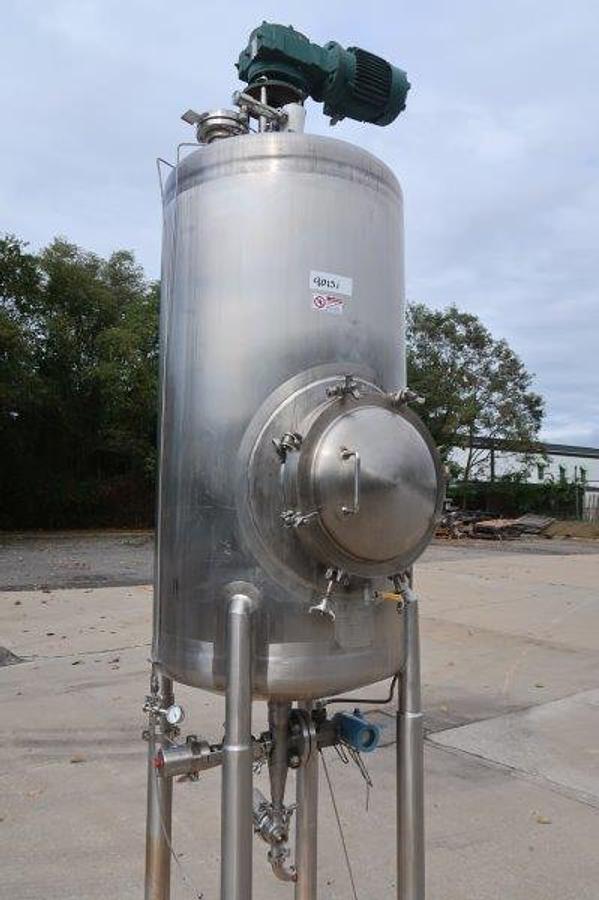
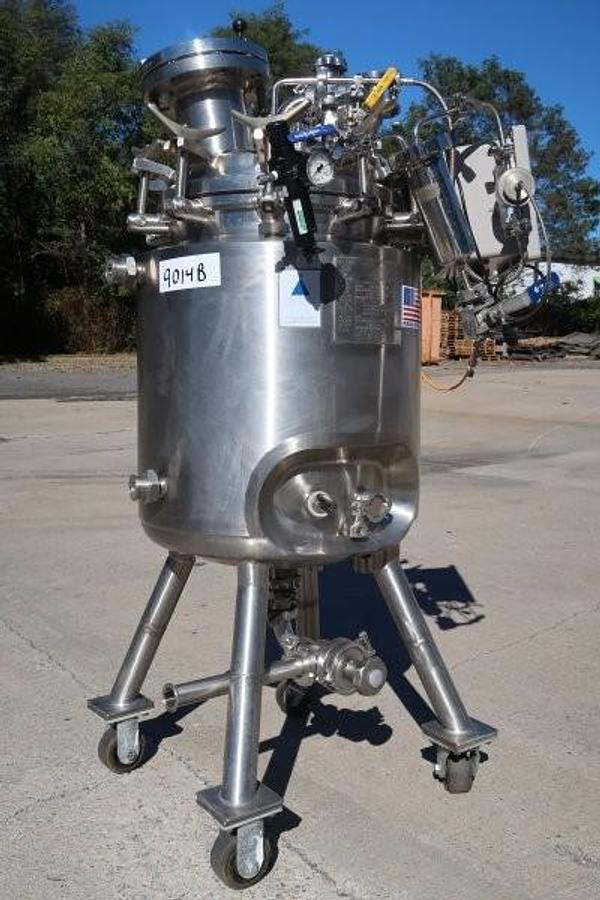
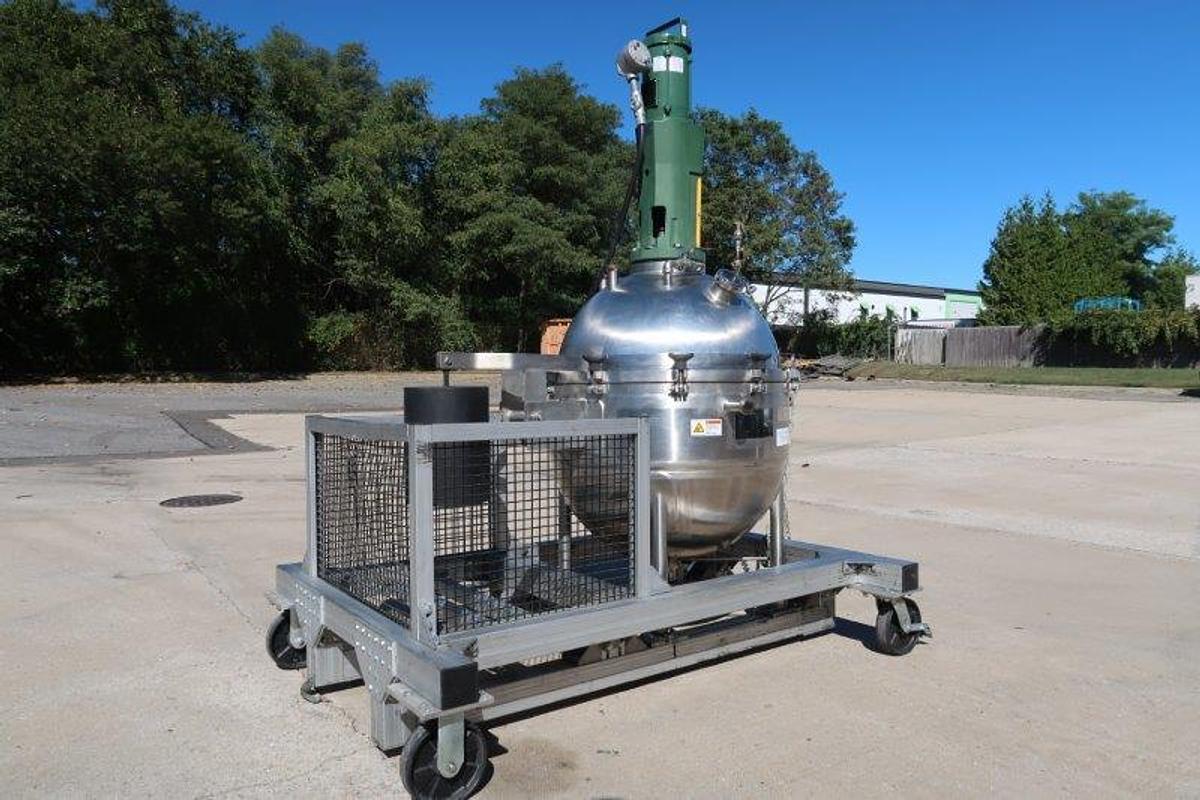
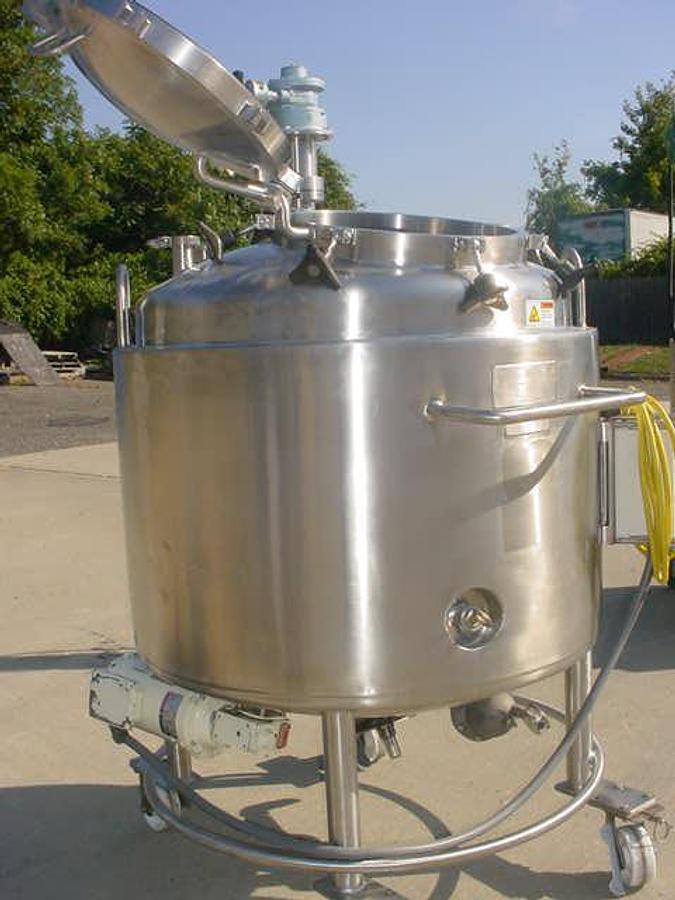
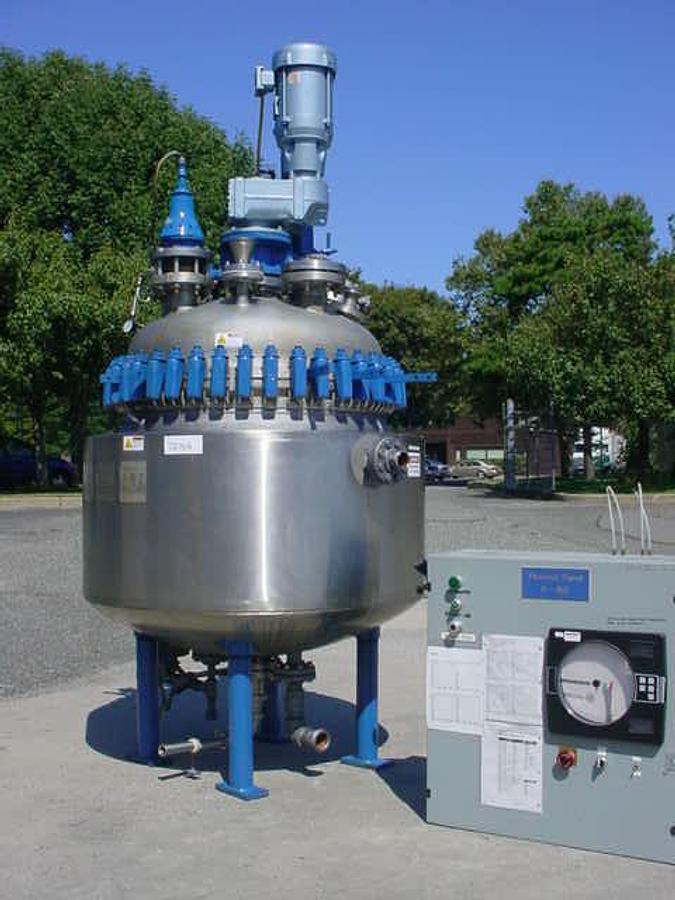
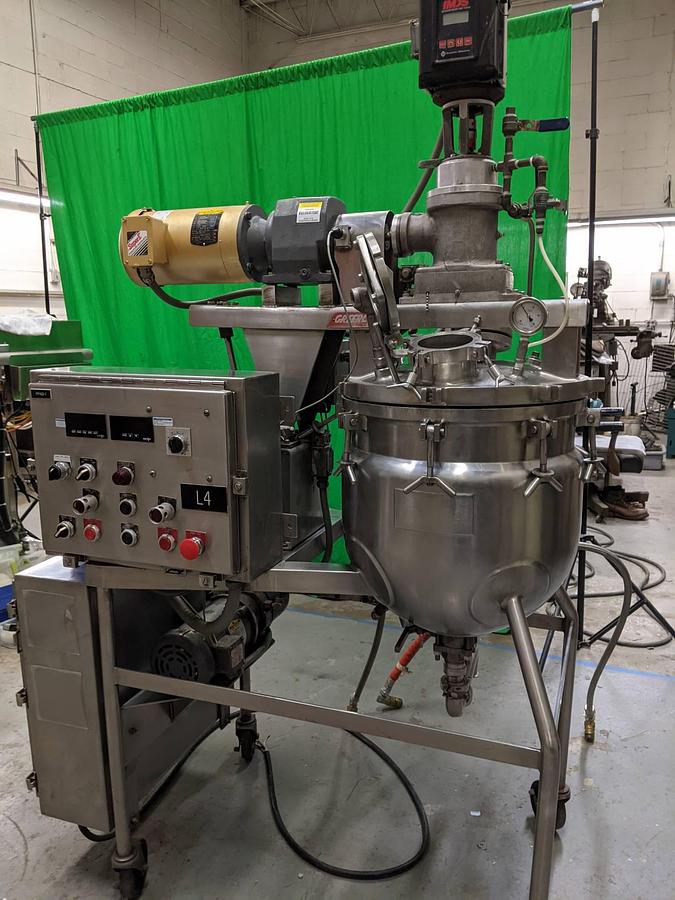
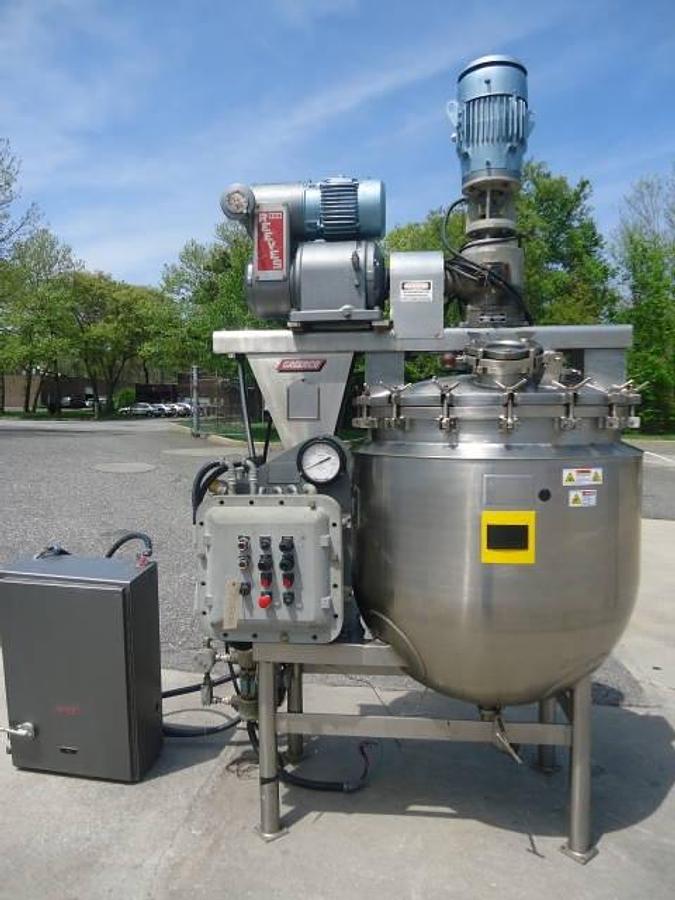
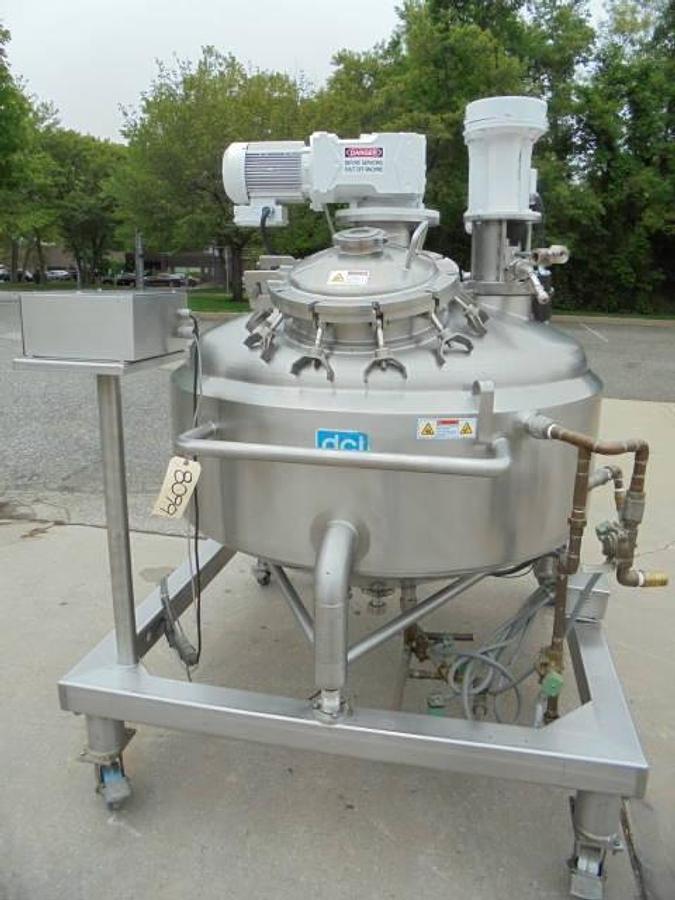
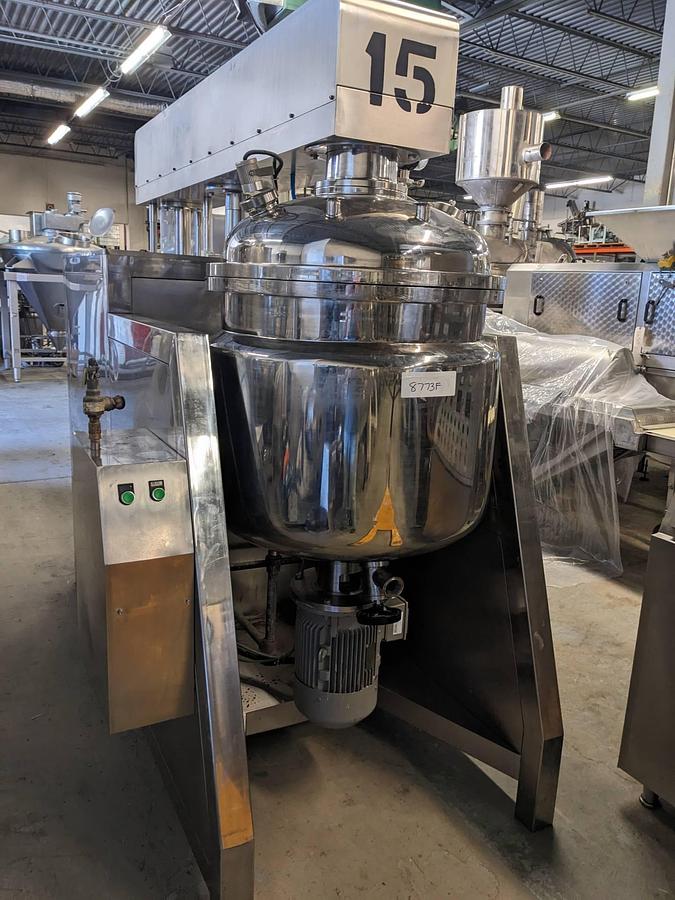
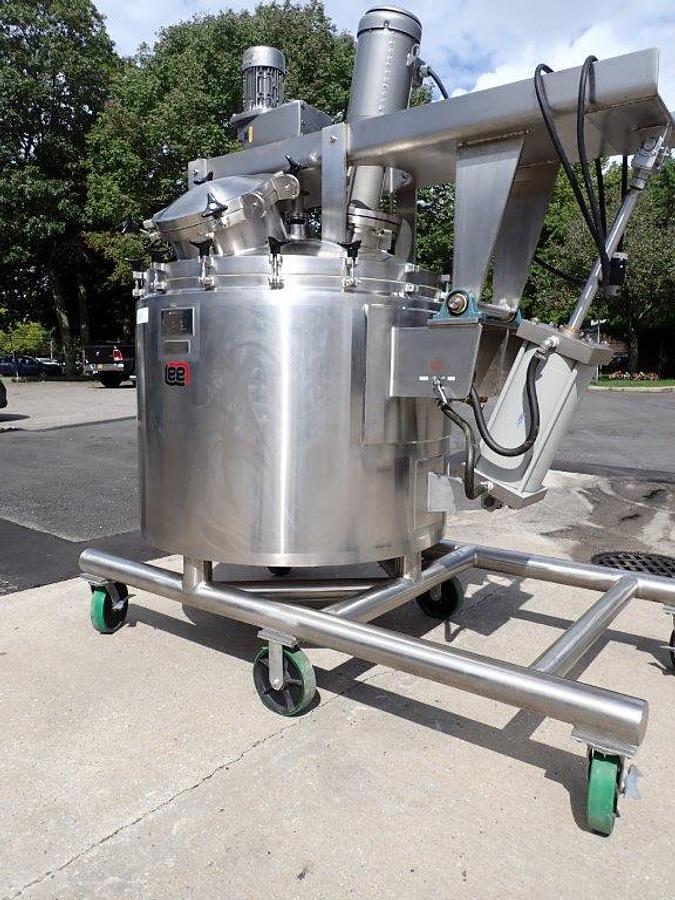
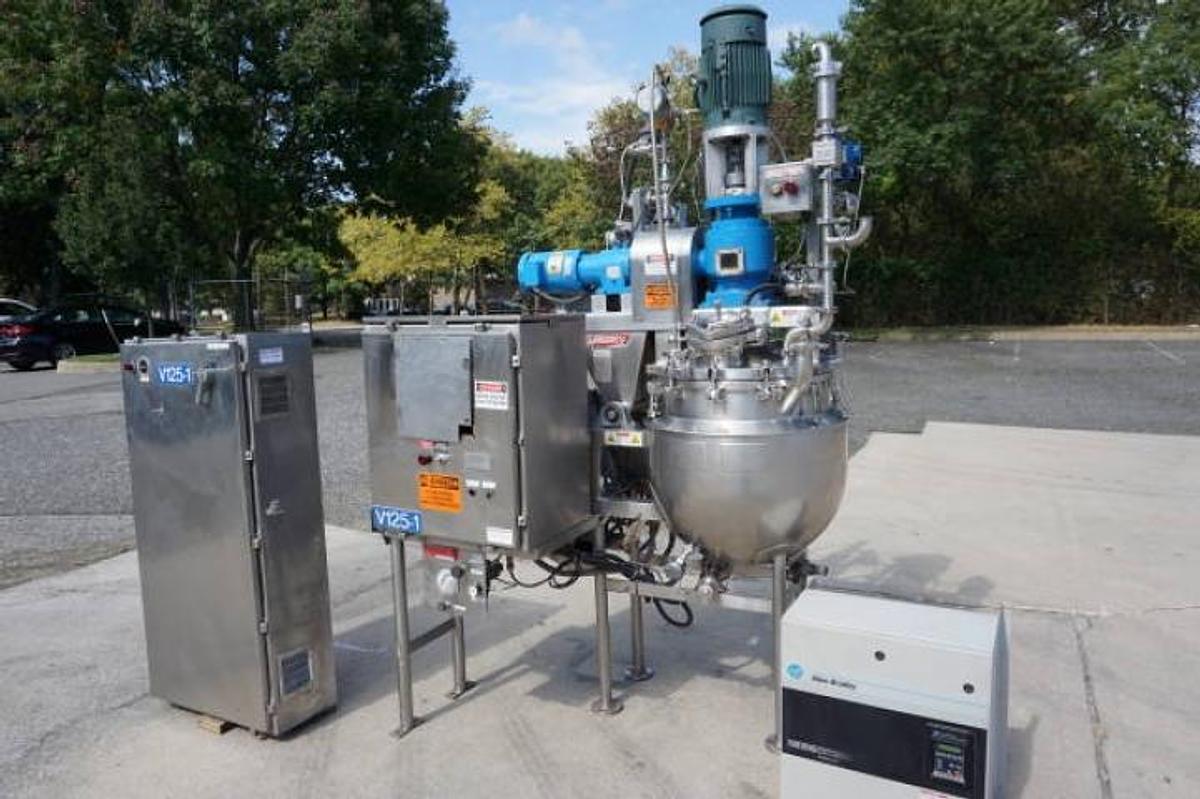
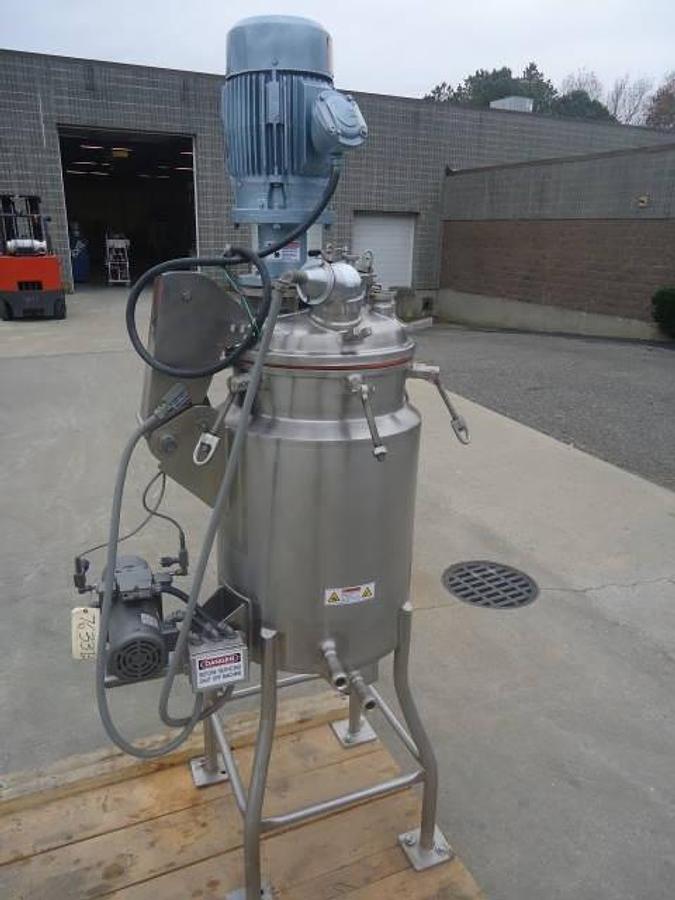
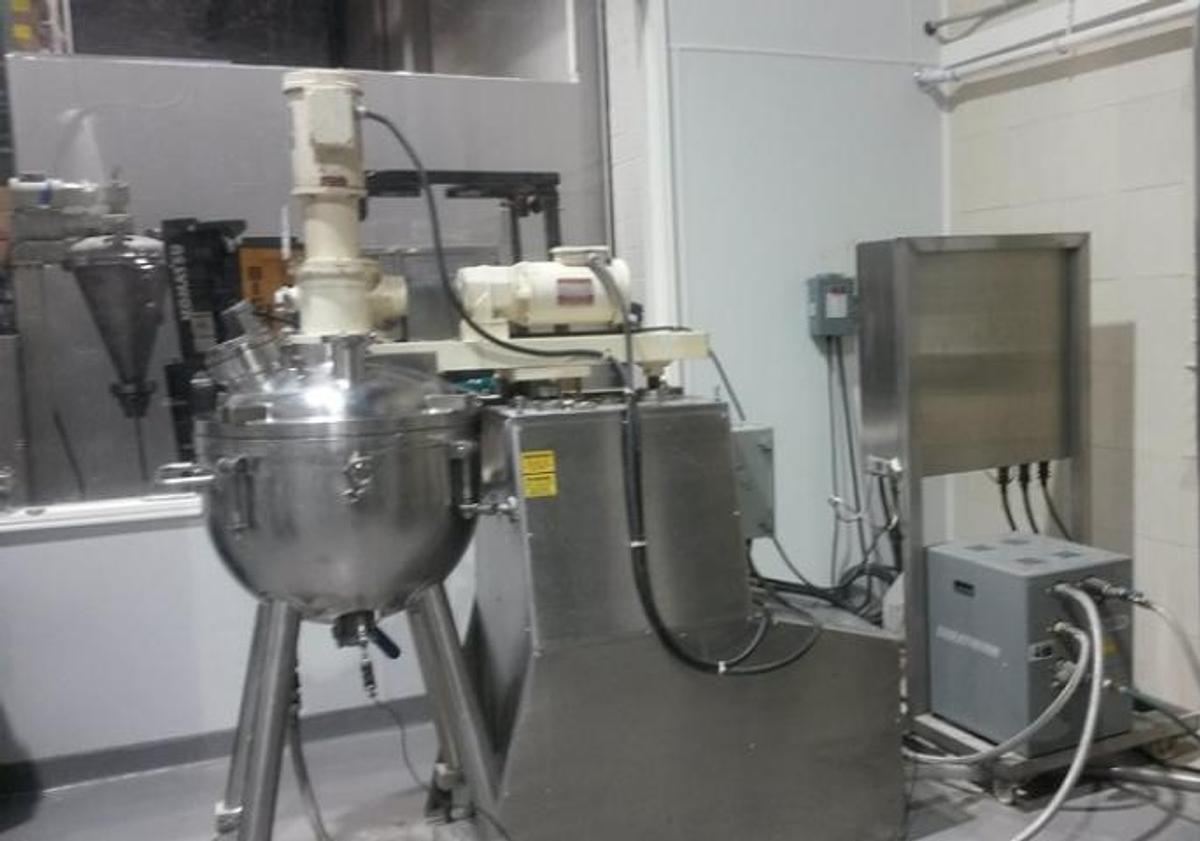
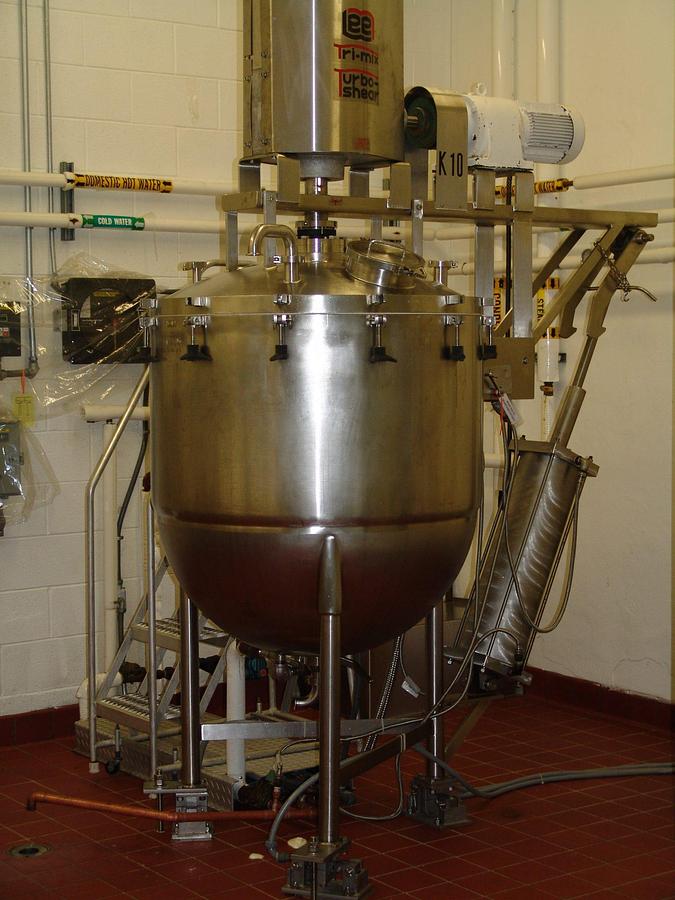
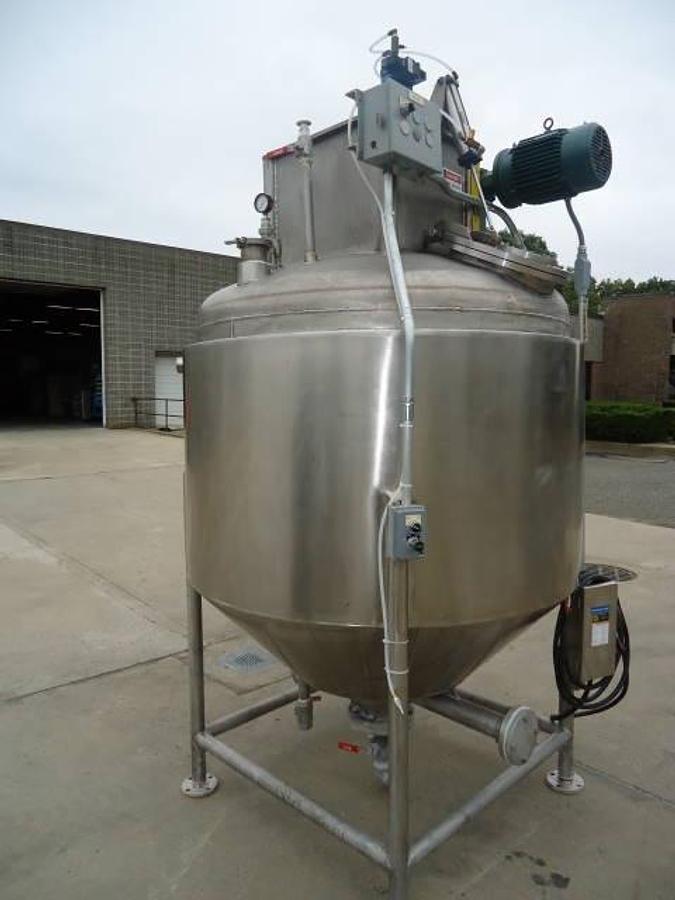
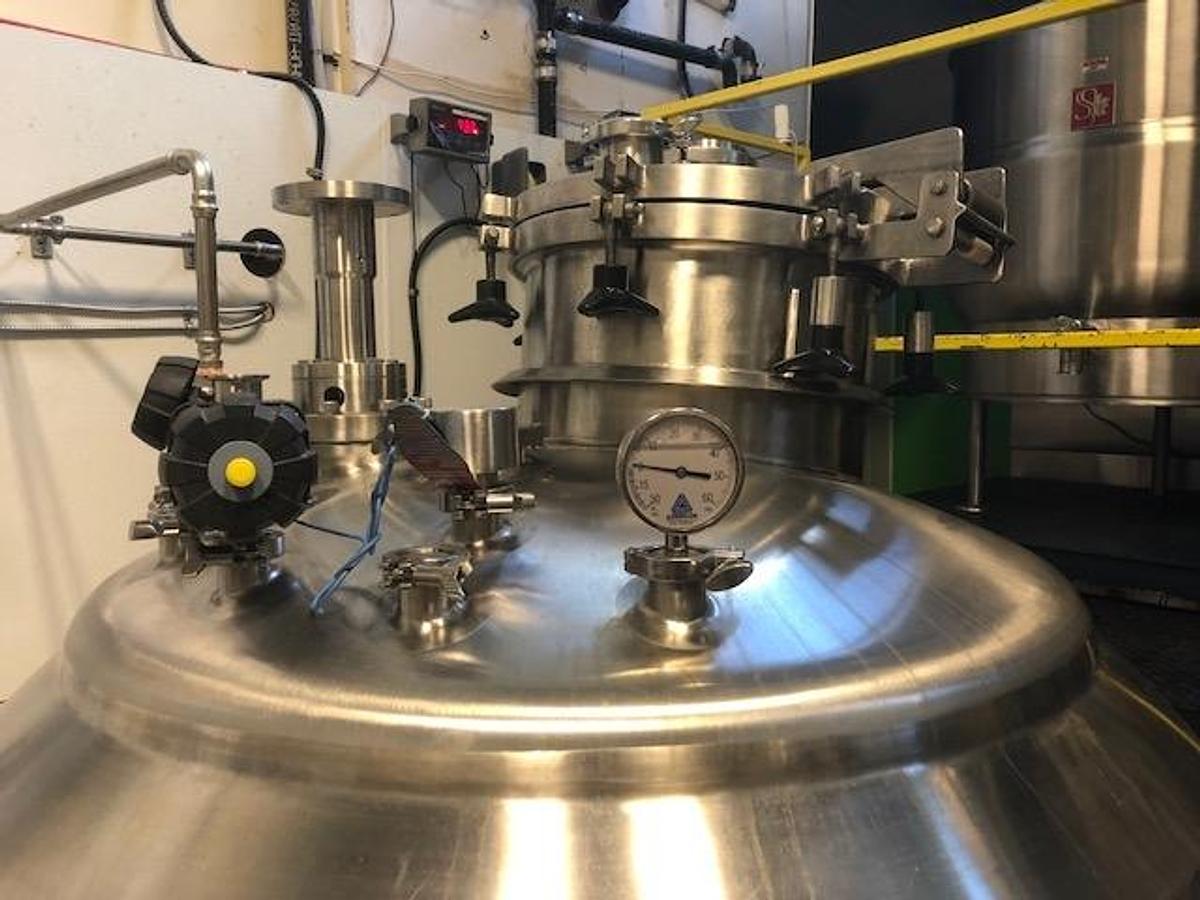
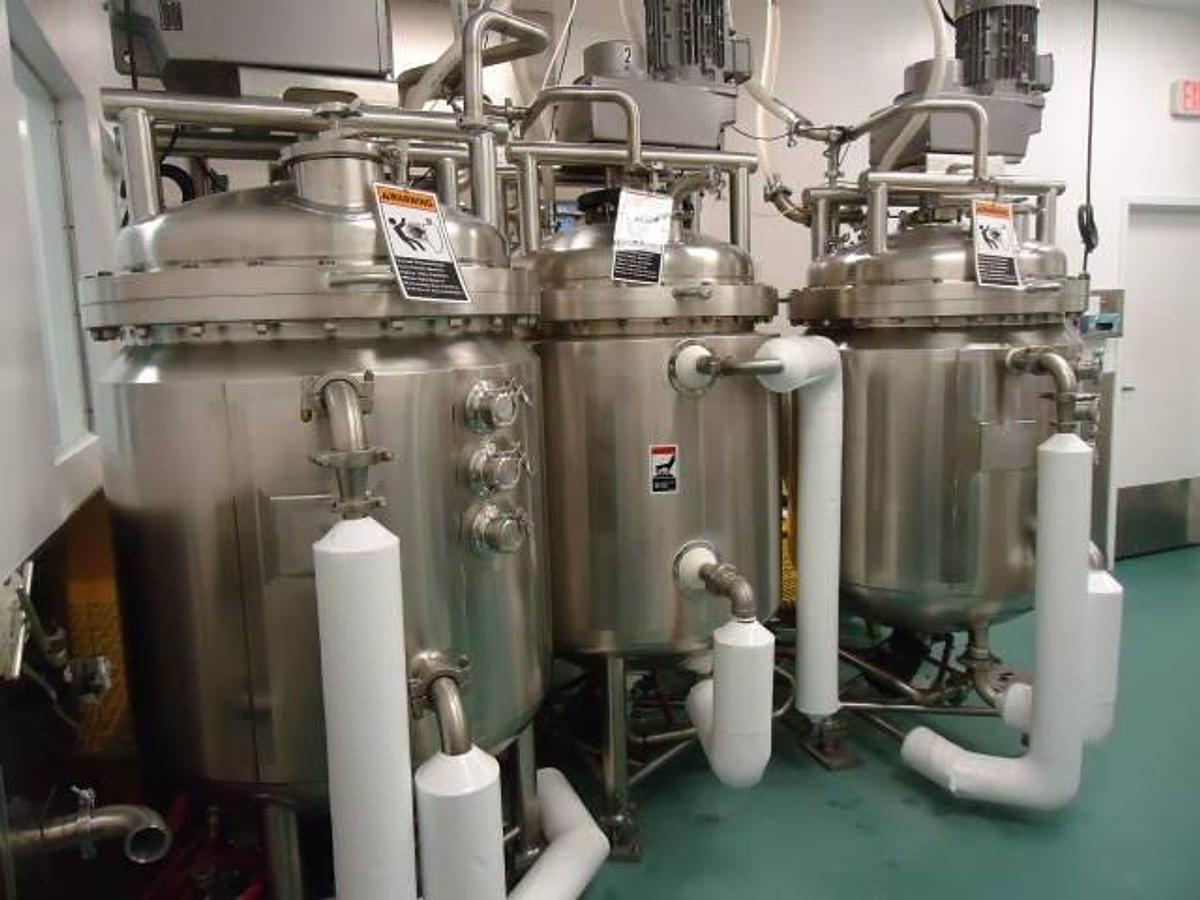
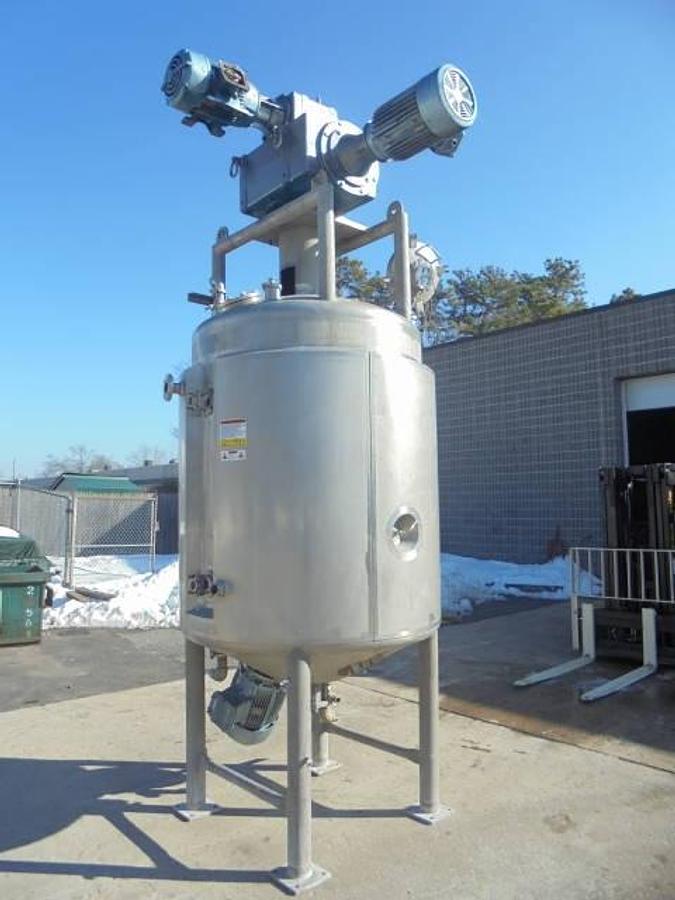
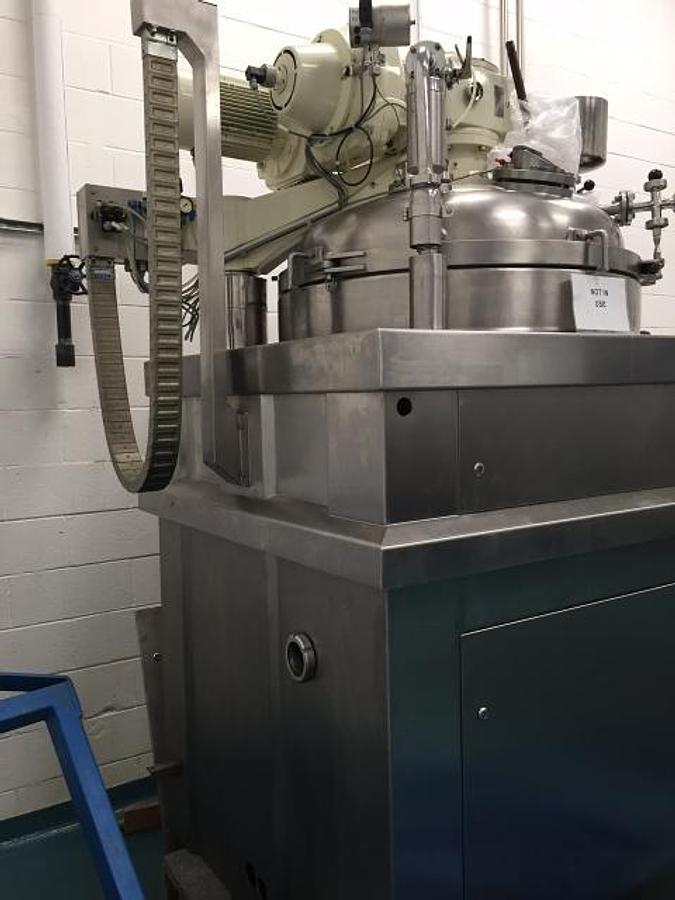
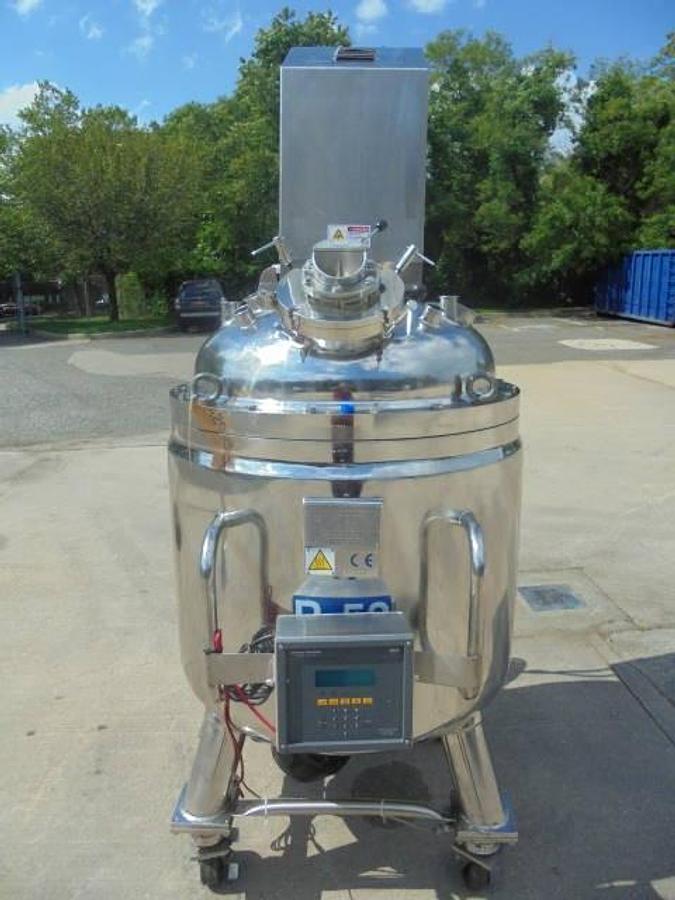
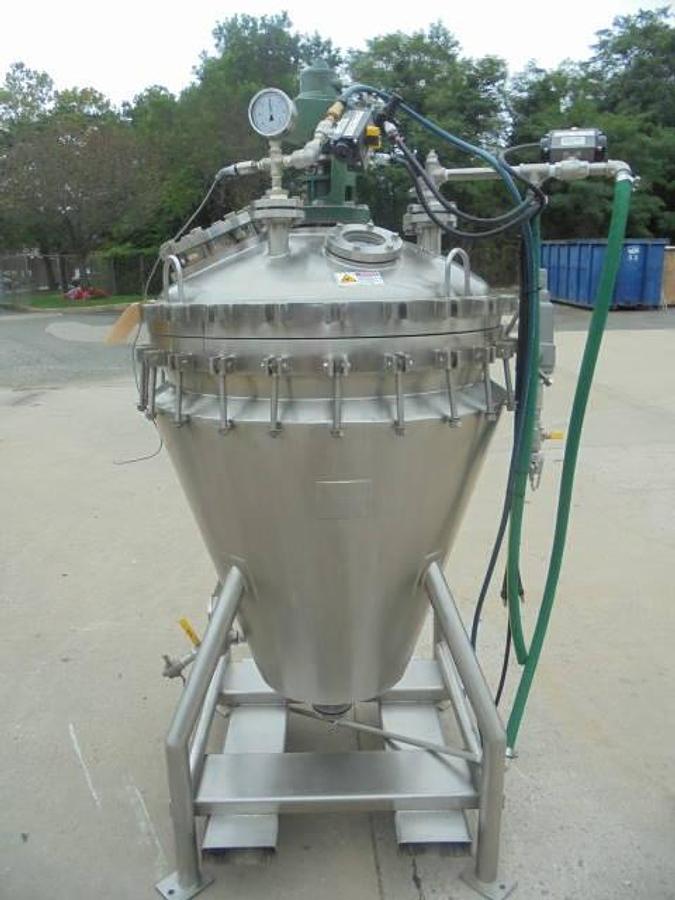
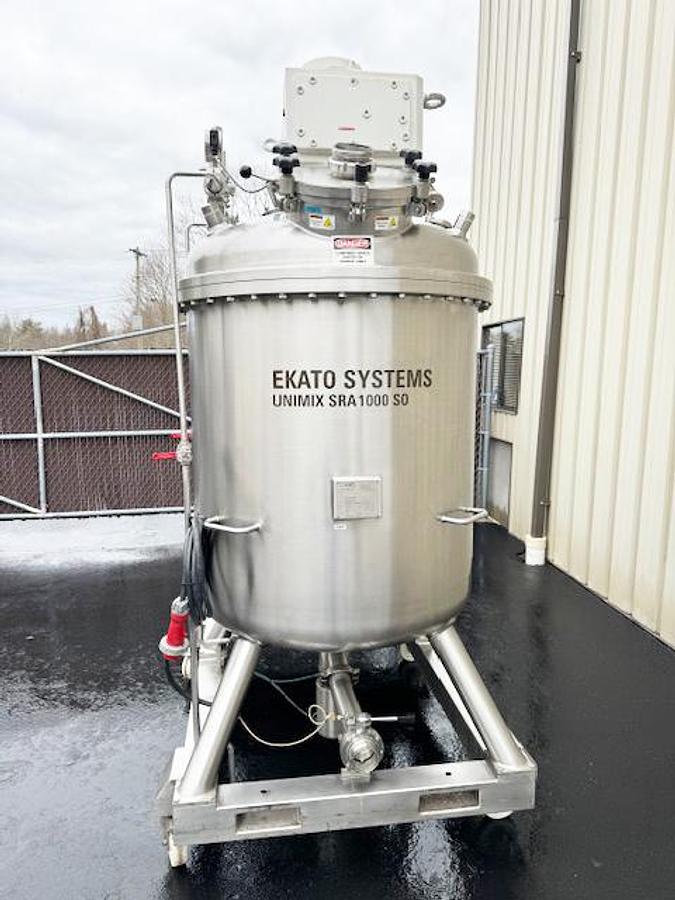
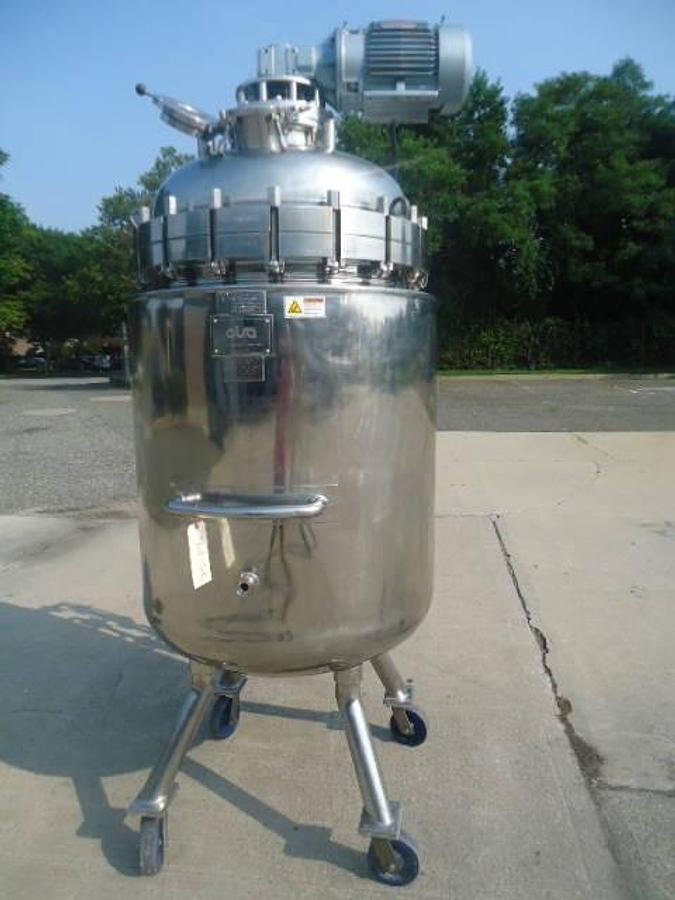
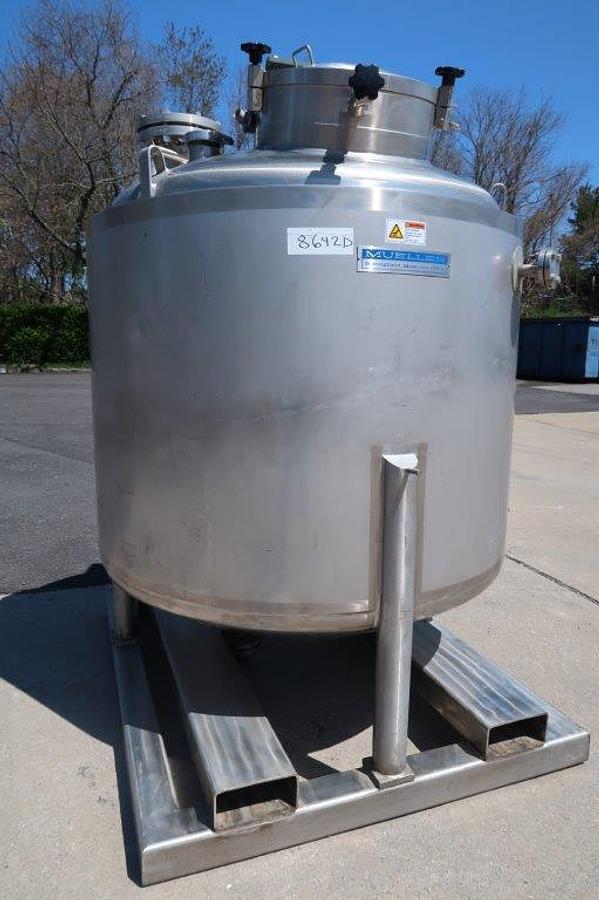
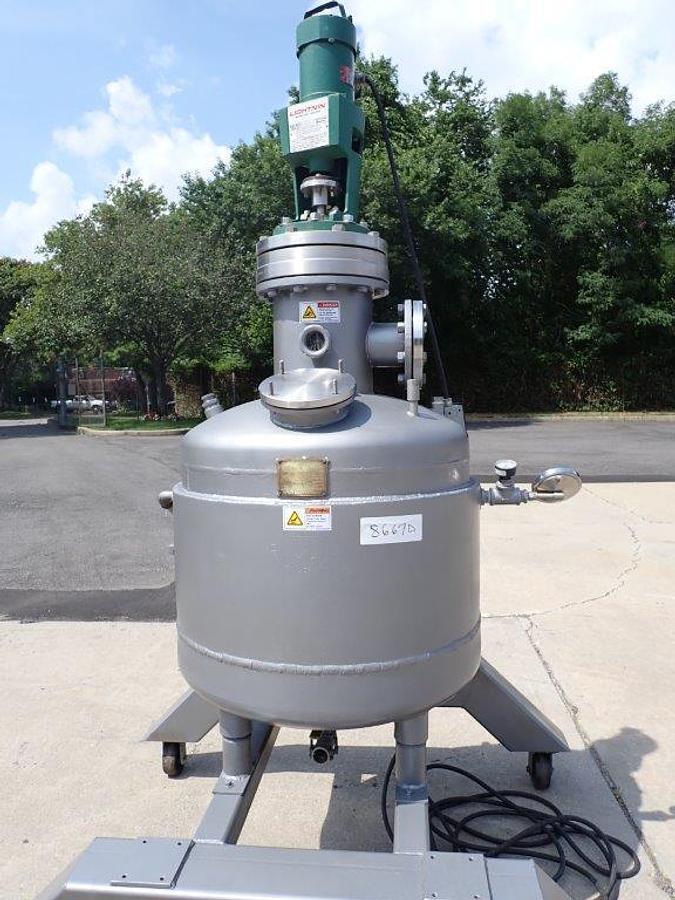
Wohl Industries stocks used reactors for chemical, pharmaceutical, and cosmetic producers. You get pre-owned jacketed reactors, agitated reactors, and vacuum reactors in stainless and alloy builds. Reactors run batch reactions under controlled heat, pressure, and agitation. Jacketed walls heat or cool the charge through the vessel wall. Vacuum service strips solvent and removes air. Sanitary builds suit pharma and personal care duty. Buying used cuts your capital cost and lead time. We inspect every machine before we ship. We have sold processing and packaging equipment since 1968. Send us your volume and pressure rating, and we match you to the right reactor.
FAQ :
What types of used reactors are typically available for sale?
Used reactors available on the market span a wide range of designs, sizes, and configurations. The most common types include agitated reactors (both single and multi-motion), jacketed reactors, vacuum reactors, pressure vessels, sanitary reactors, and specialty designs like triple-motion kettles, scraper-agitated vessels, and homogenizing vacuum kettles. Sizes range from small lab-scale units of 10 to 15 liters up to large production vessels of 5,000 gallons or more. Brands that appear frequently in the used market include Pfaudler, Walker, Lee, Greerco, Ross, Olsa, and Becomix, among others.
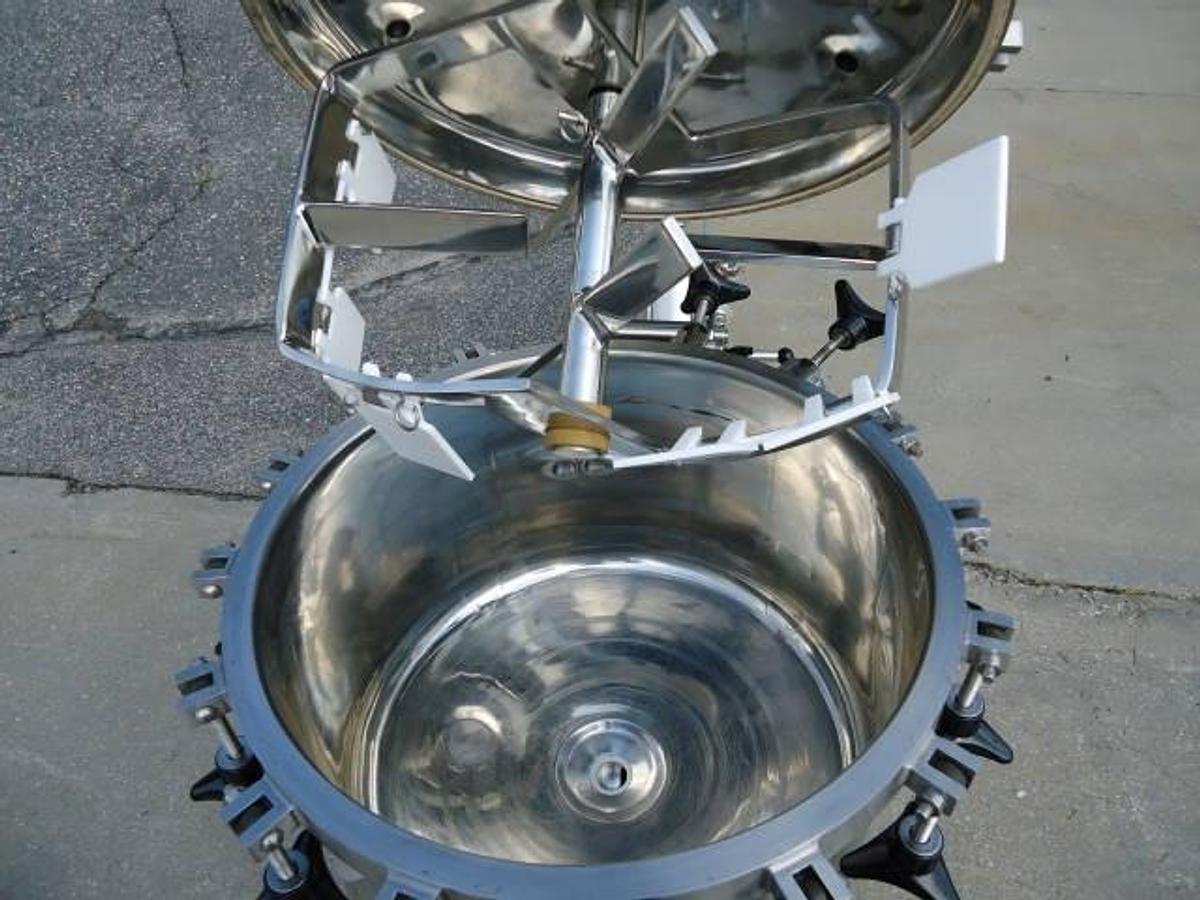
Most used reactors sold for chemical, pharmaceutical, and food processing applications are constructed from stainless steel, with 316L SS being the most prevalent grade due to its corrosion resistance and compatibility with sanitary standards. You will also find glass-lined reactors, Hastelloy vessels, and specialty alloy units depending on the application. Many listings include jacketed designs that allow for temperature control via steam, hot water, or cooling fluid, which is a standard requirement in most batch processing environments. Agitation styles vary considerably, from simple anchor agitators to complex triple-motion configurations that combine scraping, dispersing, and high-shear mixing in a single vessel.
How do I verify the condition and integrity of a used reactor before purchasing?
Verifying the condition of a used reactor requires a layered approach. Start by requesting detailed photographs of all critical components: the vessel interior and exterior, nozzles and ports, agitator shaft and seals, jacket connections, and any instrumentation. Reputable used equipment dealers will typically accommodate in-person inspections, virtual walkthroughs, or video captures of the machine so buyers can assess current working order before committing. For high-value or complex reactors, arranging an in-person visit is strongly advisable, and some equipment may still be installed at a production facility where it can be observed under operating conditions.
Beyond visual inspection, buyers should verify documentation where available, including prior service records, pressure test history, and any certifications such as ASME Section VIII stamps. For glass-lined reactors specifically, the lining must be inspected carefully for chips, cracks, or areas of delamination, since even minor damage can compromise both product quality and vessel integrity. Keep in mind that most dealers do not have the permitting required to run full production trials, so functional testing of actual product is generally not possible in a dealer's facility. This makes thorough pre-purchase inspection and a clear understanding of the vessel's prior service environment all the more important. Consulting the original manufacturer about parts availability and support for the specific model and age of the vessel is also a practical step before finalizing a purchase.
What certifications and compliance standards should a used reactor meet?
For pressure vessels used in the United States, ASME Section VIII certification is the baseline standard. An ASME stamp indicates the vessel was fabricated to meet defined pressure and temperature ratings, and buyers should confirm whether that certification is still current and transferable. European-built equipment may carry CE marking, which reflects compliance with applicable EU directives. When purchasing a used reactor, buyers should request any available documentation, including the original data report (ASME Form U-1), nameplate information, and any pressure test records. The absence of documentation does not automatically disqualify a vessel, but it does shift more responsibility onto the buyer to conduct independent verification.
For pharmaceutical and food processing applications, additional standards come into play. Sanitary reactors are often built to 3-A Sanitary Standards or designed to meet GMP (Good Manufacturing Practice) requirements, which govern surface finish, weld quality, and the elimination of dead legs or areas where product can accumulate. FDA-regulated industries generally require full traceability of materials of construction, including mill certifications for the stainless steel used. Buyers in these sectors should ask dealers specifically about the availability of material certifications and any documentation that supports the vessel's compliance history. Age and model can affect how much documentation is still available, so factoring this into the purchasing decision is worthwhile.
What materials of construction are available for used reactors, and why does it matter?
Material of construction is one of the most critical factors in selecting a used reactor because it directly determines chemical compatibility, maximum operating pressure and temperature, cleanability, and regulatory compliance. The most widely available material in the used reactor market is 316L stainless steel, which offers good corrosion resistance across a broad range of chemicals and is accepted by sanitary standards for food, beverage, and pharmaceutical use. You will also find 304 stainless steel, which is suitable for less aggressive applications, as well as specialty alloys like Hastelloy C-276 for highly corrosive environments involving strong acids or chlorinated compounds.
Glass-lined reactors represent another common category, particularly in chemical synthesis applications where the glass provides an inert surface that resists a wide range of reagents. However, glass linings require careful inspection when buying used, since chips or cracks in the lining can allow the underlying steel to be exposed to corrosive media, leading to contamination or vessel failure. Titanium-clad and other specialty-lined vessels also appear in the used market for niche applications. Before purchasing, buyers should match the material of construction to their specific process chemistry, cleaning protocols, and any applicable regulatory requirements. Consulting a process engineer or the equipment manufacturer can help confirm whether a particular vessel's material and surface finish are appropriate for the intended use.
How do I determine the right reactor size and capacity for my process needs?
Selecting the correct reactor size involves more than simply matching the vessel volume to your batch size. A common rule of thumb in batch processing is to size the reactor so that the working volume is roughly 70 to 80 percent of the total vessel capacity, leaving adequate headspace for mixing, foaming, or thermal expansion. For example, a 100-liter reactor would typically handle a working batch of 70 to 80 liters. Capacity requirements should also account for projected production scale-up, since purchasing a vessel that is already near its maximum useful volume can limit future flexibility.
Beyond volume, the geometry of the vessel matters considerably. Tall, narrow reactors behave differently from wide, shallow ones in terms of mixing efficiency and heat transfer through the jacket. Agitator type and speed, jacket surface area relative to vessel volume, and nozzle configurations all affect how well the reactor performs for a specific process. Buyers should also consider the physical footprint and weight of the vessel, particularly for larger units that may require structural reinforcement in the installation area. Reviewing the specifications of available used reactors carefully, and ideally consulting with a process engineer familiar with the chemistry involved, will help ensure the selected vessel is genuinely suited to the application rather than simply close in volume.
Is third-party inspection or testing available when buying a used reactor?
Most reputable used equipment dealers will accommodate inspections by the buyer, a buyer's representative, or a third-party inspector. This can take the form of an in-person visit to the dealer's facility, a live video walkthrough, or a detailed video recording of the equipment. In some cases, the reactor may still be installed at the facility where it was last used, and the dealer can arrange access to the plant for an inspection. In these situations, the equipment may still be in production or may have been decommissioned but remain in place, both of which can offer useful context about its operating history.
Hiring an independent inspector with experience in pressure vessels or process equipment is a reasonable step for high-value purchases. A qualified inspector can assess weld quality, check for corrosion or mechanical damage, verify nameplate data against documentation, and in some cases arrange for non-destructive testing such as ultrasonic thickness measurement. Keep in mind that dealers typically do not have the permitting required to conduct full production trials, so testing with actual process materials is generally not feasible in a dealer environment. Buyers should factor inspection costs into their overall budget and treat the inspection as a necessary part of due diligence rather than an optional extra, particularly for reactors intended for regulated industries.
What are the shipping and logistics considerations for purchasing a large used reactor?
Shipping a used reactor involves considerably more planning than moving standard machinery. Smaller vessels may be palletized and shipped via freight carrier, but larger reactors often require custom crating to prevent damage in transit. The level of packaging required will affect shipping costs, and buyers should ask dealers specifically about how the equipment will be prepared for transport. Rigging is another significant cost factor: loading a large reactor onto a flatbed trailer or into a container typically requires a crane or forklift rated for the weight involved, and unloading at the destination requires similar equipment. These rigging charges are generally separate from freight costs and should be confirmed upfront.
For very large vessels, oversized load permits and specialized carriers may be required, which adds both cost and lead time. International shipments introduce additional complexity including export documentation, customs clearance, and compliance with import regulations in the destination country. Buyers should request a detailed breakdown of all charges, including packaging, rigging, freight, and any applicable fees, to understand the full landed cost of the equipment before committing to a purchase. Transit times for large reactors can range from a few days for domestic ground shipments to several weeks for international ocean freight, so lead time should be factored into project planning from the start.
What payment terms are typical when buying used reactors from equipment dealers?
Most used equipment dealers require full payment prior to shipping the equipment. This is standard practice in the used machinery industry and reflects the fact that once a reactor leaves the dealer's facility, the transaction is effectively complete. Payment is typically accepted by wire transfer, though some dealers may accept other methods. Buyers should confirm accepted payment methods and any associated processing requirements before finalizing a purchase agreement. For buyers unfamiliar with a particular dealer, it is worth taking time to research the dealer's track record, years in business, and reputation within the relevant industry before sending payment.
Some dealers may offer payment terms or financing arrangements to established repeat customers, but this is not the norm for first-time buyers. Buyers sourcing equipment for large capital projects may be able to negotiate staged payment arrangements in some cases, though this varies by dealer. Regardless of payment structure, buyers should ensure they receive clear written documentation of the sale, including a detailed description of the equipment, its condition as represented, and any agreed-upon terms related to inspection access or shipping responsibilities. Selecting a dealer with a long history of selling process equipment in the relevant industry is one of the most practical ways to reduce the risk associated with full prepayment.
Does the age of a used reactor determine whether it is worth buying?
Age alone is not a reliable indicator of a used reactor's condition or remaining useful life. A well-maintained reactor that has been operated within its design parameters, cleaned properly, and stored correctly can remain in excellent condition for decades. Conversely, a relatively recent vessel that was subjected to aggressive chemicals, improper cleaning, or physical damage may be in poor condition despite its age. The maintenance history and prior service environment are far more informative than the manufacture date when assessing whether a used reactor is a sound purchase.
That said, age does become relevant in a few specific contexts. Older vessels may have been built to earlier versions of ASME or other codes, which can complicate recertification or reuse in regulated applications. Parts availability from the manufacturer tends to decrease as equipment ages, so buyers should contact the manufacturer directly to understand what level of support they can expect for a specific model and vintage. Seal materials, instrumentation, and control components on older reactors may also require updating to meet current standards or to integrate with modern process control systems. Factoring in the potential cost of these updates when evaluating the overall value of a used reactor purchase is a practical part of the due diligence process.
What industries commonly purchase used reactors, and what specifications matter most to each?
Used reactors are purchased across a broad range of industries, with chemical processing, pharmaceutical manufacturing, food and beverage production, cosmetics, and specialty materials among the most active buyers. Chemical processing applications often prioritize material compatibility with aggressive solvents or reagents, pressure and temperature ratings, and ASME certification. Pharmaceutical manufacturers place heavy emphasis on sanitary design, surface finish (typically Ra 0.8 microns or better for product-contact surfaces), full documentation and material traceability, and compliance with GMP standards. Reactors intended for FDA-regulated pharmaceutical production require a higher level of documentation than those destined for general chemical use.
Food and beverage processors similarly prioritize sanitary construction, often specifying 316L stainless steel with tri-clamp connections, smooth internal welds, and designs that comply with 3-A Sanitary Standards. Cosmetics and personal care manufacturers often use jacketed vacuum reactors with high-shear or homogenizing agitation for emulsification processes, and portability is a common feature in this segment since vessels are frequently moved between production areas. Specialty chemical and materials companies may have more flexibility on sanitary requirements but often need reactors rated for higher pressures or temperatures, or constructed from specialty alloys. Understanding the specific requirements of the intended application before searching the used market will significantly narrow the field and help buyers avoid purchasing a vessel that requires costly modifications before it can be put into service.