Category
Subcategory
Manufacturer
Model
Used Condiment, Sauce, Dressing Manufacturing Equipment
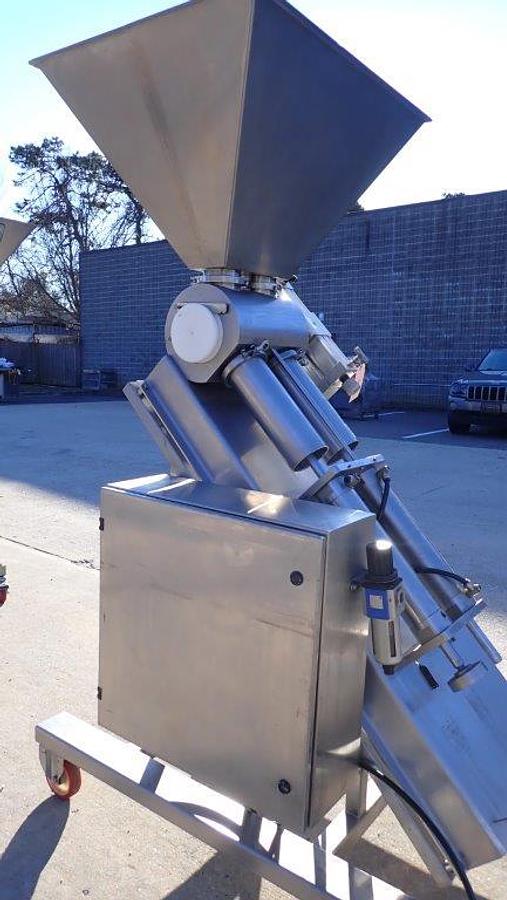
Wohl Associates offers a comprehensive selection of pre-owned condiment manufacturing equipment tailored for the production of sauces, dips, pastes, spreads, and dressings. Our inventory includes emulsifiers, blenders, filling machines, and jacketed kettles, ensuring precision and consistency in every batch. Whether you’re crafting creamy dressings or robust sauces, our machinery supports efficient production across various scales. Trust Wohl Associates for reliable solutions in this sector.
FAQ :
What types of machines are used to manufacture condiments, sauces, and dressings?
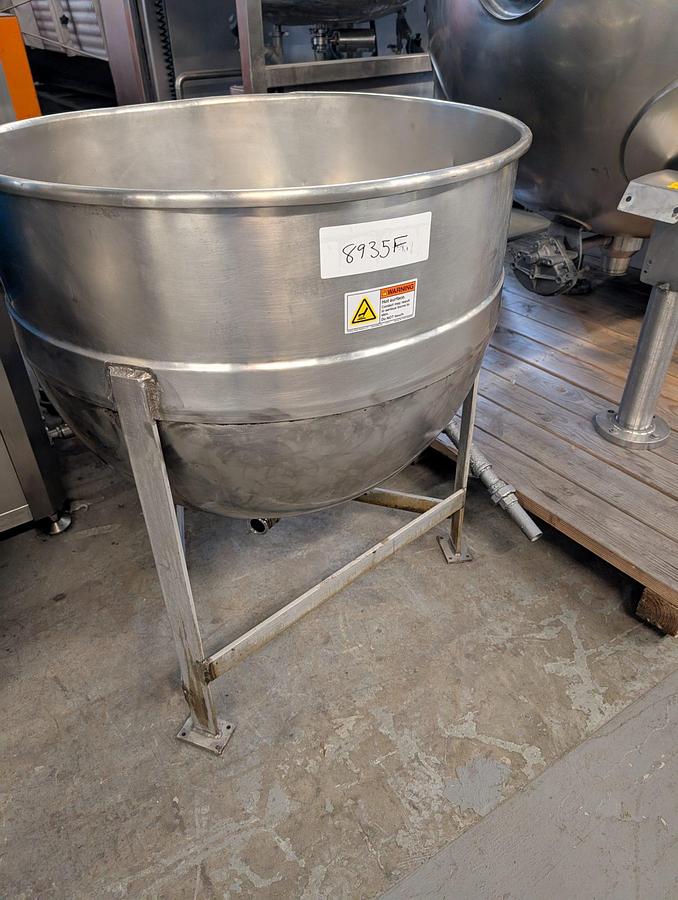
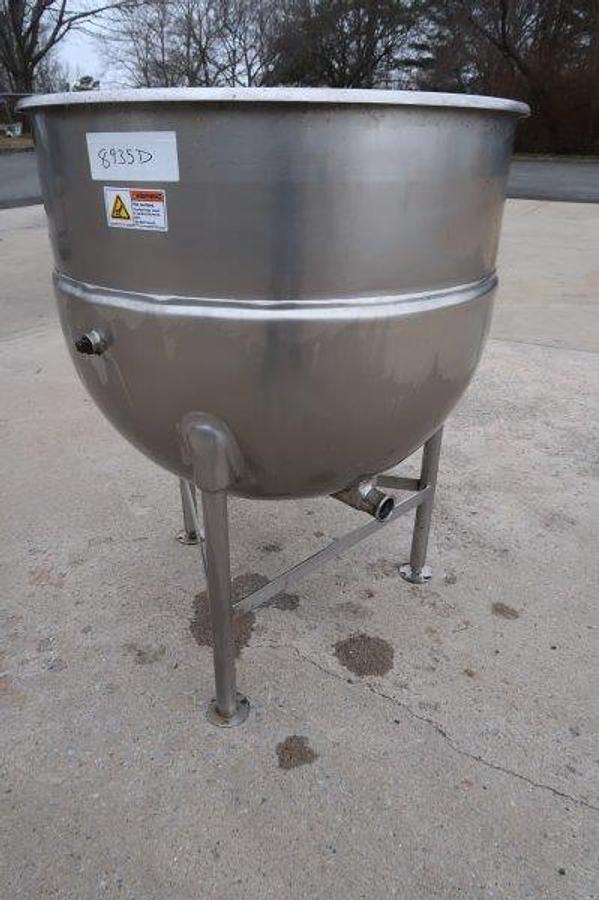
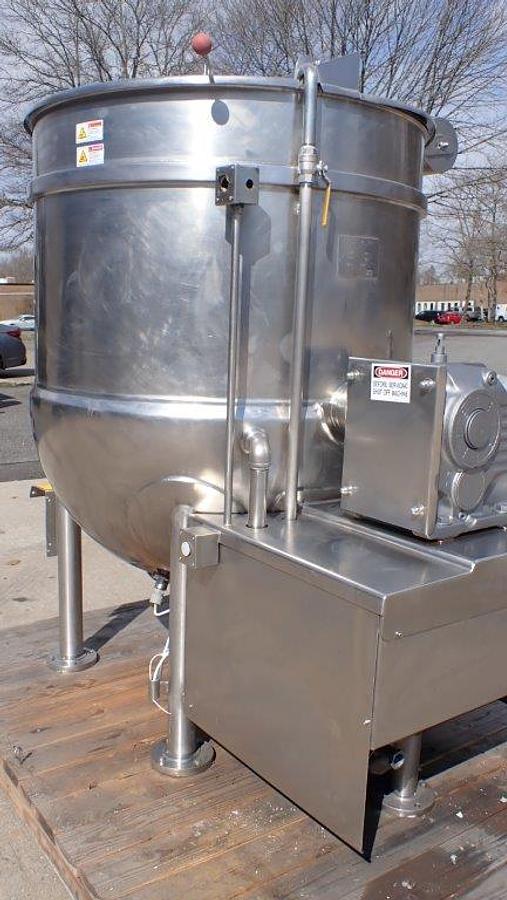
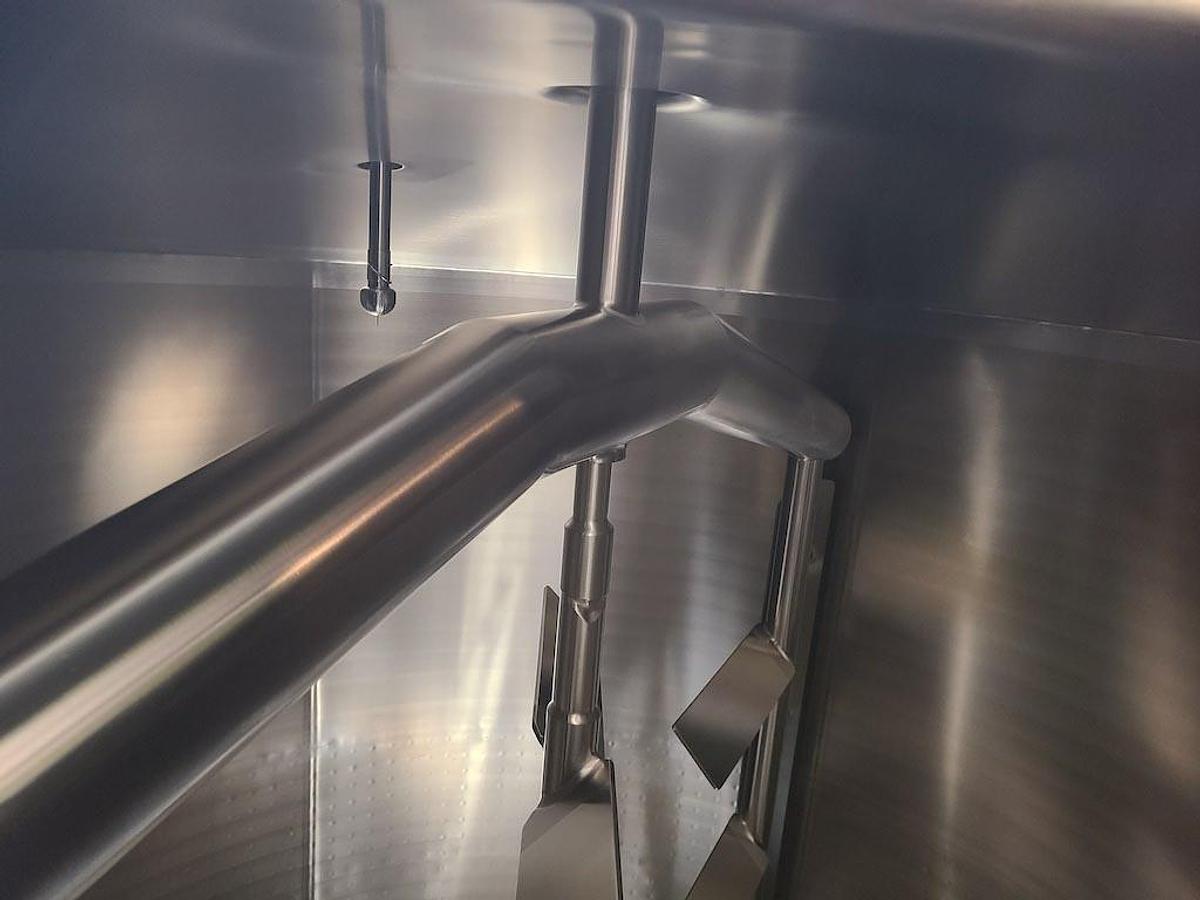
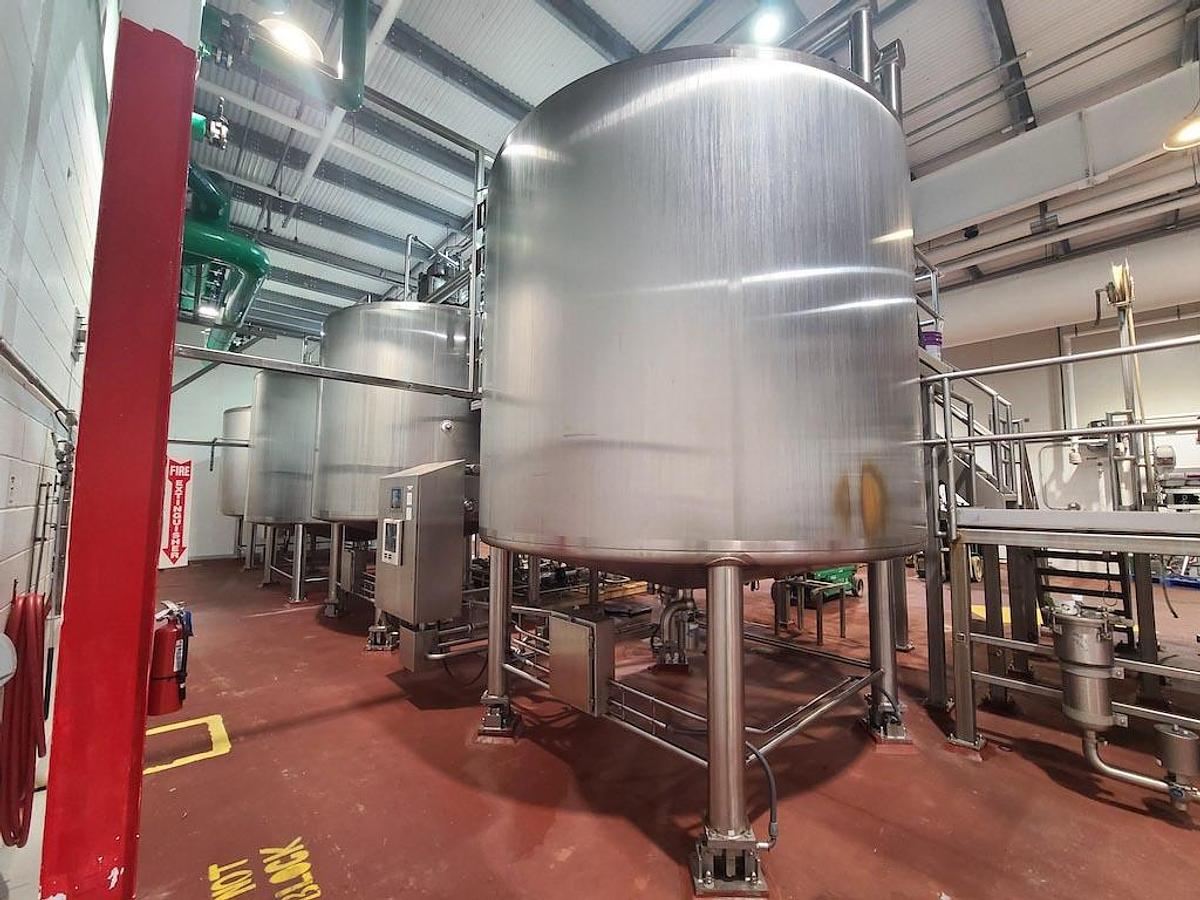
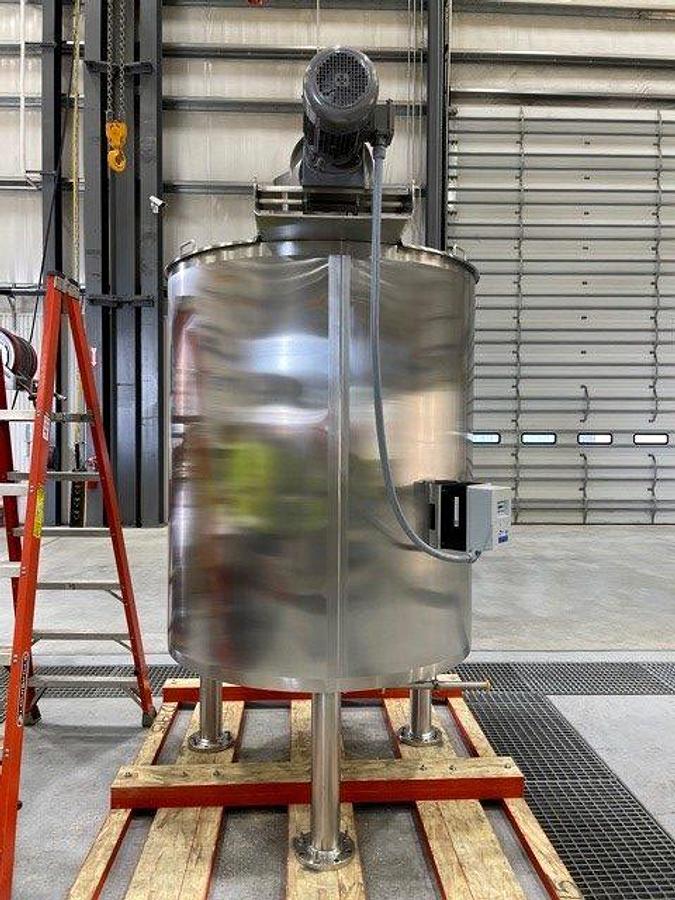
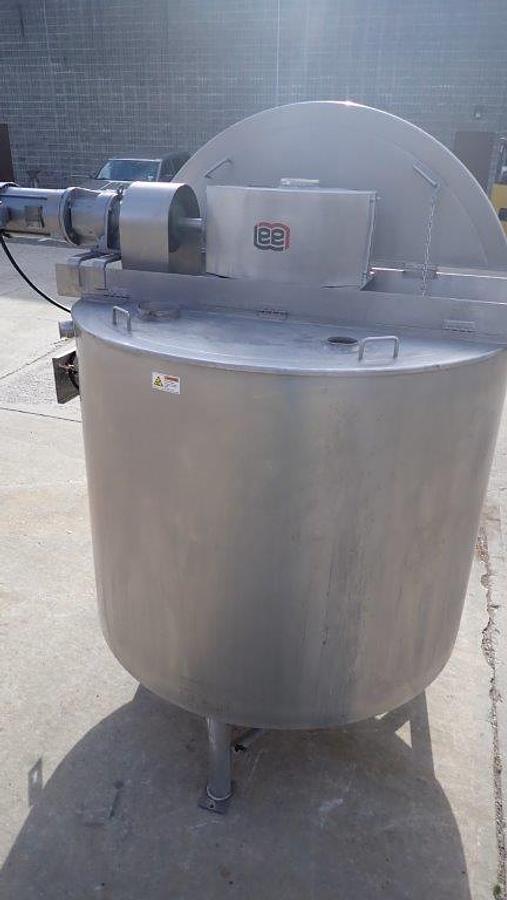
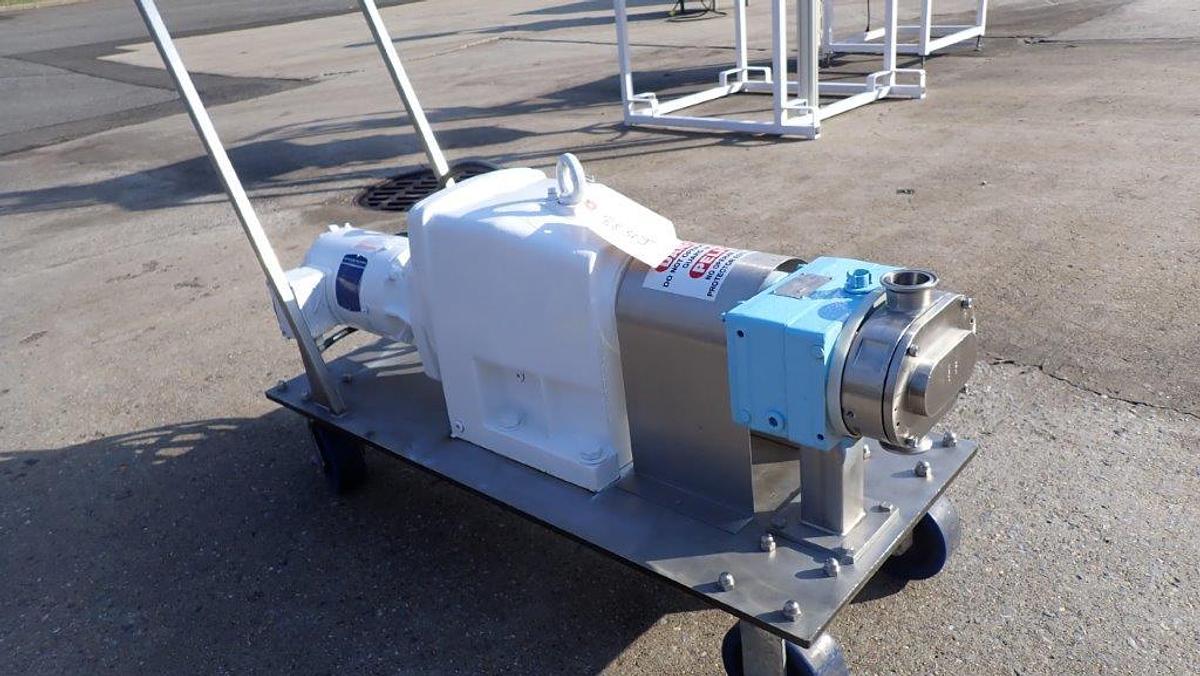
Condiment production relies on several categories of equipment working together across the manufacturing process. The core processing equipment includes jacketed kettles and double-motion mixing tanks for cooking and blending ingredients, homogenizers and emulsifiers for creating stable emulsions in products like mayonnaise and creamy dressings, and positive displacement pumps for moving viscous products through the line without damaging their texture. Scraper kettles are particularly valuable for thick sauces and pastes that tend to stick or scorch on heated surfaces.
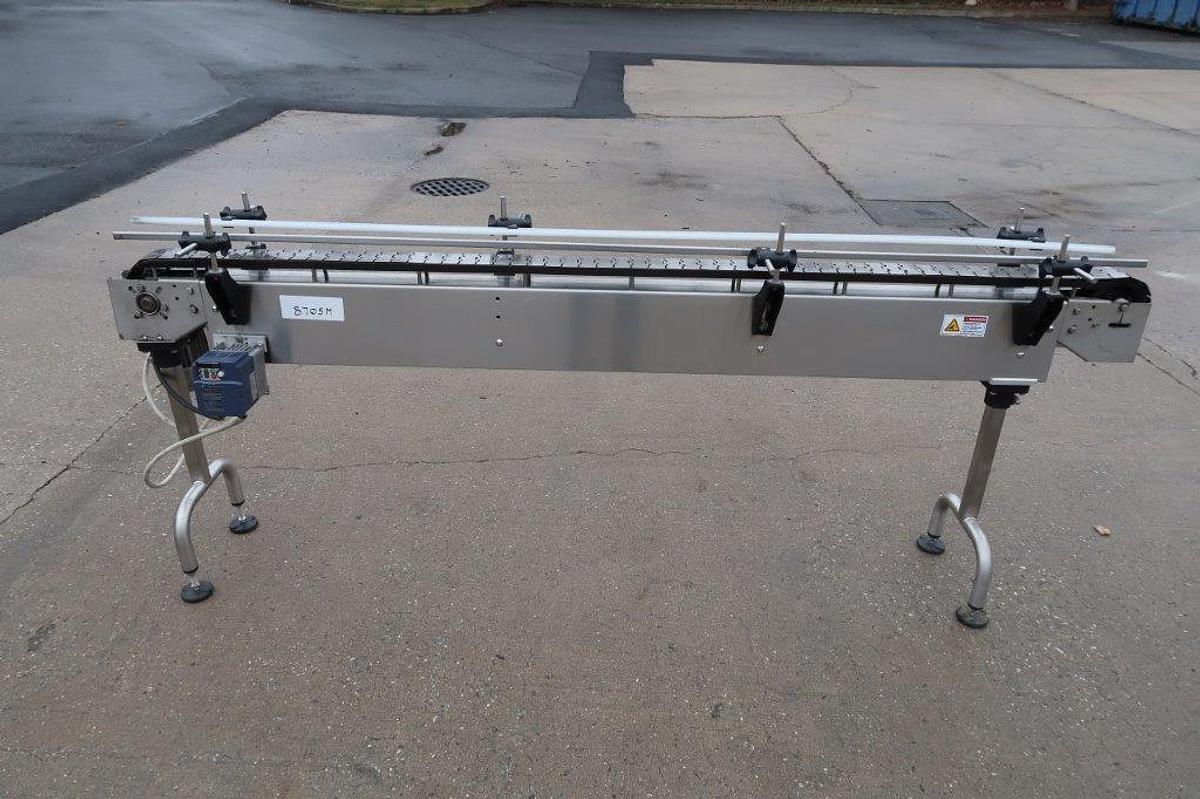
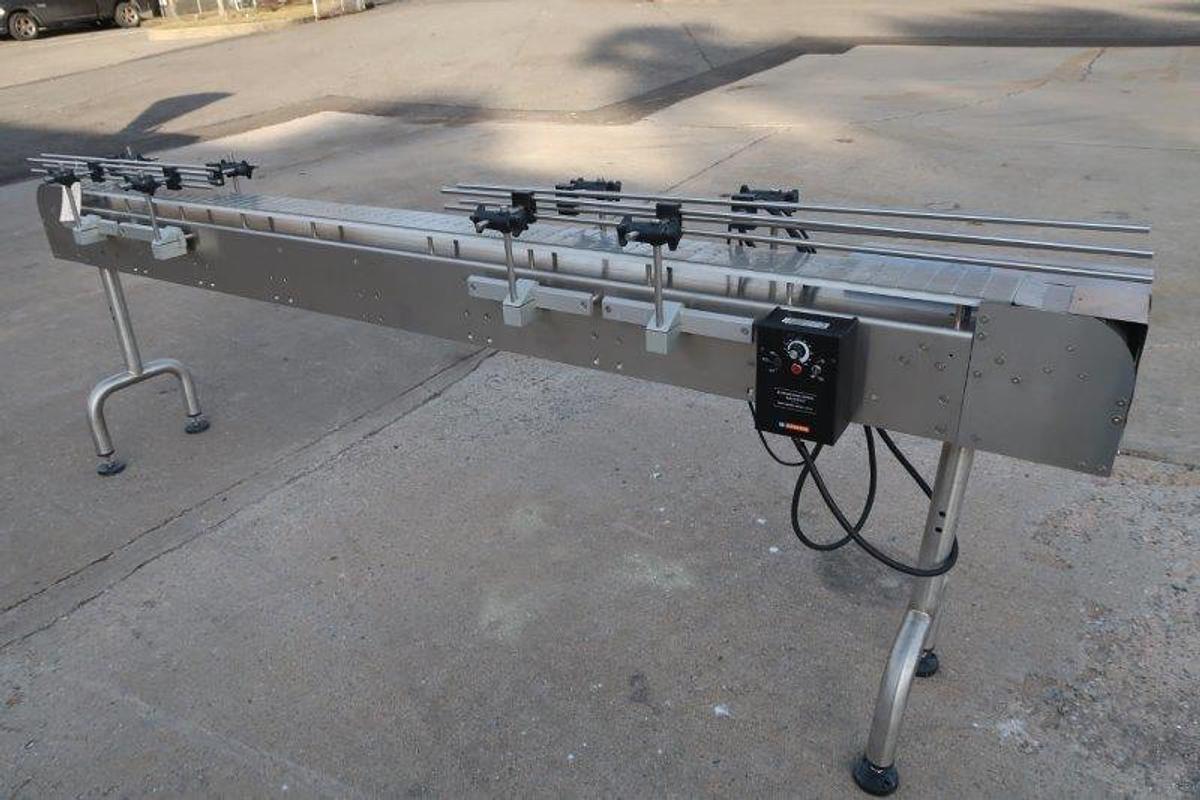
Downstream from the processing side, filling machines handle portioning product into bottles or jars, and the filling technology used depends heavily on the viscosity of the condiment being produced. Thin vinegar-based dressings can be handled by overflow or gravity fillers, while thick mustards, relishes, and nut-based spreads require piston fillers or auger fillers capable of handling high-viscosity materials. Conveyor systems, cappers, and labeling machines round out a complete condiment production line. Used equipment in all of these categories is regularly available on the secondary market, often sourced from food manufacturers that have upgraded their lines or shifted production focus.
What should I look for when buying used condiment manufacturing equipment?
The most important starting point is the construction material. Condiments are often acidic, high-sugar, or salt-heavy products, all of which accelerate corrosion in lesser materials. Food-grade stainless steel, typically 304 or 316SS, is the standard for any surface that contacts product. 316SS offers better resistance to chlorides and acidic environments, making it the preferred choice for equipment that will handle vinegar-based or tomato-based products. Check welds, seams, and any internal surfaces for pitting, cracks, or signs of prior damage that could harbor bacteria or compromise structural integrity.
Beyond materials, pay close attention to the mechanical condition of pumps, seals, agitator shafts, and any pneumatic or hydraulic components. These are the parts most likely to need attention on used equipment, and replacement costs can add up quickly. Ask the seller for the service history of the machine if available, and arrange for an in-person or video inspection before committing to a purchase. Reputable used equipment dealers will accommodate inspection requests and can often provide video walkthroughs of machines in their current condition. Also verify that replacement parts are still available for the specific model, since older or discontinued machines can become difficult and expensive to maintain over time.
Does used condiment manufacturing equipment come with a warranty?
Warranties on used food processing equipment work differently than they do on equipment purchased directly from a manufacturer. Manufacturers typically only extend warranty coverage to the first purchaser of a machine. Once equipment enters the secondary market, that coverage generally does not transfer, and used equipment dealers typically sell machinery on an as-is basis. This places the responsibility for evaluating condition squarely on the buyer, which is why inspection before purchase is so important.
Because there is no warranty safety net, buyers should focus their due diligence on selecting dealers with a long track record of selling food processing equipment specifically, not just general industrial machinery. A dealer who specializes in food and beverage equipment will have a better understanding of what to look for, how to represent condition accurately, and how to source machines that are appropriate for food-contact applications. It is also worth contacting the equipment manufacturer directly before purchasing a used machine to understand what level of technical support, parts availability, and service documentation they can still provide for that particular model and age of equipment.
How do I verify the condition of used condiment manufacturing equipment before buying?
The inspection process is the single most important step in buying used food processing equipment, and buyers should not skip it regardless of how detailed the seller's listing appears. Most reputable dealers will offer at least one of three inspection options: an in-person visit to the dealer's facility, a live video call walkthrough of the machine, or a recorded video showing the equipment's current condition. For higher-value pieces like large jacketed tanks or complete filling lines, an in-person inspection is worth the travel cost. For smaller items, a thorough video inspection can provide enough detail to make a confident decision.
Some equipment being sold is still installed at an active production facility, in which case the dealer can often arrange for the buyer to observe the machine running under actual production conditions. This is the most informative scenario possible. Keep in mind, however, that most equipment dealers do not operate food production facilities themselves, so they will not be able to run product through a machine at their own location. The inspection should focus on mechanical function, the condition of seals and gaskets, the state of any electrical components, and any visible wear on product-contact surfaces. Buyers should also ask about the reason the equipment is being sold, how recently it was last in production, and whether any repairs or modifications were made during its service life.
Can you sell homemade or small-batch sauce commercially without FDA approval?
The regulatory requirements for selling sauce commercially depend on the type of product, how it is produced, and where it is sold. In the United States, food products sold across state lines or through retail channels fall under FDA jurisdiction, and the facility producing them must be registered with the FDA under the Food Safety Modernization Act (FSMA). Most shelf-stable condiments like hot sauces, mustards, and vinegar-based dressings are considered low-risk, but producers still need to comply with Good Manufacturing Practices (GMPs), proper labeling requirements, and in some cases, process authority review to confirm the product's safety parameters.
Some states have cottage food laws that allow small producers to sell certain homemade food products directly to consumers without full commercial facility registration, but these exemptions are limited in scope and typically exclude products that require refrigeration or have complex formulations. Any producer planning to scale beyond direct-to-consumer sales at farmers markets or similar venues should consult with a food safety attorney or process authority, and should expect to operate from a licensed commercial kitchen or food manufacturing facility. Investing in used commercial-grade condiment manufacturing equipment is often one of the first steps producers take when transitioning from cottage production to a licensed commercial operation, as it demonstrates to regulators and co-packers that production is being handled at an appropriate scale and with appropriate equipment.
Is starting a sauce or condiment manufacturing business profitable?
The condiment and sauce industry is a well-established and growing segment of the food market, with consistent consumer demand across retail, foodservice, and private label channels. Profitability depends heavily on production scale, product differentiation, and how efficiently the operation is run. Margins on premium, specialty, or ethnic condiments tend to be higher than on commodity products like basic ketchup or yellow mustard, where large established brands dominate shelf space and compete primarily on price. Producers who identify underserved niches, whether regional hot sauces, allergen-free dressings, or fermented condiments, often find more favorable pricing power.
One of the most significant ways early-stage condiment businesses manage startup costs is by sourcing used manufacturing equipment rather than purchasing new machinery. A used jacketed kettle, filling machine, and conveyor system can be acquired for a fraction of the cost of equivalent new equipment, which meaningfully reduces the capital required to reach a commercially viable production capacity. The tradeoff is that used equipment requires more careful evaluation upfront and may need some refurbishment before it is production-ready. Producers who do their homework on equipment condition and work with experienced used equipment dealers can build out a functional production line at a cost that makes the business model work at smaller initial volumes.
What role does viscosity play in selecting condiment filling and pumping equipment?
Viscosity is one of the most critical specifications to match when selecting filling machines and pumps for condiment production. Condiments span an enormous range of flow characteristics, from thin, water-like vinegars and soy sauces to thick, paste-like nut butters and relishes with particulates. A filling machine or pump designed for thin liquids will not accurately or reliably handle a thick product, and vice versa. Mismatched equipment leads to inaccurate fill weights, product waste, and potential equipment damage.
For thin to medium-viscosity condiments like salad dressings and hot sauces, overflow fillers, gravity fillers, or rotary piston fillers are common choices. For thick, high-viscosity products like mustard, hummus, or tomato paste, piston fillers with large-diameter pistons or auger fillers are typically required. Positive displacement pumps, such as lobe pumps or gear pumps, are preferred over centrifugal pumps for moving viscous condiments through a production line because they handle thick materials without cavitation or shear damage. When evaluating used condiment equipment, buyers should confirm the viscosity range the machine was designed to handle and, if possible, verify that it was actually used for a product with similar flow characteristics to what they plan to produce.
What are the most reliable brands of used condiment and sauce processing equipment?
Several equipment manufacturers have built strong reputations in the food processing industry, and their machines hold up well on the secondary market because of parts availability, build quality, and manufacturer support. For jacketed kettles and cooking tanks, Lee Industries and Cleveland Range are two names that appear frequently in used equipment inventories and are known for durable, sanitary construction. Walker Stainless is a respected name for large-volume jacketed tanks used in sauce and condiment production at scale. For pumps, Fristam is widely regarded as a high-quality sanitary pump manufacturer whose equipment is commonly found in food and beverage facilities.
On the filling side, brands like Accutek, Hinds-Bock, and Volumetric Technologies have strong track records in condiment and sauce filling applications, and parts for their machines are generally available through the manufacturers. When evaluating used equipment, it is worth contacting the manufacturer directly to confirm whether they still support a particular model, whether spare parts are in stock, and whether technical documentation is available. Older machines from reputable manufacturers often outlast newer machines from lesser-known brands, but only if the buyer can still get the parts and service support needed to keep them running. Specializing in equipment from established manufacturers is one of the practical advantages of working with a used equipment dealer that focuses specifically on the food processing sector.
How does shipping and delivery work for used condiment manufacturing equipment?
Shipping used food processing equipment involves more complexity than standard freight because of the size, weight, and fragility of machinery like jacketed kettles, large mixing tanks, and filling lines. Smaller pieces may be palletized and shipped via standard LTL freight, while larger or more delicate equipment typically requires custom crating to prevent damage in transit. The level of packaging required will directly affect shipping costs, so buyers should ask the dealer specifically how the equipment will be prepared for shipment and what that preparation costs before calculating total landed price.
For large tanks, kettles, or multi-component systems, professional rigging is often required both for loading at the seller's location and unloading at the buyer's facility. Rigging services add to the overall cost and should be factored into the budget from the start. Some equipment is located at active production facilities rather than at a dealer's warehouse, which can add coordination steps to the logistics process. Buyers should request a detailed breakdown of all costs involved, including packaging, rigging, freight, and any applicable fuel surcharges, so there are no surprises when the equipment arrives. Payment in full before shipment is standard practice among used equipment dealers, though some may extend terms to customers with an established purchase history.
Can used condiment manufacturing equipment be upgraded or modified to meet current production needs?
Used food processing equipment can often be adapted or upgraded, though the feasibility and cost vary depending on the machine type and how significant the changes need to be. Common modifications include replacing worn seals and gaskets with food-grade materials that meet current standards, upgrading control panels from older relay-based systems to programmable logic controllers (PLCs) for better automation and data logging, and adding or replacing agitator configurations to handle different product viscosities. Pumps and motors can often be swapped out for more energy-efficient models without requiring changes to the rest of the machine.
That said, there are practical limits to what retrofitting can accomplish. A kettle designed for a certain pressure rating cannot be safely rerated without recertification, and machines with fundamental design limitations for a particular product type may not be worth the investment to modify. Before purchasing used equipment with the intent to modify it, buyers should consult with a food equipment fabricator or the original manufacturer to get a realistic assessment of what is possible and what it will cost. In some cases, a used machine that is slightly larger or more capable than immediately needed will be a better long-term investment than a cheaper machine that requires extensive modification to be useful.