Category
Manufacturer
Model
Used Labelers for Sale
Pre-Owned Pressure Sensitive and Glue Labelers In Stock
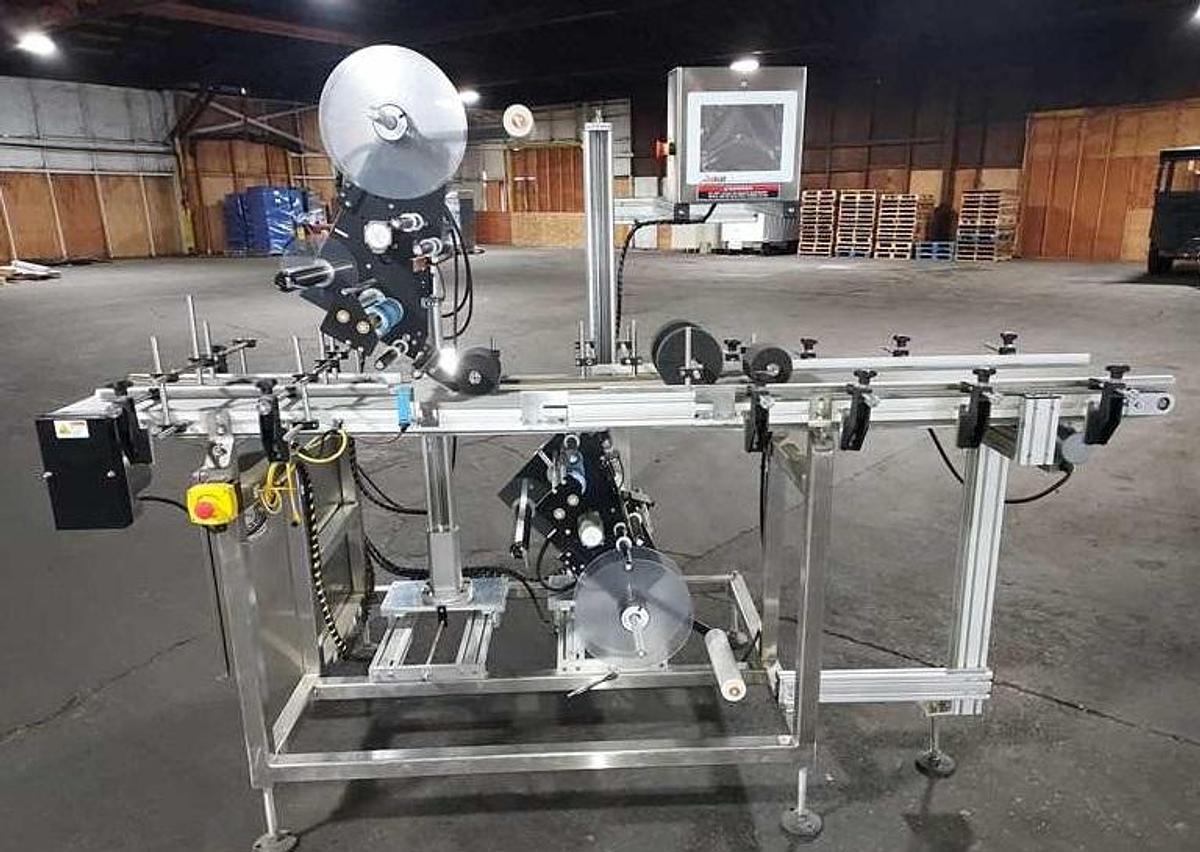
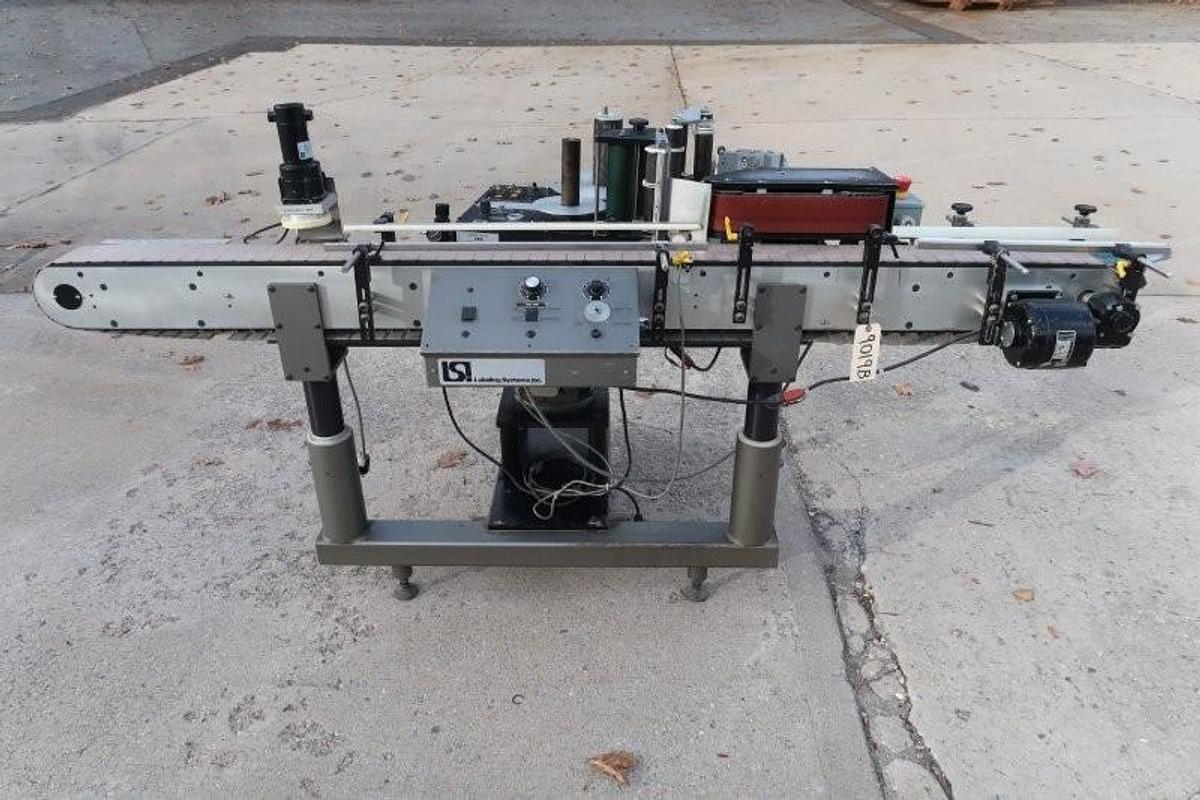
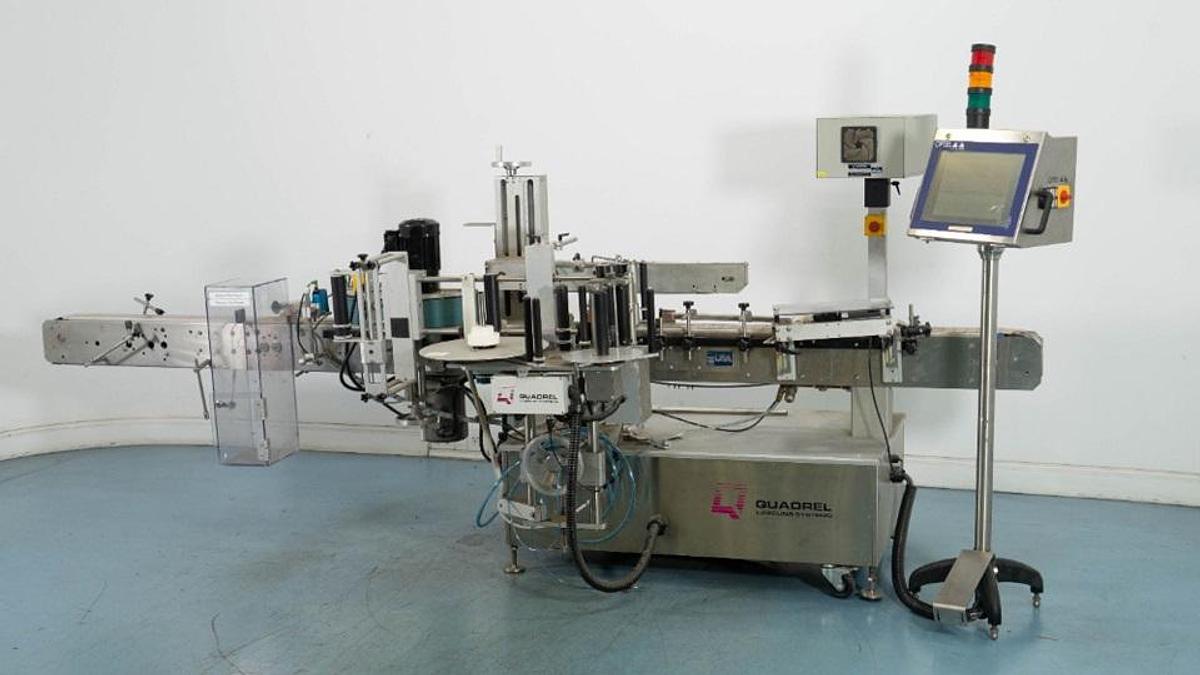
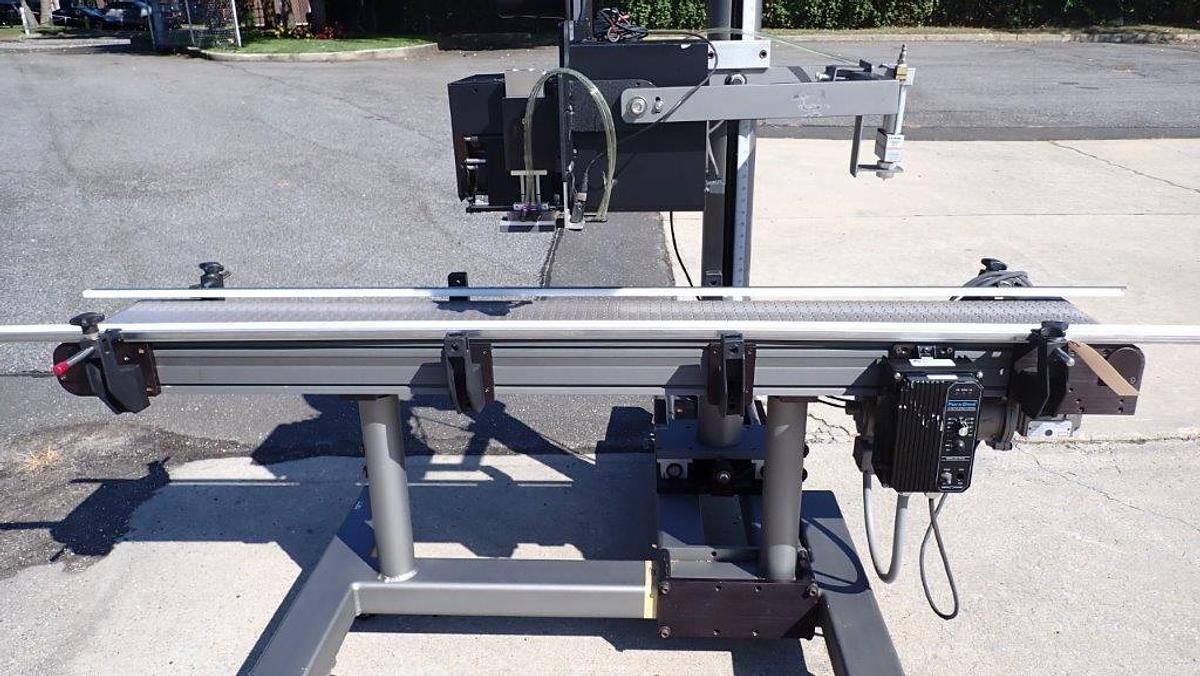
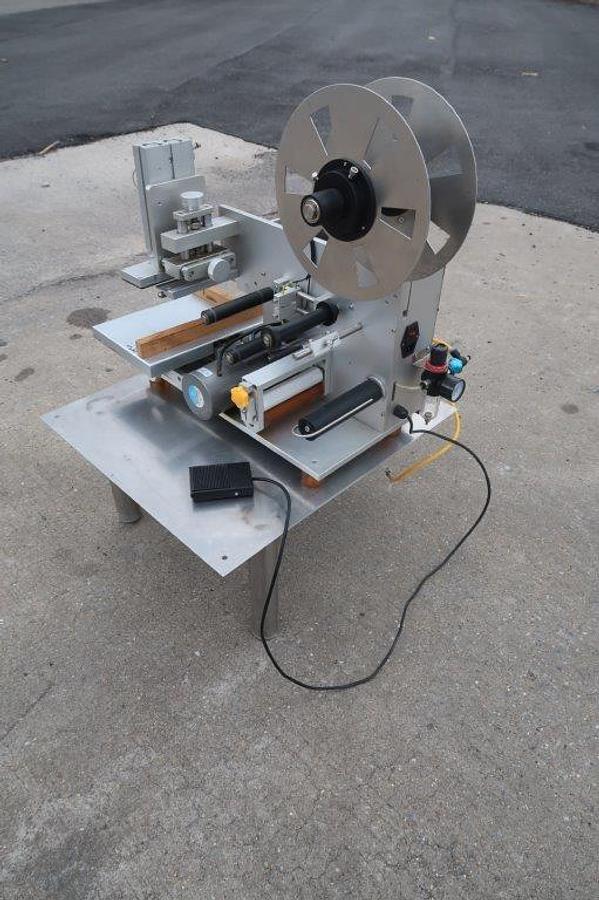
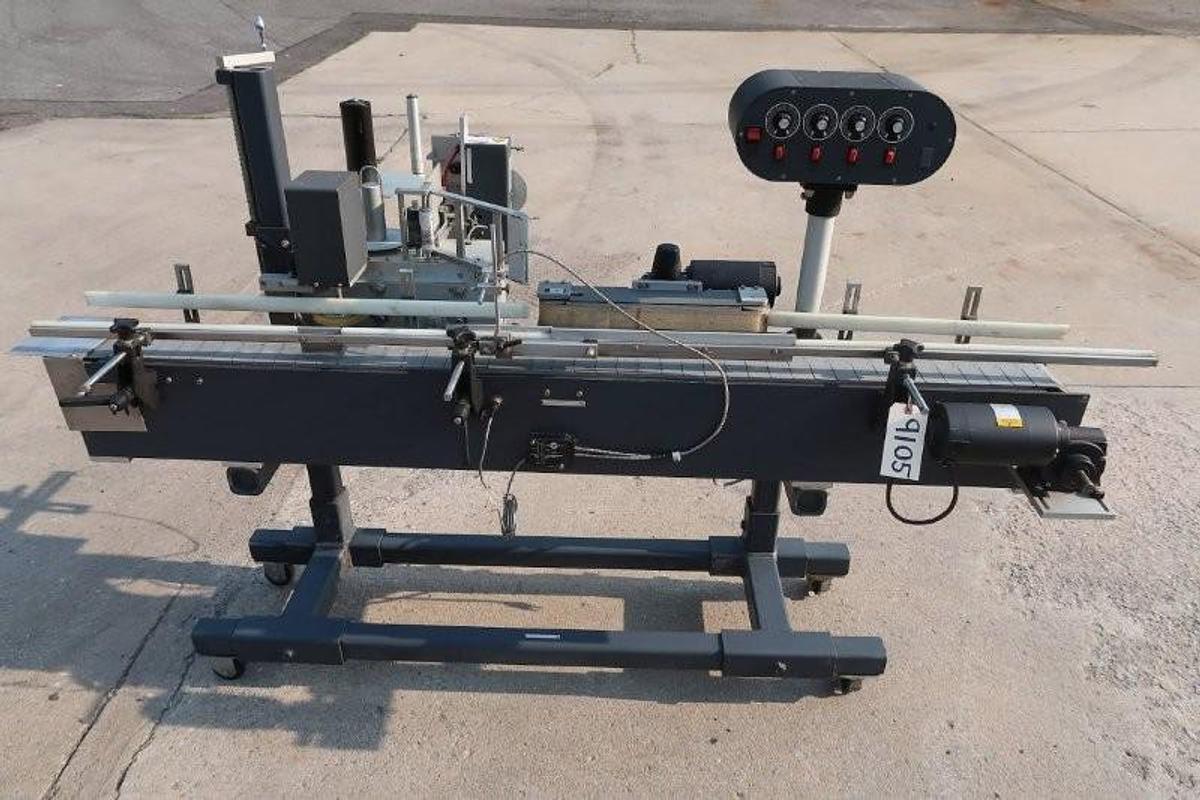
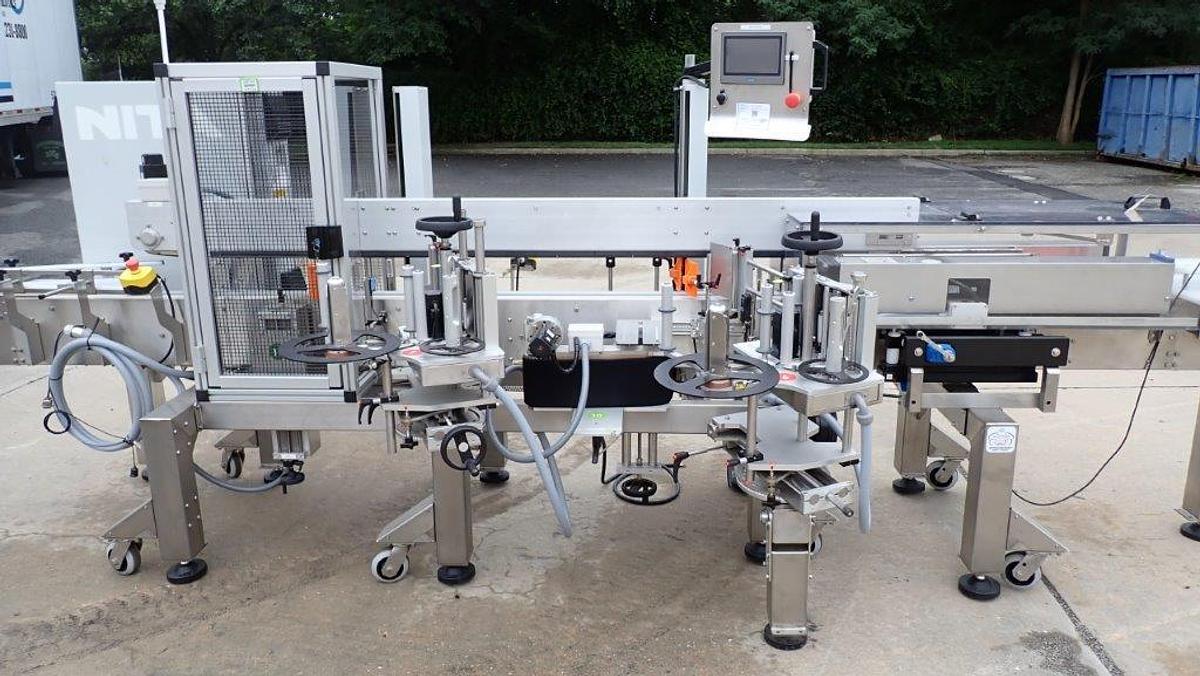
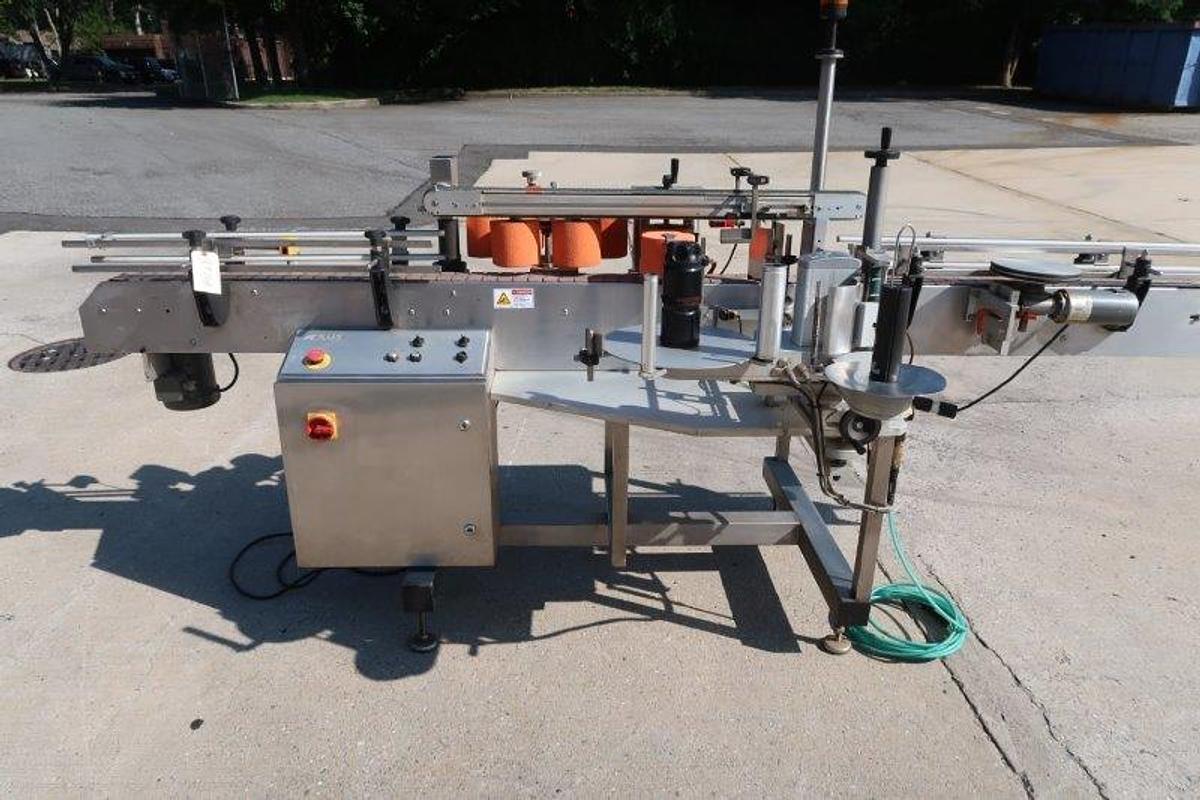
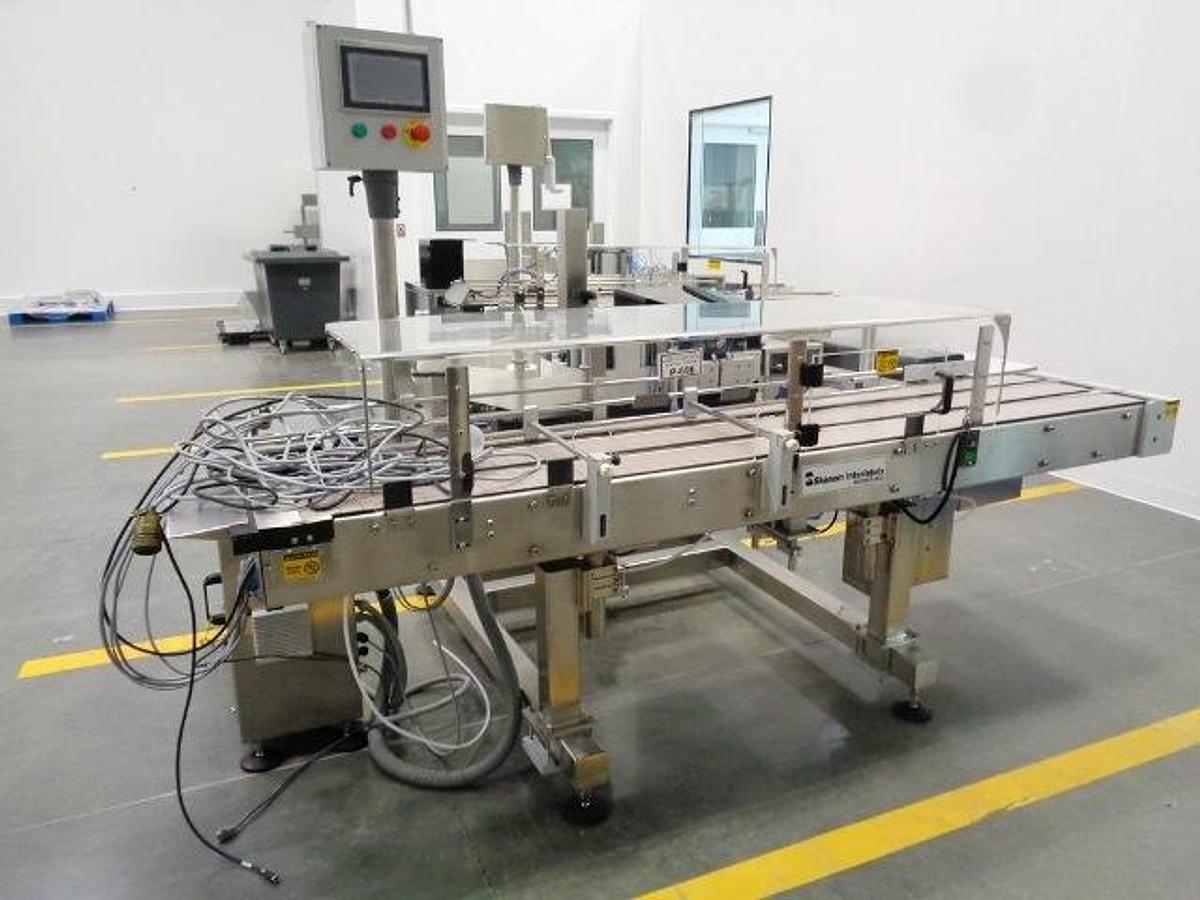
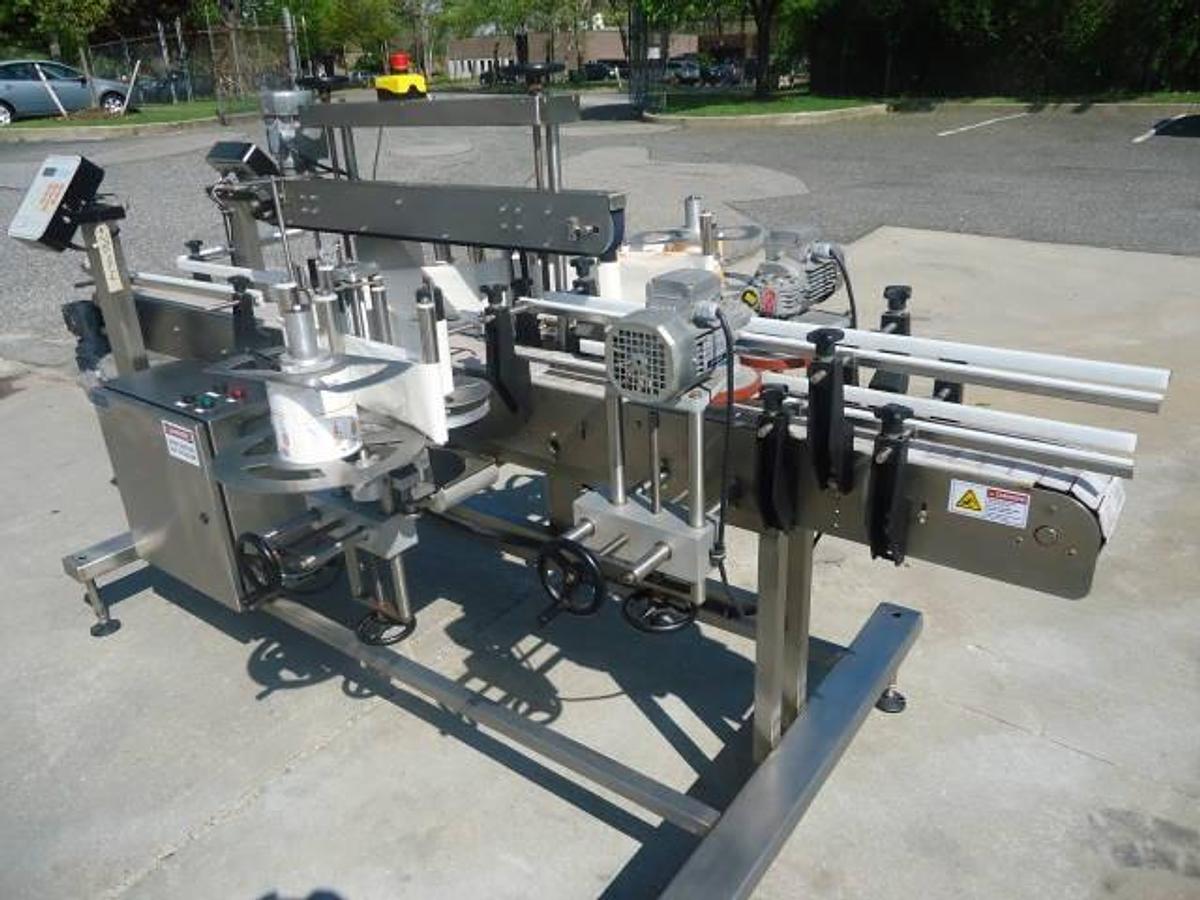
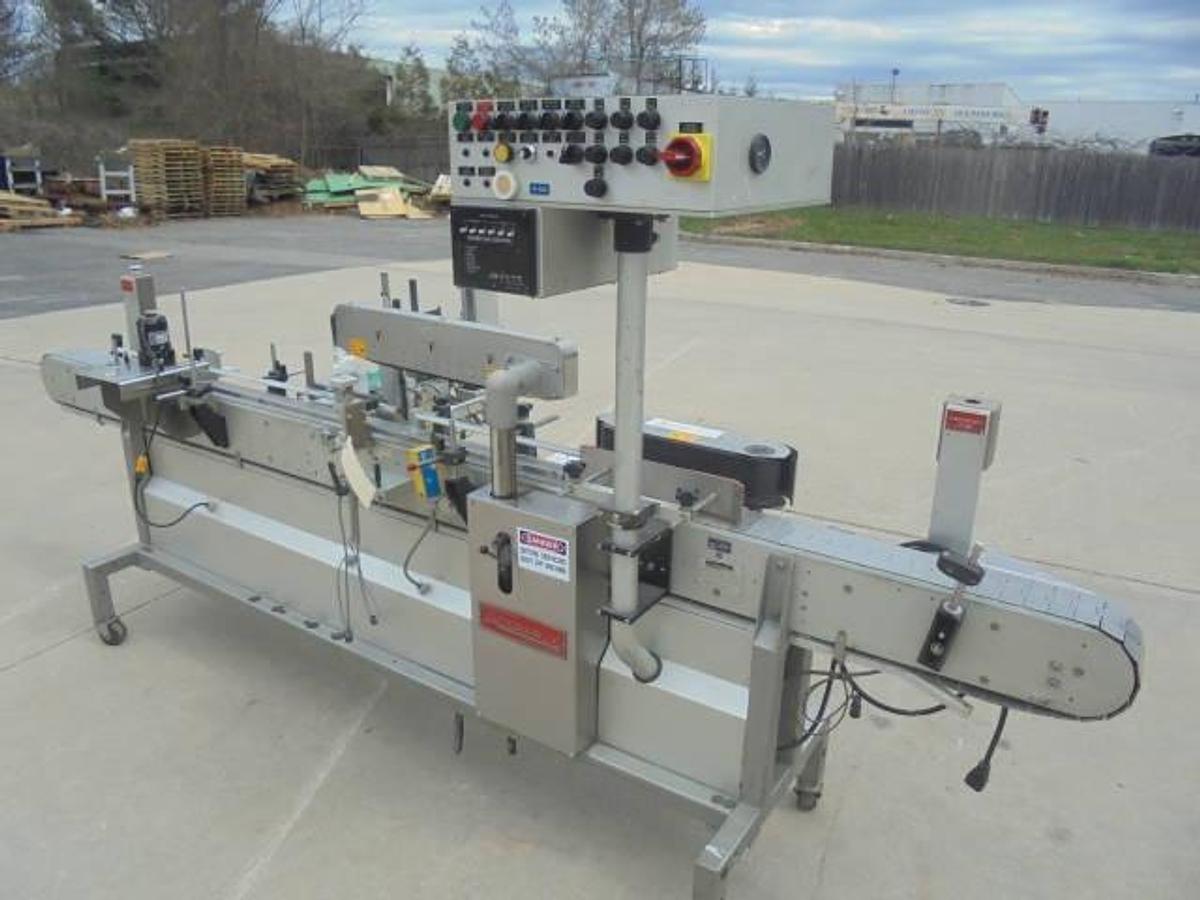
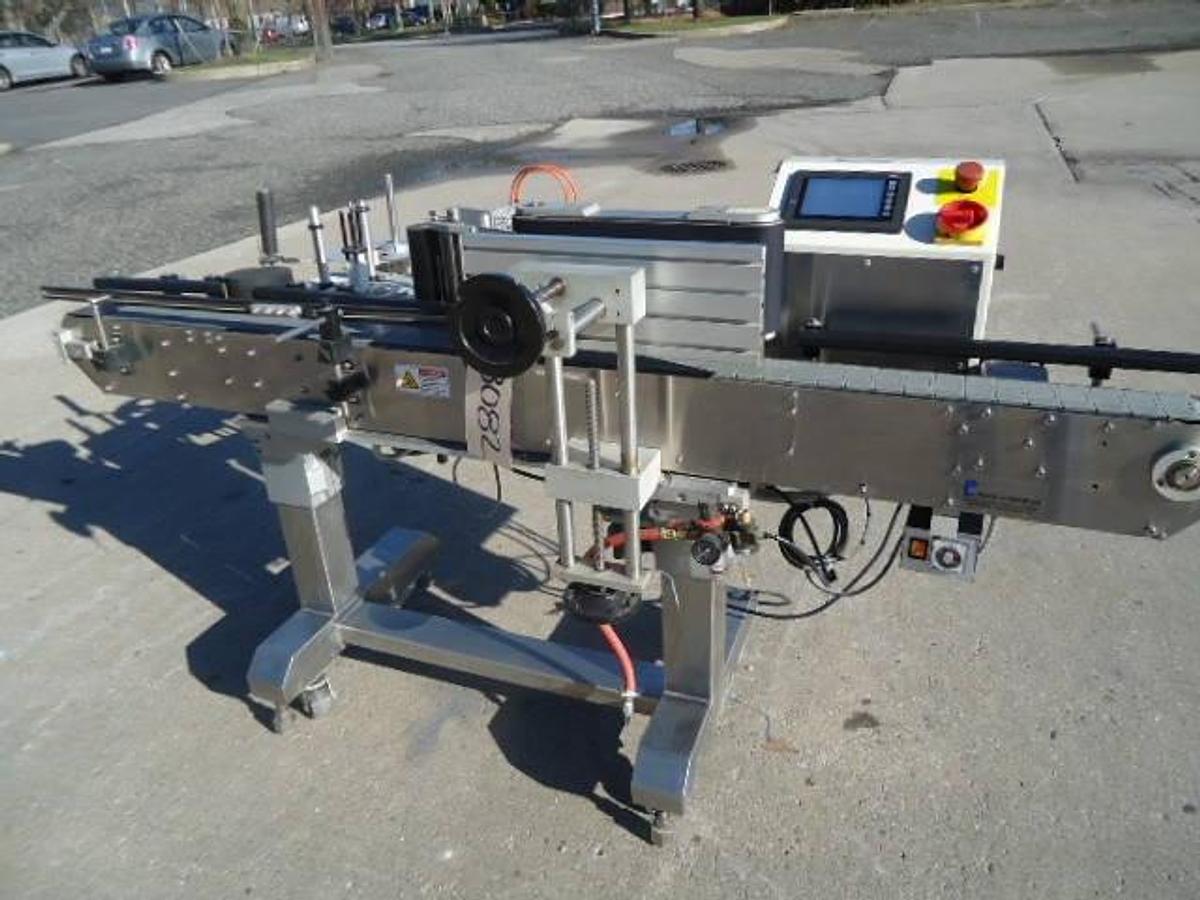
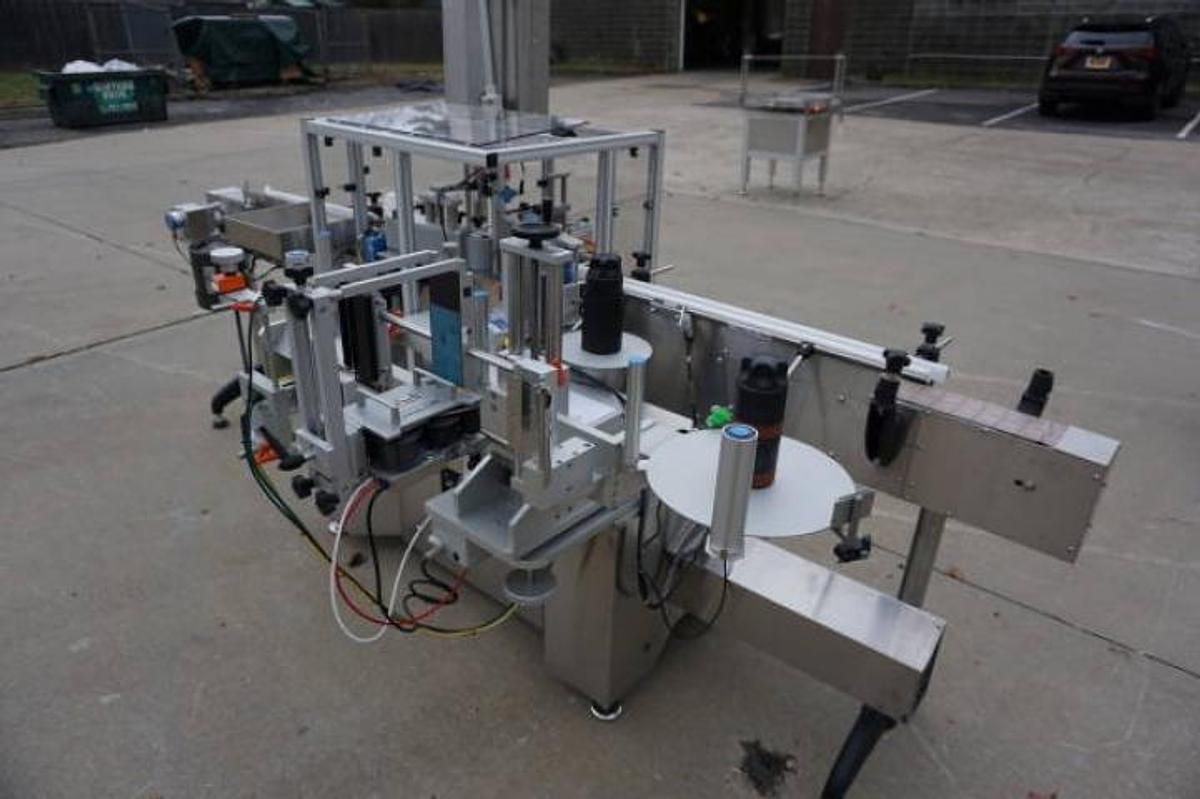
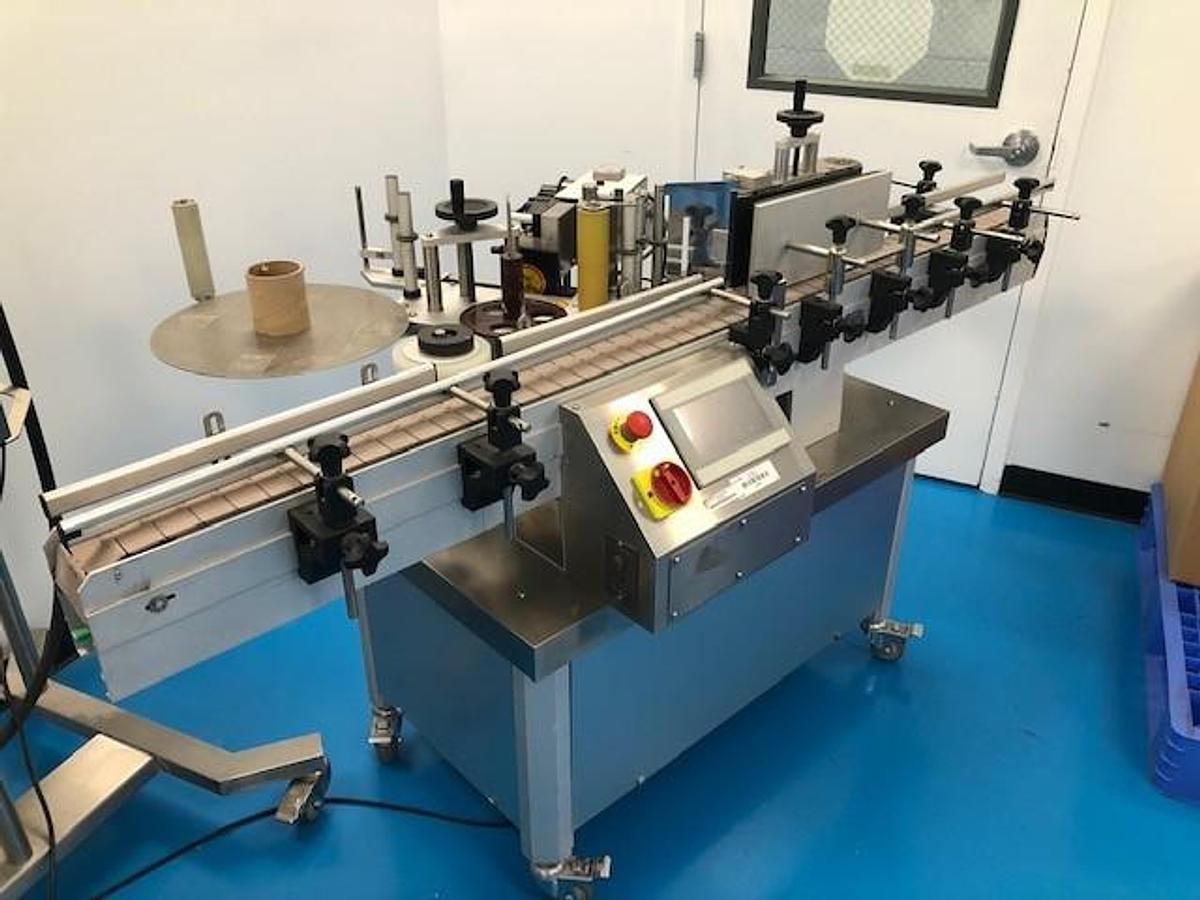
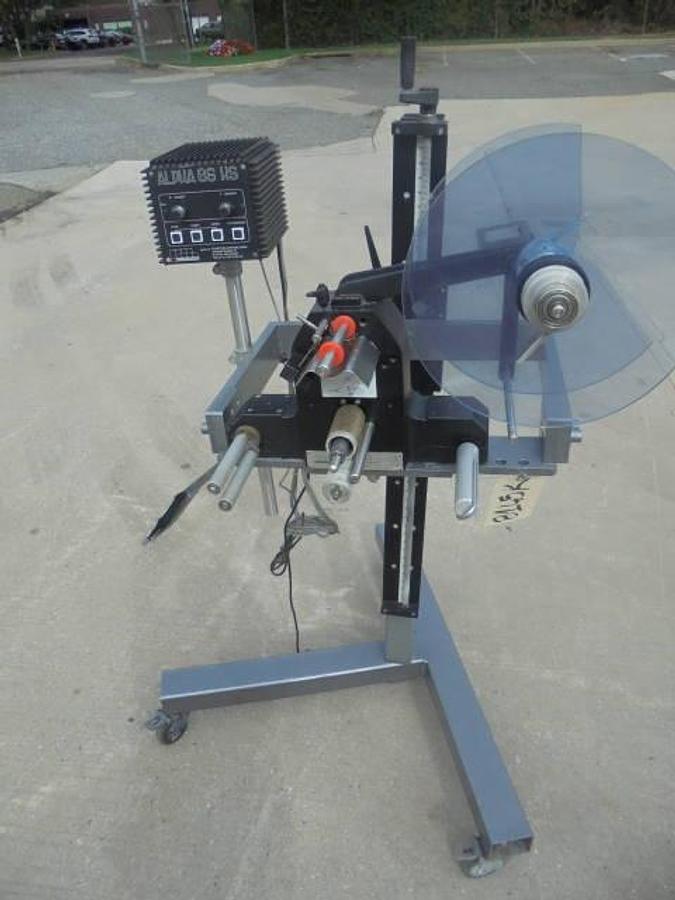
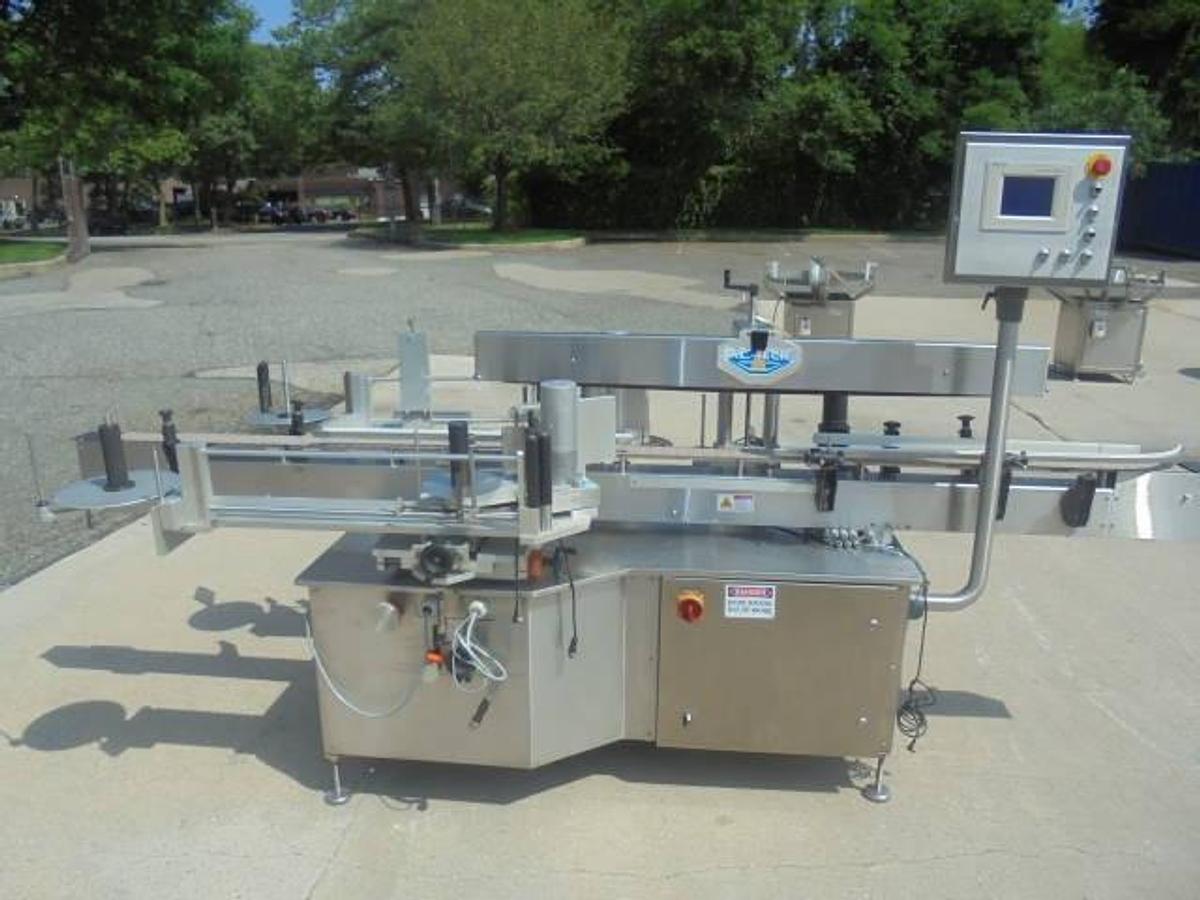
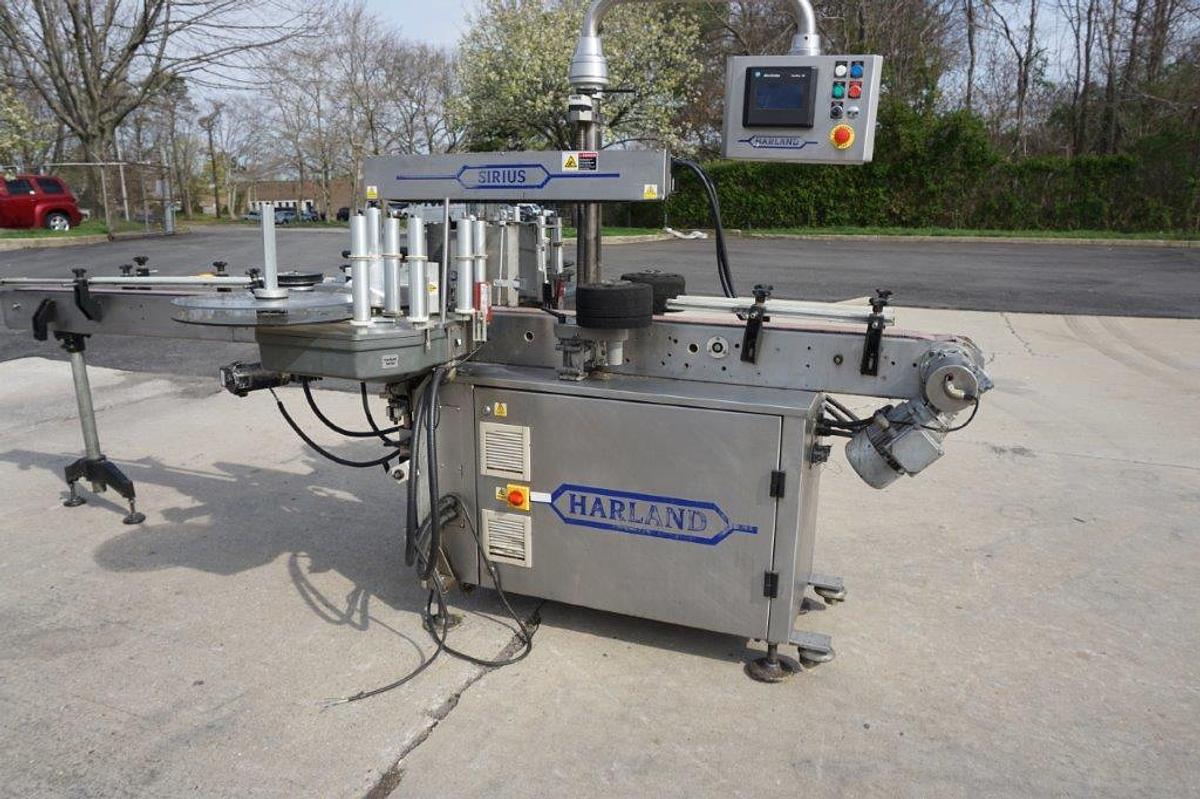
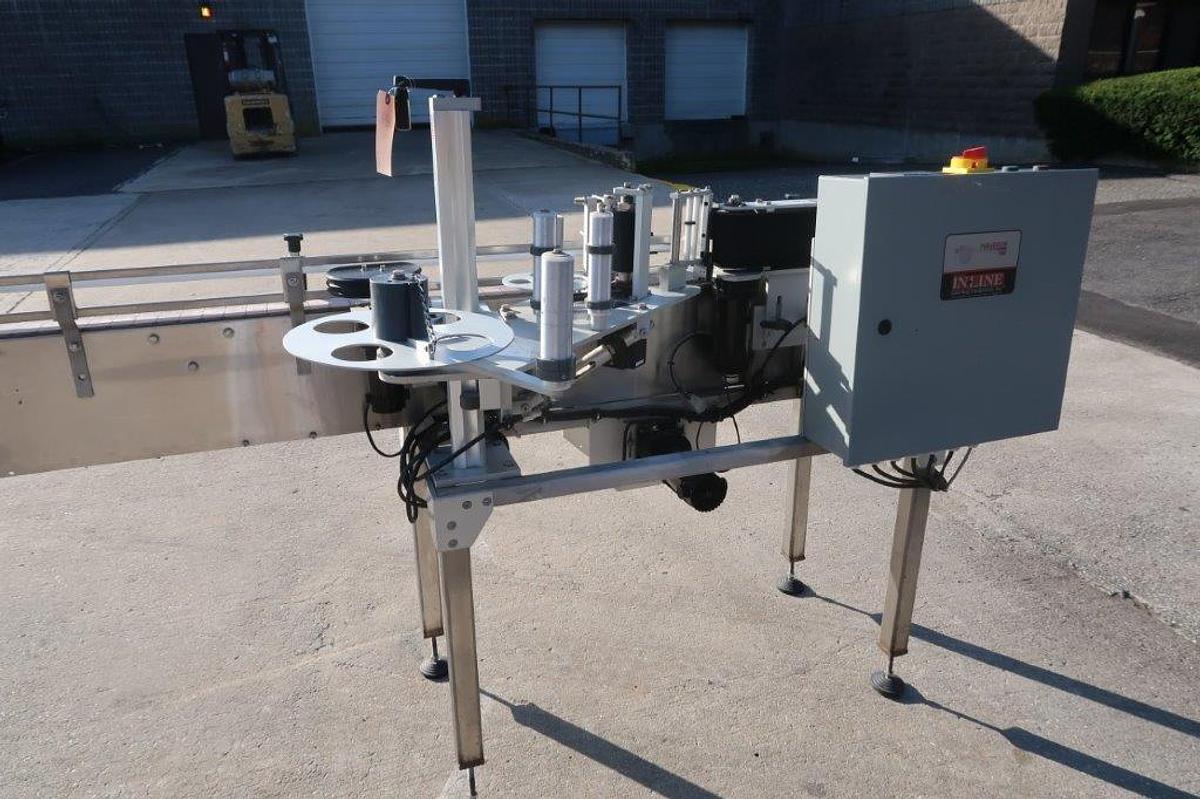
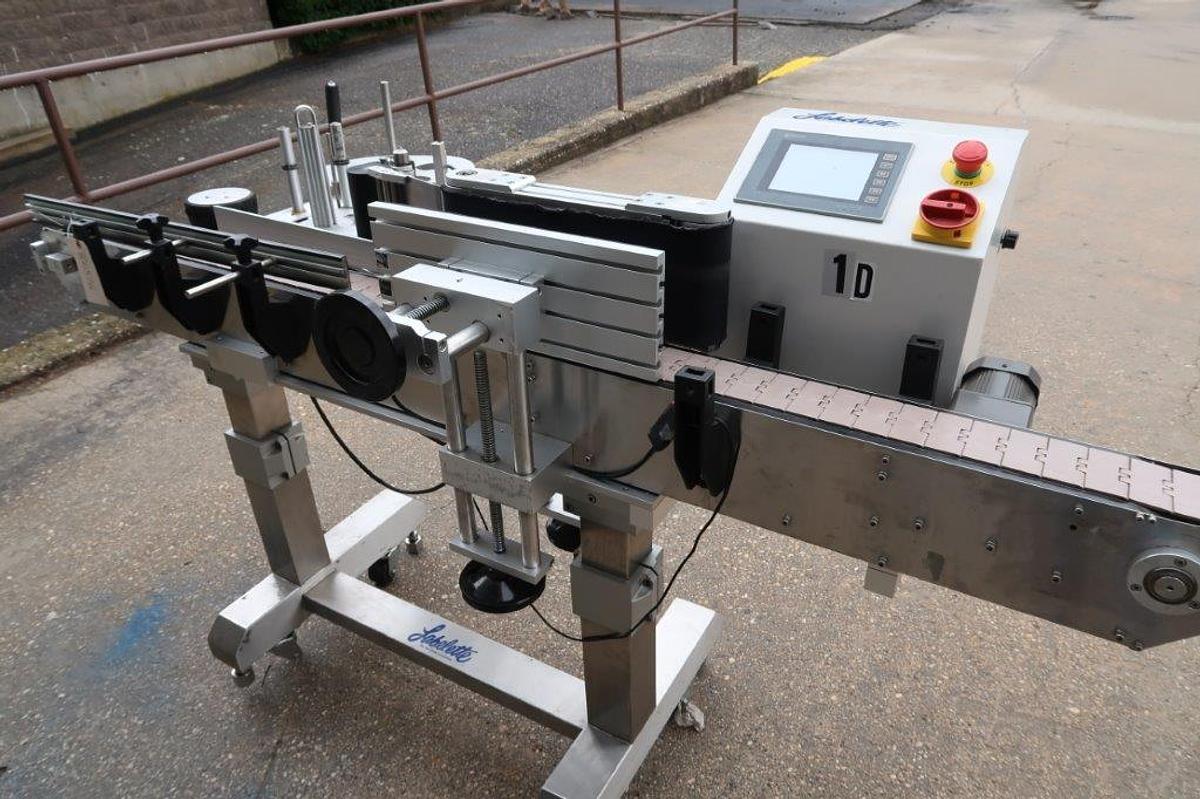
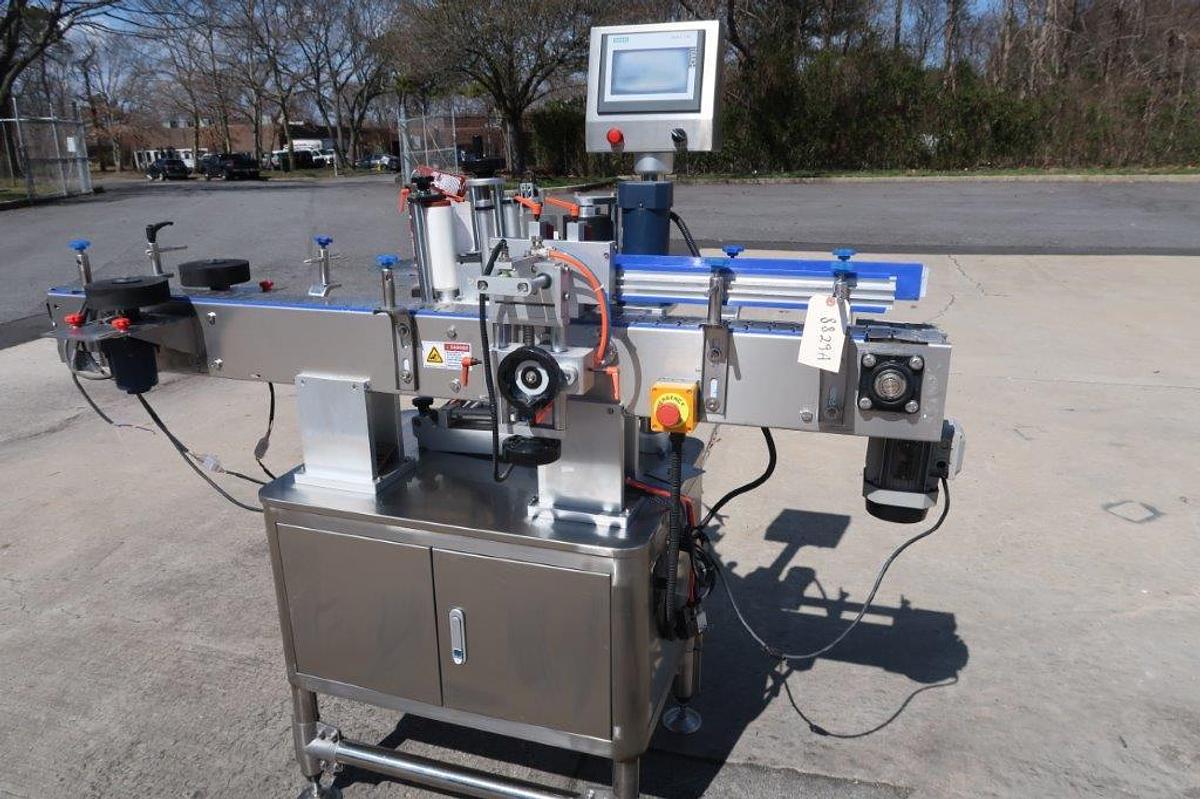
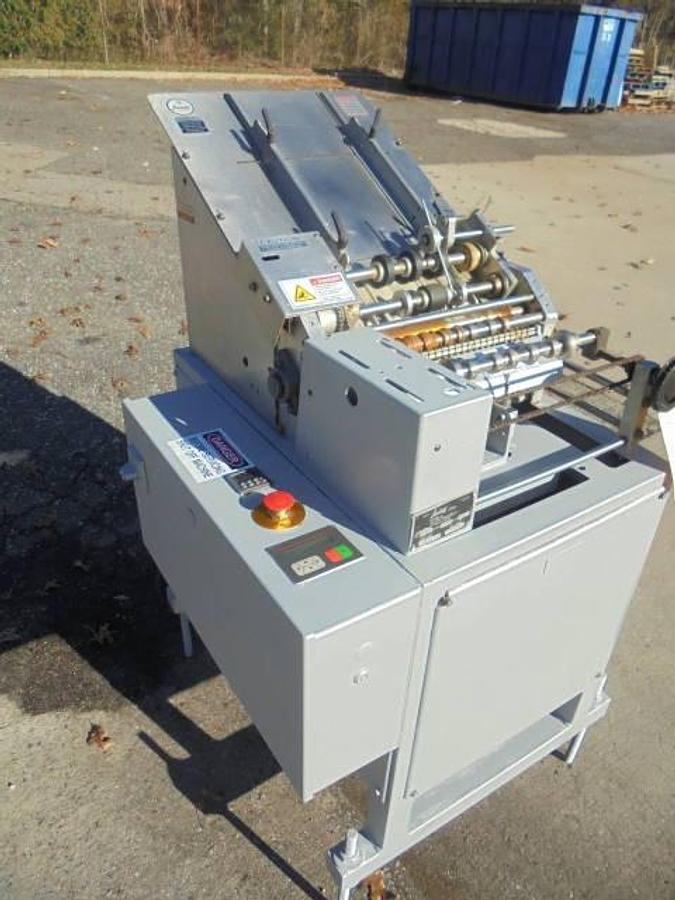
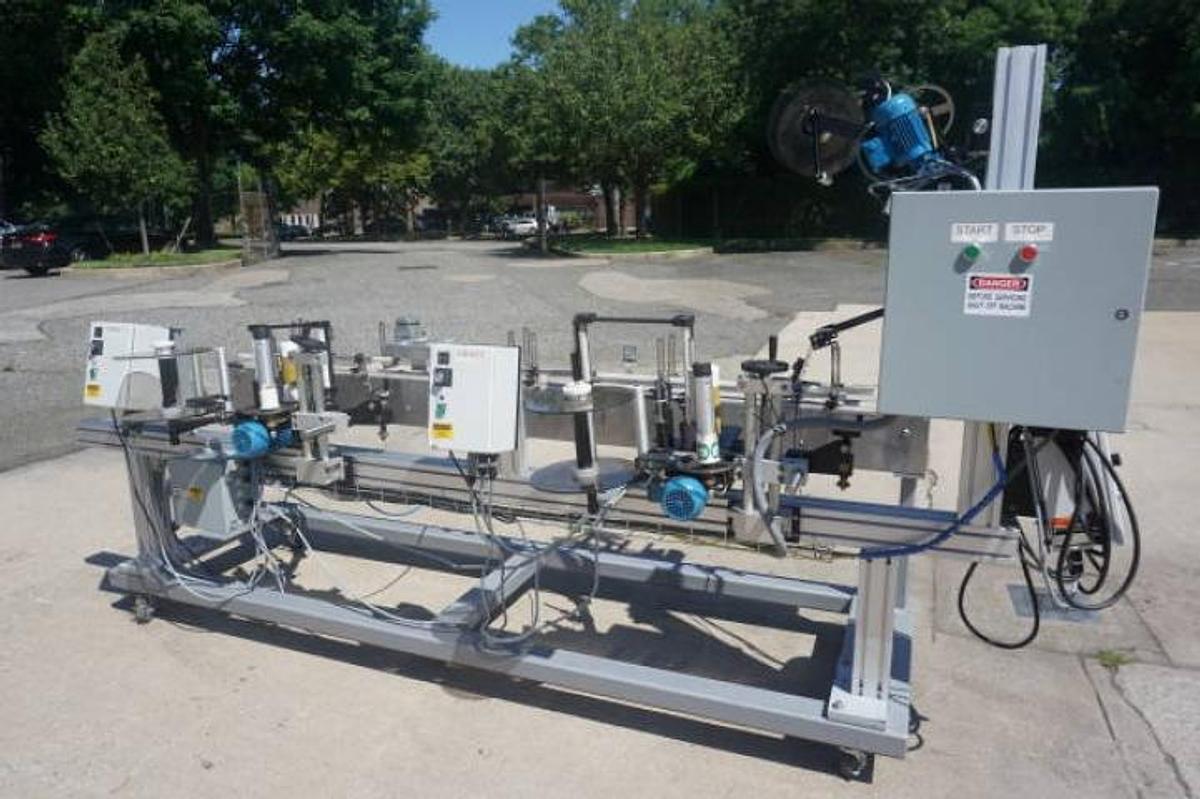
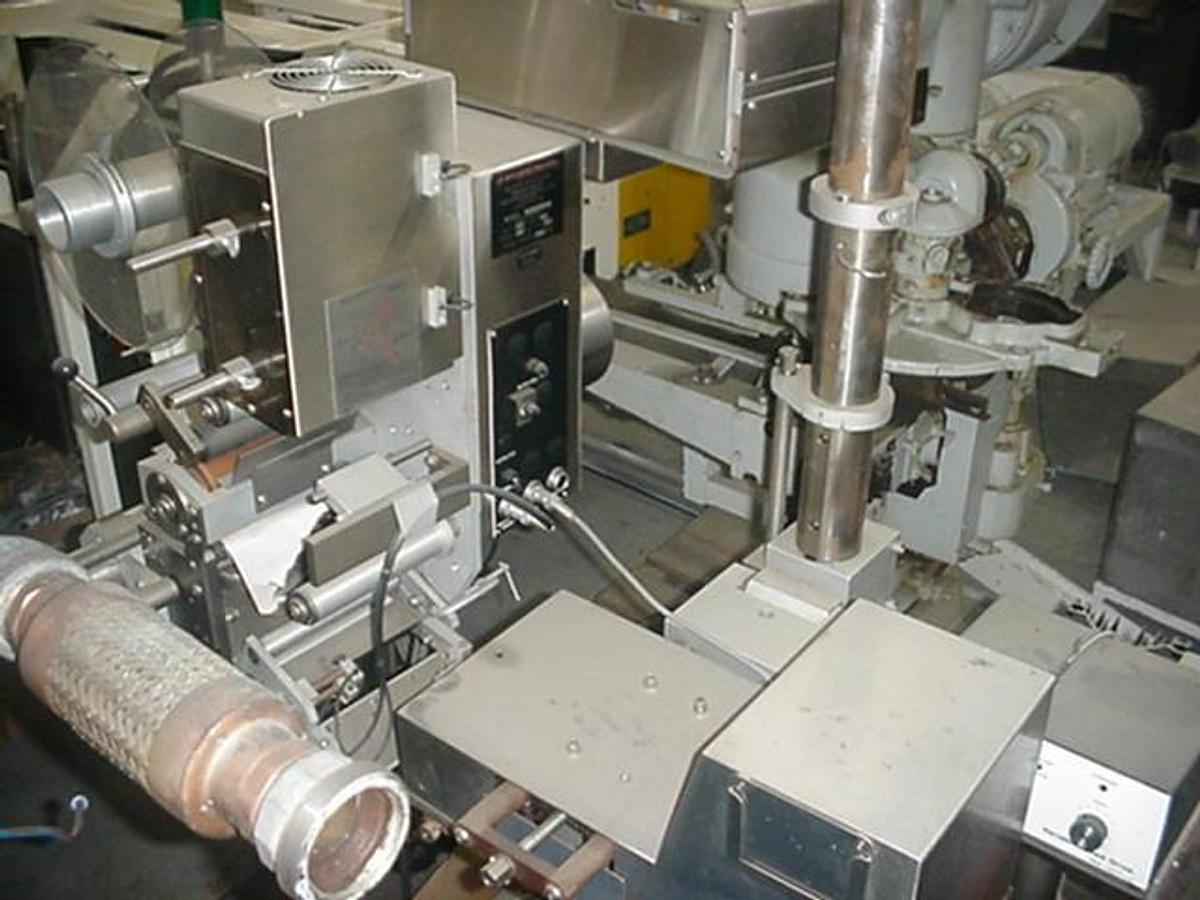
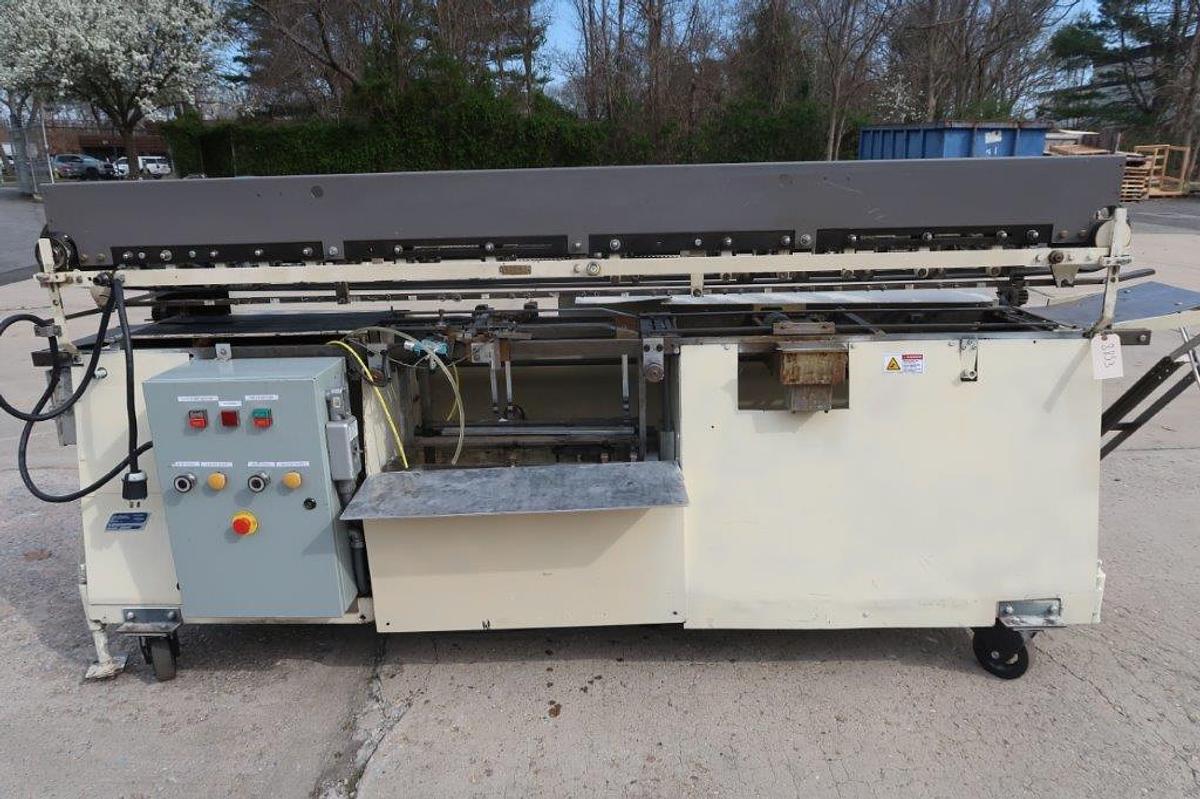
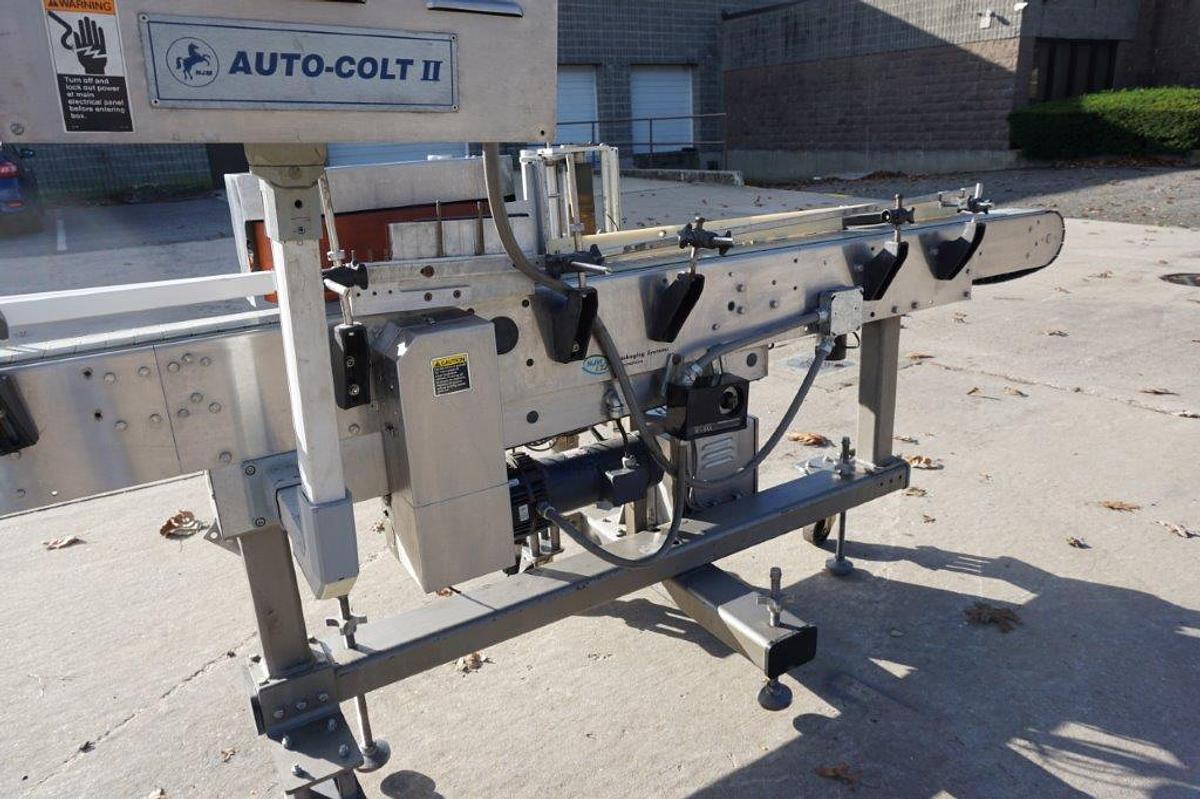
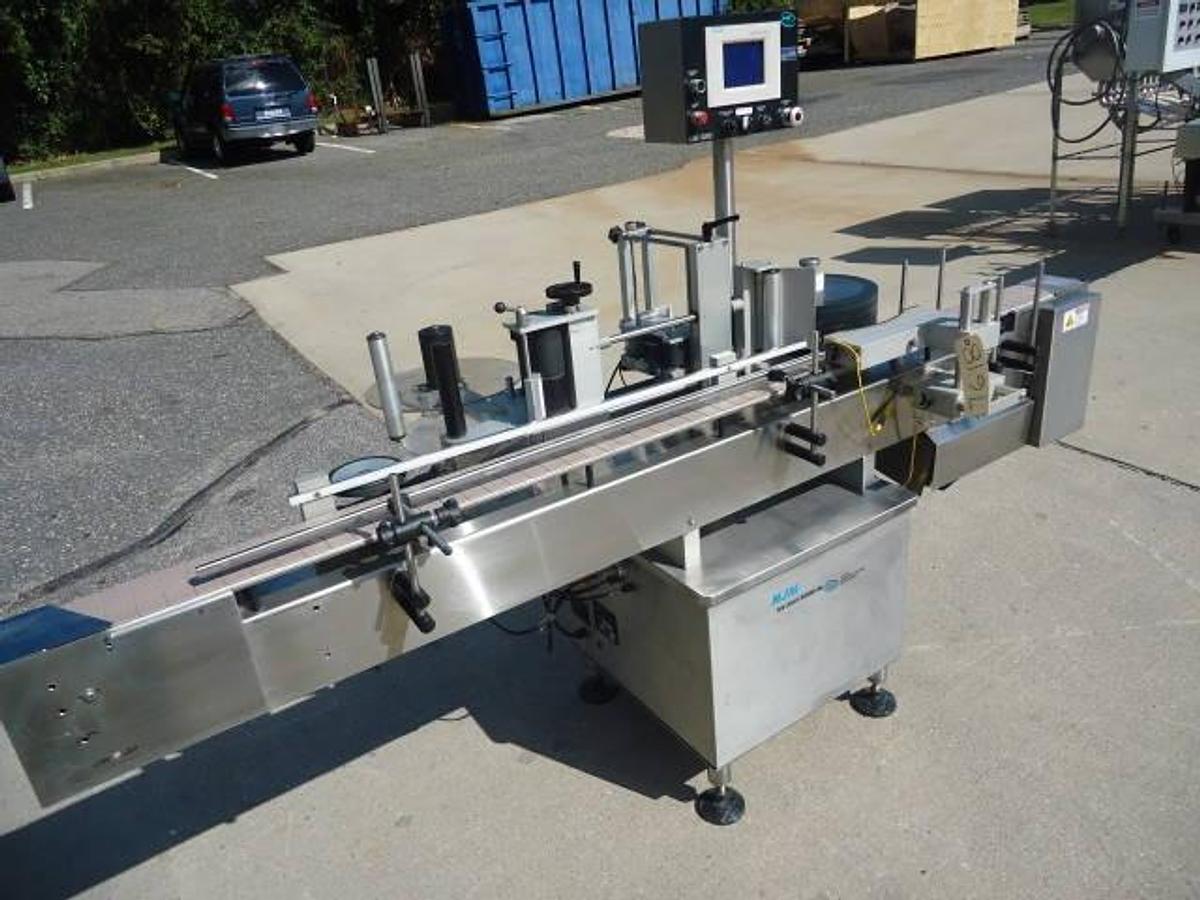
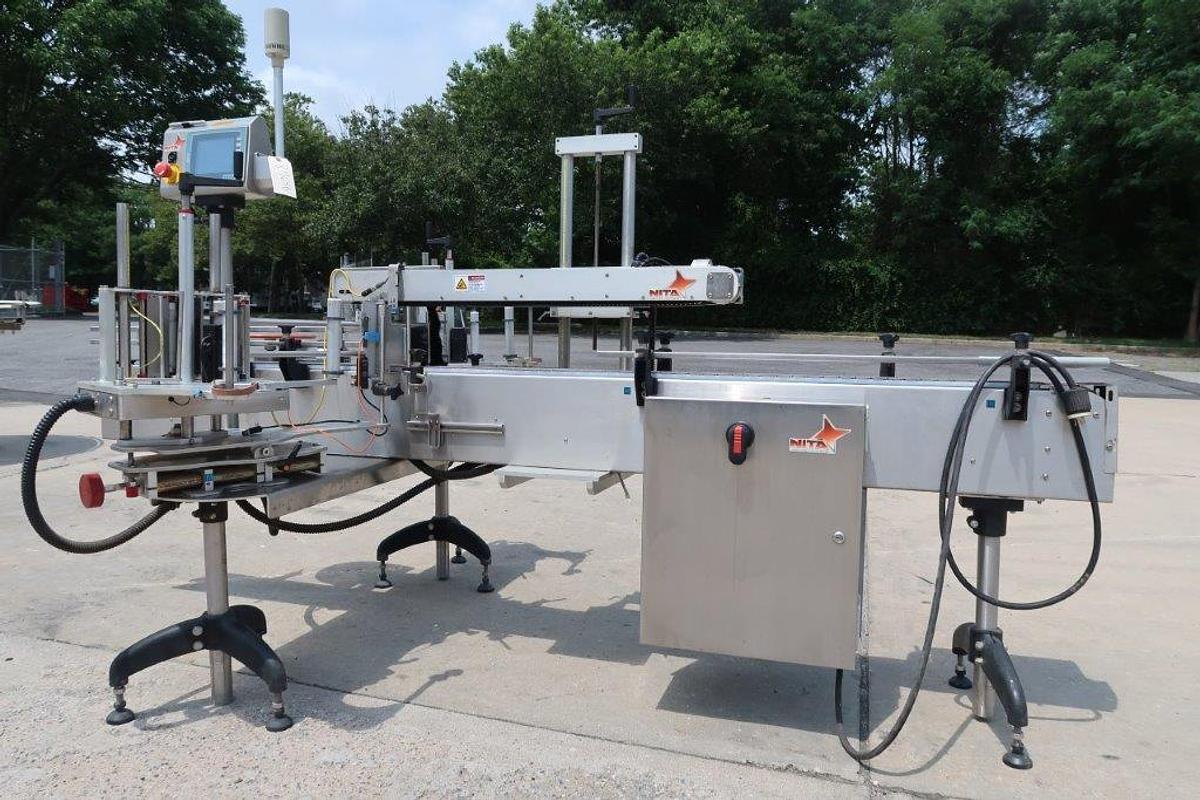
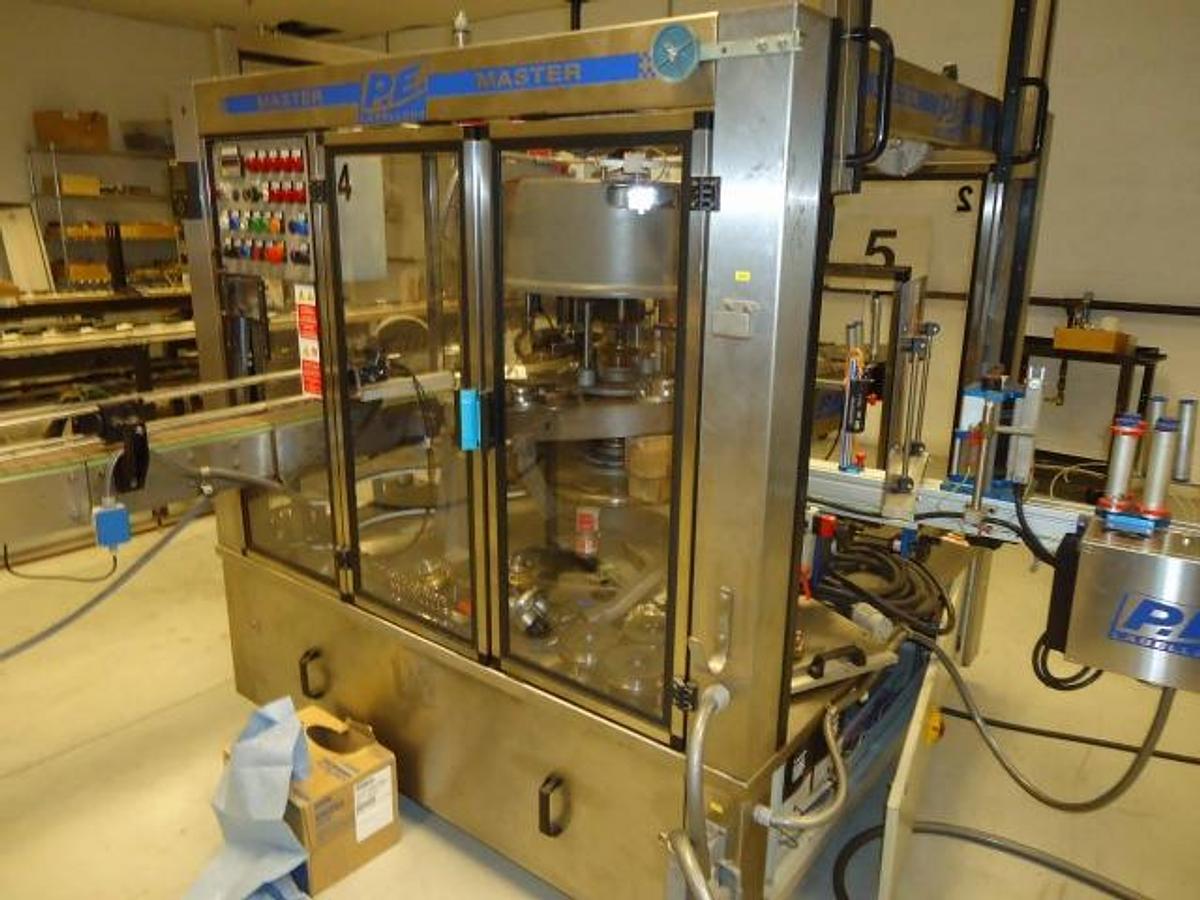
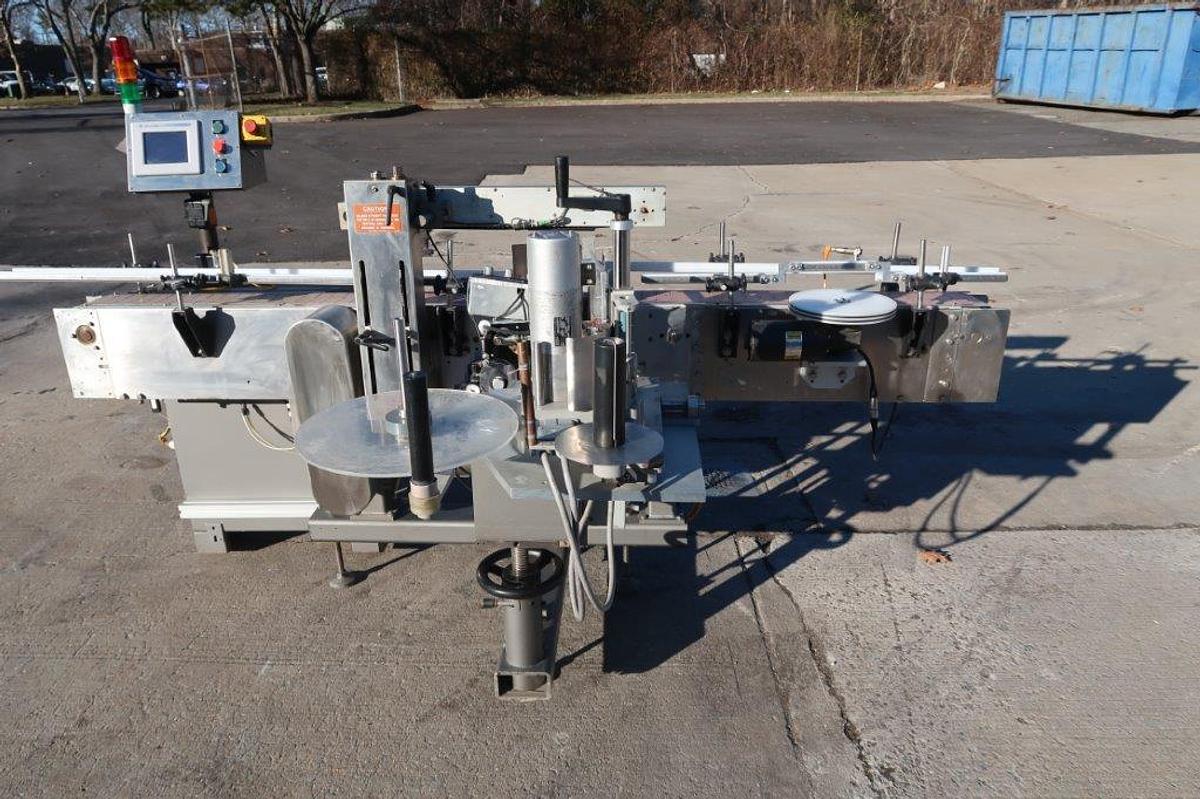
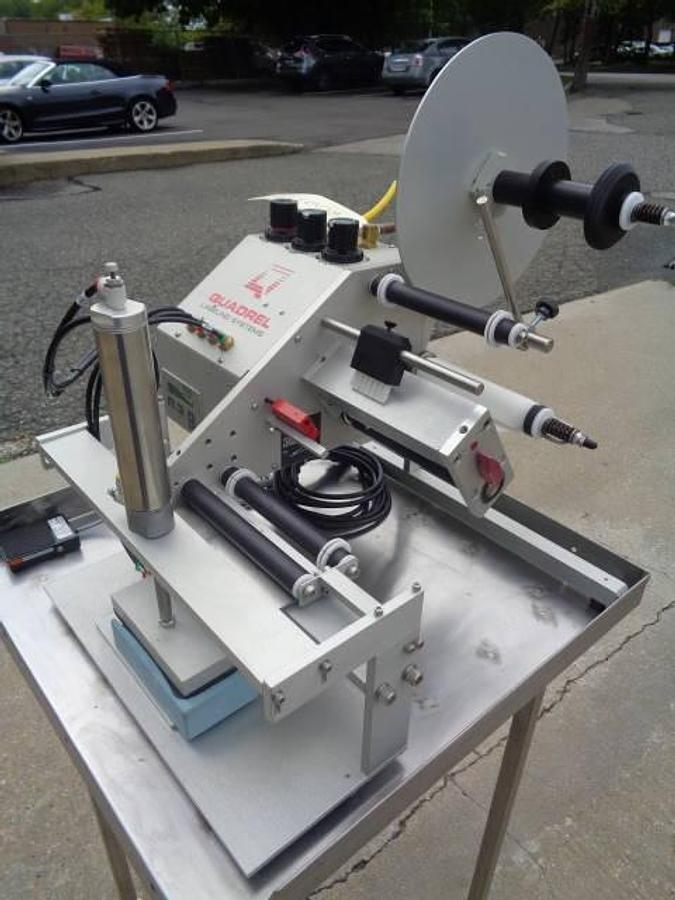
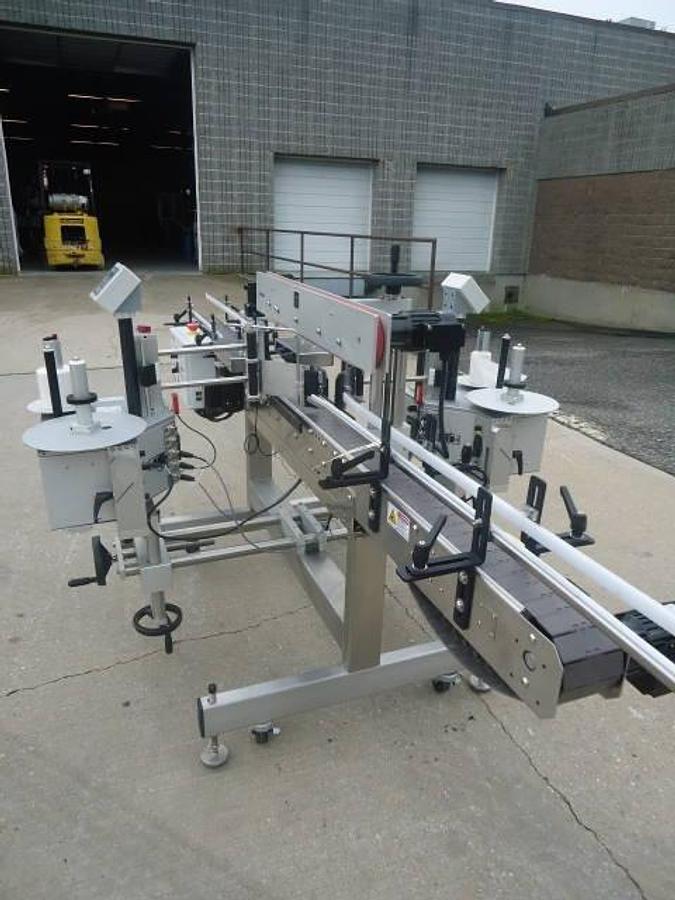
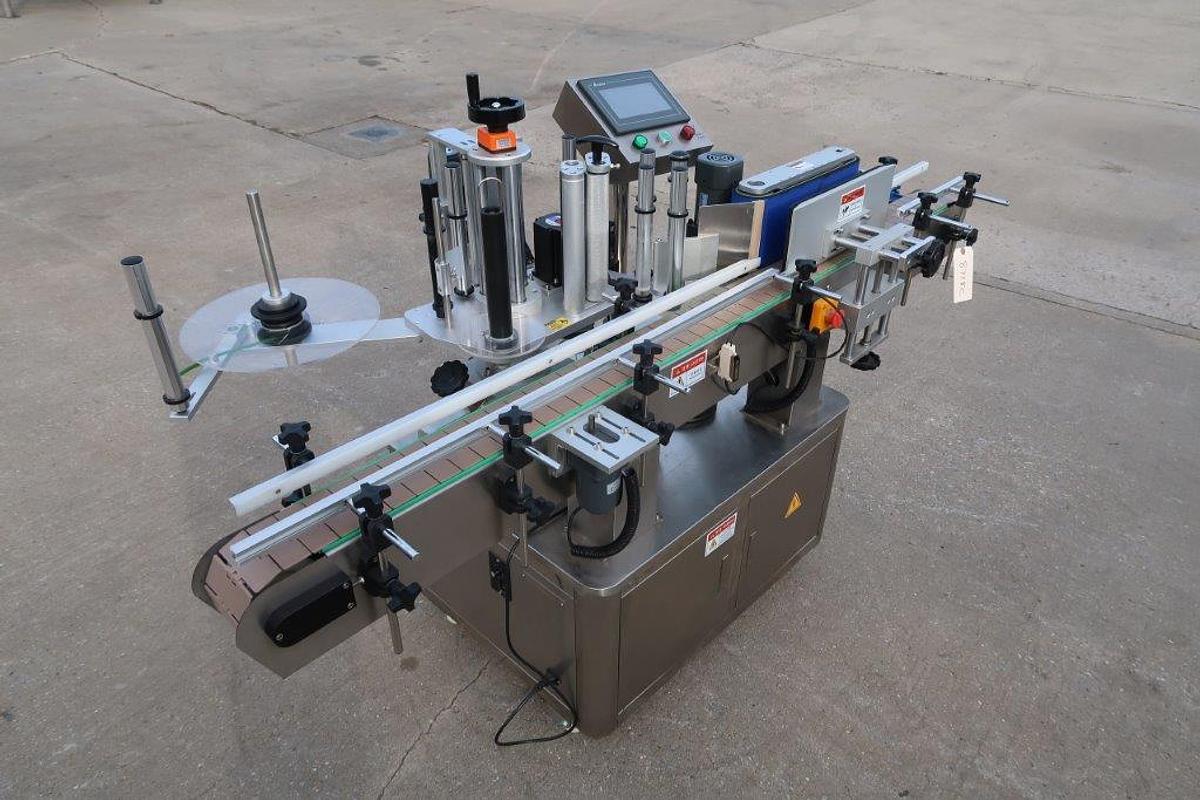
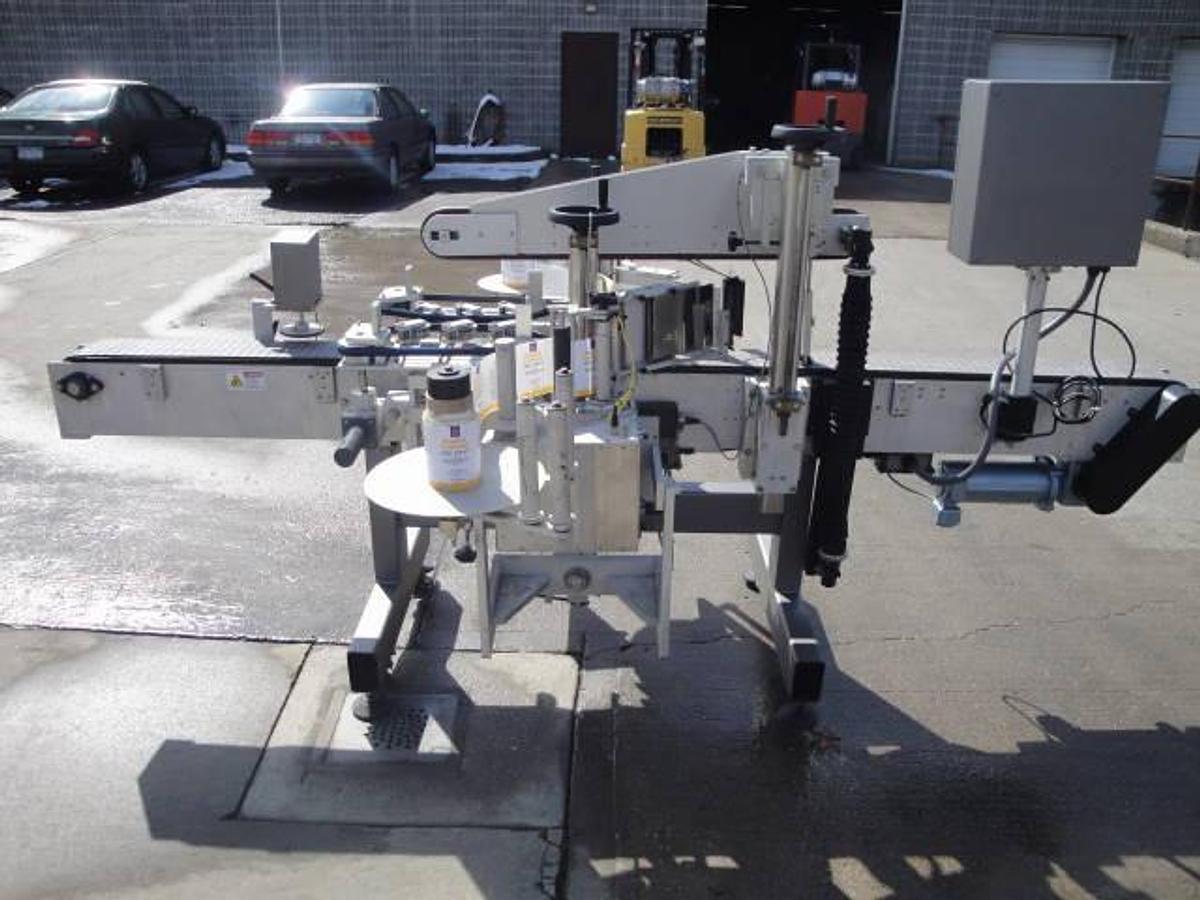
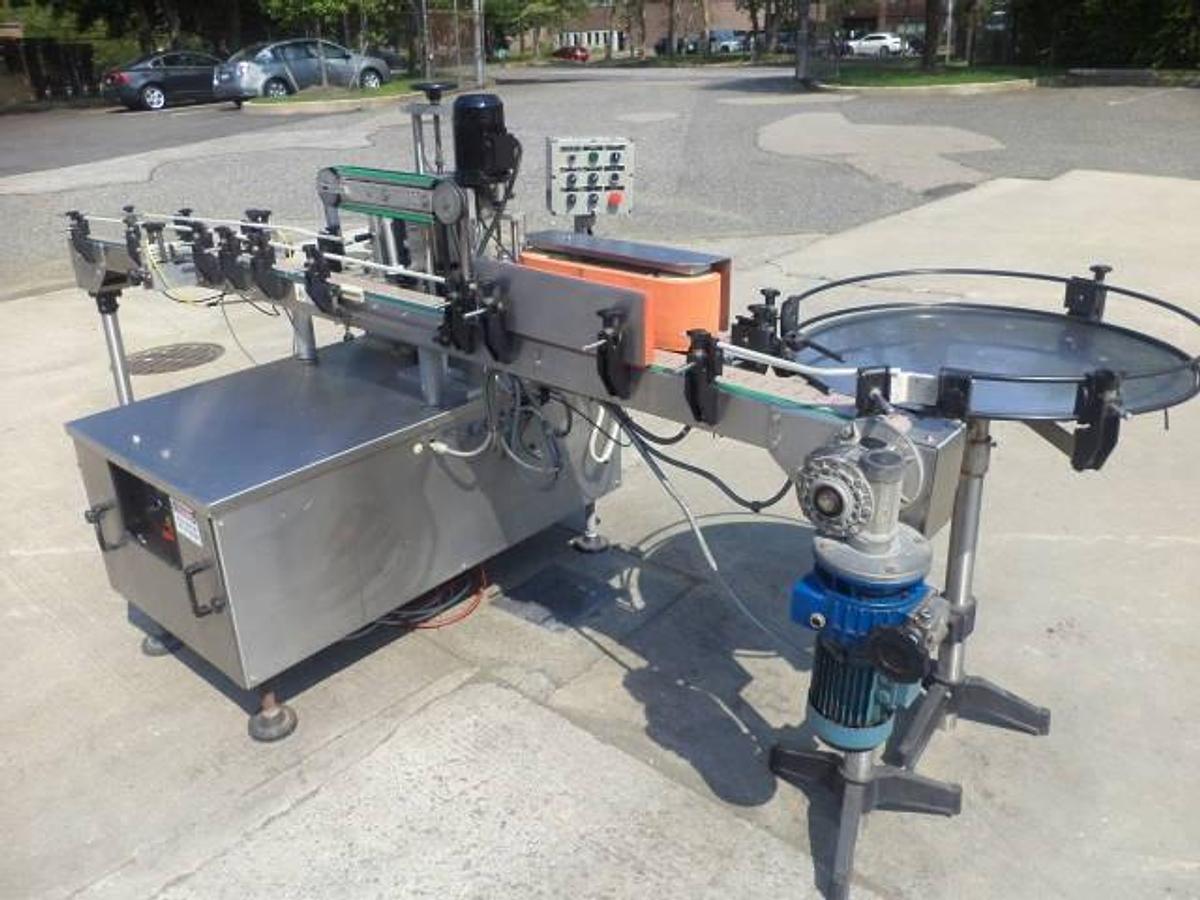
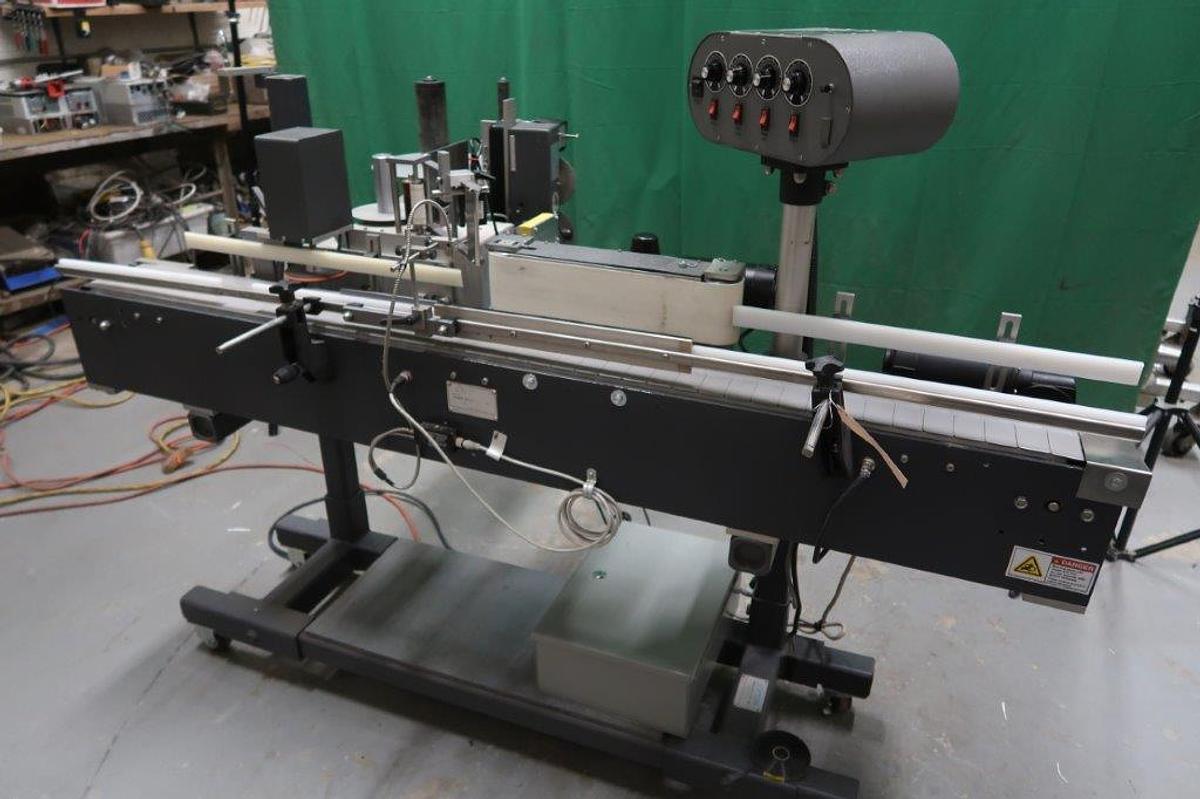
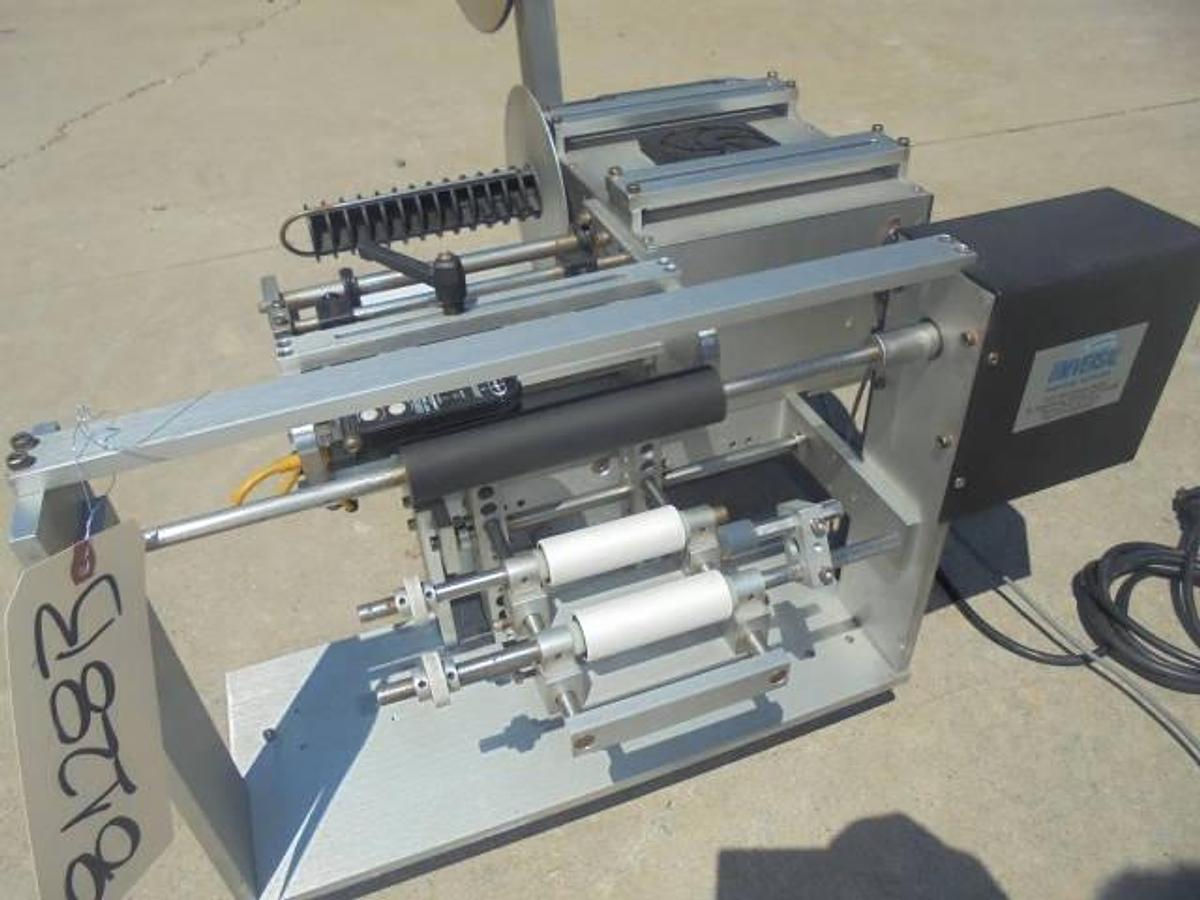
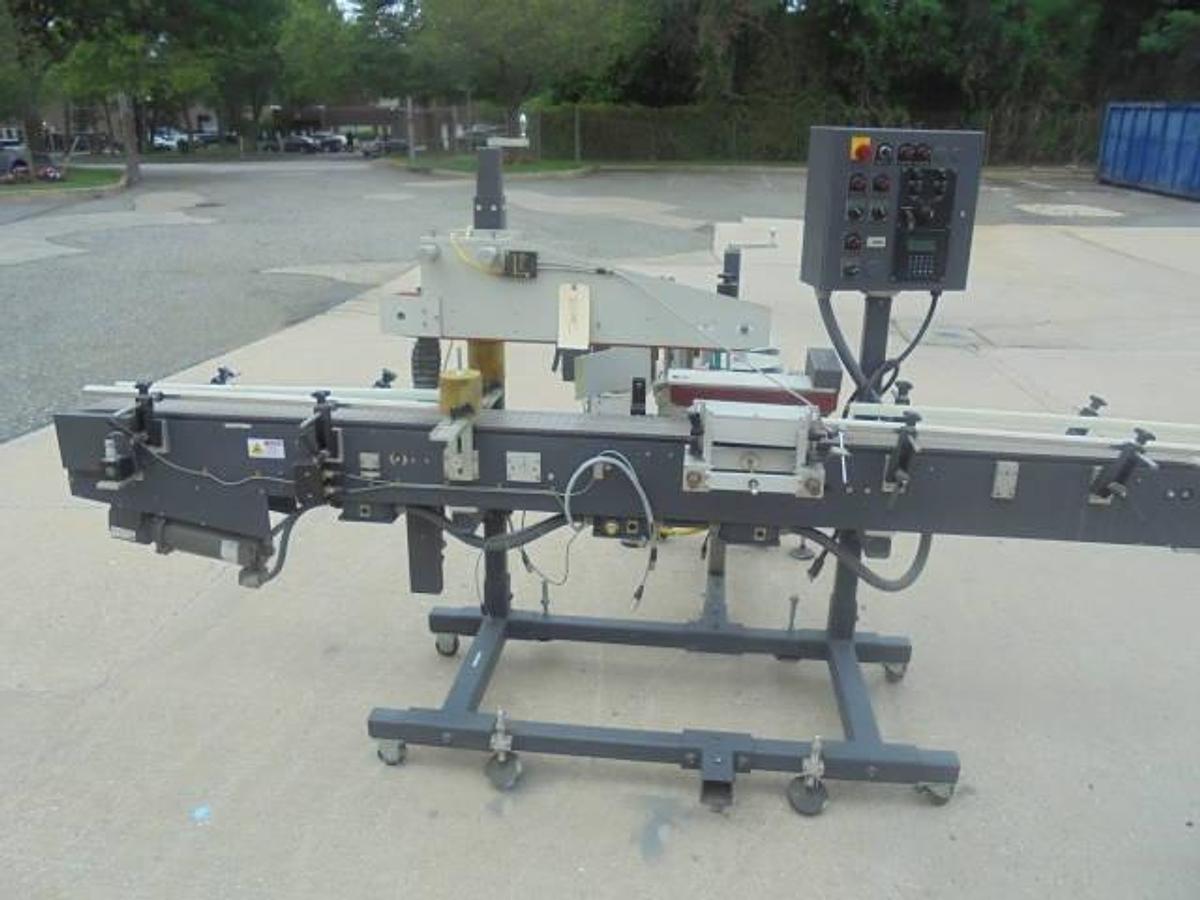
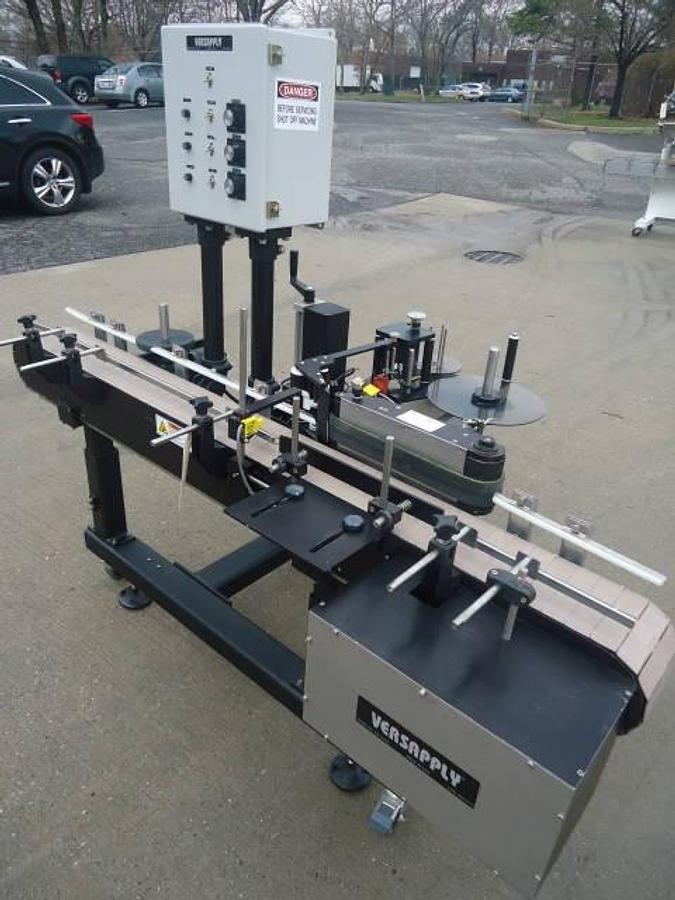
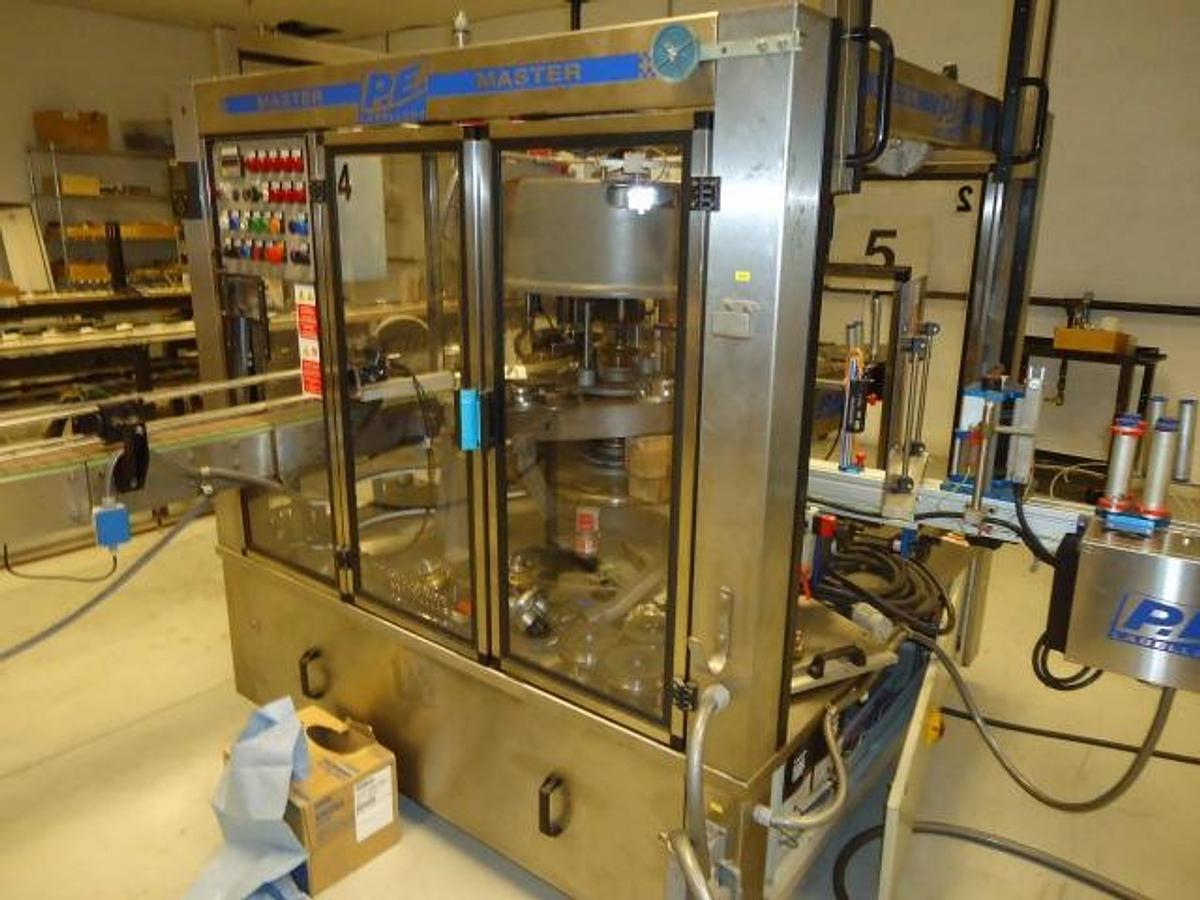
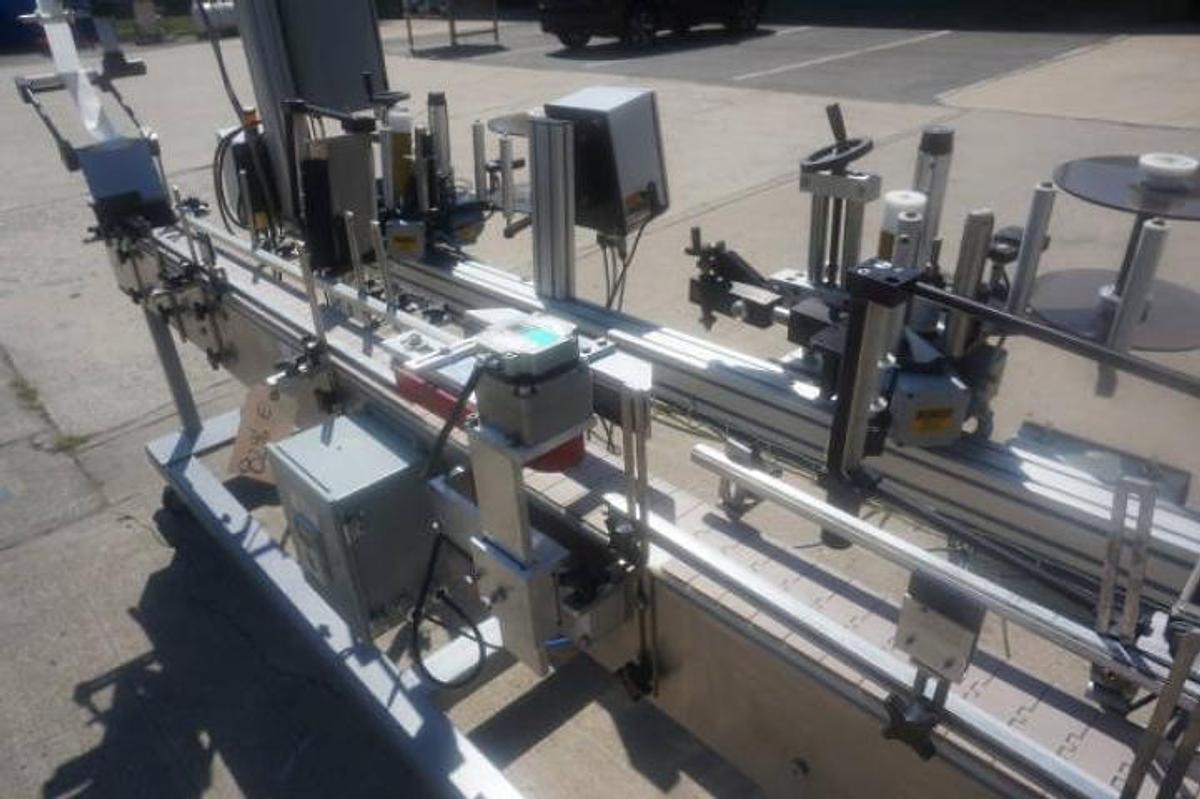
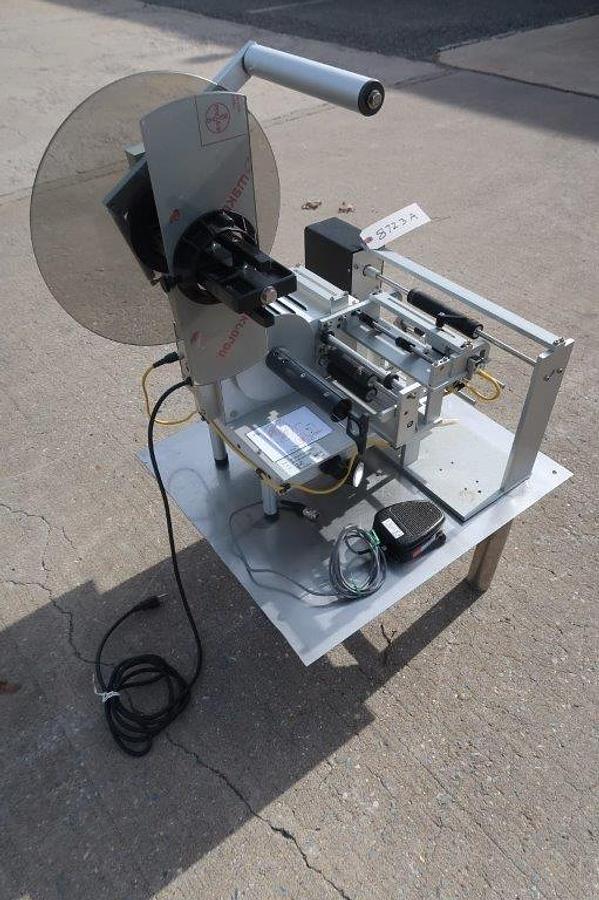
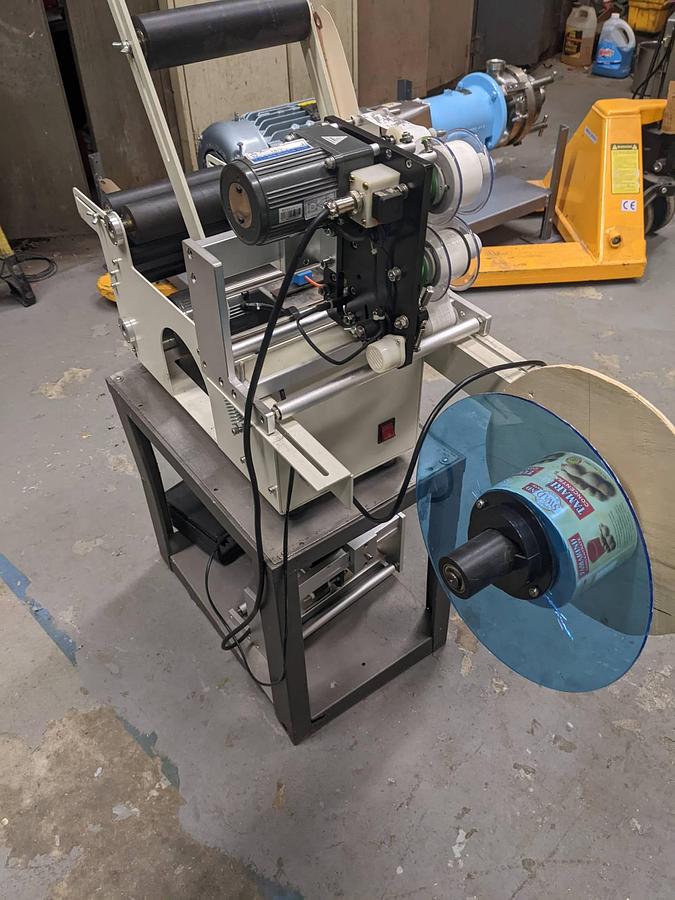
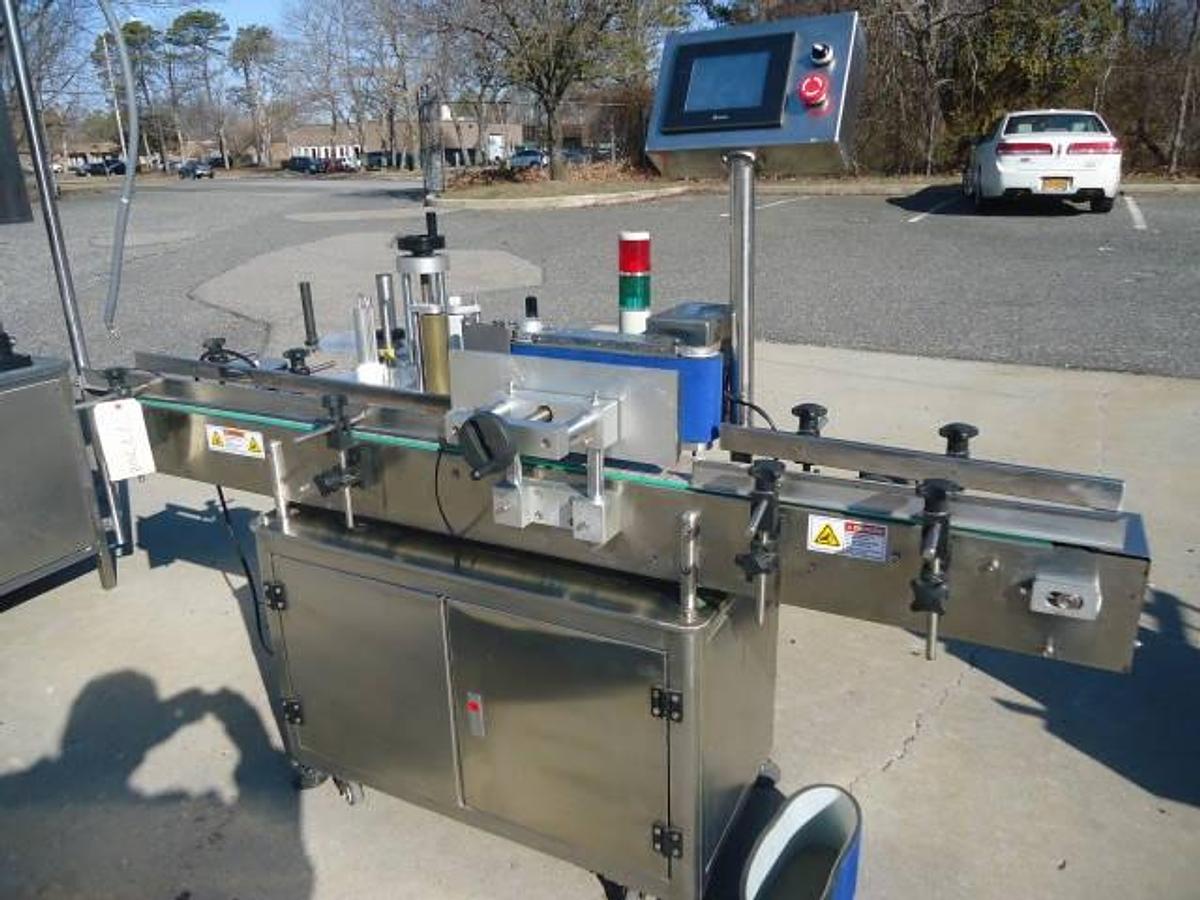
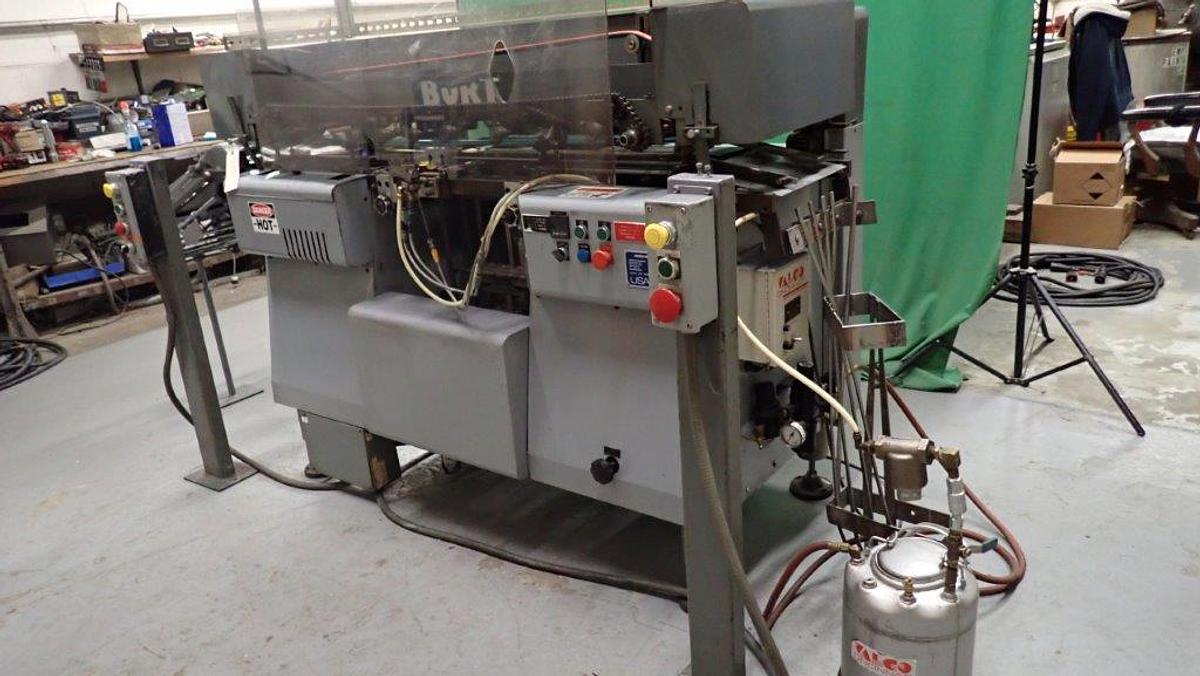
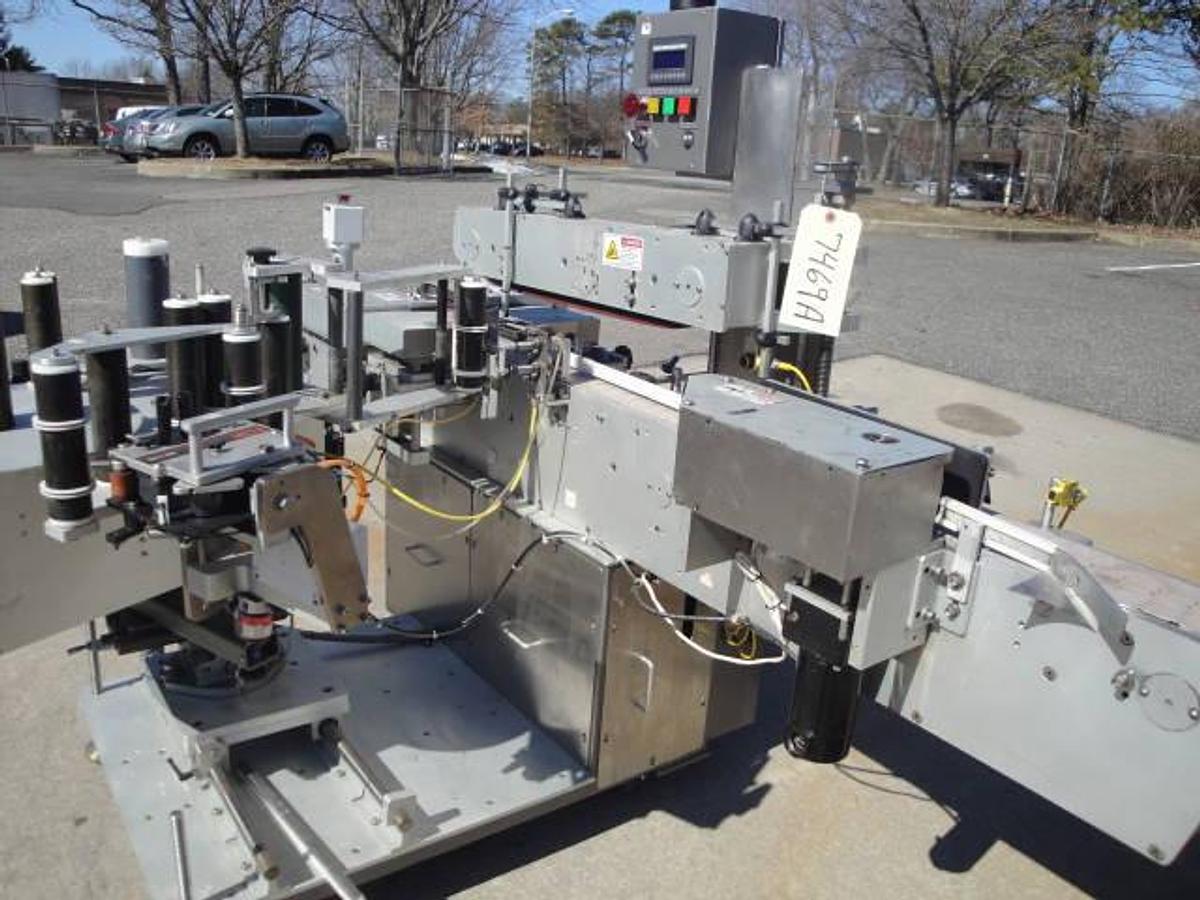
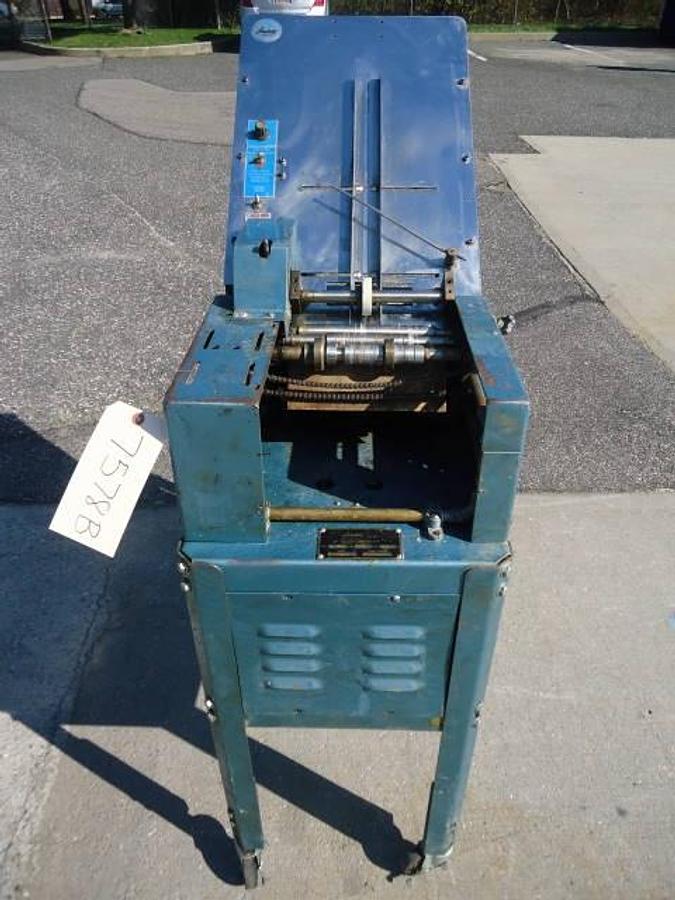
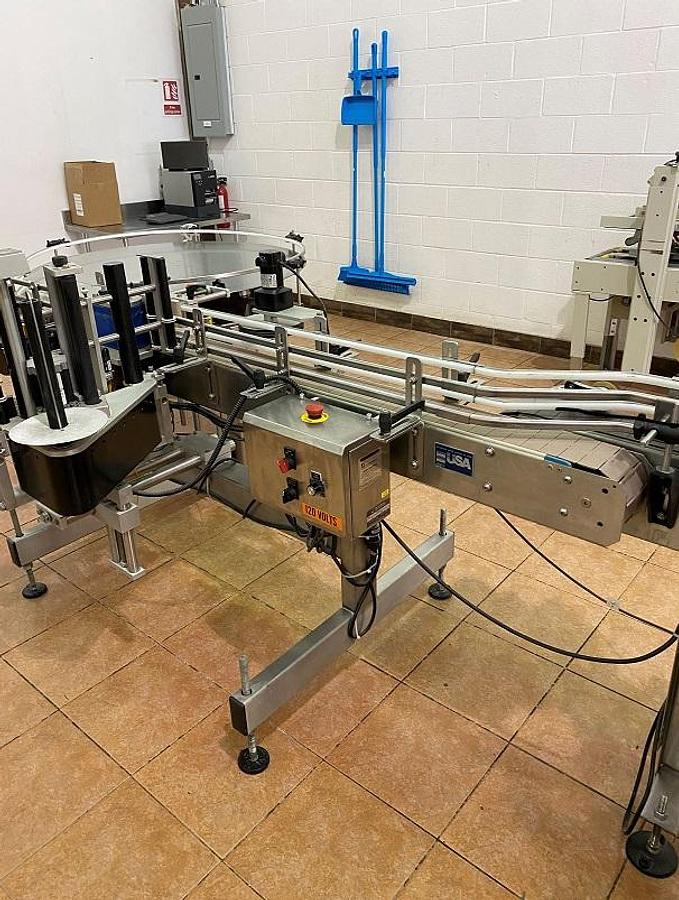
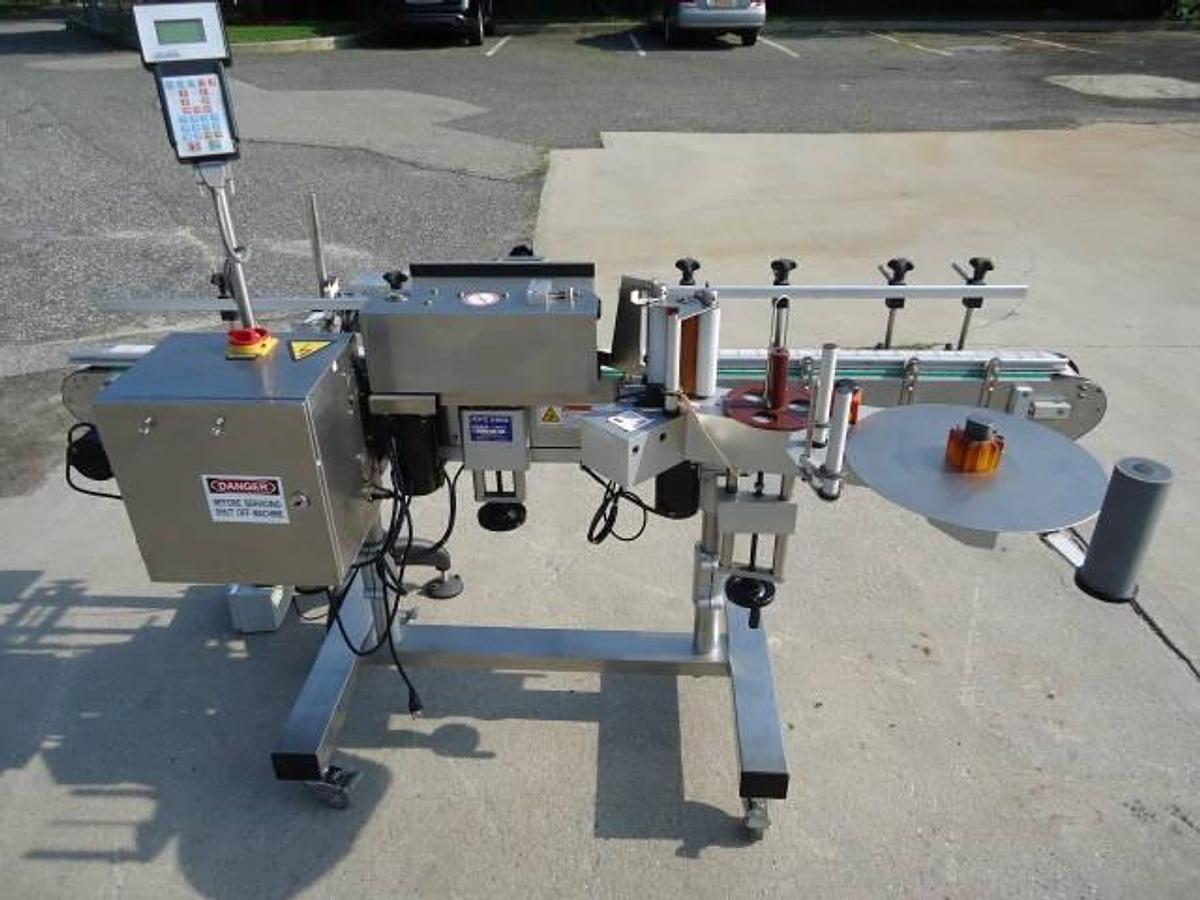
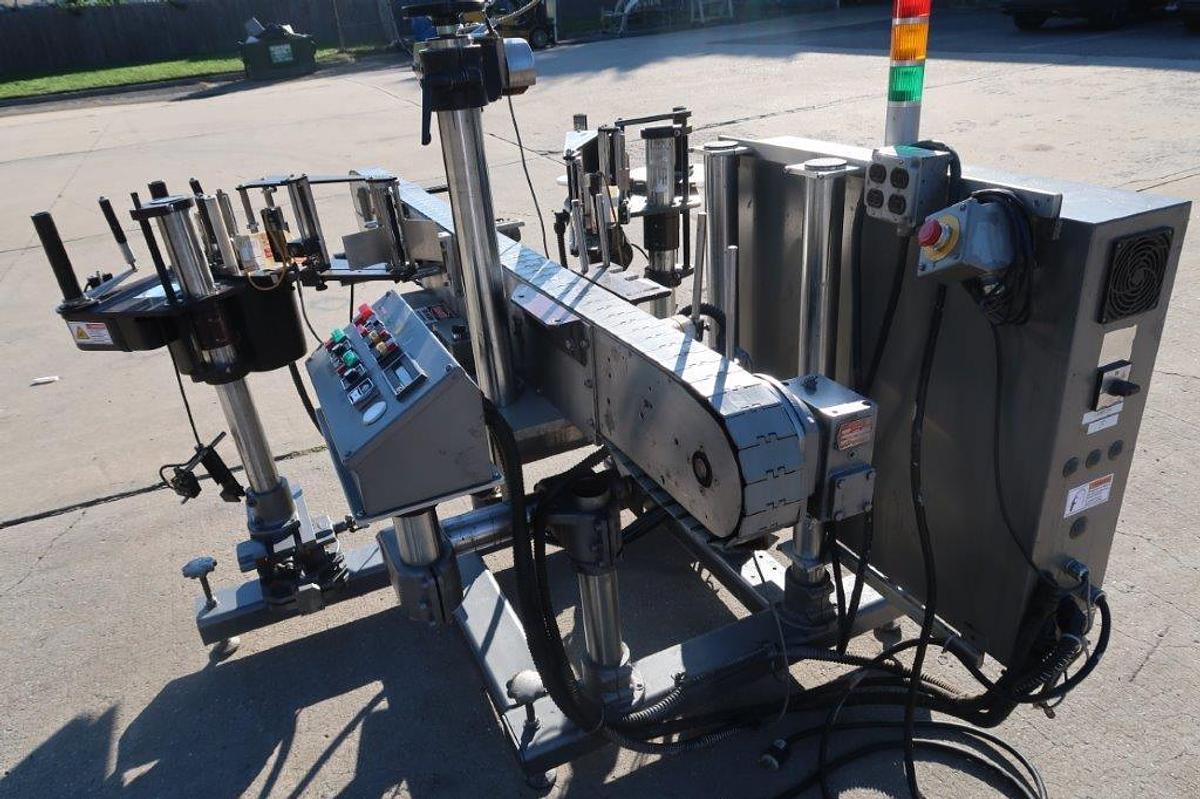
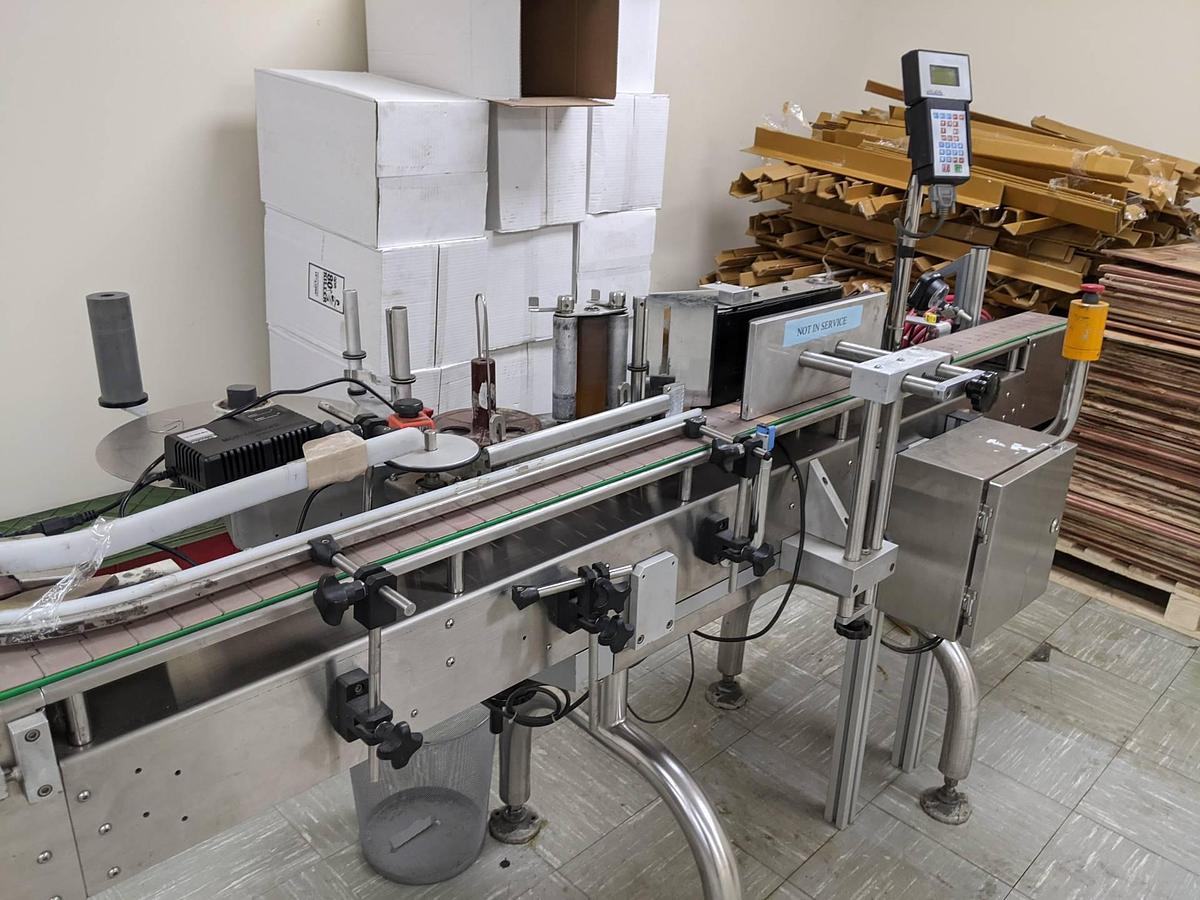
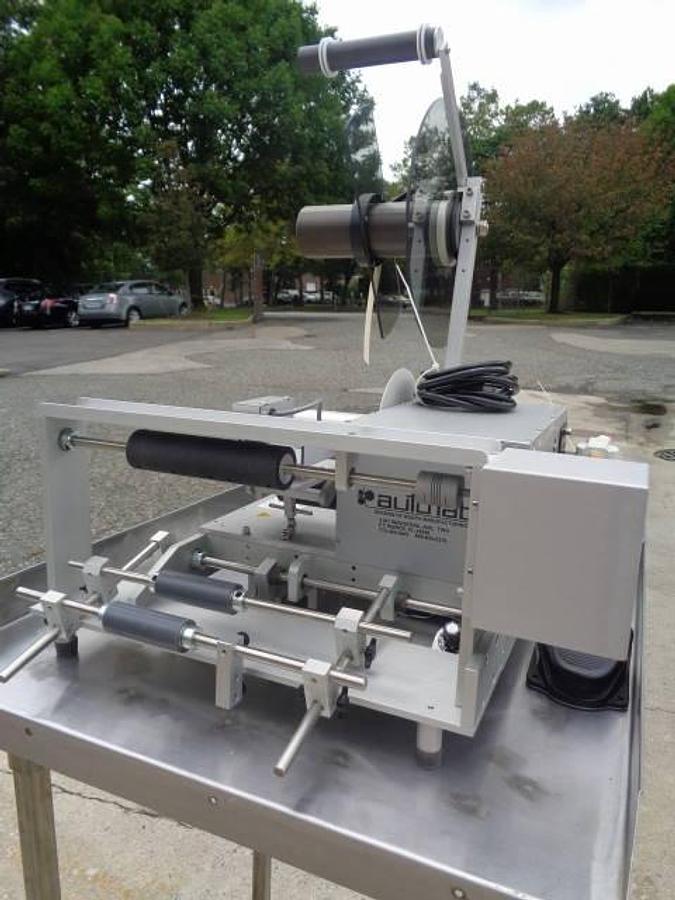
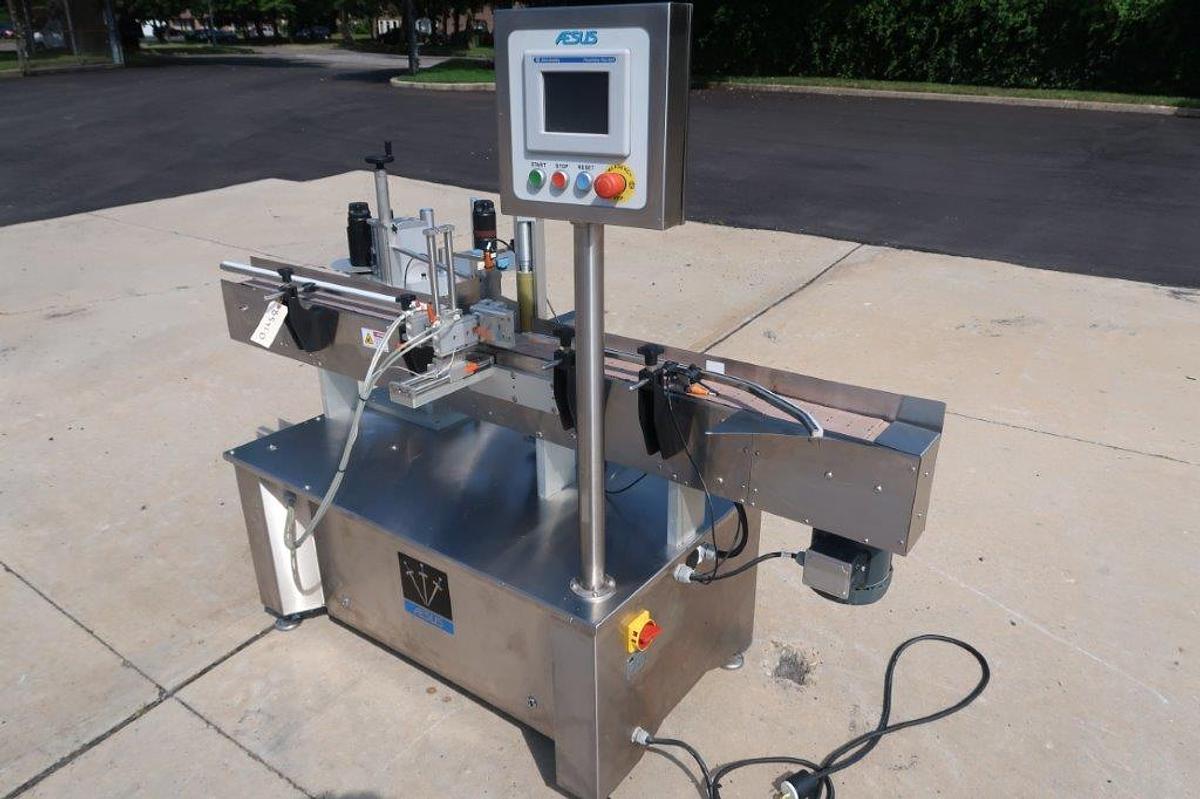
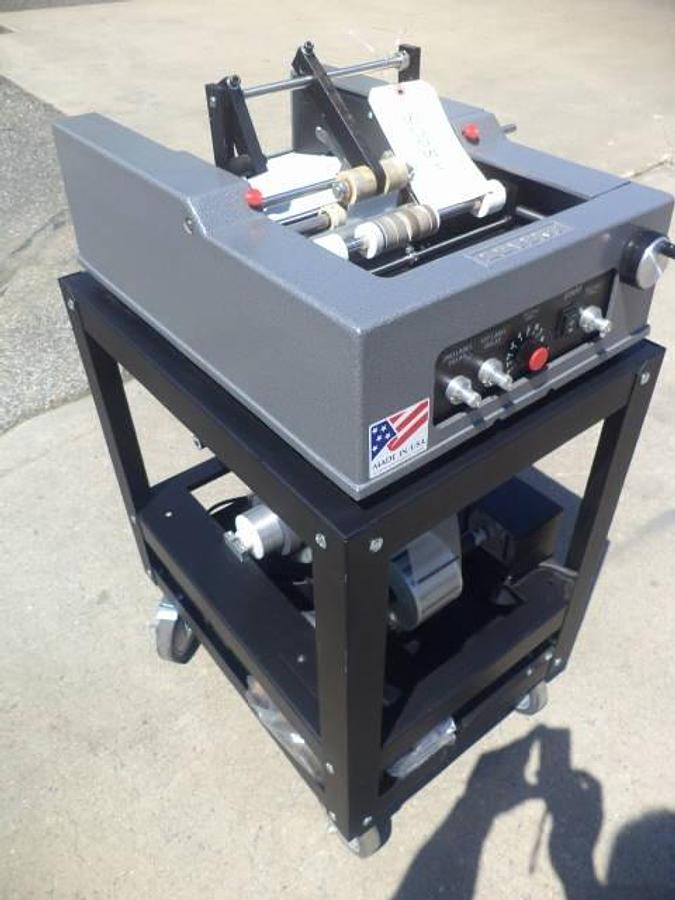
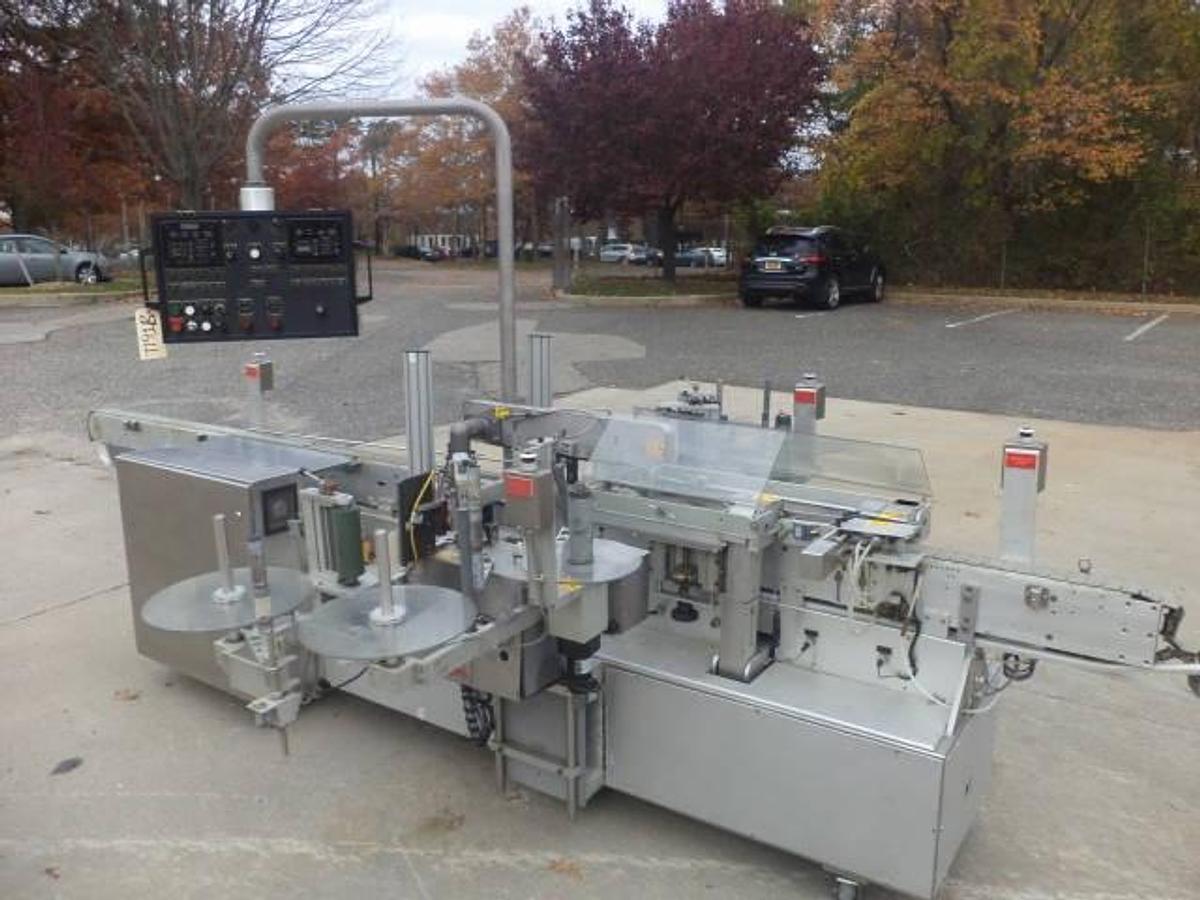
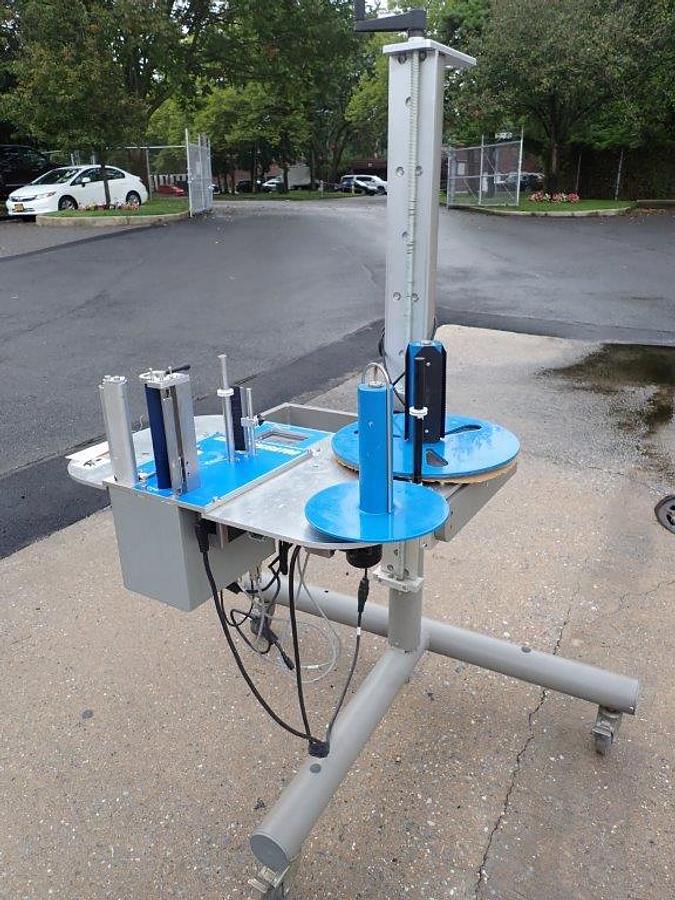
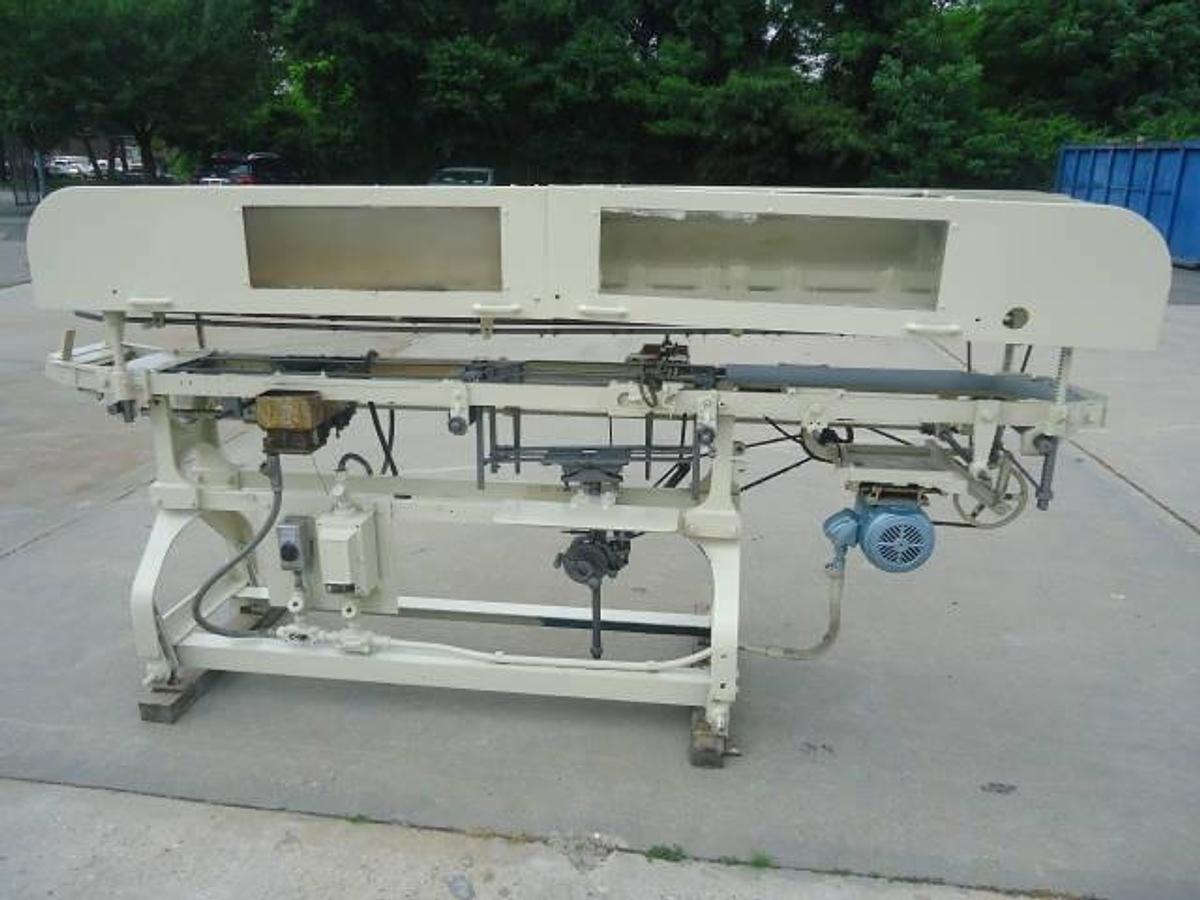
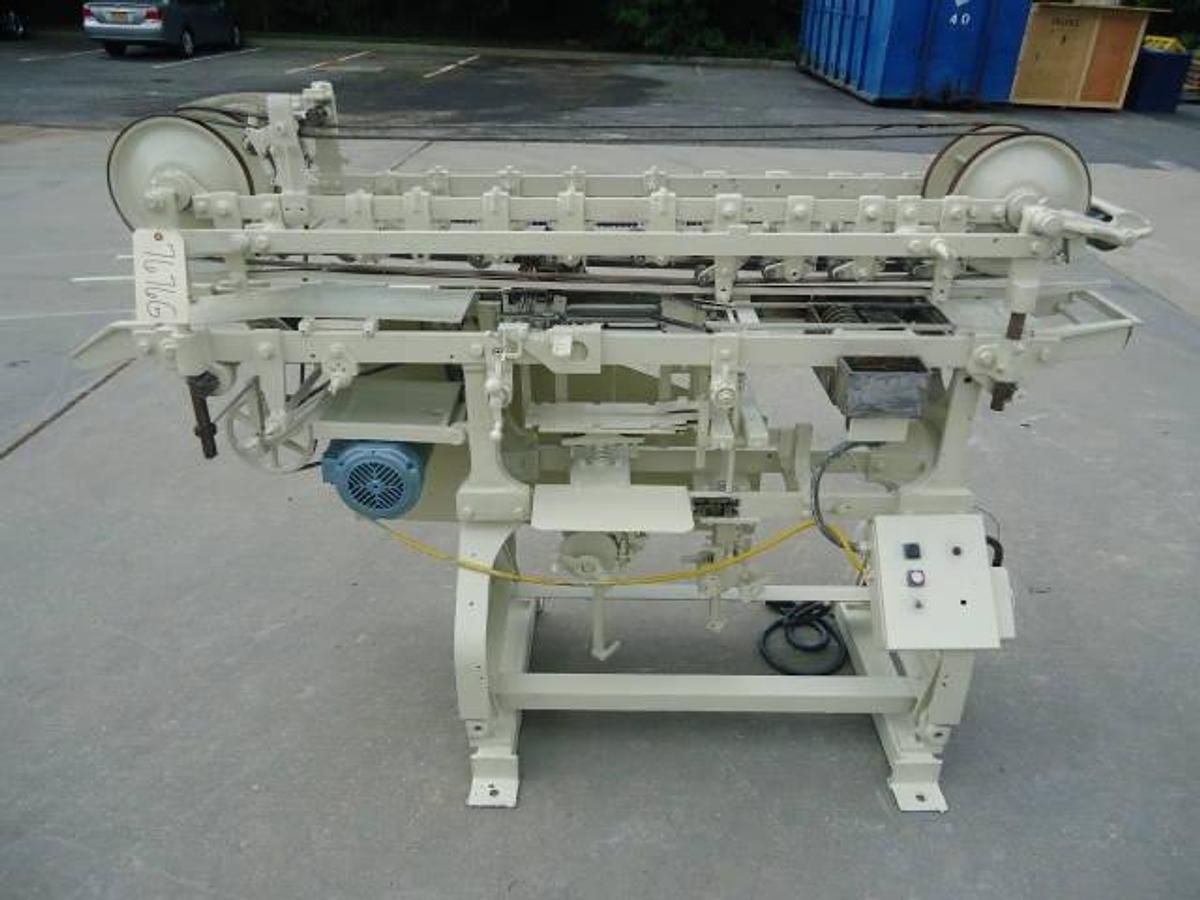
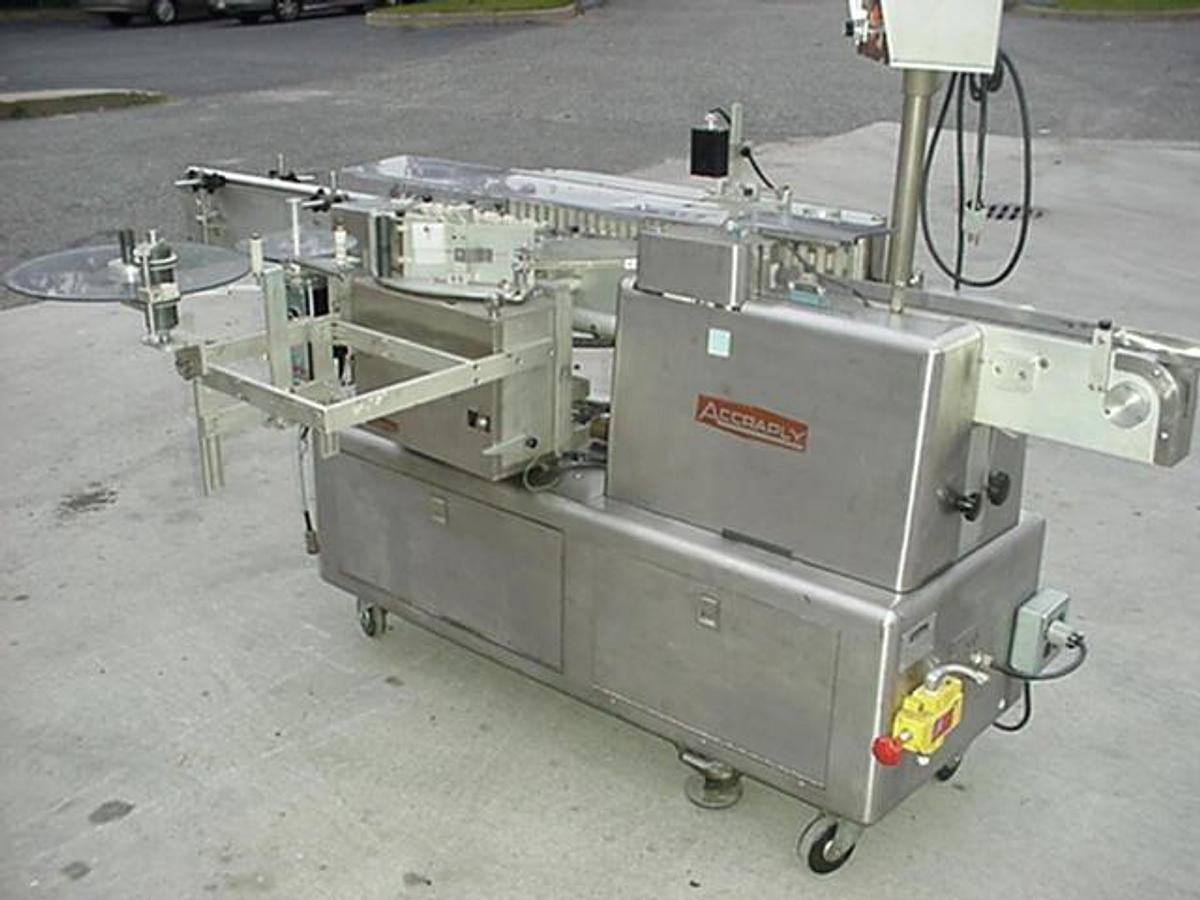
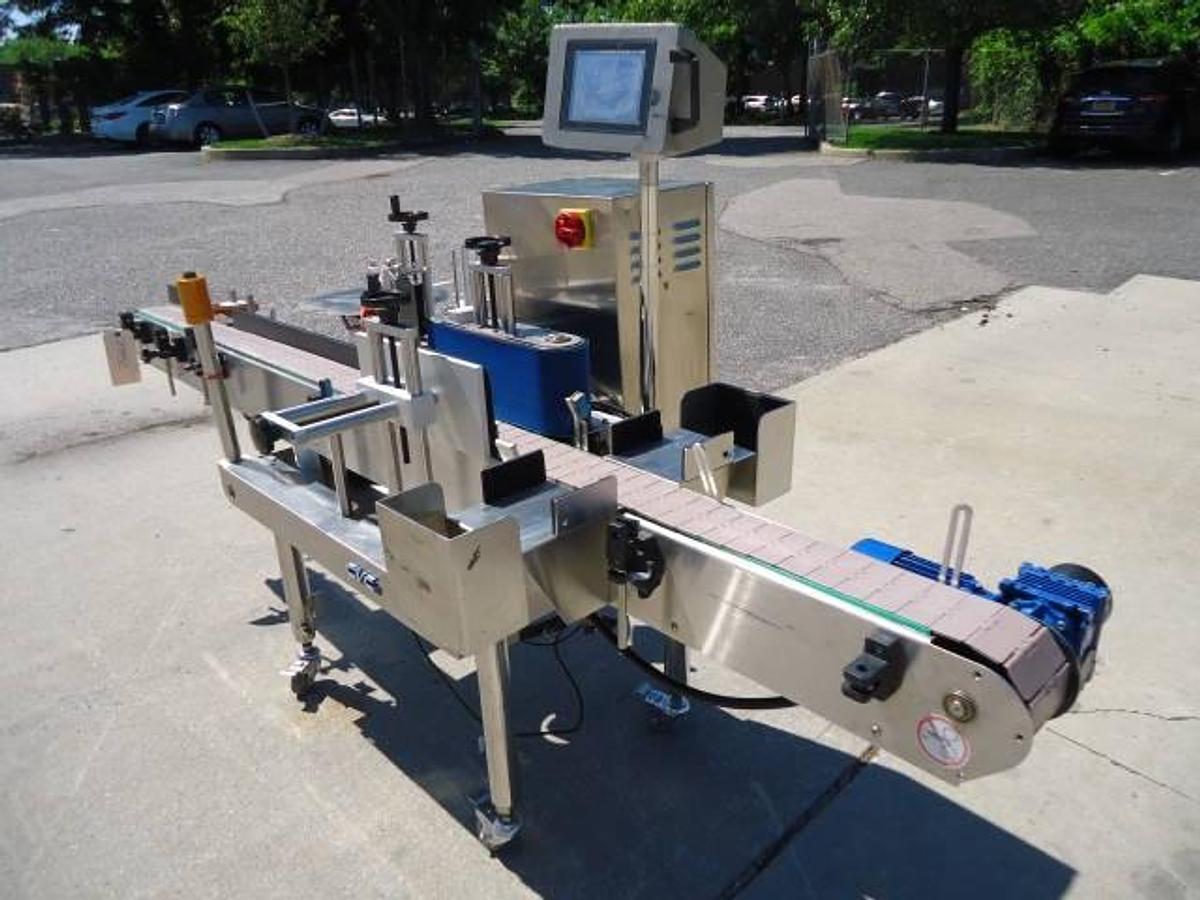
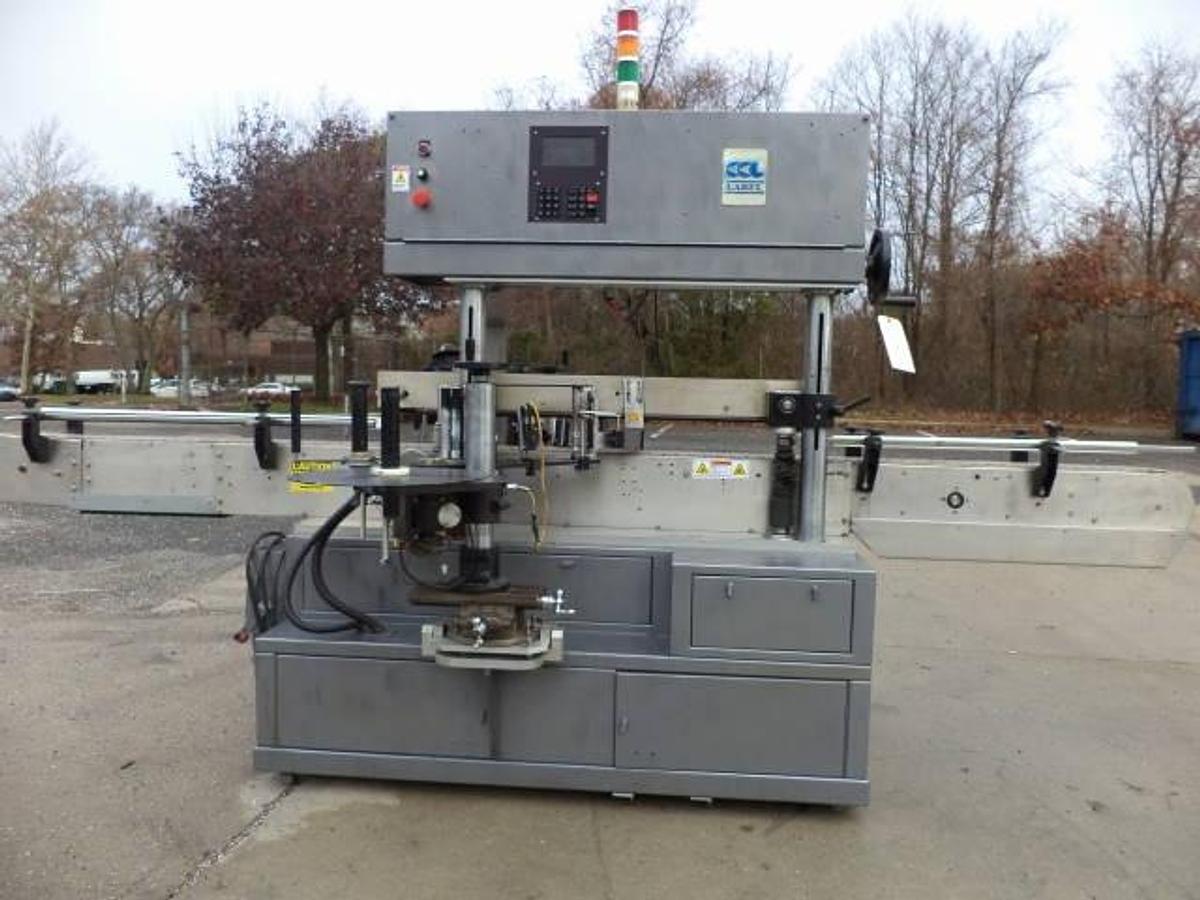
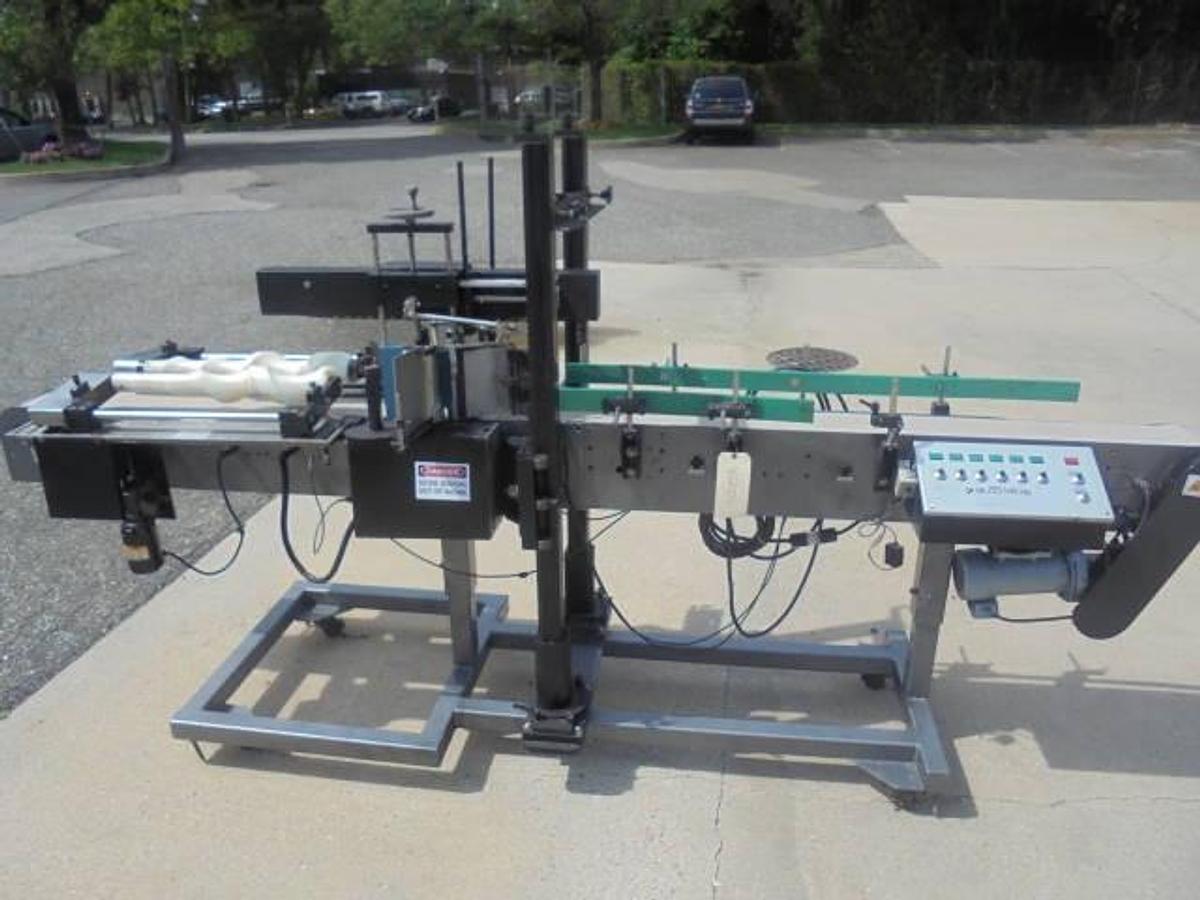
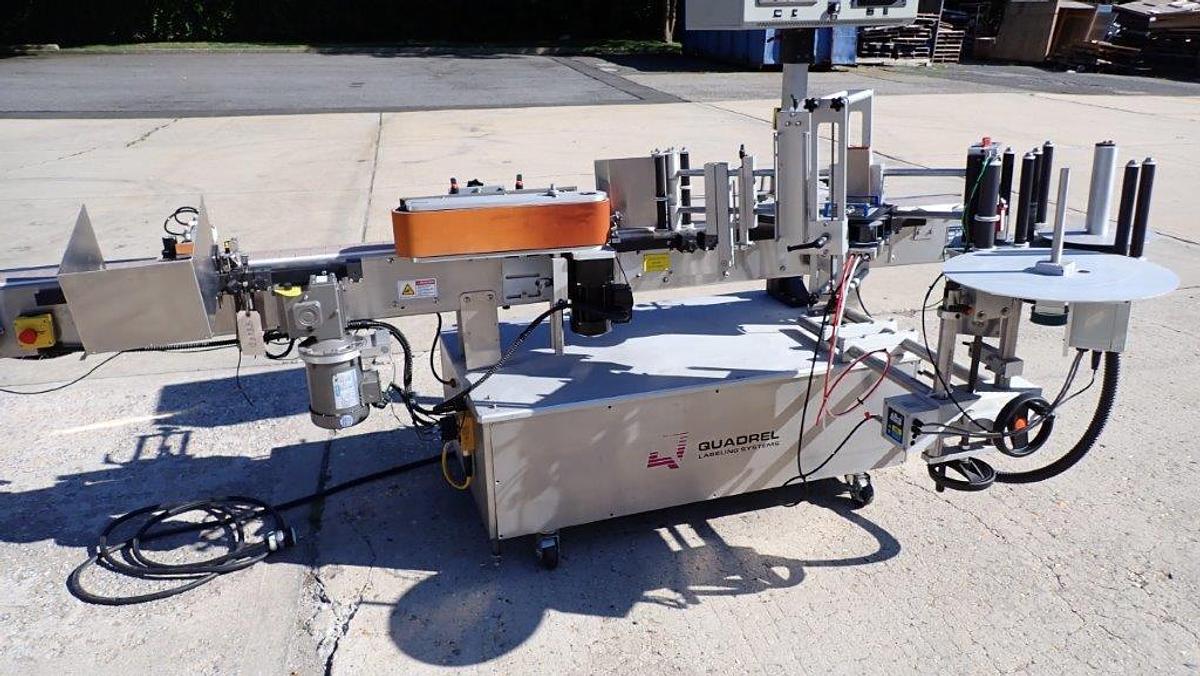
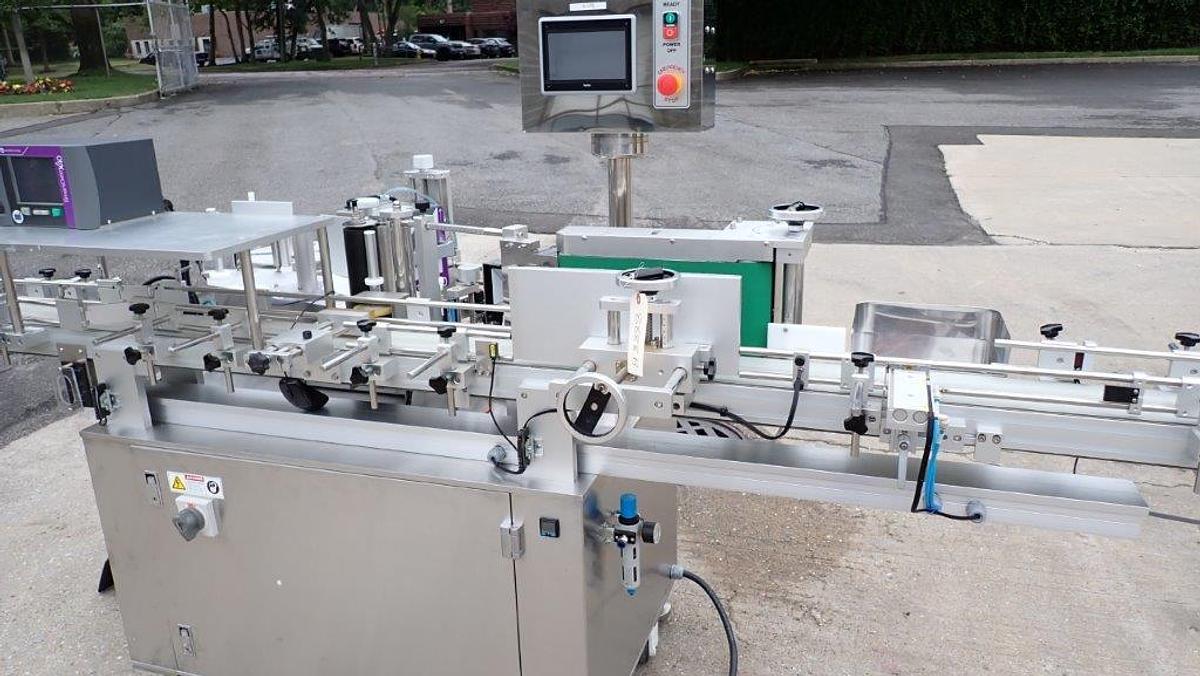
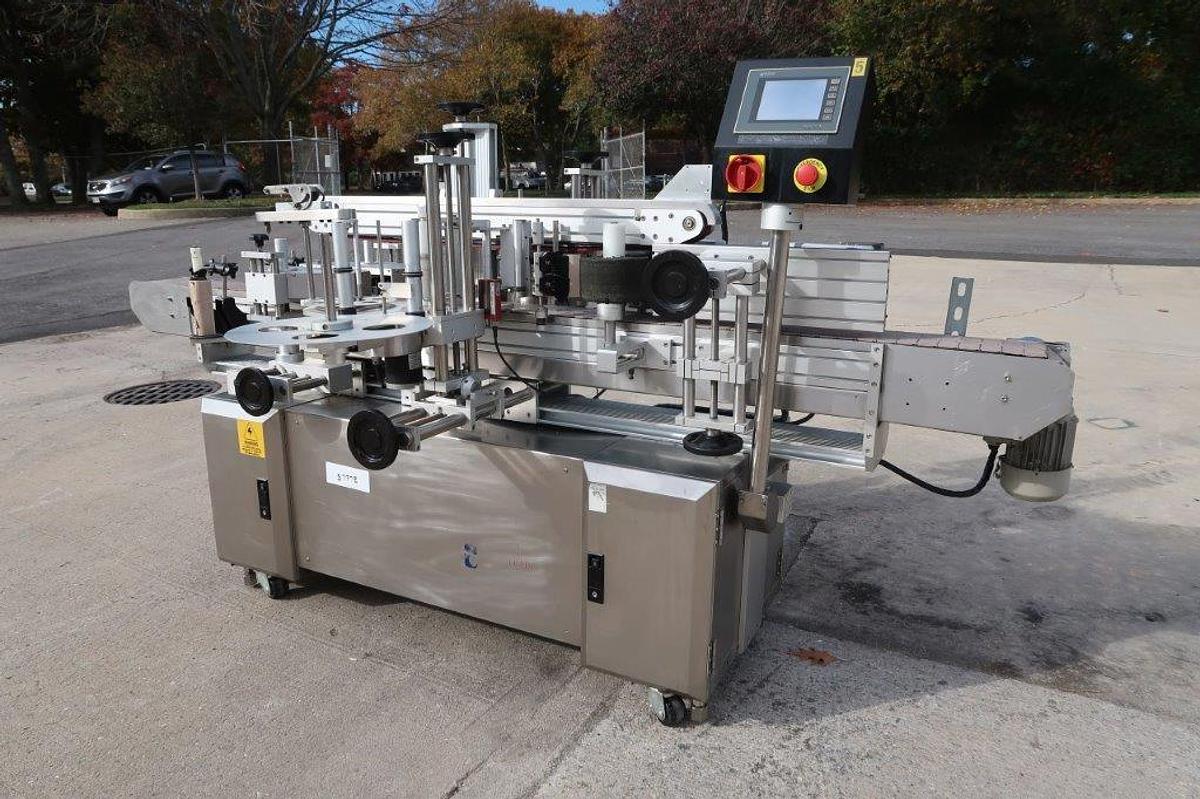
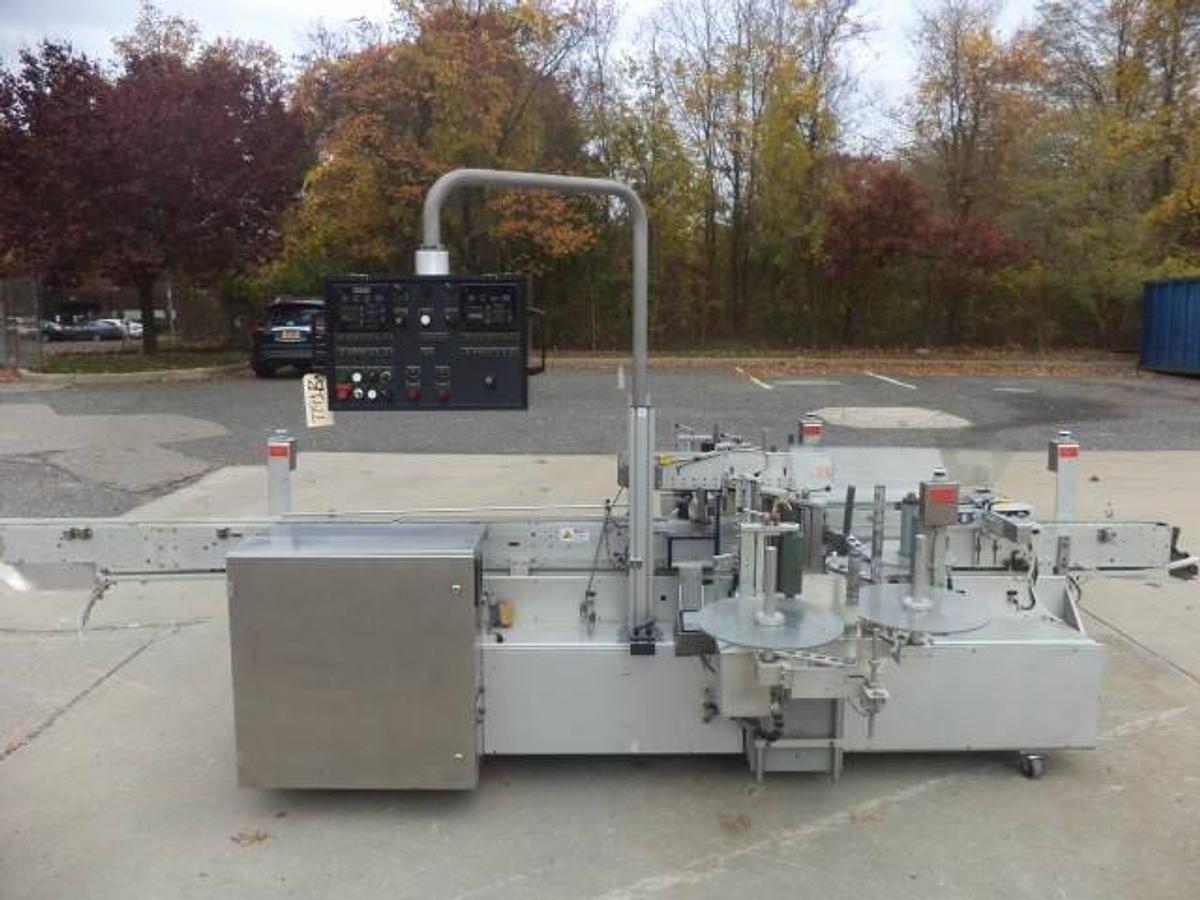
Wohl Industries stocks used labelers for beverage, pharmaceutical, and personal care packagers. You get pre-owned pressure sensitive labelers, glue labelers, and wrap stations. Pressure sensitive machines apply die-cut labels to bottles, jars, and cans at line speed. Glue labelers run paper labels on high-volume beverage lines. Wrap stations roll a full label around round containers. Straight, accurate labels protect your brand and code placement. Buying used cuts your capital cost and lead time. We inspect every machine before we ship. We have sold processing and packaging equipment since 1968. Send us your container and rate, and we match you to the right labeler.
FAQ :
What types of used labelers are available on the market?
The used labeling machine market covers a wide range of equipment types suited to different packaging applications. The most common categories include pressure-sensitive labelers, glue labelers (both hot melt and cold glue), print-and-apply systems, and specialized configurations like wraparound, front-and-back, spot, top-and-bottom, and three-sided labelers. Within each category, machines are available in fully automatic and semi-automatic versions, with tabletop models for lower-volume operations and inline conveyor-fed systems for high-speed production environments.
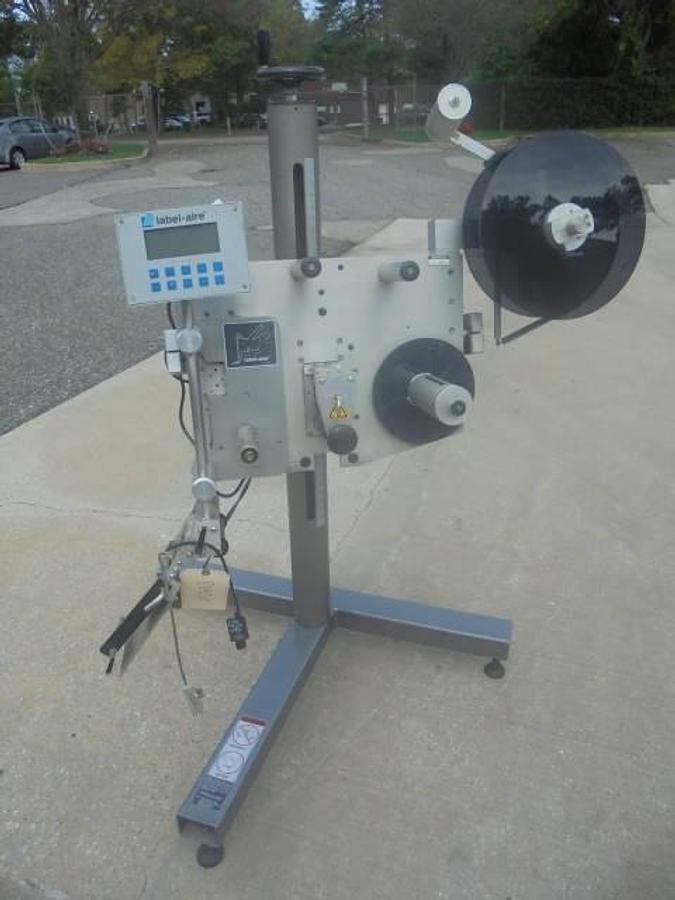
Container compatibility varies considerably across available inventory. Buyers can find machines designed specifically for bottles, vials, jars, cans, cartons, and bags. Stainless steel construction models are common in food, beverage, and pharmaceutical applications where sanitation standards are strict. Portable units also appear regularly in the used market, offering flexibility for facilities that run multiple product lines. Brands frequently found include Quadrel, Accraply, Label-Aire, Universal, NJM, Autolabe, Aesus, CVC, and Mateer Burt, among others.
What is the difference between a pressure-sensitive labeler and a glue labeler?
Pressure-sensitive labelers apply pre-cut labels that are backed by an adhesive liner. The machine peels the label from the liner and presses it onto the container using a wipe-on pad, tamp applicator, or air-blow mechanism. These machines are extremely common in the used market because they are versatile, relatively easy to changeover between label sizes, and compatible with a wide variety of containers and label materials. Pressure-sensitive systems are used across food, beverage, personal care, pharmaceutical, and industrial packaging.
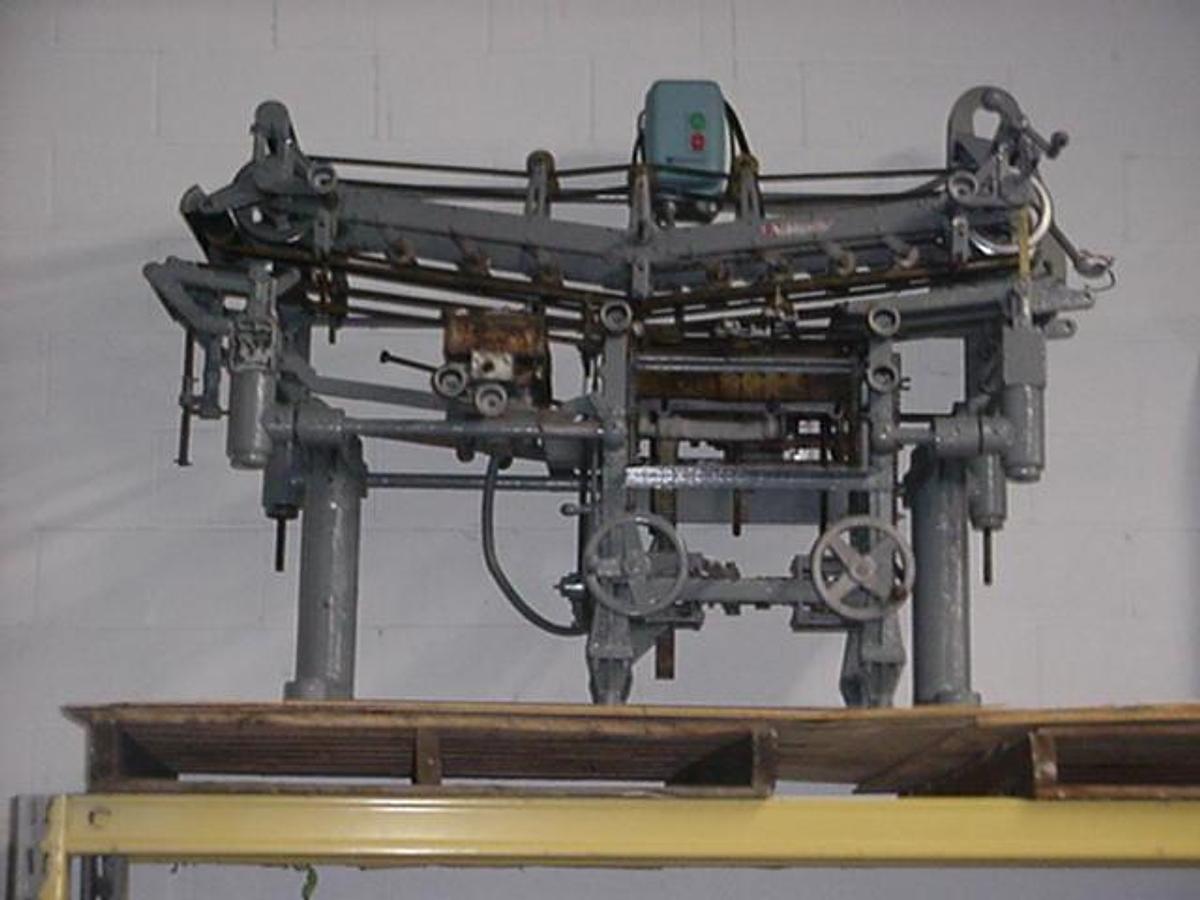
Glue labelers, by contrast, apply cut-from-roll or pre-cut paper labels using wet glue or hot melt adhesive. They are most often found in beverage applications, particularly for glass bottles, where the economics of paper labels at high speeds make glue labeling cost-effective. Glue labelers tend to be more mechanically complex and require more precise setup, but they excel at high-speed production runs where label material cost per unit is a priority. Both types appear regularly in the used equipment market, and the right choice depends on your label material, container type, production speed, and budget.
How do I evaluate the condition of a used labeling machine before buying?
Evaluating a used labeler requires looking beyond surface appearance. Reputable used equipment dealers will typically offer in-person inspections, virtual walkthroughs, or detailed video demonstrations of the machine operating under power. During an inspection, buyers should pay close attention to the condition of the label head, peel plate, drive rollers, and any timing screws or starwheels that contact the containers. Worn or damaged contact parts are common on high-cycle machines and can affect label placement accuracy. Ask about the machine's production history, including what products it ran, how many shifts per day it operated, and when it was last serviced.
It is worth noting that most used equipment dealers do not have the permitting or facility setup to run actual production during an inspection, so testing will generally be limited to dry-cycle operation without product. That said, a powered dry-cycle demonstration can reveal a great deal about mechanical condition, including motor function, conveyor operation, sensor responsiveness, and overall mechanical smoothness. Buyers should also ask whether documentation such as operator manuals or wiring diagrams are available, as these significantly reduce the time and cost of getting a machine running in a new facility. Consulting the original manufacturer about parts availability and support for a specific model and age is also a smart step before committing to a purchase.
What brands of used labelers are most commonly available and well-supported?
Several labeler brands appear frequently in the used equipment market and have established reputations for durability and parts availability. Quadrel, Accraply, Label-Aire, Universal, NJM (New Jersey Machine Company), Autolabe, CVC, and Aesus are among the most commonly listed brands. These manufacturers have been active in the industry for many years, which means a larger installed base of machines in the used market and, in many cases, better availability of spare parts and technical documentation. Mateer Burt and Labelette are well-known names specifically in the glue labeler segment.
Parts availability and manufacturer support can vary significantly depending on the age and model of the machine. Before purchasing any used labeler, it is a good idea to contact the original manufacturer directly to ask about parts availability, whether technical support is still offered for that model, and whether any service bulletins or known issues exist for that machine generation. Older discontinued models may have limited factory support, which makes dealer expertise and access to aftermarket parts suppliers more important. Buyers should factor potential parts sourcing into their total cost of ownership calculation.
What labeling speeds should I expect from a used labeler, and how do I match capacity to my production needs?
Used labelers span a wide range of throughput capacities. Semi-automatic tabletop models are typically suited for lower-volume operations, often handling anywhere from a few hundred to a couple thousand containers per hour depending on container size and label configuration. Fully automatic inline labelers can range from around 50 containers per minute on the lower end to well over 400 containers per minute for high-speed production-grade equipment. The actual throughput of any specific used machine will depend on its mechanical condition, the complexity of the label application (single label vs. front-and-back vs. wraparound), and the size and shape of the container being labeled.
When matching a used labeler to your production requirements, it helps to calculate your required output in containers per minute and then look for machines rated at least 20 to 30 percent above that figure to allow for realistic operating conditions, changeovers, and minor downtime. Also consider whether the machine's conveyor speed and timing components are adjustable to fit your line speed. A machine that ran at high speed in its previous application may need to be dialed back for a different container or label format, so mechanical flexibility matters. Asking the dealer for the machine's rated speed range, not just its maximum speed, gives a more accurate picture of real-world performance.
Can a used labeler be integrated into an existing production line or conveyor system?
Integration compatibility is one of the more important practical questions when buying a used labeler. Most inline automatic labelers are designed to work with standard conveyor systems, but physical dimensions, conveyor height, belt width, and infeed/outfeed configurations all need to be checked against your existing line. Labelers with adjustable conveyor heights and modular infeed systems are easier to integrate than fixed-configuration machines. It is also worth verifying the machine's electrical requirements, as some older models may use single-phase power while others require three-phase, and voltage requirements can vary between domestic and imported equipment.
Control system compatibility is another consideration, particularly if your production line uses a central PLC or line control system. Older labelers may use relay-based controls that cannot easily communicate with modern SCADA or line management systems without additional interface hardware. Machines with touchscreen panels and programmable logic controllers tend to be more straightforward to connect to modern production environments. Reviewing the machine's electrical schematics and control documentation before purchase, and ideally consulting with your facility's maintenance or engineering team, will help identify any integration challenges before the machine arrives on your floor.
What containers and label types can a used labeling machine handle?
Used labelers are available in configurations suited to a broad range of container shapes and materials. Round bottles are the most common application, and wraparound labelers are specifically designed for cylindrical containers. Front-and-back labelers handle both round and flat-sided containers, applying separate labels to two faces in a single pass. Spot labelers apply a single label to a flat or slightly curved surface and are common for square bottles, jars, and cartons. Top-and-bottom labelers apply labels to the top and bottom faces of flat packaging like bags or trays. Can labelers, including horizontal glue labelers, are designed specifically for metal cans.
Label compatibility depends largely on the labeler type. Pressure-sensitive labelers work with a wide range of label materials including paper, film, foil, and specialty substrates, as long as the labels are wound on standard liner rolls. Glue labelers are generally limited to paper labels. Label size ranges vary by machine model, and buyers should verify that the machine's label head can accommodate the minimum and maximum label dimensions they plan to run. Some used labelers come equipped with coders or print-and-apply heads that add date codes, lot numbers, or variable data at the point of label application, which can be a valuable addition for regulated industries.
Are there any warranty or guarantee options when purchasing a used labeling machine?
Used labeling machines are typically sold on an as-is basis, which is standard practice across the used industrial equipment industry. Unlike purchasing directly from a manufacturer, buyers of used equipment generally should not expect a formal warranty. This makes the inspection process and the reputation of the dealer significantly more important. Selecting a dealer with a long track record in packaging machinery specifically, rather than a general surplus equipment reseller, reduces the risk of purchasing a machine with undisclosed mechanical issues. Established dealers in the labeling equipment space are more likely to have the technical knowledge to accurately represent a machine's condition.
Because used equipment is sold as-is, buyers carry the responsibility of due diligence before completing a purchase. Taking full advantage of inspection opportunities, whether in person at the dealer's facility, at the plant where the equipment is still in use, or through a detailed video walkthrough, is the most effective way to protect against surprises. Consulting the manufacturer about the specific model's known issues, parts availability, and expected service life also helps buyers make a more informed decision. Some buyers choose to have an independent machinery appraiser or technician conduct a third-party inspection, which is a reasonable precaution for higher-value equipment purchases.
What should I know about shipping and delivery costs for a used labeling machine?
Shipping costs for used labeling equipment vary considerably based on the size and weight of the machine, its destination, and the level of packaging required to protect it in transit. Smaller tabletop semi-automatic labelers can often be palletized and shipped via standard freight carriers at relatively modest cost. Larger inline automatic labelers may require custom crating and heavy-duty rigging for loading and unloading, which adds to the total landed cost. Buyers should ask dealers specifically about how the machine will be packaged, whether a crate is included or available at additional cost, and what rigging will be required at the destination to safely unload and position the equipment.
It is important to get a clear picture of the full landed cost before agreeing to a purchase price. The machine's listed price is only part of the equation. Rigging fees at the origin, freight charges, fuel surcharges, and any destination rigging or installation costs can add meaningfully to the total investment. For international shipments, import duties, customs clearance fees, and compliance with electrical standards in the destination country are additional factors to account for. Asking the dealer for a detailed freight quote to your specific location, including all handling and packaging charges, is the right approach before finalizing any used labeler purchase.
What are the typical payment terms when buying used labeling equipment?
Used equipment dealers generally require payment in full before a machine is released for shipment. This is the standard practice across the used industrial machinery industry and applies to most transactions, particularly for first-time buyers working with a dealer for the first time. Payment methods commonly accepted include wire transfer and cashier's check. Credit card payments may be accepted by some dealers but are less common for larger equipment purchases due to transaction fees. Buyers should confirm accepted payment methods early in the purchasing process to avoid delays.
Some dealers extend payment terms to established customers with a history of repeat purchases, but this is not the norm for buyers who are new to a particular dealer. For buyers concerned about paying in full before inspection is complete, it is worth discussing the inspection process and timeline with the dealer upfront. Completing a thorough inspection, whether in person or via video, before submitting payment is the practical way to manage risk. Buyers should also ensure that all terms of the sale, including what is included with the machine (manuals, tooling, spare parts), are documented in writing before payment is made.