Category
Subcategory
Manufacturer
Model
Checkweighers Used Checkweighing Machines
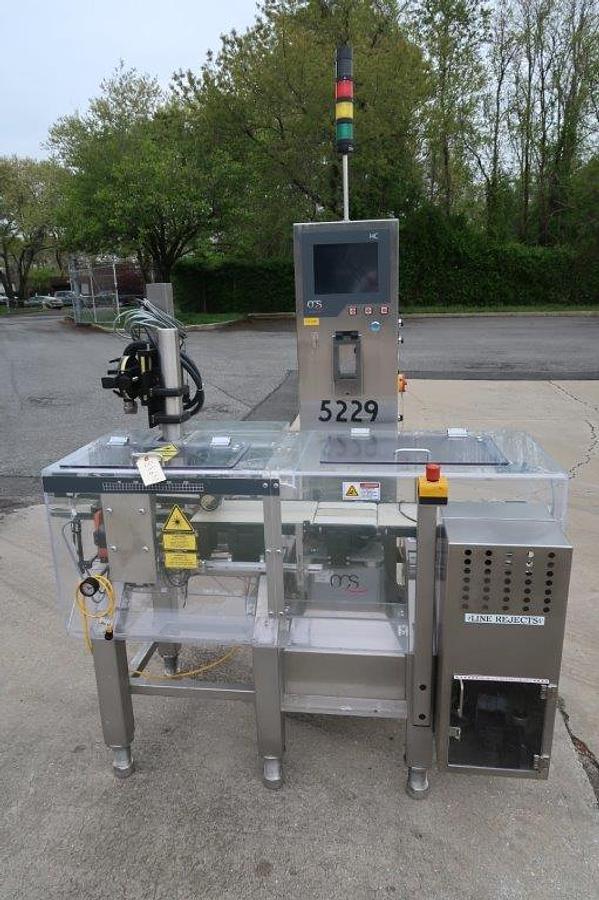
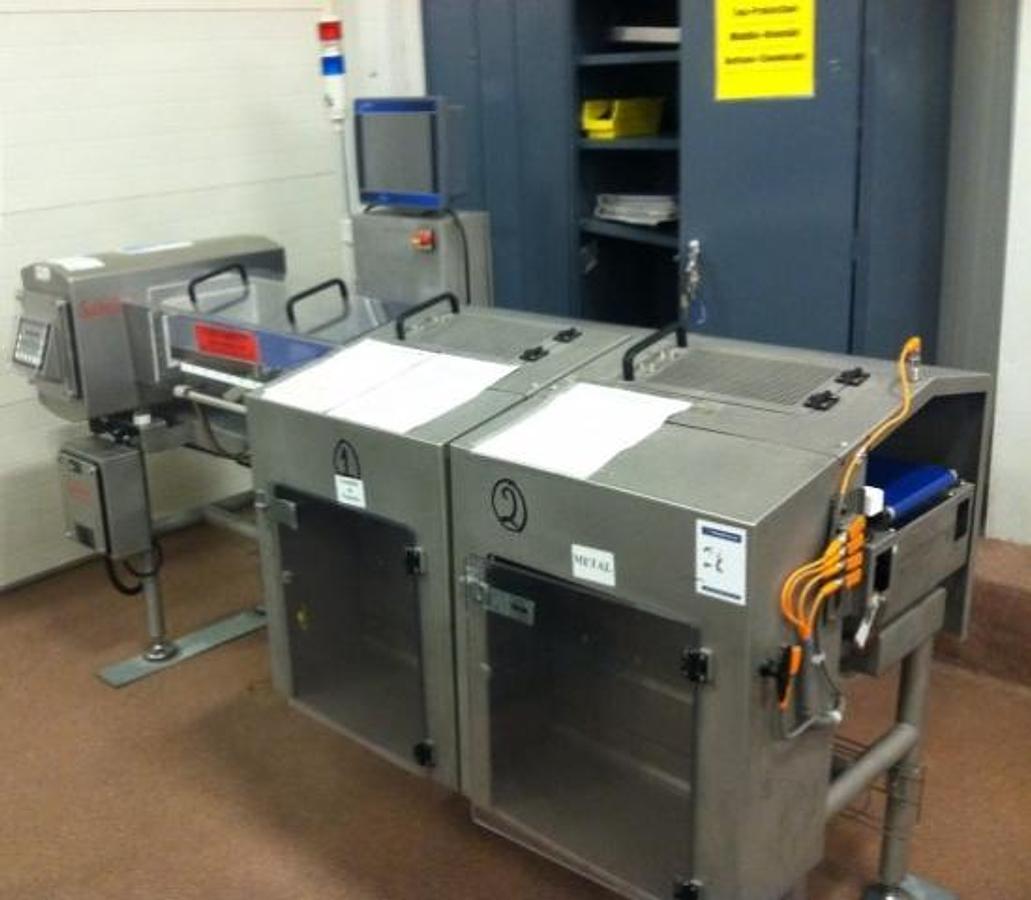
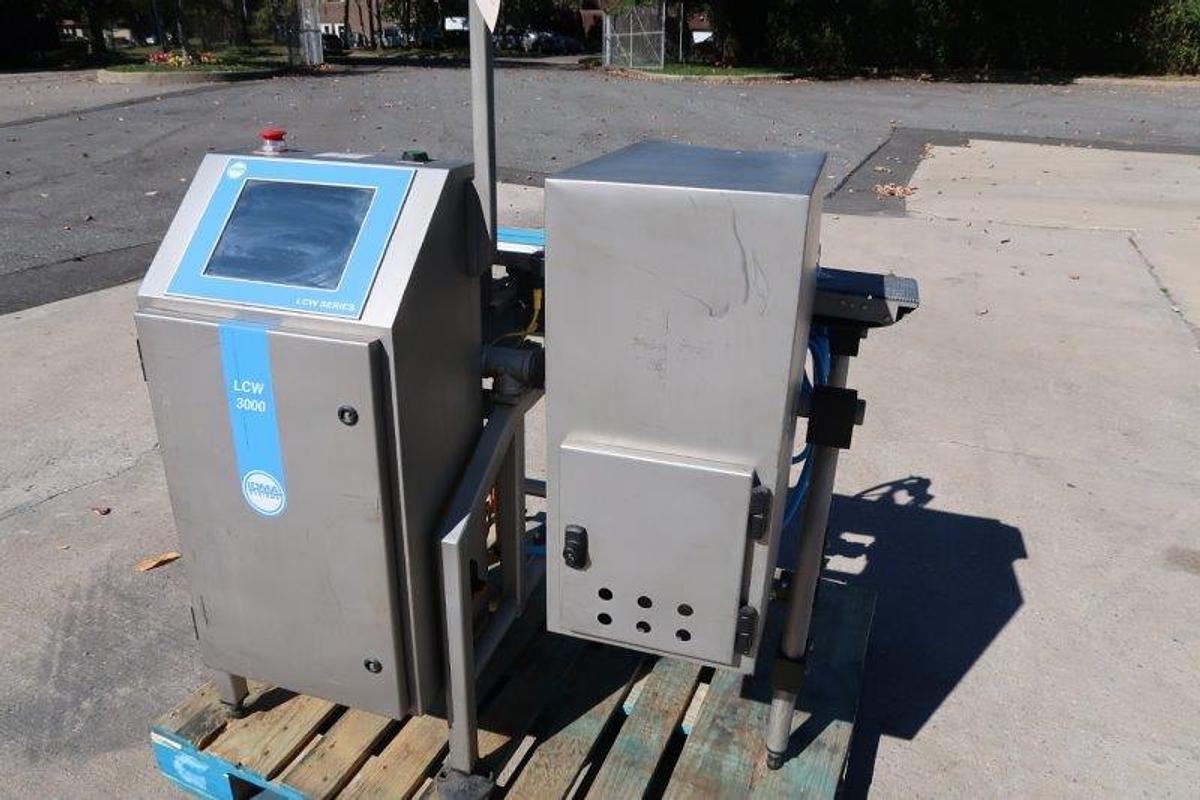
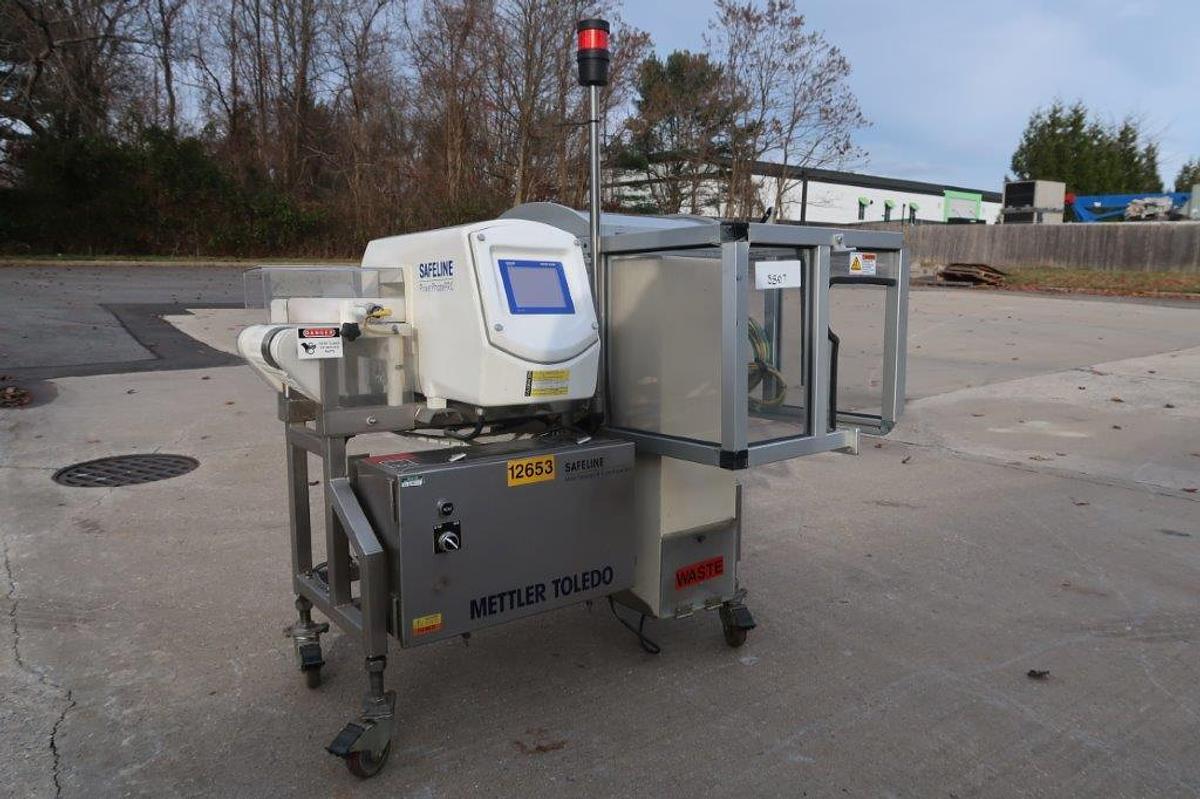
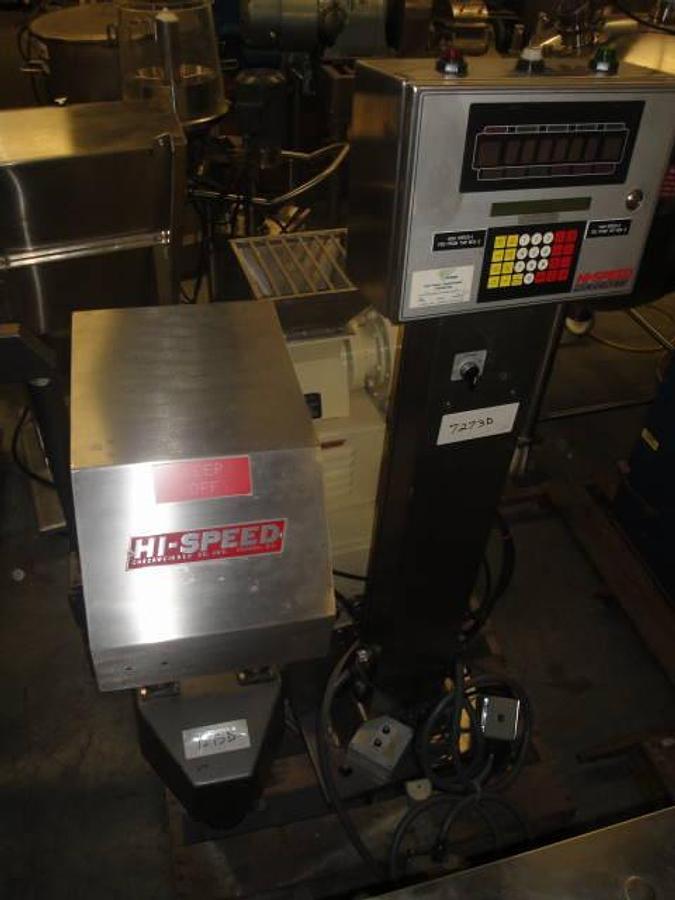
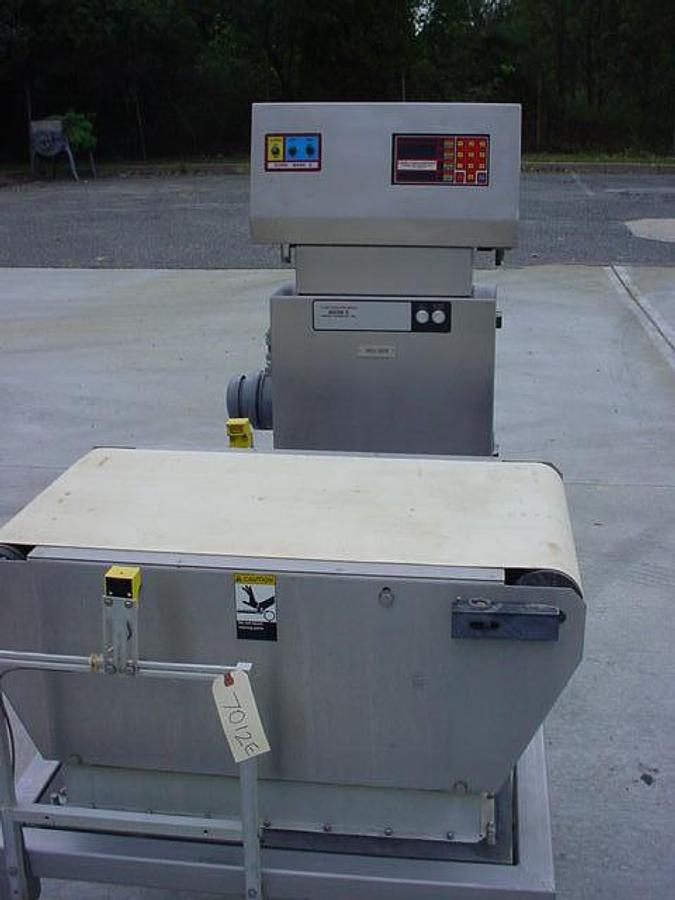
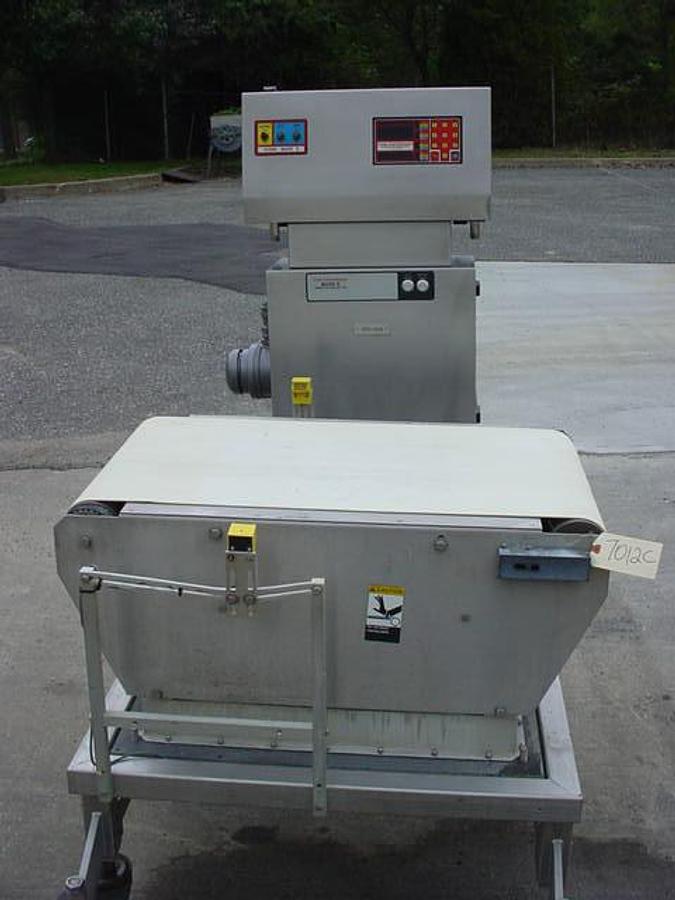
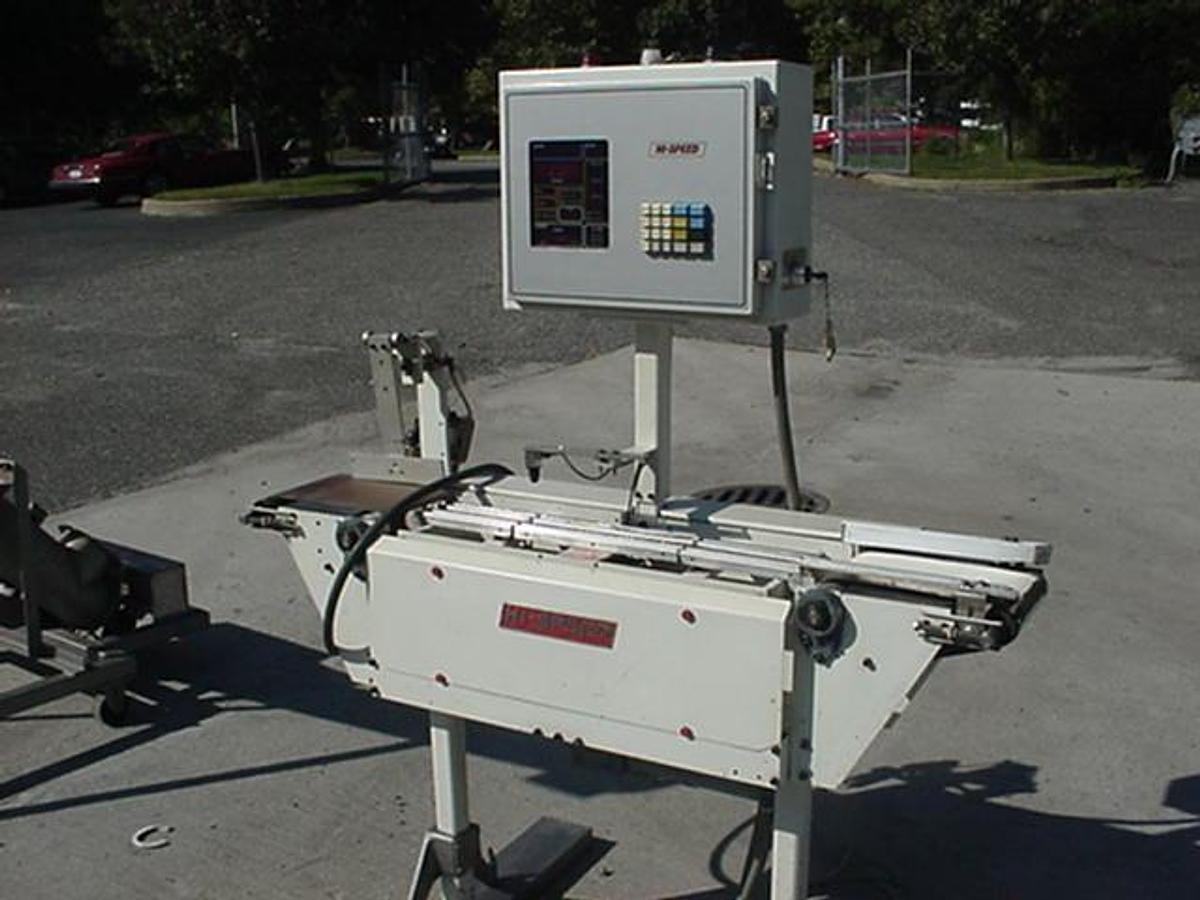
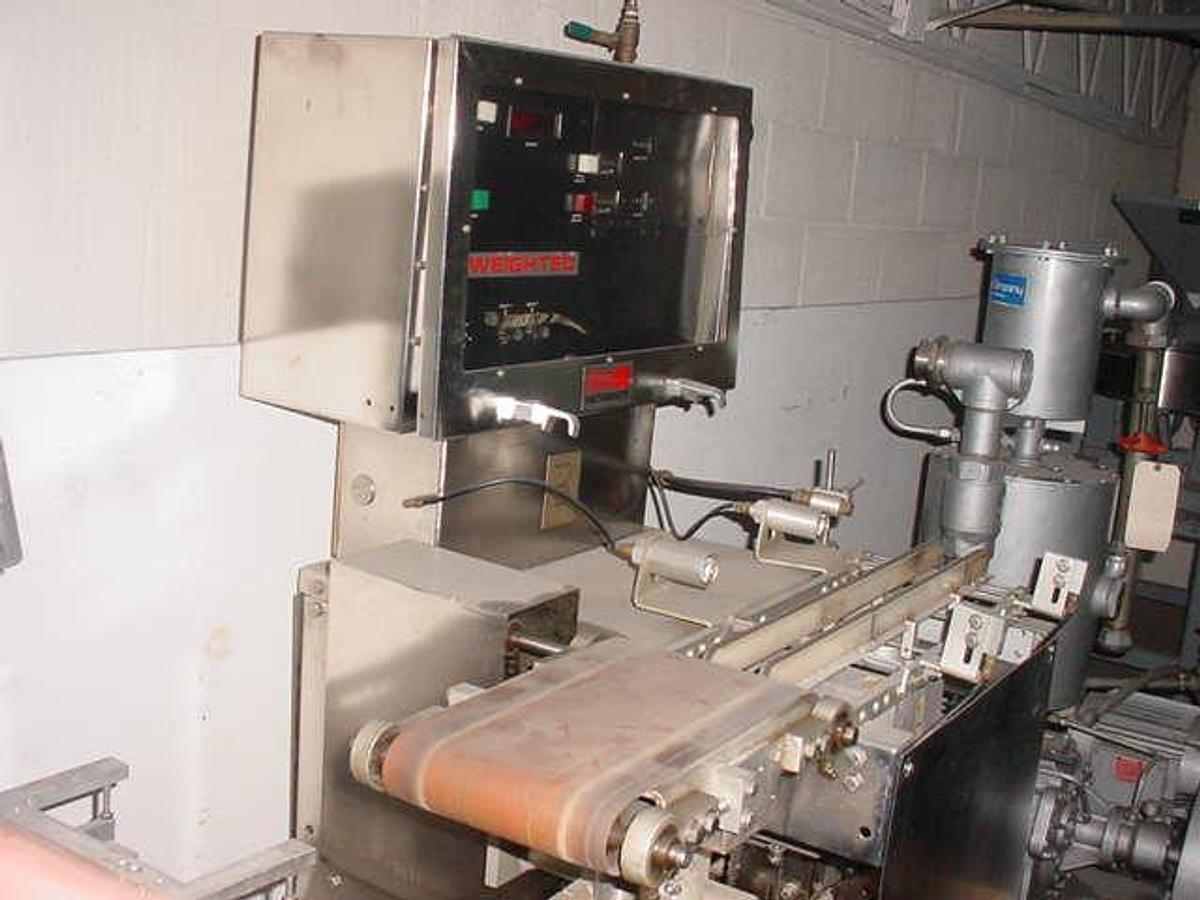
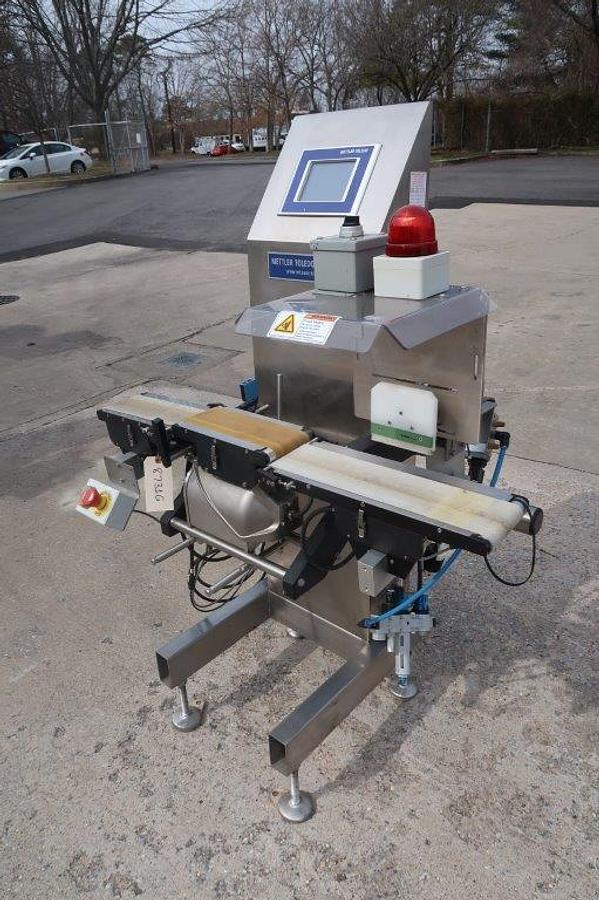
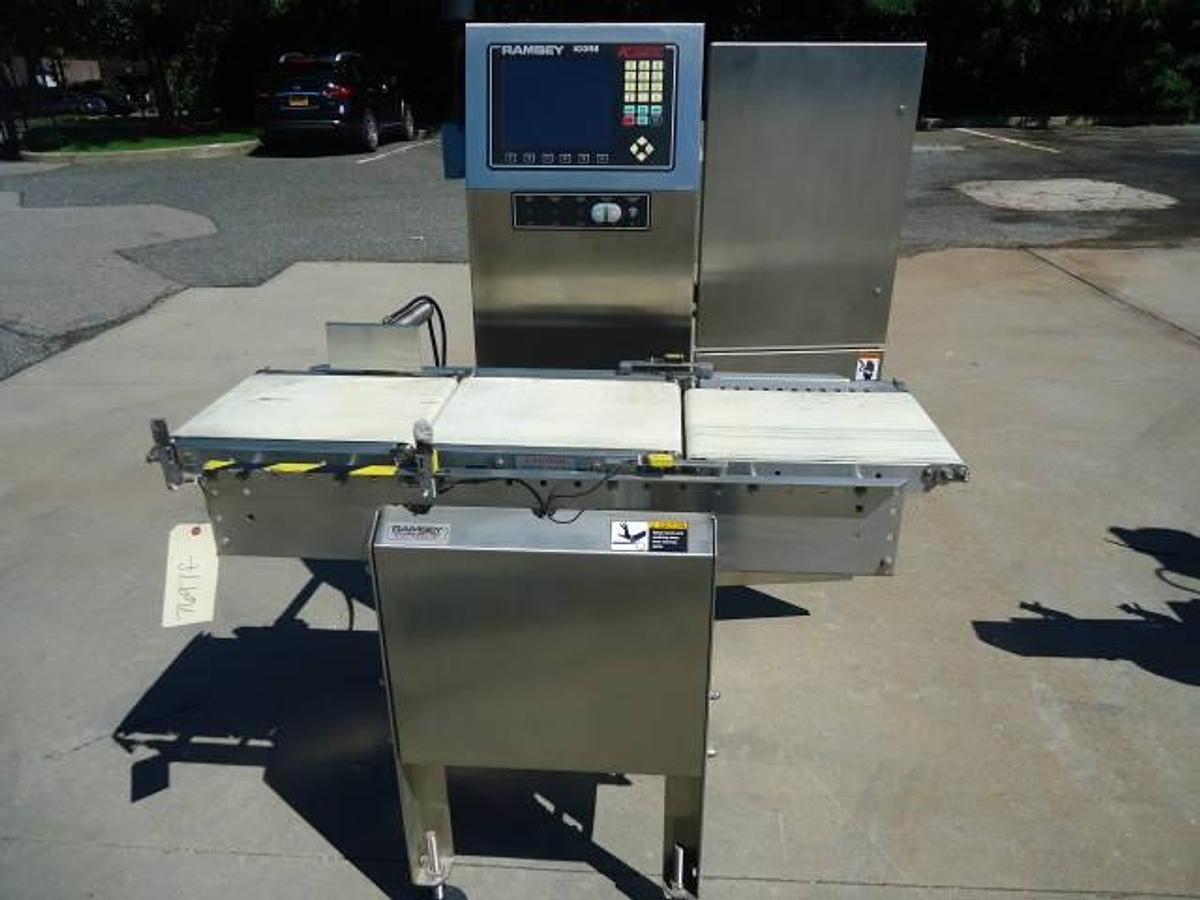
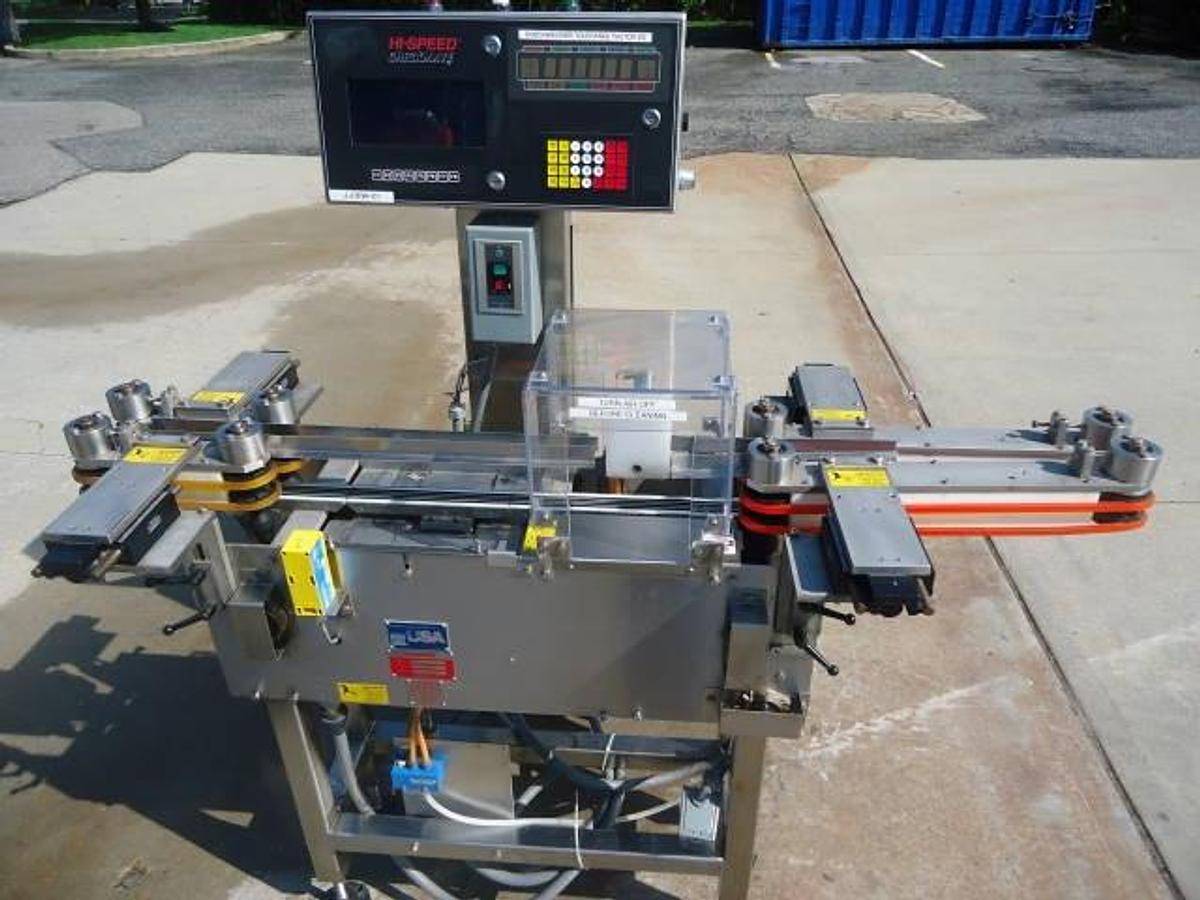
Checkweighers are used in the packaging industry to make sure the weight of a packaged product is consistent. A checkweigher is used in the pharmaceutical industry to weigh tablets and in the food industry to weigh edible products. We are suppliers of used checkweighers from different brands including RAMSEY belt checkweighers, GORING KERR belt checkweighers, and ICORE belt checkweighers.
FAQ :
What is a checkweigher and how does it work?
A checkweigher is an automated weighing machine used in production and packaging lines to verify that individual products fall within a specified weight range. Products travel along a conveyor belt and pass over a weigh platform, where a load cell measures the weight in real time. If a product is over or under the acceptable weight threshold, the machine triggers a rejection mechanism, typically a pusher arm, air jet, or diverter belt, to remove the non-conforming item from the line. The entire process happens at production speed, often handling dozens to hundreds of products per minute without interrupting the flow of the line.
Checkweighers are used across a wide range of industries. In food manufacturing, they confirm that packaged goods match the labeled weight, which is a legal requirement in most markets. In pharmaceuticals, they verify that bottles, blister packs, or pouches contain the correct number of tablets or the correct fill weight. In general packaging and consumer goods, they catch missing components, underfilled containers, or labeling errors that affect product weight. The core technology relies on strain-gauge load cells, which convert mechanical force into an electrical signal that the machine's controller reads and compares against preset tolerances.
What industries use checkweighers, and what are the most common applications?
Checkweighers are used in virtually any industry where product weight consistency is a quality, safety, or regulatory concern. The food and beverage industry is the largest user, relying on checkweighers to ensure packaged meats, snacks, frozen foods, dairy products, and beverages meet labeled net weight requirements. Pharmaceutical manufacturers use them to verify tablet counts, capsule fill weights, and the correct assembly of multi-component kits. The personal care and cosmetics industry uses them to confirm fill weights in bottles and tubes, and the chemical and industrial goods sector uses them to verify the weight of bagged or containerized products before shipment.
Beyond simple weight verification, checkweighers are often integrated with other inspection equipment. A common configuration pairs a checkweigher with a metal detector or X-ray inspection system on a single frame, allowing manufacturers to screen for both foreign material contamination and weight defects in one pass. Some lines also use checkweigher data for statistical process control, feeding real-time weight data back to filling or portioning equipment to make automatic adjustments and reduce giveaway. This makes the checkweigher not just a rejection tool but an active part of production efficiency and cost control.
What are the most reliable brands of used checkweighers available on the market?
Several manufacturers have established strong reputations for building checkweighers that hold up well over years of production use, which is why their machines appear frequently on the used equipment market. Mettler-Toledo (through its Hi-Speed division) is one of the most commonly traded brands, known for durable construction and a broad installed base that supports parts availability. Ishida, often sold in combination with Safeline metal detection systems, is another widely recognized name, particularly in food packaging. Loma Systems, Ramsey, Icore, and OCS are also well-regarded brands that appear regularly in the used market and have supported long service lives in demanding production environments.
When evaluating a used checkweigher by brand, parts and technical support availability is a practical concern worth researching before purchase. Older models from any manufacturer may have limited software support or discontinued components, so it is worth contacting the manufacturer directly to understand what service and parts they still offer for a specific model and serial number. Brands with large installed bases tend to have better aftermarket parts availability, either through the manufacturer or through third-party suppliers. Consulting the manufacturer before finalizing a purchase gives buyers a realistic picture of the long-term supportability of the machine they are considering.
What should I inspect before purchasing a used checkweigher?
The load cell is the single most important component to evaluate on any used checkweigher. Load cells are precision sensors, and years of production use, cleaning chemicals, moisture exposure, or physical impact can degrade their accuracy. A worn or damaged load cell will produce inconsistent readings, increase false rejection rates, and ultimately require replacement before the machine performs reliably. Buyers should ask whether the load cell has been tested or replaced, and if possible, request documentation or a live demonstration showing the machine weighing known test weights across its operating range.
Beyond the load cell, a thorough inspection should cover the condition of the conveyor belts and drive components, the state of the rejection mechanism, the functionality of the operator interface and display, and the overall cleanliness and corrosion status of the frame and guarding, particularly on stainless steel models used in food or pharmaceutical environments. Electrical components, including the controller and wiring, should be checked for signs of damage or improper repair. Reputable used equipment dealers will typically accommodate in-person inspections, video walkthroughs, or video captures of the machine in its current condition, giving buyers a clear view of what they are purchasing before committing. Buyers should take full advantage of these options, as used equipment is generally sold as-is.
How do I choose the right weight capacity and throughput speed for a used checkweigher?
Matching the machine's specifications to your actual production requirements is critical when sourcing a used checkweigher. Weight capacity refers to the maximum product weight the machine can accurately measure, and throughput speed refers to how many products per minute the machine can process without losing accuracy. These two specifications are closely related: a machine running at its maximum rated speed may have reduced weighing accuracy compared to the same machine running at a more moderate pace. Buyers should identify their target product weight range, their lightest and heaviest products, and their required line speed before evaluating any specific machine.
Conveyor belt width and length are equally important dimensional factors. The belt must be wide enough to support the product footprint and long enough to allow the load cell to take a stable reading as the product passes over the weigh platform. Products that are too wide, too tall, or move too quickly for the weigh platform length will produce unreliable readings. When reviewing used checkweigher listings, pay close attention to the stated belt dimensions and compare them against your product dimensions with some margin for variation. If a machine was previously used for a product type similar to yours in size and weight, it is a strong indicator of compatibility, and asking the seller about the machine's previous application can provide useful context.
Are replacement parts and technical support available for used checkweigher models?
Parts availability varies significantly depending on the brand, model, and age of the machine. For widely used brands like Mettler-Toledo Hi-Speed, Ishida, Loma, and Ramsey, many mechanical components such as conveyor belts, drive rollers, and rejection parts are available either through the manufacturer or through third-party suppliers. Load cells, which are the most wear-prone precision component, can often be sourced as replacement units for popular models, though compatibility must be verified carefully. Software and firmware support is a more variable area: older machines may run on proprietary operating systems that the manufacturer no longer actively supports, which can make software-level troubleshooting more difficult.
Before purchasing a used checkweigher, it is worth contacting the manufacturer directly with the model number and serial number to ask specifically what parts and support they currently offer for that machine. Manufacturers can often confirm whether a machine is still within a supported service window, whether calibration services are available, and whether spare parts are stocked. This step takes relatively little time but can prevent a situation where a buyer acquires a machine that is difficult or expensive to maintain. Age and model generation are the two biggest factors that affect support availability, so machines from the past ten to fifteen years from major manufacturers generally represent a safer bet for ongoing supportability than very old or discontinued product lines.
What certifications or compliance standards should I look for in a used checkweigher?
In the United States, businesses that use checkweighers for trade or regulatory compliance purposes, meaning the weight data affects product labeling, pricing, or compliance with weights and measures regulations, typically need machines that are NTEP (National Type Evaluation Program) certified. NTEP certification, administered through the National Conference on Weights and Measures, confirms that a weighing device has been evaluated and meets the accuracy and performance standards set out in NIST Handbook 44. When purchasing a used checkweigher for a regulated application, buyers should verify that the specific model is NTEP approved and that the machine can be legally certified for use in their state or jurisdiction, as local weights and measures offices may require periodic inspection and re-certification of the device.
For companies operating internationally or supplying export markets, OIML (International Organization of Legal Metrology) compliance may be relevant, as many countries reference OIML standards for trade measurement equipment. In food manufacturing, checkweighers used to verify compliance with the Fair Packaging and Labeling Act or similar regulations in other countries must meet defined accuracy requirements. Pharmaceutical applications may involve additional requirements tied to FDA regulations or Good Manufacturing Practice (GMP) standards, which can affect documentation, audit trails, and the machine's software capabilities. Buyers should clarify with their regulatory or quality team exactly what certification or documentation requirements apply to their specific application before selecting a used machine, since not every used checkweigher will have the documentation history needed for regulated environments.
Can a used checkweigher be integrated with an existing production line or conveyor system?
Most inline checkweighers are designed to integrate into a production line as a standalone conveyor segment, connecting to upstream and downstream conveyors through standard infeed and outfeed arrangements. The key mechanical integration factors are conveyor height (the working height of the checkweigher belt relative to adjacent conveyors), belt width, and the direction and mechanism of the rejection system. If the used machine's belt height and width are compatible with your existing line, physical integration is generally straightforward. Many machines also have adjustable legs to accommodate some variation in line height, and belt width adapters or guide rails can sometimes be fabricated to bridge minor differences.
Electrical and controls integration is a separate consideration. Modern production lines often use PLC-based controls and network communication protocols to share data between equipment, and a used checkweigher may or may not have compatible communication outputs depending on its age and configuration. Some older machines have analog or proprietary outputs that require additional interface hardware to connect to a modern line controller or plant data system. Buyers planning to integrate a used checkweigher into an automated line should review the machine's I/O specifications and communication capabilities carefully, and factor in any additional engineering or interface hardware that may be needed. Asking the seller for the machine's technical manual or wiring diagrams before purchase is a practical step that can prevent integration surprises after the machine arrives.
What should buyers understand about shipping and rigging costs for used checkweighers?
Shipping costs for used checkweighers depend on the size and weight of the machine, the packaging required to protect it in transit, and the distance between the seller's location and the buyer's facility. Smaller benchtop or compact inline checkweighers may ship on a standard pallet with appropriate blocking and bracing, while larger, heavier machines may require custom wooden crating to prevent damage during transport. Buyers should ask the seller specifically how the machine will be packaged and what the estimated freight cost is, so they have a clear picture of the total landed cost before committing to a purchase.
Larger checkweighers, particularly those with heavy steel frames, integrated metal detectors, or extended conveyor sections, may require professional rigging for loading at the seller's facility and unloading at the buyer's location. Rigging involves using forklifts, cranes, or specialized lifting equipment to safely move heavy machinery, and it carries an additional cost that is separate from freight. Some sellers will arrange rigging and freight as part of the transaction, while others will require the buyer to coordinate their own carrier and rigging contractor. Getting a detailed quote that covers packaging, rigging, freight, and any liftgate or inside delivery charges gives buyers an accurate total cost and avoids unexpected expenses at delivery.
What payment terms are typical when buying used checkweighers from a dealer?
Most used equipment dealers require full payment before a machine is shipped or released. This is standard practice in the used machinery industry and applies to buyers at all levels, from small businesses purchasing a single machine to larger operations acquiring multiple pieces of equipment. Payment is typically accepted by wire transfer, though some dealers may accept other forms of business payment. Buyers should confirm the accepted payment methods and any associated processing requirements with the seller before finalizing a purchase, as wire transfers in particular have specific timing considerations that can affect how quickly a transaction is completed and when shipping can be scheduled.
Some dealers may offer extended payment terms to established customers with a prior transaction history, but this is not a standard offering and should not be assumed. Buyers who are new to a dealer should expect to pay in full upfront. Given that used equipment is typically sold as-is and payment is required before shipment, the inspection process takes on added importance. Taking full advantage of any in-person, video, or photo inspection options the seller offers before payment is the most effective way to verify the machine's condition and confirm it meets your requirements. Buyers who approach the purchase with thorough due diligence are in the best position to make a confident decision.