Category
Subcategory
Manufacturer
Model
FAQ :
What types of used canning equipment are available on the market?
The used canning equipment market covers a wide range of machinery suited to different stages of the canning and food processing workflow. Buyers can typically find manual can sealers, semi-automatic fillers, fully automated canning lines, retort systems, pressure canners, pulpers and finishers, juice extractors, centrifugal spin dryers, vibratory shakers and feeders, screw finishers, and can openers. Equipment varies significantly in scale, from compact bench-top units designed for smaller batch operations to high-capacity industrial machines capable of processing thousands of kilograms per hour. Brands like FMC, Brown International, Langsenkamp, and Carruthers are commonly found in the used market and have strong reputations for durability in commercial food processing environments.
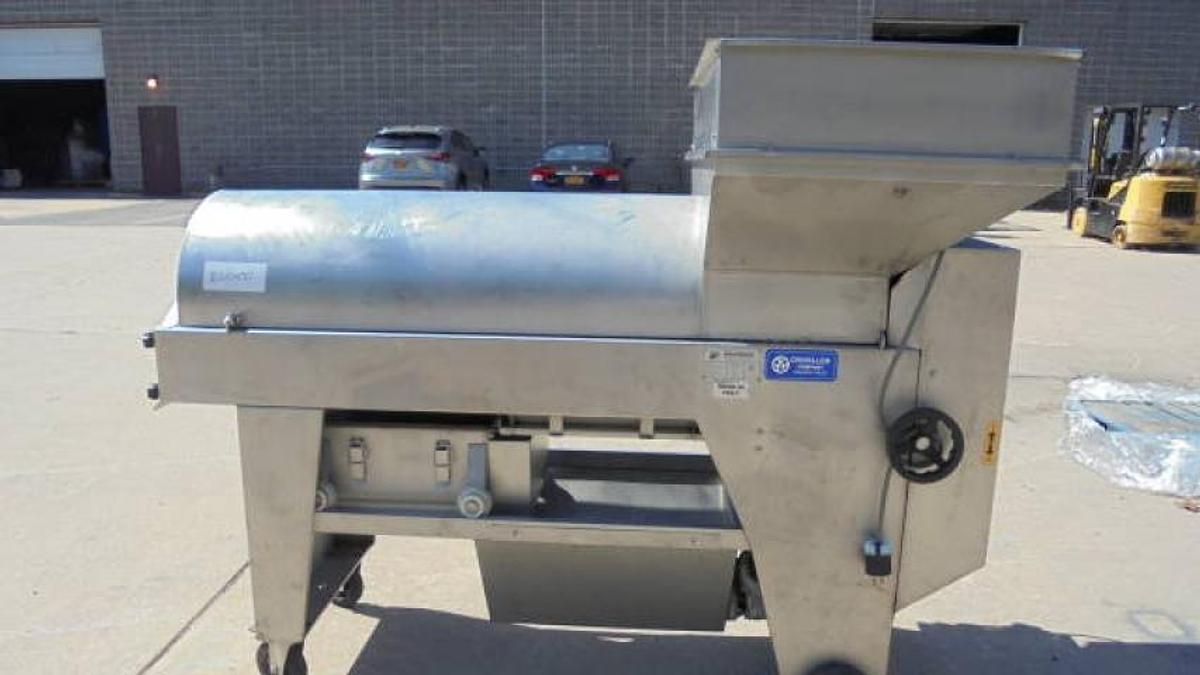
Beyond the core seaming and filling equipment, buyers often source upstream processing machinery as well, including grape crushers, rotary reel washers, meat shredders, and basket centrifuges. These machines handle raw material preparation before product ever reaches a can. Stainless steel construction is a feature worth prioritizing across all categories, since it supports sanitation compliance and holds up well over years of production use. Reputable used equipment dealers tend to carry a rotating inventory across all of these categories, so availability of any specific machine will vary depending on what has recently come off production lines or been decommissioned from food processing facilities.
What should I inspect before buying used canning equipment?
Before committing to a purchase, a thorough inspection of used canning equipment should focus on the components most prone to wear. Seals, gaskets, valves, and seaming heads are the parts that typically show the most deterioration on machines that have seen heavy production use. Worn seaming heads, for example, can produce inconsistent seams that compromise product safety and shelf life. Buyers should also examine the overall structural integrity of the machine, looking for signs of corrosion, cracking welds, or damaged food-contact surfaces. For equipment with motors, checking the horsepower rating against the listed specifications and listening for unusual sounds during operation (if a live demonstration is possible) can reveal a great deal about mechanical condition.
Beyond the physical inspection, requesting maintenance records, service history, and hours of operation logs gives buyers a much clearer picture of how hard the machine was run and whether it received regular upkeep. Dealers will generally accommodate in-person inspections, virtual walkthroughs, or video captures of the equipment so buyers can assess condition before purchasing. Some machines may still be installed at the facility where they were used, which allows for an inspection while the equipment is in place or even still in operation. Keep in mind that most used equipment dealers do not have the permitting or production infrastructure to run actual product through a machine during a demonstration, so buyers should factor that limitation into their evaluation process.
Does used canning equipment come with a warranty?
Warranties on used canning equipment are generally not offered by dealers. Manufacturer warranties are tied to the sale of a machine directly from the manufacturer, and once equipment enters the secondary market, that coverage has typically expired or is no longer transferable. Used equipment dealers almost universally sell machinery on an as-is basis, which places the responsibility for evaluating condition squarely on the buyer. This is standard practice across the used industrial machinery industry, not a reflection of any individual dealer's policies.
Because of this, selecting a reputable dealer with a long track record in the food processing and canning equipment space matters considerably. A dealer who specializes in this category will have more informed knowledge about the machines they carry, be better positioned to answer technical questions, and be more likely to provide honest condition assessments. Buyers should also contact the original manufacturer of any machine they are considering to understand what level of technical support, parts availability, and service documentation can still be obtained. Older models or discontinued machines may have limited manufacturer support, which is an important factor to weigh before purchasing.
Can I find replacement parts for older used canning machines?
Parts availability for used canning equipment depends heavily on the brand, model, and age of the machine. Well-established manufacturers with long production histories, such as FMC, Brown International, and similar commercial food processing brands, tend to have better parts ecosystems because their machines were produced in large quantities and used widely across the industry. For these brands, aftermarket suppliers, OEM parts programs, and third-party machine shops can often source or fabricate components like seaming heads, gaskets, valves, and drive components even for machines that are decades old.
Before purchasing any used canning machine, it is worth contacting the manufacturer directly to ask about current parts availability and technical support for that specific model. Some manufacturers maintain parts inventories for older equipment as a service to long-term customers in the industry, while others may have discontinued support for certain model lines. Age is a real factor here. A machine from the 1990s may have a very different parts situation than one that came off a production line five years ago. Buyers who skip this step sometimes find themselves with a machine they cannot keep running, so a quick conversation with the manufacturer before purchase can prevent a costly mistake.
What are the most reputable brands to look for when buying used canning equipment?
Several brands have earned strong reputations in the used canning and food processing equipment market, largely because their machines were built to commercial-grade standards and have demonstrated longevity in production environments. Brown International, FMC, Langsenkamp, Carruthers, and Key Technology are frequently found in the inventories of specialized used equipment dealers and are sought after because of their durability and the availability of technical documentation. For beverage canning specifically, brands like Cask and Wild Goose have become well-regarded in the craft brewing and beverage segment. Dixie Canner has a long history in the smaller-scale commercial canning market.
When evaluating a specific brand, it helps to look at two things: the quality of the machine's construction (food-grade stainless steel is the standard to look for) and the manufacturer's current level of support for older models. A machine from a reputable brand that is still actively supported by its manufacturer is generally a safer investment than an equally well-built machine from a company that has gone out of business or discontinued that product line. Dealers who specialize in canning and food processing equipment tend to carry brands with established service histories, which is one reason why choosing a specialist over a generalist machinery dealer can make a meaningful difference in the quality of what you find.
How do I verify the capacity and output of used canning equipment before buying?
Verifying capacity and output starts with the machine's published specifications, which a reputable dealer should be able to provide. For a machine like a juice finisher, screw extractor, or centrifugal dryer, the listed capacity (often expressed in pounds per hour or kilograms per hour) should match the manufacturer's documented specs for that model. Cross-referencing the model number against manufacturer documentation or technical databases is a straightforward way to confirm whether the listed capacity is accurate. Dealers who specialize in canning and food processing equipment will typically have this documentation on hand or can assist in locating it.
Beyond the spec sheet, the actual throughput of a used machine depends on its current mechanical condition. A machine rated at 5,000 kg/hr when it left the factory may underperform that figure if key components have worn down over years of use. This is why inspecting wear components, reviewing maintenance records, and asking detailed questions about the machine's production history are all important steps before purchase. If the equipment is still installed at a facility and in operation, some dealers can arrange for an inspection at the plant, which gives buyers the best possible look at how the machine performs under real conditions. Most dealers, however, will not be able to run actual product through a machine at their own facility due to permitting and operational constraints.
What is the difference between commercial-grade and home-use canning equipment?
Commercial-grade canning equipment is engineered for continuous, high-volume production in regulated food processing environments. These machines are typically constructed from food-grade stainless steel, designed to meet sanitation standards, and built to handle thousands of units or hundreds of kilograms per hour over long production runs. They are significantly more robust in terms of motor capacity, frame construction, and component durability than equipment intended for home or hobbyist use. Commercial machines also tend to be more modular, meaning individual components like seaming heads, valves, or feed systems can be serviced or replaced without replacing the entire unit.
Home-use canning equipment, by contrast, is designed for small batches, lower throughput, and intermittent use. Pressure canners and small manual sealers in this category are typically made from lighter materials and are not intended for the kind of continuous operation that commercial production demands. When buyers are looking at used canning equipment for sale through industrial or specialty dealers, they are almost always looking at commercial-grade machinery. This equipment can be an excellent fit for small-to-mid-size food producers, craft beverage companies, co-packers, and startups looking to scale production without the capital outlay of purchasing the same machines through a manufacturer's current product line.
How does shipping and logistics work for used canning equipment purchases?
Shipping used canning equipment involves more complexity than standard freight because these machines are heavy, often irregularly shaped, and sensitive to damage from improper handling. Proper packaging is critical, and costs will vary depending on whether the equipment requires basic palletization, custom crating, or specialized rigging. Buyers should ask dealers specifically about how a machine will be packaged before shipment, since inadequate preparation is one of the most common causes of transit damage on used industrial equipment. The level of crating or bracing required will factor directly into the total cost.
For larger machines, heavy-duty rigging equipment is needed for loading and unloading, and this typically comes at an added cost beyond standard freight rates. Buyers should request a full breakdown of packaging, rigging, and shipping costs from the dealer before finalizing a purchase so they have an accurate picture of the total landed cost of the equipment. The price of the machine itself is only part of the equation, and freight costs on large industrial equipment can be substantial depending on the machine's weight, dimensions, and the distance it needs to travel. Getting these figures upfront prevents surprises and allows for a more accurate cost comparison between different machines or dealers.
What payment terms should buyers expect when purchasing used canning equipment?
Most used equipment dealers require payment in full before a machine is released for shipment. This is standard practice across the industry and reflects the nature of the secondary equipment market, where dealers are managing inventory that has already been acquired and cannot be easily returned to a supplier. Buyers should plan for this upfront payment requirement when budgeting for a purchase, particularly on higher-value machines where the transaction amount is significant. Wire transfer is the most common payment method for large equipment purchases, though dealers may accept other forms of payment depending on the transaction.
Some dealers will offer payment terms to repeat customers or buyers with whom they have an established relationship, but this is not the norm for first-time transactions. Buyers who are working with a dealer for the first time should not assume that financing or extended terms will be available. If payment terms are important to the purchase decision, it is worth asking the dealer directly early in the conversation rather than raising it at the point of closing. Some dealers may also be open to holding a machine with a deposit while a buyer arranges financing through a third-party equipment lender, which is a common approach for buyers who need more flexibility on timing.
What food processing machinery is commonly used upstream of the canning line?
Before product reaches a canning line, it typically passes through several stages of preparation that require their own specialized equipment. For fruit and vegetable products, this might include rotary reel washers to clean raw material, peelers and juicers to reduce produce to a workable form, and pulpers or finishers to refine texture and remove seeds, skins, or fiber. Centrifugal spin dryers are used to remove excess moisture from vegetables or other products after washing. Vibratory shakers and feeders are used to move product consistently through the line and remove debris or undersized pieces before further processing.
For protein products, equipment like high-volume meat shredders prepares material before it is portioned and filled into cans. In the beverage segment, grape crushers and de-stemmers handle the early stages of juice or wine production before liquid is processed further and eventually packaged. All of this upstream equipment is commonly available through used canning and food processing equipment dealers, often alongside the core filling and seaming machinery. Buyers setting up or expanding a canning operation frequently need to source several pieces of this preparatory equipment in addition to the canning line itself, and buying used across the entire workflow can represent significant cost savings compared to purchasing current production equipment at manufacturer pricing.