Category
Subcategory
Manufacturer
Model
Used Meat Equipment
Meat Processing & Packaging Equipment
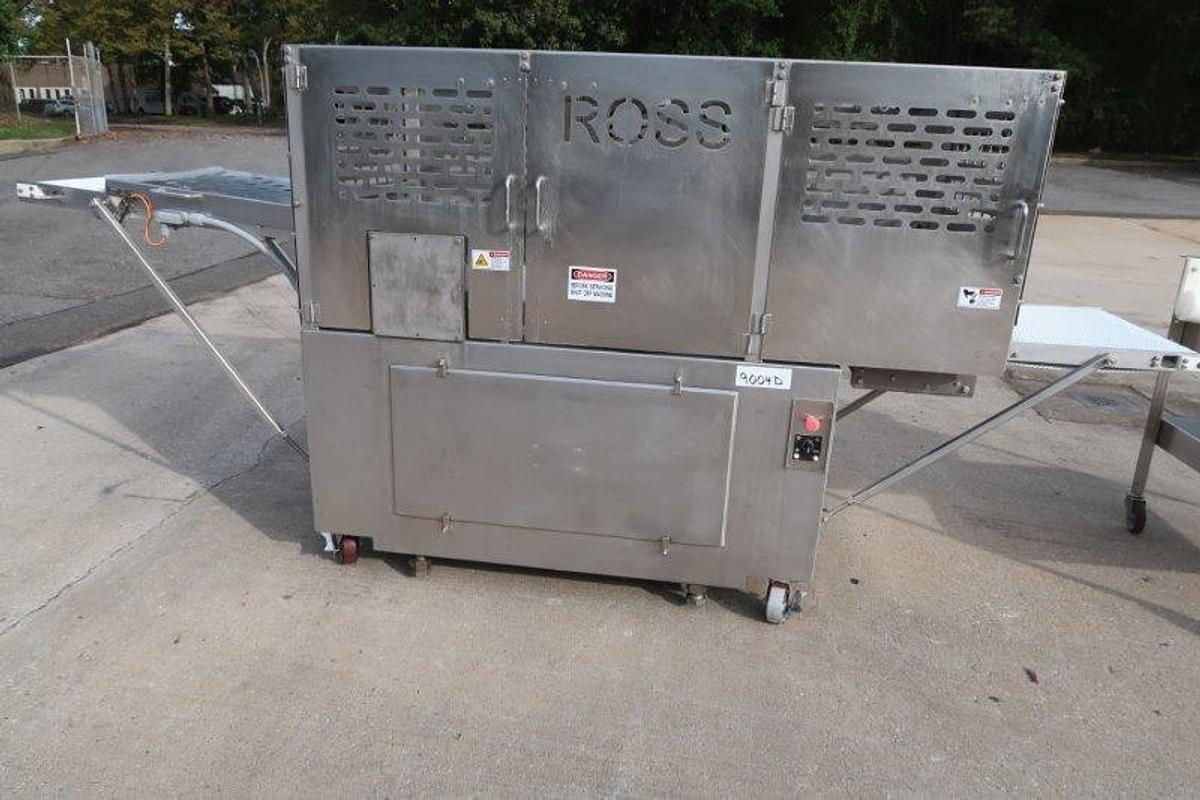
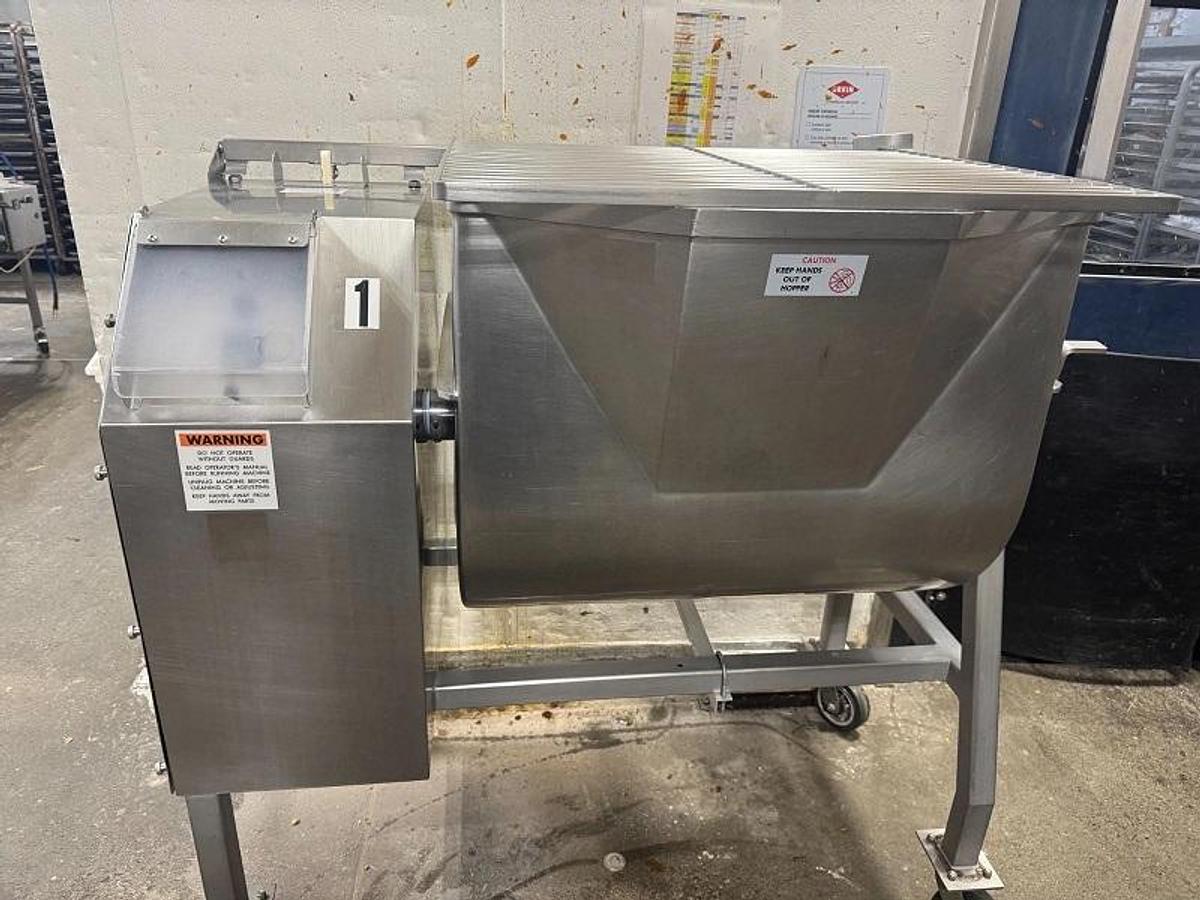
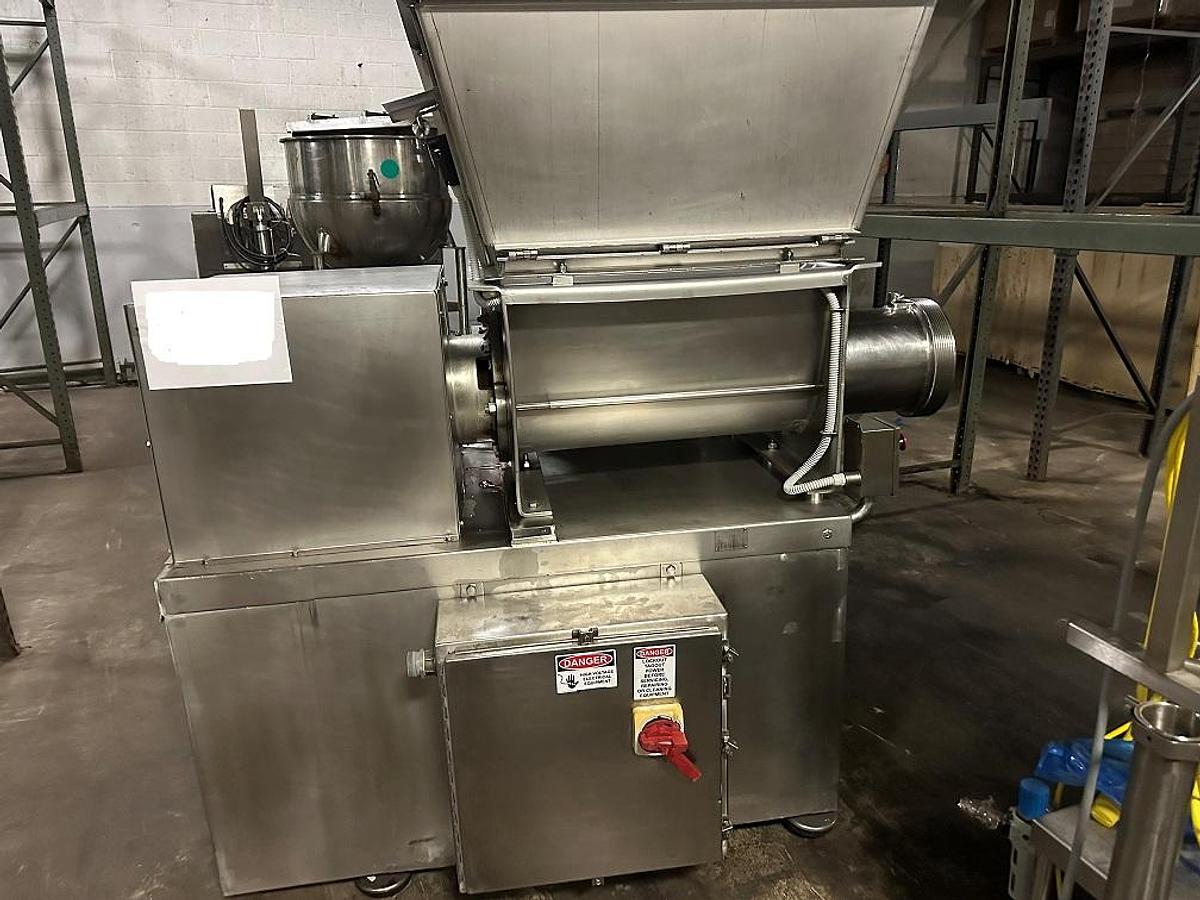
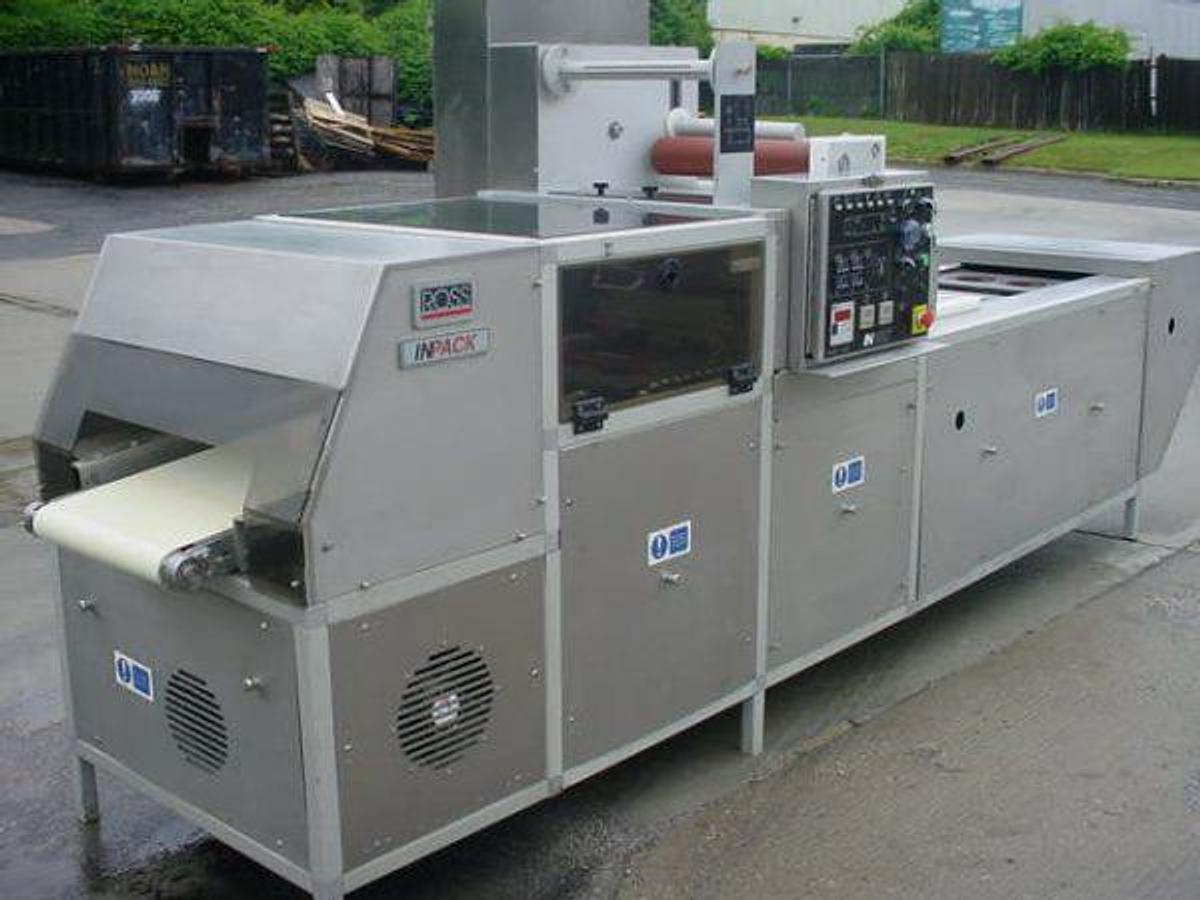
We have a selection of used meat grinders, used frozen block flakers, used SEYDELMANN bowl choppers, commercial meat stuffers, mixers, kettles, fryers, meatball machines, and dicers specialized for the meat industry and poultry industry with much of this equipment available in stainless steel. Our inventory includes the MARLEN stuffers, HOBART grinders, and VEMAG stuffers as well as products from other brands. We also are suppliers of twin ribbon blenders, and we buy and sell equipment from brands that incude MEPACO, FPEC, RIETZ, and AMFEC, as well as MULTIVAC and TIROMAT packaging machines.
FAQ :
What types of used meat processing equipment are available on the market?
The used meat processing equipment market covers a wide range of machinery designed for nearly every stage of production. Common categories include meat grinders, vacuum fillers and stuffers, bowl choppers, frozen block flakers, patty machines, meatball machines, meat slicers, tenderizers, mixers and blenders, forming machines, and packaging equipment such as vacuum sealers and automatic clipping machines. Buyers can also find kettles, fryers, dicers, and encrusting machines depending on the specific protein product being manufactured.
Brands that appear frequently in the used market include Hobart, Biro, Vemag, Handtmann, Seydelmann, Hollymatic, Multivac, Marlen, Risco, and Rheon, among others. Many of these machines were originally built for high-volume commercial and industrial production, which means they tend to be mechanically durable and capable of handling demanding throughput requirements even after years of use. Buyers should pay close attention to capacity specifications, such as pounds per hour for grinders or liter capacity for bowl choppers, to make sure the equipment fits their actual production needs before purchasing.
How do I evaluate whether used meat processing equipment is sanitary and safe for food production?
Sanitation is one of the most critical factors to assess before purchasing any used meat processing equipment. The most important thing to look for is food-grade stainless steel construction, which resists corrosion, does not harbor bacteria in the same way that carbon steel or painted surfaces can, and is compatible with the caustic cleaning agents and high-pressure washdowns common in meat processing facilities. Machines built to NSF (National Sanitation Foundation) or USDA standards are designed with cleanability in mind, featuring smooth welds, minimal crevices, and tool-free disassembly for sanitation purposes.
When inspecting a used machine, buyers should look at the condition of product-contact surfaces for pitting, cracking, or corrosion, all of which can trap organic material and harbor pathogens. Gaskets, seals, and augers are wear components that may need replacement regardless of the machine's overall condition. Requesting a detailed inspection, either in person or through a video walkthrough provided by the dealer, is the best way to assess the true sanitary condition of a machine before committing to a purchase. A reputable used equipment dealer specializing in the meat industry will be familiar with these concerns and can provide accurate documentation of the machine's current state.
What certifications and standards should used meat processing equipment meet?
The most relevant certifications for meat processing equipment are NSF International certification and compliance with USDA food safety equipment design standards. NSF-certified equipment has been independently tested and verified to meet specific sanitation and material standards, making it easier to pass facility audits and regulatory inspections. USDA standards for equipment used in federally inspected meat plants are particularly stringent, requiring smooth, non-porous, corrosion-resistant surfaces and designs that allow thorough cleaning and sanitizing. CE marking is relevant for equipment manufactured in or imported from Europe, indicating conformity with European health, safety, and environmental standards.
For used equipment, the original certification status of the machine matters, but buyers also need to assess whether the machine has been maintained in a way that preserves those standards. Modifications, repairs using non-food-grade materials, or heavy wear to product-contact surfaces can compromise a machine's compliance even if it was originally certified. Buyers operating in USDA-inspected facilities should consult with their plant inspector or food safety team before purchasing used equipment to confirm that a specific model and its current condition will be accepted. Consulting the original manufacturer directly can also help clarify whether a particular model is still supported and whether replacement parts meet current regulatory requirements.
What is the typical lifespan of commercial meat processing equipment?
Commercial meat processing equipment is generally built for decades of industrial use, and many machines remain mechanically viable for 20 to 40 years or more when properly maintained. Heavy-duty grinders, bowl choppers, and vacuum stuffers from established manufacturers are often engineered with oversized motors, thick stainless steel housings, and robust drive systems specifically because meat processing environments are demanding. This longevity is one of the primary reasons the used market for this type of equipment is so active. A well-maintained Hobart grinder or Seydelmann bowl chopper from the 1990s can still perform reliably in a commercial setting today.
That said, lifespan varies considerably based on how intensively the machine was used, how consistently it was maintained, and whether wear parts were replaced on schedule. Key components to evaluate include cutting blades and plates on grinders, bowl liners and knife assemblies on choppers, and seals and augers on vacuum stuffers. Age alone is not a reliable indicator of condition. A machine that ran one shift per day in a small plant may be in far better shape than a newer machine that ran three shifts in a high-volume facility. Buyers should focus on the actual mechanical condition and maintenance history rather than the year of manufacture when assessing useful remaining life.
Are replacement parts still available for older meat processing machines?
Parts availability is one of the most practical concerns when buying used meat processing equipment, and it varies significantly by brand, model, and age. Manufacturers like Hobart, Biro, Vemag, and Handtmann have long histories and established dealer networks, which generally means replacement parts, including wear items like blades, plates, seals, and belts, are more readily available than for obscure or discontinued brands. Some manufacturers maintain parts inventories for machines that are decades old, though buyers should contact the manufacturer directly to confirm availability for a specific model before purchasing.
For machines where factory parts are no longer available, third-party aftermarket suppliers often fill the gap, particularly for common wear components like grinder plates, stuffing tubes, and gaskets. Fabrication shops can sometimes manufacture custom parts for simpler components. The practical recommendation is to contact the manufacturer before buying any used machine to understand what level of support to expect, including whether technical documentation, service manuals, and replacement parts are accessible. A used equipment dealer who specializes in the meat industry can often provide guidance on parts availability based on their experience buying and selling specific brands and models over many years.
How is used meat processing equipment typically inspected before purchase?
Reputable used equipment dealers offer buyers several options for inspecting machinery before committing to a purchase. In-person inspections are the most thorough approach and are generally accommodated by dealers, either at their facility or, in some cases, at the plant where the equipment is still in service or has recently been decommissioned. For buyers who cannot travel, video inspections and detailed photo documentation are common alternatives. A thorough video walkthrough should show the machine from multiple angles, including product-contact surfaces, drive components, electrical panels, and any visible wear or damage.
One important limitation to understand is that most used equipment dealers do not have the permits or production infrastructure to run actual food product through a machine as a functional test. Dealers can typically power up equipment and demonstrate that motors run, augers turn, and controls respond, but a full production trial is generally not possible in a dealer's warehouse setting. Some machines that are still installed in active production facilities may be inspected while running, which provides a clearer picture of operational condition. Buyers should ask detailed questions about what the inspection will cover, request documentation of any known issues, and factor in the cost of a pre-purchase inspection by a qualified technician if the purchase involves significant capital.
Does used meat processing equipment come with a warranty?
Used meat processing equipment is typically sold on an as-is basis, which is standard practice across the used industrial machinery industry. Warranties are generally offered only by the original equipment manufacturer on brand-new machines. When a machine changes hands in the secondary market, the manufacturer's warranty, if one ever existed, does not transfer with the equipment. This means the responsibility for thoroughly evaluating the machine's condition before purchase falls entirely on the buyer.
Because of this, choosing a dealer with a long track record of selling meat processing equipment specifically is one of the most important risk-reduction steps a buyer can take. An experienced specialist dealer will have the industry knowledge to accurately represent a machine's condition and will typically be transparent about any known issues. Buyers should also consult with the original manufacturer to understand what service and parts support they can expect for a particular model, since older or discontinued machines may have limited manufacturer support regardless of who sells them. Thorough pre-purchase inspection, combined with careful dealer selection, is the most effective substitute for a formal warranty in the used equipment market.
What are the shipping and installation requirements for large meat processing equipment?
Shipping costs and logistics for meat processing equipment can vary considerably depending on the size, weight, and configuration of the machine. Smaller portable units like bench-top grinders or compact mixers can often be palletized and shipped via standard freight carriers at relatively modest cost. Larger machines such as industrial bowl choppers, vacuum stuffers, or forming machines may require custom crating to prevent damage in transit, and the cost of that packaging is typically passed on to the buyer. Buyers should ask dealers specifically about how a machine will be packaged and what the estimated freight cost will be to understand the full landed cost before making a purchase decision.
For very large or heavy equipment, specialized rigging is often required for both loading at the dealer's facility and unloading at the buyer's plant. This includes the use of forklifts, cranes, or riggers experienced with industrial machinery, and those costs are generally separate from the base freight charge. Installation requirements vary by machine type. Electrical connections, compressed air lines, water supply, and floor anchoring are common requirements for commercial meat processing equipment, and buyers should review the machine's specifications and consult with their facilities team before the equipment arrives. Coordinating with a qualified millwright or equipment installer in advance can prevent costly delays once the machine is on-site.
What payment terms are typical when buying used meat processing equipment?
The standard payment practice in the used industrial equipment industry is full payment prior to shipment. This applies to the vast majority of transactions, particularly for first-time buyers working with a dealer. The reasoning is straightforward: once a machine leaves a dealer's facility, verifying its condition and recovering payment becomes significantly more complicated, so dealers protect themselves by requiring cleared funds before releasing equipment. Accepted payment methods typically include wire transfer, which is the most common for larger purchases, as well as certified checks or other secure payment instruments.
Some dealers extend payment terms to established customers with a history of repeat purchases, but this is the exception rather than the rule and is generally negotiated on a case-by-case basis. Buyers who are new to a particular dealer should expect to pay in full upfront. For larger capital purchases, some buyers explore equipment financing through third-party lenders who specialize in used machinery, which can allow the buyer to spread the cost over time while the dealer still receives full payment at the time of sale. It is worth asking the dealer whether they work with any financing partners if cash flow is a consideration.
What should buyers look for when choosing a used meat processing equipment dealer?
Industry specialization is one of the most important factors when selecting a used equipment dealer for meat processing machinery. A dealer who focuses specifically on food processing and meat industry equipment will have a much deeper understanding of the machines they sell, including brand reputation, common wear points, parts availability, and sanitation requirements, compared to a general industrial equipment reseller. Specialization also means the dealer is more likely to accurately represent the condition of a machine and flag issues that a non-specialist might overlook or not recognize.
Longevity and track record matter significantly in this industry. Dealers who have been buying and selling meat processing equipment for many years have typically built relationships with both buyers and sellers across the industry, which gives them access to better inventory and a stronger reputation to protect. Buyers should look for dealers who accommodate thorough inspections, are transparent about a machine's known condition and history, and can provide references or demonstrate an established presence in the market. The ability to inspect equipment either in person or through detailed video documentation before purchase is a strong indicator that a dealer is operating with integrity. Buyers should be cautious of dealers who resist inspection requests or provide only minimal information about a machine's history and current condition.