Category
Subcategory
Manufacturer
Model
Used Cosmetics Manufacturing Equipment
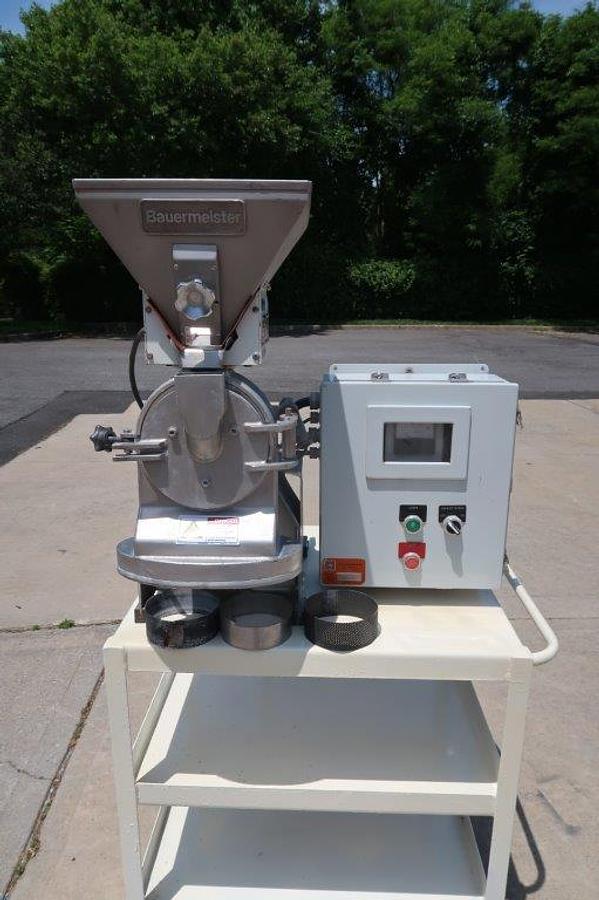
In the cosmetics industry, precision and quality are paramount. Wohl Associates provides a range of pre-owned cosmetics processing equipment, including mixers, homogenizers, filling lines, and capping machines. Our machinery is designed to handle the production of creams, lotions, powders, and more, ensuring consistency and reliability in your products. Enhance your production capabilities with our trusted solutions.
FAQ :
What types of used cosmetics manufacturing equipment are available on the market?
The used cosmetics equipment market covers a wide range of machinery across every stage of production. Common categories include mixers, high shear homogenizers, emulsifiers, filling lines, capping machines, labeling systems, packaging lines, reactors, and quality control instruments. Within those categories, buyers can find highly specialized pieces such as inline high shear mixers (like the Silverson 275LS), piston fillers configured for hot filling, fine grinding mills for powder processing, air-operated double diaphragm pumps, and temperature-controlled tables used in lipstick and specialty product manufacturing.
The specific inventory available at any given time depends on what facilities are decommissioning or upgrading their production lines. Cosmetics manufacturers producing creams, lotions, powders, lip products, and color cosmetics each require different equipment configurations, so the used market tends to reflect that diversity. Buyers sourcing pre-owned machinery should look for dealers who specialize in cosmetics and personal care processing, as they are more likely to carry industry-specific equipment and understand the technical requirements of formulation and filling operations.
How do I verify the condition and functionality of used cosmetics equipment before buying?
Inspecting used cosmetics equipment before purchase is one of the most important steps a buyer can take. Reputable dealers typically offer three inspection options: in-person visits, live video walkthroughs, or recorded video captures of the machine. In-person inspections are ideal when the equipment is still installed at a production facility, because buyers can sometimes observe it running in an active line. When that is not possible, a detailed video inspection covering all mechanical components, contact surfaces, seals, and control systems gives a reasonable picture of current condition.
One important limitation to understand is that most used equipment dealers do not have the permits or production infrastructure to run actual product through a machine during a demonstration. Testing is therefore focused on mechanical operation rather than output quality. To compensate, buyers should request full maintenance histories, service records, and any documentation of past repairs or part replacements. Asking about the age of wear components like seals, gaskets, and pump diaphragms is especially relevant in cosmetics equipment, since these parts are in direct contact with product and affect both performance and sanitation compliance. Selecting a dealer with a long track record in the cosmetics and personal care sector adds another layer of confidence to the evaluation process.
What compliance and sanitary standards should used cosmetics manufacturing equipment meet?
Cosmetics manufacturing is governed by Good Manufacturing Practice (GMP) guidelines, which set requirements for equipment design, material construction, cleanability, and documentation. In the United States, the FDA regulates cosmetics facilities and expects equipment to be constructed and maintained in a way that prevents contamination and supports consistent product quality. Equipment sold into international markets may also need to meet CE marking requirements or country-specific regulatory standards. When evaluating used machinery, buyers need to assess whether a piece of equipment can still meet these standards in its current condition, not just whether it was compliant when it was first installed.
Material construction is a key factor in compliance. Stainless steel, particularly 316L grade, is the preferred material for cosmetics processing equipment because of its corrosion resistance, non-reactive surface, and ease of sanitation. Buyers should verify that contact surfaces are free of pitting, cracks, or surface degradation that could harbor bacteria or contaminate product. Seals, gaskets, and other elastomeric components should be food- or cosmetic-grade materials and in serviceable condition. If a piece of used equipment requires refurbishment to meet GMP standards, buyers should factor those costs into their total acquisition budget before committing to a purchase.
Does used cosmetics manufacturing equipment come with a warranty?
Warranties on used cosmetics manufacturing equipment are handled differently than those on machinery purchased directly from a manufacturer. Manufacturer warranties are typically tied to the first sale of a machine and do not transfer through subsequent resales. Used equipment dealers generally sell machinery on an as-is basis, which means the buyer takes on responsibility for assessing the condition of the equipment prior to purchase. This makes the inspection process especially important, since there is no coverage to fall back on if undisclosed issues surface after the sale.
Because of this, buyers should focus their due diligence on selecting dealers with a strong and verifiable track record in the cosmetics and processing equipment space. A dealer who specializes in the industry will have a better understanding of what to disclose, will be more likely to accommodate thorough inspections, and will have a reputation to protect. Buyers should also contact the original equipment manufacturer directly to understand what level of technical support, spare parts availability, and service documentation can still be obtained for a specific model and age of machine. Older or discontinued models may have limited manufacturer support, which is worth knowing before purchase.
What is the typical remaining lifespan of used cosmetics manufacturing machinery?
The remaining operational life of used cosmetics equipment varies considerably depending on the type of machine, the intensity of its prior use, the quality of maintenance it received, and the materials it was built from. Well-maintained stainless steel processing equipment, such as mixers, homogenizers, and reactors, can remain serviceable for decades when properly cared for. Simpler mechanical components like pumps and filling heads tend to have more wear-sensitive parts, but those components are often replaceable, which can effectively extend the useful life of the overall machine.
The most reliable way to estimate remaining lifespan is to review the machine's service history alongside a physical inspection. Equipment that has been regularly maintained, had seals and wear parts replaced on schedule, and was operated within its design parameters will generally have more life left than a machine that ran hard with minimal upkeep. Buyers should also consider the availability of spare parts for the specific model, since a machine with no accessible replacement components becomes difficult to keep running regardless of its mechanical condition. Consulting the manufacturer about parts and support for a specific model year is a practical step that many buyers overlook.
Are replacement parts and technical support available for used cosmetics processing equipment?
Parts and support availability depends heavily on the brand, model, and age of the equipment in question. For established manufacturers with long production histories, many components remain available through the manufacturer, authorized service networks, or third-party parts suppliers. Brands like Silverson, Graco, and others with broad industrial footprints tend to have better long-term parts ecosystems than smaller or regional manufacturers. Buyers should verify parts availability directly with the manufacturer before purchasing, especially for older or discontinued models where support may be limited.
For equipment where manufacturer support has lapsed, third-party rebuild shops and machining services can often fabricate or source equivalent components, particularly for mechanical parts like shafts, impellers, and housings. Wear items such as seals, gaskets, diaphragms, and fill heads are frequently available as aftermarket components. When evaluating a used machine, it is worth asking the seller about the parts they have sourced in the past and whether any components are currently difficult to obtain. Building a small inventory of critical wear parts at the time of purchase is a practical way to reduce downtime risk, particularly for high-use equipment in continuous production environments.
Can used cosmetics equipment be refurbished or upgraded after purchase?
Yes, refurbishment is a common and practical approach for buyers who acquire used cosmetics manufacturing equipment. The scope of refurbishment can range from basic reconditioning, replacing seals, gaskets, and worn contact parts, to more extensive work such as rebuilding pump assemblies, replacing control systems, or upgrading motors and drives to current efficiency standards. For stainless steel equipment, surface restoration through re-polishing or re-passivation can bring sanitary contact surfaces back into compliance with GMP requirements.
Some buyers choose to have refurbishment completed before the equipment enters their facility, while others prefer to assess actual performance in their production environment before deciding what work is needed. Either approach is valid, but buyers should factor estimated refurbishment costs into the total acquisition cost when comparing used equipment against other options. A machine purchased at a significant discount may still represent strong value even after refurbishment expenses, particularly for high-quality processing equipment that would cost substantially more to replace with a comparable used or reconditioned unit. Working with a dealer who can provide honest condition assessments helps buyers make accurate cost projections upfront.
What should buyers know about shipping and installation costs for large cosmetics manufacturing equipment?
Shipping costs for used cosmetics manufacturing equipment can vary significantly based on the size and weight of the machine, the distance between seller and buyer, and the level of packaging or crating required to protect the equipment in transit. Smaller items like pumps and tabletop fillers can often be palletized and shipped via standard freight carriers at relatively modest cost. Larger processing vessels, mixing tanks, and filling lines may require custom crating, heavy-duty rigging for loading and unloading, and flatbed or specialized freight services. Buyers should request a detailed breakdown of packaging, rigging, and freight costs from the seller before finalizing a purchase so the full landed cost is clear.
Installation and setup are separate cost considerations that buyers sometimes underestimate. Large equipment may require a rigger or millwright to position and level the machinery within the facility, and utility connections for power, compressed air, steam, or process water add further complexity. Some equipment may need to be disassembled for transport and reassembled on-site, which requires technical knowledge of the specific machine. Buyers should budget for these downstream costs and, where possible, consult with the equipment manufacturer or an experienced technician about the installation requirements for a specific machine before it arrives.
What payment terms are typical when purchasing used cosmetics manufacturing equipment?
Payment practices in the used equipment industry are fairly consistent across dealers. Most sellers require payment in full before equipment is released for shipping. This protects the seller given the as-is nature of used machinery transactions and the logistical complexity of reversing a sale once a large piece of equipment has been moved. Common payment methods include wire transfer, ACH, and in some cases credit card for smaller purchases. Buyers should confirm accepted payment methods with the seller early in the process to avoid delays.
Some dealers extend payment terms or financing arrangements to repeat customers or buyers with established relationships, but this is not the standard for first-time transactions. Third-party equipment financing is another option that buyers sometimes arrange independently through lenders who specialize in industrial machinery. For buyers acquiring multiple pieces of equipment in a single transaction, it may be worth discussing payment structure directly with the dealer, as larger purchases occasionally allow for more flexible arrangements. Regardless of the payment method, buyers should ensure they receive proper documentation of the sale, including a bill of sale that accurately describes the equipment and its condition.
How does buying used cosmetics manufacturing equipment compare to purchasing new machinery?
The most immediate advantage of used cosmetics manufacturing equipment is cost. Pre-owned machinery can be acquired at a fraction of the price of a comparable machine purchased directly from a manufacturer, which makes it attractive for startups, contract manufacturers scaling capacity, or established brands looking to add redundancy to their production lines without large capital expenditures. The trade-off is that used equipment comes without the assurances that accompany a factory purchase, including manufacturer warranties, installation support, and the certainty that all components are at the beginning of their service life.
For buyers who do their homework, the value proposition of used equipment is often compelling. Stainless steel cosmetics processing machinery is built to last, and a well-maintained mixer, homogenizer, or filling line purchased on the secondary market can deliver years of reliable production. The key is conducting thorough inspections, understanding the condition of wear components, verifying parts availability, and selecting a seller with genuine expertise in cosmetics and personal care manufacturing equipment. Buyers who approach the process with that level of diligence can acquire high-quality production capacity at a significant discount compared to purchasing equivalent machinery through other channels.