Category
Subcategory
Manufacturer
Model
Screens-classifiers
Screens, Classifiers, Sifters
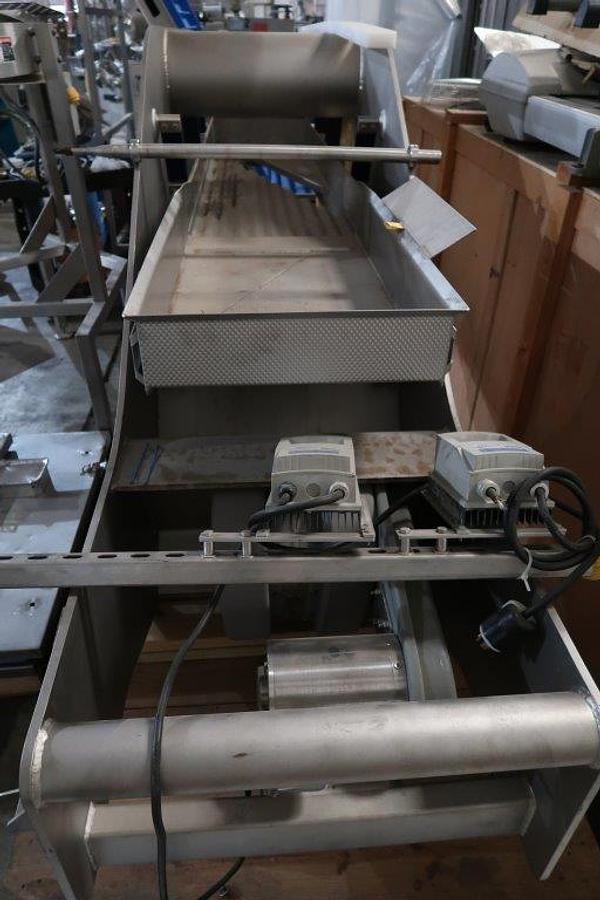
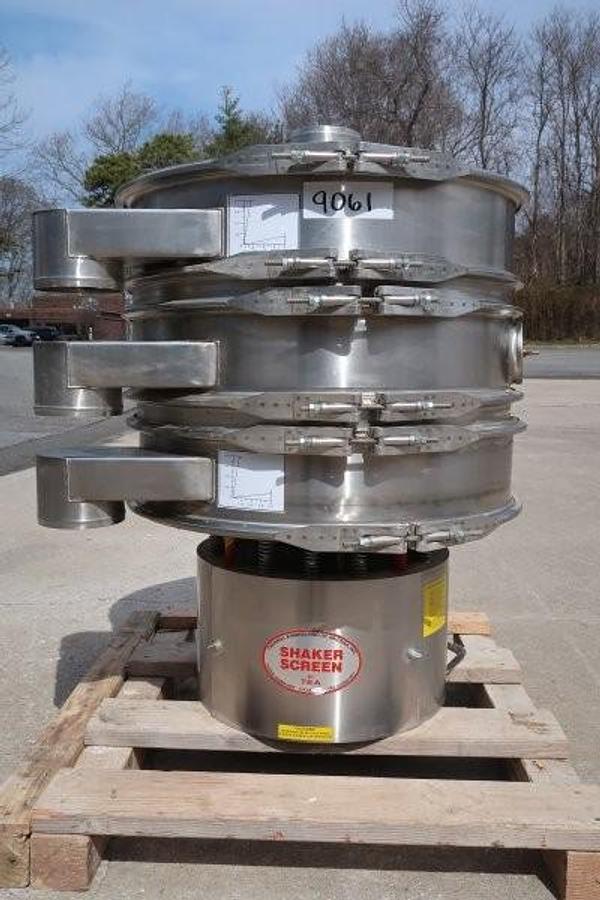
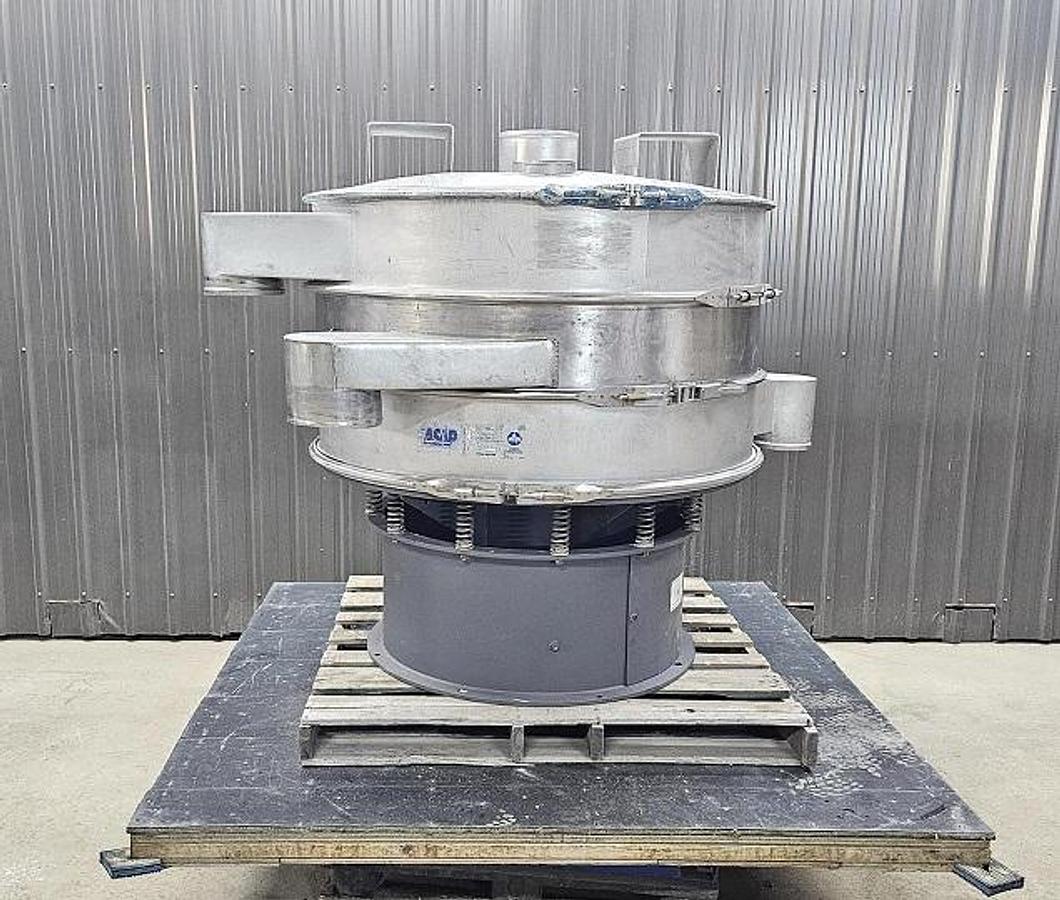
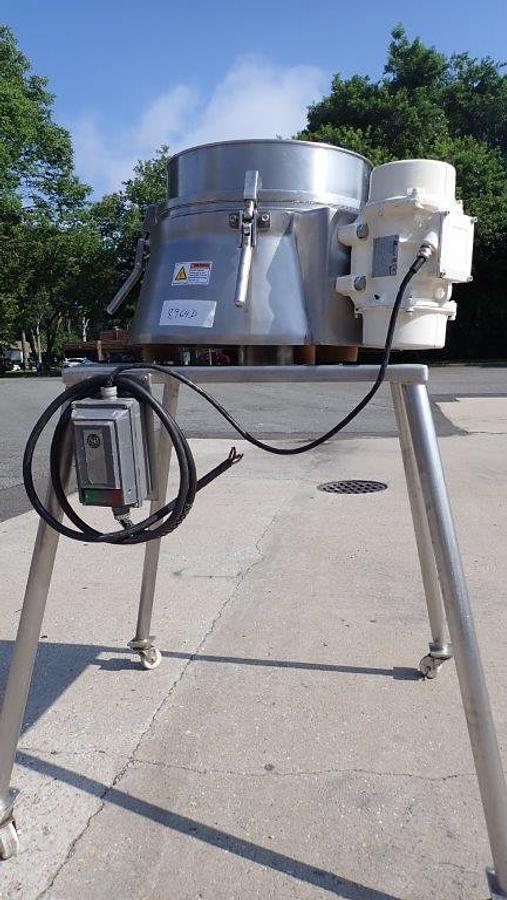
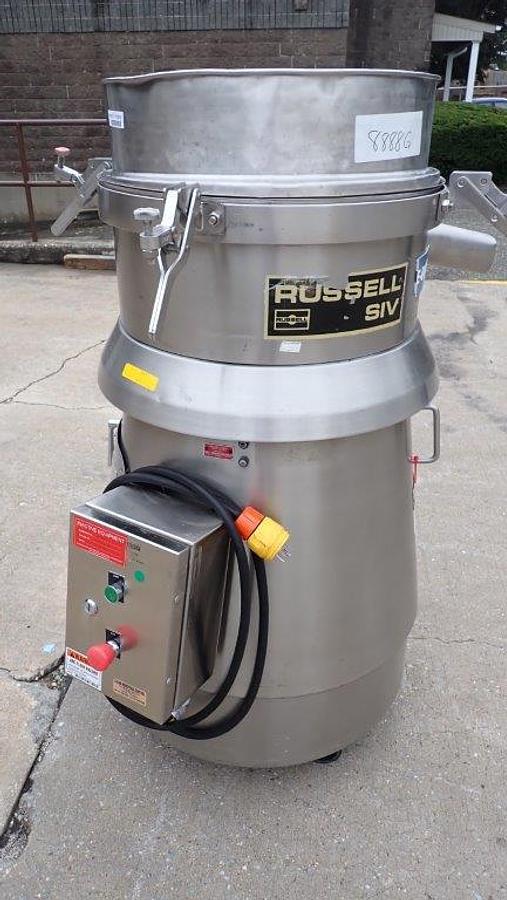
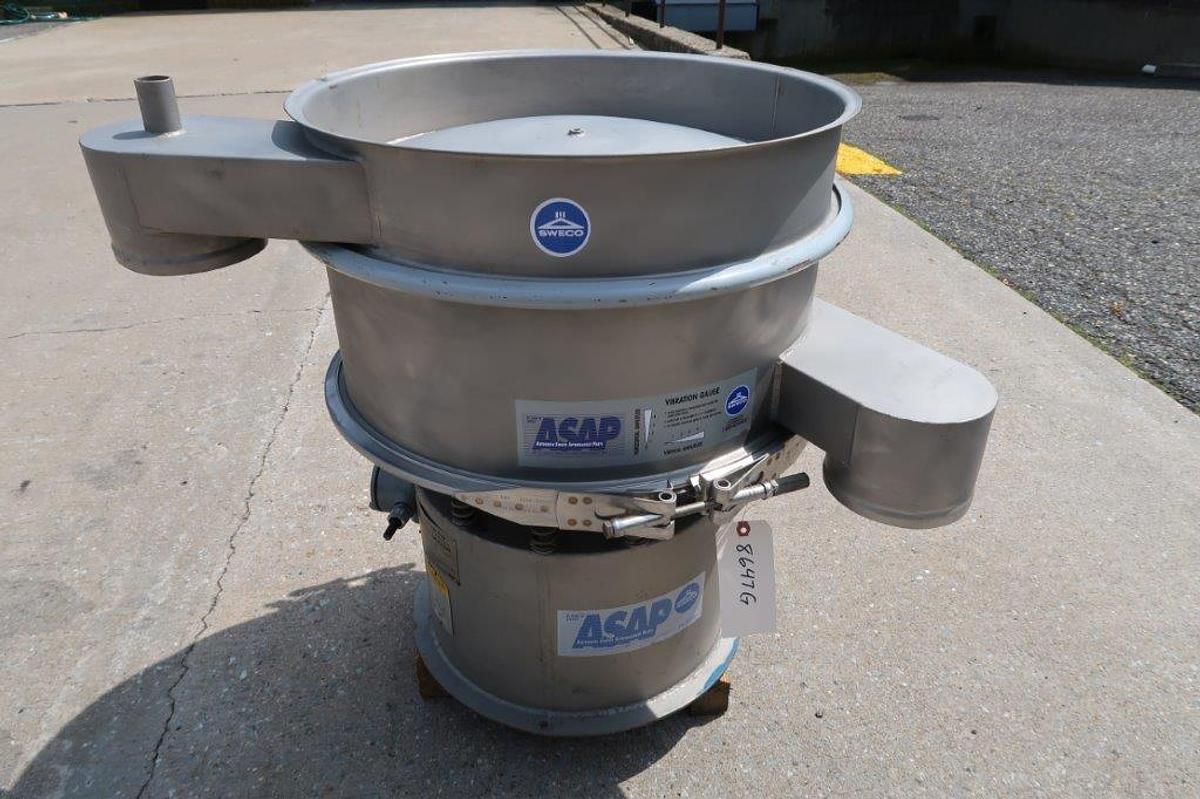
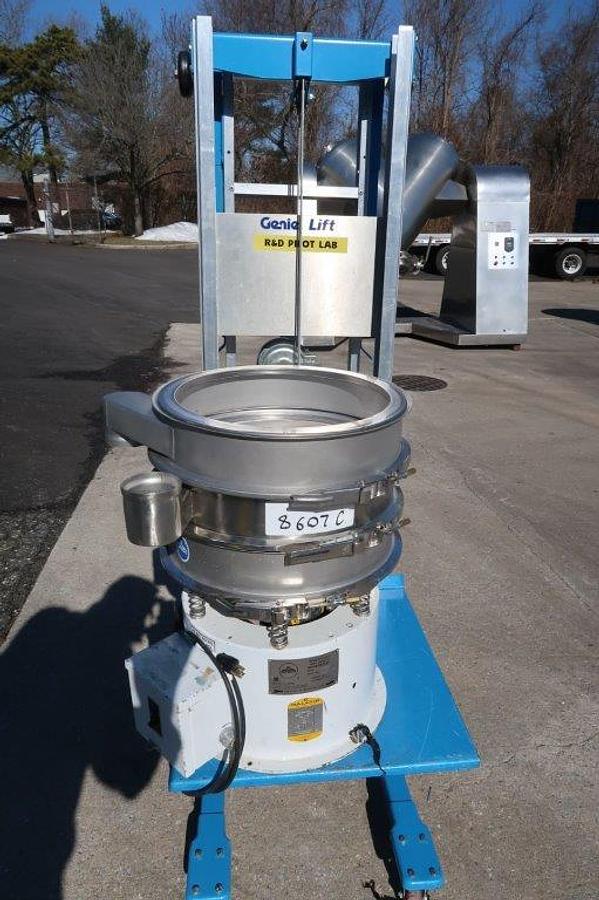
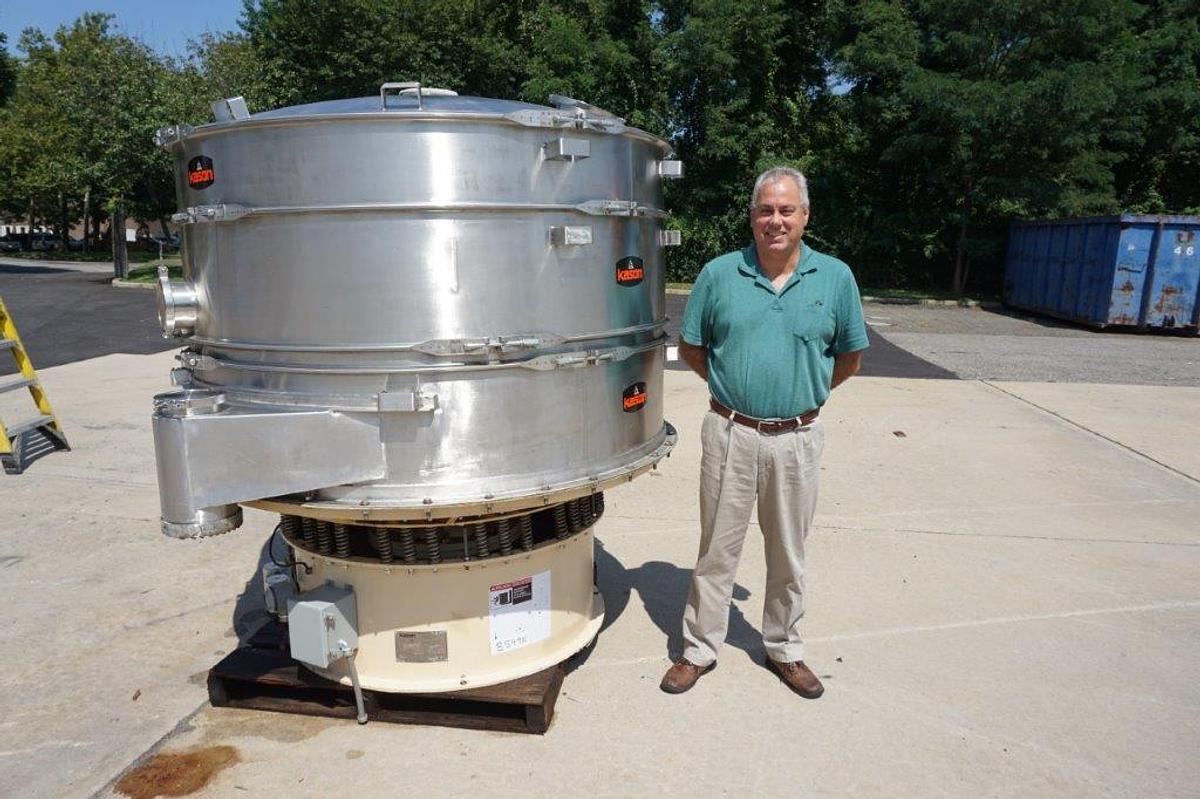
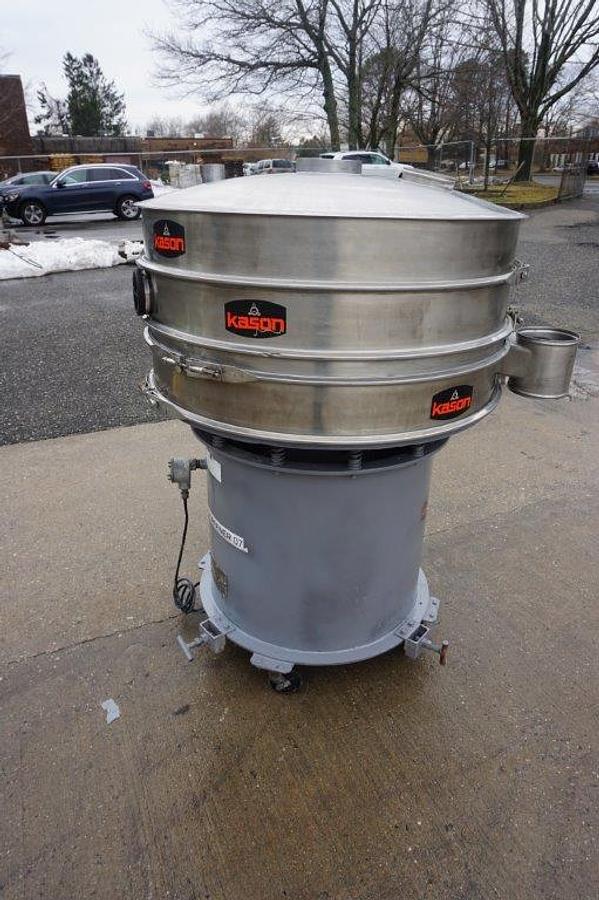
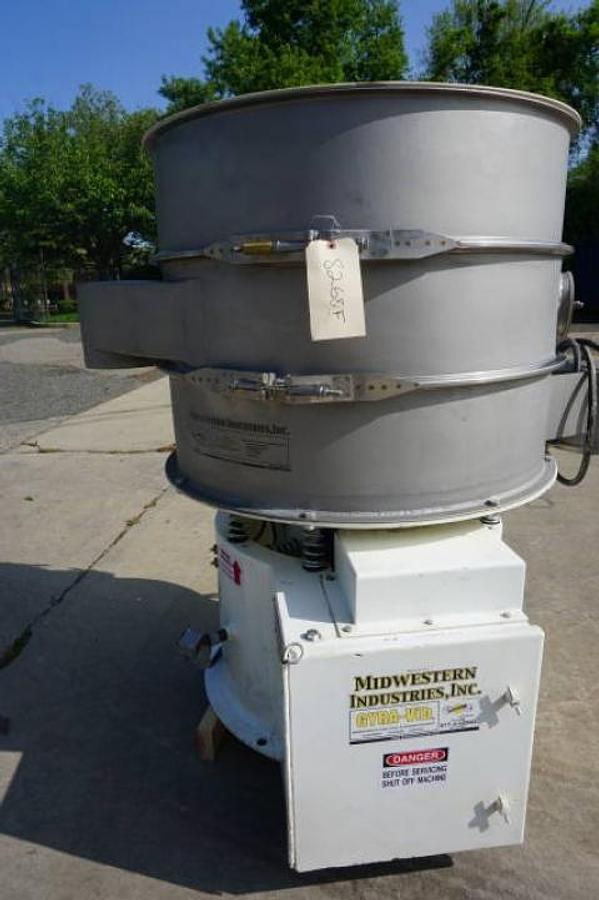
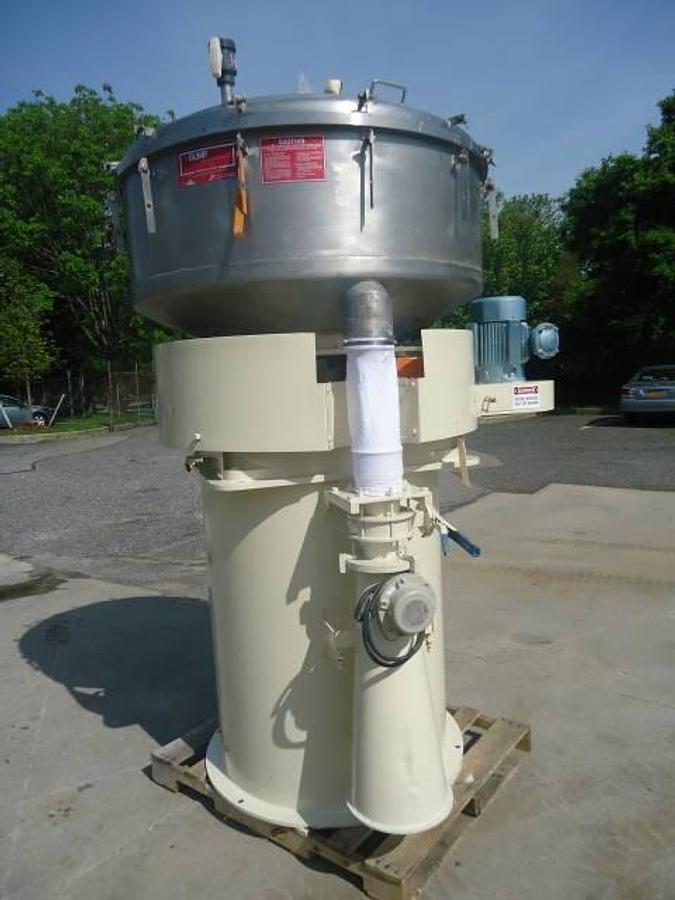
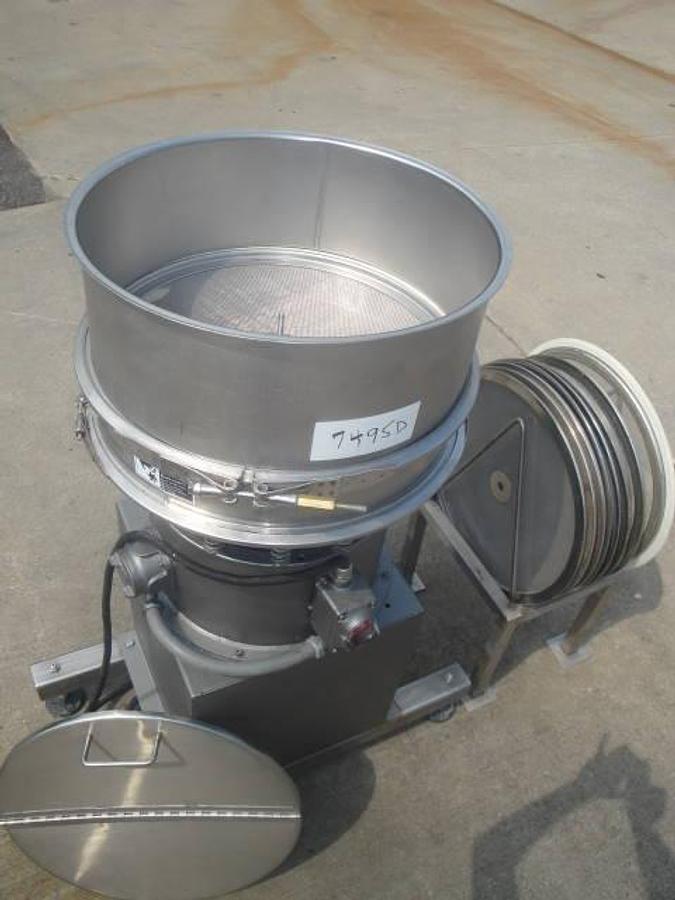
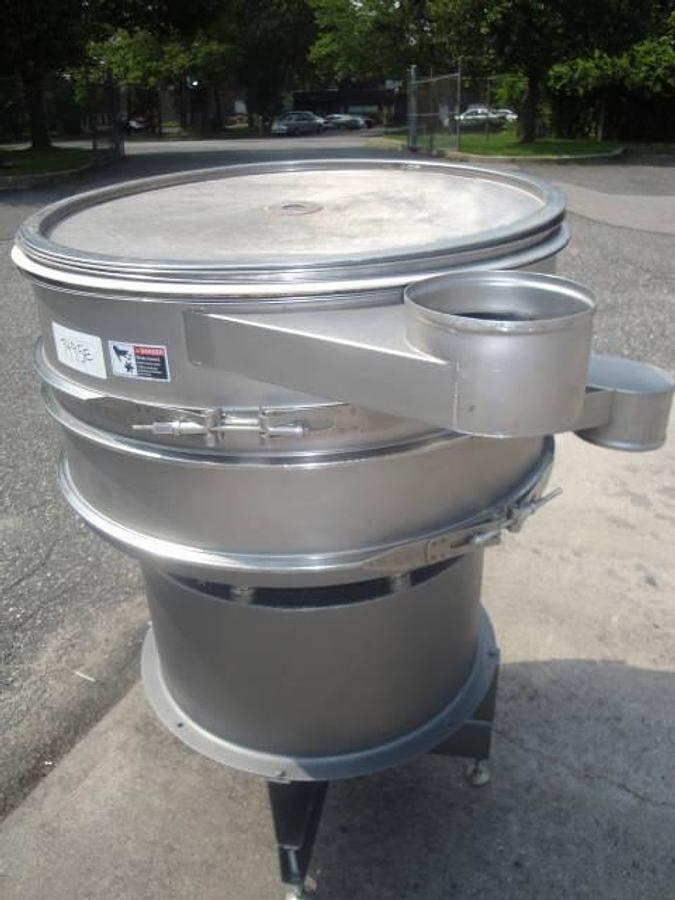
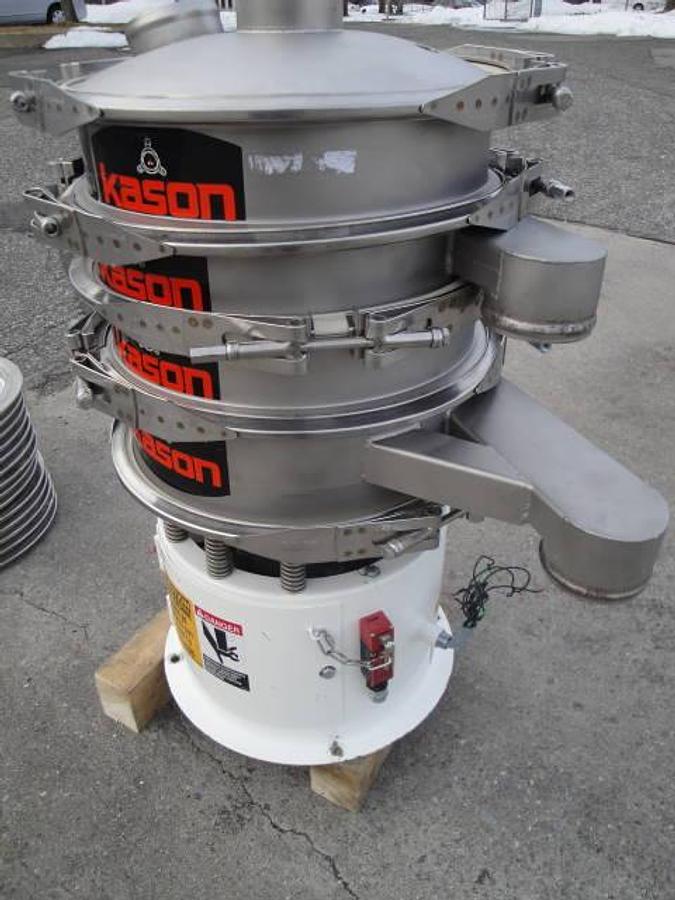
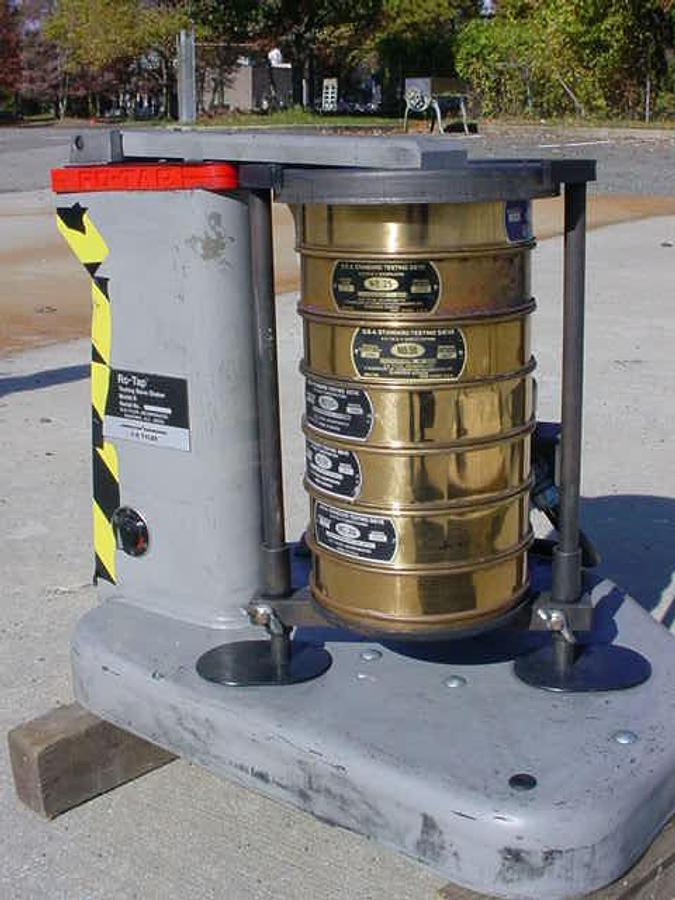
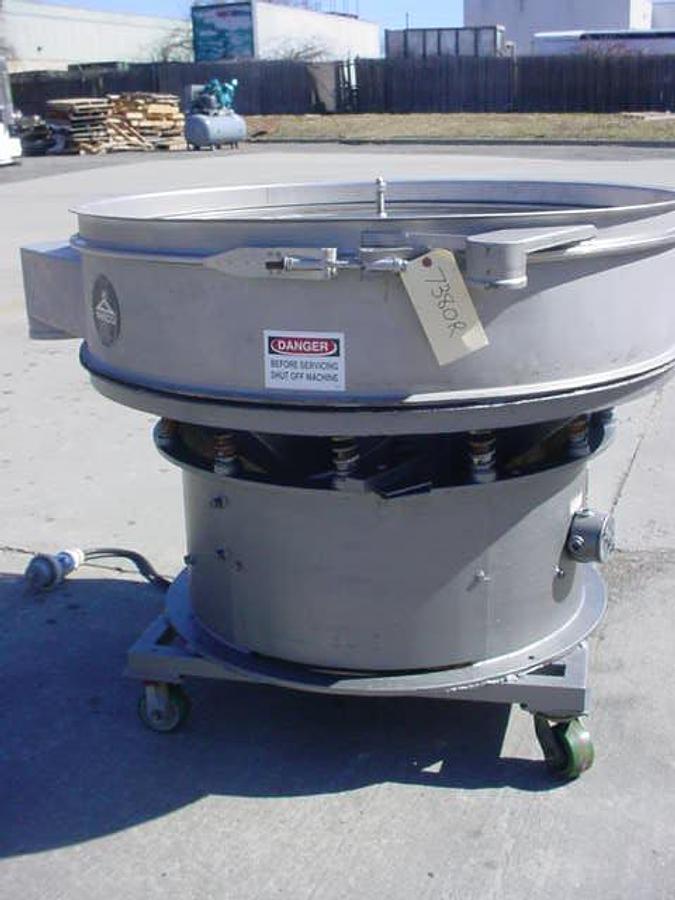
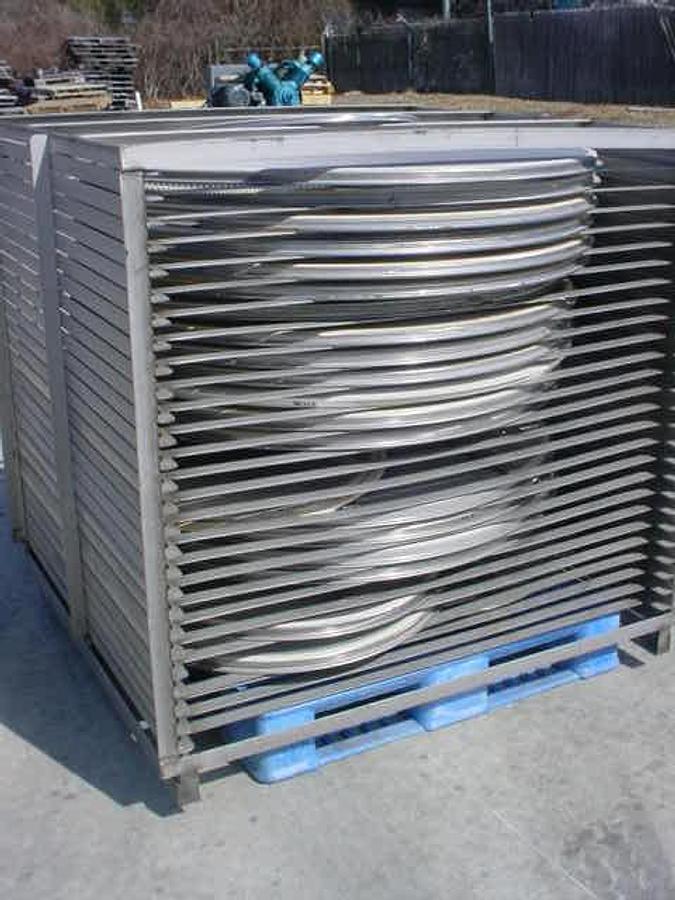
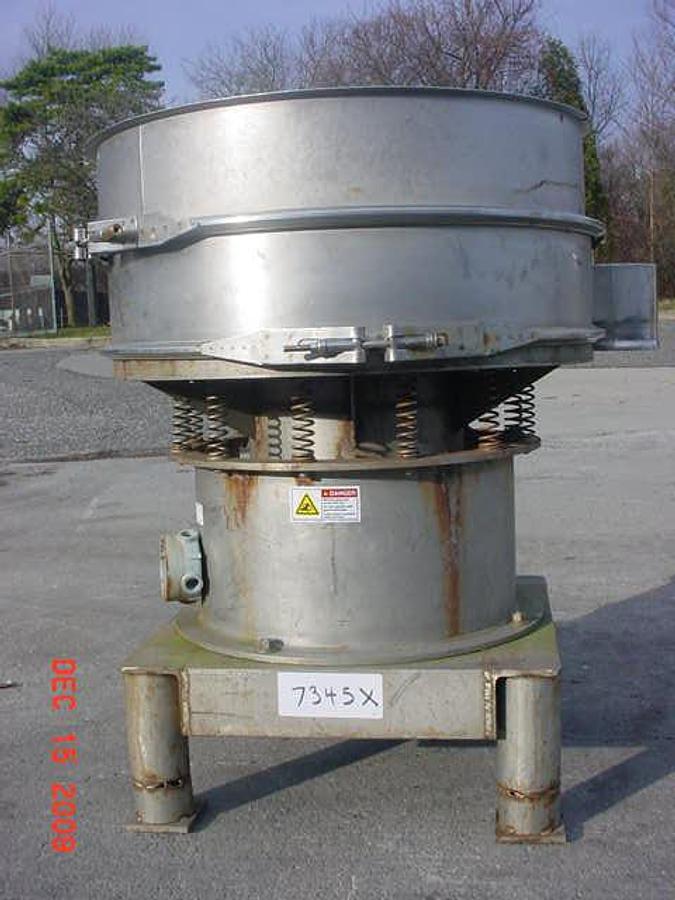
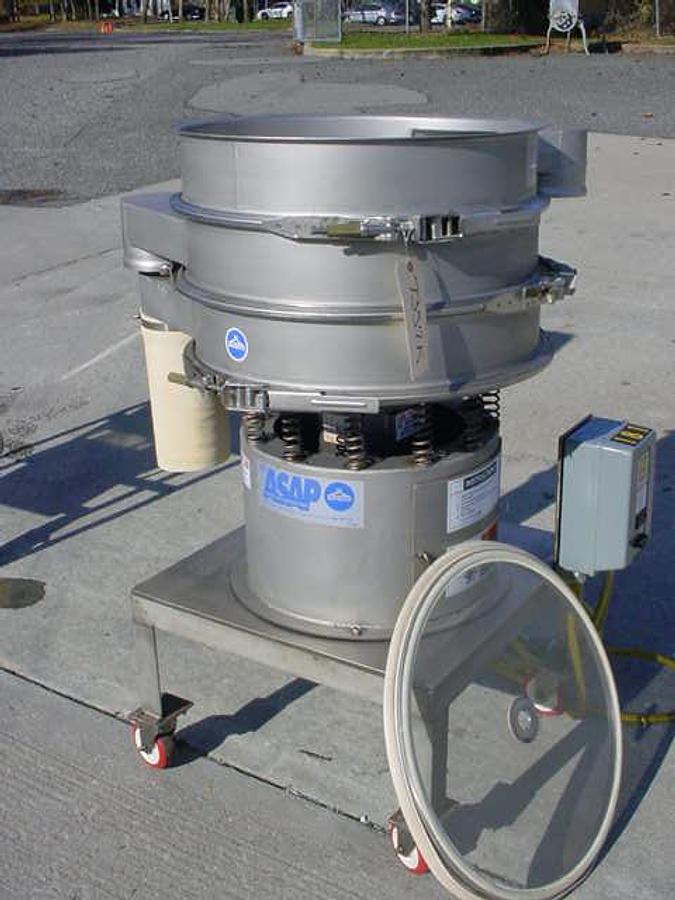
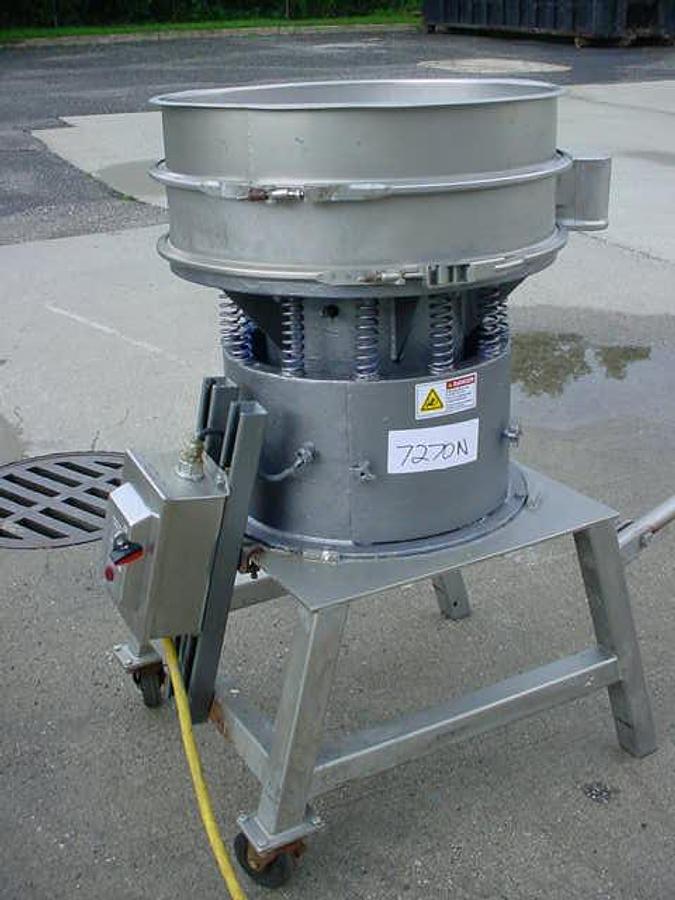
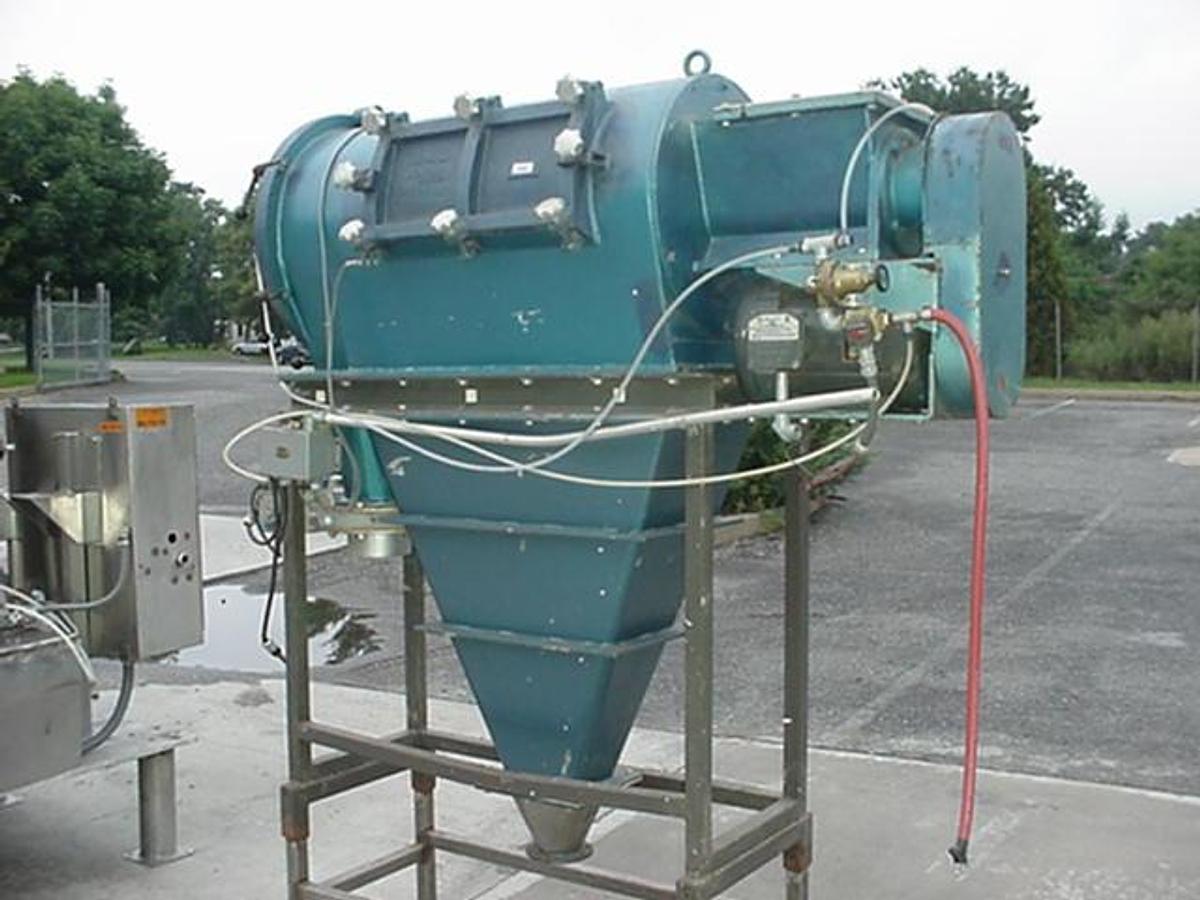
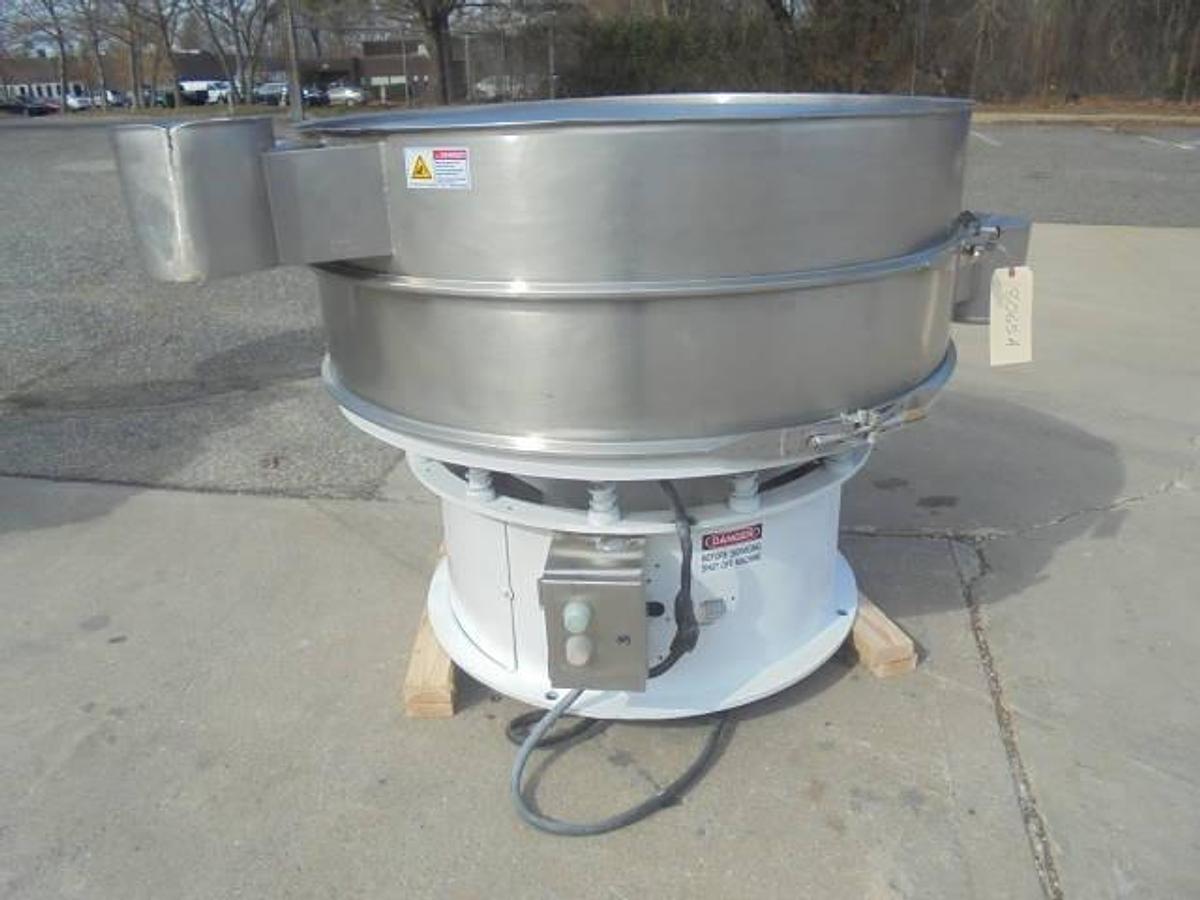
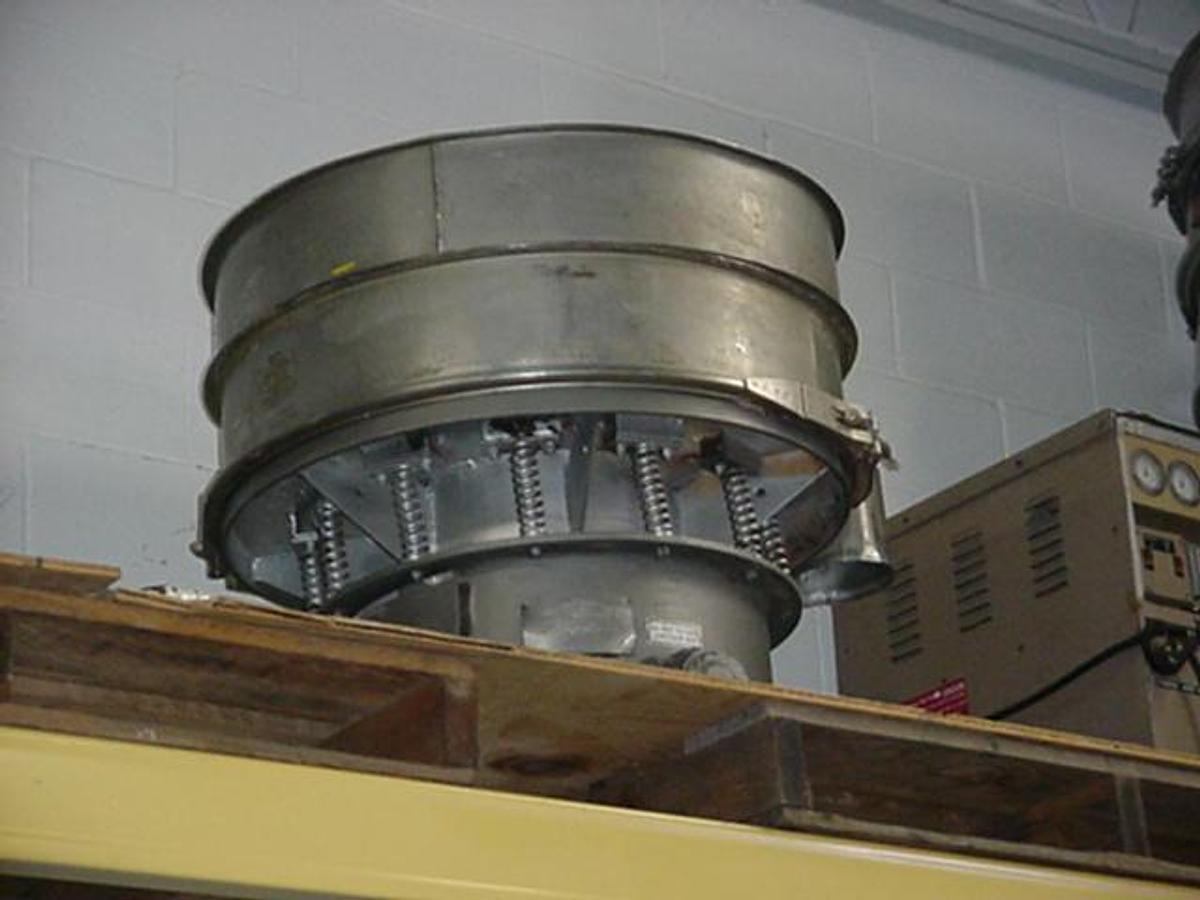
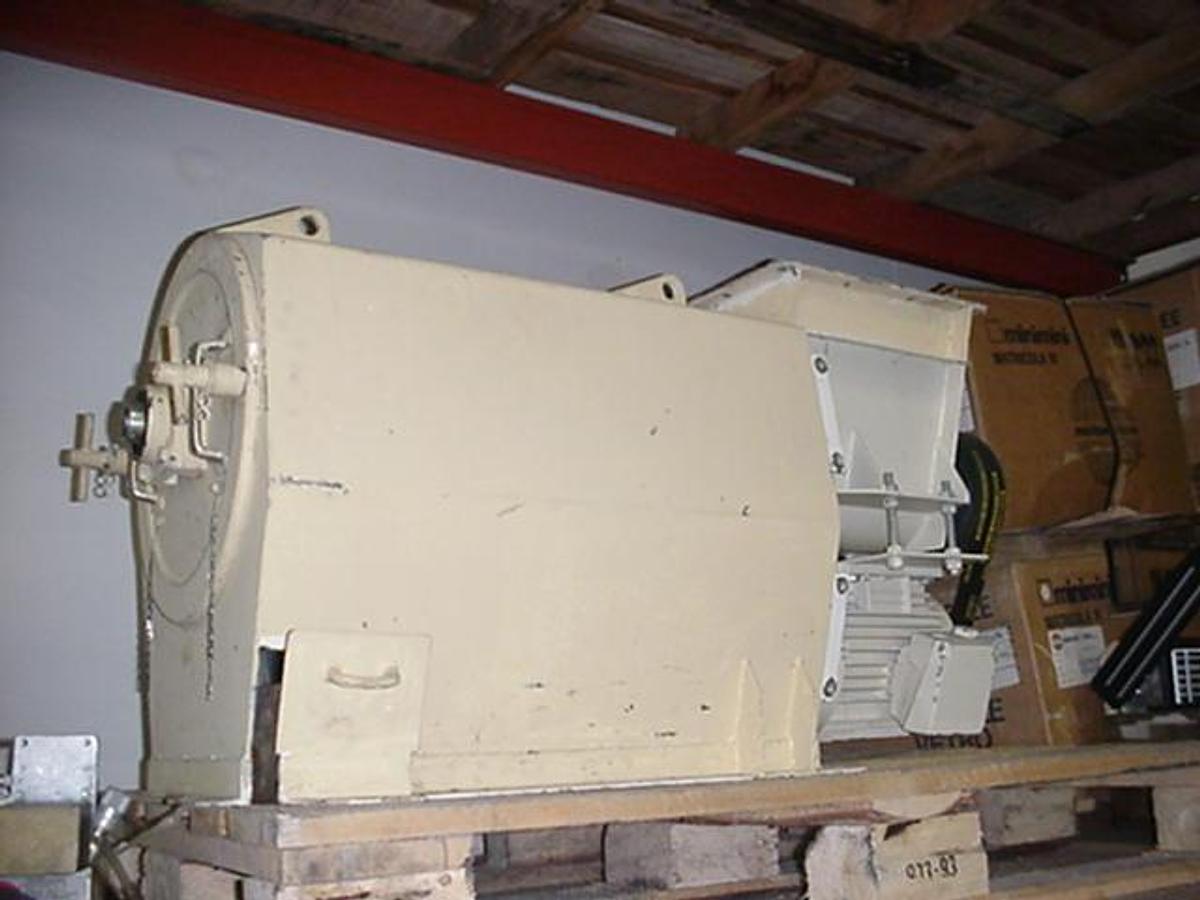
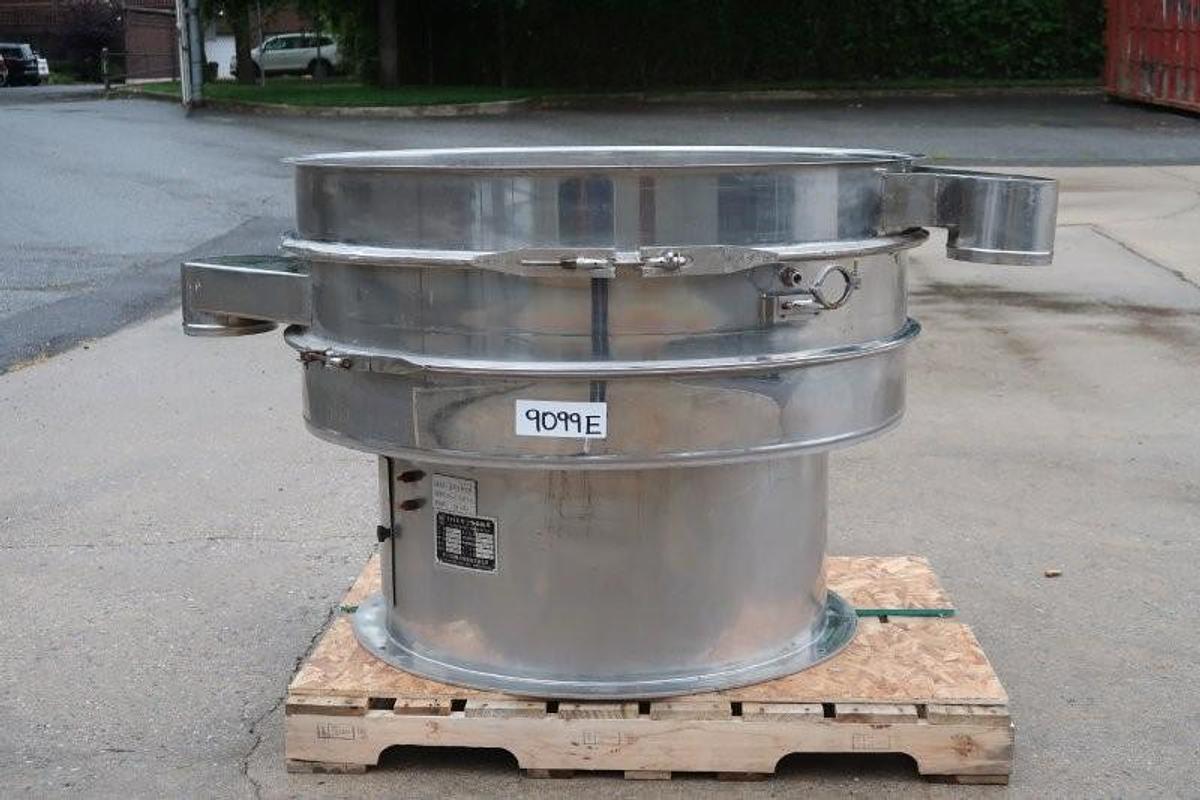
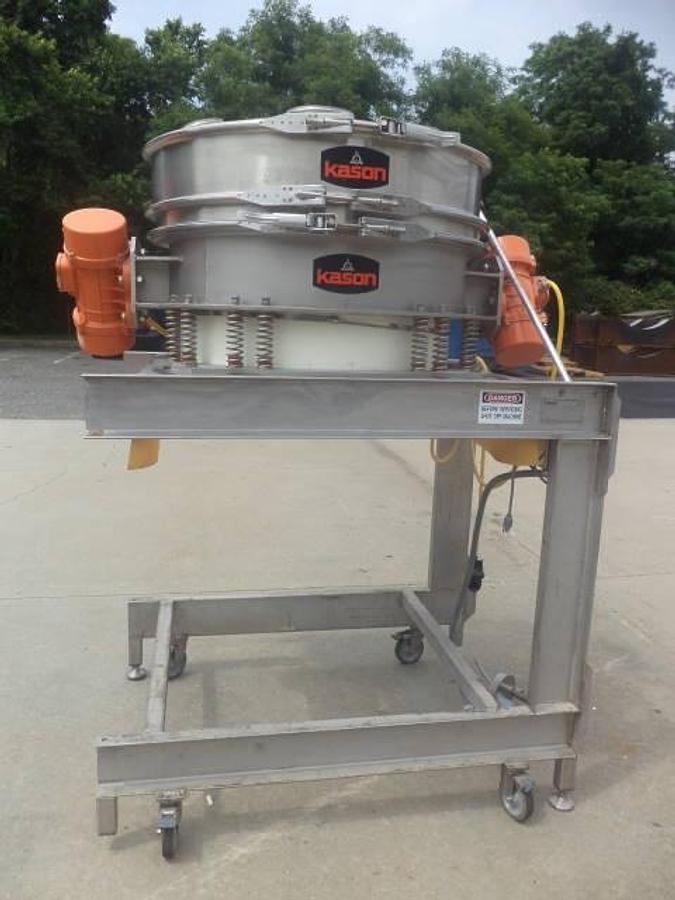
Screens, classifiers, or sifters consist of both vibratory screens (vibrating screens) and continuous rotary screens. We stock used stainless steel screeners, used sifters, or used classifiers from brands such as SWECO separators and KASON screens for sale.
FAQ :
What is a screen classifier and what is it used for?
A screen classifier, also called a screener or sifter, is a piece of industrial equipment designed to separate bulk materials by particle size. The machine passes material through one or more mesh screens, sorting particles into distinct size fractions. Depending on the design, a classifier may use vibratory motion, rotary motion, or centrifugal force to move material across the screen surface and drive finer particles through while retaining oversized material on top. Common configurations include single-deck and multi-deck vibratory screens, continuous rotary screens, and inline pressure sifters.
Industrial screen classifiers are used across a wide range of processing industries including food and beverage, pharmaceuticals, chemicals, plastics, minerals, and agriculture. In food processing, for example, they are used to remove fines from granulated sugar or to grade dried ingredients by size. In chemical and pharmaceutical applications, they help ensure particle size consistency in powders and granules. The same fundamental separation principle applies whether the machine is a small 18-inch diameter vibratory screener or a large 72-inch double-deck unit handling high-volume throughput. Multi-deck models are particularly efficient because they can produce several size fractions in a single pass, reducing the need for multiple pieces of equipment in a production line.
What types of used screen classifiers are commonly available on the market?
The used market for screen classifiers includes a broad range of equipment types, and understanding the differences helps buyers match the right machine to their process. Vibratory screeners are the most common type available used. They use an eccentric motor or vibration mechanism to agitate the screen deck, encouraging material to travel across the surface while fines pass through. These range from compact portable units around 18 inches in diameter to large-diameter production machines of 48 to 72 inches. Multi-deck vibratory screeners, such as two-deck and three-deck models, allow simultaneous separation into three or four size fractions from a single feed stream.
Beyond vibratory units, the used market also includes continuous rotary screens (sometimes called trommel screens), centrifugal sifters, and inline pressure sifters. Centrifugal and pressure sifters are commonly found in flour milling and fine powder applications because they handle high throughput in a compact footprint. Rotary vibratory screeners from brands like SWECO and Kason are among the most frequently traded used units due to their widespread use in food, chemical, and pharmaceutical plants. Inline pressure sifters, such as those made by Gump or Simon, are designed for pneumatic conveying systems and are valued in continuous production environments. Stainless steel construction is the most sought-after configuration in the used market because it meets sanitary and corrosion-resistance requirements across the widest range of industries.
What brands of industrial screen classifiers are most reliable when buying used?
Brand reputation matters considerably when purchasing used screening equipment because it directly affects parts availability, rebuild-ability, and the level of technical support a buyer can access from the manufacturer. SWECO is widely regarded as one of the most trusted names in vibratory separation. Their round vibratory screeners and separators are built to a high standard and have been in production for decades, meaning used units are plentiful and replacement screens, gaskets, and motors are generally still available. Kason is another highly respected manufacturer, known for their Vibroscreen line of round vibratory screeners and separators, which are commonly found in food, pharmaceutical, and chemical processing plants.
Other brands with strong reputations in the used market include Midwestern Industries, Russell Finex, Vorti-Siv, Key Technologies, and Reimelt. Midwestern Industries produces durable rectangular and round screeners used heavily in the aggregate and food industries. Russell Finex specializes in fine mesh separation and their equipment tends to hold up well over years of production use. Before committing to any used unit, buyers should contact the manufacturer directly to ask about the availability of spare parts and technical support for the specific model and age of machine under consideration. Older or discontinued models may have limited parts availability, which can affect long-term operating costs and downtime risk. Selecting a well-known brand with an active parts supply chain is one of the most practical ways to reduce risk when buying used screening equipment.
What screen mesh sizes are available in used industrial classifiers?
Industrial screen classifiers can be fitted with a wide range of mesh sizes depending on the separation task. Mesh size is typically described either by the physical opening dimension (in inches or millimeters) or by a mesh count, which refers to the number of openings per linear inch. Coarser screens used for scalping or removing large contaminants might have openings of 1/2 inch or larger, while fine separation tasks in pharmaceutical or chemical applications can require mesh as fine as 100 mesh (approximately 150 microns) or finer. Multi-deck machines are configured with progressively finer screens on each successive deck, allowing a single machine to produce multiple size fractions simultaneously.
For used equipment, the screens themselves are often consumable items that get replaced over the life of the machine. This means the mesh size in a used classifier may not match what the buyer ultimately needs, and replacement screens will likely need to be ordered. Buyers should verify whether the screen frames and tensioning system on a used unit are compatible with the mesh size they require. SWECO, Kason, and other major manufacturers supply replacement screen media for their equipment, though availability varies by model age. When evaluating a used classifier, it is worth asking the seller what screens are currently installed and whether additional screen sets are included with the machine. Confirming that the manufacturer still supports the model with replacement media is an important part of the due diligence process.
What materials can be processed with an industrial screen classifier?
Industrial screen classifiers are used to process an exceptionally broad range of materials. In the food and beverage industry, common applications include screening flour, sugar, salt, spices, grains, dried fruits, nuts, and powdered dairy ingredients. In chemical and pharmaceutical manufacturing, classifiers handle powders, granules, resins, and active ingredients where consistent particle size is critical to product quality. The plastics industry uses them to screen pellets, regrind, and powders. In agriculture and horticulture, screeners grade seeds, fertilizers, and soil amendments. Mining and mineral processing operations rely on classifiers to separate crushed ore, sand, gravel, and other bulk materials by size.
The choice of screen classifier construction material is largely driven by the material being processed. Stainless steel construction is preferred for food, pharmaceutical, and chemical applications because it resists corrosion, is easy to clean, and meets hygienic standards. Carbon steel units are more common in heavy industrial and aggregate applications where sanitation is not a concern but durability under abrasive conditions is. Some materials require explosion-proof motors and grounded construction due to flammability or static buildup risks. When evaluating a used classifier for a specific application, buyers should consider not just the screen size and throughput capacity but also whether the construction materials and motor configuration are appropriate for the product being processed. A stainless steel unit previously used in a food plant, for instance, may be well-suited for a pharmaceutical or chemical application with minimal modification.
What condition should buyers expect when purchasing a used screen classifier?
Used industrial screen classifiers can range from lightly used units that have seen minimal production hours to machines that have been in continuous service for many years before being decommissioned. The condition of a specific machine depends heavily on the industry it came from, how well it was maintained, and how abrasive or corrosive the materials it processed were. A stainless steel screener from a food or pharmaceutical plant, for example, may be in very good cosmetic and mechanical condition because those industries require strict maintenance protocols. A unit from a mining or aggregate operation may show more wear on the screen frames and decks due to the abrasive nature of the material.
Buyers should expect that used screen classifiers are sold as-is, which places the responsibility for assessing condition squarely on the buyer. Key areas to evaluate include the condition of the screen frames and mesh (screens are consumable and often need replacement), the integrity of the seals and gaskets, the condition of the vibration motor or drive mechanism, and any signs of corrosion, cracking, or structural damage to the body of the machine. Reputable used equipment dealers will provide detailed photos and descriptions and will typically accommodate in-person or video inspections so buyers can assess the machine before purchase. Asking for a video of the machine running, if it is still connected to power, is one of the most practical ways to evaluate mechanical condition remotely. Buyers should also factor in the cost of new screens and any reconditioning work when calculating the total cost of ownership.
How should buyers inspect a used screen classifier before purchasing?
A thorough inspection is one of the most important steps in buying used screening equipment, and buyers have several options available to them. In-person inspections are the most reliable method. If the machine is still installed at a production facility, the dealer may be able to arrange access for the buyer to see it in operation. If the equipment has already been decommissioned and moved to a dealer's facility, an in-person visit allows the buyer to physically examine the machine, check for wear or damage, and assess the overall condition of the frame, screens, seals, and drive components. Dealers who specialize in industrial processing equipment will generally accommodate these visits.
For buyers who cannot travel, a video inspection is a practical alternative. A good video inspection should cover all sides of the machine, close-up views of the screen frames and mesh, the motor and vibration mechanism, any visible welds or structural areas, and ideally a short clip of the machine running under power. Still photos alone are rarely sufficient for a thorough evaluation. Buyers should prepare a specific list of questions and areas they want documented before requesting the video. It is also worth consulting the equipment manufacturer directly to understand what to look for on the specific model and age of machine, and to ask about the availability of parts that may need replacement. Keep in mind that most equipment dealers do not have the ability to run actual production tests, as operating a production process requires permits and facilities that a dealer typically does not have. The inspection goal is to verify mechanical working order, not to test the machine on the buyer's specific product.
How do buyers determine the right size screen classifier for their application?
Selecting the correct size screen classifier involves evaluating several process variables: the feed material's bulk density and particle size distribution, the required throughput in pounds or tons per hour, the number of size fractions needed, and any constraints related to available floor space or headroom. Vibratory screeners are generally sized by screen diameter (for round units) or deck dimensions (for rectangular units). Larger diameter screens offer more active screen area, which translates directly to higher throughput capacity. A 48-inch diameter screener, for example, offers significantly more screening area than an 18-inch unit and is better suited to production-scale applications.
For multi-fraction separations, a two-deck or three-deck machine eliminates the need for multiple single-deck units in series, saving floor space and simplifying material handling. When evaluating used equipment, buyers should compare the screen area and deck configuration of available machines against their process requirements. Manufacturers publish capacity guidelines for their equipment models, and consulting those guidelines (or speaking with the manufacturer directly) can help validate whether a specific used unit is appropriately sized for the intended application. It is also worth considering whether the machine's motor horsepower and vibration characteristics are suited to the bulk density and flowability of the material being screened, as dense or cohesive materials require more aggressive vibration to move efficiently across the screen surface.
What are the typical shipping and logistics considerations for used screen classifiers?
Shipping used screen classifiers requires careful planning because these machines range from compact portable units that can be moved with a pallet jack to large-diameter production screeners that require crane rigging and flatbed transport. Smaller units, such as 18-inch or 24-inch diameter vibratory screeners, can generally be palletized and shipped via standard LTL freight carriers. Larger machines, particularly 48-inch or 72-inch diameter units and multi-deck configurations, may require custom crating, specialized rigging for loading and unloading, and flatbed or enclosed trailer transport depending on the machine's dimensions and weight.
Buyers should ask the dealer for a full breakdown of packaging, rigging, and freight costs before finalizing a purchase, as these costs can vary significantly based on machine size, destination, and the level of preparation required to prevent transit damage. Rigging fees for loading at the origin and unloading at the destination are often separate line items that buyers overlook when budgeting. For machines still installed at a production facility, there may also be millwright or rigger costs associated with disconnecting and removing the equipment before it can be shipped. Getting a clear picture of the total landed cost, including the equipment price plus all freight and handling charges, is essential for making an accurate cost comparison between available machines.
What payment terms should buyers expect when purchasing used industrial screening equipment?
Payment practices in the used industrial equipment market are fairly standardized. Most dealers require full payment prior to releasing equipment for shipment. This protects the seller from non-payment after the machine has been prepared for shipping or loaded onto a carrier. For buyers, this means having funds available and ready before the equipment leaves the seller's facility. Wire transfer is the most common payment method for larger equipment transactions, though some dealers also accept credit cards or other forms of payment depending on transaction size.
Some dealers may offer payment terms to established customers with a history of prior transactions, but this is not the norm for first-time buyers. Buyers who are unfamiliar with a dealer should take the time to research the dealer's reputation and track record before sending payment. Checking how long the dealer has been in business, whether they specialize in the relevant equipment category, and whether they have verifiable references or a history of transactions in the industry are all reasonable steps. Because used equipment is sold as-is and full payment is typically required upfront, working with a dealer who has a demonstrated track record in industrial processing equipment is one of the most practical ways to reduce transaction risk.