Category
Manufacturer
Model
Used Fryers for Sale
Pre-Owned Batch and Continuous Fryers In Stock
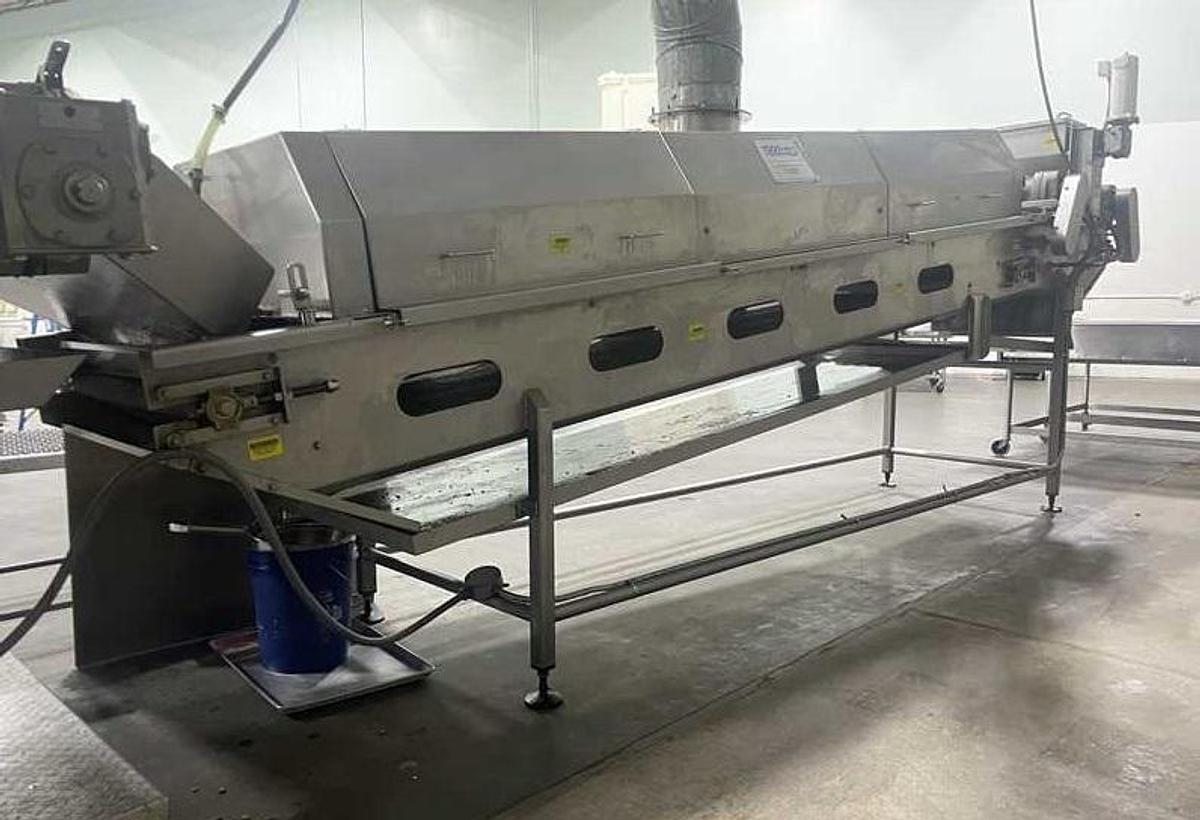
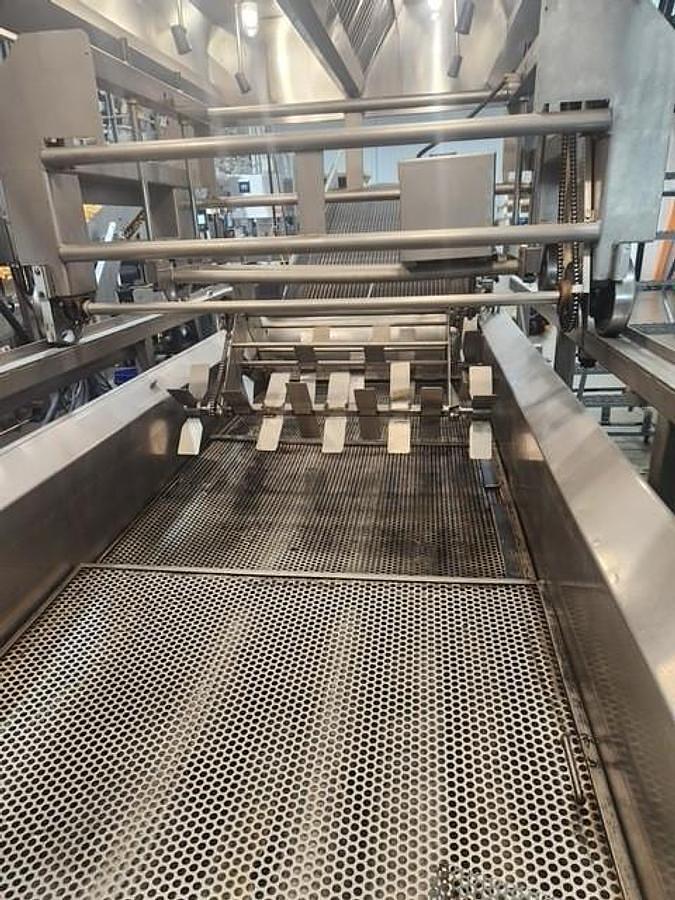
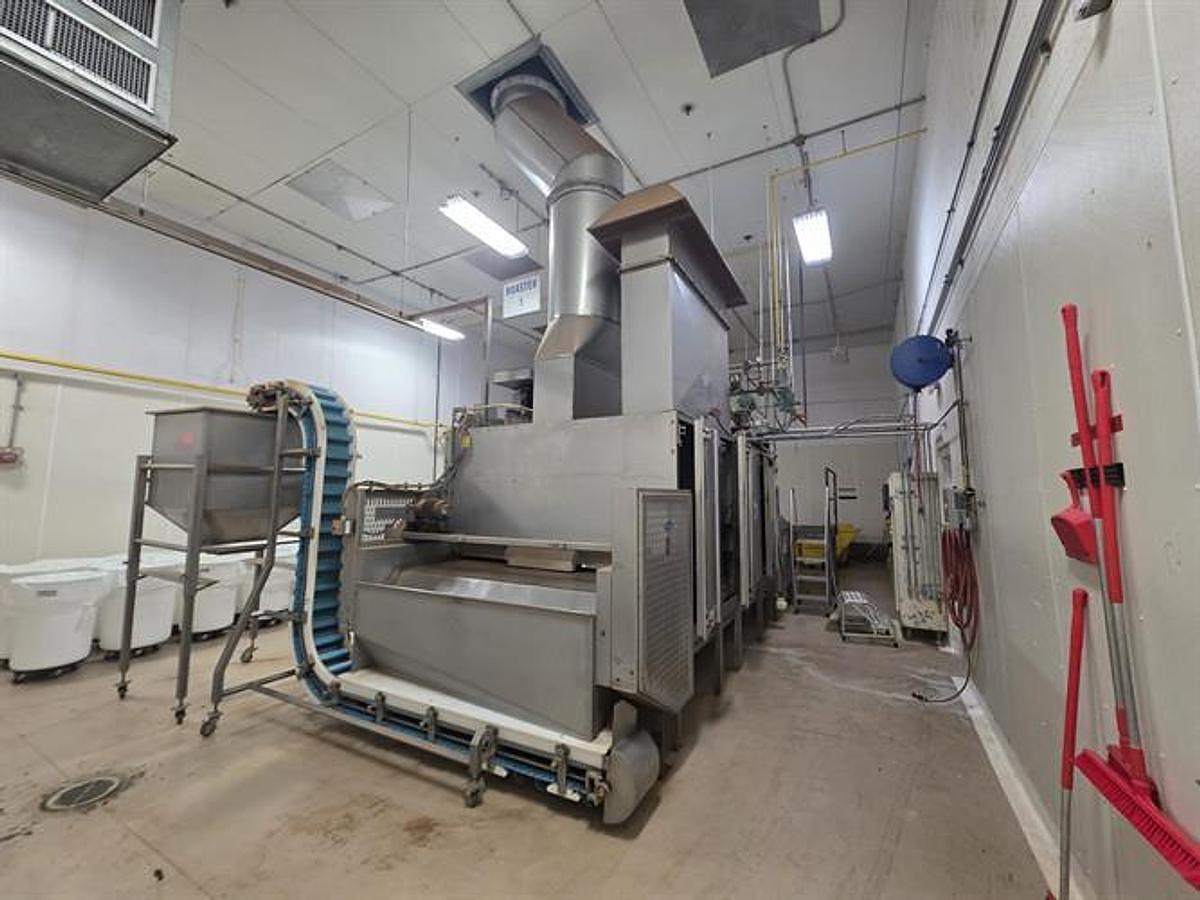
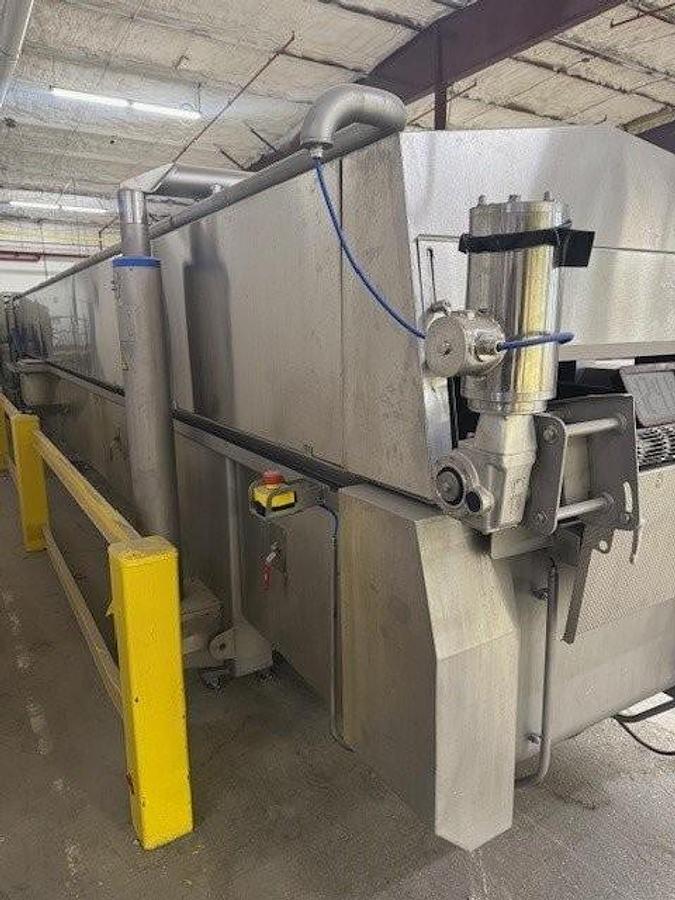
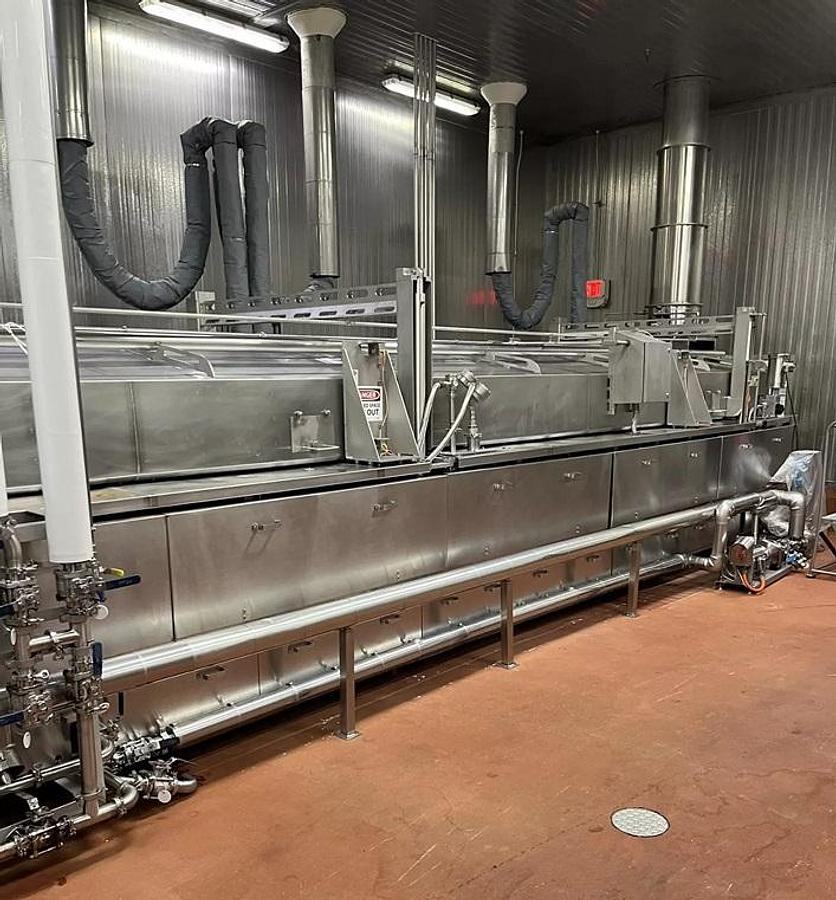
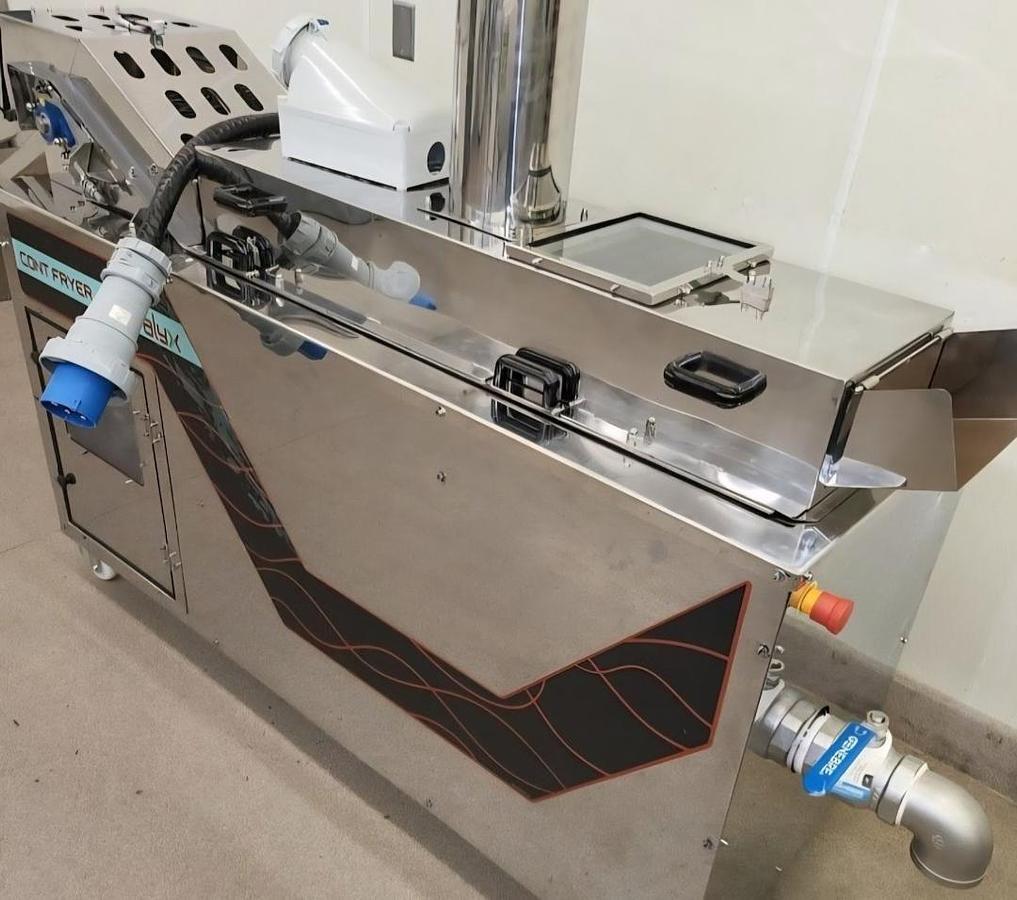
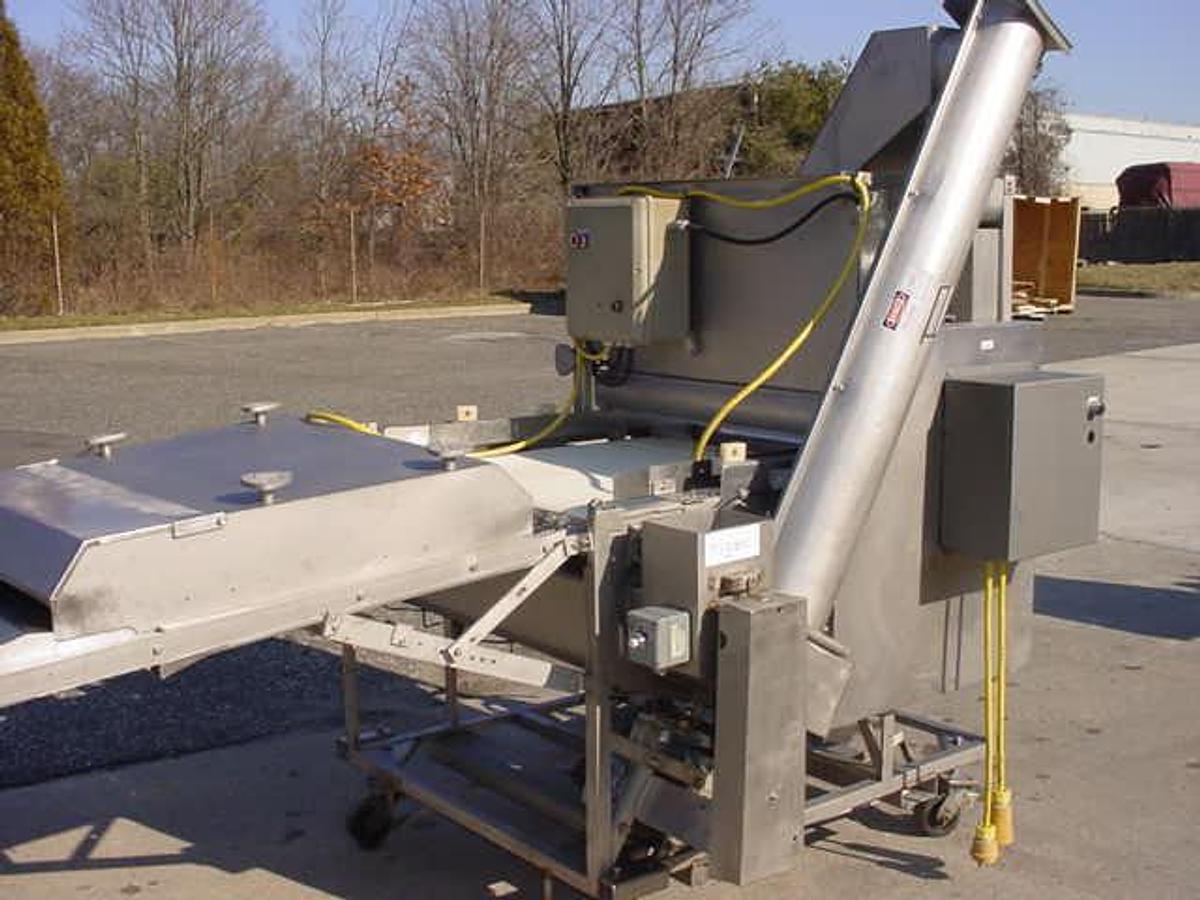
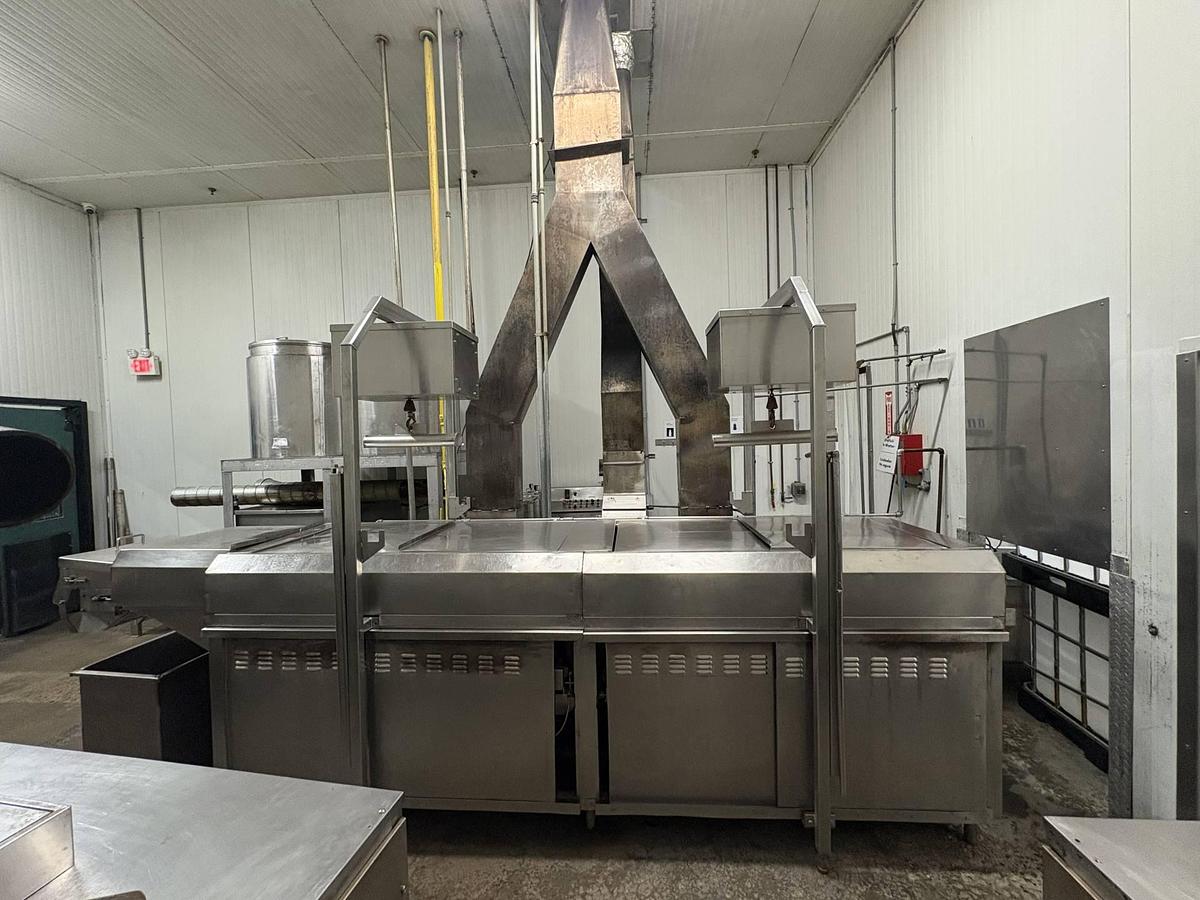
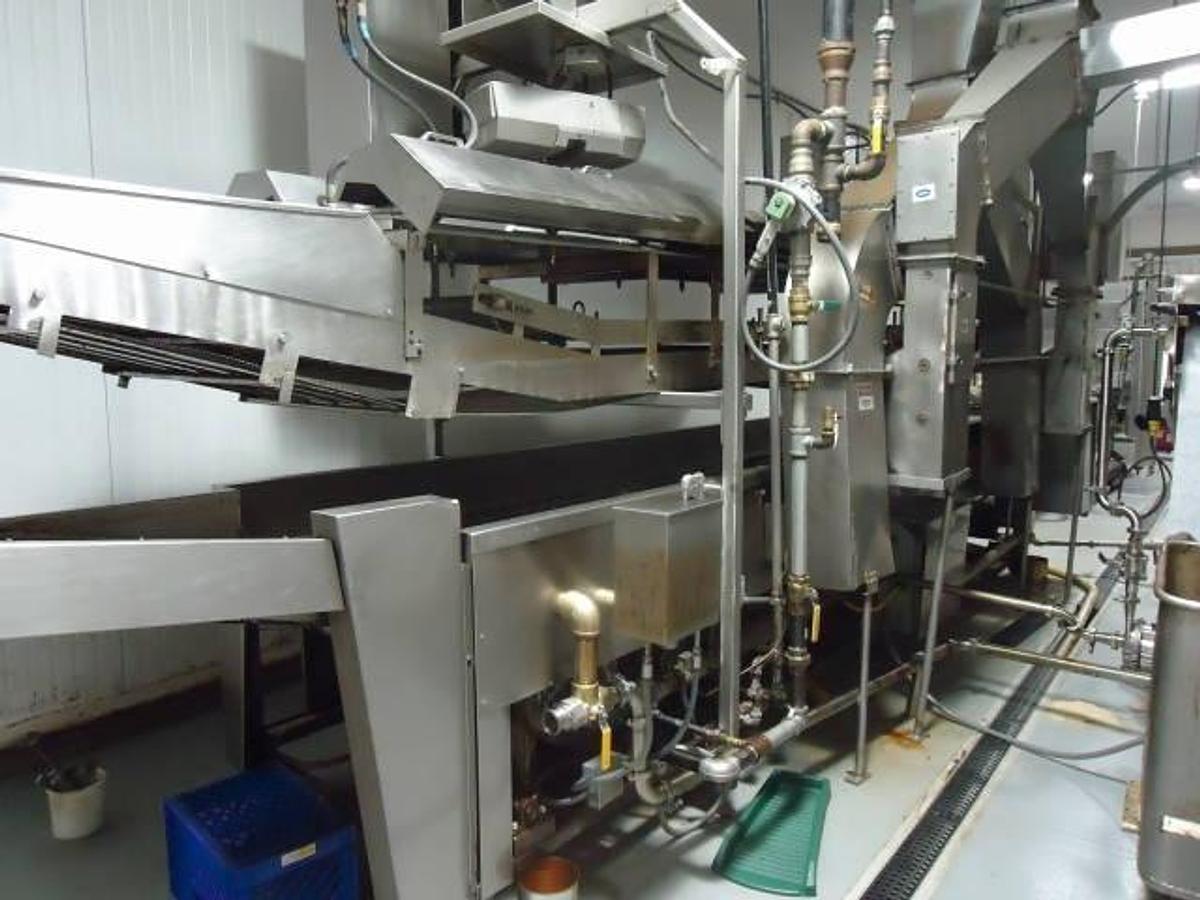
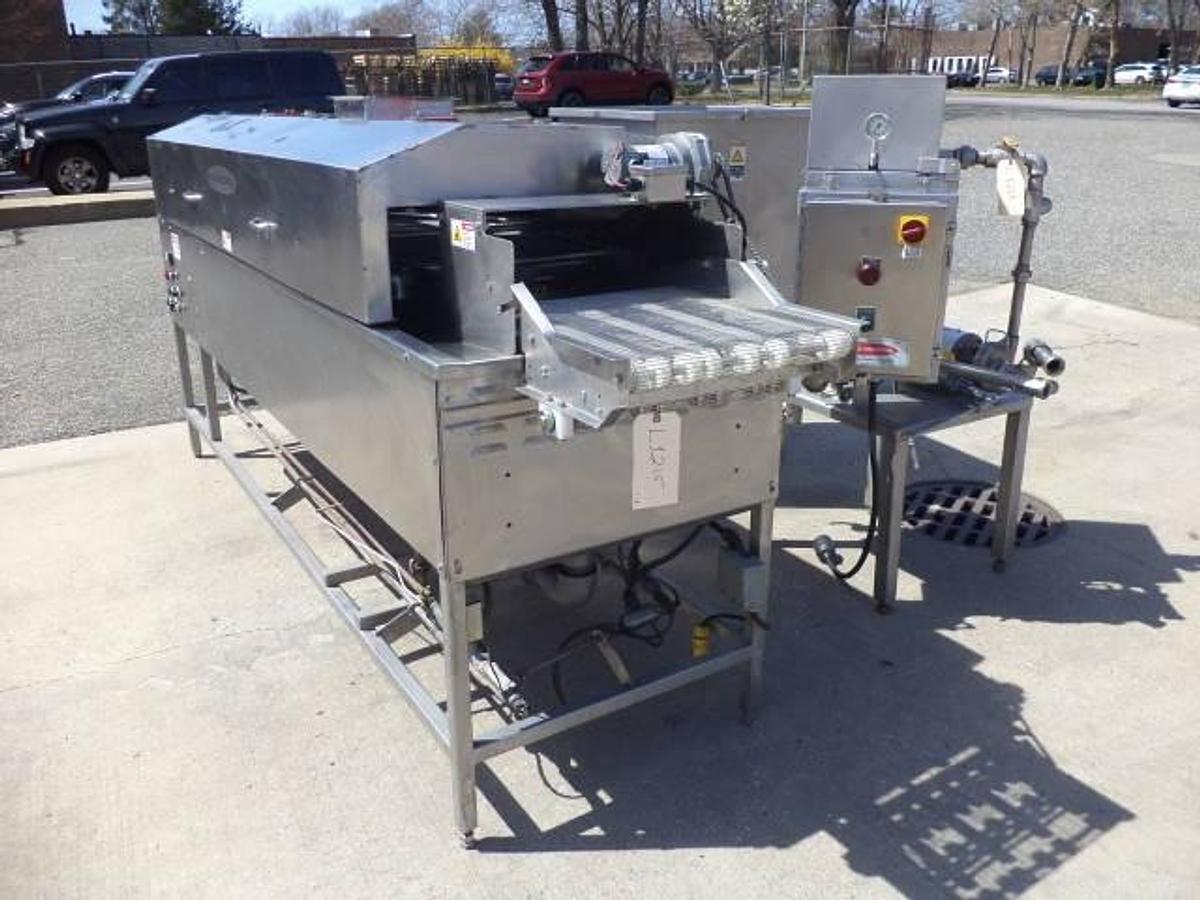
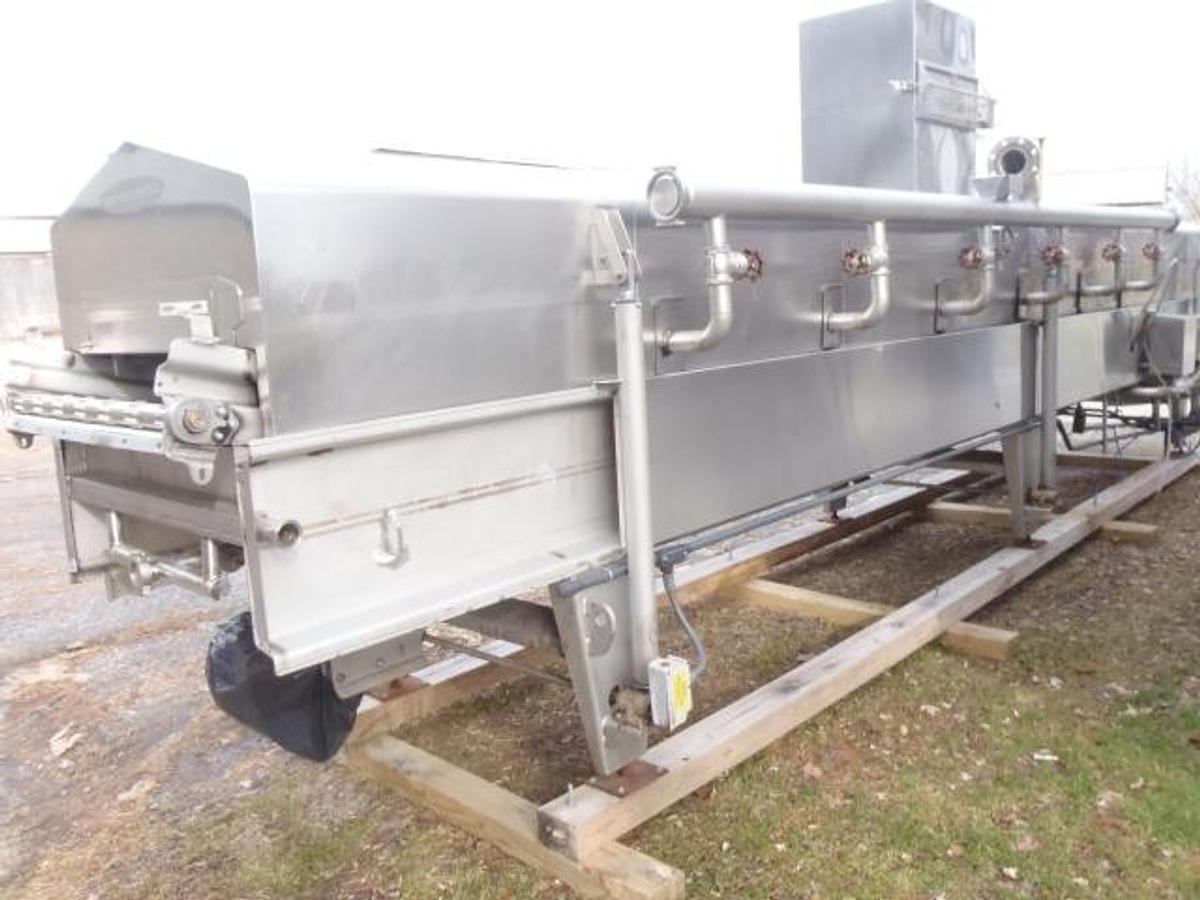
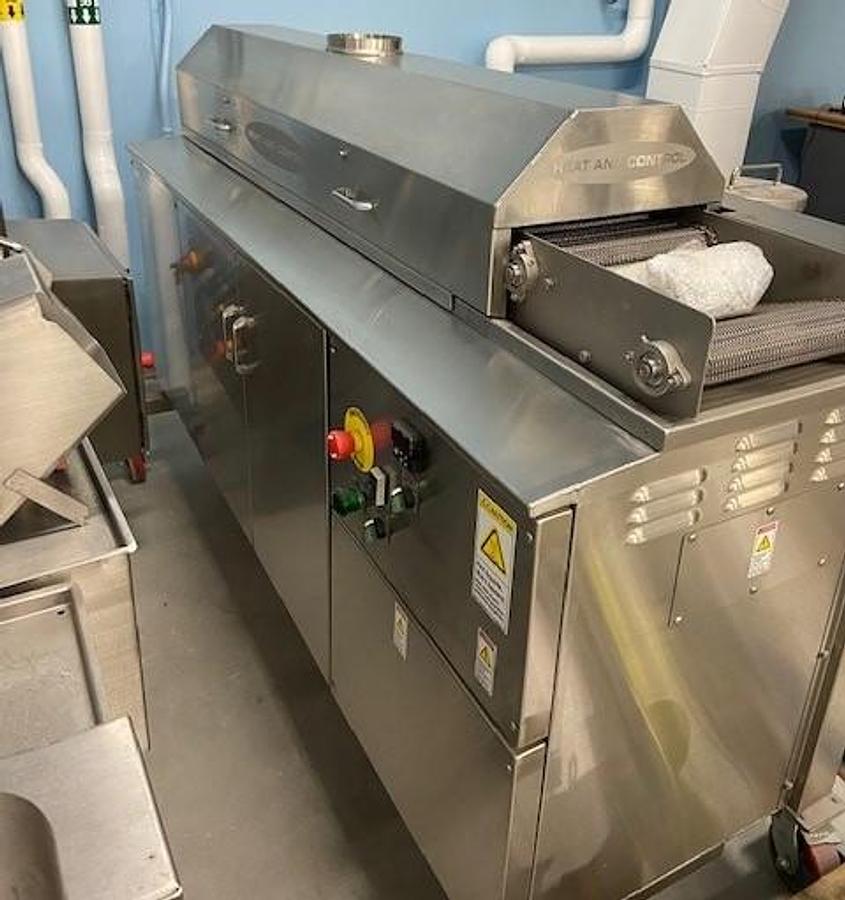
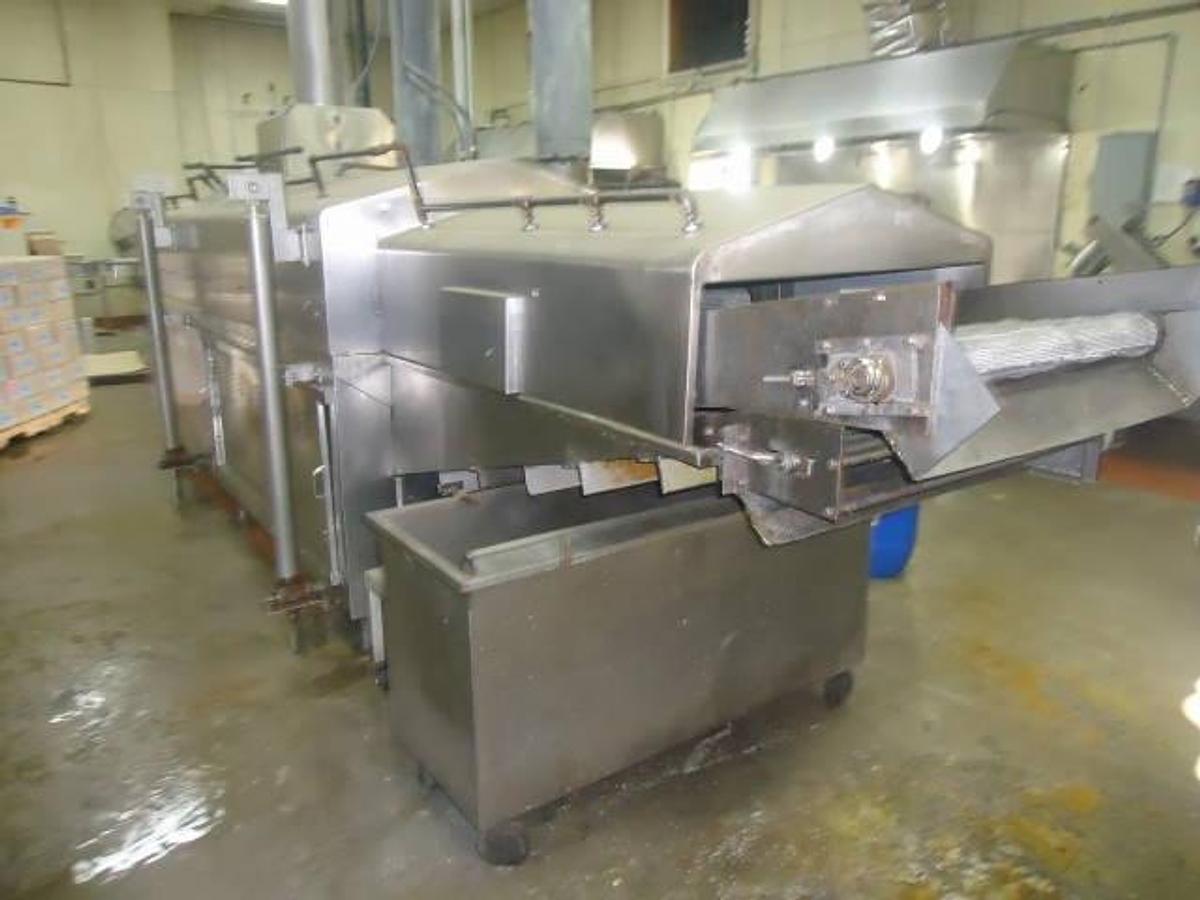
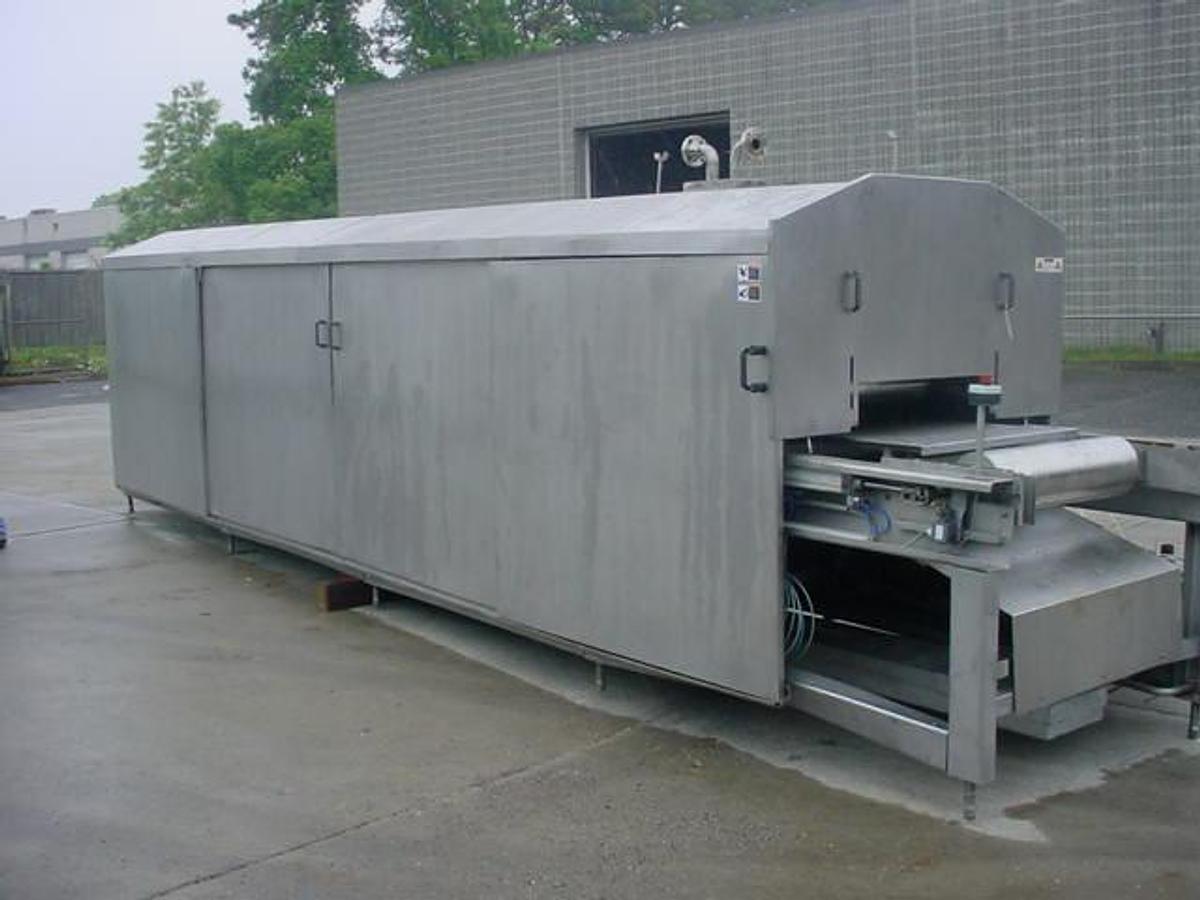
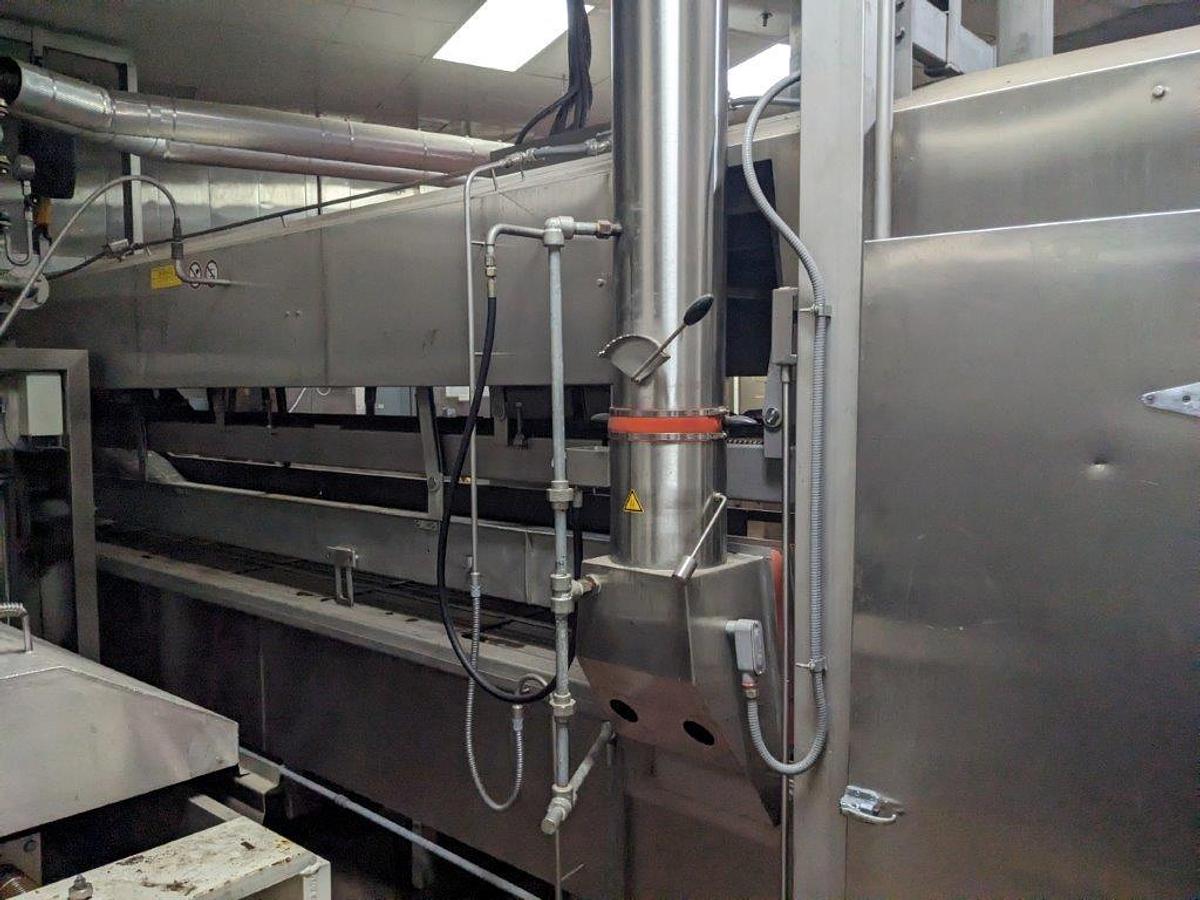
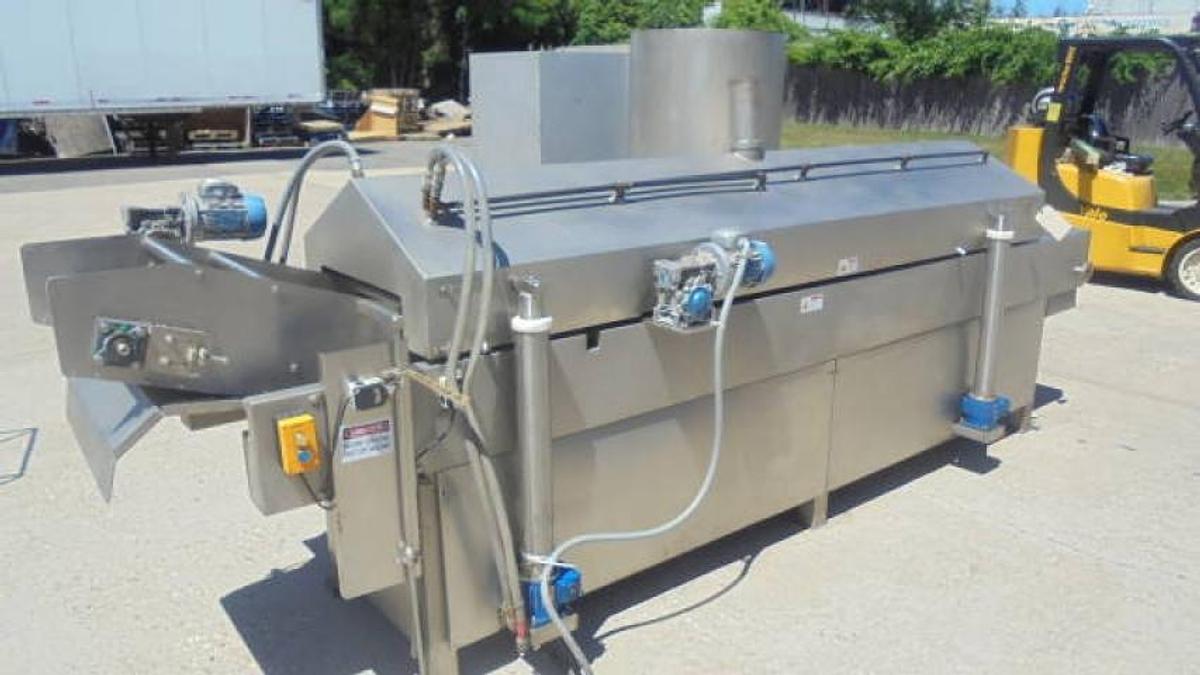
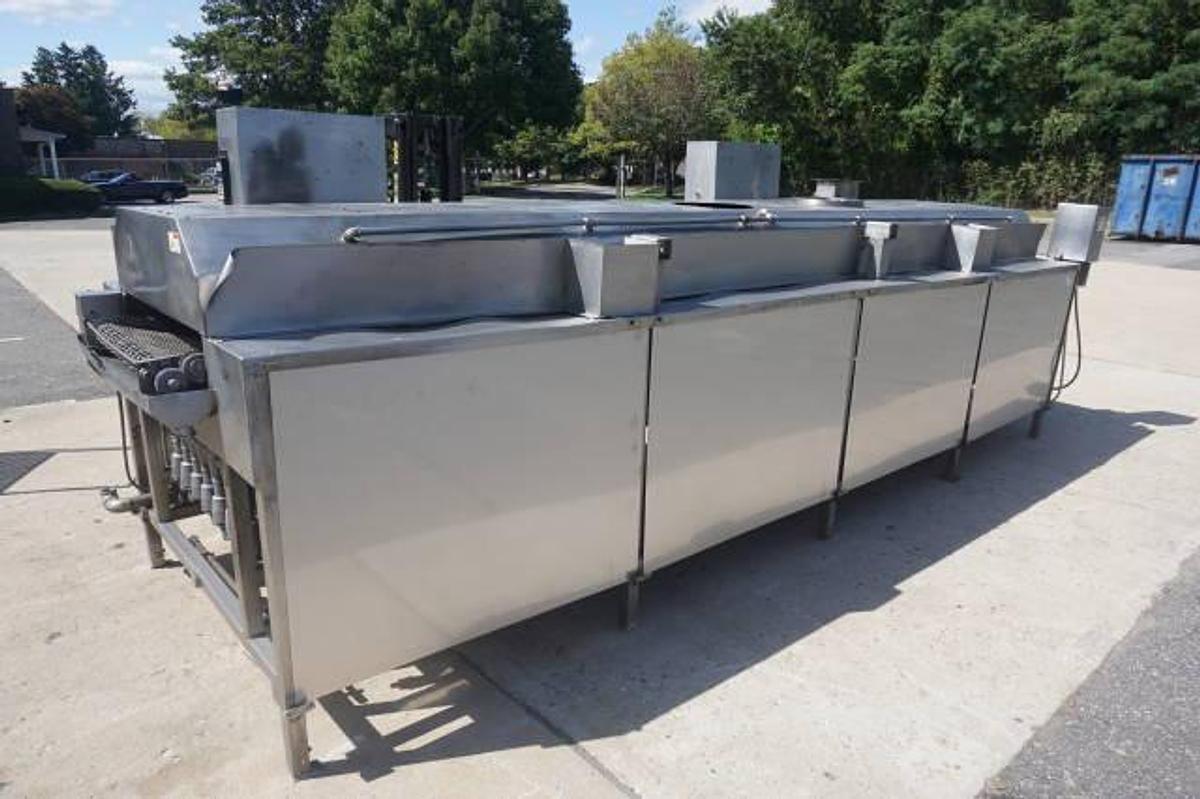
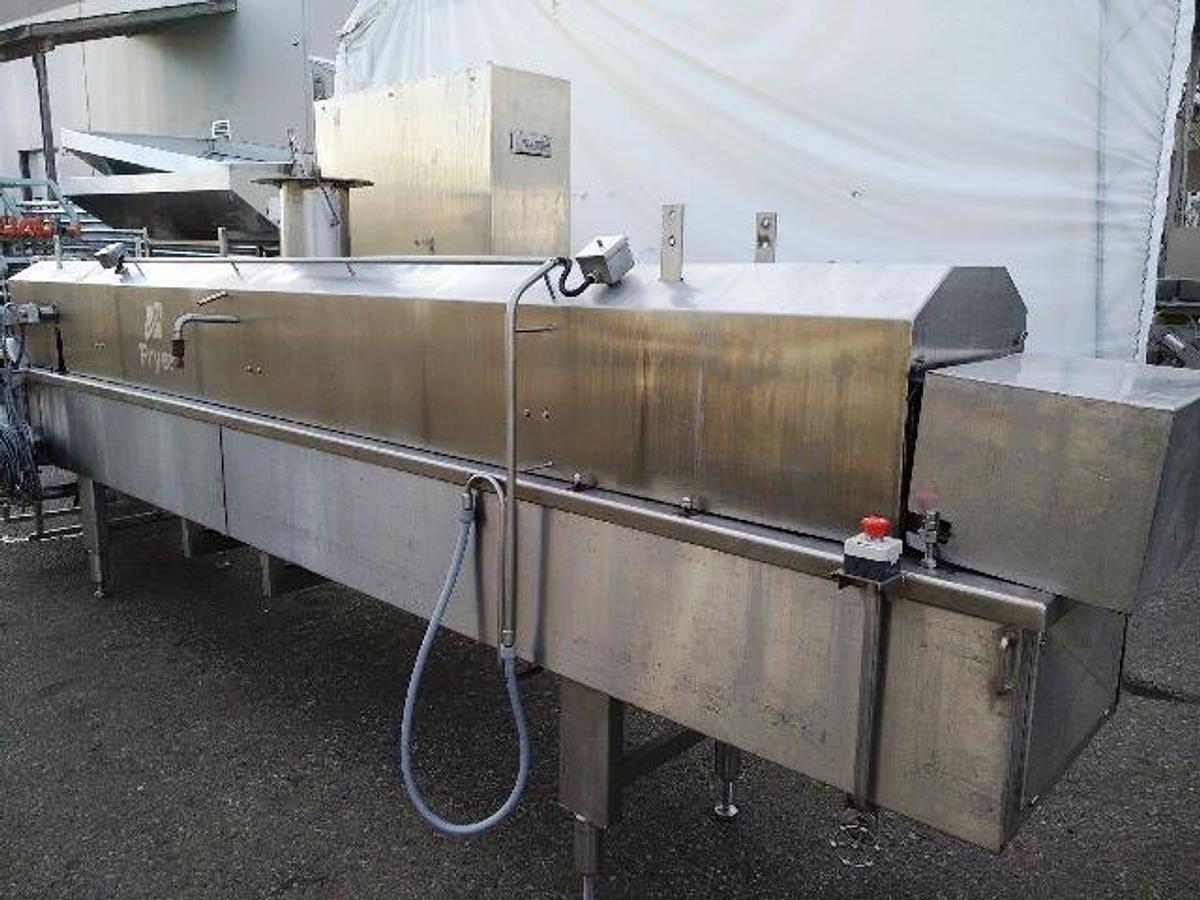
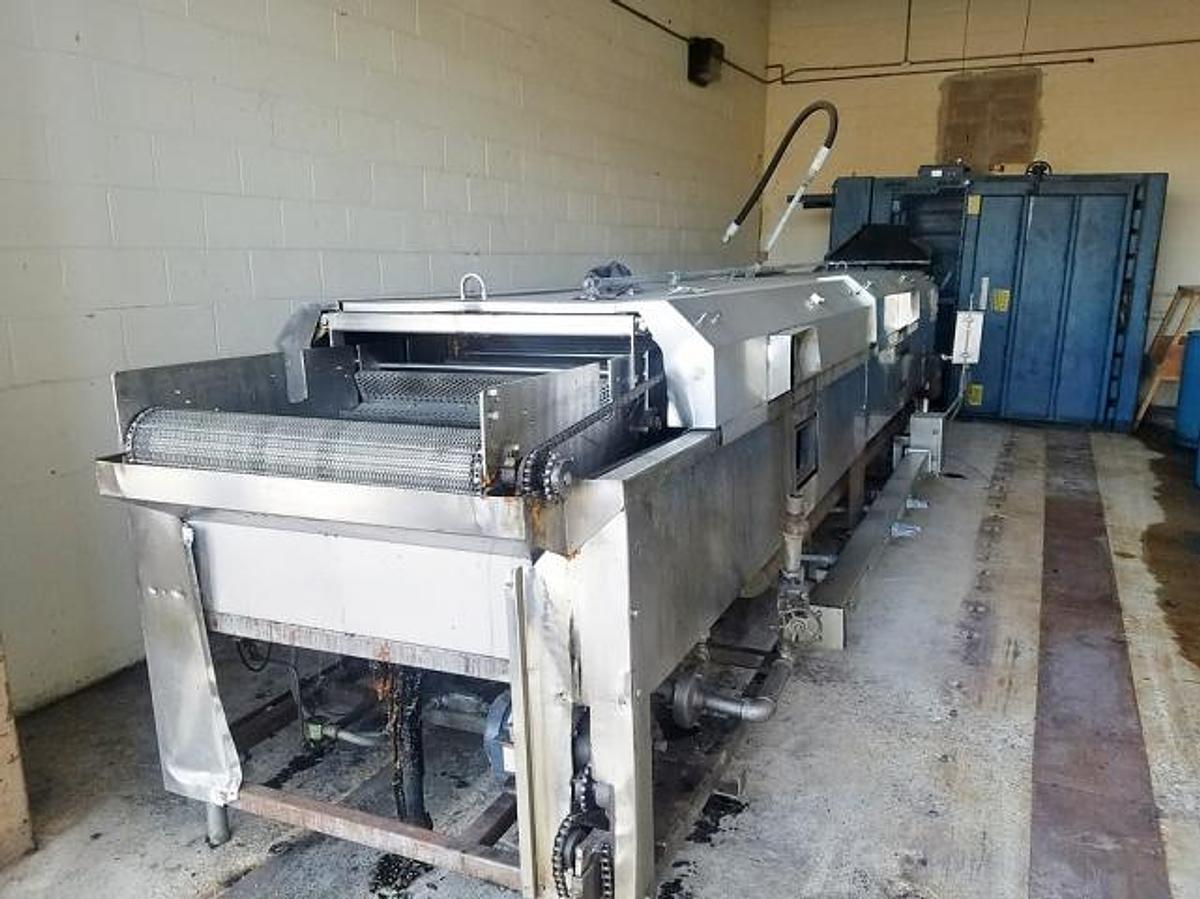
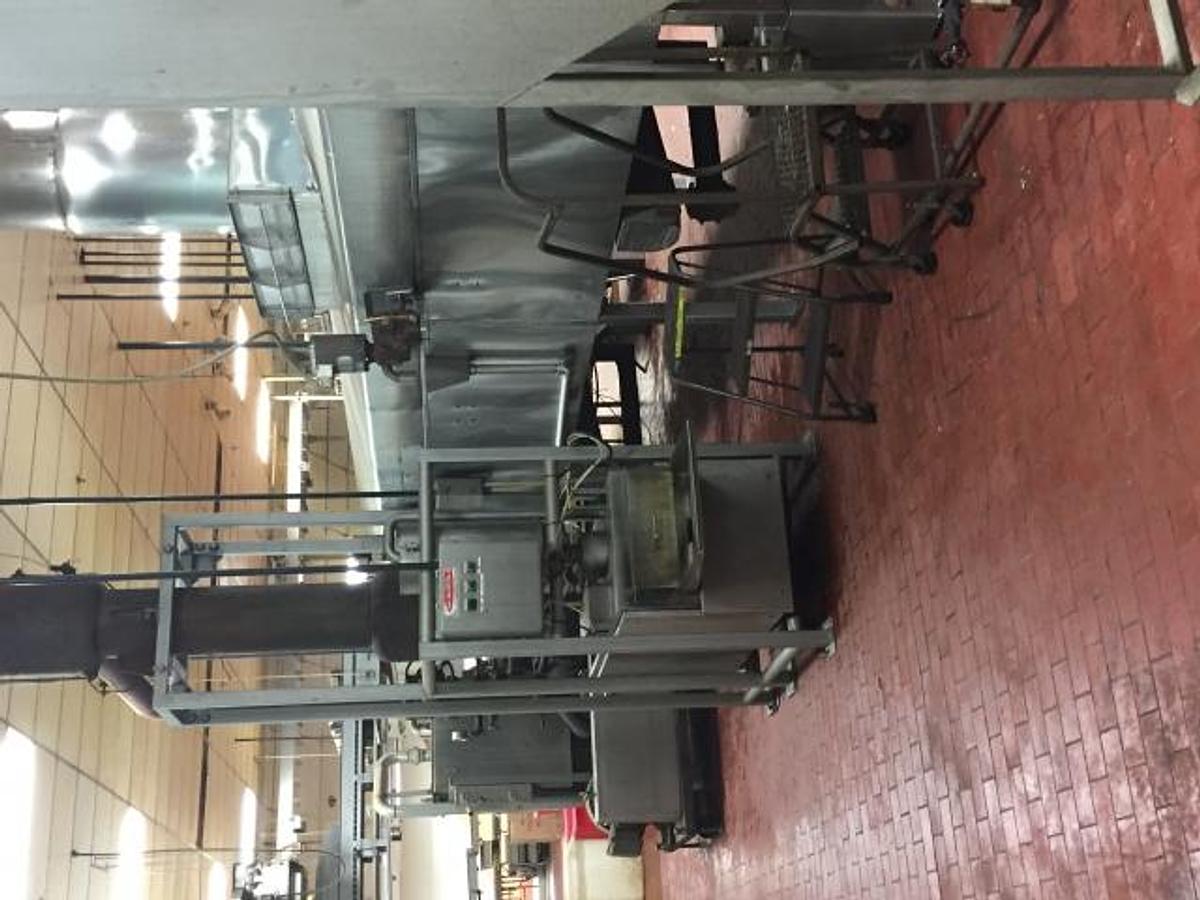
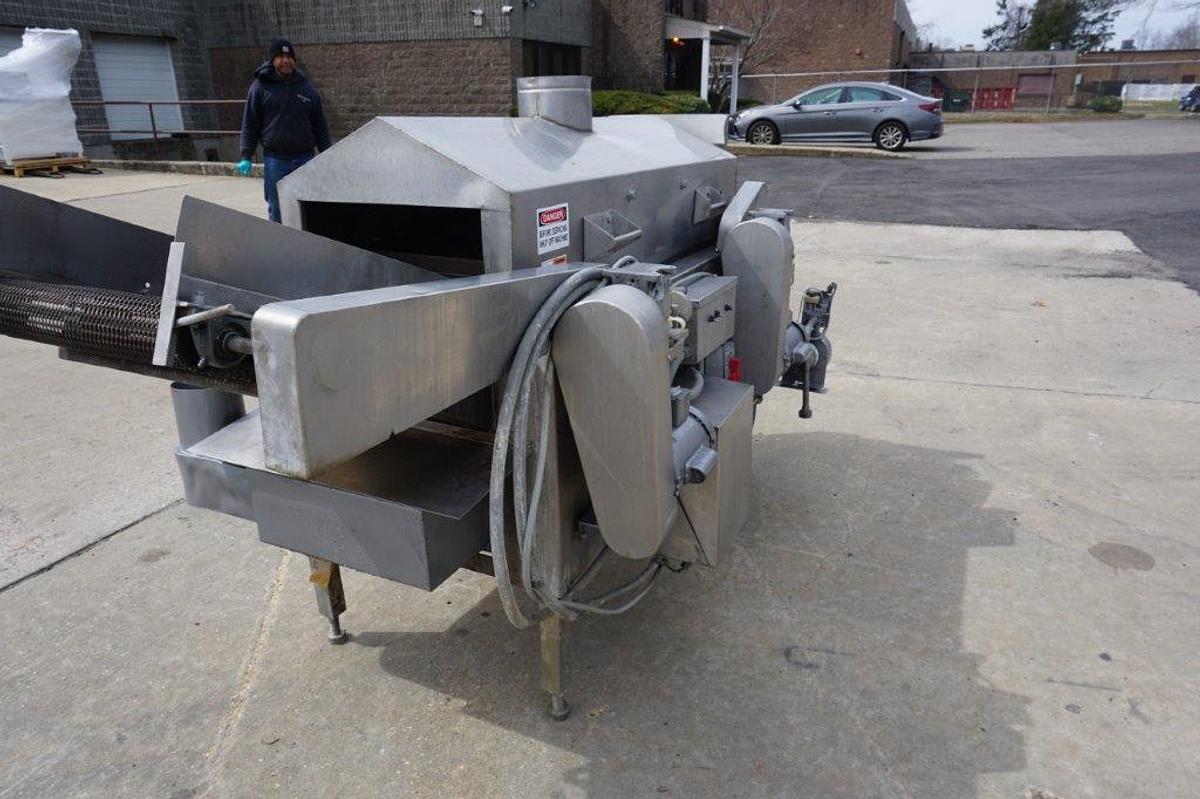
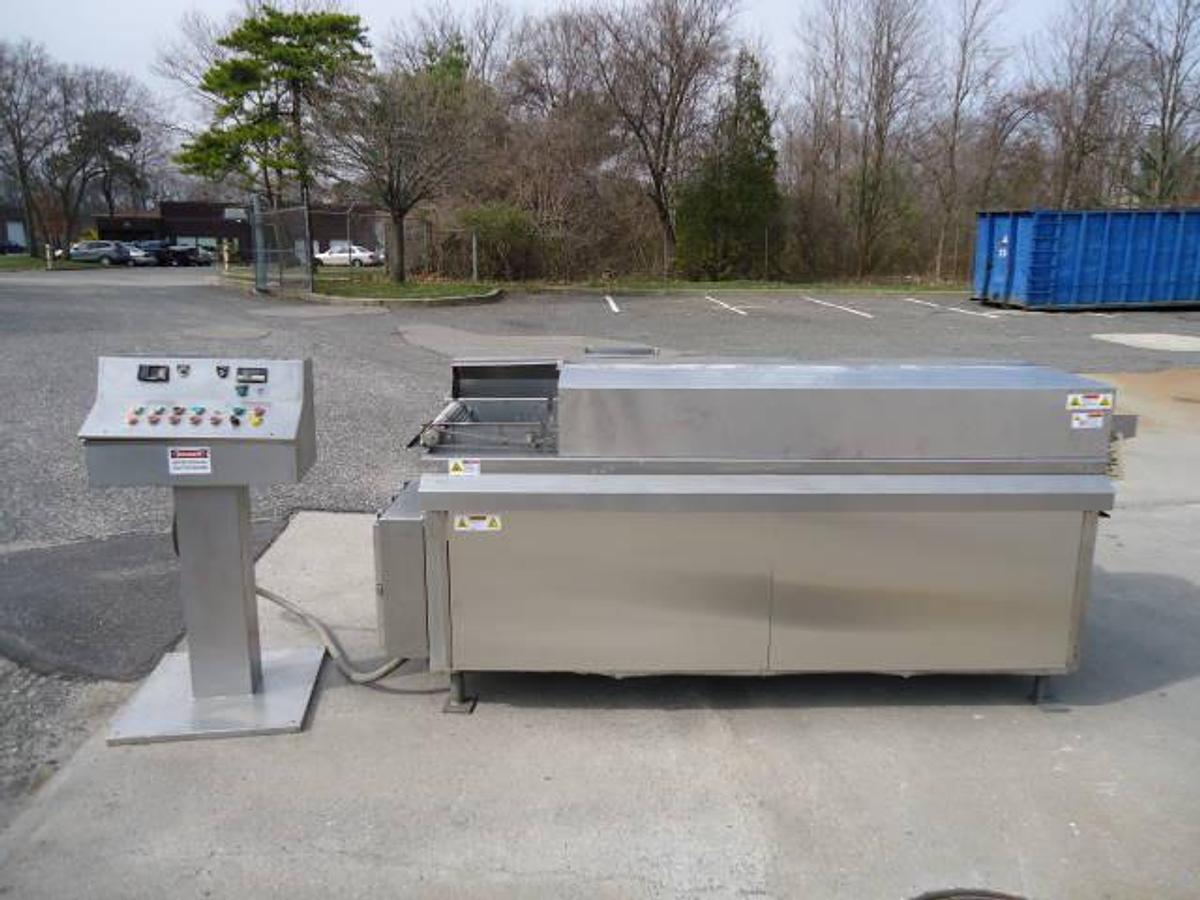
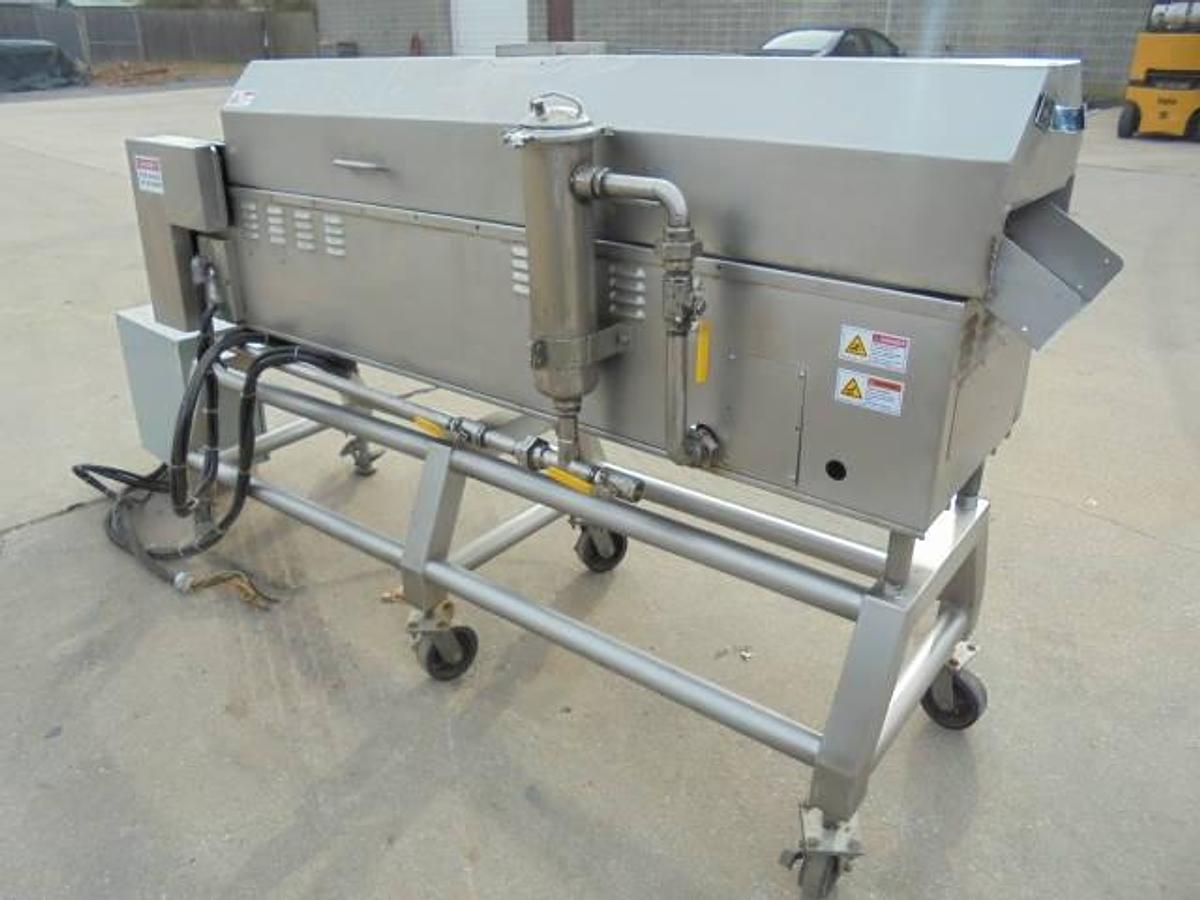
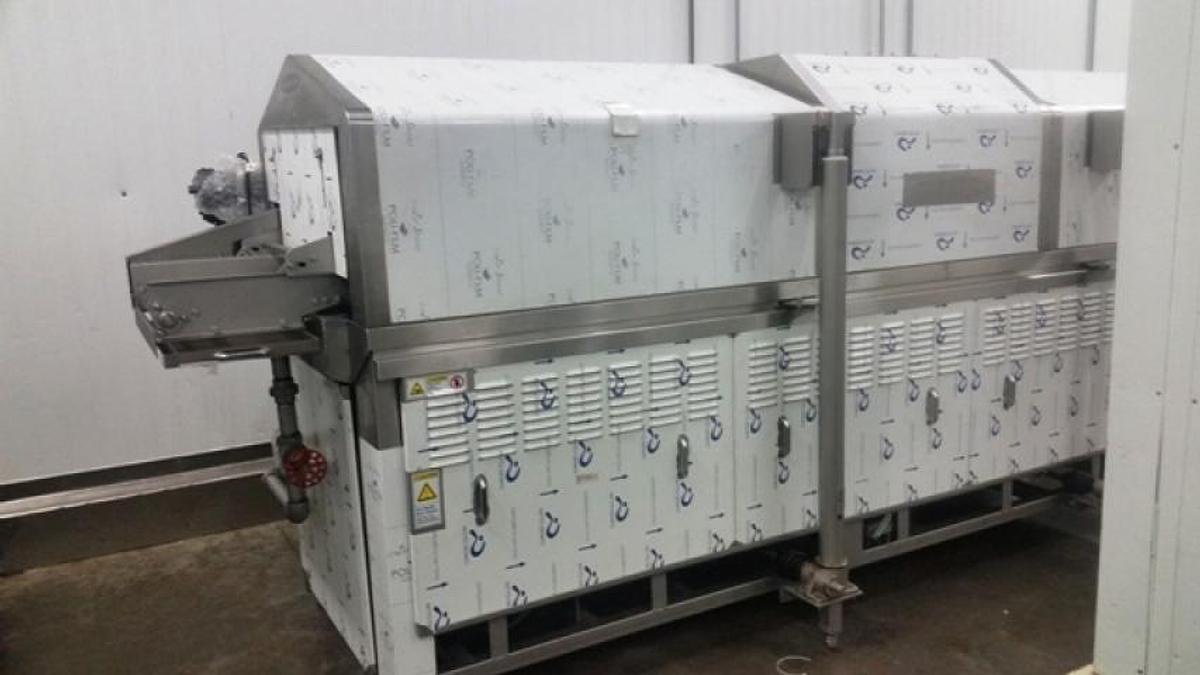
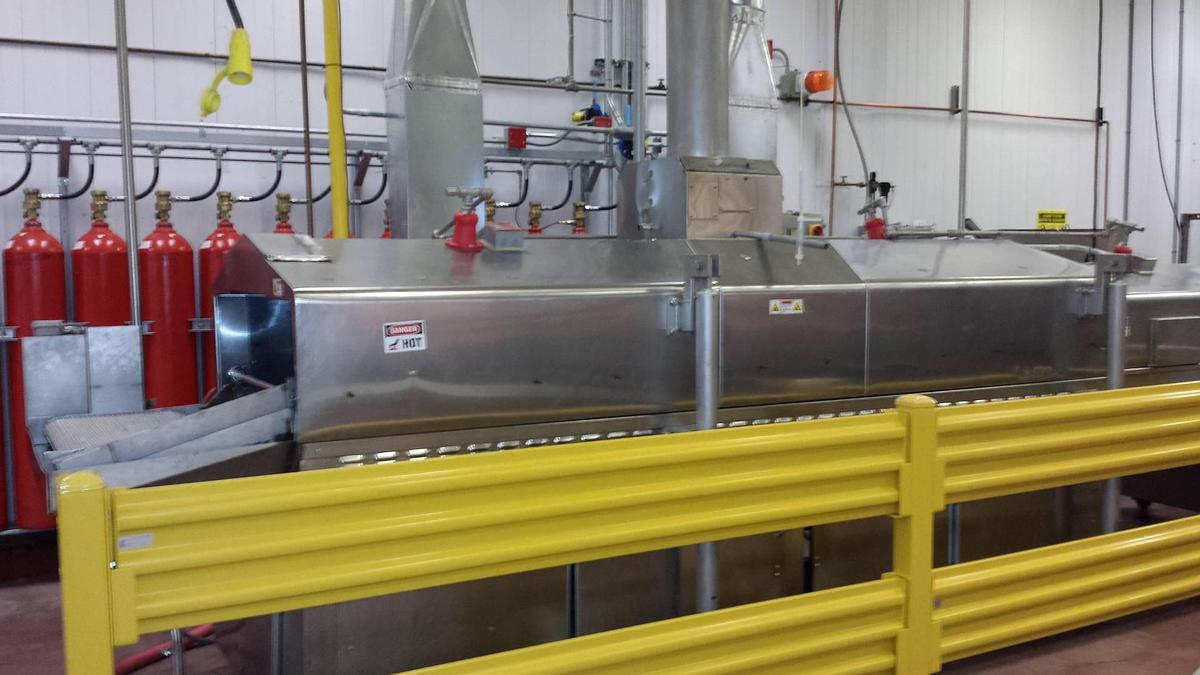
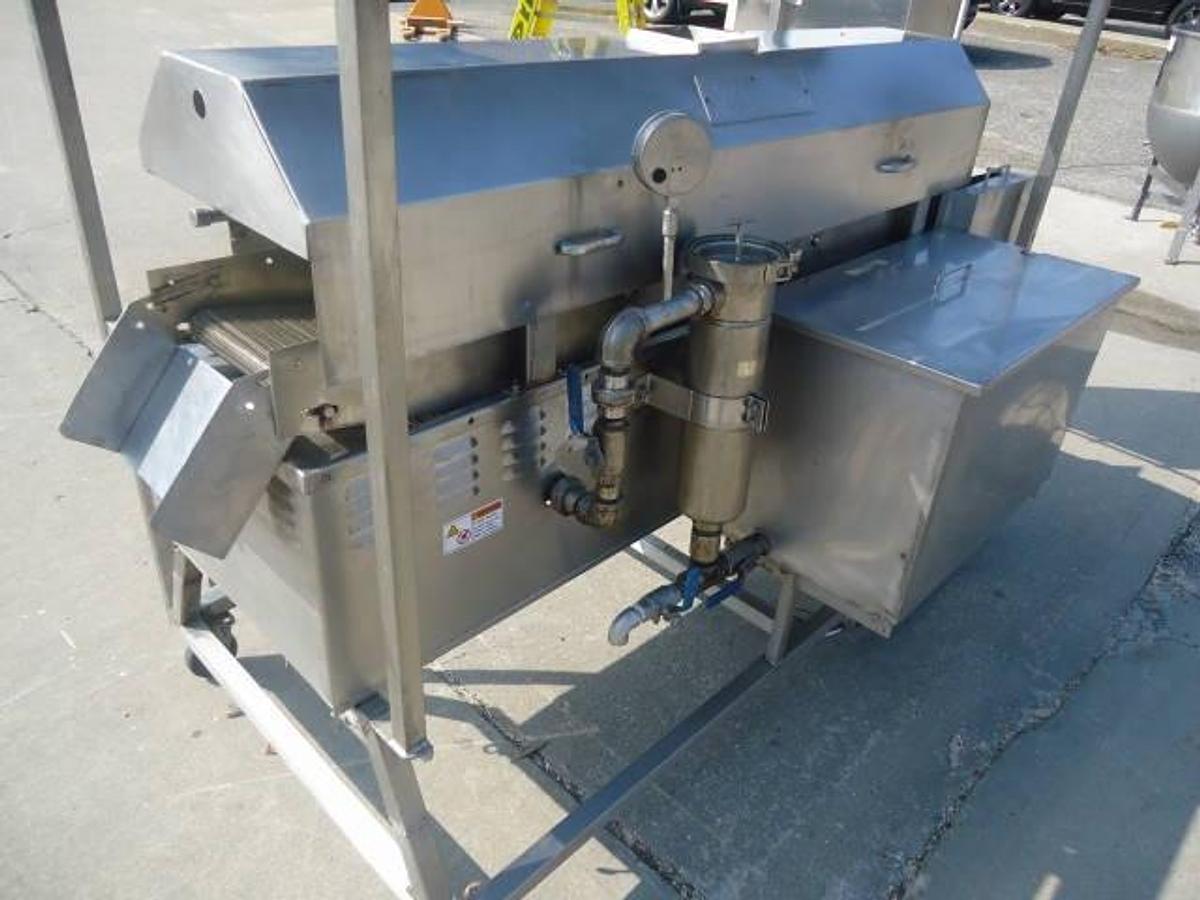
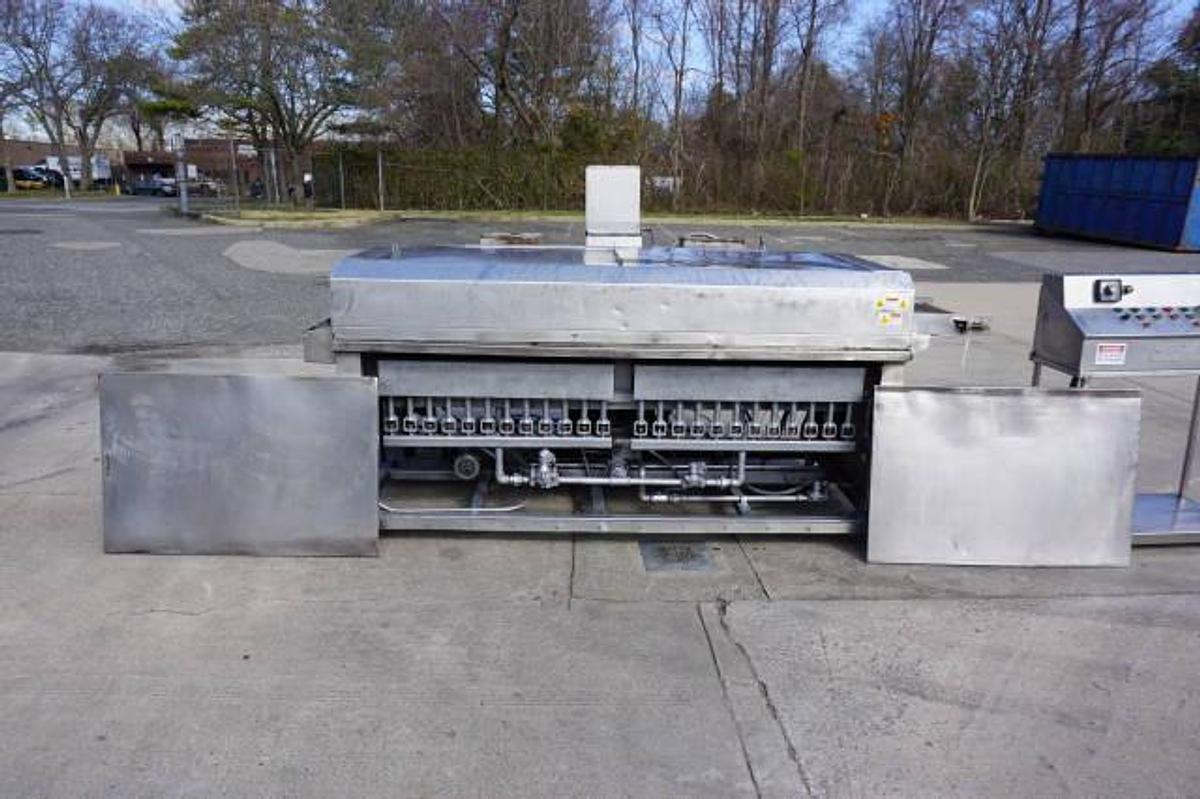
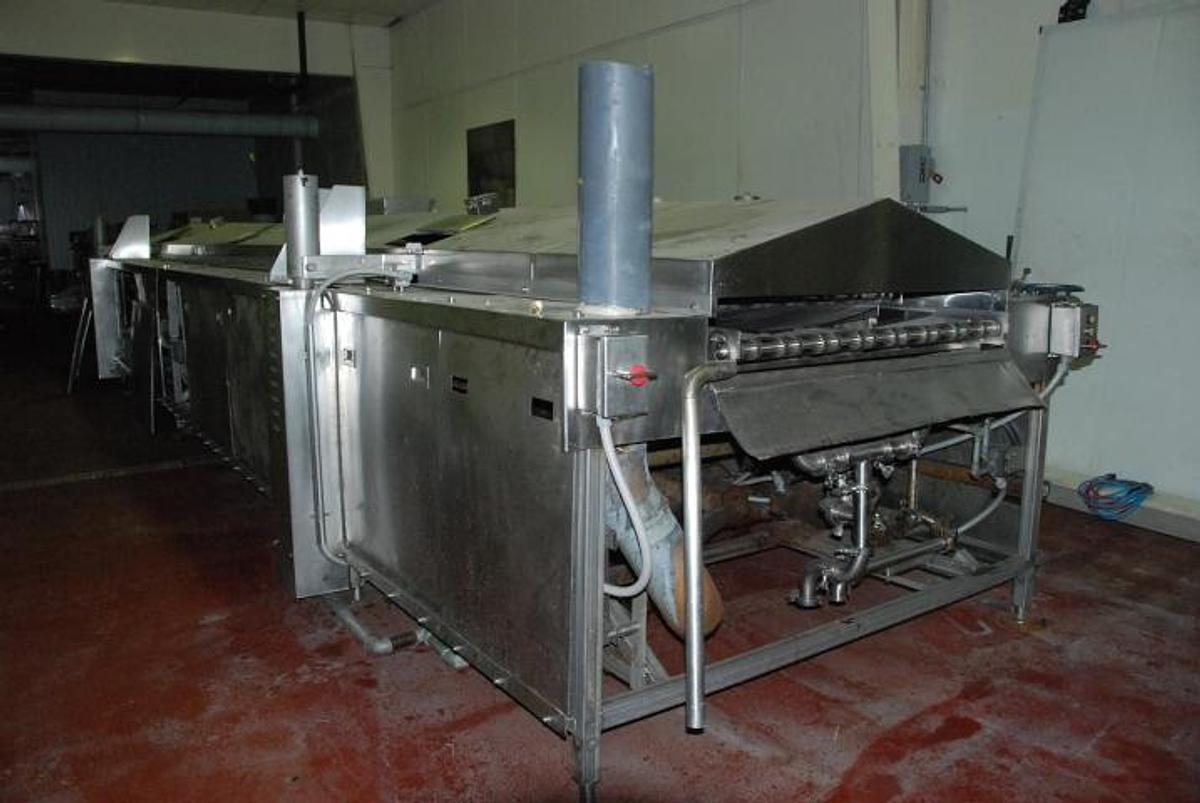
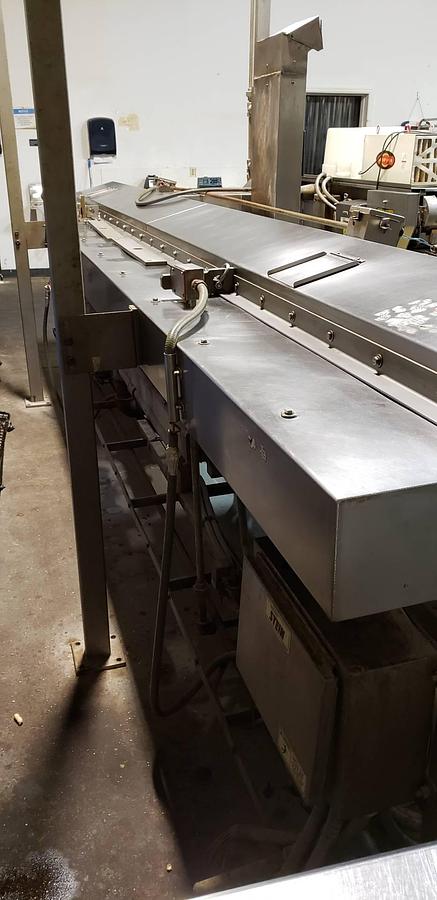
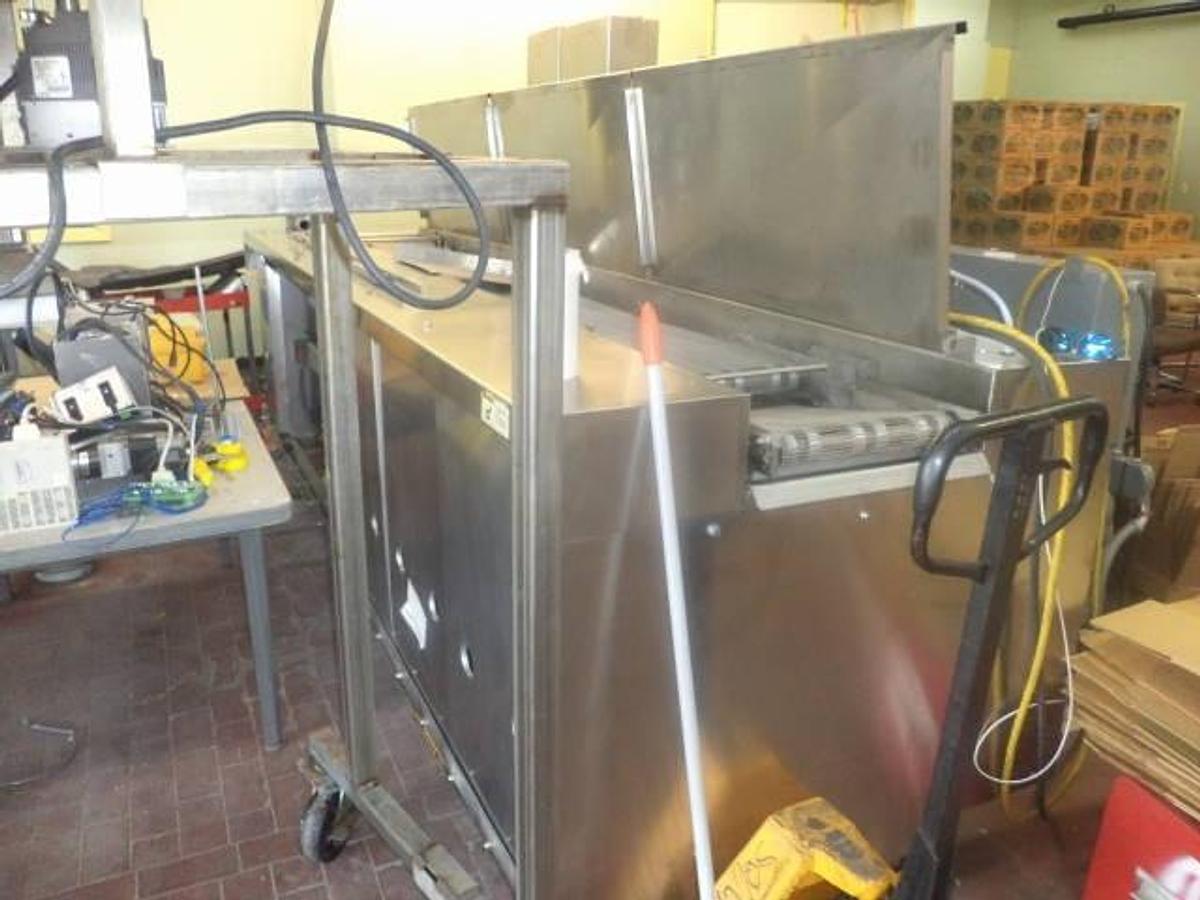
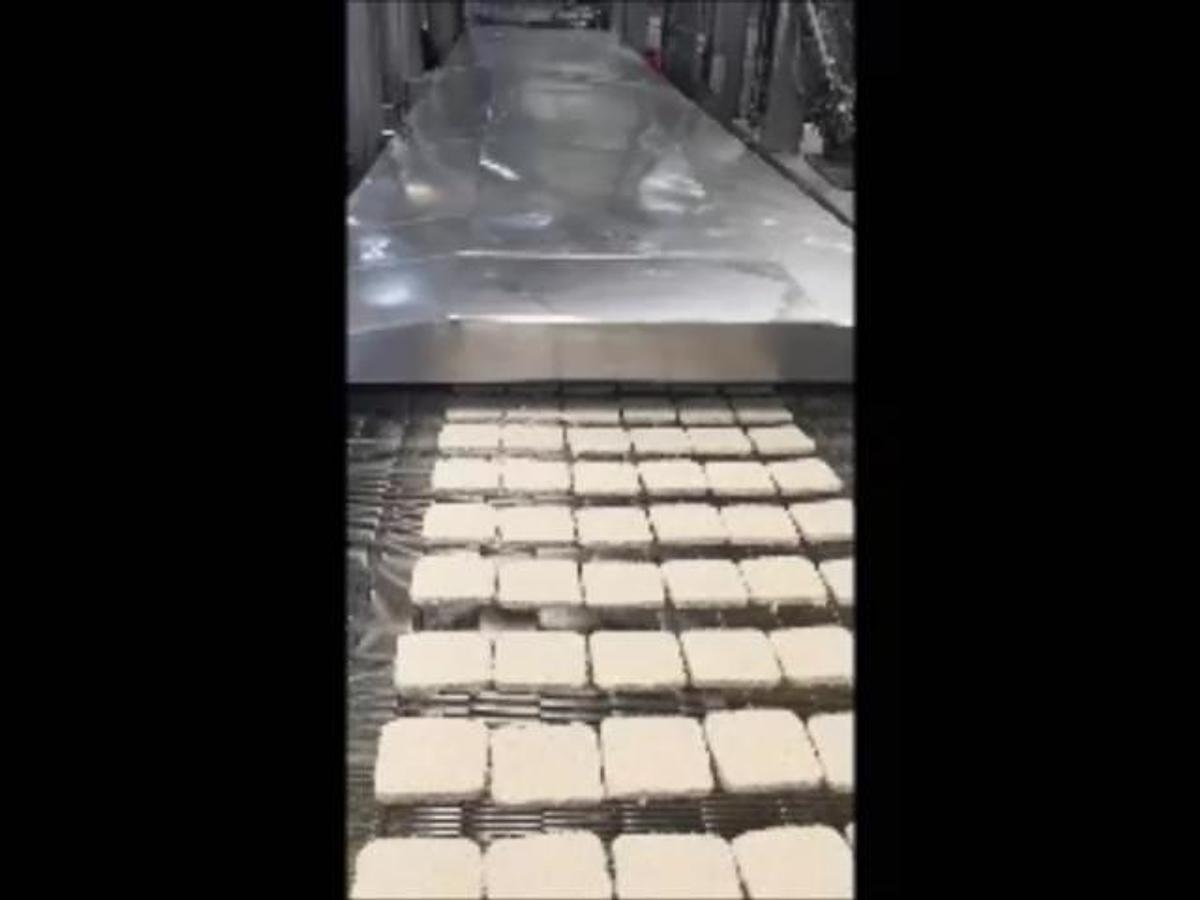
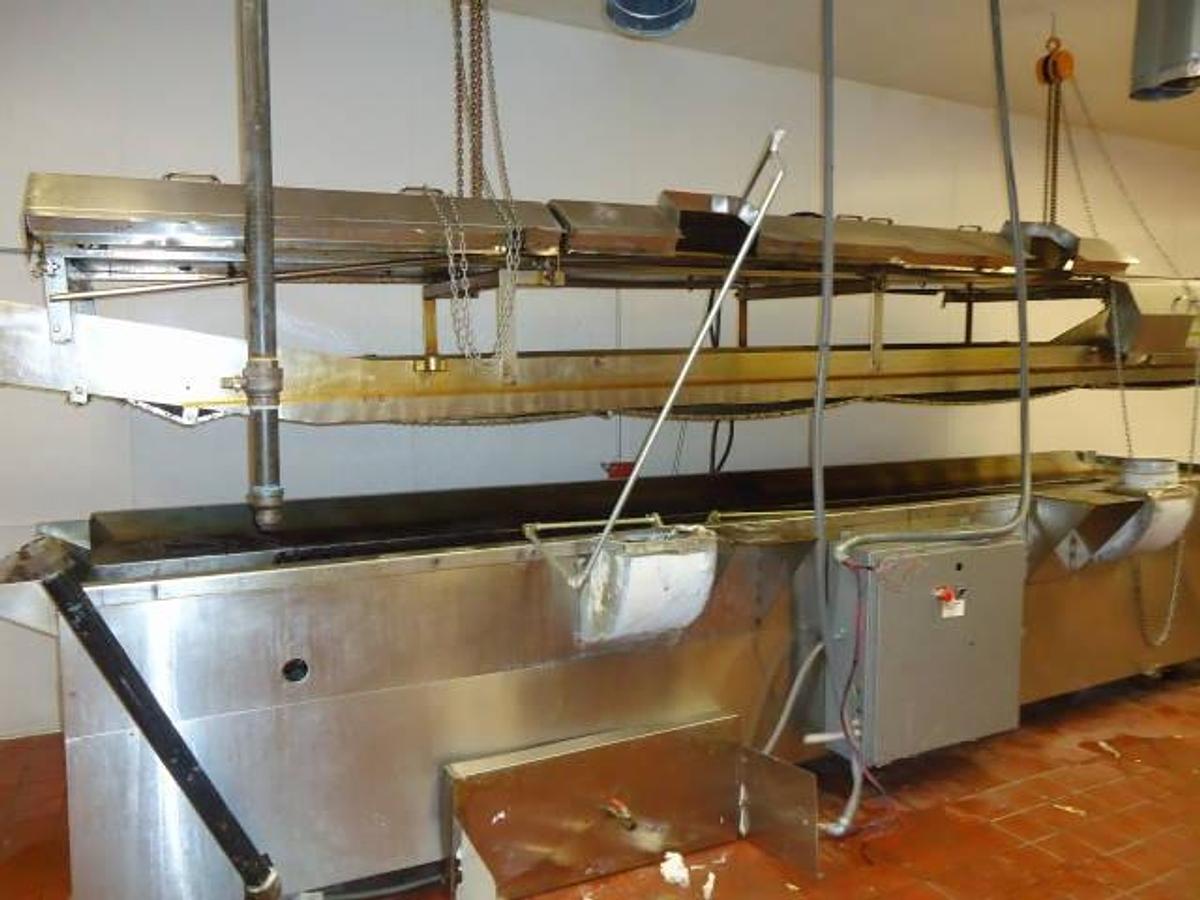
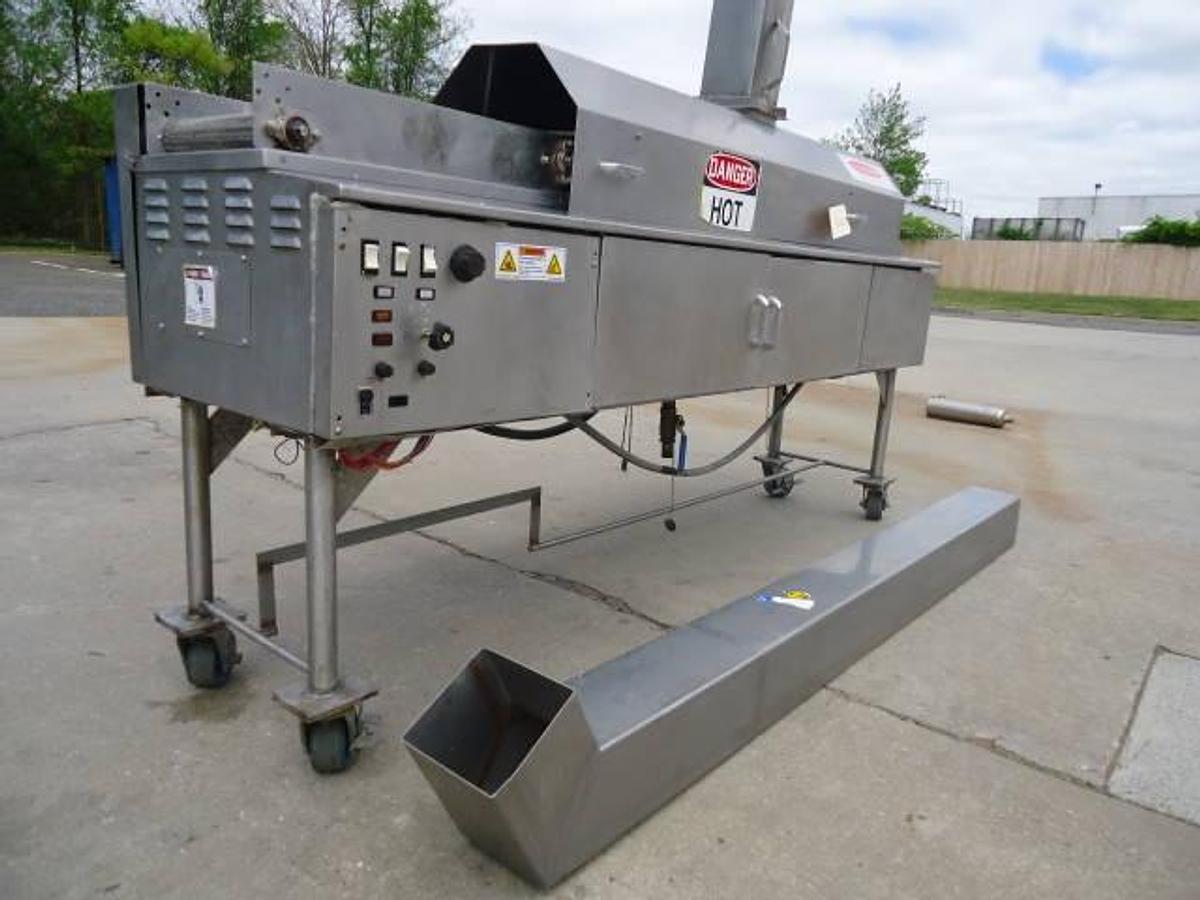
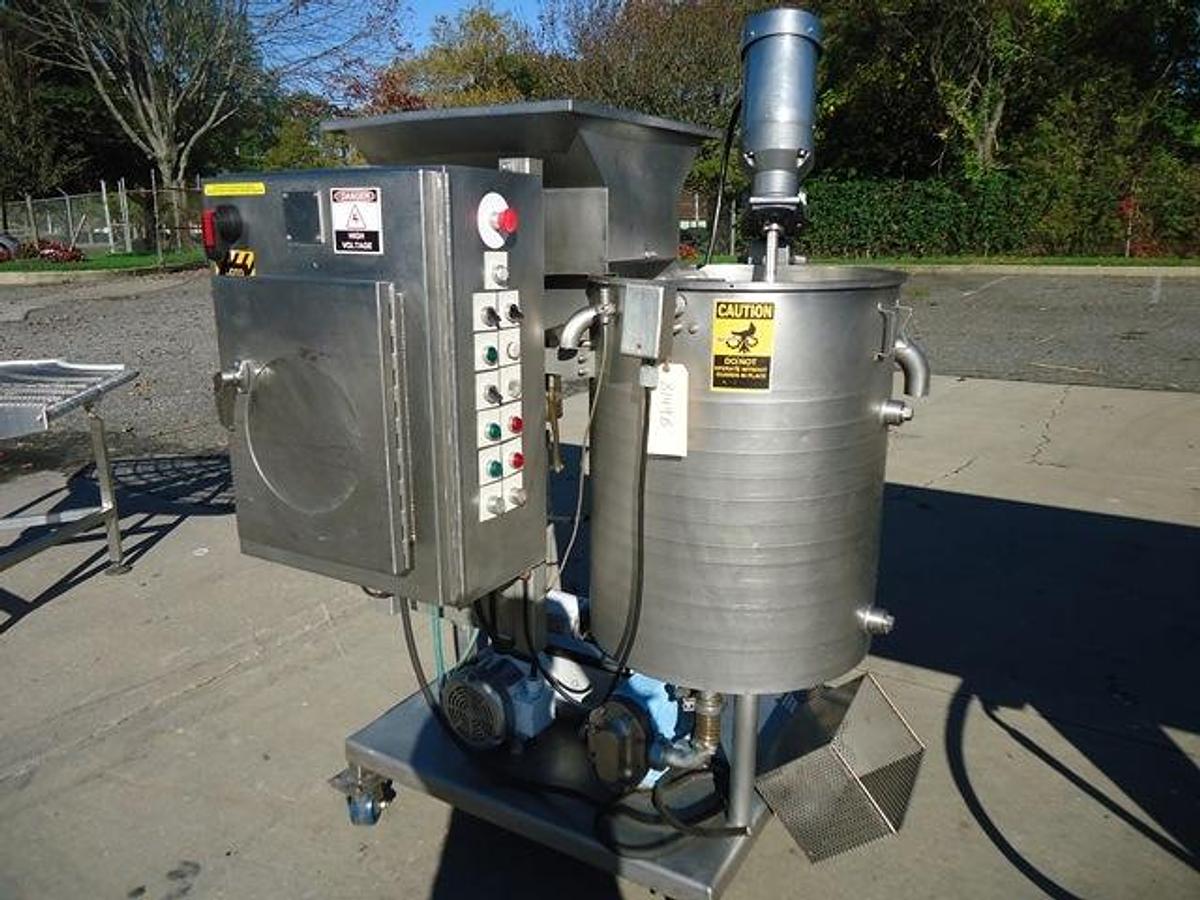
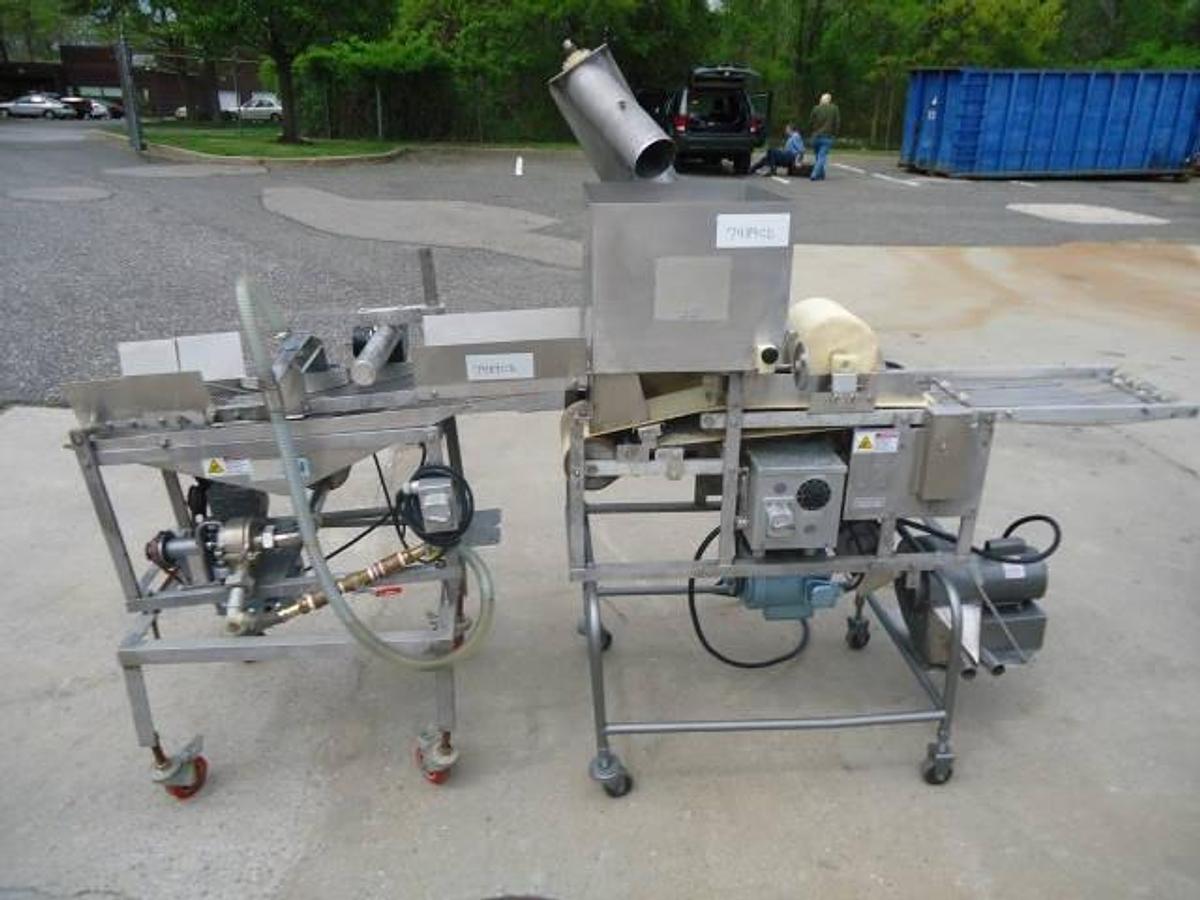
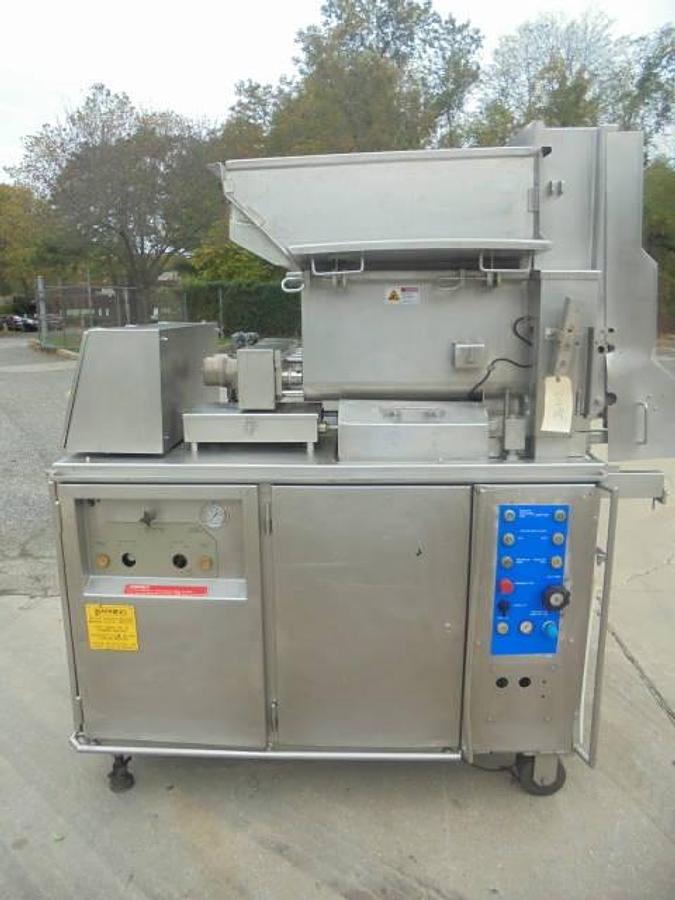
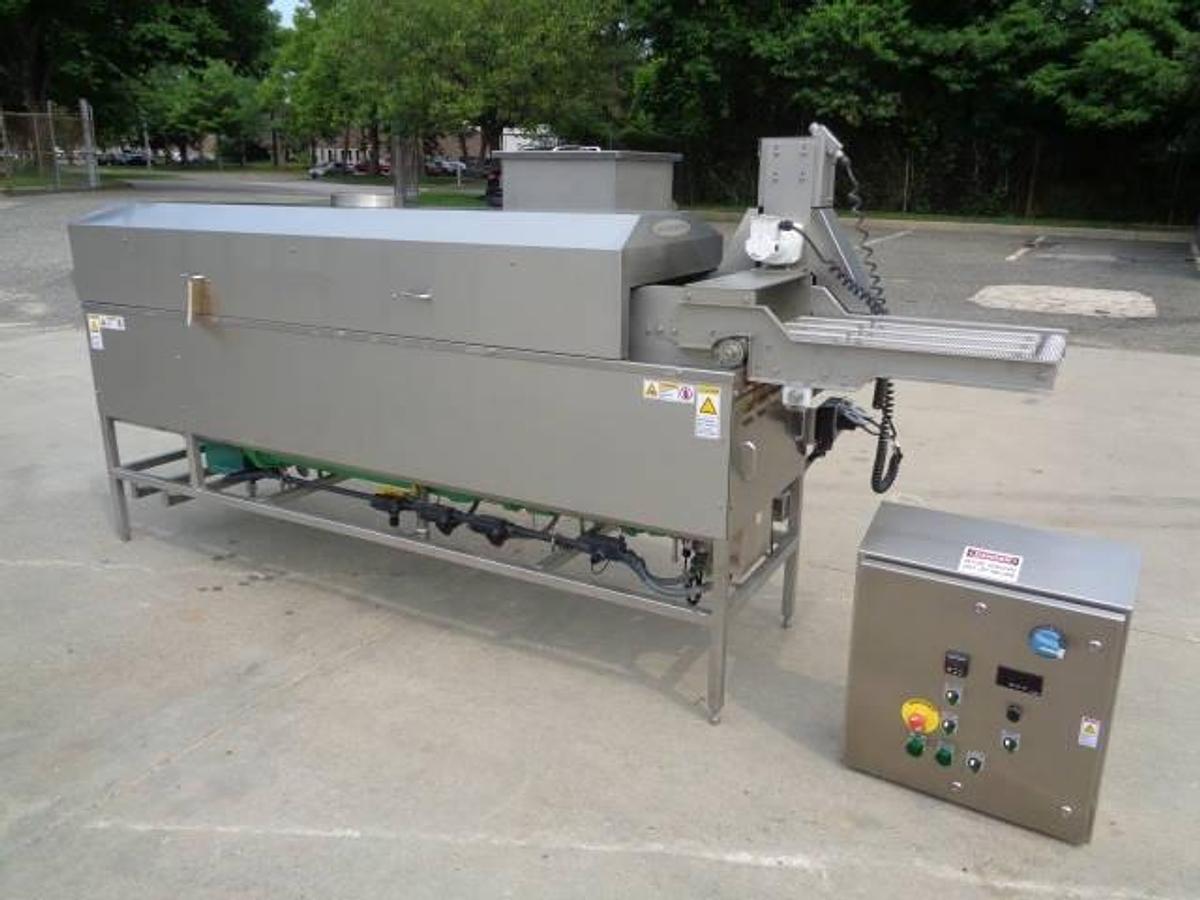
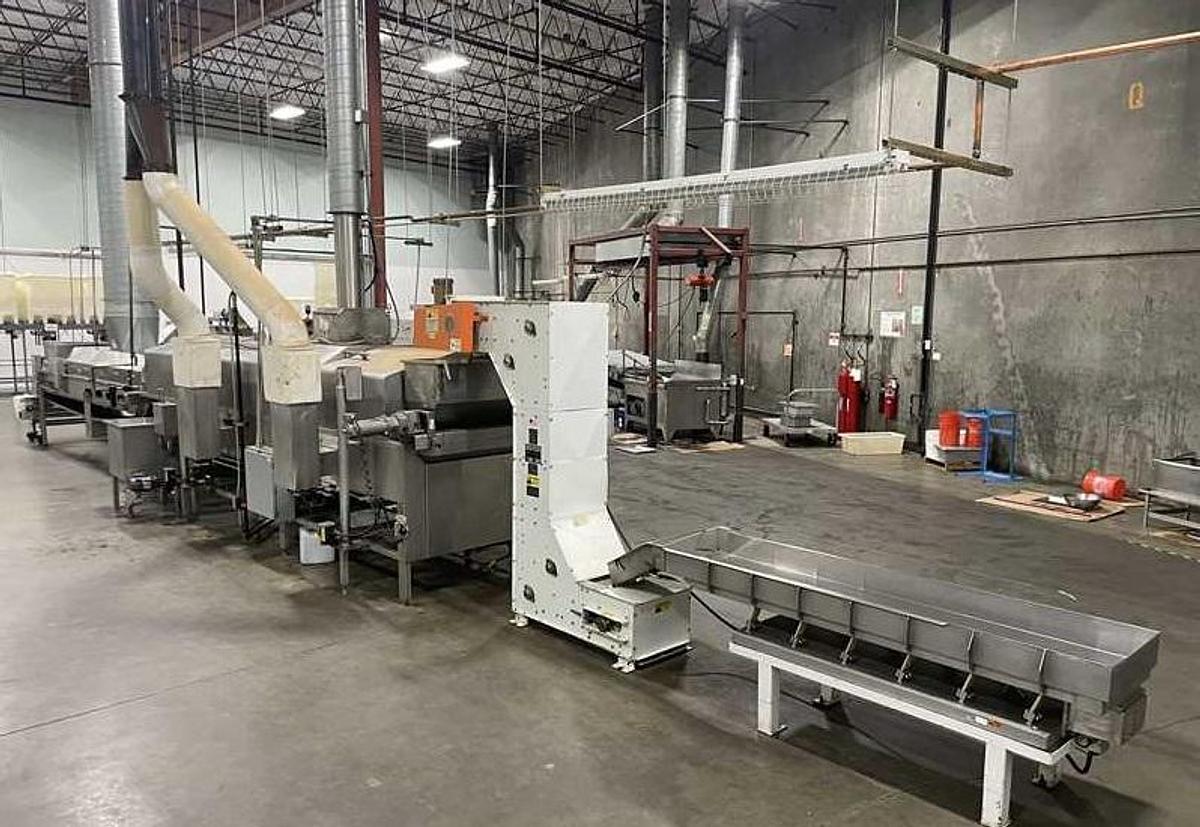
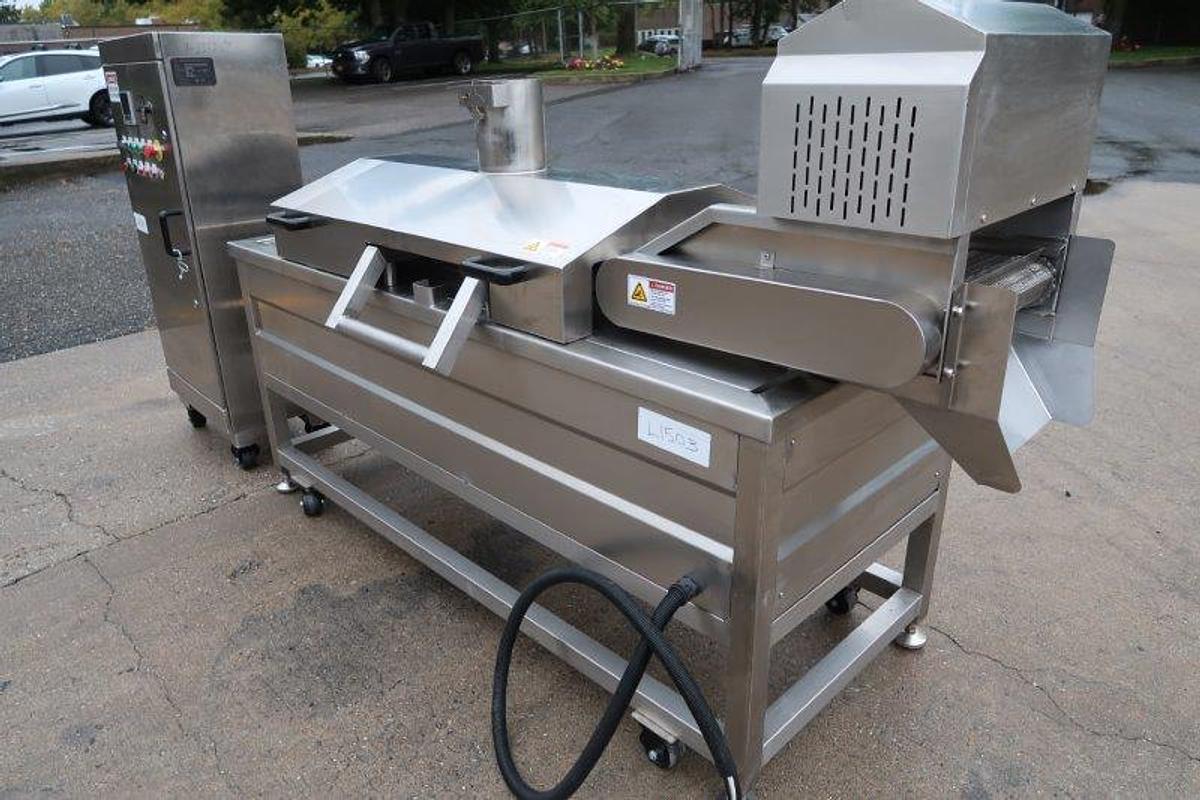
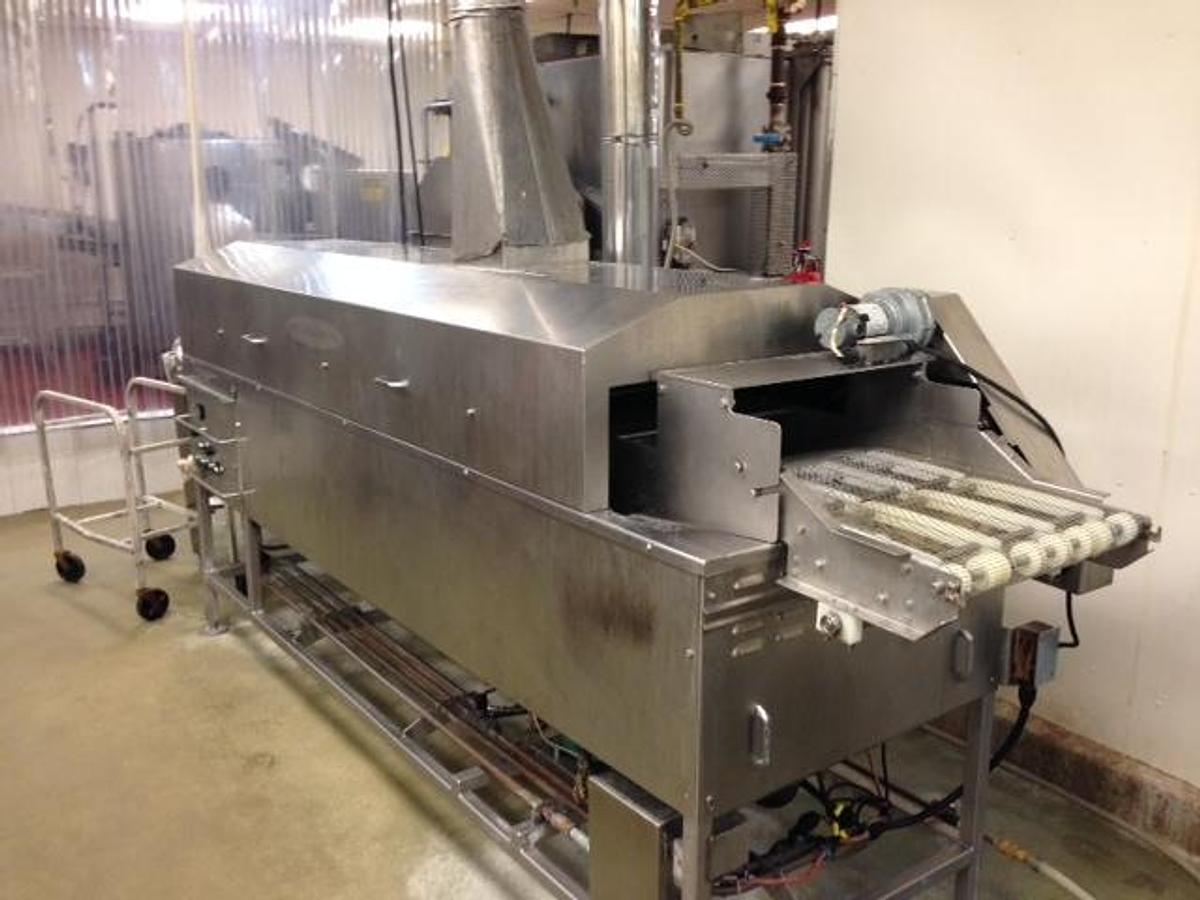
Wohl Industries stocks used fryers for snack, meat, and prepared-food producers. You get pre-owned batch fryers, continuous belt fryers, and kettle fryers. Continuous fryers cook chips, fries, and snacks at steady output. Batch fryers run kettle chips and specialty product. Meat plants fry chicken, fritters, and coated items. Oil filtration and heat control hold your color and texture. Buying used cuts your capital cost and lead time. We inspect every machine before we ship. We have sold processing and packaging equipment since 1968. Send us your product and rate, and we match you to the right fryer.
FAQ :
What should I look for when buying a used commercial fryer?
The most important starting point is the machine's service history. Ask the dealer for any maintenance records available, and pay close attention to the condition of heating elements, thermostats, burners, and oil filtration components. On continuous fryers, inspect the belt drive system, chain tension, and the condition of the stainless steel trough and sidewalls, since corrosion or pitting in those areas can be expensive to address. Faulty thermostats are one of the most common issues on older fryers, and a unit that can't hold a consistent oil temperature will produce inconsistent product and waste energy.
Beyond the mechanical condition, check that NSF (National Sanitation Foundation) and UL (Underwriters Laboratories) certification labels are still intact on the unit. Health inspectors look for these, and a machine that's had those labels removed or damaged may create compliance headaches. Also confirm whether the fryer is gas or electric and that the utility connections at your facility match the machine's requirements. Belt width, oil capacity, and throughput specs should align with your production volume before you commit to a purchase.
What is the difference between a continuous fryer and a batch fryer, and which one is right for my operation?
A continuous fryer moves product through a heated oil bath on a conveyor belt at a set speed, making it the standard choice for high-volume food manufacturing and snack food production. These machines are designed to run for extended shifts with consistent output, and they're commonly used for potato chips, breaded proteins, nuts, and similar products. Belt widths typically range from 12 inches on smaller units up to 50 inches or more on large industrial systems, and fryer length can extend to 40 feet or longer, directly determining how much cook time the product receives before exiting the oil.
Batch fryers, by contrast, cook a set load of product at a time before the basket is lifted and the next load is added. They're better suited to smaller-scale operations, foodservice environments, or products that don't lend themselves to continuous processing. For a restaurant or commissary kitchen producing a variety of fried items in moderate quantities, a batch fryer is usually the more practical choice. For a dedicated snack food plant or a high-throughput food processing line, a continuous fryer is almost always the right answer. Understanding your hourly output requirements and the specific product you're frying will point you clearly toward one or the other.
What are the most reliable brands for used commercial fryers?
In the industrial and food processing segment, Heat & Control, Mastermatic, Pitco, and Stein are consistently regarded as the most durable and well-supported brands on the used market. Heat & Control in particular has a long track record in continuous frying systems for snack food and prepared food production, and their Mastermatic line is widely recognized for stainless steel construction and reliable performance over long service lives. Stein fryers, including the HPF and Series II models, are also respected for their build quality in continuous gas-fired applications. Pitco has a strong presence in both continuous and batch fryer categories.
For foodservice-oriented batch fryers, brands like Frymaster, Dean, Vulcan, and Henny Penny have strong reputations for durability and parts availability. When evaluating any used fryer, brand reputation matters partly because it affects parts availability and manufacturer support. Older or discontinued models from lesser-known manufacturers can be difficult to source parts for, which drives up downtime costs. Consulting directly with the manufacturer before purchasing a used unit is a smart step, since they can tell you whether parts and technical support are still available for that specific model and age of machine.
How do I know if a used commercial fryer is still in good working condition?
The most reliable way to assess a used fryer's condition is through a direct inspection, either in person or via a video walkthrough arranged with the dealer. Reputable dealers will accommodate both options. During the inspection, look for visible corrosion, warping, or cracks in the stainless steel fry tank, since these are expensive structural repairs. Check the condition of the burners or heating elements, the oil drain valve, the conveyor belt or basket mechanisms, and any filtration or heat exchanger components. Ask whether the machine was decommissioned from a production environment or is still actively running, since a machine that was in recent production is generally easier to evaluate.
Keep in mind that most used equipment dealers are not set up to run actual food production during an inspection. They typically don't hold the permitting required to process food commercially, so a full production test with actual product is rarely possible. What a dealer can often do is demonstrate that the machine powers on, that heating systems activate, and that mechanical components like belts and drives function. For a more thorough evaluation, some buyers hire a third-party equipment technician to accompany them during the inspection. Checking the machine's age, the brands of its major components, and whether the previous operator kept up with scheduled maintenance will fill in the gaps that a visual inspection alone can't cover.
What is the average lifespan of a commercial fryer, and how many years of use can I expect from a used one?
Industrial continuous fryers built by manufacturers like Heat & Control, Stein, and Mastermatic are engineered for heavy-duty production environments and can last 20 to 30 years or more with proper maintenance. The stainless steel construction used on most commercial-grade continuous fryers resists corrosion well, and major structural components rarely fail on well-maintained machines. The parts that wear out most frequently are consumables and mechanical components: conveyor belts, drive chains, bearings, heating elements or burner components, and thermostats. These are generally serviceable and replaceable, which is why many older units from reputable manufacturers remain productive long past what you'd expect.
The remaining useful life of a specific used fryer depends heavily on how it was maintained, how many hours it ran per day, and what type of products it processed. A machine that ran one shift per day in a clean facility with regular oil changes and scheduled maintenance will be in considerably better shape than one that ran three shifts continuously with deferred upkeep. When evaluating a used fryer, ask the dealer about the machine's production history and, if possible, request any service or maintenance logs. The age of the machine matters less than its condition, and a 15-year-old fryer that was well maintained can outperform a 5-year-old unit that was neglected.
What is the difference between gas and electric commercial fryers, and which is better for my needs?
Gas fryers are the dominant choice in high-volume food manufacturing and large commercial kitchens, primarily because of their faster heat recovery time. When a load of cold product hits the oil, the oil temperature drops, and a gas fryer can restore that temperature more quickly than most electric models. In a continuous frying operation running hundreds or thousands of pounds of product per hour, that heat recovery speed directly affects product quality and throughput consistency. Gas fryers also tend to have lower operating costs in most regions where natural gas is priced competitively against electricity.
Electric fryers offer advantages in situations where a gas connection isn't available or where installation simplicity is a priority. They're also easier to control precisely in some applications, and they don't require venting for combustion gases in the same way gas units do. For lighter-duty operations, remote locations, or facilities without gas infrastructure, electric continuous fryers from manufacturers like Heat & Control (the Mastermatic CF300E and CF350E, for example) are a practical option. The right choice depends on your facility's utility setup, your production volume, and the specific product you're frying. Calculating the total cost of operation, including energy costs, installation, and venting requirements, will give you a clearer picture than looking at purchase price alone.
What size commercial fryer do I need for my food production operation?
Sizing a commercial fryer comes down to two primary variables: the belt width (on continuous fryers) and the overall fryer length, both of which determine oil volume and product throughput. Smaller continuous fryers with 12-inch to 16-inch belt widths and lengths of 13 to 15 feet are suited to lower-volume production lines or products with shorter fry times. Larger systems with belt widths of 28 to 50 inches and lengths of 24 to 40 feet are designed for high-capacity snack food and prepared food manufacturing, capable of processing thousands of pounds of product per hour. Oil capacity across these systems can range from a few hundred pounds on smaller units to well over a thousand pounds on large industrial fryers.
For foodservice batch fryers, oil capacity is the key spec. Countertop fryers typically hold 15 to 25 pounds of oil, while floor models range from 30 to 110 pounds or more. A general rule of thumb is that you can fry roughly one pound of product per hour for every pound of oil capacity, though this varies by product type, fry time, and temperature. Before selecting a fryer, calculate your peak hourly output requirements and work backward from there. It's also worth considering whether your production line includes upstream and downstream equipment like batter and breading systems or seasoning tunnels, since the fryer needs to be matched to the capacity of those adjacent machines.
Are used commercial fryers safe to use, and how do I ensure compliance with health codes?
Used commercial fryers can absolutely be safe and code-compliant, but it requires due diligence on the buyer's part. The two most important certifications to verify are NSF (National Sanitation Foundation) and UL (Underwriters Laboratories). NSF certification indicates the equipment meets food safety and sanitation standards, while UL certification covers electrical safety. Health inspectors in most jurisdictions look for these certifications on commercial food equipment, and a used machine that still carries intact certification labels from these organizations is in a much stronger position from a compliance standpoint than one where those labels have been removed or are unreadable.
Beyond certifications, compliance also depends on the condition of the machine and how it's installed. A fryer that has corroded surfaces, damaged seals, or malfunctioning temperature controls can fail health inspections regardless of its original certifications. Before putting a used fryer into service, have it inspected and serviced by a qualified technician, replace any worn gaskets or seals, and verify that the thermostat and temperature controls are accurate. Check with your local health department about any specific requirements for used equipment in your jurisdiction, since some localities have rules about equipment age or require re-inspection before a used machine can be placed into commercial service.
What types of products can be processed on an industrial continuous fryer?
Industrial continuous fryers are used across a wide range of food categories in snack food and prepared food manufacturing. Potato chips are one of the most common applications, and complete potato chip frying lines are available as integrated systems that include the fryer along with upstream and downstream equipment. Beyond potato chips, continuous fryers are used for tortilla chips, pork rinds, corn snacks, and other extruded or sheeted snack products. In the protein and prepared food segment, continuous fryers handle breaded chicken, fish fillets, onion rings, and similar items where consistent cook times and oil temperatures are critical to product quality.
Nut frying is another significant application, with dedicated nut frying lines designed to handle the specific temperature and residence time requirements of almonds, peanuts, cashews, and similar products. Some continuous fryers are also used for par-frying, where product is partially cooked before being frozen for later finishing by the end consumer. The key to matching a fryer to a specific product is understanding the required oil temperature, the ideal fry time, and the product's sensitivity to belt tension or agitation. Fryers with hold-down belts, for example, are designed for products that tend to float, keeping them submerged in the oil for even cooking throughout the product's cross-section.
What should buyers understand about shipping and payment when purchasing used commercial fryers?
Used commercial fryers, particularly large continuous frying systems, are heavy and complex pieces of equipment that require careful handling during transport. Packaging and crating requirements vary depending on the size and configuration of the machine. Smaller batch fryers may ship on a standard pallet, while large continuous fryers with 20-foot to 40-foot frames will require specialized crating and, in many cases, professional rigging for both loading at the origin and unloading at the destination. Rigging costs are typically separate from freight charges and should be discussed with the dealer upfront so buyers understand the full landed cost before committing to a purchase.
On payment terms, most used equipment dealers require full payment before a machine ships. Some dealers extend terms to repeat customers with an established relationship, but first-time buyers should generally plan on paying in full prior to shipment. Buyers should ask dealers specifically about what's included in the quoted price, what packaging will be used, who arranges freight, and whether rigging is included or billed separately. Getting a clear picture of all costs, including freight, rigging, and any required installation services, before finalizing the purchase avoids surprises and allows for accurate budgeting of the total acquisition cost.