Category
Subcategory
Manufacturer
Model
Tablet Equipment
Coating Pans, Tablet Dedusters, Polishers, Inspection, etc.
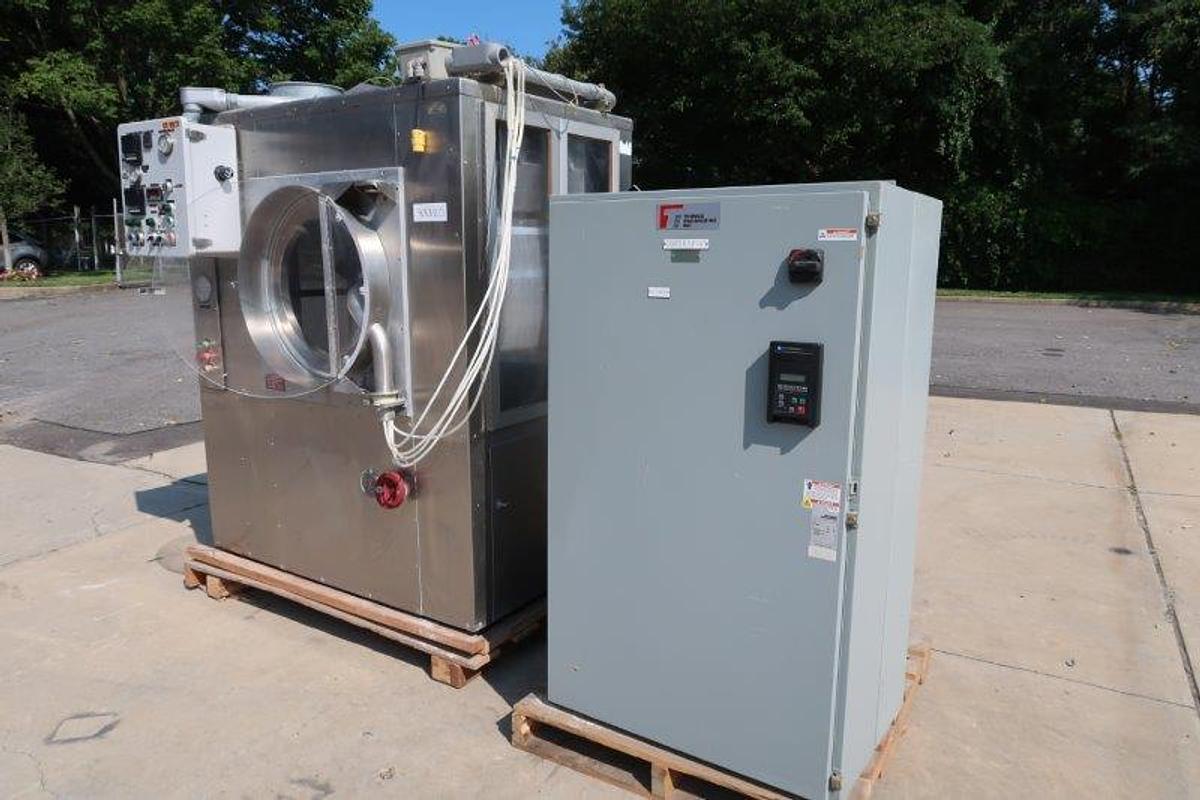
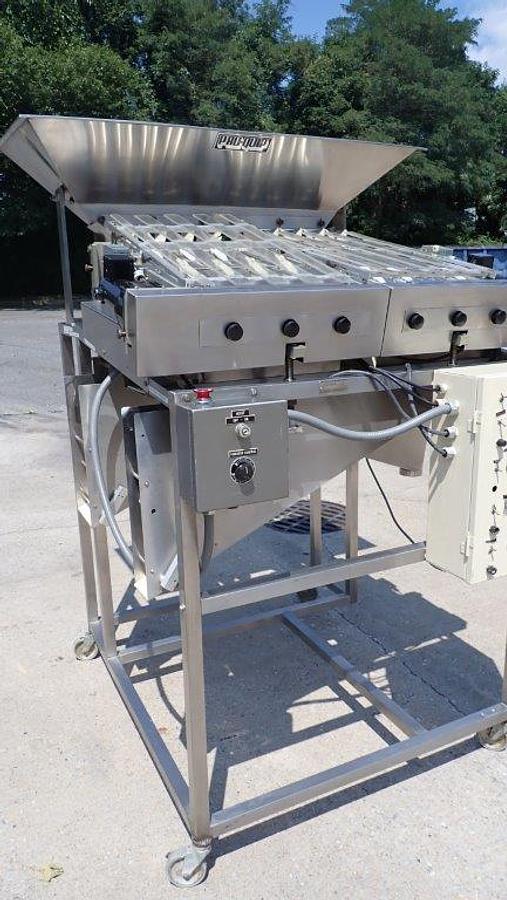
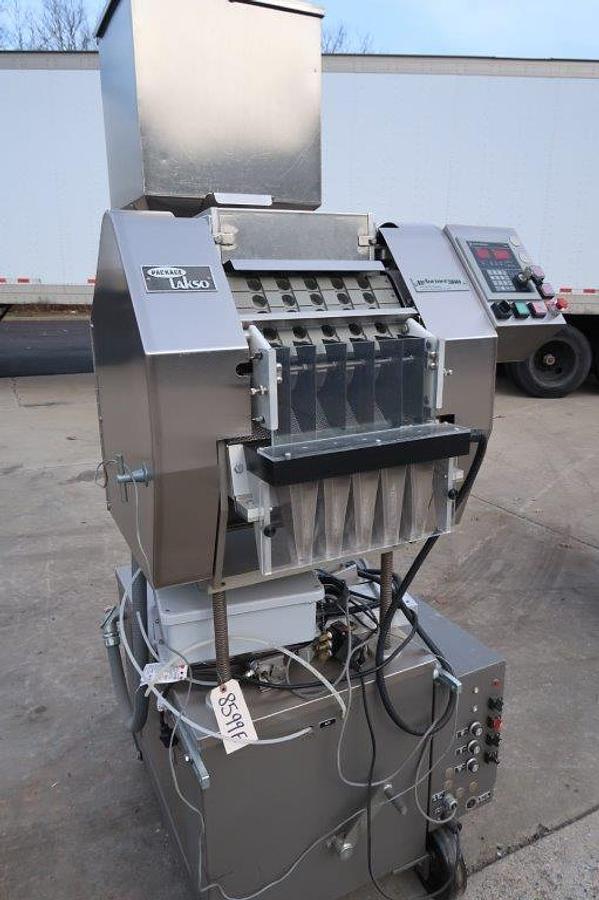
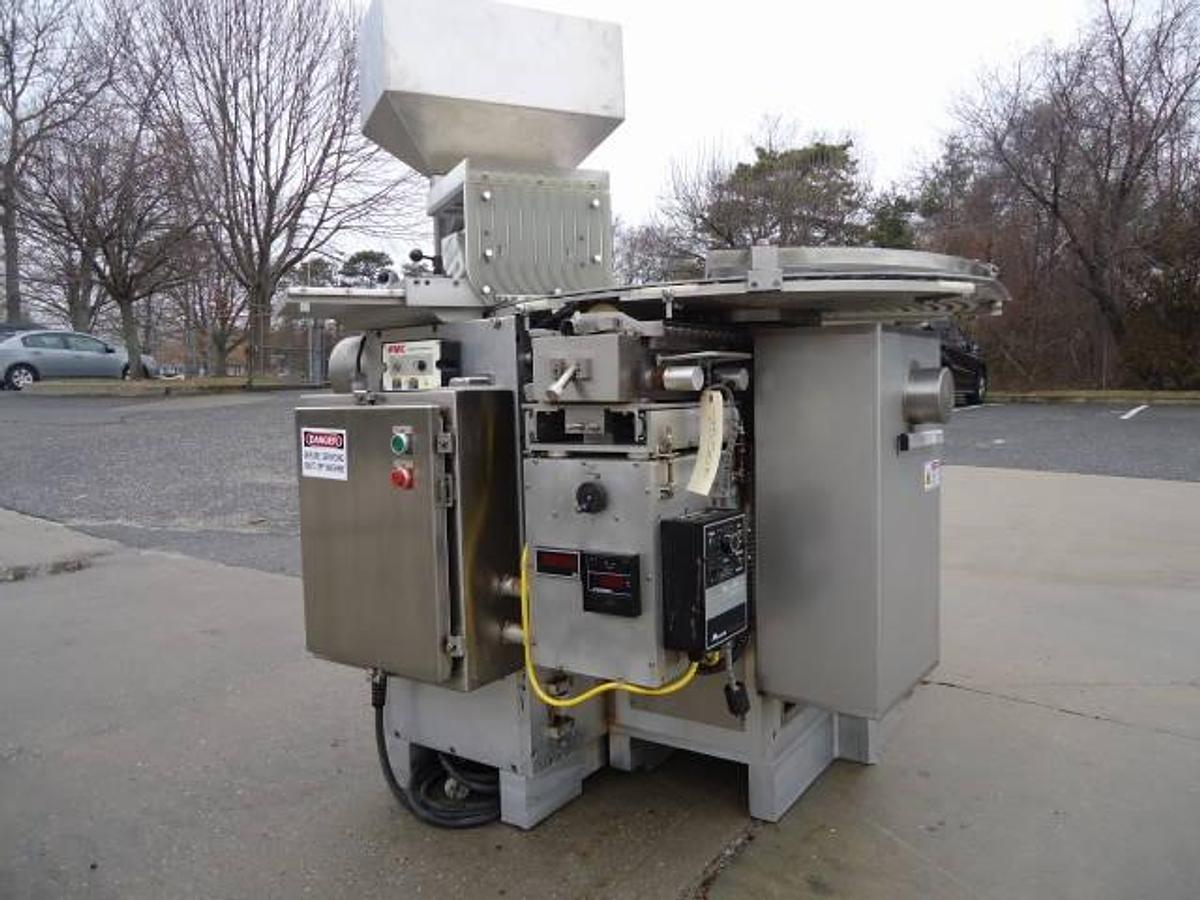
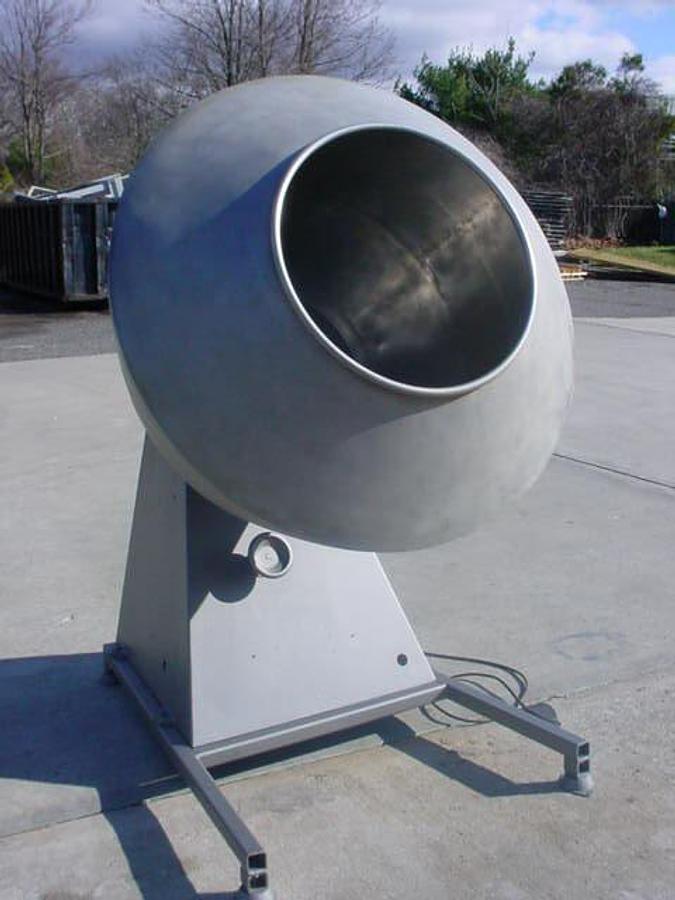
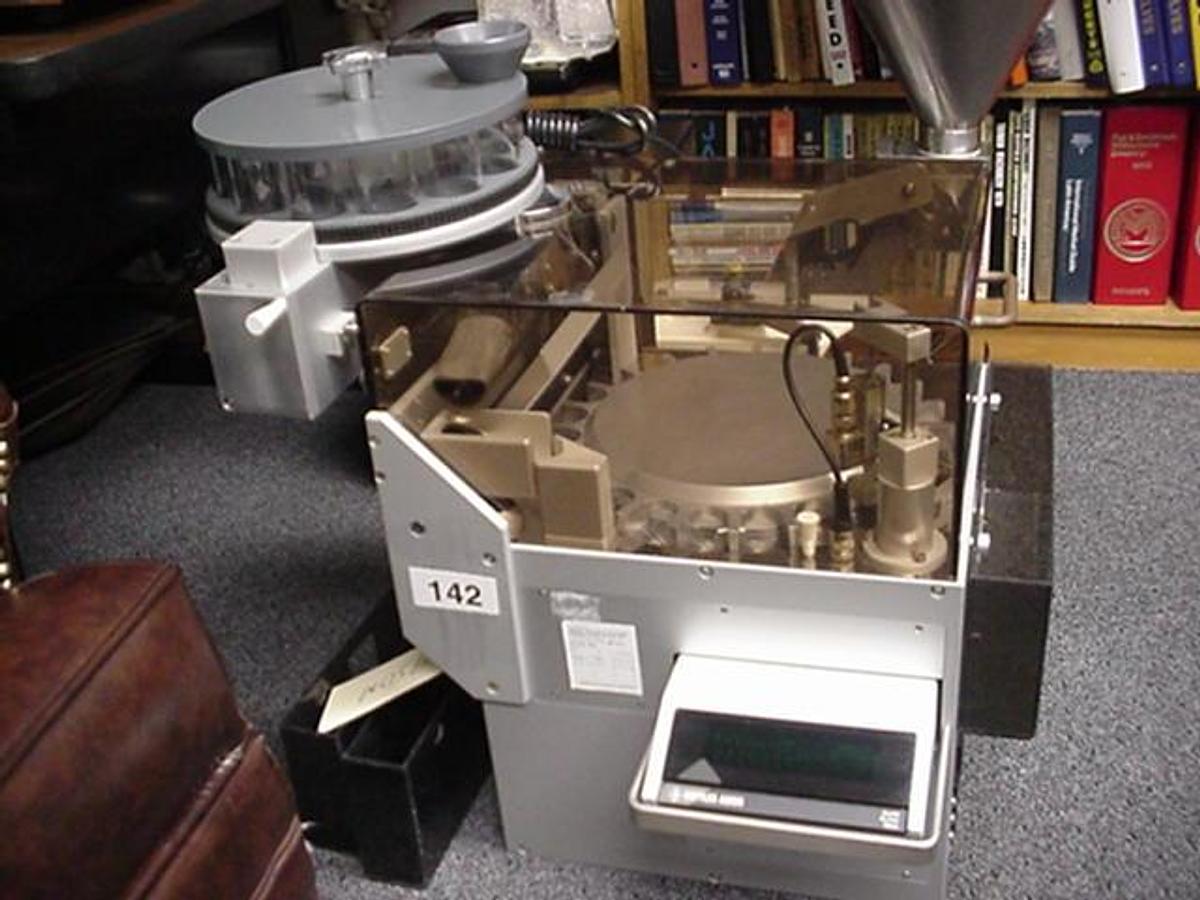
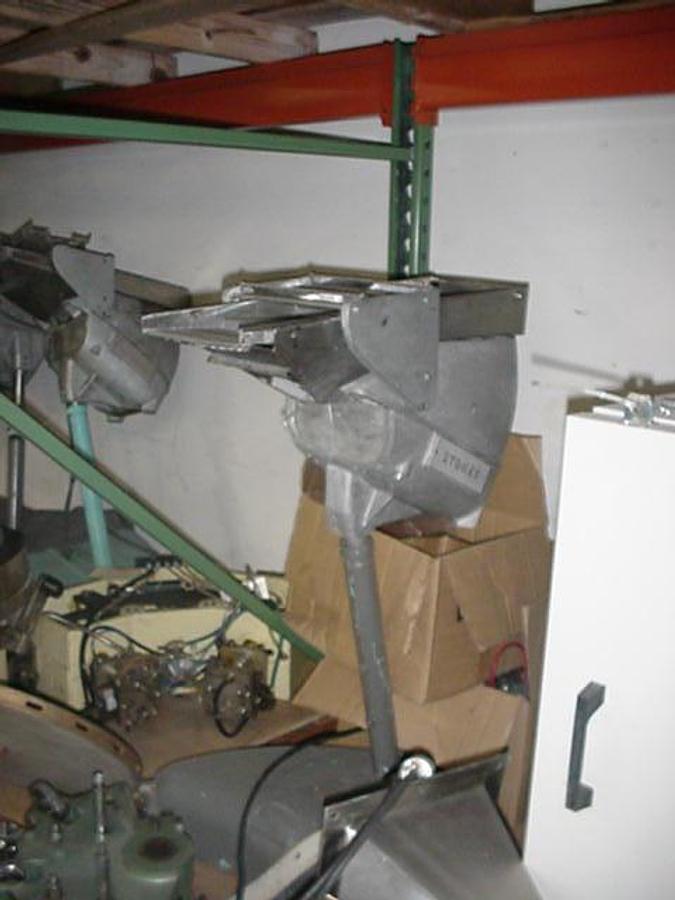
We are suppliers of used tablet equipment for all stages of tablet manufacturing for vitamin, nutraceutical, and pharmaceutical tablet manufacturing. Our inventory includes used tablet dedusters, used capsule polishers, used coating pans, tablet inspection belts, capsule/tablet weighers, tablet counters, tablet presses as well as tablet sorting, weighing, and printing systems. Our inventory of coating pans includes used ACCELA COTA coating pans, STOKES coating pans, and VECTOR coating pans.
FAQ :
What types of used tablet manufacturing equipment are typically available on the secondary market?
The secondary market for used tablet manufacturing equipment covers virtually every stage of the production process. Buyers can typically find used tablet presses, tablet dedusters, coating pans, tablet counters, capsule polishers, inspection belts, tablet sorters, capsule and tablet weighers, and complete bottling lines. Printing systems for marking tablets and capsules are also commonly available, as are specialized pieces like capsule banders and sealers and stress testing systems. Equipment from well-known manufacturers such as Thomas Engineering, Stokes, Vector, Fette, Lakso, Markem, and King tends to circulate regularly on the used market as pharmaceutical, nutraceutical, and vitamin manufacturers upgrade or consolidate their operations.
The range of equipment available at any given time reflects the diversity of tablet manufacturing itself. A facility producing coated tablets will need a coating pan, and popular models like the Accela-Cota, Stokes, and Vector coating pans are frequently listed by reputable used equipment dealers. Smaller standalone pieces like portable tablet sorters and portable tablet/capsule counters are also available, making it practical for buyers to source individual pieces rather than entire lines. Prospective buyers should work with dealers who specialize in pharmaceutical and nutraceutical processing equipment, as they will maintain a more relevant and vetted inventory compared to general industrial equipment resellers.
What industries commonly purchase used tablet equipment?
Used tablet manufacturing equipment is purchased most frequently by companies in the pharmaceutical, nutraceutical, and vitamin manufacturing sectors. These industries share overlapping equipment needs because the core processes, pressing powders or granules into tablets, applying coatings, counting, inspecting, and packaging, are fundamentally similar regardless of whether the end product is a prescription drug, a dietary supplement, or a chewable vitamin. Contract manufacturers who produce tablets for multiple brands are also consistent buyers of used equipment, as they often need to scale capacity quickly without the lead times and capital costs associated with purchasing from equipment manufacturers.
Beyond these primary sectors, research institutions, universities, and product development labs sometimes acquire used tablet presses and related equipment for small-scale formulation work. Startups entering the nutraceutical space often turn to the used market specifically because it allows them to equip a production facility at a fraction of the cost of purchasing comparable machines. The broad applicability of tablet manufacturing equipment across regulated and non-regulated industries means that a well-maintained used machine can serve a very different buyer than its previous owner, which is one of the reasons the secondary market for this category remains active.
How should a buyer evaluate the condition of used tablet manufacturing equipment before purchasing?
Evaluating used tablet manufacturing equipment requires more than a visual inspection. Buyers should request detailed photographs or video of the machine in its current state, paying close attention to wear on contact parts, the condition of tooling, the state of seals and gaskets, and whether any components are missing. For coating pans, the interior drum surface and spray systems deserve close scrutiny. For tablet presses, the condition of the punch and die tooling and the press frame are critical. Asking the dealer for the machine's service history, if available, can reveal how well it was maintained and whether it was used in a GMP-regulated environment.
Many reputable used equipment dealers will accommodate in-person inspections at their facility, or they can arrange virtual inspections via live video call. In some cases, equipment may still be installed at the original production facility, and the dealer can coordinate a visit so the buyer can observe the machine running under actual production conditions. Buyers should keep in mind that most equipment dealers are not set up to run product through machines as a demonstration, since that requires production permits and regulatory compliance that dealers typically do not hold. The goal of any inspection is to get an honest, accurate picture of the machine's current mechanical condition, so buyers should ask specific questions about any visible wear, prior repairs, and the last date the machine was in active use.
What should buyers understand about warranty and support for used tablet manufacturing equipment?
Used tablet manufacturing equipment is almost universally sold on an as-is basis, meaning no warranty is provided by the dealer. This is standard practice across the used industrial equipment market and reflects the reality that the machines have prior service histories that are not always fully documented. The absence of a dealer warranty places the responsibility for due diligence squarely on the buyer, which is why thorough pre-purchase inspection is so important. Buyers should treat the inspection process as their primary protection against acquiring equipment with undisclosed mechanical problems.
For ongoing support and parts availability, buyers should contact the original equipment manufacturer directly before completing a purchase. Manufacturers like Thomas Engineering, Stokes, and Vector can advise on whether a specific model is still supported, whether spare parts are available, and what the realistic service life of the machine might be. Older models or discontinued product lines may have limited parts availability, which can affect the total cost of ownership significantly. Selecting a used equipment dealer with a long track record in pharmaceutical and nutraceutical machinery is also an important risk mitigation step, as experienced dealers are more likely to accurately represent the condition of equipment and less likely to misrepresent a machine's history or capabilities.
How does buying used tablet manufacturing equipment compare to purchasing new machines?
The most immediate difference is cost. Used tablet manufacturing equipment can be acquired at a substantial discount compared to purchasing the same model from the manufacturer, often at 30 to 70 percent below the price of a comparable machine fresh from the factory. For capital-constrained operations, startups, or companies adding redundant capacity, this cost difference can be decisive. The used market also offers access to proven, well-understood machine models that have track records in regulated manufacturing environments, which can be an advantage when validating equipment for GMP compliance.
The tradeoffs are real and should be factored into the decision. Used machines may require refurbishment, replacement parts, or revalidation work before they can be placed into a regulated production line, and those costs need to be estimated before purchase. Lead times can work in either direction: a used machine sitting in a dealer's warehouse can sometimes be shipped faster than a new machine built to order, but if the machine needs significant work before it can run, that advantage disappears. Buyers should calculate the total landed and ready-to-run cost of a used machine, including shipping, rigging, any necessary repairs, and revalidation, before comparing it to the cost of purchasing new equipment.
What are coating pans used for in tablet manufacturing, and what models are commonly found on the used market?
Coating pans are used to apply a thin film or sugar coating to compressed tablets. The coating serves several purposes depending on the application: it can mask the taste of active ingredients, control the release rate of a drug or supplement, improve the tablet's appearance, protect the core from moisture, and make the tablet easier to swallow. The process involves tumbling tablets in a rotating pan while a coating solution is sprayed onto the tablet bed, with heated air circulated to dry the coating as it is applied. Achieving a uniform, defect-free coat requires careful control of pan speed, spray rate, air temperature, and airflow, and the design of the coating pan directly affects how well those parameters can be controlled.
On the used market, the Accela-Cota (manufactured by Thomas Engineering), Stokes coating pans, and Vector coating pans are among the most frequently encountered models. These are perforated-drum designs that allow for efficient airflow through the tablet bed, making them well suited for film coating applications. Pan sizes are typically described by drum diameter, with 48-inch pans being a common size for mid-scale production. Buyers looking for used coating pans should confirm the condition of the drum, the spray system, the drive mechanism, and the exhaust and inlet air handling components, as these are the areas most subject to wear in regular production use.
What is a tablet deduster and why is it an important piece of tablet manufacturing equipment?
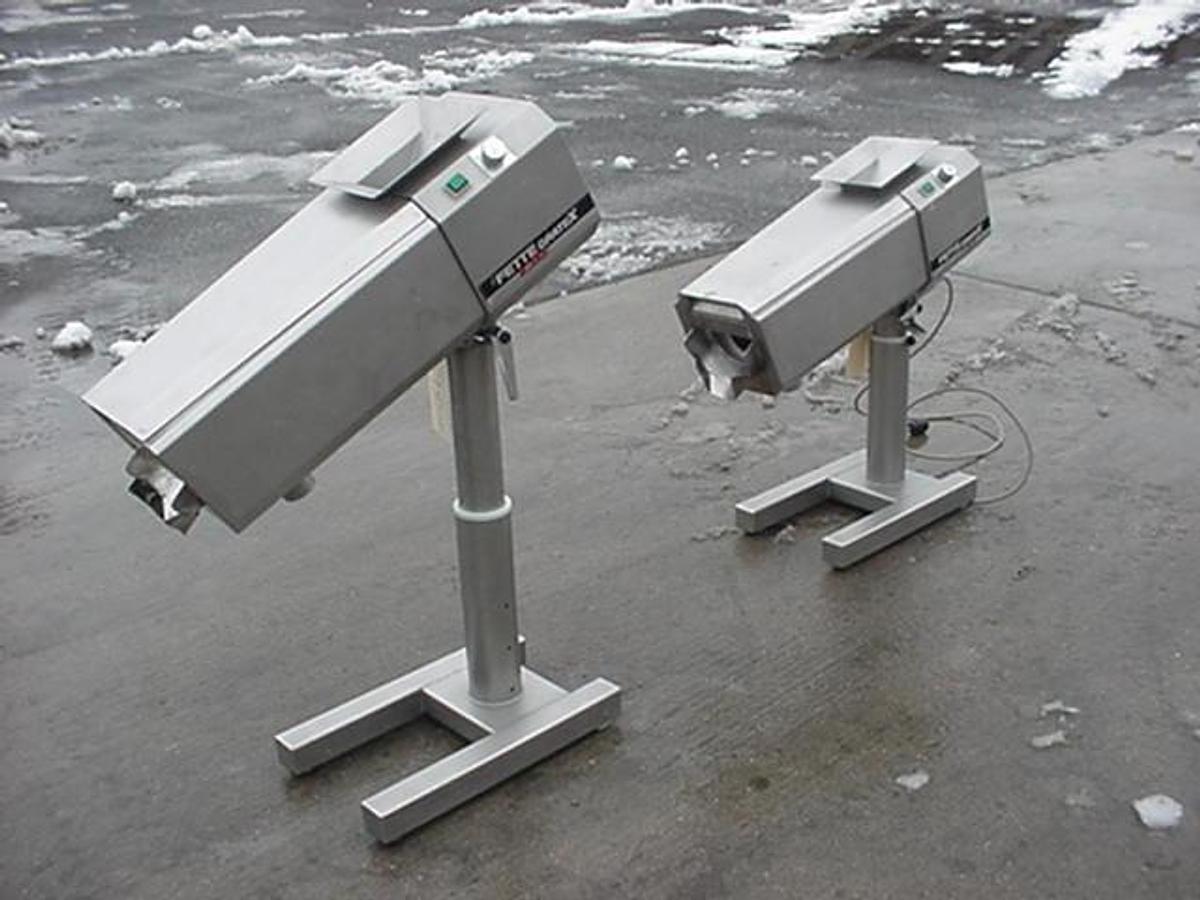
A tablet deduster removes loose powder and dust from the surface of tablets immediately after they leave the tablet press. During compression, fine powder from the tablet blend can adhere to the tablet surface or collect in the recesses of embossed lettering. If that dust is not removed before the tablets are coated, counted, or packaged, it can cause coating defects, interfere with inspection systems, and create contamination issues in downstream equipment. Dedusters typically work by passing tablets through a rotating spiral or mesh screen that gently tumbles them while a vacuum system pulls away the dislodged dust.
Used tablet dedusters from manufacturers like Fette (the Gratex model) and Stokes are commonly available on the secondary market and are often sold as standalone units or in small groups from facilities that are upgrading or closing production lines. Because dedusters are relatively simple machines with few complex moving parts, they tend to hold up well over time, making them a practical used equipment purchase. Buyers should inspect the screen or spiral for wear or damage, check the condition of the vacuum connections, and confirm that all contact parts are present and in acceptable condition. Stainless steel contact surfaces are standard for pharmaceutical-grade dedusters and should be verified during any pre-purchase inspection.
What does a complete used tablet and capsule bottling line typically include?
A complete tablet and capsule bottling line integrates several individual pieces of equipment into a continuous packaging process. At minimum, a complete line will include a tablet or capsule counter (which counts a precise number of tablets or capsules into each bottle), a bottle filler or transfer mechanism, a capper, and often a labeler. More fully equipped lines may also include a cotton or desiccant inserter, an induction sealer, a checkweigher, and a serialization or printing station. The specific configuration depends on the products being packaged, the production speed required, and the regulatory requirements of the market the product is sold into.
On the used market, complete bottling lines from manufacturers like King are available as integrated systems, which can simplify installation and validation compared to assembling a line from individual machines sourced from different suppliers. Buying a complete line also means the components were designed and sized to work together, reducing the risk of throughput mismatches between stations. Buyers evaluating a used bottling line should assess each station individually, since the condition of one machine in the line does not necessarily reflect the condition of the others. Asking for video of the full line running, or arranging an in-person inspection, is particularly valuable for complete systems where the interaction between machines is as important as the condition of any single piece.
How are shipping and rigging handled for used tablet manufacturing equipment?
Shipping used tablet manufacturing equipment is more involved than standard freight because these machines are precision instruments that can be damaged by vibration, impact, or improper handling during transit. Proper packaging is critical: smaller machines are typically palletized with appropriate blocking and bracing, while larger or heavier equipment may need to be crated. The level of packaging required directly affects shipping costs, and buyers should ask dealers specifically what packaging will be used and whether crating is included in the quoted price or billed separately. Understanding the full packaging and freight cost before committing to a purchase is important for accurately calculating the total landed cost of the equipment.
Larger machines, such as 48-inch coating pans or complete bottling lines, often require specialized rigging for loading at the dealer's facility and unloading at the buyer's location. This means a forklift may not be sufficient, and a rigger with appropriate lifting equipment may need to be engaged at both ends of the shipment. Rigging costs are typically the buyer's responsibility and can vary significantly based on the weight and dimensions of the machine and the accessibility of both facilities. Buyers should discuss these logistics with the dealer early in the process, as rigging requirements can affect both the timeline and the total cost of acquiring the equipment.
What payment terms are standard when purchasing used tablet manufacturing equipment?
The standard practice in the used industrial equipment market is full payment prior to shipment. This applies to most transactions regardless of the buyer's size or industry. Dealers carry the risk of holding and maintaining inventory, and requiring payment before releasing equipment for shipment is a standard protection against non-payment after delivery. Buyers should expect to wire funds or arrange another agreed-upon payment method before the dealer will schedule the machine for packaging and pickup by a freight carrier.
Some dealers will extend payment terms to repeat customers with whom they have an established relationship, but this is the exception rather than the rule for first-time buyers. Buyers who need financing for equipment purchases may need to arrange that independently through a bank or equipment financing company before approaching a dealer, since most used equipment dealers do not offer in-house financing programs. Confirming payment terms, accepted payment methods, and the timeline between payment and shipment is a practical step to take early in any purchase negotiation, as it affects cash flow planning and the overall timeline for getting equipment installed and operational.