Category
Manufacturer
Model
Used Cartoners for Sale
Pre-Owned Horizontal and Vertical Cartoners In Stock
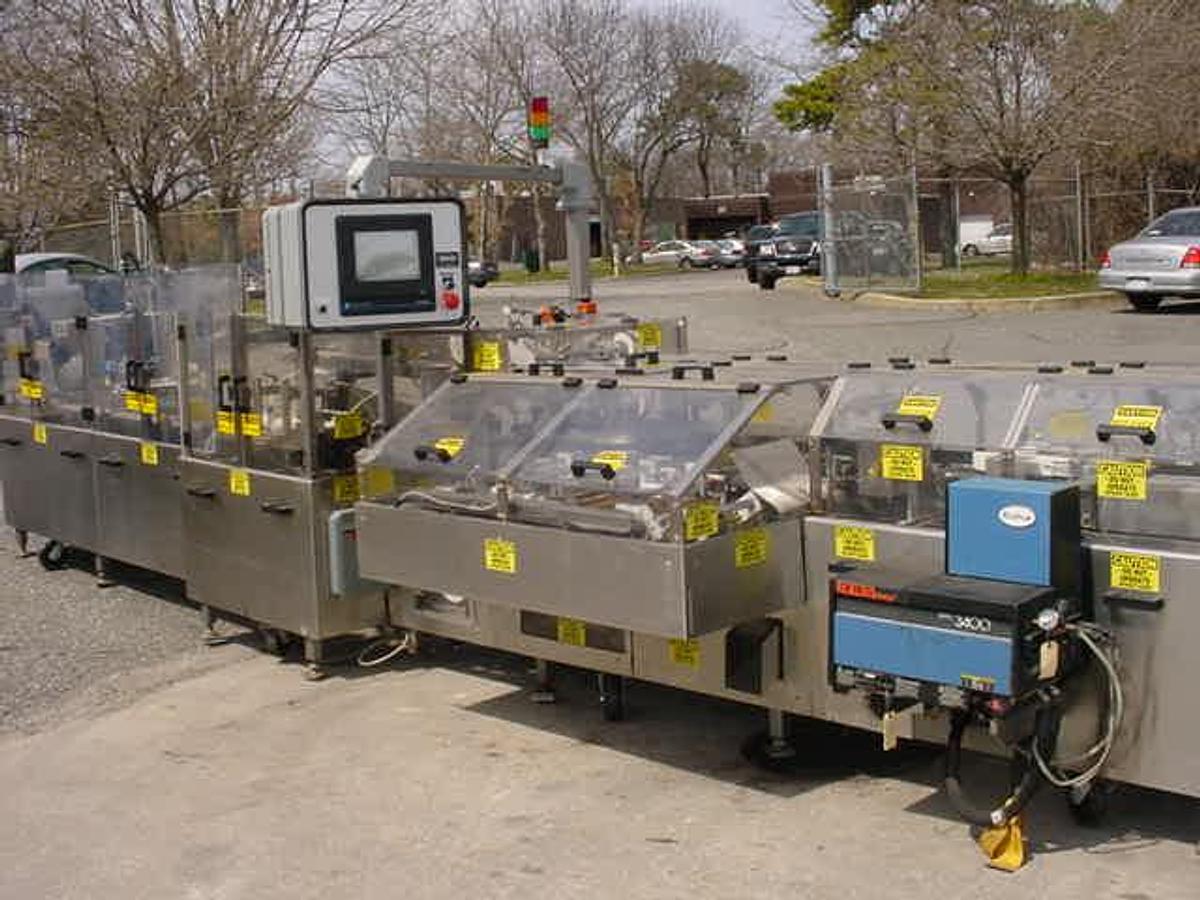
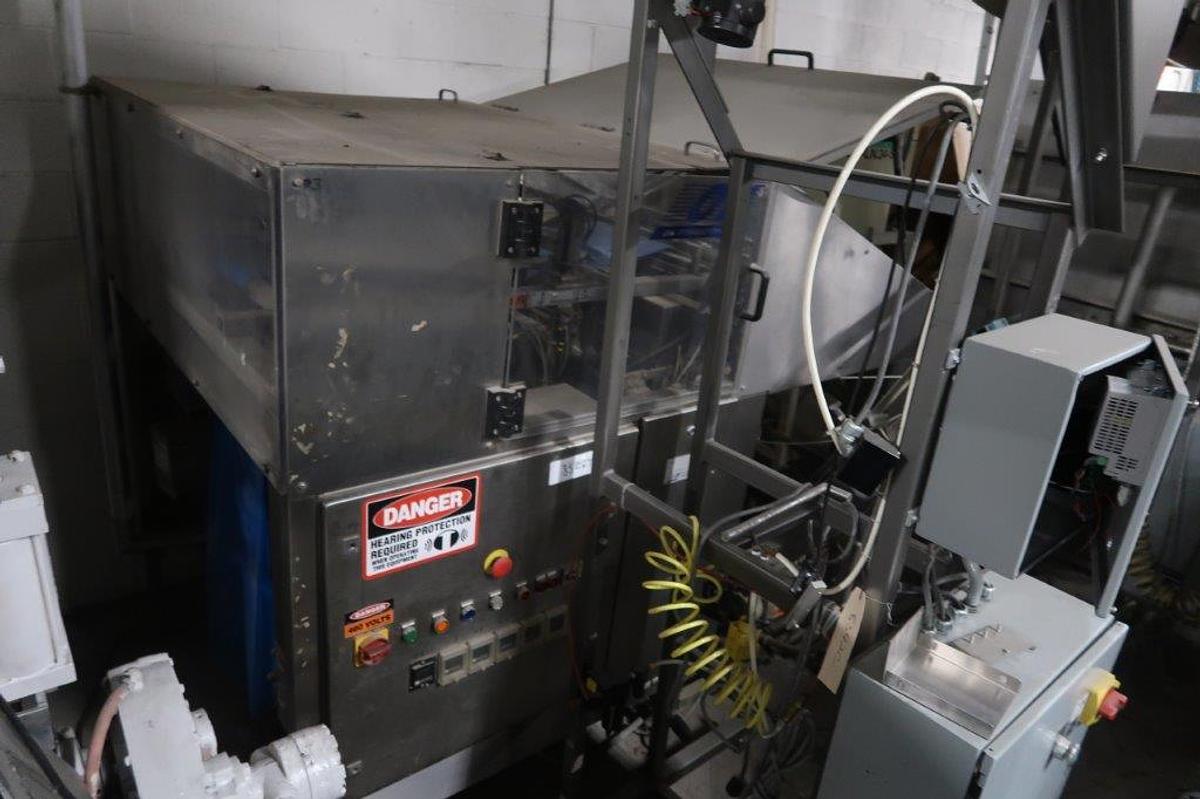
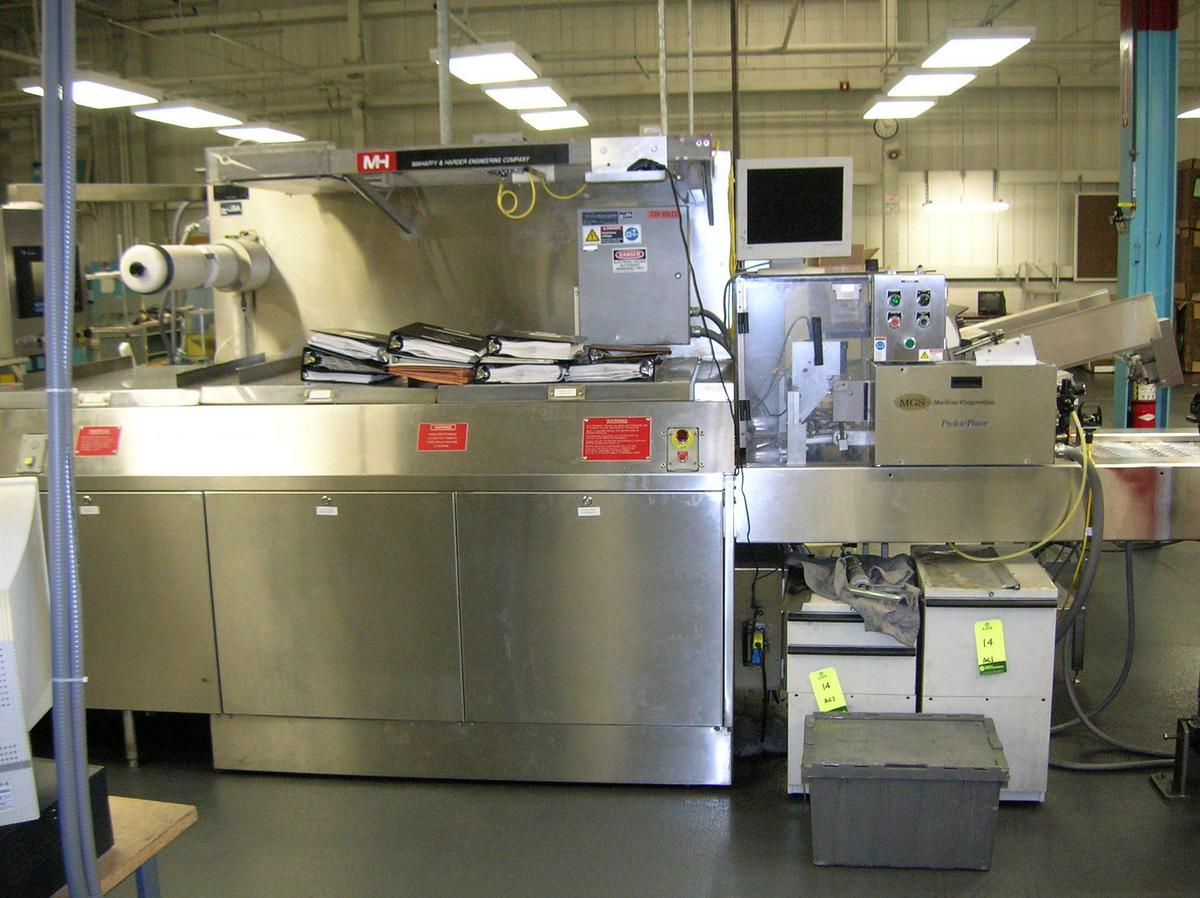
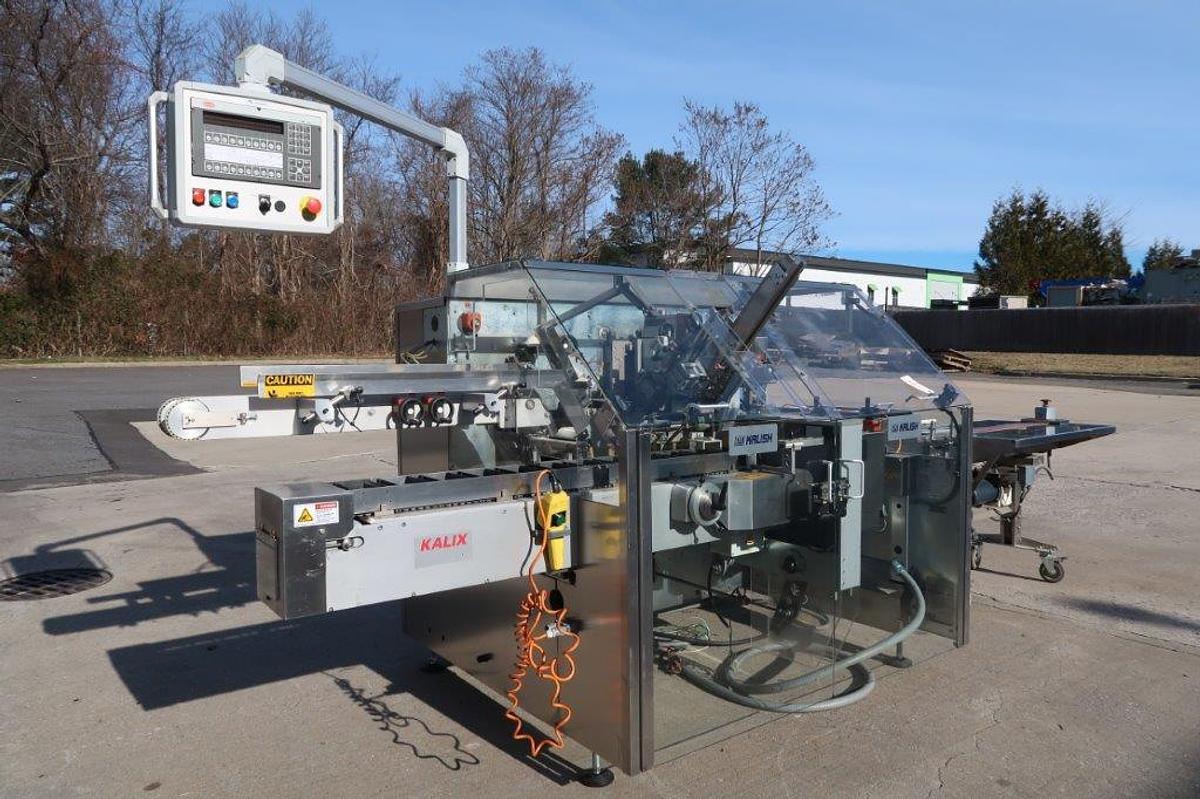
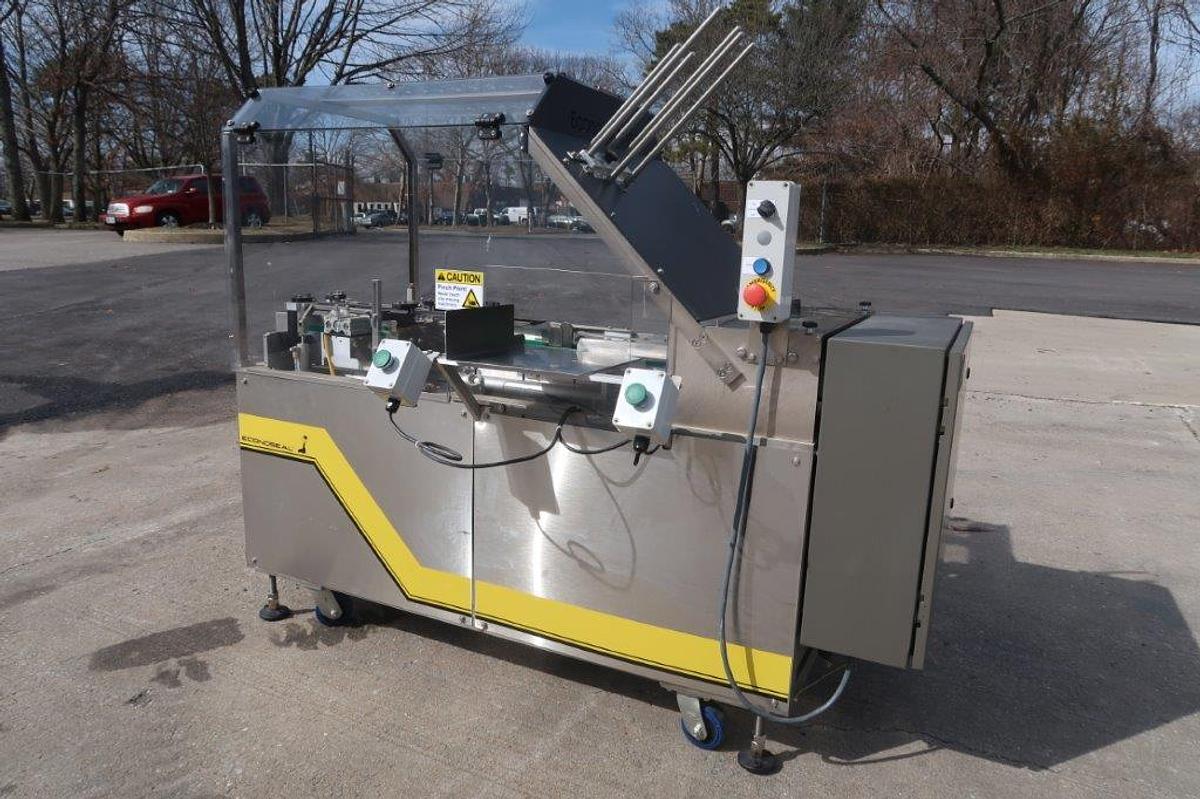
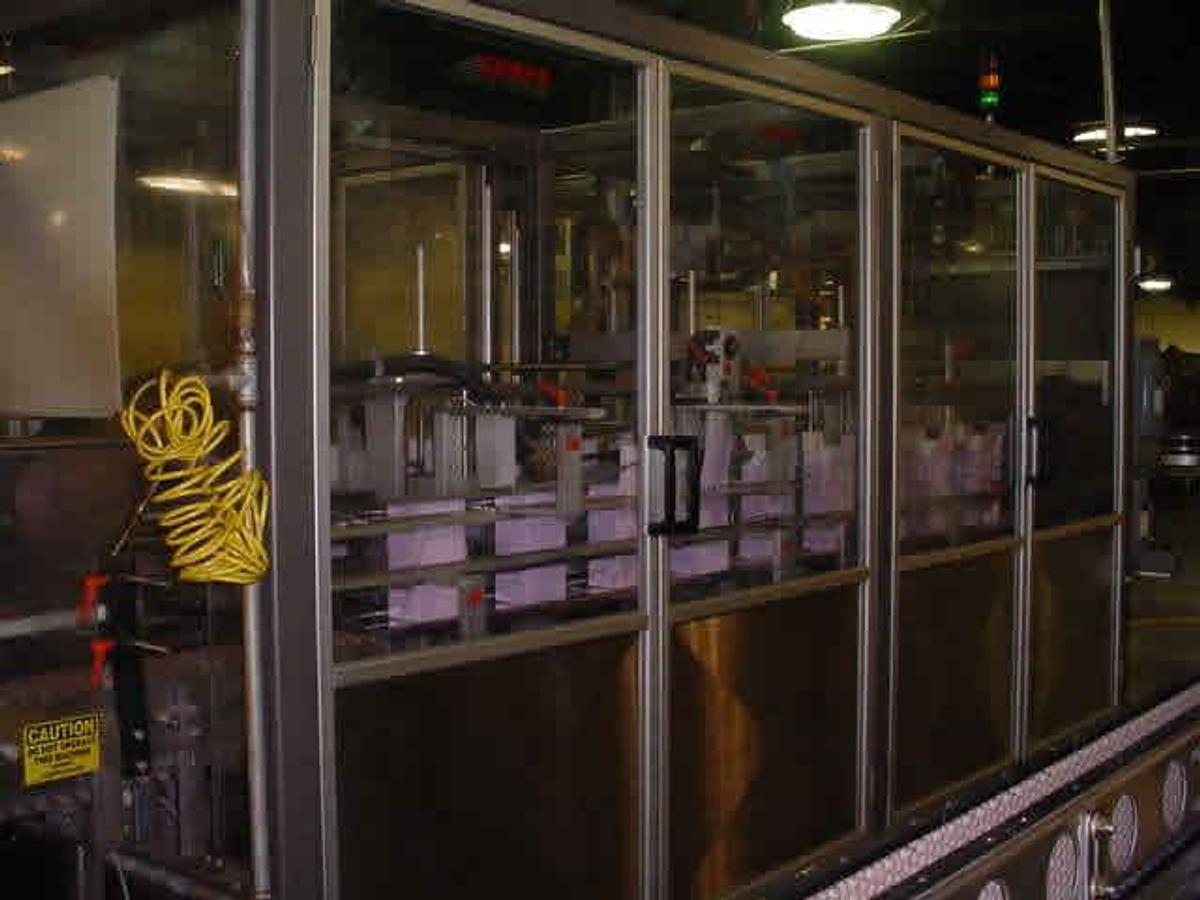
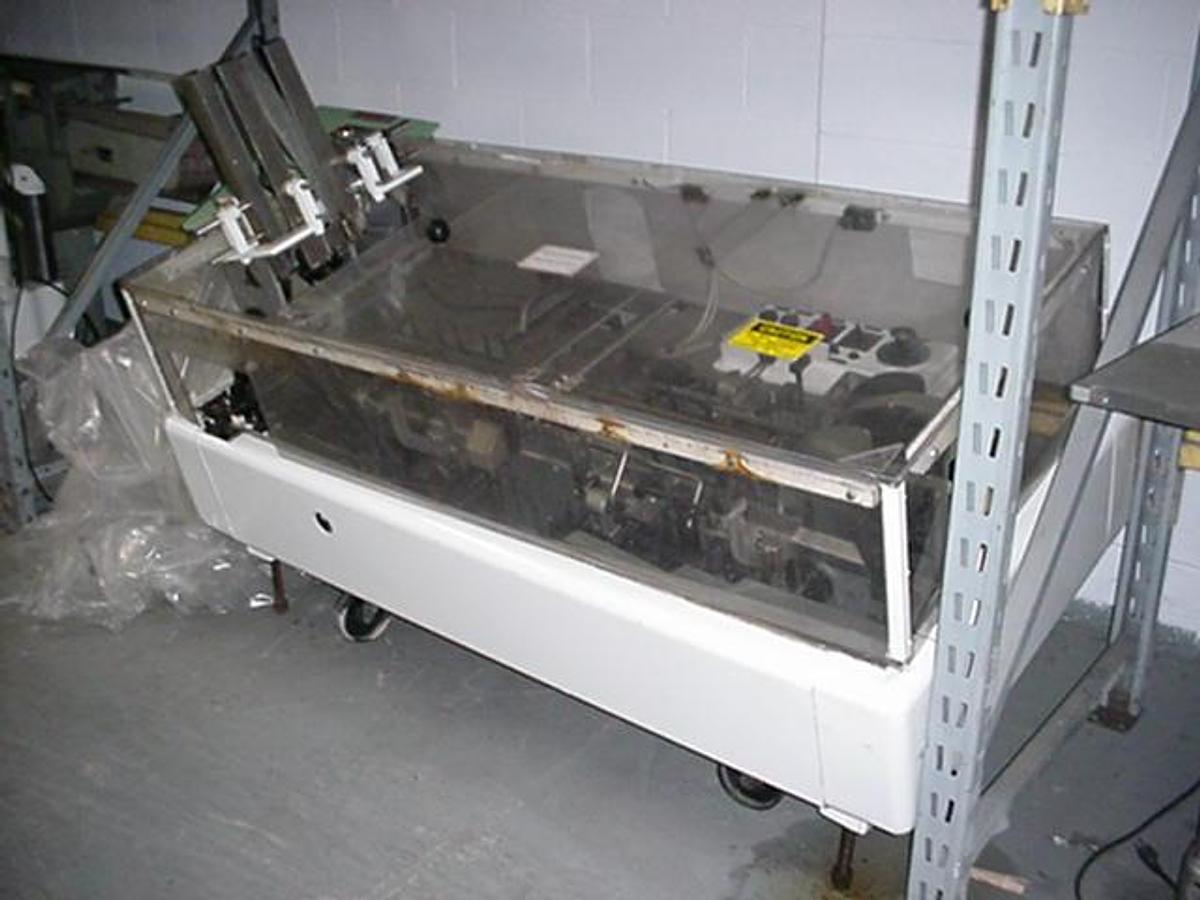
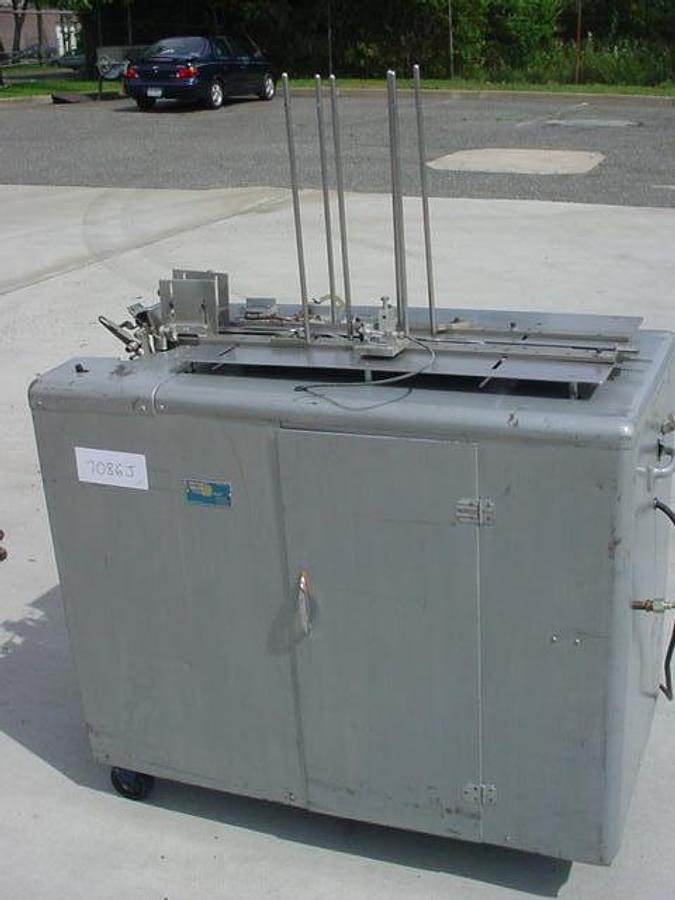
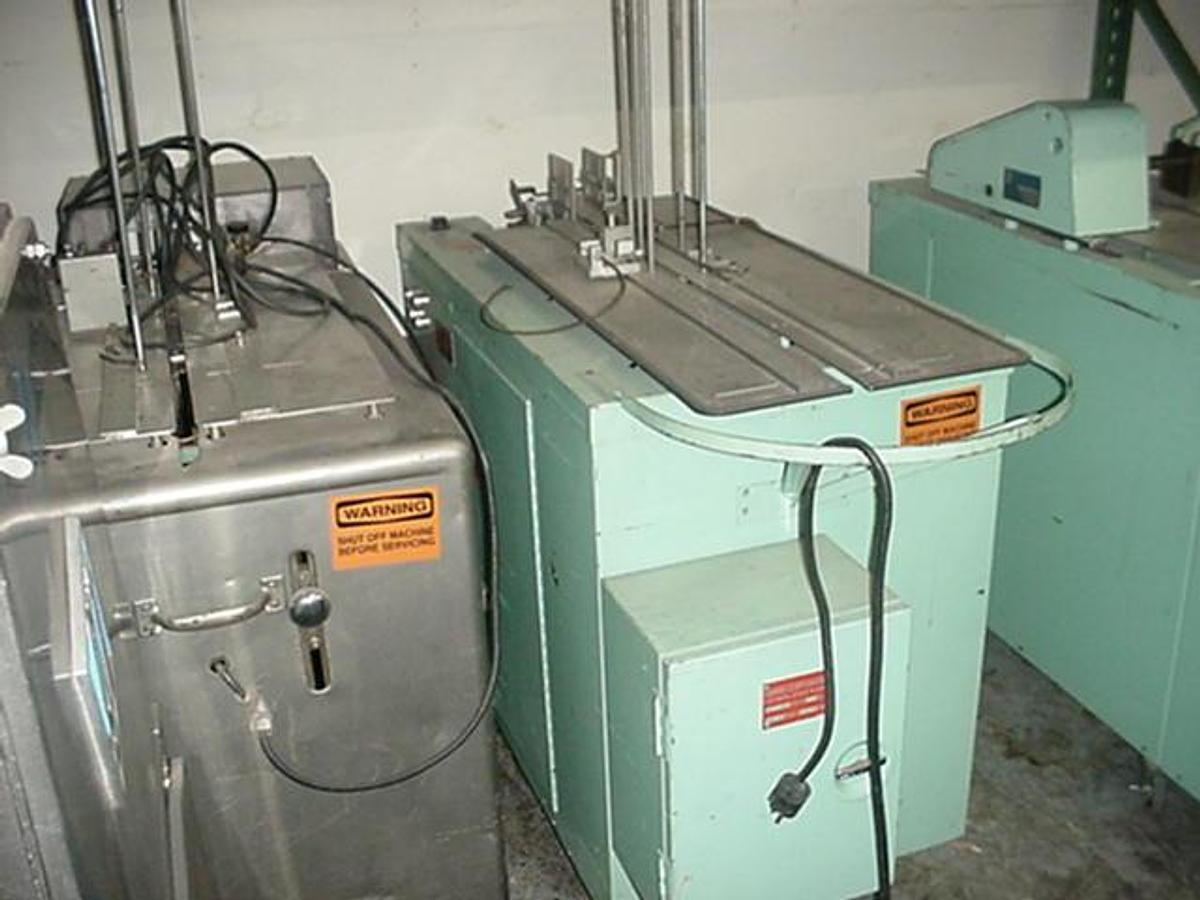
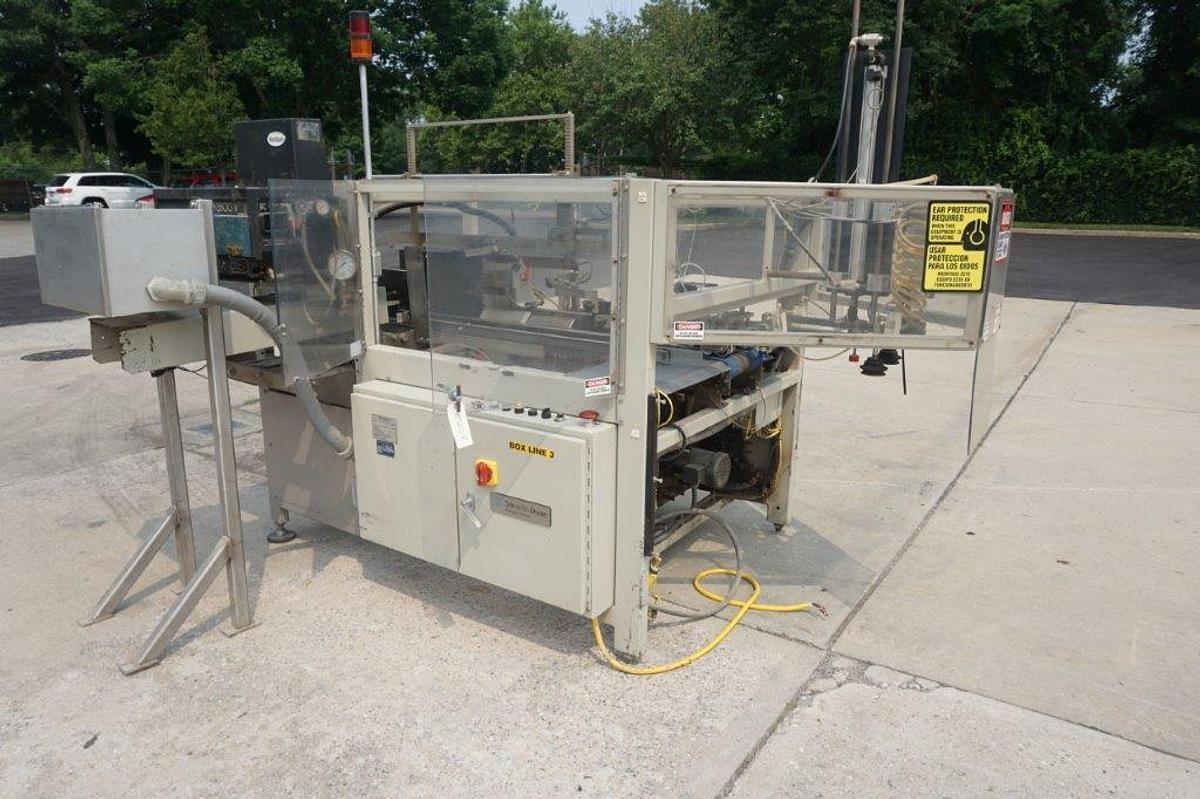
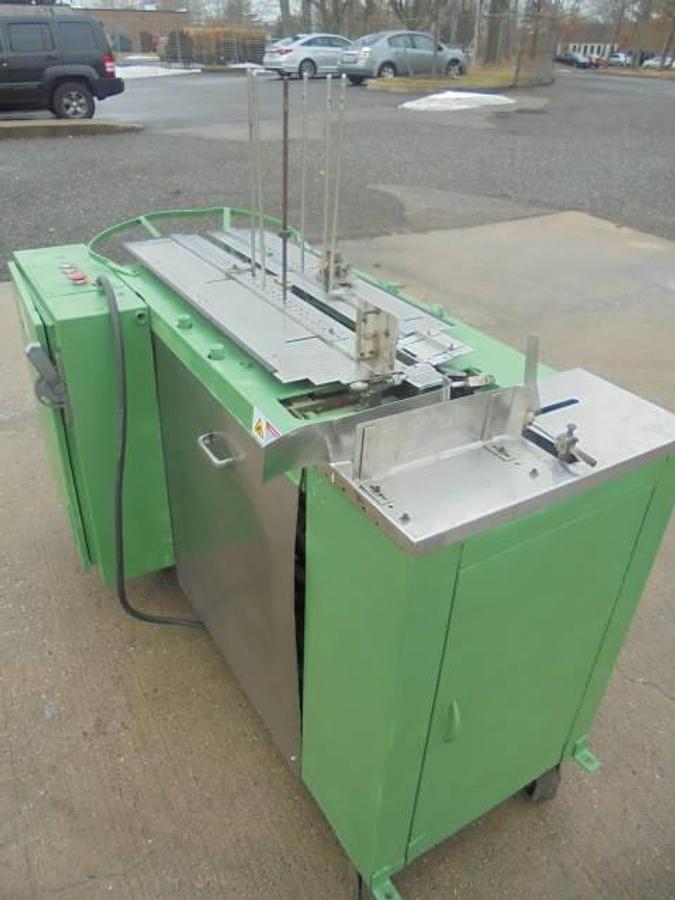
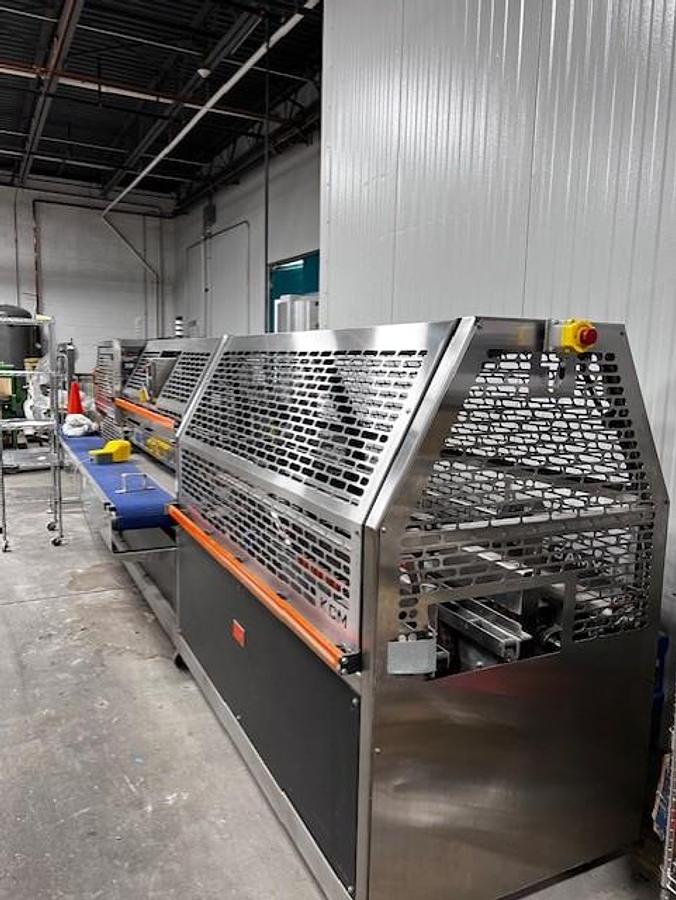
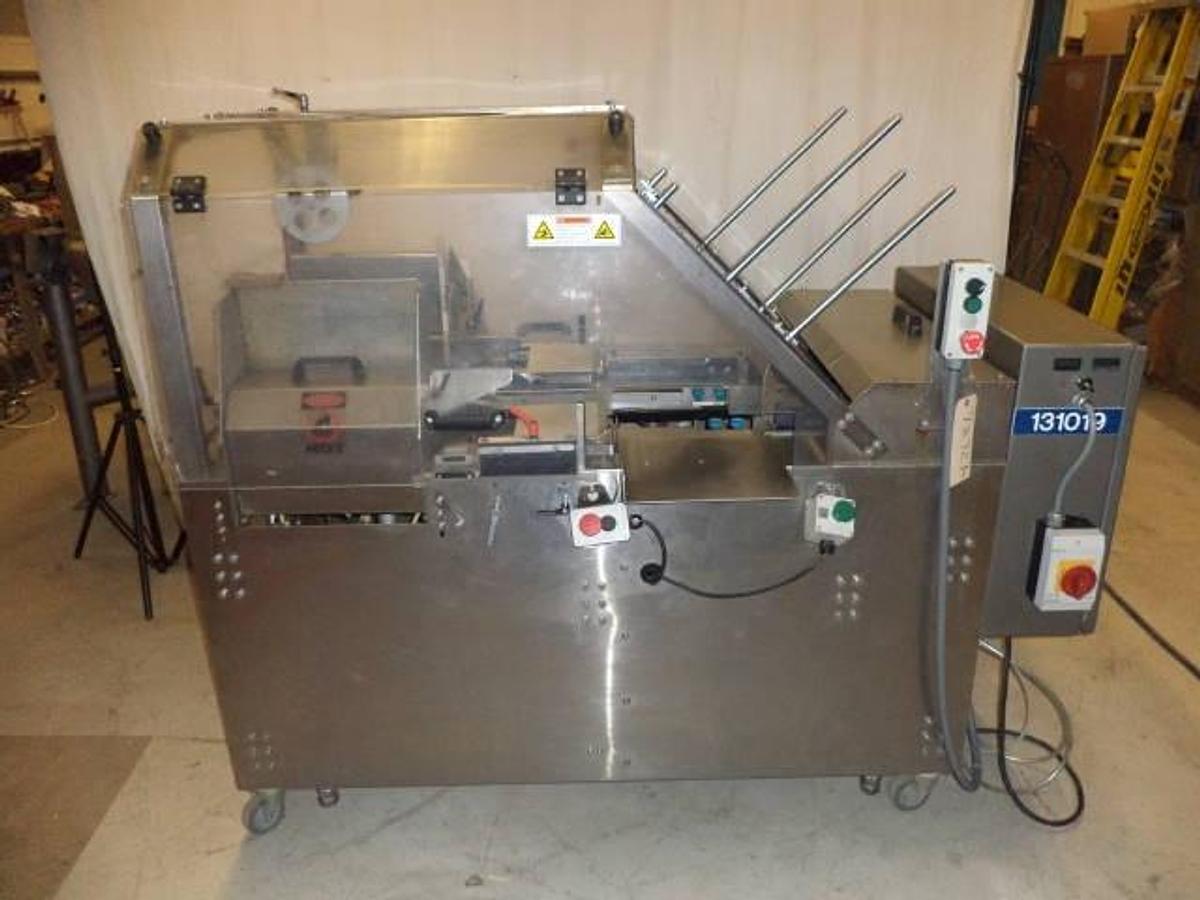
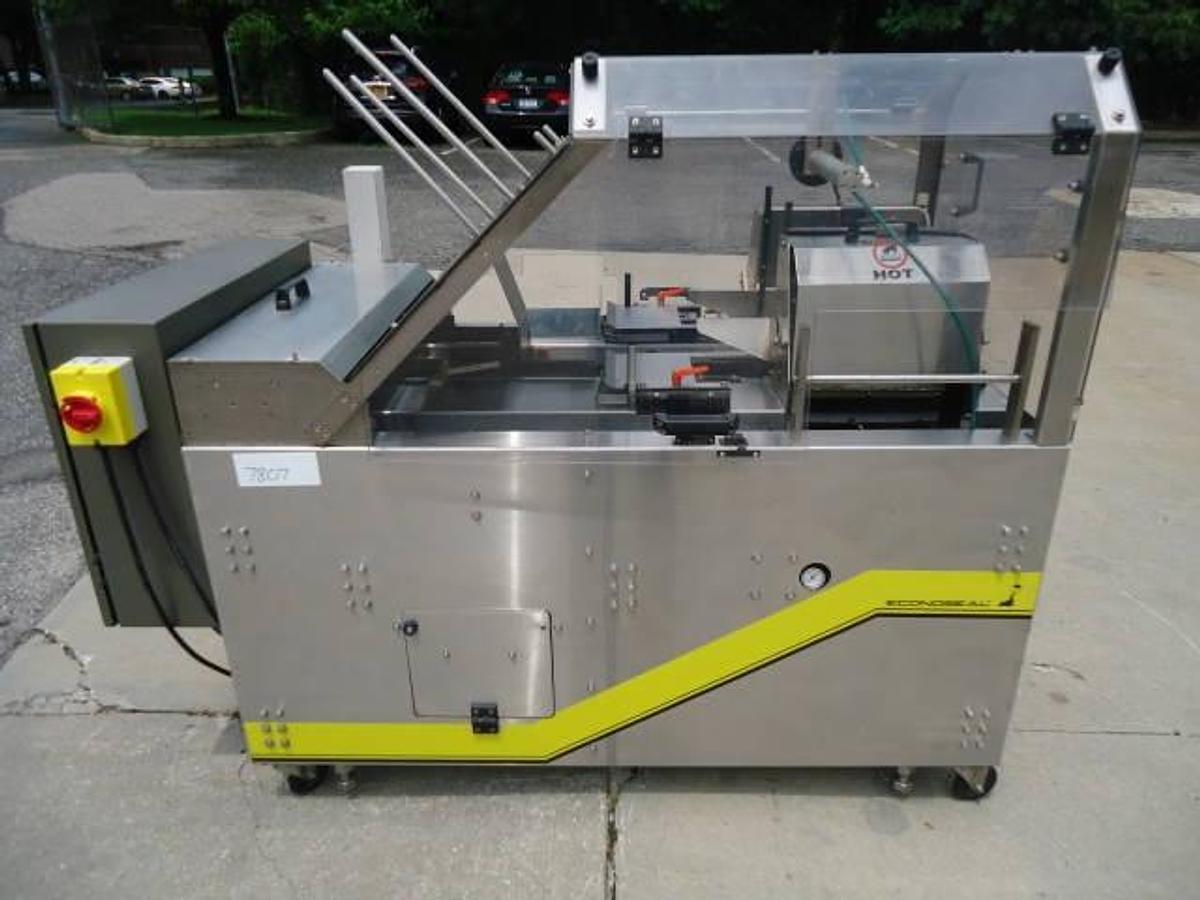
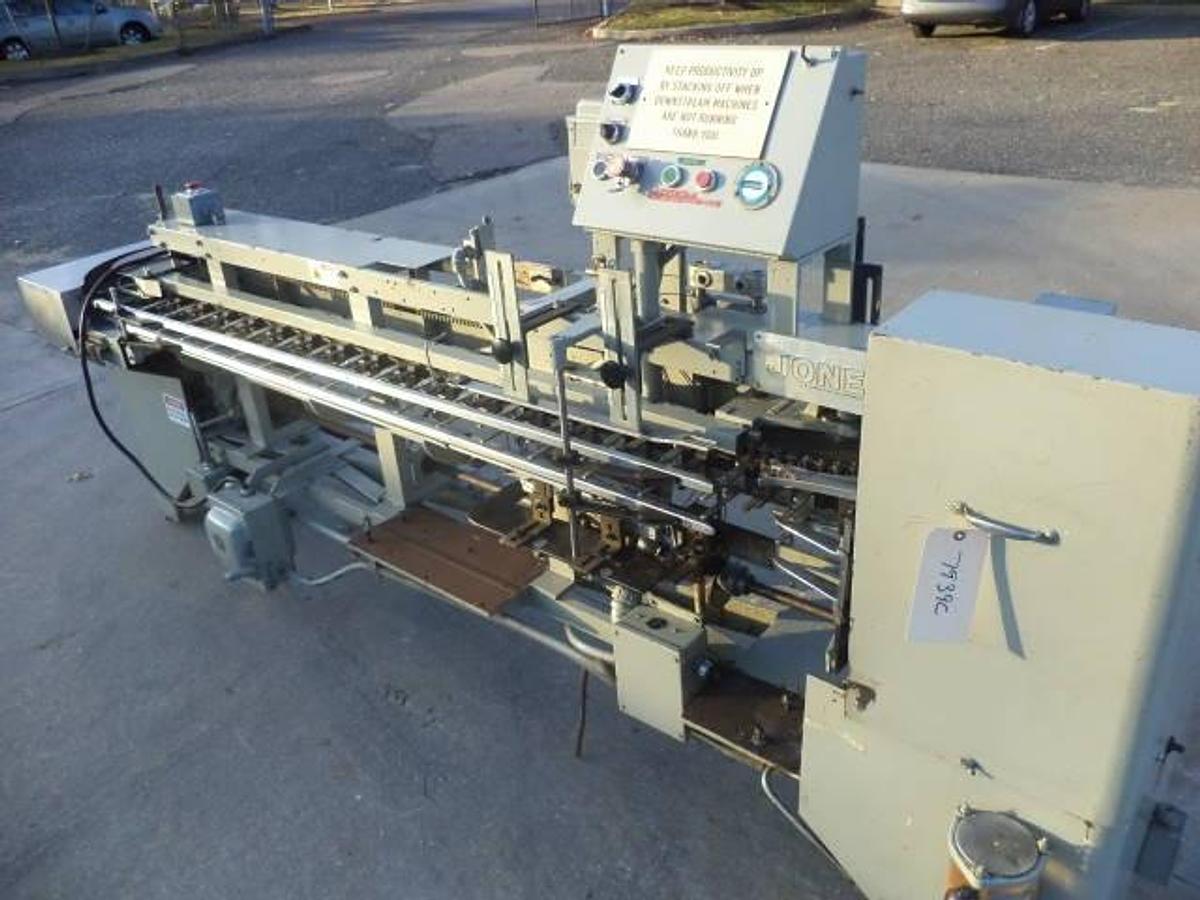
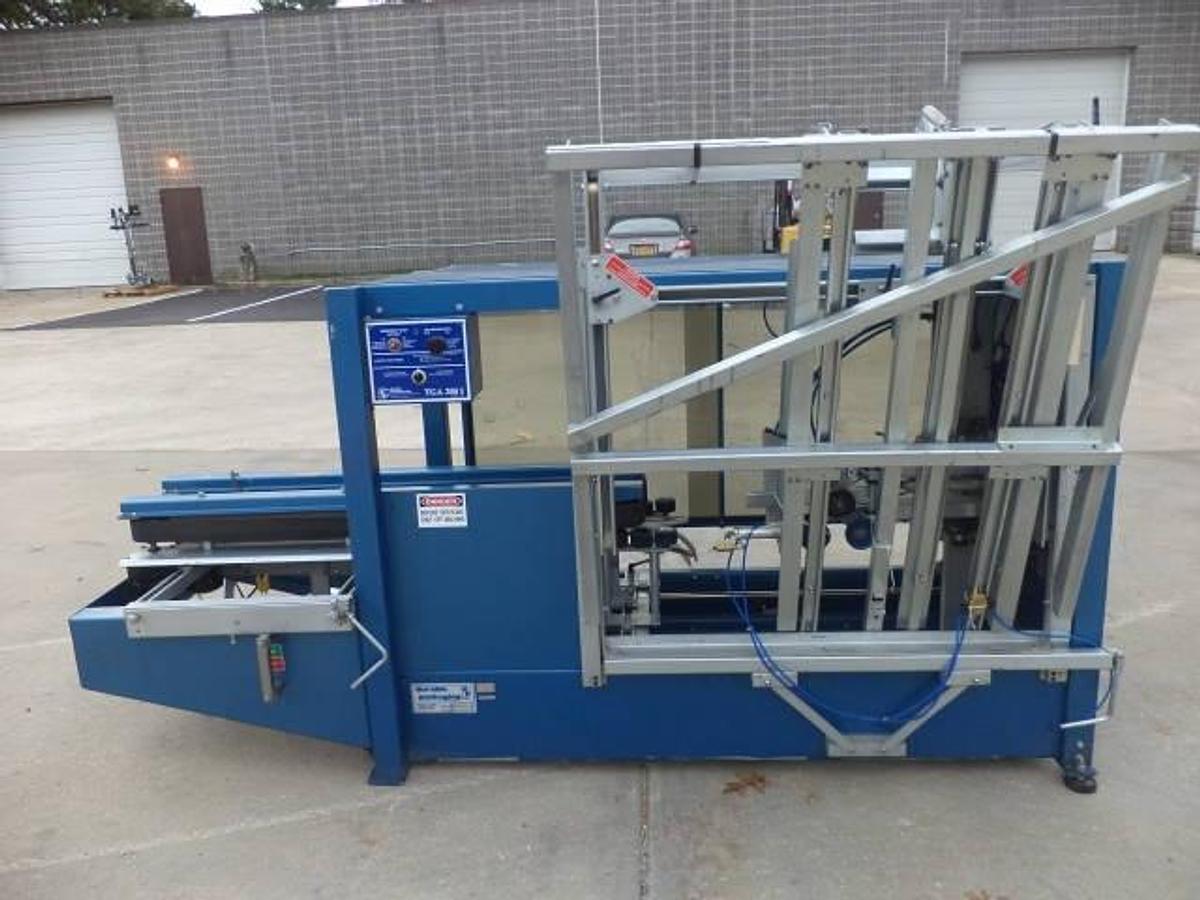
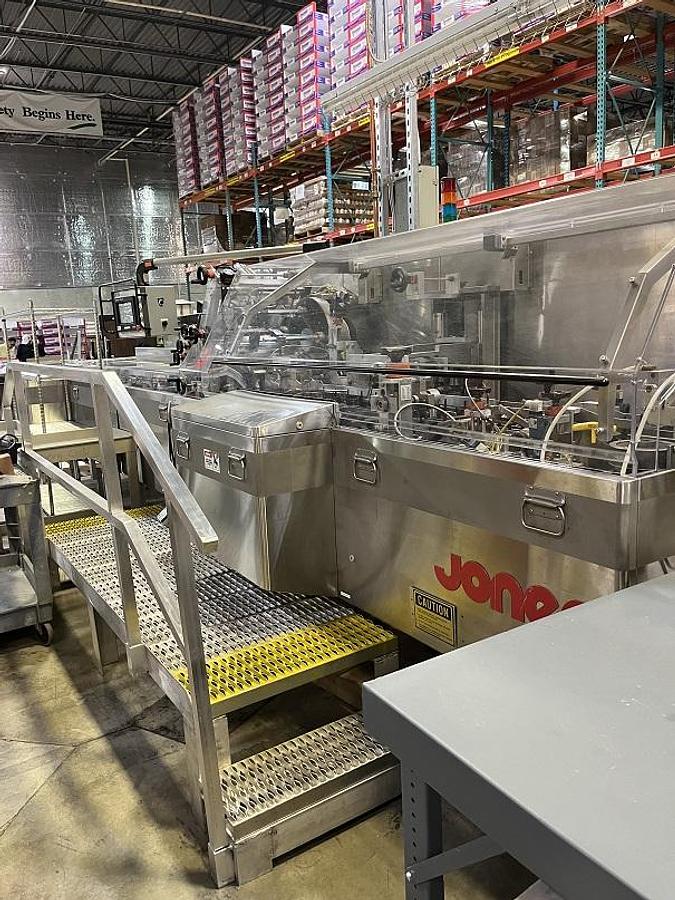
Wohl Industries stocks used cartoners for food, pharmaceutical, and consumer goods packagers. You get pre-owned horizontal cartoners, vertical cartoners, and tuck and glue models. Cartoners erect flat blanks, load product, and close each carton at line speed. Horizontal machines push pouches, blisters, and bottles into the carton. Vertical cartoners drop product in from above. Tuck closures suit resealable packs, and glue closures secure retail cartons. Buying used cuts your capital cost and lead time. We inspect every machine before we ship. We have sold processing and packaging equipment since 1968. Send us your carton size and rate, and we match you to the right cartoner.
FAQ :
What is a cartoner machine and what does it do?
A cartoner is a packaging machine that erects flat carton blanks into open boxes, loads products into those cartons, and then seals the finished package. The sealing method is typically either a tuck closure, where the carton flaps fold and interlock mechanically, or a glue closure, where hot melt adhesive bonds the flaps shut. Cartoners are a core piece of equipment in virtually any product packaging line that ships goods in folding carton boxes.
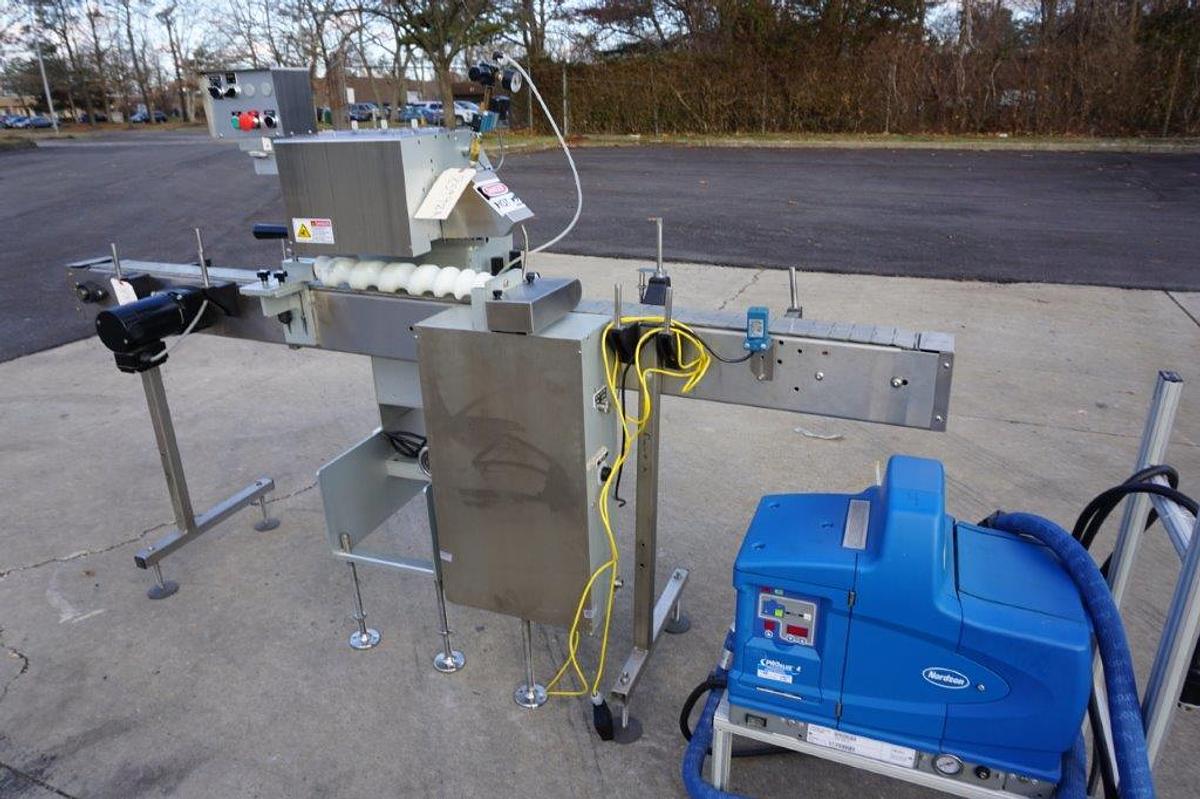
Depending on the configuration, a cartoner can handle a wide range of products including blister packs, tubes, trays, pouches, and loose items. Some machines also incorporate ancillary functions like leaflet insertion, coupon insertion, or inline gluing systems from brands like Nordson. The machine type, motion style, and sealing method all need to match the specific product and carton format being run, which is why buyers typically evaluate several variables before selecting a machine.
What is the difference between a horizontal cartoner and a vertical cartoner?
Horizontal cartoners load products through the open end of a carton that travels in a horizontal orientation along the machine. This configuration works well for solid, rigid products like pharmaceutical blister packs, tubes of cream, hardware, and similar items that can be pushed or slid into the carton from the side. The product maintains a consistent orientation throughout the loading process, which makes horizontal cartoners a popular choice in pharmaceutical and personal care packaging.
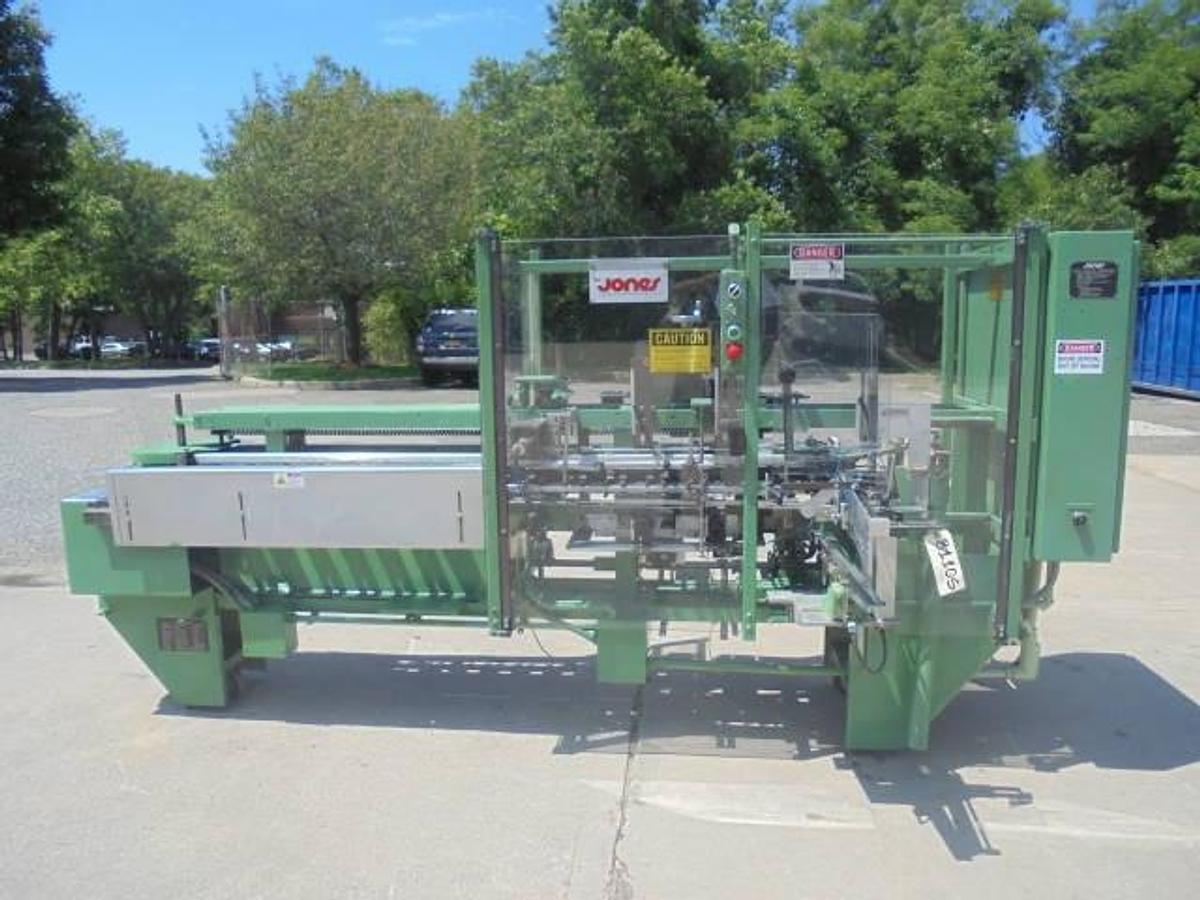
Vertical cartoners, by contrast, drop products down into a carton from above. This top-load approach suits loose, irregular, or fragile items that cannot be pushed horizontally without damage or spillage, such as granules, powders, confectionery, or small consumer goods. A machine like the R.A. Jones IMV-5, for example, is an intermittent motion vertical cartoner designed for exactly this type of application. Choosing between horizontal and vertical loading is one of the first decisions a buyer needs to make, since the two machine types are generally not interchangeable for a given product geometry.
What is the difference between continuous motion and intermittent motion cartoners?
Intermittent motion cartoners advance cartons in a stop-and-go cycle. The carton pauses at each station while loading and sealing operations are completed, then indexes forward to the next station. This approach tends to be mechanically simpler and more forgiving of minor product variation, making intermittent machines a practical choice for lower-speed lines or for products that need a brief dwell time during loading. Speeds on intermittent machines typically range from around 30 to 150 cartons per minute depending on the model and carton format.
Continuous motion cartoners keep cartons moving at a constant speed through the machine, with loading and sealing mechanisms that travel alongside the cartons during each operation. This design enables significantly higher throughput, with some high-end systems capable of exceeding 400 to 500 cartons per minute. Continuous motion machines are generally more mechanically complex and require tighter process control, but they are the standard choice for high-volume production environments. Used examples of both styles are available on the market, and buyers should match the motion type to their actual line speed requirements rather than simply defaulting to the highest-speed option available.
What is the typical production speed of a cartoning machine?
Production speeds vary considerably across the range of cartoning equipment available. Entry-level semi-automatic machines and smaller intermittent motion units often run in the range of 20 to 60 cartons per minute. Mid-range automatic cartoners commonly operate between 80 and 200 cartons per minute, which covers the majority of mid-volume packaging lines. High-speed continuous motion systems, such as the MGS HCM-750 or the Serpa 2600 VIM, are designed for demanding production environments and can reach speeds well above 300 cartons per minute.
When evaluating a used cartoner, the rated speed of the machine is a starting point, but the actual achievable speed on a specific product and carton combination depends on factors like carton board quality, product consistency, and the condition of the machine. Buyers should also consider whether the line upstream and downstream of the cartoner can actually sustain the machine's rated output, since a high-speed cartoner is only useful if the rest of the line can keep pace.
What industries use cartoning machines?
Cartoning machines are used across a broad range of industries wherever products are sold in folding carton boxes. Pharmaceuticals and nutraceuticals are among the heaviest users, packaging blister packs, bottles, tubes, and sachets into cartons that often include a product leaflet. Personal care and cosmetics companies use cartoners for items like toothbrushes, creams, and soap. The food industry relies on cartoners for cereals, confectionery, frozen foods, and portion-packed products. Household goods, hardware, and consumer electronics are also commonly cartoned.
Specialized cartoner configurations exist for specific product types. Tube cartoners, for example, are designed to handle collapsible tubes of toothpaste, adhesive, or pharmaceutical cream. Machines like the Kalix KP-1000 are built specifically for pharmaceutical reverse-tuck applications. The Mahaffey and Harder Sureflow 8000 is an example of a cartoner purpose-built for toothbrush packaging. This degree of specialization is worth keeping in mind when sourcing used equipment, since a machine optimized for one product category may require significant changeover work to run a different product type.
What is the difference between tuck-end and glue-end carton sealing?
Tuck-end sealing uses the carton's own folded flaps to lock the package closed without any adhesive. The flaps are designed with a tab that tucks into a slot on the opposite panel, creating a mechanical closure. This style is common for retail consumer products where the package needs to be opened and reclosed by the end user, and it avoids the cost and maintenance associated with a hot melt gluing system. Machines like the Bivans Tuck-O-Mat line are classic examples of cartoners built specifically for tuck-end cartons.
Glue-end sealing applies hot melt adhesive to the carton flaps before they are folded and pressed together, creating a permanent bond. Glued cartons generally have a cleaner finished appearance and are harder to tamper with, which is why they are preferred in pharmaceutical packaging and for products where a secure, tamper-evident seal is important. Hot melt gluing systems from suppliers like Nordson are commonly integrated into cartoners for this purpose. Many used cartoners on the market are configured for one sealing style or the other, though some machines can be adapted with the appropriate tooling and gluing equipment.
What factors affect the price of a used cartoner?
Several variables drive the price of a used cartoning machine. Machine age and overall condition are the most obvious factors, with well-maintained equipment from reputable manufacturers holding value better than older or poorly maintained units. Brand reputation matters too. Machines from established manufacturers like R.A. Jones, Econocorp, Langen, and MGS tend to command higher prices on the used market because replacement parts and technical support are more accessible. Speed and automation level also play a significant role, with high-speed continuous motion automatic cartoners priced substantially higher than slower semi-automatic models.
Configuration and included tooling affect price as well. A cartoner sold with multiple sets of change parts for different carton sizes is worth more than the same machine with tooling for only one format. Integrated features like leaflet inserters, Nordson gluing systems, or stainless steel construction for washdown environments add value. As a general reference point, basic used semi-automatic cartoners can be found in the $15,000 to $30,000 range, while fully automatic high-speed systems from well-known manufacturers can run from $75,000 to well over $150,000 depending on age, condition, and included features.
Are cartoners available in semi-automatic configurations, or are they all fully automatic?
Both semi-automatic and fully automatic cartoners are available on the used equipment market, and the right choice depends on production volume, labor availability, and budget. Semi-automatic cartoners require an operator to manually feed cartons or products into the machine, with the machine handling erection and sealing. These machines are well suited to lower-volume operations, short production runs with frequent changeovers, or situations where capital budget is limited. They are generally simpler to operate and maintain than fully automatic systems.
Fully automatic cartoners handle the entire process without manual product feeding, drawing cartons from a magazine, erecting them, loading products, inserting leaflets if required, and sealing the finished package in a continuous cycle. These machines are designed for sustained high-volume production and are standard in pharmaceutical, food, and consumer goods facilities running dedicated packaging lines. Used fully automatic cartoners from brands like Econocorp, R.A. Jones, and Bivans represent a cost-effective way to acquire this level of automation compared to purchasing equivalent equipment through other channels.
What should a buyer inspect when evaluating a used cartoner?
A thorough inspection of a used cartoner should cover mechanical condition, electrical systems, and the availability of change parts. On the mechanical side, buyers should look at the condition of the carton magazine and feed system, the erecting and loading mechanisms, the sealing station (whether tuck or glue), and the drive components including chains, cams, and servo motors if present. Worn or damaged tooling, bent guides, and poorly adjusted timing are common issues on machines that have seen heavy use. If the machine includes a hot melt gluing system, the condition of the glue heads and hoses deserves close attention since these components can be expensive to replace.
Inspections are typically offered by dealers in person, virtually, or through detailed video. Some machines may still be installed at a production facility, where an in-person inspection can be arranged at the plant itself. Buyers should keep in mind that most equipment dealers do not have the permitting or infrastructure to run actual production, so functional testing with real product may not be possible. Consulting the machine's manufacturer directly is also advisable, particularly for older models, to understand what level of technical support and parts availability to expect before committing to a purchase.
What should buyers know about shipping and payment for used cartoning equipment?
Shipping costs for used cartoners depend heavily on machine size, weight, and the level of packaging required to protect the equipment in transit. Smaller portable machines like the Bivans 50 Tuck-O-Mat or the Hofliger and Karg portable horizontal cartoner can be palletized relatively straightforwardly, while larger high-speed cartoners may require custom crating and heavy-duty rigging for loading and unloading at both ends. Rigging services are typically an added cost beyond standard freight, and buyers should request a detailed breakdown of all packaging, rigging, and shipping charges to understand the full landed cost before finalizing a purchase.
On payment, most used equipment dealers require full payment prior to releasing a machine for shipment. Some dealers extend terms to repeat customers, but this is the exception rather than the rule. Buyers should clarify payment expectations early in the process. Because used cartoners are sold as-is, selecting a dealer with a long track record in packaging equipment is important. A dealer who specializes in cartoning and secondary packaging equipment will generally provide more accurate machine descriptions, better inspection access, and more reliable transaction support than a generalist reseller.