Category
Manufacturer
Model
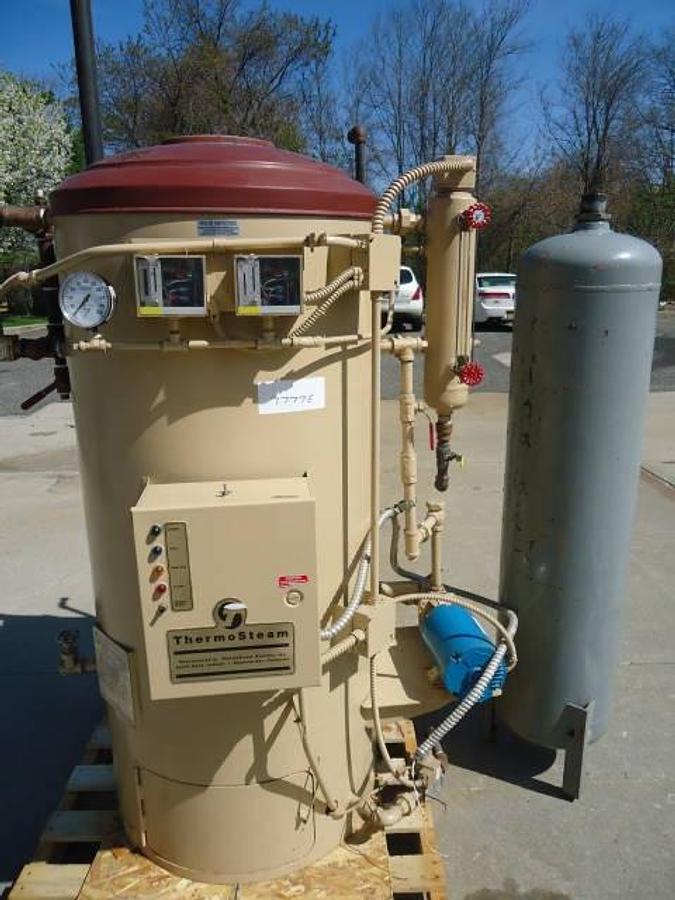
Boilers-Generators Steam Boilers, Electric Boilers, Gas-Fired Boilers
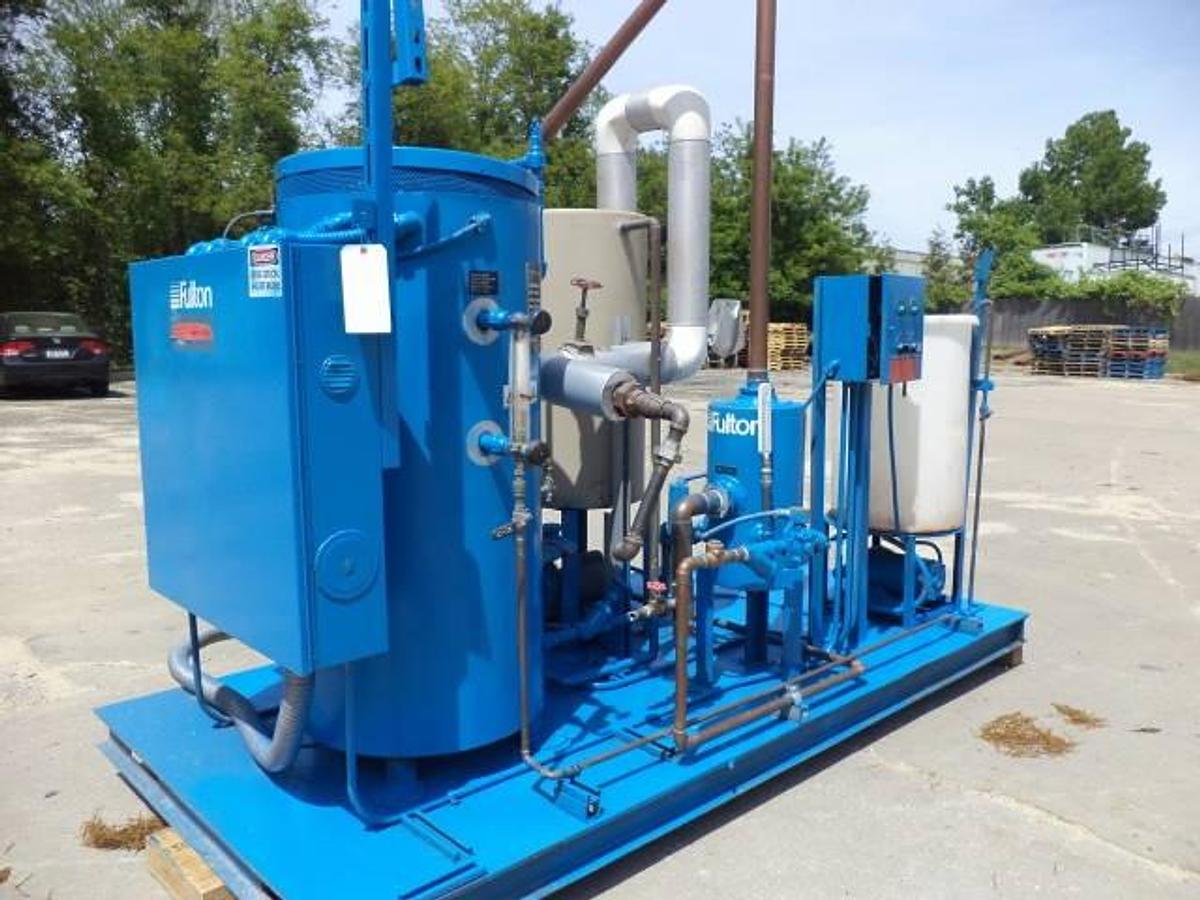
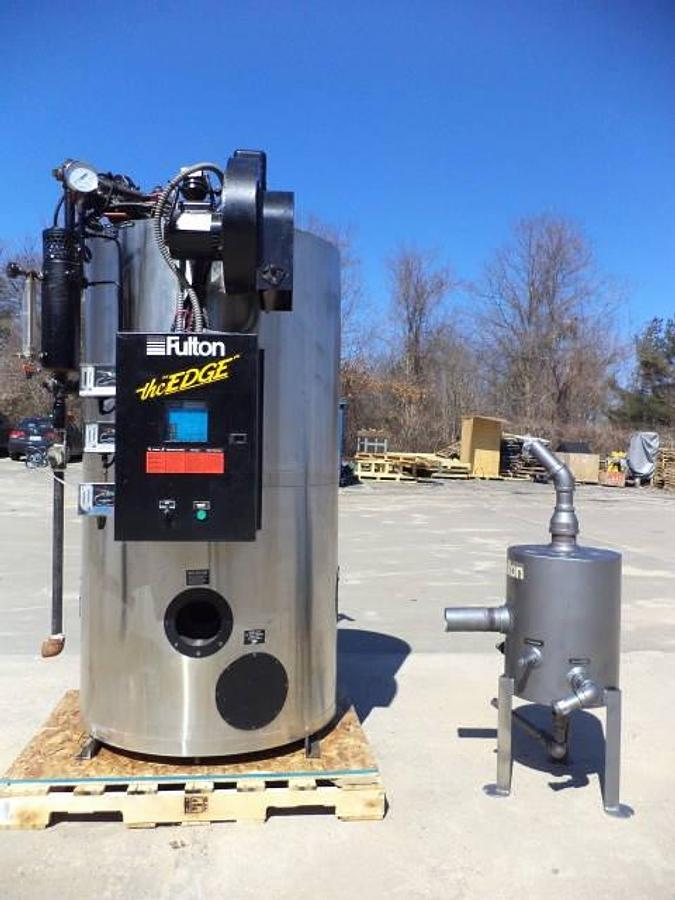
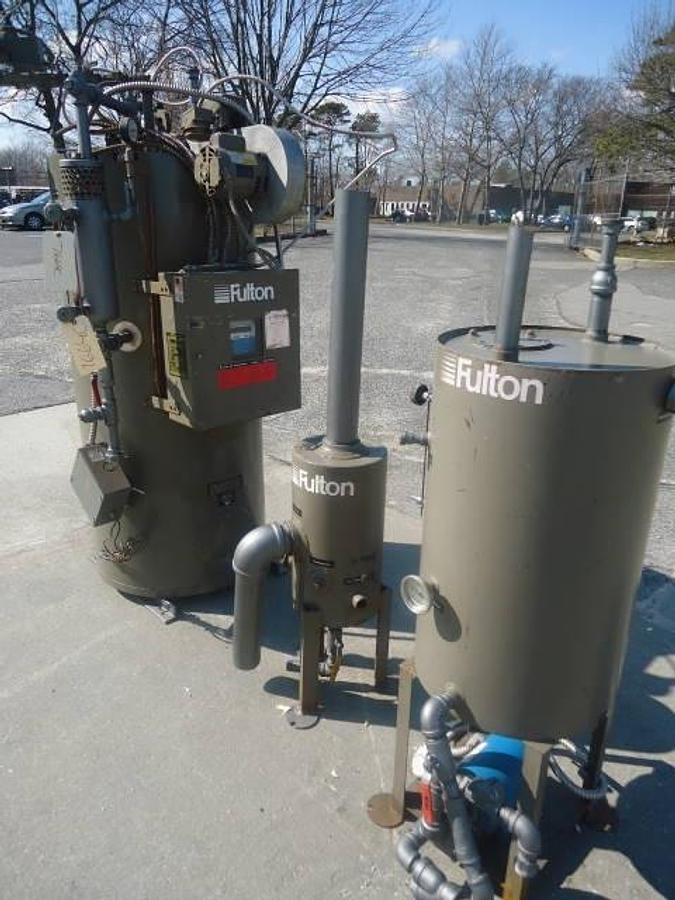
Factories make use of a steam boiler to heat the jackets of tanks or kettles. We offer steam boilers, electric boilers, gas-fired boilers and generators. The best-known brand of boiler that we offer is the Fulton boiler. Our used boilers come in a variety of capacities and horsepower.
FAQ :
Can you buy a used industrial boiler or generator?
Yes, used industrial boilers and generators are widely available through specialized used equipment dealers. These machines are sold after being decommissioned from factories, plants, or facilities that have upgraded, closed, or changed their production requirements. Common types available on the used market include steam boilers, electric boilers, gas-fired boilers, and standby or prime-power generators. Well-known boiler brands that frequently appear in the used market include Fulton, Cleaver-Brooks, York-Shipley, and Johnston Boiler. On the generator side, brands like Caterpillar, Cummins, Kohler, and Generac are commonly found.
Buyers should work with dealers who specialize in industrial equipment rather than general surplus liquidators, since specialized dealers are more likely to have technical knowledge of the equipment, accurate specifications, and the ability to answer detailed questions about a machine's history and condition. Capacity options vary considerably, so buyers can typically find equipment ranging from compact portable electric temperature control units to large-scale steam boilers rated for hundreds of horsepower. The key is identifying your pressure, fuel type, and output requirements before searching, so you can narrow down listings to machines that are genuinely compatible with your application.
Is it worth buying a used boiler instead of a new one?
For many industrial buyers, used boilers represent a practical and cost-effective alternative, particularly for facilities that need reliable heat or steam generation without the lead times and capital expense associated with procuring brand-new equipment. The price difference between a used and a newly manufactured industrial boiler can be substantial, often tens of thousands of dollars depending on capacity and configuration. Buyers who are replacing a decommissioned unit, setting up a secondary production line, or running a facility with moderate demand often find that a used machine meets their needs at a fraction of the cost.
The trade-off is that used equipment comes with an unknown service history unless documentation is provided, and it is sold as-is without manufacturer warranties. This makes the inspection process critical. Buyers should request maintenance logs, ask about the age of key components such as burners, heat exchangers, and controls, and arrange for an in-person or video inspection before committing to a purchase. Consulting the original manufacturer about parts availability and technical support for a specific model and age of boiler is also a smart step, since older or discontinued models may have limited support. When approached carefully, buying used can deliver solid value, especially for buyers who have the in-house technical staff to evaluate and maintain the equipment.
How much does a used industrial boiler cost?
Pricing for used industrial boilers varies widely based on capacity, fuel type, brand, age, and overall condition. A small electric or gas-fired boiler in the 10 to 30 horsepower range might sell for a few thousand dollars, while a large steam boiler rated at several hundred horsepower from a well-regarded manufacturer like Fulton or Cleaver-Brooks can run into the tens of thousands. A 1,000 horsepower industrial boiler, whether purchased used or new, represents a significant capital investment, and even used units at that scale can command six-figure prices depending on their condition and configuration.
Beyond the purchase price, buyers should factor in additional costs before calculating the true landed cost of the equipment. Shipping charges depend on the size and weight of the machine, the level of crating or palletization required to prevent transit damage, and whether heavy-duty rigging is needed for loading and unloading at either end. Installation, reconnection to utilities, and any compliance inspections required by local authorities will add further costs. Getting a clear picture of all these expenses upfront helps avoid surprises and makes it easier to compare the total cost of a used unit against other options.
What should I look for when buying a used boiler or generator?
The most important starting point is understanding the specifications your application actually requires. For boilers, that means operating pressure rating (measured in PSI), steam or heat output capacity (in horsepower or BTU), fuel type compatibility (natural gas, propane, electric, or oil), and voltage requirements for the electrical components. For generators, key specs include kilowatt output, fuel type, phase configuration, and hours of operation on the engine. Matching these specs to your facility's needs before evaluating any specific machine saves a lot of time and prevents buying equipment that cannot be practically integrated into your operation.
Beyond specifications, condition assessment is critical. Request any available maintenance records or service history, and ask about the age and condition of wear components like burners, heat exchangers, controls, and seals. Arrange for an inspection, either in person or via video, to get a visual read on the machine's physical state. Reputable dealers will typically accommodate inspection requests. Keep in mind that most equipment dealers are not set up to run full production tests, since that requires different permitting and facilities, but a pressure test or operational check may be possible depending on where the equipment is currently located. Buyers should also check with the manufacturer about parts availability and technical support for the specific model, since this varies considerably by age and production status.
What is the difference between a fire-tube and water-tube boiler, and which is better for industrial use?
In a fire-tube boiler, hot combustion gases pass through tubes that run through a water-filled shell. The heat transfers from the gas to the surrounding water, generating steam. These boilers are generally simpler in design, easier to maintain, and well-suited for lower to moderate pressure applications. They are common in food processing, light manufacturing, and heating applications where steam demand is relatively steady. Fulton boilers, which appear frequently in the used industrial market, are a well-known example of compact fire-tube designs used across a range of industries.
Water-tube boilers reverse the arrangement: water flows through the tubes while hot gases surround them. This design handles higher pressures and larger steam capacities more efficiently, making water-tube boilers the preferred choice for power generation, heavy industrial processes, and applications requiring rapid steam production. They tend to be larger, more complex, and more expensive than fire-tube units. For most light to mid-range industrial applications, including heating tank jackets, kettles, and process equipment, a fire-tube boiler is typically sufficient and easier to source on the used market. Buyers with high-pressure or high-volume steam requirements should evaluate water-tube options and pay close attention to pressure ratings and output capacity when reviewing used listings.
Are used boilers and generators inspected or tested before being sold?
Inspection practices vary by dealer, so buyers should ask directly about what has been done to a specific machine before it was listed for sale. Reputable used equipment dealers will typically conduct visual inspections and, where possible, operational checks such as pressure testing on boilers or load bank testing on generators. These checks help identify obvious mechanical issues and give the dealer enough information to accurately represent the machine's condition. Some equipment may still be installed and operating at a facility at the time of sale, which can allow for a more meaningful assessment of its working condition.
However, buyers should understand that most equipment dealers are not licensed or permitted to run full production operations, so a complete end-to-end production test is generally not feasible at the dealer's location. The responsibility for thorough due diligence falls largely on the buyer, which is why arranging an independent inspection, either in person or via a detailed video walkthrough, is strongly recommended before finalizing a purchase. Buyers may also want to engage a qualified boiler technician or mechanical engineer to review the equipment and its documentation. Selecting a dealer with a long track record in industrial equipment sales is one of the best ways to reduce risk, since experienced specialists are more likely to accurately represent what they are selling.
What certifications and compliance standards should a used industrial boiler meet?
Industrial boilers in the United States are subject to standards set by the American Society of Mechanical Engineers (ASME), which establishes construction and pressure vessel requirements. Boilers built to ASME standards carry a certification stamp, and many jurisdictions require this as a baseline for legal operation. The National Board of Boiler and Pressure Vessel Inspectors also plays a role in registration and inspection of boilers across states and provinces. Buyers should ask whether a used boiler carries its original ASME stamp and National Board registration number, and whether those records are transferable.
Beyond federal and industry standards, compliance requirements vary significantly by state and locality. Some states require a boiler to be inspected and certified by a state-licensed inspector before it can be placed into service, regardless of its prior certification history. Local fire codes, emissions regulations (particularly for gas-fired and oil-fired units), and insurance requirements may also apply. Buyers should contact their state's boiler safety division and their insurance carrier early in the purchasing process to understand exactly what documentation and inspections will be required before the equipment can be legally operated at their facility. This is especially important for older machines, where original documentation may be incomplete.
What types of used boilers are most commonly available on the industrial market?
The used industrial boiler market includes several distinct categories, each suited to different applications. Steam boilers are among the most common, and they are used extensively in food processing, chemical manufacturing, and pharmaceutical production to heat tank jackets, kettles, and process vessels. These can be fueled by natural gas, propane, or oil, and they are available across a wide range of capacities measured in boiler horsepower (BHP). Electric boilers are also available and are favored in environments where gas supply is limited or where cleaner operation is a priority. Brands like Fulton, Chromalox, and Columbia appear regularly in used listings across these categories.
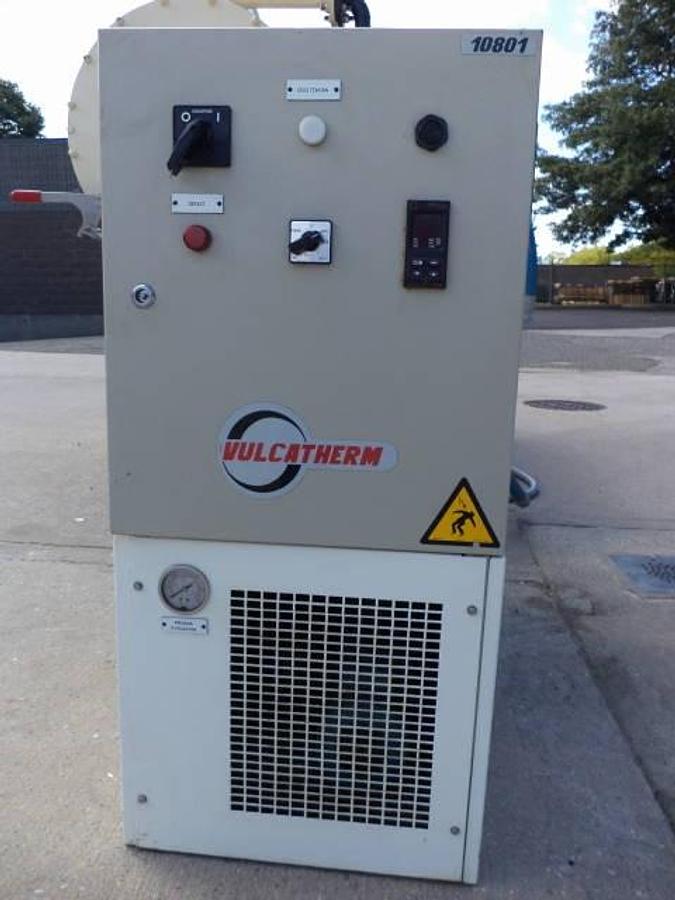
Temperature control units and hot water systems represent a related category that often appears alongside traditional boilers in used equipment inventories. These include portable electric temperature control units and self-contained water temperature systems from manufacturers like Sterling, Mokon, and Vulcatherm. These units are commonly used in plastics processing and other industries where precise fluid temperature control is needed rather than steam generation. Buyers should be clear about whether their application requires steam, hot water, or temperature-controlled fluid circulation, since these are distinct technologies with different equipment requirements, even if they are sometimes grouped together in used equipment listings.
How does shipping work for used industrial boilers and generators?
Shipping used industrial boilers and generators involves considerably more planning than standard freight. These machines are heavy, sometimes irregularly shaped, and sensitive to damage if not properly secured for transit. Dealers typically handle or arrange packaging, which may include palletization, crating, or custom bracing depending on the size and fragility of the equipment. The level of packaging directly affects shipping costs, so buyers should ask for a detailed breakdown of what protection will be applied and what the associated charges are before agreeing to a purchase.
Larger boilers and generators often require specialized rigging for loading at the dealer's location and unloading at the buyer's facility. This means cranes, forklifts, or other heavy lifting equipment, and the cost of rigging at both ends should be factored into the total landed cost of the equipment. Freight itself is typically quoted based on weight, dimensions, and distance, and may require a flatbed or lowboy trailer for oversized units. Buyers should request a full landed cost estimate that includes the equipment price, packaging, rigging, freight, and any applicable fuel surcharges or accessorial fees before comparing options. Payment in full is generally required before a dealer will release equipment for shipment.
What are the typical payment terms when buying used industrial boilers or generators?
Most used industrial equipment dealers require payment in full before releasing equipment for shipment. This is standard practice in the industry and applies to the majority of transactions, particularly for buyers who are purchasing from a dealer for the first time. Accepted payment methods commonly include wire transfer and certified funds. Credit terms are occasionally extended to repeat customers with an established relationship and purchase history with the dealer, but these arrangements are the exception rather than the rule for used machinery transactions.
Buyers should clarify payment expectations early in the negotiation process and confirm exactly what triggers the release of the equipment for shipment. It is also worth understanding whether the quoted price is for the equipment alone or includes any packaging, loading, or other services, since these are often billed separately. For large purchases, some buyers choose to use an escrow arrangement or engage a third-party inspection service before releasing funds, which can provide additional protection when buying equipment sight-unseen. Discussing these logistics directly with the dealer before committing to a purchase helps avoid misunderstandings and ensures a smoother transaction.