Category
Subcategory
Manufacturer
Model
Pumps
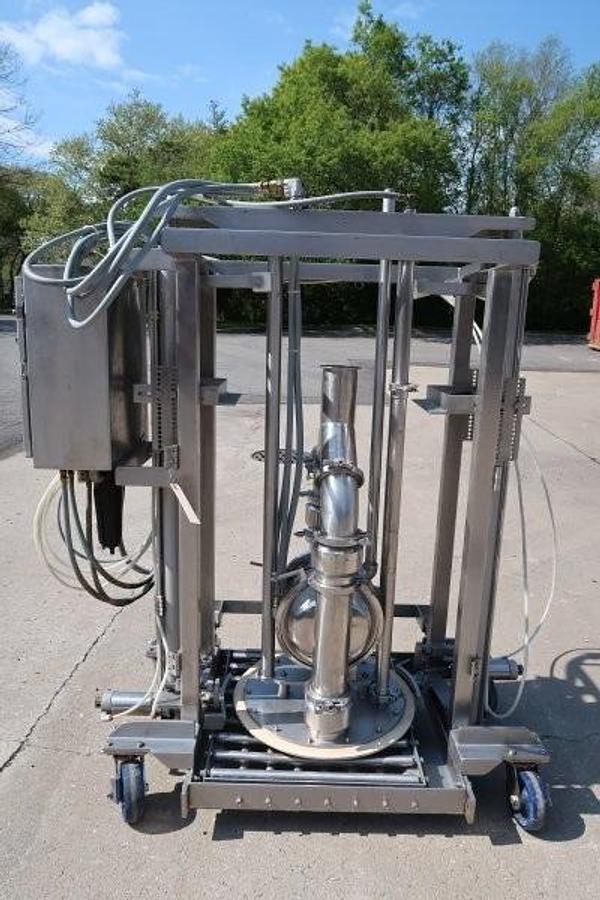
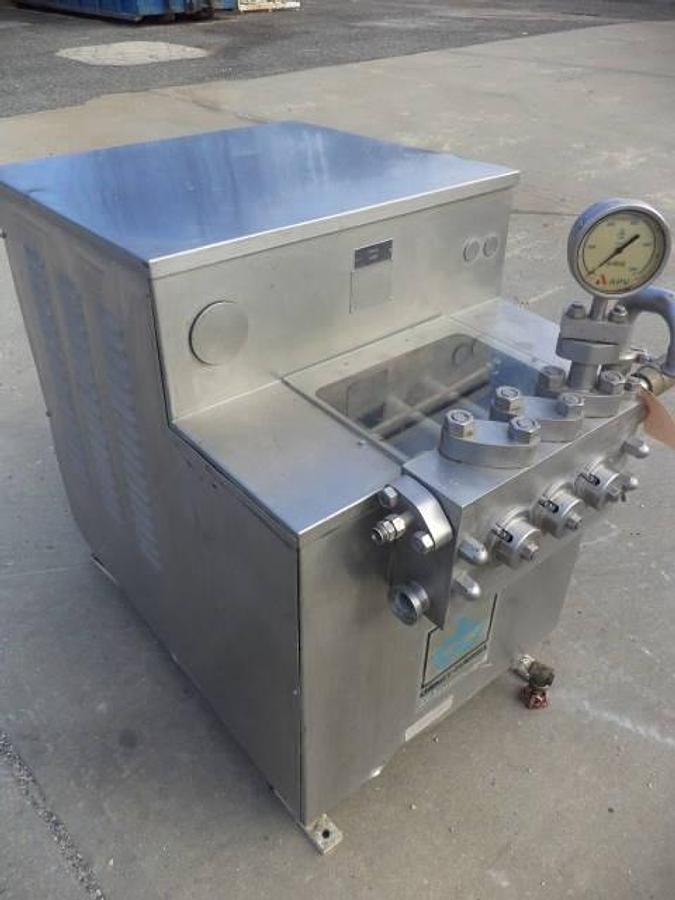
Diaphragm Pumps, Air-Operated, Metering, Drum
Our selection of used pumps includes vacuum pumps, rotary pumps, diaphragm pumps, positive displacement pumps, full integrated pump systems and more. We buy & sell pre-owned pumps, so our inventory is constantly changing. Wohl Associates has been in business for more than 50 years, and we take pride in the machinery that comes and goes through our doors. Top brands that we buy and sell include ARO, Graco, Murzan, and Wilden.
FAQ :
What types of used industrial pumps are typically available for sale?
The used pump market covers a wide range of pump types suited to different industrial applications. Common categories include air-operated double diaphragm (AODD) pumps, centrifugal pumps, positive displacement pumps, peristaltic pumps, metering and proportioning pumps, drum pumps, and vacuum pumps. Within those categories, you'll find pumps built from materials ranging from standard cast iron to 316 stainless steel and sanitary-grade alloys designed for food, beverage, and pharmaceutical processing. Brands like ARO, Graco, Wilden, Sandpiper, Waukesha, Murzan, and Yamada appear frequently in used inventories and are well-regarded for their durability and parts availability.
Beyond individual pump units, the used market also includes integrated pump systems, drum unloading systems, and multi-head metering setups that come as complete assemblies. This is worth noting for buyers who need a turnkey solution rather than a standalone pump. Inventory at any given dealer changes constantly since used equipment is bought and sold on an ongoing basis, so it pays to check back regularly or contact a dealer directly if you're looking for a specific pump type, size, or brand that isn't currently listed.
What specifications should I know before purchasing a used pump?
Before reaching out to a dealer or placing an order, it helps to have a clear picture of your process requirements. The most critical specs to nail down are flow rate (typically expressed in gallons per minute or GPM), discharge pressure (PSI), inlet and outlet connection sizes, horsepower, and the materials of construction for wetted parts. That last point matters especially if you're handling corrosive chemicals, food-grade products, or high-viscosity fluids, since a pump built from carbon steel or standard rubber diaphragms may not be compatible with your application even if the size and flow rate are a perfect match.
Beyond those core specs, also consider the power source (electric motor voltage and phase, or air supply requirements for pneumatic pumps), the duty cycle the pump will run under, and whether the pump needs to meet any sanitary or hygienic standards for your industry. Having this information ready before you shop will help you evaluate listings accurately and allow a dealer to point you toward the right unit faster. Reputable used equipment dealers who specialize in pumps and processing equipment can often help you cross-reference specs if you provide details about your application.
How do I inspect a used pump before buying it?
Inspections are one of the most important steps in buying used industrial equipment, and most established dealers will accommodate them in some form. Options typically include an in-person visit to the dealer's facility, a virtual walkthrough via video call, or a detailed video and photo package of the specific machine. The goal is to get an accurate picture of the pump's current physical condition, including the condition of the housing, ports, diaphragms or impeller (where visible), shaft seals, and any attached components like motors or air valves. Visible wear, corrosion, cracks, or evidence of prior repairs are all things to look for.
One thing buyers should understand going in: used equipment dealers generally do not have the permitting or production infrastructure to run a pump under full process conditions with actual product. What a dealer can typically do is demonstrate that a pump moves air or water, show that mechanical components turn freely, or confirm that an air-operated pump cycles properly. If a machine is still installed at a plant where it was previously in service, an inspection may be arrangeable at that facility, where the equipment might even still be in active production. In any case, asking detailed questions about the pump's service history, why it was taken out of service, and how long it sat idle will give you useful context beyond what a visual inspection alone can reveal.
Are used pumps covered by a warranty?
Warranties on used industrial equipment work differently than they do on equipment purchased directly from a manufacturer. Manufacturers typically only extend warranty coverage to the first purchaser of a machine, and that coverage almost always expires well before the equipment reaches the used market. As a result, used pumps are generally sold on an as-is basis, which means the responsibility for evaluating condition and suitability falls on the buyer rather than the seller.
This makes the inspection process and dealer selection especially important. Buyers should prioritize dealers with a long track record in the industry and a specialization in the type of equipment they're selling, since these dealers have reputational incentives to represent equipment accurately. It's also worth contacting the pump manufacturer directly to ask about parts availability and technical support for the specific model and age of unit you're considering, since older or discontinued models may have limited support. Doing that homework before the purchase is the most effective way to protect yourself when buying used.
What is the difference between a 'used as-is' pump and a 'refurbished' pump?
A pump sold as-is has not been serviced, rebuilt, or altered by the seller. What you see is what you get, including any wear on seals, diaphragms, bearings, or impellers. These units typically carry a lower price point, but the buyer accepts more uncertainty about how the pump will perform once it's put back into service. As-is pumps can be a smart buy when you have in-house maintenance capability, access to parts, and a process that isn't critically dependent on the pump running perfectly from day one.
A refurbished pump has gone through some level of service work before being resold. This commonly includes replacing wear items like seals, diaphragms, and bearings, as well as cleaning, repainting, and in some cases rebuilding the pump to a known performance standard. Refurbished units generally carry a higher price than as-is equivalents but reduce the risk of immediate failure after installation. When evaluating a refurbished pump, it's reasonable to ask the seller exactly what work was done, who performed it, and whether documentation exists. The scope of refurbishment varies widely between sellers, so understanding what's actually been done is more useful than the label alone.
How do I know if a used pump is compatible with my specific fluid or application?
Fluid compatibility is one of the most common sources of problems when buying used pumps, and it deserves careful attention. The key factors are the wetted materials (the parts of the pump that come into direct contact with the fluid), the viscosity and specific gravity of the fluid, temperature, and any abrasive or corrosive properties. For example, a pump with Buna-N diaphragms and aluminum wetted parts may work fine for water-based fluids but fail quickly when used with solvents or certain acids. Stainless steel construction and PTFE or Santoprene diaphragms are common choices for chemical and food-grade applications.
The pump manufacturer's published chemical resistance charts are the most reliable reference for this, and most major brands make these available online. Cross-referencing the specific model's materials against your fluid's properties will tell you whether the pump is a viable candidate. If you're unsure, a dealer who specializes in processing or chemical equipment can often help you work through compatibility questions. It also helps to know whether the pump was previously used in a similar application, since a pump that handled a comparable fluid in its prior life is generally a lower-risk choice than one coming from an unknown service history.
Can I get replacement parts and seals for a used pump?
Parts availability varies by brand, model, and age, and it's one of the most practical factors to research before committing to a purchase. Well-established brands like Graco, Wilden, ARO, Sandpiper, and Waukesha have broad distributor networks and have manufactured many of their pump lines for decades, which generally means repair kits, diaphragms, seals, and wear parts are still stocked by industrial distributors. For these brands, finding a rebuild kit is usually straightforward even for units that are 15 to 20 years old.
For less common brands, older discontinued models, or highly specialized equipment, parts availability can be more limited. In those cases, it's worth contacting the manufacturer directly before purchasing to ask whether spare parts are still produced or stocked, and what the lead times look like. Some buyers also purchase a second identical unit as a parts source, which is a common strategy in industries where downtime is costly. A dealer with deep knowledge of the pump types they sell can often give you a realistic read on parts availability for specific models in their inventory.
What industries commonly buy used pumps, and why?
Used pumps see strong demand across a broad range of industries, largely because pumps are durable, long-lived pieces of equipment that hold up well through multiple service cycles. Food and beverage processing is a particularly active market for used sanitary pumps, including positive displacement and diaphragm designs built from 316 stainless steel. Chemical processing, pharmaceutical manufacturing, agriculture, water treatment, oil and gas, and HVAC are also consistent buyers, each with their own material and performance requirements.
The economic case for used equipment is straightforward: a well-maintained industrial pump that originally cost several thousand dollars can often be sourced used at a fraction of that price, and if the specs match the application, it performs the same function. For smaller operations, startups, or facilities managing tight capital budgets, used pumps make it possible to equip a production line without the lead times or costs associated with ordering equipment from a manufacturer. The key is sourcing from a dealer with relevant industry experience who can help match the right pump to the application.
How does shipping work for used pumps, and what should I expect to pay?
Shipping costs for used pumps depend on the size and weight of the unit, the destination, and the level of packaging required to protect the equipment in transit. Smaller portable pumps like air-operated diaphragm units or drum pumps can often be palletized and shipped via standard freight carriers at relatively modest cost. Larger pump assemblies or integrated systems may require custom crating, and very heavy units may need forklift rigging for loading at the origin and unloading at the destination, both of which add to the total cost.
Buyers should ask the dealer for a detailed breakdown of packaging, rigging, and freight costs before finalizing a purchase, since the landed cost (the total you'll pay to get the equipment to your facility) can differ meaningfully from the listed equipment price. Some dealers will coordinate shipping on the buyer's behalf, while others require the buyer to arrange their own carrier. Either way, understanding the full cost picture upfront avoids surprises and helps you make an accurate comparison between different units or sources.
What are the typical payment terms when buying used pumps from a dealer?
Most used equipment dealers require full payment before a machine is shipped. This is standard practice in the industry and reflects the nature of used equipment transactions, where the dealer has already acquired the asset and needs payment confirmed before releasing it. Accepted payment methods vary by dealer but commonly include wire transfer, ACH, and in some cases credit card for smaller purchases. It's worth confirming accepted payment methods early in the process to avoid delays.
Some dealers extend payment terms to repeat customers or established buyers with a history of transactions, but this is typically handled on a case-by-case basis rather than as a standard offering. If payment terms are important to your purchasing process, it's worth raising the question directly with the dealer. For buyers making a first purchase, having financing arranged through a third-party equipment lender is another option worth exploring, particularly for higher-value pump systems or integrated equipment packages.