Category
Subcategory
Manufacturer
Model
Tea Equipment
Tea Baggers, Mixers, Blenders, Packing Machines
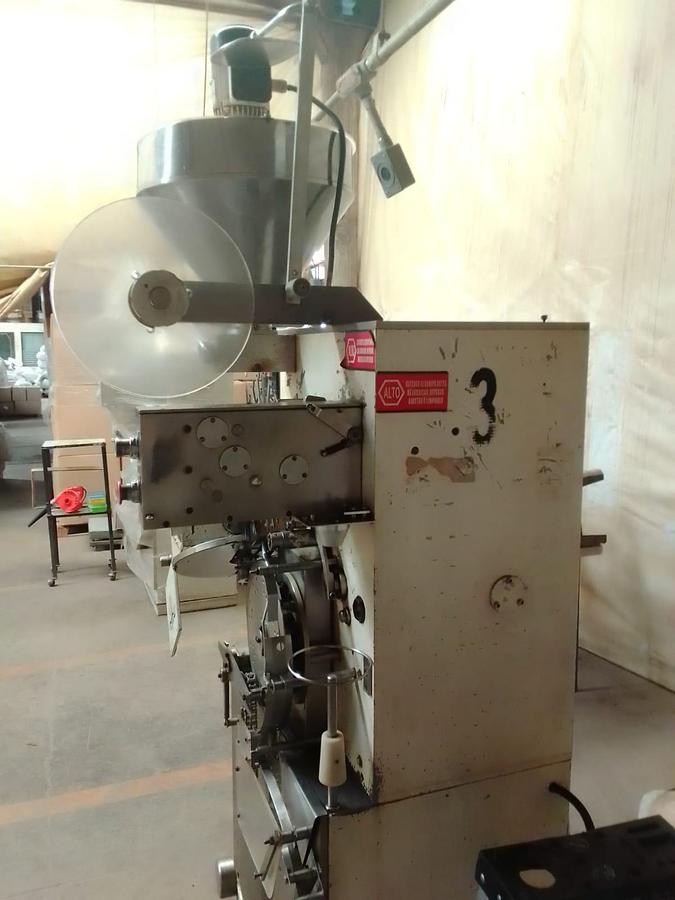
We sell a variety of equipment for use in the manufacture of tea products including tea bagging and packing machinery. Our selection of used tea machinery includes used tea bagging machines, tea mixers/iced tea mixers, and blenders for sale. We are suppliers of a variety of used tea bag packaging machines from manufacturers that include MAISA and IMA tea bag machines.
FAQ :
What types of used tea equipment are available for sale?
The used tea equipment market covers a wide range of machinery, from small-scale café setups to full industrial production lines. On the commercial foodservice side, buyers commonly find used tea urns, iced tea dispensers, commercial brewing towers, electric kettles, and loose leaf infusers. Bubble tea operators can often source used sealing machines, shakers, and complete boba station setups, a category that has seen growing demand as the boba tea market has expanded significantly over the past decade.
On the manufacturing and packaging side, the selection gets considerably more specialized. Used tea bagging machines, tea mixers, iced tea mixers, and blenders are available for companies that produce packaged tea products. Bag packaging machinery from manufacturers like MAISA and IMA appears regularly in the used market, including models such as the MAISA EC12 tea bagging machine. Whether a buyer needs a single piece of processing equipment or a more complete production line, the used market offers options across a broad spectrum of scale and function.
How do I verify the condition of used tea equipment before buying?
Verifying condition before committing to a purchase is one of the most important steps a buyer can take with used tea equipment. Reputable dealers will typically accommodate in-person inspections, live video walkthroughs, or recorded video captures of the machinery so buyers can assess the actual working state of the equipment. When reviewing any machine, ask to see photos or footage of serial numbers, internal components, heating elements, seals, and any wear-prone parts. For tea bagging or packaging machinery, pay close attention to the condition of forming tubes, sealing jaws, and drive mechanisms, since these components experience the most stress during production.
It is worth knowing that most used equipment dealers do not have the permitting or production infrastructure to run actual product through a machine during an inspection. What they can demonstrate is mechanical function, which gives a solid baseline for evaluation. If the equipment is still installed at a production facility, some dealers can arrange an inspection at the plant itself, where the machine may even be observed in active use. Buyers should come prepared with a checklist of critical components specific to the machine type, and should not hesitate to ask pointed questions about the machine's service history and the reason it was taken out of production.
Is used tea equipment safe and hygienic to buy?
Hygiene is a legitimate concern with any used food and beverage equipment, and tea machinery is no exception. The good news is that most commercial-grade tea equipment is constructed from stainless steel, which is far easier to sanitize thoroughly than plastic alternatives and is resistant to bacterial buildup when properly cleaned. Before putting any used tea equipment into service, it should go through a thorough cleaning and sanitization process using food-safe cleaning agents appropriate for the material and component type.
For buyers evaluating used equipment prior to purchase, inspecting the interior surfaces, gaskets, seals, and any product-contact areas for visible corrosion, scale buildup, or damage is essential. Gaskets and seals are consumable parts that can often be replaced affordably, so their condition at the time of purchase matters less than the condition of the primary structural and mechanical components. Stainless steel equipment that has been well-maintained and stored properly can be returned to hygienic service without significant difficulty, making it a practical choice for buyers willing to invest in a proper pre-use cleaning protocol.
What should I look for when inspecting used commercial tea brewing machines?
Commercial tea brewing machines take a lot of thermal stress over their service life, so the inspection should focus heavily on the heating system. Ask to see the heating element, thermostat, and any temperature control components in action if possible. Scale and mineral deposit buildup inside tanks and around heating elements is common in high-use commercial brewers and can affect both performance and longevity. Check whether the unit has been descaled regularly, and inspect the interior of any water-contact tanks for pitting, heavy scale, or corrosion.
Beyond the heating system, examine the dispensing valves, spigots, and any brew basket or filter components for wear, cracks, or damage. On larger commercial urns and brewing towers, check the structural integrity of the housing and any mounting hardware. Brands like Bunn, Curtis, and Bloomfield are commonly sought in the used commercial tea equipment market partly because replacement parts remain available for many of their models, which makes post-purchase maintenance more manageable. Before finalizing any purchase, it is also worth contacting the manufacturer directly to confirm what level of parts and technical support is still available for the specific model and age of equipment you are considering.
Are replacement parts still available for older used tea equipment?
Parts availability varies considerably depending on the brand, model, and age of the equipment. For well-established commercial brands like Bunn, Bloomfield, and Wilbur Curtis, parts support tends to remain strong for many years after a machine's production run ends, which is a major reason these brands hold their value in the used market. Consumable parts such as gaskets, seals, brew baskets, and dispensing valves are often still stocked by manufacturers or third-party suppliers even for older units.
For specialized tea manufacturing and packaging machinery, the situation is more variable. Industrial tea bagging machines from manufacturers like MAISA or IMA may have longer support windows given their commercial production context, but buyers should contact the manufacturer directly before purchasing to understand what parts and service support are realistically available for a specific model. Age matters here: a machine from five years ago is in a very different support position than one from twenty years ago. Getting clarity on parts availability before purchase, rather than after, can prevent costly surprises down the line.
What brands of used tea equipment are most reliable and hold their value?
In the commercial foodservice segment, Bunn, Bloomfield, and Wilbur Curtis (often sold under the Curtis brand) are consistently among the most sought-after names in used tea and beverage equipment. These brands built their reputations on durable construction, consistent brewing performance, and long parts availability windows. Because they are so widely used in commercial settings, a large secondary market exists for them, which keeps prices relatively stable and makes it easier to find service technicians familiar with the equipment.
On the industrial packaging side, MAISA and IMA are well-regarded manufacturers of tea bagging machinery. Used equipment from these manufacturers appears regularly in the market and tends to attract serious interest from tea producers looking for proven production technology at a lower acquisition cost than purchasing comparable machinery elsewhere. When evaluating any used tea equipment for long-term value, the key factors are build quality, the availability of parts and manufacturer support for that specific model, and the overall condition at the time of purchase. A well-maintained machine from a reputable manufacturer will almost always outperform a newer but lesser-known alternative in terms of total cost of ownership.
What does used tea bagging and packaging machinery typically include?
Used tea bagging machines are designed to automate the process of measuring, filling, and sealing tea into individual bags at production scale. Depending on the model and configuration, a tea bagging machine may handle the entire process from loose leaf or cut tea through to a finished, tagged, and sometimes individually wrapped tea bag. The MAISA EC12, for example, is a recognized model in this category that appears in the used equipment market. IMA is another manufacturer with a strong presence in tea packaging machinery, producing equipment used by commercial tea producers worldwide.
Beyond bagging machines themselves, the used tea production equipment market also includes tea mixers, iced tea mixers, and blenders used to create consistent blends before packaging. These machines are critical for producers who blend multiple tea varieties or add flavoring ingredients before the product reaches the bagging stage. Buyers assembling or expanding a tea production line often source these components separately from the used market, building out a line piece by piece rather than purchasing an entirely integrated system, which can offer significant cost advantages over buying all equipment at list price.
Do used tea equipment sellers offer warranties or return policies?
Used tea equipment is typically sold on an as-is basis, which is standard practice across the used machinery industry. Warranties are generally offered only by original equipment manufacturers on new production runs, not by used equipment dealers. This as-is structure places the responsibility for due diligence squarely on the buyer, which is why thorough pre-purchase inspection is so important. The absence of a warranty does not mean a transaction is risky, but it does mean buyers need to do their homework before committing.
The practical way to protect yourself in an as-is purchase is to work with dealers who have a long, verifiable track record of selling machinery within the specific industry you are buying for. A dealer who specializes in food and beverage processing equipment will have more relevant expertise and a stronger reputation to protect than a generalist reseller. Take full advantage of any inspection options offered, whether in-person, via live video, or through detailed recorded footage of the machine in operation. Consulting with the manufacturer about the expected support level for the specific model and age of equipment is also a smart step before finalizing any purchase.
How does shipping and delivery work for used tea equipment?
Shipping used tea equipment involves more logistics planning than a typical parcel delivery, and costs can vary significantly depending on the size and weight of the machinery. Smaller items like commercial tea urns or countertop brewers can often be palletized and shipped via standard freight carriers. Larger industrial machinery such as tea bagging lines or commercial mixers may require specialized rigging for loading and unloading, which adds to the total cost. Buyers should ask dealers for a detailed breakdown of packaging, palletization or crating, rigging, and freight charges before agreeing to a purchase so there are no surprises in the final landed cost.
Proper packaging is critical for used machinery in transit. Equipment should be secured and crated appropriately to prevent damage from vibration and shifting during transport. Some dealers handle this in-house, while others work with third-party riggers and freight specialists. If a machine is being loaded from an active production facility rather than a dealer's warehouse, logistics coordination may involve scheduling around the facility's operations. Buyers receiving large equipment should also plan for unloading on their end, confirming in advance whether a loading dock, forklift, or other equipment will be needed to receive the shipment safely.
What are the typical payment terms for purchasing used tea equipment?
Most used equipment dealers require full payment before a machine is released for shipping. This is the standard practice in the industry and applies to the majority of transactions, particularly for first-time buyers. The reasoning is straightforward: once a machine ships, the dealer has limited recourse if payment issues arise, and the as-is nature of used equipment sales makes pre-shipment payment the norm rather than the exception.
Some dealers may offer payment terms to established customers with a history of repeat purchases, but this is the exception rather than the rule and is generally not available to buyers making their first transaction with a particular dealer. Buyers should clarify payment expectations early in the process, before inspection or negotiation reaches an advanced stage, to avoid any misunderstandings. It is also worth confirming accepted payment methods, as wire transfer is common for larger machinery purchases, and understanding the timeline between payment confirmation and equipment release for shipping.