Category
Subcategory
Manufacturer
Model
FAQ :
What is a scraped surface heat exchanger and how does it work?
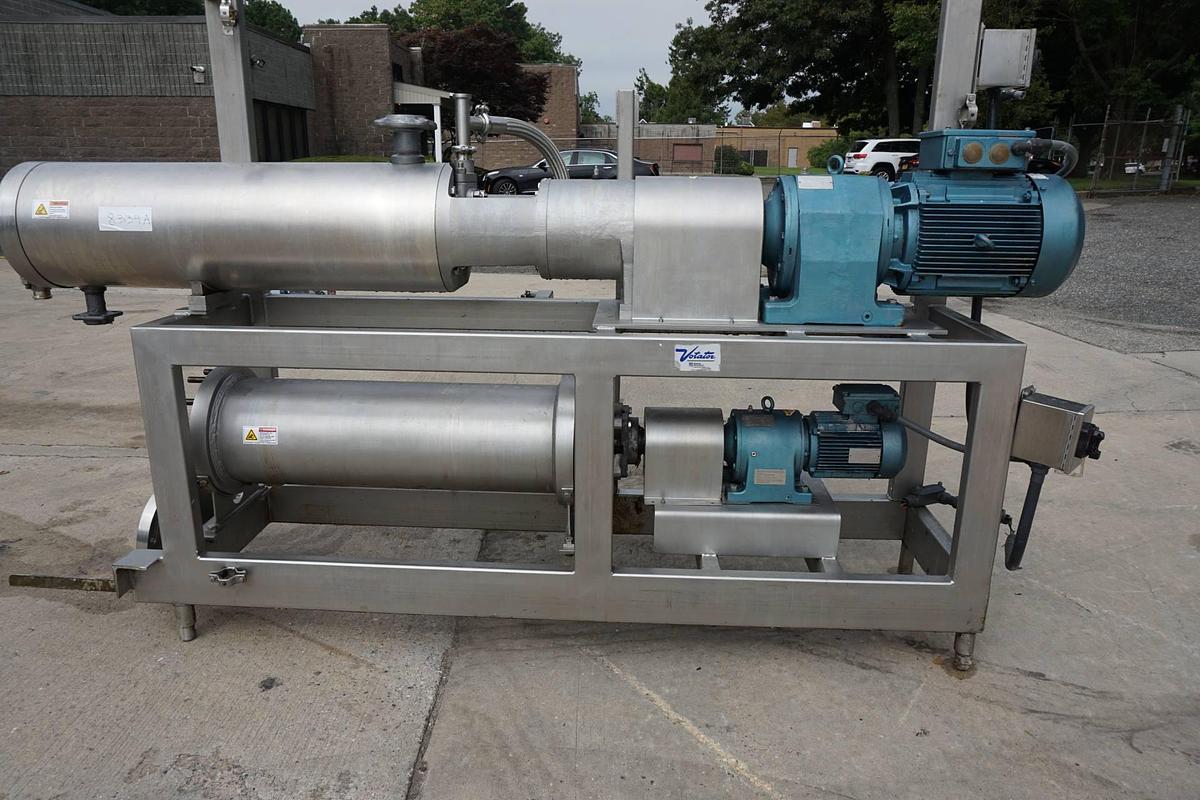
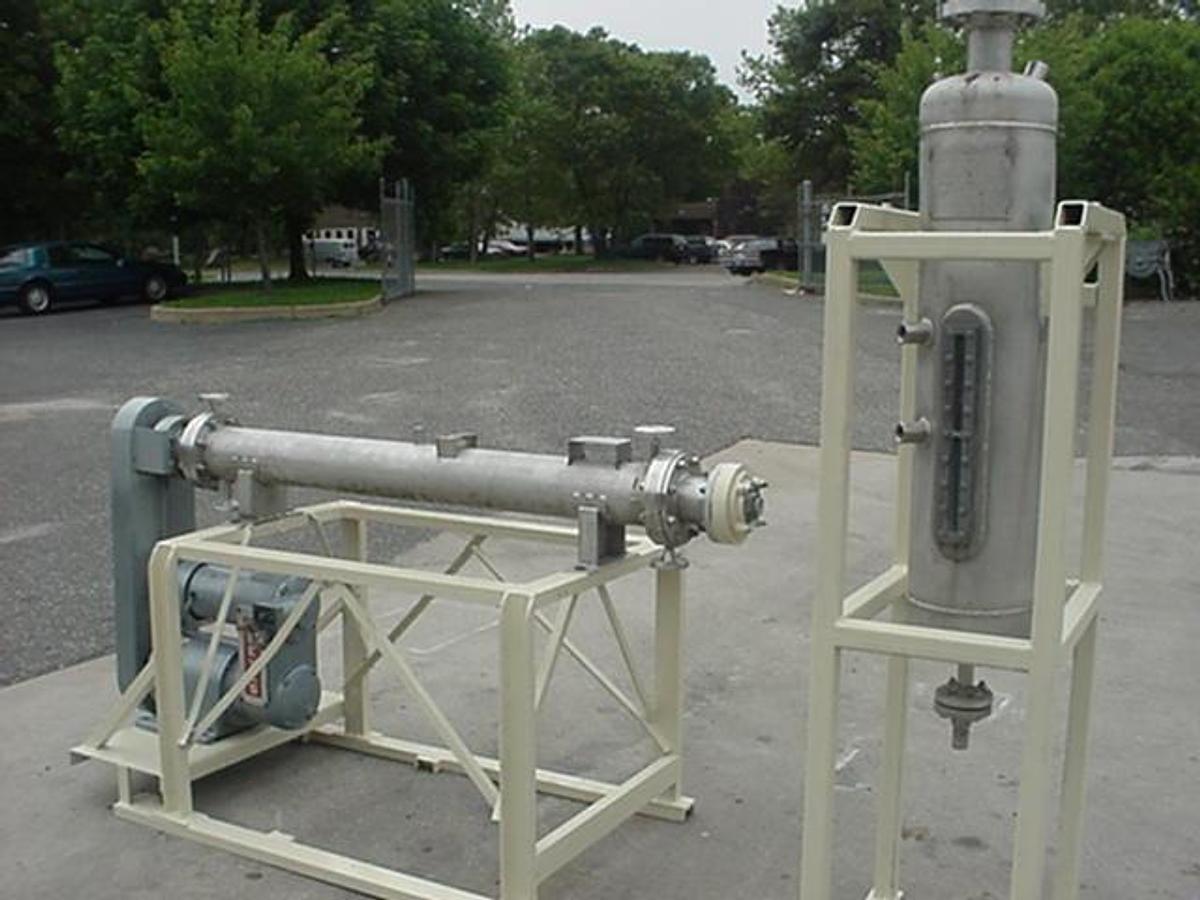
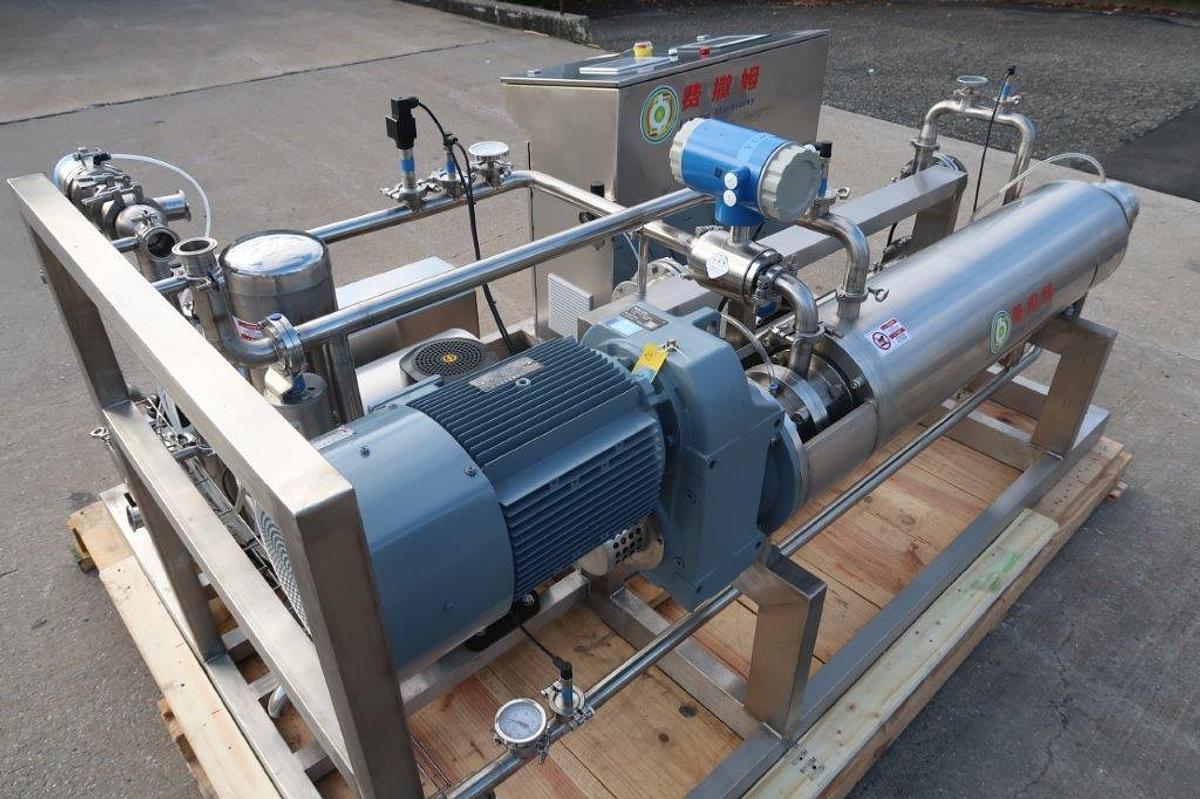
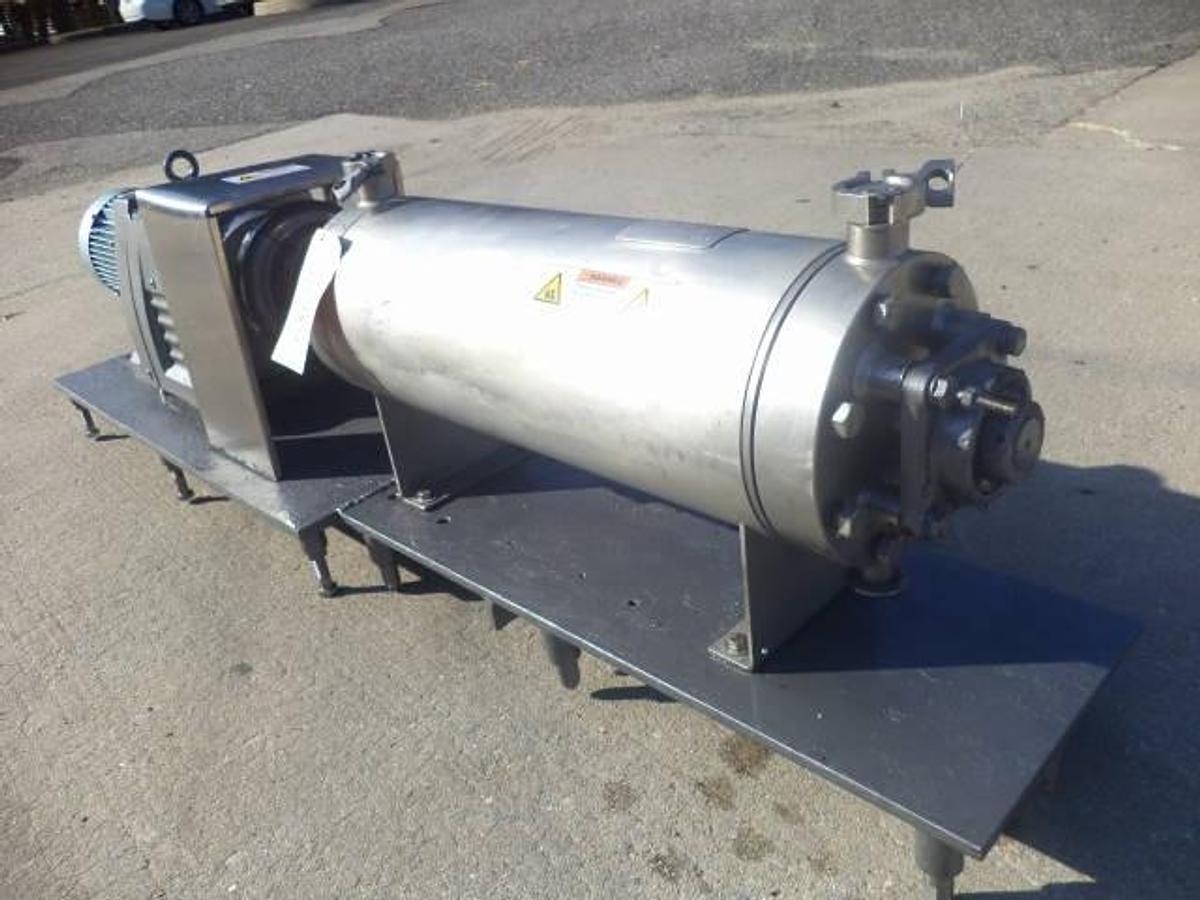
A scraped surface heat exchanger (SSHE) is a specialized type of heat transfer equipment designed to process viscous, sticky, or particulate-laden materials that would foul, clog, or degrade inside a conventional shell-and-tube or plate heat exchanger. The core design consists of a jacketed cylinder through which product flows while a rotating shaft fitted with scraper blades continuously wipes the inner heat transfer surface. Heat or cooling media flows through the surrounding jacket, transferring thermal energy through the cylinder wall and into the product. The constant mechanical scraping prevents product buildup on the heat transfer surface, which maintains thermal efficiency and prevents localized overheating or burning of sensitive materials.
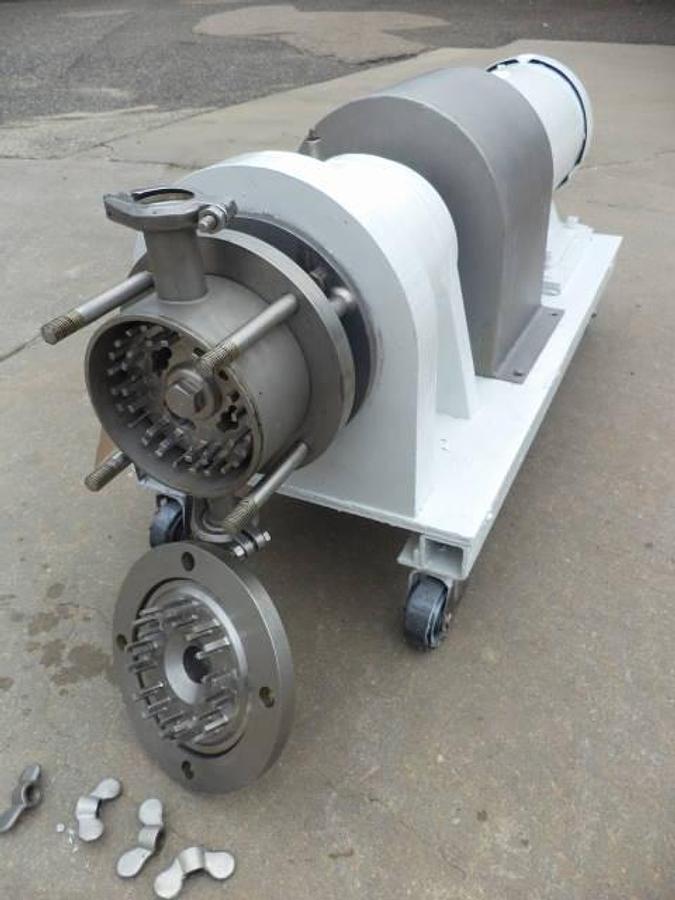
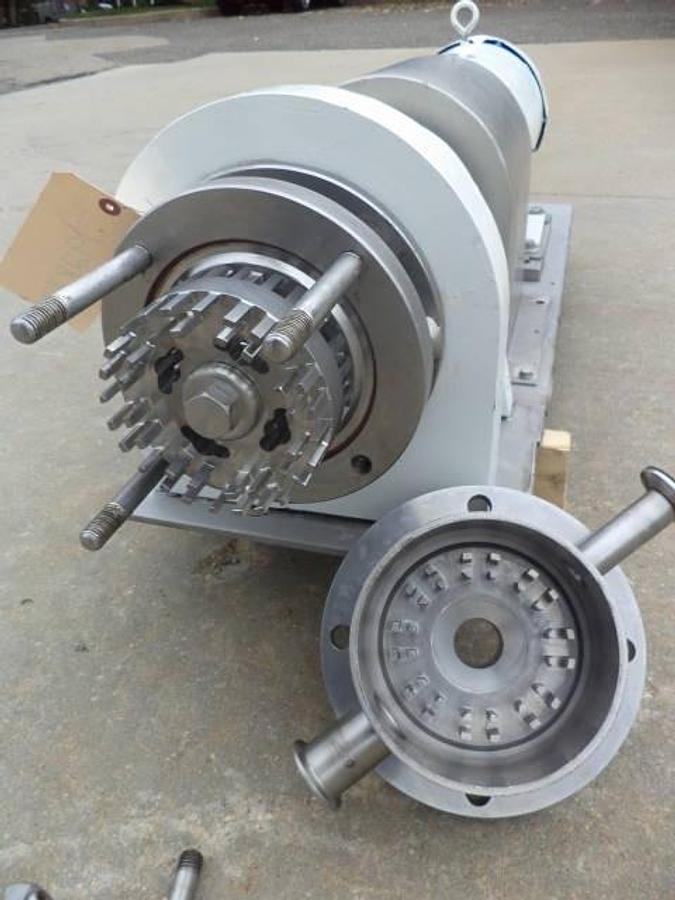
The scraper blades are typically spring-loaded or fixed, and they run the full length of the cylinder to ensure complete surface contact. As the shaft rotates, the blades lift freshly heated or cooled product away from the wall and mix it back into the bulk flow, creating a highly uniform temperature profile throughout the product. This mechanical agitation is what separates scraped surface designs from passive heat exchangers. The technology is particularly well suited for applications like crystallization, cooling, heating, and emulsification of products that change viscosity significantly with temperature, such as shortenings, margarine, chocolate, fruit preparations, and certain pharmaceutical compounds.
What industries and applications are scraped surface heat exchangers best suited for?
Scraped surface heat exchangers are most commonly found in food processing, dairy, pharmaceutical manufacturing, and specialty chemical production. In food and dairy, they handle products like margarine, shortening, ice cream mixes, peanut butter, tomato paste, fruit purees, cheese sauces, and confectionery fillings. These products share a common challenge: they are too viscous, too sticky, or too prone to fouling for standard heat exchangers to handle without burning, clogging, or significant product loss. The Votator brand, for example, became synonymous with margarine and shortening processing specifically because the scraped surface design could manage the crystallization and cooling of fat-based products with precision.
Beyond food, scraped surface heat exchangers are used in pharmaceutical applications for processing ointments, creams, and suspensions that require careful temperature control without product degradation. Chemical processors use them for waxes, polymers, resins, and other high-viscosity compounds. In all these industries, the defining characteristic of a good SSHE application is a product that either changes phase, has a high tendency to stick to hot or cold surfaces, or contains particulates that would damage or block conventional equipment. The equipment is also used for continuous crystallization processes where controlled cooling rates are critical to achieving the desired crystal size and product texture.
Are scraped surface heat exchangers suitable for high-viscosity products like peanut butter, chocolate, or fruit purees?
Scraped surface heat exchangers are specifically engineered for exactly these kinds of products. High-viscosity materials like peanut butter, chocolate, caramel, fruit purees, and tomato concentrates present a serious challenge for conventional heat exchangers because they move slowly across heat transfer surfaces, tend to stick and burn, and can create significant pressure drop across the system. The continuous mechanical scraping action of an SSHE solves all three problems simultaneously. By constantly removing product from the heat transfer wall, the blades prevent localized burning, reduce the effective boundary layer thickness (which improves heat transfer rates), and keep the product moving through the cylinder even when viscosity is extremely high.
Chocolate processing is a particularly demanding application because chocolate viscosity changes dramatically with temperature and it requires precise thermal control during tempering and cooling to achieve the right crystal structure and snap. Fruit purees and tomato-based products often contain seeds, skins, or fiber that would damage or clog plate heat exchangers, but pass through an SSHE without issue. Peanut butter and nut-based products are notoriously difficult to heat or cool uniformly due to their high oil content and tendency to separate under heat, making the mixing action of the scraper shaft as valuable as the heat transfer itself. Used SSHEs from manufacturers like Votator and Waukesha Cherry-Burrell have long histories of service in exactly these applications and remain highly sought after in the food processing industry.
What sizes and configurations are typically available for used scraped surface heat exchangers?
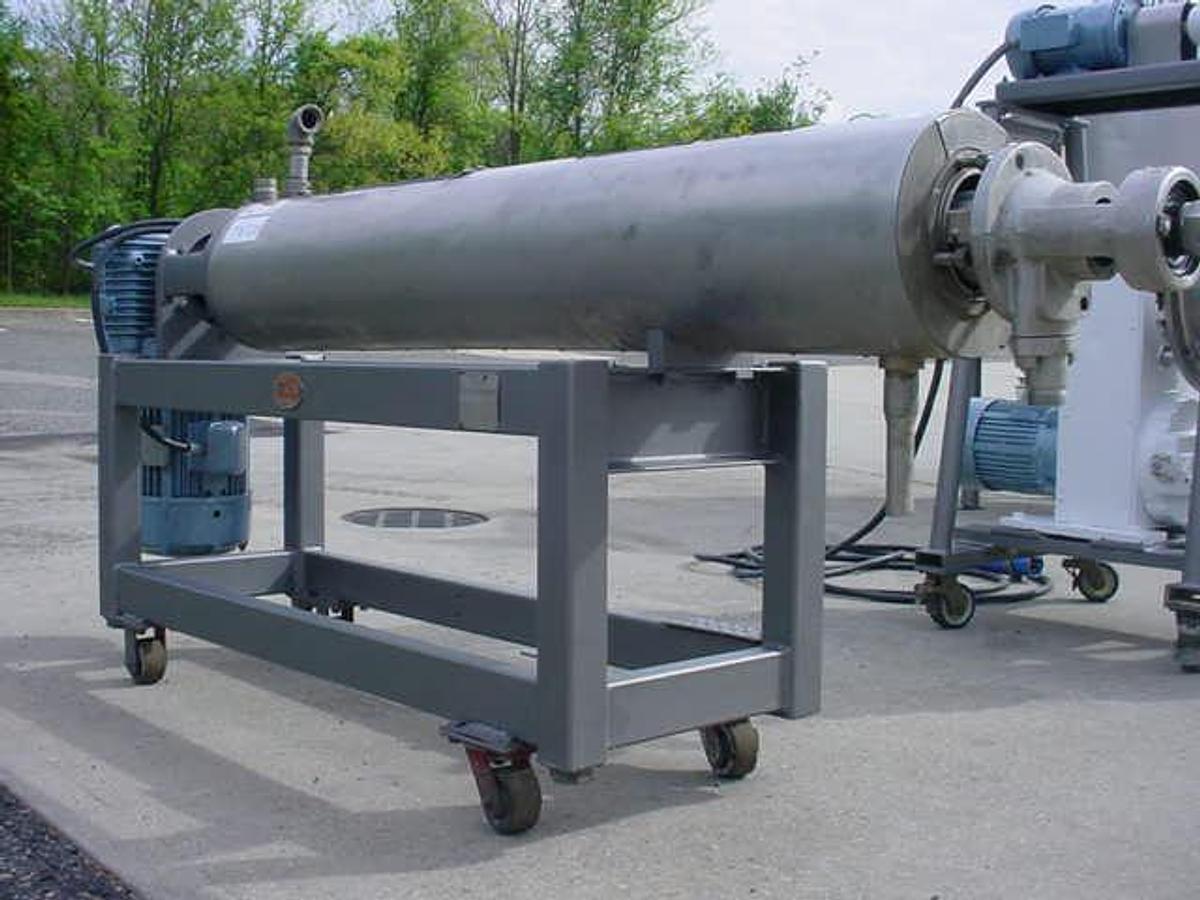
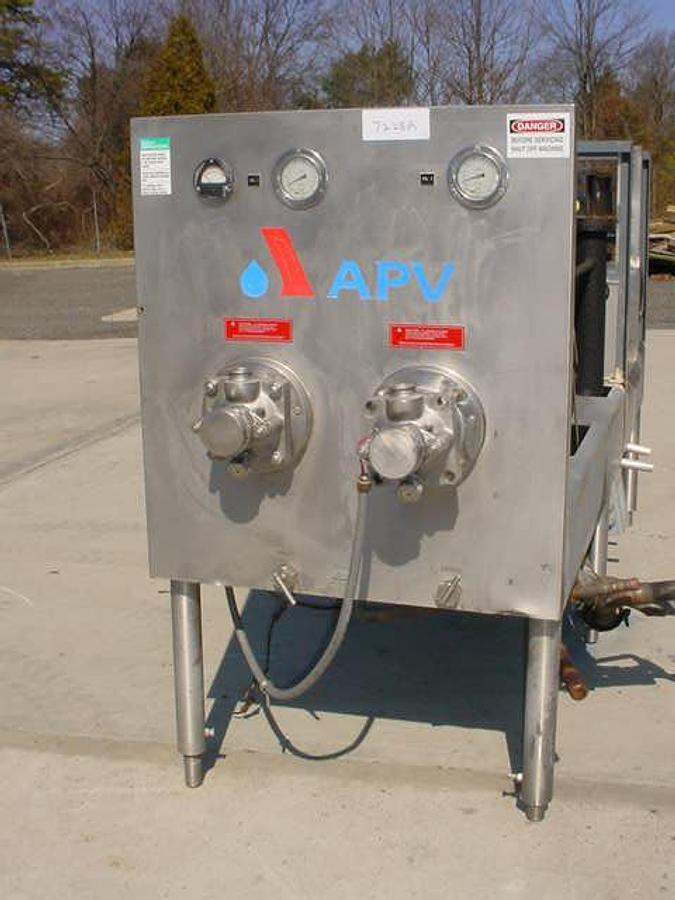
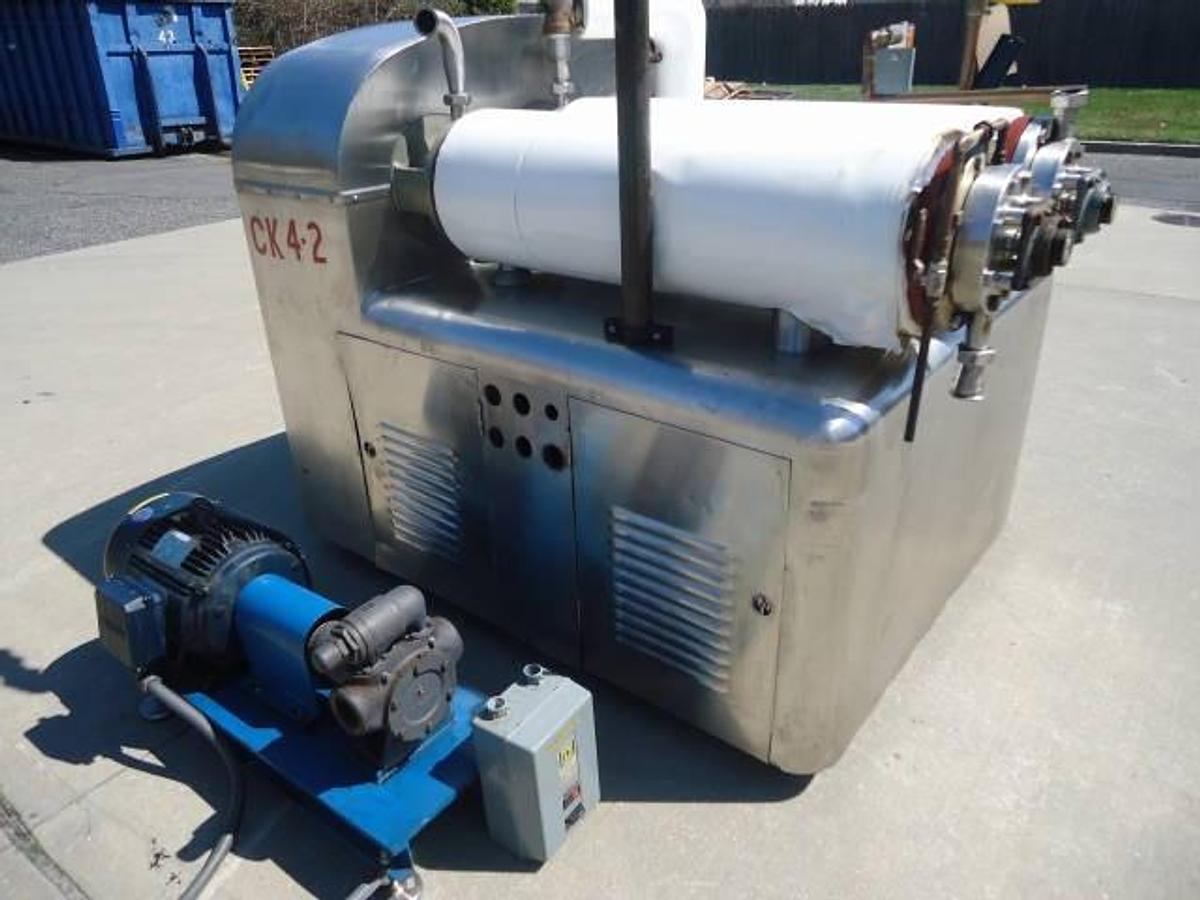
Used scraped surface heat exchangers are available in a wide range of cylinder diameters and lengths, which together determine the heat transfer surface area and throughput capacity of the unit. Common cylinder diameters in the used market range from around 4 inches for pilot plant and small-batch units up to 12 inches or more for high-volume production equipment. Cylinder lengths typically range from 24 inches on the short end to 84 inches or longer for maximum surface area. Machines are described by their bore diameter and length, so a designation like "6 x 72" refers to a 6-inch diameter cylinder that is 72 inches long. Twin-tube configurations, where two cylinders are mounted in parallel or series, effectively double the heat transfer area within a single machine frame and are common in production-scale installations.
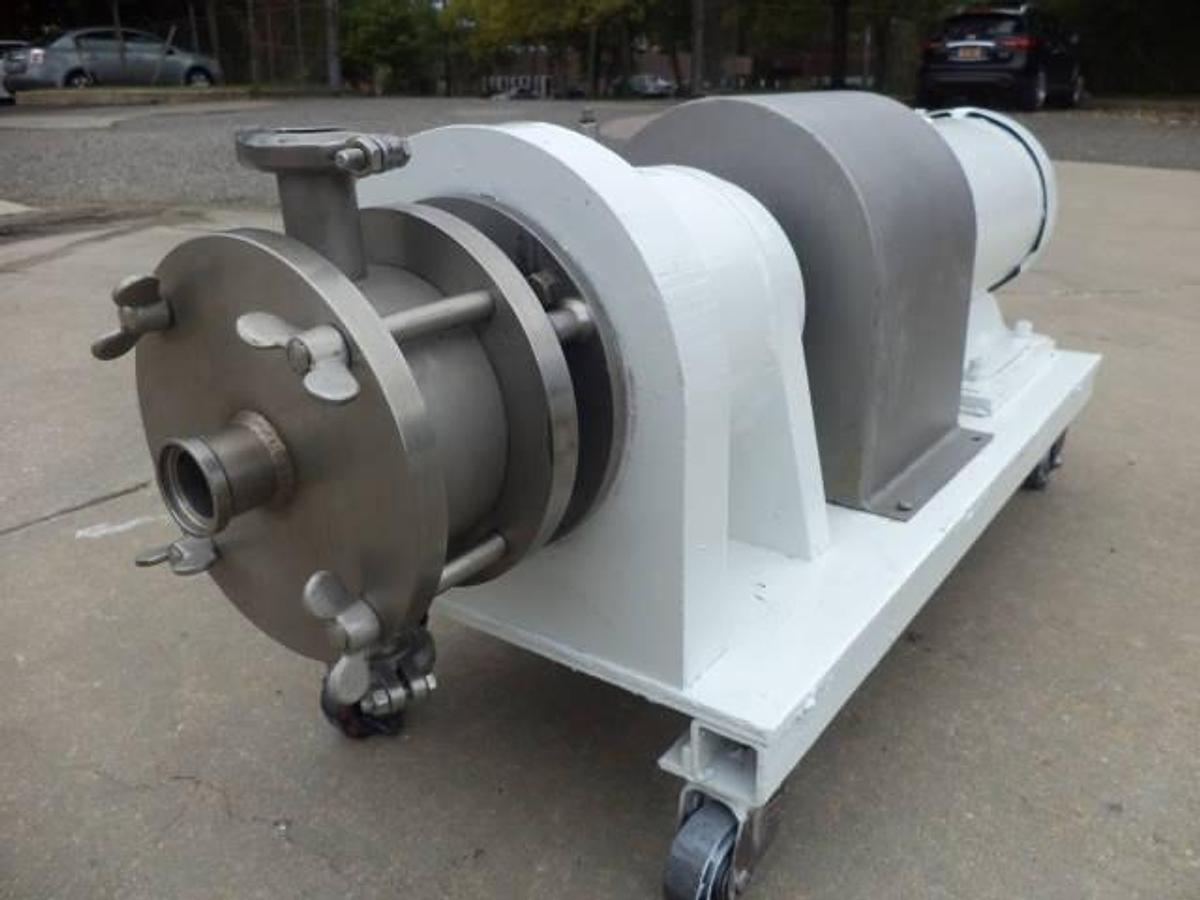
Beyond single and twin-tube designs, scraped surface heat exchangers are also available in horizontal and vertical orientations, with horizontal units being more common for continuous processing lines and vertical units sometimes preferred for certain crystallization applications. Motor horsepower on the scraper shaft drive varies considerably depending on the viscosity of the product the machine was designed to handle, with higher-viscosity applications requiring more powerful drives. Pilot plant units, such as a 6-inch by 24-inch horizontal pin mixer, are popular among food manufacturers for product development and small-scale trials before committing to full production equipment. When evaluating used equipment, the cylinder diameter, length, tube count, and motor size are the primary specifications to match against your process requirements.
What materials of construction should I look for in a scraped surface heat exchanger?
For food, dairy, and pharmaceutical applications, the product contact surfaces of a scraped surface heat exchanger should be stainless steel, with 316L being the preferred grade because of its superior corrosion resistance compared to 304 stainless. The "L" designation indicates a low-carbon variant that resists sensitization during welding, which is important for maintaining corrosion resistance at weld joints inside the cylinder. The cylinder bore, scraper blades, and any product-contact fittings should all be 316L or better for sanitary service. Some units are also fitted with PTFE (polytetrafluoroethylene) scraper blades, which reduce friction against the cylinder wall, are chemically inert, and are easier on delicate product structures like fat crystals.
The outer jacket, which carries the heating or cooling medium, is often constructed from 304 stainless or carbon steel depending on the age and intended service of the machine. For buyers in regulated industries, it is worth confirming the material certifications and surface finish of the product contact surfaces, as sanitary standards typically require a minimum Ra surface roughness to prevent microbial harboring. Chrome-plated cylinder bores are found on some older machines and offer good wear resistance and a smooth surface for the scraper blades, though buyers should confirm the plating is intact and free of pitting before purchasing used equipment. When reviewing a used SSHE, asking the seller for documentation on materials of construction and requesting photos or a video inspection of the bore and blade condition is a reasonable and standard part of the due diligence process.
What certifications and compliance standards matter when buying a scraped surface heat exchanger for food or dairy use?
For food and dairy processing, 3-A Sanitary Standards certification is one of the most recognized compliance benchmarks for scraped surface heat exchangers. 3-A standards are developed jointly by equipment manufacturers, regulatory agencies, and the dairy industry to define hygienic design criteria, including surface finish requirements, material specifications, and cleanability. Equipment bearing a 3-A symbol has been independently verified to meet these criteria, which simplifies regulatory compliance for processors operating under FDA or USDA oversight. Many food manufacturers require 3-A certified equipment as a condition of their sanitation programs, so verifying whether a used machine was originally built to 3-A standards is an important step in the purchasing process.
Beyond 3-A, buyers in pharmaceutical applications may need to consider whether the equipment meets current Good Manufacturing Practice (cGMP) requirements, which address documentation, traceability, and surface quality in more detail. USDA acceptance is relevant for meat and poultry processing facilities operating under USDA inspection. For used equipment specifically, the original compliance status of the machine is a starting point, but buyers should assess the current condition of all product contact surfaces, gaskets, seals, and mechanical components to determine whether the machine can realistically be returned to compliant service. Consulting with the equipment manufacturer about parts availability and any known service bulletins for the specific model is a practical step that can save significant time and cost during recommissioning.
What is the typical price range for a used scraped surface heat exchanger?
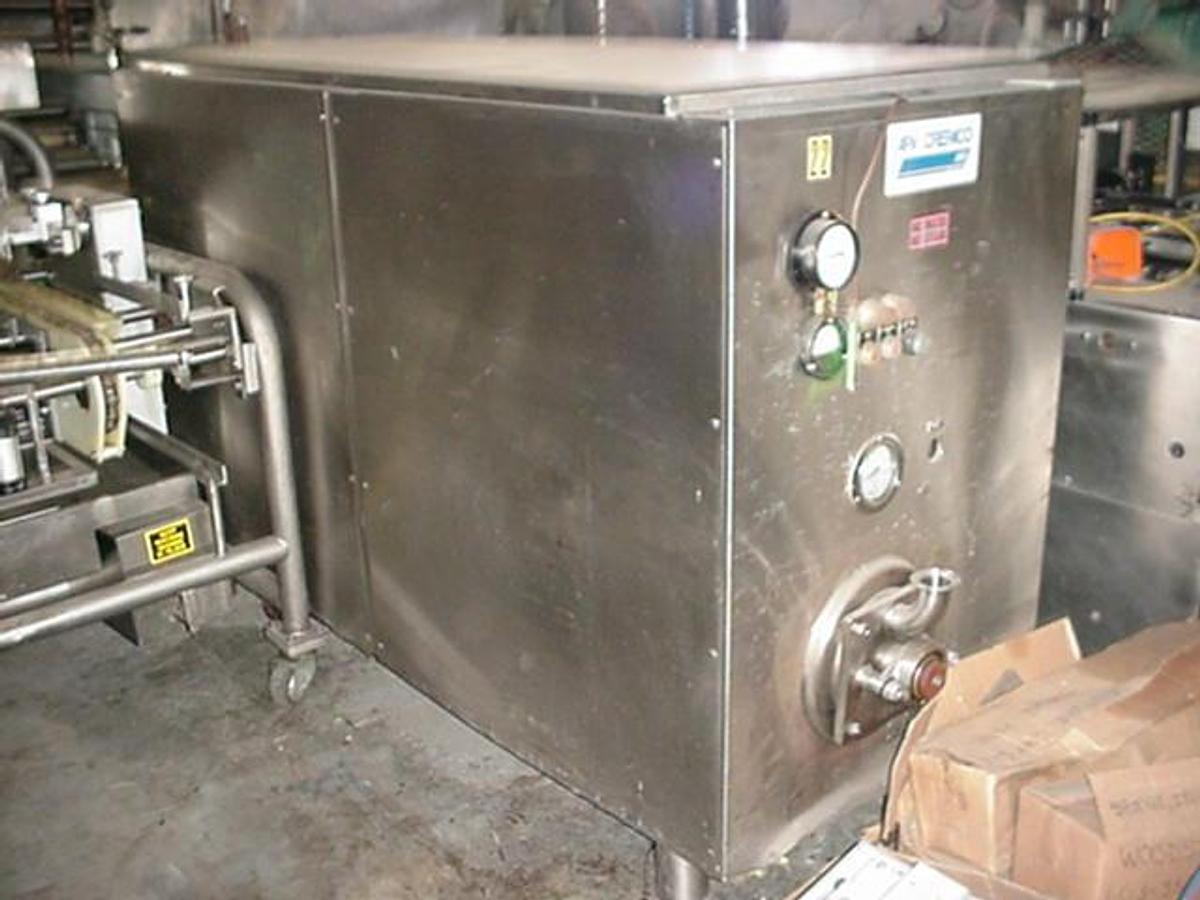
Pricing for used scraped surface heat exchangers varies considerably based on manufacturer, cylinder size, configuration, age, and condition. Smaller pilot plant units or single-tube machines in older condition can be found at the lower end of the market, while large twin-tube production units from well-regarded manufacturers like Votator, Waukesha Cherry-Burrell, APV/Crepaco, or Alfa Laval in good working condition command significantly higher prices. As a general reference point, used SSHEs in the market have historically ranged from roughly a few thousand dollars for small or older single-tube units up to $50,000 or more for large, well-maintained production machines with recent service history. Stainless steel construction, larger bore diameters, and twin-tube configurations all push prices toward the higher end of the range.
Buyers should factor in more than just the purchase price when evaluating total cost. Shipping costs for scraped surface heat exchangers can be substantial given their weight and the need for proper crating or rigging, particularly for larger production units. Reconditioning costs, including blade replacement, seal and gasket renewal, and any necessary repairs to the drive system, should also be estimated before finalizing a purchase decision. Buying from a dealer who specializes in food processing or industrial equipment and who can provide detailed condition information, inspection access, and accurate specifications will generally lead to fewer surprises after the machine arrives. The cost of a used SSHE is almost always a fraction of comparable equipment purchased directly from a manufacturer, which is the primary reason the used market for this category remains active.
How do I inspect a used scraped surface heat exchanger before buying?
Inspecting a used scraped surface heat exchanger requires attention to several key areas: the condition of the cylinder bore, the scraper blades, the mechanical seal, the drive motor and gearbox, and the external jacket. The cylinder bore is the most critical surface because it is both the heat transfer surface and the working surface for the scraper blades. Pitting, scoring, or uneven wear in the bore can reduce thermal efficiency, cause product contamination, and accelerate blade wear. Buyers should request close-up photos or video of the bore interior, ideally with the shaft removed so the full surface is visible. The scraper blades themselves should be inspected for wear, cracking, or deformation, as blade replacement is a routine maintenance item but adds to the cost of bringing a machine into service.
Reputable used equipment dealers typically accommodate in-person inspections, virtual walk-throughs, or detailed video captures of the machine. Some equipment may still be installed at a production facility, in which case an inspection can sometimes be arranged at the plant, though the machine may be in active service or already decommissioned. Keep in mind that most dealers do not have the permitting or infrastructure to run actual product through a machine during inspection, so functional testing is generally limited to confirming that the motor runs, the shaft turns freely, and there are no obvious mechanical issues. Buyers should ask specifically about the last known service history, whether the machine was cleaned before decommissioning, and whether any parts were removed after it came out of service. For complex or high-value purchases, hiring an independent equipment inspector with food processing experience is a worthwhile investment.
What should I know about shipping and logistics for a used scraped surface heat exchanger?
Scraped surface heat exchangers are heavy, precision pieces of equipment that require careful packaging and handling to arrive in the same condition they left the seller. The cylinder assembly, drive motor, and associated framework must be properly secured and protected against vibration and impact during transit. Smaller units may be palletized and shrink-wrapped, while larger production machines typically require custom wooden crating to prevent damage to the cylinder ends, shaft, and external connections. Buyers should ask the seller for detailed information on how the machine will be packaged before agreeing to a purchase, as inadequate packaging is one of the more common causes of transit damage on used industrial equipment.
For larger or heavier machines, professional rigging is required for both loading at the seller's facility and unloading at the destination. Rigging costs are typically an added expense on top of freight and should be factored into the total landed cost of the equipment. Freight rates vary based on weight, dimensions, origin, destination, and the level of service required (standard LTL freight versus specialized heavy equipment carriers). Buyers should request a full breakdown of packaging, rigging, and shipping costs from the dealer before finalizing the purchase so there are no surprises on delivery day. For international shipments, additional considerations around customs documentation, import duties, and compliance with destination country regulations apply and should be clarified with the seller in advance.
How difficult is it to clean and maintain a scraped surface heat exchanger?
Scraped surface heat exchangers used in food and dairy processing are generally designed with cleanability in mind, particularly units built to 3-A Sanitary Standards. Most production-scale SSHEs are cleaned in place (CIP) using a sequence of water rinses, caustic cleaning solutions, and acid rinses that circulate through the product circuit at controlled temperatures and flow rates. The smooth, polished interior surfaces and the mechanical action of the scraper shaft during CIP cycles help dislodge product residue. However, the mechanical complexity of an SSHE, with its rotating shaft, scraper blades, and mechanical seal, means that CIP alone may not reach all surfaces, and periodic disassembly for manual inspection and cleaning is common practice in well-run facilities.
Maintenance requirements center on a few wear items: the scraper blades, which contact the cylinder bore continuously during operation and wear over time; the mechanical seal, which prevents product from migrating along the shaft and must be replaced periodically; and the bearings and gearbox, which require routine lubrication and inspection. The frequency of blade replacement depends heavily on the abrasiveness of the product being processed and the material of the blades themselves, with PTFE blades generally lasting longer in food service than metal blades. For used equipment, one of the first maintenance tasks after acquisition is typically a full disassembly, inspection of all wear surfaces, and replacement of seals, gaskets, and blades before the machine is returned to service. Consulting the original manufacturer about parts availability for the specific model and serial number is a practical early step, as parts support can vary significantly based on the age of the machine.