Category
Subcategory
Manufacturer
Model
Tube sealers
Plastic Tube Sealers, Metal Tube Sealers, Laminate Tube Sealers
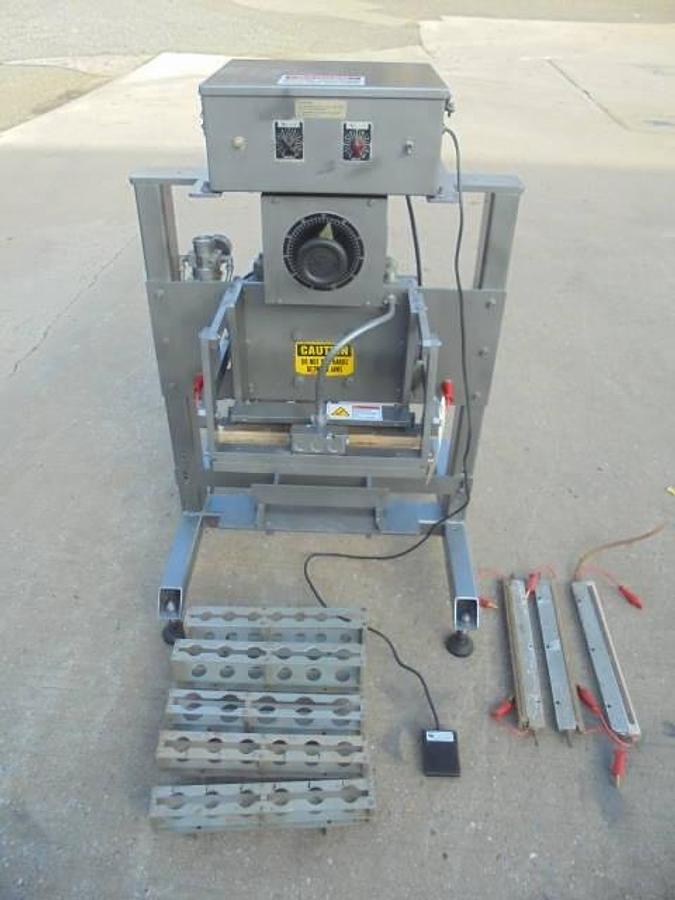
Tube sealing machines are specialized for the sort of tube being filled and sealed including plastic tube sealers, metal tube sealers, and laminate tube sealers. Our inventory includes a selection of used tube sealing equipment consisting of automatic tube sealers and semi-automatic tube sealers as well as tube filler/sealers. We are suppliers of used tube sealers with a variety of closing methods such as high-frequency tube sealers, ultrasonic tube sealers, and hot air tube sealers.
FAQ :
What types of tube sealers are available on the used market?
Used tube sealers are available in several distinct categories, and the right type depends on the material of the tube being sealed and the level of automation required. The three main material-based categories are plastic tube sealers, metal tube sealers, and laminate tube sealers. Each is engineered for the specific properties of that tube material, so a machine designed for aluminum metal tubes will not perform the same function as one built for plastic or laminate constructions. Buyers should confirm that the machine they are considering is rated for their specific tube type before purchasing.
Beyond tube material, used tube sealers also vary by sealing method and automation level. Sealing methods include ultrasonic, hot air, high-frequency, and hot jaw or impulse sealing, each of which creates the seal through a different energy transfer mechanism. Automation levels range from tabletop semi-automatic units, which require an operator to load and position each tube, to fully automatic tube filler/sealers that handle filling, sealing, and trimming in a continuous production cycle. Brands commonly found on the used market include Norden, IWK, Kalix, Vertrod, and Packaging Aids Corporation (PAC), among others. Understanding these distinctions upfront saves a lot of time when evaluating available inventory.
What is the difference between ultrasonic, hot air, and high-frequency tube sealers?
Ultrasonic tube sealers use high-frequency sound wave vibrations to generate localized heat at the seal point. The vibration causes the tube material to soften and fuse together without requiring external heat, which makes ultrasonic sealing particularly well-suited for plastic tubes used in cosmetics, pharmaceuticals, and personal care products. The seal is typically clean, consistent, and produced quickly, which is why ultrasonic machines are popular on high-speed production lines. On the used market, ultrasonic tube sealers are among the more commonly available types because they have been widely adopted across multiple industries.
Hot air tube sealers direct a controlled stream of heated air into the open end of the tube prior to sealing, softening the material so it can be pressed and fused shut. This method is widely used for plastic and laminate tubes and is considered gentler on certain materials than direct-contact methods. High-frequency tube sealers, by contrast, use electromagnetic energy to excite the molecules within the tube material itself, generating heat from within. This method is particularly effective for PVC and certain laminate materials. When shopping for a used machine, buyers should match the sealing technology to the specific tube material and production requirements, since running the wrong sealing method on an incompatible tube type can result in poor seal integrity or damage to the tube.
What should I inspect before purchasing a used tube sealer?
A thorough inspection of a used tube sealer should cover both the mechanical condition of the machine and its suitability for the buyer's specific application. On the mechanical side, key areas to examine include the condition of the sealing jaws or transducers, the state of the drive components and conveyor systems, any signs of corrosion or wear on parts that contact the product, and the overall cleanliness of the machine. Electrical components, control panels, and sensors should also be checked for functionality. Reputable used equipment dealers will typically accommodate in-person inspections at their facility, or provide video walkthroughs and photo documentation if an in-person visit is not practical.
Beyond physical condition, buyers should verify that the machine's tube diameter range, sealing speed (measured in tubes per minute), and sealing method are compatible with their production requirements. It is also worth contacting the original manufacturer directly to determine what level of technical support and parts availability can be expected for that specific model and age of machine, since older models may have limited parts support. Keep in mind that most used equipment dealers do not have the production permits required to run actual product through a machine during a demonstration, so inspections will typically assess mechanical operation rather than a live production run. Asking for the machine's service history, if available, can also provide useful context about its maintenance and prior usage.
What are the differences between semi-automatic and fully automatic used tube sealers?
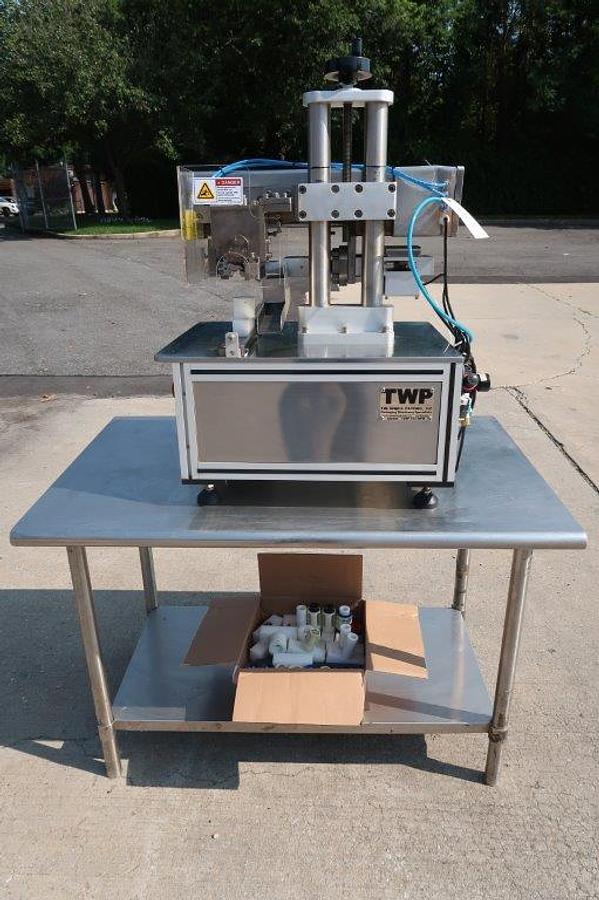
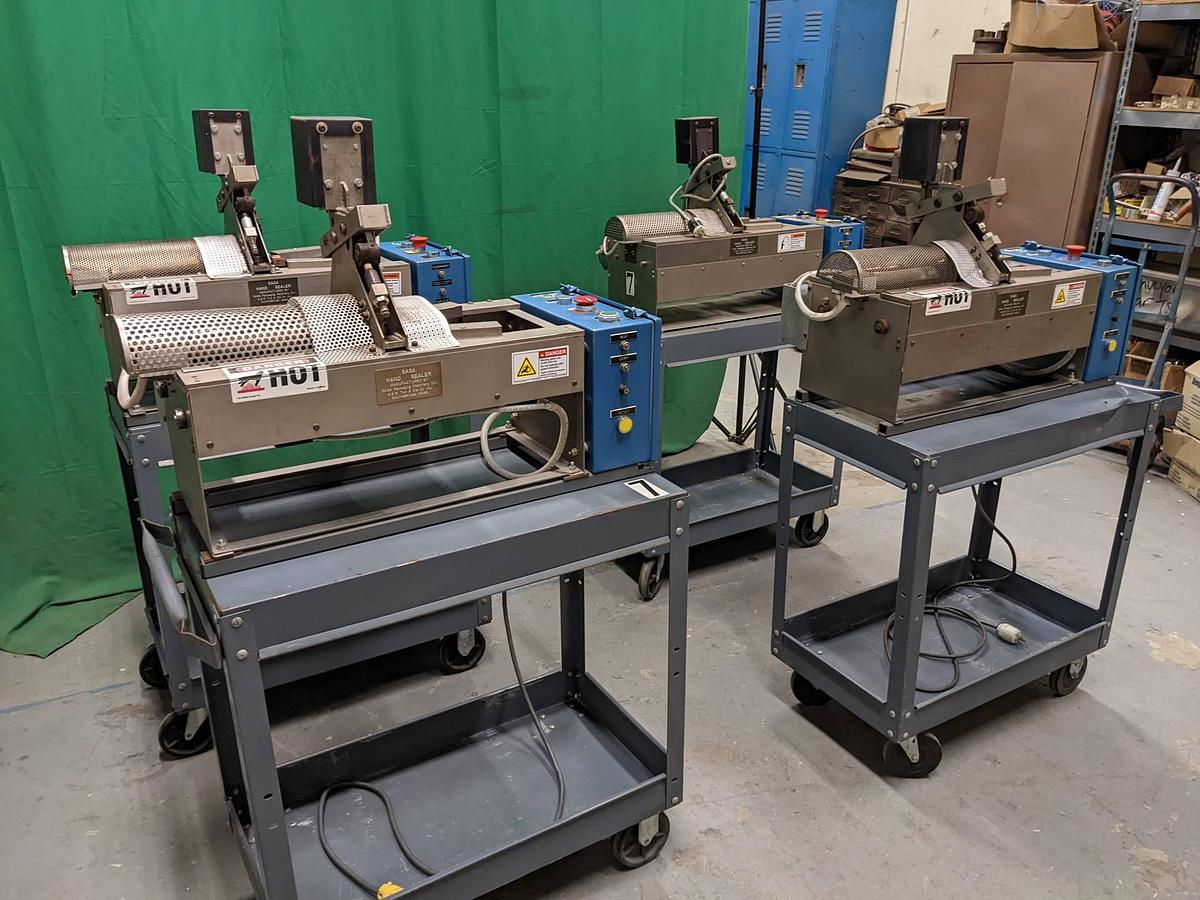
Semi-automatic tube sealers require operator involvement at one or more stages of the sealing process. Typically, an operator manually loads the filled tube into the machine, which then performs the seal automatically. Some semi-automatic models also handle trimming of the sealed end. These machines are well-suited for lower to mid-volume production runs, contract packagers handling multiple SKUs, or operations where flexibility and quick changeovers matter more than raw throughput. On the used market, semi-automatic tube sealers tend to be more affordable and are available from a wide range of manufacturers including Vertrod and Saga, among others.
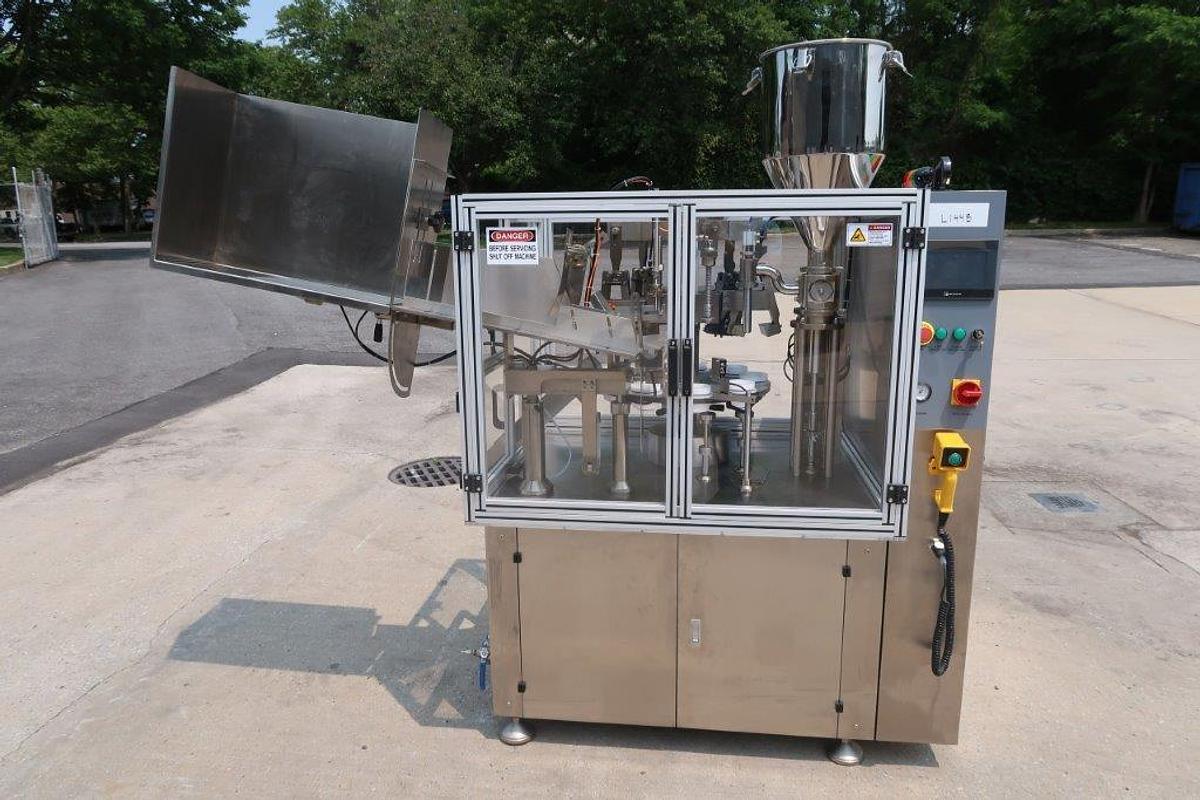
Fully automatic tube filler/sealers integrate the filling and sealing steps into a single continuous process with minimal operator intervention. These machines are designed for high-volume production environments where consistency, speed, and reduced labor costs are priorities. Output rates on automatic machines can reach 50 or more tubes per minute depending on the model, as seen with machines like the Total Packs GMP Metal Tube Filling and Sealing Machine. The tradeoff is that fully automatic machines are generally more complex to maintain and may require more specialized technical knowledge for setup and troubleshooting. When evaluating a used automatic tube sealer, it is especially important to assess the condition of the filling and indexing components, since these systems experience significant wear over time.
What industries commonly use tube sealing machines?
Tube sealing machines are used across a broad range of industries wherever products are packaged in collapsible tubes. The cosmetics and personal care industry is one of the largest users, with tube-sealed products including lotions, creams, gels, toothpaste, and hair care formulations. Pharmaceutical manufacturers rely on tube sealers for topical ointments, creams, and gels that require precise, tamper-evident packaging. Food producers use tube sealing equipment for condiments, sauces, pastes, and other semi-viscous products. Adhesive and industrial lubricant manufacturers also package their products in sealed tubes, particularly for products that need controlled dispensing.
Because tube sealers are built around the specific material and geometry of the tube rather than the product inside, a single machine model can often serve multiple industries as long as the tube format is compatible. However, buyers should pay attention to material contact requirements, especially in pharmaceutical and food applications where sanitary construction, GMP compliance, and material certifications may be required. When purchasing a used tube sealer for a regulated industry, it is worth verifying that the machine's construction materials and design meet the applicable standards for that application. A machine previously used in an industrial adhesive operation, for example, may not be appropriate for pharmaceutical use without significant cleaning, inspection, and validation.
What brands of tube sealers are most commonly found on the used market?
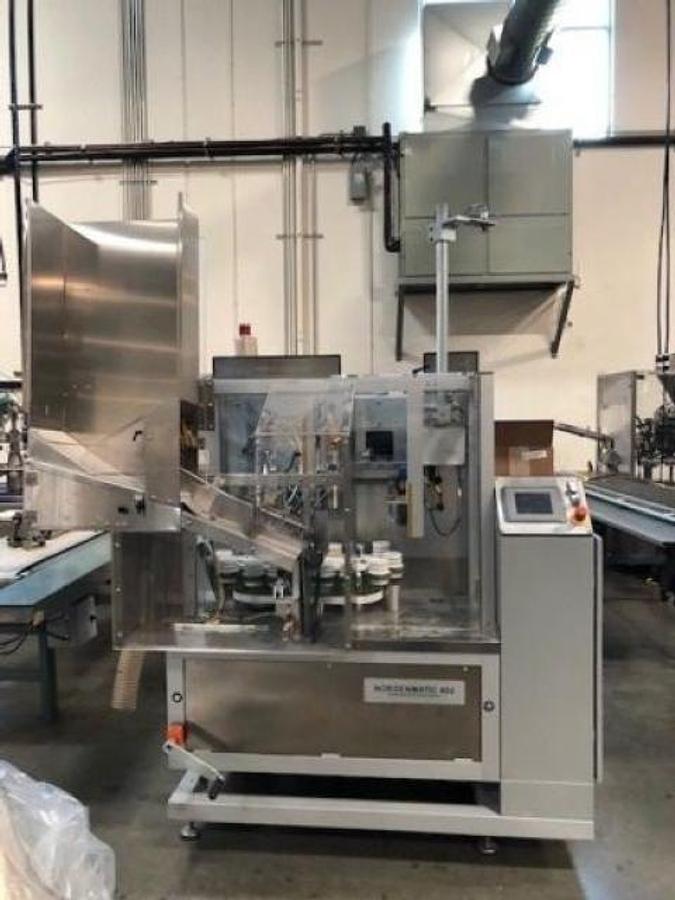
Several brands appear consistently in the used tube sealer market due to their long production histories, widespread adoption across industries, and reputation for building durable machines. Norden (including the Nordenmatic line) is one of the most recognized names in tube filling and sealing equipment, with machines that have been used extensively in pharmaceutical and cosmetics manufacturing. IWK and Kalix are also well-regarded brands with a strong installed base, particularly in European-style packaging operations. Packaging Aids Corporation (PAC) and Vertrod are frequently found in the used market for semi-automatic plastic tube sealing applications. Aisa is another brand that appears in used inventories, particularly for laminate tube applications.
When evaluating a used machine from any of these manufacturers, parts availability is one of the most important factors to research before committing to a purchase. Established brands with active service networks tend to offer better long-term support than lesser-known or discontinued brands. Buyers should contact the manufacturer directly to ask about parts availability, recommended service intervals, and whether technical documentation is still accessible for the specific model under consideration. The age of the machine matters here too, since even well-supported brands may have limited parts for models that are several decades old. A reputable used equipment dealer who specializes in packaging machinery will typically be familiar with these details and can help buyers assess parts risk before purchase.
Are used tube sealers reliable enough for commercial or industrial production?
Used tube sealers can absolutely perform reliably in commercial and industrial production environments, provided the buyer selects the right machine and purchases from a dealer with a solid track record in packaging equipment. Tube sealing machines are generally built for high-cycle industrial use, and well-maintained examples from reputable manufacturers can have very long service lives. The key variables are the condition of the machine at the time of purchase, the quality of the inspection process, and whether the machine has been properly maintained throughout its prior service life. A used machine that has been thoroughly inspected and cleaned by an experienced dealer carries significantly more confidence than one purchased through an auction with no inspection history.
Buyers should approach the purchase with realistic expectations about what used equipment involves. Unlike a factory-direct purchase, used machines are sold as-is, which places the responsibility for inspection squarely on the buyer. This is why working with a dealer who specializes in packaging machinery matters. A specialist dealer will have the technical knowledge to accurately represent the condition of the equipment and will typically offer in-person or video inspection options so buyers can assess the machine themselves before committing. Consulting with the original manufacturer about expected service life, known wear items, and parts availability for the specific model is also a sound step that many experienced buyers take before finalizing a purchase.
Can I get replacement parts for older used tube sealer models?
Parts availability for used tube sealers varies considerably depending on the brand, model, and age of the machine. Machines from well-established manufacturers like Norden, IWK, Kalix, and Vertrod generally have better parts support than machines from smaller or discontinued manufacturers, but even major brands may have limited availability for models that are 20 or 30 years old. Before purchasing a used tube sealer, it is strongly recommended to contact the original manufacturer directly and ask specifically about parts availability for that model. Ask whether they still stock commonly replaced components such as sealing jaws, transducers, heating elements, and drive belts, and whether technical documentation like manuals and electrical schematics is still available.
Third-party parts suppliers and machine rebuilders can sometimes fill gaps where the original manufacturer no longer supports a particular model. Experienced packaging equipment dealers who specialize in tube sealers often have knowledge of these alternative parts sources and can point buyers in the right direction. It is also worth asking the selling dealer whether any spare parts are included with the machine, as sellers sometimes have accumulated spare components from prior production use. Factoring parts availability into the total cost of ownership is an important step that buyers sometimes overlook when focused on the purchase price of the machine itself. A lower-priced machine with difficult-to-source parts can end up being more costly in the long run than a slightly more expensive machine with readily available components.
What are the different types of sealing machines used in packaging?
Sealing machines in packaging cover a wide range of technologies, each designed for a specific container type, material, or production requirement. Tube sealers are purpose-built for collapsible tubes made from plastic, metal, or laminate materials. Heat sealers are used for flexible films and pouches, using direct heat or impulse to fuse thermoplastic materials together. Induction sealers apply an electromagnetic field to seal foil liners inside bottle caps, commonly used in food, beverage, and pharmaceutical bottling. Band sealers and continuous motion sealers handle high-volume bag and pouch sealing on a conveyor. Tray sealers apply lidding film to rigid trays, widely used in food service and modified atmosphere packaging.
Within tube sealing specifically, the main technology variations are ultrasonic, hot air, high-frequency, and hot jaw or impulse methods, each suited to different tube materials and production speeds. The choice of sealing technology affects seal quality, cycle time, energy consumption, and compatibility with specific tube materials. Buyers looking for used tube sealing equipment should start by identifying the tube material and format they are working with, then narrow the search to machines designed for that specific application. Purchasing the wrong sealing technology for a given tube material is one of the more common mistakes buyers make when sourcing used equipment, particularly if they are unfamiliar with the technical differences between sealing methods.
What does the shipping and delivery process look like when buying a used tube sealer?
Shipping a used tube sealer involves more logistical planning than shipping standard freight, and buyers should request detailed information about packaging, rigging, and freight costs before finalizing a purchase. Smaller semi-automatic tube sealers may ship on a standard pallet with appropriate blocking and bracing, while larger automatic tube filler/sealers often require custom crating to prevent damage in transit. The level of packaging required directly affects shipping costs, so buyers should ask the dealer specifically how the machine will be prepared for shipment and what that preparation costs. Freight charges will also vary based on the size and weight of the machine, the origin and destination, and whether standard LTL freight or a dedicated flatbed is required.
For larger or heavier machines, rigging costs for loading at the dealer's facility and unloading at the buyer's facility can be a significant added expense. Buyers who do not have a dock or forklift at their facility should plan for this in advance and factor it into the total landed cost of the equipment. Some machines may still be installed at a production facility at the time of sale, in which case the dealer will coordinate deinstallation and rigging between the seller and the buyer. Asking the dealer for a complete breakdown of packaging, rigging, and freight costs before committing to a purchase is the best way to avoid surprises and accurately compare the true cost of different machines.