Category
Manufacturer
Model
Used Bakery Equipment for Sale
Pre-Owned Ovens, Dough Mixers, and Depositors In Stock
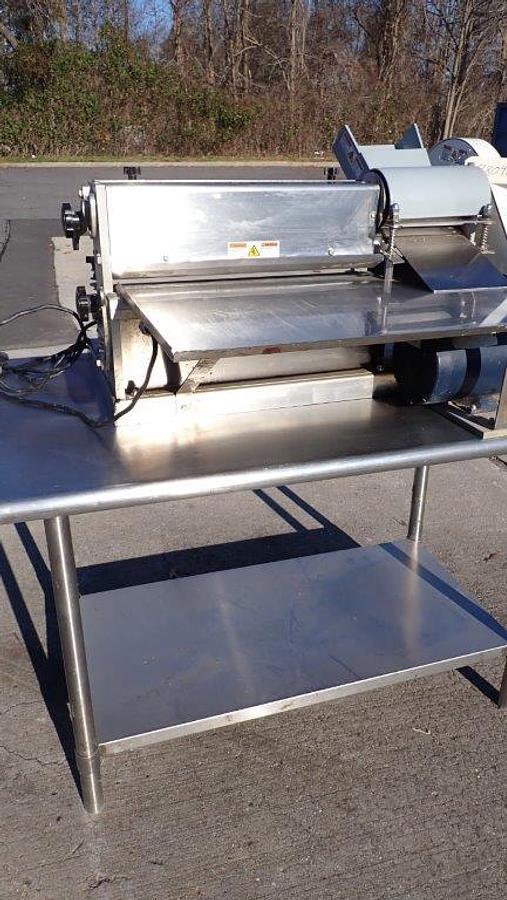
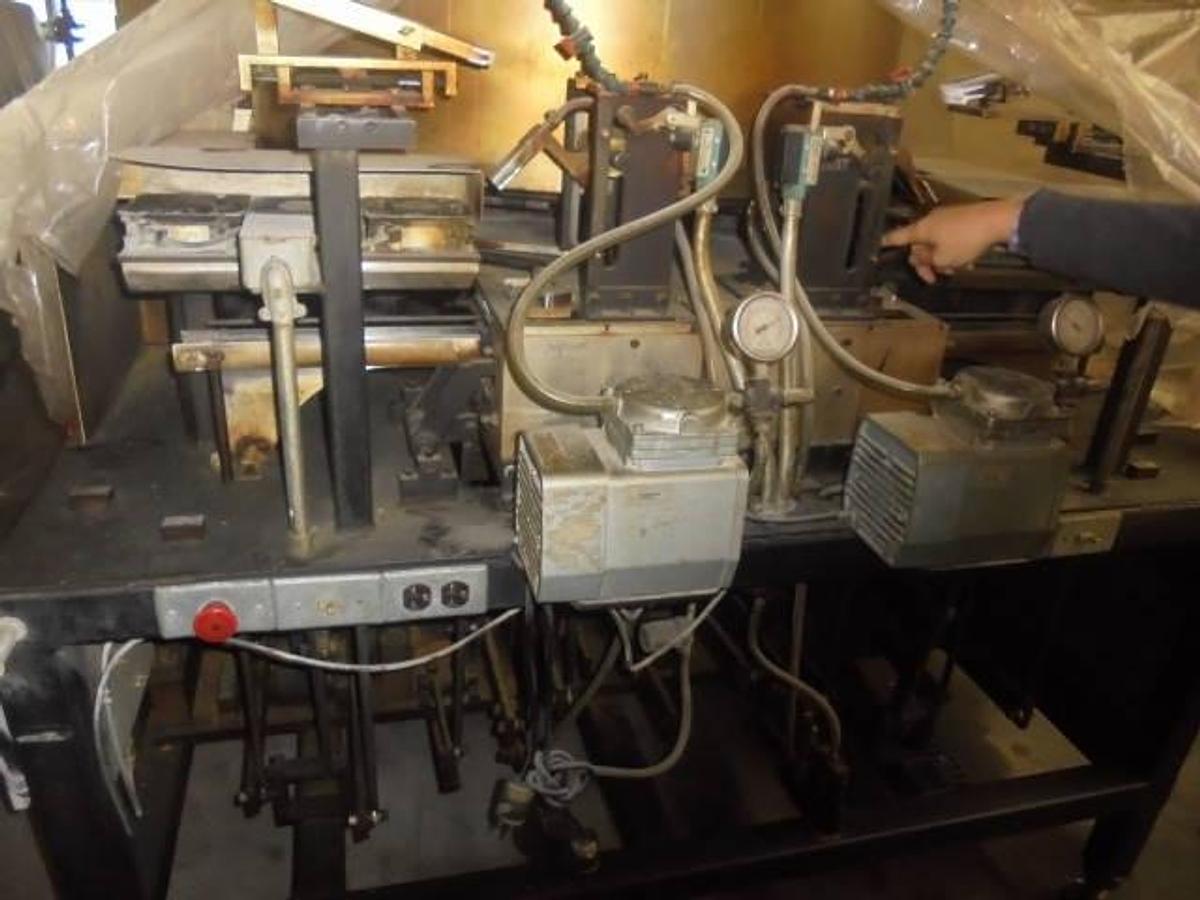
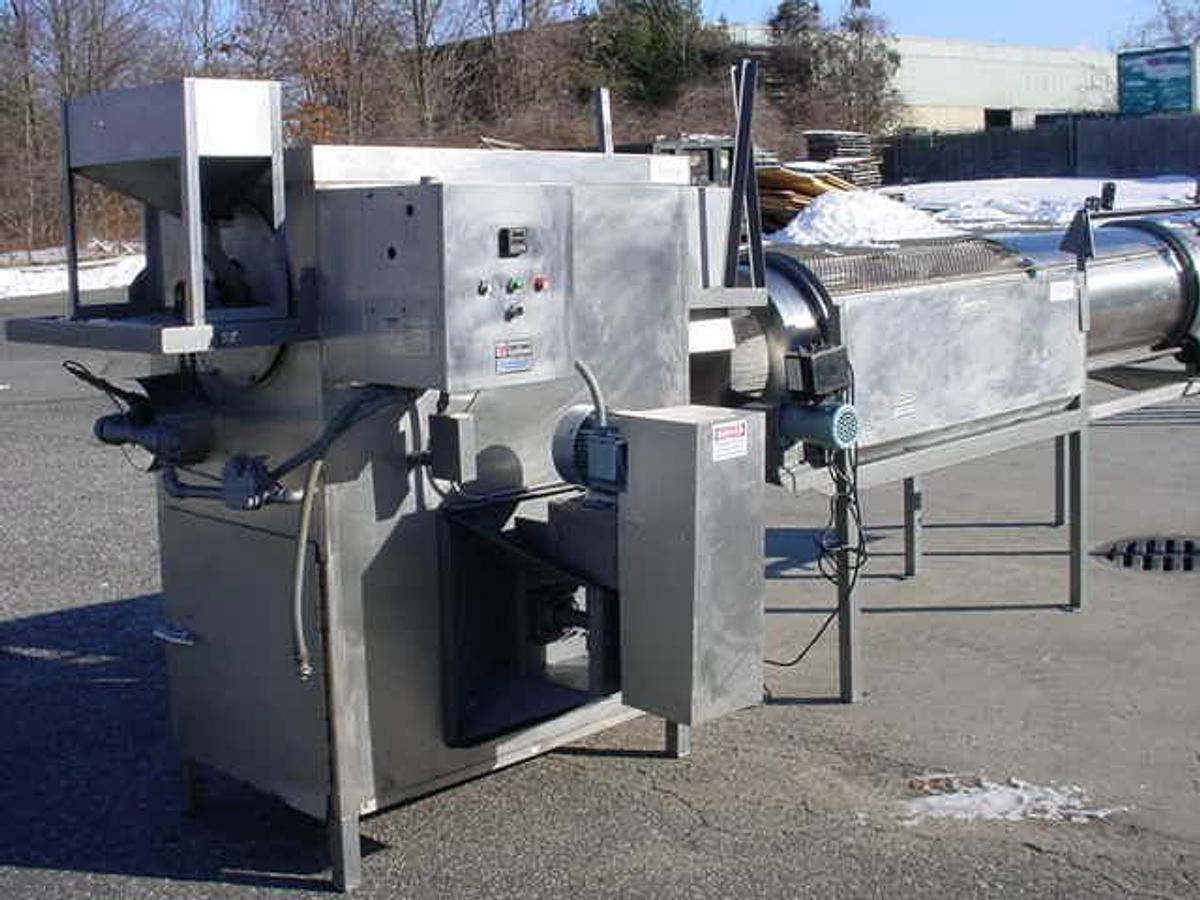
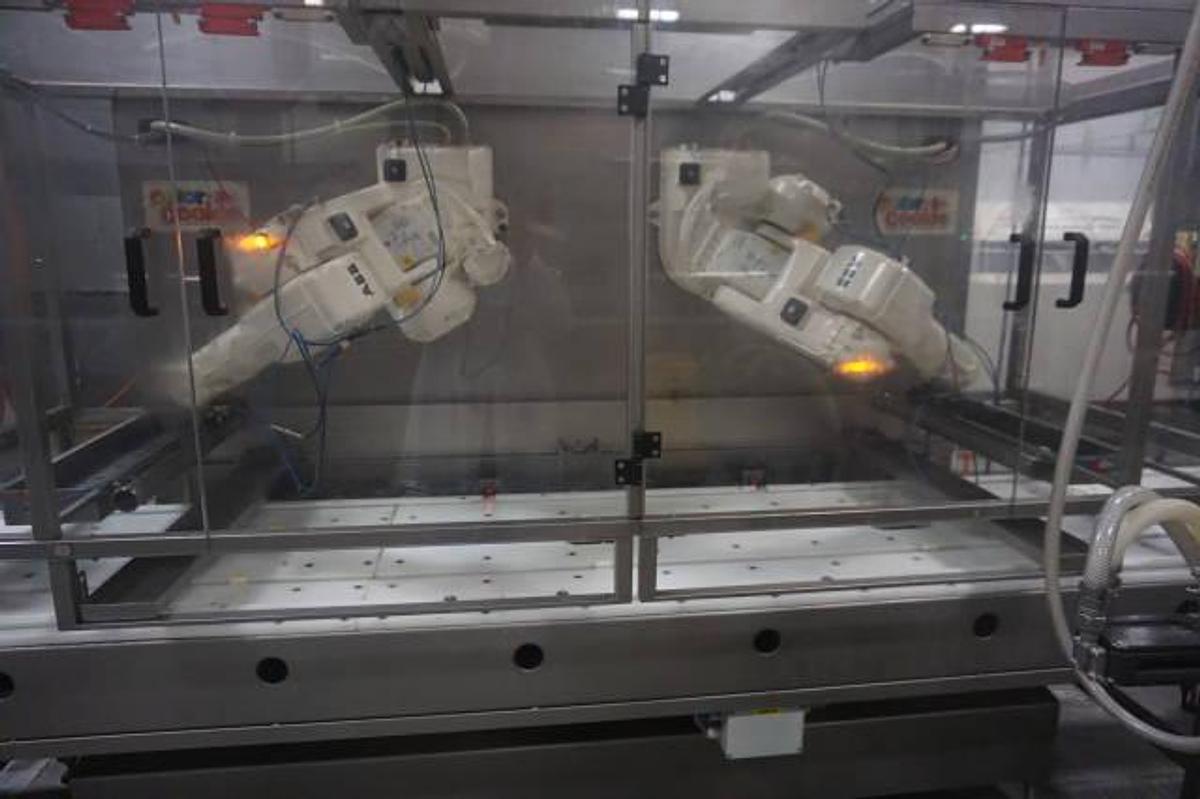
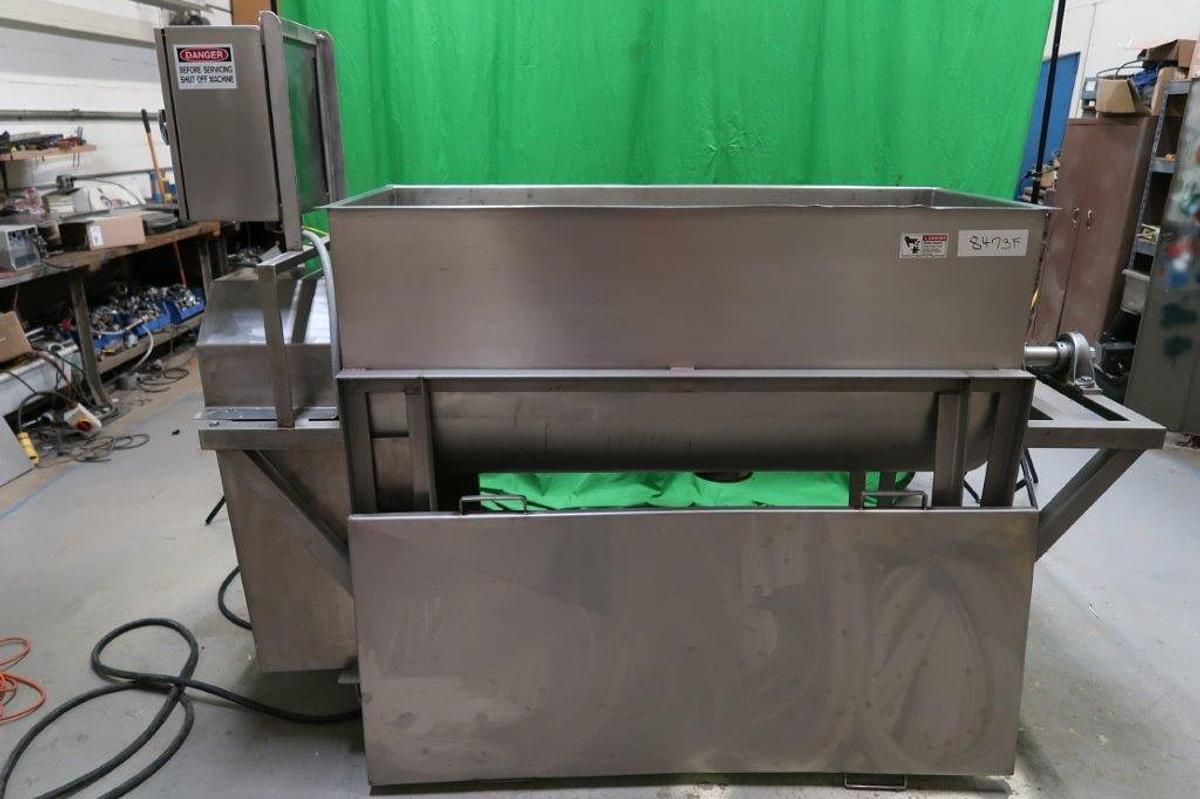
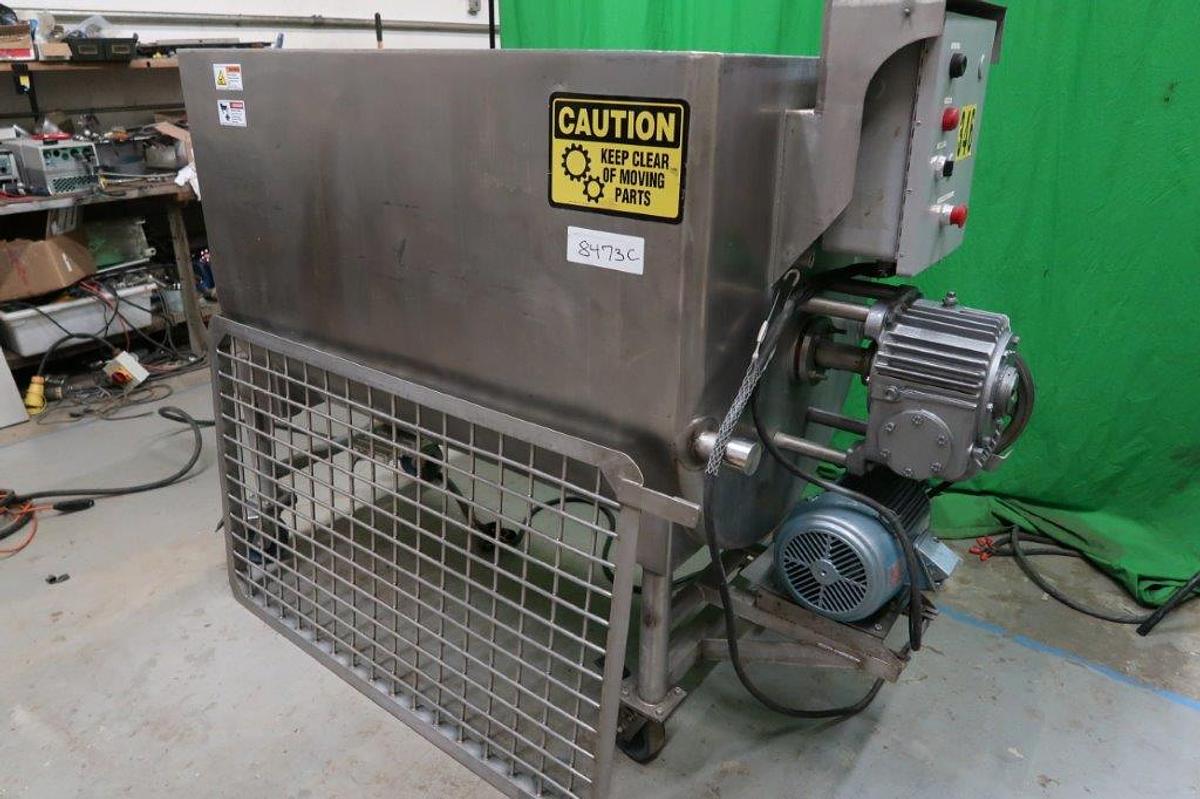
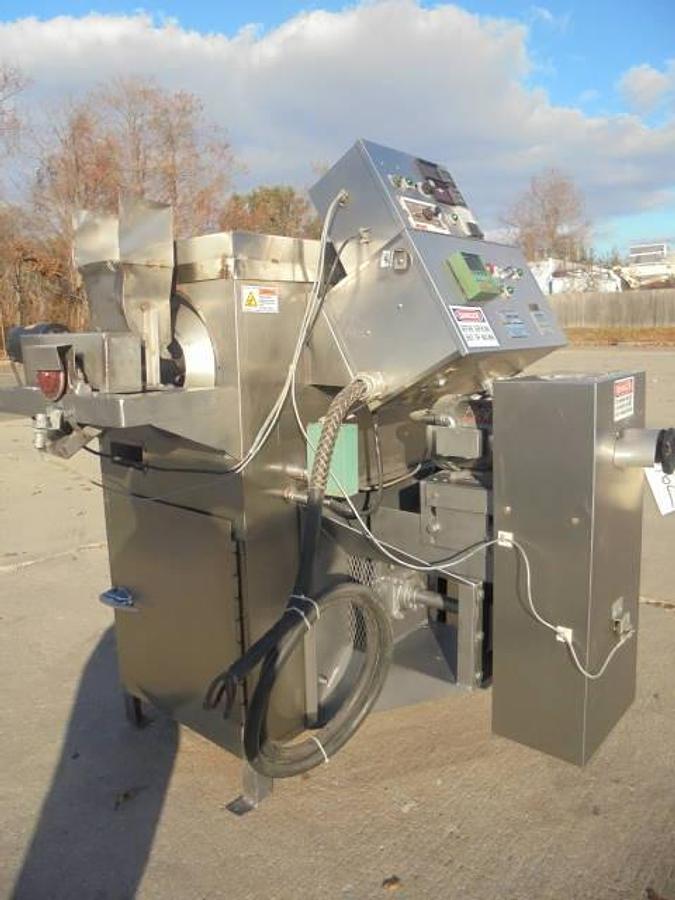
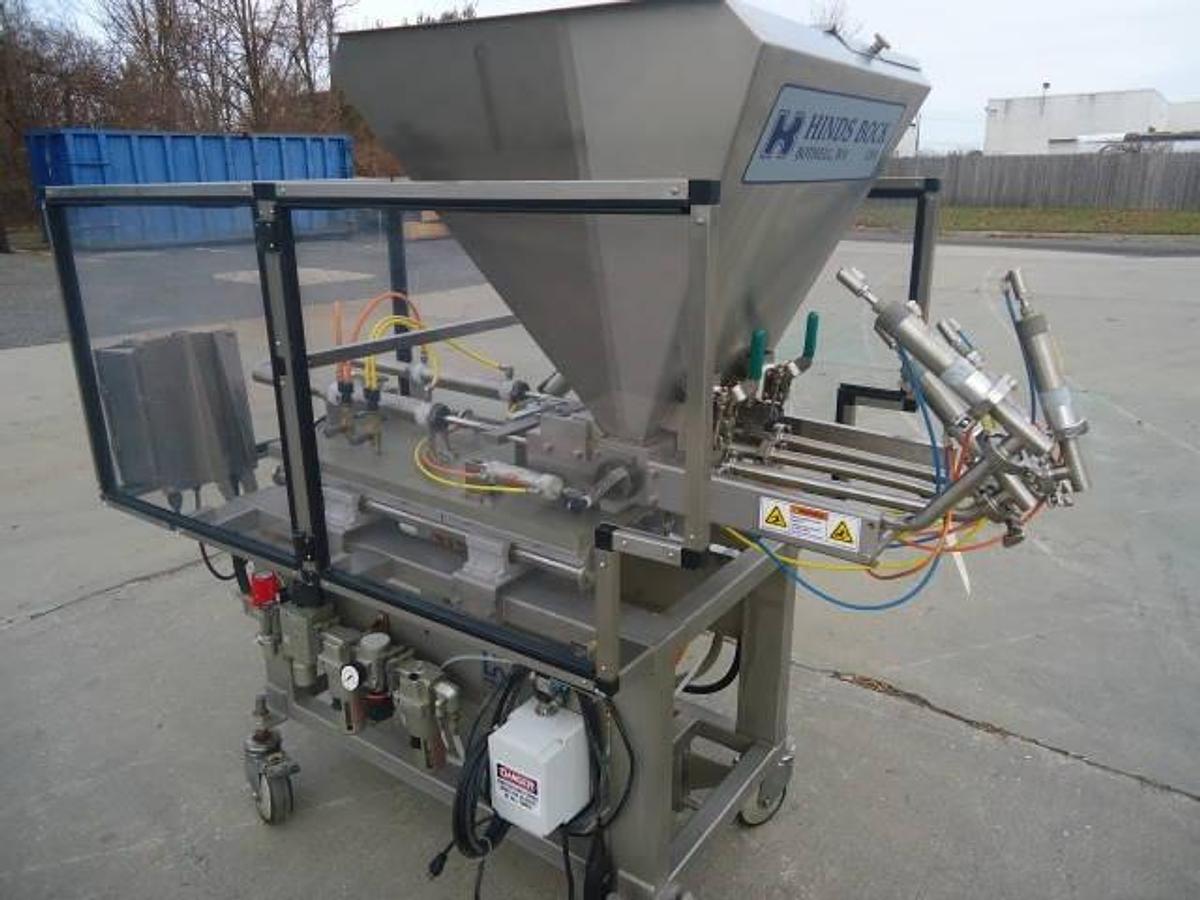
Wohl Industries stocks used bakery equipment for commercial bakeries, snack producers, and co-packers. You get pre-owned ovens, dough mixers, depositors, sheeters, and encrusting machines. Ovens bake bread, cookies, and bars on continuous belts or in batch racks. Dough mixers develop gluten for bread and pizza. Depositors portion batter and filling onto pans at speed. Encrusting machines wrap filling inside dough for buns and cookies. Buying used cuts your capital cost and lead time. We inspect every machine before we ship. We have sold processing and packaging equipment since 1968. Send us your product and output, and we match you to the right machine.
FAQ :
What types of used bakery equipment are typically available for sale?
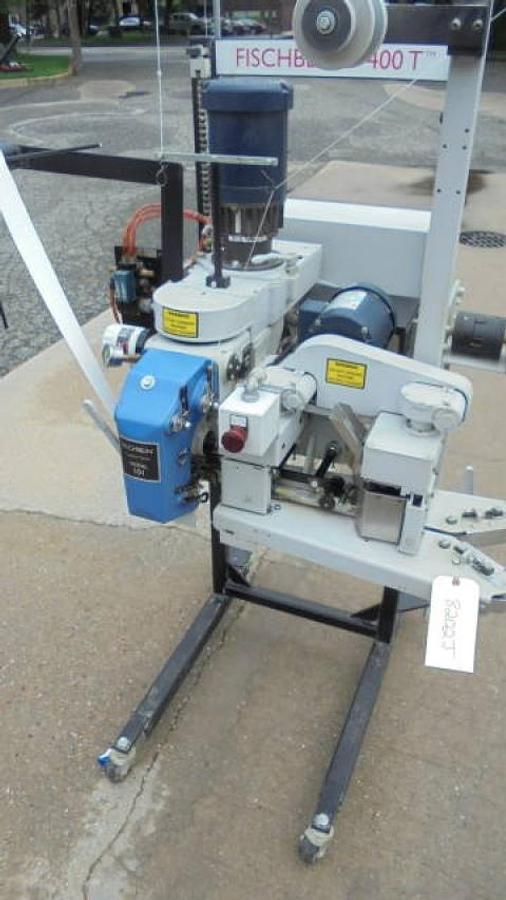
The range of used bakery equipment on the market is broad enough to outfit nearly any commercial baking operation. Common categories include planetary bowl mixers (in sizes ranging from 20 quarts up to 140 quarts and beyond), spiral dough mixers, continuous mixers, dough dividers, dough sheeters, and sigma arm mixers for heavy-duty mixing applications. On the cooking and baking side, buyers can typically find conveyor ovens, deck ovens, convection ovens, rack ovens, and specialty ovens like pita or tortilla ovens. Depositors, encrusting machines, turnover machines, bag sewing systems, and complete production lines for products like donuts, muffins, granola bars, and fortune cookies also appear regularly in used equipment inventories.
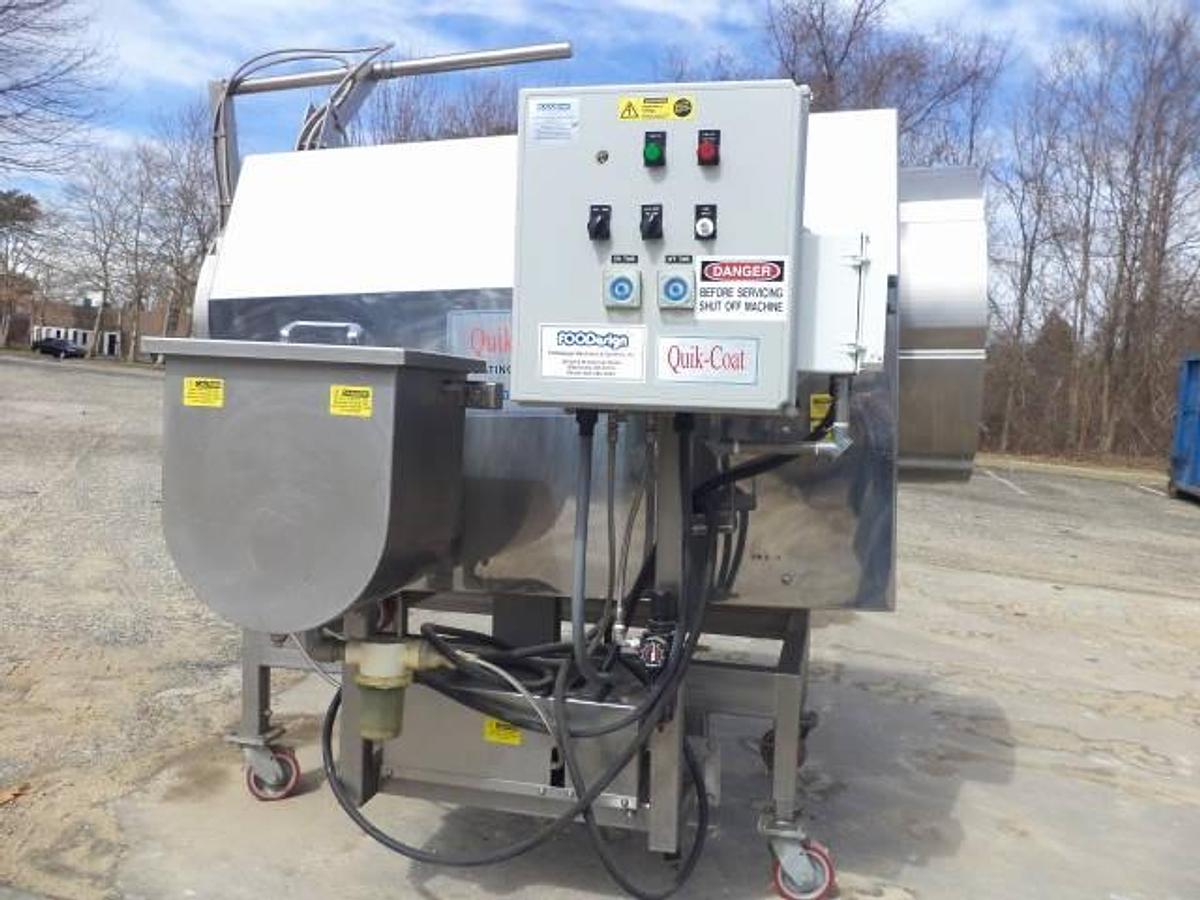
Beyond the core equipment, used bakery machinery inventories often include bread slicers, coating drums, weigh scales, cooling tunnels, fryers, and popcorn poppers for snack food producers. Brands that show up frequently in used markets include Hobart, Rheon, Blodgett, Univex, Berkel, Colborne, Rondo, APV, and Kemper, among others. Because commercial bakery equipment is built for heavy production cycles, these machines often have many years of useful life remaining even after their first owner has finished with them. Buyers looking to equip a startup bakery or expand an existing facility can often source individual pieces or complete production lines through reputable used equipment dealers.
How do I assess the condition of used bakery equipment before buying?
Assessing condition on used bakery equipment requires more diligence than a simple visual check. The most reliable approach is to request an in-person inspection at the dealer's facility or, if the machine is still installed at a production plant, to arrange a visit through the dealer to see it operating in context. Many dealers also offer virtual inspections or video walkthroughs, which can capture details like motor operation, belt condition, control panel functionality, and any visible wear on contact surfaces. High-resolution photographs from multiple angles are a baseline expectation, but video of the machine running under power is considerably more informative.
Buyers should pay close attention to the condition of seals, gaskets, mixing bowls, beater attachments, and any components that experience high friction or heat during normal use. Checking for cracks in stainless steel welds, signs of past repairs, and the overall cleanliness of the machine can reveal how well it was maintained. It is worth noting that most used equipment dealers do not have production permits, so they cannot run actual product through a machine to demonstrate output quality. What they can typically do is power the machine on and demonstrate mechanical operation. Consulting with the equipment manufacturer about a specific model and serial number can also help a buyer understand what level of technical support and parts availability to expect given the machine's age.
What should I look for when inspecting a used commercial mixer?
Commercial mixers, particularly planetary bowl mixers and spiral dough mixers, are among the most frequently purchased pieces of used bakery equipment, and they deserve a thorough inspection before any purchase decision. Key areas to examine include the gearbox for signs of oil leaks or unusual noise during operation, the bowl lift or tilt mechanism for smooth and consistent movement, and the agitator shaft for wobble or excessive play. On planetary mixers, the attachment hub should accept standard accessories without resistance, and the speed controls should shift cleanly through all available speeds. Bowl condition matters too: deep gouges, dents, or warped rims can affect mixing consistency and make sanitation more difficult.
For spiral mixers, the spiral hook and bowl drive should operate without grinding or hesitation, and the bowl removal mechanism (on models with removable bowls) should function without forcing. Electrical components, including the motor, control panel, and any timers or safety interlocks, should be tested under power. Brands like Hobart, Kemper, Colborne, and Harvest (Koenig) have strong reputations for durability, and their machines often have replacement parts available through the manufacturer or aftermarket suppliers. Before committing to a purchase, it is reasonable to ask the dealer for any available service records, and to contact the manufacturer directly to confirm parts availability for that specific model number and production year.
Does used bakery equipment come with a warranty?
Warranties on used commercial bakery equipment are handled very differently than on equipment purchased directly from a manufacturer. Manufacturers typically only extend warranty coverage to the first purchaser of a machine, and that coverage rarely transfers to subsequent buyers. Used equipment dealers, as a general practice, sell machinery on an as-is basis, meaning the buyer accepts the machine in its current condition without a dealer-backed performance guarantee. This is standard across the used industrial equipment industry and is not a red flag in itself, but it does place a significant responsibility on the buyer to inspect carefully before purchasing.
Given this reality, selecting a reputable dealer with a long track record in bakery and food processing equipment is one of the most important risk-management steps a buyer can take. A dealer who specializes in bakery machinery will have more relevant knowledge about the equipment they sell, will be better positioned to answer technical questions, and is more likely to accurately represent a machine's condition. Buyers should also contact the equipment manufacturer before purchasing to ask about parts availability, service support, and whether the model in question is still supported. Older or discontinued models may have limited parts availability, which is a practical consideration that affects long-term cost of ownership regardless of the purchase price.
Can I get replacement parts for used bakery equipment?
Parts availability for used bakery equipment varies considerably depending on the brand, the model, and how long ago the machine was manufactured. Well-established brands like Hobart, Blodgett, Univex, and Rheon have historically maintained strong aftermarket parts networks, and many of their older models remain supported through the manufacturer or through third-party parts suppliers. This is one reason why buyers in the used market gravitate toward these brands: the long-term cost of ownership is more predictable when parts are accessible. For less common or older machines, parts may need to be fabricated, sourced internationally, or cannibalized from a second machine purchased specifically for parts.
Before finalizing a purchase, it is worth calling the manufacturer directly and providing the model number and serial number to ask specifically which parts are still in production and what the typical lead time looks like. Some manufacturers will be forthright about which models they no longer support, which is valuable information for a buyer trying to plan maintenance budgets. Dealers who specialize in a particular equipment category, such as bakery and food processing machinery, often have a working knowledge of parts availability and can provide guidance on which machines are easier to maintain over time. Buyers should factor parts access into the total cost calculation alongside purchase price, shipping, and installation.
What are the most reputable brands in used commercial bakery equipment?
A handful of manufacturers have built reputations strong enough that their equipment holds value and buyer confidence well into its second and third decade of use. Hobart is probably the most recognized name in commercial food equipment, with their planetary bowl mixers appearing in bakeries, food plants, and institutional kitchens across North America. Their V-1401 (140-quart) and M-802 (80-quart) models are particularly common in the used market because they were produced in large numbers and built to withstand continuous production demands. Rheon is the dominant name in encrusting machines, with models like the KN300, KN400, and KN550 widely used in Asian bakeries and snack food manufacturing. Blodgett is a trusted name in commercial ovens, and Univex, Berkel, Kemper, Colborne, and Somerset all have strong followings in their respective equipment categories.
Buyers tend to favor these brands in the used market for a practical reason: parts and technical support are more likely to be available, and local service technicians are more likely to be familiar with the equipment. That said, brand recognition alone should not substitute for a thorough inspection. A well-maintained machine from a lesser-known manufacturer can outperform a neglected unit from a top brand. The combination of a reputable brand, a documented service history, and a careful pre-purchase inspection gives buyers the best foundation for a sound purchasing decision. Dealers who specialize in bakery equipment are often the best resource for candid guidance on which specific models have the strongest track records.
How does buying used bakery equipment compare to buying from a manufacturer?
The most obvious advantage of buying used bakery equipment is cost. A used commercial spiral mixer or planetary bowl mixer can sell for a fraction of what a comparable unit costs through a manufacturer's sales channel, which makes used equipment particularly attractive for startups, small-scale bakeries, and operations looking to expand capacity without large capital outlays. Production lines for specialty products like donuts, muffins, granola bars, or encrusted pastries can cost hundreds of thousands of dollars when sourced through manufacturers; buying used components or complete lines can dramatically reduce that investment. The trade-off is that used machines come without the assurance of a factory condition baseline, and the buyer takes on more responsibility for verifying the equipment's current state.
Buying from a manufacturer means receiving a machine with known specifications, current safety certifications, and typically some form of support coverage for defects. Used equipment may carry NSF certification or UL/ETL listings from when it was first manufactured, but buyers should verify whether those certifications are still valid for the machine's current condition and configuration. For operations where production continuity is critical, the risk profile of used equipment is worth weighing carefully. However, for buyers who invest time in selecting a reputable dealer, conducting a thorough inspection, and confirming parts availability, used bakery equipment represents a practical and cost-effective path to equipping a commercial baking operation.
What should I know about shipping and delivery of used bakery equipment?
Shipping used bakery equipment involves more complexity than standard freight because many machines are heavy, awkwardly shaped, and sensitive to impact or vibration during transit. Proper packaging is critical: smaller pieces may be palletized and stretch-wrapped, while larger or more fragile machines typically require custom wood crating to prevent damage. The level of packaging directly affects shipping cost, so buyers should ask dealers specifically how a machine will be prepared for transport and what that preparation costs. Assuming that packaging is included in a quoted price without asking can lead to unexpected charges.
Larger machines, such as industrial spiral mixers, large-capacity planetary mixers, or complete production lines, may require specialized rigging equipment for loading at the dealer's facility and unloading at the buyer's location. Rigging costs are typically separate from freight charges and can be significant depending on the size and weight of the equipment. Buyers should request a fully itemized landed cost that includes the equipment price, packaging, rigging (if applicable), freight, and any delivery or installation services before making a purchase commitment. International shipments add customs documentation and import duties to that calculation. Understanding the total landed cost upfront prevents surprises and allows for an accurate comparison between different equipment options.
What are the typical payment terms for purchasing used bakery equipment?
Payment practices in the used equipment industry are fairly consistent across dealers. Most used bakery equipment dealers require full payment before a machine is released for shipping. This protects the dealer from situations where a buyer backs out after the equipment has been prepared for transport or after rigging and loading costs have been incurred. For buyers, this means having financing or capital arranged before initiating a purchase, since most dealers will not hold equipment indefinitely while a buyer arranges funds. Some dealers will place a hold on a machine with a deposit while the buyer completes due diligence or arranges financing, but this varies by dealer and situation.
Repeat customers with an established relationship with a dealer may occasionally be offered extended terms, but this is the exception rather than the rule for first-time buyers. Buyers who are new to a dealer should expect to pay in full prior to shipment and should factor that into their cash flow planning. Wire transfer is the most common payment method for transactions of this size, though some dealers may accept other forms of payment depending on the transaction amount. Asking about accepted payment methods, deposit requirements, and the timeline between payment and shipment is a reasonable part of any pre-purchase conversation with a dealer.
How do I clean and sanitize used bakery equipment before putting it into production?
Before any used bakery machine goes into production, a thorough cleaning and sanitation process is essential, both for food safety and to get an accurate picture of the equipment's actual condition. Start by disassembling all removable components, including bowls, agitators, guards, and any product-contact parts. These should be cleaned with food-safe detergents appropriate for the material (stainless steel, aluminum, and plastic each have specific chemical compatibility considerations). Hard-to-reach areas like seams, crevices around the agitator shaft, and the underside of bowl guards are common spots where old dough, grease, or residue can accumulate and harbor bacteria.
After cleaning, a food-safe sanitizer appropriate for the surface material should be applied according to the manufacturer's dilution and contact time instructions. For machines that will be used in a licensed food production facility, it is worth consulting with your local health department or food safety inspector before the equipment goes into service, since they may have specific requirements for equipment that has been relocated or repurposed. Some facilities also choose to have a food equipment service technician inspect and recalibrate used machines after cleaning to verify that all mechanical and electrical systems are functioning within acceptable parameters. This step adds cost but can catch issues that are not visible during a standard inspection and helps establish a baseline for ongoing maintenance.