Category
Manufacturer
Model
Used Pasta Equipment for Sale
Pre-Owned Pasta Extruders, Sheeters, and Ravioli Machines In Stock
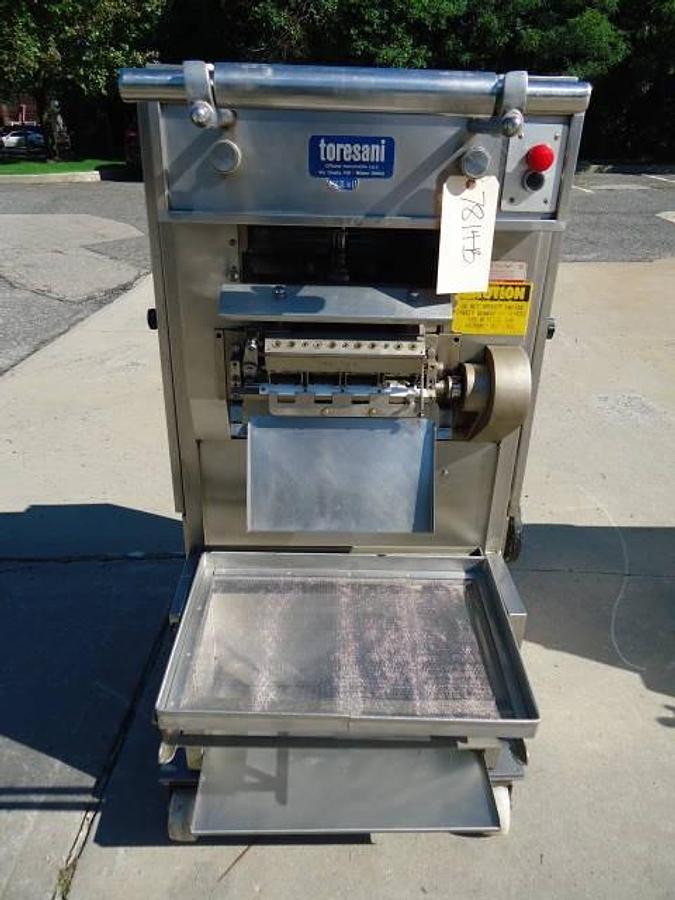
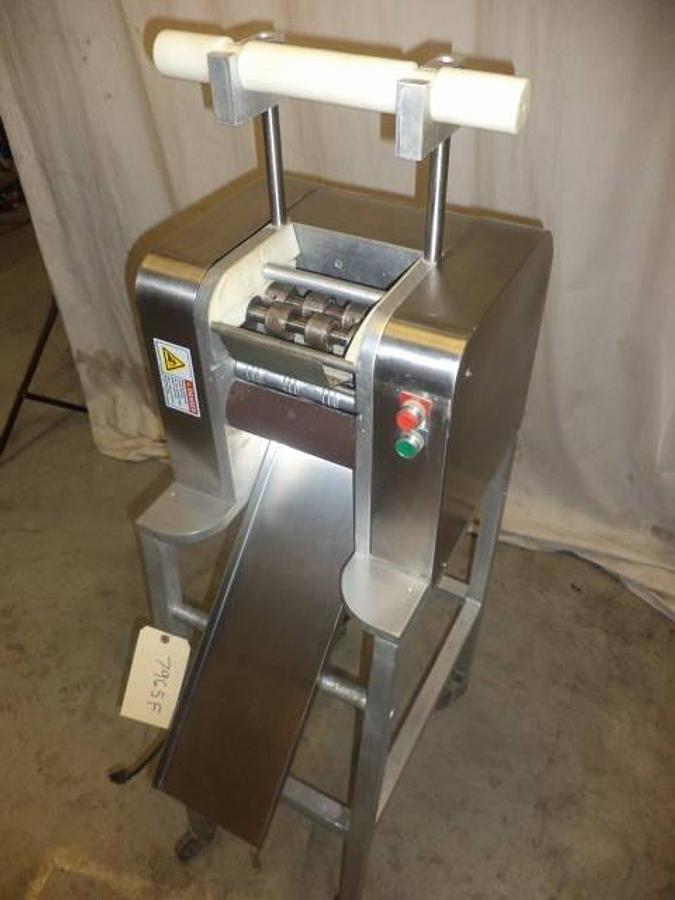
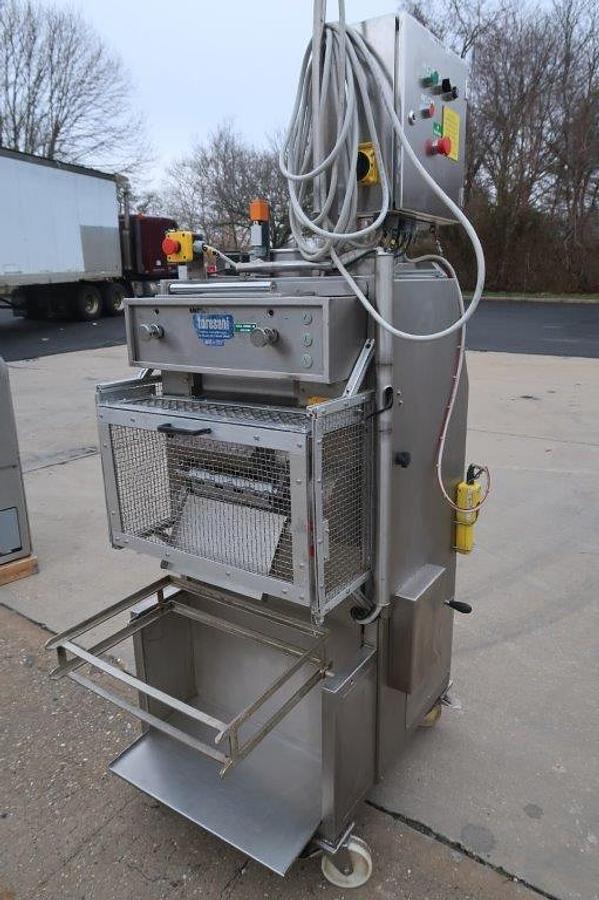
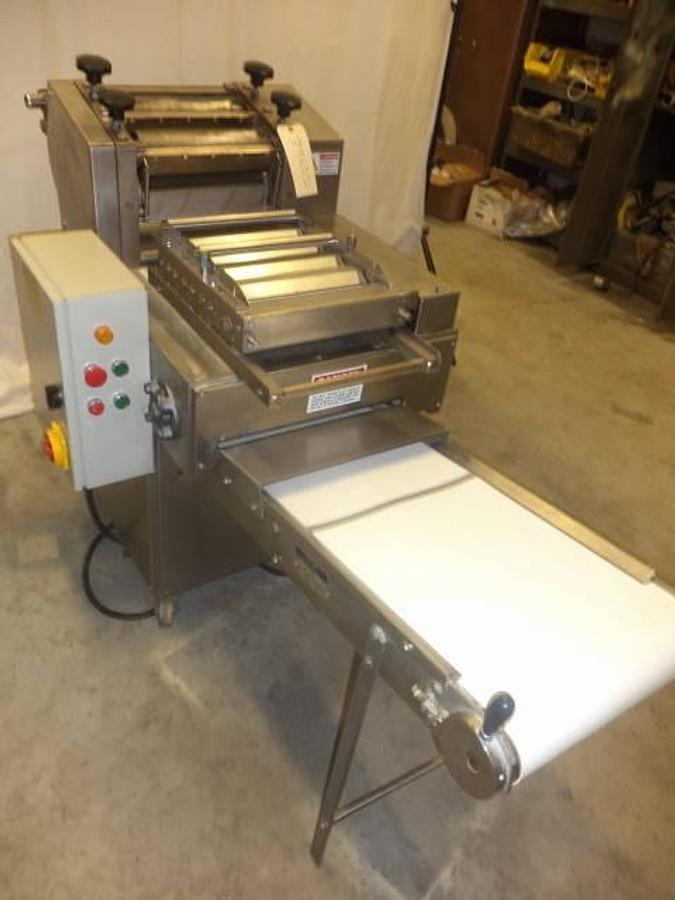
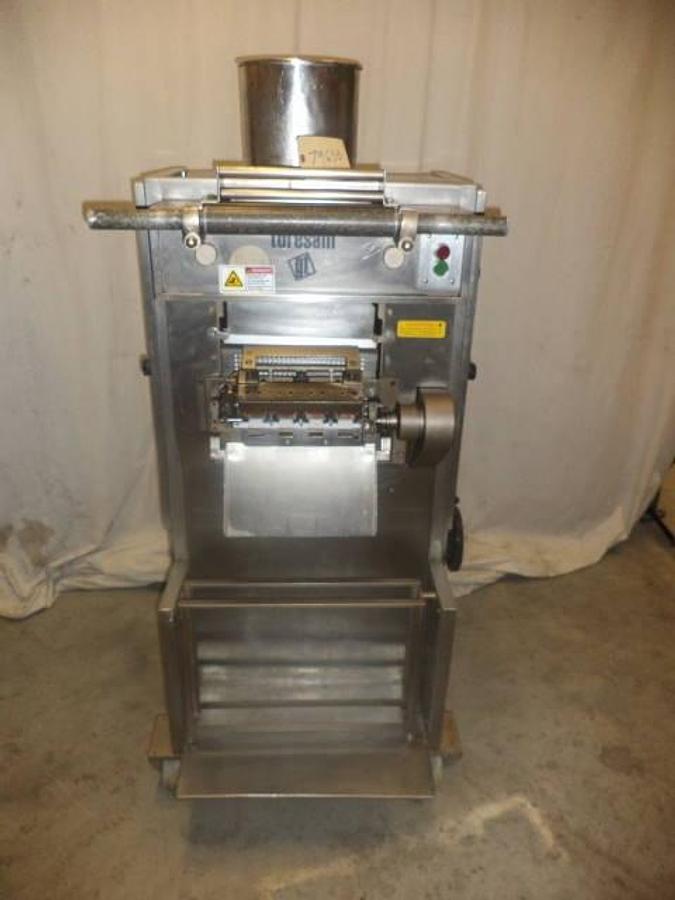
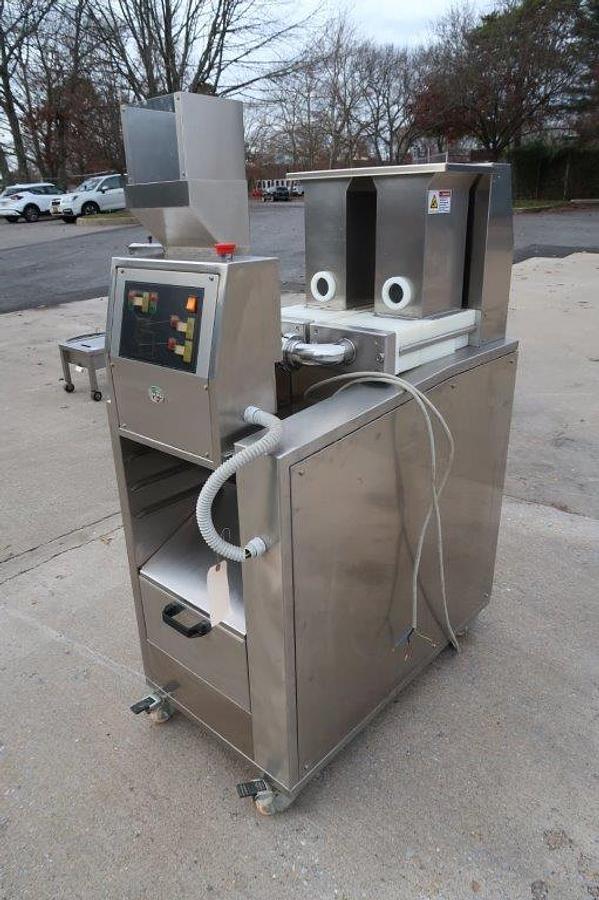
Wohl Industries stocks used pasta equipment for fresh, frozen, and dry pasta producers. You get pre-owned pasta extruders, sheeters, ravioli machines, and pasta dryers. Extruders form shapes from semolina dough through bronze or Teflon dies. Sheeters roll dough for lasagna and filled pasta. Ravioli machines fill and seal pockets at production speed. Dryers cure dry pasta to shelf-stable moisture. Buying used cuts your capital cost and lead time. We inspect every machine before we ship. We have sold processing and packaging equipment since 1968. Send us your product and output, and we match you to the right machine.
FAQ :
What types of used commercial pasta equipment are available on the market?
The used commercial pasta equipment market covers virtually every stage of pasta production. Buyers can find mixers, extruders (also called pasta presses), sheeters, dryers, pasteurizers, blanchers, and cutters, along with dedicated machines for filled pasta varieties like ravioli, tortellini, cappelletti, agnolotti, and gnocchi. Tabletop models are also available for smaller-scale or artisan operations, and packaging equipment such as vacuum packers and horizontal flow wrappers rounds out what a full pasta production line might need.
Inventory from used equipment dealers tends to reflect the full range of Italian and European commercial pasta machinery. Brands like Toresani, Italpast, Dominioni, Saima, La Parmigiana, Pavan, and La Monferrina appear frequently in the used market and are well regarded for their build quality and longevity. Machines are often listed by production capacity (for example, 80 kg/hour or 350 kg/hour for extruders), which helps buyers match equipment to their actual output requirements. Whether a buyer is setting up a small fresh pasta shop or expanding a mid-scale production facility, used equipment offers a practical way to acquire professional-grade machinery at a fraction of the cost of purchasing comparable machines through other channels.
How much does used commercial pasta equipment cost?
Pricing for used commercial pasta equipment varies widely depending on the machine type, brand, age, condition, and production capacity. A small tabletop pasta sheeter or a single-function gnocchi machine might be priced in the low hundreds to low thousands of dollars, while a high-capacity extruder or a complete ravioli production machine from a well-known Italian manufacturer can run anywhere from several thousand to tens of thousands of dollars. Full production lines with mixers, sheeters, cutters, and packaging equipment combined represent the higher end of the price range.
Beyond the purchase price, buyers should factor in additional costs before committing. Shipping commercial pasta machinery is rarely straightforward. Heavier machines require professional rigging for loading and unloading, and packaging requirements (palletization or custom crating) add to the total landed cost. Buyers should request a full breakdown of shipping, rigging, and crating fees from the dealer before finalizing a purchase. It is also worth budgeting for any tooling, dies, or attachments that may or may not be included with the machine, since replacement dies for pasta extruders and ravioli machines can be a meaningful added expense.
Is buying used pasta equipment worth it for a commercial operation?
For most commercial pasta operations, buying used equipment makes strong financial sense. High-quality Italian pasta machinery is built to last for decades, and many machines that come onto the used market still have substantial productive life remaining. Purchasing used allows a business to acquire professional-grade equipment at a significantly lower capital outlay compared to other acquisition options, freeing up cash for ingredients, staffing, facility improvements, or marketing. This is especially relevant for startups and small producers who need reliable production capacity without overextending their budget.
The key is doing proper due diligence before purchasing. Buyers should research the specific model, understand its production capacity and typical maintenance requirements, and take advantage of any inspection opportunities the dealer offers. Reputable used equipment dealers with a long track record in the food machinery space are generally the safest source, as they tend to have more accurate condition assessments and a stronger incentive to represent machines honestly. Consulting the original manufacturer about parts availability and service support for a specific model and age of machine is also a smart step, since older or discontinued models may have limited support infrastructure.
What should I inspect before buying used pasta-making equipment?
A thorough inspection of used pasta equipment should cover both the mechanical condition of the machine and its compliance with food safety standards. On the mechanical side, buyers should look at the condition of rollers, dies, augers, cutting blades, and drive components. Wear on these parts directly affects pasta quality and output consistency. Asking about the machine's service history, how many hours it has run, and the reason it is being sold can reveal a lot about what to expect. If maintenance logs are available, reviewing them is worthwhile.
For food service compliance, sanitation standards matter regardless of whether a machine is used or not. Buyers should verify that the equipment meets applicable NSF or UL certifications, or that it can be brought into compliance for their specific operating environment. Most reputable dealers will accommodate in-person inspections, virtual walkthroughs, or detailed video documentation of the machine's current condition. Keep in mind that used equipment dealers generally do not have the production permits required to run actual pasta through a machine during an inspection, so testing is typically limited to mechanical operation rather than full production runs. Buyers should account for this limitation and weigh it against the inspection information available.
Do used pasta machines come with a warranty?
Warranties on used commercial pasta equipment are not standard practice in the industry. Manufacturer warranties are tied to the sale of machines through authorized channels and do not transfer through the used market. Used equipment dealers typically sell machinery on an as-is basis, which places the responsibility for assessing condition squarely on the buyer. This is a normal and expected aspect of purchasing pre-owned industrial food equipment, not a red flag specific to any one dealer.
Because there is no warranty safety net, the quality of the inspection process becomes the buyer's primary protection. Choosing a dealer who specializes in food processing or pasta equipment specifically (rather than a general industrial surplus reseller) tends to result in more accurate condition descriptions and better pre-sale transparency. Buyers should also contact the machine's manufacturer directly before purchasing to understand what level of technical support, spare parts availability, and service documentation they can expect for that particular model and age of equipment. Some older machines may have limited parts availability, while well-supported brands like Toresani, Italpast, and Dominioni often have better long-term serviceability.
What are the most reputable brands for commercial pasta-making machines?
Italian manufacturers dominate the commercial pasta equipment market and account for most of the well-regarded brands found in the used machinery space. Toresani (including machines produced under the Pavan/Toresani name) is one of the most frequently encountered brands and is known for a wide range of products covering sheeters, cutters, tortellini machines, ravioli machines, and mixers. Italpast produces extruders and ravioli machines that are widely used in mid-scale fresh pasta production. Dominioni, Saima, La Parmigiana, La Monferrina, and Pavan are other Italian names with strong reputations for durability and output quality.
These brands tend to hold their resale value well precisely because they were built to commercial standards with serviceable components. Machines from these manufacturers often remain in active use for 20 or more years with proper maintenance, which is why they appear regularly in the used market even after long production runs at their previous facilities. When evaluating a used machine from any of these manufacturers, it is worth checking with the manufacturer or an authorized service provider about parts availability for that specific model, since product lines do evolve and support for older configurations can vary.
How difficult is it to find replacement parts for older commercial pasta machines?
Parts availability for older commercial pasta equipment depends heavily on the brand, the specific model, and how long ago that model was in active production. For major Italian manufacturers like Toresani, Italpast, and Dominioni, many components remain available through the manufacturer or through specialized food equipment service companies, even for machines that are 15 to 25 years old. These brands built large installed bases, which creates enough ongoing demand to keep parts in circulation. Dies, rollers, and cutting components are particularly important to source before committing to a purchase, since these wear parts directly affect production quality.
For less common brands or older discontinued models, parts sourcing can be more challenging. In some cases, custom fabrication of wear components is possible through machine shops familiar with food-grade materials, but this adds cost and lead time. Before purchasing any used pasta machine, buyers are strongly encouraged to contact the manufacturer directly and ask specifically about parts availability for that model and serial number range. A dealer with deep experience in pasta equipment can also be a useful resource, as they often have accumulated spare parts inventory or know which suppliers still stock components for the machines they sell.
How is used commercial pasta equipment typically shipped?
Shipping commercial pasta machinery requires more planning than standard freight. The weight and dimensions of pasta equipment range from compact tabletop units that can be palletized and sent via standard LTL freight, to large extruders, sheeters, and production lines that require professional rigging for both loading at the origin and unloading at the destination. Rigging costs are typically separate from freight charges and should be confirmed with the dealer upfront. Buyers who are not prepared for rigging requirements at delivery can face unexpected delays and added expenses.
Packaging standards also vary. Proper crating or palletization is essential to prevent damage in transit, and the level of packaging required affects the total shipping cost. Buyers should ask the dealer for a detailed breakdown of all costs involved, including packaging, rigging, freight, and any applicable fuel or accessorial surcharges, to understand the full landed cost of the equipment before finalizing the purchase. For international shipments, customs documentation, import duties, and compliance with destination country regulations add further complexity. Most reputable dealers have experience coordinating domestic and international freight for pasta machinery and can walk buyers through what to expect.
Is a pasta business profitable?
Fresh and specialty pasta production can be a profitable food business, particularly for producers who differentiate on quality, variety, or local sourcing. Fresh pasta commands a meaningful price premium over dried commodity pasta at both the retail and foodservice levels, and consumer interest in artisan and specialty food products has remained strong. The economics improve significantly when a producer can run equipment efficiently, minimize waste, and sell through channels with favorable margins such as direct-to-consumer, farmers markets, specialty grocery, or restaurant accounts.
Equipment costs are one of the largest capital expenses in starting or scaling a pasta operation, which is why used machinery is so commonly used by producers at every stage of growth. A well-maintained used extruder, sheeter, or ravioli machine can deliver the same output quality as a comparable machine acquired through other channels, at a substantially lower upfront cost. This lower capital requirement improves the unit economics of the business from the start. That said, profitability depends on many factors beyond equipment, including raw material costs, labor, facility overhead, and the competitive landscape in the target market. Buyers considering used pasta equipment as part of a business launch or expansion should model their full cost structure before making purchasing decisions.
What payment terms should buyers expect when purchasing used pasta equipment?
Payment practices in the used commercial equipment industry are fairly consistent across reputable dealers. Full payment prior to shipment is the standard expectation for most transactions, particularly for buyers who are purchasing from a dealer for the first time. This protects the dealer from the logistical and financial complications of releasing machinery before funds are confirmed, and it is a widely accepted norm in the used industrial equipment space. Buyers should plan their financing or cash flow accordingly before entering into a purchase agreement.
Some dealers may offer extended payment terms to established repeat customers with a track record of purchases, but this is at the dealer's discretion and not something a first-time buyer should assume will be available. Buyers should clarify payment expectations early in the conversation with any dealer, along with the accepted payment methods, to avoid any surprises at the point of transaction. Understanding the full cost of the purchase, including shipping, rigging, and any applicable taxes or import duties, before making payment ensures there are no gaps between the amount paid and the total cost of getting the equipment to its destination.