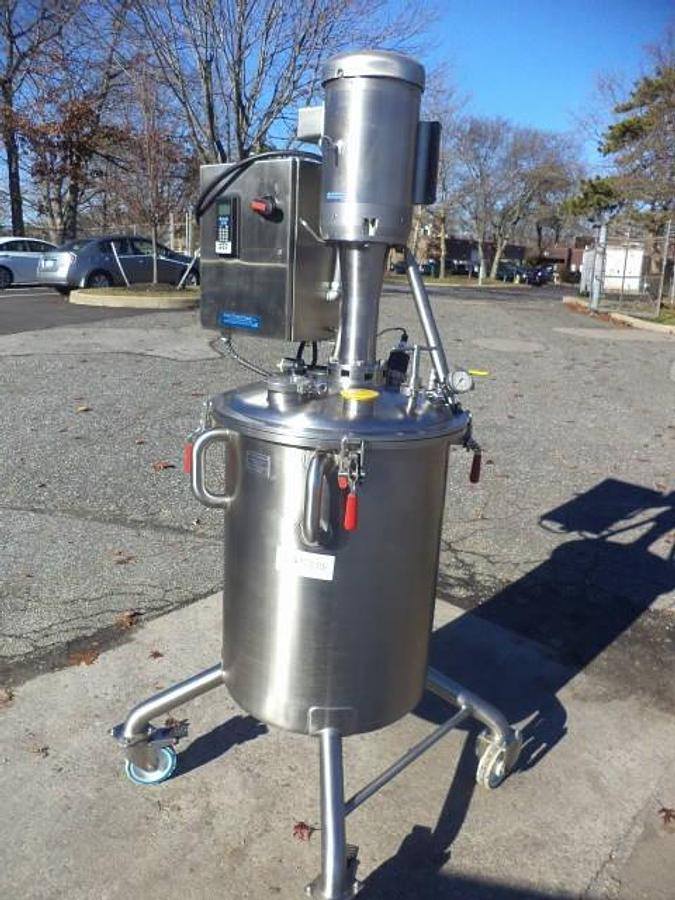
Category
Manufacturer
Model
Dissolvers Dispersers and Dissolvers
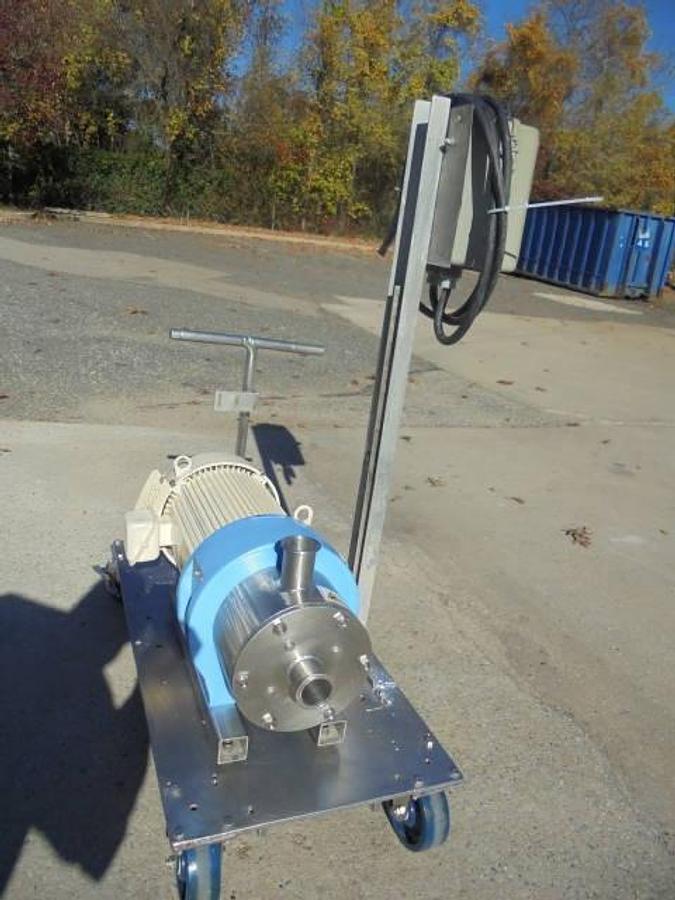
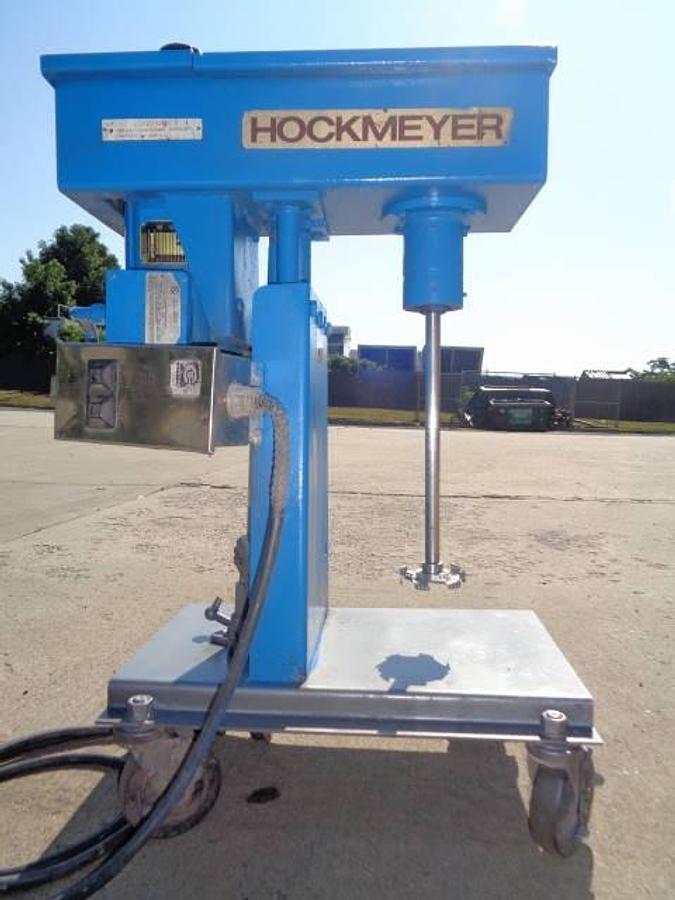
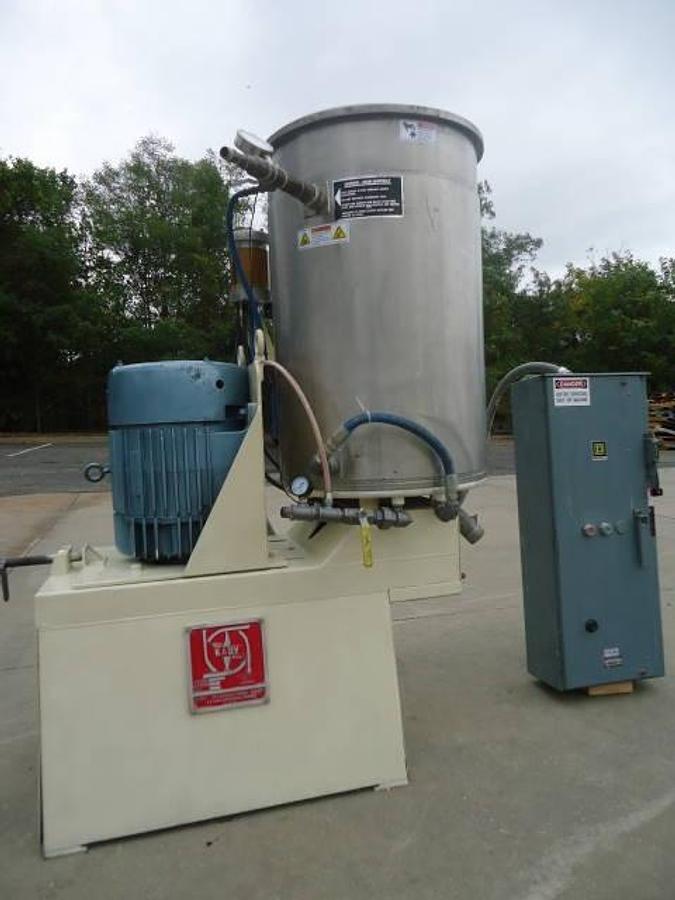
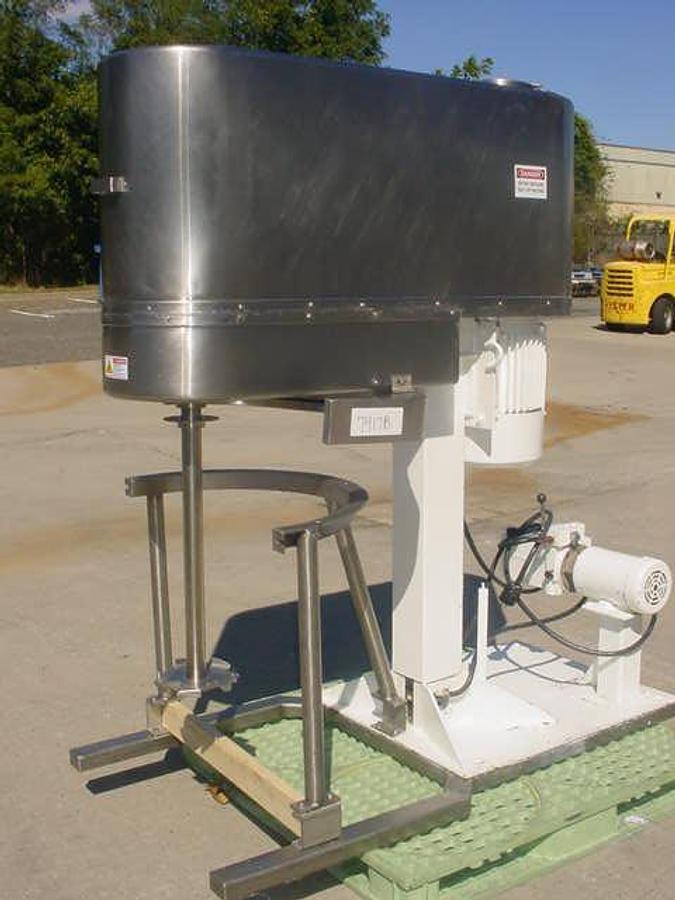
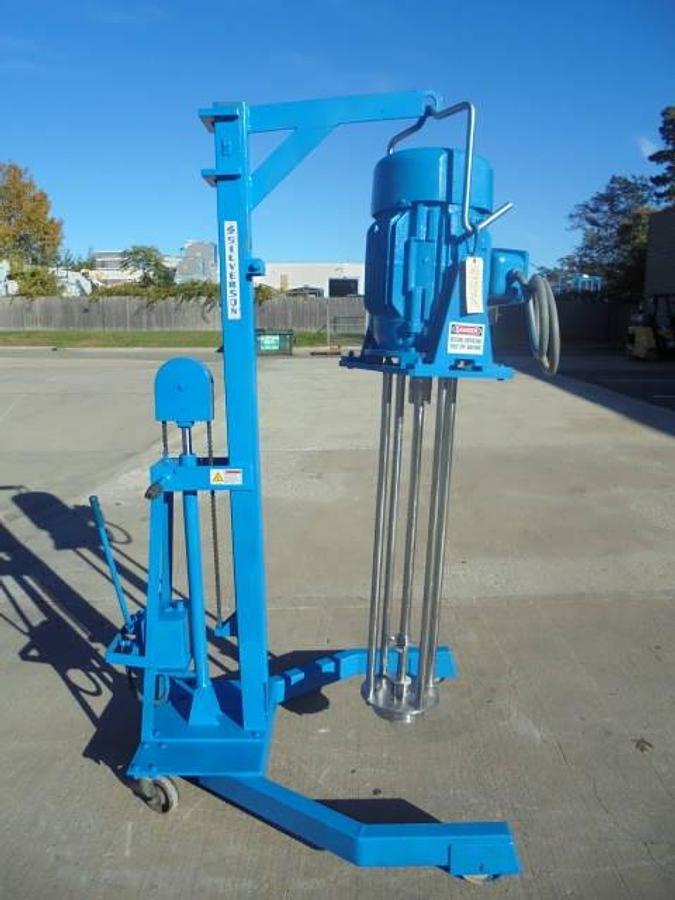
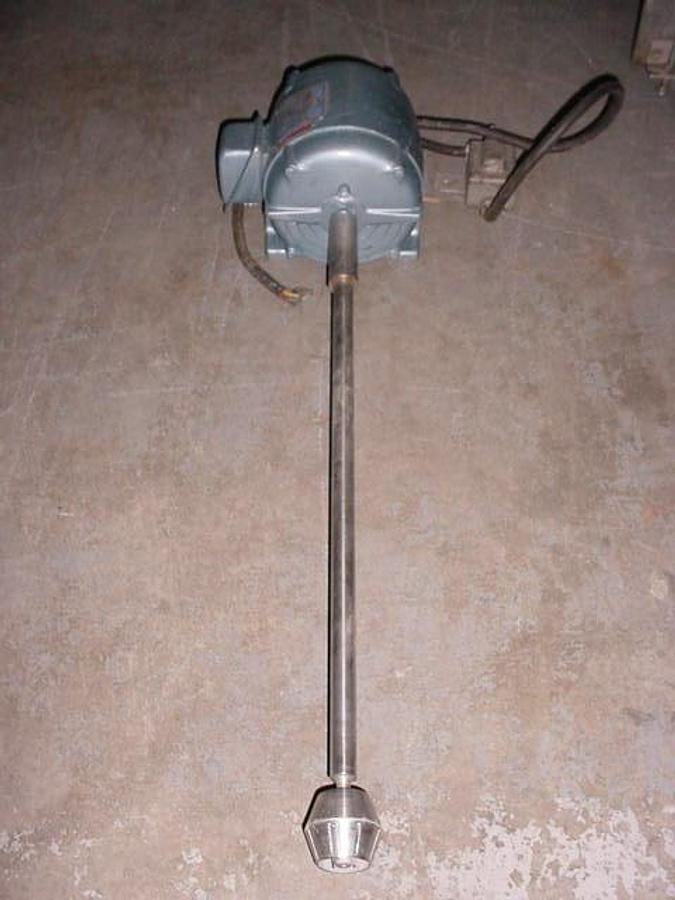
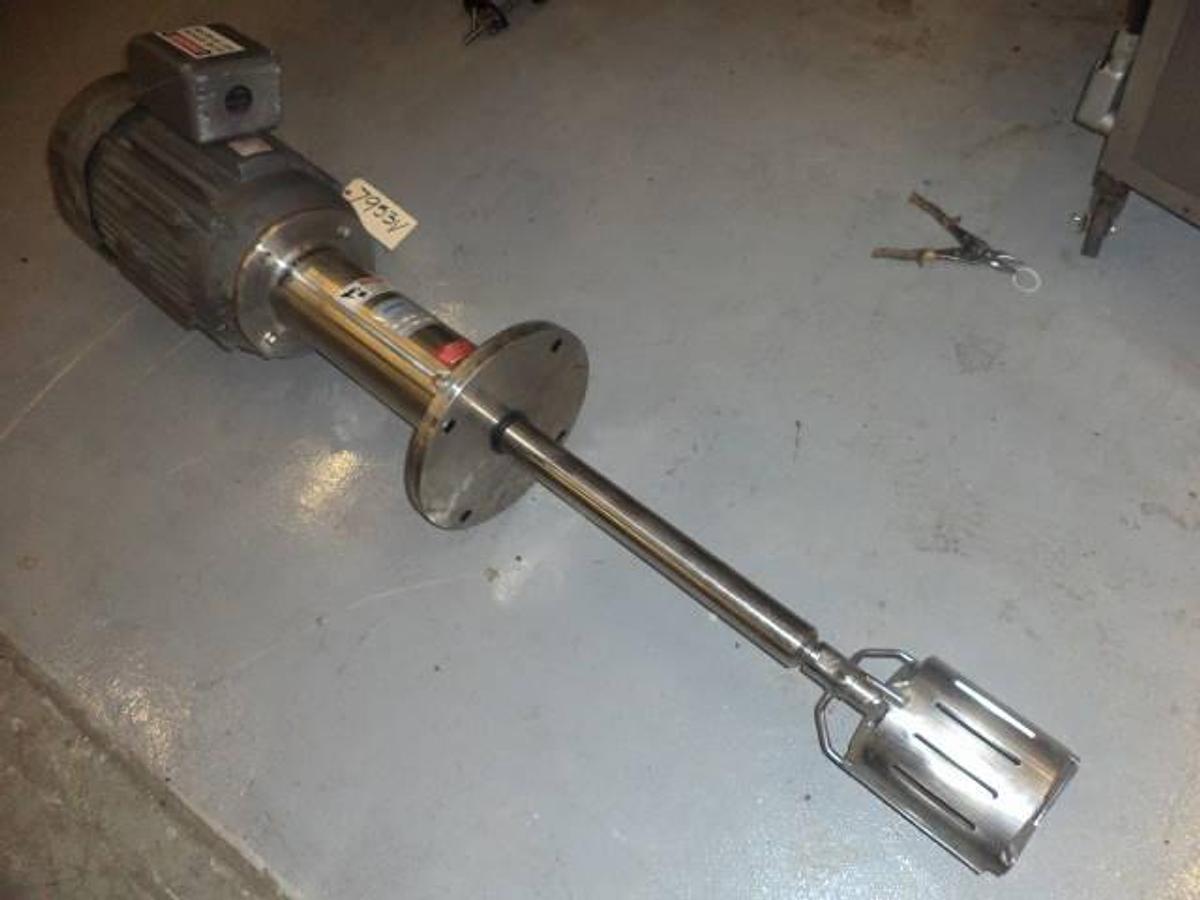
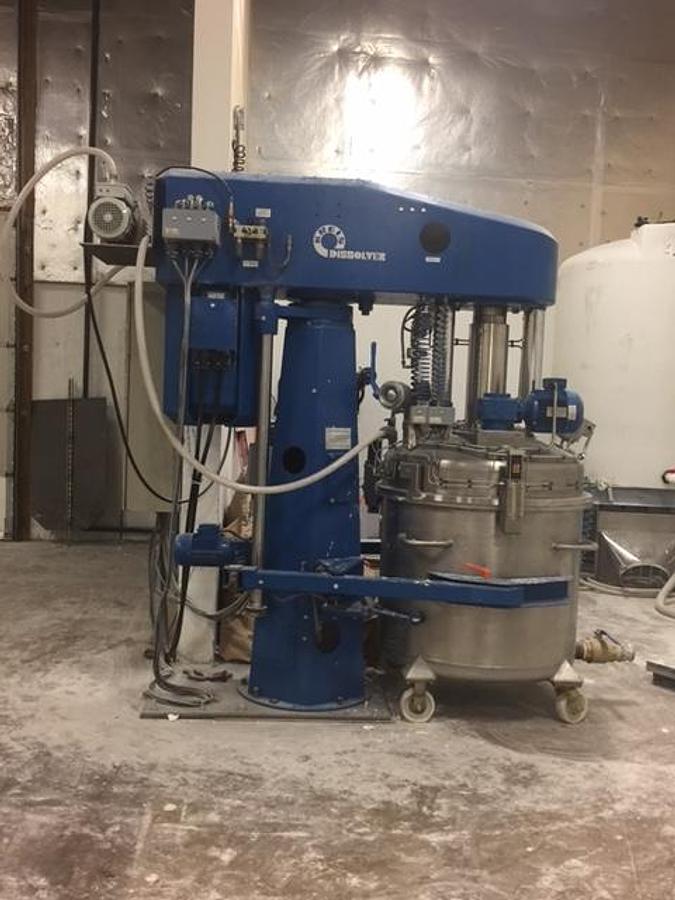
Dissolvers or dispersers are used to disperse product in a liquid by spinning the liquid at a high speed. We stock different types of used dispersers including the MOREHOUSE COWLES disperser/dissolver, HOCKMEYER disperser and KADY MILL dispersing equipment.
FAQ :
What is a dissolver disperser and what is it used for?
A dissolver disperser is a piece of industrial mixing equipment designed to disperse solid particles or powders into a liquid medium by spinning the liquid at high speed. The rotating blade or impeller creates intense shear forces that break down agglomerates and distribute material evenly throughout the batch. Depending on the design, these machines can handle everything from low-viscosity fluids to thick, high-viscosity pastes. High-speed dispersers typically operate between 1,000 and 5,000 RPM and are well-suited for breaking down pigment agglomerates, dissolving resins, or blending additives into a liquid carrier.
Low-speed dissolvers, by contrast, operate under 500 RPM and are used when the material is too thick or shear-sensitive for high-speed processing. Some machines combine both functions in a single unit, allowing operators to switch between dispersion and dissolution modes depending on the batch requirements. Common applications include paint and coatings production, adhesive manufacturing, cosmetics formulation, pharmaceutical processing, food production, and general chemical manufacturing. The equipment comes in a wide range of configurations, from small tabletop lab units to large-scale production dispersers capable of handling hundreds of gallons per batch.
What industries commonly use dissolvers and dispersers?
Dissolvers and dispersers are workhorses across a broad range of process industries. Paint and coatings manufacturers rely on them heavily to grind and disperse pigments into resin systems. Adhesive producers use them to blend tackifiers, fillers, and polymers into uniform formulations. In cosmetics and personal care, dispersers are used to incorporate pigments, waxes, and active ingredients into creams, lotions, and gels. Pharmaceutical manufacturers use them for suspension preparation and the blending of active ingredients into liquid or semi-solid bases.
Food processing operations use food-grade dispersers to emulsify sauces, disperse starches, and blend flavoring agents. Chemical manufacturers use them across a wide spectrum of applications, from specialty coatings to industrial lubricants. The versatility of disperser technology means that a single machine design can often be adapted across multiple industries simply by changing the blade type, vessel material, or speed range. This cross-industry demand is one reason why used dispersers and dissolvers remain consistently available on the secondary market, as facilities upgrade, consolidate production lines, or shift product mixes.
What brands of used dissolver dispersers are most reliable and commonly available?
Several manufacturers have built strong reputations for producing durable, high-performing dispersers and dissolvers that hold up well over years of production use. Morehouse Cowles is one of the most recognized names in the disperser market, known for heavy-duty construction and wide availability of parts. Hockmeyer produces both lab-scale and production dispersers and immersion mills that are widely used in paint, ink, and coatings applications. Silverson is well-regarded for its inline high shear mixers, which are used across pharmaceuticals, food, and cosmetics. Ross manufactures a broad line of inline and batch high shear mixers trusted in demanding chemical and pharmaceutical environments.
Other commonly available brands on the used market include Admix (known for the Rotosolver design), Arde Barinco (popular for drop-in homogenizing mixers), Kady Mill (known for closed-system high-shear mills), Premier, IKA, and Ystral. Each brand has its own design philosophy and typical application focus, so buyers should research which platform is most common in their industry before purchasing. The availability of parts, technical support, and service documentation varies by brand and model age, so it is worth contacting the manufacturer directly to understand what level of support is available for a specific used machine before committing to a purchase.
What should I inspect before purchasing a used dissolver disperser?
The blade or impeller is one of the most critical components to inspect on any used disperser. Worn, bent, or corroded blades reduce mixing efficiency significantly and may need to be replaced before the machine can be put into production. Check the blade geometry carefully, as the specific tooth pattern and angle are engineered for particular viscosity ranges and dispersion tasks. The shaft should be inspected for runout (wobble) and corrosion, particularly on stainless steel units used in sanitary or corrosive applications. Bearings should run smoothly without excessive noise or vibration, and the motor should show no signs of overheating, rewinding, or electrical damage.
For variable-speed units, the drive system (whether hydraulic, mechanical, or electronic VFD-controlled) should be tested across its full speed range. The vessel or tank, if included, should be inspected for cracks, weld repairs, corrosion pitting, and jacket integrity on jacketed models. Seals and gaskets are wear items that often need replacement on used equipment, so factor that into the total cost. Reputable used equipment dealers will typically accommodate in-person inspections or provide detailed video walkthroughs of the machine. Keep in mind that most dealers do not have production permits that would allow them to run actual product through a machine, but functional testing of the motor, drive, and blade rotation is generally possible.
Are used dissolver dispersers sold as-is, and what does that mean for buyers?
Used dispersers and dissolvers are typically sold on an as-is basis, which is standard practice in the secondary equipment market. This means the seller is not representing the machine as meeting any particular performance standard, and the responsibility for evaluating the condition of the equipment falls on the buyer. Unlike purchasing from an original equipment manufacturer, used machinery transactions do not typically come with a manufacturer's warranty or any guarantee of performance. This is why thorough pre-purchase inspection is so important, and why buyers should prioritize dealers who have a long track record in the industry and who specialize in process and mixing equipment rather than general industrial surplus.
The as-is nature of the sale does not mean buyers are flying blind. A reputable dealer will provide accurate descriptions of the machine's condition, disclose known issues, and make the equipment available for inspection either in person or via detailed video. Some machines may still be installed and running at a plant, which gives buyers the opportunity to observe the equipment in operation before purchase. Buyers should also contact the equipment manufacturer directly to understand what technical support, replacement parts, and service documentation are available for a specific model and age of machine, since this can vary considerably and affects the long-term value of the purchase.
What are the typical horsepower and RPM ranges available in used dissolver dispersers?
Used dispersers and dissolvers span a wide range of motor sizes and speed capabilities, from small fractional-horsepower lab units to large production machines exceeding 60 HP. Lab-scale dispersers typically run between 0.5 HP and 5 HP and are used for R&D, quality control, and small-batch production. Mid-range production dispersers commonly fall between 10 HP and 30 HP and are suitable for batch sizes ranging from a few gallons up to several hundred gallons. Larger production units, such as Kady Mills or heavy-duty high-speed dispersers, may be rated at 30 HP, 60 HP, or higher, depending on the batch volume and viscosity requirements.
RPM range is equally important as horsepower when evaluating a disperser for a specific application. High-speed dispersers for low-to-medium viscosity materials typically operate between 1,000 and 5,000 RPM. Machines with variable speed drives offer the most flexibility, allowing operators to adjust tip speed based on the material being processed. Variable speed control is particularly valuable when processing materials that require a gradual ramp-up to avoid splashing or when different products in the same facility have different dispersion requirements. Low-speed dissolvers designed for high-viscosity materials typically operate below 500 RPM and rely on blade geometry and shear rather than raw speed to achieve dispersion.
How do I determine the right size dissolver disperser for my application?
Sizing a disperser correctly involves matching the machine's blade diameter, motor horsepower, and speed range to the viscosity and batch volume of the material being processed. A common rule of thumb used in the coatings and adhesives industries is that the blade diameter should be roughly one-third of the vessel diameter, and the blade should be positioned at a height equal to roughly one blade diameter above the vessel bottom. This geometry creates the toroidal flow pattern that is characteristic of efficient dispersion. If the blade is too small for the vessel or the motor is underpowered for the viscosity, the machine will not achieve adequate shear, and the batch will be poorly dispersed.
For high-viscosity materials, more horsepower is required per unit volume than for thin, free-flowing liquids. Variable speed machines offer the advantage of being able to handle a wider range of viscosities and batch sizes. Buyers who are unsure about sizing should look at the specifications of the equipment they are replacing or consult with the manufacturer of the used machine they are considering, as many manufacturers publish application guides and sizing charts. It is also worth noting that some used dispersers are sold as complete systems with the tank included, which simplifies the sizing calculation since the blade-to-vessel ratio has already been established by the original equipment configuration.
What is the difference between a high-speed disperser and an inline disperser?
A high-speed disperser (also called a batch disperser) works by immersing a rotating blade directly into a stationary vessel or tank. The blade spins at high RPM to create shear and turbulence within the batch, dispersing solids into the liquid. This is the most common configuration for paint, coatings, and adhesive manufacturing, where batches are processed one at a time in a single vessel. Batch dispersers can be fixed-mount or portable, and many are designed with a lift mechanism that allows the head to be raised and the vessel swapped out between batches. They range from small lab units to large production machines and are valued for their flexibility and relatively simple operation.
Inline dispersers, by contrast, are designed to process material as it flows continuously through the machine rather than in a stationary batch. The product is pumped through a rotor-stator assembly or high-shear mixing head, where it is subjected to intense mechanical shear before exiting into a downstream vessel or process line. Inline dispersers are often used when continuous processing is required, when the material cannot be easily batch-mixed due to its flow characteristics, or when a very fine and uniform particle size distribution is needed. Examples of inline designs commonly available on the used market include Silverson inline mixers, Ross ME-series inline high shear mixers, and Ystral Conti-TDS units. The right choice between batch and inline depends on the production process, batch size, and the physical properties of the material being processed.
What is the typical price range for used dissolver dispersers?
Pricing for used dissolvers and dispersers varies considerably based on the manufacturer, horsepower, configuration, age, and overall condition of the machine. Small lab-scale dispersers from well-known manufacturers can be found in the range of a few hundred to a few thousand dollars. Mid-range production dispersers in the 10 HP to 30 HP range typically sell for several thousand to tens of thousands of dollars, depending on features like variable speed drives, explosion-proof motors, stainless steel construction, and whether a complete tank or vessel is included. Large-scale production units or specialty equipment like Kady Mills and vacuum dissolvers can command significantly higher prices.
Buyers should keep in mind that the purchase price is only part of the total cost of acquiring used equipment. Rigging, crating, freight, and any reconditioning work needed before the machine goes into production should all be factored into the total landed cost. Inspection costs, if a third-party inspector or travel is involved, are also part of the equation. That said, even with these additional costs, used dispersers typically represent a significant savings compared to purchasing equivalent equipment through a manufacturer's standard lead time and pricing. The used market is particularly attractive for buyers who need equipment quickly, are working within a tight capital budget, or are scaling up production incrementally.
What should buyers know about shipping and payment when purchasing used disperser equipment?
Shipping used dispersers and dissolvers requires careful planning, particularly for larger production machines. Small tabletop or lab-scale units can often be palletized and shipped via standard freight carriers, but larger machines with heavy motors, lift columns, or integrated tanks may require custom crating, specialized rigging for loading and unloading, and flatbed or enclosed freight depending on the dimensions and weight. Buyers should ask the dealer for a detailed breakdown of packaging, rigging, and freight costs before agreeing to a purchase, since these charges can be substantial for heavy industrial equipment and will affect the total cost of acquisition.
On the payment side, most used equipment dealers require full payment prior to shipping. This is standard practice in the industry and reflects the nature of used equipment transactions, where the seller needs to confirm funds before releasing and preparing a machine for shipment. Some dealers may offer payment terms to established repeat customers, but buyers should not assume this is available and should clarify payment expectations early in the process. Wire transfer is the most common payment method for transactions of this size. Buyers should also confirm with the dealer exactly what is included in the sale (blade, shaft, vessel, controls, documentation) so there are no surprises when the equipment arrives.