Category
Subcategory
Manufacturer
Model
Coders Inkjet Coders & Laser Coders
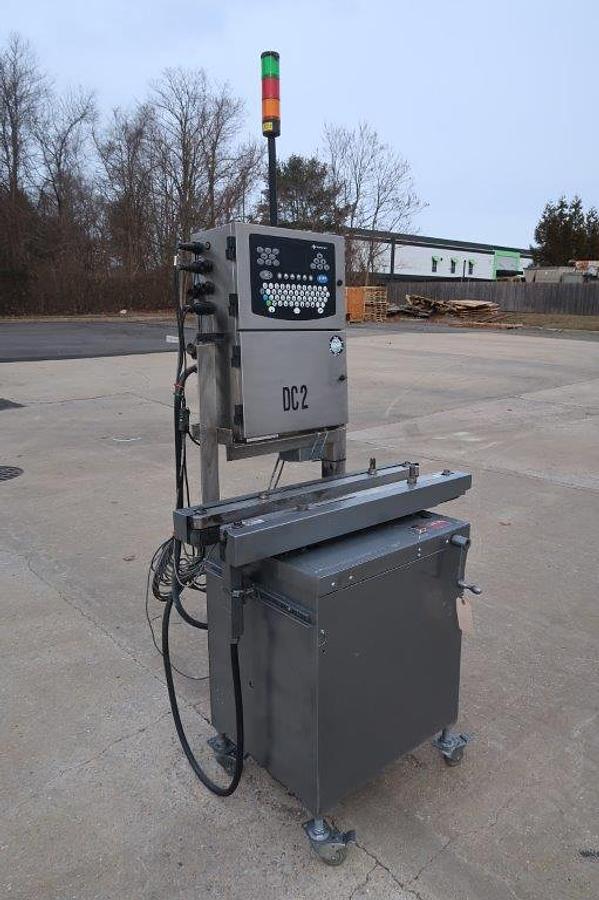
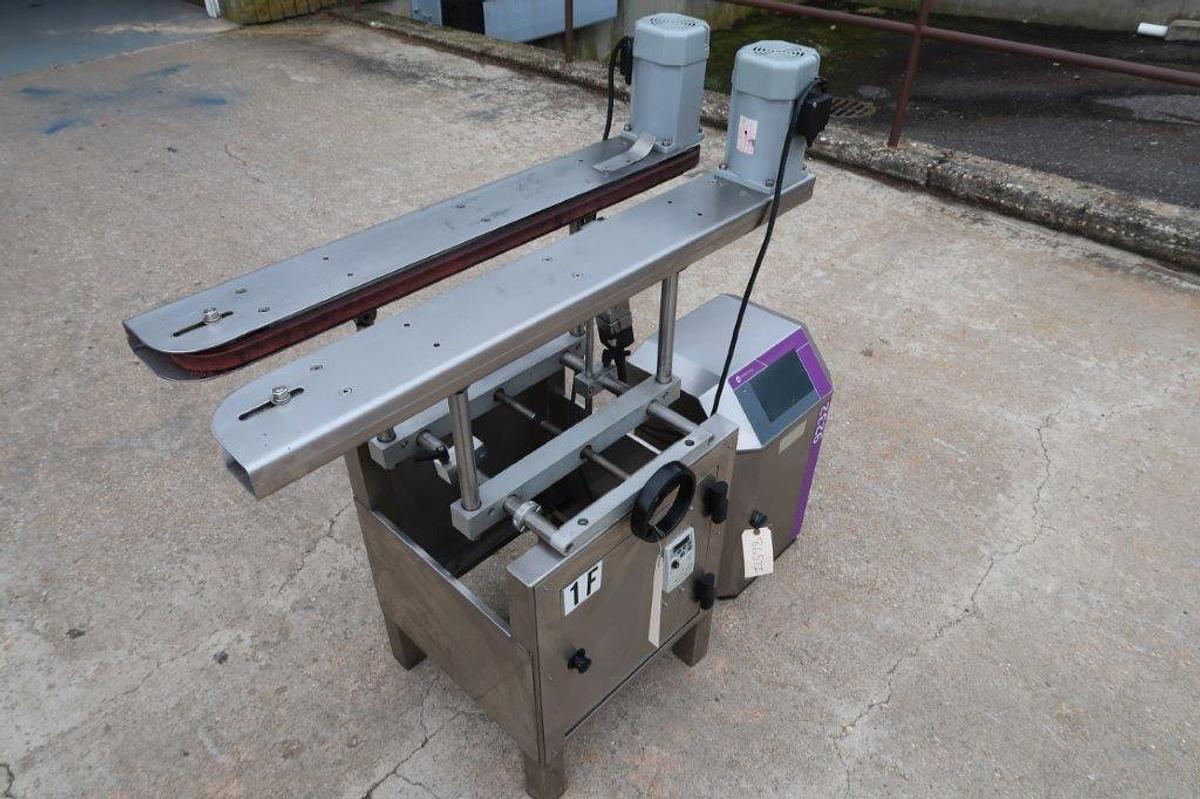
Coders are used to automatically print onto your product/label to either identify or date the product. We deal in used inkjet coders, used laser coders, and used hot stamp coders. We stock products such as VIDEOJET coders, DOMINO printers, and MARSH coders.
FAQ :
What types of used coders are available on the secondhand market?
The used coder market covers a wide range of industrial marking and coding technologies. The most common types available include Continuous Inkjet (CIJ) coders, which are workhorses in food, beverage, and pharmaceutical packaging lines; Thermal Inkjet (TIJ) systems; Laser coders for permanent, ink-free marking; Thermal Transfer Overprinters (TTO) used heavily in flexible packaging; Hot Stamp coders for foil-based imprinting; and Large Character Inkjet systems for printing on outer cases and cartons. Each technology has its own strengths depending on substrate type, line speed, and the kind of information being printed, such as date codes, lot numbers, barcodes, or batch identifiers.
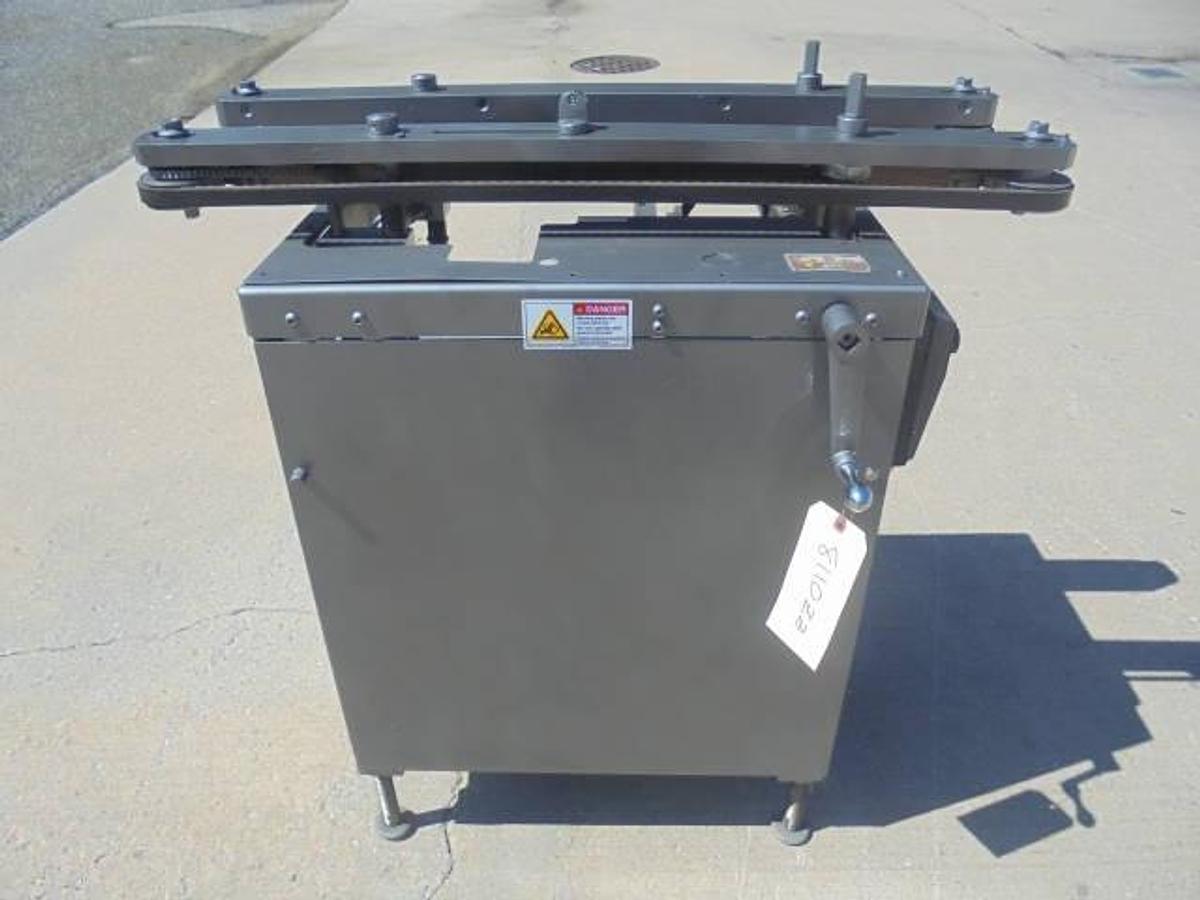
Within each category, buyers will find machines from well-known manufacturers like Videojet, Domino, Imaje, Markem-Imaje, Linx, Hitachi, Matthews, and Willett. Used inventories often include portable standalone units on casters, conveyor-mounted systems with integrated gap transporters, and stainless steel models built for washdown environments. The variety on the secondhand market is substantial, which means buyers with very specific production requirements can often find a machine that fits without paying the price of a brand-new unit.
What are used coders used for in manufacturing and packaging?
Industrial coders serve a critical function on production lines: they automatically print variable information directly onto products, labels, or packaging materials. This includes expiration dates, best-by dates, lot numbers, batch codes, serial numbers, barcodes, and regulatory compliance text. In regulated industries like food, beverage, pharmaceuticals, and cosmetics, this kind of traceability marking is often a legal requirement, making coders essential rather than optional equipment.
The specific application determines which coder type is best suited for a line. CIJ coders, for example, are frequently used to print small characters on bottles, cans, and cartons at high speeds without contact with the substrate. Laser coders are preferred when a permanent, tamper-evident mark is needed. Hot stamp coders apply foil-based impressions and are common in older or lower-speed packaging operations. Large character inkjet systems handle outer case coding for warehouse and distribution tracking. Because these machines are built for continuous industrial use, used units often have significant productive life remaining when properly maintained.
Which brands of used coders are most commonly found and considered reliable on the secondhand market?
A handful of manufacturers dominate the used coder market because of their widespread adoption in production facilities over the past few decades. Videojet is arguably the most frequently encountered brand in used inventories, with models like the Excel series and the 1220 Continuous Inkjet Printer appearing regularly. Domino is another top-tier name, with the A-series inkjet printers being particularly prevalent. Imaje and Markem-Imaje (which merged) are well-regarded for their CIJ and laser coders, with models like the 9020, 9040, and 9232 showing up consistently on the used market. Matthews and Willett round out the list of brands buyers are likely to encounter.
Reliability on the secondhand market tends to correlate with how well-supported a brand still is by the manufacturer for parts and technical assistance. Before purchasing any used coder, it is worth contacting the manufacturer directly to ask about parts availability, firmware support, and service documentation for the specific model and age of machine being considered. Older models may have limited support, while machines from the last ten to fifteen years from major brands typically still have accessible consumables and replacement components. Selecting a reputable used equipment dealer who specializes in packaging and coding machinery adds another layer of confidence to the purchase.
What is the difference between a refurbished used coder and one sold as-is?
The distinction matters quite a bit when budgeting for a used coder purchase. A refurbished machine has typically been inspected by a technician, cleaned, had worn or faulty components replaced, and been tested to verify it operates within acceptable functional parameters. Refurbishment can vary widely in scope, from a basic clean-and-check to a more thorough rebuild of printheads, ink systems, and electronics. The key point is that some level of restoration work has been performed before the machine is offered for sale.
An as-is coder is sold in its current condition with no representation about functionality beyond what is visually apparent or disclosed by the seller. This does not necessarily mean the machine is broken, but the buyer assumes full responsibility for verifying its condition before committing to a purchase. Used equipment dealers generally do not offer warranties on either type, which is standard practice in the industry. This makes the inspection process critical regardless of whether the machine is described as refurbished or as-is. Buyers should request detailed photos, video demonstrations, and ideally an in-person or virtual inspection to assess the machine's actual working state before completing a transaction.
What should I inspect or ask about before buying a used coder?
Going into a used coder purchase without a checklist is a common mistake. At minimum, buyers should ask about the machine's age, total hours of operation if trackable, the type of ink or consumable it uses, and whether the printhead has been recently serviced or replaced. Printhead condition is particularly important for CIJ and inkjet coders since it directly affects print quality and is one of the more expensive components to replace. Ask the dealer about any known issues, what the machine was last used for, and whether it was decommissioned from a working production line or taken out of service due to a fault.
On the inspection side, most reputable used equipment dealers will accommodate in-person visits, virtual walkthroughs, or video captures of the machine in its current state. Some machines may still be installed and running at the facility where they are being sold, which allows a buyer to see the coder operating under actual production conditions. Keep in mind that dealers typically do not have the permits or production infrastructure to run product through a coder during a standard inspection, so testing is usually limited to powering the machine on, cycling through its functions, and reviewing print samples if available. Buyers should also ask about the availability of spare parts, consumables like ink and solvent, and whether any manuals or software are included with the purchase.
How do I determine if a used coder is compatible with my existing production line?
Compatibility comes down to several technical and physical factors that need to be matched against your current line setup. The most important considerations are the type of substrate being coded (glass, plastic, cardboard, flexible film, metal), the line speed in meters per minute, the required print resolution in DPI, the character height needed, and the physical mounting constraints of your conveyor or packaging equipment. A CIJ coder that works well on a glass bottle line, for example, may not be the right fit for a flexible film pouch application where a TTO or laser coder would perform better.
Beyond the technical specs, buyers should consider the footprint and mounting configuration of the used machine. Some used coders are sold as standalone portable units on casters, while others are already mounted on conveyors or gap transporters, which can simplify integration. It is also worth checking whether the coder's communication interfaces (serial, Ethernet, or others) are compatible with any line control systems or PLCs already in place. If the machine is an older model, consulting the manufacturer about software compatibility and available interface options is a practical step before finalizing a purchase. Dealers familiar with packaging machinery can often help match a used coder to a buyer's specific application based on the machine's documented specifications.
What consumables and spare parts should I verify are available for a used coder model?
For CIJ and inkjet coders, the primary consumables are ink and solvent, which are often proprietary to the manufacturer or at least specific to the fluid chemistry the machine was designed to run. Before buying a used Videojet, Domino, Imaje, or similar CIJ coder, confirm that compatible inks and solvents are still commercially available, either through the manufacturer, authorized distributors, or reputable third-party suppliers. Running a coder on incompatible fluids can damage printheads and internal tubing, so this is not a detail to overlook.
On the spare parts side, key components to ask about include printhead assemblies, filters, pump seals, ink core modules, and any wear items specific to the model. The manufacturer is the most reliable source for this information since they track parts availability by model and production year. For older machines, some parts may be discontinued, which shifts the burden to the buyer to source them through third-party channels or cannibalize other units. Laser coders have fewer consumables but may require specific replacement optics or laser sources that can be expensive and hard to find for discontinued models. Factoring parts availability into the total cost of ownership is just as important as the purchase price itself.
How does buying a used coder compare to purchasing a new one in terms of cost and value?
The price difference between a used industrial coder and a comparable current-model unit can be substantial, often ranging from 40 to 70 percent less depending on the brand, age, condition, and technology type. For production environments where budget is a constraint or where a backup unit is needed, used coders offer a practical way to maintain coding capability without the capital outlay of a new machine. This is especially true for established CIJ platforms from brands like Videojet and Domino, where the technology is mature, parts are accessible, and operators are already familiar with the equipment.
The trade-off is that a used machine comes without the support structure that typically accompanies a new purchase, such as installation assistance, training programs, or service contracts from the manufacturer. Used coders are generally sold as-is, meaning the buyer takes on the responsibility of verifying condition, sourcing parts, and arranging any necessary servicing. For buyers who have in-house maintenance capabilities or a relationship with a qualified coder technician, this is manageable. For facilities without that support, it is worth factoring in the potential cost of a service call or repair when evaluating the true cost of a used coder purchase against a new one.
What should buyers understand about shipping and logistics when purchasing a used coder?
Used coders range considerably in size and weight, from compact portable inkjet units that can ship on a standard pallet to larger conveyor-mounted systems that require full crating and heavy-duty rigging for loading and unloading. The packaging required to protect a machine in transit directly affects shipping costs, and buyers should ask the dealer for specifics on how the machine will be prepared before it leaves the facility. Inadequate packaging is one of the more common causes of damage during freight shipping of used industrial equipment.
For larger or heavier coder systems, rigging services may be needed at both the origin and destination, which adds to the total landed cost of the equipment. Buyers should request a full breakdown of packaging, rigging, and freight charges from the dealer before finalizing a purchase so there are no surprises. It is also worth asking whether the machine will be shipped via common carrier freight or whether specialized machinery transport is recommended. Some dealers work with freight partners experienced in handling industrial equipment, which can reduce the risk of transit damage compared to using a general freight carrier.
What payment terms are typical when buying used coders from an equipment dealer?
The standard practice in the used industrial equipment industry is for dealers to require payment in full before a machine is released for shipping. This applies to most transactions, particularly for first-time buyers. The rationale is straightforward: unlike consumer goods, used industrial machinery is typically a single-unit sale with no restocking option, and dealers need to secure payment before committing to packaging and logistics arrangements.
Some dealers may offer extended payment terms or other arrangements to established customers with a prior purchasing history, but this is the exception rather than the rule. Buyers should clarify payment expectations early in the process, including accepted payment methods and any deposit requirements if the machine needs to be held while financing or internal approvals are arranged. It is also reasonable to ask whether the dealer will hold a machine for a short period while an inspection is completed, since conducting due diligence before payment is a sound practice when buying any used industrial equipment.