Category
Subcategory
Manufacturer
Model
Pumps-vacuum
Used Vacuum Pumps
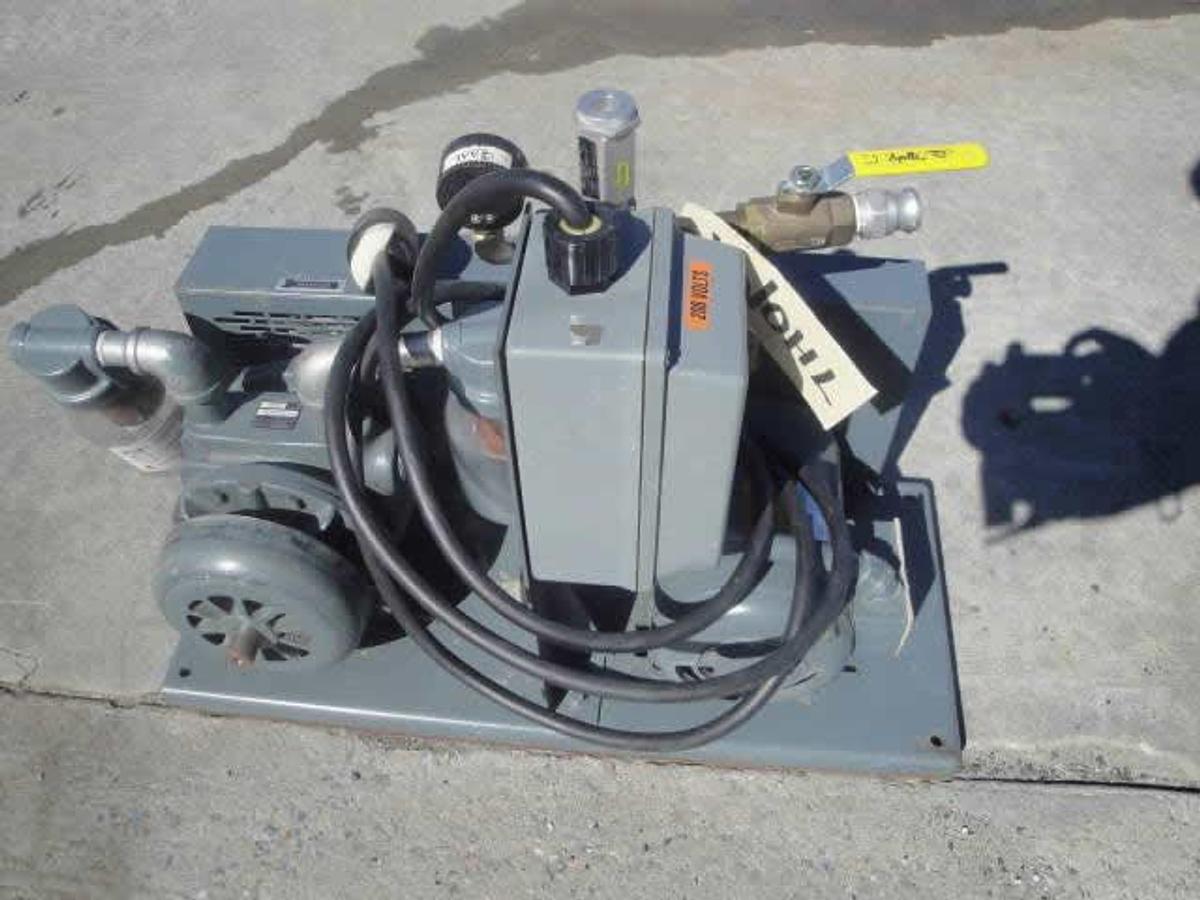
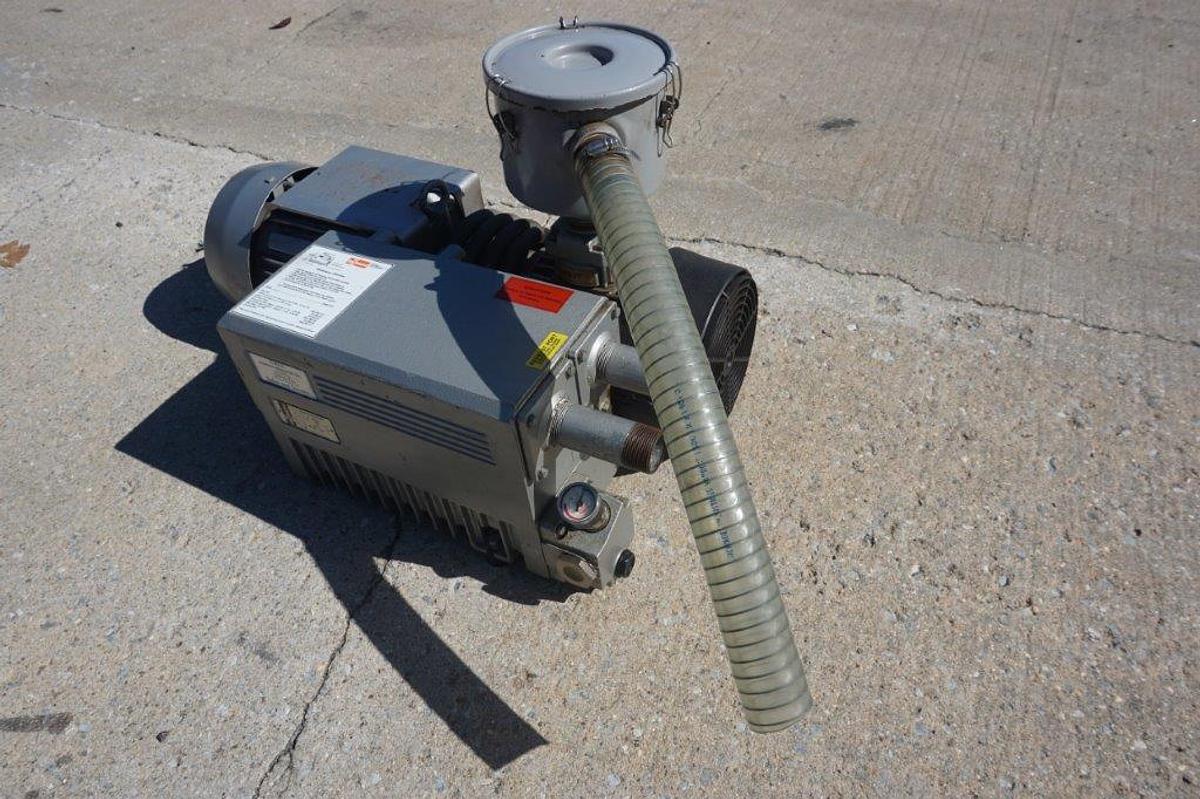
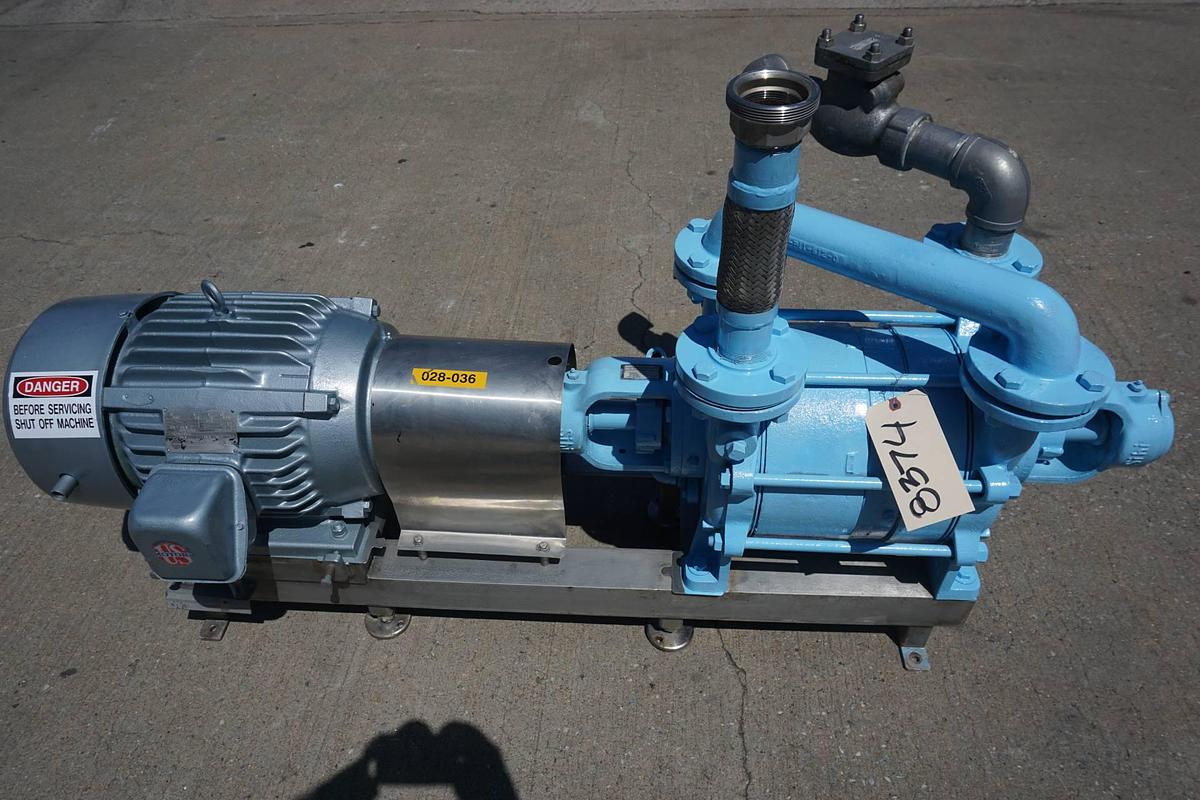
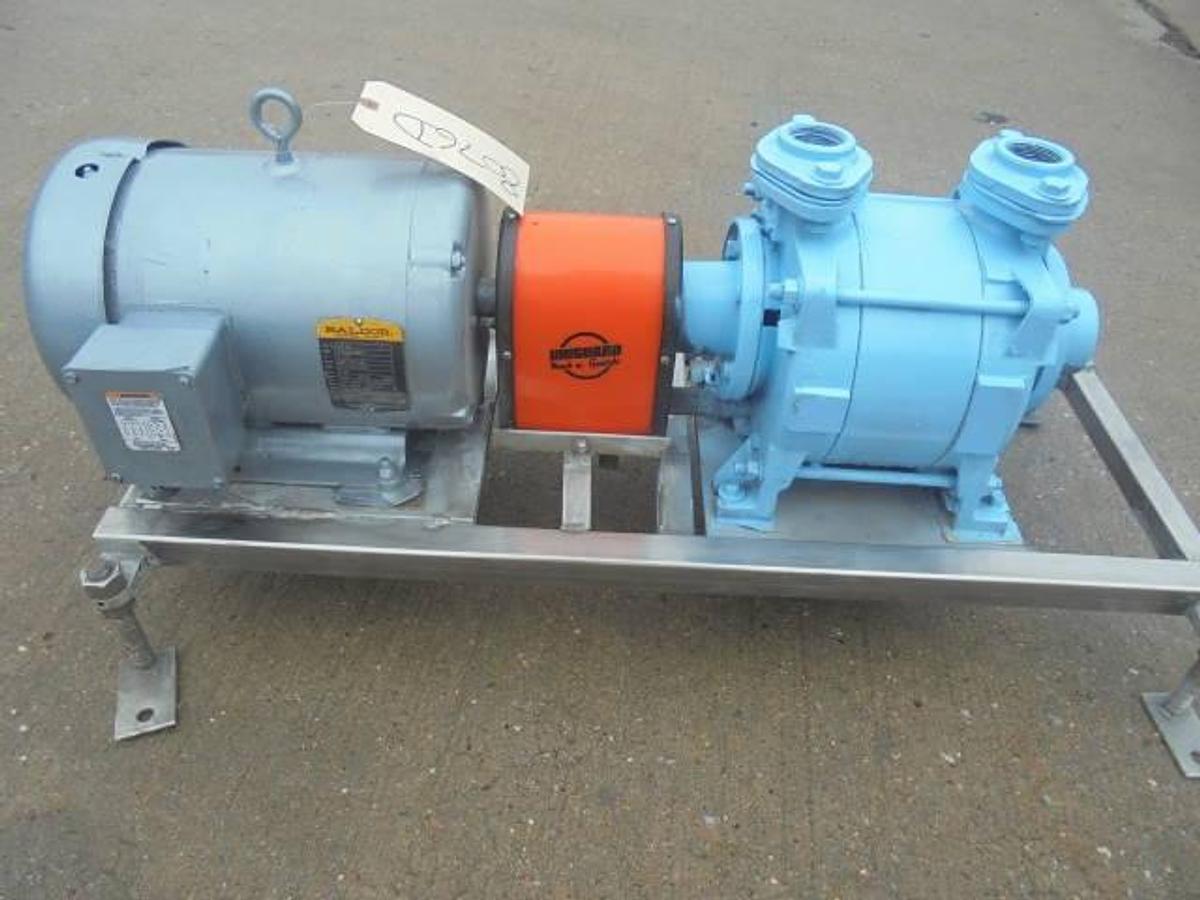
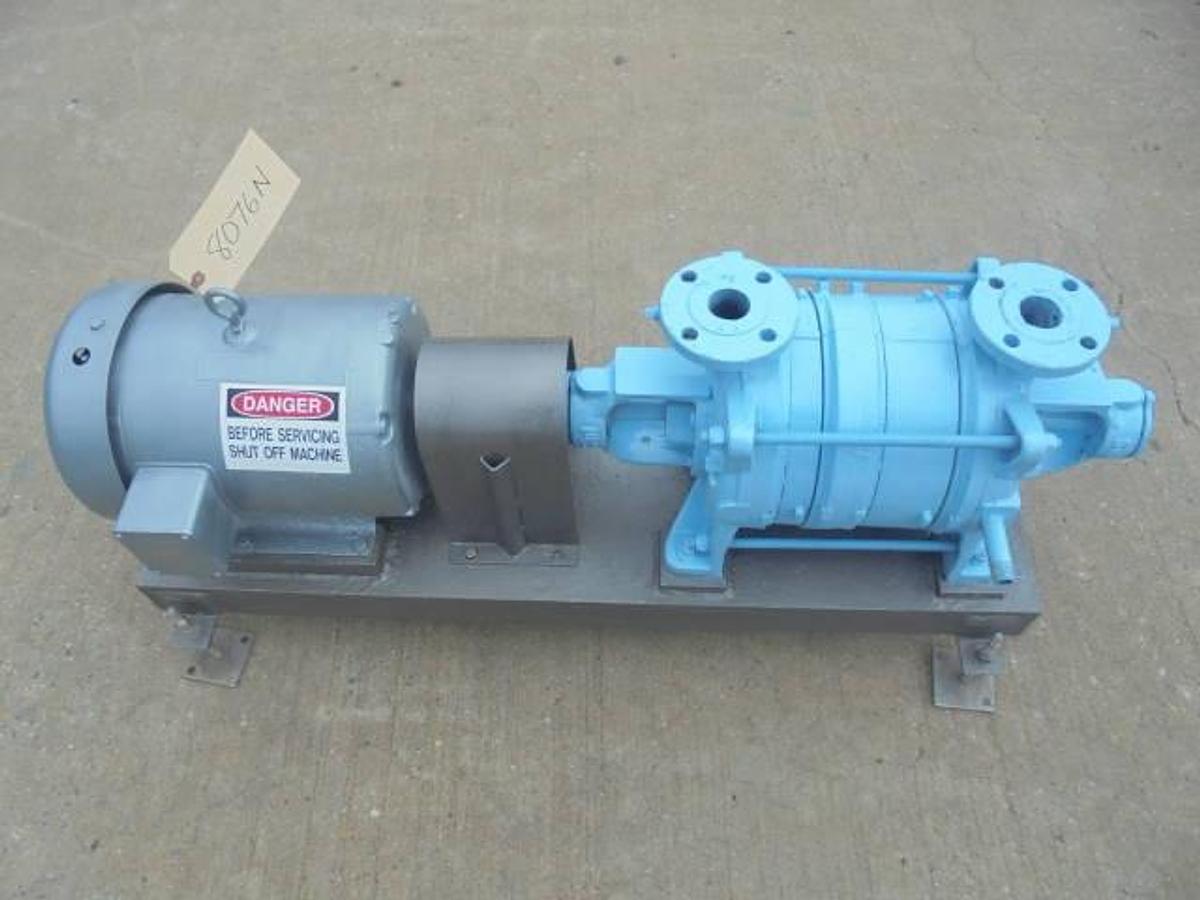
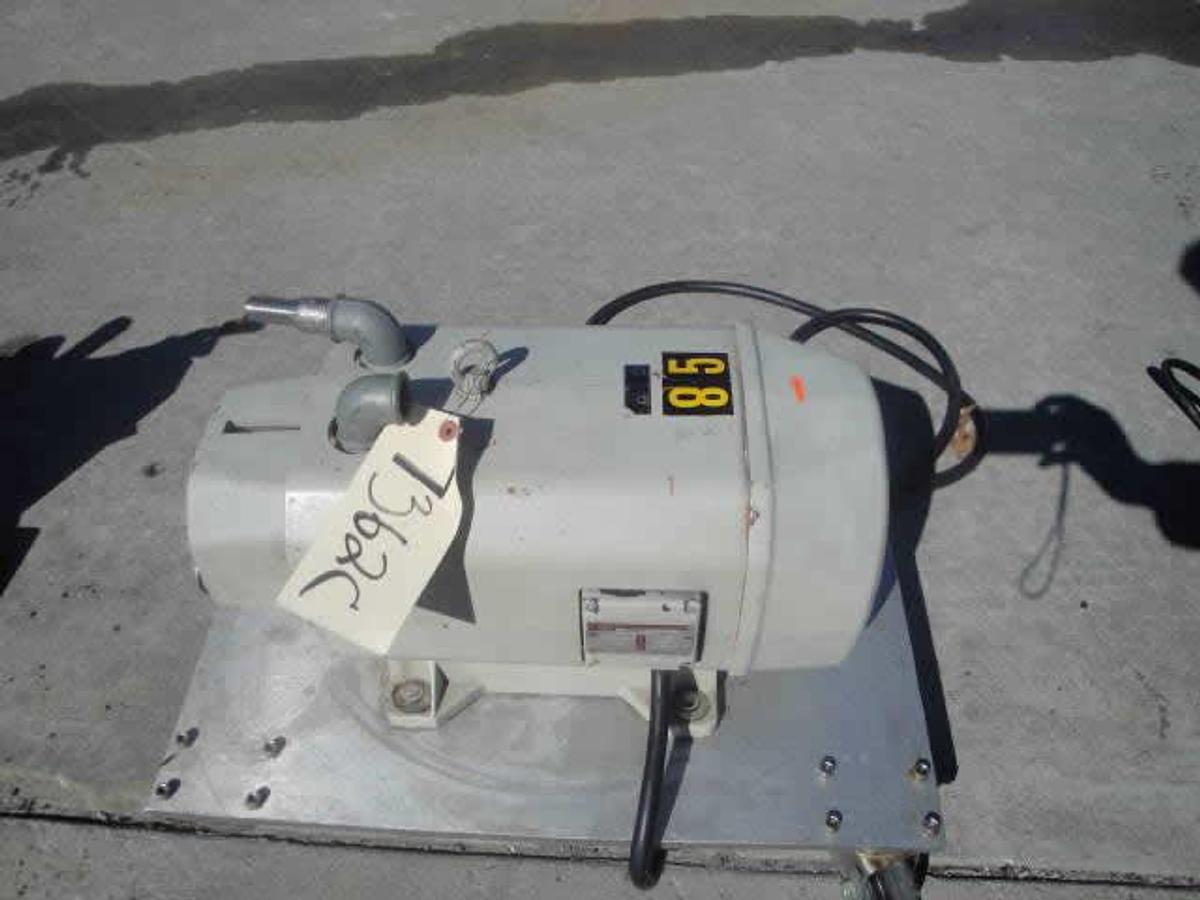
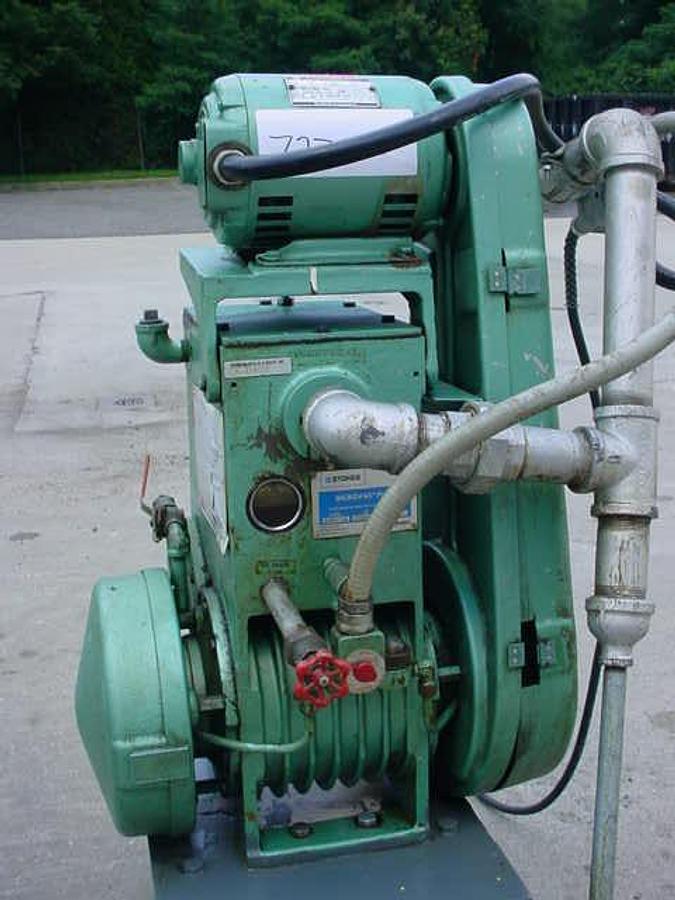
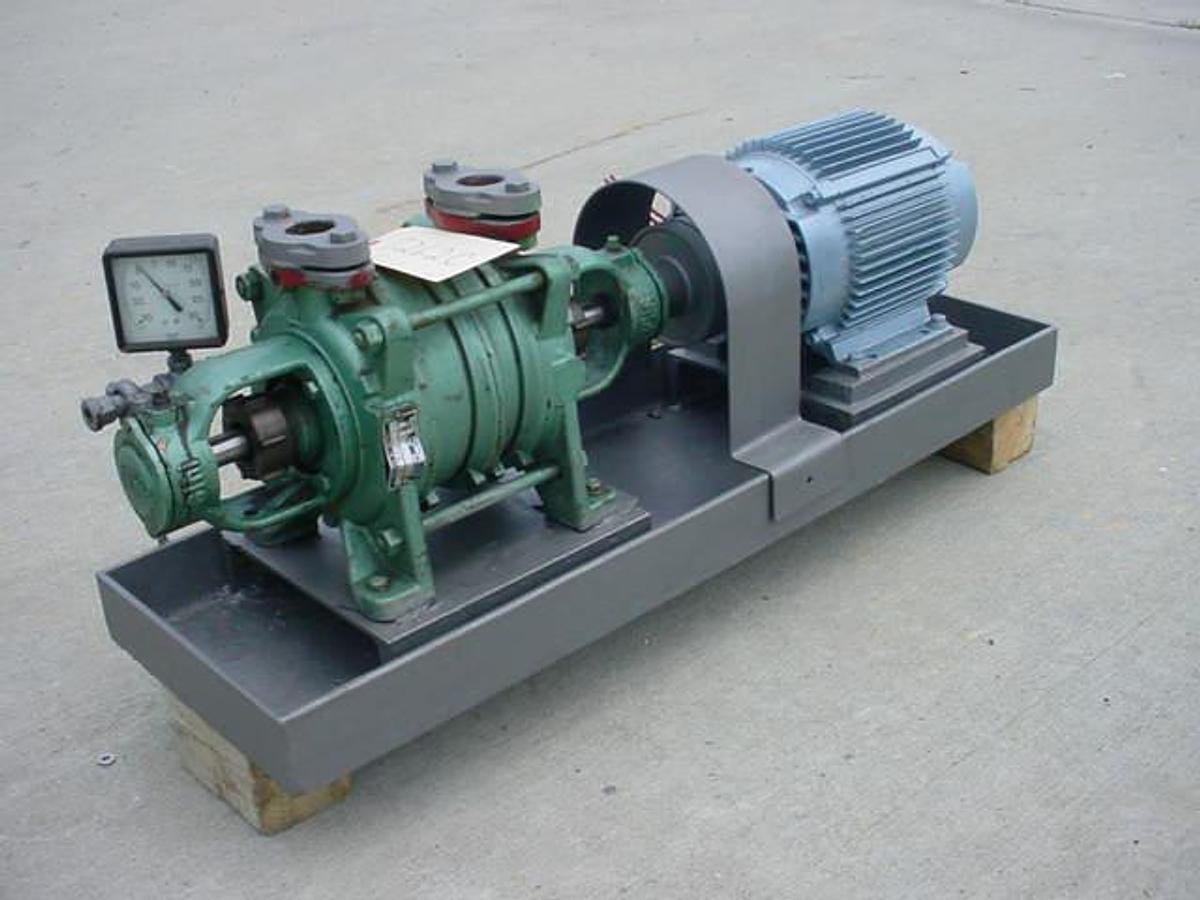
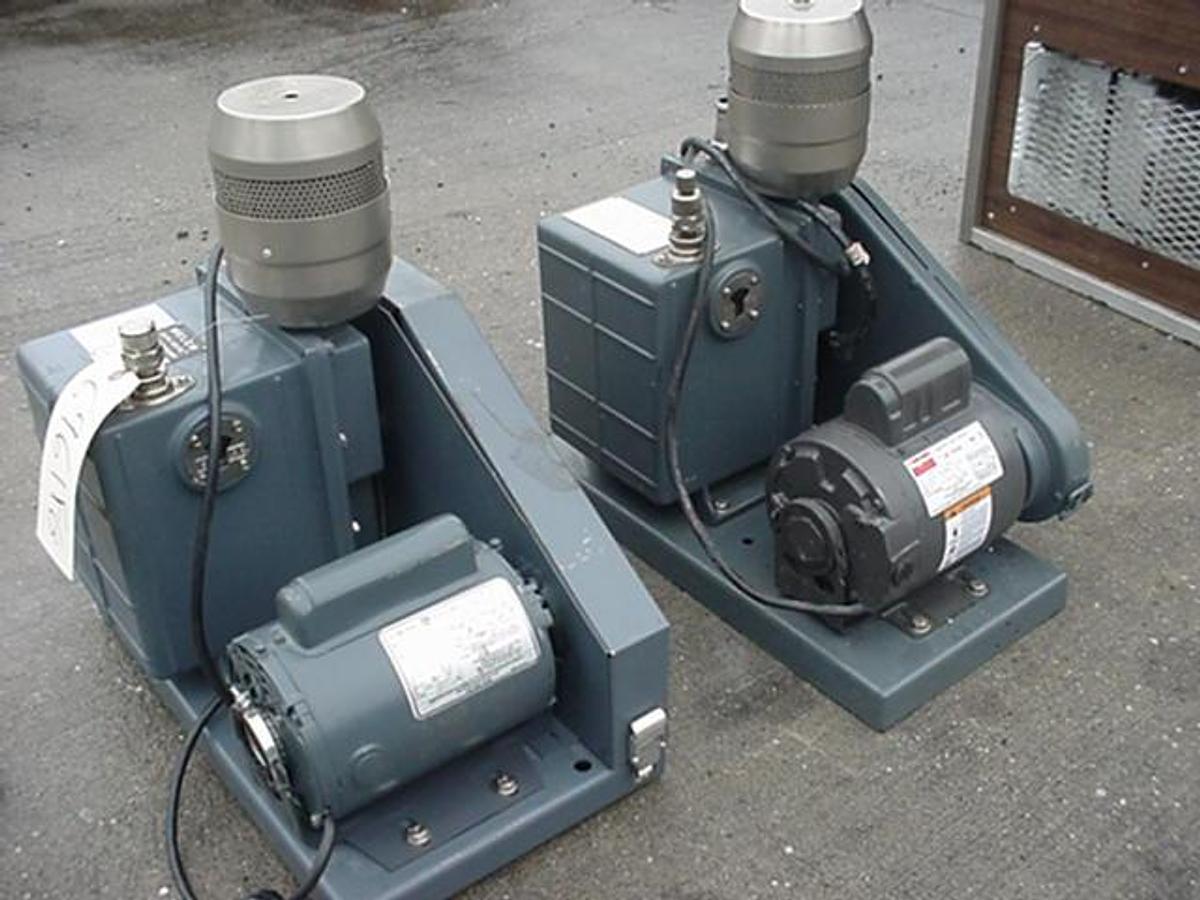
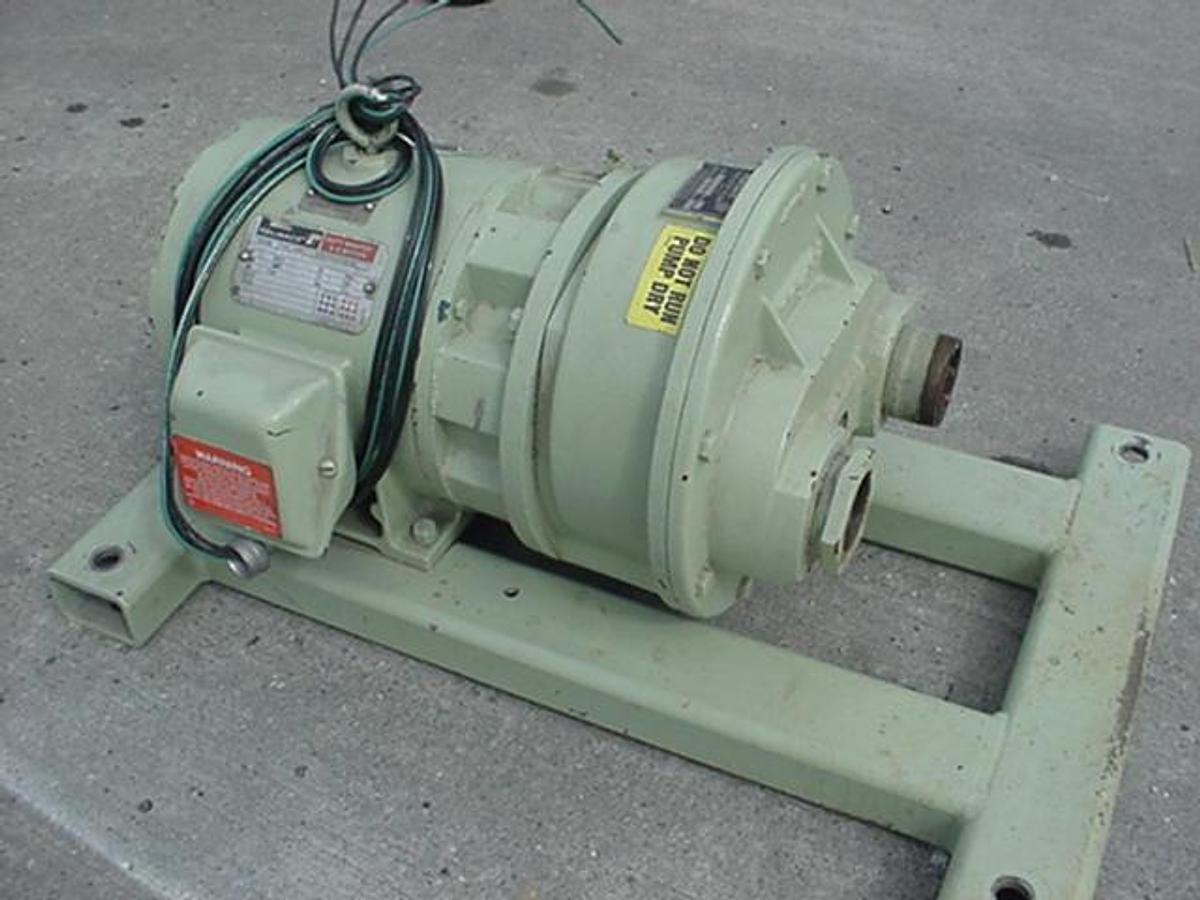
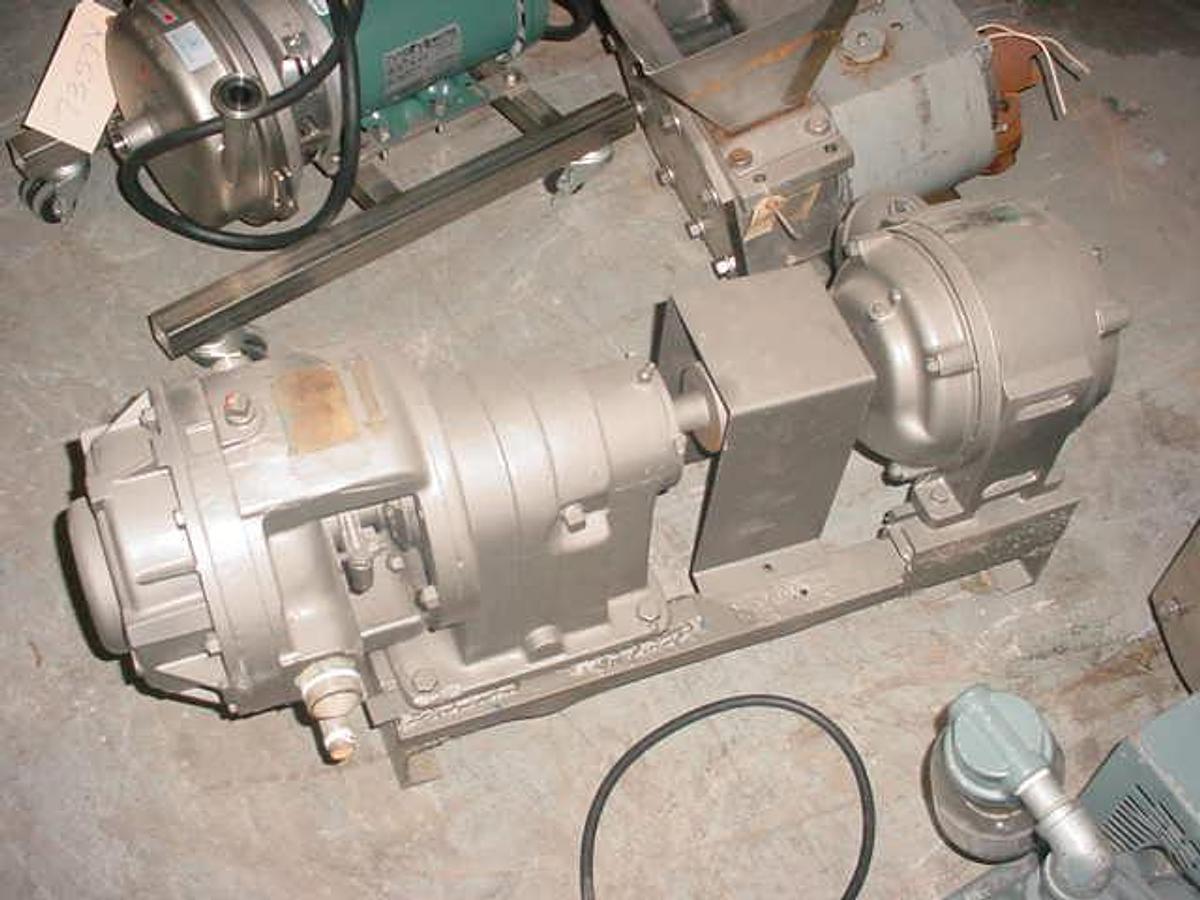
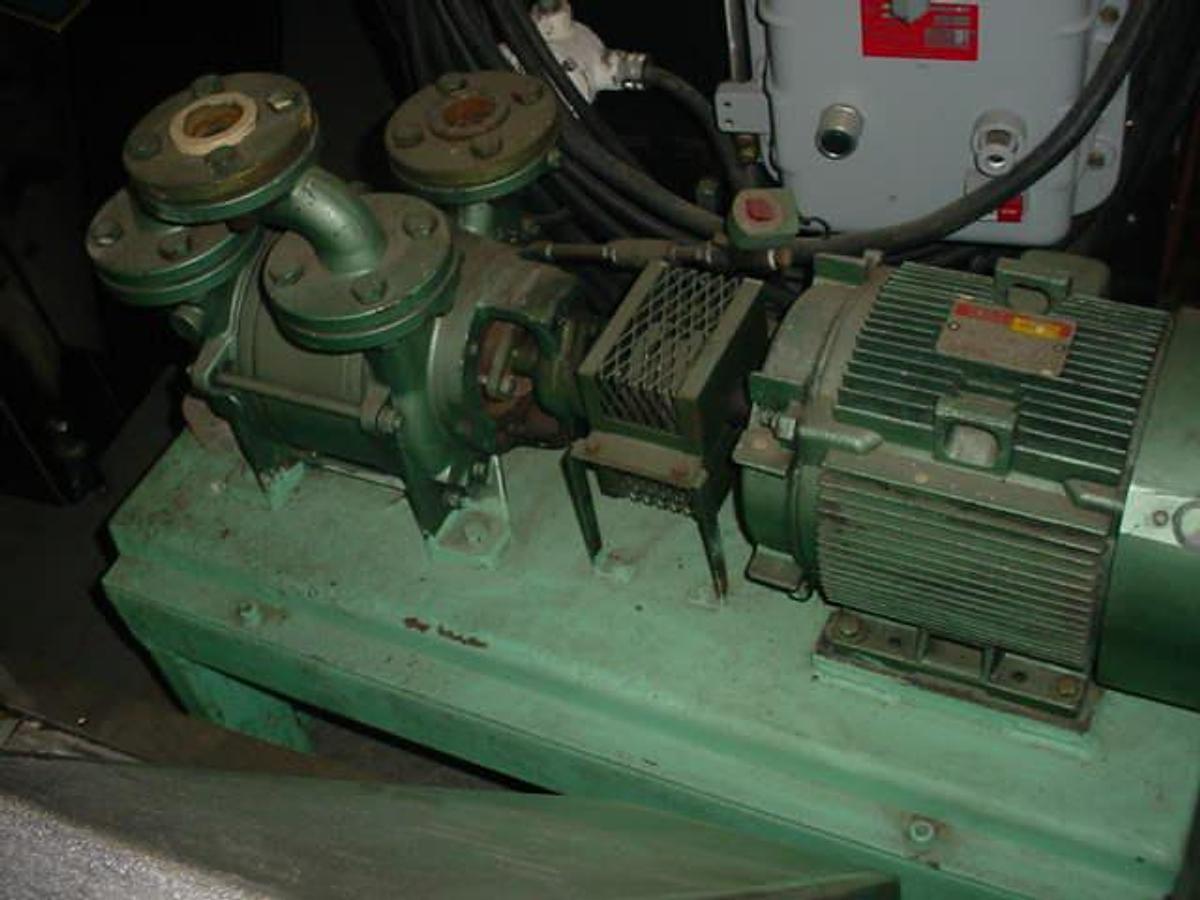
We stock a selection of used vacuum pumps including SIHI vacuum pumps, NASH vacuum pumps, and STOKES vacuum pumps (including Microvac series) as well as other brands in a variety of capacities and horsepower. Our inventory of used vacuum pumps also includes used liquid ring vacuum pumps.
FAQ :
What types of used vacuum pumps are available on the market?
Used vacuum pumps come in several distinct types, each suited to different applications and vacuum levels. The most commonly available used pumps are rotary vane pumps, which are widely used in HVAC refrigerant recovery, laboratory work, and general industrial processes. Liquid ring vacuum pumps are another frequently traded type, particularly in chemical processing, paper manufacturing, and food packaging applications. Other types you'll encounter include diaphragm pumps (favored for oil-free, low-contamination environments), scroll pumps (common in semiconductor and analytical instrumentation), and piston pumps used in lighter-duty applications.
On the industrial end, liquid ring pumps from manufacturers like SIHI and NASH handle high-capacity, wet-process applications where vapor-laden gas streams are involved. Rotary piston pumps, such as the Stokes Microvac series, are well-regarded in pharmaceutical and chemical vacuum applications. When shopping for a used vacuum pump, it helps to know your target vacuum depth in microns or Torr, your required flow rate in CFM, and whether your process tolerates oil contamination, since these factors will narrow down which pump type is appropriate for your needs.
What vacuum pump brands hold their value and perform well when purchased used?
Certain vacuum pump brands have built strong reputations for durability and long service life, which makes them particularly attractive in the used equipment market. Brands like Busch, Leybold, Edwards, Welch, Gast, Becker, and Robinair are frequently sought after because of their robust construction and the continued availability of replacement parts. SIHI and NASH are highly regarded for liquid ring vacuum pumps, especially in industrial and chemical processing settings. Stokes (now often referenced under the Pennwalt/Stokes name) has a loyal following in pharmaceutical and high-vacuum applications, particularly the Microvac series. Travaini is another brand respected for handling difficult, vapor-heavy process streams.
The reason brand matters so much with used equipment is parts availability and manufacturer support. Before purchasing a used pump, it is worth contacting the manufacturer directly to ask about parts availability and technical support for the specific model and approximate age of the machine you are considering. Older models from discontinued product lines may have limited parts availability, which can significantly affect long-term operating costs. Sticking with well-known brands that have active dealer networks and published service manuals gives buyers a much better chance of keeping the pump running cost-effectively over its remaining service life.
What should I inspect before buying a used vacuum pump?
A thorough pre-purchase inspection is one of the most important steps when buying a used vacuum pump. Start by reviewing any available service records, including documented hours of operation, oil change history, and any repairs or parts replacements that have been performed. Physically, look for signs of corrosion on the pump body, inlet, and exhaust ports, as well as any evidence of oil leaks around seals and gaskets. Check the condition of the motor, including the shaft bearings and coupling, and listen for unusual noise during operation if a run demonstration can be arranged. For liquid ring pumps, inspect the impeller and casing for erosion or cavitation damage, which is common in pumps that have handled abrasive or corrosive process streams.
Key performance parameters to evaluate include the pump's ultimate vacuum depth (measured in microns or Torr), CFM flow rate, and motor horsepower relative to your application requirements. Ask the seller whether the pump is currently in production at a facility or has been decommissioned, since pumps still in active service can sometimes be observed running under real conditions. Reputable dealers will typically accommodate in-person inspections, video walkthroughs, or recorded video captures of the machine so buyers can assess its current condition before committing. Factor in the cost of consumables like vanes, seals, oil, and inlet filters when calculating the total cost of ownership, since these items may need replacement shortly after acquisition.
Are used vacuum pumps tested before being sold?
Testing practices vary among used equipment dealers, and buyers should ask specifically what testing, if any, has been performed on a pump before purchase. Some dealers will run a pump to confirm it powers on and reaches a baseline vacuum level, while others sell equipment strictly in as-found condition. It is important to understand that most used equipment dealers do not have the permitting or infrastructure to test pumps under actual production conditions, meaning a full process simulation is generally not possible at a dealer's facility. What dealers can typically do is perform a mechanical run test and document the pump's observable condition.
This is why inspection rights are so valuable. Reputable dealers will allow buyers to conduct in-person inspections, arrange video inspections, or provide detailed video captures of the machine in its current state. If a pump is still installed at the plant where it was in service, a dealer may be able to coordinate an inspection at that facility, where the machine might still be running in production. Buyers should take advantage of these opportunities and, where possible, bring a qualified technician to assess the pump's mechanical condition. Since used vacuum pumps are sold as-is, the burden of evaluating condition falls on the buyer, making a thorough inspection the single most important step in the purchasing process.
What is the typical lifespan of a used vacuum pump?
A well-maintained vacuum pump can last for decades, which is a key reason the used market for these machines is so active. Rotary vane pumps in light-duty laboratory or HVAC applications often accumulate tens of thousands of operating hours before requiring major rebuilds, provided oil changes and vane replacements are performed on schedule. Industrial liquid ring pumps from manufacturers like SIHI and NASH are known for their mechanical simplicity and can remain in service for 20 to 30 years or more in the right applications. The actual remaining service life of any specific used pump depends heavily on how it was operated, what it processed, and how consistently it was maintained.
When evaluating a used pump, the hours of operation and the nature of the process it handled are more telling than the age alone. A pump used intermittently in a clean laboratory environment may be in far better condition than a same-age pump that ran continuously processing corrosive vapors. Asking for service records and maintenance logs gives buyers the clearest picture of where a pump sits in its service life. Even pumps that need some attention, such as a seal replacement or vane set, can represent strong value if the core components (housing, shaft, bearings, and motor) are in sound condition, since rebuilding is often far less expensive than purchasing a comparable machine outright.
What is the difference between a rotary vane, liquid ring, and diaphragm vacuum pump?
These three pump types operate on fundamentally different principles and are suited to different applications and vacuum levels. Rotary vane pumps use spring-loaded vanes rotating inside an offset cylindrical chamber to compress and exhaust gas. They are oil-lubricated in most industrial versions, capable of reaching deep vacuum levels in the range of 0.1 microns or lower with two-stage designs, and are the most widely available type in the used market. Common applications include HVAC refrigerant recovery, laboratory vacuum ovens, freeze drying, and general industrial processes. Brands like Welch, Becker, Busch, and Gast are well-represented in this category.
Liquid ring pumps use a rotating impeller inside a casing partially filled with liquid (usually water) to create a compression chamber. They are well-suited for handling wet, vapor-laden, or condensable gas streams because the liquid ring continuously absorbs heat and moisture. SIHI and NASH are among the most recognized names in liquid ring technology, and these pumps are common in chemical processing, pharmaceutical manufacturing, and paper mills. Diaphragm pumps, by contrast, use a flexible membrane to move gas without any oil or liquid contact, making them ideal for applications requiring completely oil-free, contamination-free vacuum, such as analytical instruments and sensitive laboratory work. Each type has trade-offs in achievable vacuum depth, flow rate, maintenance requirements, and suitability for specific process conditions, so matching the pump type to the application is essential when shopping the used market.
What does a used vacuum pump typically cost?
Pricing in the used vacuum pump market spans a very wide range depending on pump type, size, brand, condition, and included accessories. Small fractional-horsepower rotary vane pumps from brands like Gast or Welch might sell for a few hundred dollars in used condition, while larger industrial liquid ring pumps from SIHI or NASH in the 20 to 40 horsepower range can run from several thousand to tens of thousands of dollars. The motor horsepower, CFM capacity, and achievable vacuum depth are the primary technical factors that drive price. Condition and service history also have a significant impact, with pumps that have documented maintenance records typically commanding higher prices than those sold with no history.
Beyond the purchase price, buyers should calculate the full landed cost before committing. This includes shipping and freight charges, rigging costs for loading and unloading larger machines, any required crating or palletization, and the cost of consumables like oil, vanes, seals, and inlet filters that may need replacement after acquisition. A pump priced attractively may still represent good value even if it needs a seal kit or vane replacement, since those parts are relatively inexpensive for most common models. Getting a clear breakdown of all associated costs from the dealer before purchase is the best way to make an accurate comparison between available machines.
Do used vacuum pumps come with a warranty?
Warranties on used vacuum pumps are generally not offered by used equipment dealers. Manufacturers typically provide warranties only on equipment sold directly through their authorized channels, and that coverage does not transfer to subsequent sales in the secondary market. Used equipment dealers typically sell machinery on an as-is basis, which means the responsibility for evaluating the condition of the equipment rests with the buyer prior to purchase. This is standard practice across the used industrial equipment industry and reflects the reality that the dealer often has limited knowledge of a machine's full operating history.
Because there is no warranty safety net, selecting a reputable dealer with a long track record in the industry becomes especially important. Buyers should look for dealers who specialize in industrial process equipment, have been in business for many years, and are willing to accommodate thorough pre-purchase inspections. It is also worth contacting the pump manufacturer directly before buying to understand what level of technical support, parts availability, and service documentation exists for the specific model. Some manufacturers are very supportive of their legacy equipment, while others may have limited resources for older or discontinued models. Taking the time to research both the dealer and the manufacturer before purchasing is the most effective way to reduce risk when buying used vacuum equipment.
How is a used vacuum pump typically shipped, and what are the freight costs?
Shipping costs for used vacuum pumps vary considerably based on the size and weight of the machine, the destination, and the level of packaging required to protect the equipment in transit. Smaller pumps in the 1 to 5 horsepower range can often be palletized and shipped via standard LTL (less-than-truckload) freight carriers at relatively modest cost. Larger industrial pumps, particularly liquid ring units in the 20 horsepower and above range, may require custom crating, heavy rigging for loading at the origin, and specialized unloading equipment at the destination. These additional services add to the total freight cost and should be factored into the purchase decision from the start.
Buyers should ask the dealer for a detailed breakdown of packaging, rigging, and freight charges before finalizing a purchase so there are no surprises in the total landed cost. Dealers will normally specify what palletization or crating is included in their standard shipping process and what additional costs apply for more complex logistics. If the buyer has a loading dock and a forklift at their facility, unloading costs can sometimes be minimized. For very large or heavy machines, the dealer may require the buyer to arrange their own rigging contractor at the destination. Getting all of these details in writing before the sale is completed helps both parties avoid misunderstandings and ensures the pump arrives safely.
What are the most important performance specifications to review when buying a used vacuum pump?
Four specifications stand out as the most critical when evaluating a used vacuum pump for a specific application. The first is ultimate vacuum depth, typically expressed in microns or Torr, which defines how deep a vacuum the pump can achieve under ideal conditions. Laboratory and pharmaceutical applications often require pumps capable of reaching below 1 micron, while many industrial processes only need vacuum levels in the range of 25 to 100 Torr. The second is volumetric flow rate, expressed in CFM (cubic feet per minute) or m3/hr, which determines how quickly the pump can evacuate a given chamber or maintain vacuum against a process leak rate. Matching flow rate to your system volume and leak rate is just as important as hitting the right vacuum depth.
Motor horsepower is the third key specification, as it directly affects operating costs and sets limits on the pump's throughput capacity. The fourth is oil type compatibility for oil-sealed pumps, since using the wrong oil can degrade performance and damage internal components. Beyond these four, buyers should also consider inlet and exhaust port sizes for compatibility with existing piping, the pump's operating temperature range, and whether it is designed for continuous or intermittent duty. When a pump's nameplate data or original documentation is available, cross-referencing those specs against the manufacturer's published performance curves gives the clearest picture of what the pump should be capable of in its application.