Category
Subcategory
Manufacturer
Model
Used Tube Fillers
Plastic, Metal/Aluminum, Laminate Tube Filling Equipment
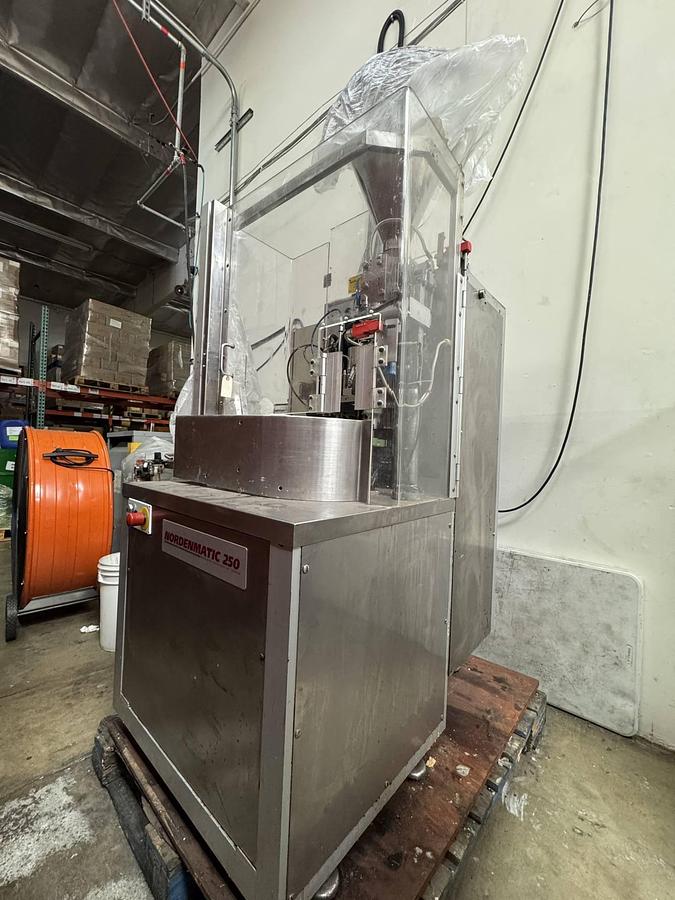
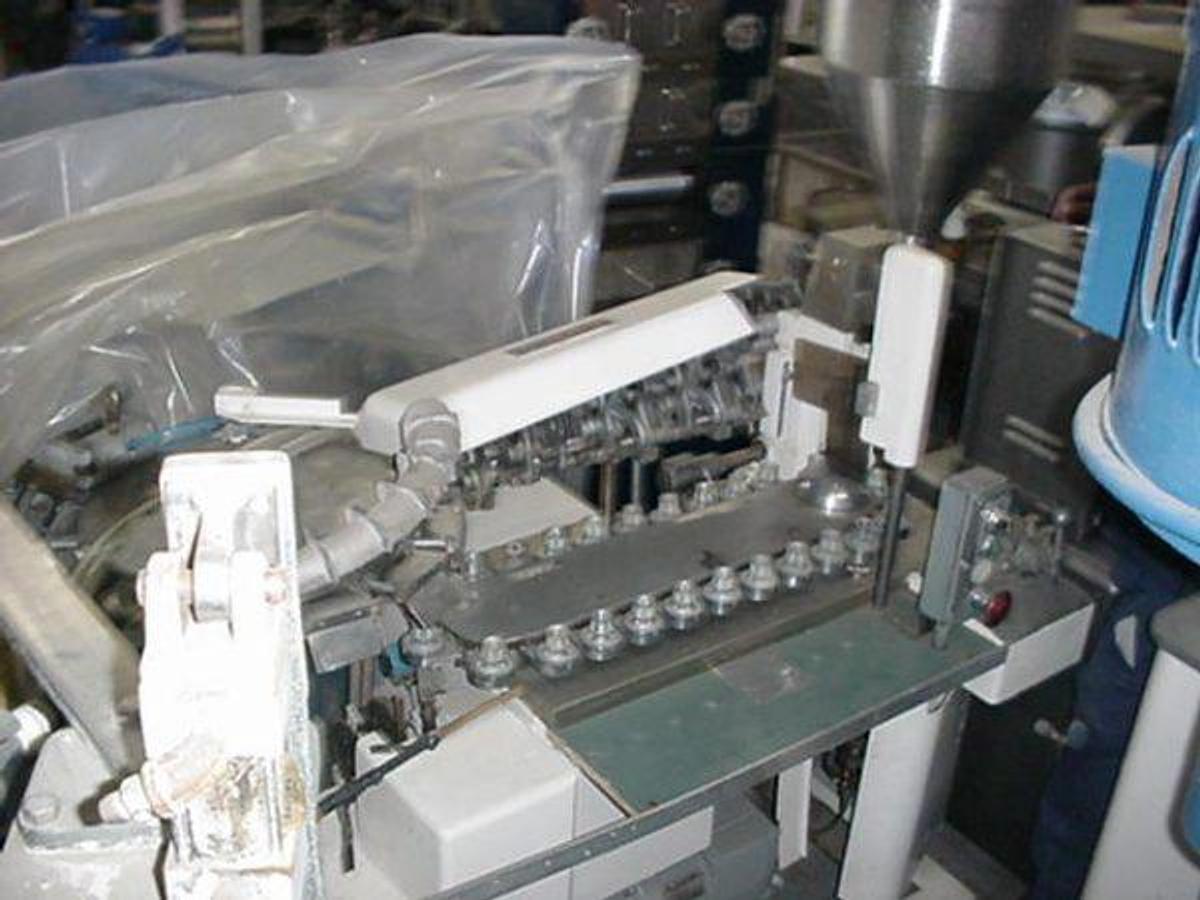
Tube filling machines are designed in order to fill tubes of materials including plastic, metal, and laminate. We stock a broad selection of used tube fillers and plastic tube sealers. Our used tube filling machines for plastic tubes include hot air tube fillers, hot jaw tube fillers, and ultrasonic (high-frequency) tube filling and crimping machines. Our inventory frequently includes tube fillers that are manufactured by NORDENMATIC/NORDEN, UNIPAC, IWKA, and KALIX.
FAQ :
What types of tubes can a used tube filling machine handle?
Used tube filling machines are built to handle three primary tube materials: plastic, metal/aluminum, and laminate. Plastic tube fillers are the most common category in the used market and typically use one of three sealing methods, hot air, hot jaw, or ultrasonic (also called high-frequency) sealing. Each method produces a different seal profile and is suited to different plastic formulations, so buyers should confirm that the machine's sealing method matches their tube stock before purchasing.
Metal and aluminum tube fillers use a crimping mechanism rather than heat sealing, and laminate tube fillers often require machines capable of handling the composite layers without delaminating the seal area. Some machines are dual-purpose and can run both plastic and metal tubes with the appropriate change parts. Specialty machines also exist for products like mascara and lip gloss, which require precision fill volumes and specific nozzle configurations. When evaluating a used machine, confirming the tube diameter range and material compatibility is just as important as checking the mechanical condition.
What industries use tube filling machines?
Tube filling machines serve a wide range of industries, though cosmetics and personal care represent the largest share of demand. Products like hand cream, toothpaste, hair color, lip gloss, mascara, sunscreen, and facial serums are routinely packaged in plastic or laminate tubes. Pharmaceutical manufacturers use tube fillers for topical medications, ointments, gels, and ophthalmic preparations, where fill accuracy and sanitary design are especially critical. Food producers use them for condiments, sauces, and concentrated pastes, and industrial manufacturers rely on tube filling equipment for adhesives, sealants, and epoxies.
The used market reflects this diversity. A machine previously running a cosmetic cream can often be cleaned and reconfigured to fill a pharmaceutical topical, provided the materials of construction are appropriate (typically 316 stainless steel contact parts for regulated industries). Buyers from regulated industries like pharmaceuticals should pay particular attention to whether a used machine can be validated under their quality system, and they should consult with their compliance team before purchasing. Machines designed for industrial adhesives or food products may not meet the sanitary standards required for pharmaceutical or cosmetic GMP environments.
What is the typical output speed of a used tube filling machine?
Output speeds across the used tube filler market vary considerably depending on the machine's design, age, and configuration. Entry-level semi-automatic and tabletop machines typically produce 10 to 30 tubes per minute, which suits small-batch production or contract fillers running frequent changeovers. Mid-range automatic machines commonly run between 40 and 100 tubes per minute, and high-speed production machines from manufacturers like Kalix and Axomatic can exceed 100 tubes per minute, with some models rated as high as 4,500 tubes per hour (75 per minute) under optimal conditions.
It is worth noting that rated speeds on used machines reflect the manufacturer's original specification under ideal conditions. Actual throughput on a used machine depends on the product viscosity, tube size, sealing dwell time, and the condition of mechanical components like the filling pump and indexing drive. Buyers should ask for a witnessed run or video demonstration at speed to confirm realistic output before committing to a purchase. Comparing the machine's rated speed against your required daily or weekly volume is a straightforward way to determine whether a given unit fits your production requirements.
What should I look for when inspecting a used tube filling machine?
A thorough inspection of a used tube filling machine should cover both mechanical condition and functional performance. Key mechanical areas to examine include the filling pump (checking for wear on pistons, seals, and check valves), the sealing jaws or hot air nozzles, the tube loading and discharge mechanisms, and the condition of the drive system and PLC controls. Change parts, meaning the tooling specific to a particular tube diameter or format, should be inventoried and checked for wear, since replacing missing or damaged change parts can add significant cost after purchase.
Reputable used equipment dealers will typically accommodate in-person inspections at their facility or at the plant where the machine is currently located. Some machines may still be in active production, which allows buyers to observe the equipment running actual product. Dealers can also provide video captures of the machine cycling if an in-person visit is not practical. Keep in mind that most dealers are not equipped to run production trials with your specific product, as that requires different permitting and facilities. Buyers should also ask about the machine's history, including the products it ran, how long it was in service, and whether any major components have been replaced. Consulting the machine's manufacturer about parts availability for that specific model and serial number is a smart step before finalizing any purchase.
Are spare parts still available for older used tube filling machine models?
Parts availability for older tube filling machines varies significantly by brand and model age. Machines from well-established manufacturers like Norden, IWKA, Kalix, Unipac, and Axomatic tend to have better long-term parts support than machines from smaller or discontinued brands, partly because these manufacturers have large installed bases and have been producing similar platform designs for decades. That said, parts availability is not guaranteed for any used machine, and buyers should contact the manufacturer directly before purchasing to ask specifically about support for the model and serial number they are considering.
For machines where the manufacturer no longer stocks certain components, third-party machining and fabrication can often reproduce wear parts like filling pistons, seals, nozzle assemblies, and cam followers. Electrical components such as PLCs, HMIs, and servo drives may require sourcing from industrial electronics suppliers if the manufacturer's version is discontinued. Buyers should factor potential parts sourcing costs into their total acquisition budget. Purchasing a machine that comes with extra change parts, spare nozzles, or a documented spare parts inventory significantly reduces this risk and adds practical value to the deal.
What are the most reputable brands of tube filling machines found on the used market?
Several brands consistently appear in the used tube filling machine market and are recognized for build quality, longevity, and parts support. Norden (also sold under the Nordenmatic name) is one of the most widely recognized brands in pharmaceutical and cosmetic tube filling, known for robust construction and a large global installed base. IWKA (now part of the Romaco group) produced highly regarded automatic tube fillers for both plastic and metal tubes. Kalix machines are well-regarded for high-speed plastic tube filling and are common in cosmetics production. Unipac (also sold under the Romaco brand) and Axomatic round out the upper tier of frequently traded used machines.
These brands tend to hold their value in the used market precisely because parts remain more accessible and field technicians with experience on these platforms are easier to find. That said, the condition of any individual machine matters far more than brand reputation alone. A well-maintained machine from a second-tier manufacturer can outperform a neglected machine from a premium brand. Buyers should weigh brand reputation alongside documented maintenance history, inspection results, and the dealer's knowledge of the specific unit's service history.
What is the difference between hot air, hot jaw, and ultrasonic tube sealing?
These three sealing methods represent the main technologies used to close the tail end of plastic tubes after filling. Hot air sealing directs a stream of heated air onto the inside of the tube tail, softening the plastic so the jaws can press and fuse the seal. This method is widely used for polyethylene and polypropylene tubes and tends to produce clean, consistent seals across a range of tube wall thicknesses. Hot jaw sealing uses heated metal jaws that make direct contact with the tube tail to generate the heat needed for fusion. It is effective for certain plastic formulations but requires careful temperature control to avoid burning thinner tube walls.
Ultrasonic (high-frequency) sealing uses high-frequency vibration to generate frictional heat at the molecular level within the tube material itself, creating a seal without external heat application. This method is particularly useful for tubes with printed or decorated surfaces where external heat could cause cosmetic damage, and it tends to produce very consistent seal strength. The right sealing method depends on the tube material, wall thickness, and the aesthetic requirements of the finished package. When evaluating a used machine, buyers should confirm that the sealing method is compatible with their specific tube stock, and they should inspect the sealing jaws or ultrasonic transducer for wear, since these components directly affect seal quality.
Can a used tube filling machine be upgraded or retrofitted for current production needs?
Many used tube filling machines can be meaningfully upgraded, though the extent of what is practical depends on the machine's base design and the age of its control architecture. Common upgrades include replacing older relay-based control panels with modern PLC and HMI systems, which improves diagnostics, recipe management, and operator usability. Filling pumps can often be replaced or rebuilt to restore accuracy, and tube loading systems can sometimes be upgraded to handle a broader diameter range. Machines that originally ran a single tube size can frequently be expanded to run multiple formats by sourcing additional change parts.
That said, there are practical limits. Machines designed for a specific sealing method, say hot jaw, cannot typically be converted to ultrasonic sealing without substantial mechanical redesign that may not be cost-effective. Similarly, a machine rated at 30 tubes per minute cannot generally be upgraded to run at 80 tubes per minute, as output speed is constrained by the fundamental mechanical design. Buyers considering upgrades should get a realistic assessment from a qualified technician or the machine's manufacturer before purchasing, so they understand what modifications are feasible and what the total investment will look like compared to purchasing a machine that already meets their specifications.
Does buying a used tube filling machine come with a warranty?
Used tube filling machines are typically sold on an as-is basis, which is standard practice across the used industrial equipment industry. Warranties are generally offered only by the original equipment manufacturer on machines sold through their authorized channels, and those protections do not transfer with second-hand sales. This places the responsibility for assessing condition squarely on the buyer, which is why thorough pre-purchase inspection is so important.
To manage risk in the absence of a warranty, buyers should prioritize purchasing from used equipment dealers with a long, verifiable track record in the packaging machinery industry. Experienced dealers who specialize in tube filling and related equipment will typically have deeper knowledge of the machines they sell, be more forthcoming about known issues, and be more willing to accommodate detailed inspections, including in-person visits, video demonstrations, or third-party technical reviews. Buyers should also contact the machine's manufacturer before purchasing to understand what level of technical support, parts supply, and documentation is available for that specific model, since age and production history can affect how much support a manufacturer is able to provide.
What are the typical shipping and payment considerations when buying a used tube filling machine?
Payment terms for used tube filling equipment follow standard industry practice: most dealers require full payment before the machine ships, with some dealers offering extended terms to established repeat customers. Buyers should confirm payment requirements early in the process to avoid delays once a purchase decision is made. Wire transfer is the most common payment method for transactions of this size, though dealer policies vary.
Shipping costs for tube filling machines depend heavily on the machine's size, weight, and the level of packaging required to protect it in transit. Smaller tabletop sealers may ship palletized, while large automatic tube fillers often require custom crating to prevent damage. Heavier machines may also require professional rigging for loading at the dealer's facility and unloading at the buyer's plant, which adds to the total landed cost. Buyers should ask dealers for a detailed breakdown of packaging, rigging, freight, and any applicable fees before finalizing the purchase, so the full delivered cost is understood upfront. For international shipments, import duties, customs brokerage fees, and compliance documentation add further complexity that should be factored into the budget.