Category
Manufacturer
Model
Used Mills for Sale
Pre-Owned Grinding Mills, Media Mills, and Comminutors In Stock
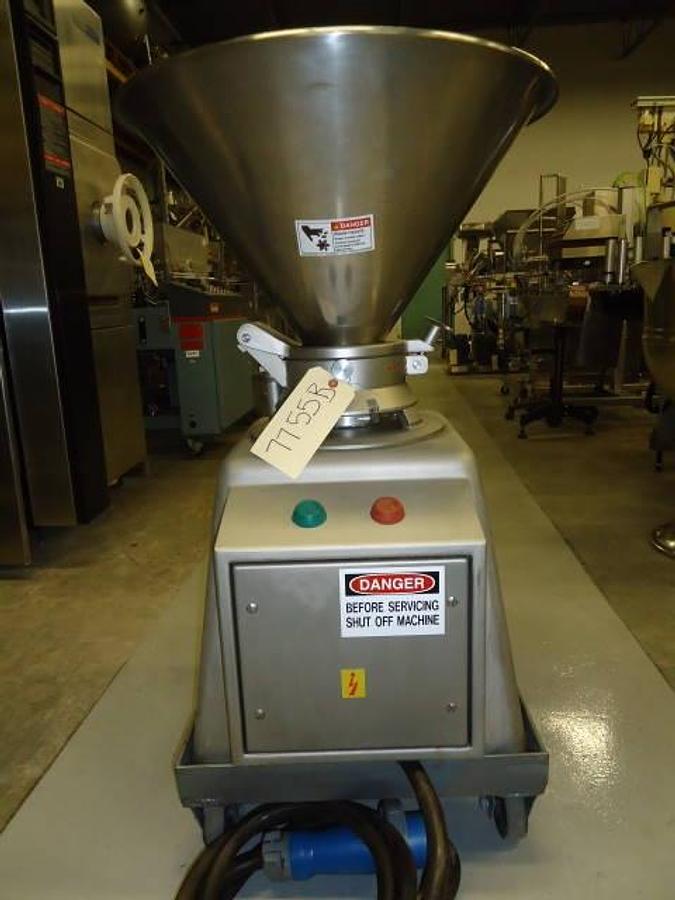
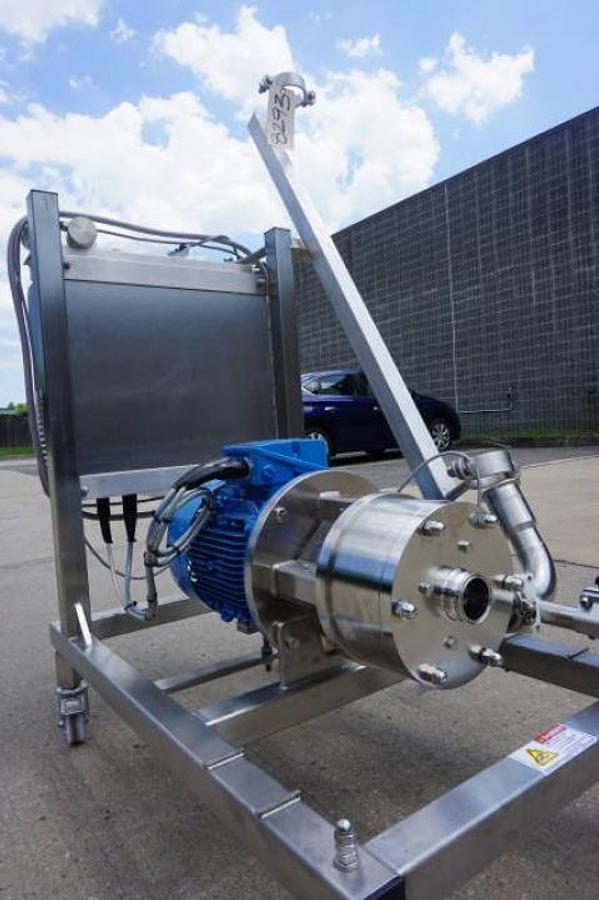
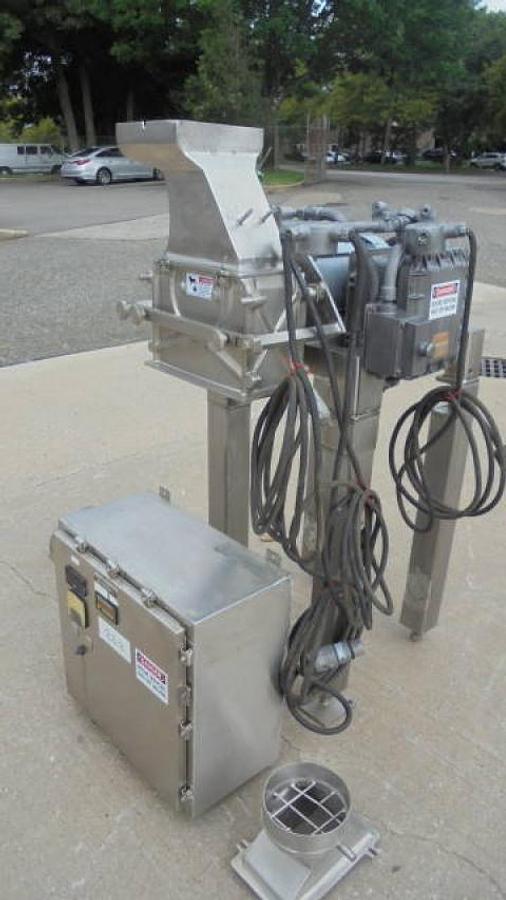
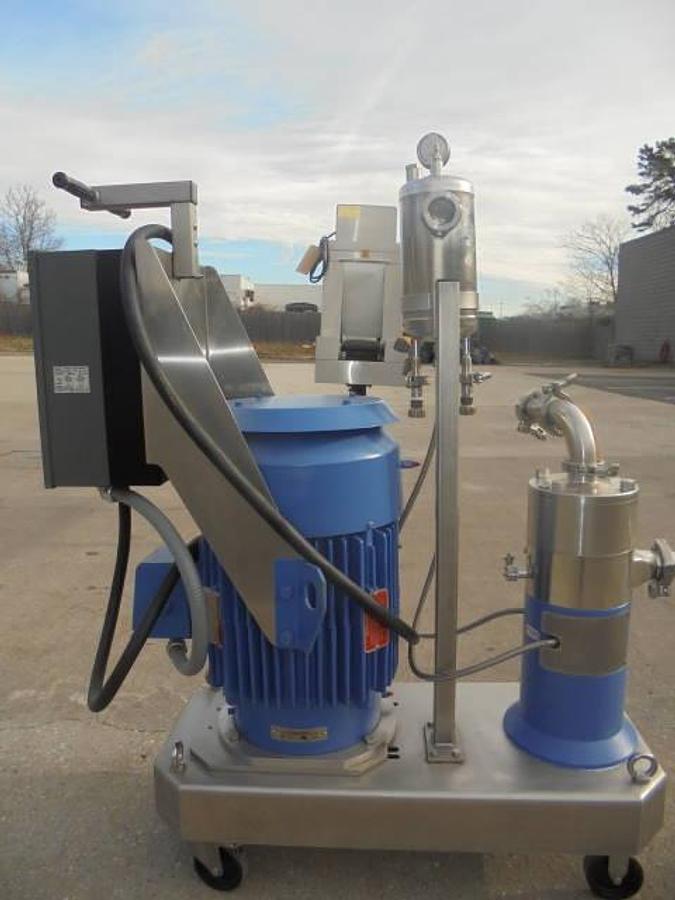
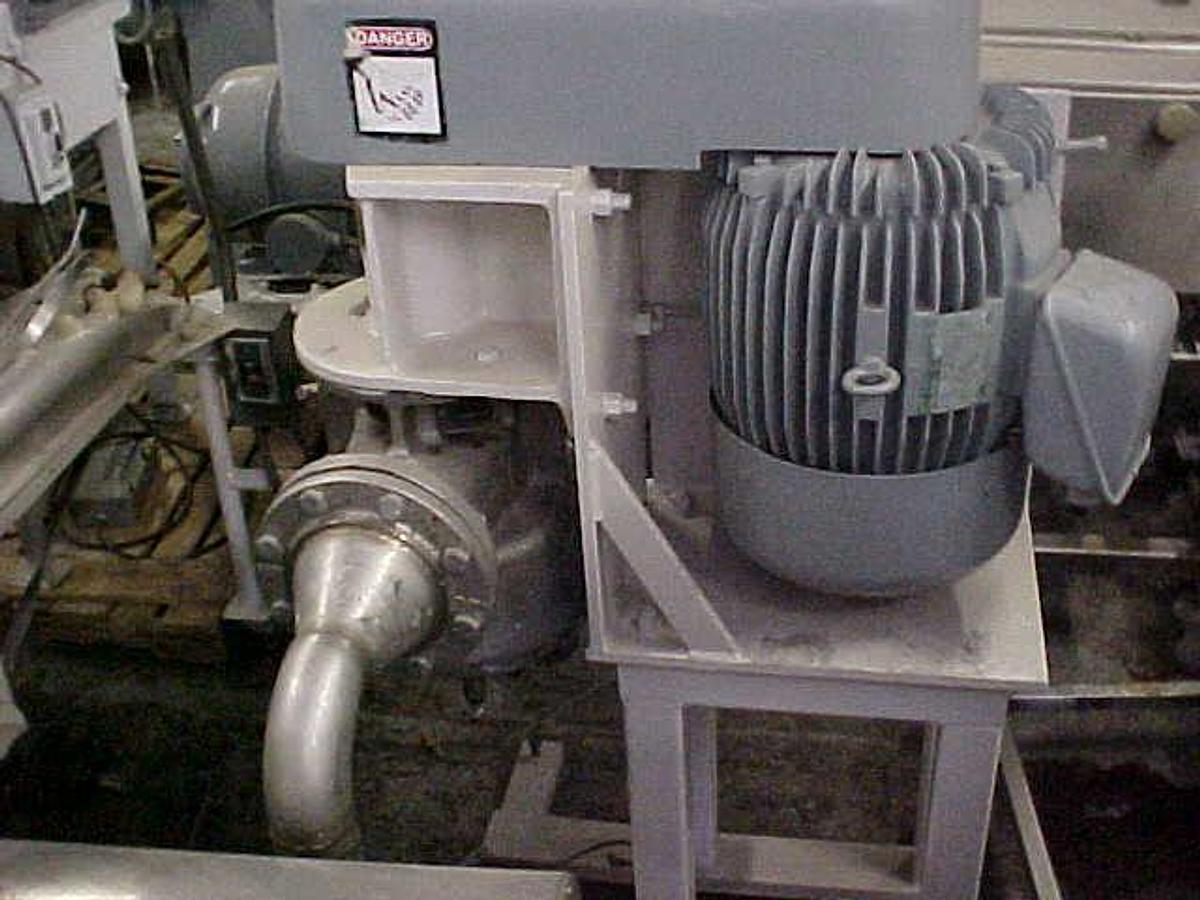
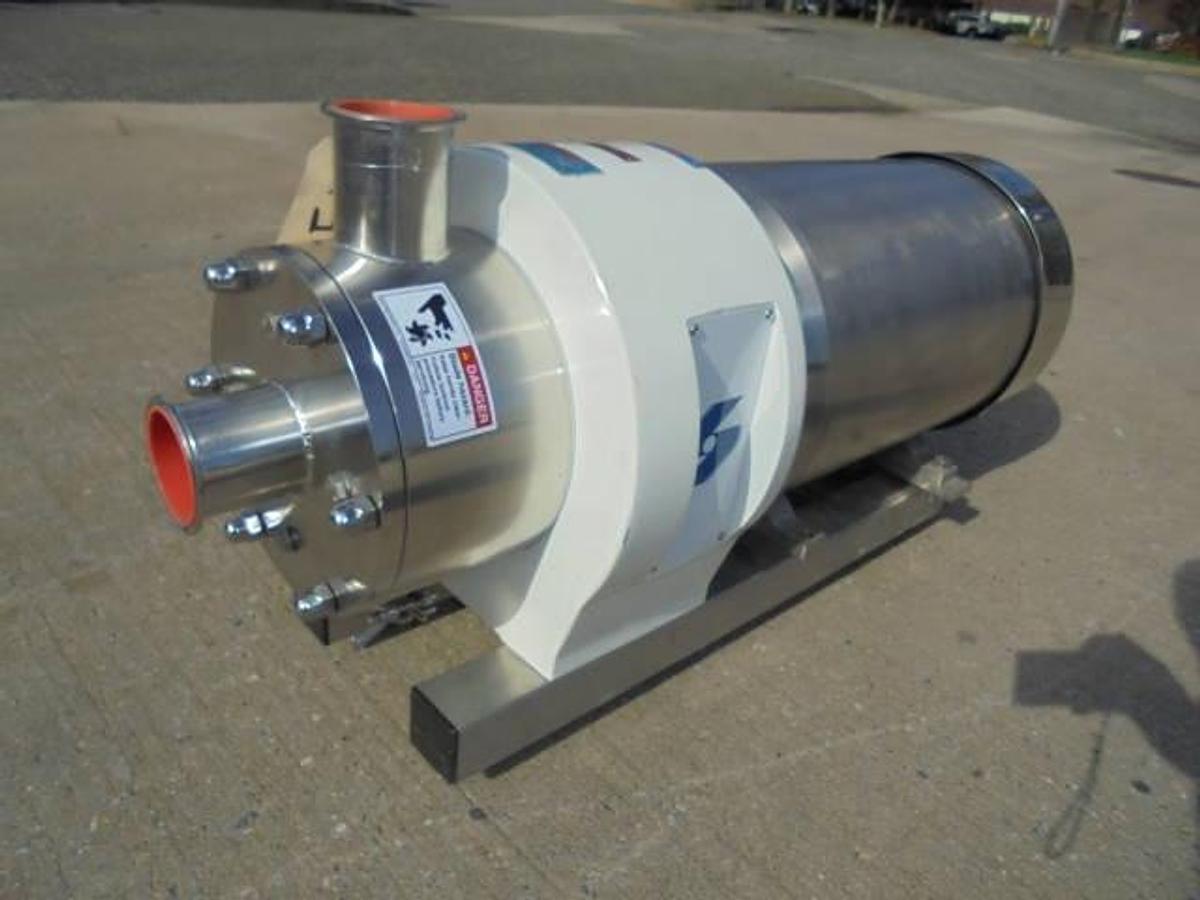
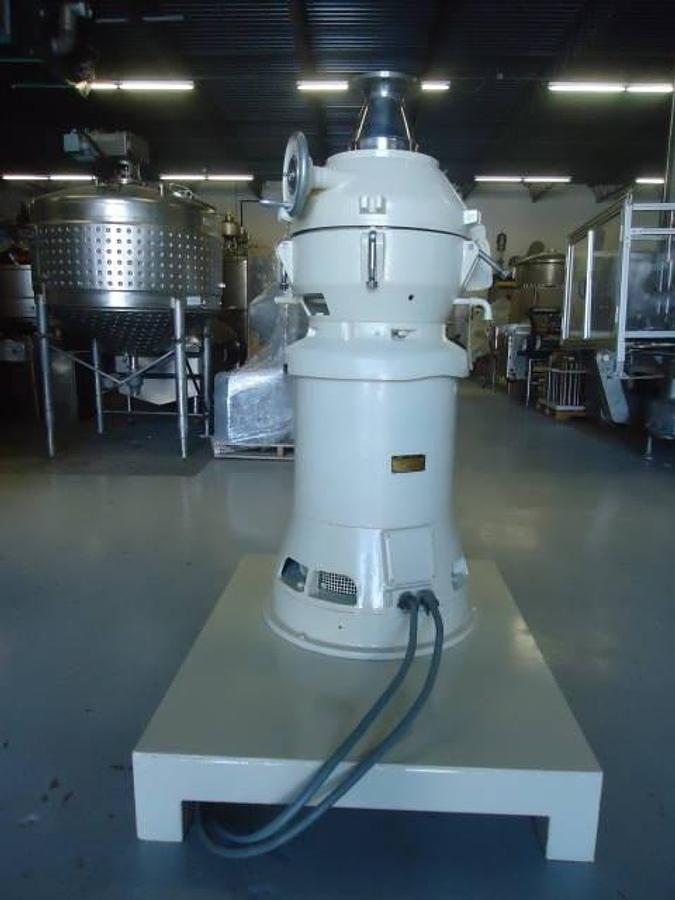
Wohl Industries stocks used mills for food, chemical, cosmetic, and pharmaceutical processors. You get pre-owned grinding mills, media mills, and comminutors. Mills reduce particle size for blending, dissolving, and coating. Grinding mills size sugar, spice, and grain to spec. Media mills disperse pigment for ink and paint. Comminutors break agglomerates ahead of tablet production. Screen and speed selection set your particle size. Buying used cuts your capital cost and lead time. We inspect every machine before we ship. We have sold processing and packaging equipment since 1968. Send us your material and target size, and we match you to the right mill.
FAQ :
What types of used mills are available on the market?
Used mills cover a wide range of machine types and applications, so the category is broader than many buyers initially expect. On the industrial grinding and processing side, common options include pin mills, bead mills, media mills, colloid mills, corundum stone mills, hammer mills, and dispersion mills. These are widely used in food processing, pharmaceuticals, cosmetics, and chemical manufacturing. Brands like Alpine, Fryma, Hosokawa, Fitzpatrick, and Quadro appear frequently in used inventories, and each has a distinct design suited to specific particle size reduction or emulsification tasks.
On the metalworking side, used milling machines range from manual knee mills and Bridgeport-style vertical mills to CNC vertical machining centers and horizontal machining centers from manufacturers like Haas, Mazak, Okuma, and DMG Mori. CNC mills command a higher price in the used market because of their automation capabilities and productivity advantages, but manual mills remain popular for job shops and toolrooms that do lower-volume work. Specialty types like bed mills, gantry mills, and 5-axis machining centers also appear in used inventories, though less frequently. Understanding which category and subcategory fits your application is the first step before evaluating any specific machine.
What should I inspect when evaluating a used milling machine before buying?
Spindle condition is the single most critical factor to assess on any used mill. A worn or damaged spindle can cost thousands of dollars to repair or replace, and the cost can easily exceed the purchase price of a lower-priced used machine. During an inspection, listen for unusual noise at various RPM ranges, check for runout using a test indicator, and look for heat buildup after the spindle has been running. On grinding and processing mills, inspect the grinding chamber, rotor, stator, and any seals or gaskets for wear, corrosion, or signs of product contamination.
Beyond the spindle or grinding elements, check the ways and gibs on manual mills for wear and backlash, review the condition of the control system on CNC machines, and look at the overall cleanliness and maintenance history of the machine. Coolant systems, lubrication lines, and chip conveyors are often overlooked but can be expensive to repair or replace. Ask the seller for any available maintenance records, and find out whether the machine was in active production or had been sitting idle, since extended downtime can cause issues with seals, slides, and hydraulic components. A thorough inspection, whether in person or via a detailed video walkthrough, gives buyers a much clearer picture of what they are actually purchasing.
Do used mills come with a warranty?
Warranties on used machinery are generally not offered by used equipment dealers. Reputable manufacturers sometimes provide limited support for their machines regardless of age, but the machine itself is typically sold as-is when purchased through the secondary market. This places the responsibility of due diligence squarely on the buyer, which is why inspection quality matters so much before committing to a purchase.
Because there is no warranty safety net, selecting a dealer with a long track record in the industry is one of the most important decisions a buyer can make. Dealers who specialize in a specific category of machinery, such as processing mills or metalworking equipment, tend to have deeper knowledge of the machines they sell and are better positioned to provide accurate condition assessments. Buyers should also contact the machine's manufacturer directly before purchasing to understand what level of technical support, parts availability, and service documentation they can expect for a specific model and age. That conversation can reveal whether a machine is still well-supported or whether it has effectively reached the end of its serviceable life from a parts standpoint.
Are replacement parts still available for older used mill models?
Parts availability is one of the most practical concerns when buying a used mill, and it varies significantly depending on the manufacturer, model, and age of the machine. For widely used brands like Bridgeport, Haas, Hosokawa, and Fitzpatrick, parts are generally available through the manufacturer, authorized service networks, or aftermarket suppliers even on machines that are 20 or more years old. However, for discontinued models or machines from manufacturers that have been acquired, merged, or gone out of business, sourcing replacement parts can become difficult and expensive.
Before finalizing a purchase, it is worth contacting the manufacturer directly to ask about parts availability for the specific model and serial number you are considering. Ask about wear items in particular, such as grinding discs, rotors, screens, spindle bearings, and seals, since these are the components most likely to need replacement during normal operation. Some buyers also purchase a second machine of the same model as a parts source, which can be a cost-effective strategy for machines that are otherwise difficult to support. Machines older than 15 to 20 years deserve extra scrutiny on this point, as the combination of aging components and limited parts supply can create significant maintenance challenges down the road.
What is the true total cost of buying a used mill?
The purchase price is only one part of the total acquisition cost for a used mill, and buyers who focus only on the sticker price often end up surprised by the full landed cost. Freight and rigging are the two most commonly underestimated expenses. Larger mills require specialized rigging equipment for loading and unloading, and those costs are separate from standard freight charges. Crating or palletizing requirements also vary, and the level of packaging needed to protect the machine in transit will affect the shipping cost. Buyers should ask dealers for a detailed breakdown of packaging, rigging, and freight costs before agreeing to a purchase.
Beyond shipping, buyers should budget for installation, electrical hookup, any required mechanical reconditioning, tooling, and potential repairs identified during inspection. CNC mills may also require software licensing, control updates, or integration work to connect with existing shop systems. For processing mills used in food, pharmaceutical, or cosmetic production, there may be cleaning validation, compliance documentation, or sanitary upgrade costs to consider. Adding up all of these factors gives a realistic picture of what the machine will actually cost to get into production, and that number is often 20 to 40 percent higher than the purchase price alone.
How does buying a used mill compare to buying a new one?
The most obvious advantage of buying a used mill is cost. Used machines typically sell for a fraction of the price of a comparable machine purchased directly from a manufacturer, which makes it possible for smaller operations, startups, or companies with limited capital budgets to access equipment that would otherwise be out of reach. For well-maintained machines from reputable manufacturers, the performance difference between a used and a recently manufactured machine can be minimal, particularly for applications that do not require the absolute latest technology.
The trade-offs are real, though. Used mills are sold as-is, which means the buyer assumes responsibility for any existing wear, mechanical issues, or hidden problems that surface after purchase. There is no manufacturer support pipeline, no installation assistance, and no training program included in the sale. Lead times can actually be faster with used equipment since the machine already exists and does not need to be manufactured, but the buyer needs to be prepared to handle commissioning independently or with the help of a qualified technician. For buyers who do their homework, conduct thorough inspections, and work with knowledgeable dealers, used mills can deliver excellent value over many years of productive service.
What grinding mill brands are most commonly found in the used market?
Several brands appear consistently in used processing mill inventories because of their reputation for durability and their widespread use in food, pharmaceutical, and chemical manufacturing. Alpine (now part of Hosokawa) is well-known for pin mills and air classifier mills. Fryma and FrymaKoruma are recognized names in colloid mills and corundum stone mills, particularly for applications requiring fine emulsification or wet grinding. Fitzpatrick is a trusted name in comminuting and pulverizing equipment, and Quadro Comils are widely used in pharmaceutical and nutraceutical size reduction.
Other brands that appear regularly in used inventories include Netzsch for bead and media mills, Union Process for attritor grinding mills, Premier for supermill and high-energy bead mill applications, and Hosokawa Micron for hammer mills and pulverizers. On the metalworking side, Bridgeport remains the most recognized name in manual vertical mills, while Haas, Mazak, Okuma, and DMG Mori dominate the used CNC machining center market. Brand reputation matters in the used market because it correlates directly with parts availability, service support, and the machine's likelihood of holding up over an extended service life.
What are the typical use cases for used grinding mills in food and pharmaceutical manufacturing?
Grinding mills serve a broad range of size reduction and dispersion tasks across food processing, pharmaceuticals, cosmetics, and specialty chemicals. In food manufacturing, pin mills and hammer mills are commonly used to grind spices, flours, sugars, and dry blends to a consistent particle size. Stone mills and colloid mills are used for products like mustard, peanut butter, hummus, and other pastes that require fine, uniform texture. Bead mills and media mills are used in applications where very fine particle sizes or tight particle size distributions are needed, such as in pigment dispersions or flavor emulsions.
In pharmaceutical manufacturing, comminuting mills like the Fitzpatrick Comminutor and Quadro Comil are standard equipment for granulation milling, where active pharmaceutical ingredients and excipients need to be reduced to a specific particle size before tableting or encapsulation. Jet mills are used for ultra-fine milling of APIs that are sensitive to heat, since the process uses compressed air rather than mechanical grinding elements. Attritor mills handle wet grinding and dispersing tasks in both pharmaceutical and specialty chemical applications. Each mill type has a specific operating principle and is best suited to a defined range of materials and particle size targets, so matching the machine to the application is essential when evaluating used equipment.
How does the inspection process work when buying a used mill?
Most reputable used equipment dealers offer buyers the option to inspect machines in person, through a live video call, or by reviewing detailed video recordings of the equipment. The goal of any inspection is to get an accurate, honest picture of the machine's current mechanical condition before money changes hands. In-person inspections are the most thorough option and are worth arranging for higher-value purchases. Some machines are still installed and running in active production facilities, in which case the dealer can coordinate access between the buyer and the facility owner, and the buyer may be able to observe the machine operating under real production conditions.
For machines that have been decommissioned or removed from service, live operation may not be possible. It is worth noting that most used equipment dealers do not have the permits or production infrastructure to run actual product through a processing mill, so functional testing in a production sense is rarely available through the dealer. What buyers can realistically expect is a mechanical inspection covering the condition of wear parts, motors, seals, drives, and control systems. Video inspections have become increasingly practical and can capture a lot of useful detail when done carefully. Buyers should come to any inspection with a prepared checklist and specific questions about the machine's history, last service date, and any known issues.
What payment and shipping terms are typical when buying a used mill?
Payment terms in the used equipment market are fairly standard: most dealers require full payment before the machine is released for shipping. Some dealers extend credit terms to repeat customers with an established relationship, but first-time buyers should expect to pay in full upfront. Wire transfer is the most common payment method for larger transactions, though dealers may accept other forms of payment depending on the purchase amount and their internal policies.
Shipping costs for mills depend heavily on the size and weight of the machine, the distance it needs to travel, and the level of packaging required to protect it in transit. Smaller tabletop or lab-scale mills may ship on a standard pallet, while larger production mills require custom crating and heavy-duty rigging for both loading at the dealer's facility and unloading at the buyer's location. Rigging costs are typically separate from freight charges and should be clarified before finalizing the purchase. Buyers should ask the dealer for a complete breakdown of all costs associated with getting the machine to their facility, including packaging, rigging, freight, and any fuel or accessorial charges, so there are no surprises when the machine arrives.