Category
Subcategory
Manufacturer
Model
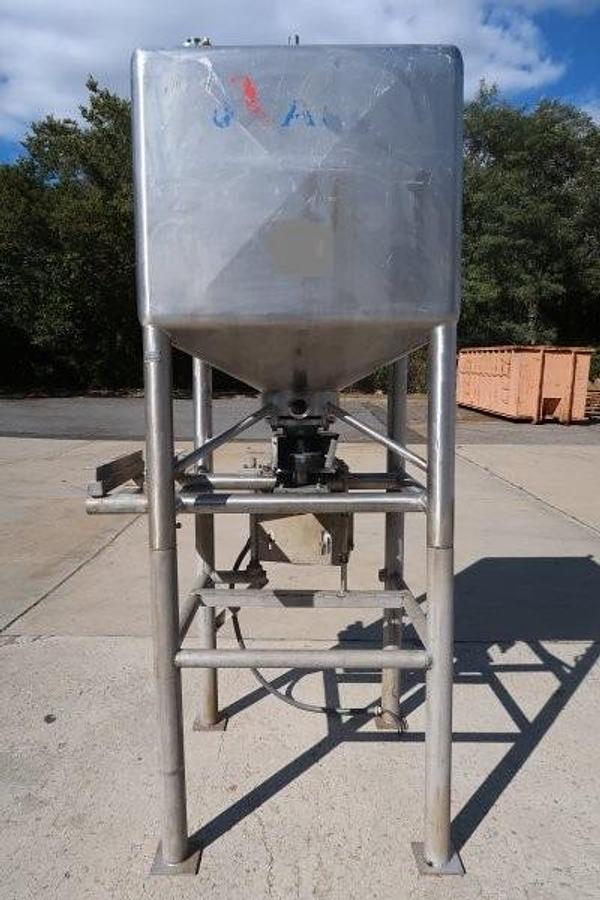
Dairy Equipment Used Dairy Tanks, Shredders and Slicers, Processing Equipment
We are able to provide a variety of dairy equipment specialized for the dairy and ice cream industries and aseptic processing and packaging machines. Our inventory includes tanks, vats, liquifiers, pasteurizers, separators, mills, heat exchangers, homogenizers, centrifuges, WAUKESHA pumps, positive displacement pumps, centrifugal pumps, bottle fillers, table top fillers, mixers, and cheese equipment which all serve important roles in the dairy industry. We stock both single used machines and fully automated lines of equipment including VITALINE and freeze pop equipment.
FAQ :
What types of used dairy equipment are typically available for sale?
The range of used dairy equipment on the market covers nearly every stage of dairy and ice cream production. Common categories include bulk milk cooling tanks, pasteurizers, homogenizers, separators, heat exchangers, centrifuges, liquifiers, mixers, and various pump types such as positive displacement and centrifugal pumps. Processing lines for ice cream and frozen novelties, including stick novelty lines and freeze pop equipment, also appear regularly in used equipment inventories. Bottle fillers, table top fillers, cheese shredders, frozen block chippers, and vacuum blenders round out the broader category.
Beyond individual machines, some dealers carry fully automated processing lines, which can be a practical option for buyers looking to establish or expand a production facility without sourcing every component separately. Brands like APV, Waukesha, Cherry Burrell, Breddo, and Reiser are well-represented in the used dairy equipment market, and finding specific models from these manufacturers is generally more feasible through specialty dealers who focus exclusively on food and dairy processing machinery. Buyers should expect inventory to change frequently, so checking with dealers regularly or signing up for notifications on specific equipment types is a good practice.
How do I verify the condition and functionality of used dairy equipment before purchasing?
Inspecting used dairy equipment thoroughly before committing to a purchase is one of the most important steps a buyer can take. Most reputable used equipment dealers will accommodate in-person inspections at their facility, and many also offer virtual inspections or video walkthroughs for buyers who cannot travel. In some cases, equipment is still installed and running at a production facility, which allows a buyer to observe the machine operating under real conditions. Whether the equipment is actively running or decommissioned, a detailed visual inspection should cover the condition of seals, gaskets, stainless steel surfaces, mechanical components, and any visible wear or corrosion.
One limitation buyers should be aware of is that most used equipment dealers are not licensed food production facilities, so they typically cannot run actual product through a machine to demonstrate full production output. What they can do is demonstrate mechanical function, motor operation, and basic cycling of the equipment. For more complex machines like pasteurizers or homogenizers, buyers may want to bring in an independent equipment technician or a representative familiar with that specific brand to assess the machine's condition more precisely. Asking the dealer for any available service history, prior use details, or refurbishment records adds another layer of confidence before finalizing a purchase.
Are used dairy milking machines sanitary and safe to use after purchase?
Sanitation is a legitimate concern with any used dairy equipment, and the answer depends heavily on the condition of the machine and what steps are taken before it re-enters service. Stainless steel construction is the single most important material feature to verify, since it resists corrosion, tolerates repeated chemical sanitizing cycles, and meets the surface standards required in commercial dairy environments. Equipment made from lower-grade materials or showing pitting, cracks, or surface degradation in contact areas should be evaluated carefully, as those surfaces can harbor bacteria even after cleaning.
Before putting any used milking or processing equipment back into service, buyers should plan for a thorough cleaning and sanitizing process, replacement of worn gaskets and seals, and a mechanical inspection to confirm all systems are functioning within spec. For milking units specifically, vacuum system integrity is critical. Inconsistent vacuum pressure is a well-documented cause of mastitis in dairy herds, so pressure testing and regulator checks should be part of any pre-use inspection. Consulting with the equipment manufacturer about recommended reconditioning steps for the specific model is also advisable, particularly for older machines where service documentation may be harder to find.
Does used dairy equipment come with a warranty?
Warranties on used dairy equipment work differently than what buyers might expect from purchasing a machine directly from a manufacturer. Manufacturer warranties are generally tied to the first sale of the equipment and do not transfer to subsequent buyers. Used equipment dealers typically sell machinery on an as-is basis, which places the responsibility for evaluating condition squarely on the buyer prior to purchase. This is standard practice across the used industrial equipment industry, not specific to any one dealer.
Because there is no warranty safety net, the due diligence process before buying becomes especially important. Selecting a dealer with a long track record in the dairy and food processing equipment space reduces risk considerably, since experienced specialists are more likely to accurately represent a machine's condition and history. Buyers should take full advantage of available inspection options, ask detailed questions about the equipment's prior use and service history, and factor in potential reconditioning costs when evaluating the total investment. Consulting directly with the equipment manufacturer about parts availability and technical support for the specific model and age of machine is also a smart step before finalizing any purchase.
What should I inspect when evaluating a used bulk milk cooling tank?
A bulk milk cooling tank is one of the more significant investments in a dairy operation, so a thorough evaluation before purchase is worth the time. The most critical areas to inspect are the integrity of the stainless steel interior, the condition of the refrigeration system, the agitator function, and the accuracy of the temperature control and monitoring components. Surface pitting or weld repairs inside the tank can indicate past sanitation issues or structural concerns. The refrigeration compressor and condenser should be checked for proper operation, refrigerant levels, and any signs of prior repair work.
Seal and gasket condition on the outlet valve and any access ports is another area that directly affects sanitation performance and should be assessed carefully. Older tanks may use refrigerants that are no longer readily available or compressor components that are difficult to source, so confirming parts availability with the manufacturer before purchase is a practical step. If the tank is still installed at a dairy facility, arranging an inspection while it is in operation gives the clearest picture of how it actually performs. Buyers should also verify that the tank's capacity, cooling rate, and configuration are compatible with their specific herd size and milking schedule before committing to a purchase.
Can I get replacement parts for older used dairy equipment models?
Parts availability for used dairy equipment varies significantly depending on the manufacturer, the age of the machine, and how widely that model was distributed. For well-established brands like Waukesha, Cherry Burrell, APV, and similar manufacturers with long histories in the dairy industry, parts support often extends many years beyond initial production, though availability can thin out for machines that are 15 to 20 years old or more. Contacting the manufacturer directly before purchasing a used machine is one of the most reliable ways to gauge what level of parts and technical support to expect.
For some older or discontinued models, aftermarket parts suppliers and specialized rebuild shops fill the gap where manufacturer support has ended. Dealers who specialize in dairy and food processing equipment often have useful knowledge about which models have strong aftermarket support and which do not, and that insight can be valuable when deciding between two machines at similar price points. Wear items like gaskets, seals, pump impellers, and agitator components are generally easier to source than proprietary electronic controls or custom-fabricated structural parts. Factoring in parts availability as part of the total cost of ownership is a sound approach, particularly for processing-critical equipment like pasteurizers, homogenizers, and centrifuges.
How is used dairy equipment typically shipped, and what costs should I expect?
Shipping used dairy equipment involves more logistical planning than standard freight, and the costs can vary considerably based on the size, weight, and fragility of the machine. Smaller items like portable mixers, table top fillers, or individual pumps can often be palletized and shipped via standard freight carriers. Larger machines such as bulk tanks, pasteurizers, or automated processing lines typically require heavier-duty rigging for loading and unloading, which adds to the overall cost. Proper crating or custom packaging is often necessary to protect equipment during transit, and the level of packaging required directly affects shipping charges.
Buyers should request a detailed breakdown of all shipping-related costs from the dealer before finalizing a purchase. This includes packaging and crating fees, rigging charges at the origin and destination, freight carrier costs, and any special handling requirements. Understanding the full landed cost of the equipment, not just the purchase price, is essential for accurate budgeting. For very large or complex installations, working with a freight broker experienced in industrial machinery can help identify the most cost-effective and safest shipping method. Buyers are also responsible for having appropriate unloading equipment available at the destination, so planning that logistics in advance avoids delays and added expense on delivery day.
What payment terms do used dairy equipment dealers typically offer?
Payment practices in the used industrial equipment market are fairly consistent across reputable dealers. Full payment prior to shipment is the standard expectation for most transactions, particularly for first-time buyers. This protects the dealer against non-payment after equipment has been prepared and staged for shipping, and it is an accepted norm in the industry rather than a red flag. Buyers should factor this into their purchasing timeline, especially if financing or internal approval processes are involved.
Some dealers extend payment terms to established customers with a history of prior transactions, but this is handled on a case-by-case basis and is not a standard offering for buyers without an existing relationship. For larger purchases, buyers may want to discuss payment structure directly with the dealer early in the process to understand what options are available. Wire transfer is the most common payment method for used equipment transactions of significant value. Buyers should also confirm with the dealer exactly when title transfers and what documentation they will receive upon payment, particularly for equipment that may need to be registered or documented for compliance purposes within a regulated dairy operation.
How do I know if used dairy processing equipment is compatible with my existing facility setup?
Compatibility covers several dimensions when integrating used dairy equipment into an existing operation. Electrical requirements are one of the first things to verify, since commercial dairy equipment often runs on three-phase power at specific voltage and amperage ratings that may differ from what is available at a given facility. Mechanical connections, inlet and outlet pipe sizing, and any sanitary fitting standards (such as tri-clamp or IDF fittings) need to match or be adaptable to existing lines. For equipment with jacketed vessels or heat exchangers, confirming that steam, hot water, or chilled water supply capacity is adequate is equally important.
Physical dimensions and floor space requirements are sometimes overlooked until delivery day, so measuring doorways, ceiling heights, and available floor area before purchasing is a practical step. For automated lines or multi-component systems, understanding how each piece interfaces with the others, and whether any custom fabrication or controls integration will be needed, helps avoid surprises during installation. Dealers who specialize in dairy equipment can often provide dimensional drawings and specification sheets for specific machines, and for complex installations, consulting with a process engineer or equipment installer familiar with dairy facility layouts before purchasing is a worthwhile investment.
What are the advantages of buying used dairy equipment compared to purchasing new machinery?
Cost is the most straightforward advantage. Used dairy processing equipment typically sells at a significant discount compared to current manufacturer pricing for equivalent new machines, and for well-built stainless steel equipment from established manufacturers, the functional lifespan remaining can still be substantial. For start-up operations, smaller dairies, or facilities expanding capacity on a limited budget, used equipment can make projects financially viable that would otherwise not be. Availability is another factor. Certain configurations, sizes, or models that are no longer produced may only be accessible through the used equipment market, making it the only practical source for specific processing requirements.
Lead time is also worth considering. Ordering processing equipment from a manufacturer can involve production queues and extended delivery timelines. Used equipment that is already in inventory can often be inspected, purchased, and shipped within a much shorter window, which matters when a facility is trying to meet a production deadline or replace a failed machine quickly. The trade-off is that used equipment requires more careful evaluation upfront, since condition varies from machine to machine and there is no manufacturer warranty. Buyers who invest time in thorough inspections and work with knowledgeable, specialized dealers are generally well-positioned to get strong value from the used equipment market.