Category
Subcategory
Manufacturer
Model
Conveyors
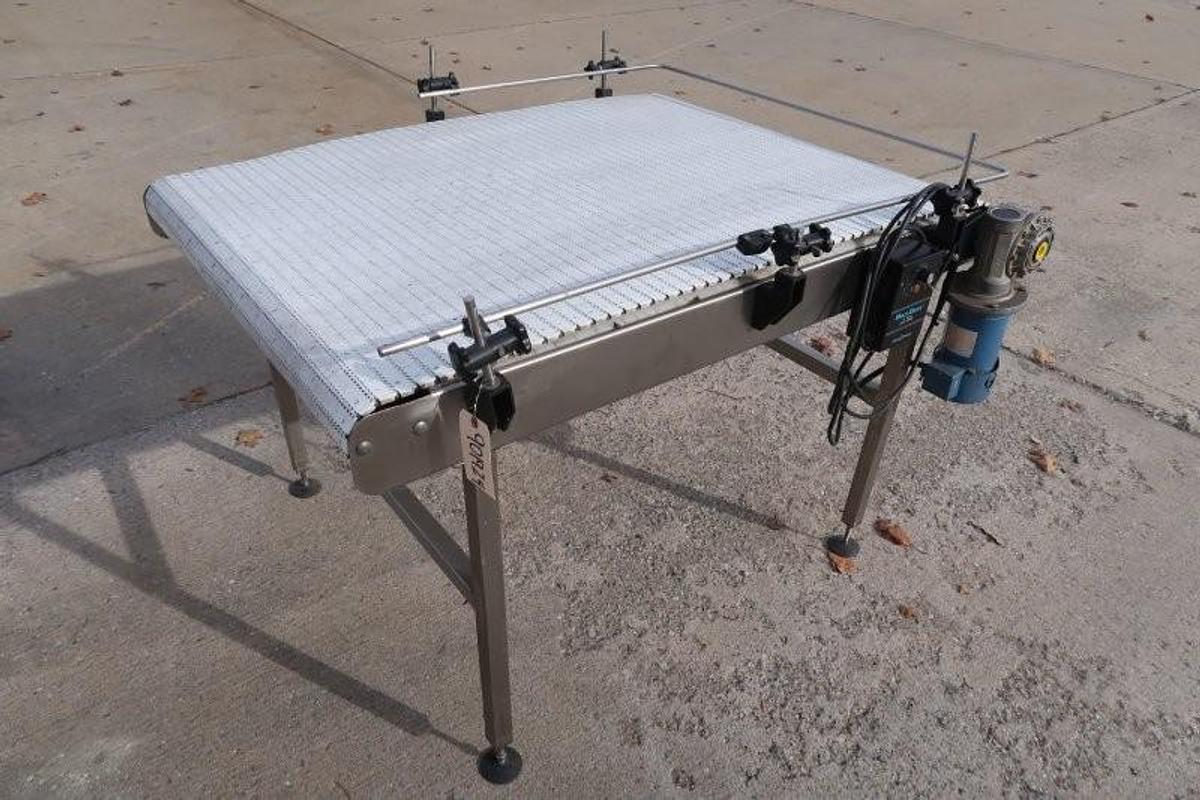
Bottle Conveyors, Inclined, & Belt Conveyors
We offer both individual used belt conveyors, entire used conveyor systems, and inclined cleated belt conveyors. Stainless steel conveyors are also available as well as bottle conveyors, tabletop chain conveyors, and assembly conveyors. We stock a variety of lengths and shapes including “s”, “u” and “j” shaped conveyors.
FAQ :
What types of used conveyors are available for sale?
The used conveyor market covers a wide range of equipment types, and the right choice depends heavily on your application. Belt conveyors are among the most common, used for moving products horizontally or at a slight incline across packaging, food processing, and assembly lines. Inclined cleated belt conveyors handle steeper elevation changes and are frequently used to feed or elevate products between production stages. Tabletop chain conveyors, bottle conveyors, and stainless steel conveyors are staples in food, beverage, and pharmaceutical environments where sanitation is critical. Screw conveyors and flexible screw feeders handle bulk powders and granules, while roller and accumulation tables manage product buffering and staging.
Beyond individual units, buyers can often find entire used conveyor systems, including multi-section configurations, dual-lane conveyors, loop conveyors, and specialty shapes like S-shaped, U-shaped, J-shaped, and L-shaped units. Variable speed and varispeed motors are common on used conveyors, giving operators control over line throughput. Stainless steel construction is widely available for sanitary applications, and portable units exist for facilities that need flexibility in layout. Brands like Hytrol, Span Tech, Garvey, Shuttleworth, and Multi-Conveyor appear regularly in used equipment inventories, spanning a broad range of widths, lengths, and load capacities.
What should I inspect before buying a used conveyor?
Buying a used conveyor requires a methodical inspection process because these machines are sold as-is, placing the responsibility of evaluation squarely on the buyer. Start with the belt or chain itself: look for fraying, cracking, uneven wear, or stretched sections that would require immediate replacement. Check the drive motor and gearbox for signs of overheating, oil leaks, or unusual noise during operation. Examine the frame for corrosion, weld cracks, or physical damage, particularly on stainless steel units where pitting can compromise sanitary integrity. Bearings, rollers, and idlers should spin freely without grinding, and any variable speed drives or controls should be tested across their full range.
Beyond mechanical condition, request as much documentation as possible: photos, video of the conveyor running under load, maintenance records, and the age of the unit. Some conveyors may still be in active production at a facility, which allows for an in-person or video inspection arranged through the dealer. Keep in mind that most used equipment dealers do not have the permitting or production infrastructure to run actual product through a conveyor during a demo, so video captures of the machine in motion are the next best option. Consulting the original manufacturer about parts availability and service support for the specific model and age is also a smart step, since older or discontinued models may have limited spare parts in circulation.
Are used conveyors covered by a warranty?
Warranties on used conveyors are not standard practice in the secondary equipment market. Manufacturer warranties are tied to the original sale and do not transfer to subsequent buyers. Used equipment dealers almost universally sell machinery on an as-is basis, which means the condition of the conveyor at the time of sale is what the buyer receives, with no formal guarantee of future performance. This makes the inspection process critical before any purchase commitment is made.
To protect themselves, buyers should focus on selecting dealers with a long, verifiable track record in the used machinery space, particularly those who specialize in the relevant industry such as packaging, food processing, or manufacturing. A reputable dealer will readily accommodate in-person or video inspections and be transparent about a machine's history and current condition. Buyers should also contact the conveyor manufacturer directly to understand what technical support, replacement parts, and service documentation are available for the specific model being considered, since parts availability can vary significantly depending on the age and production status of that model.
What industries most commonly buy used conveyors?
Used conveyors are purchased across a remarkably broad range of industries, which is part of what makes the secondary market for them so active. Food and beverage processing facilities are among the heaviest buyers, frequently sourcing stainless steel belt conveyors, bottle conveyors, and inclined cleated units for moving products between filling, capping, labeling, and packaging stations. Pharmaceutical and nutraceutical manufacturers have similar sanitation requirements and often seek the same stainless configurations. Packaging and contract manufacturing operations rely on conveyors to connect different pieces of line equipment, and the variety of shapes available (S, U, J, L) makes used equipment a practical solution for fitting conveyors into existing floor plans.
Warehousing, e-commerce fulfillment, and distribution centers use belt and roller conveyors extensively for order picking and sortation. Automotive manufacturing plants use overhead and assembly conveyors for moving components through production. Mining and aggregate operations rely on heavy-duty inclined belt conveyors for bulk material handling. In virtually any industry where products or materials move repeatedly between fixed points, conveyors are a core piece of infrastructure, and the cost savings of buying used versus purchasing new equipment can be substantial enough to justify sourcing from the secondary market.
How do I determine the right conveyor length, width, and speed for my application?
Sizing a conveyor correctly starts with understanding the physical characteristics of the product being moved. Belt width should be at least wide enough to support the widest product or container, with additional margin to prevent tipping or spillage. Common widths in the used market range from narrow 3-inch bottle conveyors up to 12-inch or wider general-purpose belt conveyors. Length is determined by the distance between the upstream and downstream process points, and buyers should account for any incline angle if elevation change is involved. Inclined cleated belt conveyors, for example, are specifically designed to handle steep angles that a flat belt conveyor cannot manage without product slipping back.
Speed, typically measured in feet per minute (FPM), needs to match the throughput rate of the surrounding equipment. A conveyor running too slowly creates bottlenecks; one running too fast can cause product jams or damage. Variable speed drives are a significant advantage here, and many used conveyors come equipped with varispeed motors that allow operators to dial in the right pace for their line. Load capacity is another critical spec: the combined weight of the belt, product, and any accumulation on the conveyor must fall within the rated capacity of the frame and drive system. When in doubt, consulting with the equipment dealer or the conveyor manufacturer about the specific unit's rated specs is the most reliable way to confirm fit before purchase.
Can used conveyors be modified or customized to fit an existing facility?
Used conveyors can often be adapted to fit specific facility requirements, though the extent of modification depends on the conveyor's construction and the nature of the changes needed. Common modifications include adjusting conveyor height via leg extensions or reductions, adding side rails or guides to accommodate different product sizes, changing out belt material for a different surface texture or food-grade compound, and swapping motors or drives to alter speed range. Stainless steel conveyors are particularly well-suited to modification because the material is easy to weld and fabricate. Specialty shapes like U, S, and J configurations are already designed to navigate around obstacles, and in some cases, sections of a conveyor system can be reconfigured or combined with other used units to create a custom layout.
That said, buyers should approach modifications with realistic expectations about cost and complexity. Significant structural changes may require the involvement of a mechanical engineer or a conveyor fabrication shop, and any electrical modifications to drives or controls should be handled by a qualified technician. It is worth discussing planned modifications with the selling dealer before purchase, since they may have insight into whether a particular unit's frame and drive are well-suited to the intended changes. Checking with the conveyor manufacturer about approved modifications and any impact on the machine's rated capacity is also a prudent step.
What is the typical lead time for purchasing and receiving a used conveyor?
Lead times for used conveyors vary considerably depending on the specific machine, its location, and the logistics involved in getting it to the buyer's facility. Unlike ordering equipment through a manufacturer's production queue, used conveyors are available immediately since they already exist as physical machines. Once a purchase is finalized and payment is received, the primary variable is shipping and freight logistics. Smaller conveyors that can be palletized and shipped via standard freight carriers can often be delivered within a week or two. Larger systems or heavy-duty units requiring specialized rigging and flatbed transport may take longer to arrange.
The condition of the conveyor at the time of sale also plays a role. Some units are decommissioned and ready to ship; others may still be in active production at a plant and need to be scheduled for removal and preparation before shipping can begin. Buyers should ask the dealer specifically about the machine's current status and what steps are involved in preparing it for shipment. Crating or custom packaging for fragile components can add a few days to the process but is often necessary to prevent transit damage. Getting a clear picture of all the steps between purchase and delivery, including rigging, packaging, freight, and unloading at the destination, helps buyers plan their production schedules around the actual arrival date.
How are used conveyors typically shipped, and what are the freight costs?
Shipping a used conveyor involves more logistical planning than most standard freight shipments, and costs can vary widely based on the size, weight, and fragility of the equipment. Smaller conveyors are typically palletized and shipped via LTL (less-than-truckload) freight carriers, while larger conveyor systems or heavy units may require a full flatbed truck or specialized heavy-haul transport. The level of packaging required significantly affects cost: basic palletization is the least expensive option, while custom wooden crating provides more protection for delicate components and is often necessary for equipment with exposed belts, drives, or electrical controls.
For large or heavy conveyors, rigging costs at both the origin and destination can be a meaningful part of the total landed price. Loading a heavy conveyor onto a flatbed at the seller's facility may require a forklift or crane, and the buyer's facility needs adequate unloading equipment as well. Buyers should request a complete breakdown of packaging, rigging, and freight costs from the dealer before finalizing a purchase so there are no surprises in the total landed cost of the equipment. Payment for used conveyor purchases is typically required in full before the machine ships, so having all cost components confirmed in advance is important for accurate budgeting.
What is the difference between a belt conveyor and a tabletop chain conveyor?
Belt conveyors use a continuous loop of flexible belting material, typically rubber, PVC, or urethane, stretched over a flat bed or roller supports to move products from one point to another. They are versatile, cost-effective, and well-suited for a wide range of products including boxes, bags, pouches, and bulk materials. Belt conveyors can run horizontally or at inclines, and cleated belt versions handle steep elevation changes by preventing products from sliding back. The belt surface can be smooth, textured, or grooved depending on the grip and release characteristics needed for the application.
Tabletop chain conveyors use interlocking plastic or stainless steel chain links as the carrying surface instead of a belt. This design is particularly common in bottling, canning, and beverage lines because the rigid chain surface provides stable, flat support for round containers that might tip on a flexible belt. Tabletop conveyors also handle curves and turns more easily than flat belt conveyors, making them a practical choice for routing products around corners in tight facility layouts. The chain links are individually replaceable, which can simplify maintenance compared to replacing an entire belt. Both types are widely available in the used equipment market, and the choice between them typically comes down to the shape and stability of the product being conveyed and the layout of the production line.
How do I evaluate a used conveyor dealer before making a purchase?
Choosing the right dealer matters considerably in the used conveyor market because the as-is nature of the sale means the buyer is relying heavily on the dealer's representation of the equipment's condition. Start by looking at how long the dealer has been in business and whether they specialize in the type of equipment relevant to your industry. A dealer with deep experience in packaging or food processing equipment will have more meaningful insight into the condition and suitability of a stainless steel bottle conveyor than a general surplus equipment reseller. Look for dealers who maintain a detailed, well-documented inventory with accurate specifications, clear photos, and honest descriptions of each machine's condition.
Inspection access is another strong indicator of a dealer's credibility. Reputable dealers will accommodate in-person visits, live video walkthroughs, or detailed video captures of the equipment in operation. A dealer who is reluctant to provide inspection access or who cannot answer basic questions about a machine's history and current condition is a red flag. Checking references, reading reviews, and verifying that the dealer has a physical location and a track record of completed transactions in your equipment category are all reasonable due diligence steps. The used equipment market rewards buyers who take the time to vet their source carefully, since the absence of a manufacturer's warranty makes the dealer's reputation the primary safety net in the transaction.