Category
Subcategory
Manufacturer
Model
Production & Processing Plants
Complete Used Manufacturing Lines
We can provide complete manufacturing lines for production in the many industries that we serve. Wohl Associates Inc. can supply used production lines for pharmaceutical production, cosmetic manufacturing, and food processing among other industries. Whether you wish to manufacture potato chips, coated popcorn, shampoo, or any other production line goods, we are able to provide for sale individual-machine plants and multi-machine production equipment lines depending on the sort of production required.
FAQ :
What is a production plant?
A production plant is a facility or collection of machinery and equipment configured to manufacture a specific product or range of products at scale. This can include everything from food and beverage manufacturing lines to pharmaceutical production systems, cosmetic manufacturing equipment, and chemical processing setups. The term covers both the physical space and the integrated machinery that transforms raw materials into finished goods through a series of controlled steps.
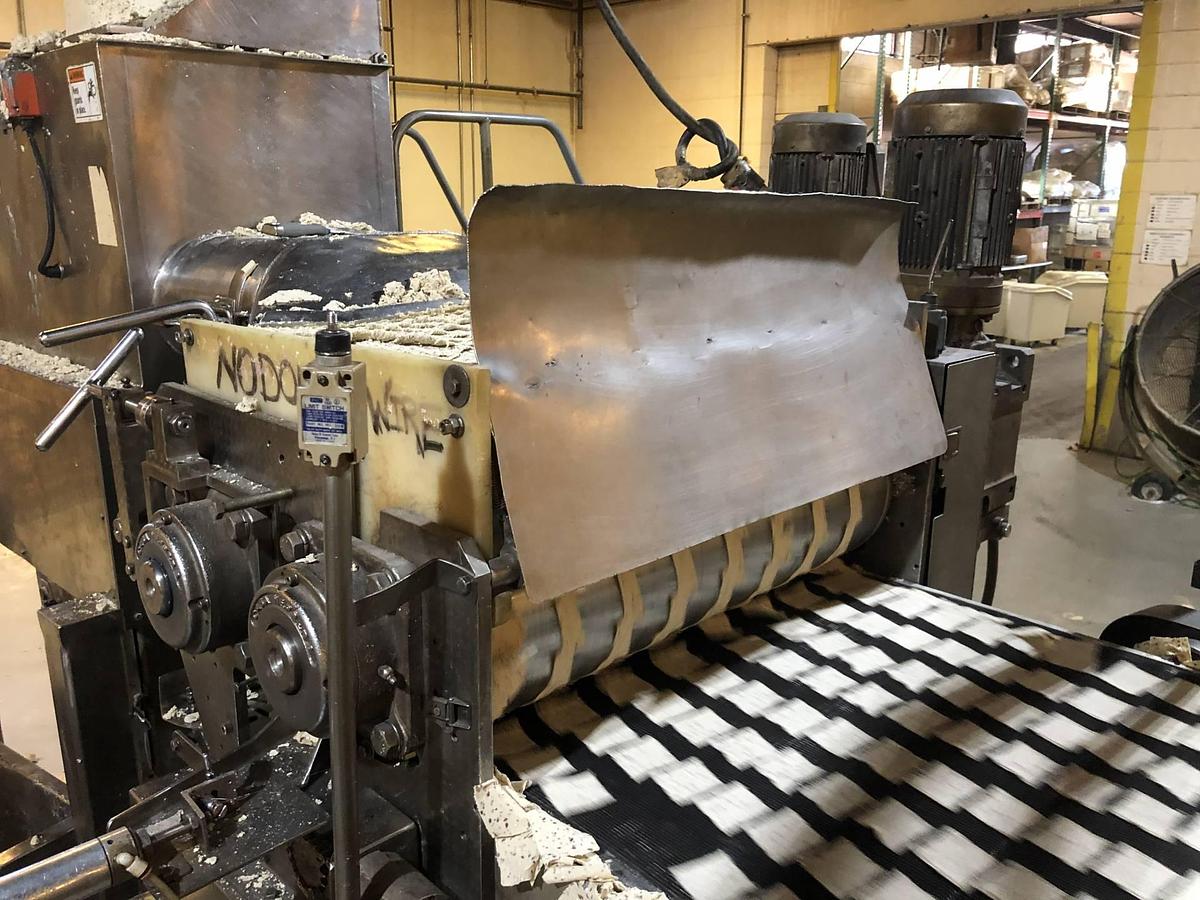
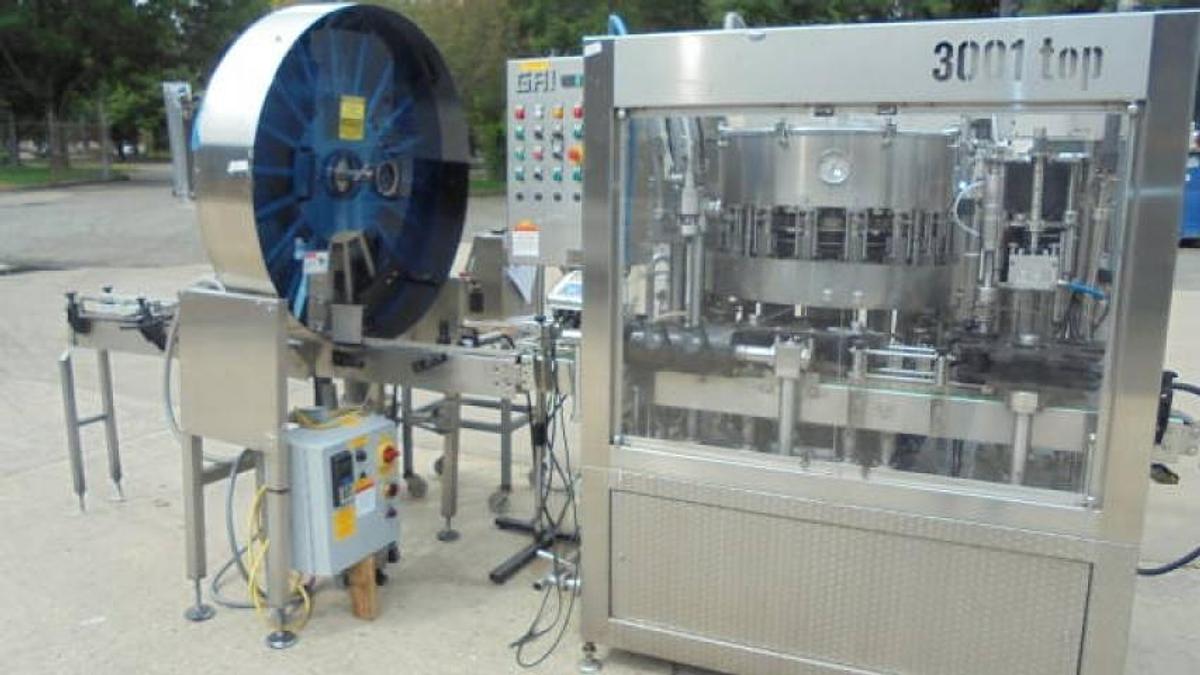
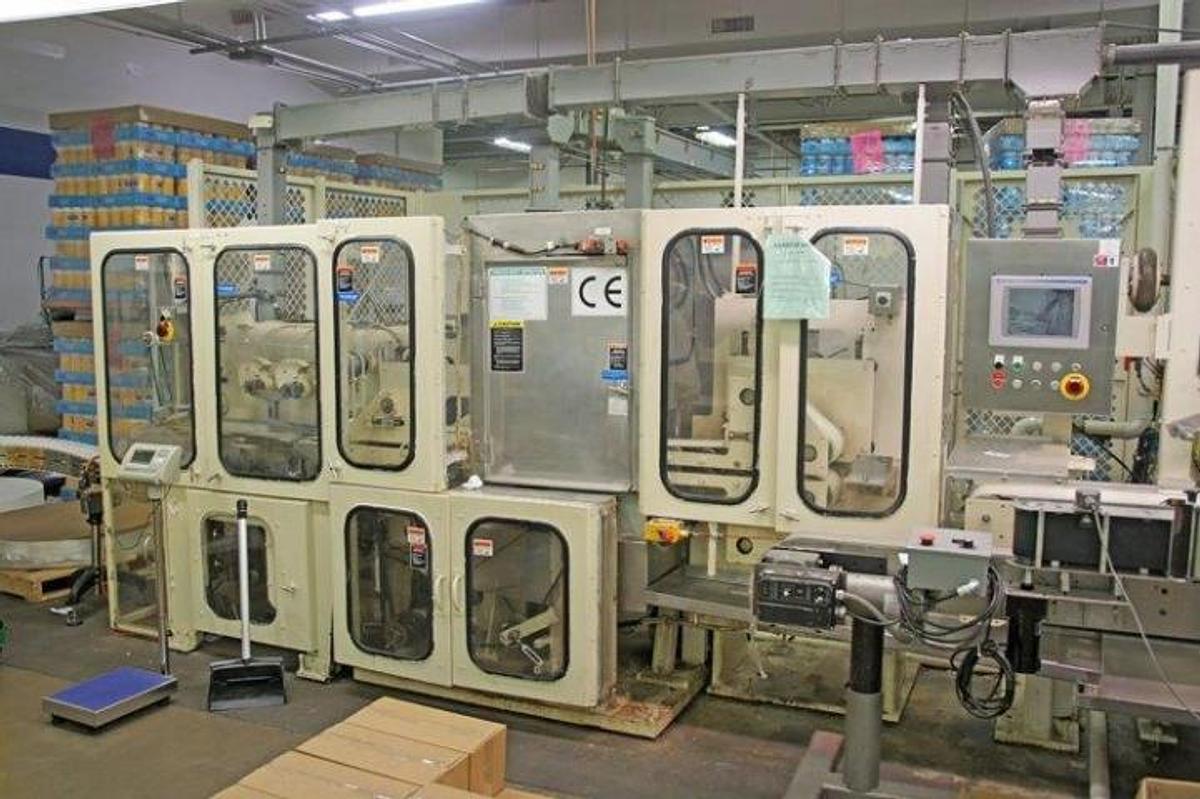
In the context of used equipment, a production plant often refers to a complete or partial manufacturing line that has been decommissioned from one facility and is being made available for purchase by another operation. These lines can range from a single-machine setup handling one stage of production to multi-machine configurations that take a product from raw input all the way through packaging. Examples include tortilla chip lines, wine bottling systems, wet wipe production lines, and aseptic juice and milk processing plants.
What is a processing plant?
A processing plant is a system of equipment designed to transform a raw material into a usable or consumable product through mechanical, thermal, chemical, or biological processes. Processing plants are common across a wide range of industries including food and beverage, pharmaceuticals, cosmetics, mining, oil and gas, and chemical manufacturing. The specific equipment involved depends entirely on the end product, but the core idea is that raw inputs enter the system and finished or semi-finished goods come out the other end.
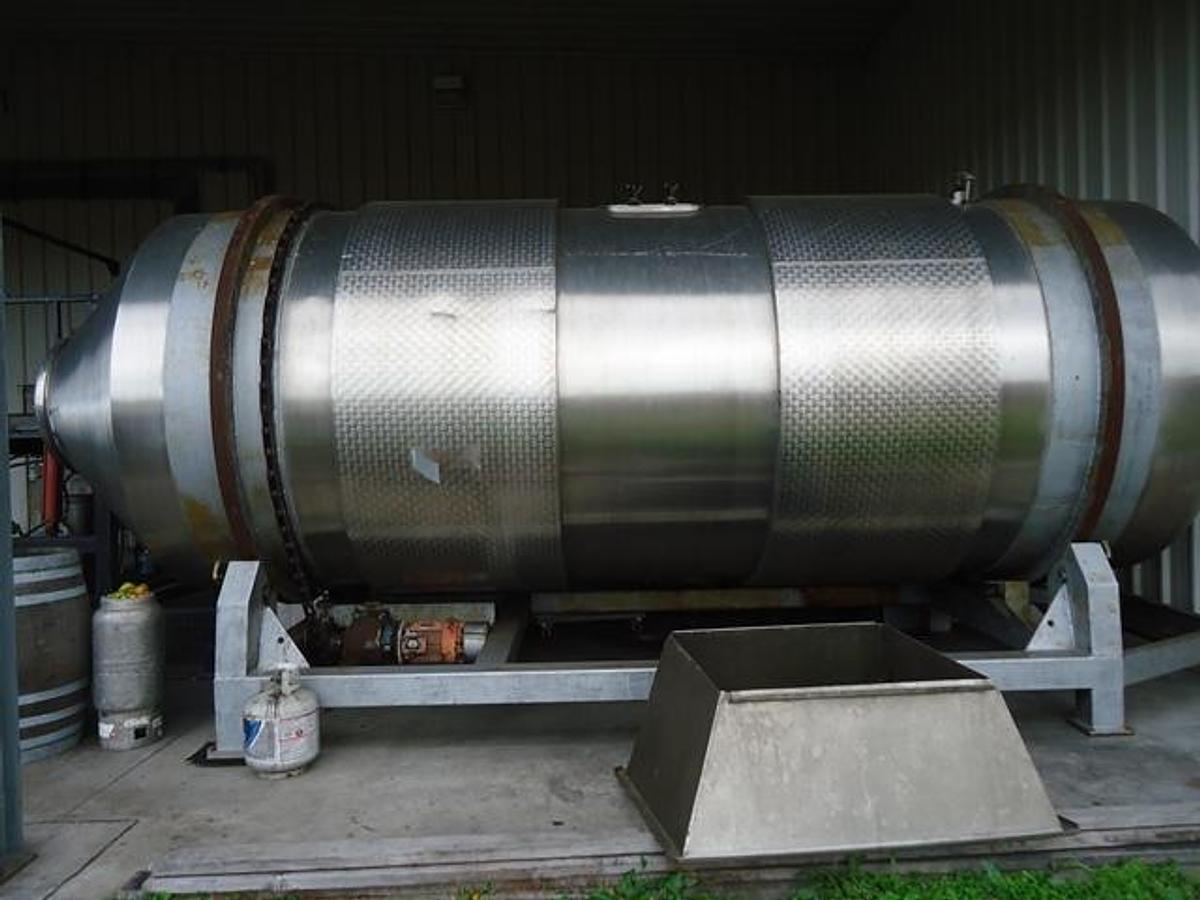
Used processing plants are frequently purchased by companies looking to scale up production without the capital expense of sourcing all-new equipment. A used aseptic juice and milk processing plant, for example, includes the pasteurization, filling, and sealing systems needed to produce shelf-stable liquid products. Because these plants are pre-configured for specific processes, buyers can often get a functional production system up and running faster than building one from scratch, provided the equipment has been properly maintained and inspected before purchase.
How does a processing plant work?
A processing plant works by moving a raw material through a series of sequential steps, each handled by a dedicated piece of equipment or a group of machines working together. In a food processing plant, for instance, raw ingredients might be cleaned, cooked, seasoned, formed, and packaged in a continuous flow. Each stage is designed to meet specific output requirements, and the machines are typically sized and configured to keep pace with one another so that the line runs without bottlenecks.
The specific mechanics vary widely by industry. A tortilla chip manufacturing line uses gas-fired cooking systems, conveyors, and seasoning applicators before the product reaches a packaging station. A wine bottling line integrates filling, corking, labeling, and case-packing equipment. In pharmaceutical or cosmetic manufacturing, mixing, filling, and sealing operations are tightly controlled to meet regulatory standards. When purchasing a used processing plant, buyers should understand the full sequence of operations the line performs and confirm that all major components are present and functional before committing to a purchase.
What types of used production and processing plants are available for purchase?
Used production and processing plants are available across a broad range of industries. Food and beverage is one of the most active categories, with lines available for snack foods like tortilla chips and coated popcorn, bottling systems for wine and juice, soft tortilla manufacturing, and aseptic processing for milk and juice products. Beyond food, buyers can find used lines for cosmetic manufacturing, pharmaceutical production, wet wipe production, and various chemical processing applications. Both single-machine plants and complete multi-machine production lines are available depending on what a buyer needs.
The availability of specific lines at any given time depends on what has recently been decommissioned from active facilities. Buyers looking for a particular type of line, such as a high-capacity snack food system or a GMP-compliant pharmaceutical line, should work with dealers who specialize in their industry and maintain a regularly updated inventory. Capacity specifications vary significantly from one unit to the next. For example, a tortilla chip line might be rated at 1,500 lbs. capacity, while a wet wipe production line might be configured for 4,250 wipes per minute. Understanding the production rate requirements of your operation before shopping is essential to finding the right match.
How do I verify the condition and operational history of a used processing plant?
Verifying the condition of a used processing plant starts with requesting all available documentation, including maintenance logs, service records, and any repair history. Gaps in documentation are a red flag, as they can indicate periods of deferred maintenance or unresolved mechanical issues. Buyers should also ask about the circumstances under which the equipment was taken out of service, whether it was decommissioned due to a facility closure, a product line change, or equipment failure, since each scenario carries different implications for the machine's condition.
Beyond paperwork, physical inspection is the most reliable way to assess a used plant. Reputable dealers typically offer in-person inspections, video walkthroughs, or video captures of the equipment so buyers can evaluate its current state. Some equipment may still be installed and operating at the original facility, making a live inspection possible. Keep in mind that most dealers do not have the permitting or setup required to run full production tests, so buyers may not be able to test the line with actual product. Consulting with the equipment manufacturer about the specific model and age can also help buyers understand what level of support, replacement parts, and technical assistance they can realistically expect after purchase.
What certifications or compliance standards should a used production plant meet?
The compliance requirements for a used production plant depend heavily on the industry and the region where the equipment will be operated. Food processing equipment may need to meet FDA standards or be constructed to sanitary design principles such as those outlined by 3-A Sanitary Standards. Pharmaceutical manufacturing lines are often subject to cGMP (current Good Manufacturing Practice) requirements. In Europe, CE marking is a common requirement for machinery, while ATEX certification matters for equipment used in explosive or hazardous environments. OSHA standards apply broadly to workplace safety in the United States regardless of industry.
Buyers should confirm which standards apply to their specific operation before purchasing used equipment, and then verify whether the plant in question was originally built to those standards. Age and country of manufacture can affect this significantly. A processing plant manufactured in 1992, for example, may predate certain regulatory requirements that are now standard, and retrofitting may be necessary to bring it into compliance. Working with a dealer who specializes in your industry and understands the relevant regulatory landscape is valuable here. In some cases, buyers also engage third-party inspection firms or industry consultants to assess compliance before finalizing a purchase.
Are spare parts and components still available for older production plant models?
Parts availability for older production and processing plants varies considerably depending on the manufacturer, the age of the equipment, and how widely the model was distributed. Some manufacturers continue to support older models for many years, while others discontinue parts production after a certain period. Consulting directly with the equipment manufacturer is one of the best ways to gauge what level of support you can expect for a specific machine. They can typically tell you whether replacement parts are still stocked, whether the model is still supported by their technical team, and whether documentation such as manuals and schematics is available.
For equipment where manufacturer support has been reduced or discontinued, buyers often turn to third-party parts suppliers, used parts dealers, or machine shops capable of fabricating components. Some buyers also purchase additional units of the same model as parts machines. Before finalizing a purchase, it is worth identifying the most wear-prone components on the line, such as seals, bearings, heating elements, or filling heads, and confirming that sourcing options exist. A thorough pre-purchase inspection can help identify any components that are already near end-of-life so that parts sourcing can be addressed before the machine goes into production.
Is a site inspection or factory acceptance test possible before purchasing a used processing plant?
Site inspections are a standard part of the used equipment buying process and most reputable dealers will accommodate them. Depending on where the equipment is located, inspections can be conducted in person, via live video call, or through detailed video recordings of the machinery. When equipment is still installed at the original facility where it was used, it may be possible to arrange a visit directly to that plant, where the buyer can see the equipment in its full context, including how it was integrated into the production environment.
Factory acceptance testing, in the traditional sense of running a full production trial, is generally not feasible with used equipment dealers. Dealers typically do not hold the permits or have the facility configuration needed to run actual production with food, pharmaceutical, or chemical products. What buyers can do is request a powered-on demonstration of individual machines where safe and practical, review any available video footage of the equipment running in its previous production environment, and commission a third-party mechanical inspection. Taking the time to arrange a thorough inspection before purchase is one of the most important steps a buyer can take, since used equipment is typically sold as-is and the responsibility for assessing condition falls on the buyer.
What should buyers know about shipping and delivery of a used processing plant?
Shipping a used processing plant involves considerably more planning than standard freight. Individual machines and complete lines need to be properly disassembled, inventoried, and packaged to prevent damage in transit. Depending on the size and fragility of the equipment, this may mean palletizing smaller components or building custom crates for larger or more sensitive machinery. The cost of packaging is typically separate from the equipment price and will vary based on the level of protection required. Buyers should ask dealers for a clear breakdown of packaging, rigging, and freight costs so they have an accurate picture of the total landed cost before committing.
Larger processing plants often require heavy-duty rigging for loading and unloading, which adds to the overall cost and requires coordination with specialized rigging contractors. International shipments introduce additional complexity around customs documentation, import duties, and compliance with destination country regulations. Lead times for delivery depend on how quickly the equipment can be disassembled and packaged, the shipping method selected, and the distance involved. Buyers planning a facility installation should factor in delivery timelines, as well as any time needed for reassembly and commissioning on-site, when building out their project schedule.
What are the typical payment terms for purchasing used production and processing plants?
Most used equipment dealers require full payment prior to shipping. This is standard practice across the industry and reflects the nature of the transaction, since the equipment is typically sold as-is and the dealer needs payment confirmed before releasing machinery for packaging and freight. For buyers making a first-time purchase from a dealer, full payment upfront is almost always the expectation. Some dealers may offer payment terms to established repeat customers with whom they have a prior business relationship, but this is the exception rather than the rule.
Buyers should clarify payment terms, accepted payment methods, and any applicable deposits or holding fees before proceeding. In some cases, a deposit may be required to take a piece of equipment off the market while the buyer arranges financing or completes due diligence. Because the sums involved in purchasing a complete processing plant can be substantial, buyers are well-advised to work with dealers who have a long track record in the industry, as this provides a reasonable basis for trust in the transaction. Verifying a dealer's history, reputation, and industry specialization before sending payment is a basic but important step in protecting a significant capital investment.