Category
Manufacturer
Model
Used Coffee & Tea Equipment for Sale
Pre-Owned Coffee Roasters, Grinders, Tea Baggers, and Packaging Machines In Stock
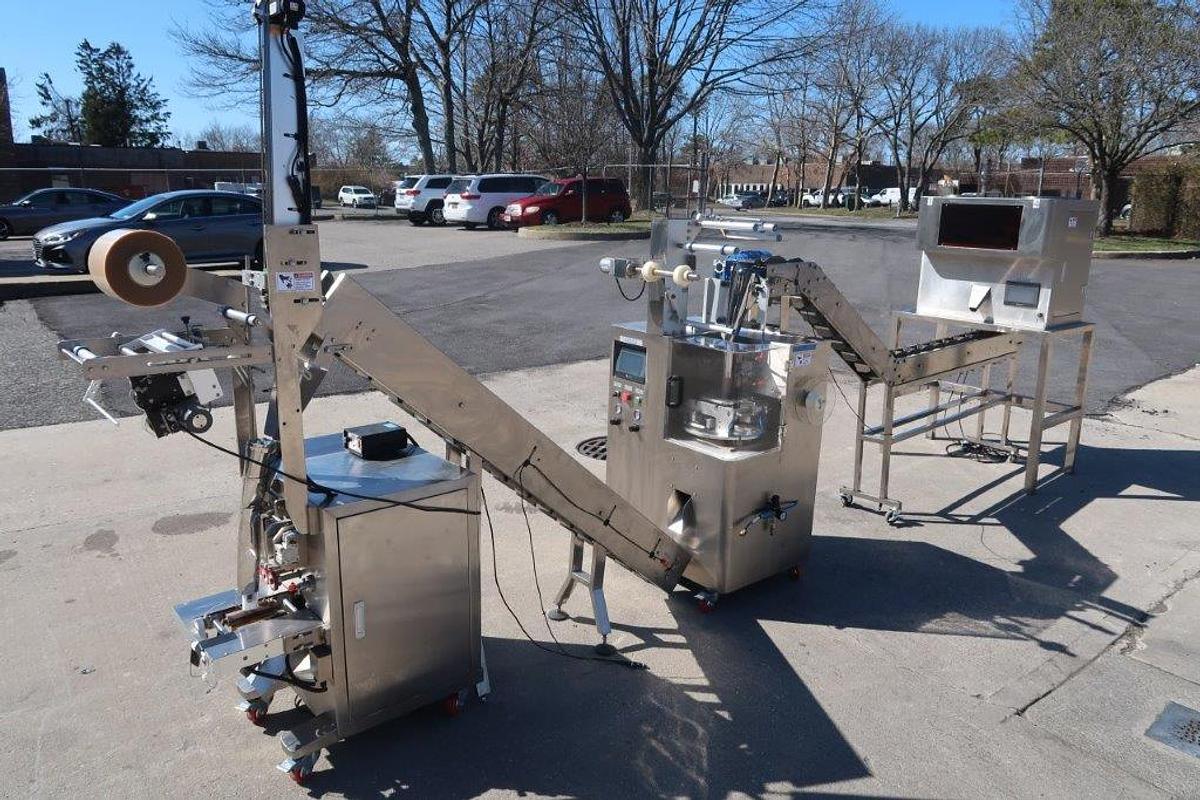
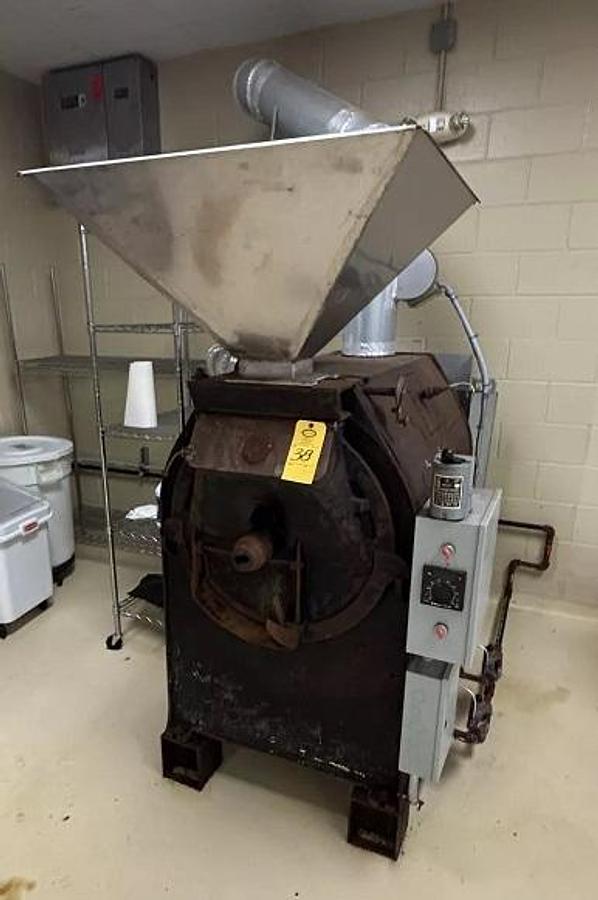
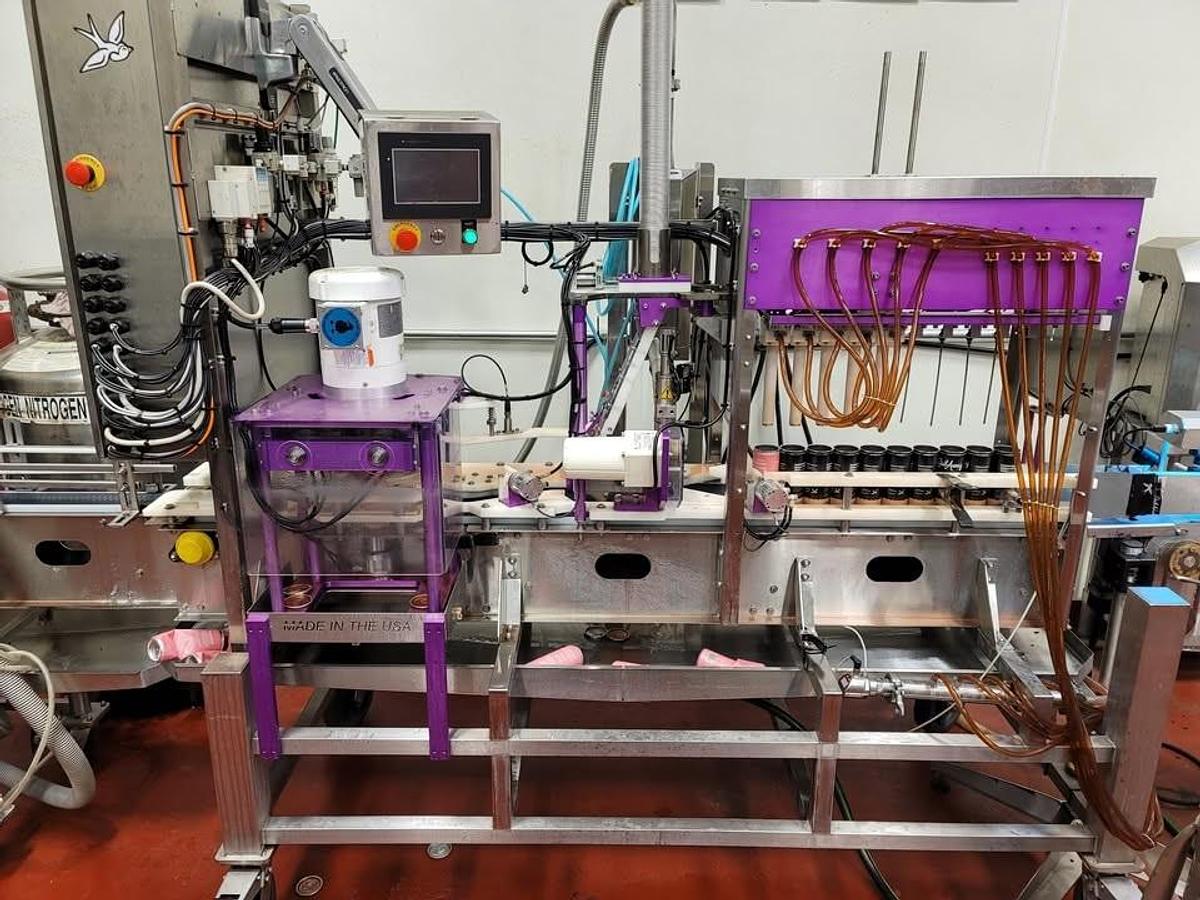
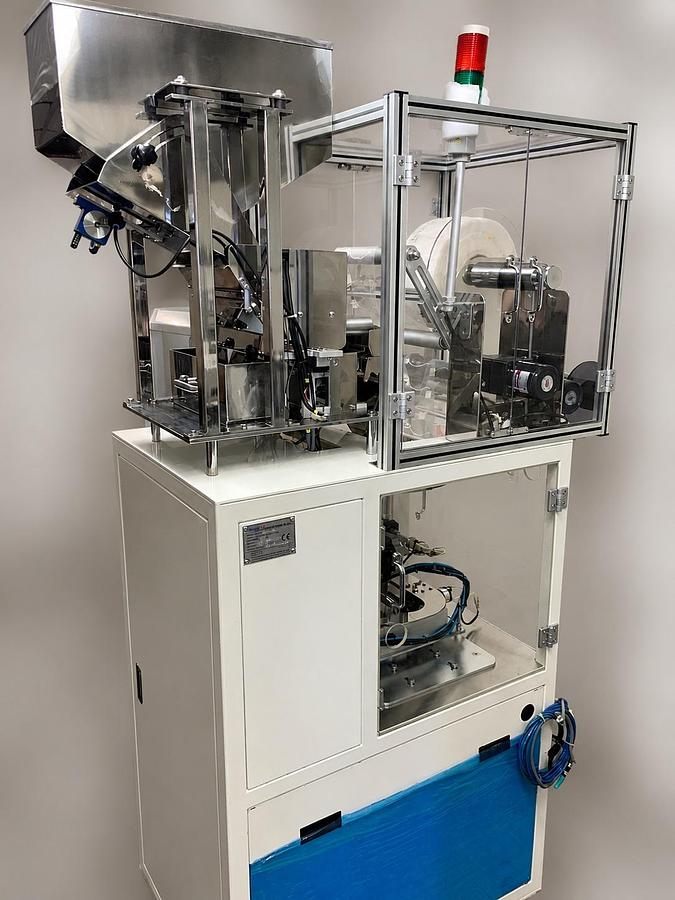
Wohl Industries stocks used coffee and tea equipment for roasters, beverage producers, and private-label packagers. You get pre-owned coffee roasters, grinders, blenders, extractors, tea bag machines, and pouch packaging lines from proven brands. Roasters roast green beans to order. Grinders size coffee for drip, espresso, and pods. Baggers fill and seal tea bags at speed. Fillers portion ground coffee into cans, capsules, and stand-up pouches. Buying used cuts your capital cost and lead time. We inspect every machine before we ship. We have sold processing and packaging equipment since 1968. Send us your throughput and container format, and we match you to the right machine.
FAQ :
Is it okay to buy a second-hand commercial coffee or tea machine?
Buying used commercial coffee and tea equipment is a well-established practice in the food and beverage industry, and it makes strong financial sense for many buyers. Commercial-grade machines from reputable manufacturers are built to handle high-volume production for years, sometimes decades. A well-maintained used roaster, grinder, or tea bagger can deliver the same output as a comparable machine purchased through a dealer, often at a fraction of the cost. The key is doing your homework before committing to a purchase.
The most important step is working with a used equipment dealer who specializes in coffee and tea machinery specifically, rather than a general industrial surplus seller. Specialists understand the mechanical nuances of roasters, grinders, tea baggers, and form-fill-seal packaging equipment, and they can provide accurate condition assessments. Buyers should request an inspection, either in person or via video, to evaluate the machine's current working order. Asking about the machine's production history, how recently it was last run, and whether it was decommissioned or pulled from active production all help paint a clearer picture of what you're getting.
What should I look for when buying used coffee or tea processing equipment?
The condition of the mechanical and electrical components is the first thing to evaluate. For coffee roasters, check the drum, burners, and airflow systems for wear. For grinders, burr condition and motor integrity matter most. With tea bagging machines, the sealing jaws, film drive systems, and timing mechanisms are the components most likely to show wear from high-cycle production. Any reputable dealer should be able to walk you through the known condition of these parts and flag anything that may need attention after purchase.
Beyond the mechanical side, consider parts availability for the specific make and model you're evaluating. Machines from established manufacturers tend to have better support networks and more readily available replacement components than obscure or discontinued models. It's worth contacting the manufacturer directly to ask about parts availability and technical support for older equipment, since the level of support can vary significantly depending on the machine's age and model. Also factor in the full landed cost of the equipment, including shipping, rigging, and any crating required, before comparing prices across listings.
What types of used coffee and tea equipment are typically available on the industrial market?
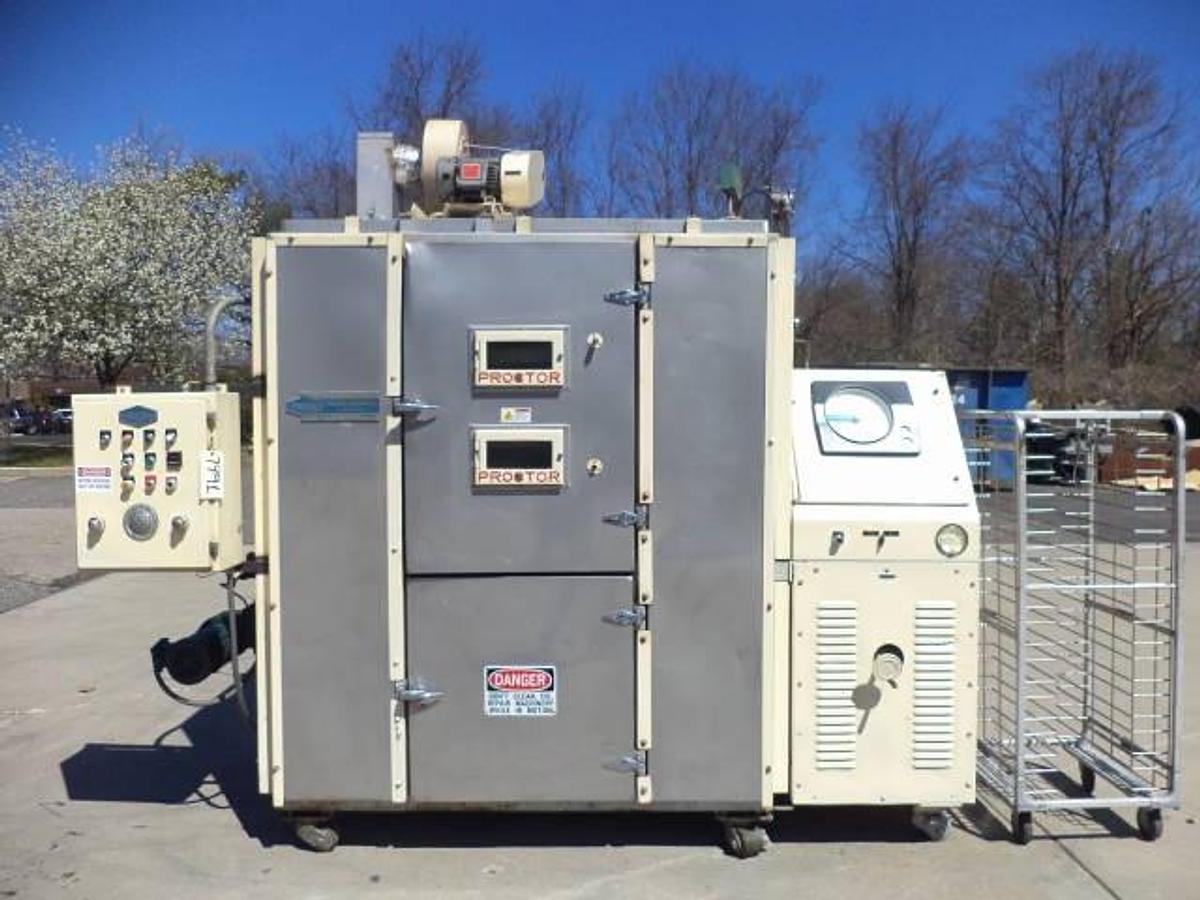
The used industrial coffee and tea equipment market covers a wide range of machinery across the full production and packaging chain. On the coffee side, this includes batch and continuous coffee roasters, coffee bean grinders in various capacities, vacuum packaging machines, and form-fill-seal baggers designed for ground coffee and whole bean products. Brands like Jabez Burns and Proctor and Schwartz have a long history in commercial roasting, and their equipment frequently appears on the used market due to its durability.
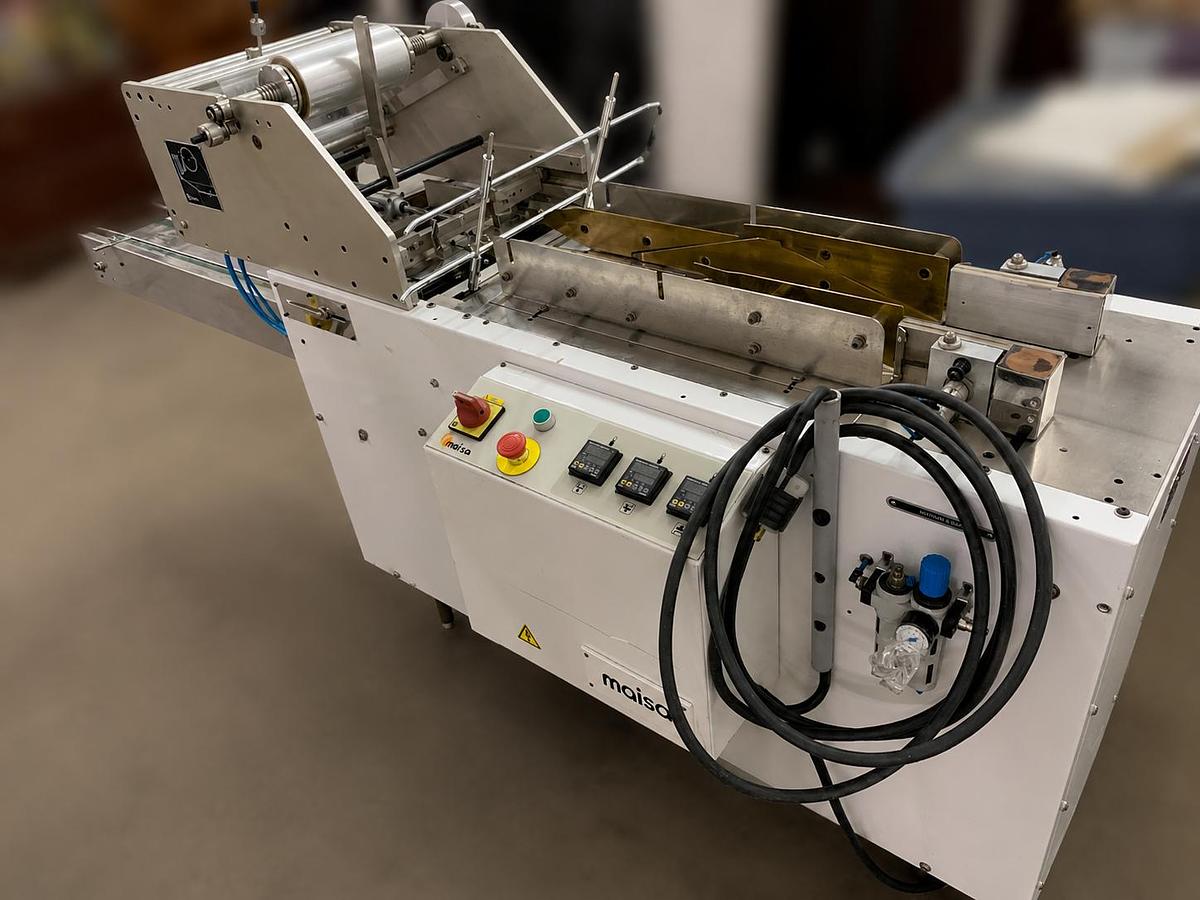
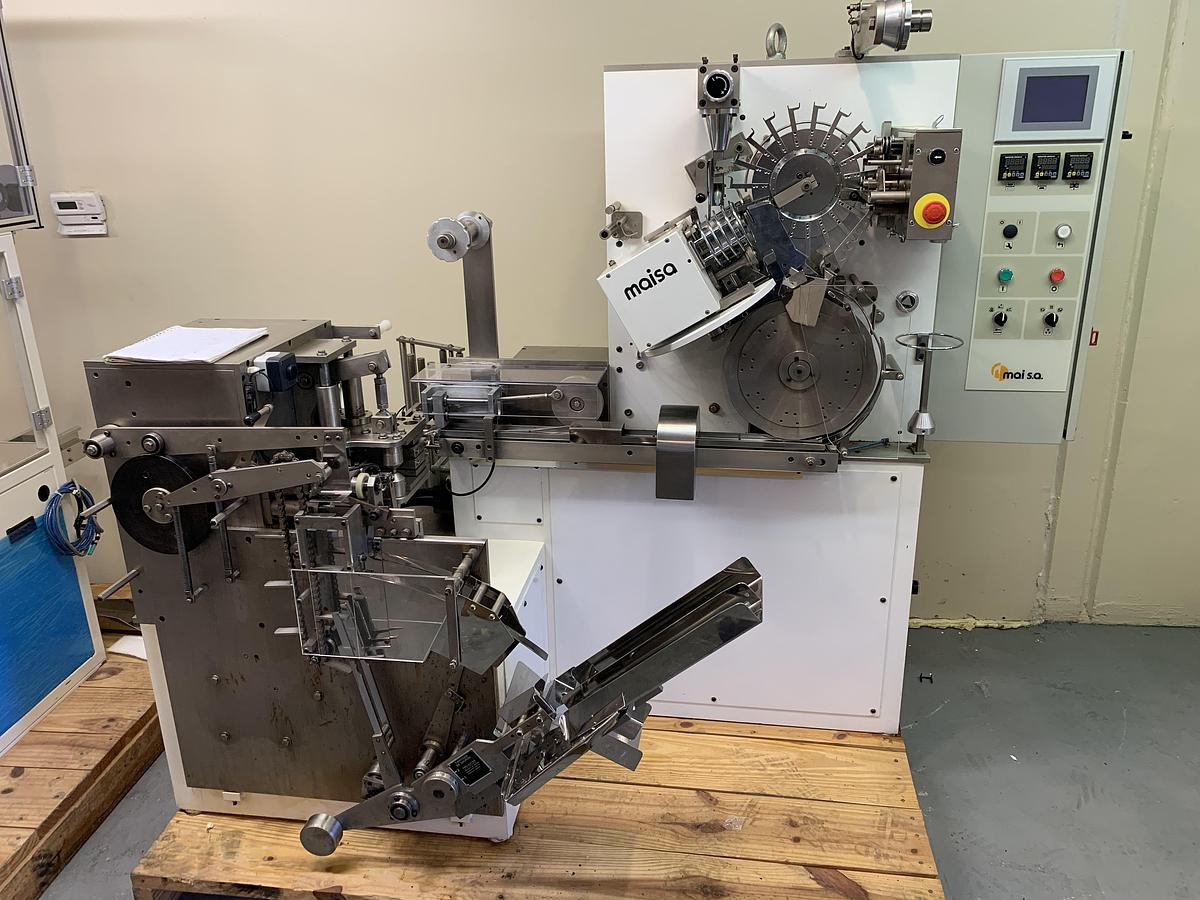
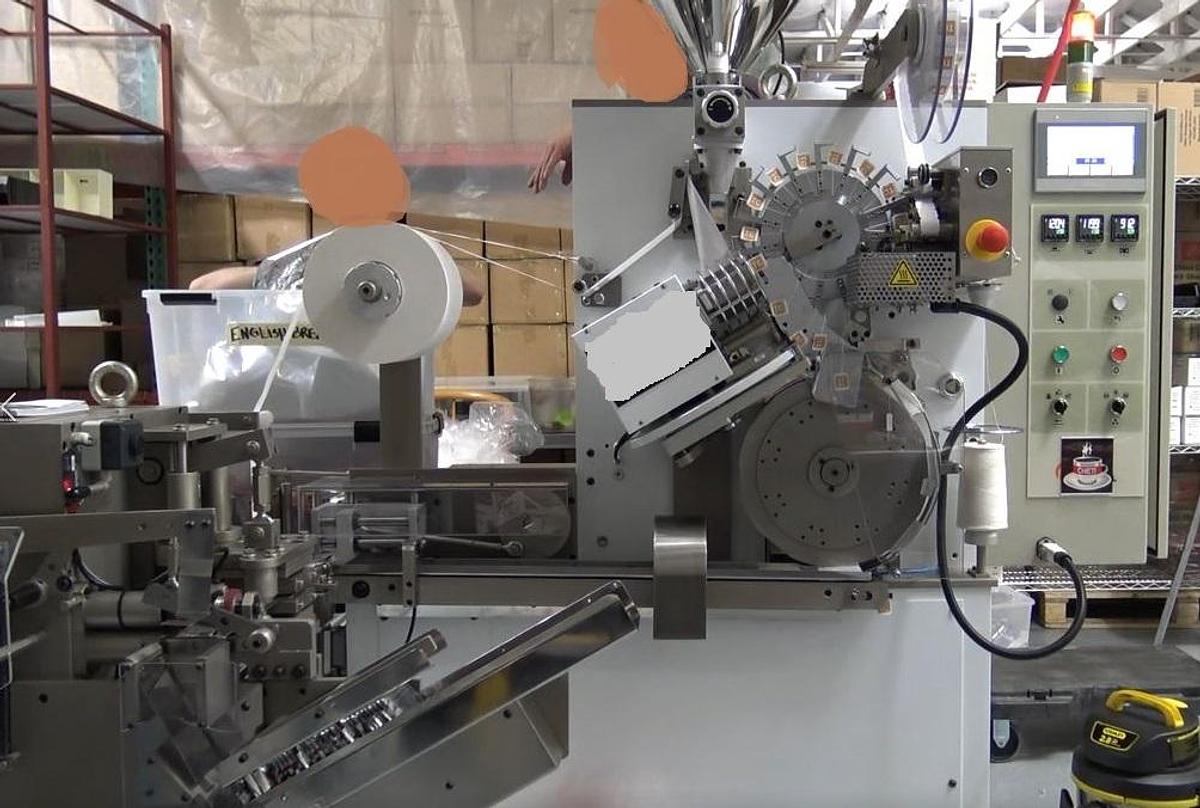
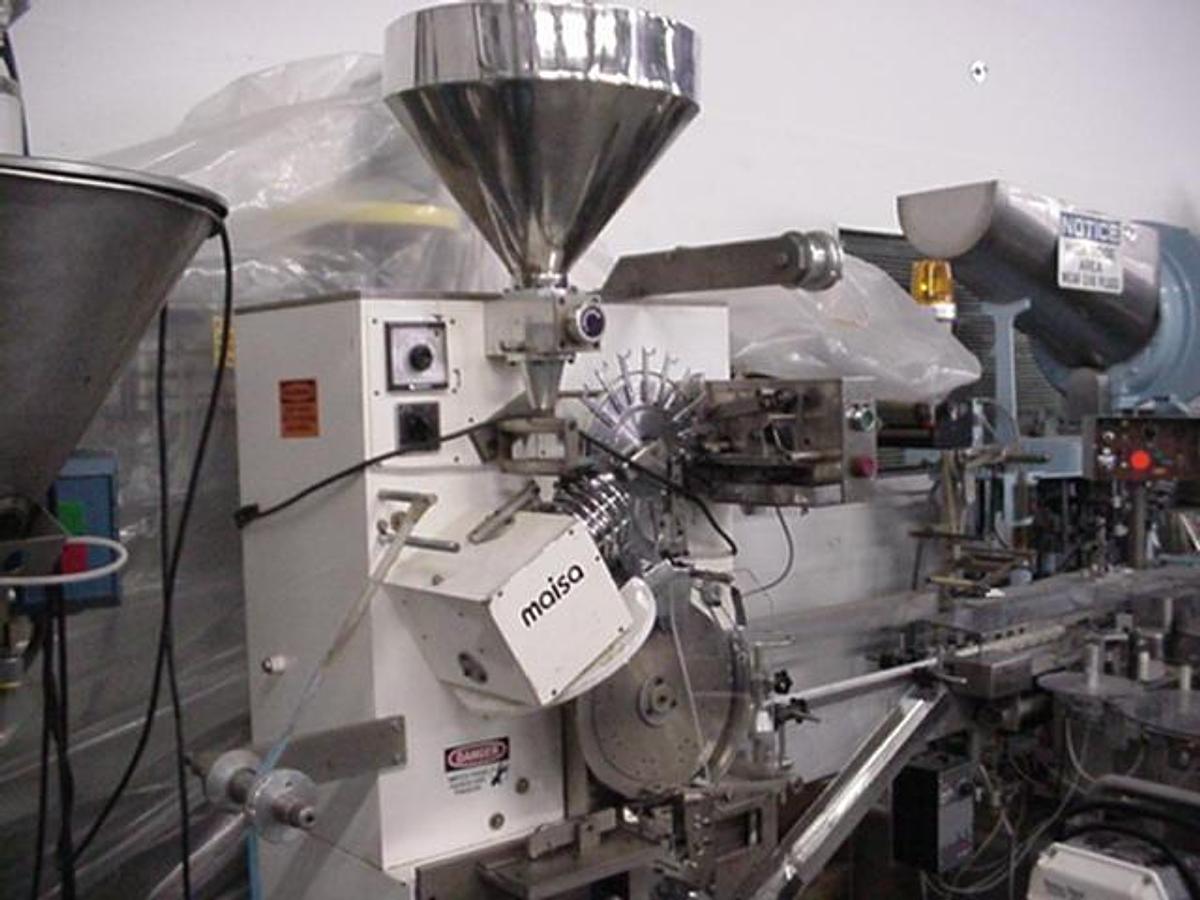
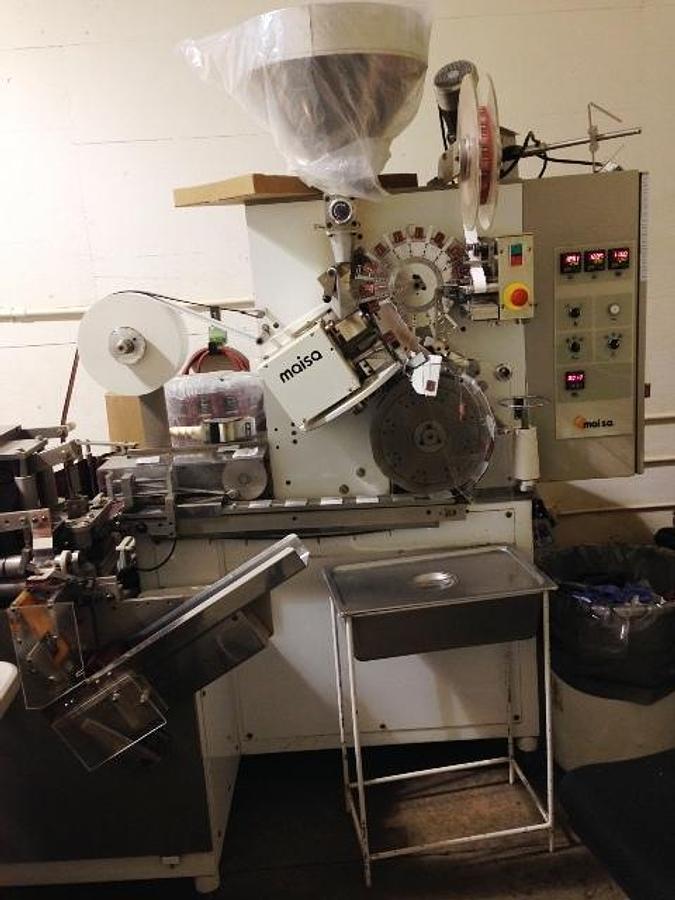
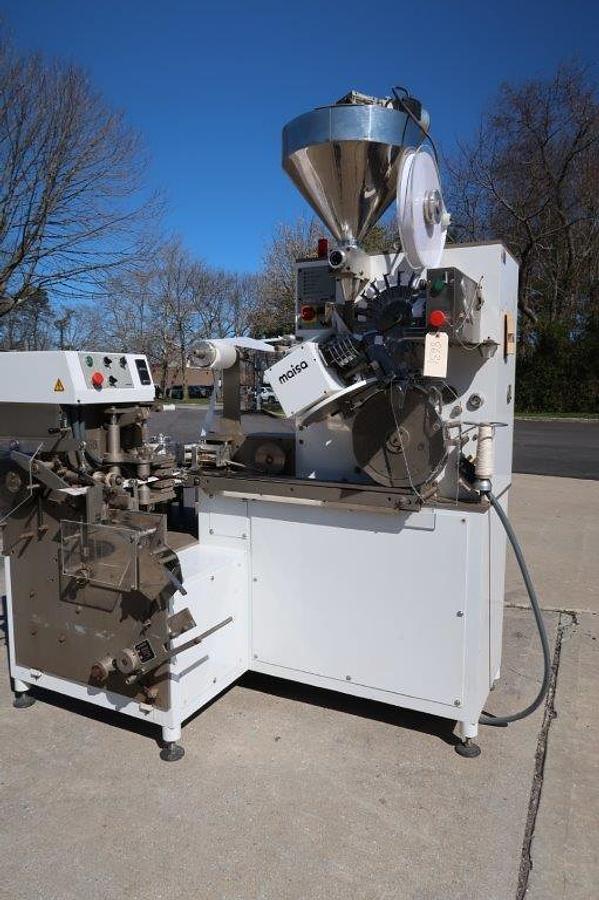
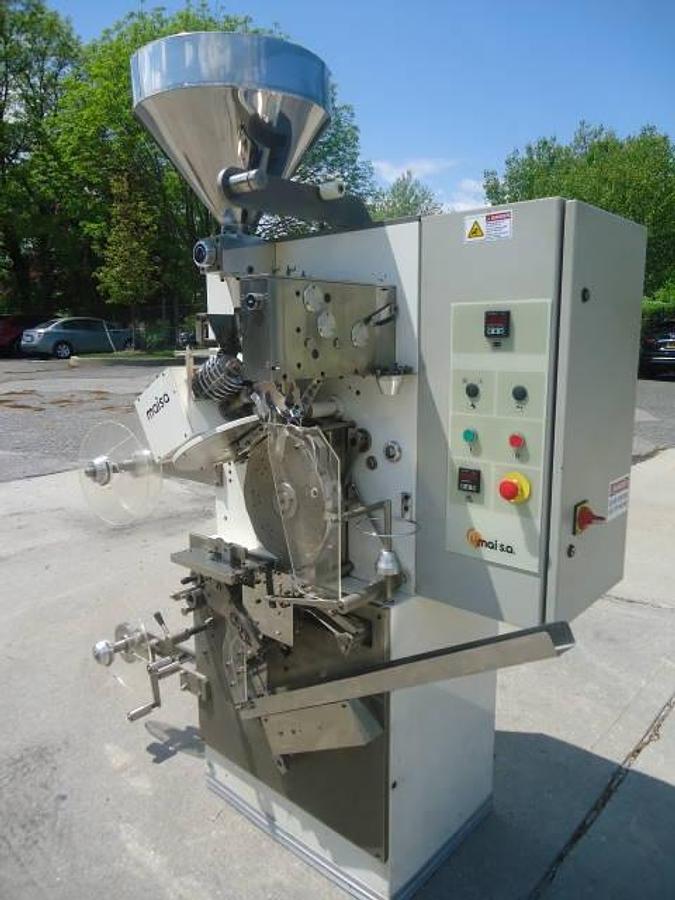
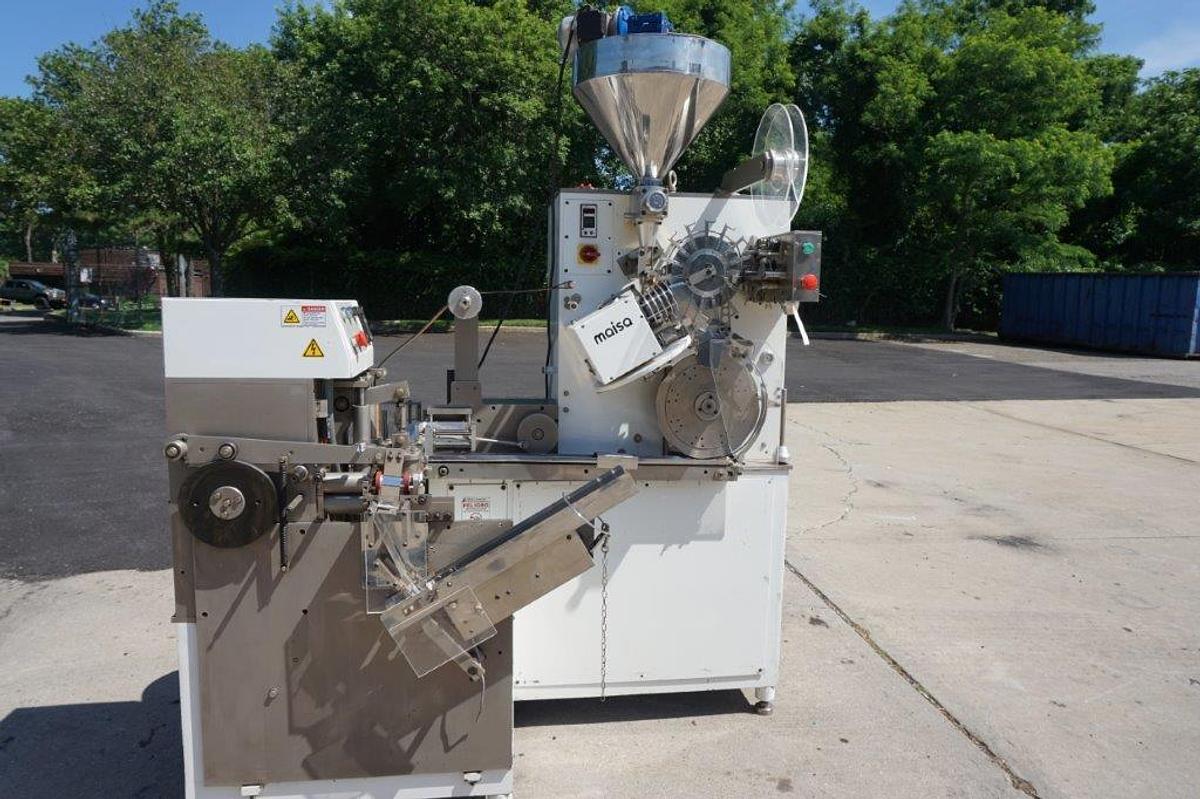
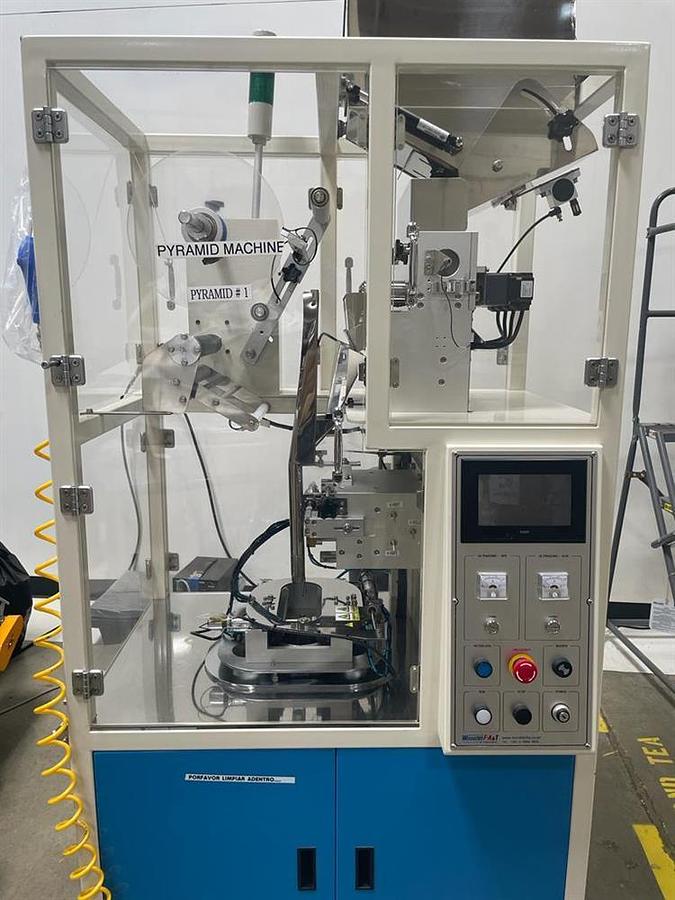
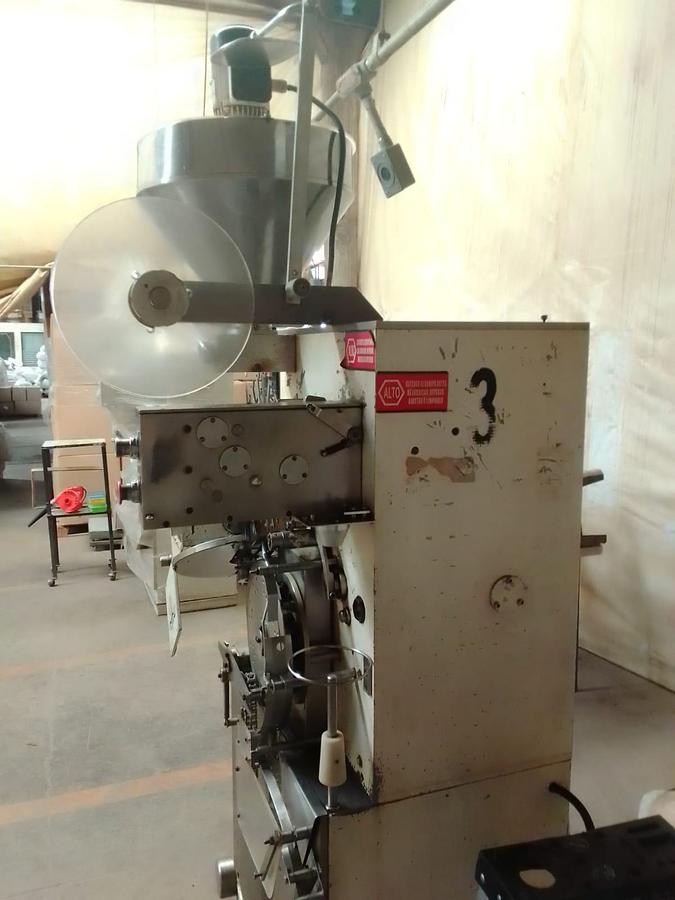
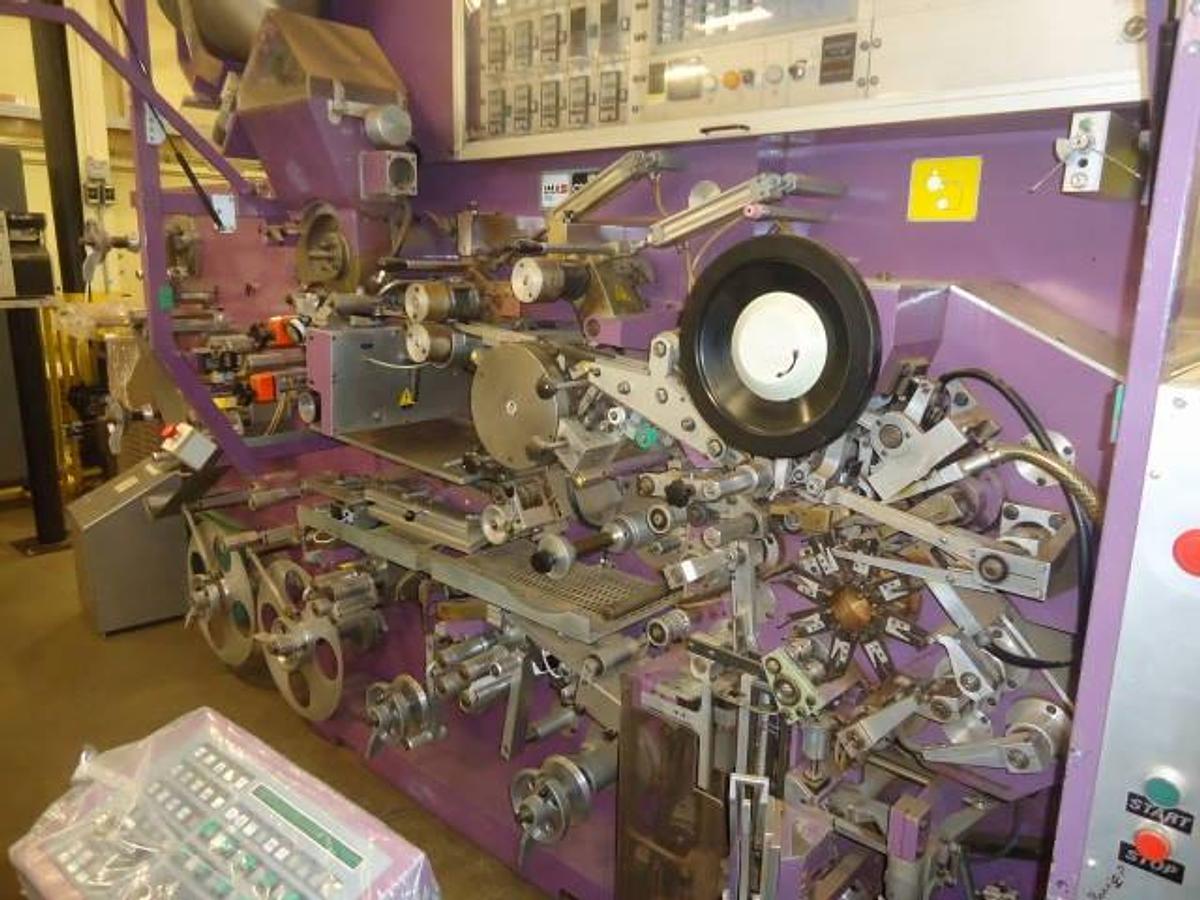
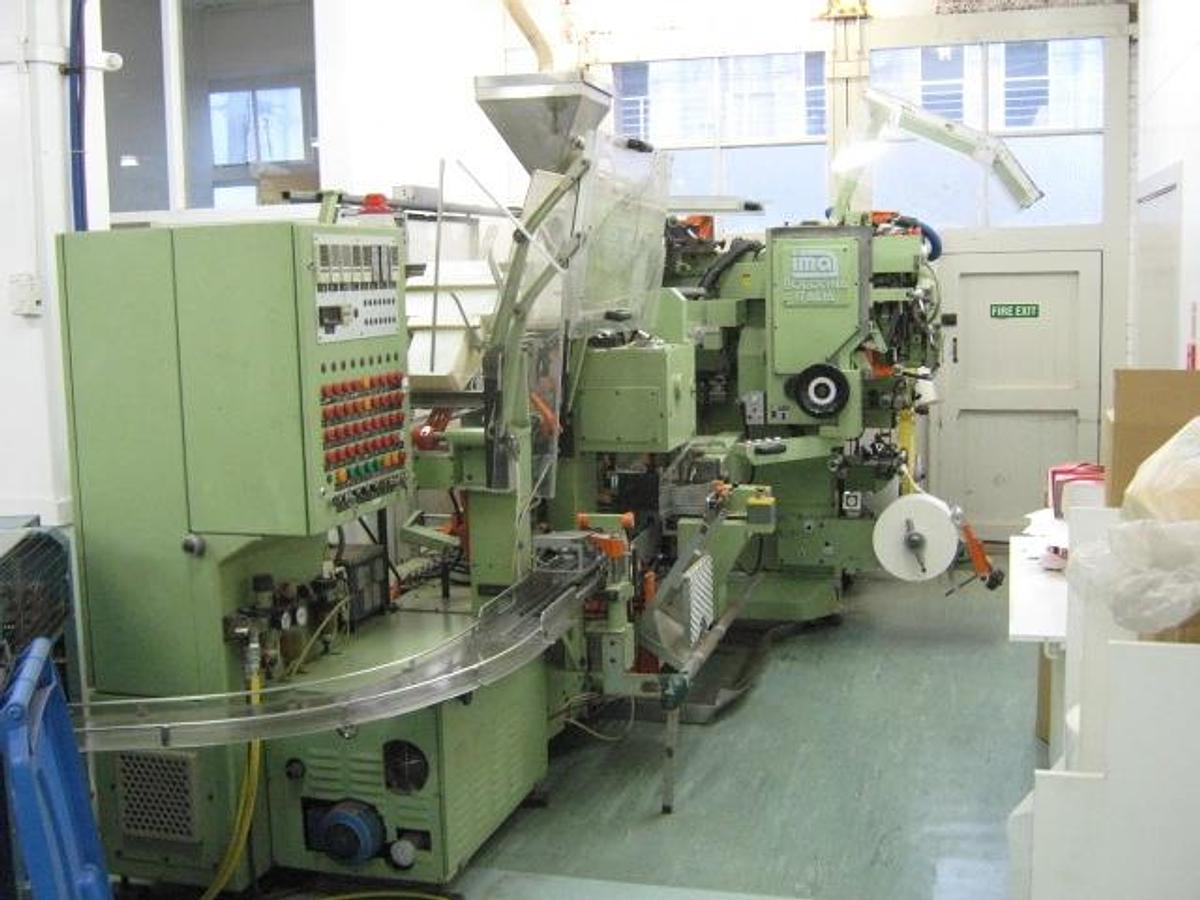
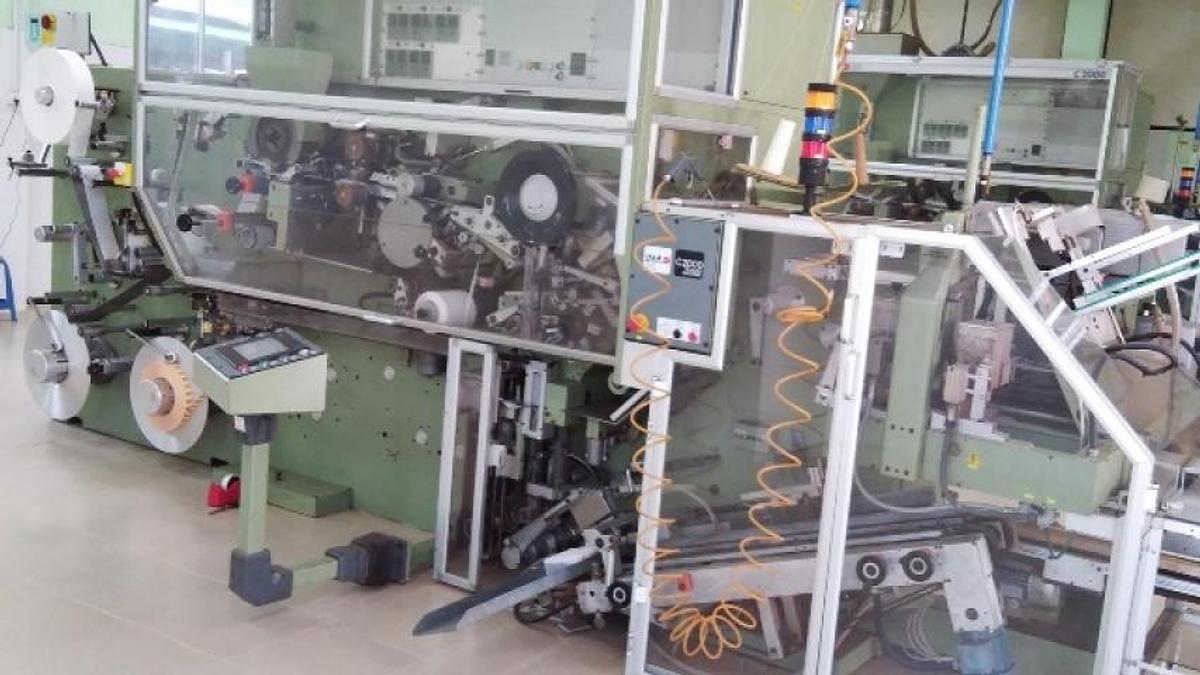
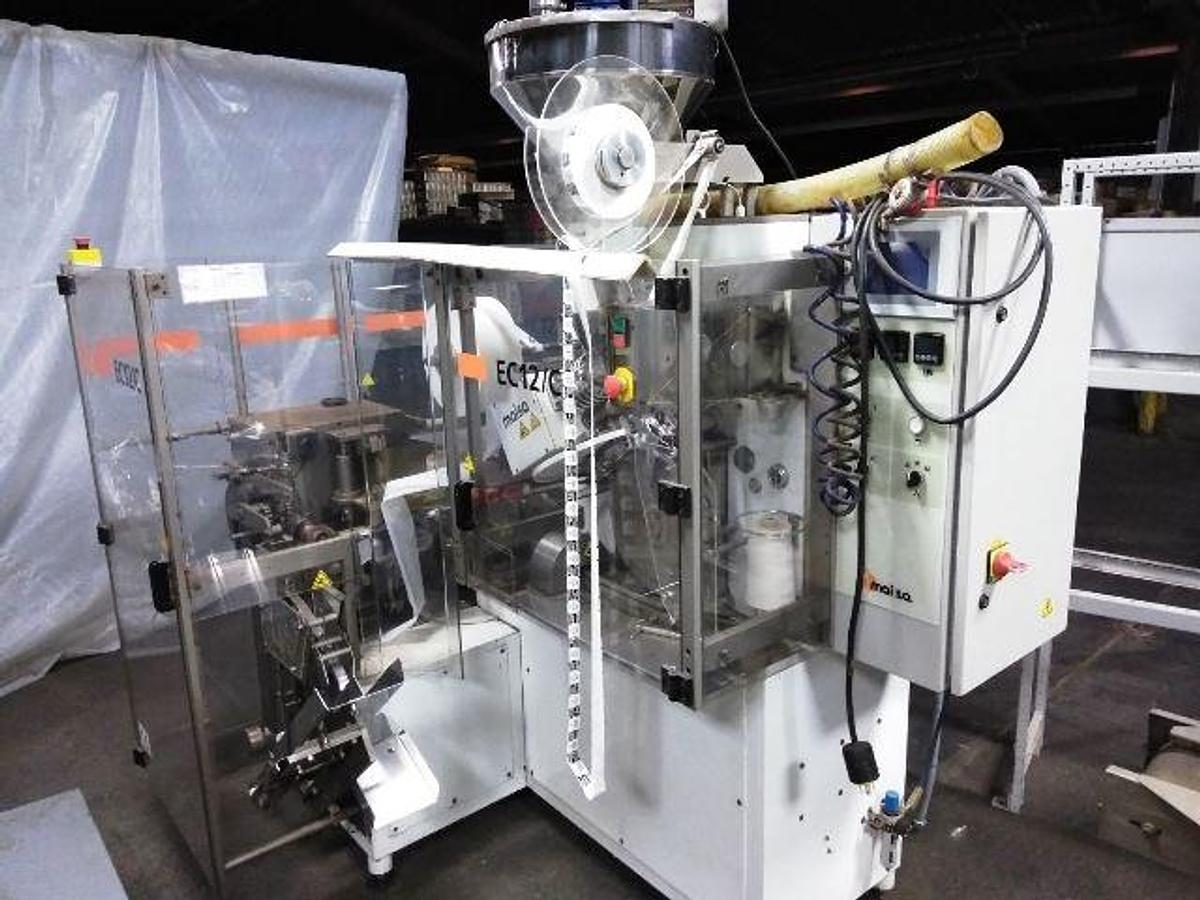
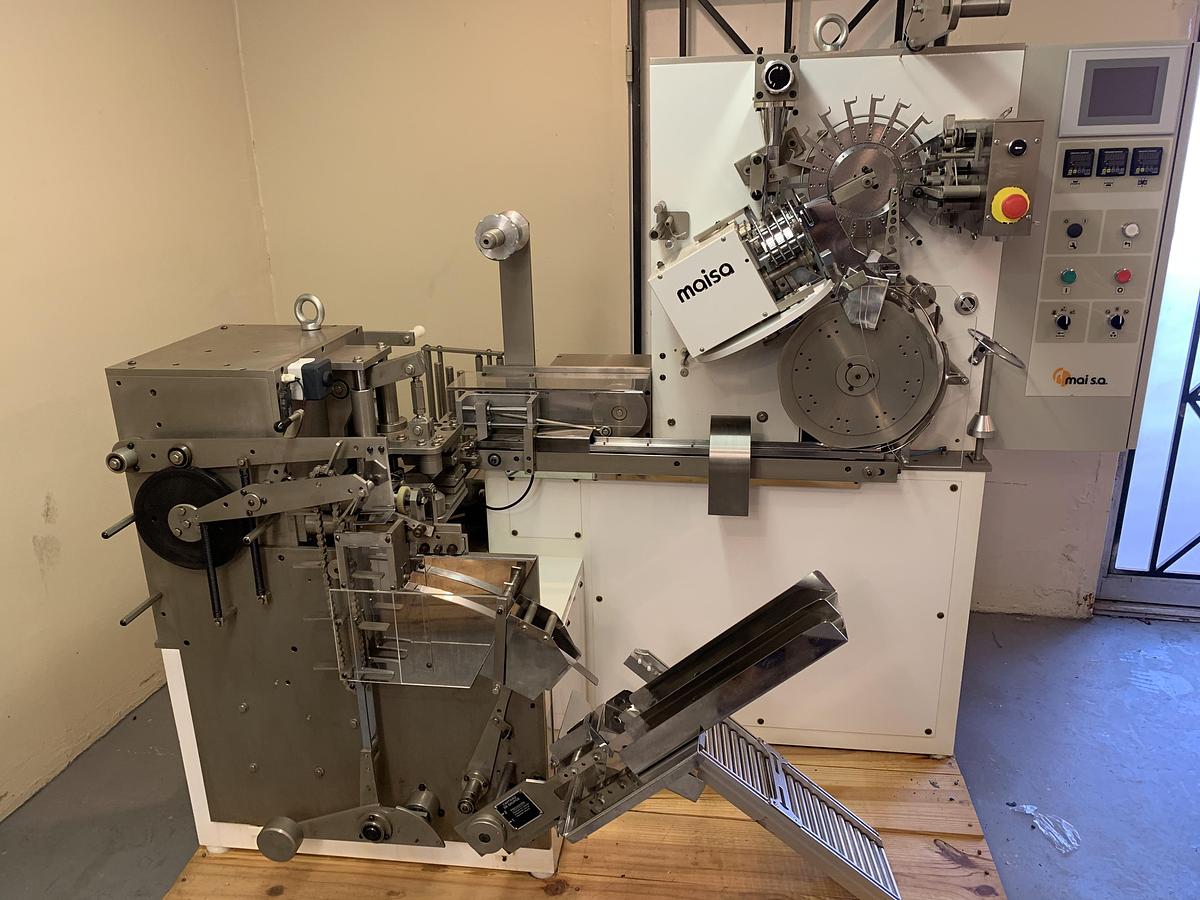
For tea production, the used market includes tea bagging machines capable of producing flat tea bags, pyramid-style bags, and enveloped tea bags with string and tag features. Machines from manufacturers like Maisa and IMA are commonly available and are capable of output ranging from around 110 bags per minute on smaller models to 450 bags per minute on high-speed systems like the IMA C55. Tea bagger configurations vary considerably, so buyers should match the machine's bag format and speed to their production requirements before purchasing. Packaging equipment such as ROVEMA, TRIANGLE, and HAYSSEN baggers also appear regularly in the used coffee equipment market for downstream packaging applications.
How do I know if used coffee or tea equipment is still in good working condition?
The most reliable way to assess condition is through a direct inspection, either by visiting the equipment in person or arranging a live video walkthrough with the dealer. A thorough inspection should cover visible wear on key components, signs of corrosion or damage, and ideally a demonstration of the machine powering on and cycling through its basic functions. For equipment still located at a production facility, it may be possible to observe it running under actual production conditions, which gives the clearest picture of its operating state.
It's worth understanding that most used equipment dealers do not have the permitting or facility setup required to run actual food production, so full production testing at the dealer's location is generally not possible. What dealers can typically do is power machines up, run mechanical cycles, and document the condition of major components through video or photos. Buyers should ask specific questions about the machine's service history, when it was last in production, and whether any components have been replaced or repaired. Consulting the manufacturer about what wear indicators to look for on a specific model is also a smart step before committing to a purchase.
Do used commercial coffee and tea machines come with a warranty?
Used coffee and tea equipment is almost always sold on an as-is basis, which is standard practice across the used industrial machinery market. Warranties are typically only offered by manufacturers on equipment sold through their authorized channels. When purchasing from a used equipment dealer, the buyer takes on the responsibility of evaluating the machine's condition prior to purchase, which is why inspections are so important.
This doesn't mean buyers are without recourse or information. Reputable dealers with a long track record in the coffee and tea equipment space will be transparent about what they know regarding a machine's condition and history. Buyers should also reach out to the original manufacturer to understand what level of technical support and parts availability they can expect for the specific model and age of equipment they're considering. Some manufacturers continue to support older models with parts and service documentation, while others may have limited resources for discontinued equipment. Understanding this upfront helps buyers make a more informed purchasing decision.
What are the most trusted brands in used commercial coffee and tea equipment?
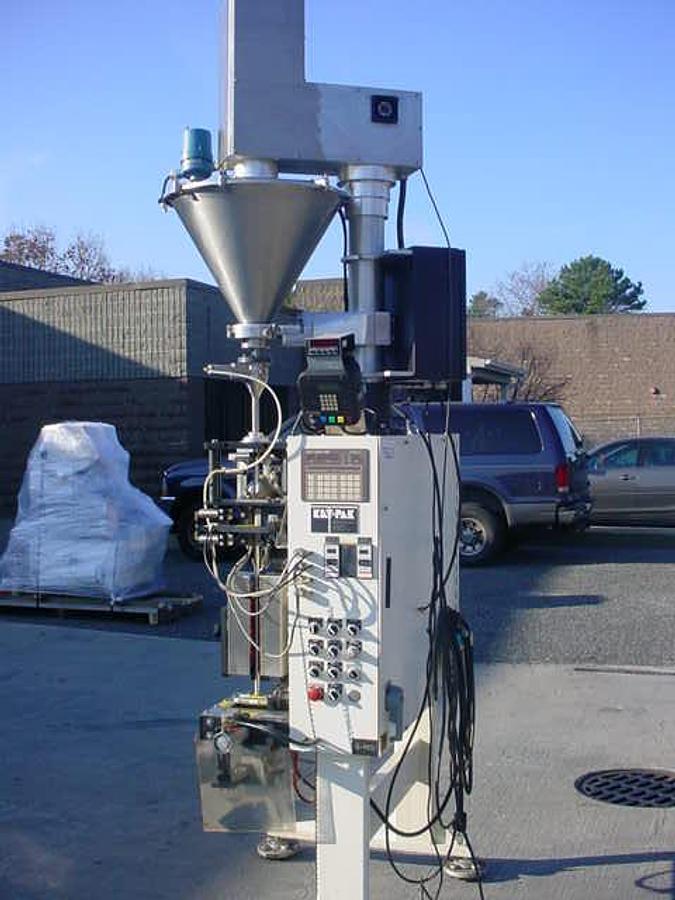
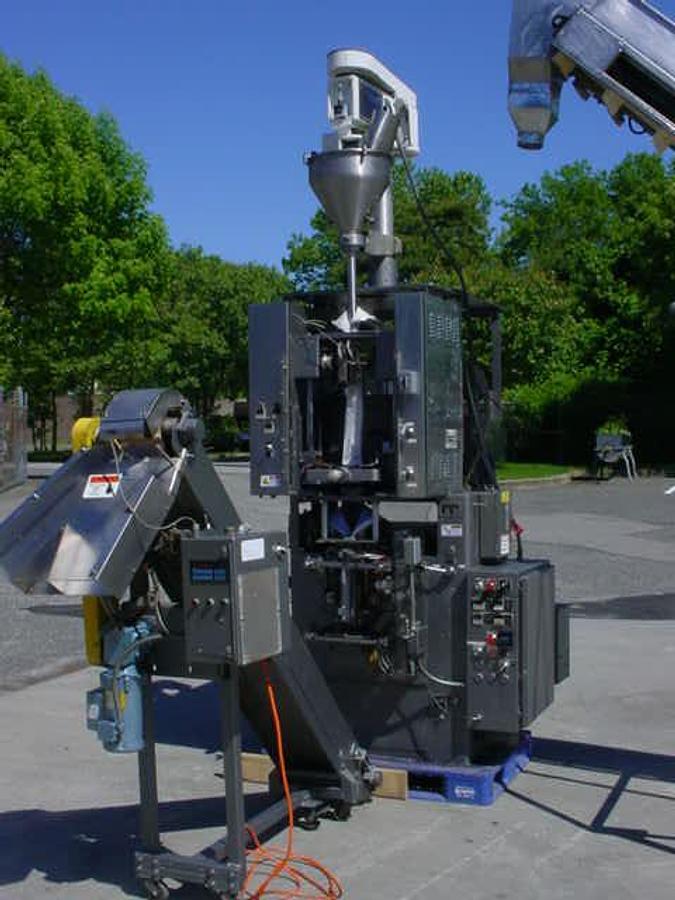
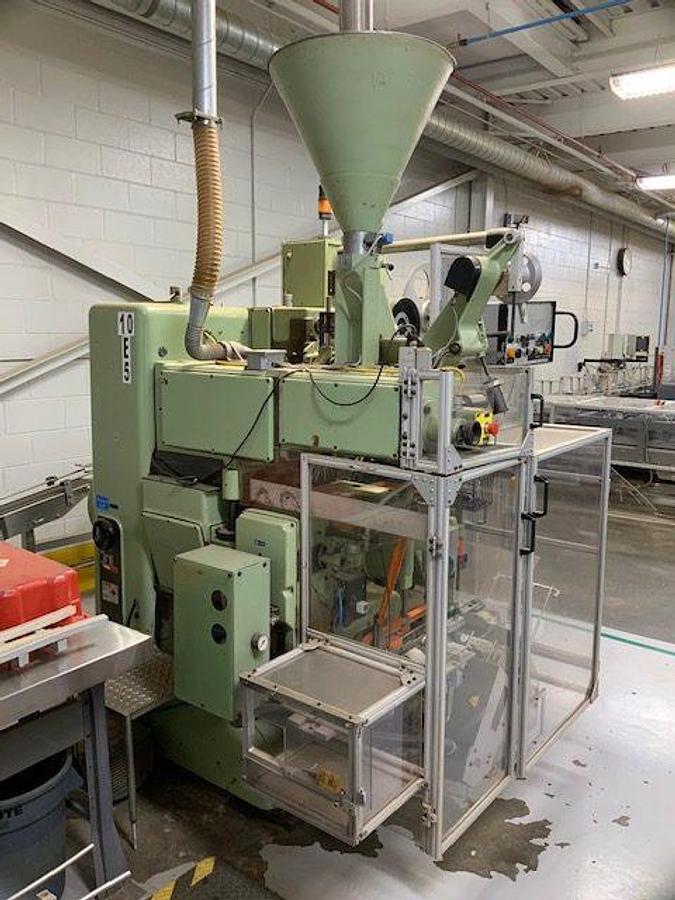
Several manufacturers have built strong reputations for producing commercial coffee and tea equipment that holds up well over years of heavy use, which is exactly why their machines remain in demand on the used market. In coffee roasting, Jabez Burns and Proctor and Schwartz are historically significant names with equipment known for durability and serviceability. For packaging and bagging applications, brands like ROVEMA, HAYSSEN, and TRIANGLE have long production histories in the coffee packaging space, and their equipment is frequently sought after for ground coffee and whole bean applications.
In the tea equipment segment, Maisa and IMA are among the most recognized names for industrial tea bagging machinery. Maisa produces a wide range of tea baggers covering flat bags, pyramid bags, enveloped bags, and string-and-tag configurations, and their machines appear regularly in the used market due to their widespread adoption in tea production facilities. IMA's high-speed systems, including models with integrated cartoning features, are also common in the used market. For espresso and cafe-scale equipment, brands like La Marzocco, Nuova Simonelli, Rancilio, Mazzer, Bunn, and Fetco are well regarded because their parts and service networks remain active, making long-term maintenance more practical.
Can I get replacement parts for used coffee and tea processing machines?
Parts availability varies considerably depending on the manufacturer, the specific model, and how old the machine is. For widely used commercial equipment from established manufacturers, replacement parts are often still available either directly through the manufacturer or through third-party suppliers who specialize in that brand or equipment type. Machines from brands with strong aftermarket support networks are generally a safer purchase from a long-term maintenance standpoint.
Before finalizing a purchase, it's a smart practice to contact the manufacturer directly and ask whether parts are still stocked for the specific model you're considering. Some manufacturers will also provide service documentation or refer you to certified technicians even for older equipment. For machines where manufacturer support has been discontinued, aftermarket parts suppliers and specialty repair shops may still be able to source or fabricate components. This is another reason why working with a dealer who specializes in coffee and tea equipment is valuable. They often have insight into the parts landscape for the machines they sell and can point buyers toward the right service resources.
How does shipping and delivery work for large used coffee and tea machines?
Shipping costs and logistics for industrial coffee and tea equipment depend heavily on the size and weight of the machine, as well as the level of packaging required to protect it in transit. Smaller machines may be palletized and shipped via standard freight carriers, while larger roasters, high-speed tea baggers, or multi-component systems may require custom crating to prevent damage. The cost of palletization or crating is typically passed on to the buyer and should be factored into the total cost of the purchase.
For heavy or oversized equipment, professional rigging is often required for both loading at the origin and unloading at the destination. Rigging involves specialized equipment and labor to safely move machines that cannot be handled with standard forklifts or pallet jacks, and this service carries its own cost. Buyers should ask dealers for a detailed breakdown of packaging, rigging, and freight charges before agreeing to a purchase, so there are no surprises in the final landed cost. Some dealers work with preferred freight partners experienced in moving industrial food processing equipment, which can simplify the logistics coordination process.
What payment terms should I expect when buying used industrial coffee or tea equipment?
The standard practice among used industrial equipment dealers is to require full payment before the equipment is released for shipping. This applies to most transactions, particularly for first-time buyers. The rationale is straightforward: once a machine leaves the dealer's facility, it's difficult to recover in the event of a payment dispute, so dealers protect themselves by collecting payment upfront. Buyers should be prepared for this expectation and factor it into their purchasing timeline.
Some dealers do extend payment terms to established customers with a prior purchasing history, but this is not the norm for first-time transactions. Buyers should clarify payment expectations early in the negotiation process, including acceptable payment methods, to avoid delays once a purchase agreement is reached. Wire transfers are commonly used for large equipment purchases due to the transaction amounts involved. Confirming all financial terms in writing before completing a purchase is always a sound practice.
How can a business sell or dispose of unwanted commercial coffee or tea equipment?
Businesses looking to offload used coffee roasters, grinders, tea baggers, or packaging equipment have a few practical options. Selling to a used equipment dealer who specializes in coffee and tea machinery is often the most straightforward path. These dealers understand the market value of industrial equipment in this category, can move inventory efficiently, and handle the logistics of removal. The trade-off is that dealers purchase equipment at wholesale prices to allow for resale margin, so the return may be lower than a direct sale to another end user.
Selling directly to another manufacturer or processor is another option, particularly for well-known brands or high-demand models. This approach can yield a better return but requires more effort on the seller's part to market the equipment and manage the transaction. Regardless of the route chosen, having clear documentation of the machine's production history, maintenance records, and current condition will support a faster and smoother sale. Equipment that is still in production or recently decommissioned is generally easier to sell than machinery that has been sitting idle for an extended period, as buyers can more easily assess its working condition.