Category
Manufacturer
Model
Used Autoclaves for Sale
Pre-Owned Steam Sterilizers, Autoclaves, and Retorts In Stock
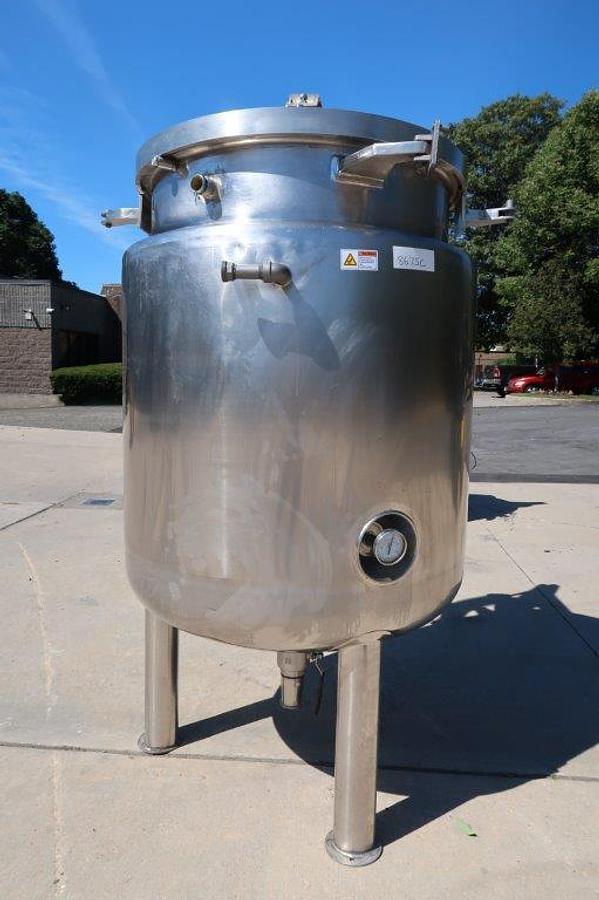
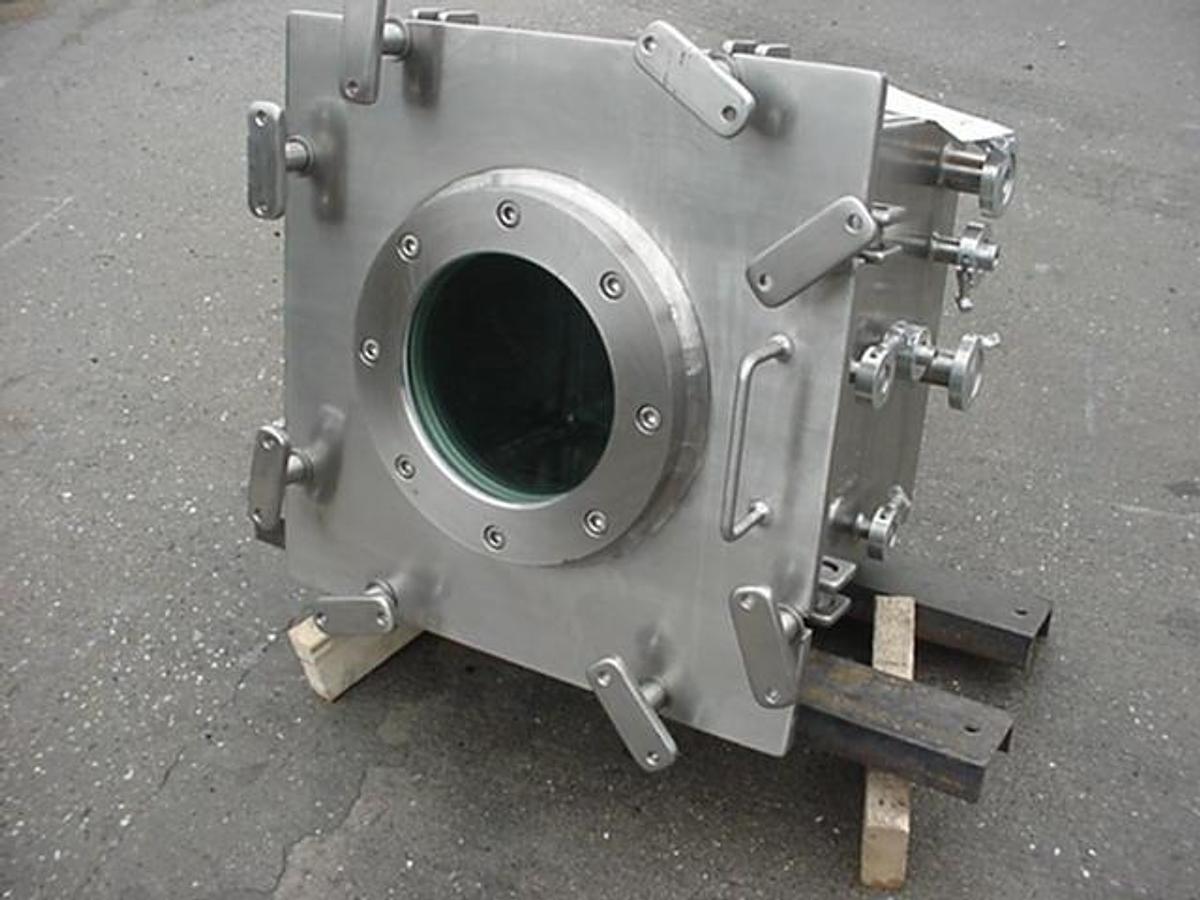
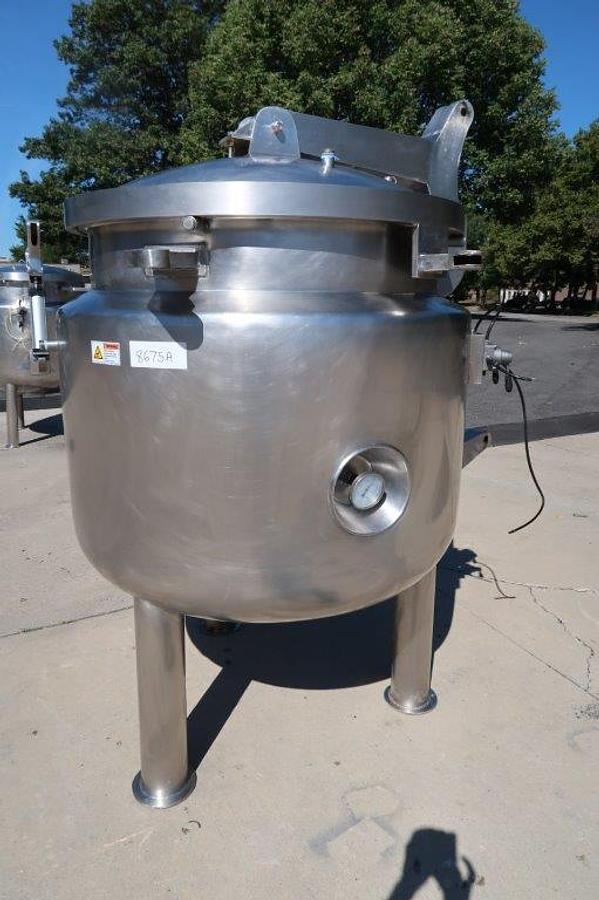
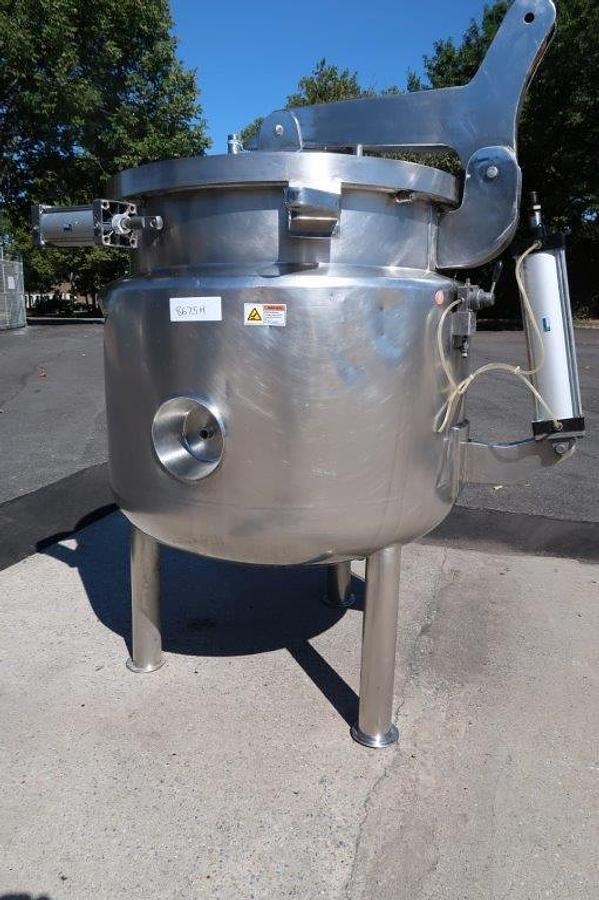
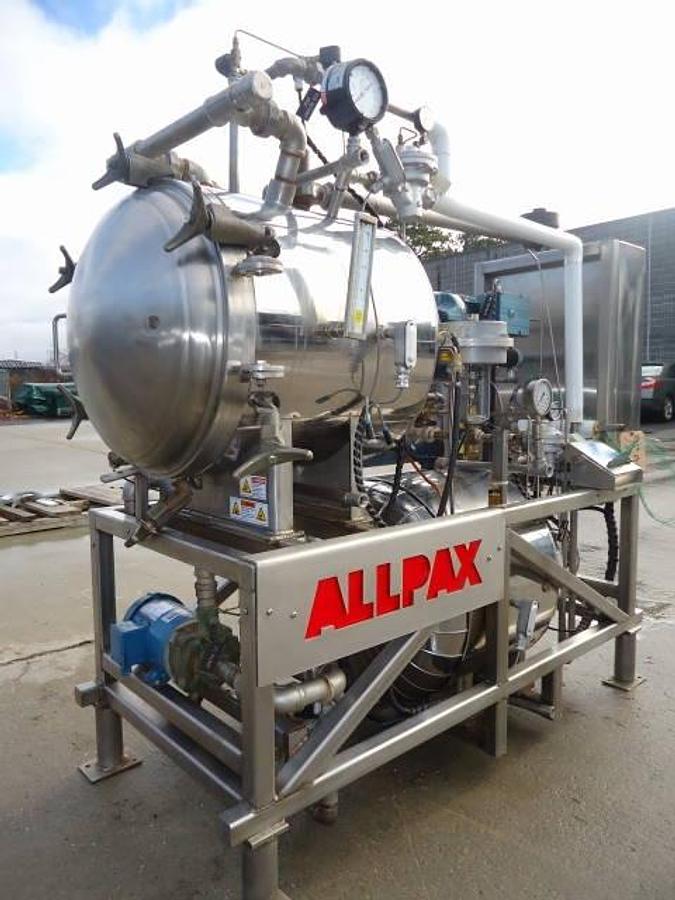
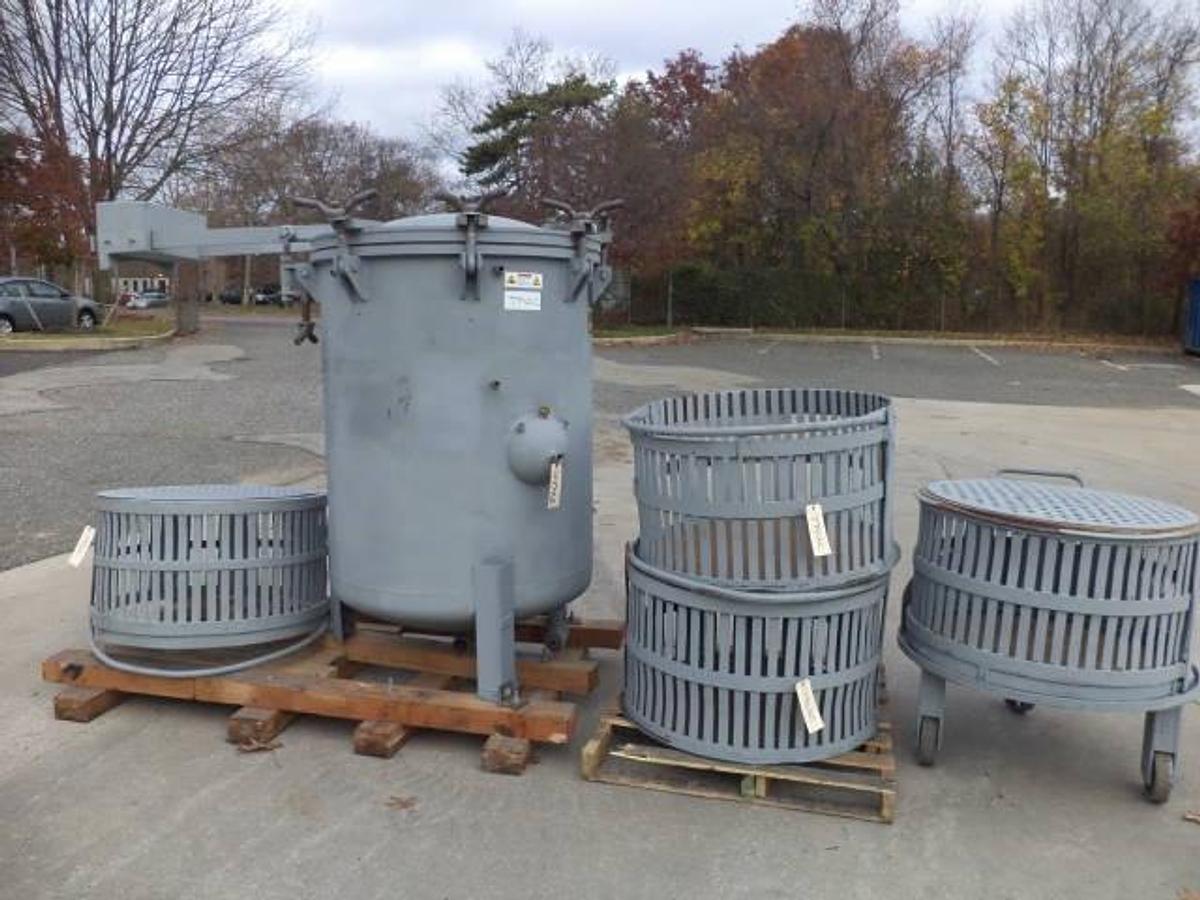
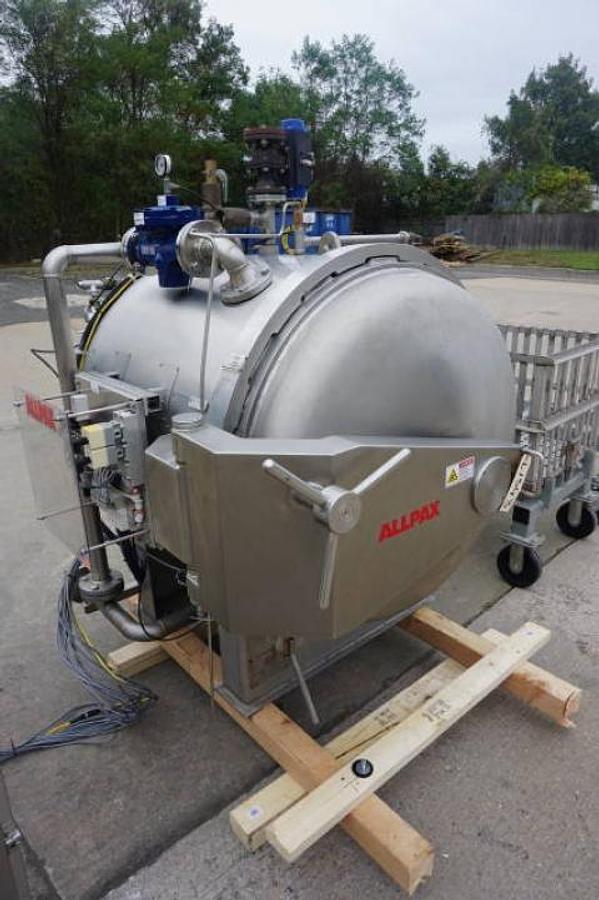
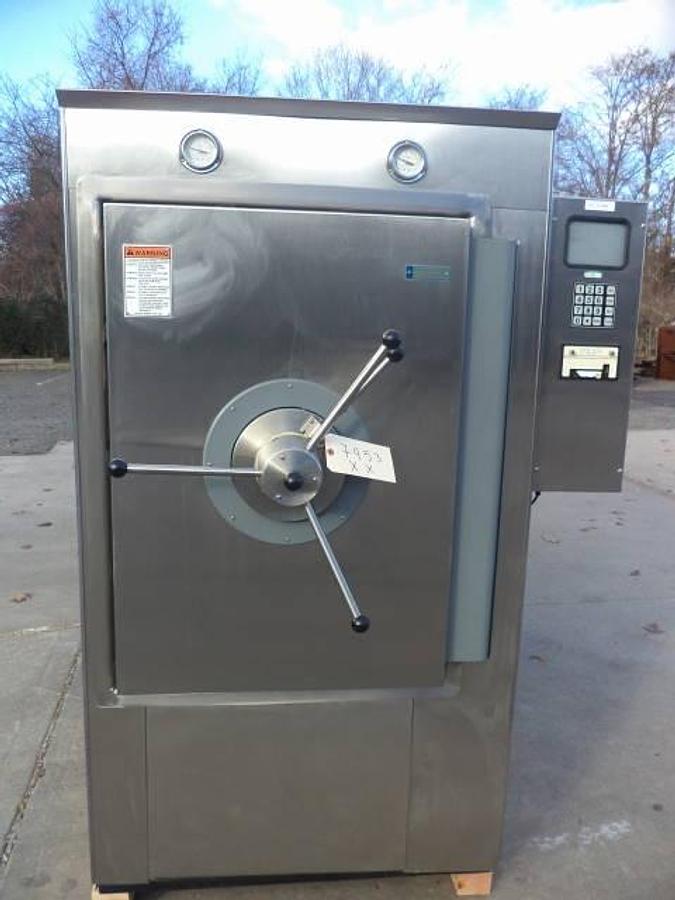
Wohl Industries stocks used autoclaves for pharmaceutical, laboratory, and food plants. You get pre-owned steam autoclaves, sterilizers, and retorts. Autoclaves sterilize instruments, media, and packaged product with pressurized steam. Pharma plants sterilize vessels, tools, and garments between batches. Food processors retort canned and pouched product for shelf stability. Labs run validated cycles on glassware and waste. Chamber size and cycle control set your throughput. Buying used cuts your capital cost and lead time. We inspect every machine before we ship. We have sold processing and packaging equipment since 1968. Send us your load and cycle needs, and we match you to the right autoclave.
FAQ :
What is the difference between a used autoclave and a refurbished autoclave?
A used autoclave is a machine that has been previously owned and operated, sold in its current condition without any systematic restoration work. The seller may have inspected it and confirmed basic functionality, but the internal components, seals, gaskets, and control systems remain as they were when the unit was decommissioned. Pricing on used autoclaves reflects this, and buyers are expected to perform their own due diligence through inspection before purchase.
A refurbished autoclave, by contrast, has typically gone through a more deliberate reconditioning process. This can include replacing worn seals and gaskets, updating control panels, repainting or re-finishing the exterior, and sometimes replacing key mechanical components. Refurbished units often carry a higher price tag to reflect that labor and parts investment. When evaluating either type, buyers should ask the seller specifically what work, if any, has been done to the machine and request documentation or photos of its current condition. For regulated industries like pharmaceutical or medical, the history of the machine and any available service records matter significantly when it comes to validation.
What should I inspect before buying a used autoclave?
Before committing to a purchase, buyers should request a thorough inspection of several key areas. The chamber interior is one of the most important things to examine, looking for pitting, corrosion, staining, or any signs of structural compromise. Door gaskets and seals are wear items that degrade over time and can affect pressure integrity, so their condition should be carefully assessed. The control system, whether manual or digital, should be evaluated for responsiveness and accuracy. Pressure gauges, safety relief valves, steam traps, and drain lines all warrant close attention as well.
Reputable used equipment dealers will typically accommodate in-person inspections, virtual walkthroughs, or detailed video captures of the machine so buyers can assess its condition remotely. Some machines may still be in active production at a facility, in which case the dealer can arrange for a plant visit. Keep in mind that most used equipment dealers are not set up to run full sterilization cycles with actual product loads, since that requires different permitting and production infrastructure. What they can often demonstrate is mechanical operation, door function, and basic cycle initiation. Buyers in regulated industries should also request any available service logs, maintenance records, or prior validation documentation, as this information can significantly reduce the time and cost of qualifying the equipment in a new facility.
Are used autoclaves safe and reliable for medical or laboratory use?
Used autoclaves can absolutely be safe and reliable for medical, laboratory, and pharmaceutical applications, provided the buyer selects a machine that is appropriate for the intended use and in sound mechanical condition. The safety of an autoclave depends on the integrity of its pressure vessel, the accuracy of its temperature and pressure controls, and the condition of its safety systems such as pressure relief valves and door interlocks. A machine from a reputable manufacturer like AMSCO, Steris, Getinge, or Tuttnauer that has been properly maintained can continue to perform reliably for many years after its initial installation.
That said, buyers in regulated environments need to factor in validation requirements. In pharmaceutical and clinical settings, equipment typically must go through Installation Qualification (IQ), Operational Qualification (OQ), and Performance Qualification (PQ) protocols before it can be used in a compliant process. Purchasing a used autoclave does not exempt a facility from these requirements. Buyers should ask sellers whether any prior validation documentation exists for the machine, as this can streamline the requalification process. Selecting a seller who specializes in used autoclave and sterilization equipment, rather than a general machinery dealer, generally improves the likelihood of receiving accurate information about the machine's history and condition.
What certifications or compliance standards should a used autoclave meet?
The compliance standards that apply to a used autoclave depend heavily on the industry and application. In the United States, pressure vessels including autoclave chambers are typically required to be built to ASME (American Society of Mechanical Engineers) Boiler and Pressure Vessel Code standards, and many units will carry an ASME stamp indicating they met those construction requirements when manufactured. Buyers should verify whether the unit retains its ASME certification, as some jurisdictions require this for ongoing legal operation.
For healthcare and pharmaceutical buyers, additional regulatory frameworks come into play. FDA-regulated pharmaceutical manufacturing environments require that sterilization equipment be validated under 21 CFR Part 11 and related guidelines, which means the autoclave's control system must be capable of generating accurate, auditable records of each cycle. Medical device manufacturers may also need to comply with ISO 17665 or similar sterilization standards. Dental and veterinary practices are subject to state and local health authority requirements, which vary considerably. Before purchasing, buyers should consult with their facility's compliance or quality team to confirm what documentation and specifications are required, and then verify whether the specific used machine they are considering can meet those requirements. Contacting the original manufacturer to ask about parts availability and technical support for the model in question is also a practical step, since older or discontinued models may have limited support.
What are the most common brands of used autoclaves available on the market?
The used autoclave market features a fairly consistent set of manufacturers that appear frequently because of their reputation for durability and the longevity of their machines. AMSCO and Steris are among the most recognized names in pharmaceutical and hospital-grade sterilization, and their units are commonly found in the used market after facility upgrades or decommissioning. Getinge, Tuttnauer, and Midmark are also widely circulated, particularly in clinical, dental, and laboratory settings. For food processing and retort applications, brands like Allpax, FMC, and Surdry appear regularly in industrial used equipment inventories.
The prevalence of these brands in the used market is partly a function of their installed base and partly a reflection of their build quality. Machines from established manufacturers tend to have longer service lives, which means more units are available secondhand at various stages of their working life. Parts availability is another factor buyers should weigh carefully. Well-known brands are more likely to have replacement parts, technical documentation, and manufacturer support available, even for older models. Before purchasing any used autoclave, it is worth contacting the manufacturer directly to ask about parts availability and whether the company still supports that specific model, as this can significantly affect long-term operating costs.
How do I determine what size or capacity autoclave I need?
Sizing an autoclave comes down to two main factors: the physical dimensions of the items being sterilized and the throughput volume required. Chamber size is typically expressed in liters for smaller laboratory and clinical units, or in diameter and length measurements for larger industrial and pharmaceutical autoclaves. A benchtop or tabletop autoclave with a chamber in the range of 20 to 100 liters is often sufficient for dental practices, small labs, or veterinary clinics. Mid-range units with chambers from 100 to 500 liters are common in hospital central sterile departments and research facilities. Large horizontal retorts with chambers measured in feet, such as 5-foot diameter by 20-foot long configurations, are used in food processing and industrial applications.
Beyond raw chamber volume, buyers should think about the geometry of their loads. A tall vertical autoclave may be ideal for bagged waste or certain lab configurations, while a horizontal unit is better suited for trays, carts, and larger equipment. Cycle type also matters: gravity displacement cycles work well for unwrapped solid items, while pre-vacuum (or pre-vac) cycles are necessary for porous loads and wrapped instrument sets because they actively remove air from the chamber before steam injection. Buyers who are unsure about sizing should document the largest single item they need to sterilize, estimate their daily or weekly load volume, and factor in any growth in throughput they anticipate. Consulting with the equipment seller or the machine's manufacturer can help confirm whether a specific used unit is a practical fit for the intended application.
Does a used autoclave come with a warranty or service agreement?
Warranties are typically provided by equipment manufacturers on machines they sell directly. Used equipment dealers, by contrast, generally sell machines on an as-is basis, meaning there is no warranty coverage on the condition or performance of the equipment after the sale. This is standard practice across the used industrial machinery market and reflects the fact that the dealer has not manufactured the equipment and cannot vouch for every aspect of its history or remaining service life.
Because used autoclaves are sold without warranty protection, the buyer's due diligence before purchase becomes especially important. Choosing a dealer who specializes in used sterilization and autoclave equipment, rather than a generalist reseller, reduces risk because those dealers typically have more relevant knowledge about the machines they sell. Buyers should ask whether the seller has performed any inspection or functional testing, and request documentation or video evidence of the machine's current condition. It is also worth contacting the autoclave's manufacturer to understand what level of technical support, parts supply, and service documentation is available for that specific model and age of machine, since this will directly affect the buyer's ability to maintain and repair the equipment over time.
What is the typical lifespan of an autoclave, and how do I assess remaining service life?
Autoclaves are built to be durable, and well-maintained units from reputable manufacturers can remain in service for 20 to 30 years or more. The pressure vessel itself, if constructed to ASME standards and not subjected to corrosion or physical damage, often outlasts the control systems and ancillary components by a considerable margin. In practice, the factors that limit an autoclave's useful life are typically the availability of replacement parts, the condition of seals and gaskets, the reliability of the control system, and whether the machine can still meet the cycle parameters required by current regulations or validation standards.
Assessing remaining service life on a used autoclave requires looking at several things in combination. The age and total cycle count of the machine give a baseline, though cycle count data is not always available. Physical inspection of the chamber for corrosion, pitting, or weld repairs is important, as is checking the condition of the door mechanism and sealing surfaces. The control system's age and type matters too: older pneumatic or analog controls may be functional but harder to validate or integrate into a modern data recording environment. Buyers should also factor in how readily parts are available for the specific model. A 15-year-old machine from a major manufacturer with an active parts supply network may represent a far better long-term investment than a slightly newer unit from a brand that has discontinued support for that product line.
What types of industries commonly purchase used autoclaves?
Used autoclaves serve a wide range of industries, and the specific type of machine that fits each application varies considerably. In healthcare, hospitals and surgical centers use large pass-through sterilizers to process instrument sets and wrapped goods between procedures. Dental practices and veterinary clinics typically need smaller tabletop or benchtop units. Pharmaceutical manufacturers and contract research organizations use validated autoclaves to sterilize media, equipment, and packaging components in compliance with FDA and international regulatory requirements. University and private research laboratories are also significant buyers, often looking for mid-size units suitable for sterilizing growth media, glassware, and biohazardous waste.
Beyond life sciences, the food and beverage industry uses industrial retorts, which are a form of autoclave, to pressure-cook and sterilize canned and pouched products. These horizontal retort systems from manufacturers like Allpax, FMC, and Surdry can be quite large, with chambers measured in feet rather than liters. Composite manufacturing, aerospace, and rubber processing industries also use autoclaves, though in those cases the machines apply heat and pressure to cure materials rather than to sterilize them. Body art studios, tattoo parlors, and piercing shops represent a smaller but consistent segment of the market for compact sterilization equipment. Each of these buyer groups has different size, cycle type, and compliance requirements, which is why working with a seller who understands the specific application is valuable.
What should I know about shipping and logistics when buying a used autoclave?
Shipping a used autoclave involves more complexity than most standard freight shipments, and buyers should factor logistics costs into their total acquisition budget from the beginning. Smaller tabletop and benchtop units can often be palletized and shipped via standard freight carriers, but larger horizontal autoclaves and retorts may require custom crating, flatbed transport, and specialized rigging for both loading at the seller's facility and unloading at the destination. The weight and dimensions of industrial autoclave chambers can make them challenging to move without the right equipment, and attempting to cut corners on rigging or packaging can result in damage that far exceeds any savings.
Shipping costs will vary based on the size and weight of the machine, the distance between origin and destination, the level of packaging or crating required, and whether rigging services are needed at either end. Buyers should ask the seller for a detailed breakdown of all logistics costs, including palletization or crating, loading rigging, freight, and any unloading requirements at the delivery site, so they have an accurate picture of the total landed cost before committing to a purchase. Payment for used equipment is typically required in full before the seller arranges shipment, which is standard practice in the used machinery industry. Some sellers may offer payment terms to repeat customers, but first-time buyers should expect to pay in full upfront.