Category
Subcategory
Manufacturer
Model
Tablet & Capsule Counters Automatic & Semi-Automatic Counters
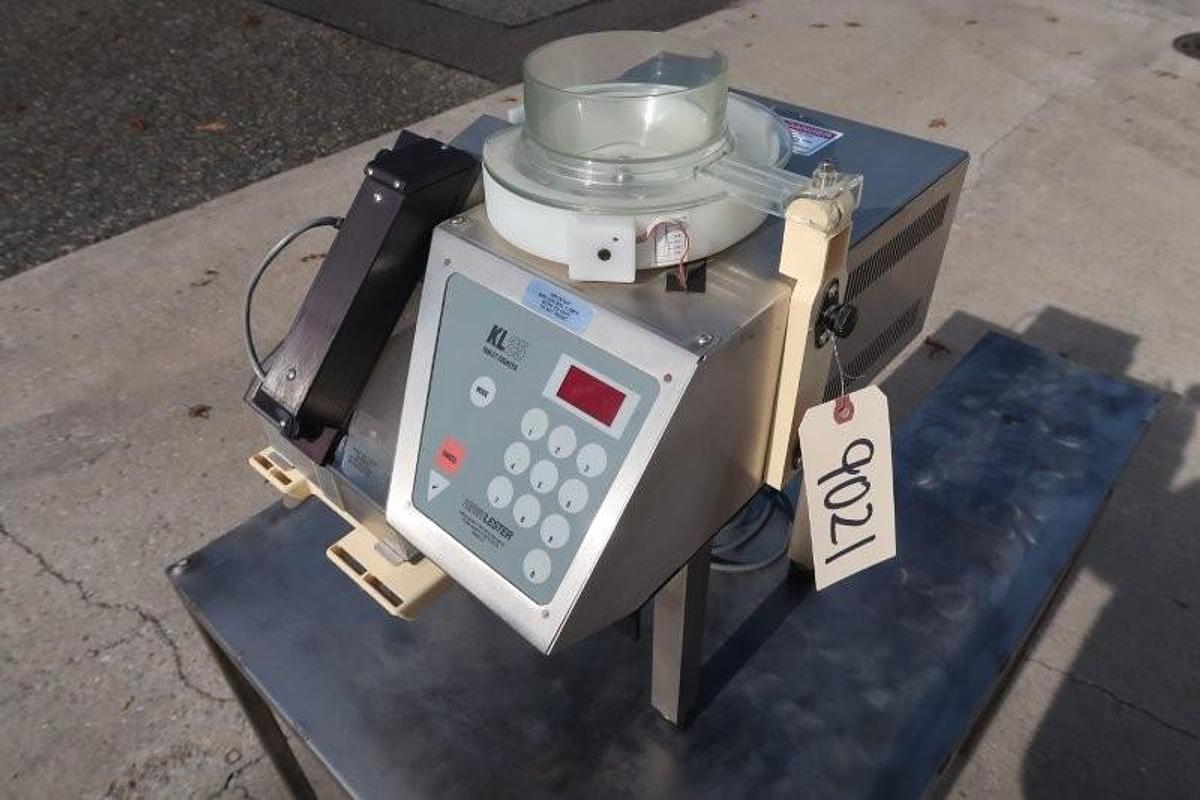
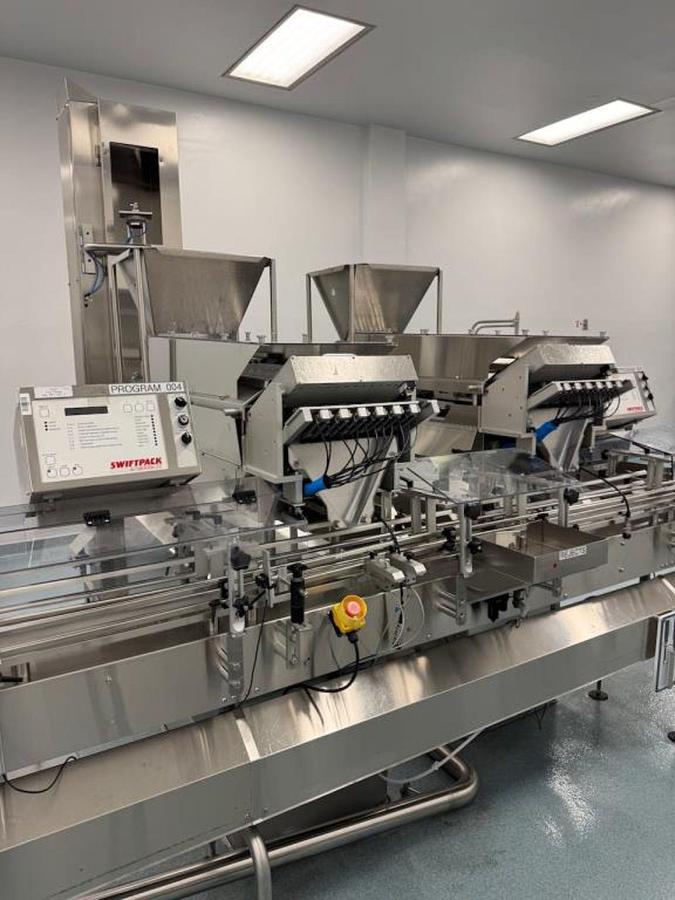
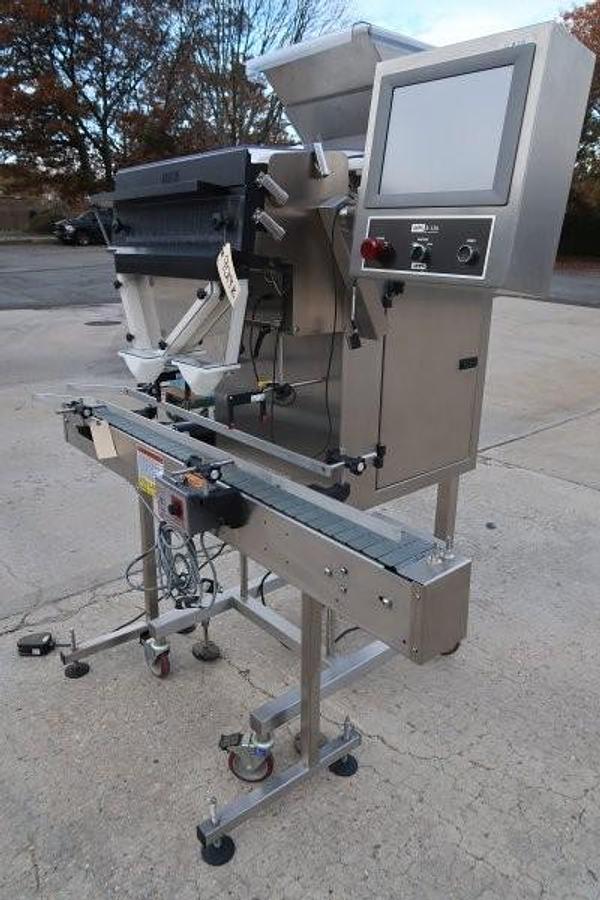
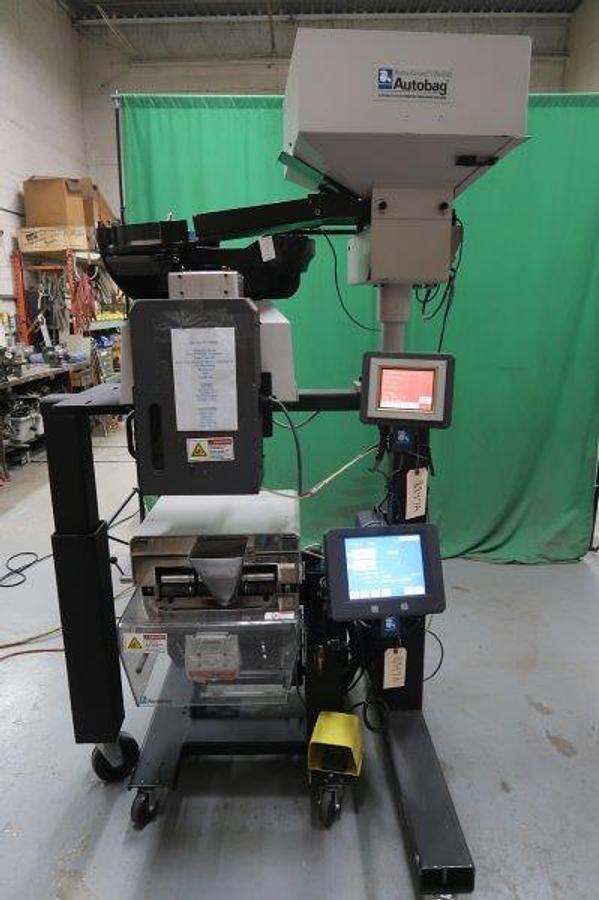
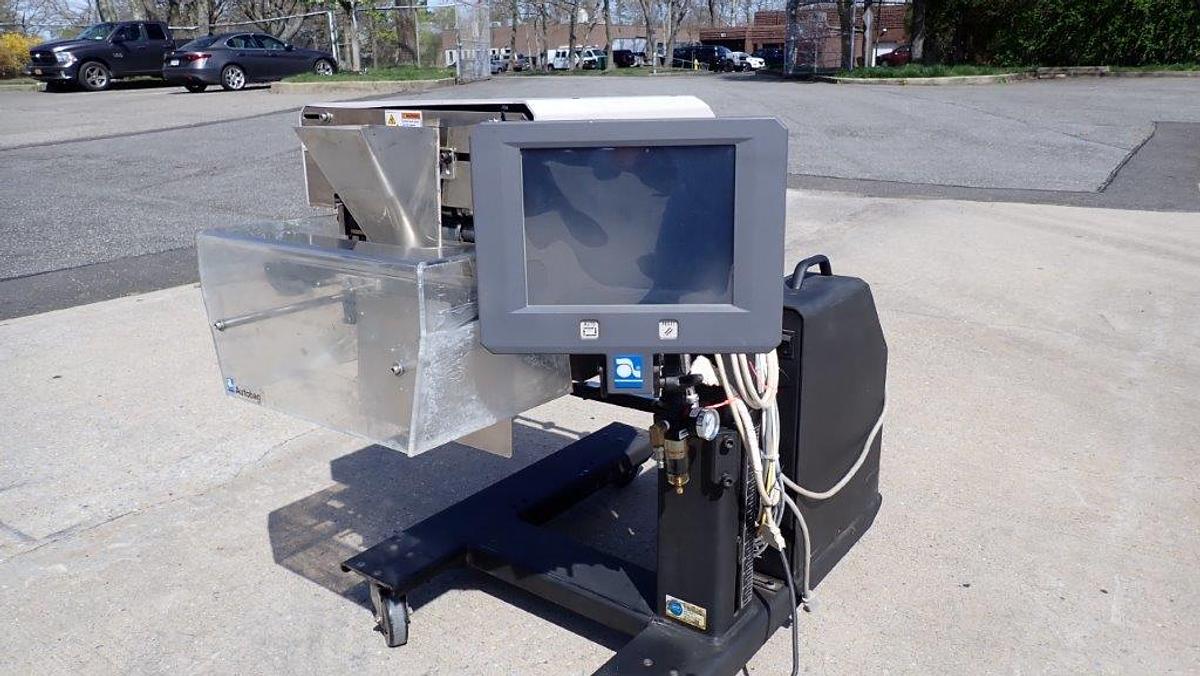
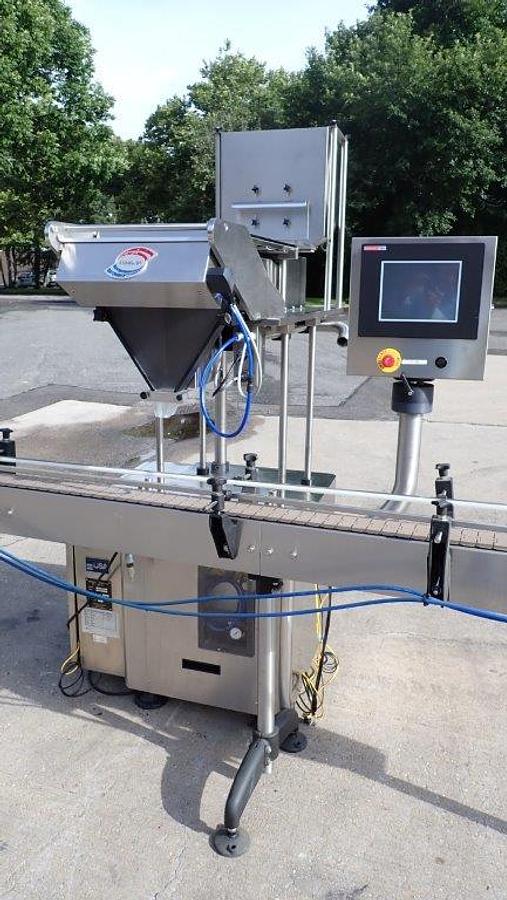
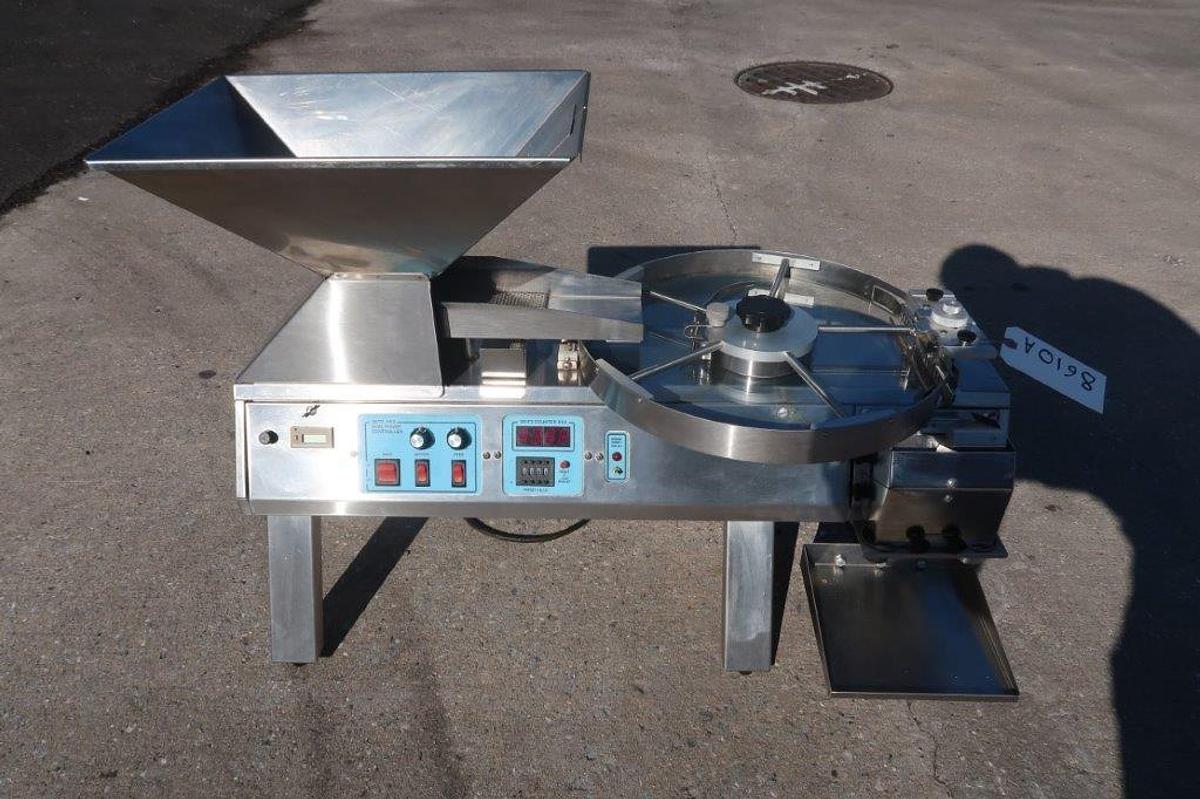
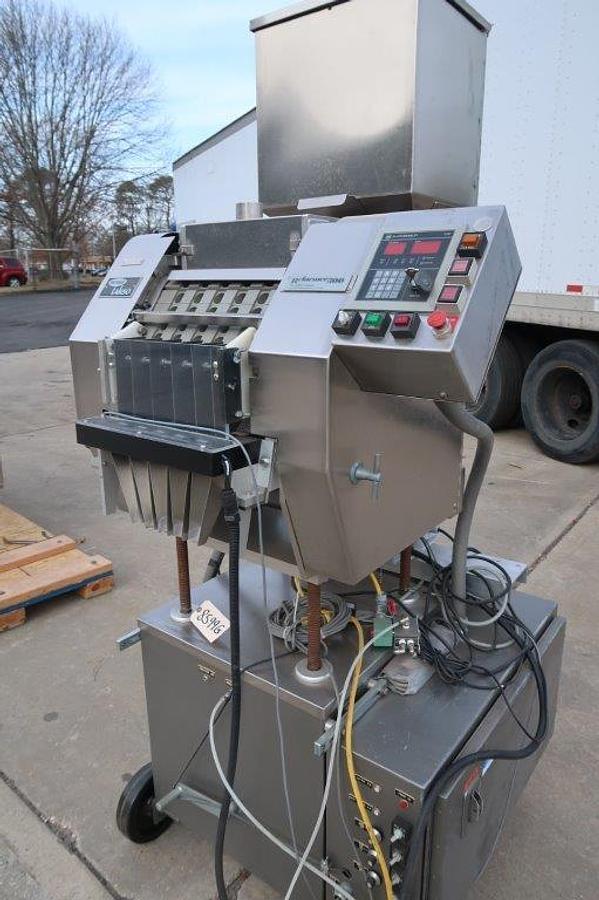
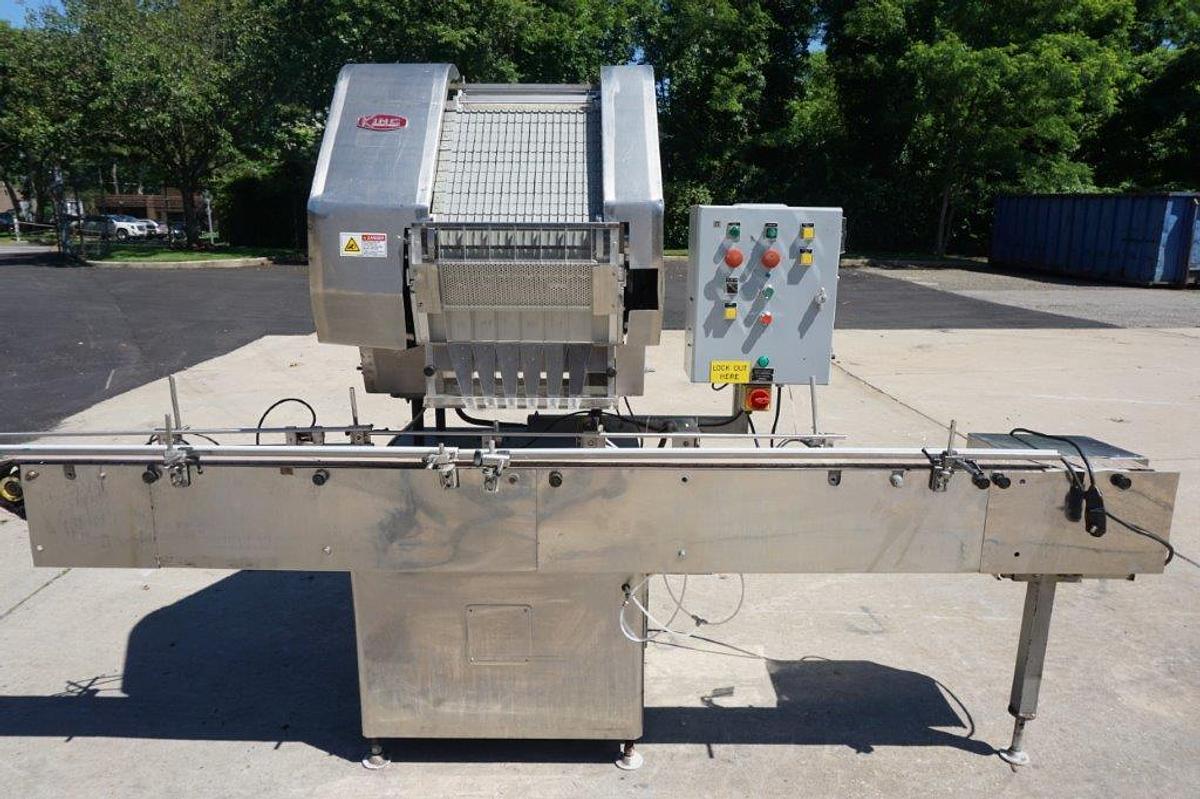
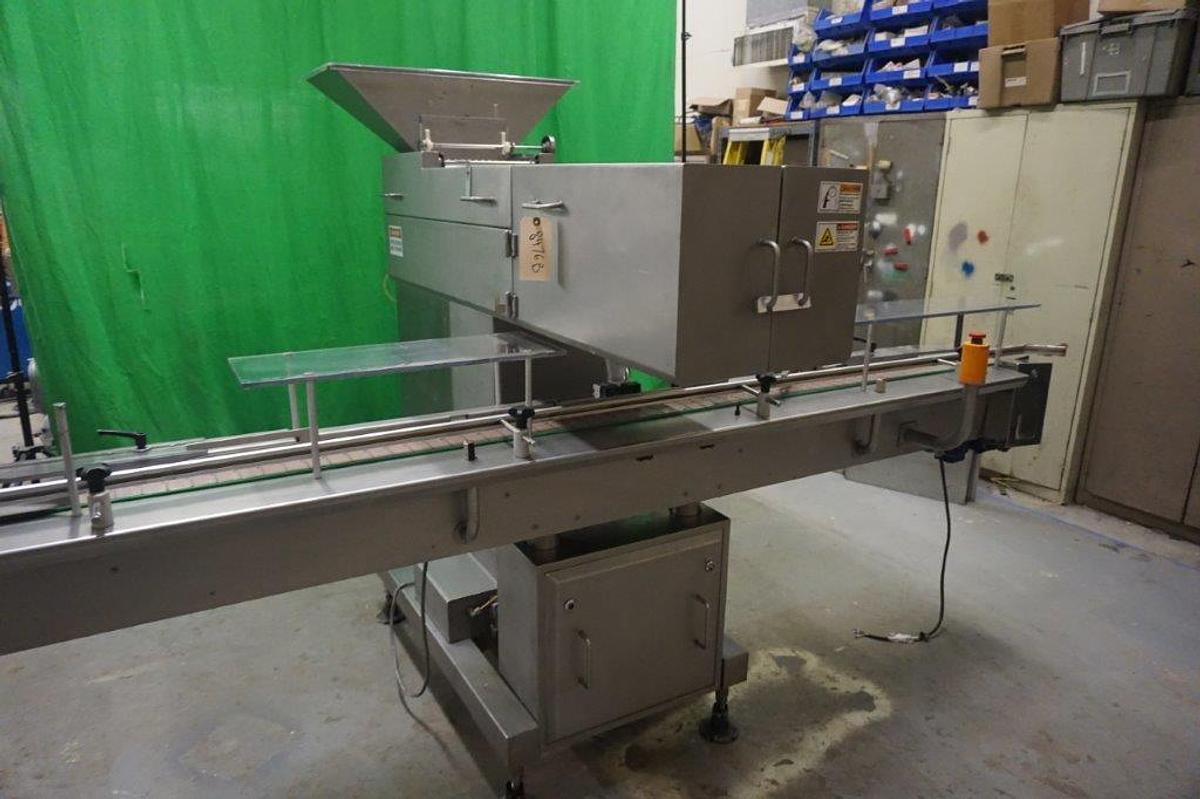
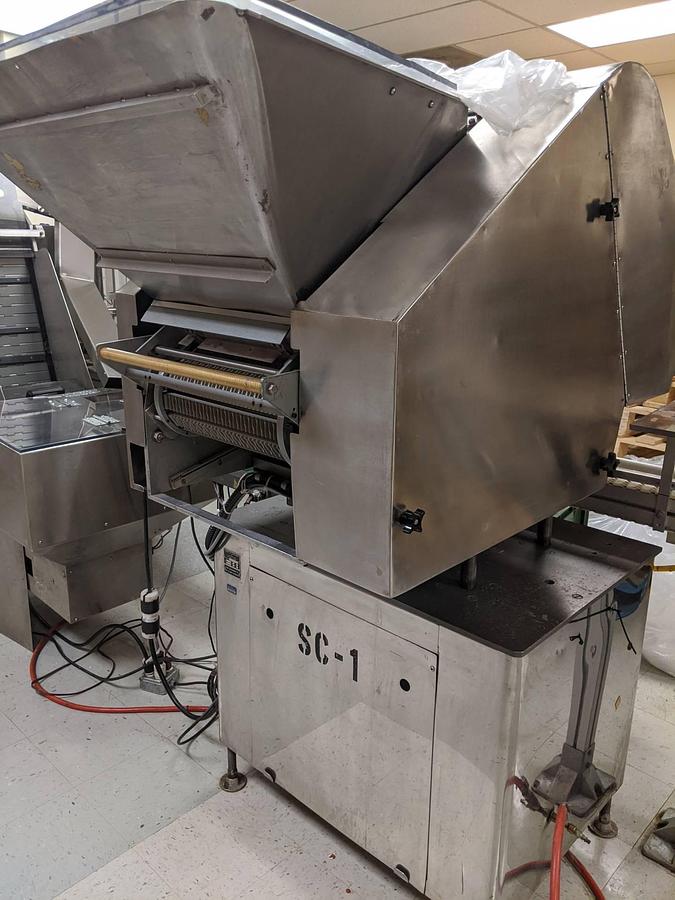
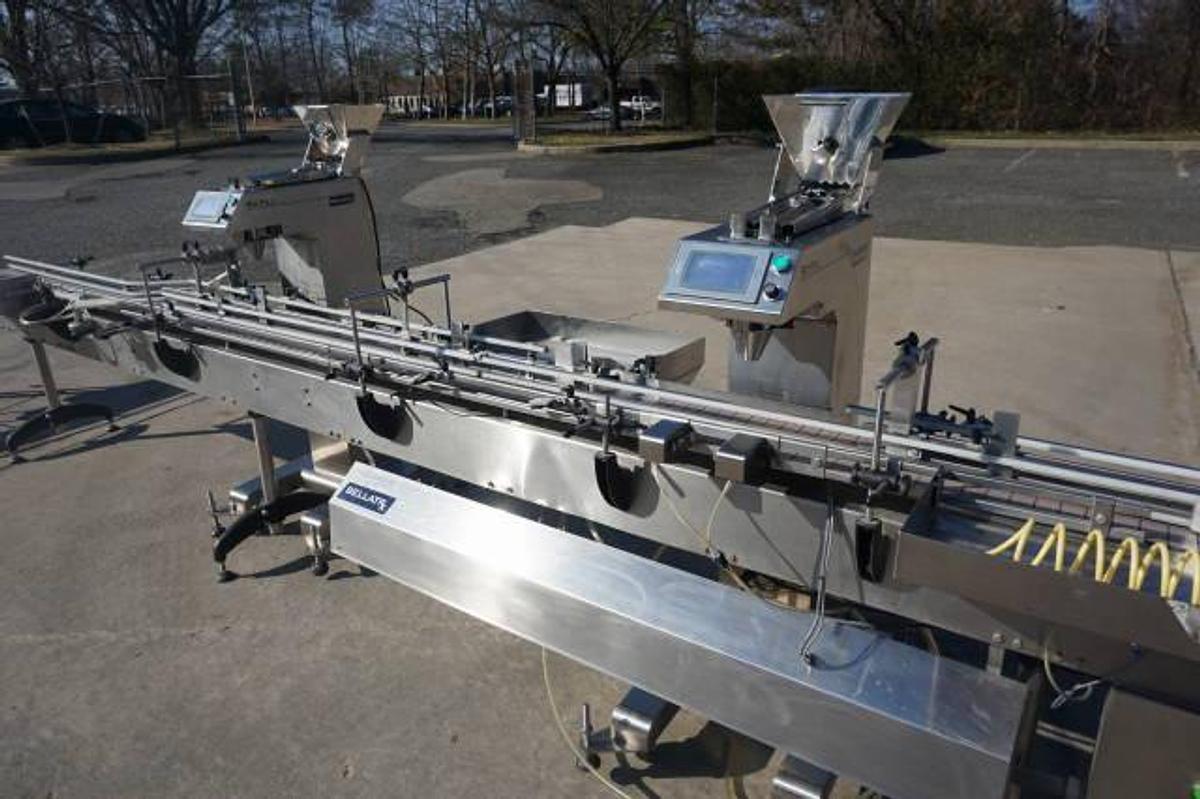
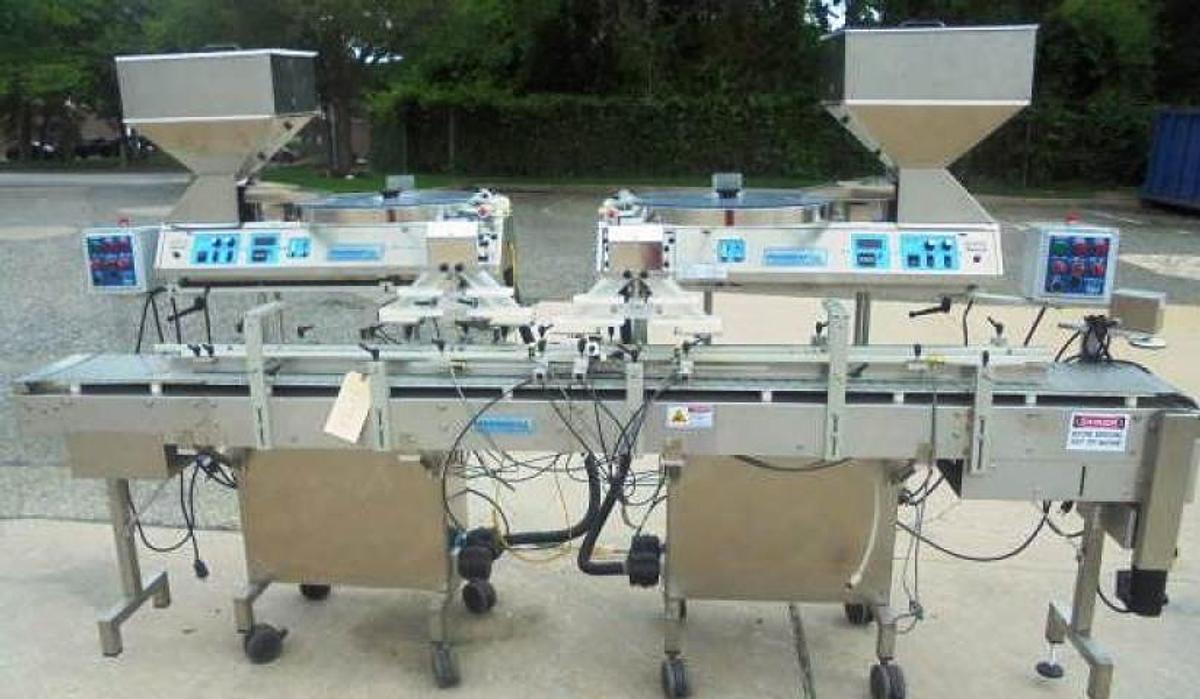
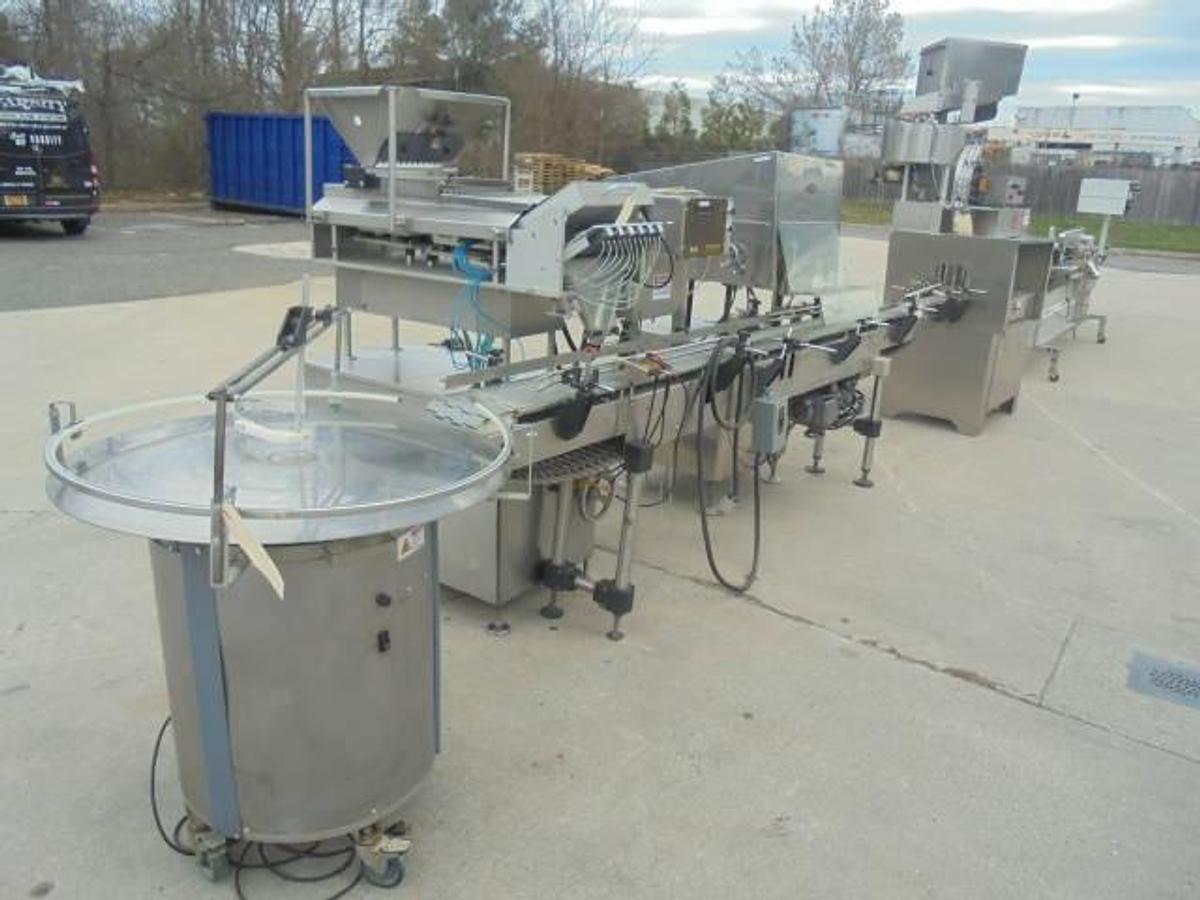
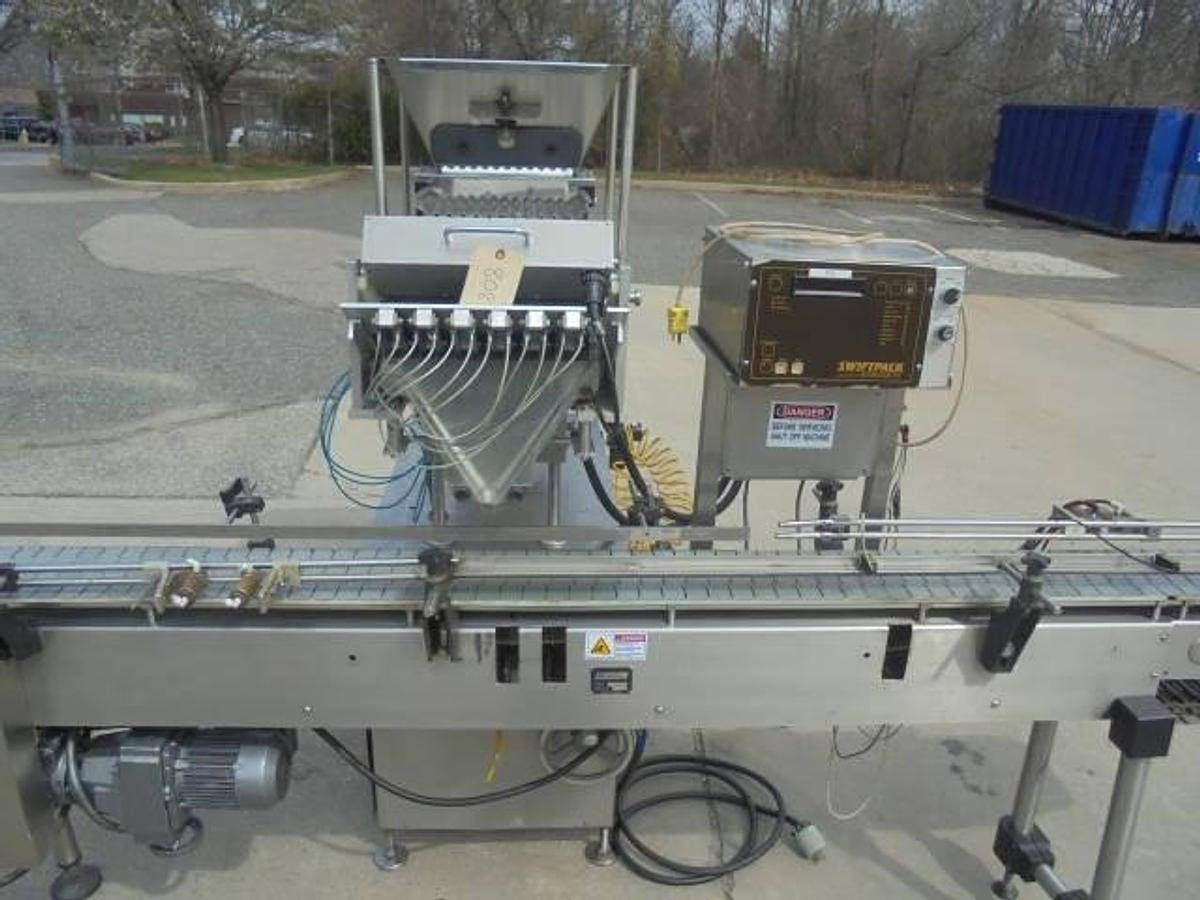
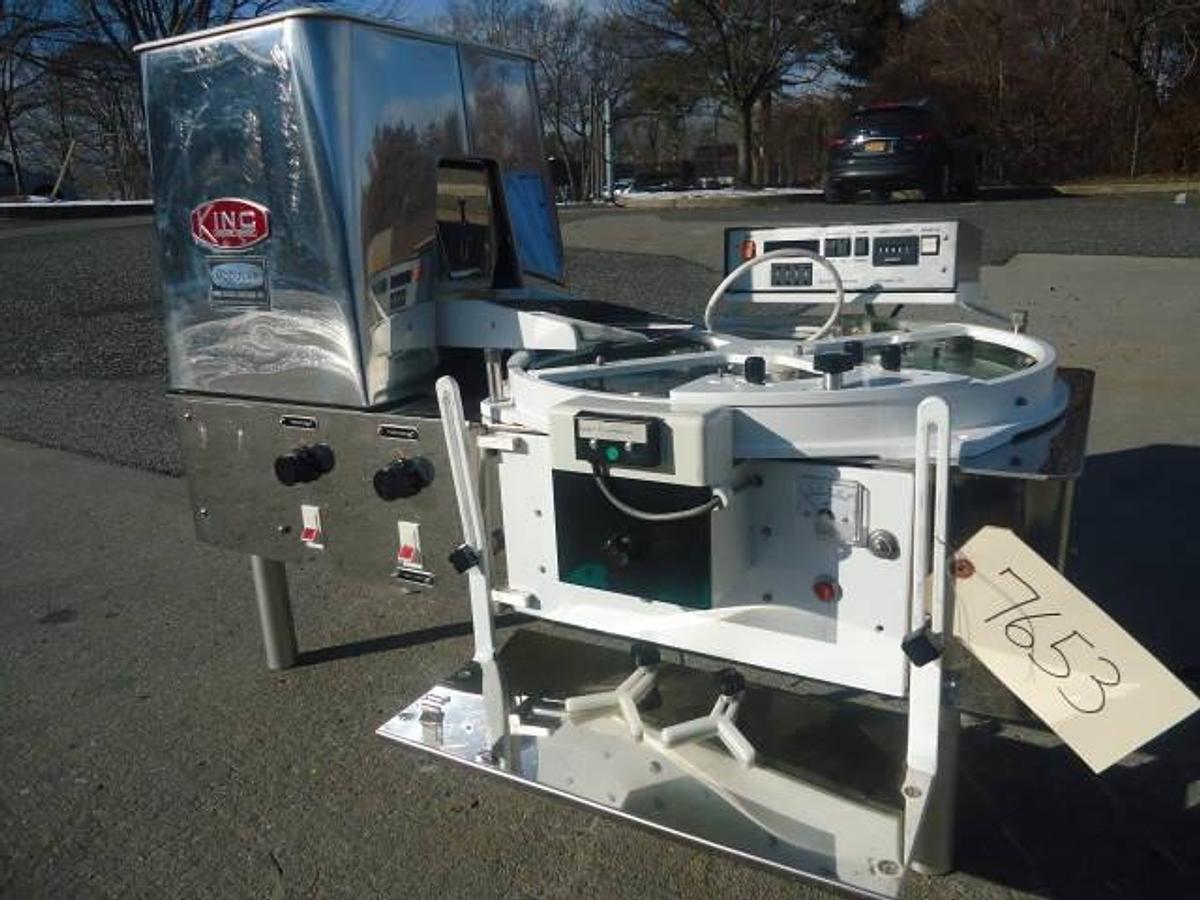
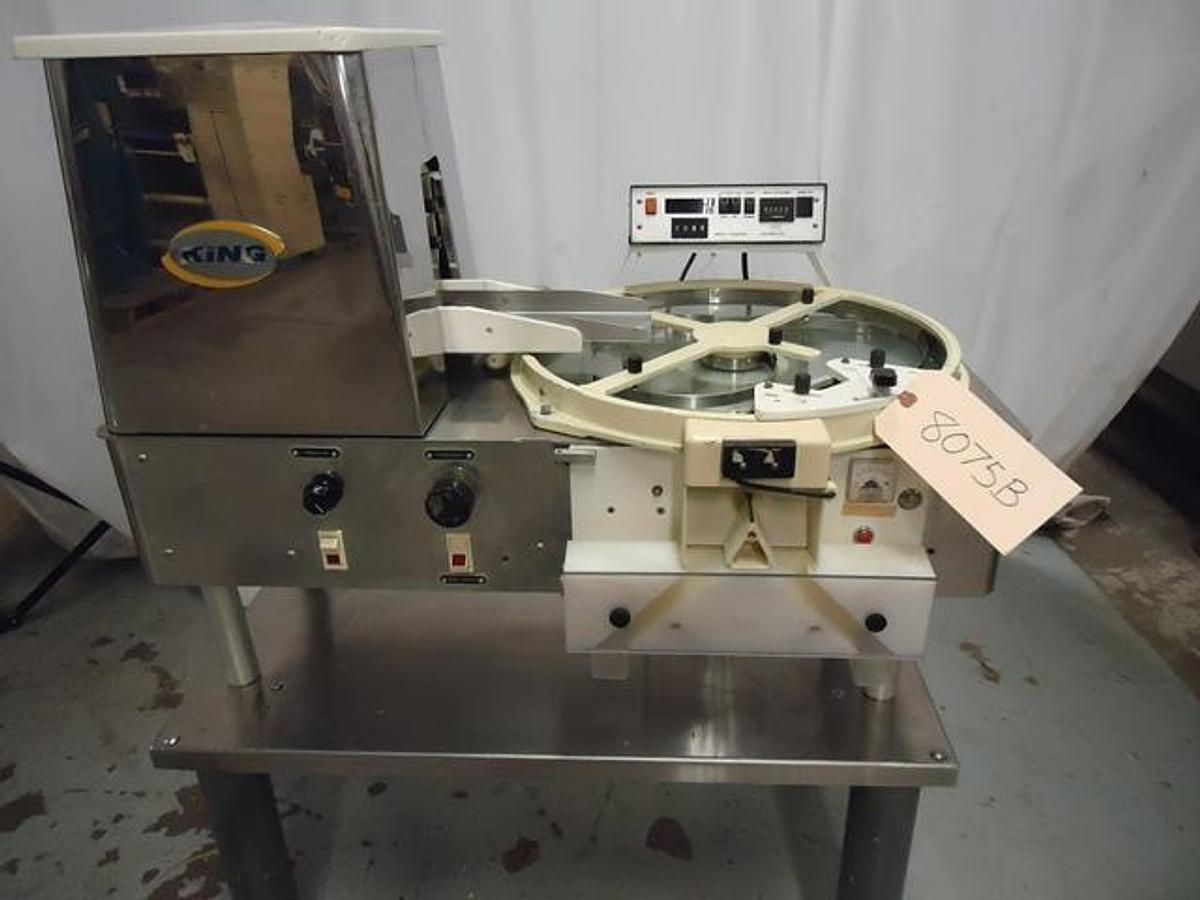
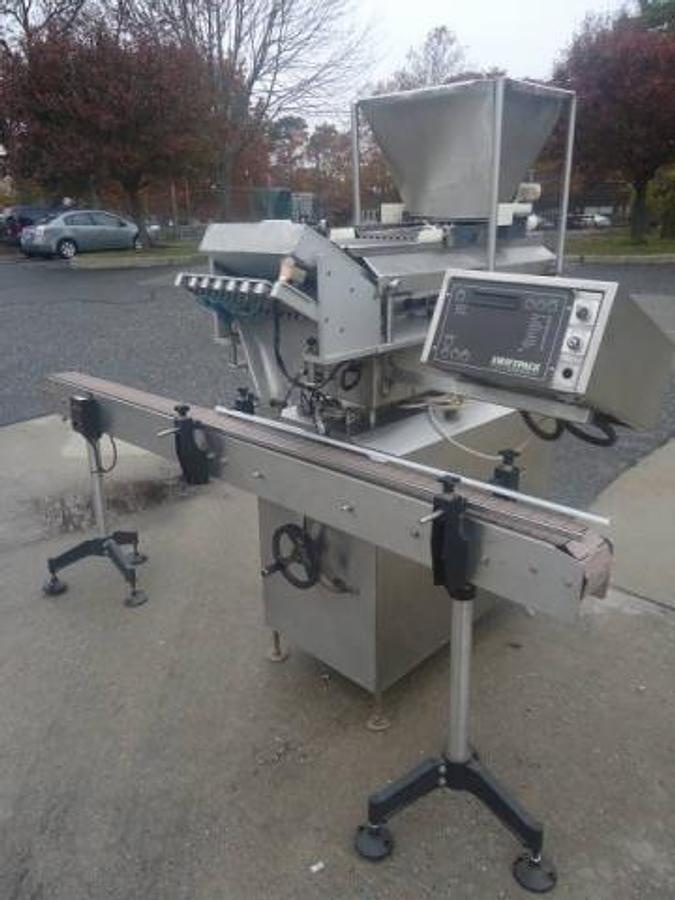
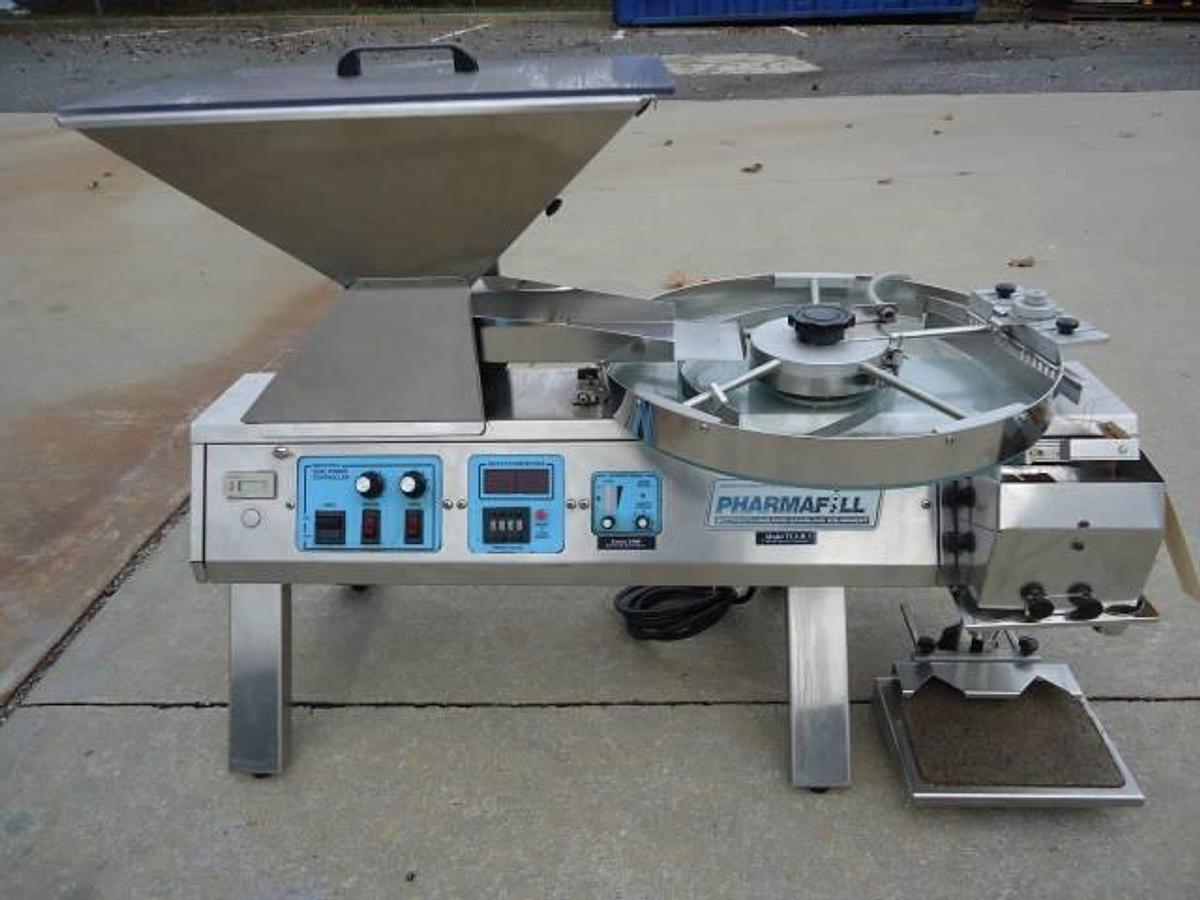
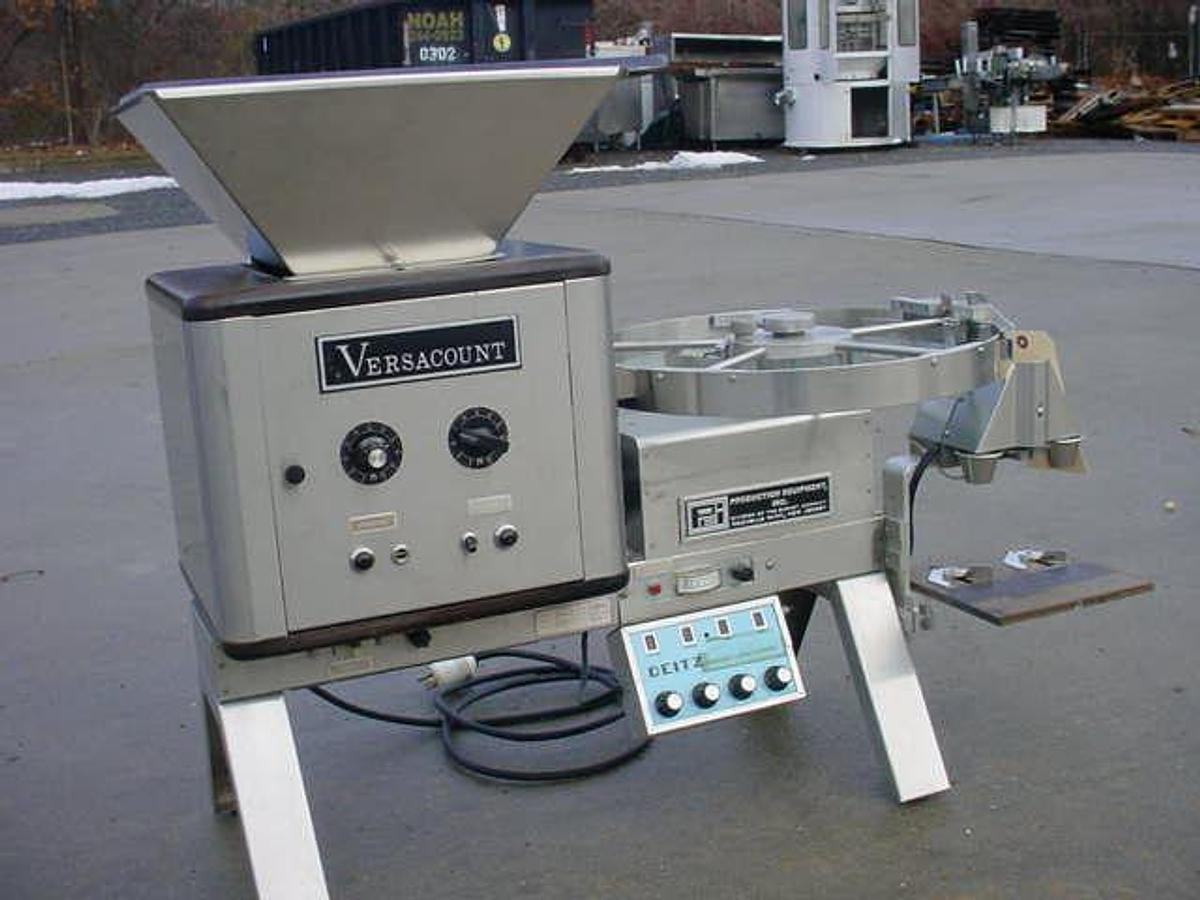
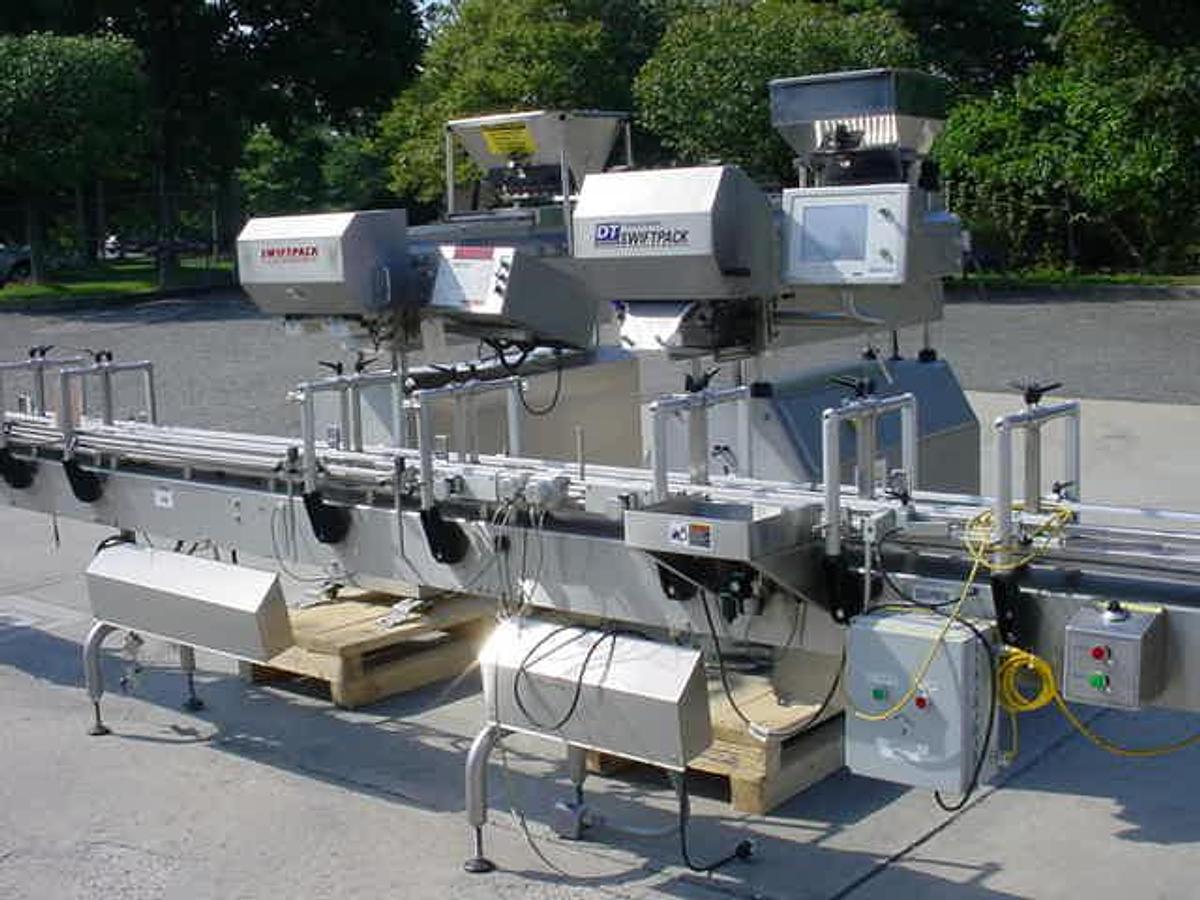
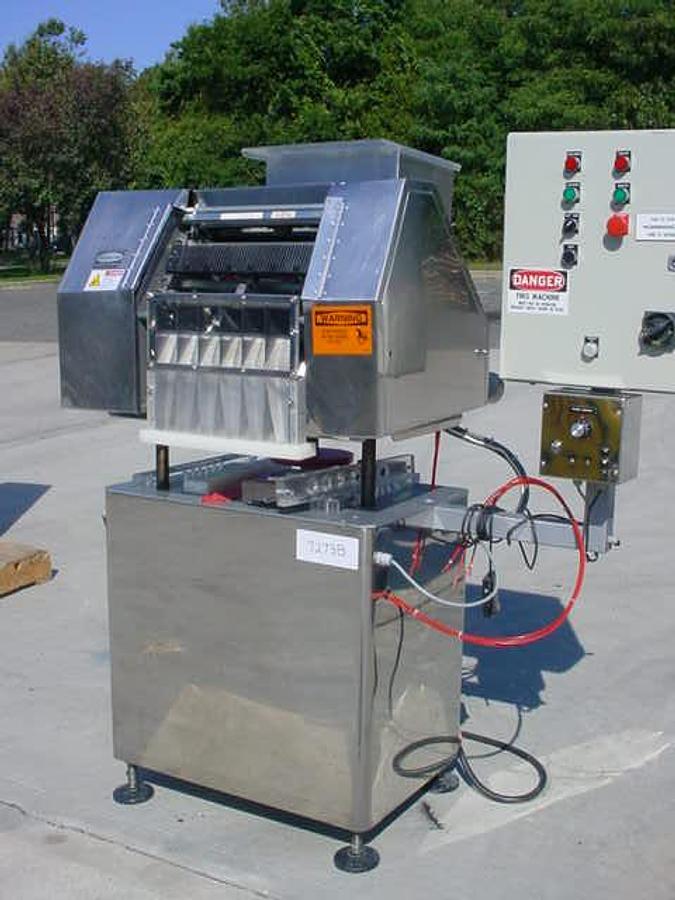
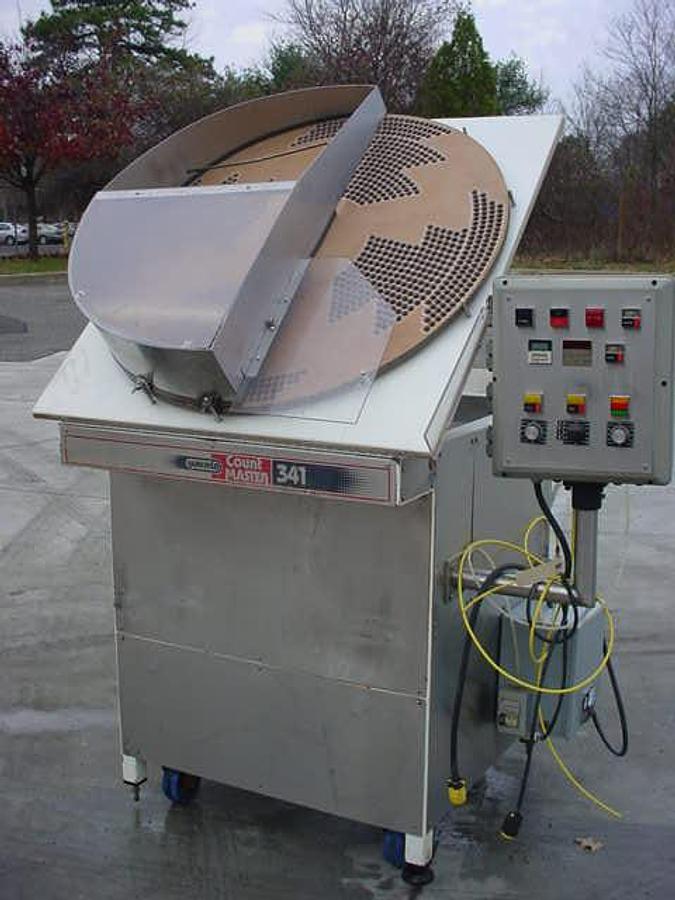
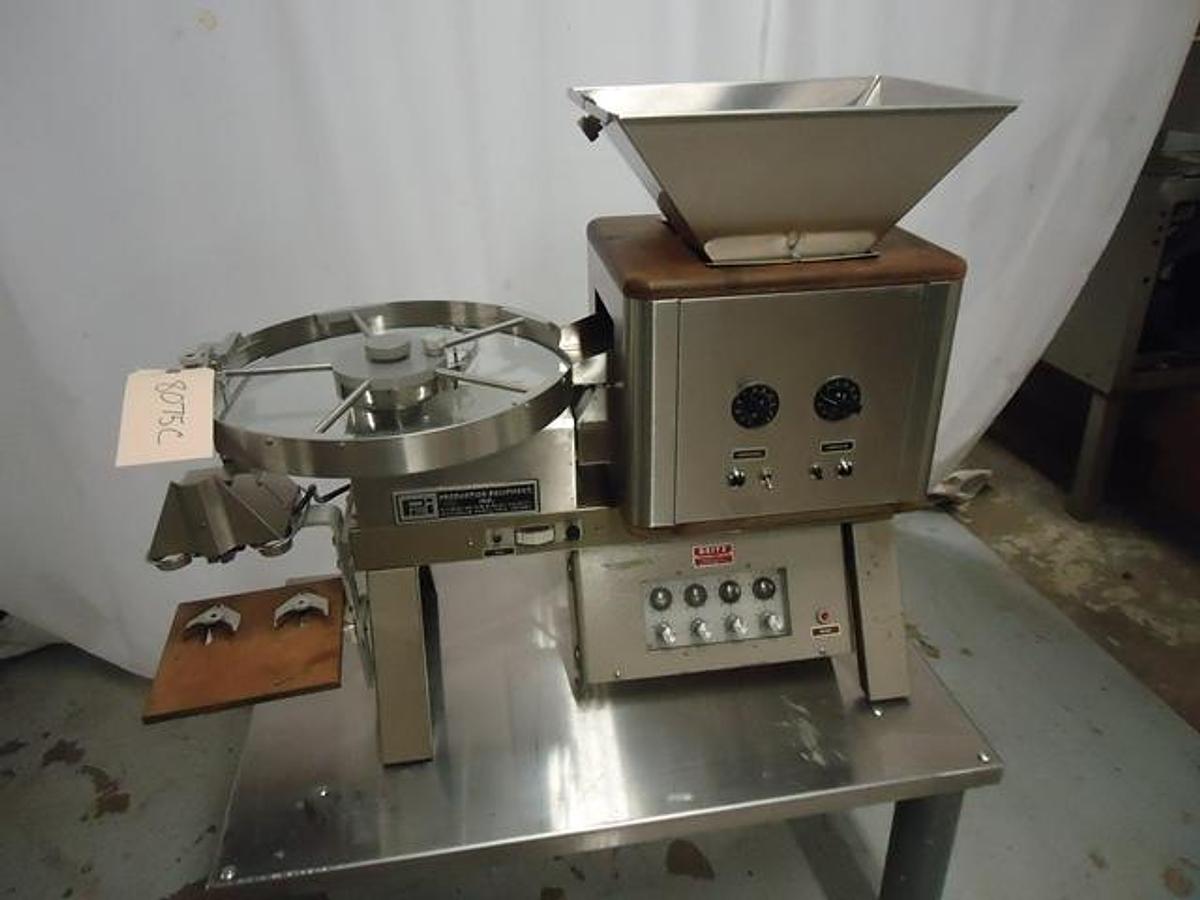
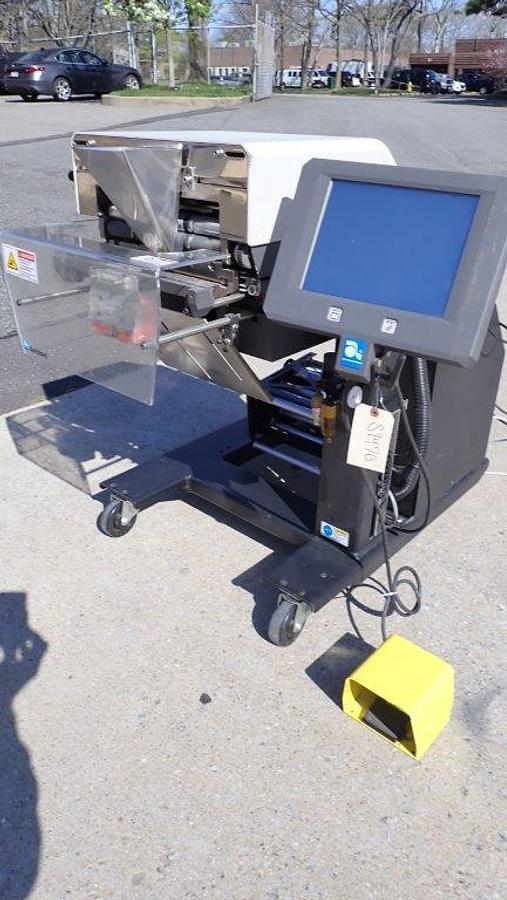
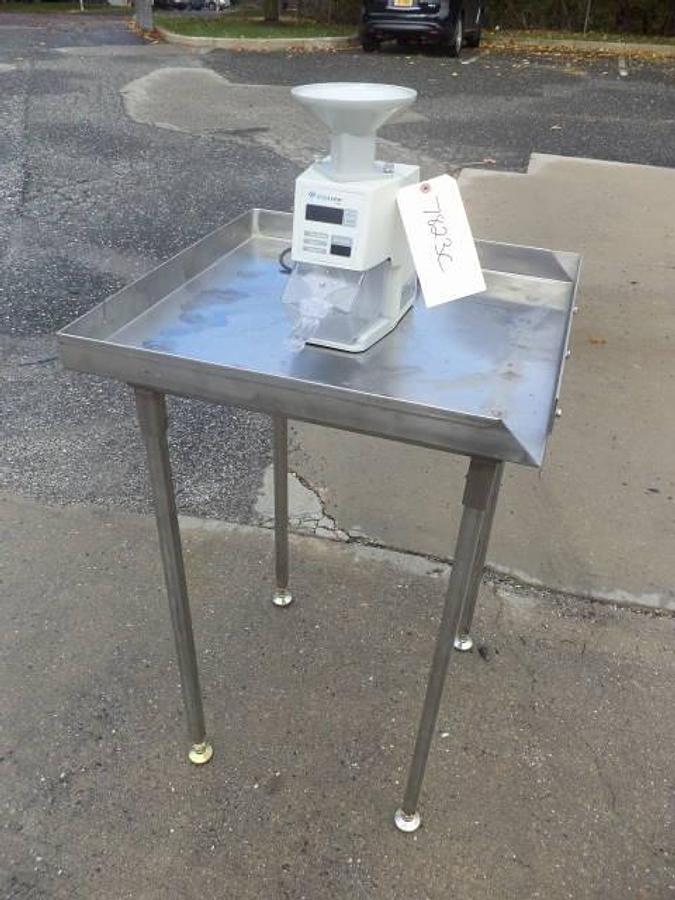
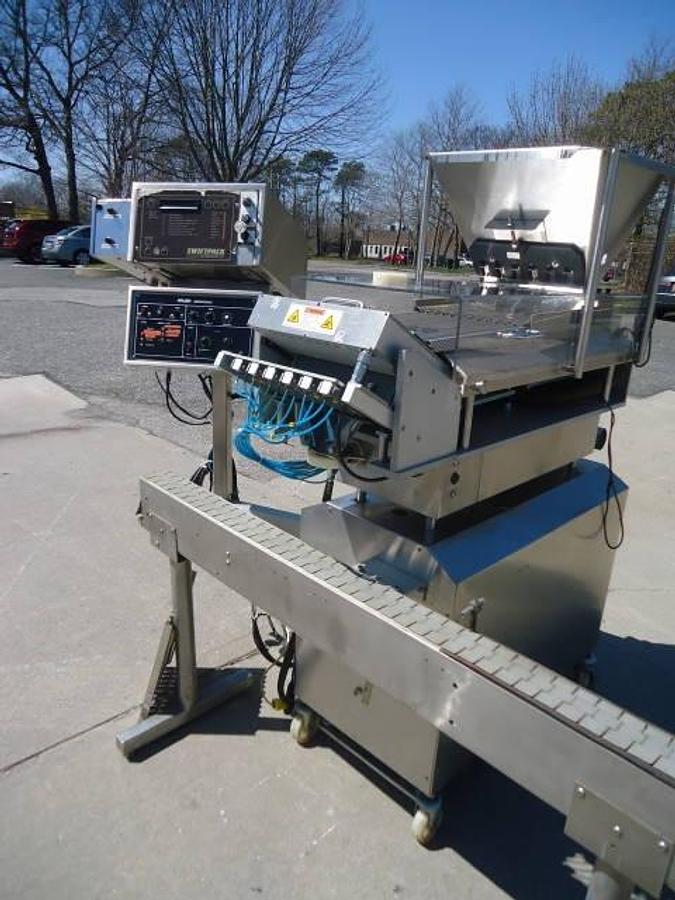
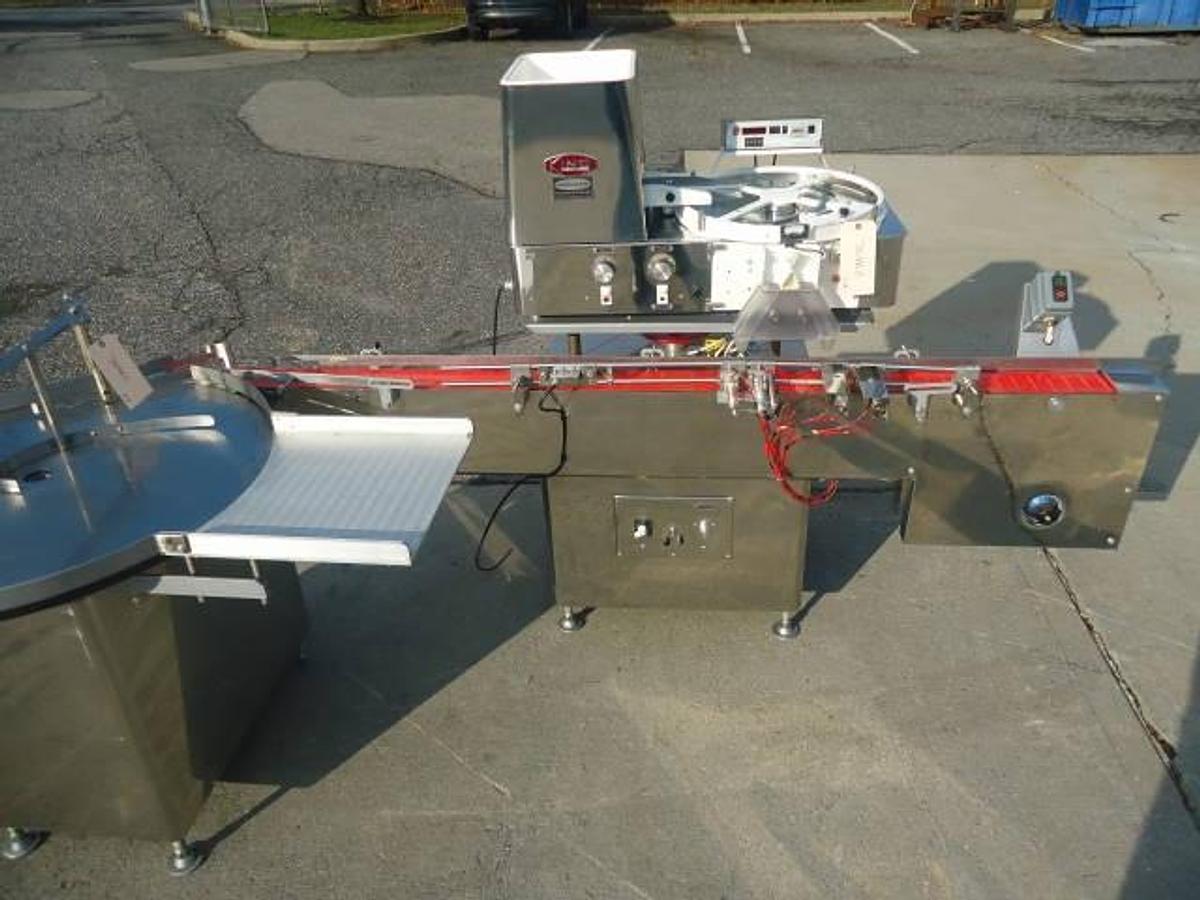
Tablet and capsule counters are available primarily in two varieties: automatic tablet counter and semi-automatic tabletop counter. Our inventory includes a variety of used automatic tablet counters for the pharmaceutical, nutraceutical, and vitamin industries such as LAKSO REFORMER slat counters and SWIFTPACK channel counters. Automatic counters are available in different speeds and capacities. Table top counting machines are available from brands such as the KING counter, DIETZ counter, and VERSACOUNT which are electronic counters.
FAQ :
What is the difference between an automatic and a semi-automatic tablet capsule counter?
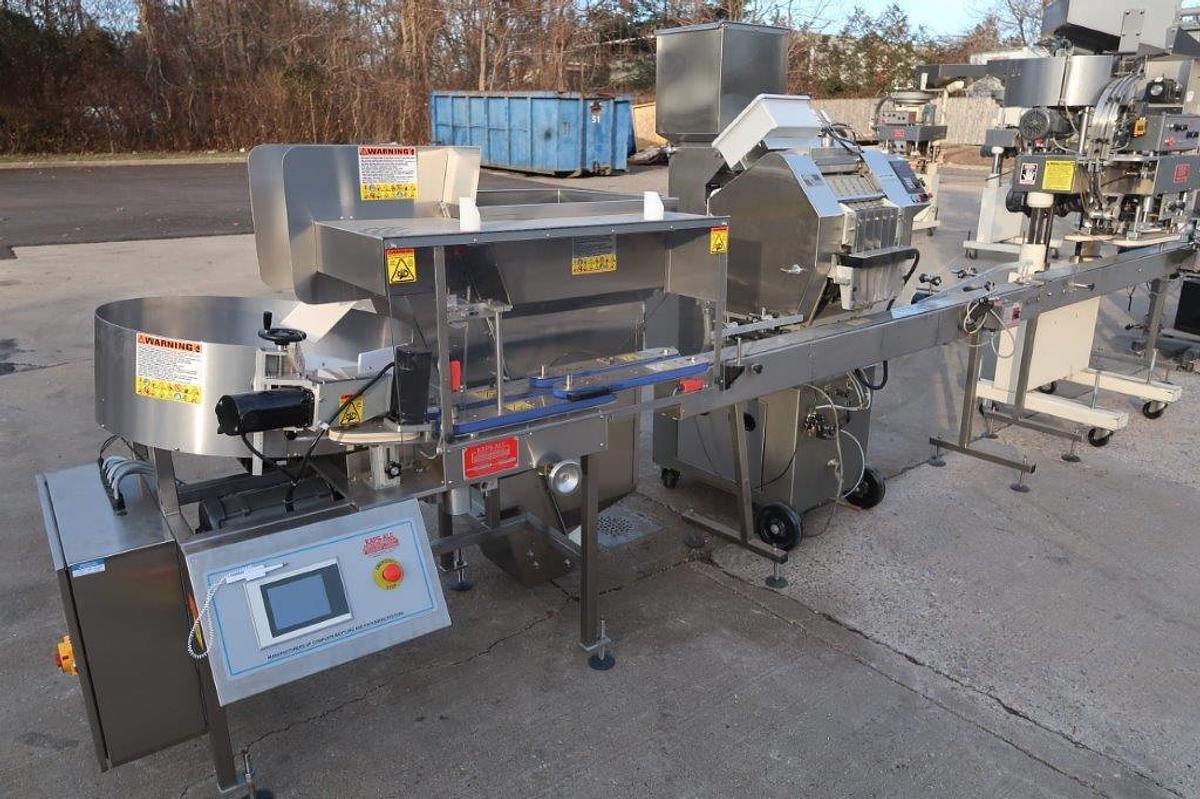
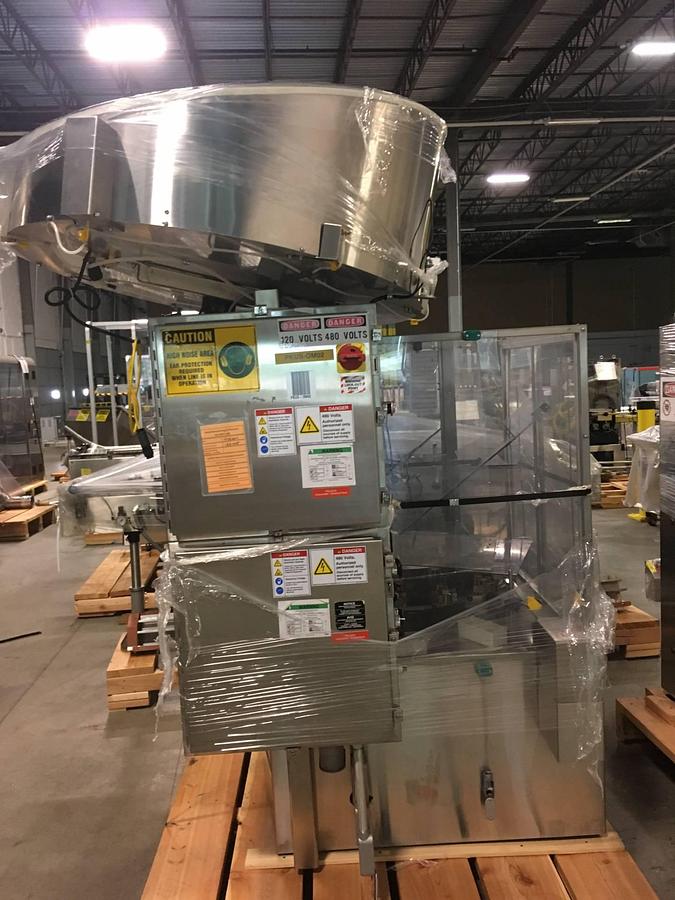
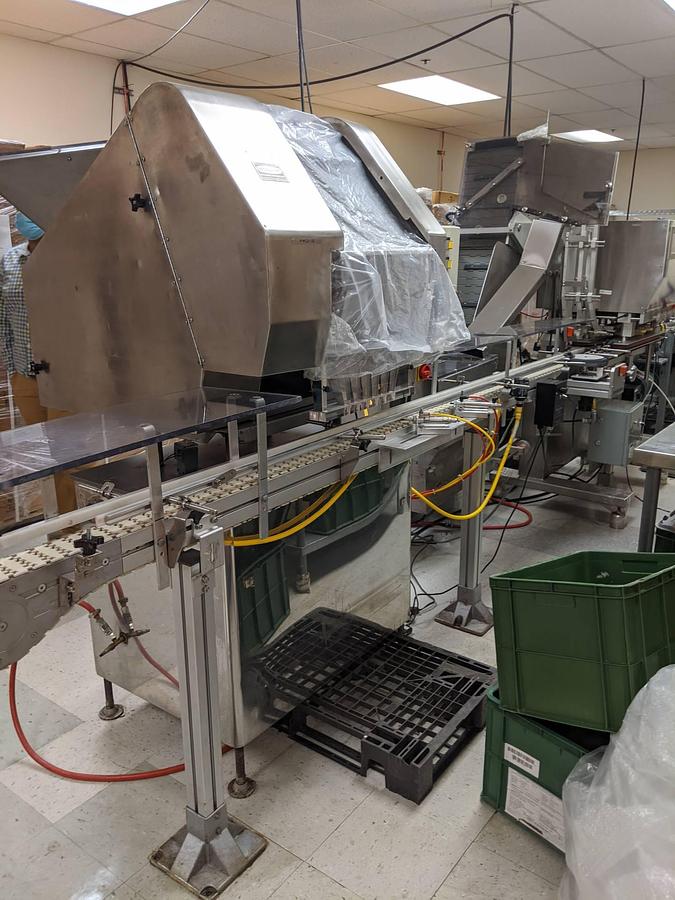
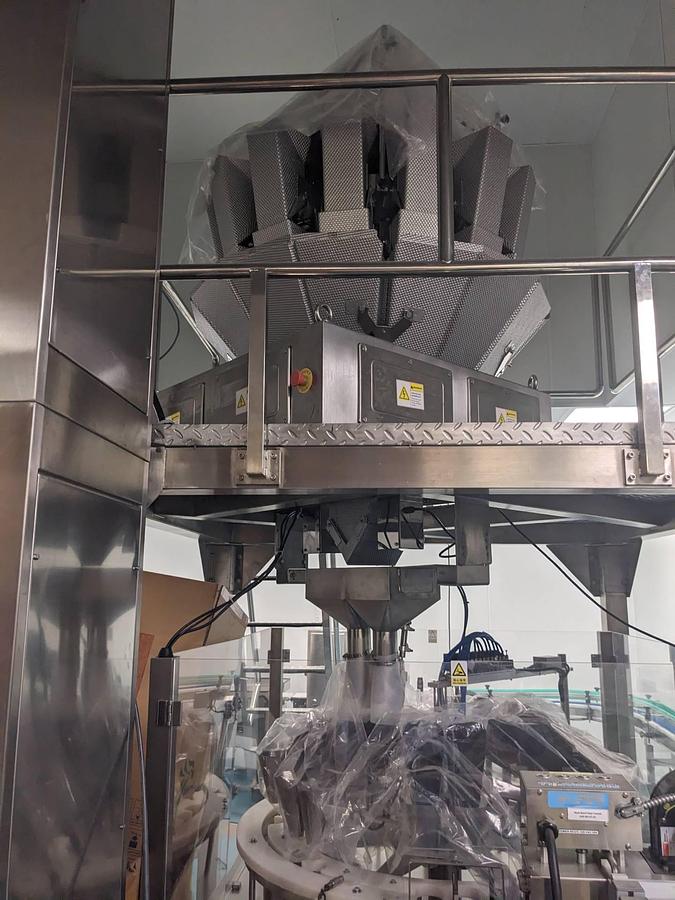
Automatic tablet and capsule counters are designed for high-volume production environments where speed and continuous operation are priorities. These machines use slat-counting or channel-counting mechanisms to move product through the system with minimal operator involvement. Common examples in the used market include slat counters like the Lakso Reformer and channel counters like the Kalish Swiftpack, which can be integrated into full bottling lines with conveyors, cappers, and labelers. Speeds and lane configurations vary widely, with multi-lane models handling anywhere from 12 to 60 or more bottles per minute depending on the setup.
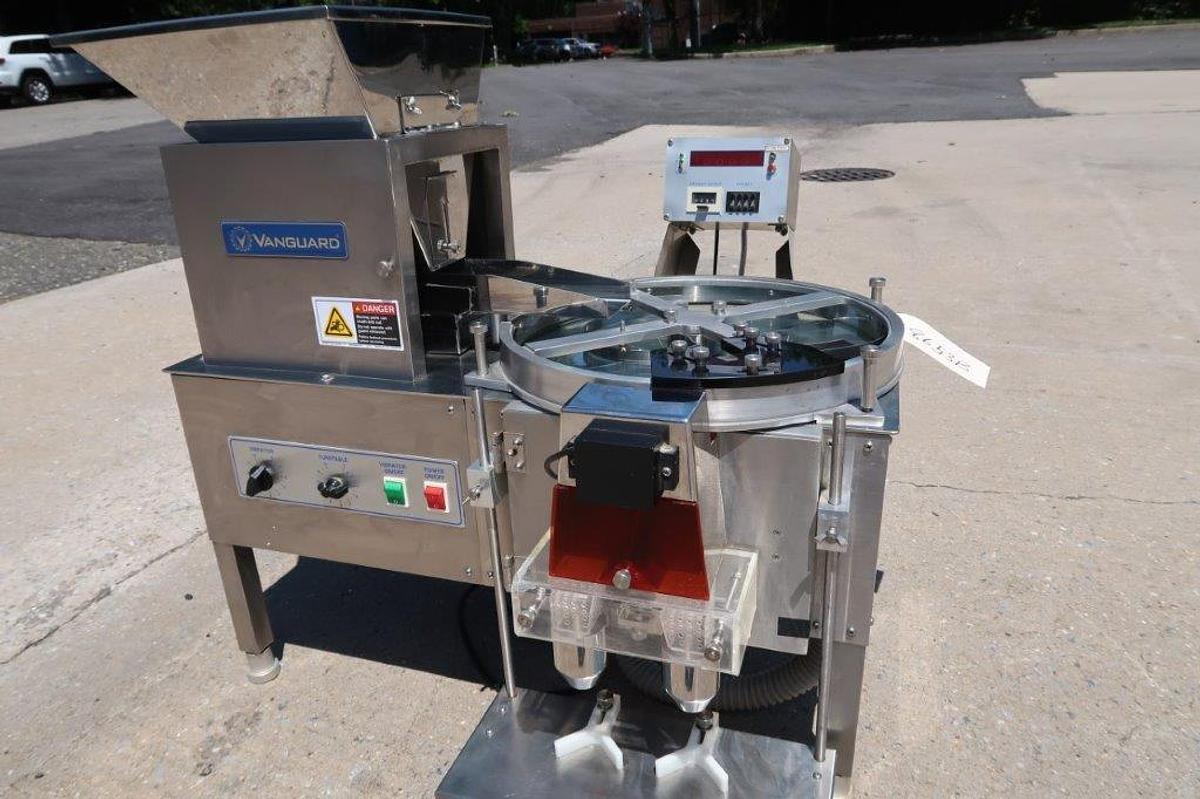
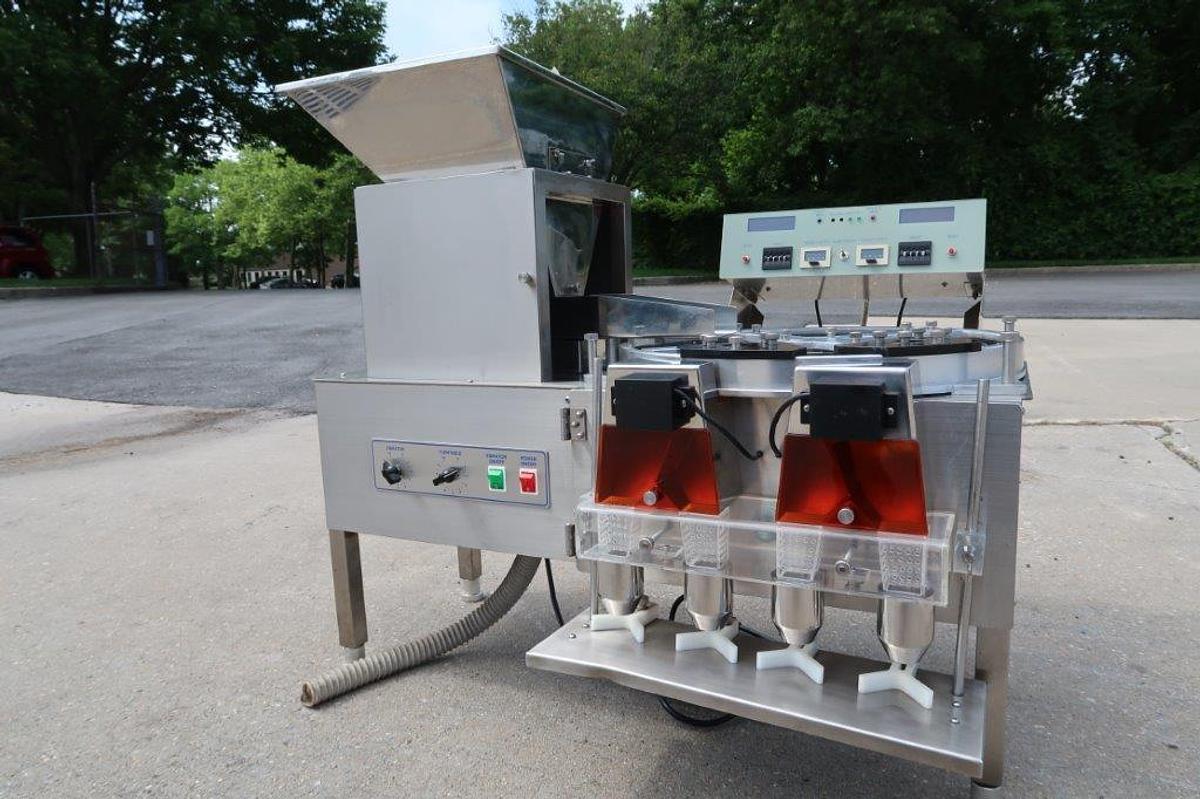
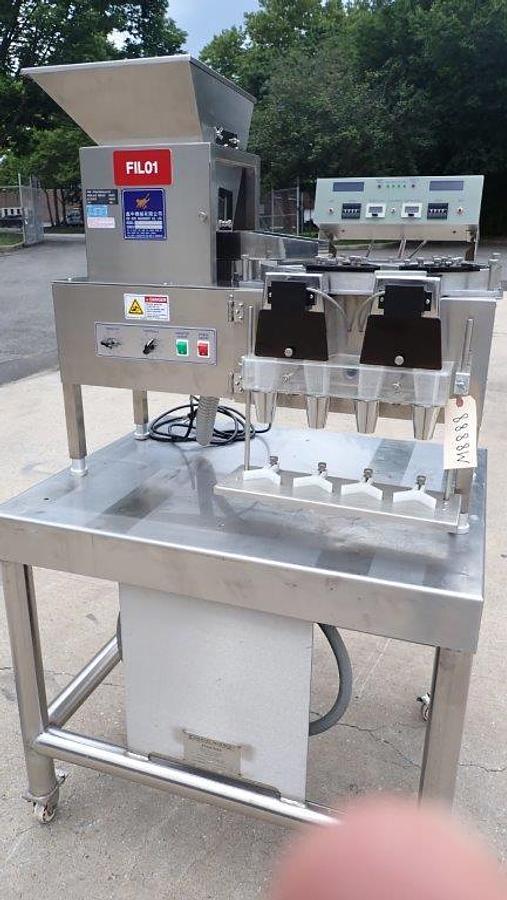
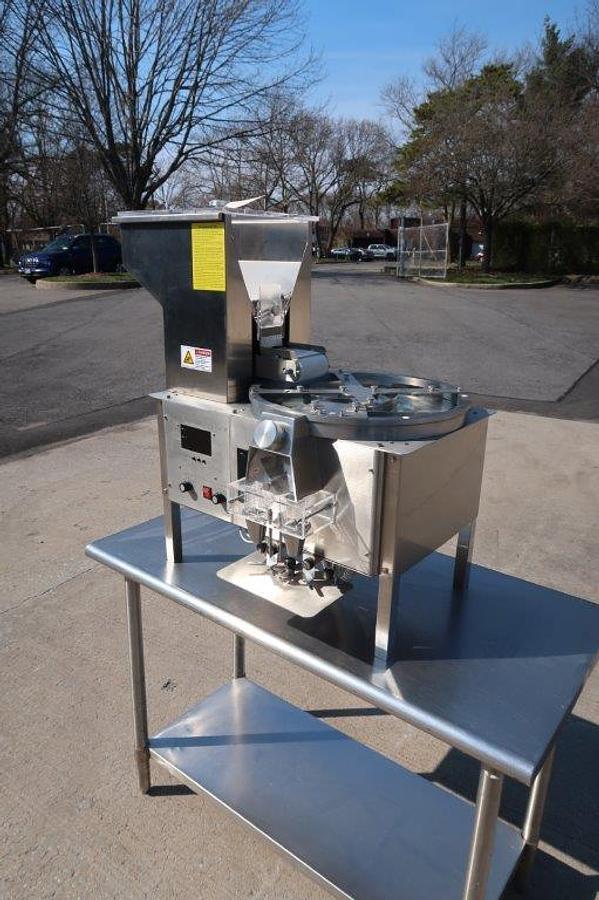
Semi-automatic tabletop counters, by contrast, require more hands-on operator involvement and are better suited for lower-volume applications like compounding pharmacies, clinical settings, or smaller nutraceutical operations. Brands commonly found in the used tabletop market include King, Dietz (Pharmafill), and Versacount, all of which use electronic sensors to count tablets or capsules dispensed into a container. These machines are compact, relatively easy to operate, and generally lower in cost than full automatic systems. Choosing between the two comes down to your production volume, floor space, and how much of the bottling process you want to automate.
What brands of used tablet capsule counters are most commonly available and reliable?
Several brands appear consistently in the used pharmaceutical equipment market and have earned strong reputations for durability and accuracy. On the automatic side, Kalish (Swiftpack), Lakso, and King are frequently available and are well-regarded for their mechanical reliability in high-output production environments. These machines were built for demanding pharmaceutical and nutraceutical manufacturing settings, which means well-maintained used units can still deliver solid performance. CVC and Modular Packaging are also common in the used market and are known for their multi-lane channel counting configurations.
For tabletop and semi-automatic applications, Kirby Lester is one of the most sought-after brands due to its sensor accuracy and build quality. Pharmafill (Dietz), Versacount, and Vanguard are also frequently available used and tend to hold up well over time. Kirby Lester units in particular often come from closed pharmacies or hospital equipment upgrades, meaning many available machines have seen relatively modest use before entering the secondary market. When evaluating any used brand, it helps to contact the manufacturer directly to understand what level of technical support, software updates, and replacement parts are still available for the specific model you are considering.
What should I inspect before buying a used tablet capsule counter?
A thorough pre-purchase inspection of a used tablet or capsule counter should cover both the mechanical and electronic components of the machine. On the mechanical side, look for wear on vibratory tracks, slats, or channel guides, since these are the parts that handle product directly and can degrade with heavy use. Check that all motors run smoothly, that conveyor belts (if present) move without hesitation, and that any pneumatic components respond correctly. Ask the seller about the machine's production history, including approximate cycle counts and what types of products it counted, since abrasive or oddly shaped tablets can accelerate wear on internal surfaces.
For electronic counters, sensor condition is critical. Optical or infrared sensors can drift out of calibration over time, particularly in high-volume pharmacy or manufacturing settings. Request any available service records or calibration logs. Reputable used equipment dealers will typically accommodate in-person inspections or provide detailed video walkthroughs of the machine in operation so you can assess its current working condition. Keep in mind that most dealers are not set up to run actual pharmaceutical product through a machine during a demonstration, since that requires production-level permitting. However, a dry run or mechanical demonstration can still reveal a great deal about the machine's condition. Buyers should also verify that all safety guards, control panels, and documentation are present before finalizing a purchase.
Are used tablet capsule counters GMP compliant?
GMP (Good Manufacturing Practice) compliance is tied to how a machine is installed, validated, and used within a facility, not just to the machine itself. A used tablet or capsule counter that was previously operated in a GMP-compliant pharmaceutical or nutraceutical facility may have the physical attributes required for compliance, such as stainless steel contact surfaces, cleanable design, and accurate counting mechanisms. Some listings in the used market specifically note GMP construction, as seen with certain King TB4 models, which signals that the machine was built to pharmaceutical-grade standards.
However, purchasing a used machine does not automatically transfer any prior validation status. Buyers operating under FDA oversight will need to re-qualify and re-validate the equipment within their own facility and quality system. This typically involves installation qualification (IQ), operational qualification (OQ), and performance qualification (PQ) protocols. Consulting with your quality assurance team before purchasing is strongly recommended so you understand what documentation, cleaning validation, and accuracy testing will be required to bring the machine into compliance at your site. A machine with a documented service and calibration history from its previous owner can make this process considerably easier.
Are replacement parts still available for older used tablet capsule counter models?
Parts availability is one of the most important practical considerations when buying a used tablet or capsule counter, and it varies significantly by brand, model, and age. For widely used platforms like Kirby Lester, Kalish Swiftpack, and King counters, parts and technical support are often still accessible because these brands have large installed bases and have been in use across the pharmaceutical industry for decades. Contacting the manufacturer directly before purchasing is the best way to confirm what is currently available for a specific model number, since age and production status can affect whether circuit boards, sensors, slats, or vibratory components are still stocked.
For older or less common models, third-party parts suppliers and specialized repair shops can sometimes fill the gap, particularly for mechanical components like belts, motors, and guides. Some buyers also purchase a second unit of the same model as a parts machine, which is a practical strategy for keeping a critical production line running. When evaluating a used machine, ask the seller whether any parts were recently replaced and whether any known components are near end of life. A reputable dealer who specializes in pharmaceutical equipment will typically have insight into parts availability for the machines they carry and can help set realistic expectations before you commit to a purchase.
What is the typical counting accuracy of a used tablet capsule counter?
Counting accuracy is the single most critical performance metric for any tablet or capsule counter, and quality machines are expected to maintain 99.9 percent accuracy or better even after extended use. Electronic and sensor-based counters generally hold their accuracy better over time compared to purely mechanical vibratory designs, because optical or infrared sensors can be recalibrated when they drift. That said, sensor degradation is a real concern in high-cycle used units, and accuracy should be verified before the machine is put into production use.
Factors that can affect accuracy on a used machine include worn sensor lenses, debris buildup in counting channels, misaligned slats, and vibratory track wear. Requesting a demonstration run or asking for recent calibration records can give you a baseline sense of where the machine stands. For regulated pharmaceutical applications, accuracy verification will need to be part of your formal qualification process regardless of what the seller reports. Machines sourced from closed pharmacies or facilities that upgraded to newer equipment often have relatively low cycle counts, which can mean accuracy is still well within specification, but independent verification is always the right approach before relying on a used counter in a production environment.
Can used tablet capsule counters handle different tablet sizes and shapes?
Most tablet and capsule counters are designed with some degree of flexibility for handling different product formats, but the range of sizes and shapes a given machine can accommodate depends heavily on its design type. Channel counters like the Kalish Swiftpack use adjustable lanes that can be configured for different tablet diameters and capsule sizes. Slat counters like the Lakso Reformer use interchangeable slat sets, where the pocket size is matched to the specific product being counted. Buyers should confirm which slat sets or channel configurations are included with a used machine, since these tooling components are often product-specific and may not be included in a base listing.
Tabletop electronic counters like those from King, Versacount, or Kirby Lester typically handle a wider range of sizes without tooling changes, relying on sensors rather than physical pockets to detect individual units. These are generally more flexible for operations that count multiple SKUs. Irregular shapes, coated tablets, and soft gels can present challenges on any counter, so it is worth discussing the specific products you plan to run with the seller to confirm the machine is a practical fit. Some used machines come with documentation or prior settings that indicate what product types they were previously used for, which can be a helpful reference point.
Where do used tablet capsule counters typically come from?
The used tablet and capsule counter market is supplied by several common sources, each of which can affect the condition and history of available machines. A significant portion of used units comes from closed retail or compounding pharmacies, where counters like Kirby Lester tabletop models may have seen only moderate use before the business closed or consolidated. Hospital pharmacy downsizing is another common source, and machines from these settings are often well-maintained given the regulatory environment they operated in. Equipment upgrades at nutraceutical or pharmaceutical manufacturers also feed the used market, as facilities replace older models with higher-capacity or more automated systems.
Used equipment dealers who specialize in pharmaceutical and nutraceutical machinery typically acquire machines through direct purchases from these facilities, estate sales, or liquidations. Some machines may still be installed and in production at a facility at the time of sale, which can allow for an in-person inspection in a working environment. Others will have been decommissioned and moved to a dealer's warehouse. Understanding the provenance of a specific machine is worthwhile, since a unit coming out of a regulated pharmaceutical facility with documented maintenance records is generally a lower-risk purchase than one with an unknown history.
What does a complete used tablet capsule bottling line include?
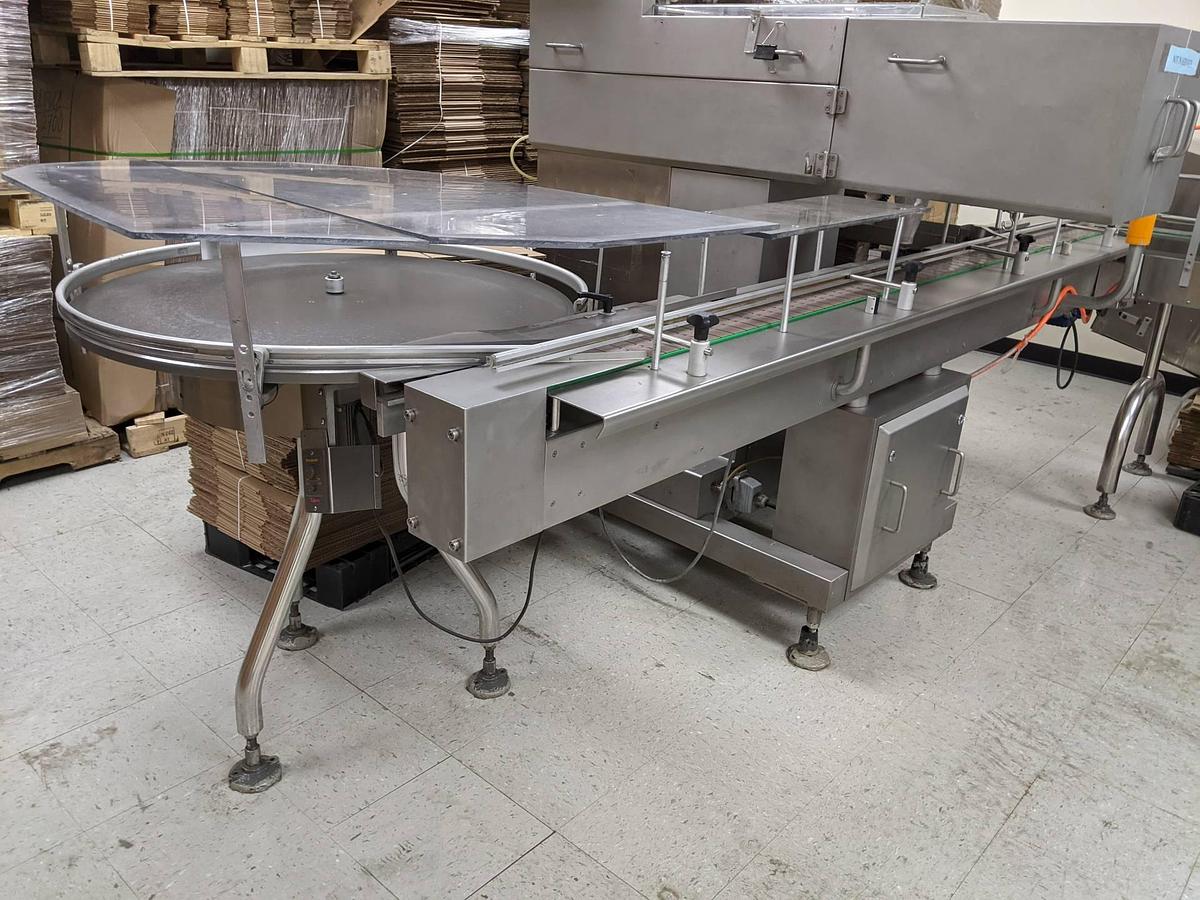
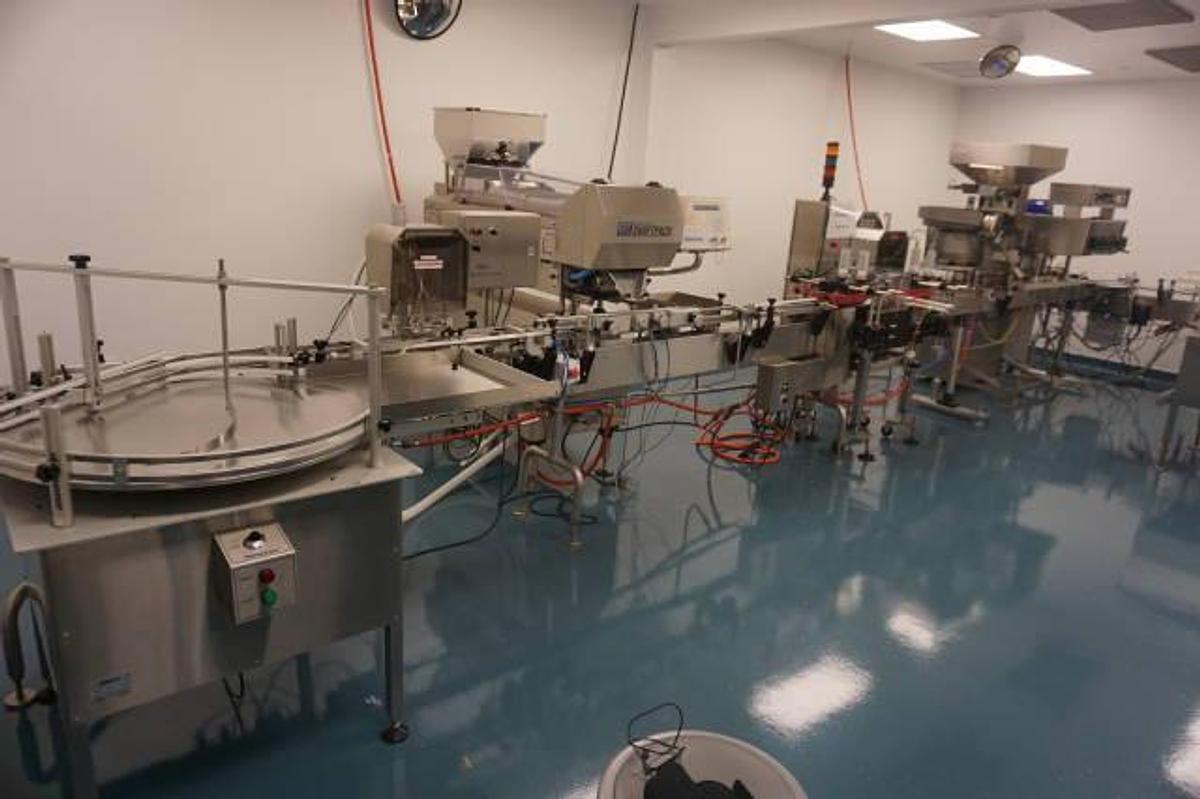
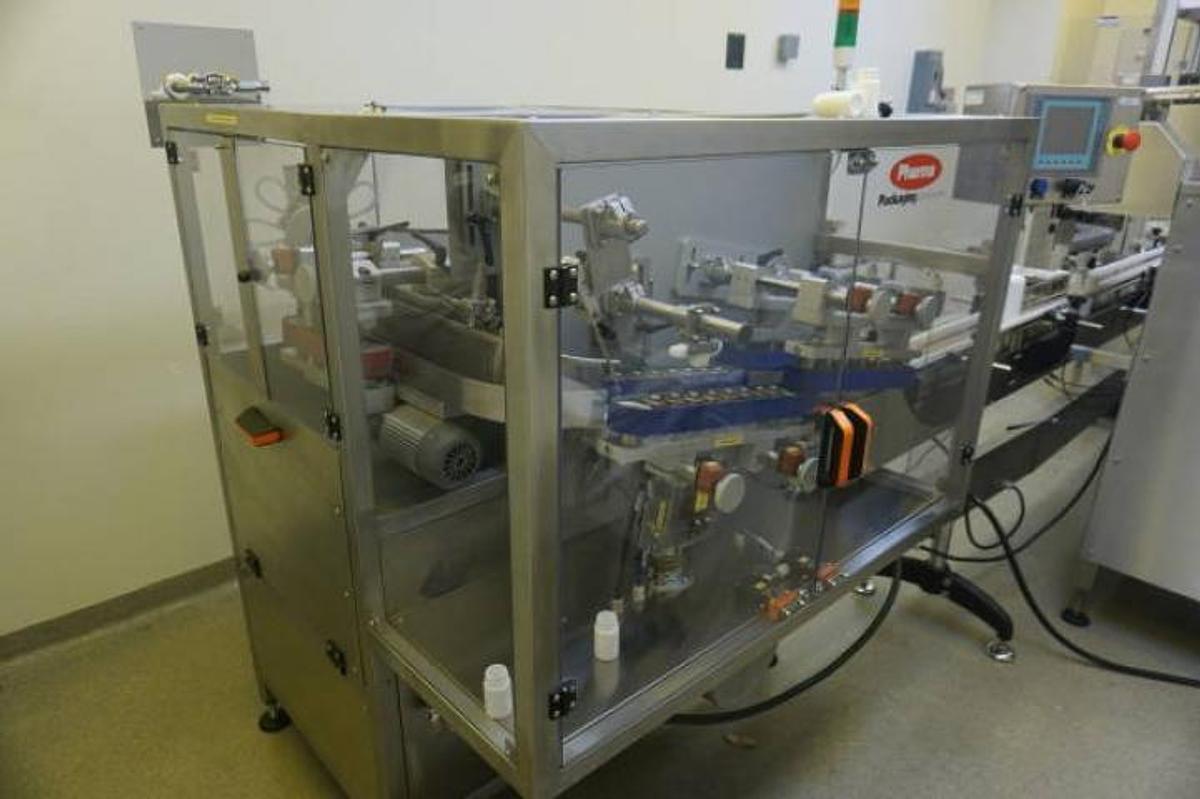
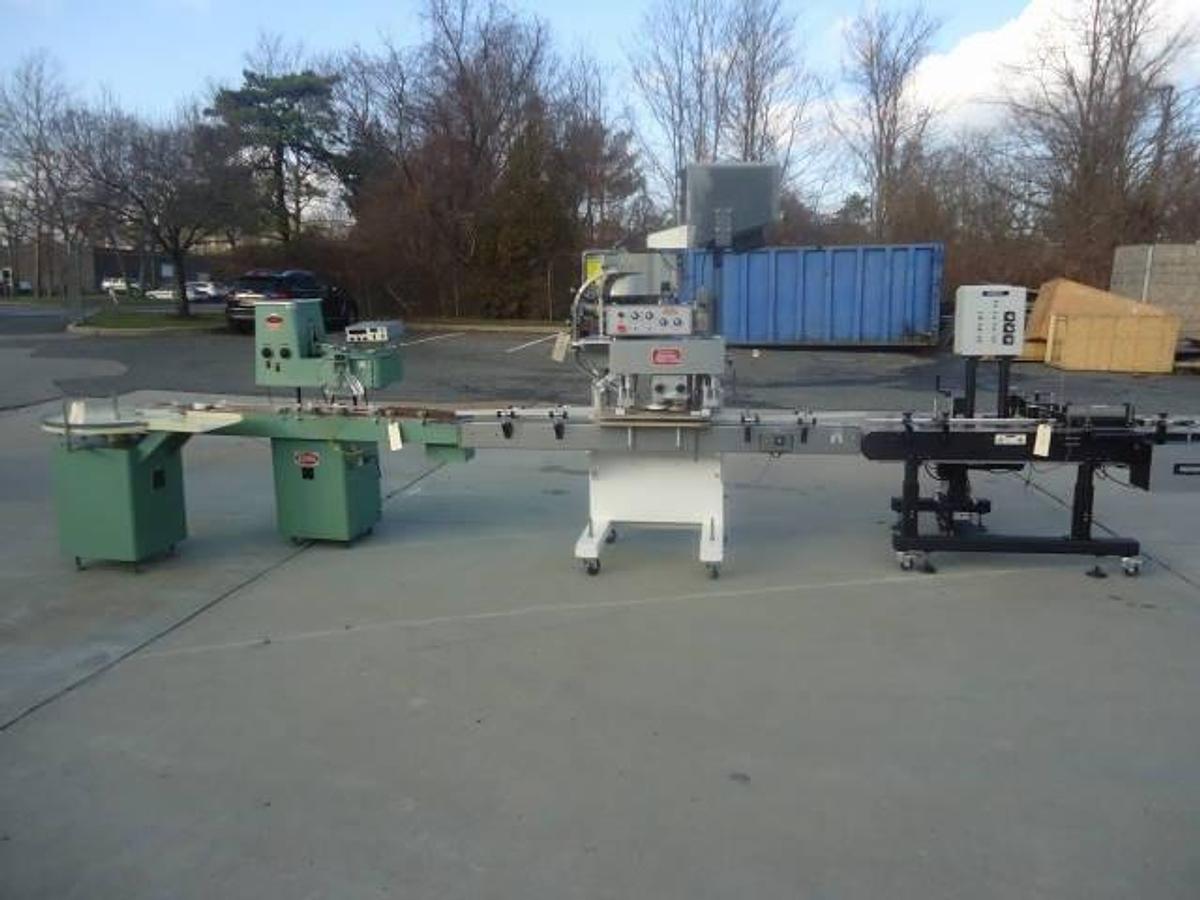
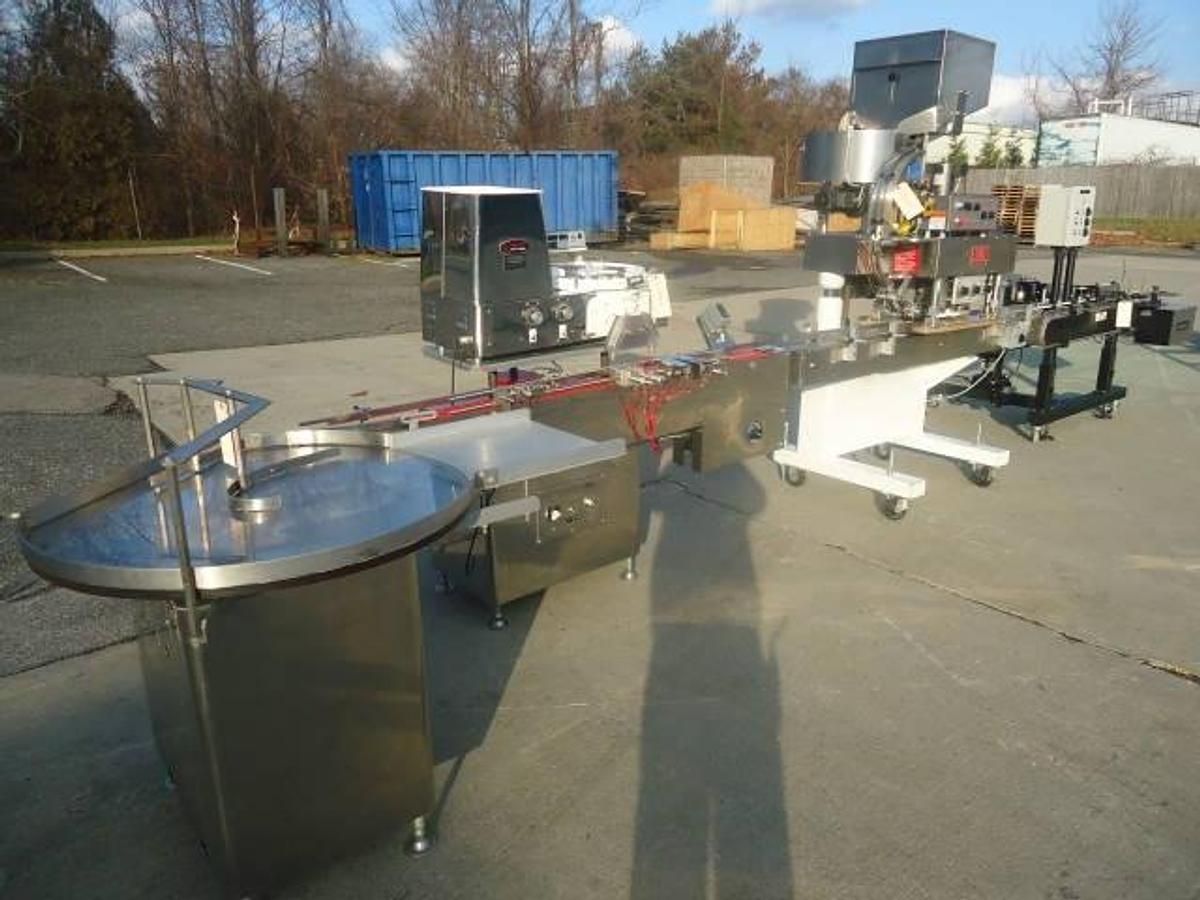
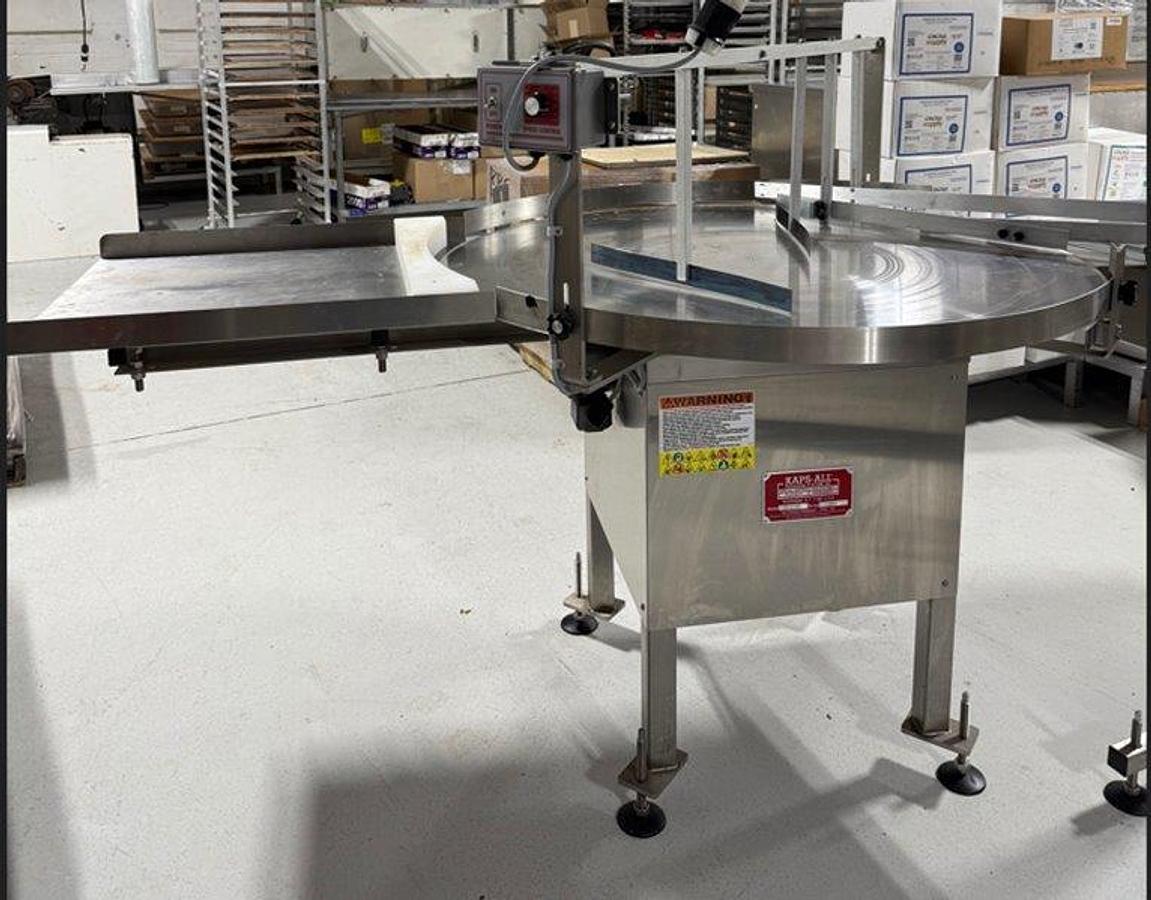
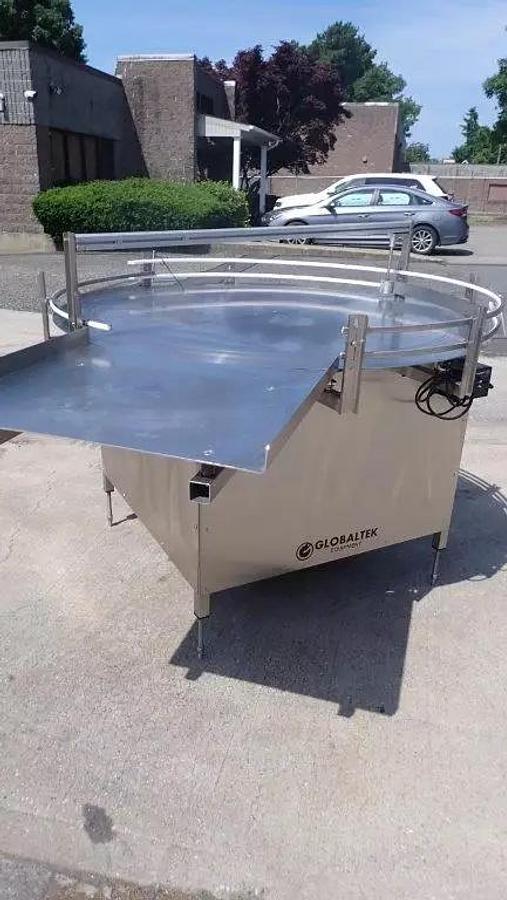
A complete used tablet or capsule bottling line typically combines several pieces of equipment that work in sequence to fill, cap, and label bottles at production speeds. The core of the line is the counter itself, which may be a multi-lane channel counter or a slat counter integrated with a conveyor. Upstream from the counter, an unscrambling table or bottle elevator feeds empty containers into the line. Downstream, a capper (such as a Kaps-All or similar rotary capper) applies closures, and a labeler applies product labels. Some complete lines also include cottoning or desiccant insertion equipment between the counter and capper.
Used complete bottling lines are available at various throughput levels, from modest lines running 20 to 30 bottles per minute up to high-speed configurations capable of 60 or more bottles per minute. Purchasing a matched line that was previously operated together has practical advantages, since the components have already been integrated and timed to work with each other. However, buyers should inspect each piece of equipment individually, since condition can vary across components even within a single line. Asking the seller for a description of how the line was last used, what products it ran, and whether all components are present and functional is an important part of the evaluation process before committing to a purchase.
What should buyers understand about shipping and payment for used tablet capsule counters?
Shipping costs for used tablet and capsule counters can vary considerably based on the size and weight of the equipment, the packaging method used, and the destination. Tabletop counters are relatively straightforward to palletize and ship via standard freight carriers. Larger automatic counters, full bottling lines, or machines with extended conveyors may require custom crating and heavy-duty rigging for safe loading and unloading. Rigging costs are typically separate from freight charges and should be factored into the total landed cost before finalizing a purchase decision. Buyers should ask the seller specifically about how the machine will be packaged, what rigging is required, and for a freight estimate to their location so there are no surprises.
On the payment side, most used equipment dealers require full payment prior to releasing a machine for shipment. This is standard practice in the used machinery industry. Some dealers may extend payment terms to established customers with a prior purchasing history, but buyers should not assume terms are available without asking. Wire transfer is the most common payment method for equipment transactions of this type. Taking the time to understand total costs, including the machine price, any reconditioning fees, packaging, rigging, and freight, gives buyers a clear picture of what the equipment will actually cost to get into their facility.