Category
Manufacturer
Model
Used Agitators for Sale
Pre-Owned Top-Entry, Side-Entry, and Portable Tank Agitators In Stock
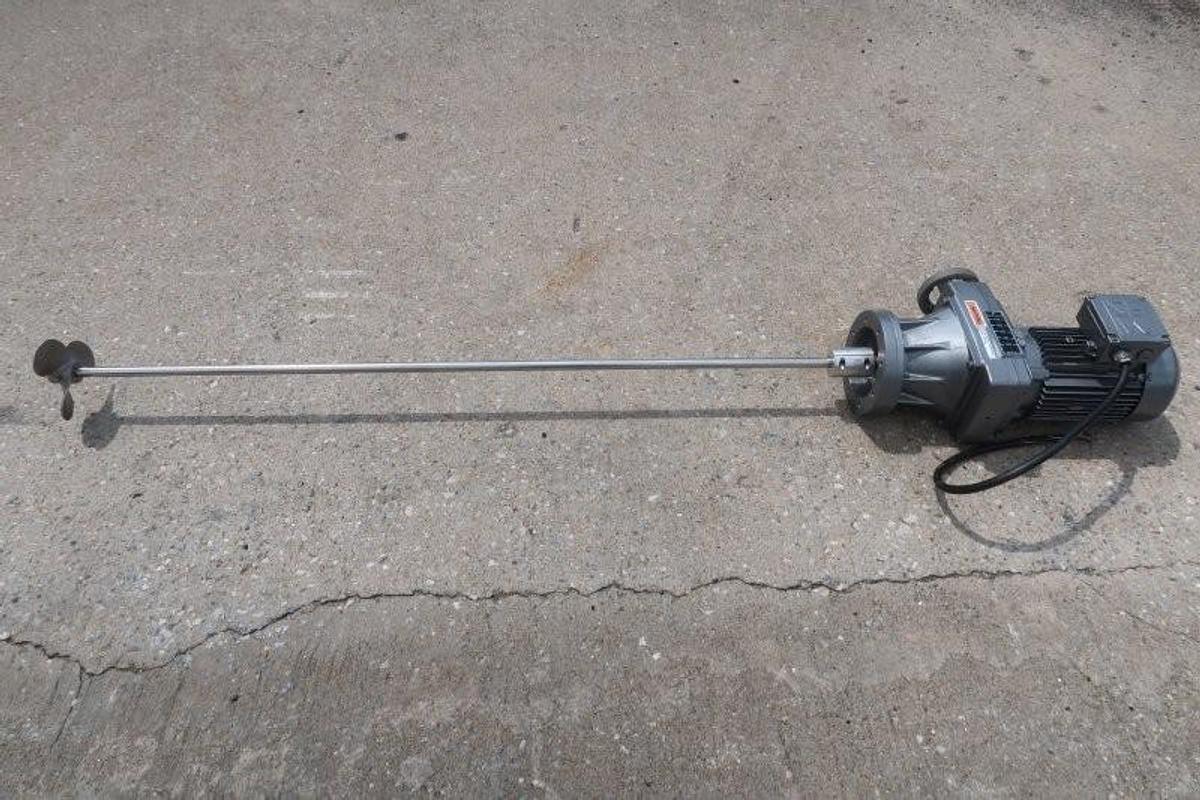
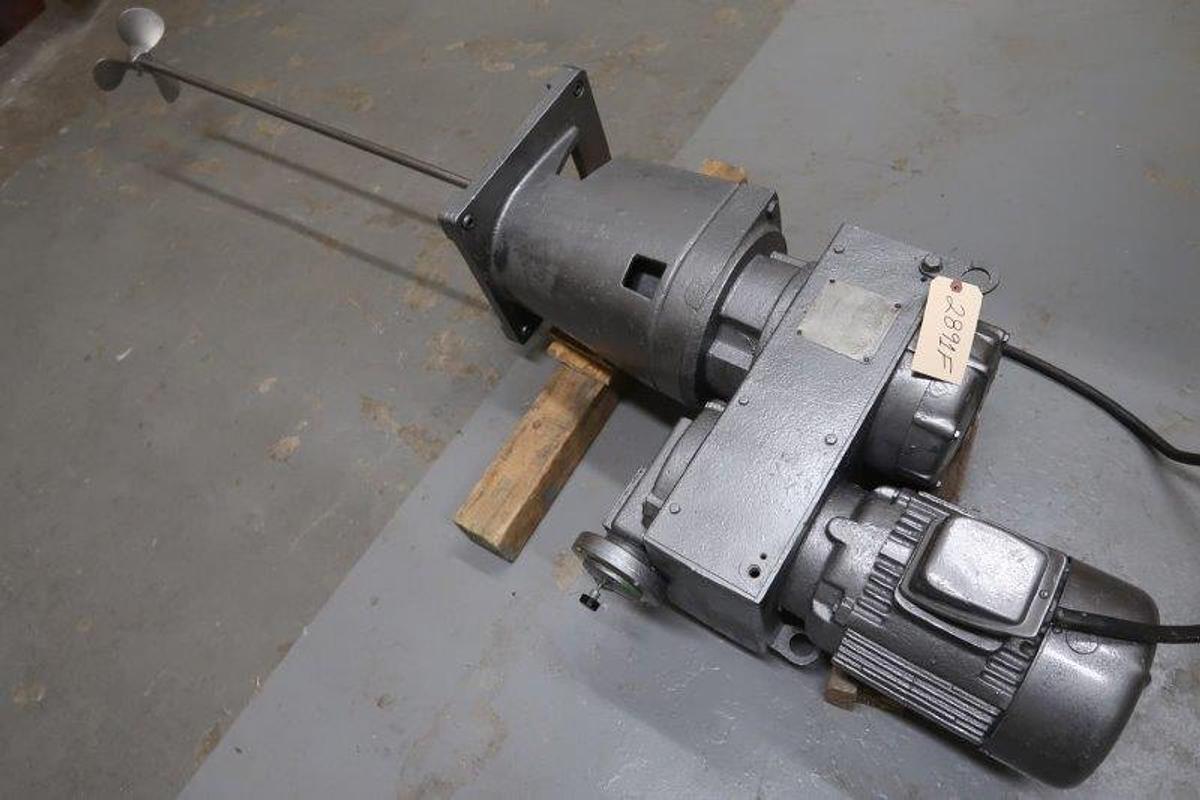
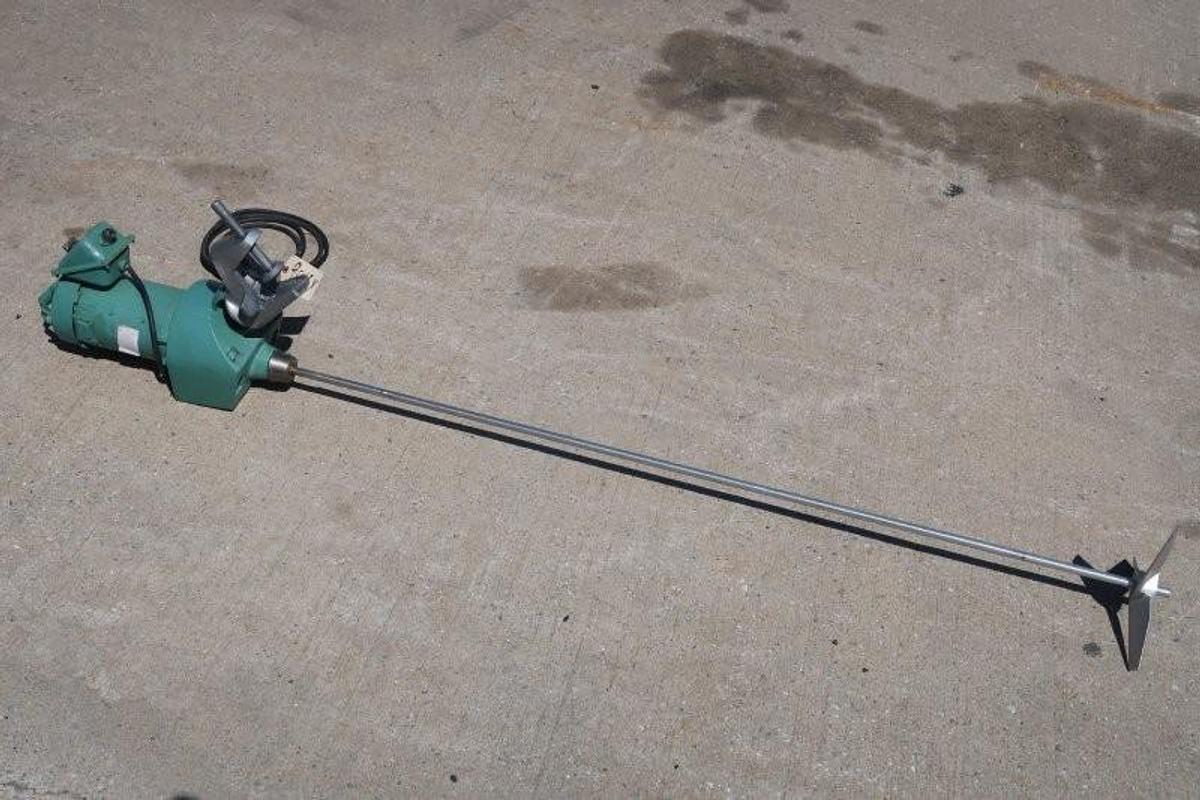
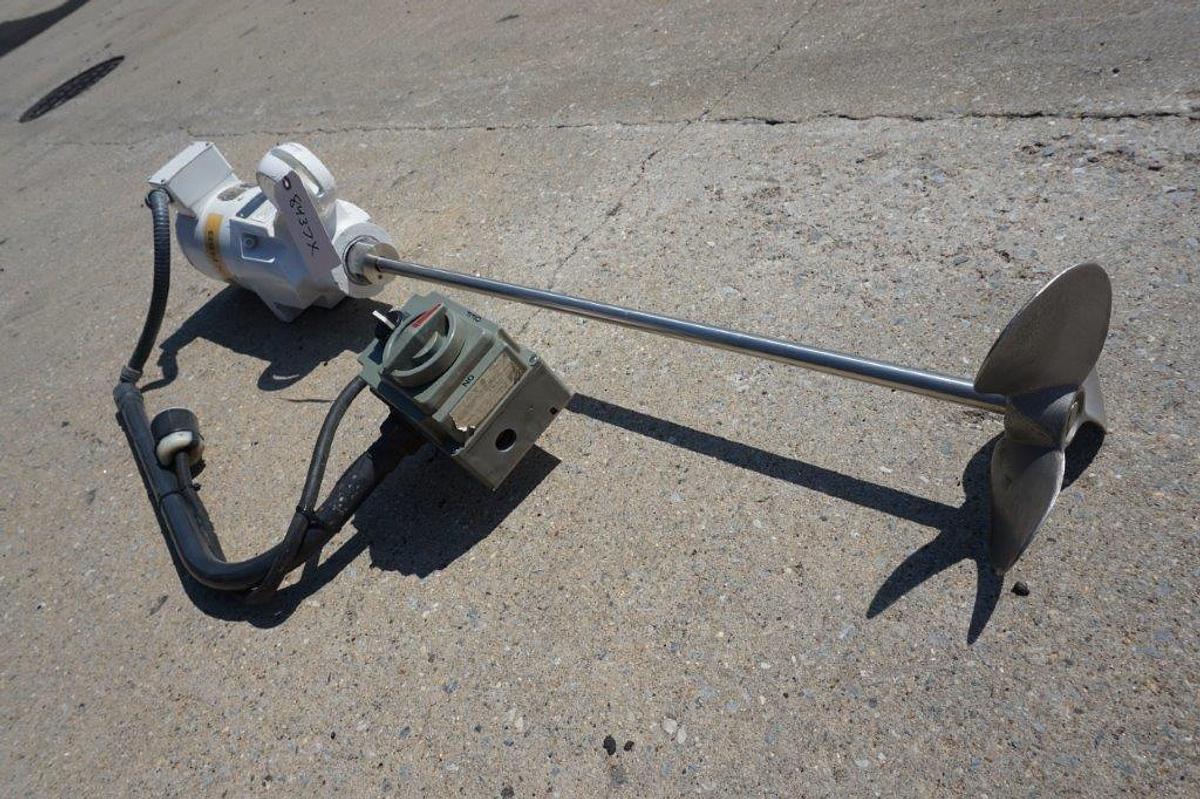
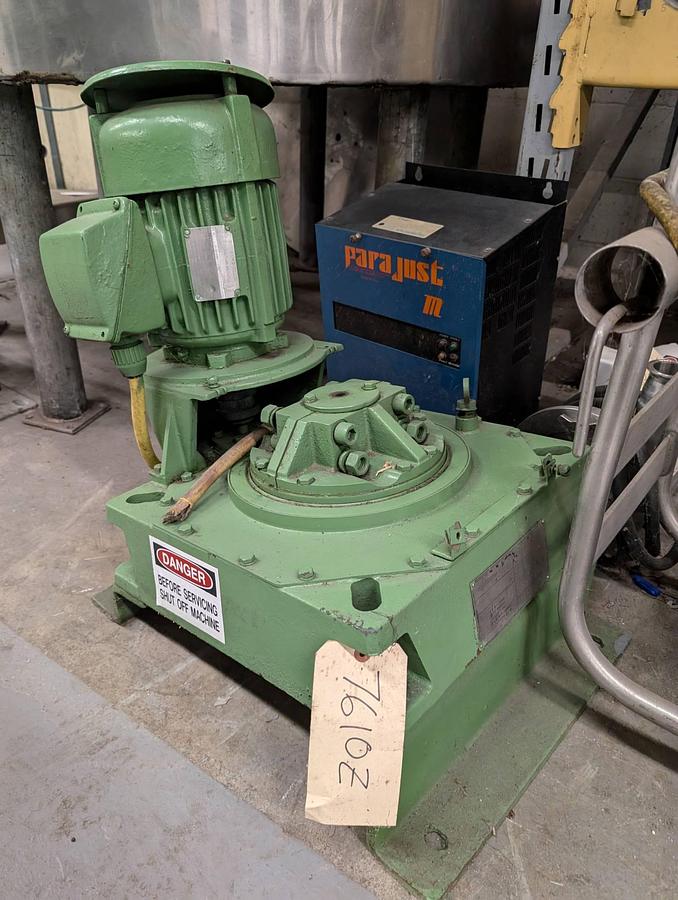
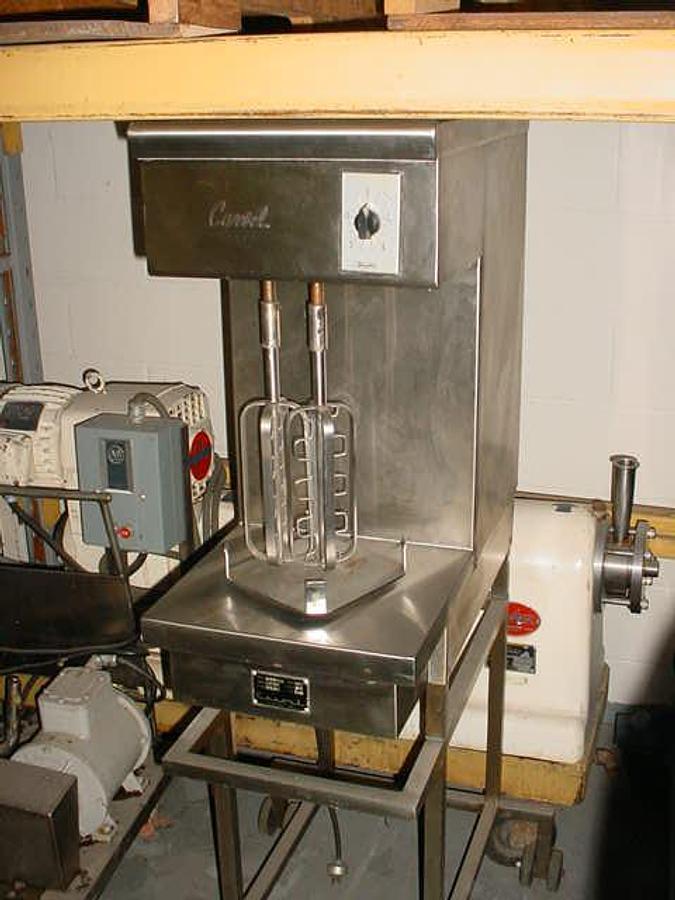
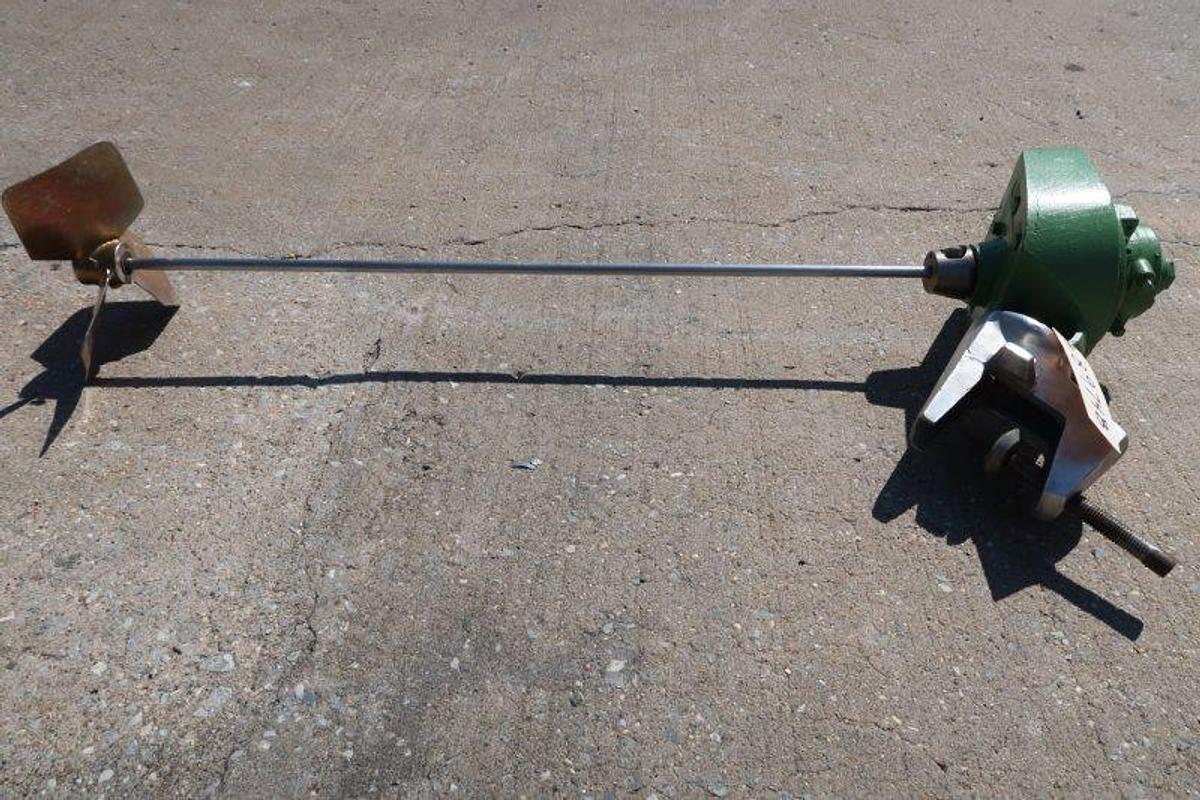
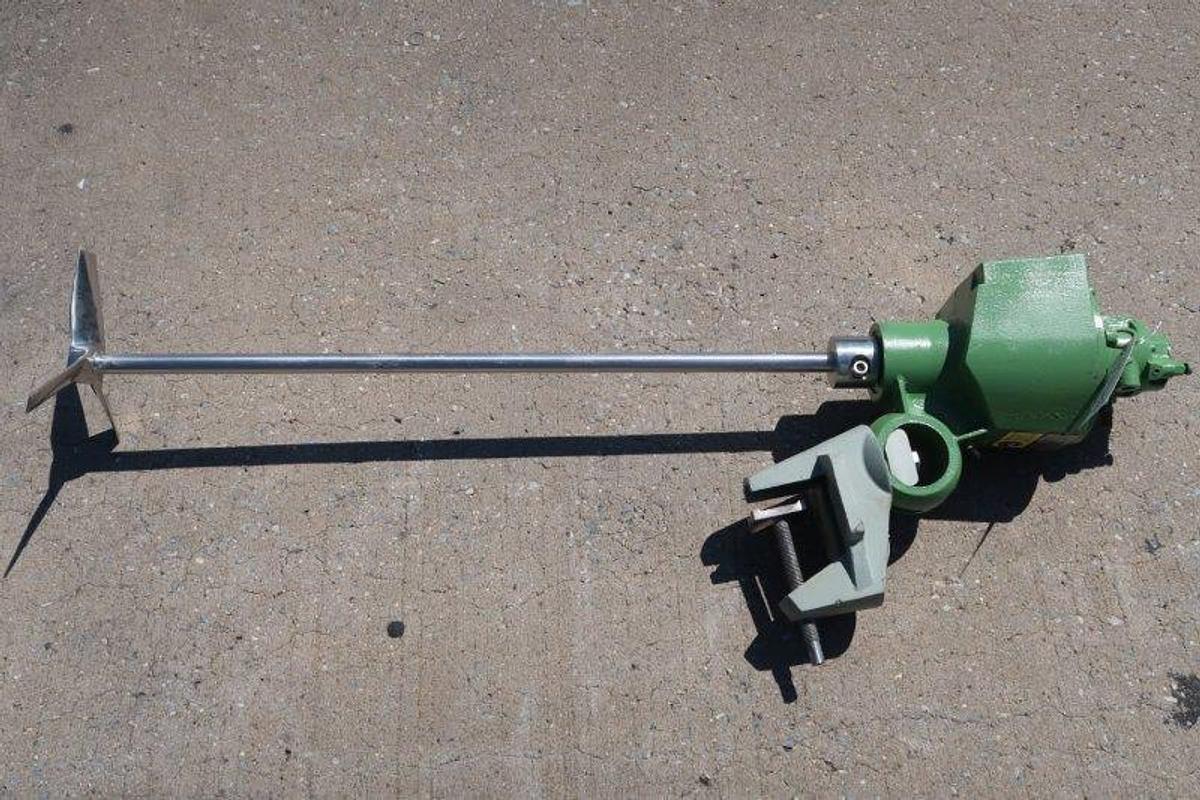
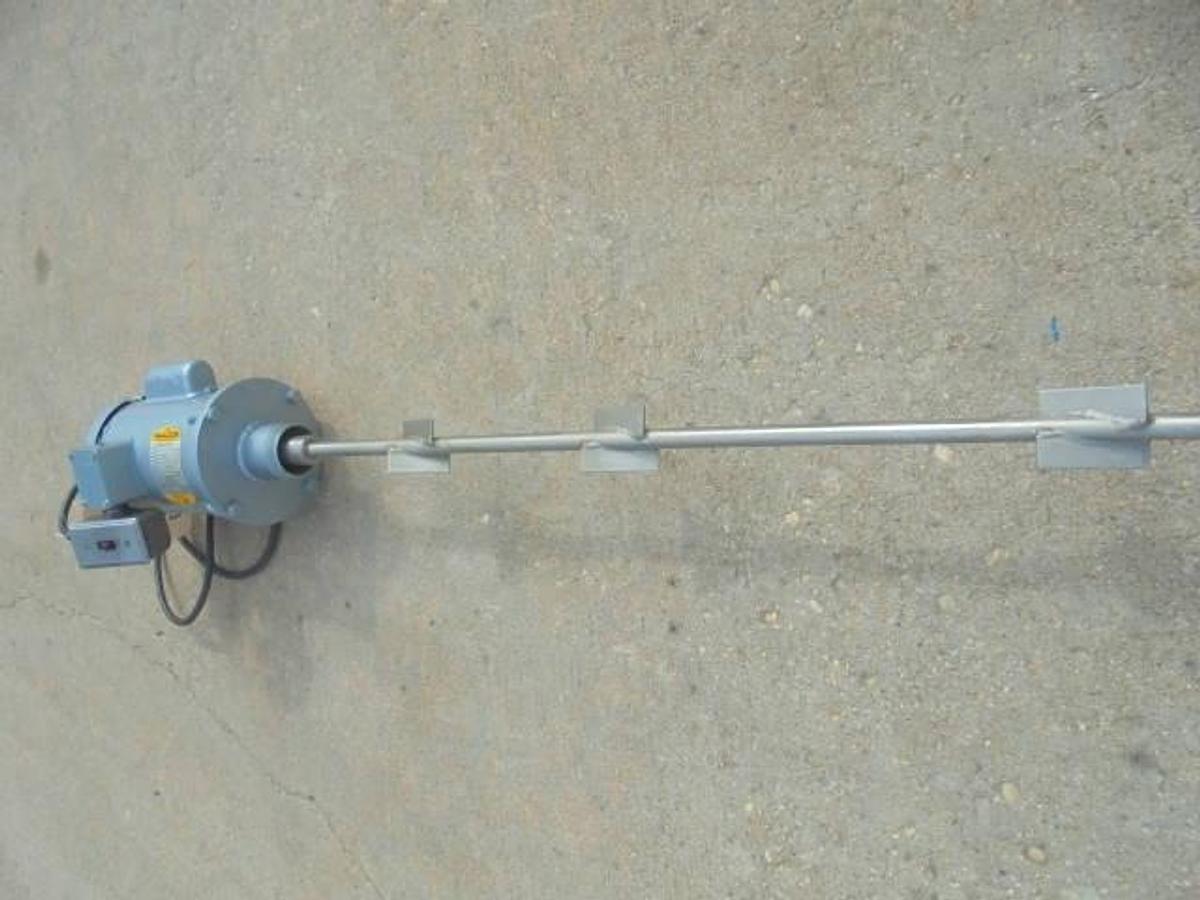
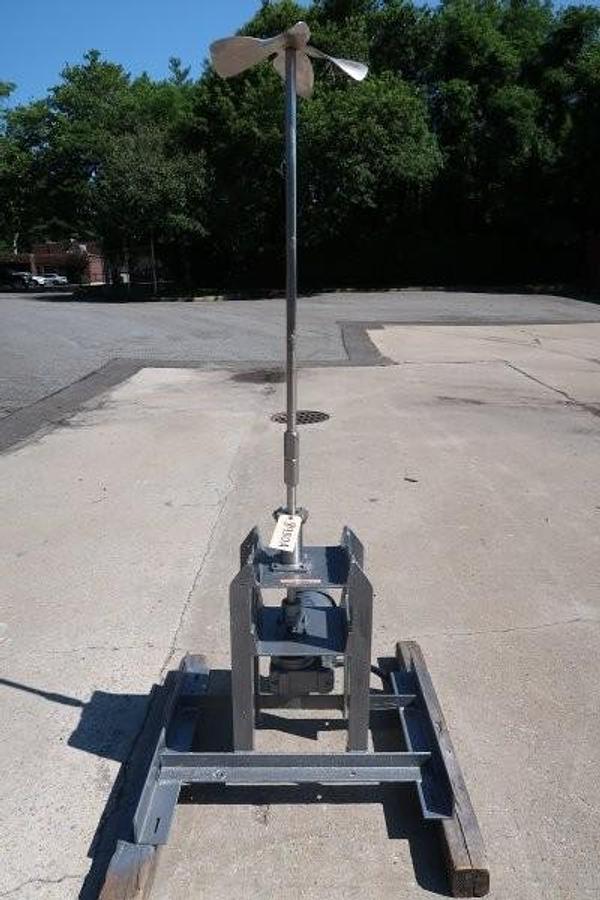
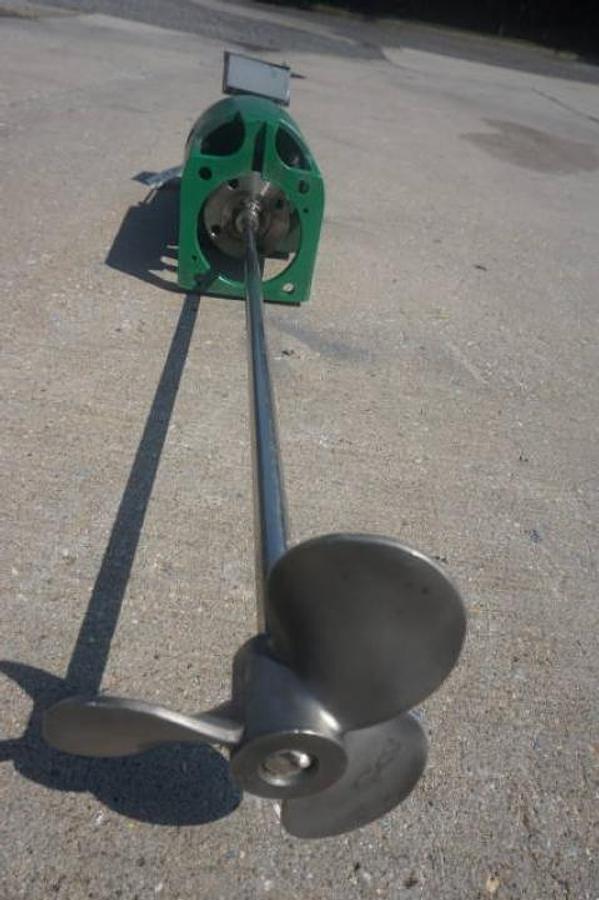
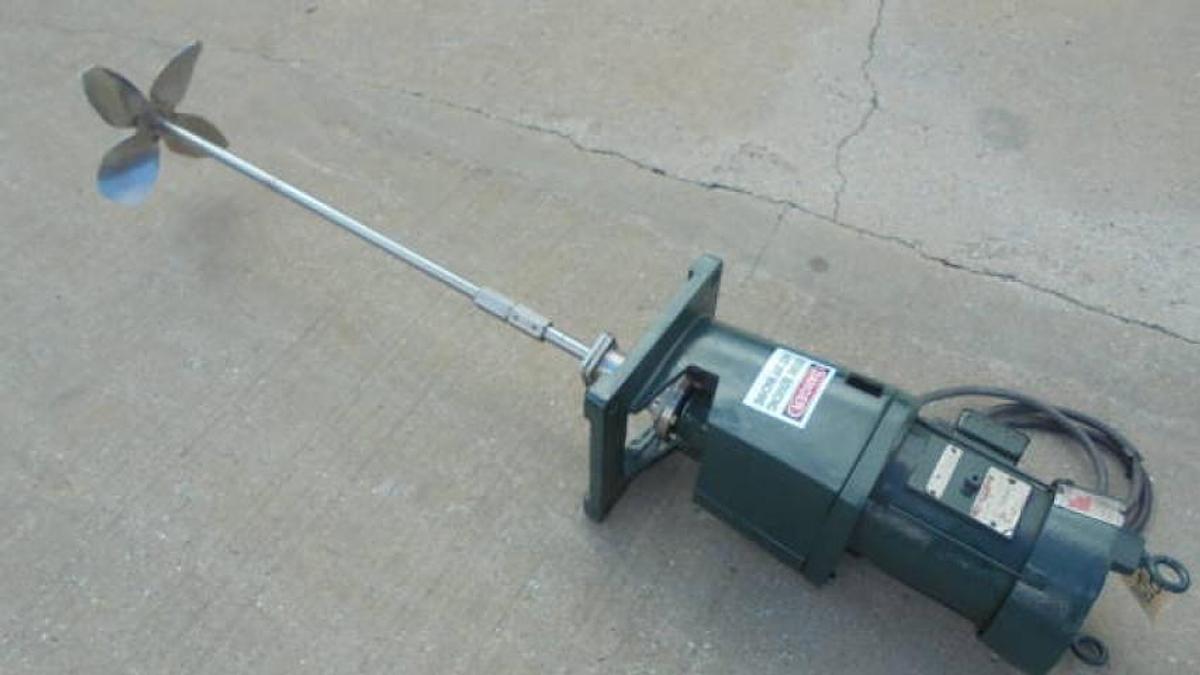
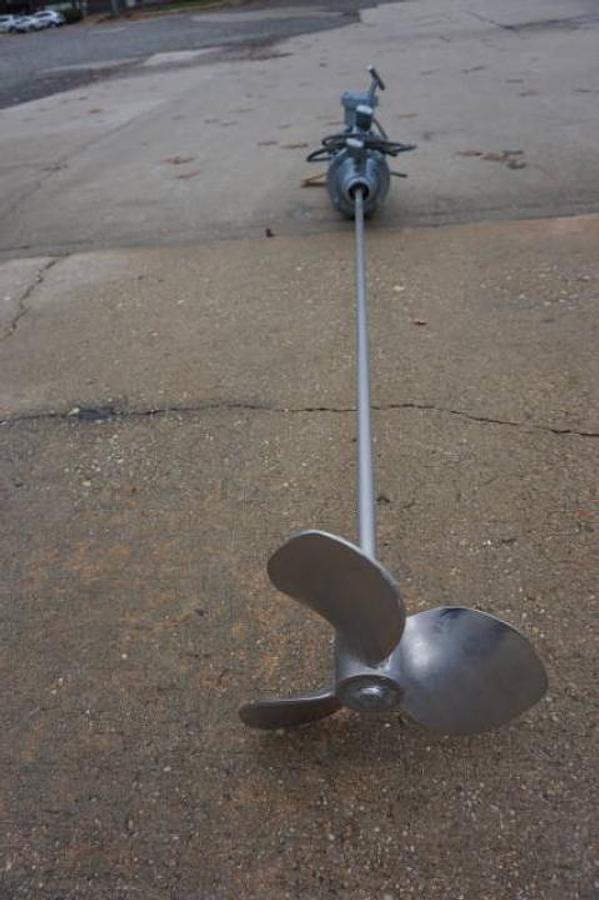
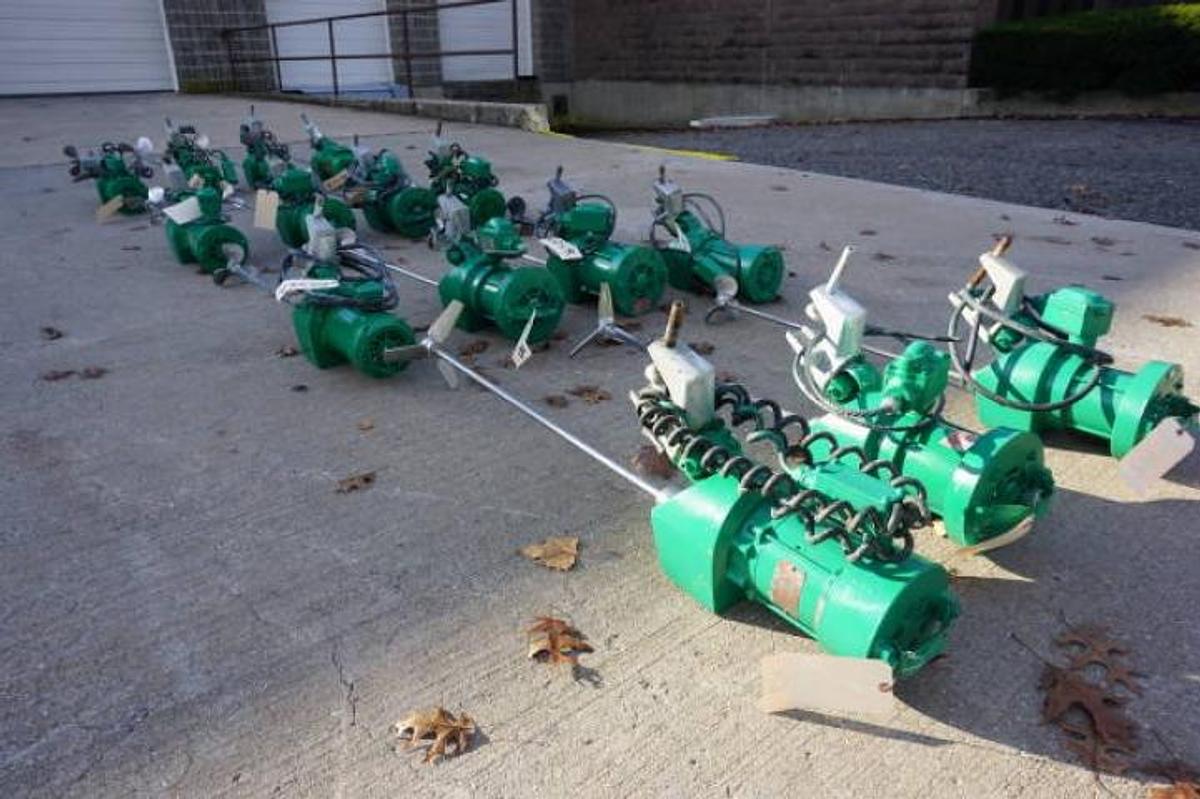
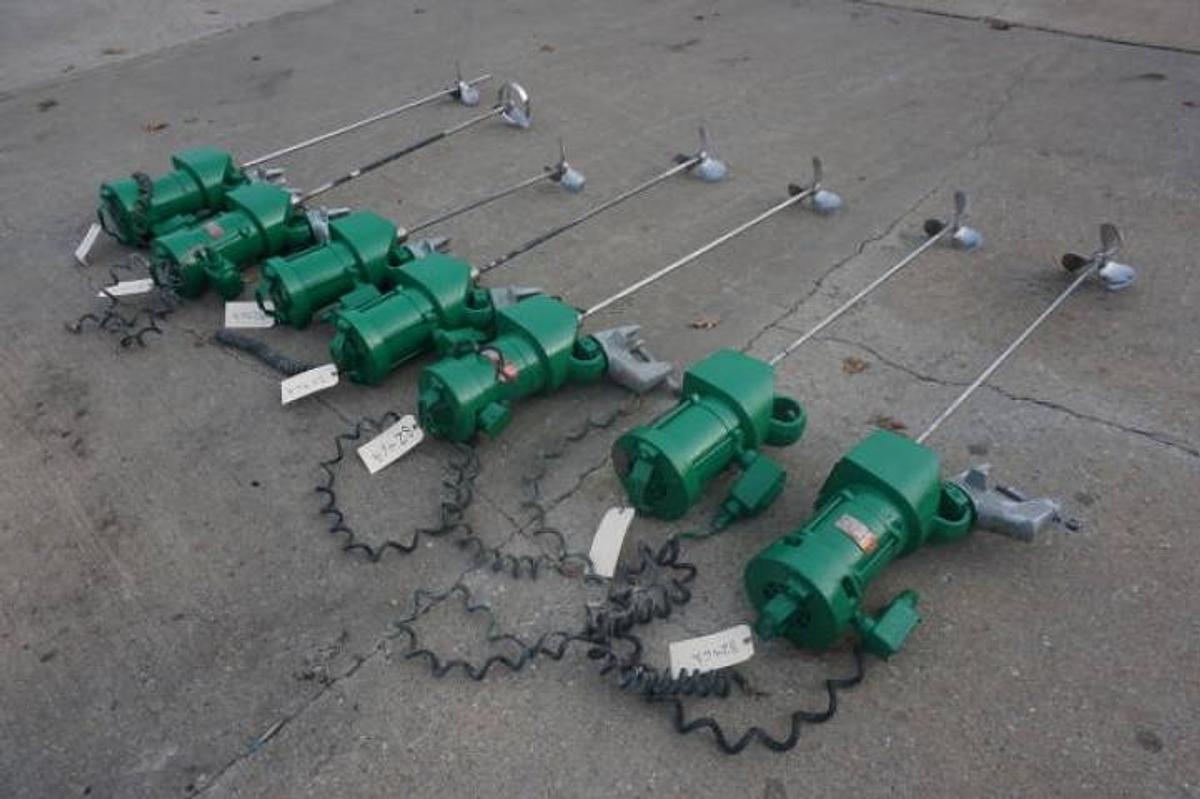
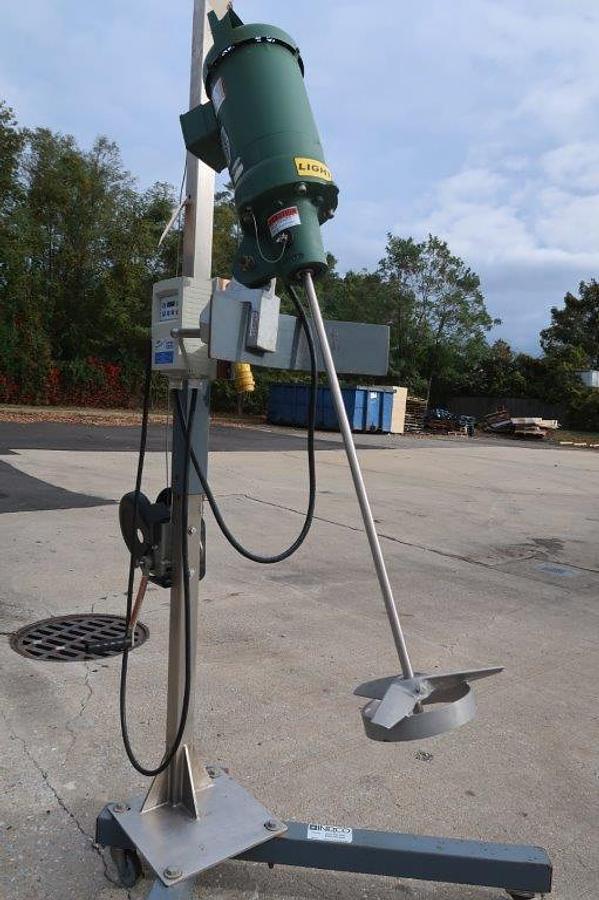
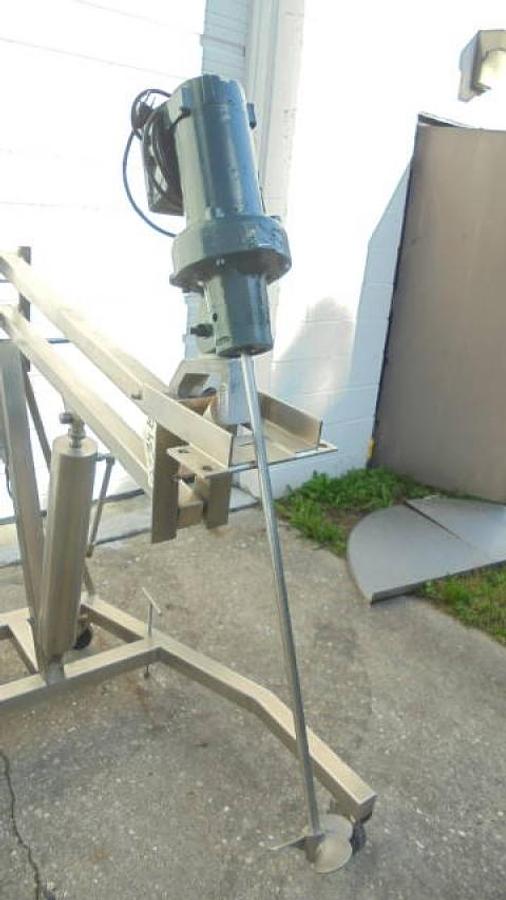
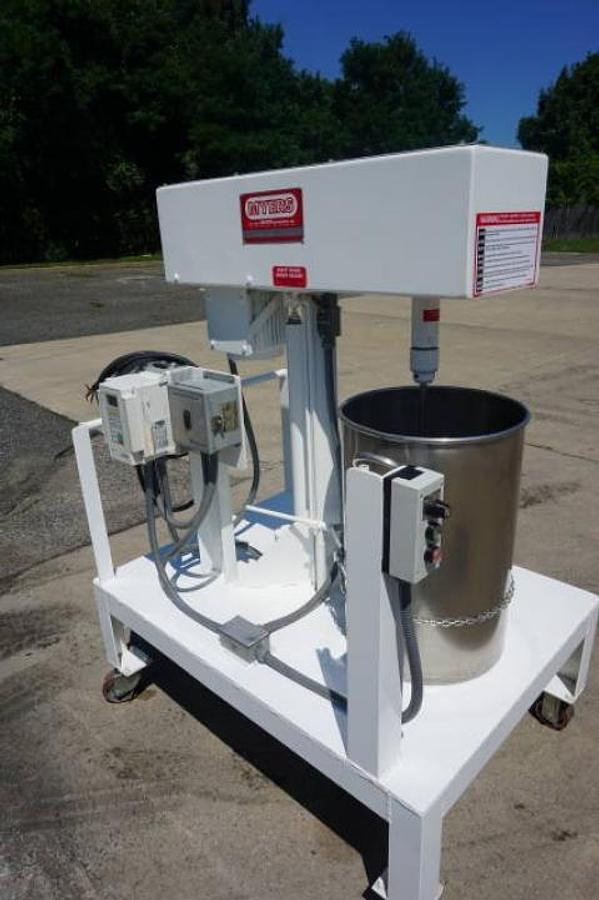
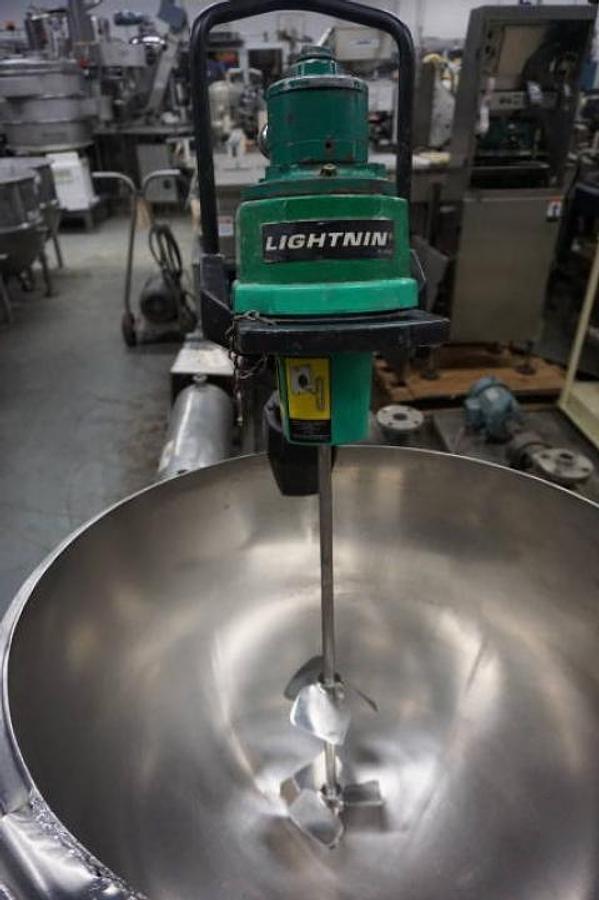
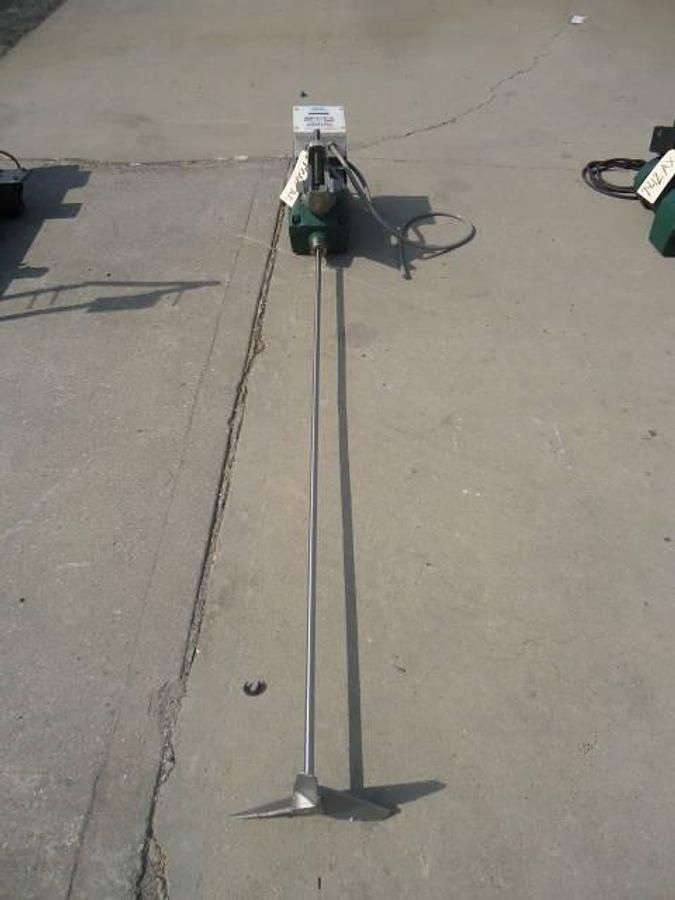
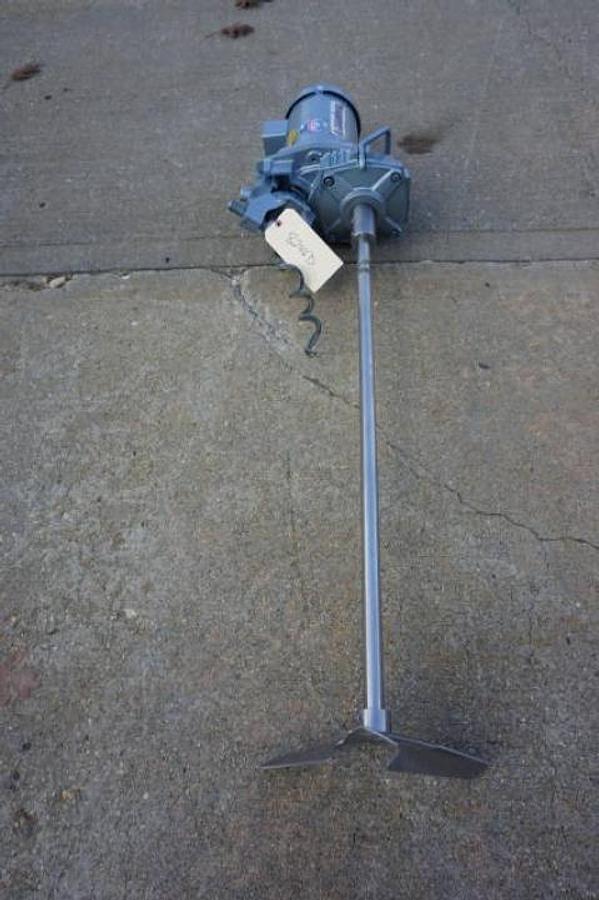
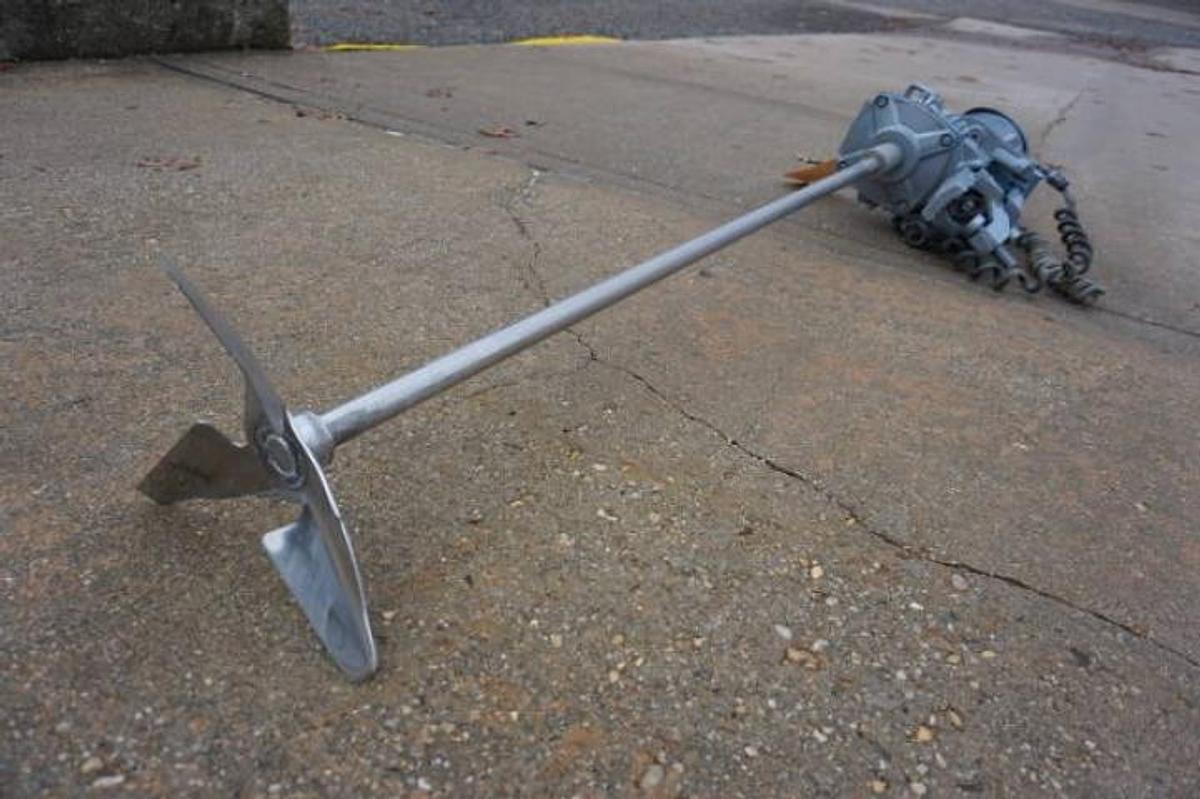
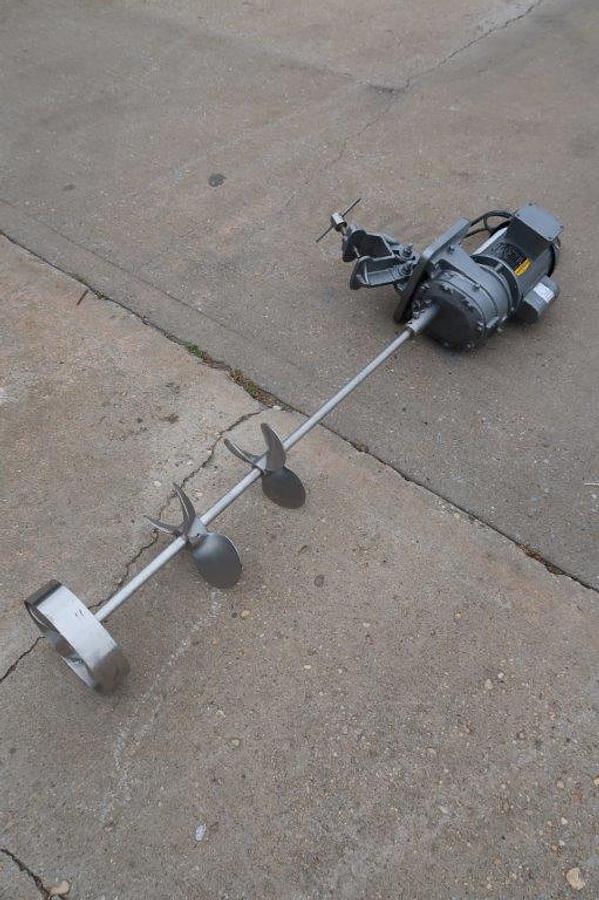
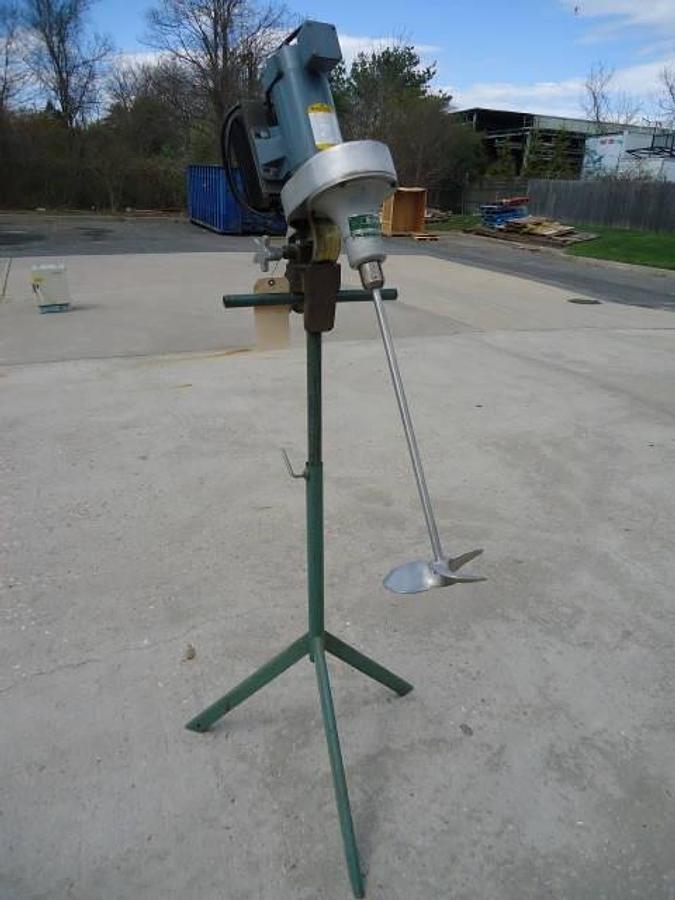
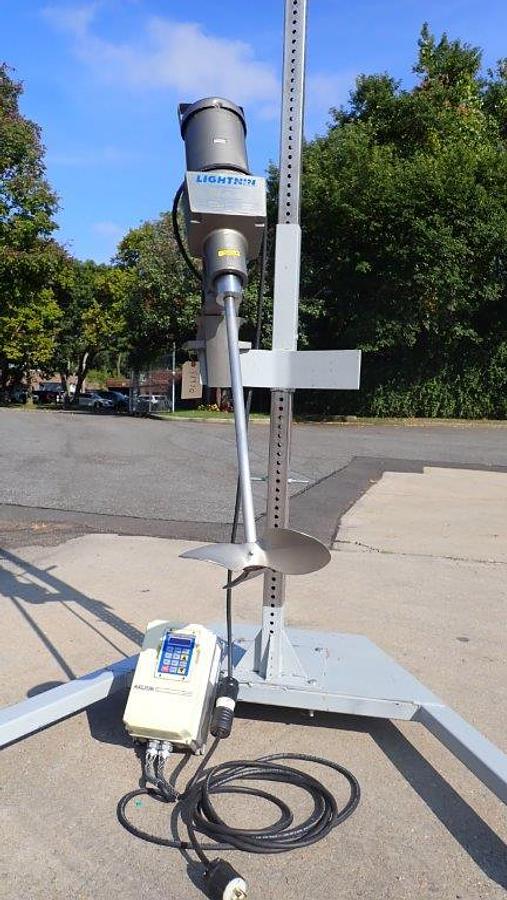
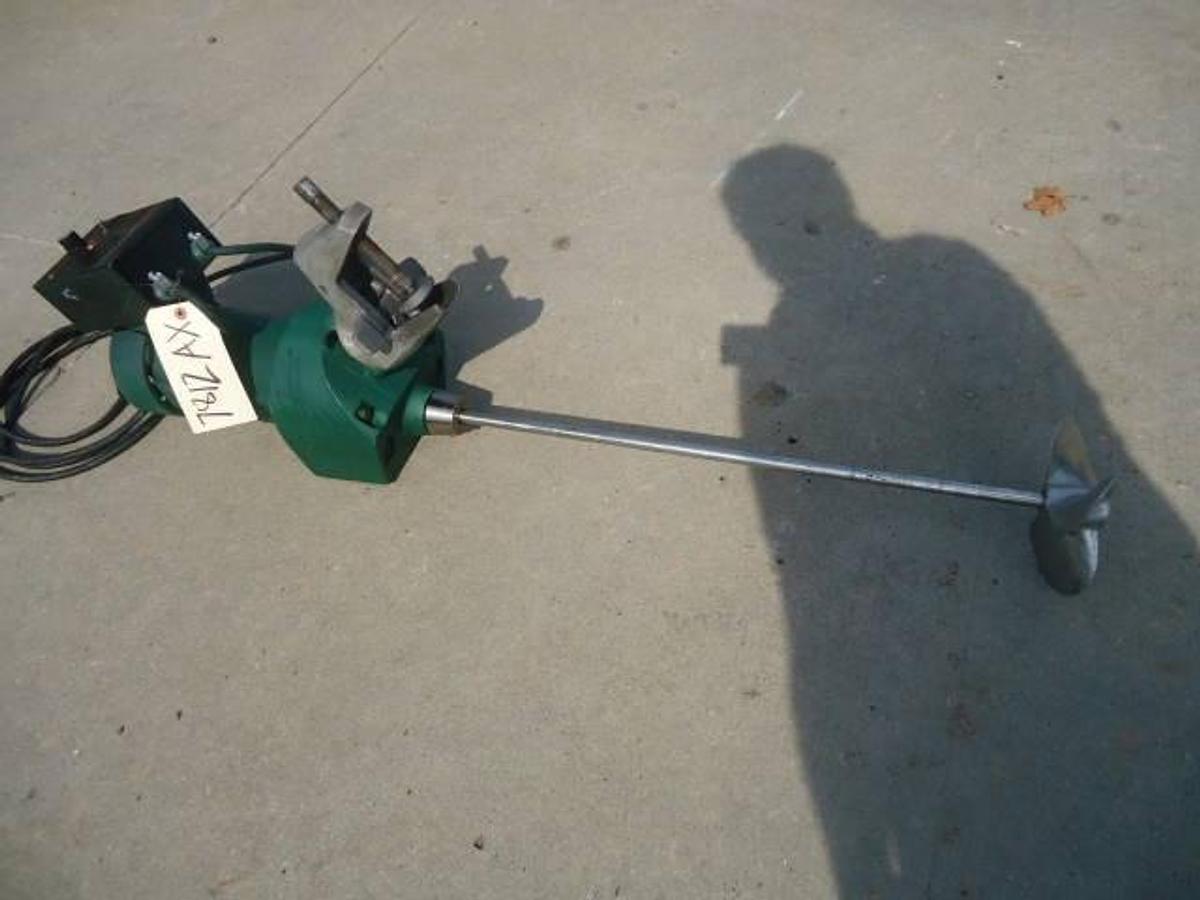
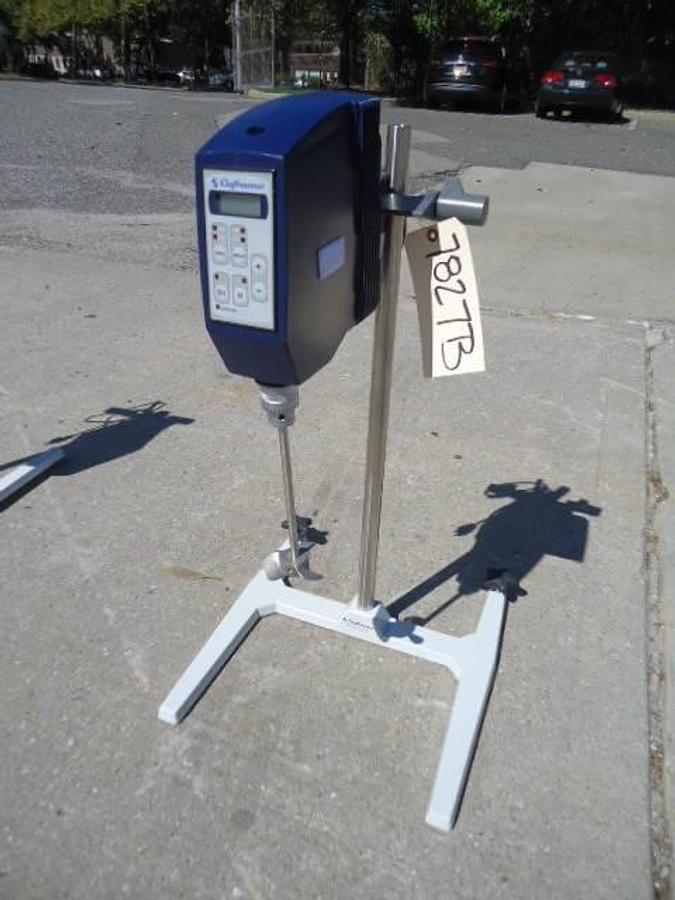
Wohl Industries stocks used agitators for food, beverage, chemical, and pharmaceutical plants. You get pre-owned top-entry agitators, side-entry agitators, portable clamp-on mixers, and gear-driven drives. Agitators keep tank contents in motion between process steps. Top-entry units blend syrups, brines, and slurries in mixing tanks. Side-entry agitators stir large storage tanks with low power draw. Portable mixers clamp onto drums and totes for small batches. Buying used cuts your capital cost and lead time. We inspect every machine before we ship. We have sold processing and packaging equipment since 1968. Send us your tank size and product, and we match you to the right agitator.
FAQ :
What types of used agitators are available on the secondary market?
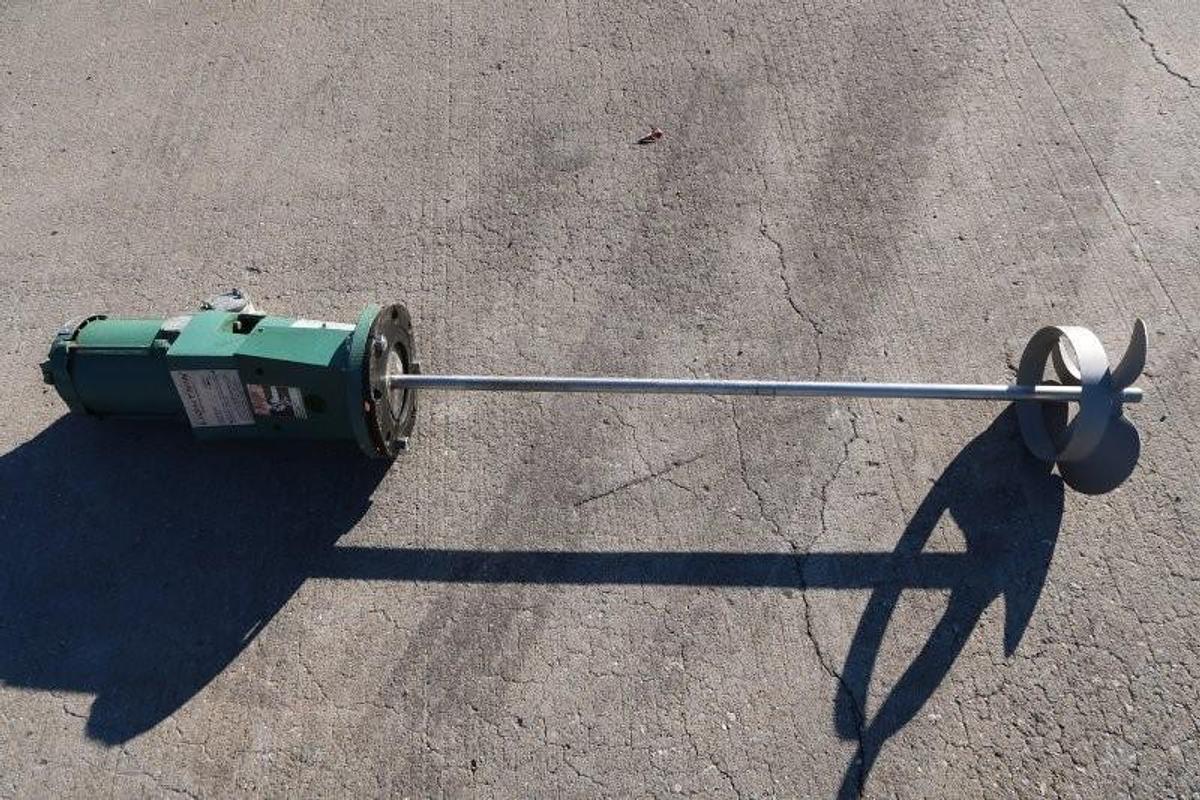
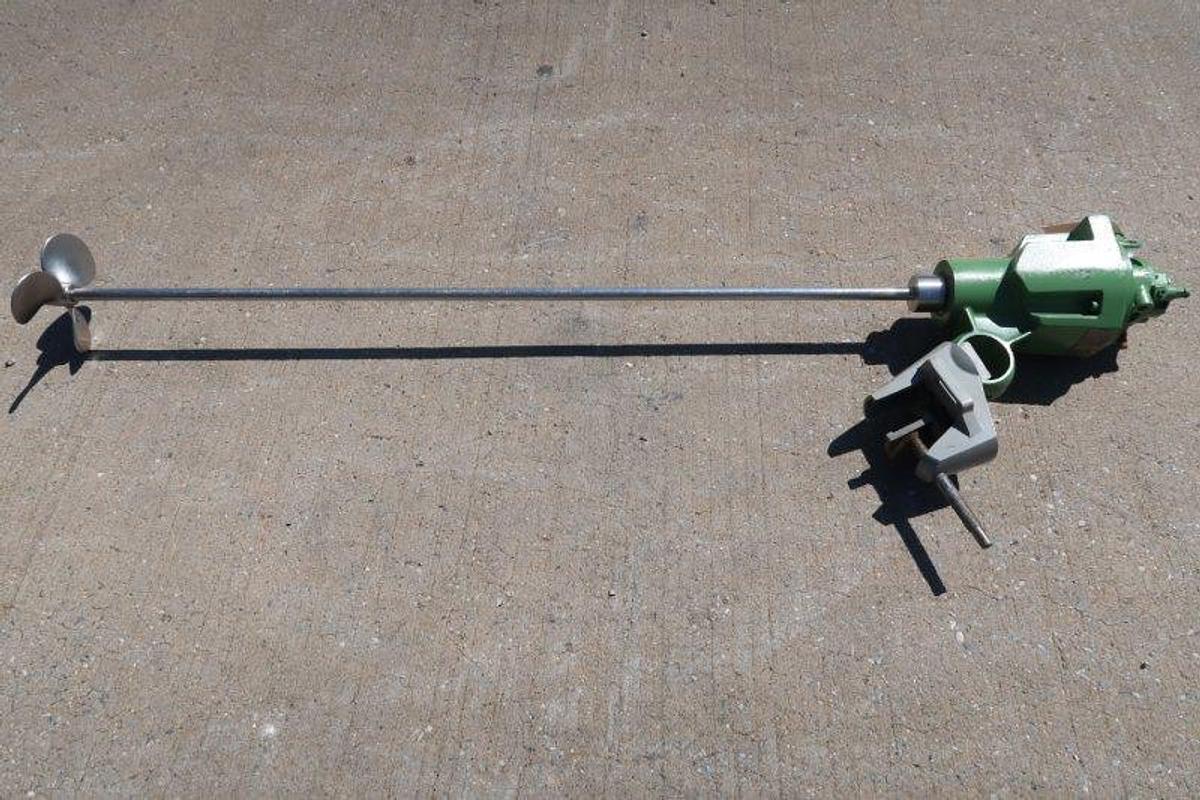
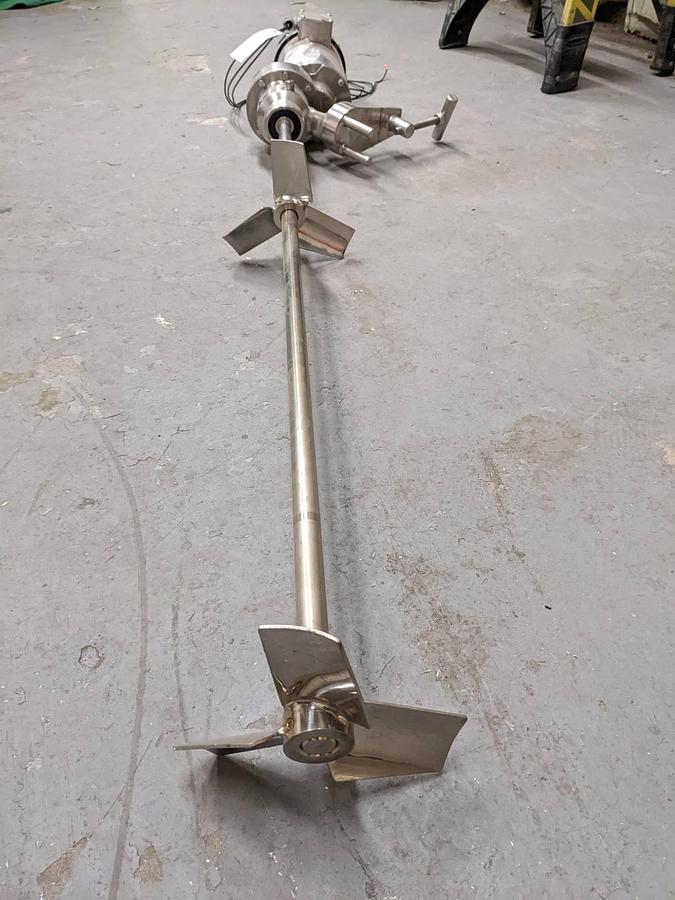
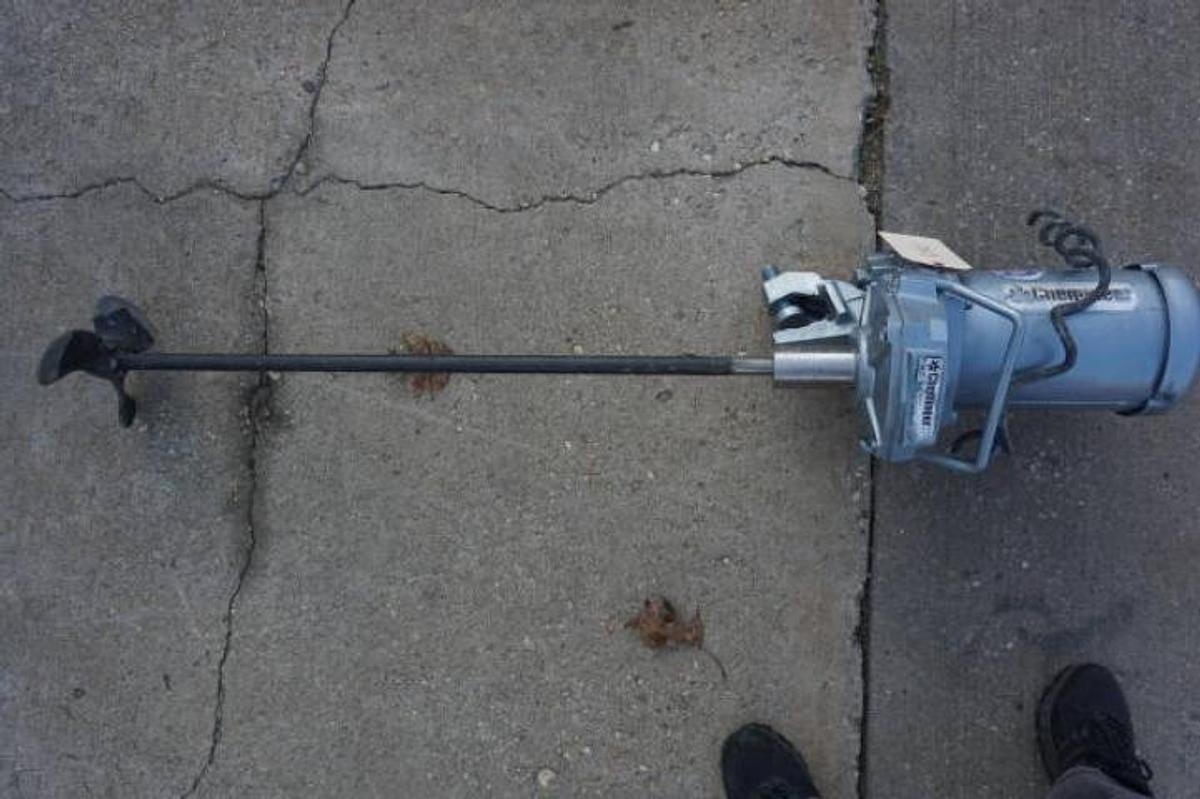
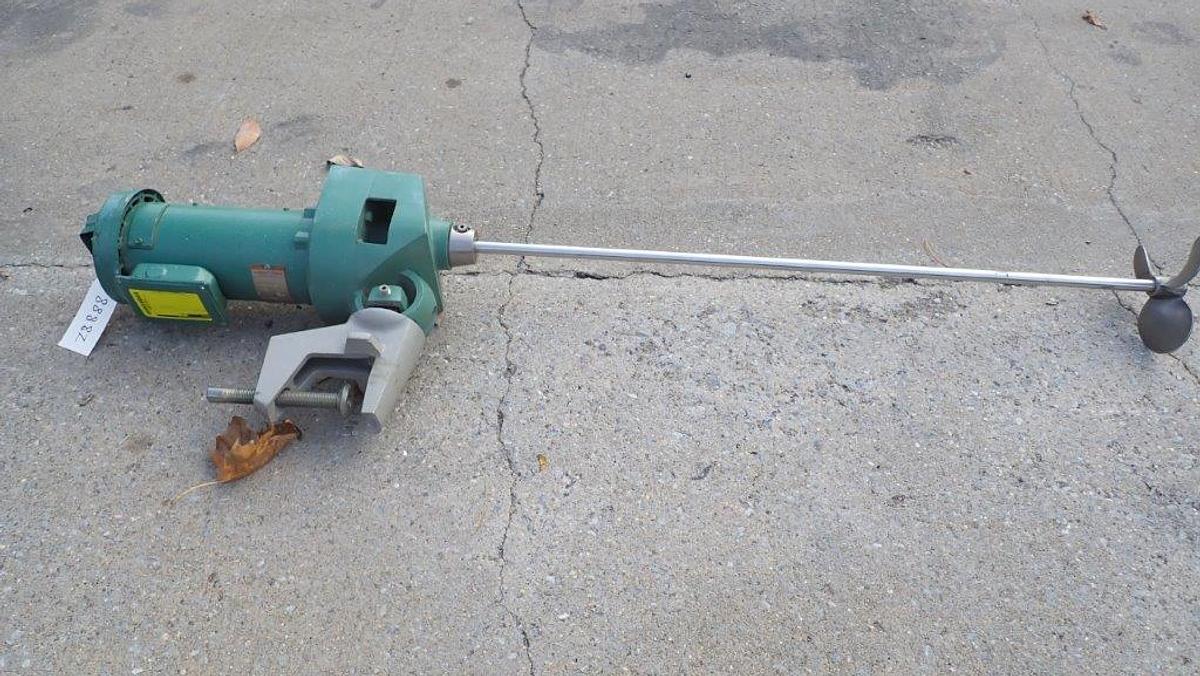
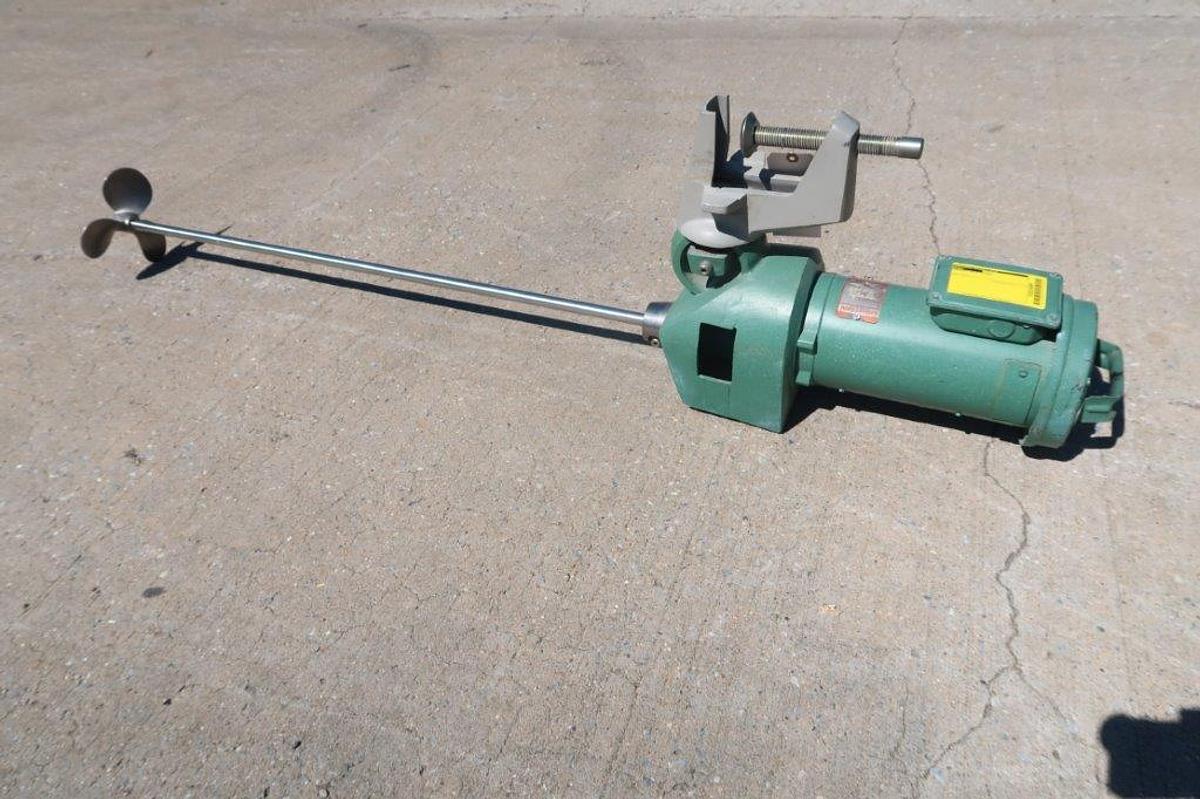
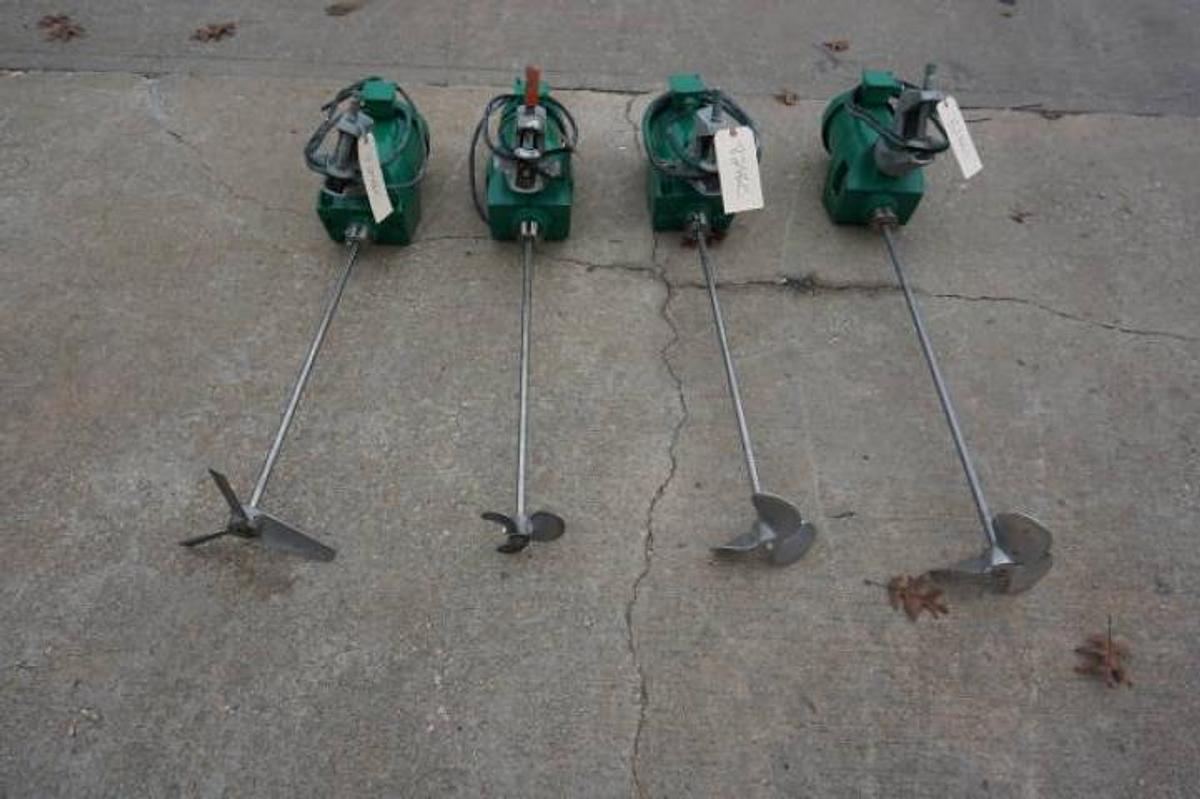
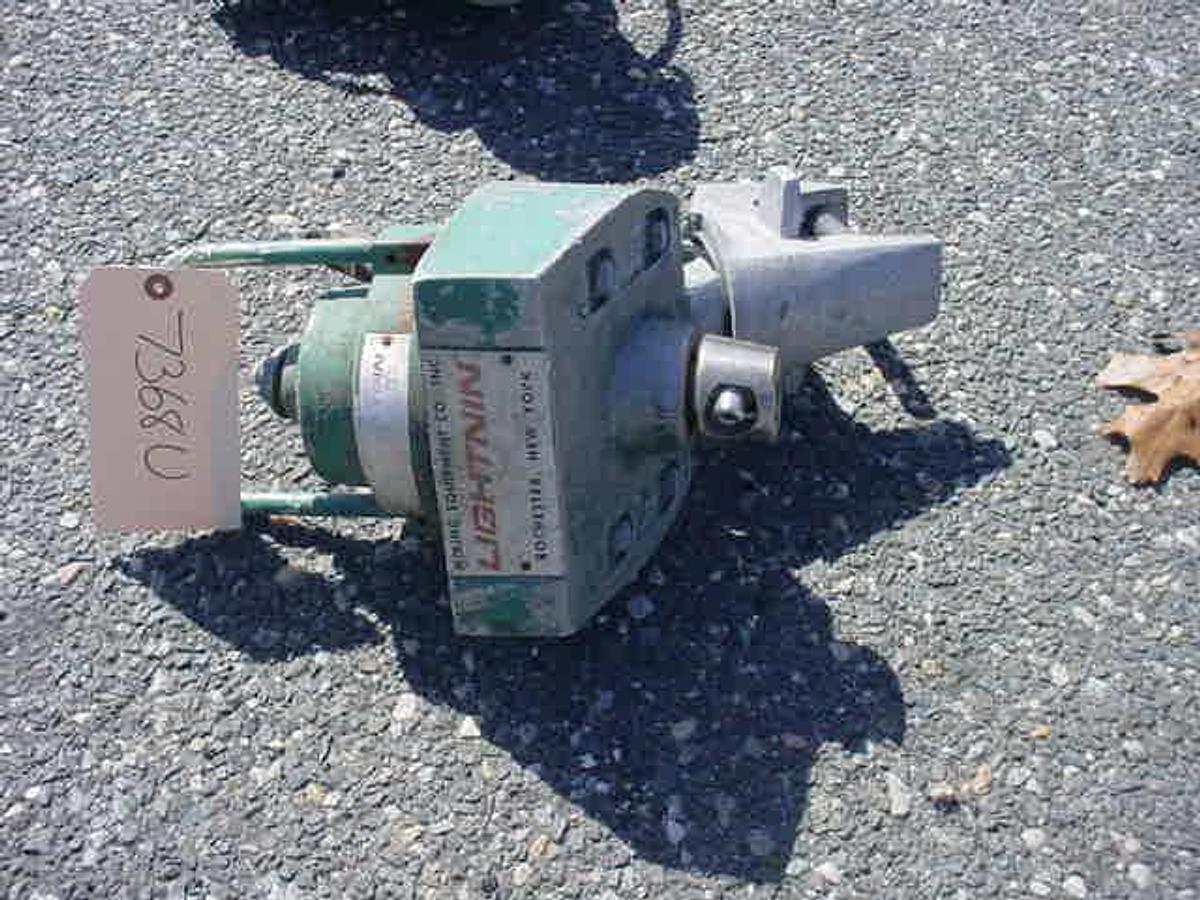
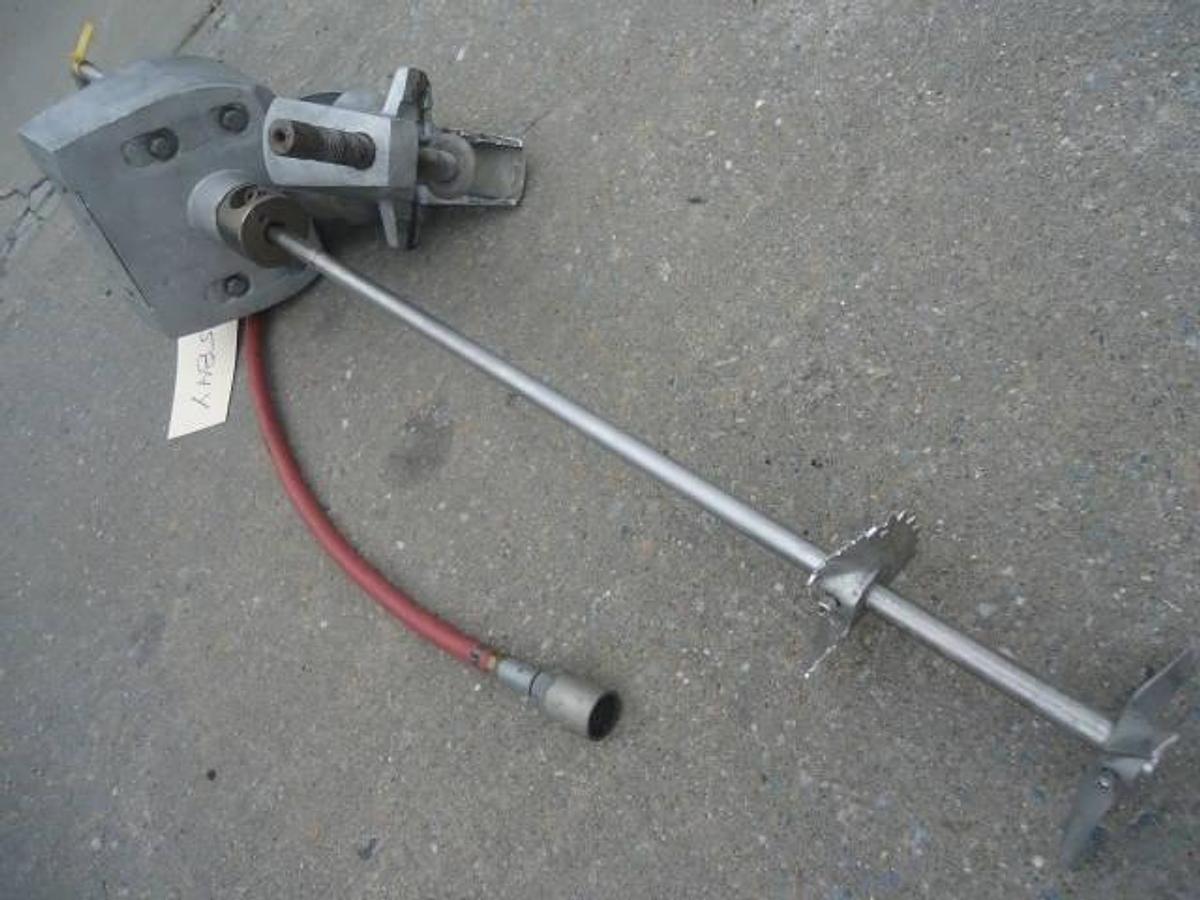
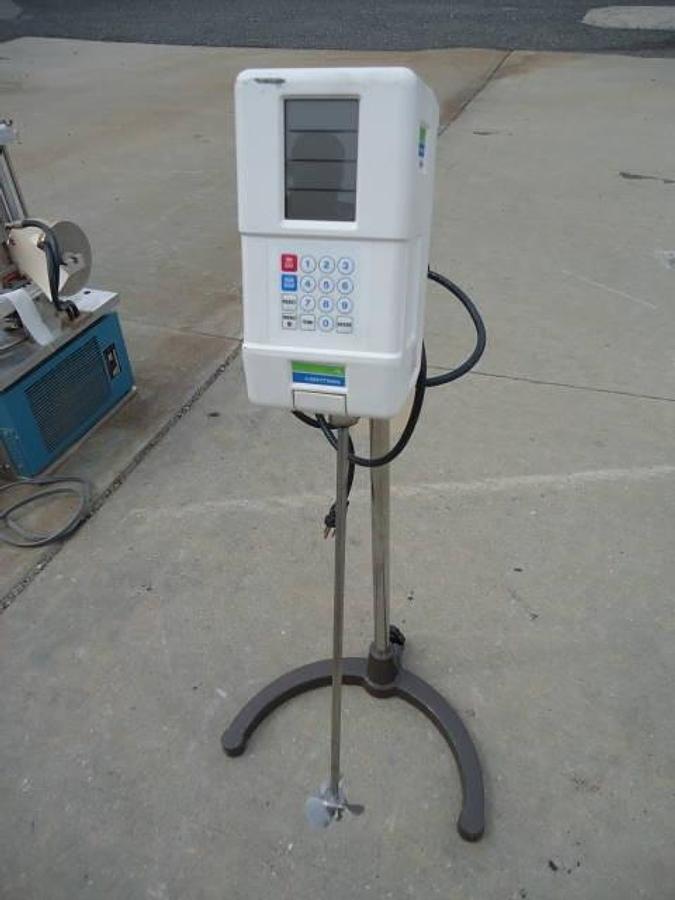
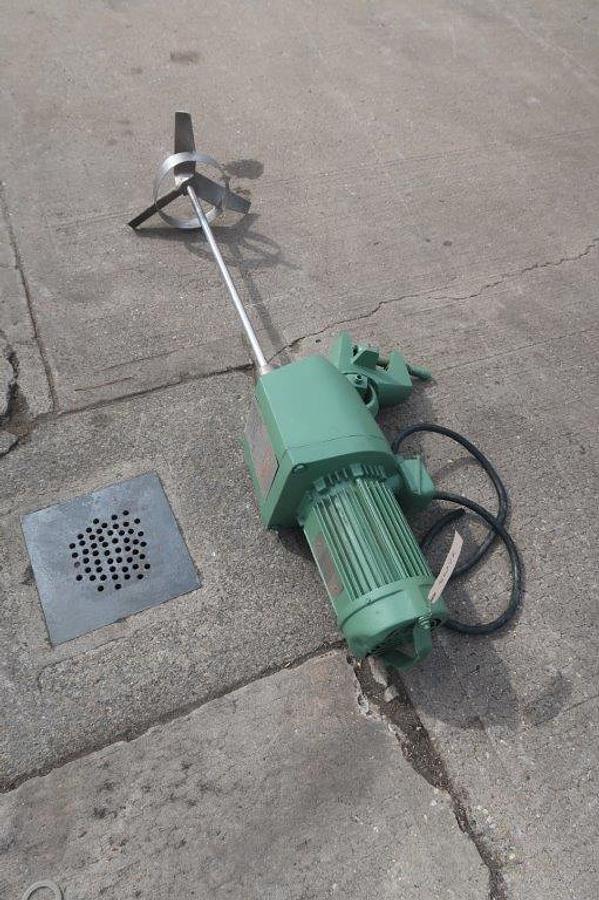
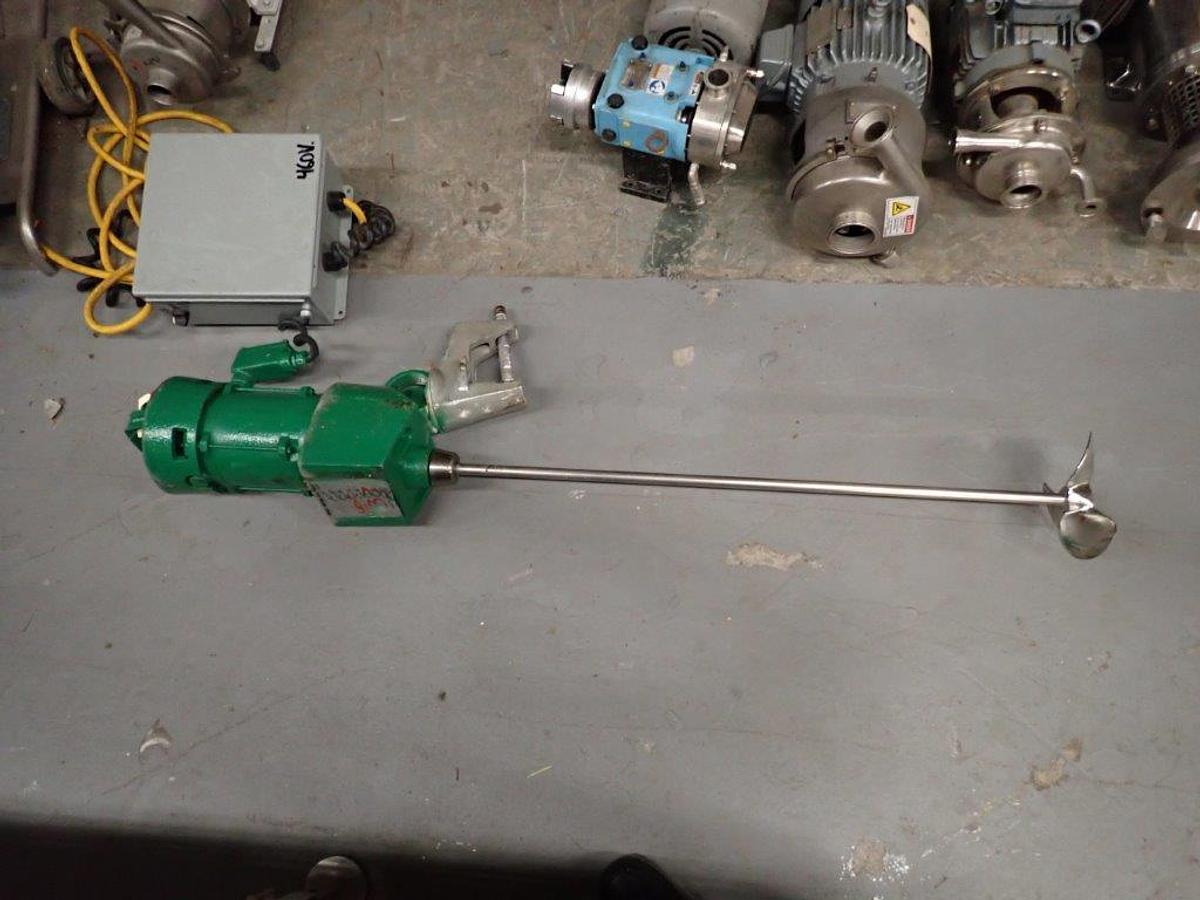
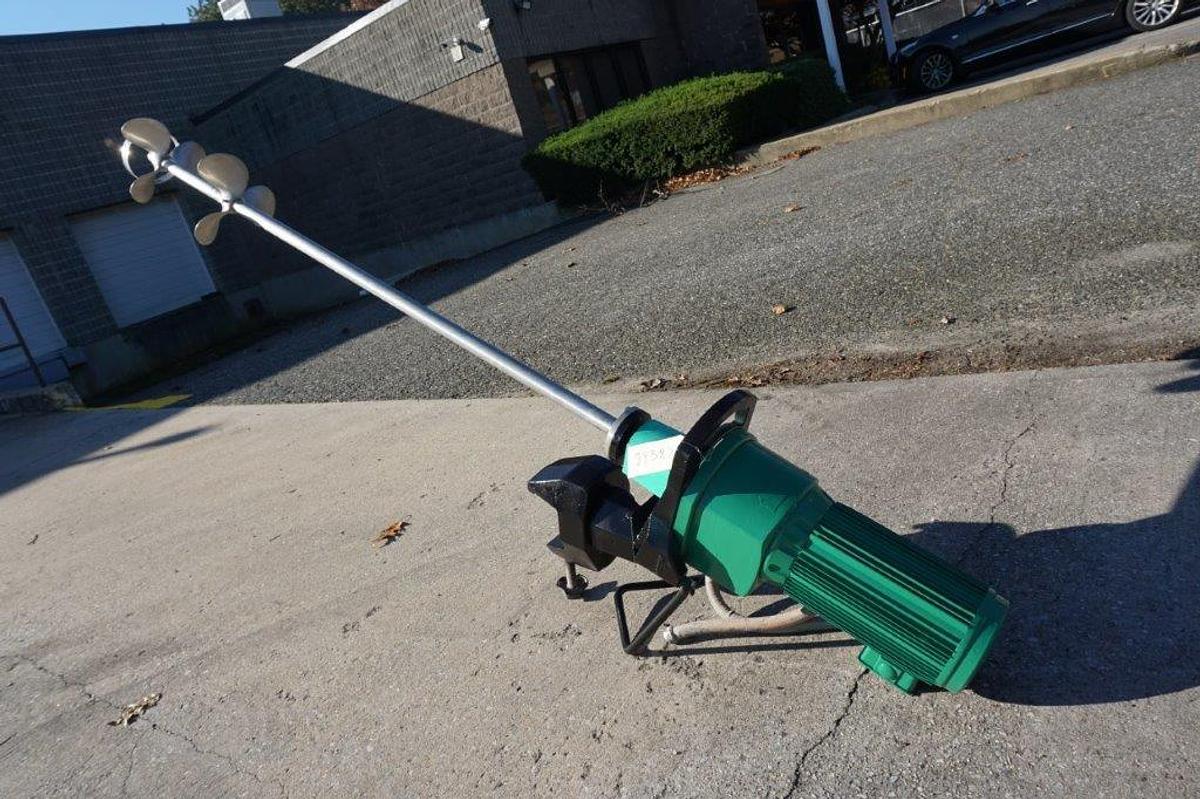
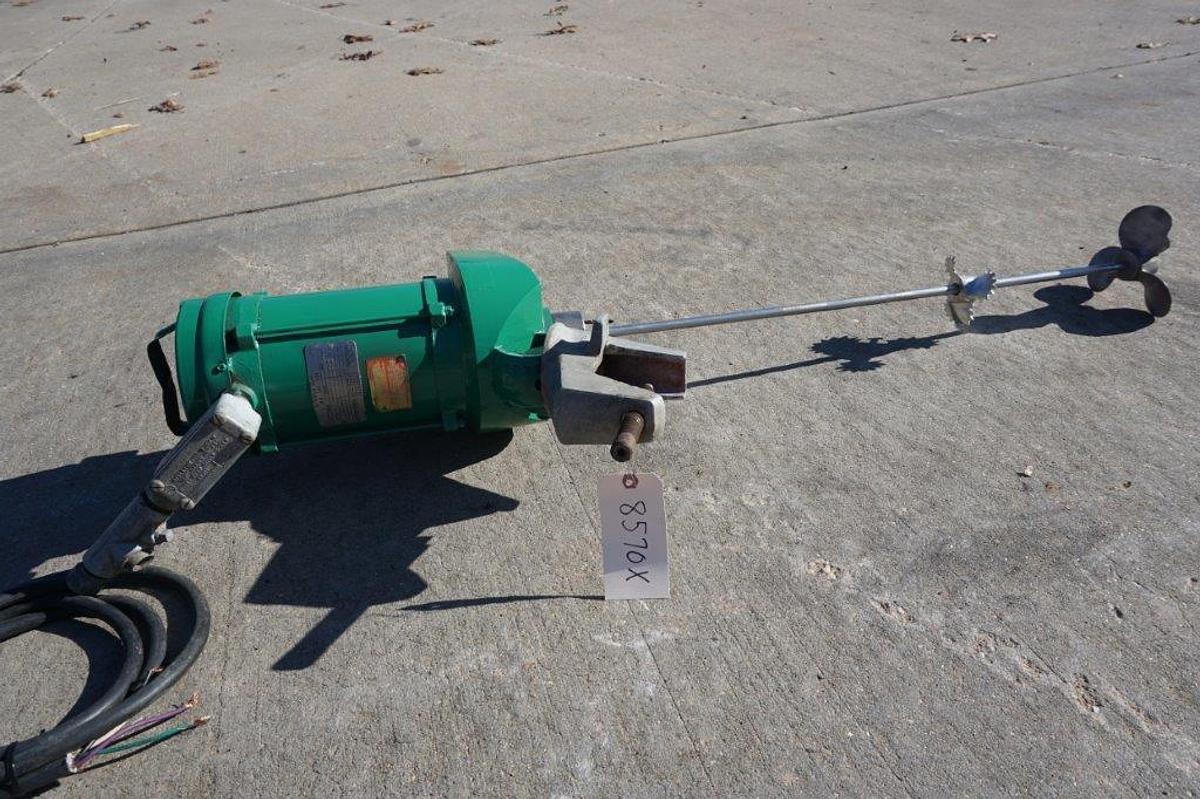
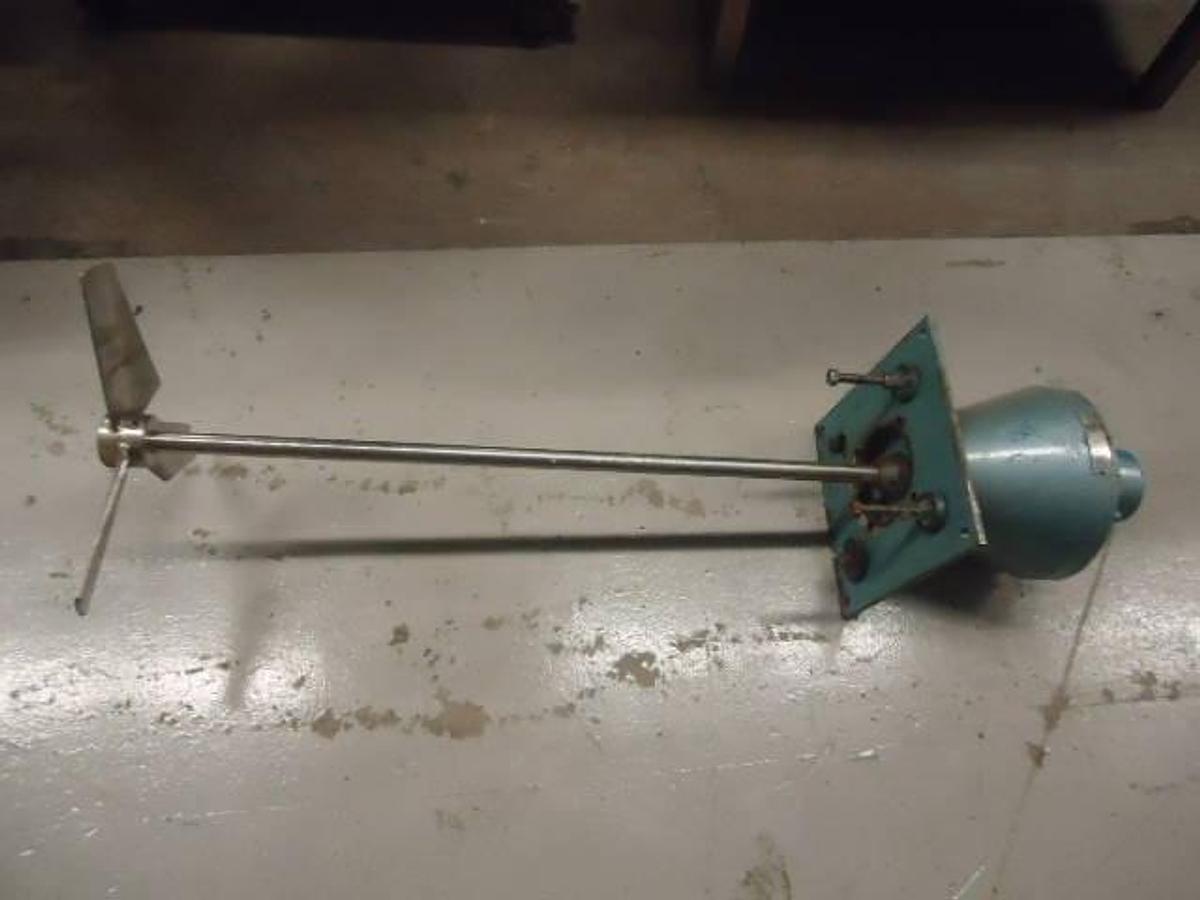
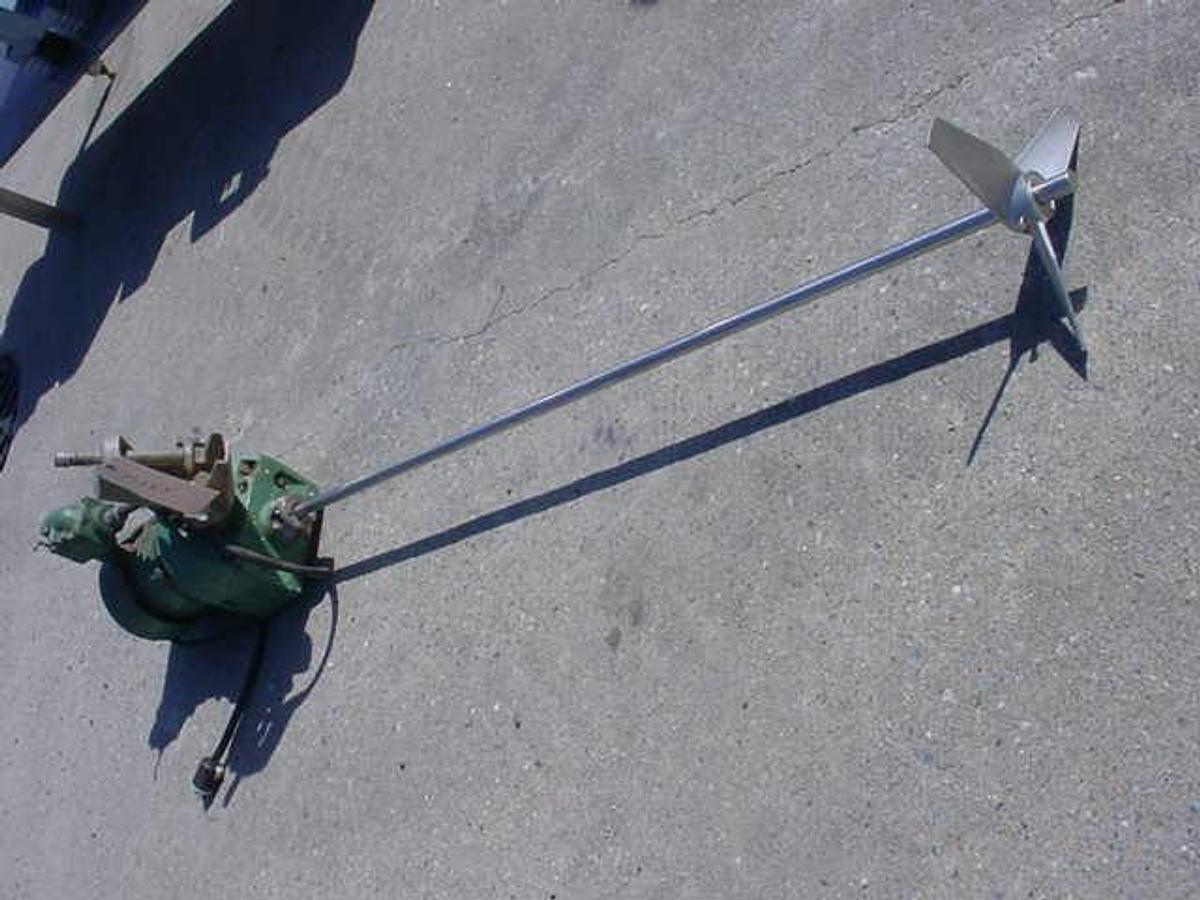
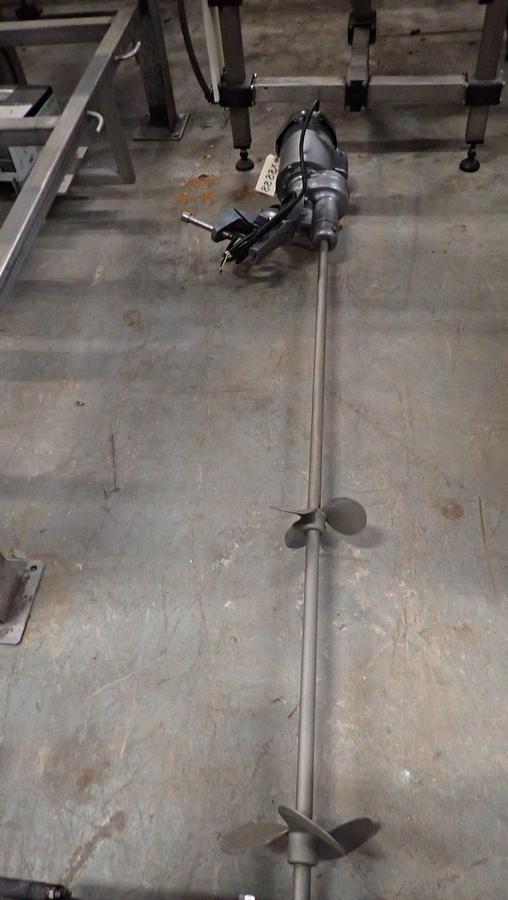
Used agitators come in a wide range of configurations to suit different mixing applications. The most commonly available units on the secondary market are top-entry agitators, which cover the broadest range of industrial uses. Within that category, buyers can typically find clamp-on portable mixers, fixed-mount agitator drives, and variable speed models. Clamp-on units are particularly popular because they attach directly to a tank rim or drum without permanent installation, making them flexible for facilities that mix in multiple vessels. Both electric and air-operated versions are available, and some electric units are built to explosion-proof (XP) specifications for use in hazardous environments. Shaft lengths vary considerably, with used inventory often spanning from compact 8-inch propeller shafts up to 72-inch shafts suited for deeper tanks.
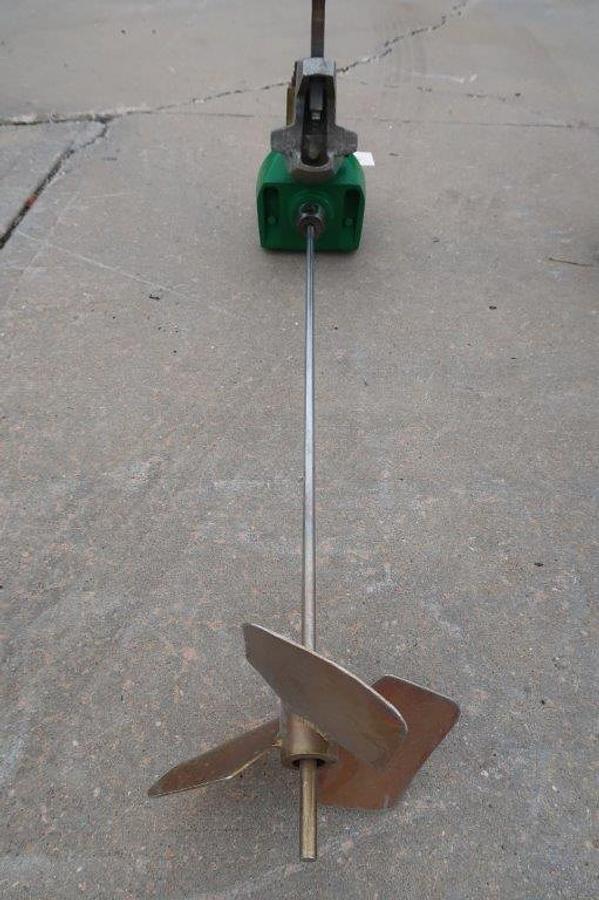
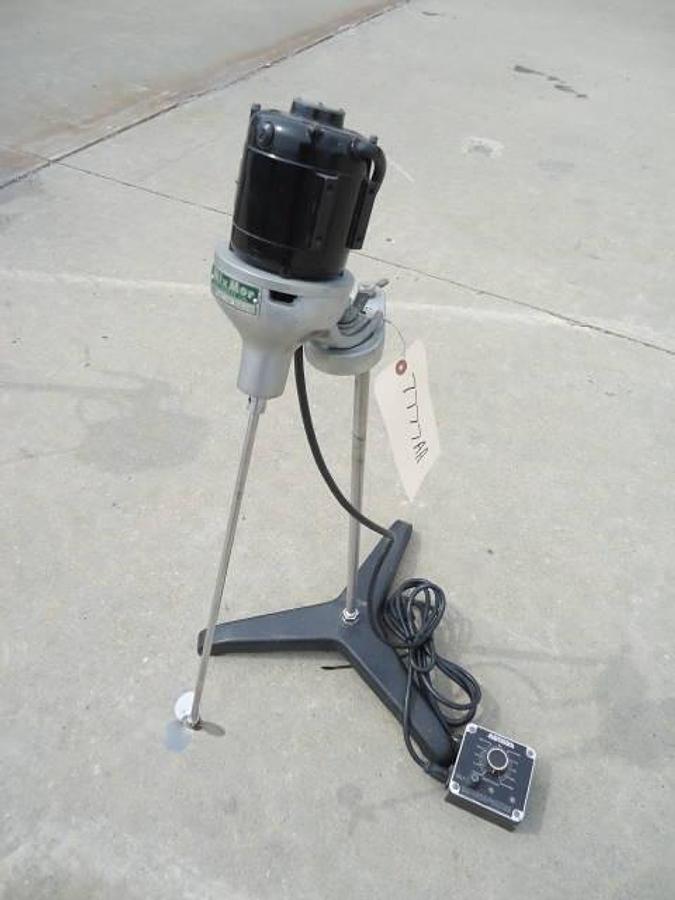
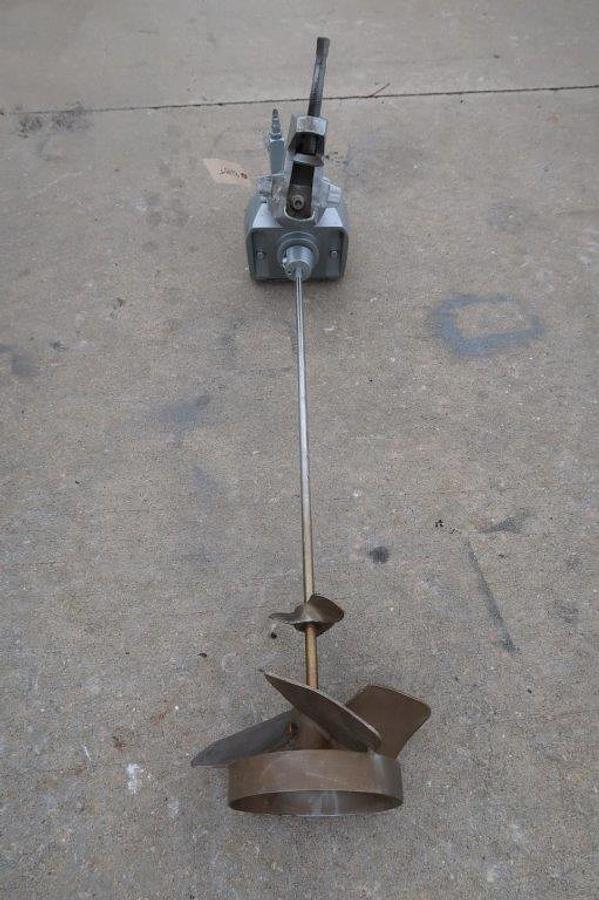
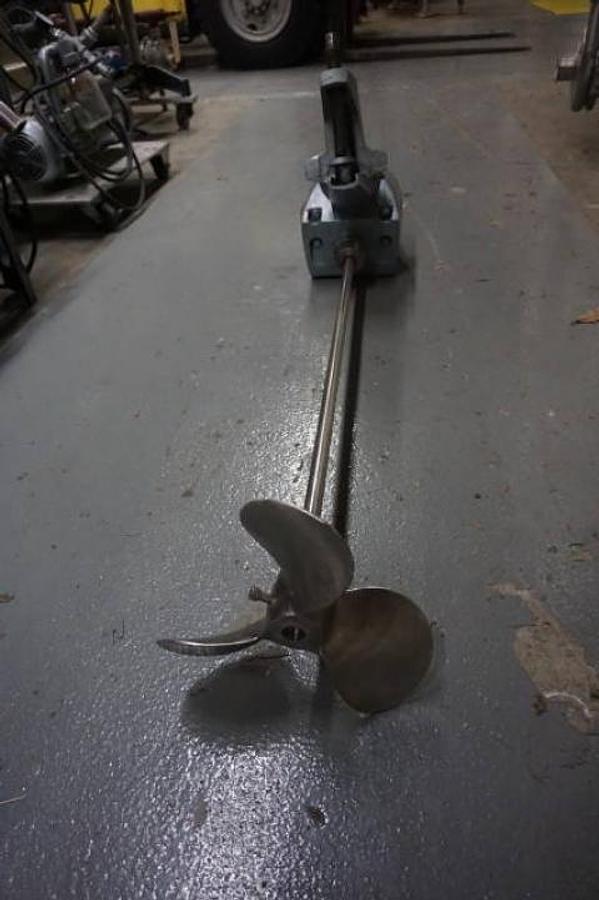
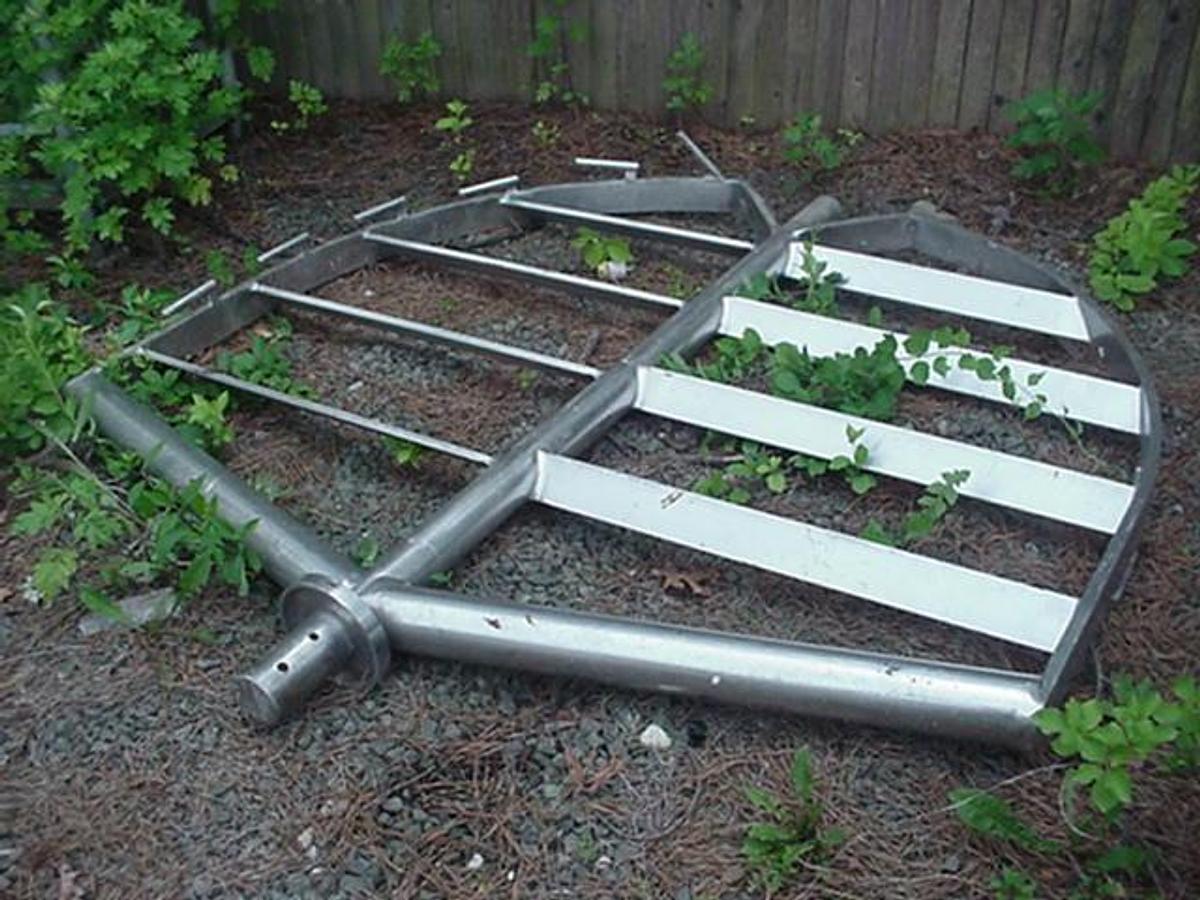
Beyond portable clamp-on units, the used market also carries laboratory-scale tabletop stirrers and propeller mixers, drum mixers, and fixed-mount drives with stainless steel shafts. Brands like Lightnin, Chemineer, Admix, Mixmor, and Gast appear frequently in used inventories. Lightnin in particular is one of the most sought-after names because of the brand's long track record and the relative availability of parts and manufacturer support. Air-operated agitators, which run on compressed air rather than electricity, are another category worth noting since they are inherently suited to spark-sensitive environments. Buyers should pay close attention to impeller type as well, since different blade configurations serve distinct functions including blending, solid suspension, gas dispersion, and heat transfer. Matching the impeller to the application is just as important as matching horsepower or shaft length.
How do I determine the right size agitator for my application?
Sizing an agitator correctly depends on several interrelated variables, and getting any one of them wrong can result in poor mixing performance or premature wear on the unit. The primary factors to evaluate are tank volume, the viscosity of the material being mixed, the required RPM range, motor horsepower, shaft length, and impeller type. Tank geometry also matters: a tall, narrow vessel behaves very differently from a wide, shallow one, and the agitator shaft needs to reach the working depth of the fluid without excessive deflection. As a general rule, shaft length should be selected so the impeller sits roughly one-third of the way up from the tank bottom when the vessel is at working volume.
Viscosity is often the most underestimated factor. Low-viscosity fluids like water-based solutions can be moved efficiently with a relatively modest horsepower and a high-speed propeller impeller. High-viscosity materials such as adhesives, slurries, or thick pastes require significantly more torque, slower RPM, and often a different impeller geometry entirely. When shopping for used agitators, buyers should have their process parameters clearly defined before evaluating any specific unit, because a machine that is oversized or undersized for the application will not perform well regardless of its condition. Consulting the original equipment manufacturer's published sizing guidelines for the model under consideration is a practical way to cross-check whether a particular used unit fits the intended duty. Many manufacturers still provide technical support for older models, which can be invaluable when repurposing used equipment.
What should I inspect before buying a used agitator?
A thorough pre-purchase inspection is the single most important step in buying used agitation equipment, since these machines are sold as-is without manufacturer backing. The mechanical components that deserve the closest attention are the gearbox or drive assembly, the shaft, the impeller or propeller blades, and the motor. On the gearbox, look and listen for unusual noise, excessive play in the output shaft, and any signs of oil leaks or contaminated lubricant. Shaft runout is another critical check: a bent or worn shaft will cause vibration that accelerates bearing wear and can damage the drive over time. Impeller blades should be inspected for erosion, corrosion pitting, and any cracks, particularly at the blade-to-hub connection where stress concentrates.
Reputable used equipment dealers will accommodate in-person inspections, video walkthroughs, or recorded video captures of the machine so buyers can evaluate condition remotely. Some units may still be installed and running at the facility where they were decommissioned, which gives buyers the opportunity to observe the agitator under actual operating conditions. Keep in mind that most dealers do not have production facilities and therefore cannot run product through the machine during an inspection, but they can often demonstrate motor function and shaft rotation. Buyers should also ask about the machine's service history, the application it was used in, and the materials it contacted, since chemical exposure can degrade seals, shafts, and impeller coatings in ways that are not always visible on the surface. Selecting a dealer who specializes in process and mixing equipment, rather than a generalist machinery reseller, significantly improves the quality of information available during the inspection process.
What is the typical price range for used industrial agitators?
Pricing for used agitators spans a very wide range depending on size, brand, configuration, and condition. At the lower end, small fractional-horsepower clamp-on portable mixers and laboratory stirrers can be found for a few hundred dollars. Mid-range units in the 1 to 3 horsepower class, which represent the bulk of what is available on the used market, typically fall somewhere between several hundred and a few thousand dollars depending on the brand and features. Explosion-proof motors, variable speed drives, all-stainless construction, and longer shafts all add to the price. A Lightnin or Chemineer unit in good working condition will generally command a premium over a lesser-known brand because of the perceived reliability and the availability of parts and manufacturer support.
Larger fixed-mount agitator drives in the 5 horsepower and above range, or specialized units designed for reactors and large storage tanks, can run considerably higher. Buyers should also factor in the full landed cost of the equipment, not just the purchase price. Shipping costs vary based on the size and weight of the unit, the level of packaging or crating required, and any rigging needed for loading and unloading heavy equipment. These logistics costs can add meaningfully to the total acquisition cost, particularly for larger drives. Getting a clear breakdown of packaging, rigging, and freight charges from the dealer before committing to a purchase is the best way to avoid surprises. Compared to purchasing equivalent equipment through a manufacturer at full price, well-maintained used agitators can represent substantial savings, which is why the secondary market for brands like Lightnin remains active.
What is the difference between a clamp-on agitator and a fixed-mount agitator?
The distinction between clamp-on and fixed-mount agitators comes down to how the unit attaches to the tank and whether it is designed for permanent installation or portable use. Clamp-on agitators use a mounting bracket that grips the rim or lip of an open-top tank, drum, or tote. This design makes them easy to move between vessels, quick to set up, and practical for facilities that need mixing capability across multiple containers without dedicating a separate agitator to each one. They are available in both electric and air-operated versions, and shaft lengths vary to accommodate different tank depths. Because they are not bolted down permanently, clamp-on units are also easier to remove for cleaning, maintenance, or storage.
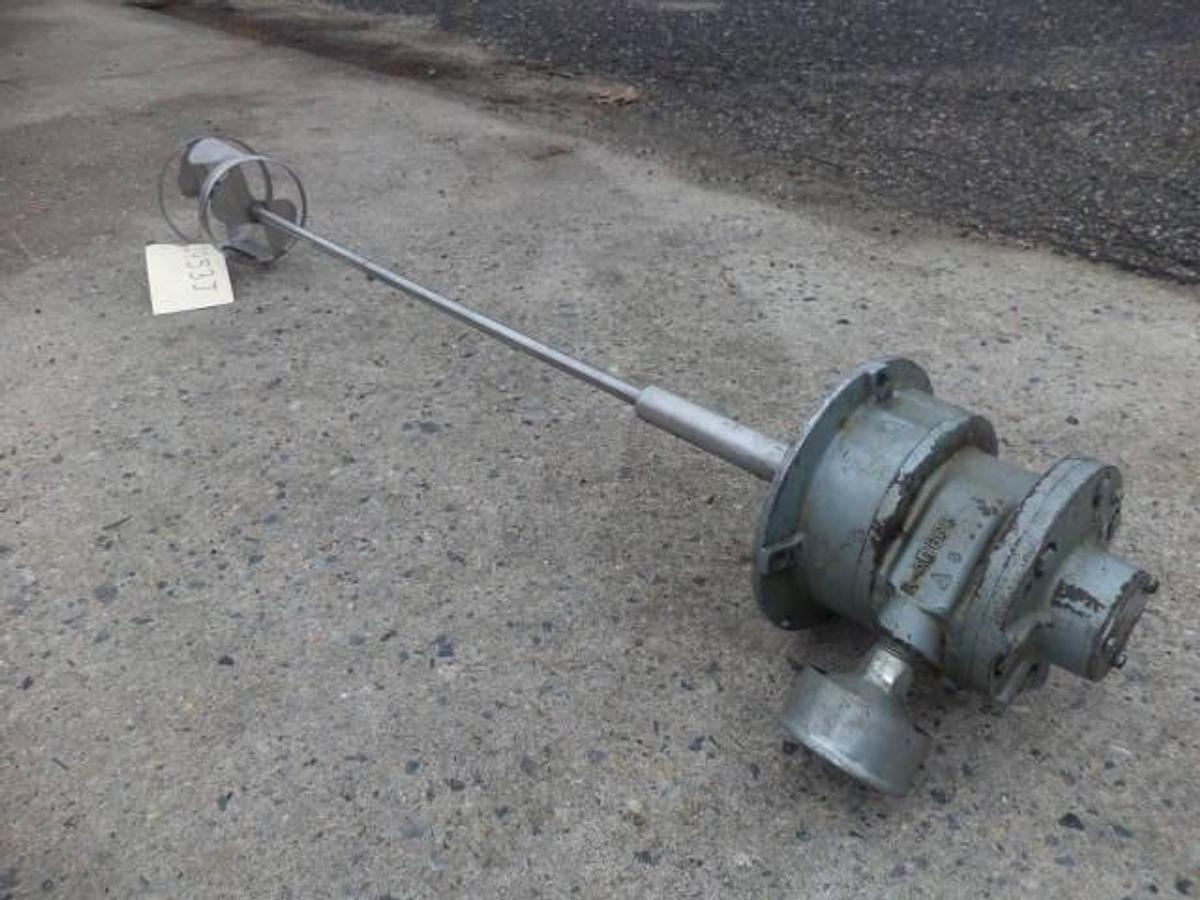
Fixed-mount agitators, by contrast, are bolted or welded to a permanent structure on top of a tank, reactor, or vessel. They are designed for continuous or high-duty-cycle operation in a single dedicated application. Fixed-mount drives tend to be heavier-duty, capable of handling higher horsepower and torque loads, and are often specified for larger tanks where the shaft and impeller assembly would be too heavy or too long for a clamp-on bracket to support safely. In the used equipment market, fixed-mount drives are frequently sold separately from the tanks they originally served, so buyers need to verify that the mounting footprint, shaft length, and impeller configuration will work with their existing vessel. Both types appear regularly in used inventories, and the right choice depends entirely on whether the application calls for dedicated installation or the flexibility of portable use.
What industries commonly use agitators, and how do I know which type I need?
Agitators are used across a broad range of process industries anywhere that liquids, slurries, or suspensions need to be blended, homogenized, kept in suspension, or maintained at a uniform temperature. Common industries include food and beverage processing, pharmaceuticals, specialty chemicals, paints and coatings, adhesives, wastewater treatment, cosmetics, and pulp and paper. Each of these industries tends to favor specific agitator configurations based on the nature of the materials being processed. Food and pharmaceutical applications, for example, typically require stainless steel wetted parts and sanitary or washdown-rated construction. Chemical processing applications may require explosion-proof motors or corrosion-resistant materials depending on what is being mixed.
The type of agitator needed is largely determined by the mixing objective rather than the industry alone. Blending two miscible liquids of similar viscosity is a relatively low-energy task that a propeller mixer handles well. Keeping solids in suspension in a slurry requires more turbulence and a different impeller geometry. Gas dispersion into a liquid, which is common in fermentation and wastewater aeration, calls for yet another impeller style. Variable speed agitators offer flexibility across multiple mixing tasks and are worth considering when a single unit needs to handle different products or viscosities. When evaluating used agitators, buyers should identify their mixing objective first, then match the impeller type, horsepower, and speed range to that objective. Consulting the manufacturer's technical documentation for any model under consideration is a practical way to confirm the unit was originally designed for a similar duty.
Are used agitators covered by any warranty?
Warranties on industrial machinery are typically provided by the original manufacturer and are tied to the sale of a brand-new unit directly through authorized channels. Once equipment enters the secondary market, manufacturer warranties generally do not transfer to subsequent owners. Used agitators are sold as-is, which means the responsibility for evaluating the machine's condition and suitability for the intended application falls on the buyer. This is standard practice in the used equipment industry and applies broadly regardless of the dealer or the brand of equipment.
Because there is no warranty safety net, the quality of the pre-purchase inspection becomes especially important. Buyers should work with dealers who have a long track record in the process equipment space and who are willing to provide detailed information about each machine, including its history, condition, and any known issues. Dealers who specialize in mixing and agitation equipment are better positioned to answer technical questions accurately than generalist resellers. It is also worth contacting the equipment manufacturer directly to understand what level of support is available for the specific model and vintage being considered, since older or discontinued models may have limited parts availability. Age and production status of a particular model can significantly affect the long-term serviceability of the unit, so factoring manufacturer support into the purchase decision is a practical step even when buying used.
What are the most reputable brands to look for when buying a used agitator?
Brand reputation matters considerably in the used agitator market because it directly affects parts availability, manufacturer technical support, and the likelihood that the machine was built to a standard that holds up over years of service. Lightnin (now part of SPX Flow) is consistently one of the most recognized and sought-after names in industrial mixing equipment. Their units appear frequently in used inventories precisely because so many were sold over the decades, and the brand's reputation for durability means buyers are generally more confident in a used Lightnin unit than in an unknown brand. Chemineer is another well-regarded manufacturer whose used equipment trades actively, particularly in chemical processing and industrial applications. Admix, Mixmor, and Gast also have strong reputations in their respective niches, with Gast being particularly known for air-operated mixing equipment.
Beyond brand name, buyers should consider the specific model's history and whether the manufacturer still supports it with parts and technical documentation. Some older models, even from reputable brands, may have limited parts availability if production of that line was discontinued long ago. Contacting the manufacturer before purchasing a used unit to ask about parts and service support is a straightforward step that can prevent costly surprises down the road. A well-maintained unit from a top-tier brand will typically outperform a newer unit from a lesser-known manufacturer, both in terms of mixing performance and long-term reliability. When comparing used agitators from multiple sellers, prioritizing recognized brands with active manufacturer support is one of the most reliable ways to reduce risk in the purchasing decision.
What is the difference between an electric agitator and an air-operated agitator?
Electric agitators are powered by an electric motor, which makes them the more common choice in most industrial settings where reliable electrical infrastructure is available. They offer precise speed control, particularly in variable speed configurations, and are generally available in a wider range of horsepower ratings than air-operated alternatives. Some electric agitators are built to explosion-proof (XP) standards, meaning the motor enclosure is rated to prevent ignition of flammable gases or vapors in the surrounding environment. These XP-rated units are required by safety codes in certain chemical processing, solvent handling, and other hazardous duty applications.
Air-operated agitators use compressed air as their power source rather than electricity. This makes them inherently spark-free, which is a significant advantage in environments where flammable solvents, coatings, or other volatile materials are present and where the cost or complexity of installing explosion-proof electrical equipment is a concern. Air-operated units tend to be simpler mechanically, with fewer electrical components that can fail, and they can be a practical choice in facilities that already have a compressed air supply running to the work area. The trade-off is that air consumption can be substantial, and operating costs depend on the efficiency of the facility's compressed air system. Both types appear regularly in used inventories, and the choice between them typically comes down to the available utilities, the hazard classification of the work environment, and the level of speed control required for the application.
How does shipping work for used agitators, and what costs should I expect?
Shipping used agitation equipment involves more variables than standard parcel freight, and buyers should get a clear picture of all logistics costs before finalizing a purchase. Smaller portable clamp-on mixers and laboratory units can often be packaged on a pallet and shipped via standard LTL (less-than-truckload) freight carriers at relatively modest cost. Larger fixed-mount agitator drives with long shafts or heavy gearboxes may require custom crating to prevent damage in transit, and the cost of that crating is typically passed on to the buyer. The level of packaging required depends on the size and fragility of the equipment, and dealers will generally quote packaging costs as part of the overall shipping estimate.
For heavier equipment, rigging costs become a factor as well. Loading a large agitator drive onto a truck may require a forklift or crane at the shipping origin, and unloading at the destination is the buyer's responsibility unless a liftgate or other service is arranged in advance. Buyers who do not have loading dock facilities should discuss this with the dealer before the order is placed to avoid delays or additional charges on delivery. Payment for used equipment is typically required in full before the dealer will arrange shipment, which is standard practice in the industry. Getting a complete breakdown of the purchase price, packaging, rigging, and freight charges upfront gives a clear picture of the total landed cost and avoids surprises when the invoice arrives.