Category
Subcategory
Manufacturer
Model
Cup Filling Machines
Rotary & Inline Cup Fillers/Sealers
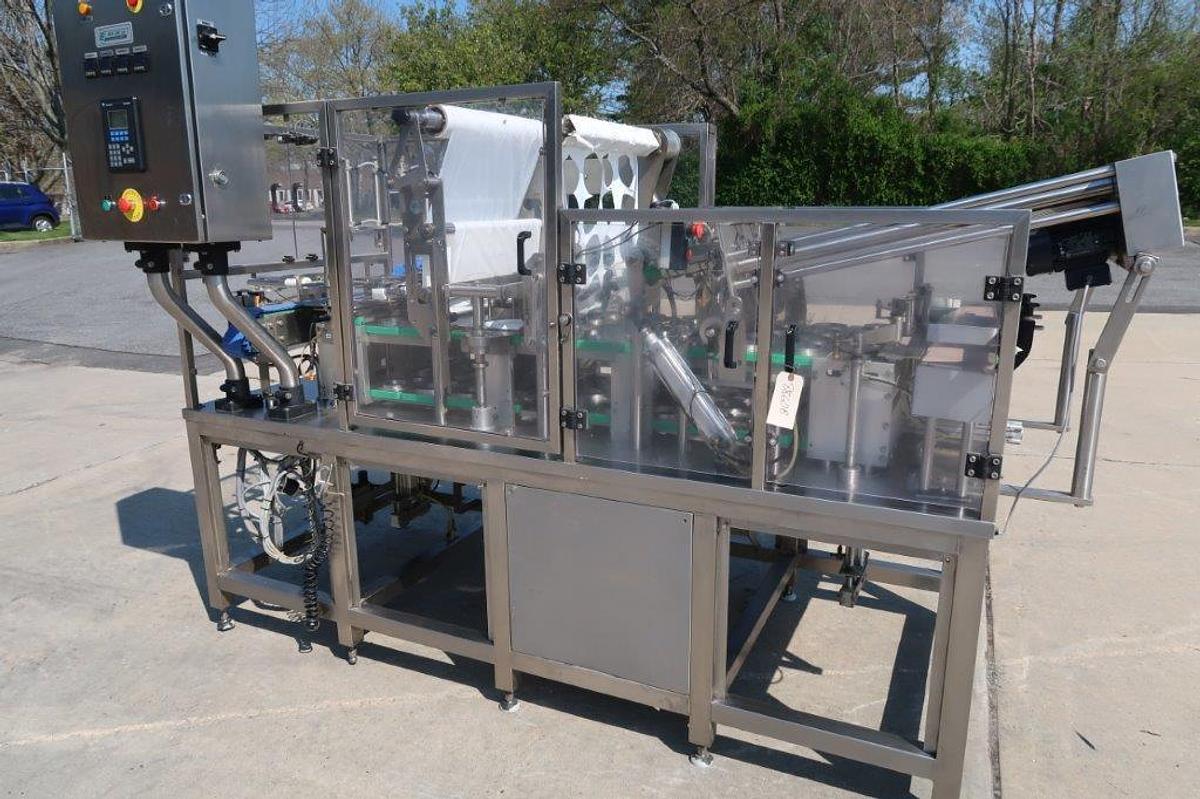
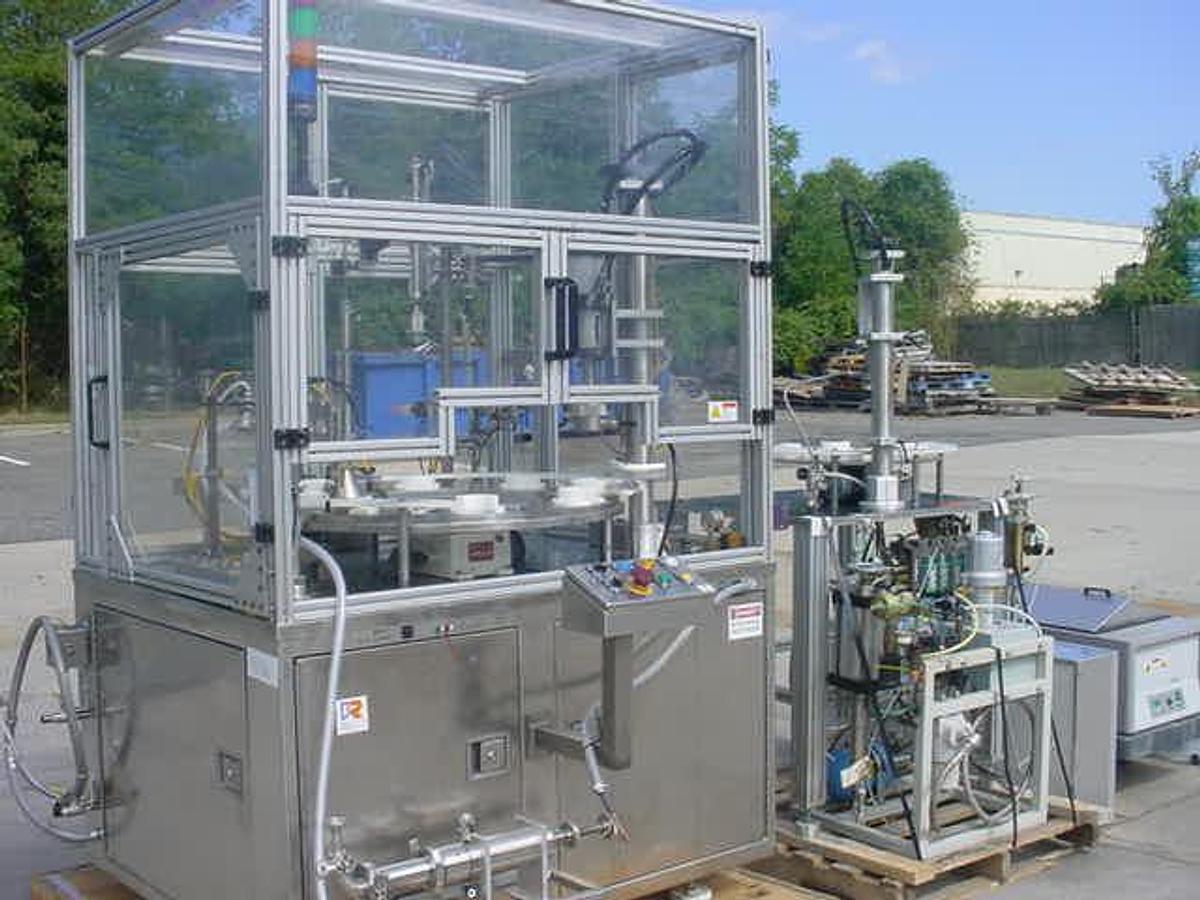
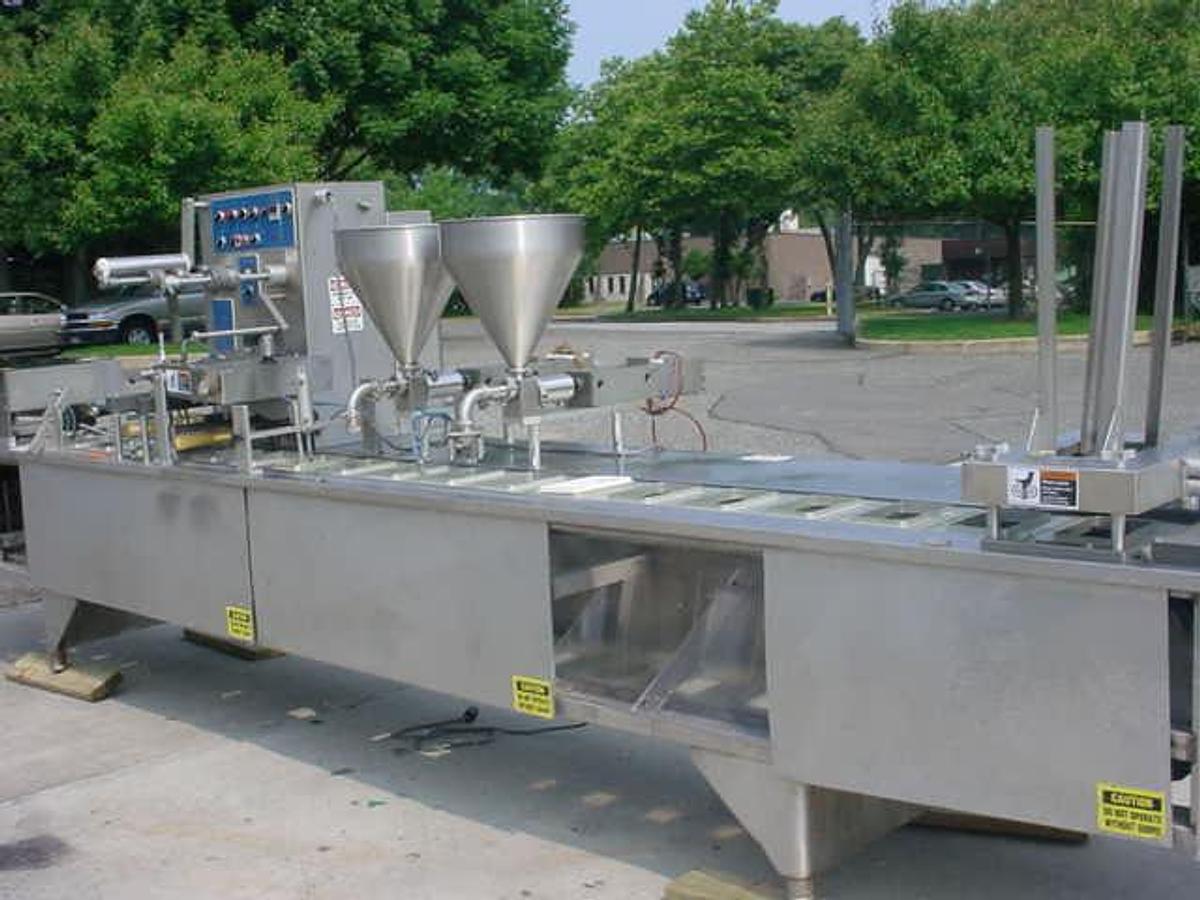
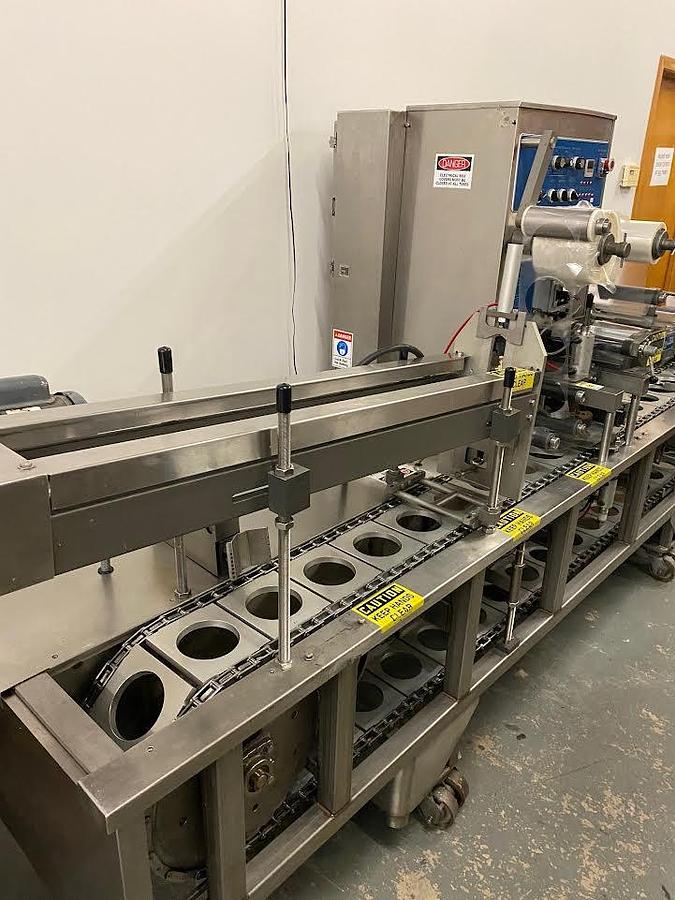
Cup fillers are used for packaging of yogurts, spreads, salsas, sauces, and other products in cup containers. Cup filling equipment can perform all functions of cup packaging including de-nesting, filling, sealing (including application of a foil or film seal), and lidding/overcapping of cups. We supply both used rotary cup fillers as well as inline cup fillers. Our selection of used cup fillers includes MODERN PACKAGING, OSGOOD, AUTOPROD, ANDERSON, FORDS/HOLMATIC cup fillers, and many other brands.
FAQ :
What types of products can be filled using a cup filling machine?
Cup filling machines are used across a wide range of food, beverage, and non-food applications. In the food industry, they handle products like yogurt, sour cream, cottage cheese, puddings, dips, salsas, sauces, spreads, ice cream, and portion-packed condiments. Beyond dairy and refrigerated foods, cup fillers are also used for dry products such as powders and granules, which typically require an auger-style filling head rather than a piston or volumetric cup mechanism. Some machines are configured specifically for modified atmosphere packaging (MAP) to extend shelf life, which is common in fresh food applications.
Outside of food, cup filling equipment sees use in cosmetics (creams, gels, balms), pharmaceuticals (ointments, single-dose liquids), and industrial products. The key factor is whether the product's viscosity, particulate size, and fill volume fall within the machine's design parameters. When evaluating a used cup filler, buyers should confirm what product categories the machine was previously used for, since a machine that ran dairy products will have different sanitation and wear considerations than one used for dry powders or non-food materials. Requesting the machine's production history is a standard part of due diligence in the used equipment market.
What is the difference between a rotary cup filler and an inline cup filler?
Rotary cup fillers use a circular indexing table or carousel that moves cups through successive stations, including de-nesting, filling, sealing, and lidding, in a continuous rotary motion. This design tends to support higher throughput and is common in high-volume dairy and food production environments. Rotary machines are often found in multi-lane configurations, and speeds can range from around 40 cups per minute on smaller models up to 360 or more cups per minute on wide-lane, high-speed systems. Brands like Osgood, Autoprod, Modern Packaging, and Holmatic are well-known rotary cup filler manufacturers frequently found in the used equipment market.
Inline cup fillers move cups in a straight-line path through the filling and sealing process. They tend to be more compact and are often better suited for lower-volume production runs or facilities with limited floor space. Inline machines can also be easier to changeover between different cup sizes and formats, which makes them popular in operations that run multiple SKUs. When choosing between rotary and inline used equipment, buyers should weigh their required output speed, available floor space, product type, and how frequently they need to switch between cup formats. Both configurations are available in the used market at a range of price points depending on age, condition, lane count, and included tooling.
What filling technologies are used in cup filling machines?
Cup filling machines use several different filling technologies, and the right choice depends almost entirely on the physical characteristics of the product being filled. Volumetric cup filling uses a measured cup or cavity to dispense a fixed volume of product, and it works well for free-flowing liquids and semi-liquids like yogurt or pudding. Piston filling is another common method, where a piston draws product into a cylinder and then pushes a precise volume into the cup. Piston fillers handle a wide viscosity range and are popular for chunky or thick products like salsa, hummus, or cream cheese.
Auger filling is used for dry, powdered, or granular products. A rotating auger screw meters product by the number of rotations, making it well-suited for consistent portion control with powders, spices, or dry mixes. Gravity filling is the simplest approach and works only for thin, free-flowing liquids where the product flows by its own weight into the cup. Some machines combine filling technologies with additional functions like foil sealing, film sealing, gas flushing for MAP applications, and overcapping or lidding. When evaluating a used cup filler, buyers should verify that the machine's filling technology matches their product's viscosity and that the fill volume range aligns with their target portion size.
How do I verify that a used cup filling machine is compatible with my cup sizes?
Cup size compatibility is one of the most critical specifications to confirm before purchasing any used cup filling machine. Machines are built around specific tooling, which includes the de-nesting components, filling heads, sealing dies, and lidding mechanisms, all sized to a particular cup diameter and height range. The tooling is often listed as part of the machine's specifications, for example, a machine described as having 4.5-inch diameter tooling will only run cups of that diameter unless additional tooling is purchased separately. Some listings note that multiple sets of tooling are included, which adds flexibility but also adds complexity to the changeover process.
Buyers should measure their cup dimensions carefully, including outer diameter, inner diameter, cup height, and flange width, and compare those measurements against the machine's tooling specifications. It is also worth asking whether the machine's manufacturer still supports that model with replacement tooling or whether tooling would need to be custom fabricated. In some cases, a used machine may come with partial tooling sets, meaning some sizes are covered and others are not. During an inspection, buyers should ask to see the actual tooling installed on the machine and confirm its condition, since worn or damaged tooling can affect seal integrity and fill accuracy. Verifying tooling compatibility upfront prevents costly surprises after the machine has already shipped.
What output speeds should buyers expect from used cup filling machines?
Output speed on cup filling machines is typically measured in cups per minute (CPM) and varies considerably based on the machine's design, number of lanes, and the product being filled. Smaller or older single-lane machines may produce in the range of 40 to 60 cups per minute, which is adequate for smaller production runs or specialty products. Mid-range machines, often in two- to four-lane configurations, commonly run between 100 and 240 cups per minute. High-speed, wide-lane rotary systems used in large-scale dairy or food production can reach 300 to 360 CPM or more. The listed speed on a used machine reflects its rated capacity under ideal conditions, and actual throughput may vary depending on product characteristics, cup format, and the machine's current mechanical condition.
When evaluating a used cup filler, buyers should treat the rated speed as a ceiling rather than a guarantee. Machines that have been in heavy production service may not reach their original rated output without servicing. It is reasonable to ask the seller about the machine's production history and whether it was running at or near its rated capacity before being taken out of service. Buyers should also factor in the speed of upstream and downstream equipment, since a high-speed cup filler is only useful if the rest of the packaging line can keep pace. Matching the cup filler's output to the overall line speed is a practical consideration that often gets overlooked until after installation.
Do used cup filling machines come with a warranty?
Used cup filling machines are typically sold on an as-is basis, which is standard practice in the used industrial equipment market. Unlike purchasing directly from a manufacturer, buying used equipment means there is generally no warranty coverage included with the sale. This places the responsibility of assessing the machine's condition squarely on the buyer, which is why thorough pre-purchase inspection is so important. Selecting a reputable used equipment dealer with a long track record in the food and packaging machinery sector reduces risk considerably, since established dealers tend to be more transparent about a machine's history and condition.
Buyers should also contact the machine's manufacturer directly to understand what level of support is available for the specific model and age of the equipment. Older models or discontinued product lines may have limited parts availability or reduced technical support from the manufacturer. Some manufacturers still support legacy machines with parts and service documentation, while others may have discontinued support entirely. Understanding this before purchase helps buyers plan for maintenance costs and sourcing of spare parts. Consulting with an independent service technician who specializes in packaging equipment is another way to get an objective assessment of what a specific used machine will need to reach reliable production performance.
What should buyers look for when inspecting a used cup filling machine?
A thorough inspection of a used cup filling machine should cover both mechanical condition and the machine's operational history. On the mechanical side, buyers should examine the condition of the filling heads, sealing station, de-nesting components, and drive systems for signs of wear, corrosion, or damage. Stainless steel contact surfaces should be free of pitting or cracks that could harbor bacteria, which is especially important for machines used in food or dairy production. The condition of the tooling, including sealing dies and cup guides, should be checked carefully since worn tooling directly affects seal quality and fill accuracy. Electrical components, control panels, and pneumatic systems should also be reviewed for functionality.
Inspections can typically be arranged in person, via video call, or through detailed video footage provided by the seller. Some machines may still be installed at the facility where they were last used, which offers the opportunity to see the machine in its production environment. Keep in mind that most used equipment dealers are not set up to run actual product through a machine during an inspection, as that would require food-grade production permitting that dealers typically do not hold. Buyers should also request the machine's maintenance records, ask about any repairs or part replacements that have been made, and find out what product types were previously run through the machine. This history helps assess both sanitation risk and the degree of mechanical wear to expect.
How does parts availability affect the value of a used cup filling machine?
Parts availability is one of the most important but frequently underestimated factors in evaluating a used cup filling machine. A machine that is mechanically sound at the time of purchase can become a production liability if critical wear parts, seals, filling heads, or control components are no longer available from the manufacturer or aftermarket suppliers. Brands with a strong installed base and long production histories tend to have better parts availability, either directly from the manufacturer or through third-party suppliers who stock common wear items. Buyers should research the specific brand and model before purchasing to understand what the parts landscape looks like.
Some manufacturers actively support older equipment with parts and service documentation, while others have discontinued support for machines beyond a certain age. For less common brands or machines that were produced in limited quantities, parts may need to be custom fabricated, which adds both cost and lead time. Buyers should ask the seller whether any spare parts are included with the machine, since sellers sometimes have leftover inventory of wear parts that can be bundled with the sale. It is also worth reaching out to the manufacturer directly with the machine's model and serial number to get a clear picture of what is still available. Factoring in parts availability and estimated maintenance costs gives a more accurate picture of the machine's true cost of ownership over time.
What are the typical shipping and logistics considerations for a used cup filling machine?
Shipping a used cup filling machine involves more complexity than standard freight, and buyers should understand the full scope of logistics costs before finalizing a purchase. Smaller machines may be palletized and shipped via standard LTL (less-than-truckload) freight, but larger rotary cup filling systems often require custom crating to prevent damage in transit. The level of packaging required, whether basic palletization or full wooden crating with internal bracing, directly affects shipping costs and should be clarified with the seller upfront. Buyers should ask specifically how the machine will be prepared for shipment and who is responsible for packaging costs.
For heavier or bulkier machines, professional rigging services are typically needed for both loading at the seller's facility and unloading at the buyer's location. Rigging involves specialized equipment like forklifts, cranes, or skid steers, and the cost is usually separate from the freight charge itself. Buyers should request a complete breakdown of all logistics costs, including packaging, rigging, freight, and any applicable fuel surcharges or liftgate fees, to understand the true landed cost of the equipment. International shipments add additional layers of complexity, including export documentation, customs duties, and import compliance. Getting all of these details in writing before committing to a purchase helps avoid unexpected costs that can significantly change the economics of the deal.
What are the most reputable brands of cup filling machines found in the used equipment market?
Several brands have established strong reputations in the cup filling equipment market and are commonly found in the used machinery space. Osgood is widely recognized for high-speed rotary cup fillers used in dairy and food production, with multi-lane machines capable of handling yogurt, sour cream, and similar products at high throughput rates. Autoprod and Modern Packaging are also well-regarded for rotary cup filling and sealing systems, with a range of configurations from compact single-line machines to multi-lane, high-speed systems. Holmatic (including the BWI Fords/Holmatic line) has a long history in cup filling and overcapping equipment and remains a commonly traded brand in the used market. World Cup machines are another frequently seen option, particularly for mid-range rotary cup filling and sealing applications.
Other brands that appear regularly in used equipment listings include Packline, Hassia, Gram Equipment (particularly for ice cream applications), and Packaging Technologies. Each brand has its own design philosophy, and parts availability varies by brand, model, and age. Buyers with existing relationships with a particular manufacturer may prefer to source used equipment from that same brand to simplify parts sourcing and technical support. For buyers who are less familiar with the category, working with a used equipment dealer who specializes in packaging machinery and can speak to the relative merits of different brands and models is a practical way to narrow down the options before making a purchase decision.