Category
Subcategory
Manufacturer
Model
Feeders
Vibratory, Screw, Bowl, etc.
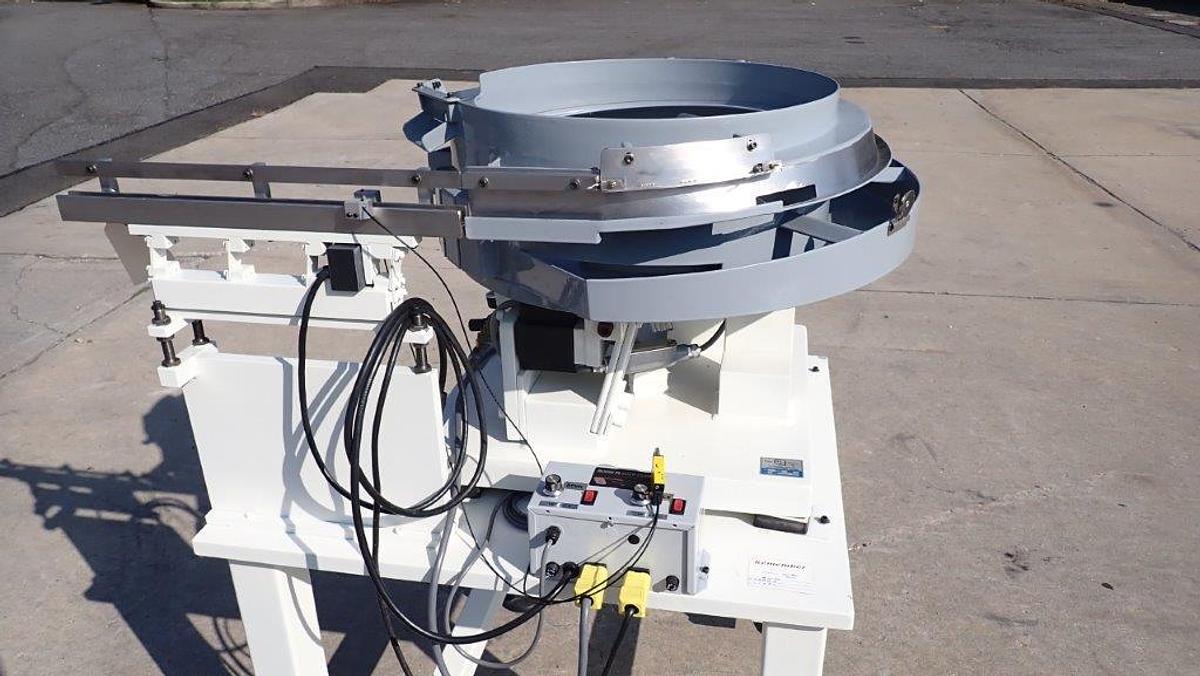
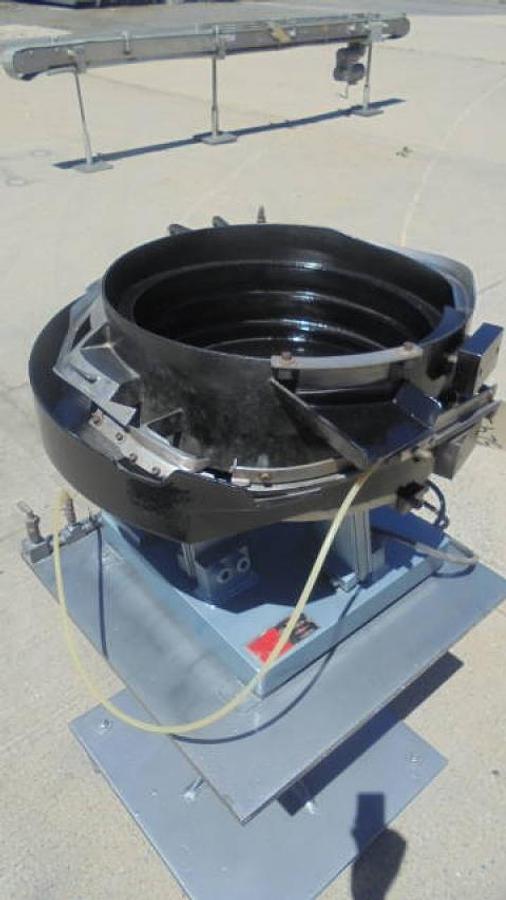
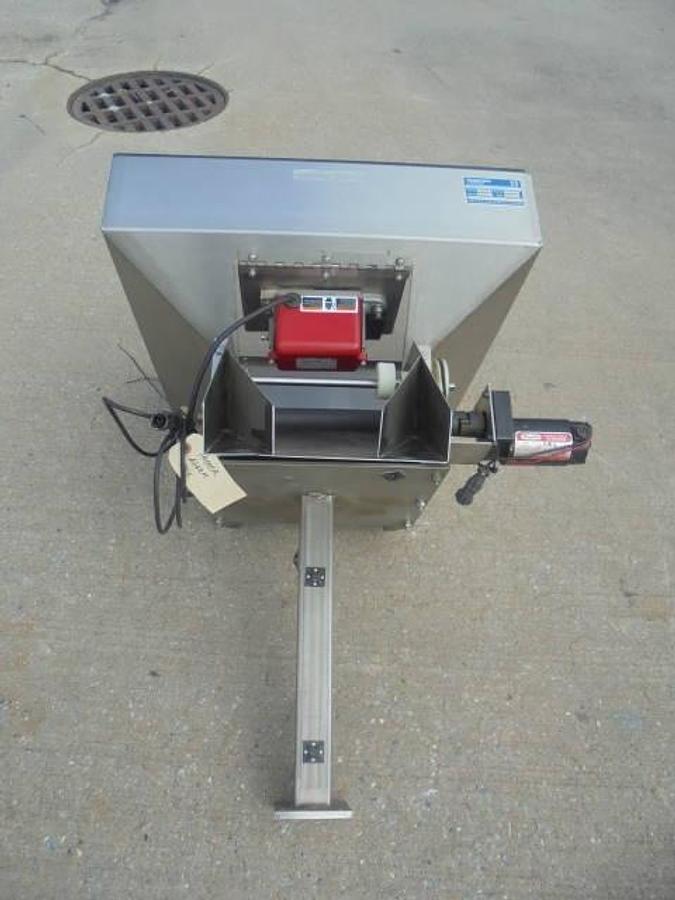
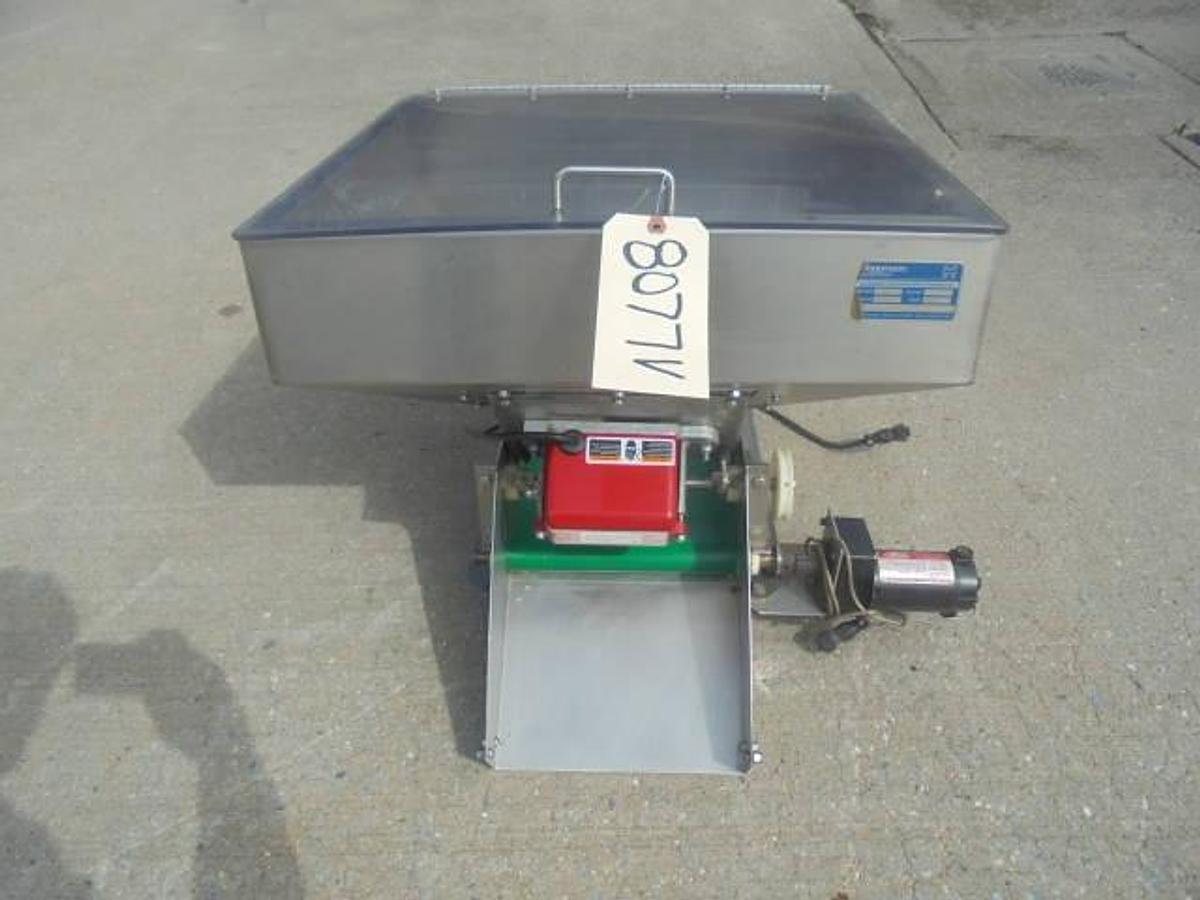
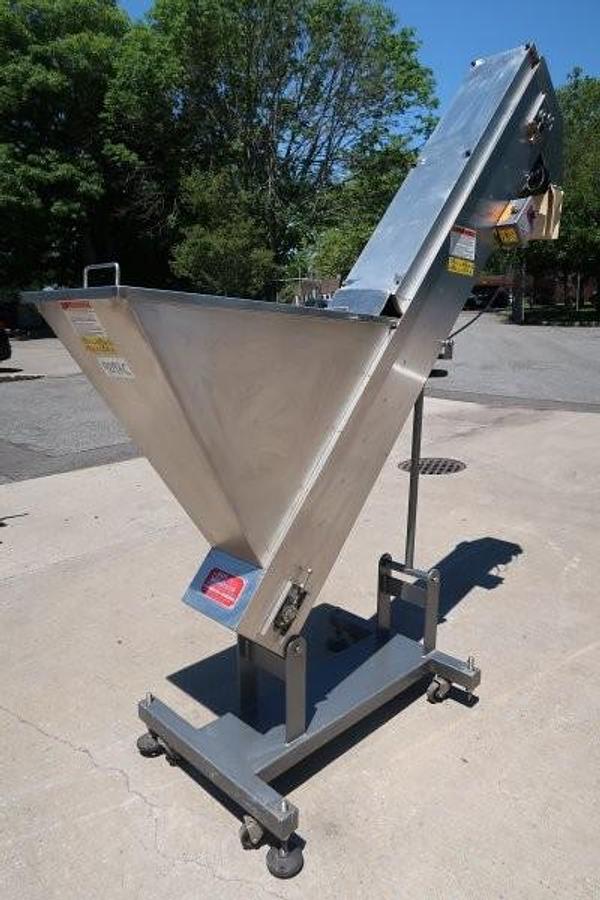
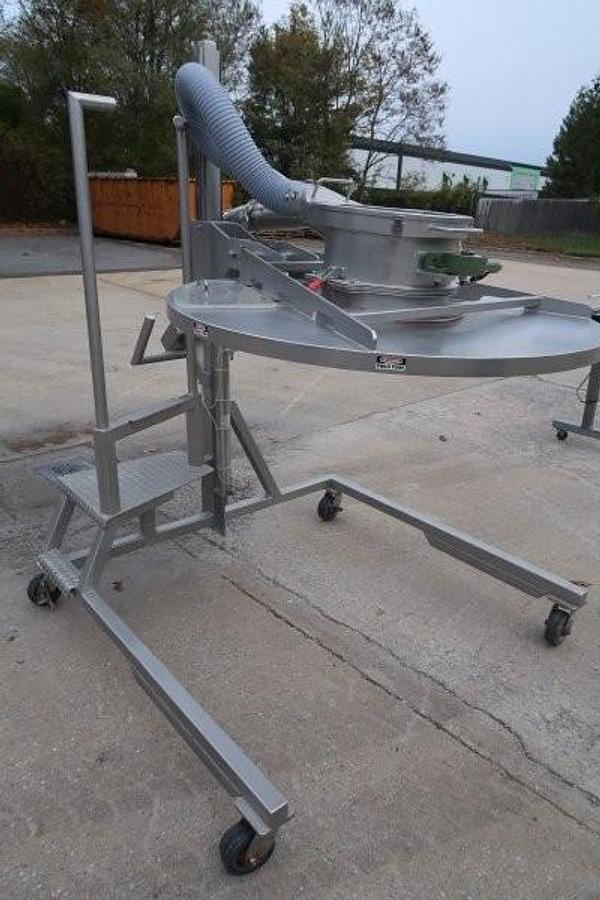
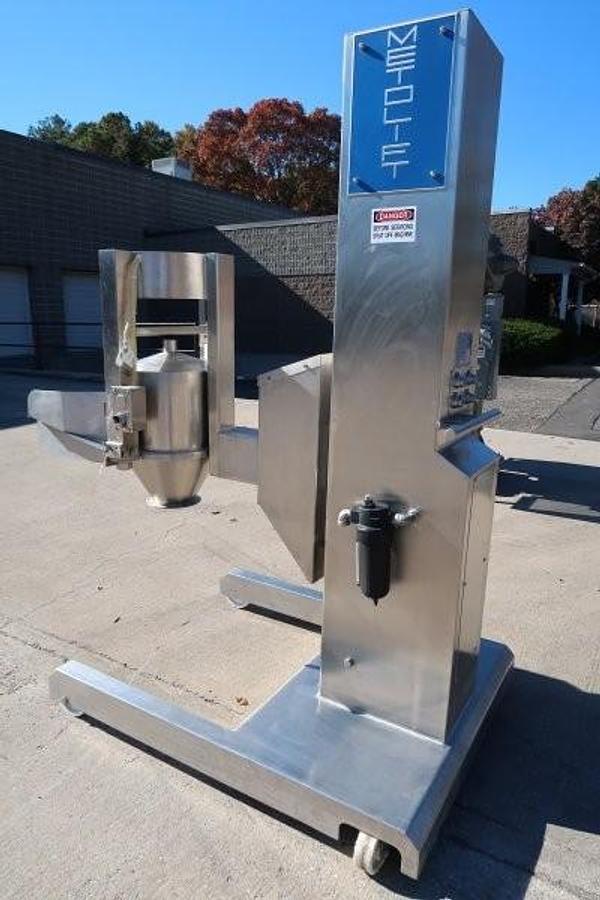
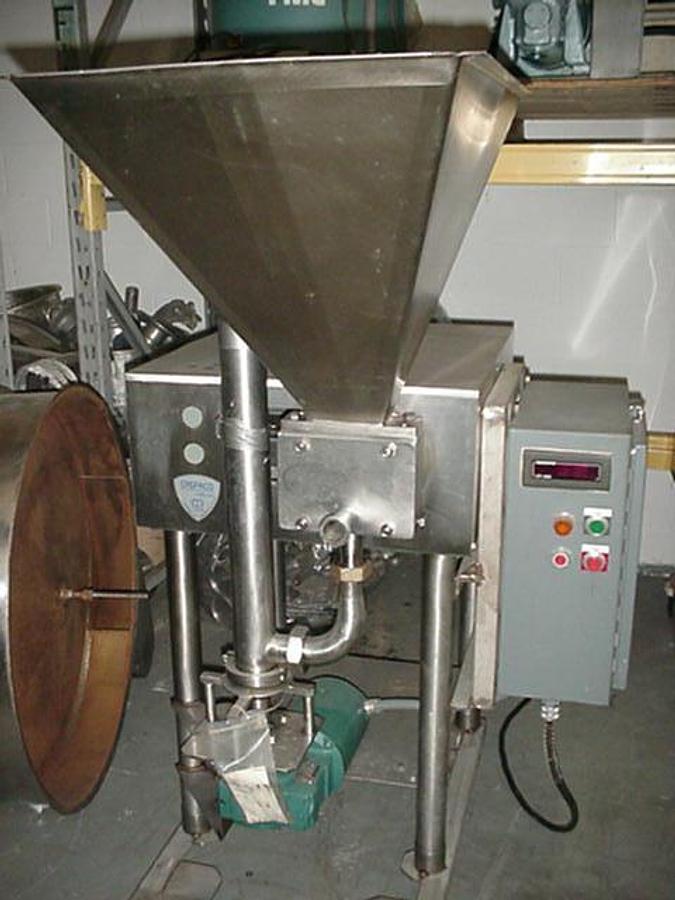
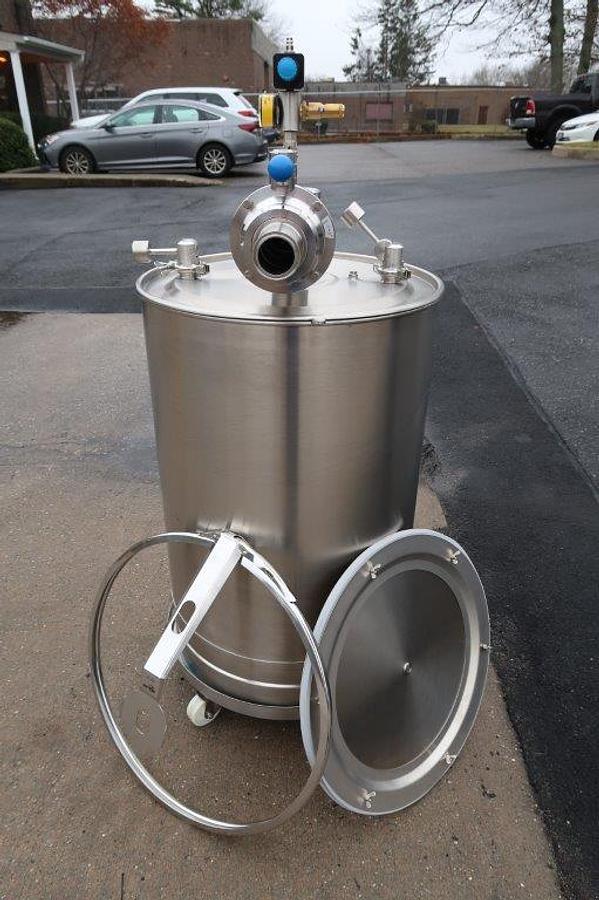
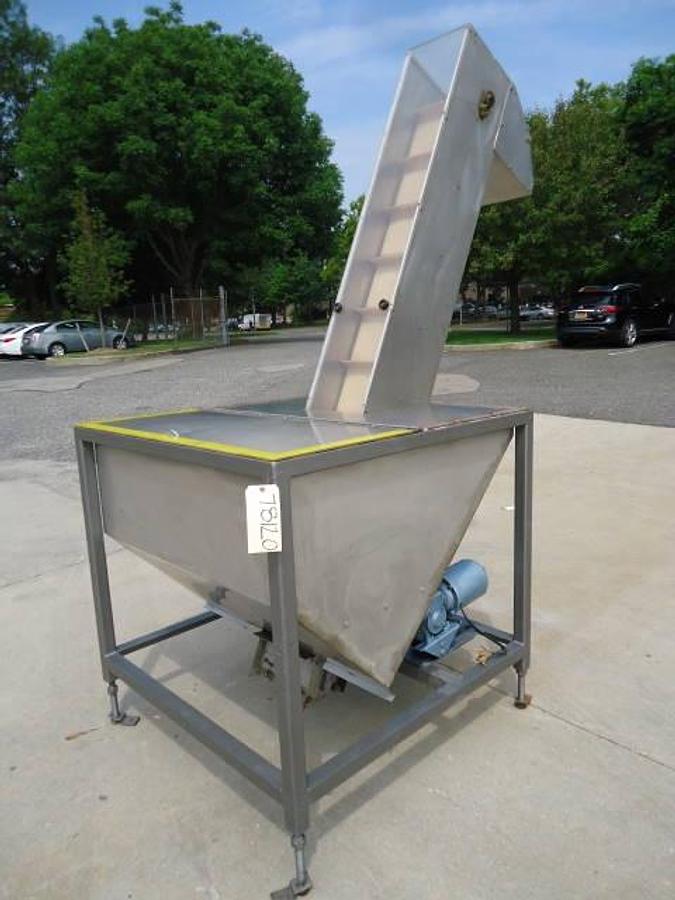
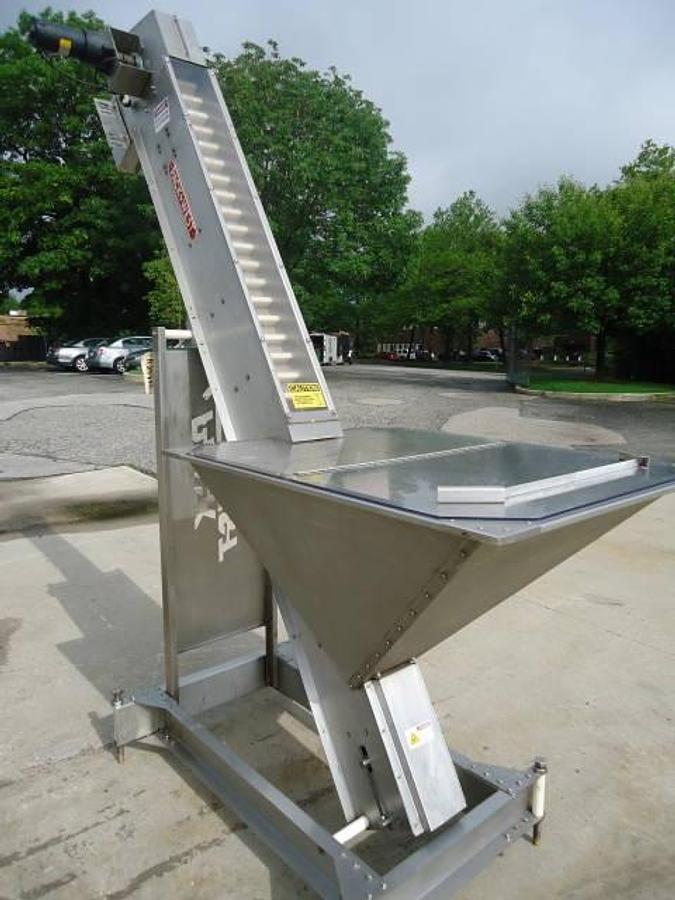
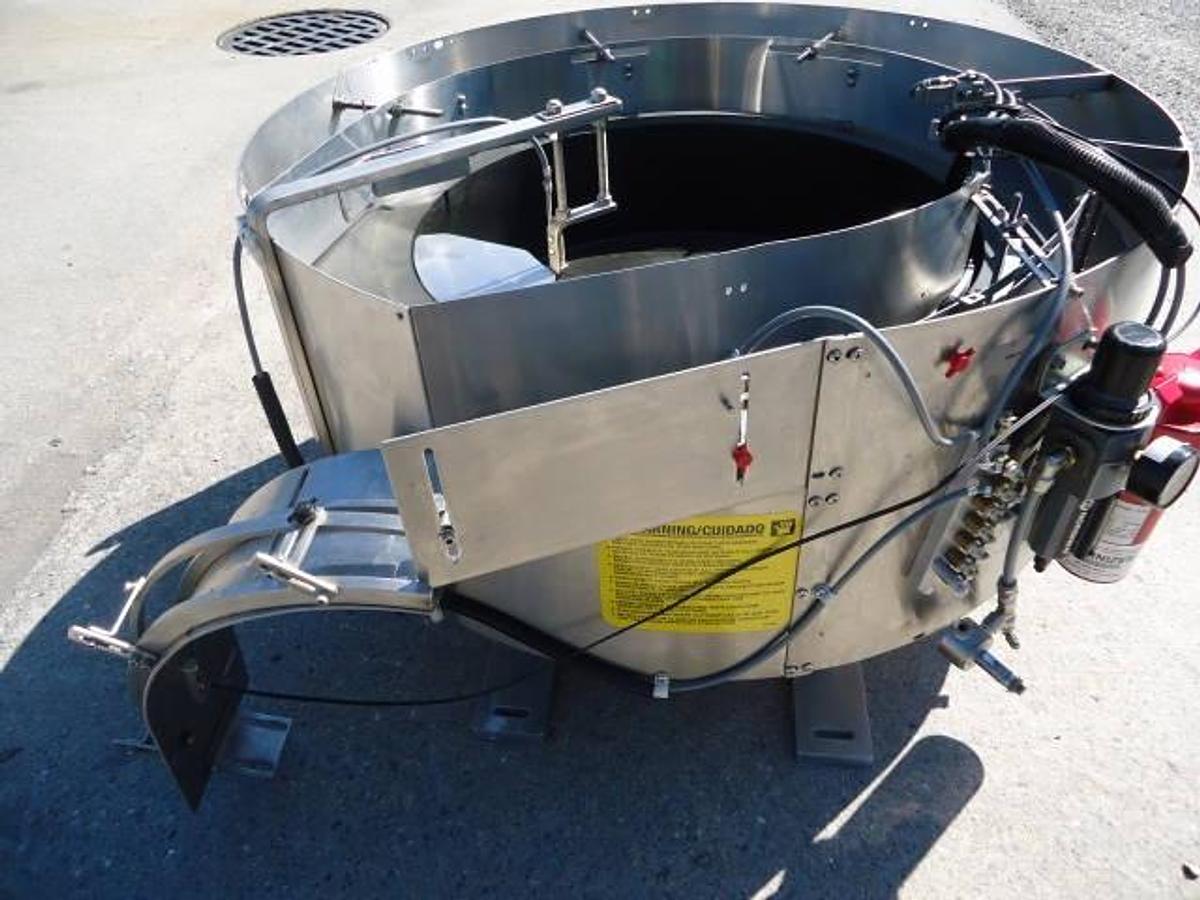
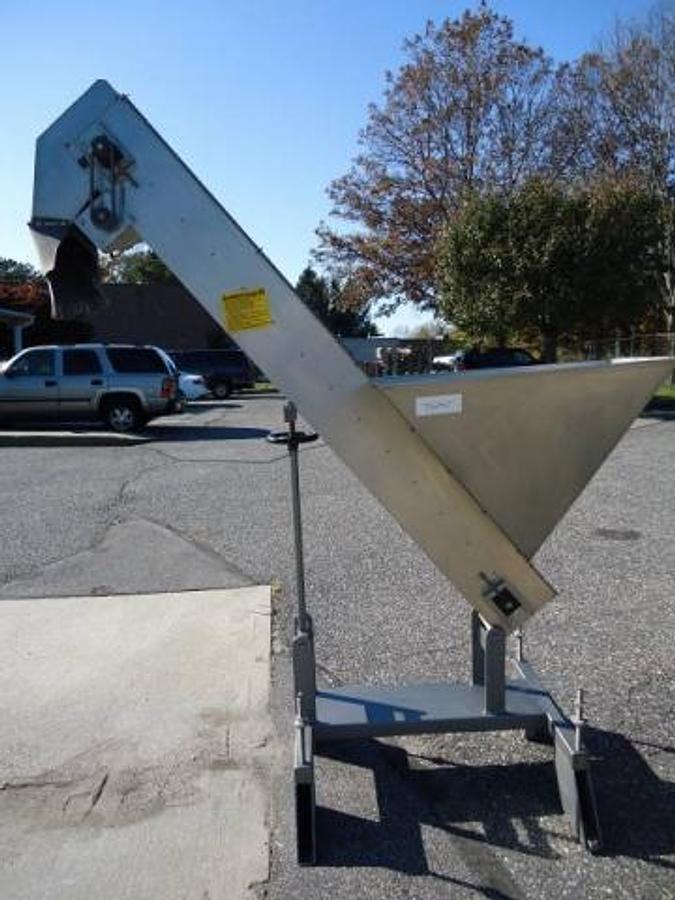
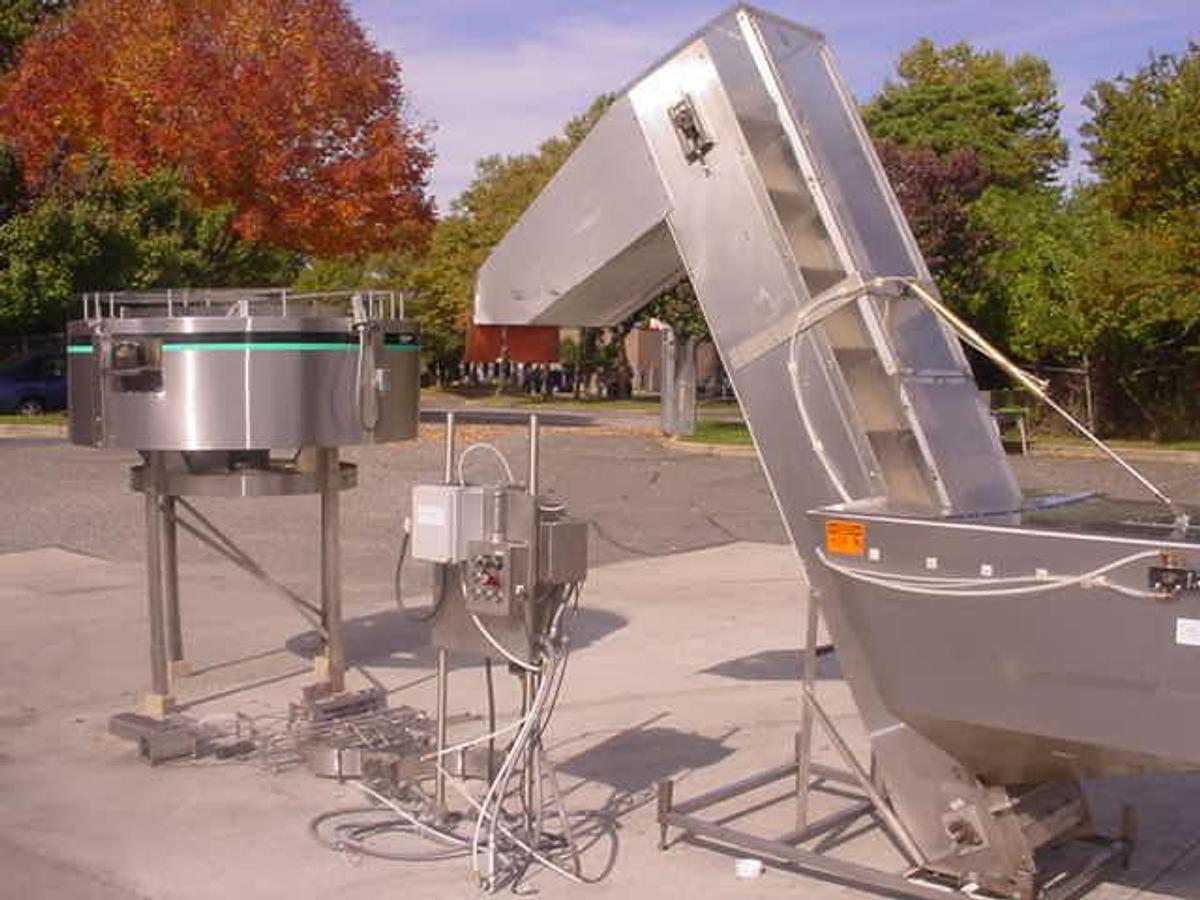
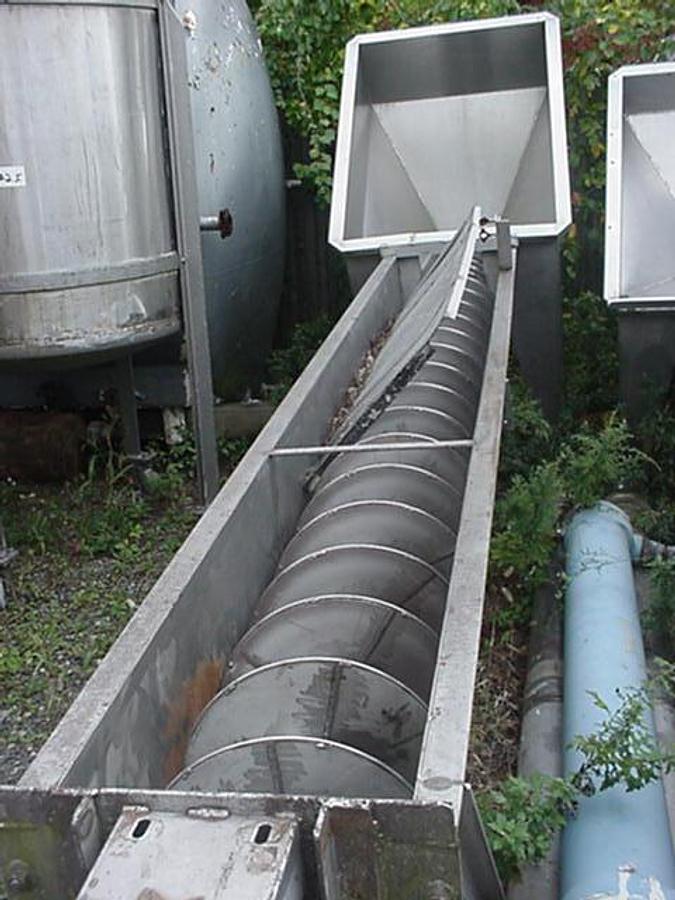
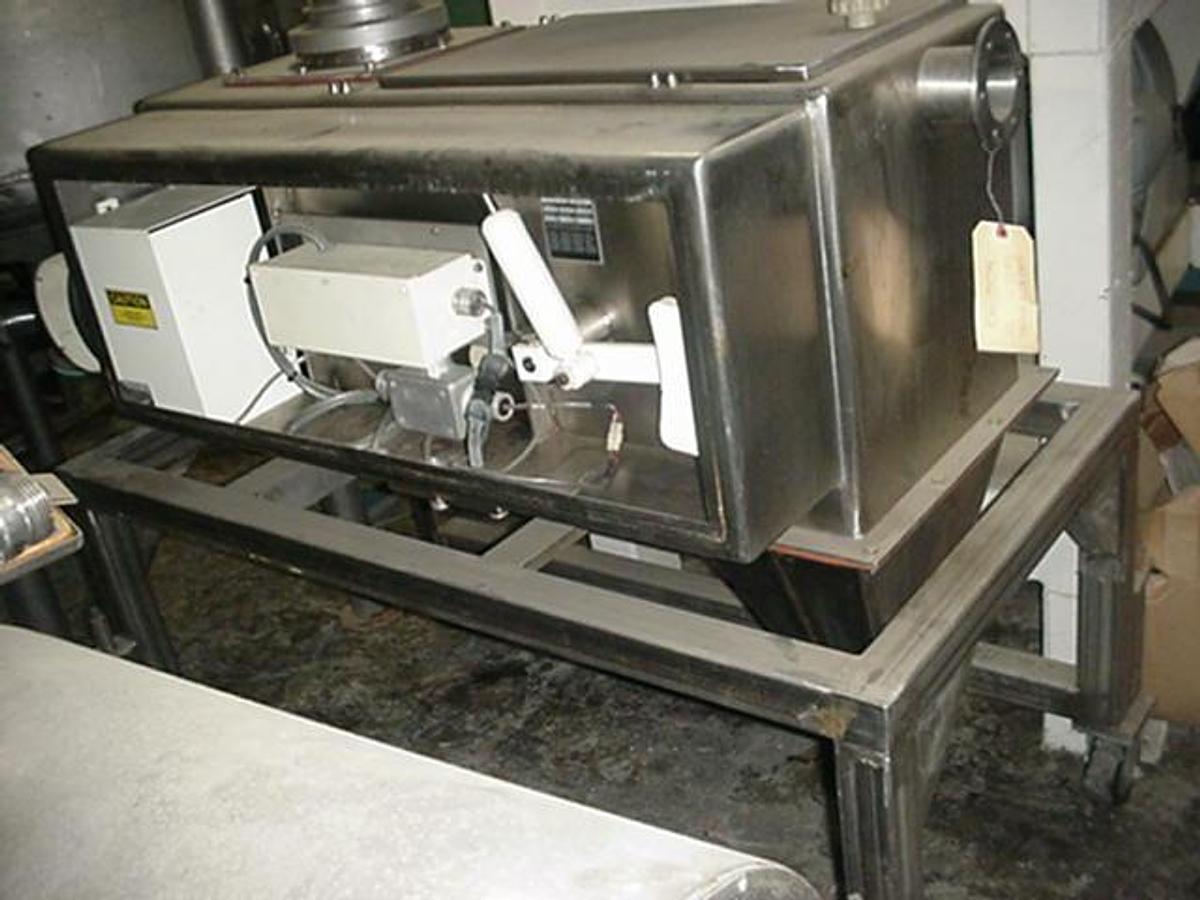
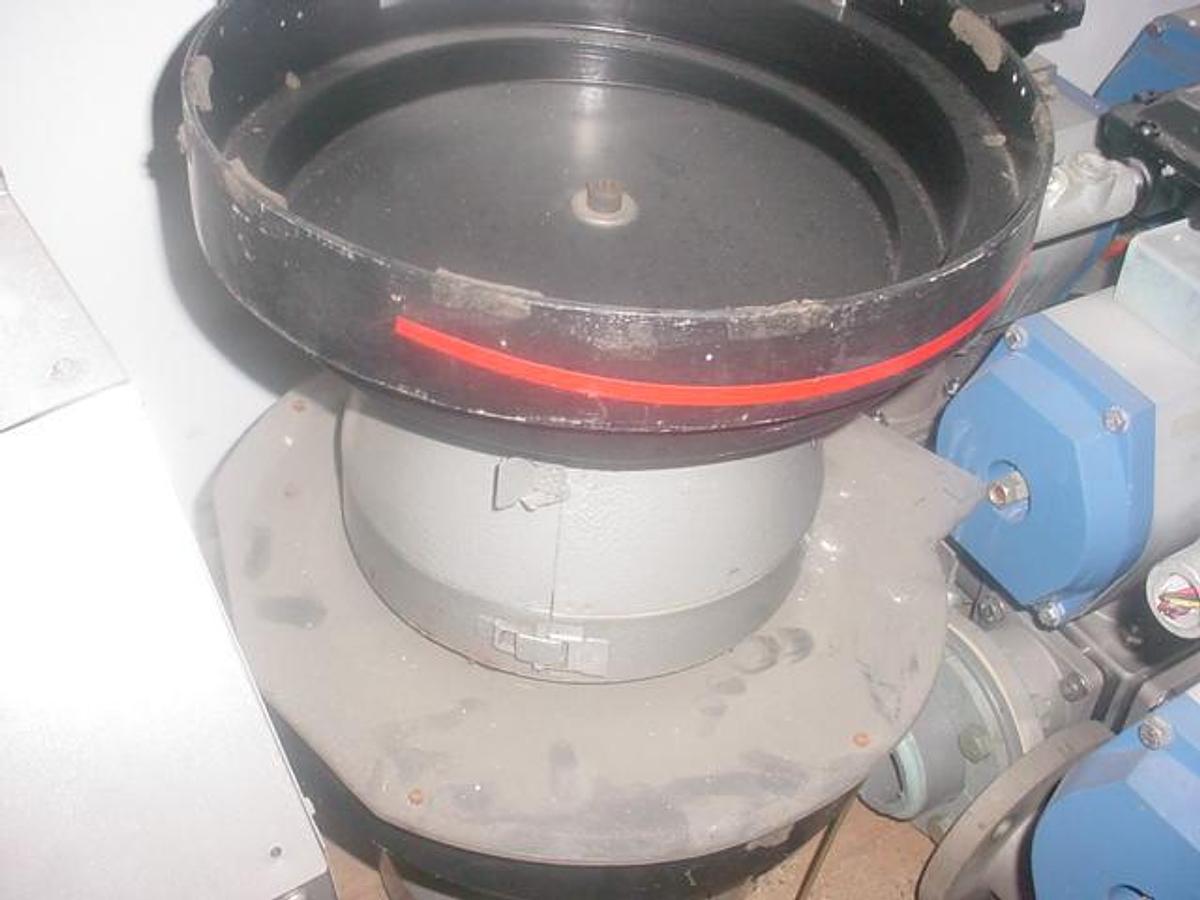
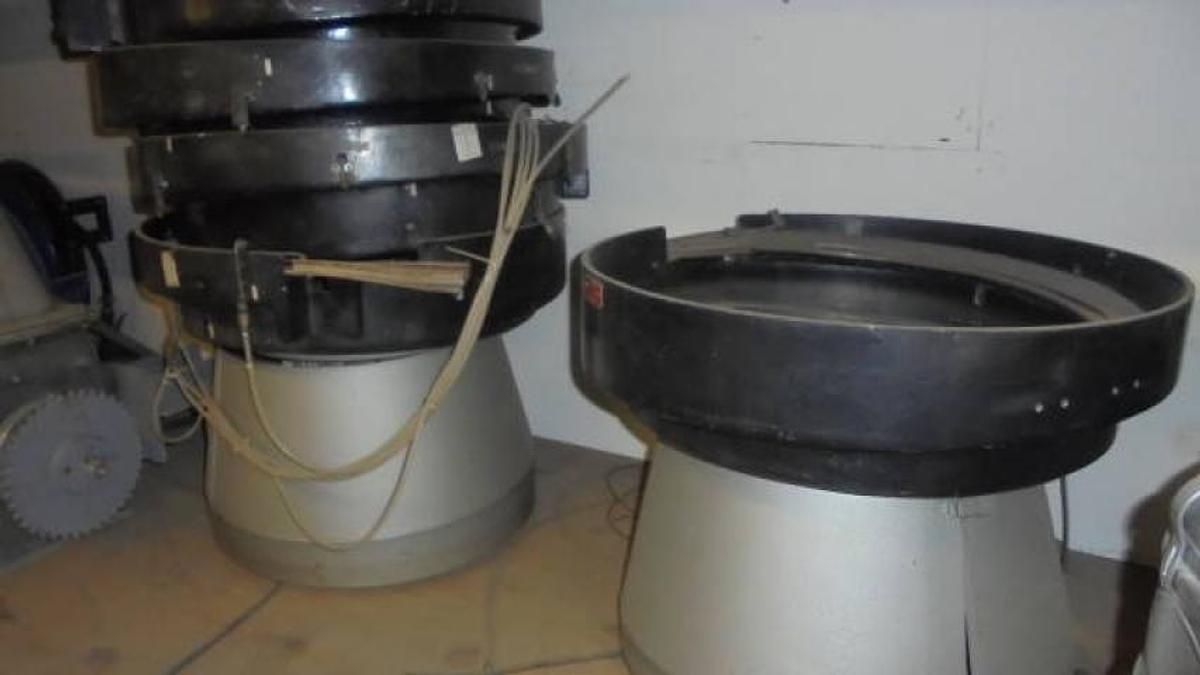
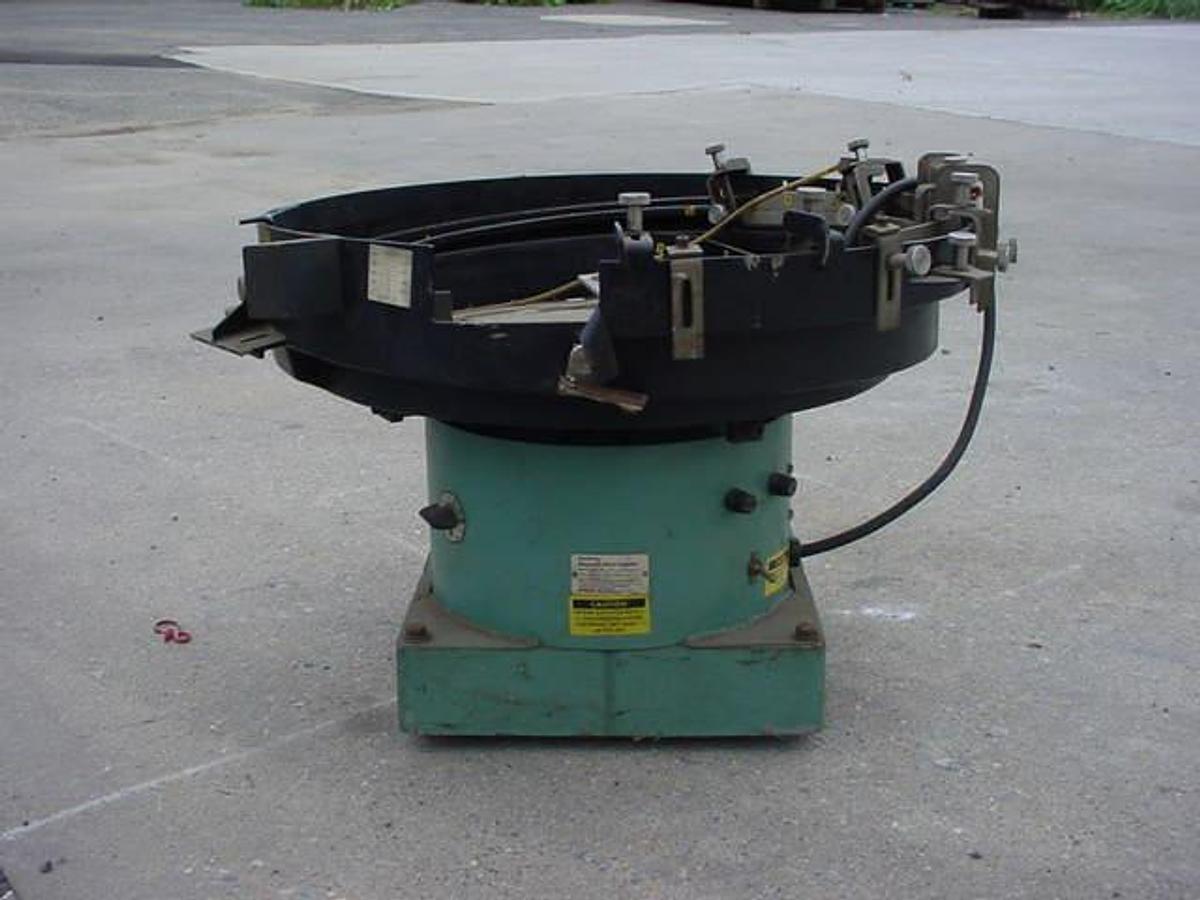
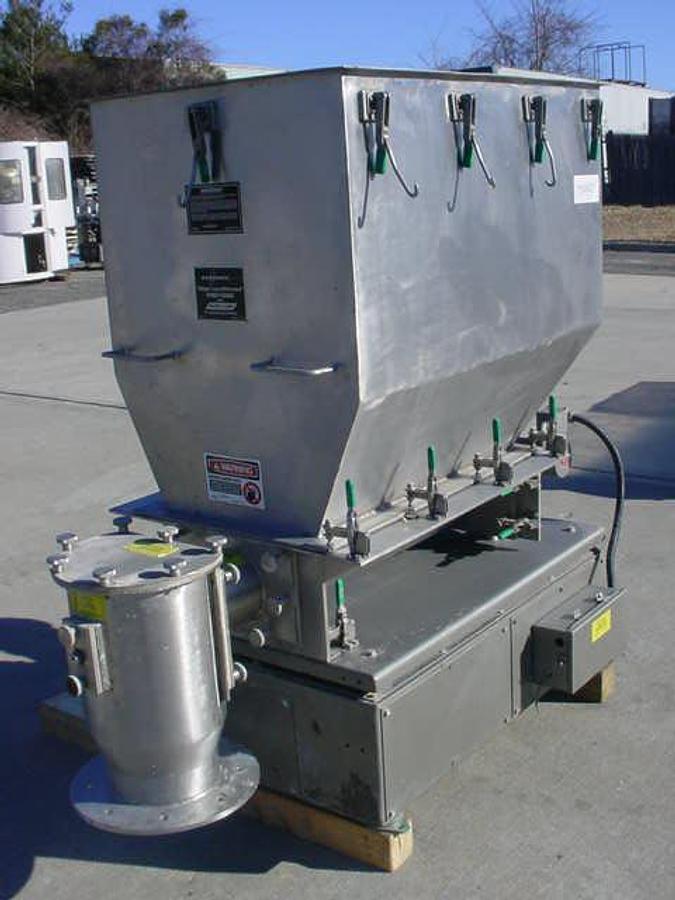
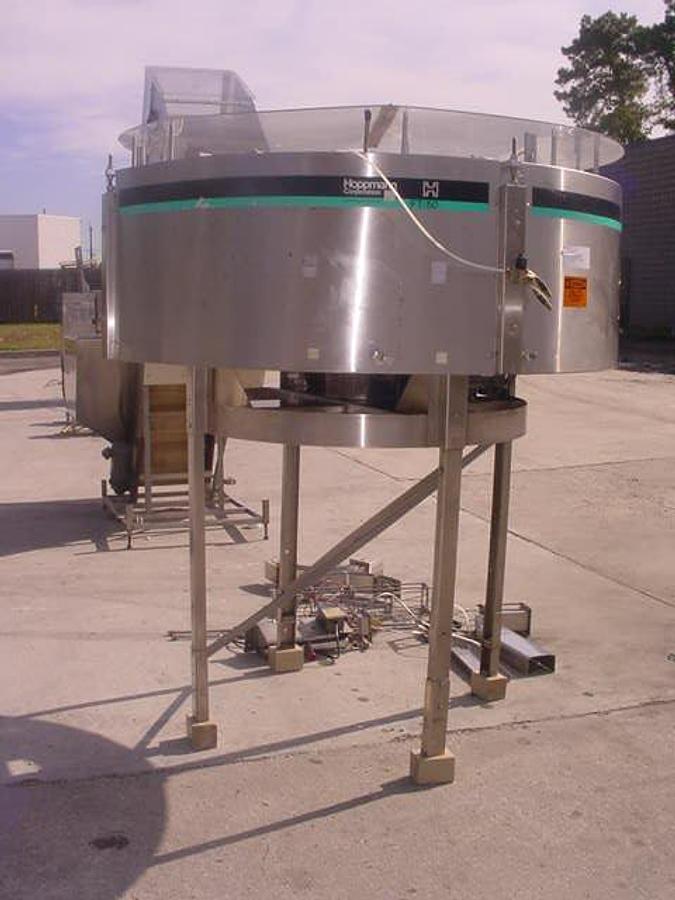
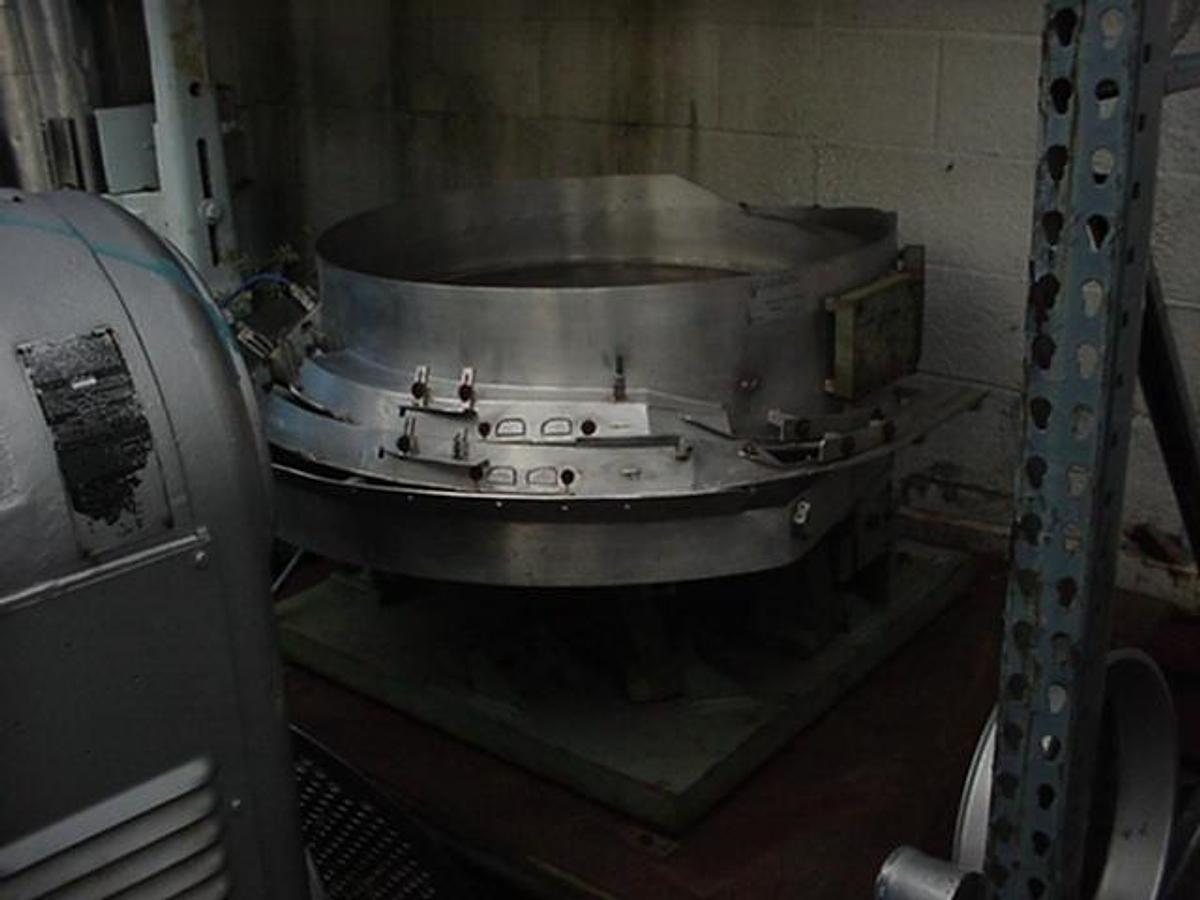
Feeders are used to feed a machine with a good or product to be processed. Our inventory includes many varieties of feeder including screw feeder, centrifugal feeder, vibratory feeder, and bowl feeder. Among other brands, we stock SYNTRON feeders.Click here if you are looking for Bucket Elevators
FAQ :
What types of used industrial feeders are available on the market?
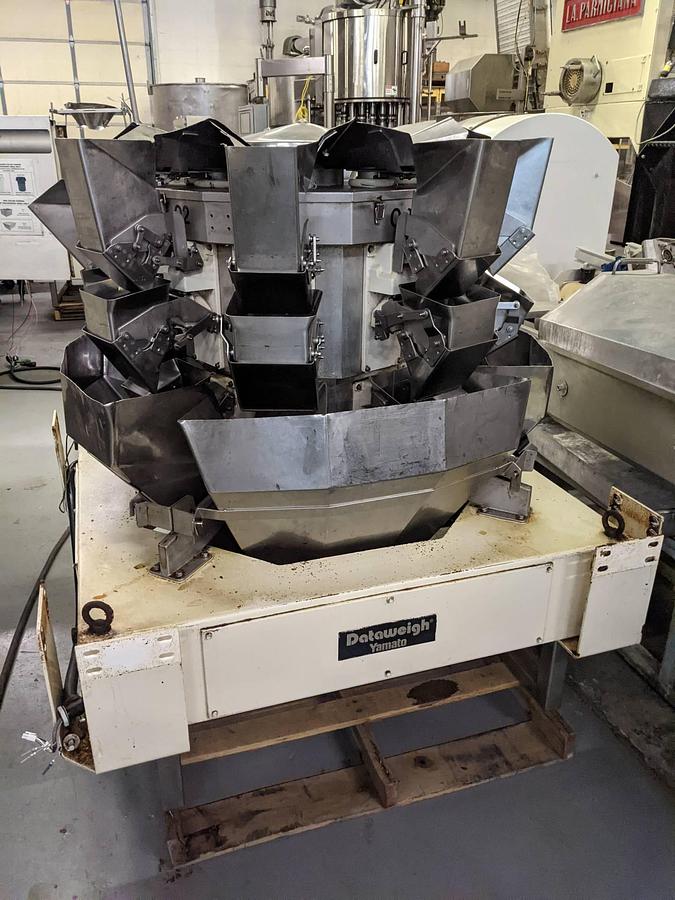
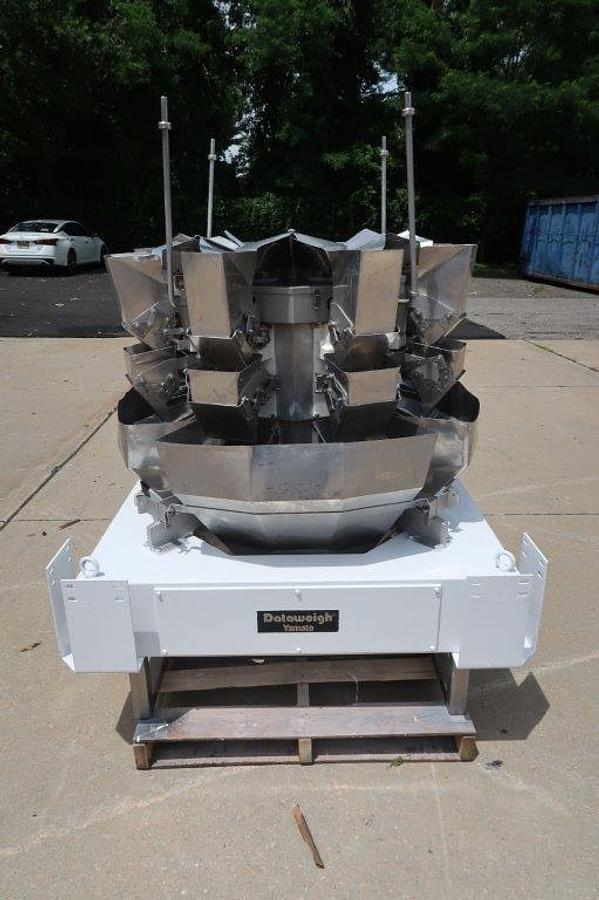
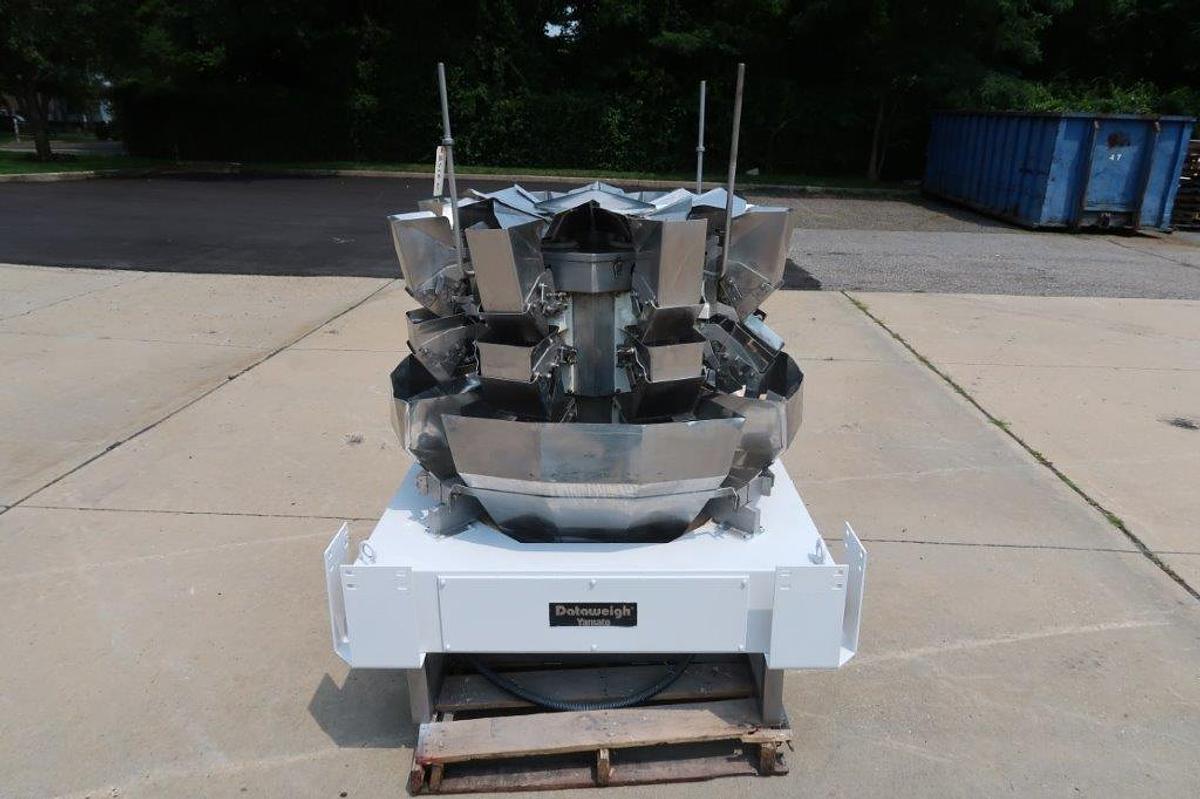
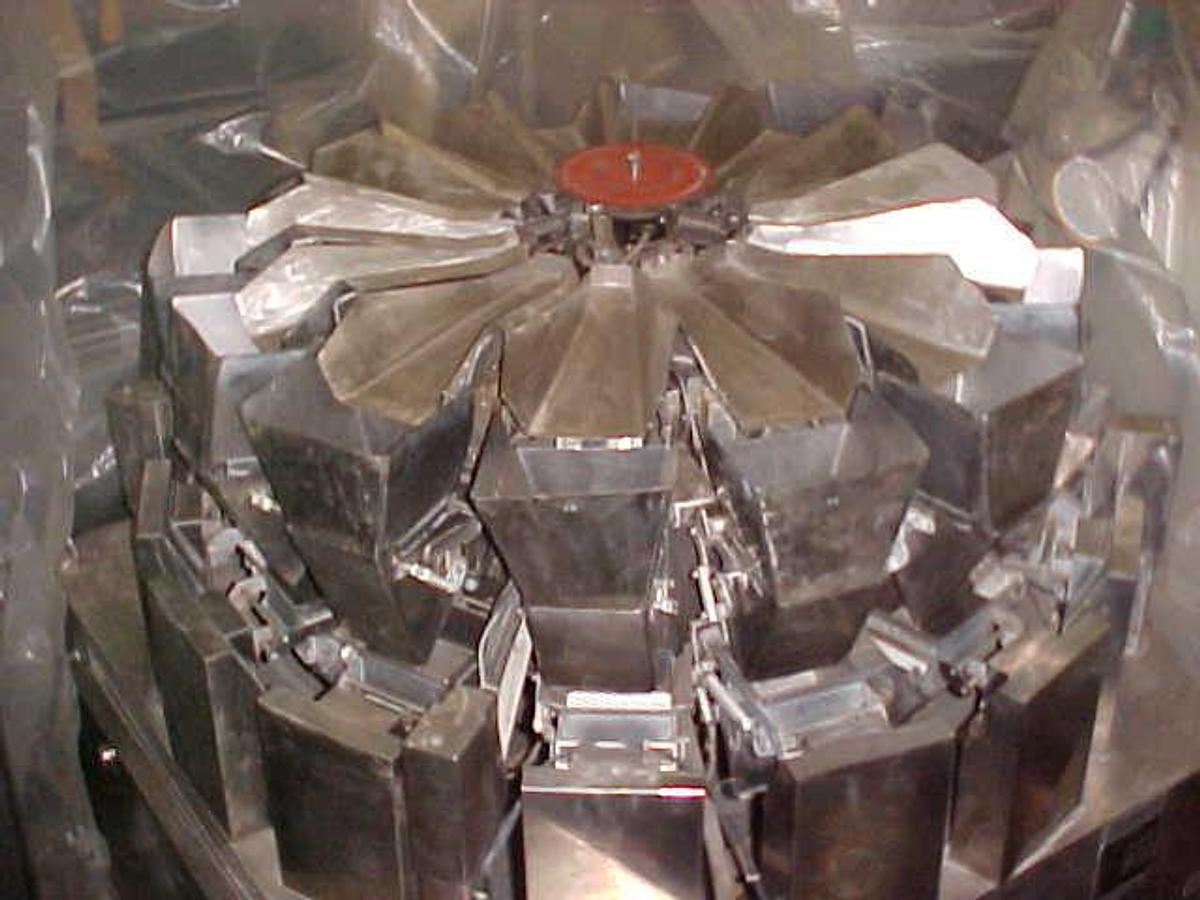
Used industrial feeders come in several distinct types, each designed for specific materials, production speeds, and handling requirements. The most common categories include vibratory bowl feeders, screw feeders (also called auger feeders), centrifugal feeders, belt feeders, and rotary scale systems. Vibratory bowl feeders are widely used for orienting and feeding small parts like caps, fasteners, and pharmaceutical tablets. Centrifugal feeders handle higher throughput applications where speed matters more than precise orientation. Screw and auger feeders move bulk powders, granules, or ingredients along a helical shaft, making them popular in food processing and chemical handling. Rotary scale systems, such as multi-head Yamato Dataweigh units, are common in packaging lines for portioning snack foods and similar products.
Within each category there are further variations in size, material construction, and drive mechanism. Stainless steel construction is standard in food, beverage, and pharmaceutical applications due to sanitation requirements, while carbon steel units are more common in mining, plastics, and general industrial use. Bowl diameters on vibratory feeders typically range from around 12 inches up to 42 inches or larger, and the right size depends on part dimensions and feed rate. Used inventory at any given time reflects what has come off production lines, so availability shifts regularly. Buyers sourcing used feeders should look across multiple types to find the best fit for their process rather than limiting the search to a single feeder style.
What brands of used industrial feeders are most commonly sought after?
Several manufacturers have built strong reputations in the industrial feeder market, and their equipment tends to hold up well over years of production use, which is why these brands appear frequently in the used market. Syntron (produced under the FMC Technologies name for many years) is one of the most recognized names in vibratory feeding, known for durable electromagnetic drives and a wide range of bowl and trough feeder configurations. Hoppmann is a go-to brand for centrifugal feeders, particularly in pharmaceutical and packaging applications. K-Tron is well regarded for gravimetric and weight belt feeders used in precision dosing. Automation Devices (Peeco) vibratory feeders are common in parts-feeding applications across automotive and assembly industries. Yamato and Ishida are leading names in multi-head rotary scale systems used in food packaging lines.
For buyers evaluating used equipment, brand reputation matters for a practical reason: parts availability and manufacturer support tend to be better for established brands than for obscure or discontinued product lines. Before purchasing any used feeder, it is worth contacting the manufacturer directly to ask about parts availability, software support (for electronic models), and whether the company still services that particular model. Age and model generation can significantly affect the level of support you can expect. A well-maintained Hoppmann or Syntron feeder from a reputable dealer can deliver years of additional service life, but doing that due diligence upfront saves headaches later.
How do I evaluate whether a used industrial feeder is in good working condition before buying?
Evaluating a used feeder before purchase requires more than looking at photos. The first step is requesting a detailed inspection, either in person, via live video call, or through a recorded video walkthrough of the machine. A thorough inspection should cover the drive mechanism (electromagnetic coil, motor, or pneumatic actuator depending on feeder type), the bowl or trough for wear, cracks, or corrosion, the control panel and any associated electronics, and all mounting hardware and vibration isolation components. On centrifugal feeders, the spinning disc and bowl liner are wear items worth examining closely. On screw feeders, check the auger flighting for wear and the seals for integrity. If the machine is still installed at a production facility, some dealers can arrange for an inspection while it is running, which gives the clearest picture of its current condition.
It is also worth asking the dealer for any available maintenance history, prior service records, or documentation of repairs. Keep in mind that most used equipment dealers do not have production facilities and cannot run actual product through the machine during an inspection, as that would require different permitting and operational infrastructure. What dealers can typically do is confirm that the drive runs, the controls respond, and there are no obvious mechanical defects. Buyers with specific tolerance or throughput requirements may want to involve their own maintenance engineer in the inspection process. The goal is to get the most accurate picture of the machine's current mechanical state so there are no surprises after it arrives at your facility.
Are used industrial feeders tested before being listed for sale?
Testing practices vary depending on the dealer and the circumstances under which the machine was acquired. Some used feeders come directly from active production lines and may still be running at a facility when they are listed for sale, which makes it possible to observe them in operation during an inspection. Others are decommissioned machines that have been removed from a plant, cleaned, and placed in storage or a dealer's warehouse. In those cases, a dealer may power the unit on to confirm the drive and controls function, but full production testing with actual product is generally not feasible in a dealer environment.
Used equipment dealers typically do not hold manufacturing permits or operate processing facilities, so running product through a feeder to verify feed rates, orientation accuracy, or dosing precision is outside the scope of what most dealers can offer. This is a fundamental difference between buying used industrial equipment and buying from a contract manufacturer or rebuilder. Buyers should factor this into their evaluation process by requesting the most detailed inspection available, asking about the machine's history and reason for decommissioning, and where possible, arranging to see the machine run at its previous production location. Selecting a dealer with deep experience in the specific type of feeder you are buying also helps, since knowledgeable dealers can identify signs of wear or damage that a generalist might miss.
Do used industrial feeders come with a warranty?
Warranties on used industrial equipment work differently than on factory-produced machinery. Manufacturer warranties are typically tied to the sale of a machine directly from the manufacturer and do not transfer to subsequent owners. Used equipment dealers generally sell machines on an as-is basis, meaning the buyer takes on the responsibility of assessing the machine's condition prior to purchase. This is standard practice across the used industrial machinery market and is not specific to any one dealer or feeder type.
Because of this, the buyer's protection comes primarily from the inspection process rather than from a warranty document. Choosing a dealer with a long track record in the industry, a history of selling equipment in your specific sector, and a willingness to provide thorough inspections is the most reliable way to reduce purchase risk. Buyers should also consult directly with the feeder manufacturer to understand what parts and technical support are available for the specific model they are considering, since older or discontinued models may have limited support regardless of condition. Taking the time to do a proper inspection, reviewing any available maintenance records, and working with a reputable specialist dealer are the practical substitutes for warranty coverage in the used equipment market.
What industries use industrial feeders and what types do they typically need?
Industrial feeders are used across a wide range of manufacturing and processing sectors, and the type of feeder required depends heavily on the material being handled and the downstream process. In food processing and packaging, vibratory bowl feeders and multi-head rotary scales are common for portioning snacks, grains, and small food items. Centrifugal feeders are frequently used in bottling and capping lines to orient and feed caps, lids, and closures at high speeds. Screw and auger feeders handle bulk powders and ingredients in bakery, dairy, and seasoning applications. The pharmaceutical industry relies on bowl feeders and parts feeders for tablet handling, capsule filling, and assembly of small components, with stainless steel construction and cleanability being critical requirements.
Beyond food and pharma, plastics manufacturers use feeders to meter pellets and regrind material into extruders and injection molding machines. The mining and aggregates industry uses heavy-duty vibratory feeders to move crushed rock, ore, and bulk minerals from hoppers to conveyors. Automotive parts assembly lines depend on vibratory bowl feeders to orient and deliver fasteners, clips, and small components to assembly robots. Chemical processing operations use screw feeders and belt feeders for dry chemical dosing and blending. Each of these industries has distinct requirements around material contact surfaces, feed rate accuracy, dust containment, and drive type, which is why the used feeder market covers such a broad range of configurations and why matching the feeder to the specific application is important before making a purchase.
What is the typical lead time for purchasing and receiving a used industrial feeder?
Lead times for used industrial feeders are generally shorter than for purpose-built or made-to-order equipment, but the total time from purchase to arrival at your facility depends on several factors. Once payment is confirmed (most used equipment dealers require full payment prior to shipping), the process of preparing the machine for transport begins. This includes any disassembly required for safe shipping, palletization or crating, and scheduling pickup with a freight carrier. Smaller feeders on a standard pallet can often ship within a few business days of payment. Larger machines requiring custom crating or specialized rigging for loading may take a week or two to prepare properly.
Transit time adds to the overall lead time and depends on the distance between the dealer's location and the buyer's facility, the shipping method selected, and carrier availability. Domestic shipments within the continental United States typically range from a few days to about two weeks depending on distance and freight type. International shipments involve additional steps including export documentation, customs clearance, and potentially ocean freight transit, which can extend the timeline significantly. Buyers should ask the dealer for specifics on packaging, rigging requirements, and estimated ship dates before finalizing a purchase, and should also confirm whether the buyer or seller is responsible for arranging freight. Getting a clear picture of all these logistics upfront helps avoid surprises and lets you plan your installation timeline accurately.
What should I know about shipping costs when buying a used industrial feeder?
Shipping costs for used industrial feeders can vary considerably and are worth understanding in detail before committing to a purchase, since they affect the total landed cost of the equipment. Smaller feeders, such as a 12-inch vibratory bowl or a compact screw feeder, can often ship on a standard freight pallet and fall within typical LTL (less-than-truckload) freight rates. Larger machines, including wide-diameter vibratory bowls, multi-head rotary scales, or heavy-duty belt feeders, may require custom wood crating to prevent damage in transit, which adds both material and labor costs. The level of packaging required depends on the machine's weight, fragility, and the distance it needs to travel.
For very large or heavy feeders, rigging is an additional cost factor. Loading a machine onto a flatbed or freight trailer may require a forklift, crane, or other specialized equipment at the point of origin, and unloading at the destination requires the same. Buyers who do not have rigging equipment at their facility should factor in the cost of hiring a rigging crew for receiving. Some dealers include basic loading in their quoted price while others charge separately, so it is important to ask for a full breakdown of all costs including packaging, loading, freight, and any destination charges. Getting this information upfront gives you a realistic picture of what the equipment will actually cost by the time it reaches your production floor.
Can used industrial feeders be retrofitted or modified to fit a different application?
Retrofitting a used industrial feeder is possible in many cases, but the feasibility and cost depend on how different the intended application is from the feeder's original design. Common modifications include changing tooling or tooling inserts in vibratory bowl feeders to handle a different part geometry, replacing auger flighting in screw feeders to change feed rate or material compatibility, and updating control systems to integrate with a modern PLC or line controller. Bowl feeders in particular are often modified with custom tracks, escapements, and orientation tooling to handle different part types, and this type of tooling work is routinely done by feeder specialists and automation integrators.
More significant modifications, such as changing the drive type, altering the bowl diameter, or converting a machine from one industry standard to another (for example, adapting a general industrial feeder for pharmaceutical use with full sanitary certification), are more complex and may not be cost-effective compared to sourcing a feeder that already fits the application. Before purchasing a used feeder with the intention of modifying it, it is worth consulting with a feeder specialist or the original manufacturer to understand what changes are practical, what parts or tooling are available, and what the total cost of the retrofit would be. In some cases the right used feeder for the application already exists in the market, and the search effort is better spent finding that match than engineering a workaround.
What payment terms are typical when buying used industrial feeders from a dealer?
Payment practices in the used industrial equipment market are fairly consistent across dealers. The standard expectation is full payment prior to shipment of the machine. This applies to most transactions regardless of the buyer's size or industry. The reasoning is straightforward: once a machine leaves a dealer's facility, the dealer's ability to recover the equipment in the event of a payment dispute is limited, so payment upfront protects both parties and keeps transactions clean. Accepted payment methods vary by dealer but commonly include wire transfer, ACH, and in some cases credit card for smaller purchases.
Some dealers will extend payment terms to established customers with whom they have a prior transaction history, but this is the exception rather than the rule for first-time buyers. Buyers who need financing for a used feeder purchase can explore third-party equipment financing companies, which are separate from the dealer and can sometimes structure lease-to-own or installment arrangements. Before finalizing any purchase, buyers should confirm the exact payment requirements, the timeline from payment to shipment, and what documentation (such as a bill of sale or invoice) will be provided. Having clear written confirmation of these terms before sending payment is a basic but important step in any used equipment transaction.