Category
Subcategory
Manufacturer
Model
Pumps-centrifugal
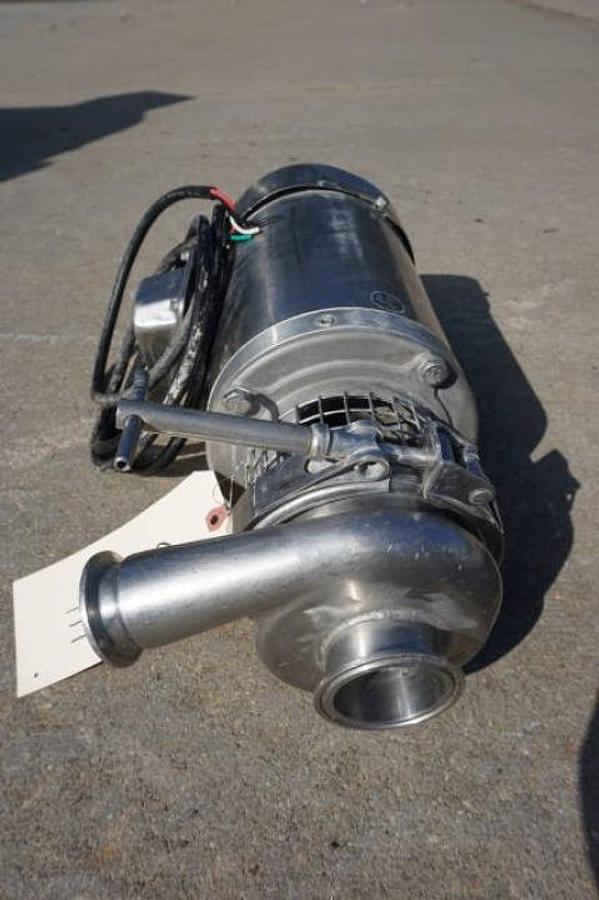
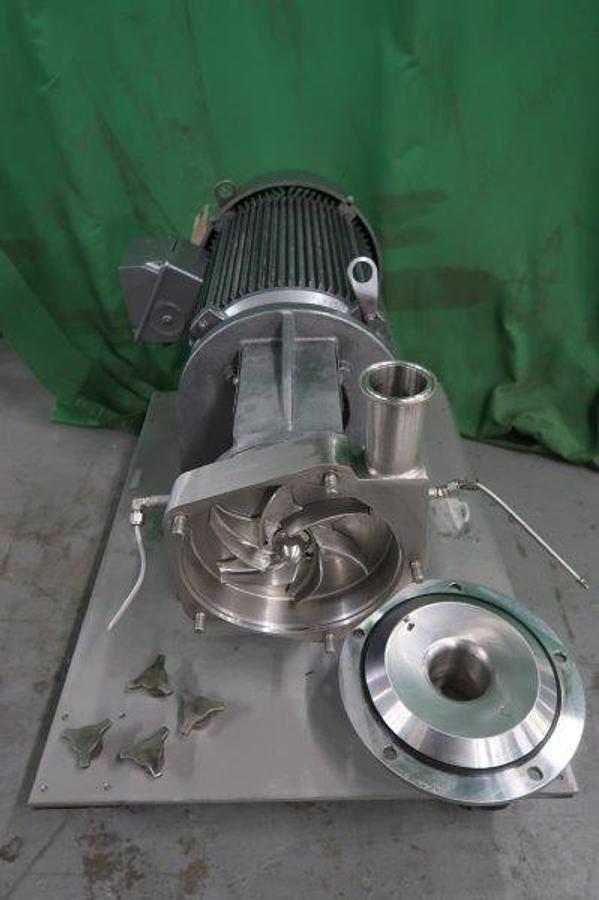
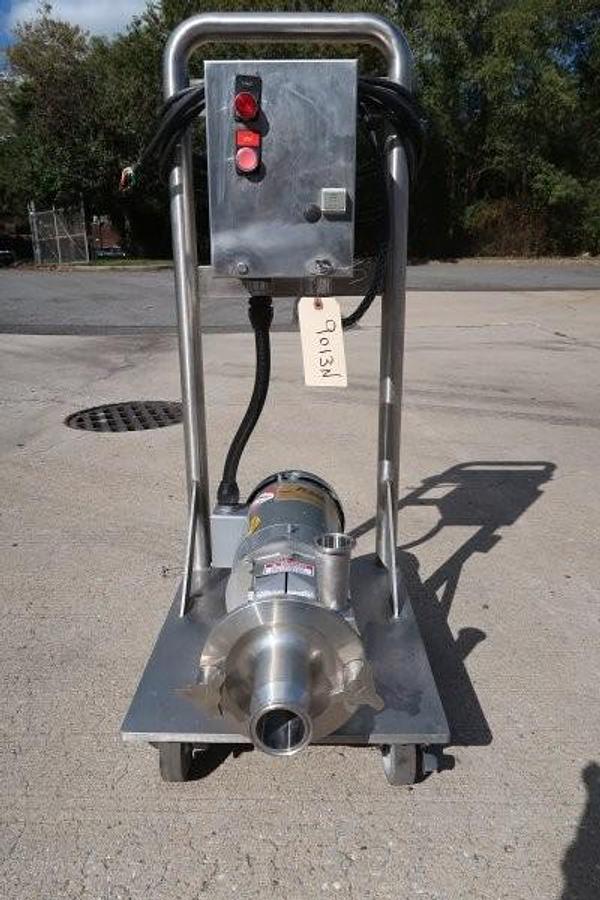
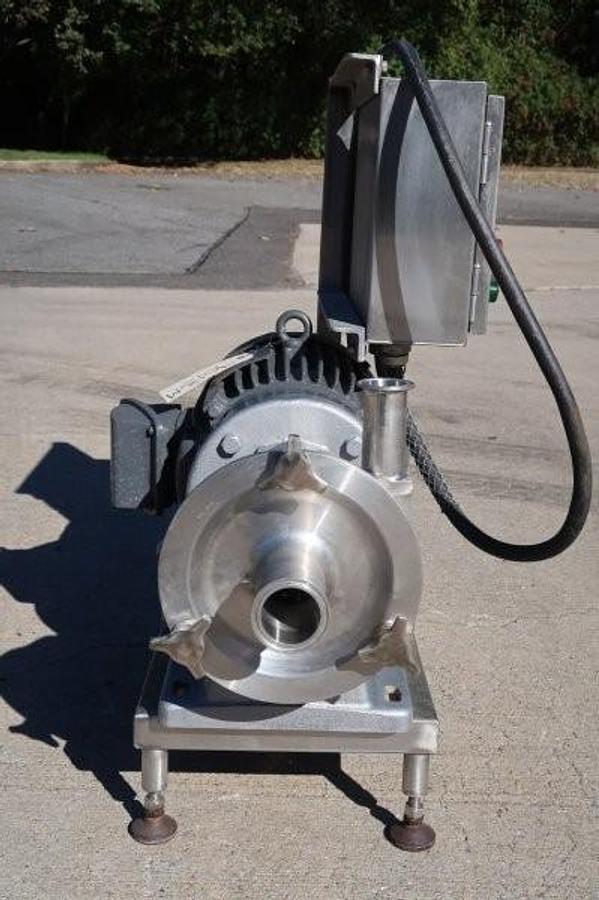
Used Centrifugal Pumps
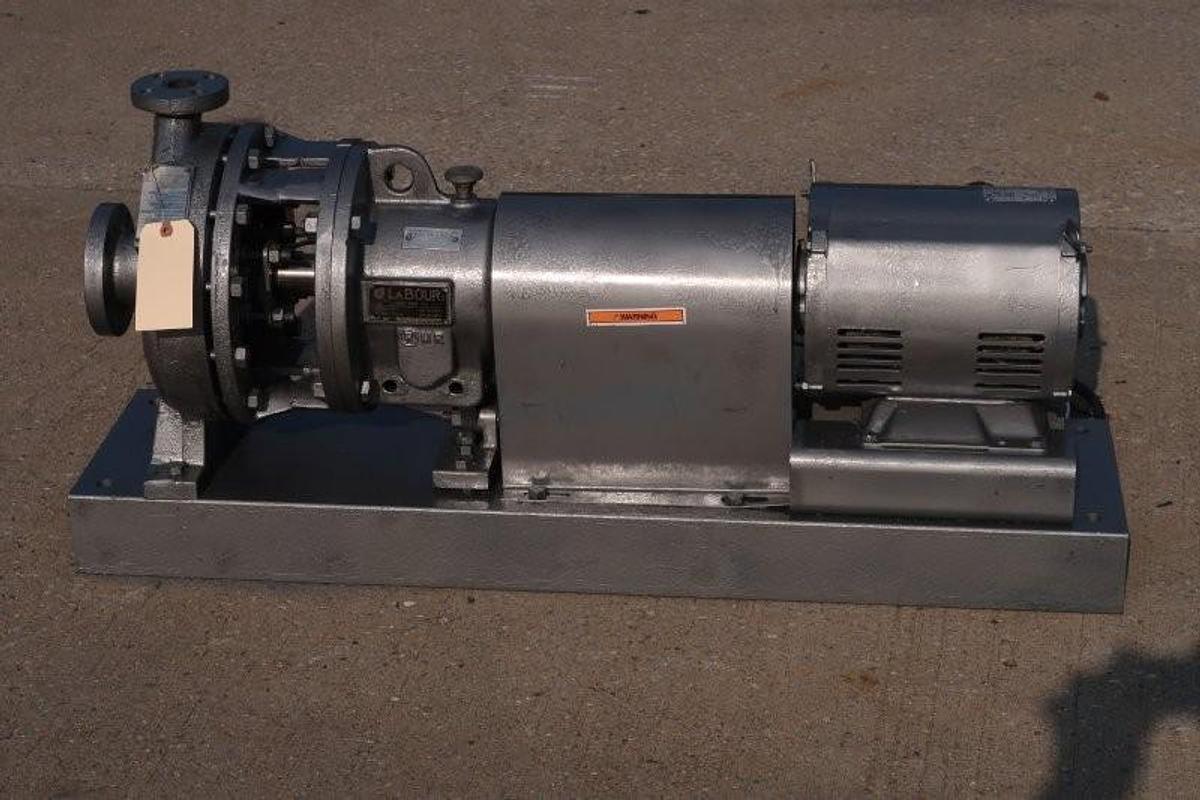
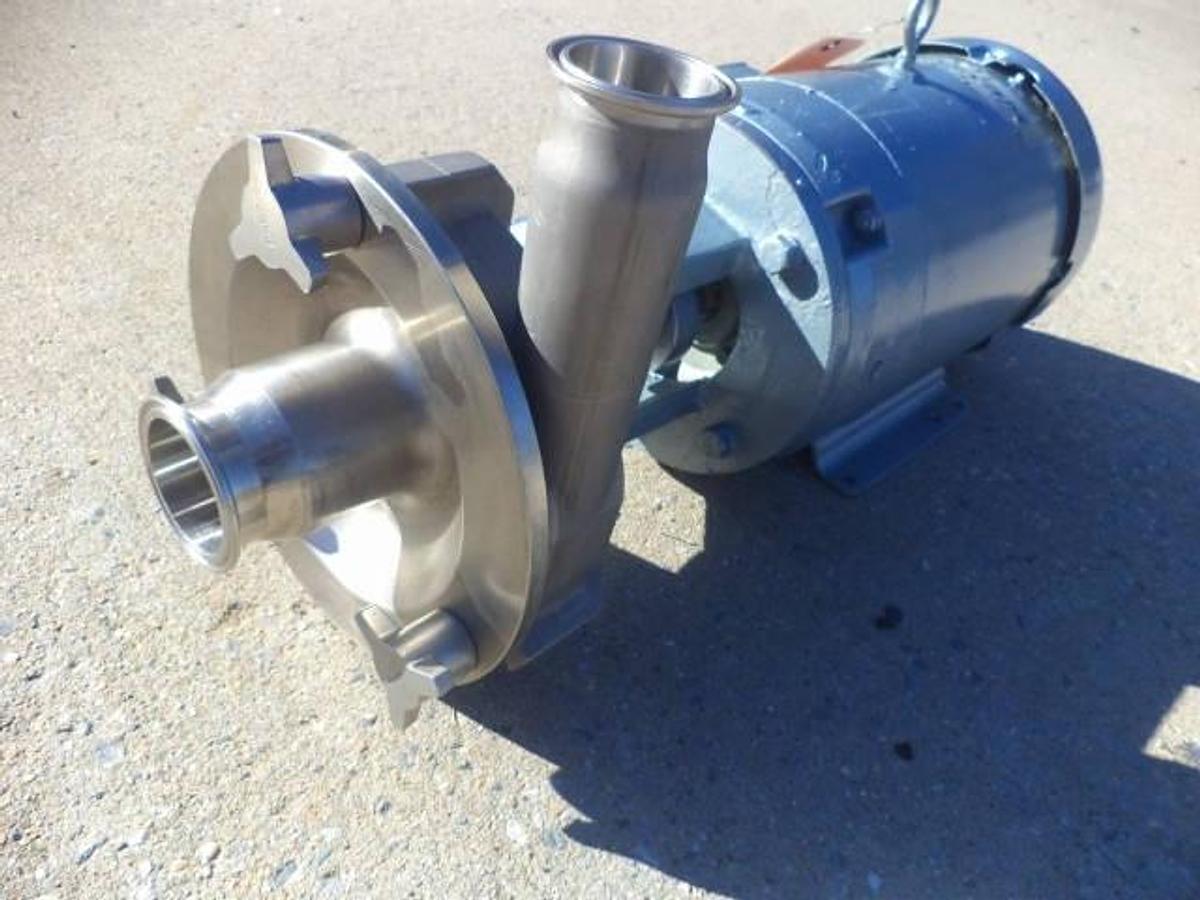
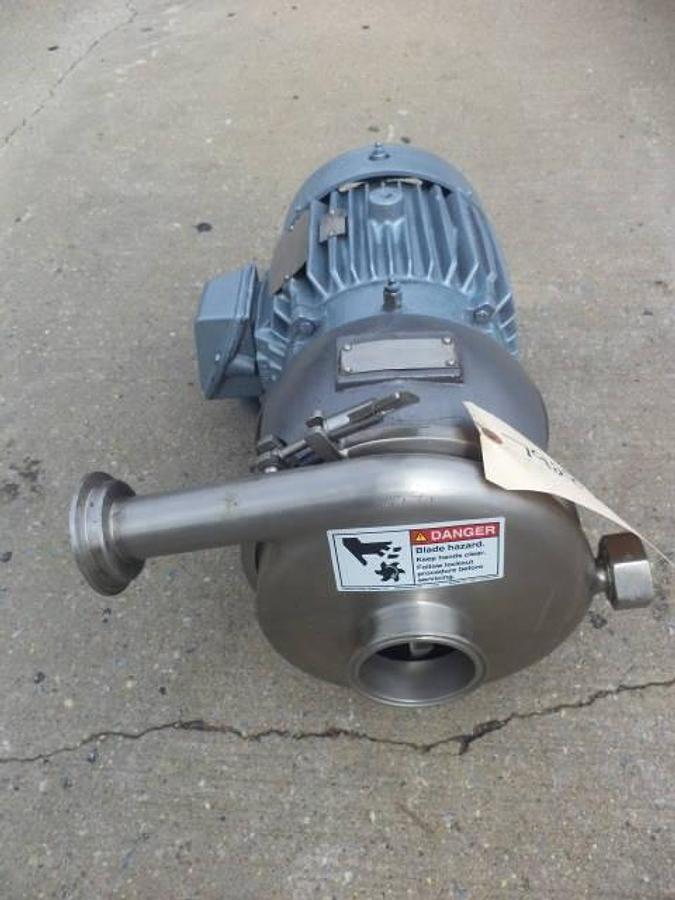
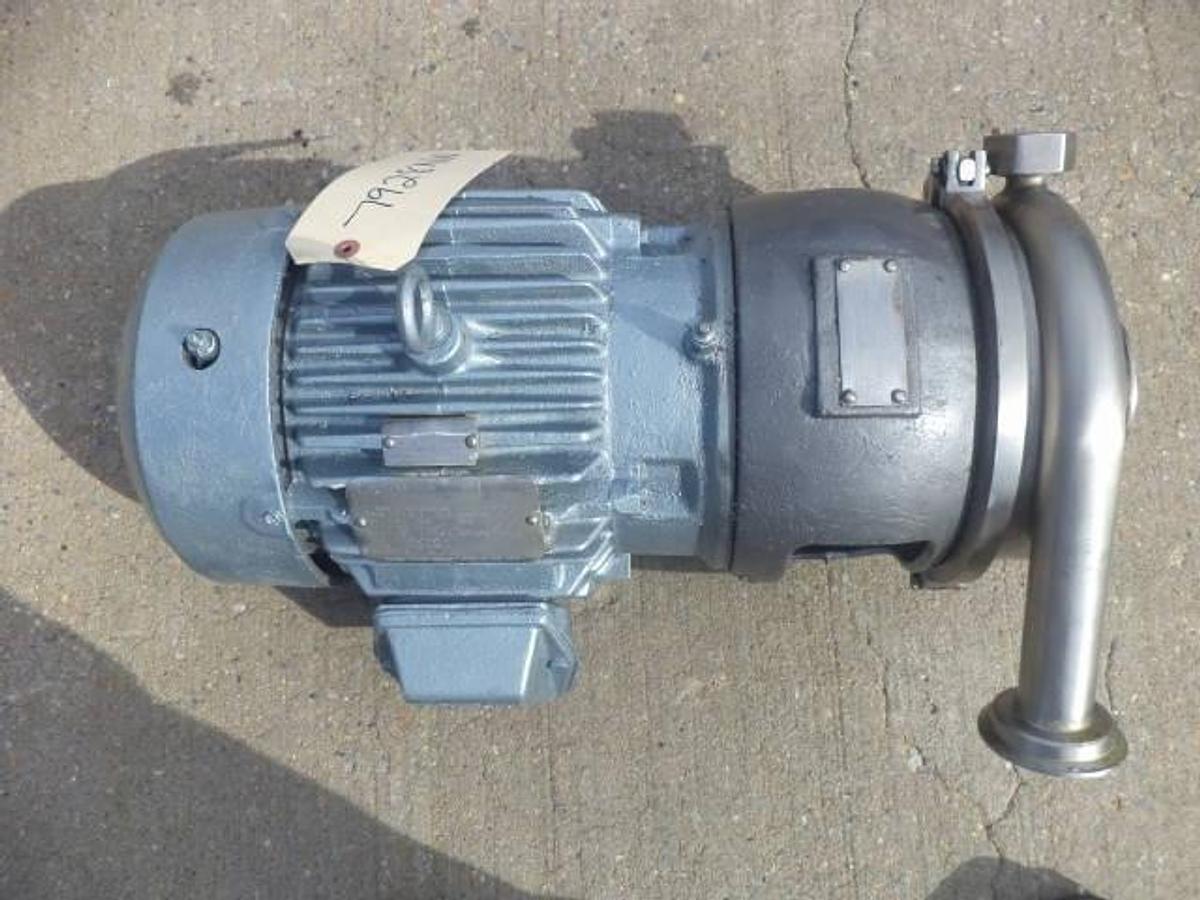
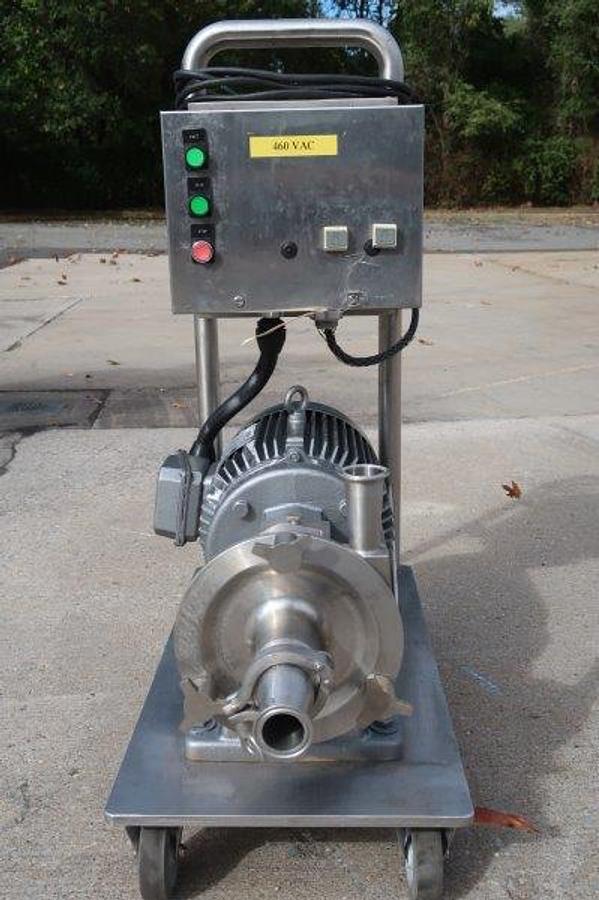
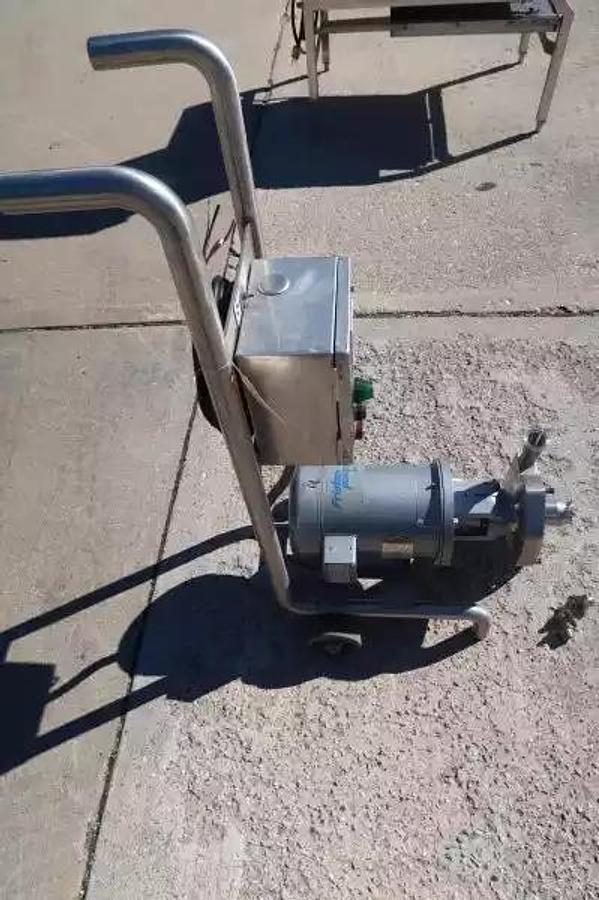
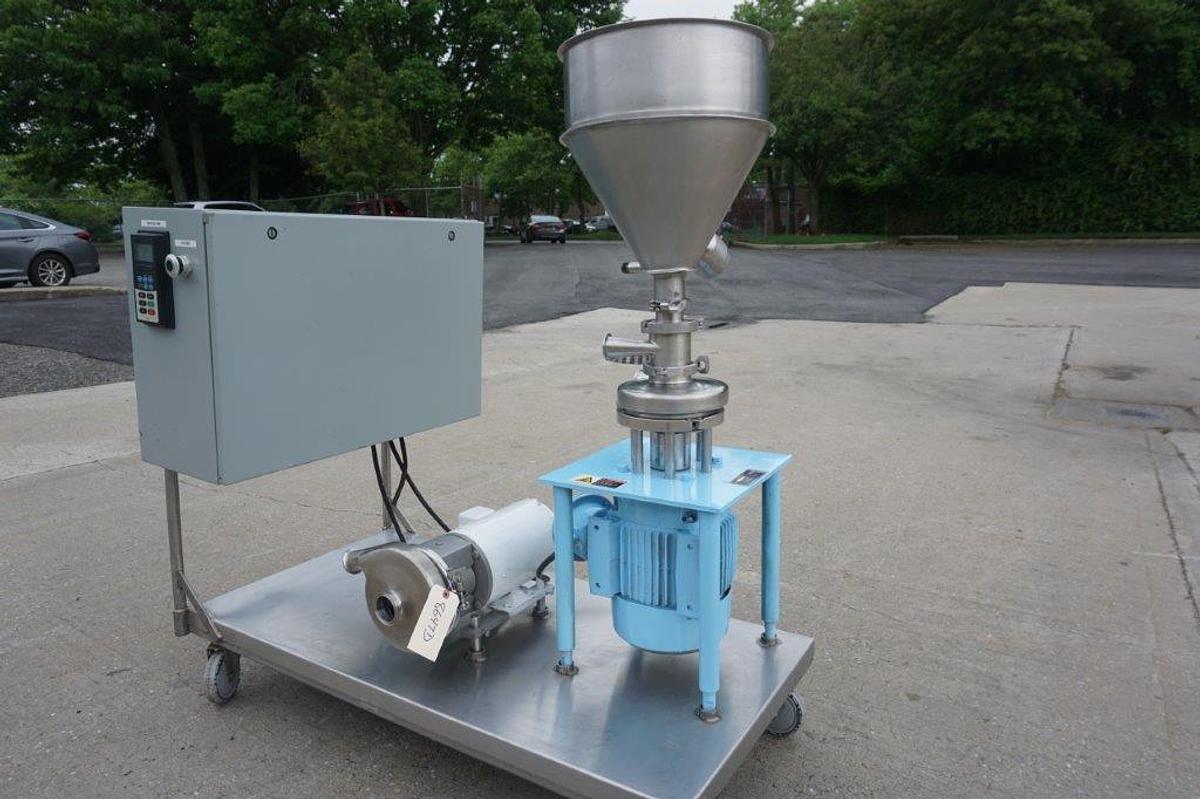
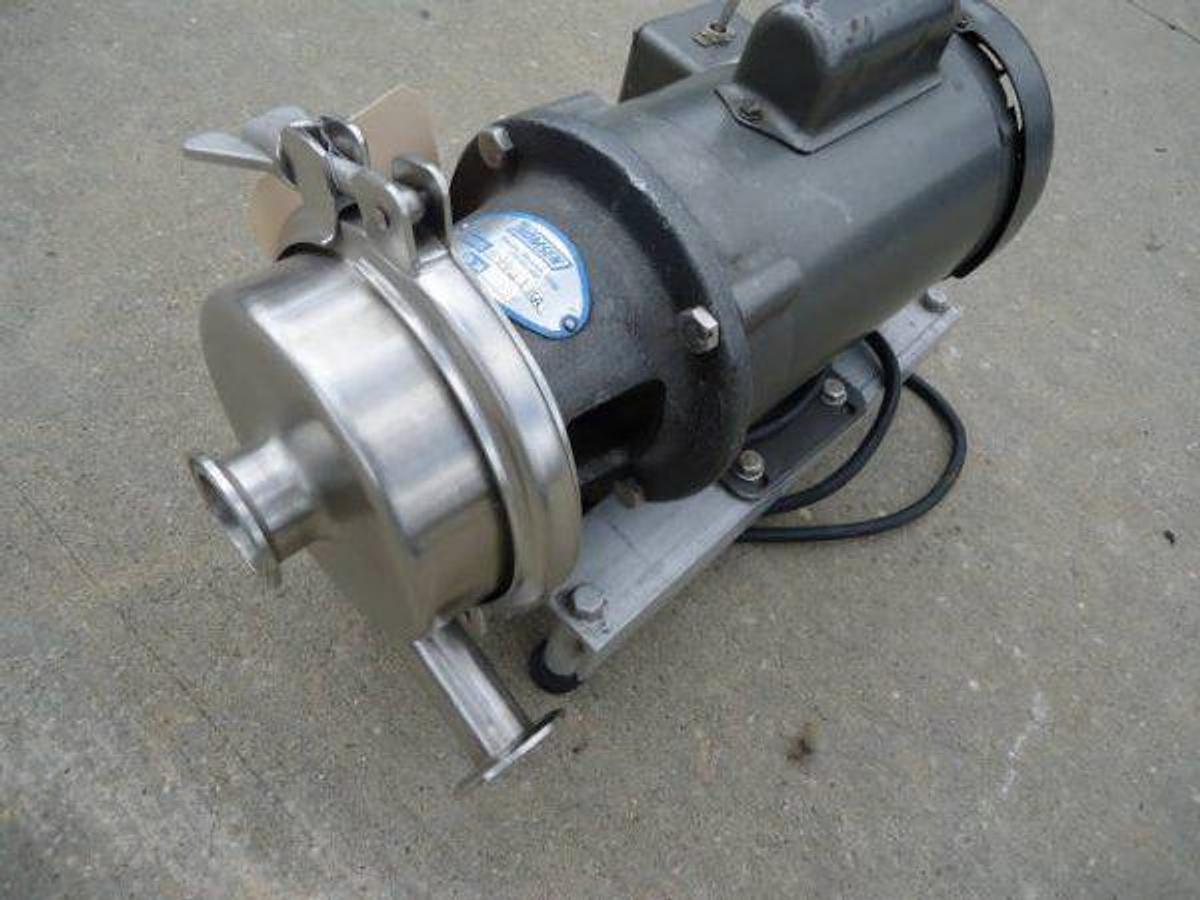
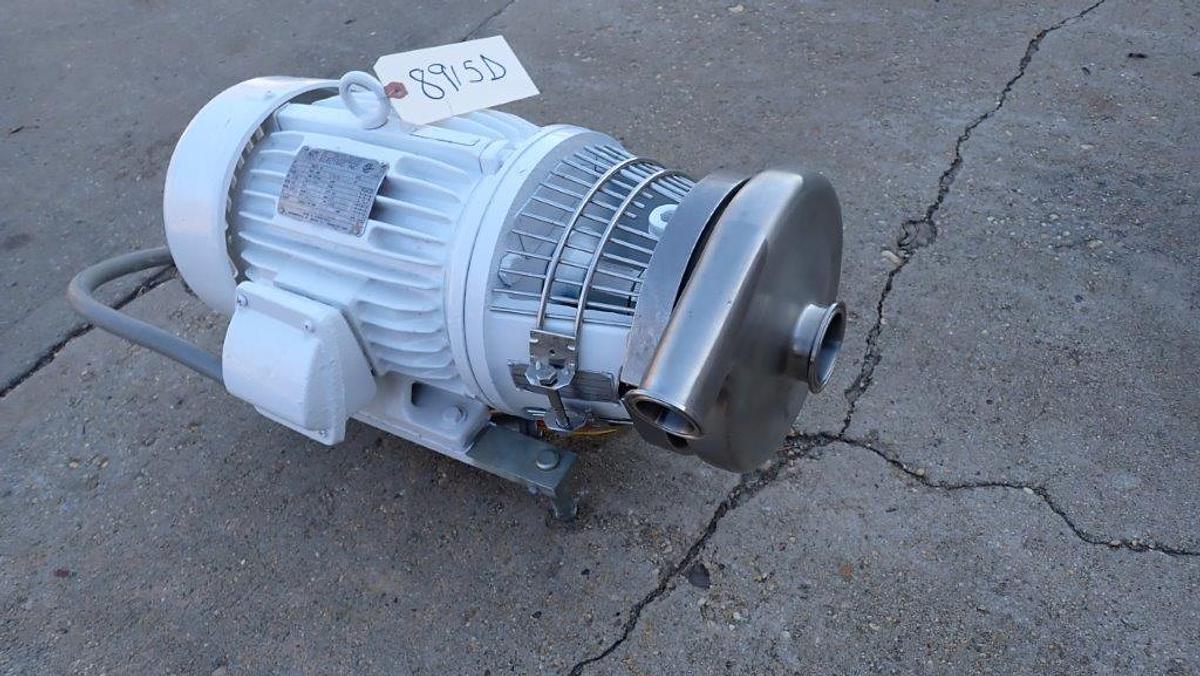
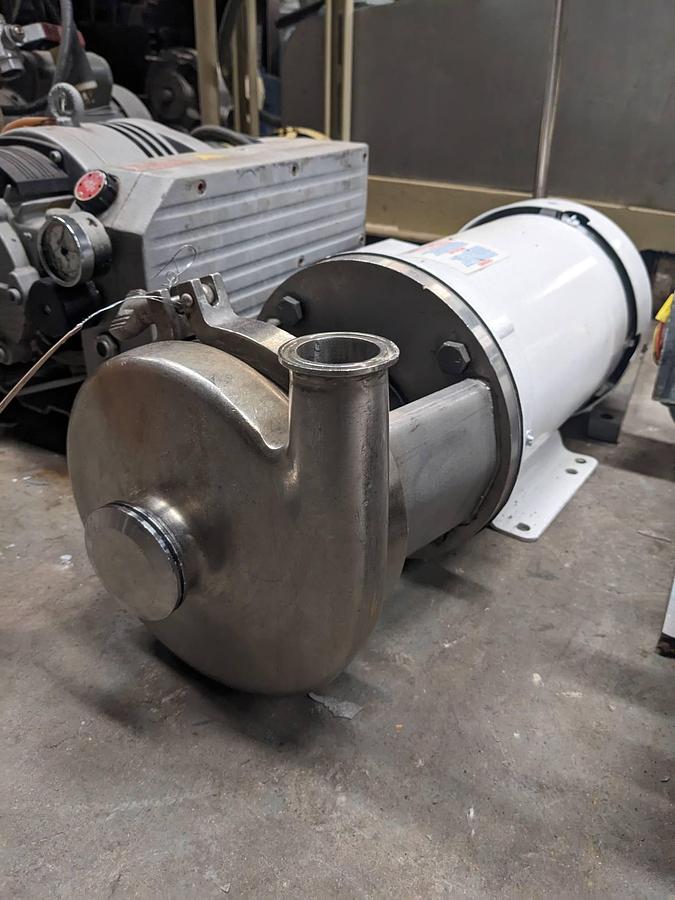
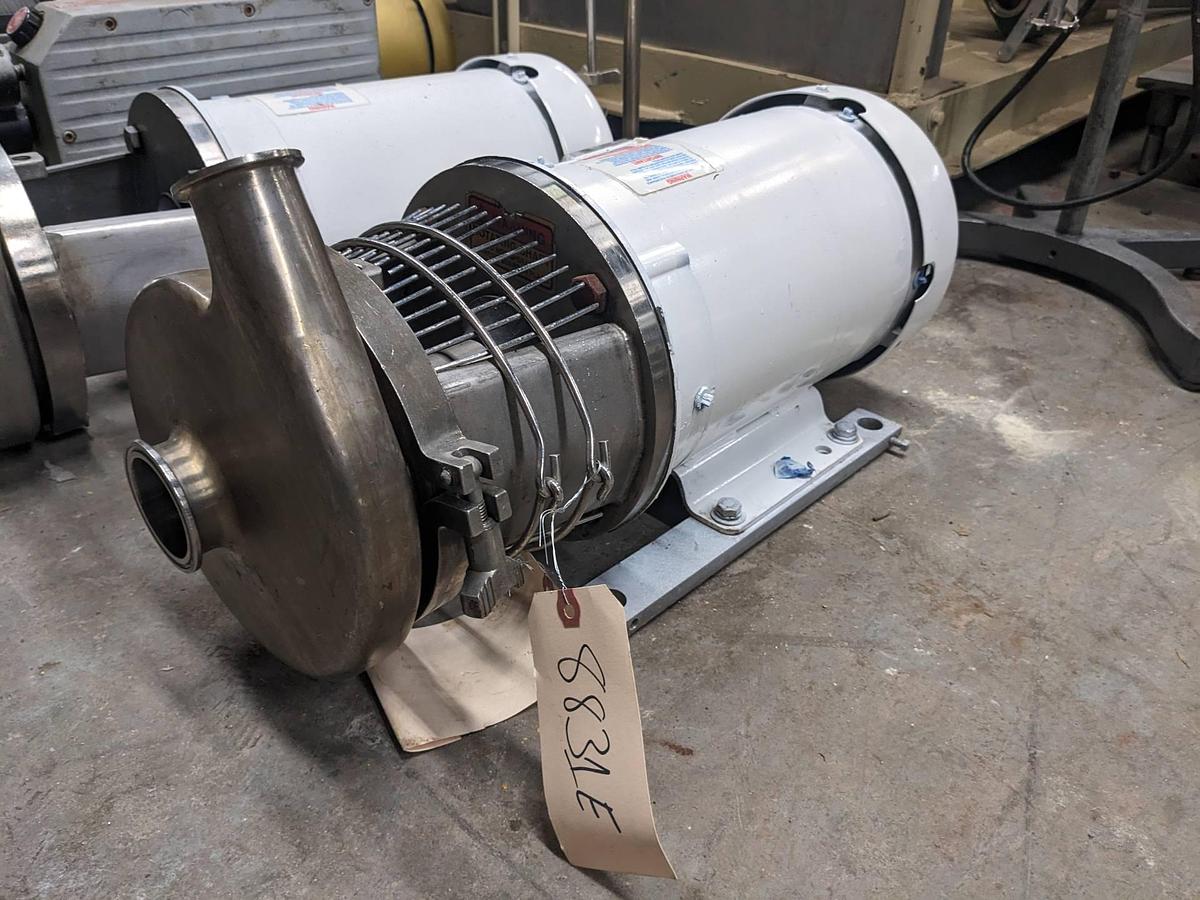
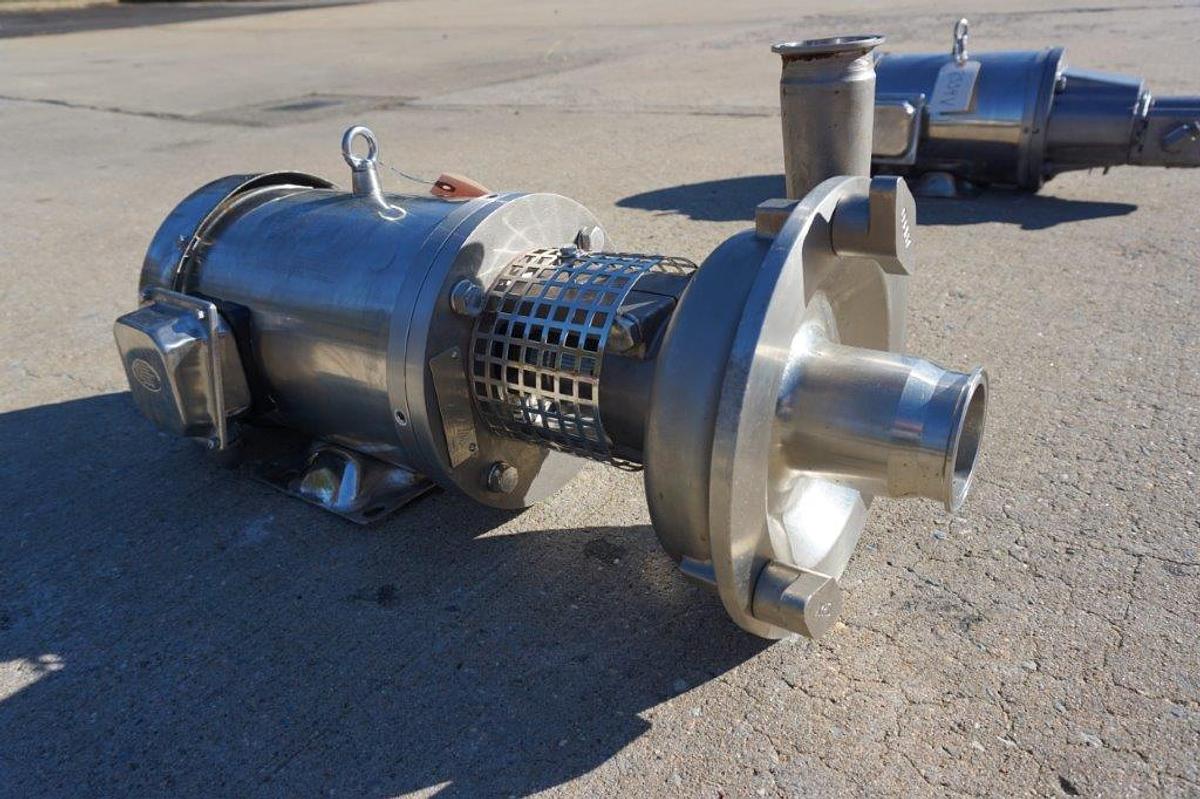
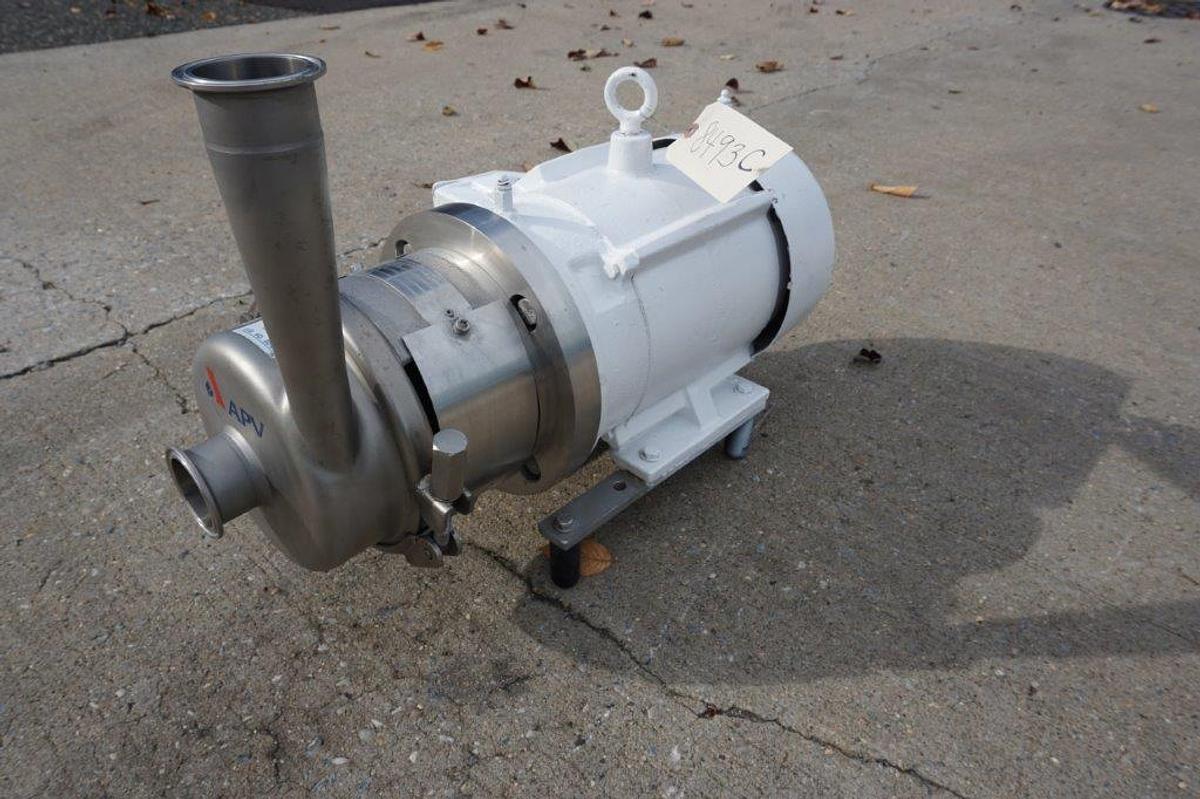
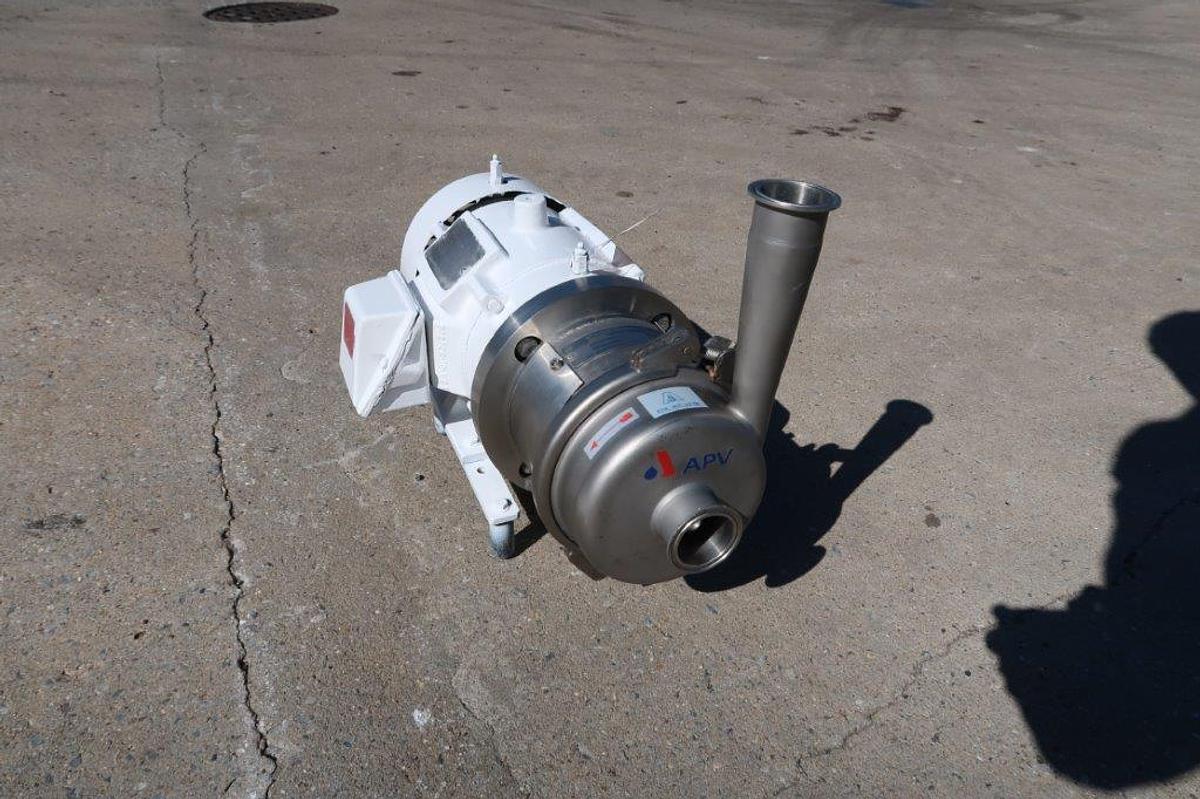
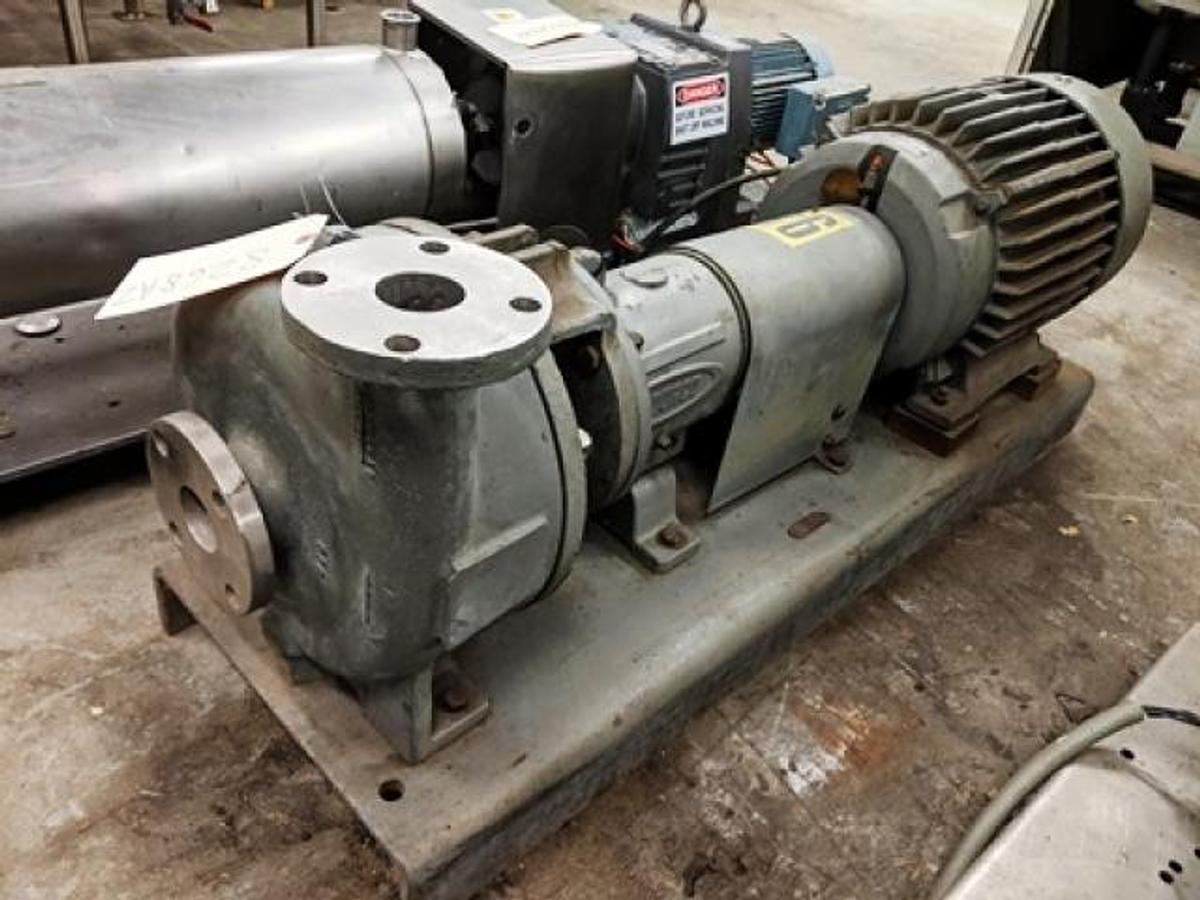
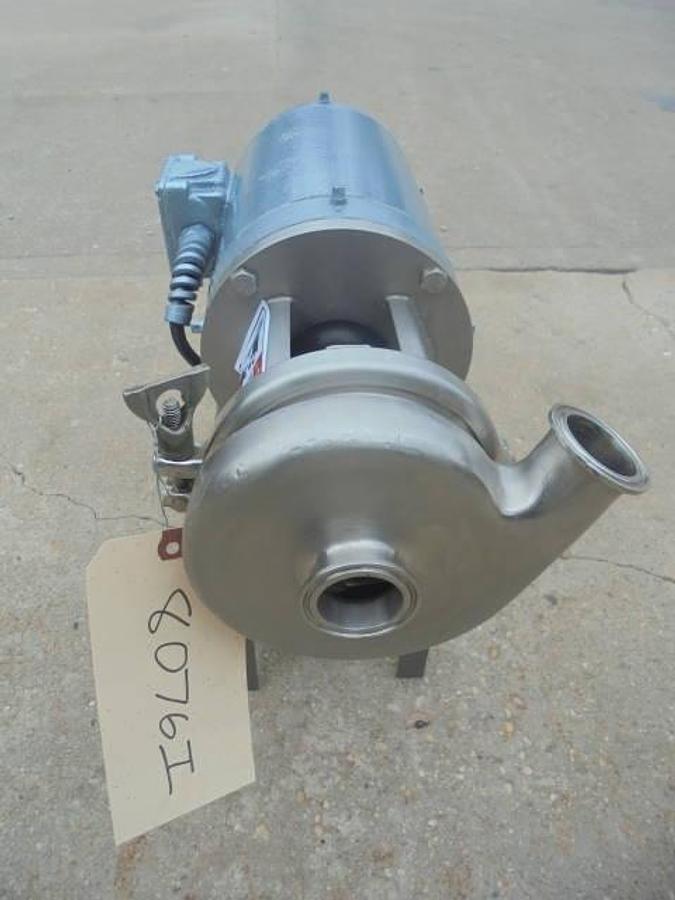
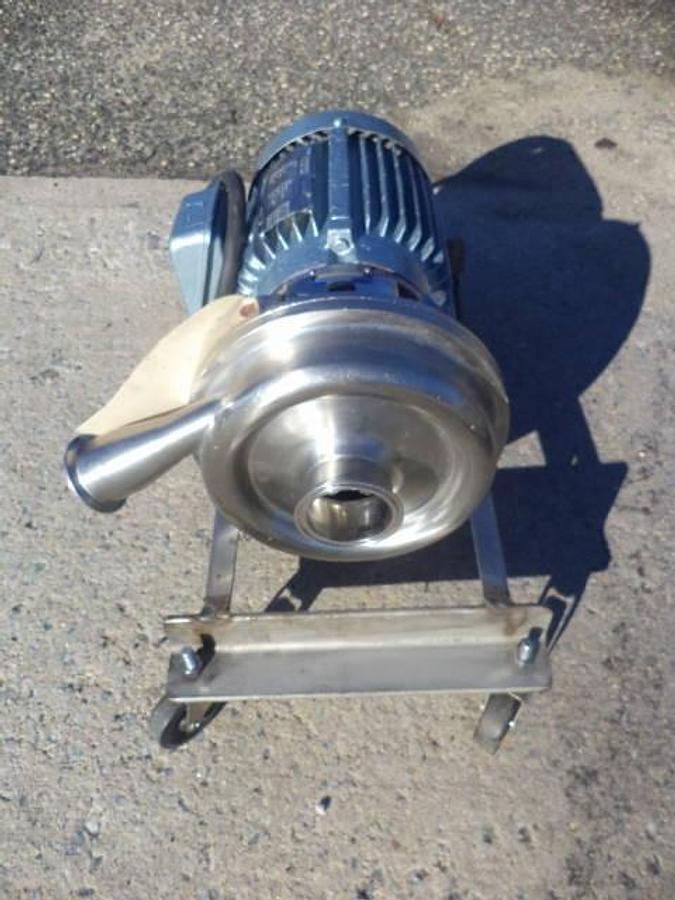
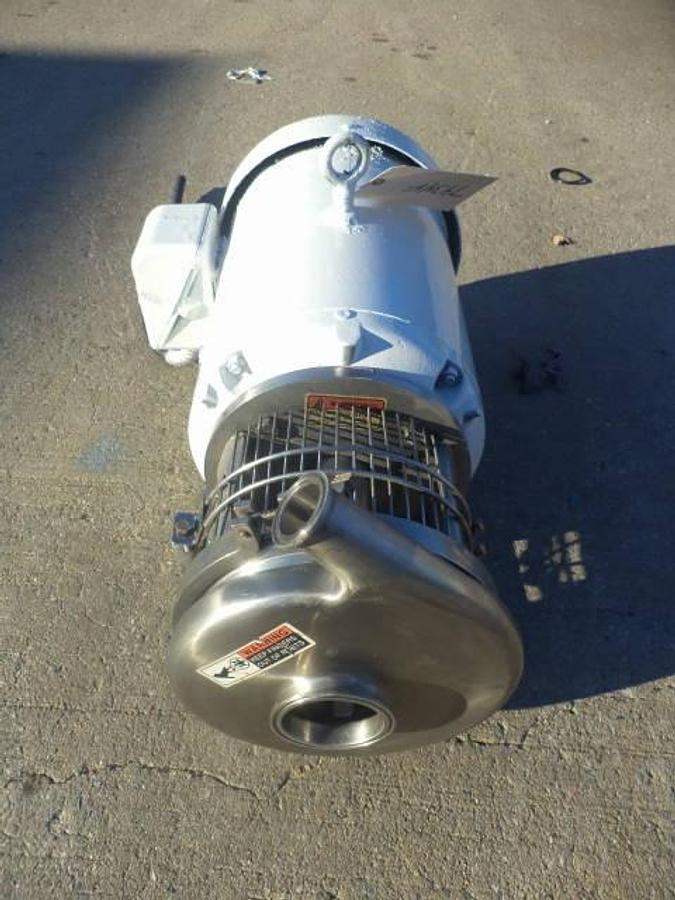
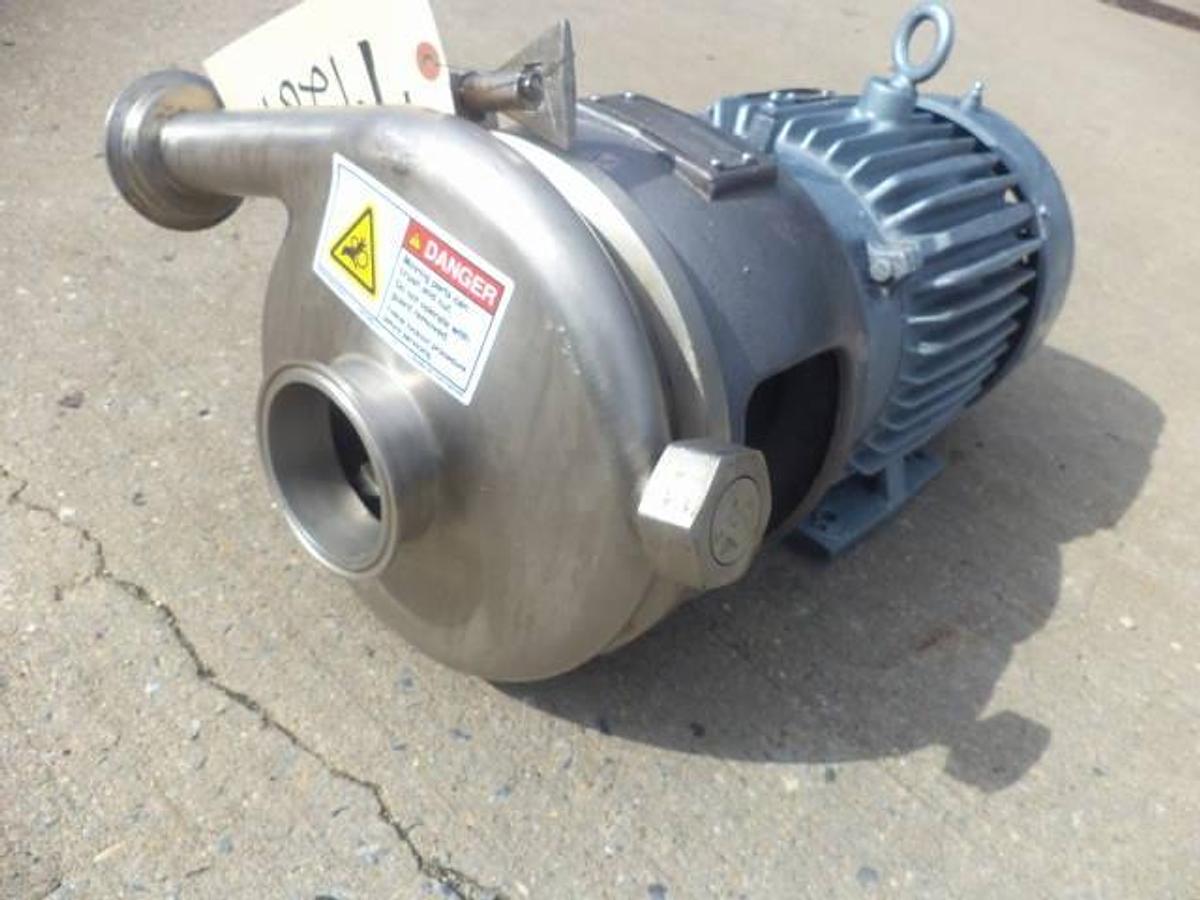
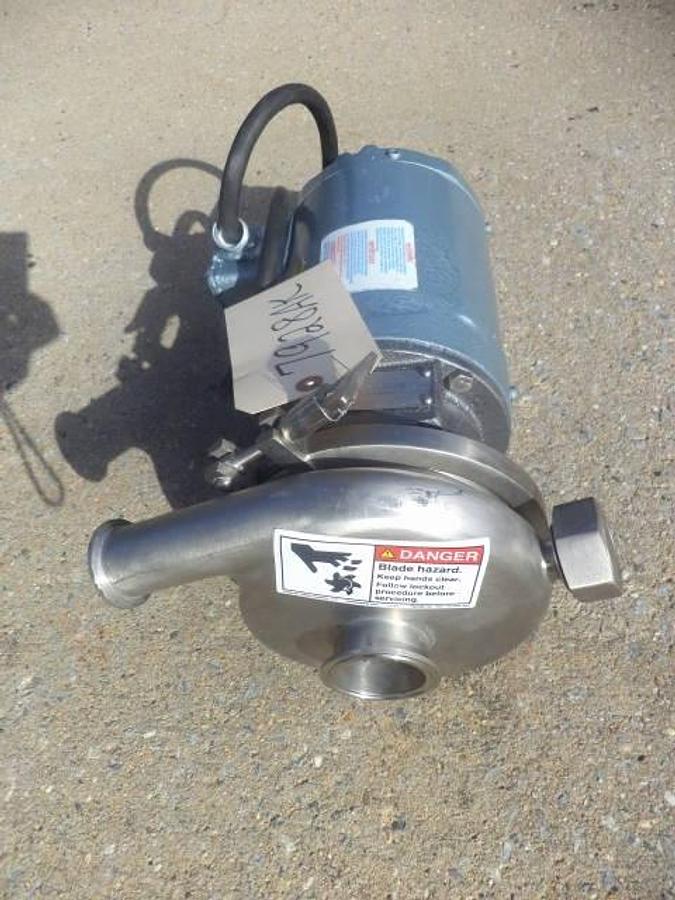
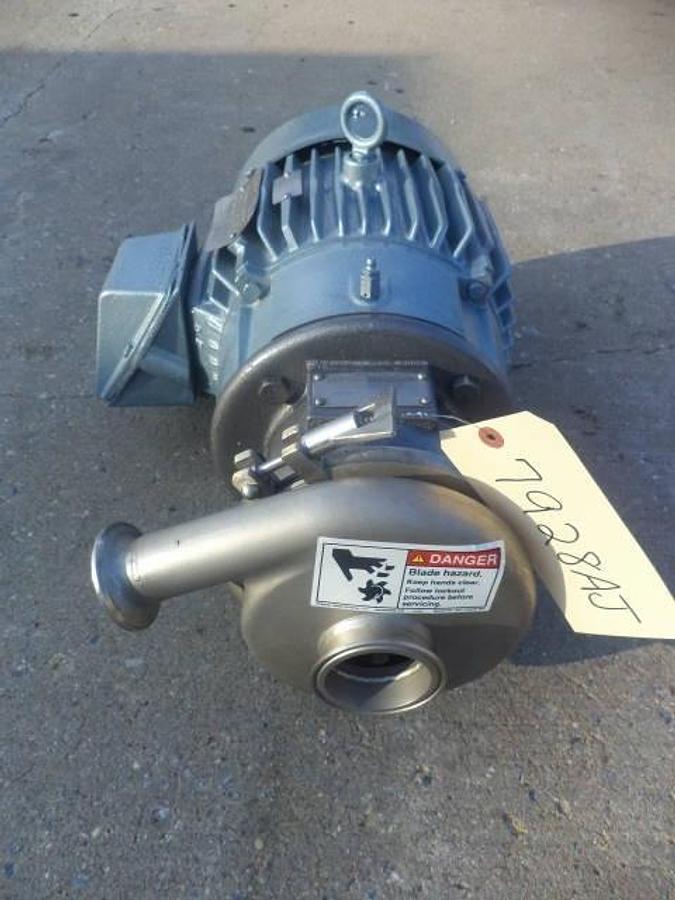
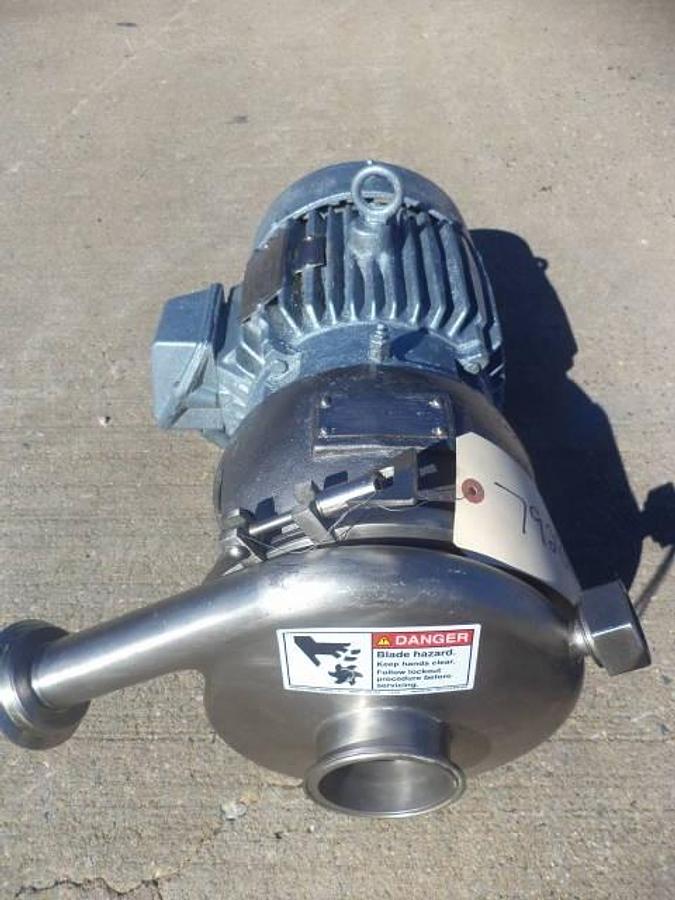
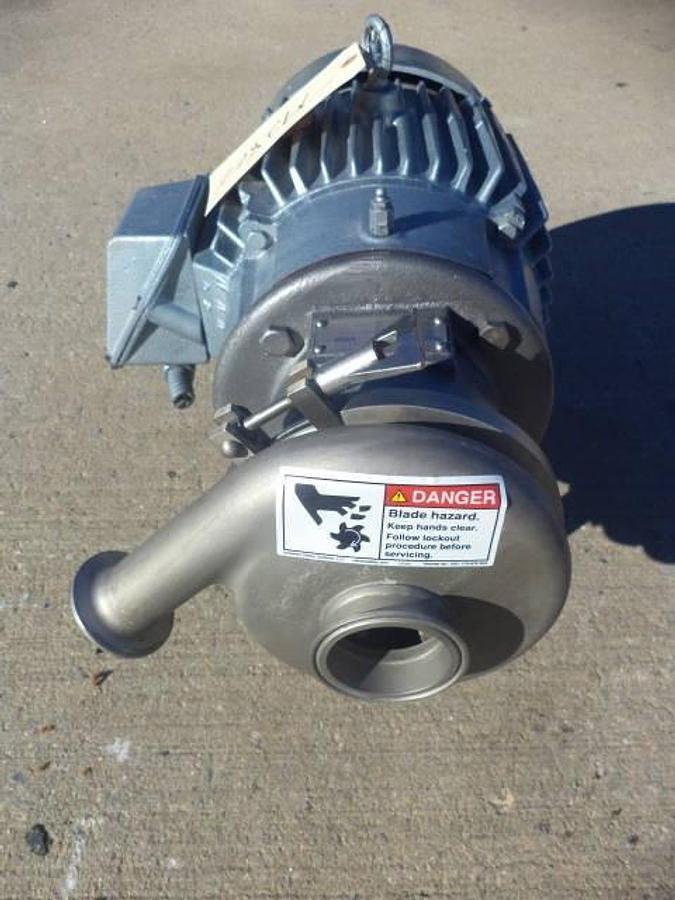
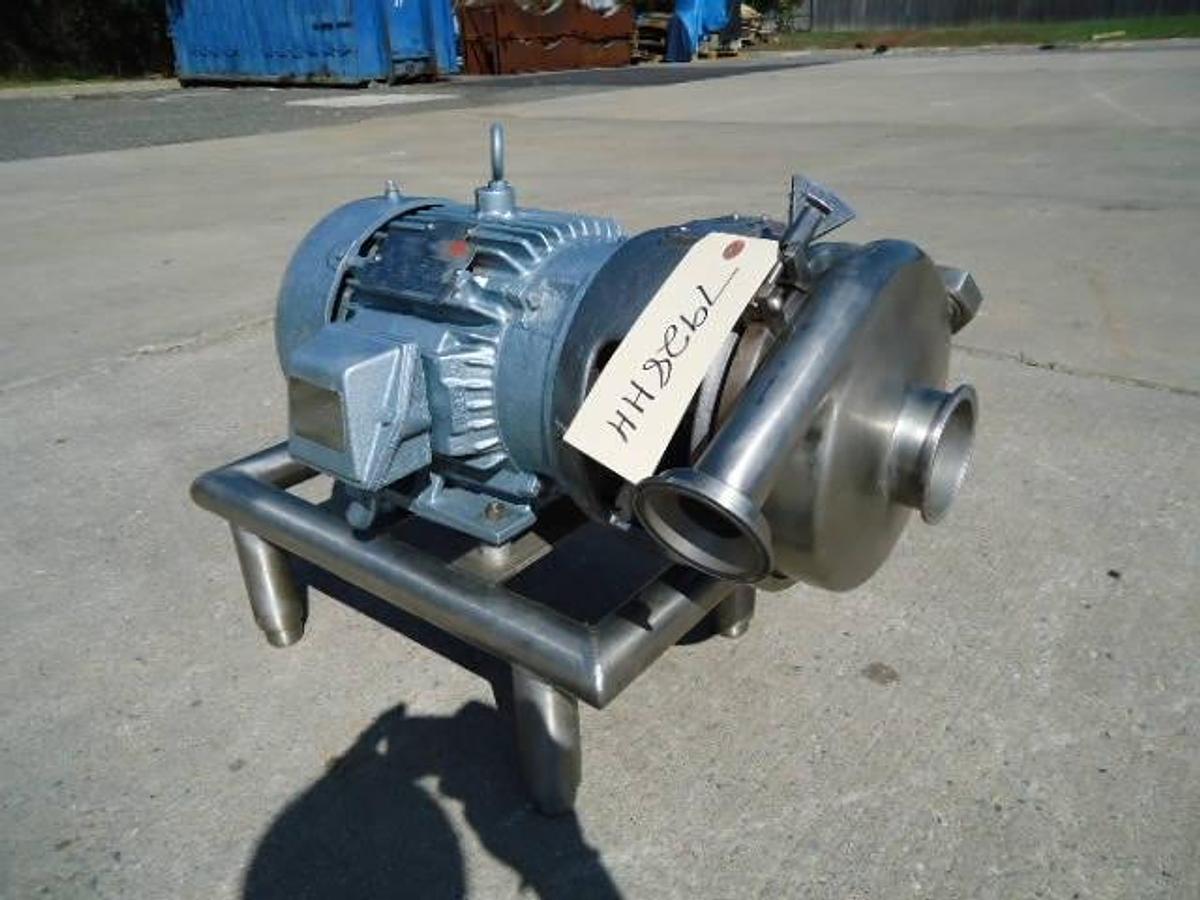
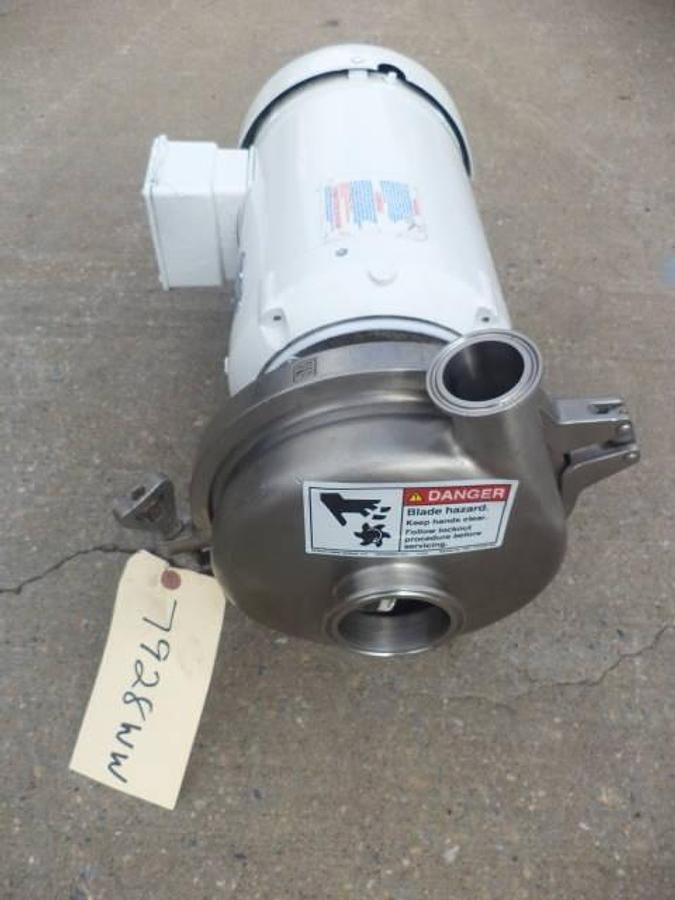
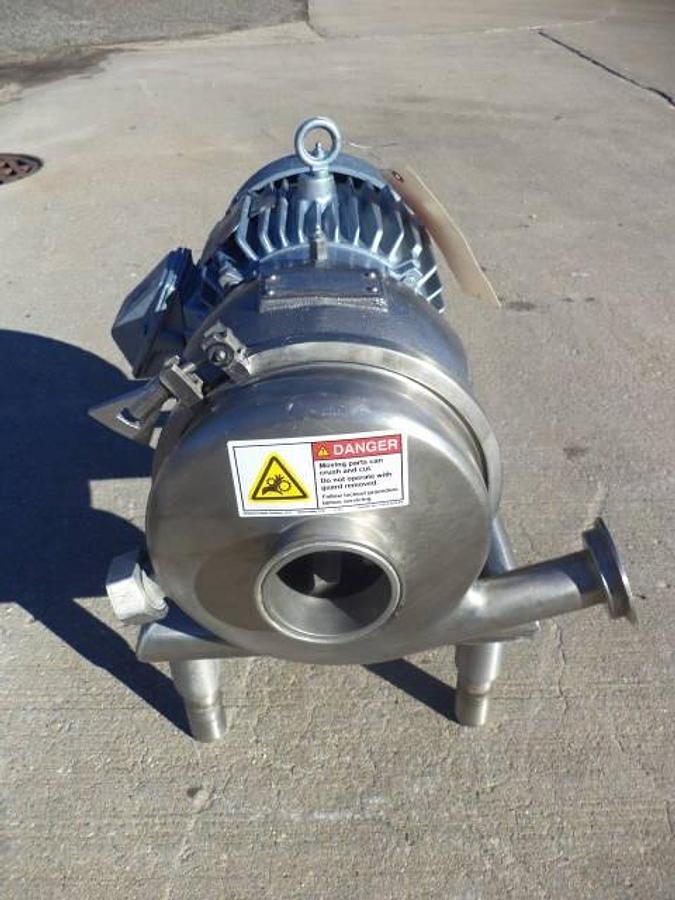
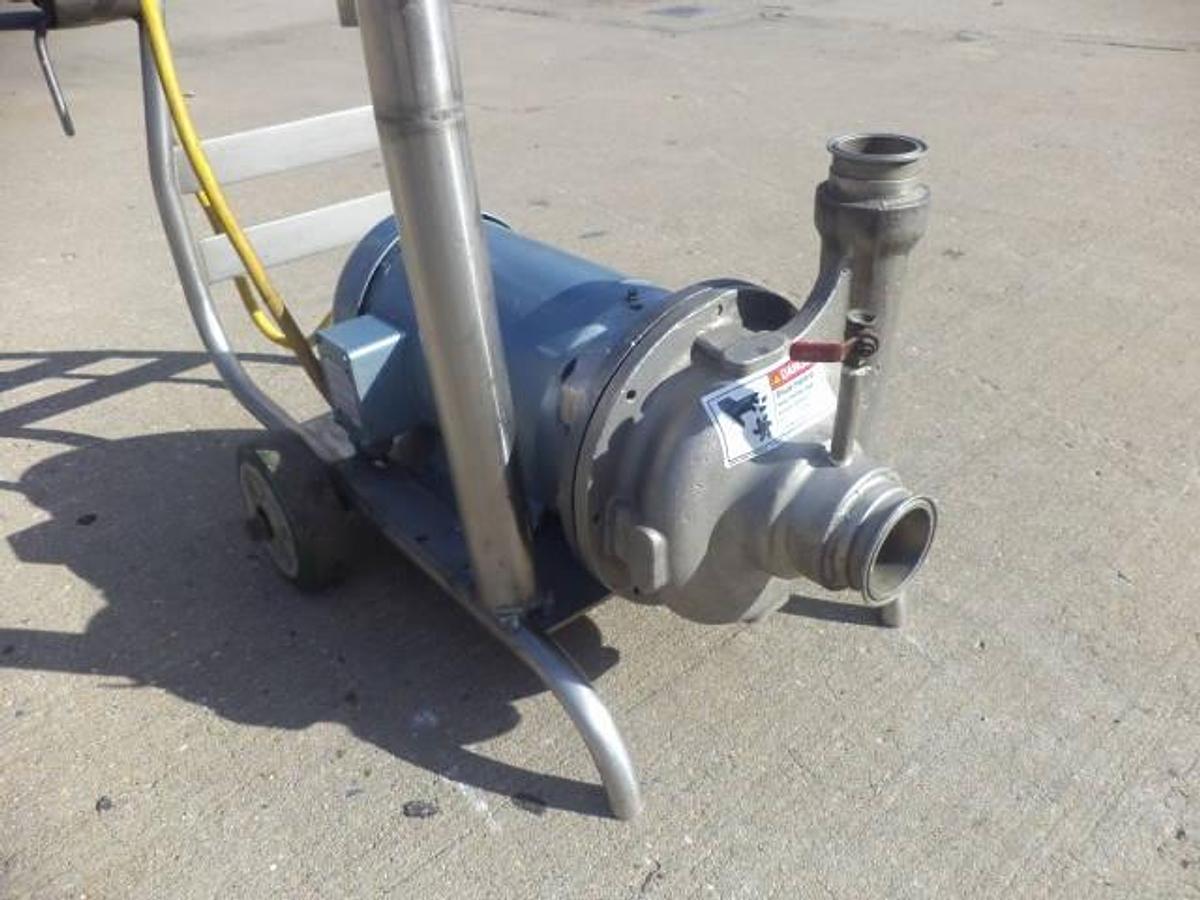
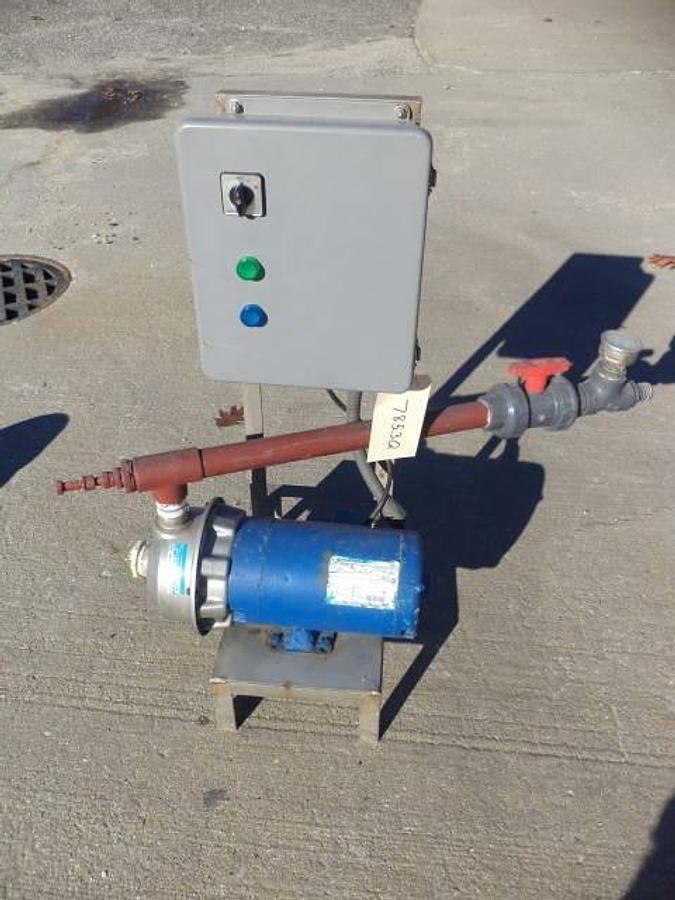
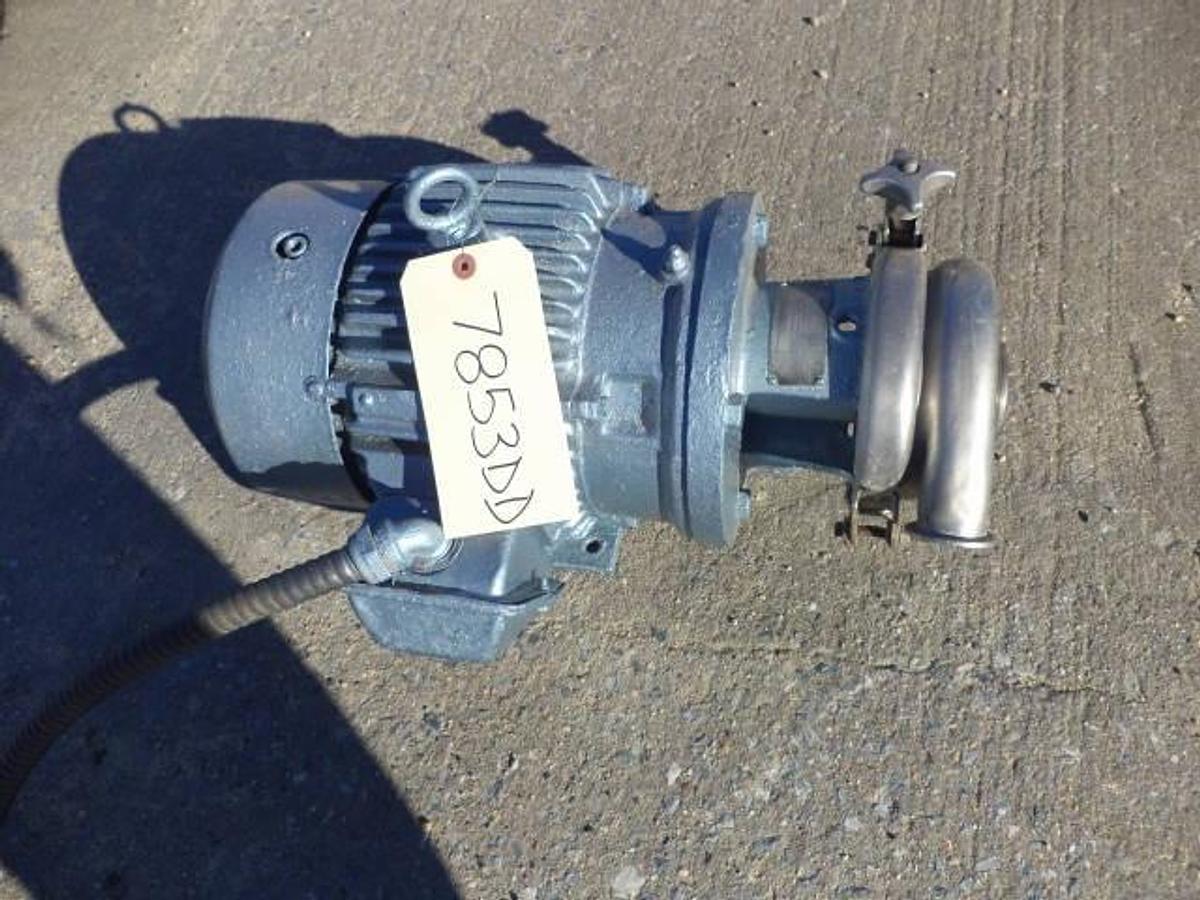
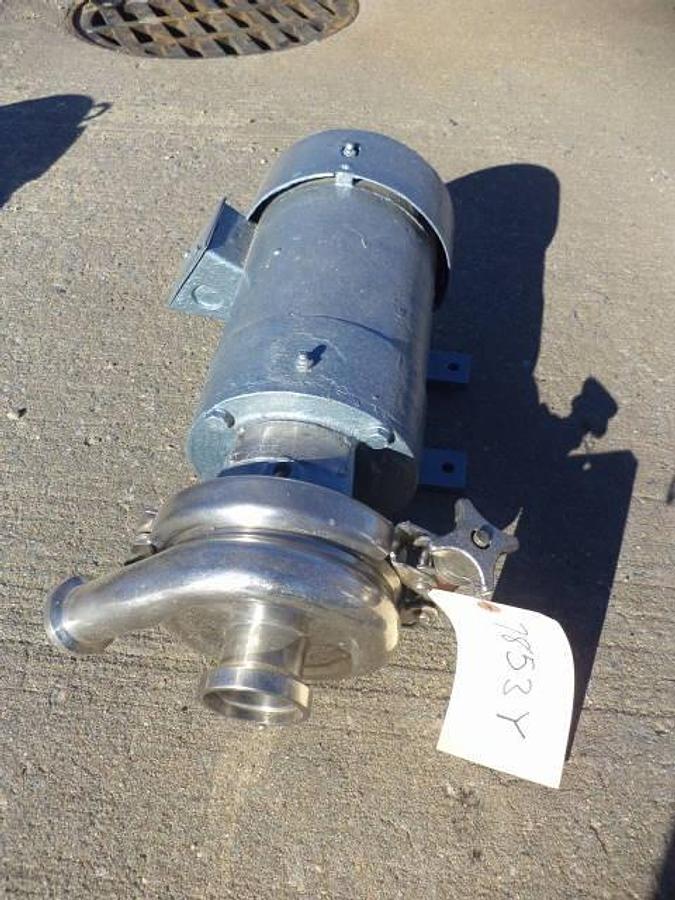
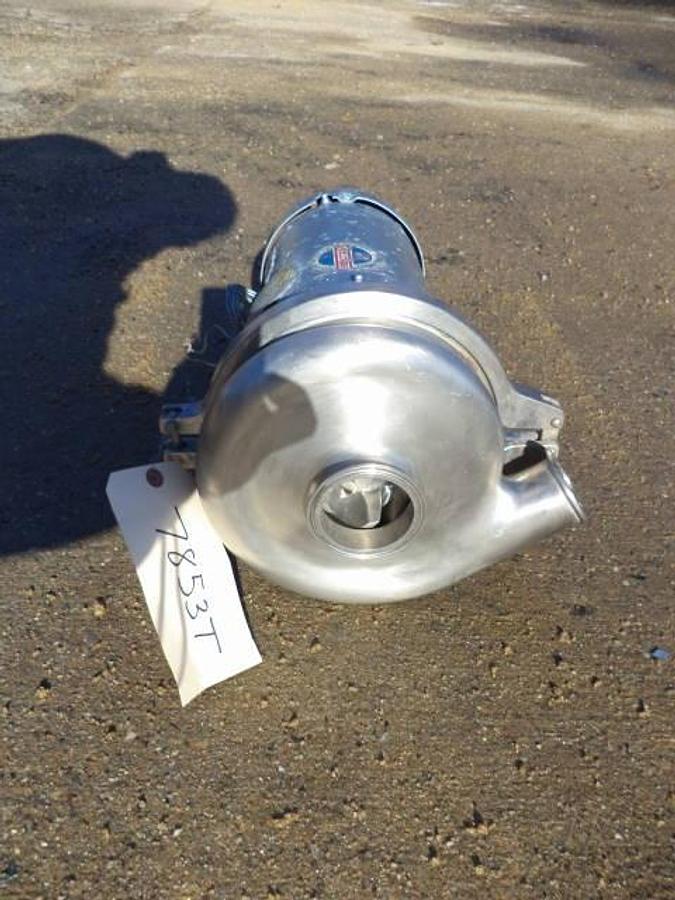
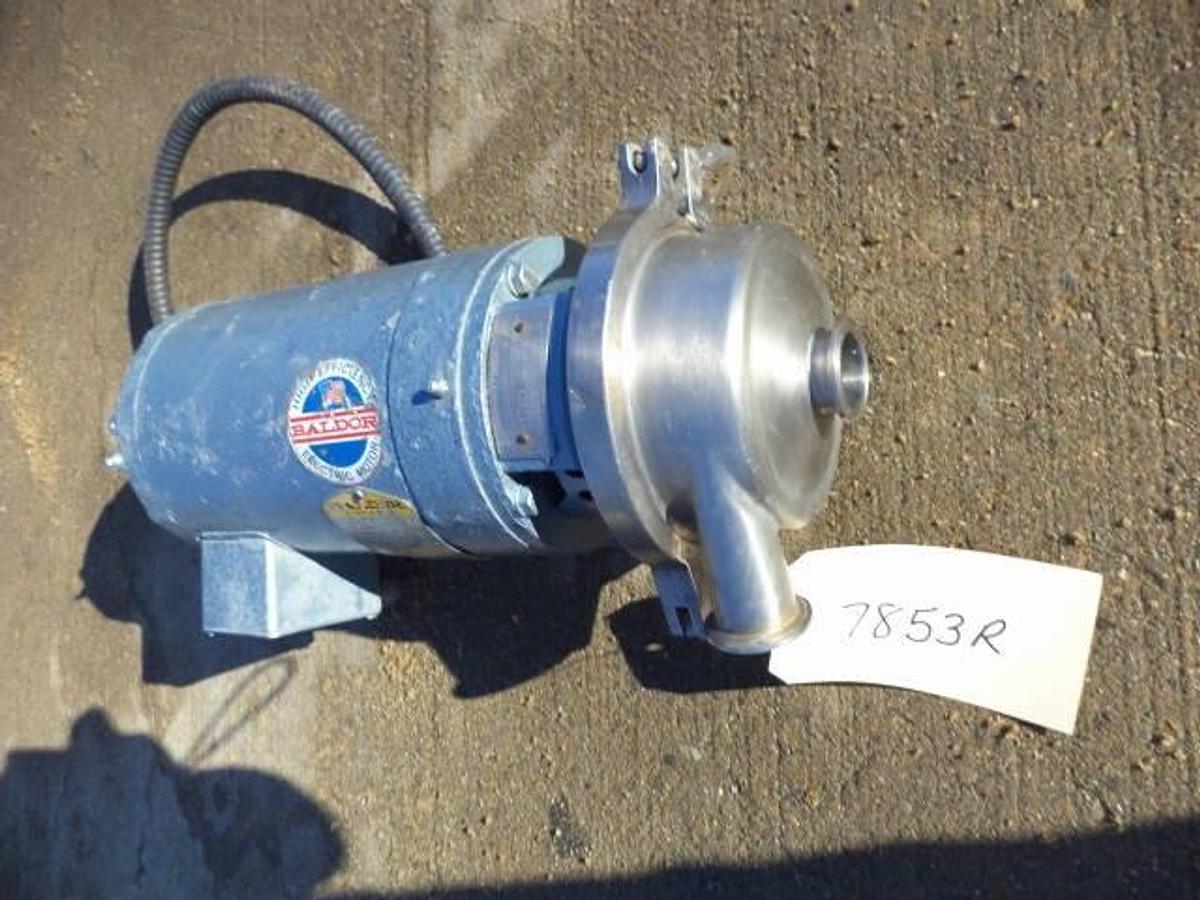
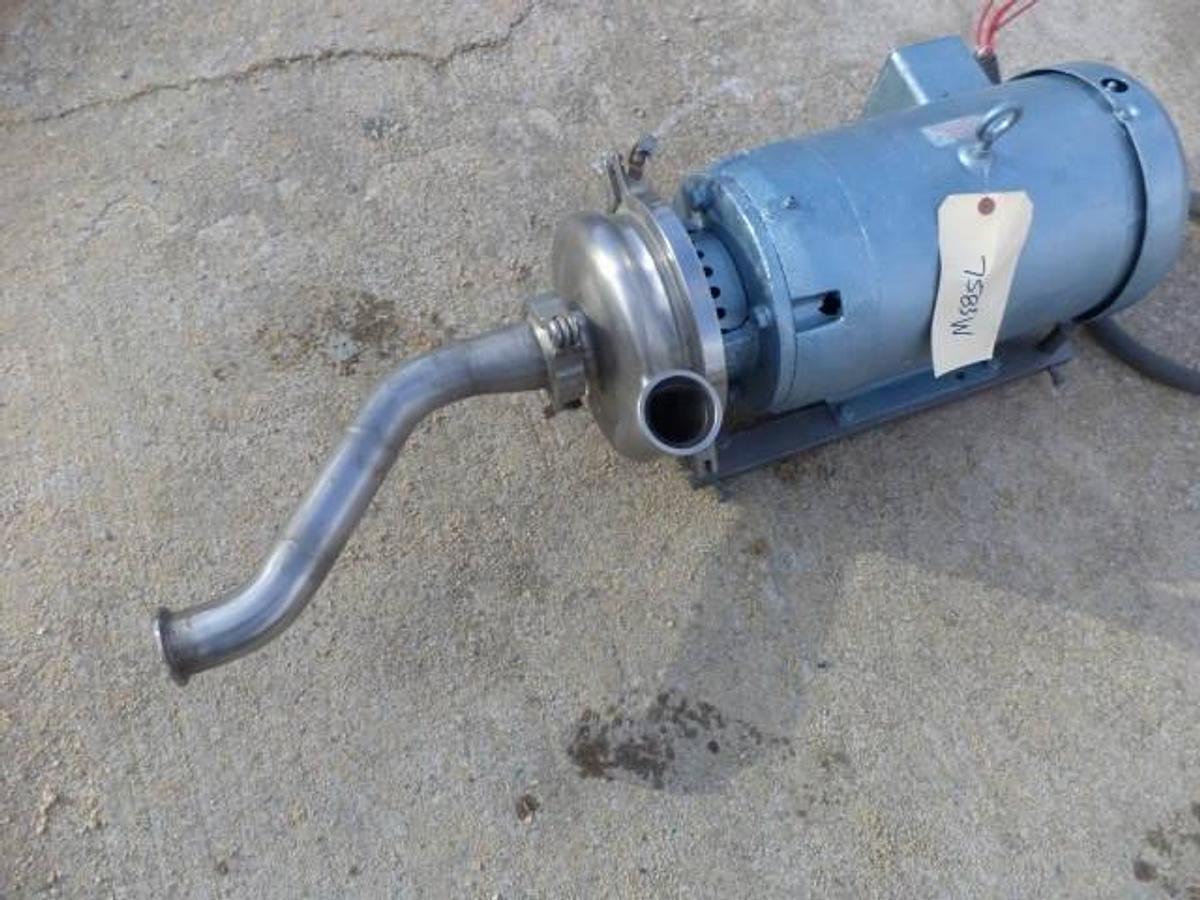
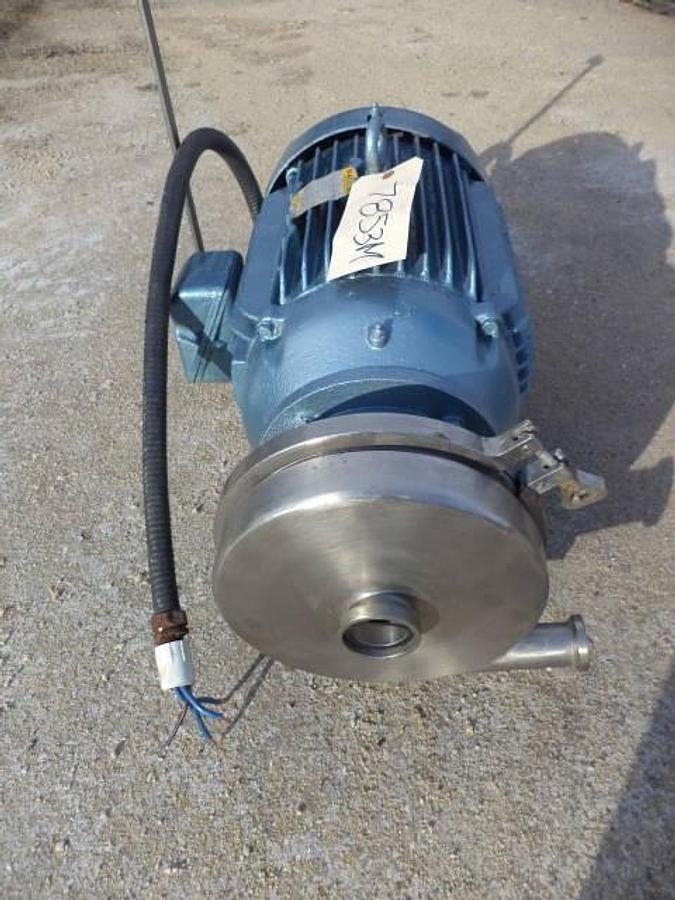
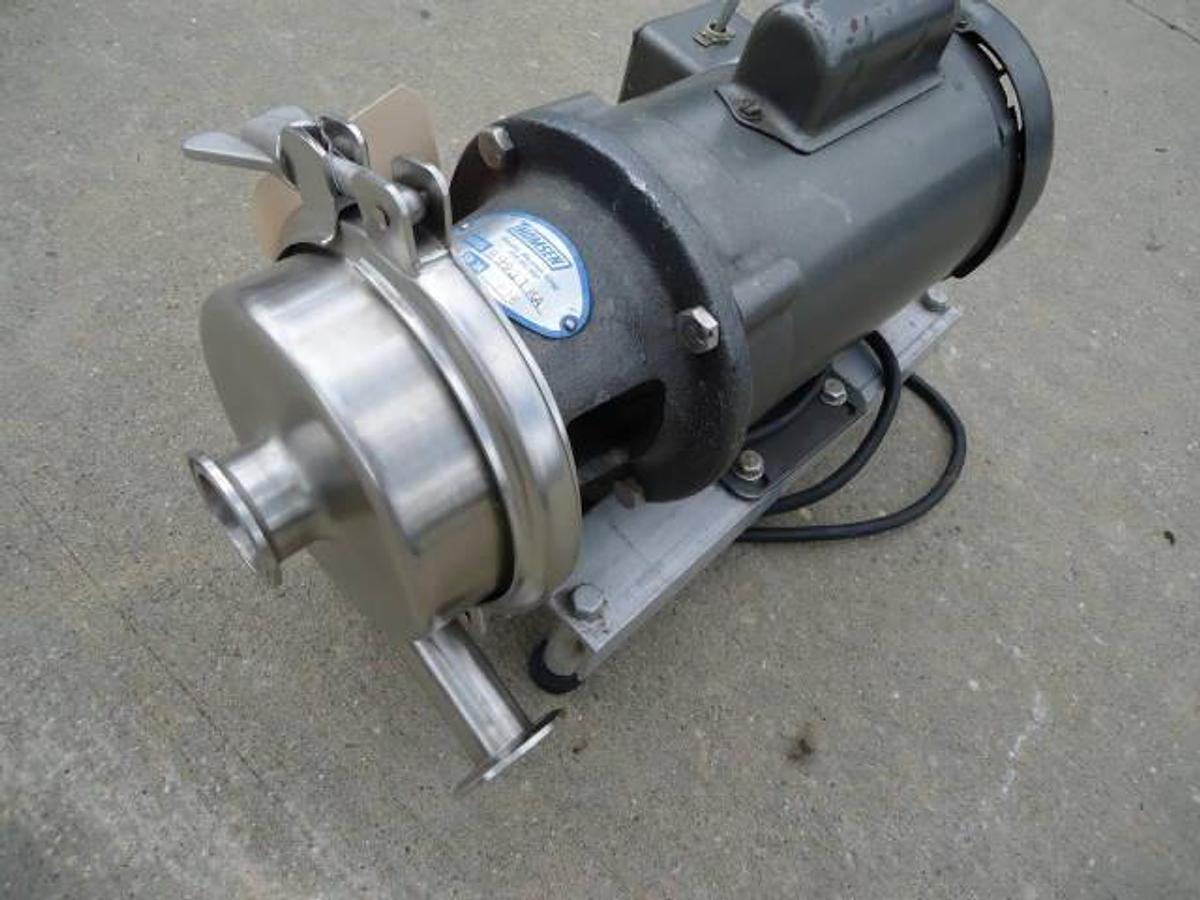
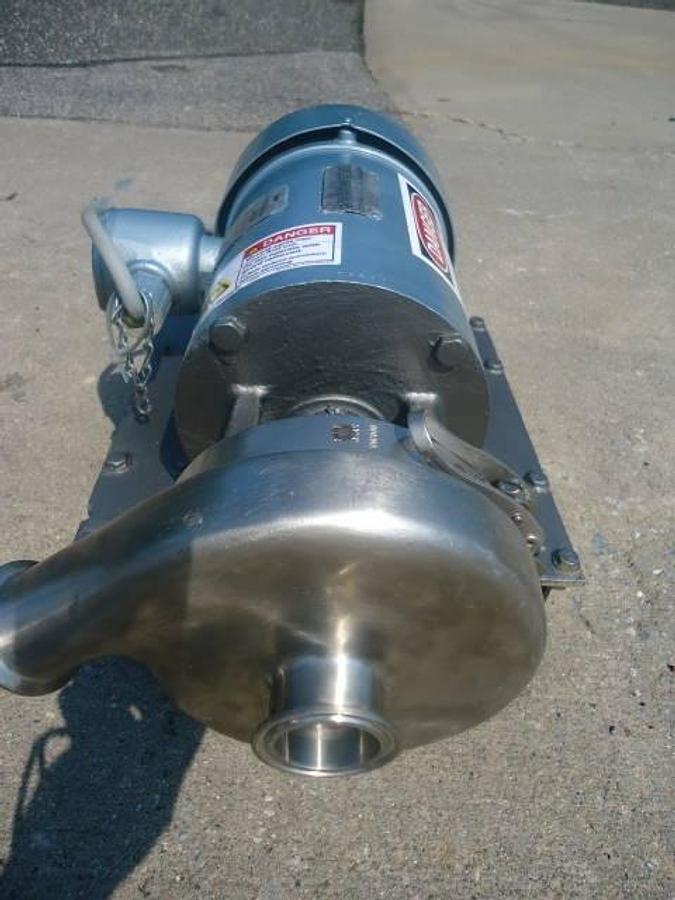
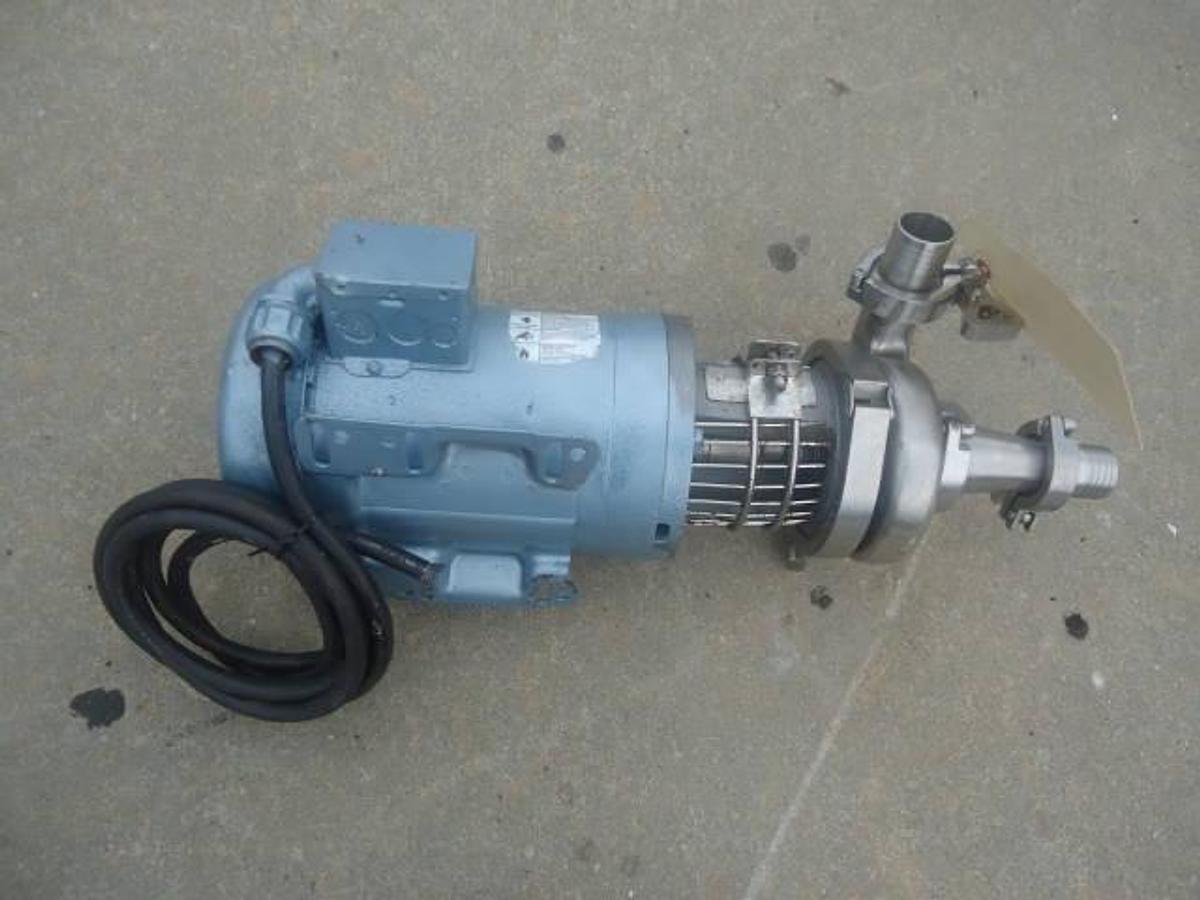
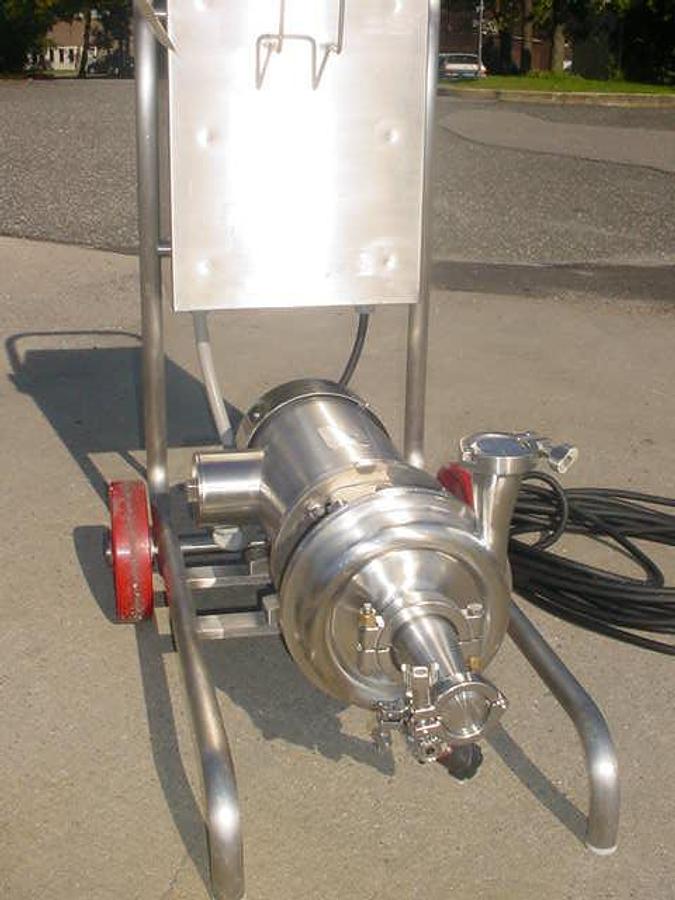
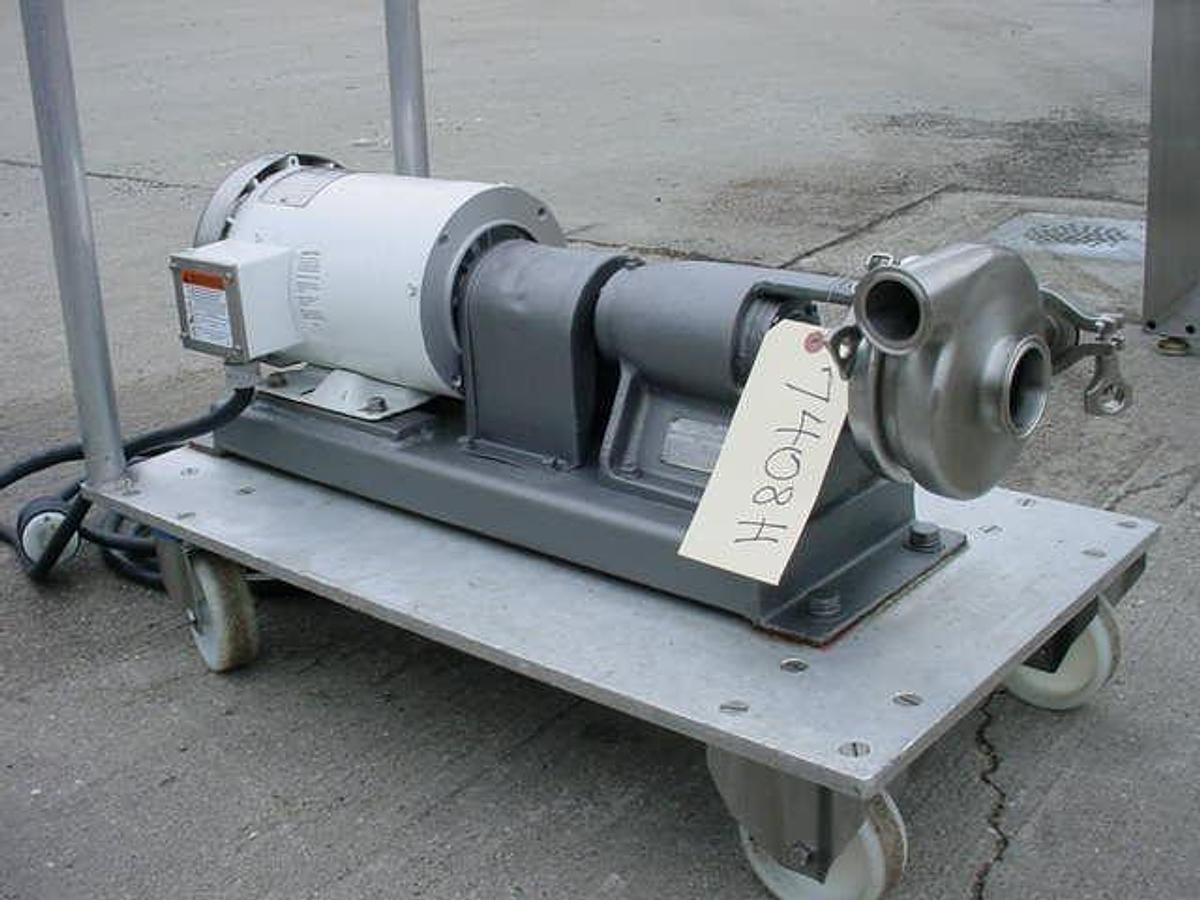
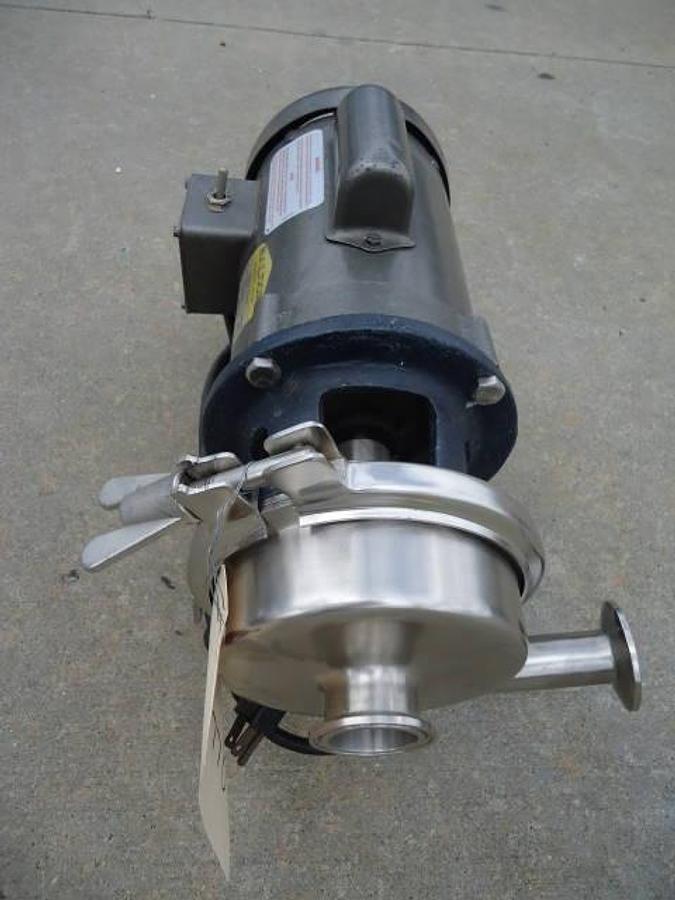
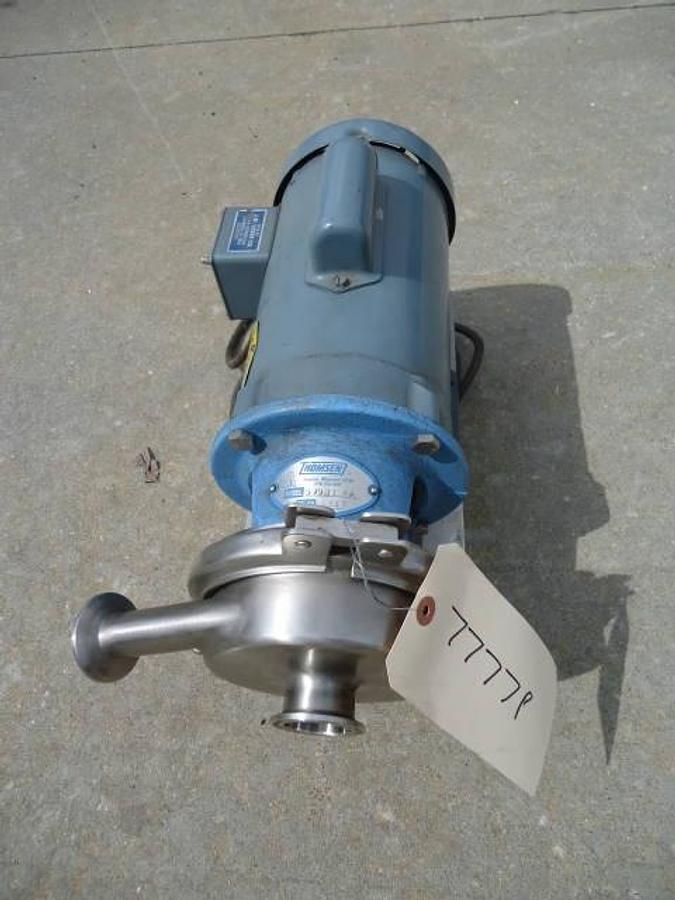
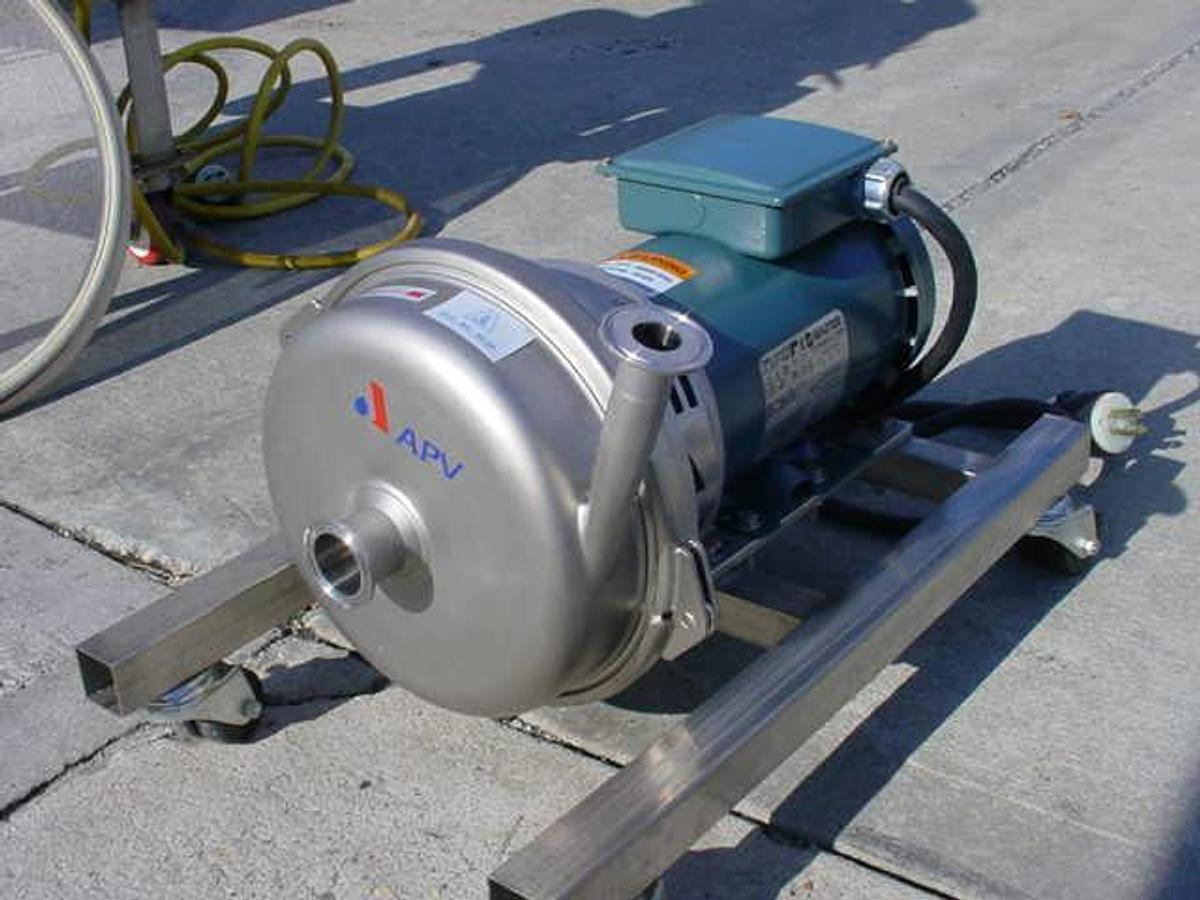
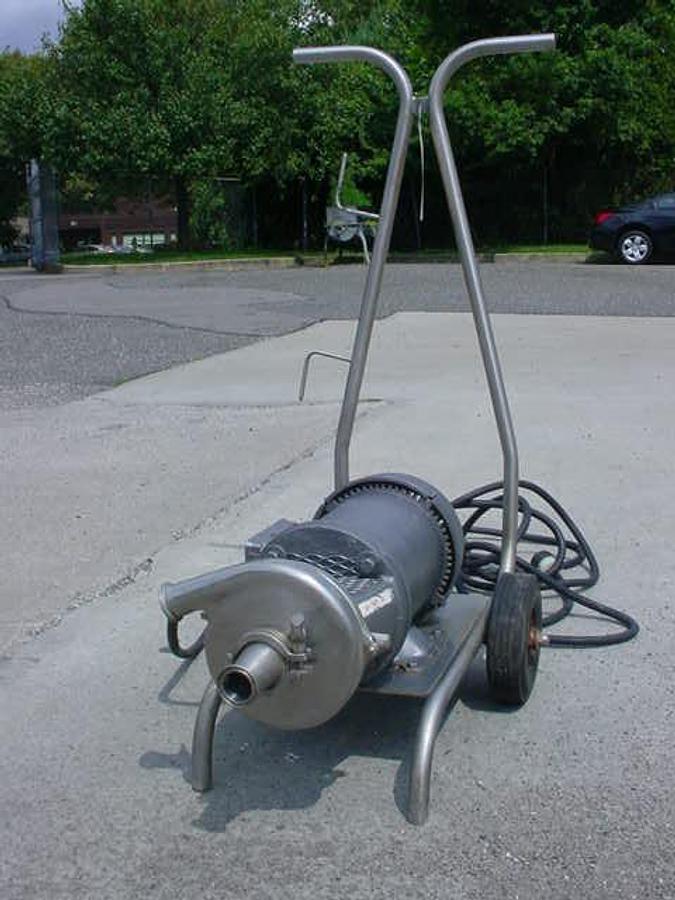
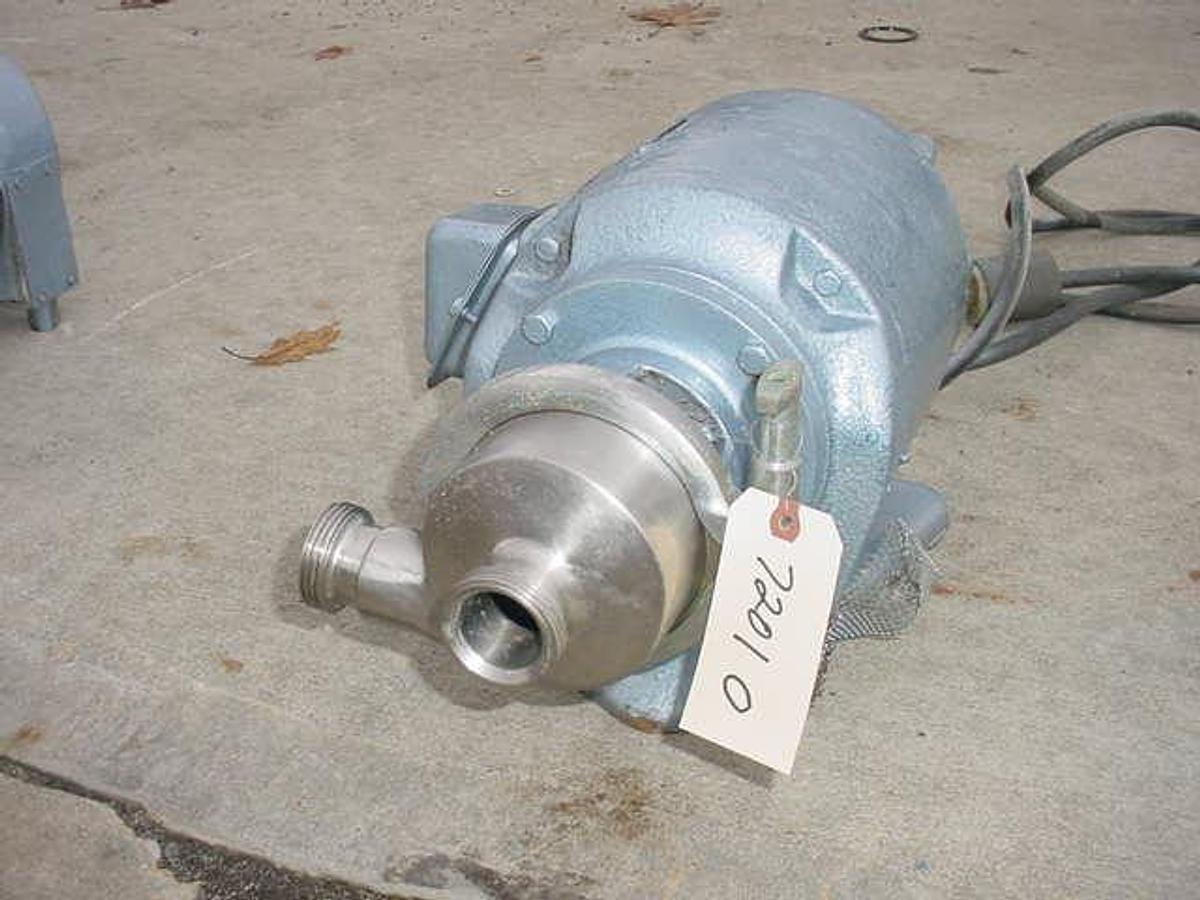
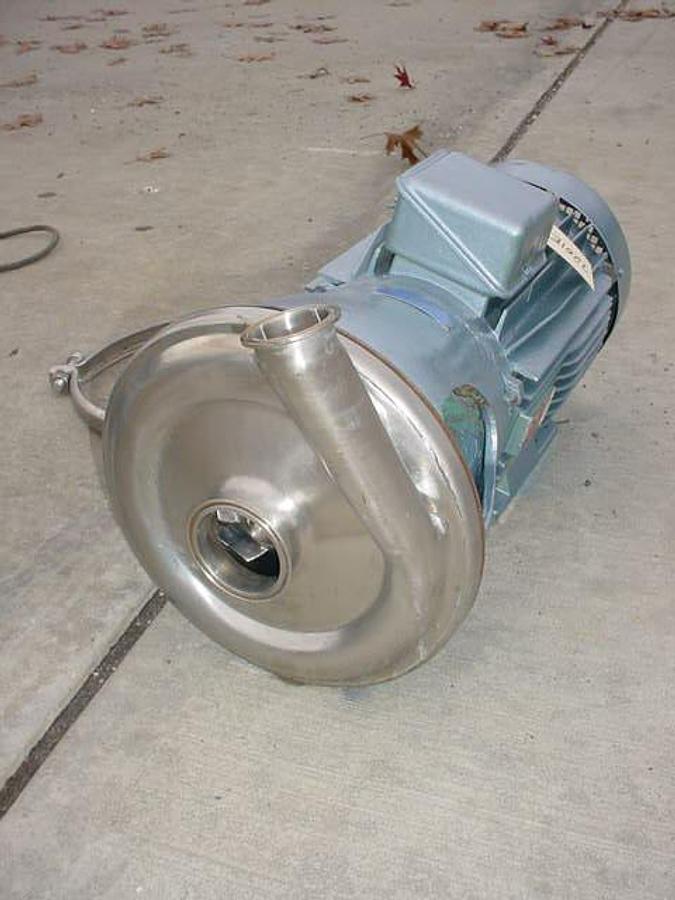
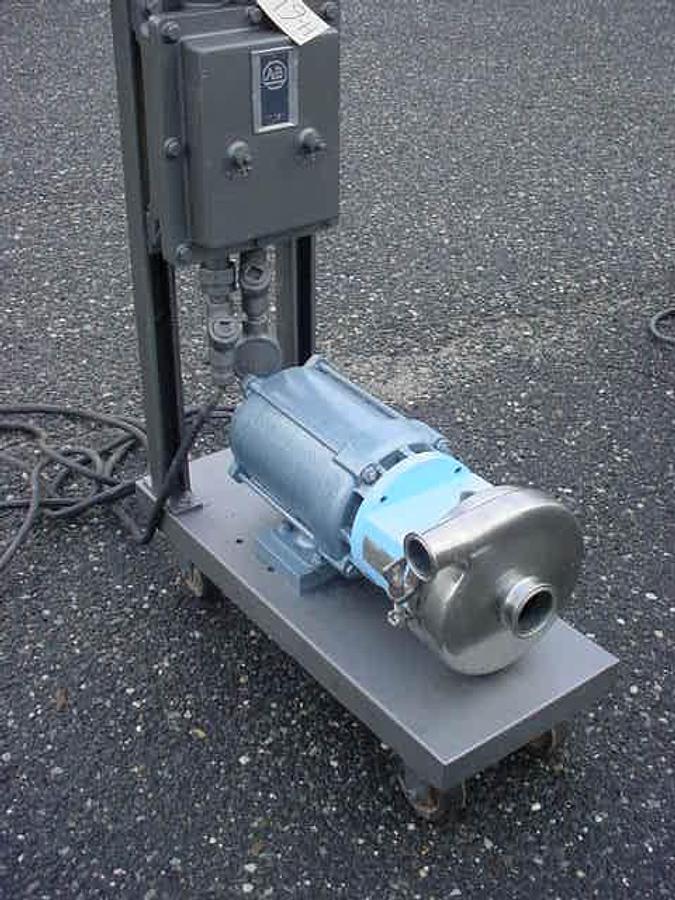
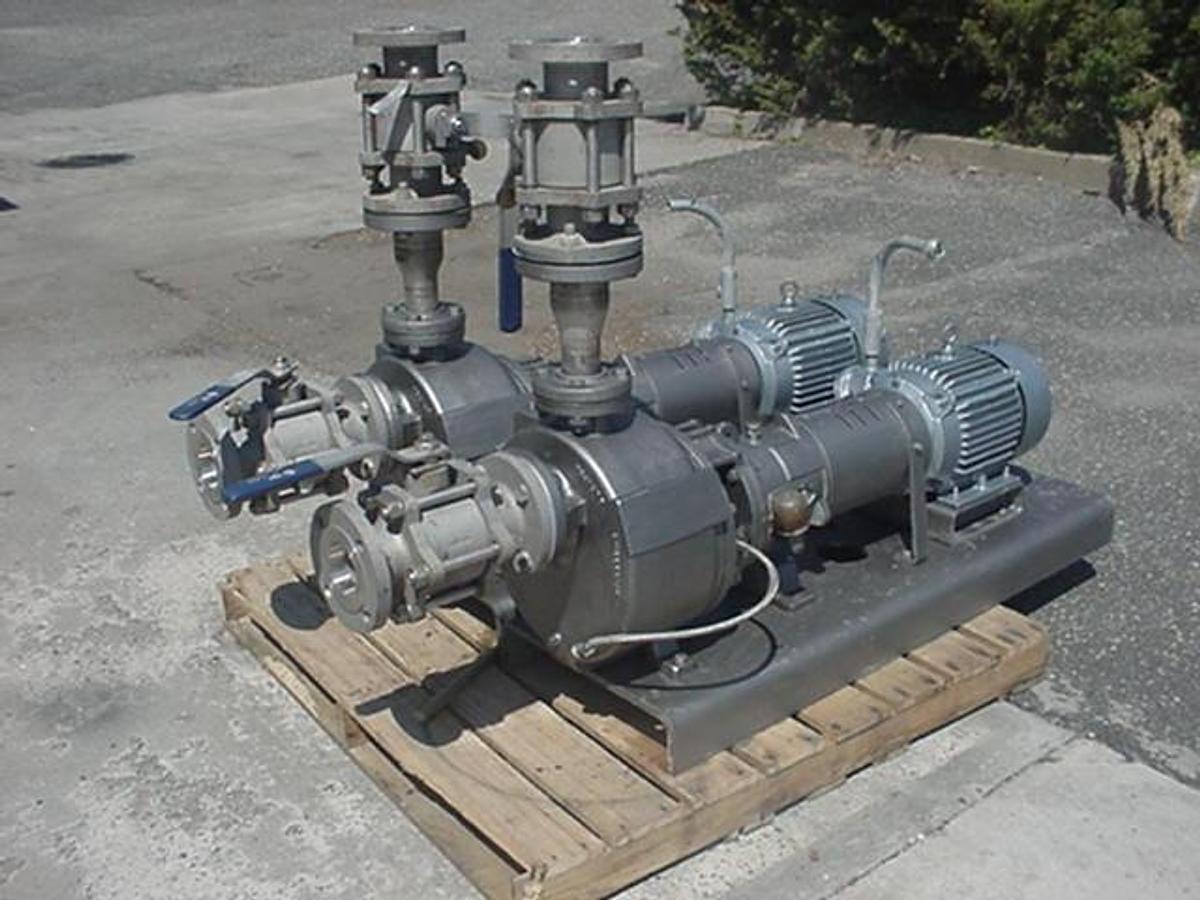
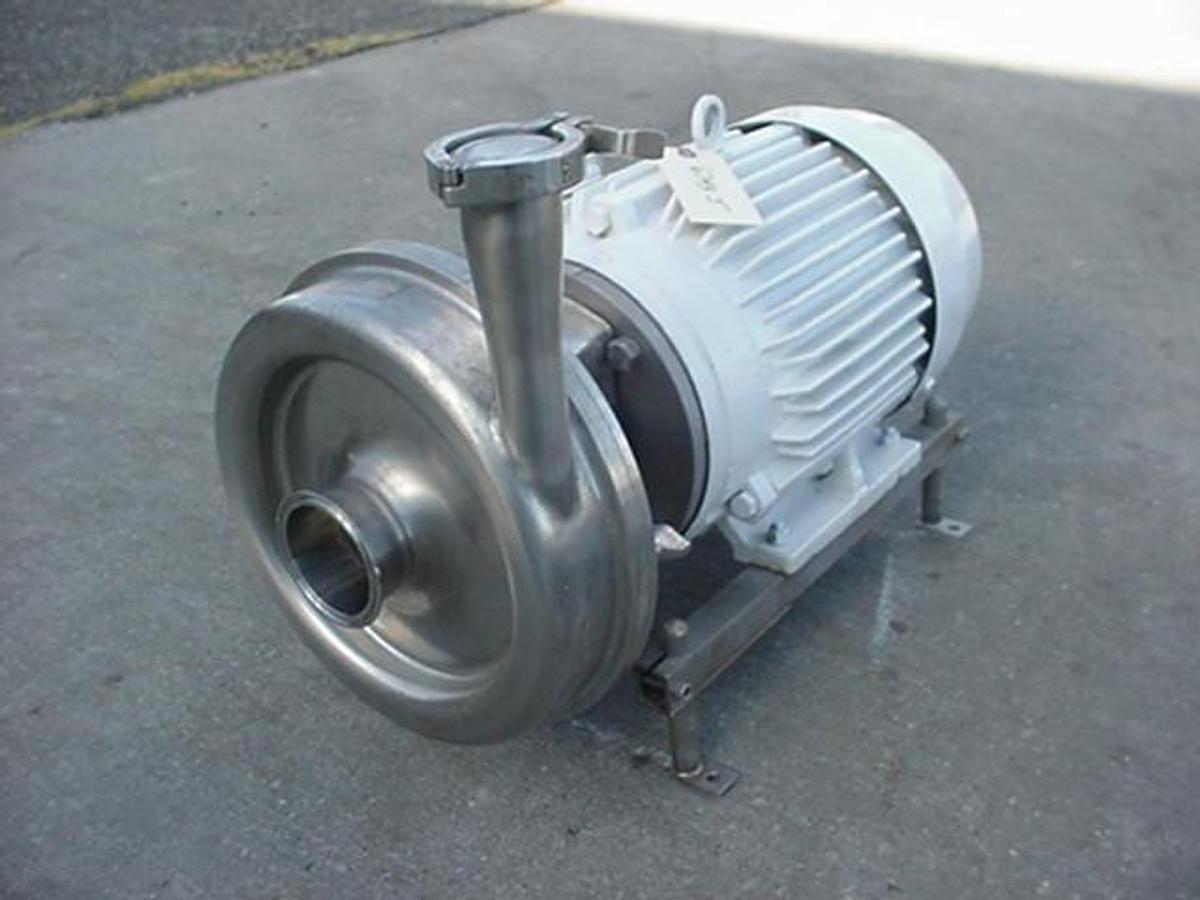
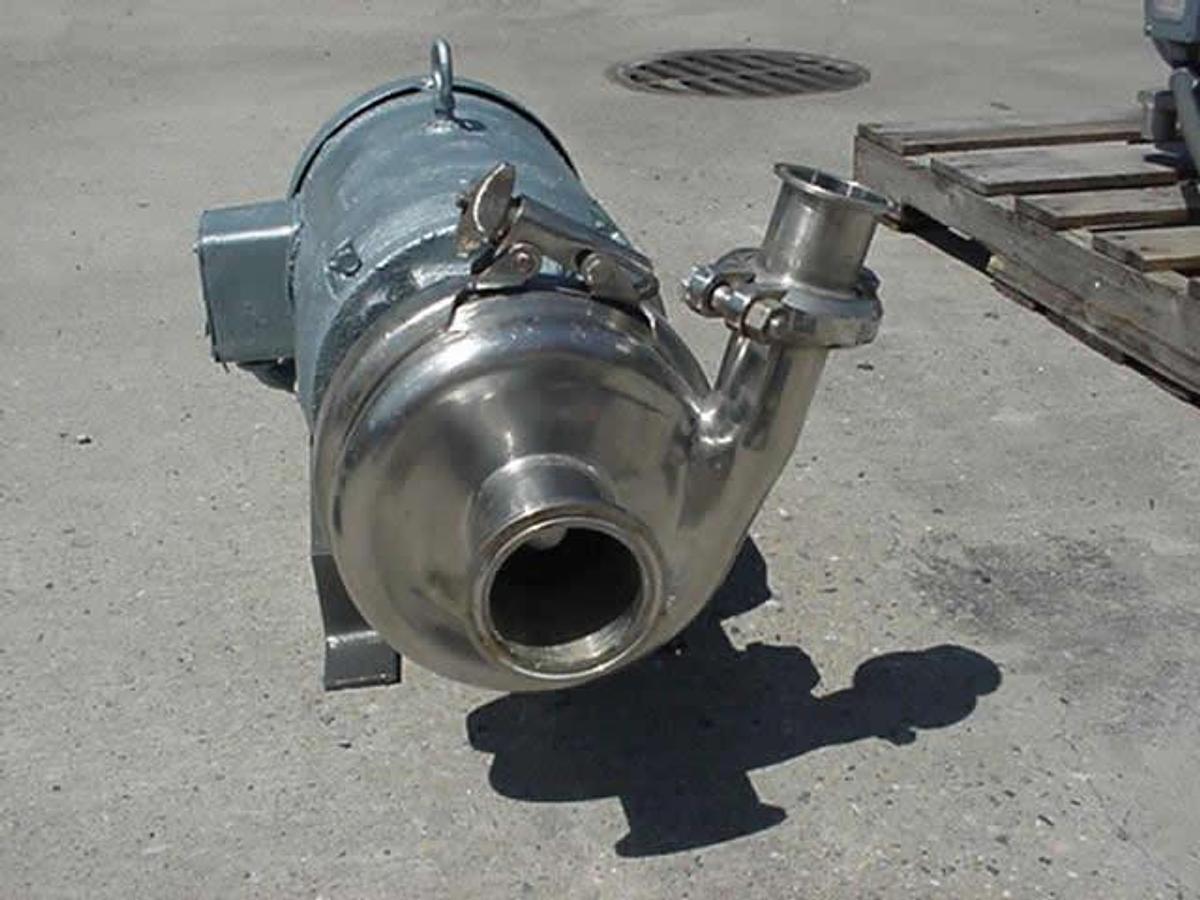
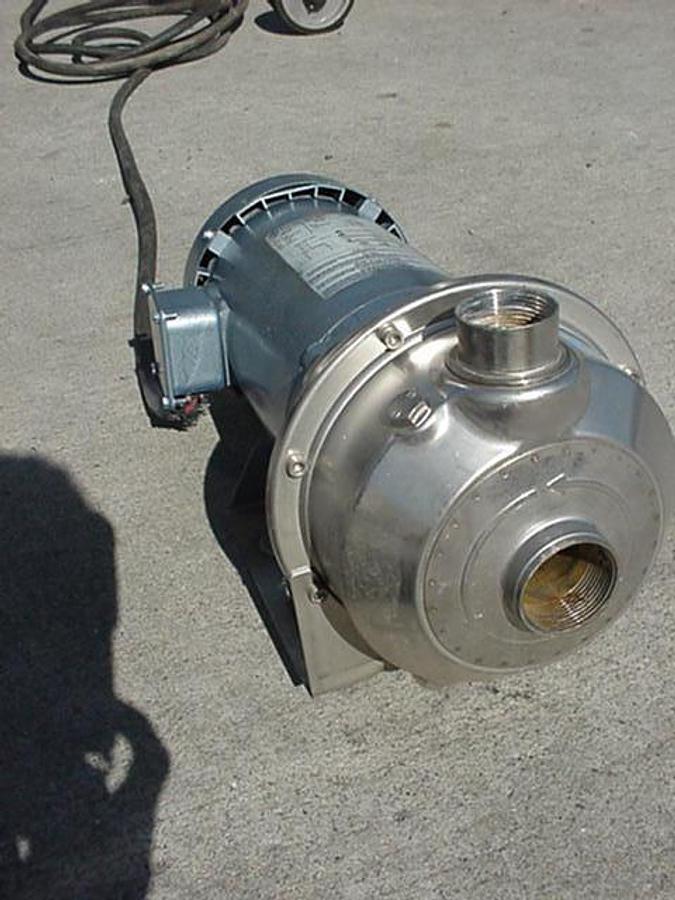
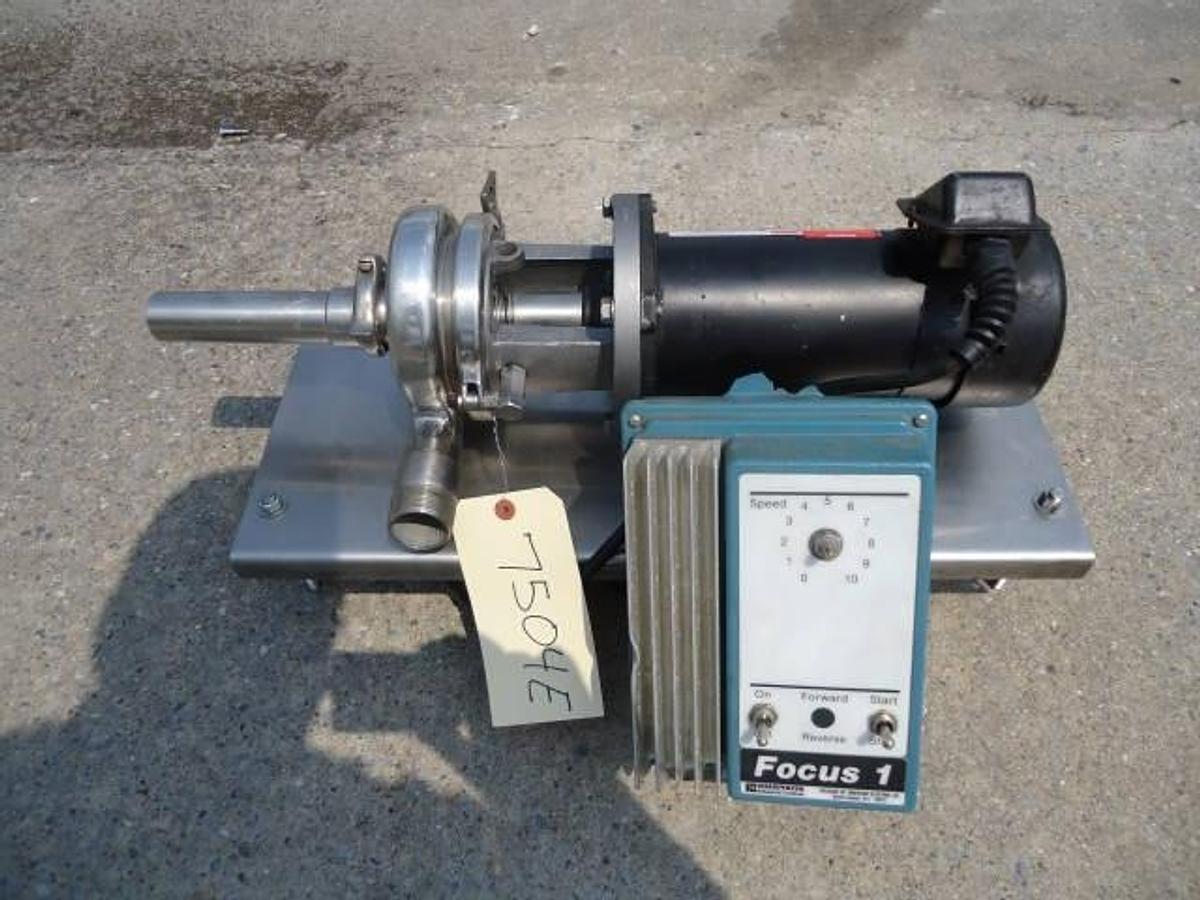
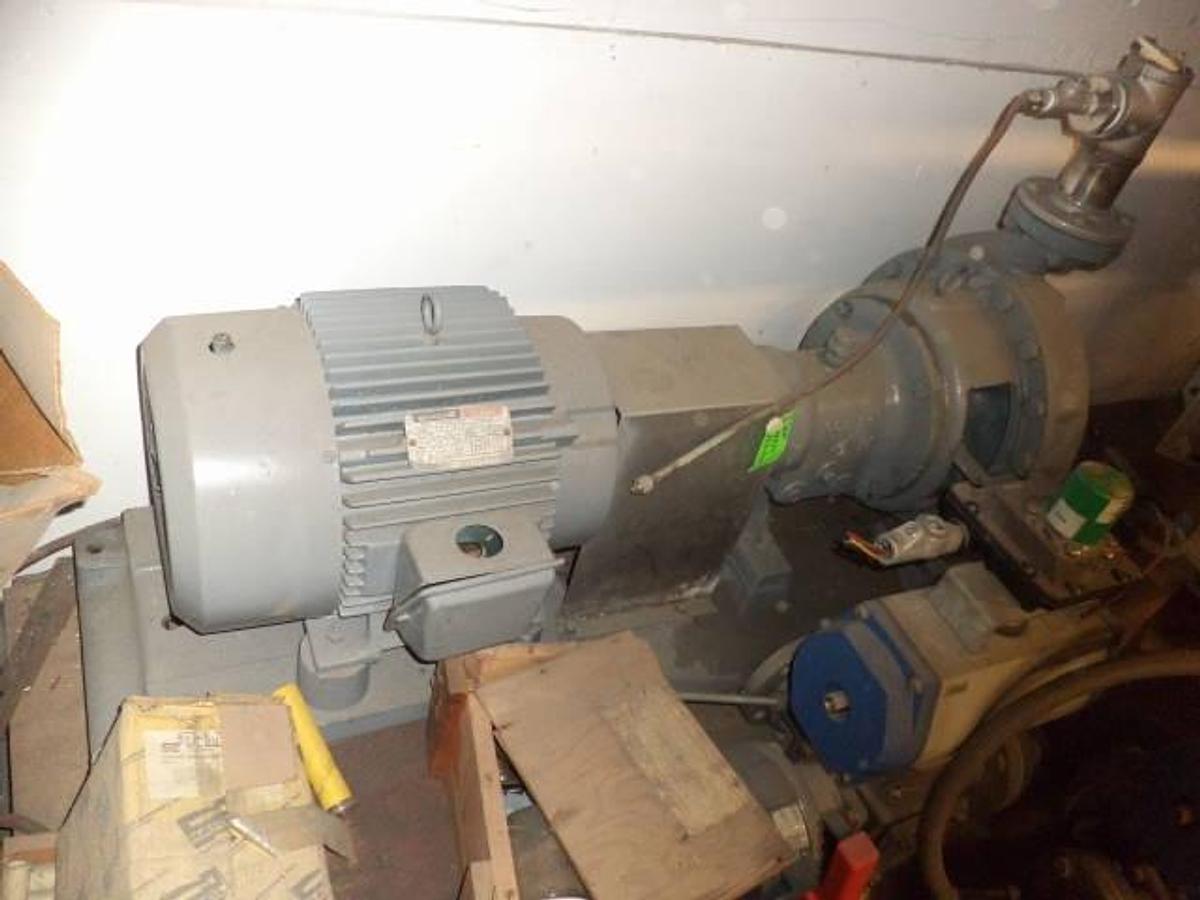
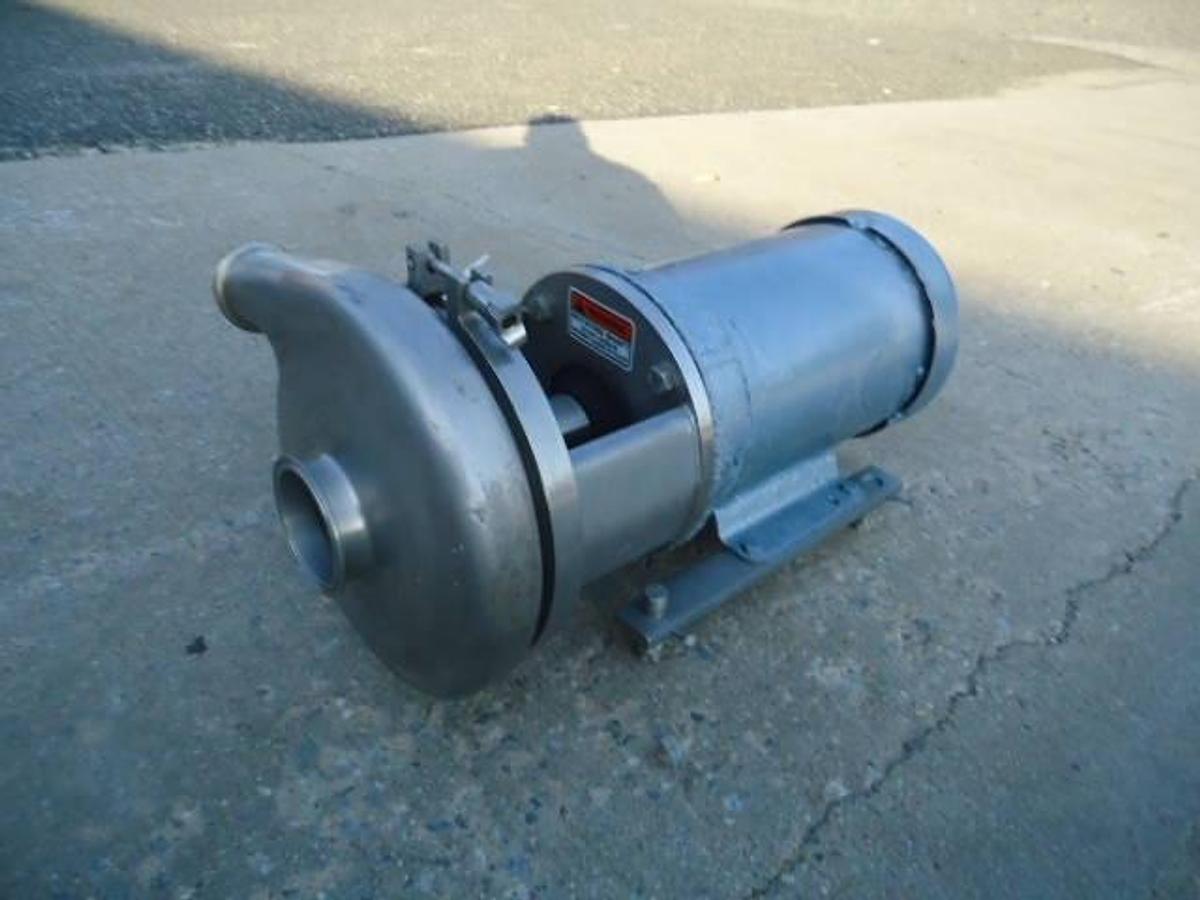
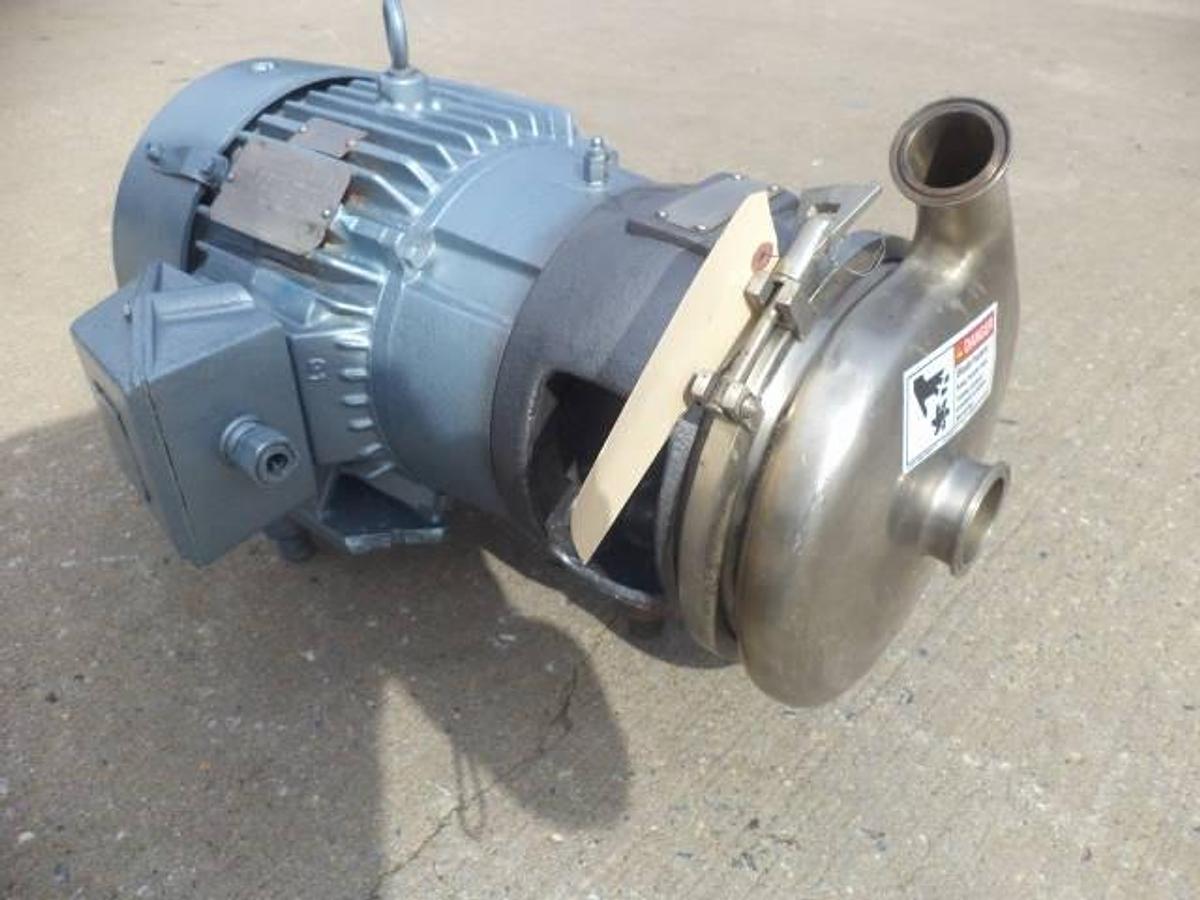
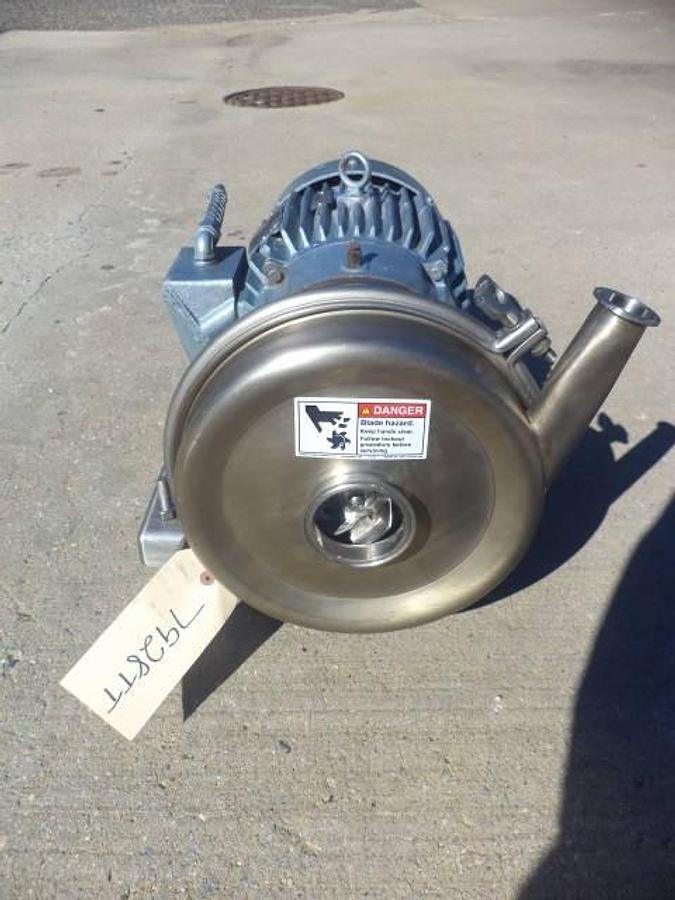
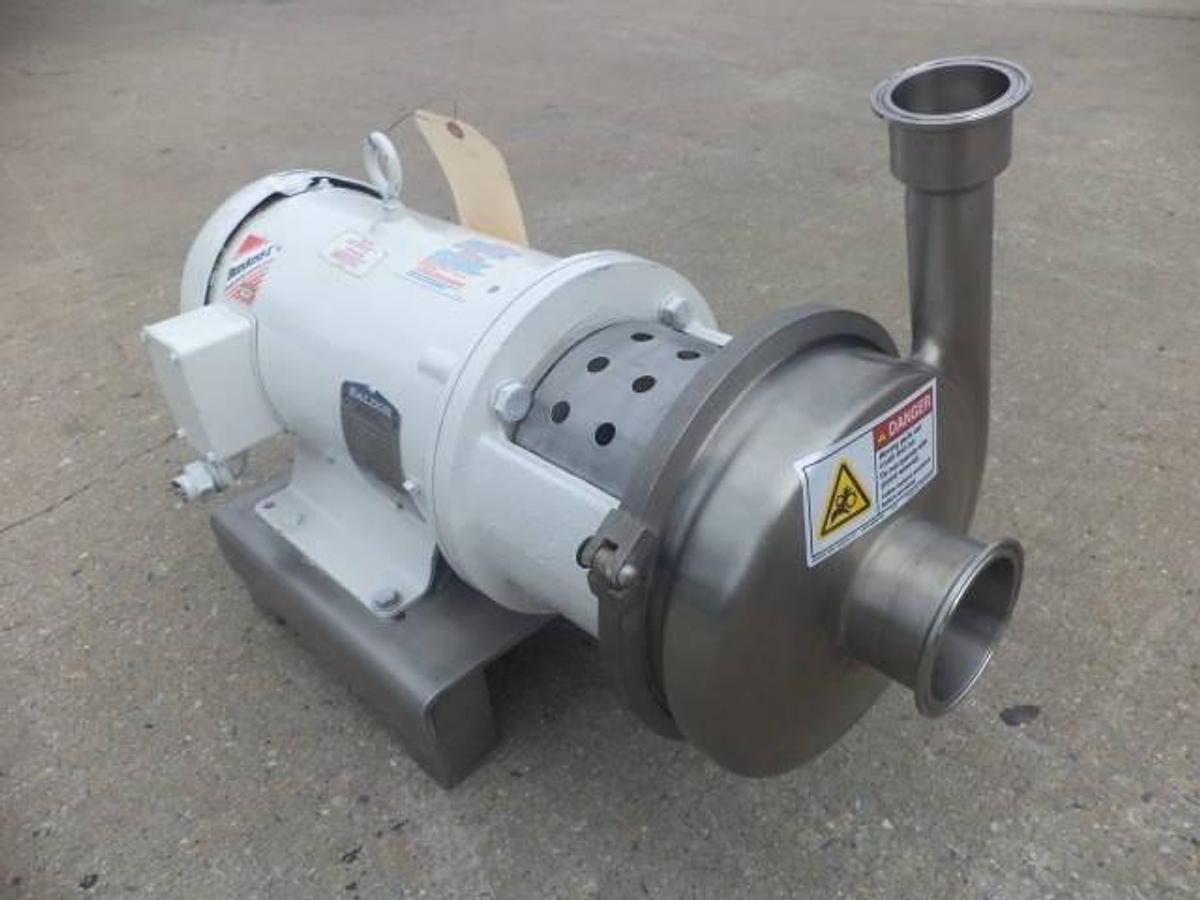
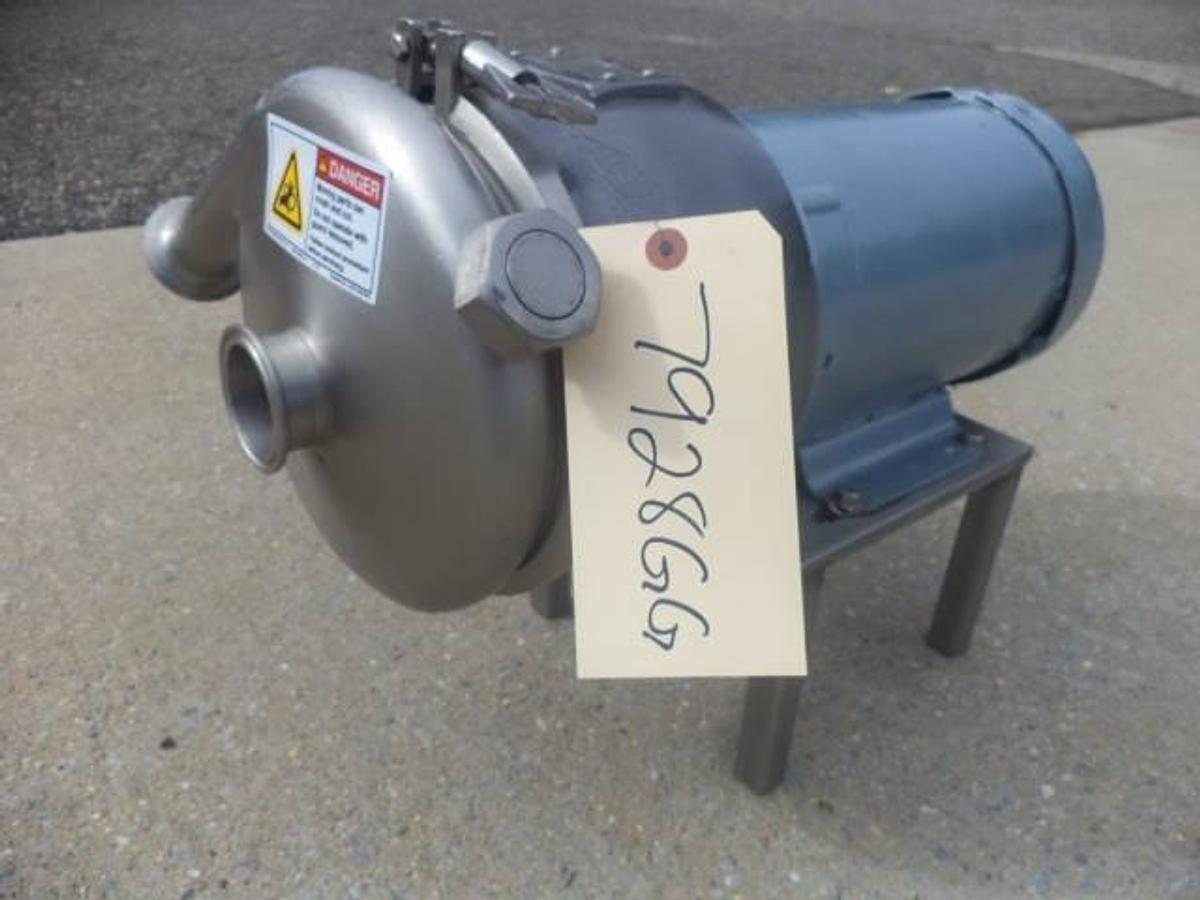
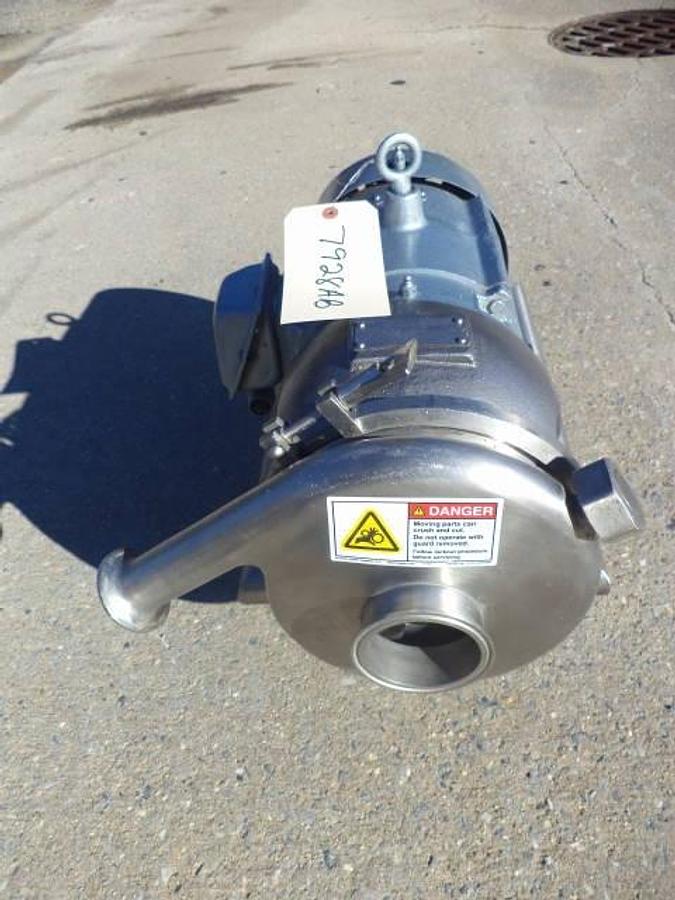
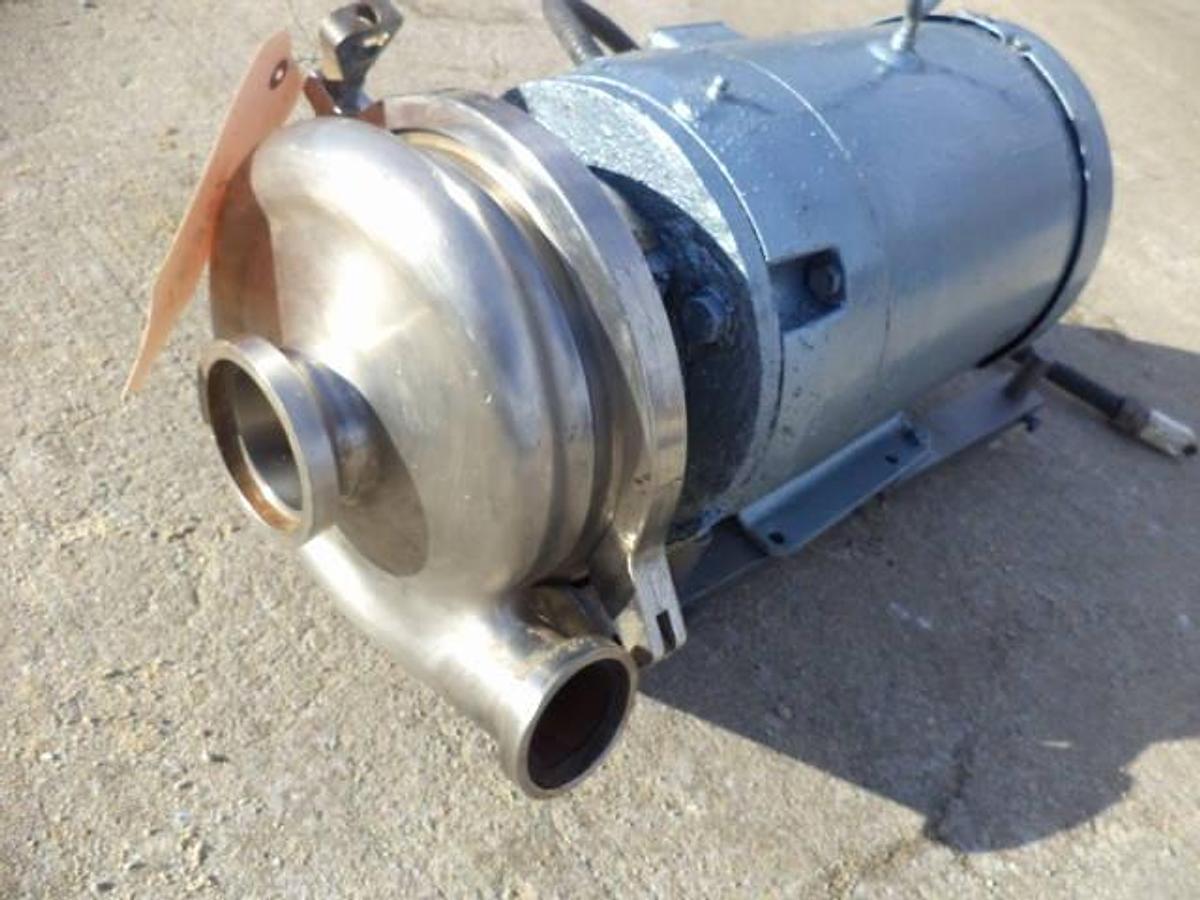
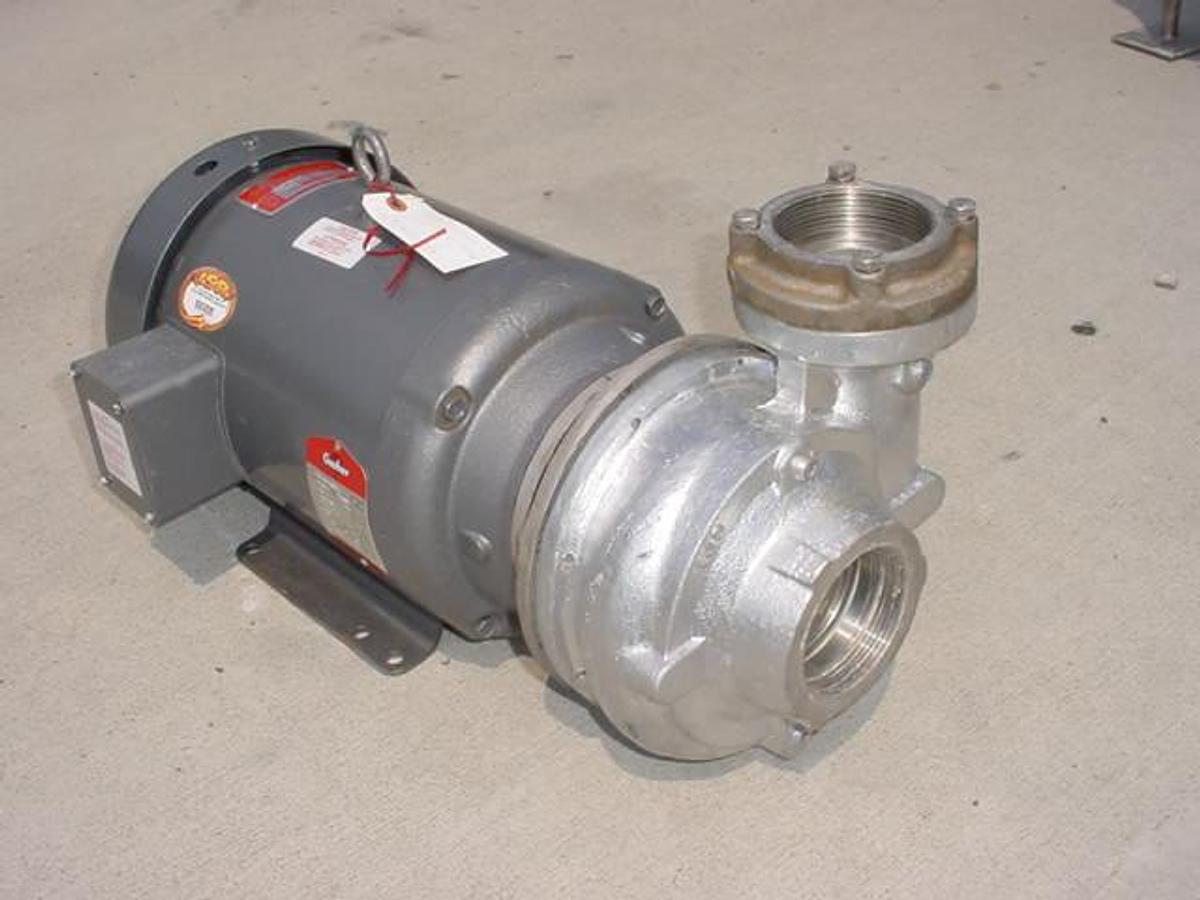
Centrifugal pumps are used to move non-viscous liquids. We are suppliers of used centrifugal pumps with a variety of traits such as sanitary centrifugal pumps, stainless steel centrifugal pumps, and portable centrifugal pumps. We stock used centrifugal pumps from brands such as TRI-CLOVER centrifugal pumps, CHERRY BURRELL, CREPACO, GOULDS, FRISTAM, APV, and WAUKESHA which are available for sale in a variety of sizes, capacities, and horsepower.
FAQ :
What should I look for when buying a used centrifugal pump?
The most important starting point is matching the pump's specifications to your application. Key figures to verify include flow rate (measured in GPM or LPM), total dynamic head (TDH), inlet and outlet diameter, motor horsepower, and voltage requirements. A pump that is close but not matched to your system curve will either underperform or wear out prematurely, so these numbers matter more than brand or cosmetic condition. Ask the seller for any available documentation, including maintenance records, operational hours, and impeller condition reports.
Beyond the specs, focus on the wear components. The mechanical seal, impeller, wear rings, bearings, and shaft sleeve are the parts most likely to need attention on a used machine. Inspect or request photos of these areas specifically. Stainless steel construction and sanitary fittings are critical for food, beverage, or pharmaceutical applications, so confirm the materials of construction match your regulatory requirements. Buying from a dealer who specializes in process equipment and can facilitate an in-person or video inspection gives you a much clearer picture of what you are actually getting.
What are the most common failure points in a used centrifugal pump?
Mechanical seals are by far the most frequent source of problems in a used centrifugal pump. They are subject to constant friction and heat, and once a seal begins to leak, it can quickly damage the shaft and bearings if not addressed. Impeller wear is the second major concern. An impeller that has been eroded by cavitation or abrasive fluids loses efficiency and flow capacity, sometimes significantly, without any obvious external sign of damage. Wear rings, which maintain the tight clearance between the impeller and casing, also degrade over time and reduce pump output.
Bearings and shaft sleeves round out the list of components that deserve close attention. Failed or pitted bearings produce vibration and noise that accelerates wear throughout the pump. Shaft sleeves, which protect the shaft from corrosion and erosion at the seal area, can be replaced relatively affordably, but their condition tells you a lot about how the pump was maintained. When evaluating a used centrifugal pump, ask specifically about each of these parts. A reputable dealer should be able to provide photos or video of the internal components, or at minimum describe their visible condition accurately.
What is the typical lifespan of a used centrifugal pump?
A well-maintained centrifugal pump from a quality manufacturer can last 15 to 25 years or more in service. Brands like Goulds, Fristam, Waukesha, APV, and Tri-Clover are known for durable construction, and many units available on the used market have significant service life remaining even after years of industrial use. The actual remaining lifespan of any specific used pump depends heavily on what fluid it handled, how hard it was run, and how consistently it was maintained. A pump that moved clean water in a light-duty application will be in far better shape than one that processed abrasive or corrosive fluids at maximum capacity.
The best way to estimate remaining life is to review the pump's history and inspect the wear components directly. Operational hours, seal replacement records, and bearing condition are the most telling indicators. Even a pump with high hours can be a sound purchase if the seals and impeller are in good shape and the casing shows no cracking or excessive corrosion. Conversely, a pump with relatively low hours that was poorly maintained or improperly stored may require significant rebuilding before it performs reliably. When in doubt, factor the cost of a seal kit or impeller replacement into your purchase decision.
Are used centrifugal pumps suitable for food-grade or sanitary applications?
Yes, but only specific types. Sanitary centrifugal pumps are purpose-built for food, beverage, dairy, and pharmaceutical applications. They feature smooth, crevice-free internal surfaces, tri-clamp or similar hygienic fittings, and stainless steel construction (typically 316L) that can withstand repeated CIP (clean-in-place) and SIP (steam-in-place) cycles. Used sanitary pumps from manufacturers like Fristam, Tri-Clover, Waukesha, Cherry Burrell, Crepaco, and APV are widely available and are a practical choice for processors who need sanitary-grade equipment without the cost of buying unused units.
The key due diligence step for sanitary applications is inspecting the internal wetted surfaces for pitting, scoring, or corrosion, since surface defects can harbor bacteria that cleaning cycles may not fully eliminate. Check that the pump head, impeller, and any seals or gaskets are intact and appropriate for your specific product and cleaning chemistry. Some used sanitary pumps are pulled directly from operating facilities and may still be in excellent condition, while others have been in storage for years. Confirm the materials of construction match your regulatory requirements, and consult with your sanitation team before putting a used pump into food-contact service.
What brands of used centrifugal pumps are considered most reliable?
Several manufacturers have built long-standing reputations for quality that holds up well in the used market. For sanitary and food-grade applications, Fristam, Tri-Clover, Waukesha, Cherry Burrell, Crepaco, and APV are among the most respected names. These brands are common in dairy, beverage, and pharmaceutical processing, and parts and service support tend to remain available for many years after manufacture. Alfa Laval's LKH series is another well-regarded option for high-efficiency sanitary pumping. For general industrial and water applications, Goulds (now part of Xylem) and Durco (Flowserve) have strong reputations for durability and broad parts availability.
Brand reputation matters for a practical reason beyond build quality: parts availability. When you purchase a used pump, you will eventually need replacement seals, impellers, or wear rings. Pumps from well-supported brands are far more likely to have those parts still in production or available through aftermarket suppliers. Before purchasing, it is worth contacting the manufacturer directly to confirm what level of support they offer for the specific model and age of the pump you are considering. Older or discontinued models from any brand may have limited parts availability, which is an important cost factor to weigh.
What specifications do I need to match when selecting a used centrifugal pump as a replacement?
Getting the specifications right is the single most critical step in selecting a replacement centrifugal pump. The four core parameters are flow rate (GPM or LPM), total dynamic head (TDH, measured in feet or meters), inlet and outlet connection sizes, and motor horsepower. Flow rate and TDH together define the pump's performance curve, and your replacement needs to meet or closely match those values at your system's operating point. Connection sizes matter for physical installation, and horsepower must be compatible with your available power supply and motor starter.
Beyond those basics, pay attention to voltage and phase requirements (single-phase vs. three-phase), the type of mechanical seal (single vs. double, and the seal material), impeller diameter, and the materials of construction for the wetted components. If you are replacing a pump in a regulated environment like food processing, the replacement must meet the same sanitary standards as the pump it replaces. Horsepower ranges in the used market vary widely, from fractional HP units under 1 HP up to 30 HP and beyond, so there is usually a used option that fits most standard applications. When in doubt, consult with a pump specialist or the equipment dealer to cross-reference performance curves.
How can I inspect a used centrifugal pump before buying it?
Reputable used equipment dealers typically offer several inspection options: in-person visits to their facility, live video calls, or recorded video walkthroughs of the machine. For pumps that are still installed and operating at a production facility, some dealers can arrange for the buyer to view the equipment running in place, which gives the clearest possible picture of its condition. For decommissioned equipment, a visual inspection of the casing, impeller, seal area, and motor is the next best option. The goal in any inspection is to get an accurate, unfiltered view of the machine's current state.
Know going in that most used equipment dealers do not have the infrastructure to run pumps under actual process conditions, since operating a pump with real product requires production permitting and facility setups that a resale operation does not typically maintain. What you can reasonably expect is a thorough visual inspection, rotation of the shaft by hand to check for bearing roughness, and clear photos or video of the internal wetted surfaces. Prepare a checklist before your inspection that covers the mechanical seal condition, impeller surface, casing interior, motor nameplate data, and any visible corrosion or damage. A dealer who is transparent and willing to show you everything is a strong sign of a trustworthy transaction.
Do used centrifugal pumps come with a warranty?
Warranties on used industrial equipment are handled very differently from purchases of unused machinery. Manufacturers typically only extend warranty coverage to the first purchaser of a new unit, and that coverage does not transfer to subsequent owners. As a result, used centrifugal pumps are almost universally sold on an as-is basis, meaning the buyer accepts the machine in its current condition without a formal performance guarantee from the seller.
This makes the inspection and due diligence process especially important. Buyers should select dealers with a long track record in the industry and a demonstrated specialty in the type of equipment they are selling, since reputation is the primary protection available in a used equipment transaction. It is also worth contacting the original manufacturer before purchasing to understand what service, parts, and technical support they can offer for the specific model and vintage of pump you are considering. Some manufacturers are very supportive of older equipment still in the field, while others have limited resources for discontinued models. Understanding that support landscape before you buy helps you make a more informed decision about total cost of ownership.
What industries commonly use centrifugal pumps, and does that affect what's available on the used market?
Centrifugal pumps are among the most widely used pieces of rotating equipment across virtually every process industry. Common applications include food and beverage processing, dairy production, pharmaceutical manufacturing, wastewater treatment, chemical processing, HVAC systems, agriculture, oil and gas, and mining. Because these industries run large equipment fleets and regularly upgrade or decommission machinery, a steady supply of used centrifugal pumps enters the resale market from plant closures, equipment upgrades, and process changes.
The industry of origin has a direct effect on what types of used pumps are available. Food and beverage operations generate a large supply of sanitary stainless steel pumps with tri-clamp connections, while chemical and industrial facilities produce more carbon steel or specialty alloy units built for aggressive fluids. Buyers in sanitary industries benefit from this because used sanitary pumps from reputable brands like Fristam, APV, Waukesha, and Crepaco are relatively plentiful, and the used market offers a practical way to source quality equipment at a fraction of the cost of unused units. Matching the pump's previous service history to your intended application is always a smart practice.
What are the shipping and handling considerations when buying a used centrifugal pump?
Centrifugal pumps range considerably in size and weight, from small fractional-horsepower sanitary units that can ship on a standard pallet to large industrial pumps that require custom crating and heavy-duty rigging. Proper packaging is essential to prevent damage in transit, particularly to the motor, seal housing, and impeller. Sellers typically offer different levels of packaging, from basic palletization to full wood crating with foam or blocking, and the cost varies accordingly. Buyers should ask specifically what packaging method will be used and whether the pump will be drained and dried before shipment to prevent corrosion or freeze damage.
For larger pumps, loading and unloading may require a forklift or crane, and rigging costs are typically an added expense beyond the base shipping charge. It is important to understand the full landed cost of the equipment before committing to a purchase, which means getting a clear breakdown of the pump price, packaging, freight, and any rigging fees at both the origin and destination. Buyers should also confirm whether liftgate service is needed at the delivery address if a loading dock is not available. Asking these questions upfront avoids surprises and helps you accurately compare the total cost of different equipment options.