Category
Subcategory
Manufacturer
Model
Pumps-positive displacement
Waukesha Positive Displacement Pumps & Other Brands
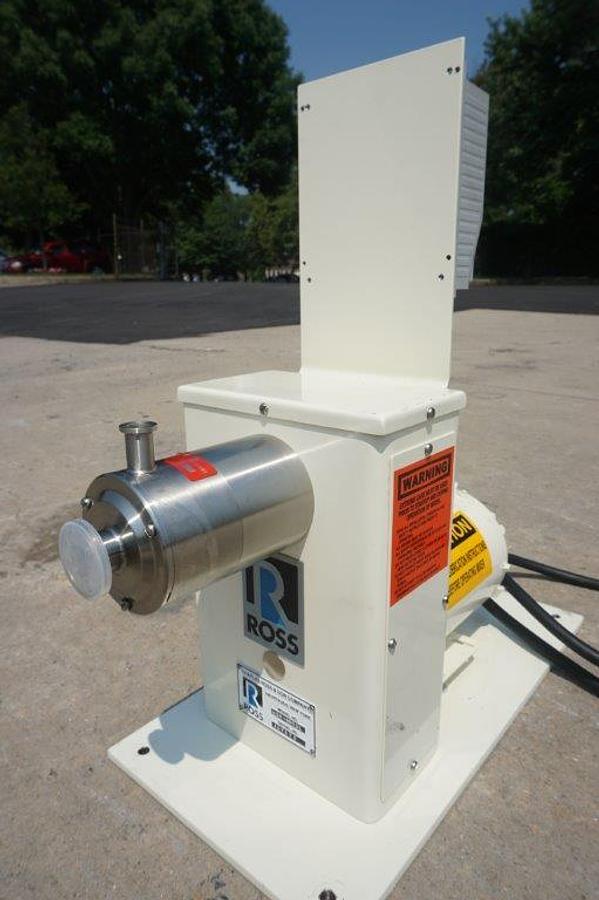
Positive Displacement pumps are used to move fluids more viscous than water. There are multiples types of positive displacement pumps including progressive cavity pumps, gear pumps, and lobe pumps. We are suppliers of used positive displacement pumps with traits such as sanitary positive displacement pumps and stainless steel positive displacement pumps. Our inventory includes used WAUKESHA positive displacement pumps, MOYNO pumps, and ROBBINS & MYERS pumps as well as other brands in a variety of capacities and horsepower.
FAQ :
What types of used positive displacement pumps are available on the market?
The used positive displacement pump market covers a wide range of pump types, each designed for specific fluid-handling applications. The most common types available include gear pumps, lobe pumps, progressive cavity pumps (also called screw pumps), diaphragm pumps, peristaltic pumps, and piston pumps. Within those categories, buyers will also find sanitary-grade and stainless steel variants built to meet food, beverage, and pharmaceutical hygiene standards. Jacketed pump models, which allow temperature-controlled fluid handling, are also frequently available on the used market from brands such as Waukesha, Moyno, Fristam, APV, Robbins and Myers, and Tri-Clover.
Each pump type suits a different set of conditions. Gear pumps and lobe pumps are popular for smooth, consistent flow of viscous fluids like syrups, oils, and creams. Progressive cavity pumps, such as those made by Moyno, handle chunky or abrasive materials well because of their open-throat and hopper-fed configurations. Lobe pumps from brands like Fristam are a staple in sanitary processing lines. Buyers shopping the used market will find models spanning a broad range of port sizes, horsepower ratings, and drive configurations, including variable speed drives, explosion-proof motors, and portable base-mounted units, giving them significant flexibility to match equipment to their process requirements.
What is a positive displacement pump and how does it work?
A positive displacement pump moves fluid by trapping a fixed volume of liquid within a pumping chamber and then mechanically forcing that volume through the discharge outlet. Unlike centrifugal pumps, which rely on rotational velocity to impart energy to a fluid, positive displacement pumps deliver a consistent volume of fluid per cycle or revolution regardless of the system pressure on the discharge side. This makes them particularly well-suited for high-viscosity fluids, precise metering applications, and situations where a steady, pulse-controlled flow is required.
Positive displacement pumps fall into two broad mechanical categories: rotary and reciprocating. Rotary types, which include gear, lobe, and progressive cavity pumps, use rotating elements to move fluid continuously through the pump body. Reciprocating types, such as piston and diaphragm pumps, use a back-and-forth motion to draw fluid in and push it out in alternating strokes. Rotary designs tend to produce smoother flow and are common in food processing and chemical transfer applications, while reciprocating designs are often preferred in high-pressure dosing and metering situations. Both categories are widely available on the used equipment market in a range of sizes and materials of construction.
What industries commonly buy used positive displacement pumps?
Positive displacement pumps serve a remarkably broad cross-section of industries, which is one reason the used market for them stays active. Food and beverage processing is one of the largest end markets, where sanitary stainless steel lobe pumps and progressive cavity pumps handle products like dairy, sauces, dough, and beverages. Pharmaceutical and nutraceutical manufacturers rely on these pumps for precise metering of active ingredients and for moving viscous compounds through production lines while maintaining strict hygiene standards. Chemical processing plants use them for transferring resins, adhesives, polymers, and other fluids that would be difficult to handle with centrifugal equipment.
Beyond those core industries, oil and gas operations use positive displacement pumps for crude transfer, injection, and lubrication systems. Wastewater treatment facilities depend on progressive cavity and diaphragm pumps to move sludge and slurries. Agricultural operations use them for fertilizer and pesticide transfer. Cosmetics manufacturers handle lotions and gels with gear and lobe pumps. Because the same pump model can often serve multiple industries depending on the material it is constructed from and the seal configuration used, used positive displacement pumps attract buyers from a wide variety of sectors looking to reduce capital equipment costs without sacrificing process performance.
What is the difference between a rotary and reciprocating positive displacement pump?
Rotary positive displacement pumps use continuously rotating elements, such as gears, lobes, screws, or vanes, to move fluid through the pump housing. As the rotating parts turn, they create expanding cavities on the inlet side that draw fluid in, then shrinking cavities on the discharge side that push the fluid out. The result is a relatively smooth, continuous flow with minimal pulsation. Gear pumps, lobe pumps, and progressive cavity pumps are all rotary types. These are the most common designs found on the used market for food, beverage, pharmaceutical, and chemical applications because they handle viscous fluids gently and are available in sanitary configurations.
Reciprocating positive displacement pumps, by contrast, use a piston, plunger, or diaphragm moving back and forth within a cylinder to alternately draw fluid in through an inlet check valve and push it out through a discharge check valve. This action produces a pulsating flow, which sometimes requires dampeners in the piping system. Reciprocating pumps tend to generate higher pressures than rotary types and are well-suited for metering precise volumes of fluid or handling high-pressure injection applications. Diaphragm pumps, a common reciprocating type, are valued for their ability to handle abrasive or chemically aggressive fluids since the diaphragm isolates the mechanical components from the process fluid. Both types are available on the used equipment market, and the right choice depends on the required pressure, flow rate, fluid viscosity, and the level of flow consistency the application demands.
What should I look for when evaluating a used positive displacement pump before buying?
Inspecting a used positive displacement pump carefully before purchasing is essential, since these machines are sold as-is and the responsibility for assessing condition falls on the buyer. Start with the mechanical basics: examine the pump body, casing, and any visible seals or gaskets for signs of wear, corrosion, cracking, or leakage. Check the condition of the rotor, stator, gears, or lobes depending on the pump type, as these are the primary wear components and can be expensive to replace. Look at the shaft and any shaft seals for signs of product leakage or scoring. If the pump has a motor and drive assembly, verify that the motor turns freely and that the variable speed drive or gearbox shows no obvious damage.
Beyond the physical inspection, ask the dealer for whatever documentation is available. Maintenance records, hours of operation, and any history of seal replacements or rotor changes give you a clearer picture of remaining service life. Reputable used equipment dealers will typically offer in-person inspections, video walkthroughs, or photographic documentation of the machine in its current state. Some pumps may still be installed at the production facility where they were used, allowing a buyer to see the equipment in its operational context. Keep in mind that most dealers do not have the permitting or production capabilities to run actual product through a pump during an inspection, so testing will generally be limited to confirming that the unit turns freely and shows no obvious mechanical defects. Consulting the pump manufacturer about parts availability and support for a specific model and age is also a smart step before committing to a purchase.
What maintenance history should I request before buying a used positive displacement pump?
Requesting as much documentation as possible before purchasing a used positive displacement pump is one of the most practical ways to protect yourself from unexpected repair costs after the sale. Ask the dealer or the previous owner for any available service records, including the dates and nature of any repairs performed. Specifically, try to find out when wear components such as seals, gaskets, rotors, stators, and gears were last replaced, since these parts have finite service lives and their condition directly affects how soon you will need to invest in rebuilding the pump after you take ownership. Records showing regular preventive maintenance, such as lubrication schedules and seal inspections, are a positive sign that the equipment was properly cared for.
If formal records are not available, which is common with older used equipment, ask the dealer what they know about the pump's history and whether it was decommissioned or pulled from active service. A pump that was running in production until recently is often in better condition than one that sat idle for years, as extended storage can cause seals to dry out and internal components to corrode. Also ask about the type of fluid the pump was handling, since abrasive, acidic, or chemically aggressive products can accelerate internal wear in ways that are not always visible during a visual inspection. The more context you can gather about how the pump was used and maintained, the better positioned you will be to estimate its remaining service life and factor any likely reconditioning costs into your purchasing decision.
Are used positive displacement pumps covered by a warranty?
Warranties on used industrial equipment work very differently from what buyers might expect when purchasing from a manufacturer. Manufacturer warranties are typically tied to the sale of equipment directly from the manufacturer and do not transfer through the secondary market. Used equipment dealers generally sell machinery on an as-is basis, which means the buyer accepts the equipment in its current condition and takes on the responsibility of verifying that condition before the sale is finalized. This is standard practice in the used machinery industry and is why thorough pre-purchase inspection is so important.
Because of the as-is nature of these transactions, buyers should focus their due diligence on selecting reputable dealers with a long track record in the industry and on taking advantage of every inspection opportunity available, whether in person, via video call, or through detailed photo documentation provided by the dealer. It is also worth contacting the pump manufacturer directly to ask about the level of support, parts availability, and technical assistance you can expect for a specific model and production year, since older or discontinued models may have limited parts support. Choosing a dealer who specializes in the type of equipment you are purchasing, rather than a general liquidator, typically results in more accurate condition assessments and better information about the machine's history.
What are sanitary positive displacement pumps and when are they required?
Sanitary positive displacement pumps are specifically designed and constructed to meet the hygiene standards required in food, beverage, dairy, pharmaceutical, and personal care manufacturing. The defining characteristics of a sanitary pump include smooth, crevice-free internal surfaces that prevent bacteria and product residue from accumulating, tri-clamp or flanged port connections that allow for quick disassembly and cleaning, and construction materials, typically 316L stainless steel, that resist corrosion and can withstand the caustic cleaning agents used in clean-in-place (CIP) and steam-in-place (SIP) procedures. Seals and gaskets in sanitary pumps are made from food-grade elastomers such as EPDM or PTFE.
These pumps are required any time a production process is subject to regulatory oversight from bodies like the FDA, USDA, or 3-A Sanitary Standards, Inc. They are standard equipment in dairy processing lines, beverage filling operations, pharmaceutical manufacturing, and cosmetics production. On the used market, sanitary positive displacement pumps from brands like Waukesha, Fristam, Moyno, and Tri-Clover are widely available in a range of sizes and port configurations, including tri-clamp and flanged connections. Buyers sourcing used sanitary pumps should pay particular attention to the condition of internal surfaces and seals during inspection, as pitting, scratching, or deteriorated elastomers can compromise both hygiene compliance and pump performance.
How does the shipping and delivery process work for used positive displacement pumps?
Shipping used industrial pumps requires more planning than standard freight because the equipment needs to be properly secured and protected to prevent damage in transit. Smaller, portable pump units may be palletized and shrink-wrapped, while larger or heavier pumps often require custom wooden crating to protect ports, motor housings, and other vulnerable components. The level of packaging required directly affects shipping costs, so buyers should ask the dealer for a clear breakdown of palletization or crating charges before finalizing a purchase. Freight costs will also vary based on the pump's weight, dimensions, and the distance between the dealer's location and the buyer's facility.
For particularly large or heavy pump assemblies, specialized rigging equipment may be needed to safely load the unit onto a truck at the dealer's facility and to unload it upon delivery at the buyer's location. Rigging services carry additional costs that should be factored into the total landed price of the equipment. Buyers should request a full cost estimate from the dealer that covers packaging, rigging if applicable, freight, and any insurance on the shipment, so there are no surprises when the equipment arrives. Most used equipment dealers require full payment before the pump is released for shipping, though some may offer payment terms to established repeat customers. Clarifying all of these logistics details upfront helps ensure a smooth transaction from purchase through delivery.
How do I determine the right used positive displacement pump for my application?
Matching a used positive displacement pump to your application starts with defining a few key process parameters. Flow rate is the most fundamental, since positive displacement pumps deliver a fixed volume per revolution and the required capacity will determine what pump size you need. Pressure requirements matter as well, because the pump must be capable of overcoming the back-pressure in your piping system without exceeding its design limits. Fluid viscosity is another critical factor: positive displacement pumps are specifically suited for fluids more viscous than water, and different pump types handle different viscosity ranges. Progressive cavity pumps, for example, are well-suited for chunky or high-viscosity materials, while gear and lobe pumps are better for smooth, moderately viscous fluids like oils and syrups.
Beyond those core parameters, consider the nature of the fluid itself. Is it abrasive, corrosive, or shear-sensitive? Does it need to meet sanitary standards? The answers will guide you toward the appropriate materials of construction, seal types, and pump design. Port size and connection type, such as tri-clamp versus flanged, need to match your existing piping. Horsepower and drive configuration, including whether you need variable speed capability or an explosion-proof motor, are also important selection criteria. When evaluating used pumps, compare the specifications of available inventory against your process requirements carefully. If you are uncertain, consulting with a dealer who specializes in fluid handling equipment can help you narrow down the options from available inventory to the models most likely to perform reliably in your specific application.