Category
Subcategory
Manufacturer
Model
Granulators
High-Shear, Oscillating, Rotary, Fluid Bed
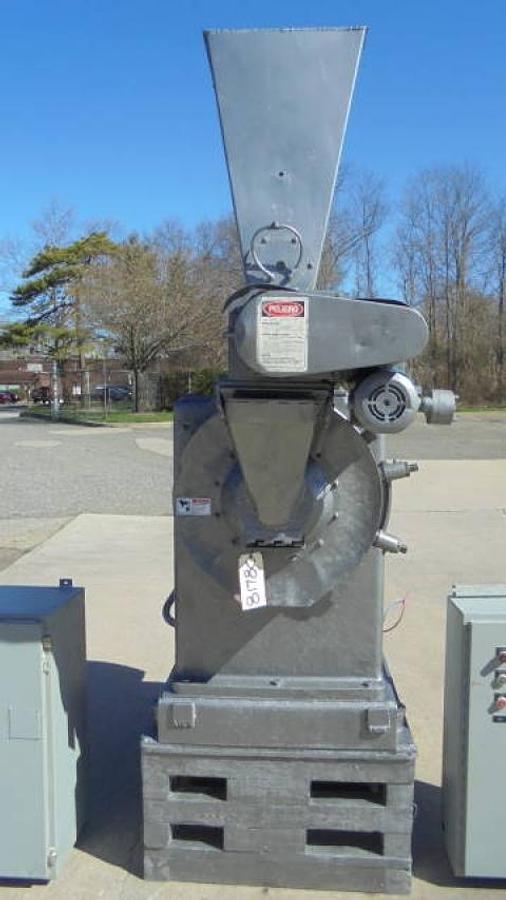
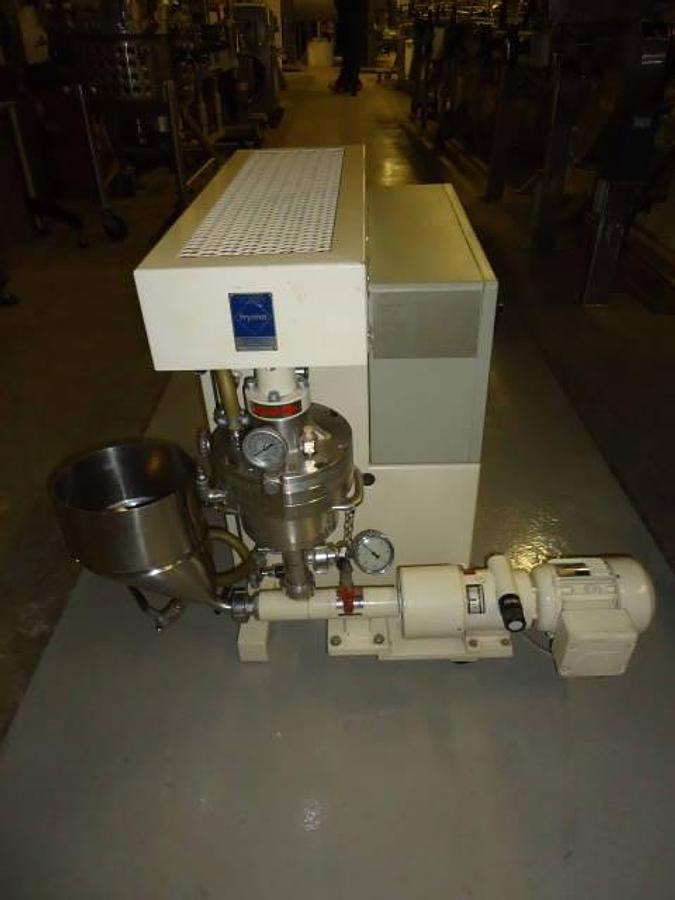
Granulation equipment is commonly used in the pharmaceutical industry to break down (granulate) particles or clumps. We can provide a variety of used granulators such as oscillating granulators, rotary granulators, high-shear granulators, and fluid bed granulators. Our inventory of used granulators includes the GLATT granulator and STOKES granulator.
FAQ :
What is a granulator and what is it used for?
A granulator is a machine designed to reduce materials into smaller, more uniform particles or granules. The process, called granulation, can involve cutting, shredding, or agitating a material until it reaches a target particle size. Depending on the design, granulators handle everything from hard plastics and rubber to pharmaceutical powders and food ingredients. The specific mechanism varies by machine type: oscillating granulators use a rotor with blades that push material through a screen, rotary granulators use a spinning drum or impeller, high-shear granulators combine mixing and granulation in a single vessel, and fluid bed granulators suspend particles in a stream of air while binding agents are sprayed in.
In pharmaceutical manufacturing, granulators are essential for improving powder flowability, compressibility, and content uniformity before tablet compression. In plastics processing and recycling, granulators reduce scrap, runners, and rejected parts back into regrind material that can be reintroduced into production. Food processors use granulators to produce consistent particle sizes in seasonings, sugars, and other dry ingredients. Rubber and woodworking industries rely on them for size reduction of offcuts and scrap. Because granulation is a core step in so many production processes, these machines appear across a wide range of manufacturing environments, and the used market offers access to well-established models from brands like Colton, Stokes, Glatt, Diosna, and Frewitt at a fraction of the cost of purchasing comparable equipment through other channels.
What types of granulators are available on the used market?
The used granulator market covers several distinct machine categories, each suited to different materials and production requirements. Oscillating granulators are among the most common in pharmaceutical applications, using an oscillating rotor to push material through a perforated screen. The Colton 540, 542, and 544 models and the Stokes 43-6 are frequently available used and are well-regarded in the pharmaceutical and nutraceutical industries. Rotary granulators, such as the Stokes 43A, use a rotating mechanism and are also common in pharma settings. High-shear granulators, like the Diosna P 250-A and the Sams Techno Mech 150-liter mixer/granulator, combine wet mixing and granulation in one vessel, which is particularly valuable for producing dense, uniform granules for tablet manufacturing.
Fluid bed granulators, associated with brands like Glatt, represent a different approach where particles are granulated and dried simultaneously in a suspended air stream, making them popular in pharmaceutical and food applications where moisture control is critical. Beyond pharma-focused machines, the used market also includes general-purpose granulators for plastics, rubber, and food processing, including pellet mills and grinding mills. Buyers should clarify whether the machine they are evaluating is designed for dry or wet granulation, as the two processes require fundamentally different equipment. Matching the machine type to the specific application and material is the most important step before evaluating any individual listing.
What should I look for when buying a used granulator?
The condition of the cutting rotor, blades, and screen is the most critical starting point when evaluating a used granulator. Dull, chipped, or improperly aligned blades reduce output quality, increase energy consumption, and can cause uneven particle size distribution. Ask whether the blades have been resharpened and how recently, and request photos or video of the cutting chamber interior. The screen should be inspected for holes, warping, or excessive wear, since a damaged screen directly affects particle size control. Beyond the cutting components, check the motor for signs of overheating or unusual noise, inspect the drive belts or gears for wear, and look at the frame and housing for cracks, corrosion, or evidence of poor maintenance.
Hours of operation and maintenance history are the most reliable indicators of remaining useful life, so request any available service records. Find out whether the machine was used in continuous production or intermittently, since high-cycle pharmaceutical environments can wear components faster than lower-volume operations. Construction material matters as well: stainless steel construction is required for pharmaceutical, food, and sanitary applications, so confirm that all product-contact surfaces meet the standards your process requires. Finally, ask about the availability of spare parts for that specific model and manufacturer, since older or discontinued machines can be difficult and expensive to maintain. Consulting the equipment manufacturer directly about parts availability and technical support for a given model and age is a worthwhile step before committing to a purchase.
What are the most reputable brands of granulators to look for on the used market?
In pharmaceutical granulation, Glatt, Stokes, Colton, Diosna, Frewitt, and Erweka have long track records and are commonly found in used inventories. Glatt is particularly well-known for fluid bed granulation systems, while Stokes and Colton oscillating granulators have been workhorses in tablet manufacturing for decades. The Stokes 43-6 and the Colton 540 and 542 series, for example, appear regularly in used pharmaceutical equipment listings and have a reputation for durability and straightforward maintenance. Diosna high-shear mixer/granulators are respected for their build quality and are used in both pharmaceutical and food applications. Frewitt granulating machines are known for precision in particle size control.
For plastics and industrial granulation, brands like Rapid, Conair, Cumberland, Herbold, Zerma, and Vecoplan carry strong reputations and tend to have good parts availability and resale value. When evaluating any used granulator brand, it is worth contacting the manufacturer directly to confirm whether technical support, spare parts, and documentation are still available for the specific model and age of the machine being considered. Older models from reputable brands can still be excellent investments if parts are accessible, but a discontinued model with no manufacturer support can become a maintenance challenge over time. Choosing a brand with an established service network is particularly important for buyers who do not have in-house mechanical expertise.
How do I inspect a used granulator before purchasing?
Reputable used equipment dealers typically offer buyers the option to inspect machines in person, via live video call, or through detailed video recordings of the equipment. An in-person inspection is the most thorough approach, allowing a buyer or their technician to physically examine the cutting chamber, rotor, screen, motor, drive components, and overall structural condition. In some cases, the machine may still be installed and operating at the seller's facility or at a plant where it was previously in production, which can allow observation of the equipment running under real conditions. When an in-person visit is not practical, a live video inspection with a knowledgeable dealer representative walking through the machine is a strong alternative.
It is important to understand that most used equipment dealers are not set up to run full production trials, since operating production equipment requires specific permitting and facility conditions that a dealer's warehouse typically does not have. The goal of an inspection is to get an accurate picture of the machine's mechanical condition, not necessarily to run product through it. Buyers should prepare a checklist before any inspection that covers blade and screen condition, motor function, drive belt or gear wear, frame integrity, cleanliness of product-contact surfaces, and the presence of any original documentation or manuals. If the machine is intended for pharmaceutical or food use, confirming that all product-contact surfaces are the correct material grade and that the machine can be cleaned to the required standard is essential. Engaging a qualified equipment technician to conduct or assist with the inspection is a sound investment, particularly for higher-value machines.
What industries commonly use granulators?
Pharmaceutical manufacturing is one of the largest users of granulation equipment. Granulation is a standard step in tablet and capsule production, where it improves powder flow, compressibility, and uniformity before compression or filling. High-shear, oscillating, rotary, and fluid bed granulators are all used at different stages of pharmaceutical processing, and the industry's strict cleanliness and material standards mean that stainless steel, sanitary-grade construction is a baseline requirement. Nutraceutical and dietary supplement manufacturers follow similar processes and use comparable equipment.
Beyond pharmaceuticals, plastics processing and recycling operations rely heavily on granulators to reduce scrap material, sprues, runners, and rejected parts into regrind for reuse in production. Food manufacturers use granulators for particle size reduction of dry ingredients like sugar, salt, spices, and starches. Rubber processing facilities granulate scrap rubber for recycling or reuse. Chemical manufacturers use granulation to produce consistent particle sizes that affect solubility, flowability, and reactivity. Woodworking and biomass industries use granulators and related size-reduction equipment to process offcuts, chips, and agricultural waste. The wide range of industries that depend on granulation equipment means the used market reflects a similarly broad variety of machine types, sizes, and configurations, from small tabletop lab units to large-capacity production machines rated for hundreds of kilograms per hour.
How do I determine the right granulator size for my production needs?
Throughput capacity, expressed in kilograms per hour or pounds per hour, is the primary sizing metric for granulators. To select the right machine, start by calculating your required hourly output based on your production schedule and batch sizes. Keep in mind that rated capacity figures are often based on ideal conditions, so building in a reasonable buffer above your minimum requirement is a practical approach. For pharmaceutical applications, batch size is also a key consideration: a 250-liter high-shear granulator like the Diosna P 250-A is suited to large-scale production batches, while a tabletop oscillating granulator from Erweka is appropriate for lab-scale or small-batch work.
Beyond throughput, rotor diameter and cutting chamber dimensions determine the maximum particle or piece size the machine can accept and the output particle size range it can achieve. Motor horsepower is an indicator of the machine's ability to handle harder or denser materials. Screen aperture size controls output particle size, and most machines accept interchangeable screens, so confirming screen availability for a given machine is worth checking. For plastics granulators, the size of the cutting chamber relative to the largest part being granulated is a practical constraint. Consulting with an experienced equipment dealer who specializes in your industry can help match a specific used machine to your production parameters, since they can draw on knowledge of how similar machines have performed in comparable applications.
Are replacement parts readily available for used granulators?
Parts availability varies significantly depending on the brand, model, and age of the machine. For well-established brands with long production histories, such as Stokes, Colton, Glatt, and Diosna in pharmaceutical applications, or Rapid, Conair, and Cumberland in plastics, replacement parts are generally more accessible than for obscure or discontinued models. Rotor blades and screens are the most frequently replaced components and are often available from the original manufacturer, third-party suppliers, or specialized rebuilders even for older machines. Contacting the manufacturer directly before purchasing a used granulator is a practical step to confirm what level of support they can offer for a specific model and production year.
For older machines where manufacturer support has been discontinued, the aftermarket parts supply becomes the primary resource. Some dealers and rebuilders stock common wear parts for popular models, and machining replacement parts to specification is an option for simpler components like screens. The more complex the machine, the more critical it is to verify parts availability before purchase, since a machine that cannot be maintained economically loses its value quickly. Buyers should ask the selling dealer whether any spare parts are included with the machine, since sellers often have accumulated spare screens, blades, or other components that can be transferred with the equipment. Factoring the expected cost and availability of consumable parts into the total cost of ownership is an important part of evaluating any used granulator purchase.
What does the shipping and delivery process look like for a used granulator?
Shipping a used granulator involves more preparation and coordination than standard freight, particularly for larger production machines. The equipment needs to be properly cleaned, disassembled where necessary, and packaged to prevent damage during transit. Smaller benchtop or portable units like the Stokes 43-6 portable oscillating granulator can typically be palletized and shipped via standard freight carriers with appropriate blocking and bracing. Larger machines, such as 250-liter high-shear granulators or fluid bed systems, may require custom crating and heavy-duty rigging for safe loading and unloading. Rigging costs, which cover the equipment and labor needed to move and load large machines, are typically an additional charge beyond standard freight.
Buyers should request a detailed breakdown of all shipping-related costs from the dealer before finalizing a purchase, including packaging, crating, rigging, freight, and any required permits for oversized loads. The total landed cost, meaning the full cost to get the machine to your facility and off the truck, can differ substantially from the listed equipment price alone. It is also worth discussing unloading requirements with the dealer in advance, since some buyers may need to arrange their own forklift or crane service at the receiving end. International shipments add additional considerations around customs documentation, import duties, and compliance with destination country equipment standards. Getting clarity on all of these logistics before the transaction is finalized helps avoid unexpected costs and delays.
What payment terms do used granulator dealers typically offer?
Most used equipment dealers require full payment before a machine is released for shipping. This is standard practice in the used machinery industry and reflects the nature of selling pre-owned equipment where the dealer has already committed capital to acquiring and holding inventory. Payment is typically accepted by wire transfer, and some dealers may accept other methods depending on transaction size and the buyer's relationship with the dealer. Buyers who have an established purchasing history with a dealer may occasionally be able to negotiate extended terms, but this is the exception rather than the rule for first-time transactions.
For buyers who need financing, third-party equipment financing companies specialize in used machinery loans and leases and can be an option worth exploring independently. Before arranging payment, buyers should confirm that the purchase agreement clearly specifies the machine's condition, any included accessories or spare parts, packaging and shipping arrangements, and the process for resolving any discrepancies between the machine as described and the machine as received. Thorough pre-purchase inspection, whether in person or via video, is the most effective way to ensure the buyer and seller have a shared understanding of the equipment's condition before money changes hands, since used equipment is generally sold as-is without the protections that come with purchasing through other channels.