Category
Manufacturer
Model
Screw Conveyors
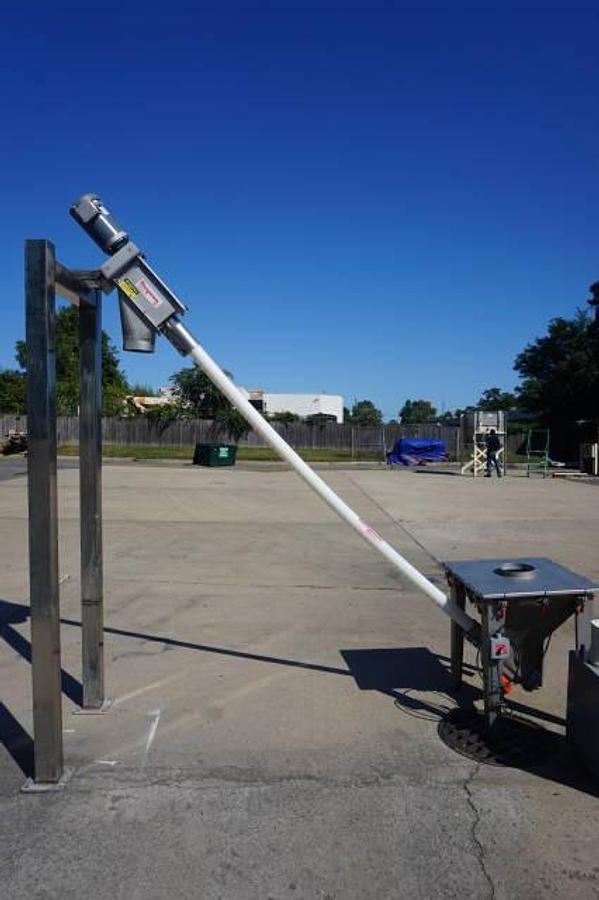
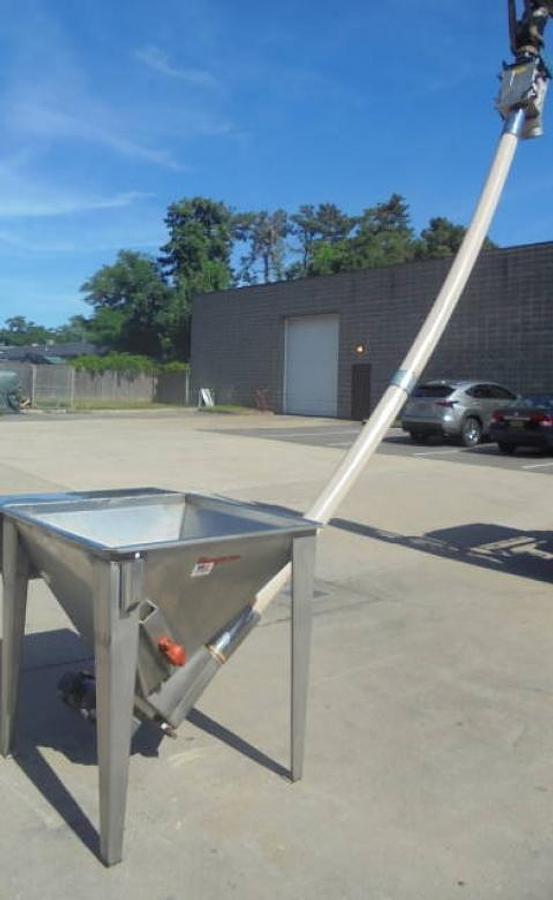
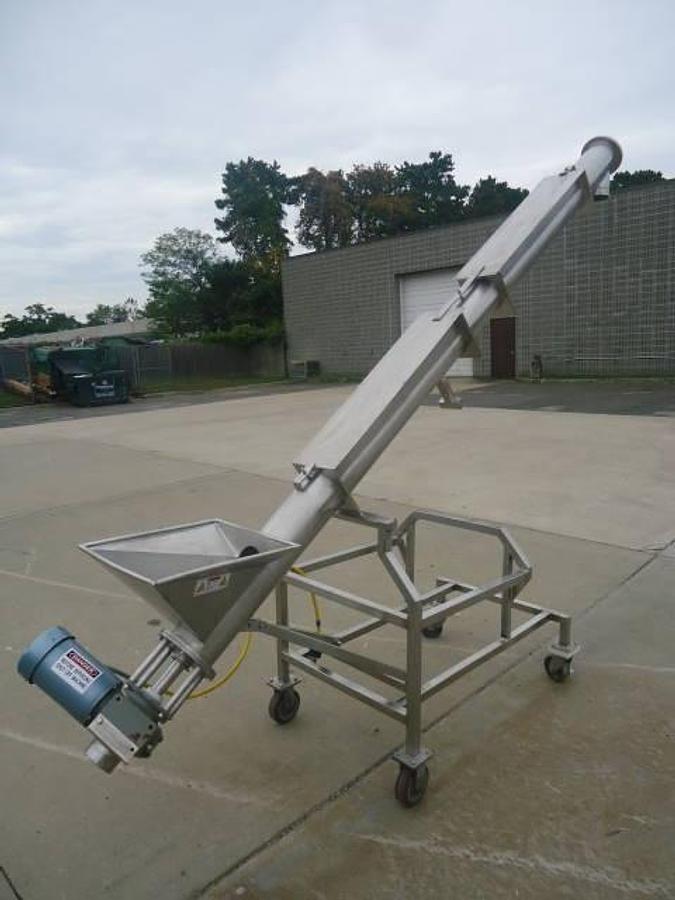
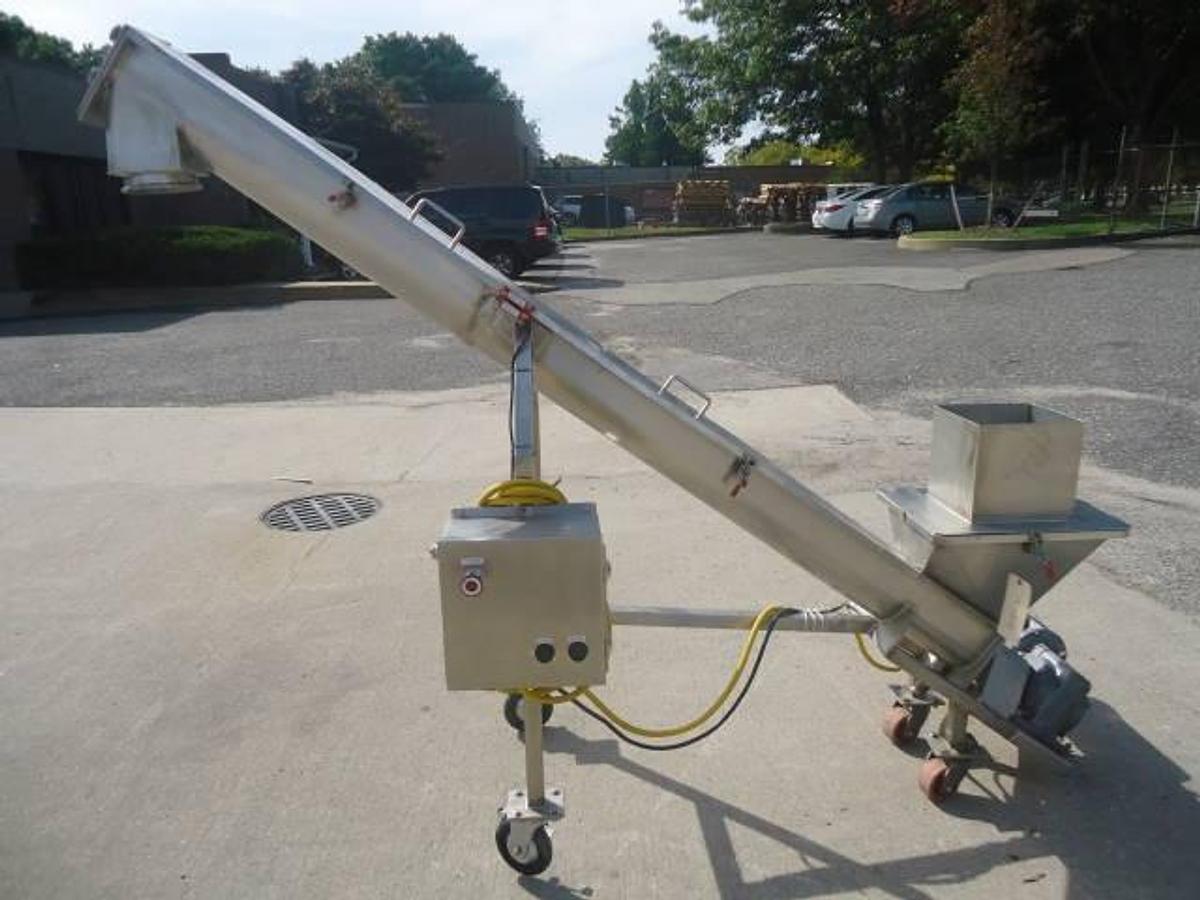
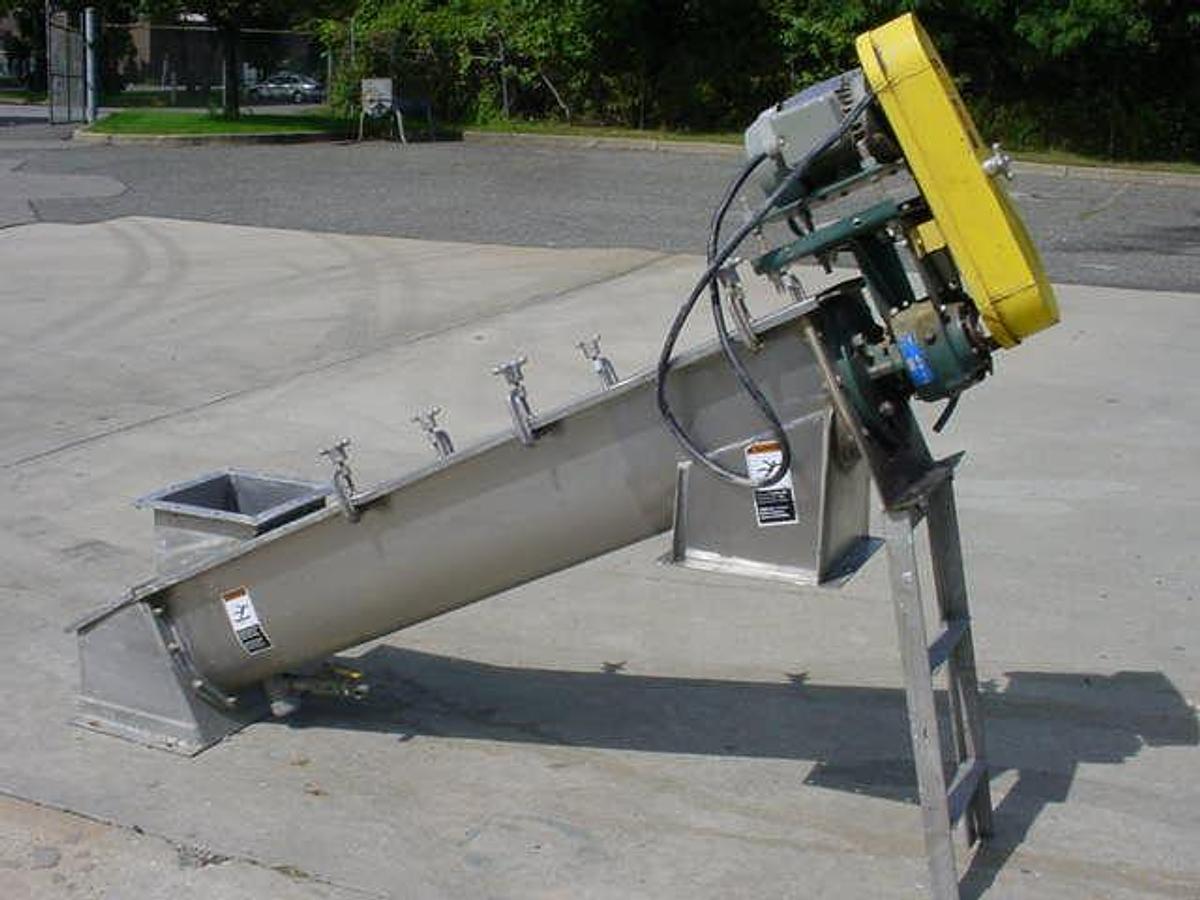
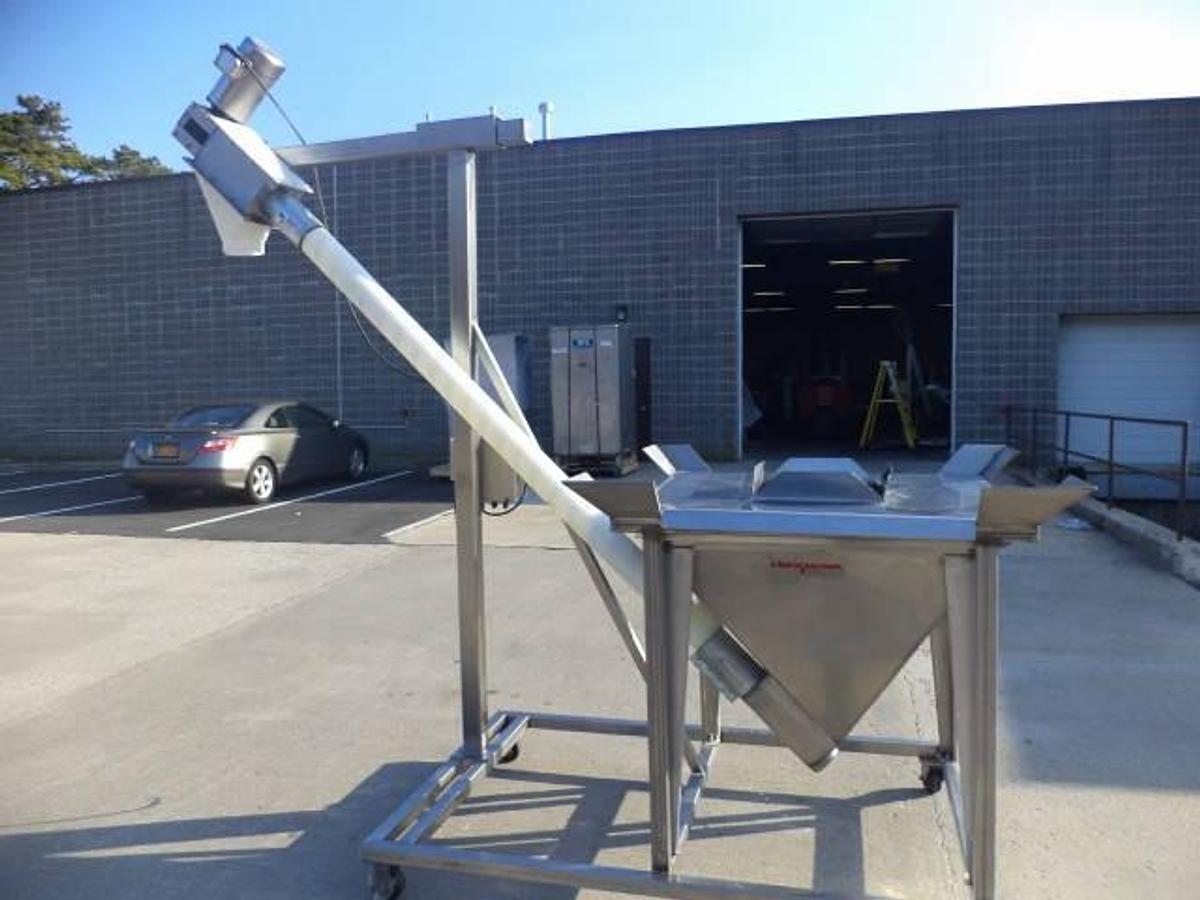
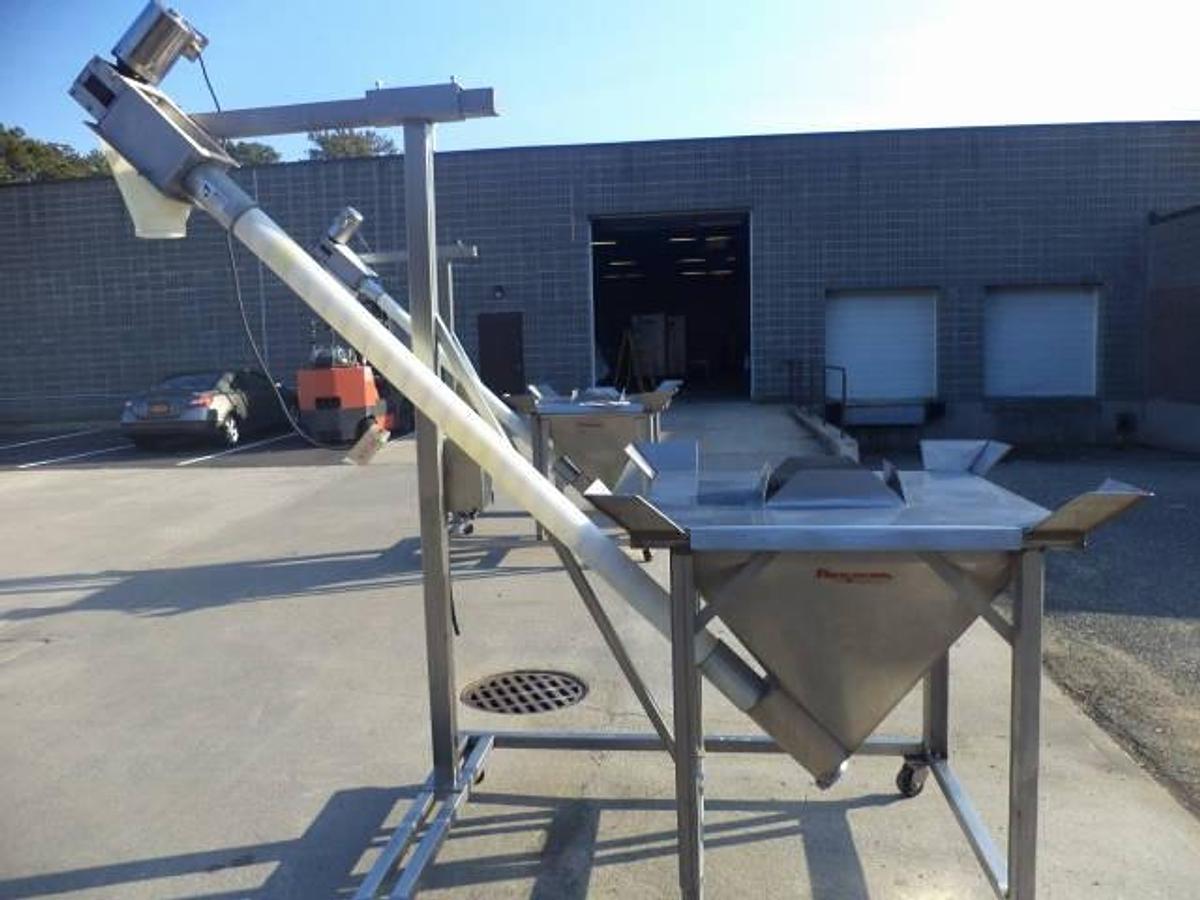
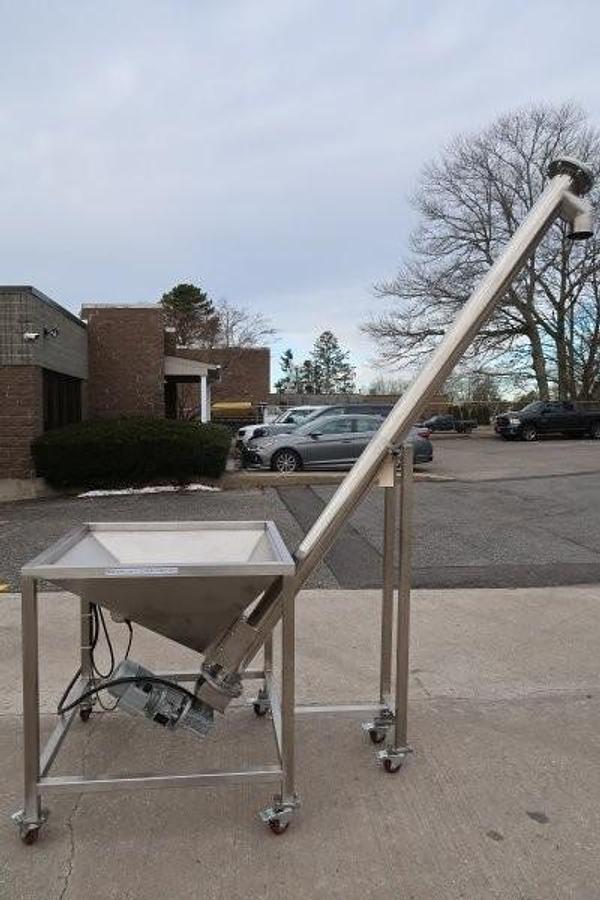
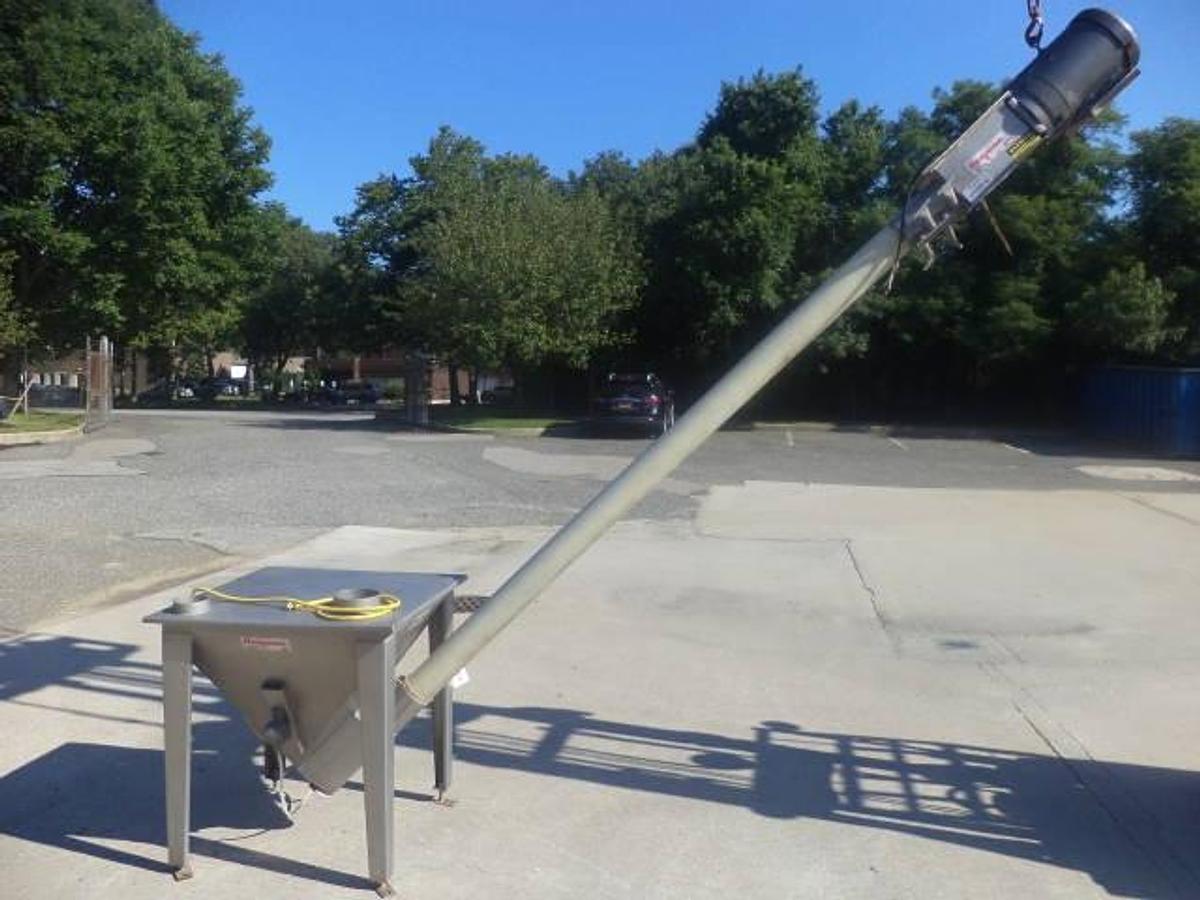
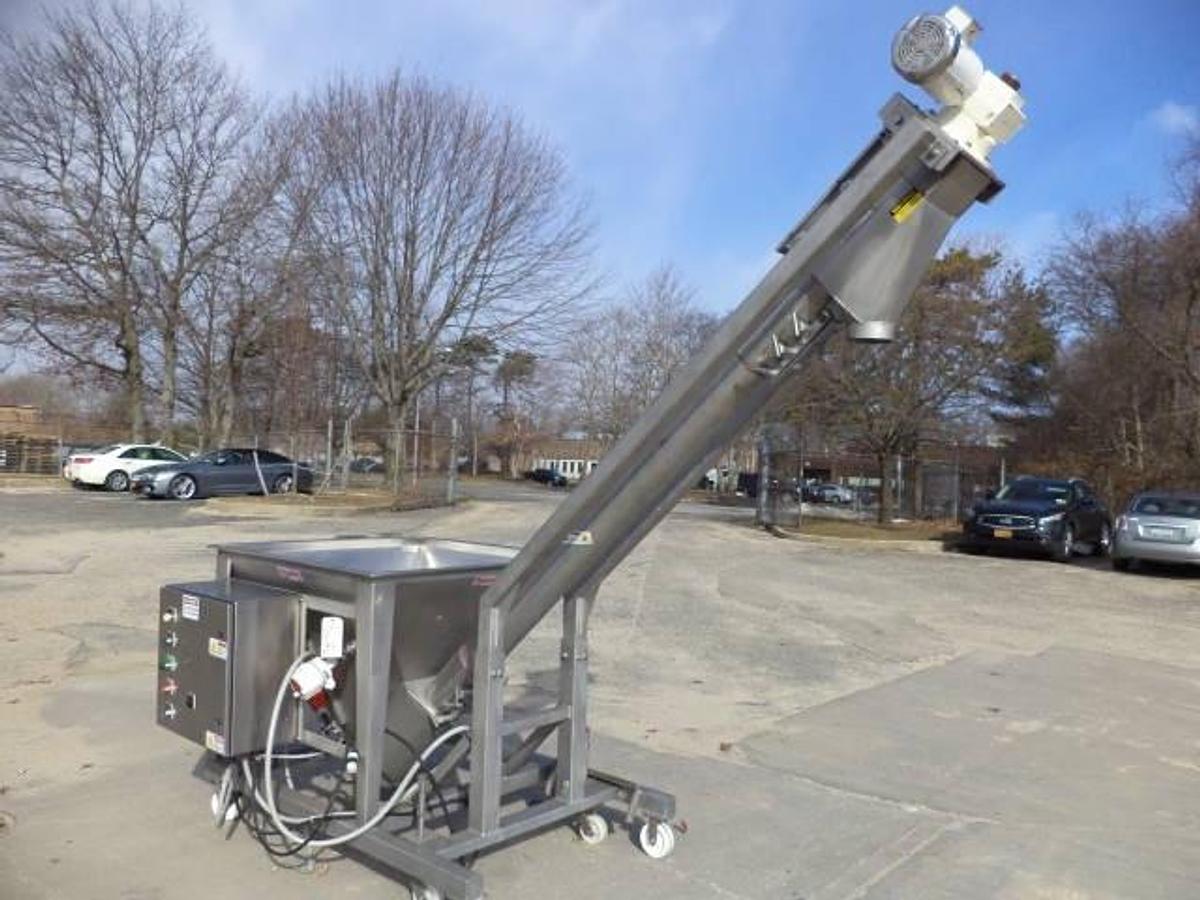
Flexicon & Rigid Stainless Steel Screw Conveyors
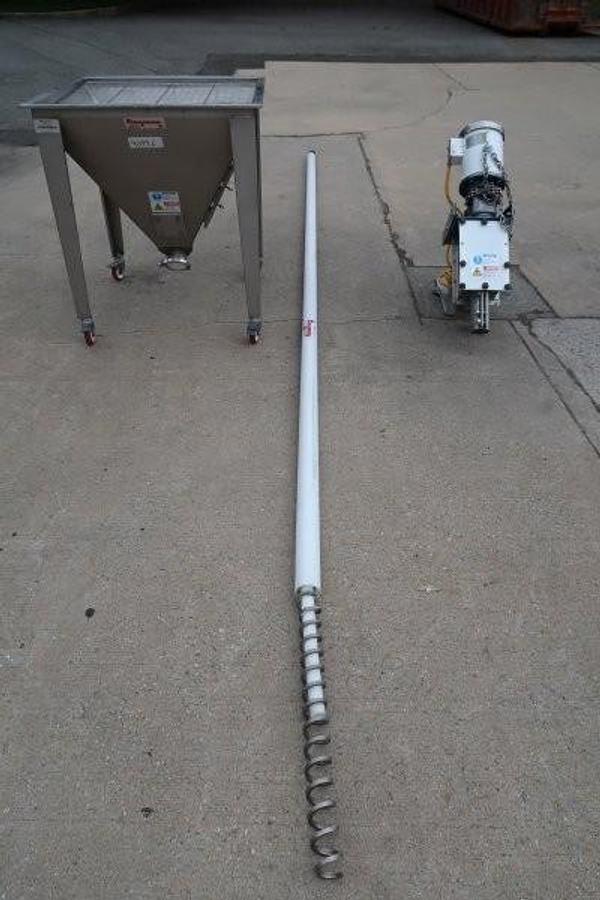
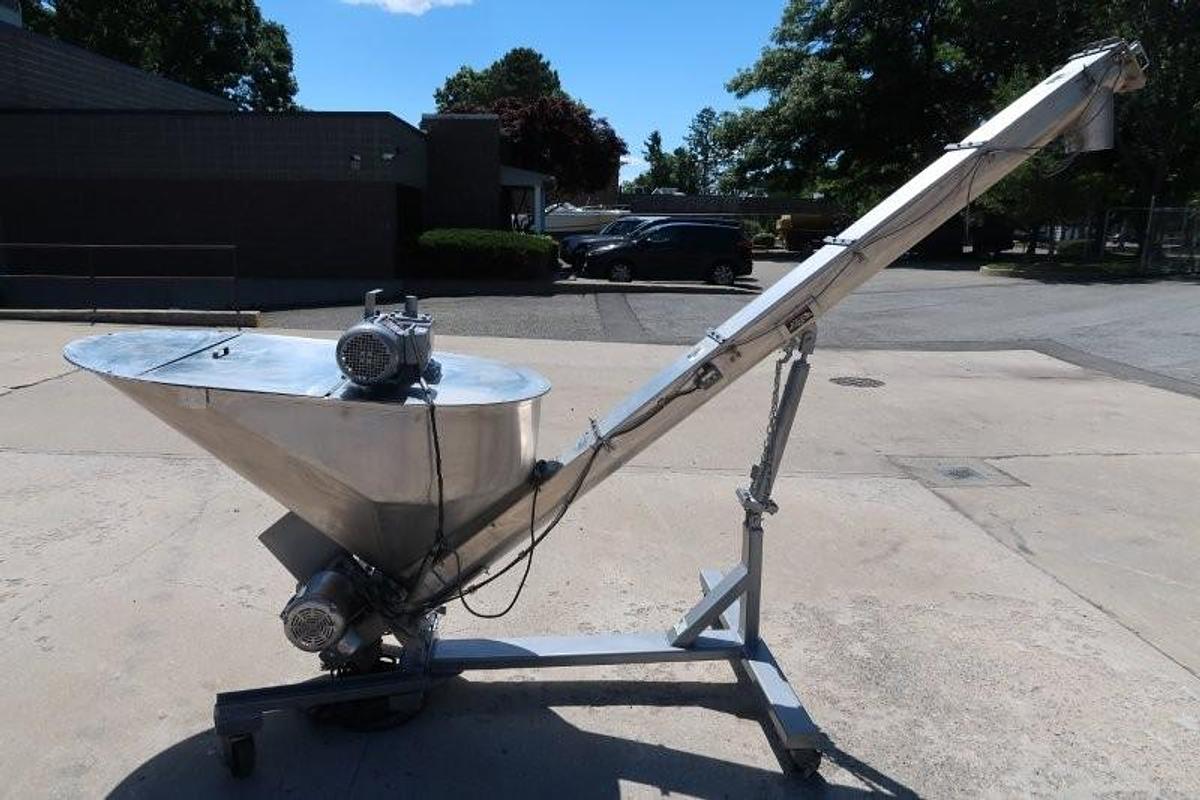
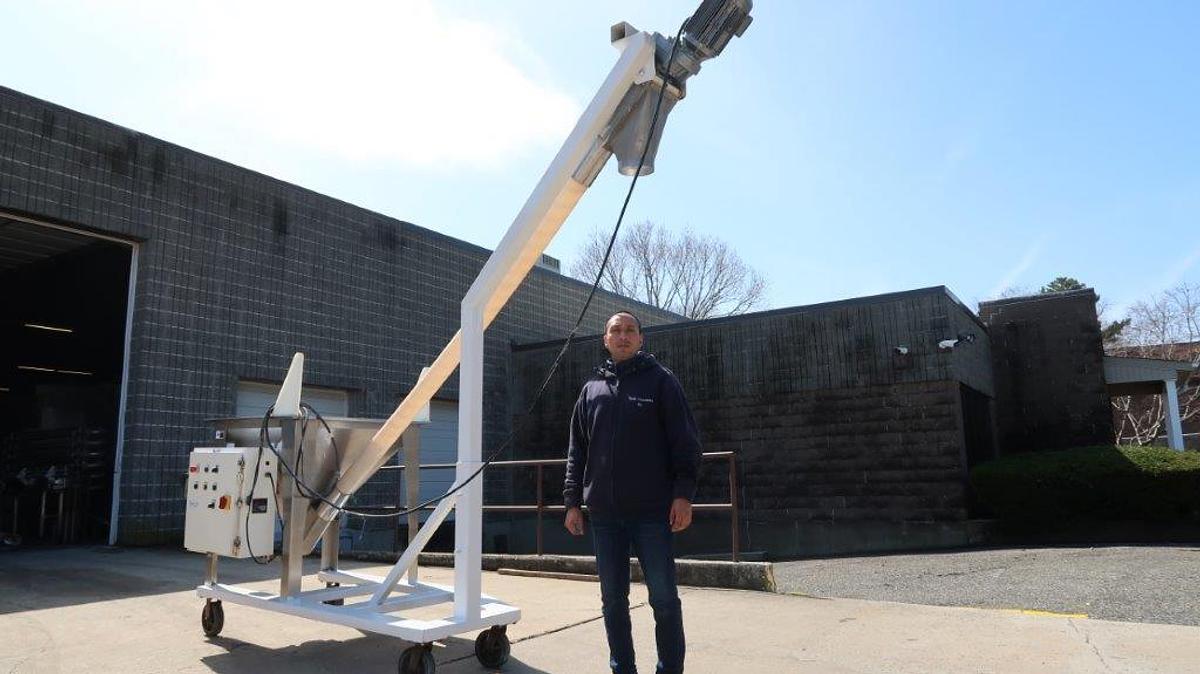
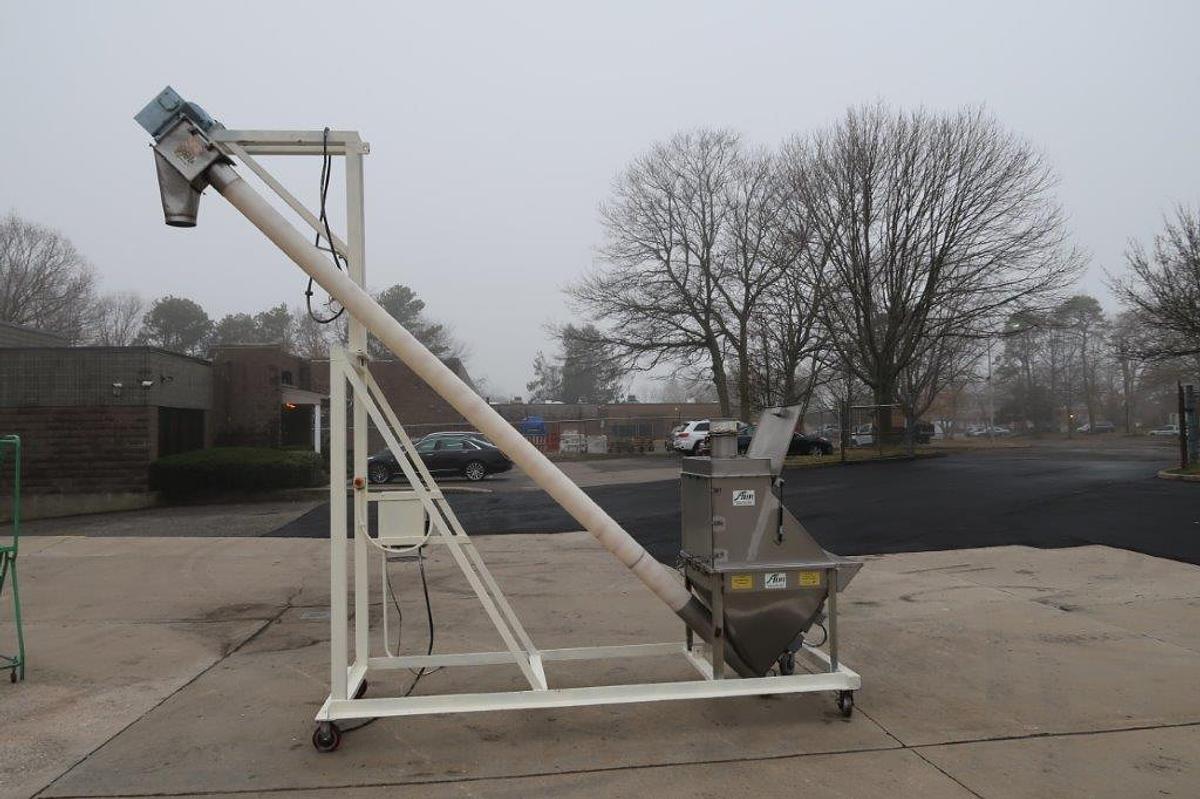
Screw conveyors are an effective method of moving certain semi-solid materials in a production line. Our inventory is generally composed of stainless steel screw conveyors. We are also able to provide used screw conveyors with various traits including inclined screw conveyors, flexible screw conveyors, auger screw conveyors, and screw conveyor systems. Screw conveyors come in horizontal and vertical configurations. Flexicon flexible screw conveyors are available as well as other brands.
FAQ :
What types of used screw conveyors are typically available on the market?
Used screw conveyors come in a wide range of configurations, and the variety available through reputable dealers can be substantial. The most common types include horizontal screw conveyors, inclined screw conveyors, and vertical screw conveyors. Flexible screw conveyors (sometimes called helix or spiral conveyors) are also widely available used, with brands like Flexicon, Hapman, and Spiroflow appearing frequently in dealer inventories. Auger-style conveyors, screw feeder/conveyor combinations, and complete screw conveyor systems with integrated hoppers, lump breakers, or vibratory bases round out what buyers typically encounter.
Beyond configuration, used screw conveyors vary significantly by construction material. Stainless steel units are particularly common in the used market because they were originally built for food, dairy, pharmaceutical, or chemical applications where sanitation standards are strict. Carbon steel units tend to show up in heavier industrial applications. Portable units on casters, jacketed conveyors for temperature-sensitive materials, and conveyors with agitated hoppers are all specialty variants that surface in used equipment inventories. Buyers should clarify the specific configuration they need before searching, since tube diameter, length, flighting type, and discharge height all affect whether a given used machine will fit the application.
What sizes and capacities are available for used screw conveyors?
Used screw conveyors span a broad range of physical dimensions and throughput capacities. Tube or trough diameters typically run from about 2.5 inches on the small end (common in flexible screw conveyor models) up to 24 inches or more for heavy industrial units. Lengths vary just as widely, from compact 36-inch units suited for short transfers to conveyors running 12 feet, 13 feet, or longer. Motor horsepower is another key capacity variable, and buyers should match the drive power to both the material density and the required throughput rate.
Capacity in terms of volume per hour depends on the combination of diameter, screw speed, flighting pitch, and the bulk density of the material being handled. A 4-inch diameter flexible screw conveyor moving a light powder will behave very differently from a 10-inch diameter rigid trough conveyor moving dense granules. When evaluating used equipment, buyers should request the full nameplate data and, where available, the original manufacturer specifications so they can confirm the unit was designed to handle the volumes and material characteristics their process requires. It is also worth checking whether the existing drive and gearbox are appropriately sized, since some used units may have had motors swapped out over their service life.
What materials can a screw conveyor handle?
Screw conveyors are one of the more versatile bulk material handling technologies, capable of moving a wide range of semi-solid and solid materials. Dry, free-flowing bulk solids are the most common application: grains, flour, sugar, salt, plastic pellets, powdered chemicals, and similar products move efficiently through shafted screw conveyors with standard flighting. For sticky, viscous, or fibrous materials such as sludge, biomass, or wet cake, shaftless screw conveyors are generally preferred because the open center prevents material from binding around a central shaft.
The construction material of the conveyor itself matters as much as the flighting design. Stainless steel units are required for food-grade, dairy, and pharmaceutical applications where contact surfaces must meet sanitary standards. Carbon steel units are more common in mining, agriculture, and general industrial settings. Abrasion-resistant steel or special coatings may be specified for highly abrasive materials like sand or certain minerals. Jacketed screw conveyors, which allow heating or cooling media to circulate around the trough, are used for temperature-sensitive materials that need to be maintained at a specific temperature during transfer. Buyers sourcing used equipment should verify that the material of construction and the flighting design of any candidate machine are compatible with the specific material they intend to convey.
What should I inspect before purchasing a used screw conveyor?
A thorough inspection of a used screw conveyor should cover both the mechanical components and the structural condition of the unit. The most critical wear points are the flighting edges, which can become thin or rounded after extended use and reduce conveying efficiency. Hanger bearings, which support the screw shaft at intermediate points along the trough, are another area to scrutinize closely since worn bearings can cause shaft deflection and accelerated wear on the trough liner. Seals at the inlet and discharge should be checked for deterioration, and the trough liner itself should be examined for gouging, pitting, or excessive wear.
On the drive end, the gearbox and motor deserve careful attention. Check the gearbox for signs of oil leaks, unusual noise during operation (if a test run is possible), and any visible housing damage. The motor should be inspected for proper nameplate ratings and any evidence of overheating or rewinding. For stainless steel units intended for sanitary applications, look for pitting, cracks at welds, or any surface contamination that could compromise food-grade or pharmaceutical compliance. Requesting operational video footage, a third-party inspection report, or arranging an in-person visit to the facility where the machine is located are all reasonable steps before committing to a purchase. Reputable dealers will typically accommodate these requests.
How do I determine if a used screw conveyor is in good working condition before buying?
The most reliable way to assess condition is through a direct inspection, either in person or via a detailed video walkthrough conducted by the dealer. A video inspection should show the conveyor running under power if possible, covering the drive assembly, the screw rotation, and any visible wear along the trough or tube. Still photographs alone are rarely sufficient for a meaningful condition assessment on mechanical equipment. Some used screw conveyors are still installed and operating at a production facility at the time of sale, which gives buyers the opportunity to observe the machine in actual use, though arranging access typically requires coordination between the dealer and the facility owner.
It is important to understand that most used equipment dealers do not have active production lines and therefore cannot run product through a conveyor to simulate real operating conditions. What they can typically demonstrate is that the drive runs, the screw turns freely, and there are no obvious mechanical issues. Beyond the visual and operational check, buyers should ask for any available service history, maintenance records, or documentation from the previous owner. Consulting the original equipment manufacturer about the specific model and age of the unit is also advisable, since the manufacturer can give guidance on the expected remaining service life, the availability of wear parts, and any known issues with that particular design.
Are replacement parts readily available for used screw conveyors?
Parts availability for used screw conveyors varies considerably depending on the brand, model, and age of the equipment. Well-established manufacturers like Flexicon, Hapman, and S. Howes generally maintain parts support for their equipment lines, though the availability of specific components for older or discontinued models can be limited. Before purchasing a used screw conveyor, it is worth contacting the manufacturer directly to ask about parts support for that specific model and serial number. The manufacturer can clarify whether flighting, hanger bearings, seals, trough sections, and drive components are still stocked or can be fabricated to order.
For some components, particularly standard items like bearings, seals, and motors, third-party suppliers can often provide compatible replacements regardless of the original manufacturer. Custom-fabricated flighting is another option for units where the manufacturer no longer supports the model, since many specialty shops can produce replacement screws to match existing dimensions. The more unique or proprietary the design, the harder parts sourcing becomes, so buyers should factor parts availability into the total cost of ownership calculation when evaluating any used screw conveyor. A machine that requires a hard-to-source component can end up costing significantly more than its purchase price if it goes down unexpectedly.
What is the typical price range for used screw conveyors?
Pricing for used screw conveyors spans a wide range depending on size, configuration, construction material, brand, and overall condition. Small flexible screw conveyors with 2.5 to 4-inch diameter tubes can be found in the low thousands of dollars. Mid-range units, such as 6 to 10-inch diameter inclined or horizontal conveyors in stainless steel, typically fall somewhere between several thousand and tens of thousands of dollars depending on length and the complexity of the system. Larger industrial units, complete conveyor systems with integrated hoppers and controls, or specialty configurations like jacketed conveyors tend to command higher prices.
Stainless steel units consistently carry higher resale values than carbon steel equivalents because of the material cost and their suitability for food-grade and pharmaceutical applications where buyers face strict regulatory requirements. Brand reputation also affects pricing, with well-known manufacturers like Flexicon and Hapman generally holding value better than lesser-known fabricators. Condition is obviously a significant factor, and a unit that has seen light use in a clean environment will price differently than one that has run continuously in a harsh industrial setting. Buyers should also account for shipping, rigging, and any refurbishment costs when calculating the true landed cost of a used screw conveyor.
What should I know about shipping and delivery for a used screw conveyor?
Shipping a used screw conveyor involves more logistical planning than most standard freight shipments. The cost and complexity depend heavily on the size and weight of the unit. Smaller, portable flexible screw conveyors may ship on standard pallets with appropriate blocking and bracing, while larger rigid trough conveyors often require custom crating to prevent damage in transit. Buyers should ask the dealer specifically about how the equipment will be packaged and what the crating or palletization charges will be, since these are typically separate from the freight cost itself.
Larger and heavier units may require specialized rigging for loading at the dealer's facility and unloading at the destination. Forklift access, crane service, or flatbed trucking with a liftgate can all add to the total delivered cost. Getting a clear picture of these expenses upfront is important, since the freight and rigging costs on a heavy industrial conveyor can be a meaningful percentage of the equipment purchase price. Most used equipment dealers require full payment prior to releasing equipment for shipment. Buyers should confirm all packaging, loading, freight, and unloading details in writing before finalizing the transaction so there are no surprises on the receiving end.
Can a used screw conveyor be modified or adapted to fit a different application?
Used screw conveyors can often be adapted for new applications, but the feasibility and cost of modifications depend on how different the new requirements are from the original design. Common modifications include changing the discharge height or angle, adding or replacing a hopper, swapping out the drive motor for a different horsepower or speed, and replacing worn flighting with a different pitch or style suited to a new material. These types of changes are generally straightforward and can be handled by a qualified fabrication shop or the equipment manufacturer's service team.
More significant modifications, such as changing the tube diameter, extending the overall length, or converting a carbon steel unit to food-grade stainless steel, are more involved and may not be cost-effective compared to sourcing a unit that better matches the target application from the start. Buyers should also consider that heavily modified equipment may no longer comply with the specifications of the original design, which could affect performance and reliability. Before committing to a used unit that requires significant adaptation, it is worth getting a fabrication estimate and comparing the total cost of the modified machine against what a better-matched used unit would cost. A dealer with deep inventory in screw conveyors can often help identify a unit that requires minimal modification for the intended use.
What is the difference between a flexible screw conveyor and a rigid screw conveyor, and which used type should I look for?
Flexible screw conveyors use a spiral or helix screw rotating inside a flexible polymer tube, which allows the conveyor to be routed around obstacles, positioned at varying angles, and moved from place to place. They are well suited for powders, granules, and other free-flowing dry materials, and their portability makes them popular in facilities that need to move material between multiple points. Brands like Flexicon and Hapman are among the most recognized names in flexible screw conveyor equipment, and used units from these manufacturers appear regularly in the secondary market. The flexible tube and the spiral screw are the primary wear components to evaluate on a used flexible conveyor.
Rigid screw conveyors use a fixed trough or tube with a shafted screw supported by hanger bearings at intervals along the length. They are generally better suited for higher-volume continuous duty applications and can handle a broader range of material types including heavier or more abrasive bulk solids. Rigid conveyors are typically mounted in a fixed position, either horizontally or at a fixed incline. The right choice between flexible and rigid depends on the application: if portability and routing flexibility matter, a used flexible conveyor is usually the better fit; if throughput capacity, continuous duty, and handling of denser or more challenging materials are the priorities, a used rigid trough or tube conveyor is generally the more appropriate choice.