Category
Subcategory
Manufacturer
Model
Shrink Equipment
Shrink Wrappers, Heat Tunnels, etc.
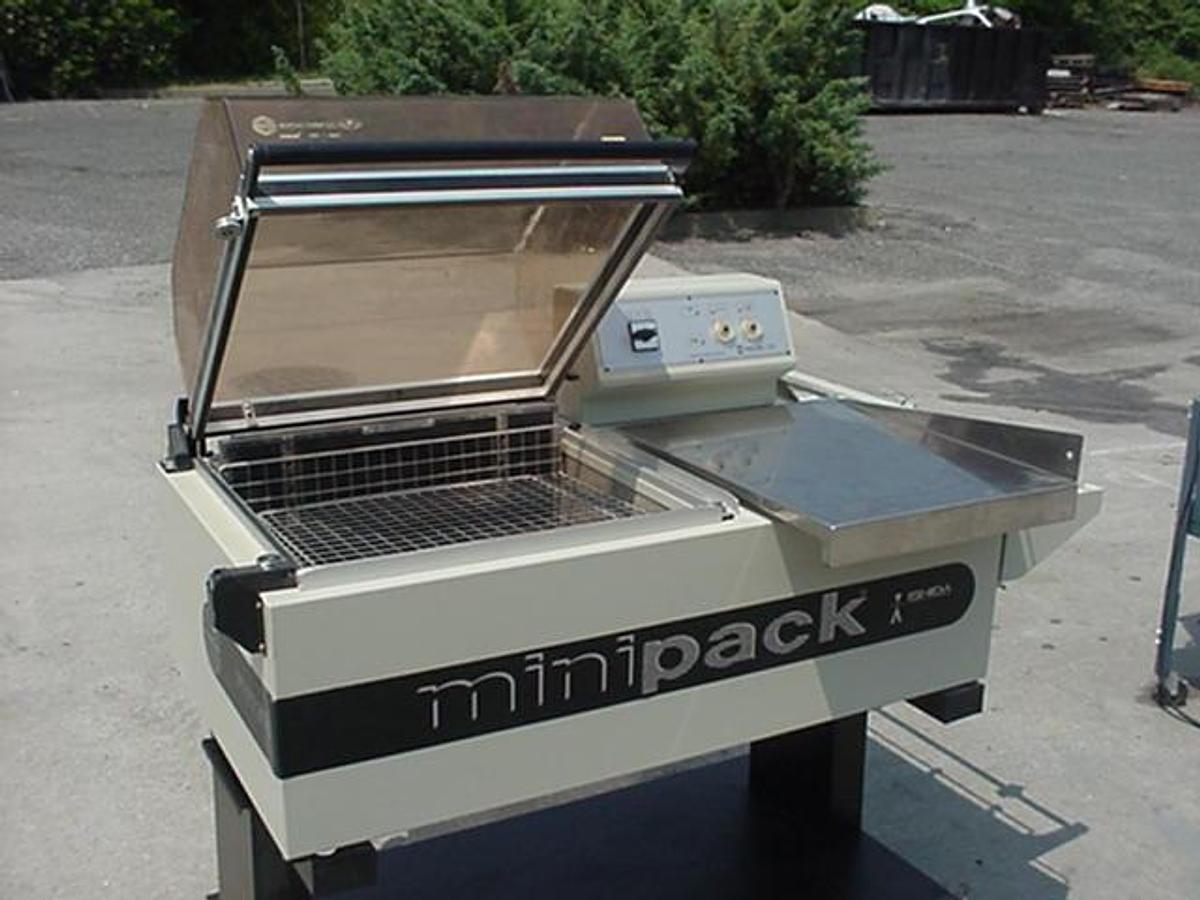
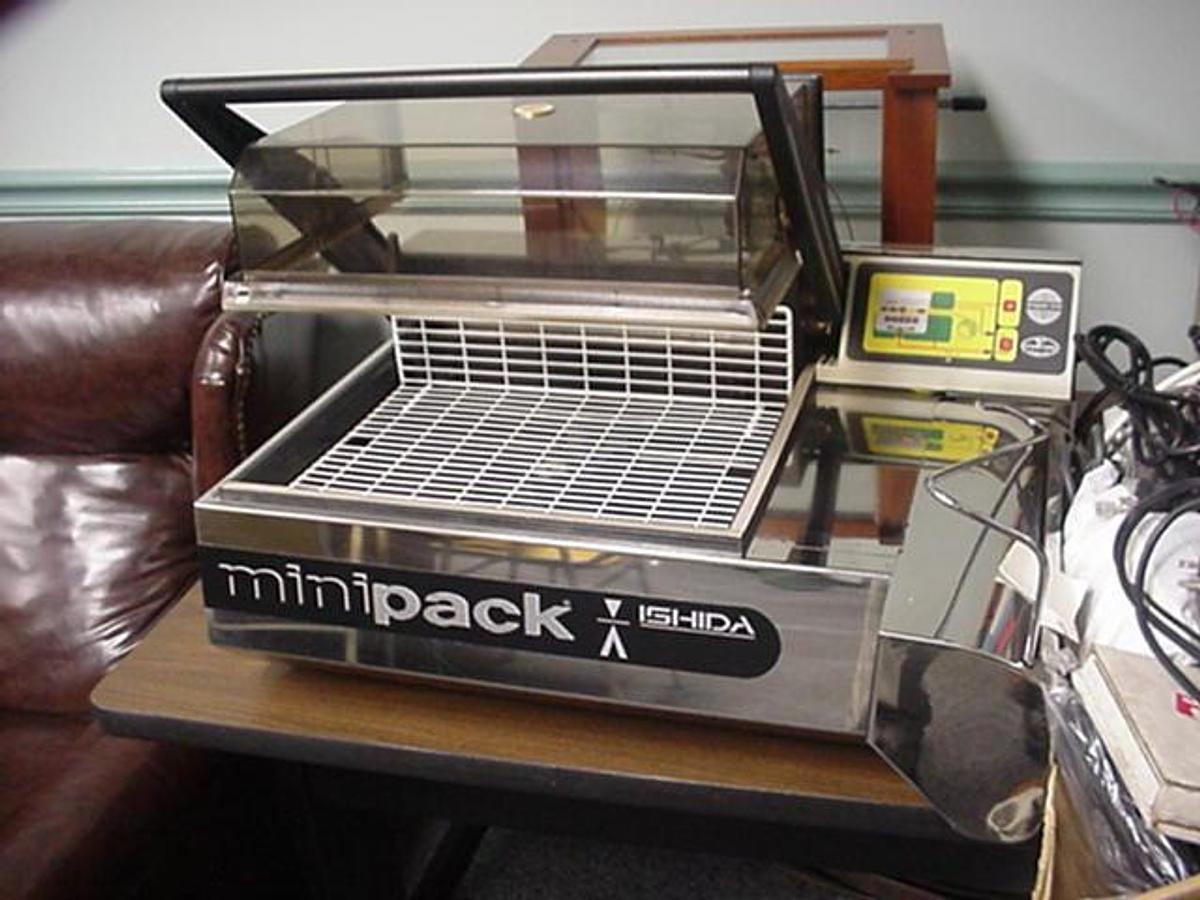
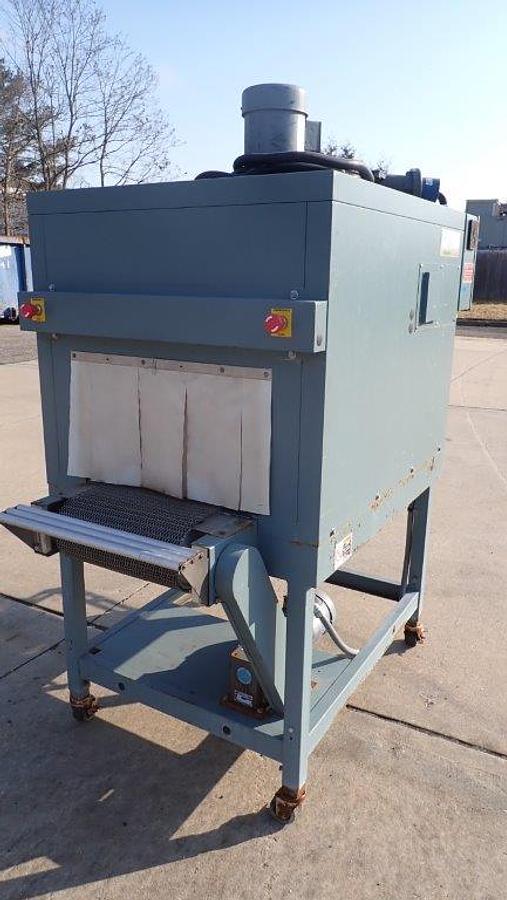
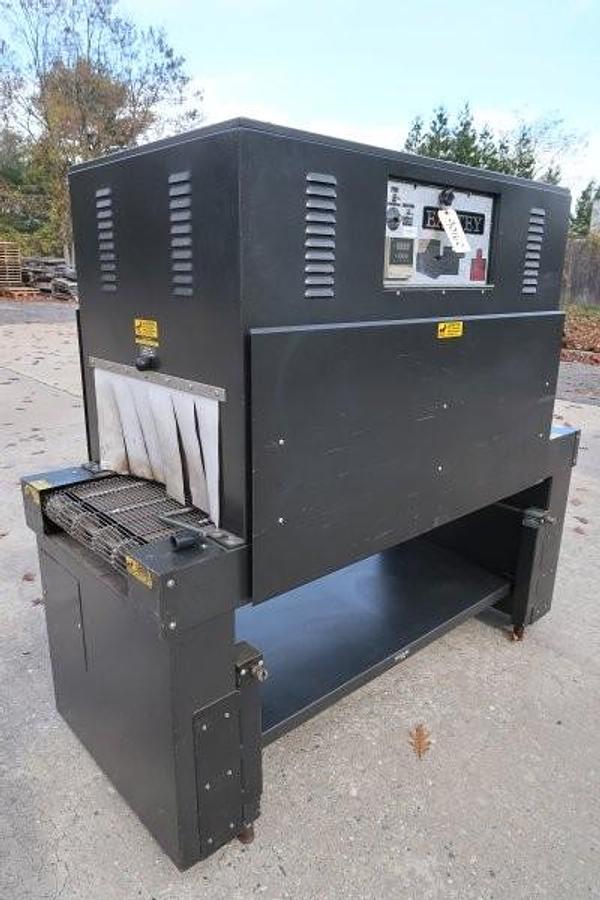
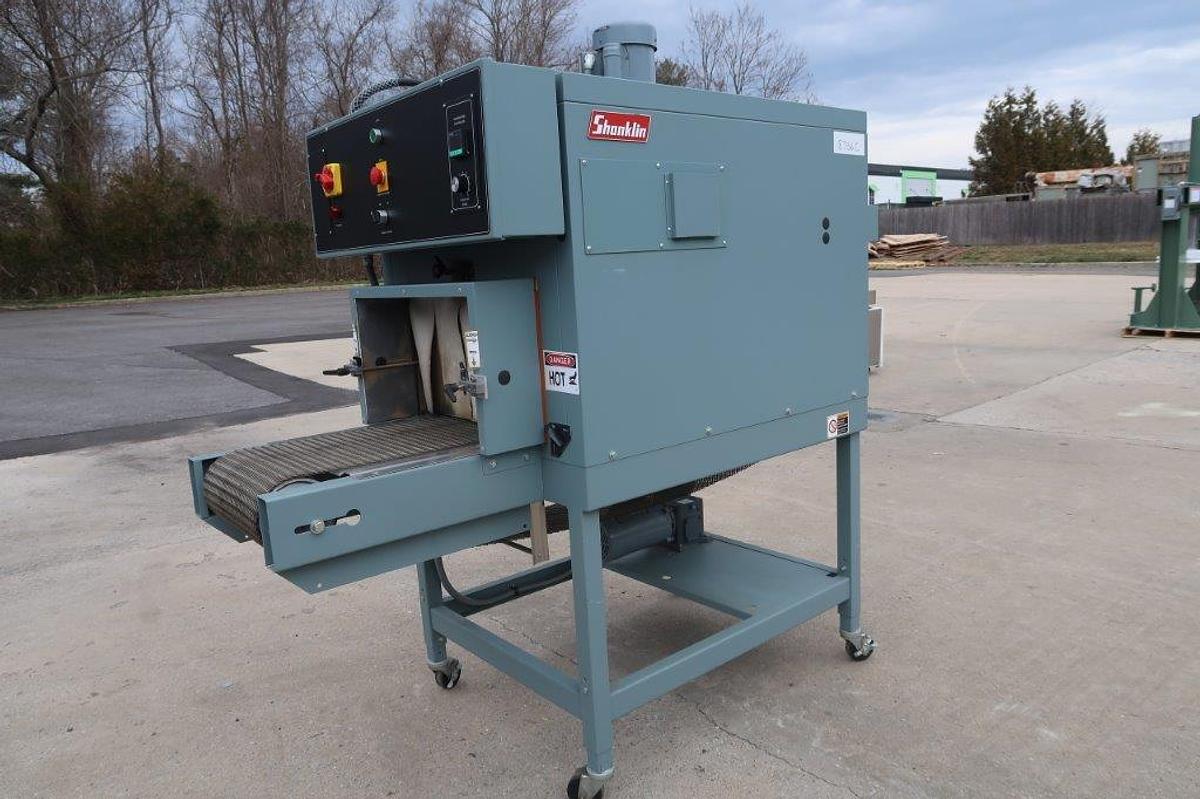
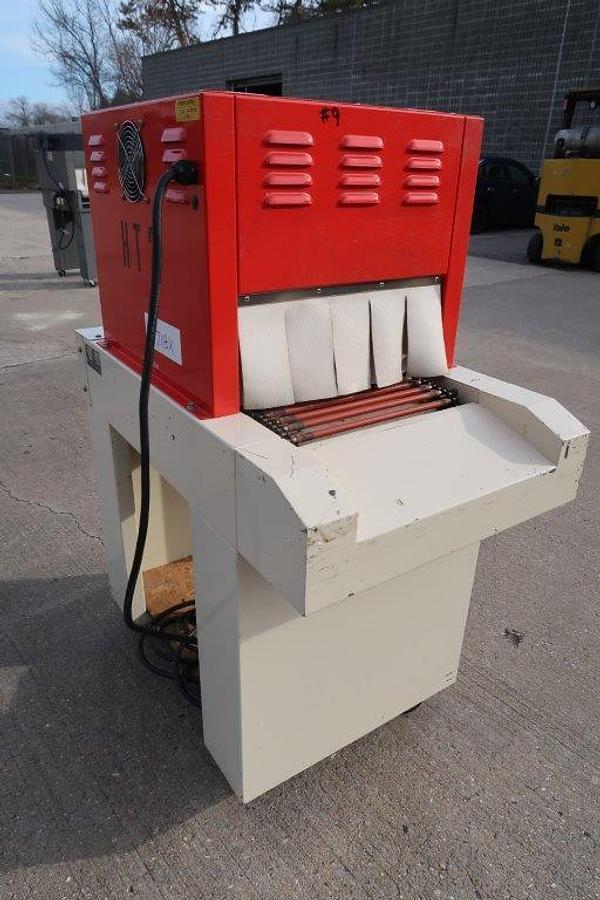
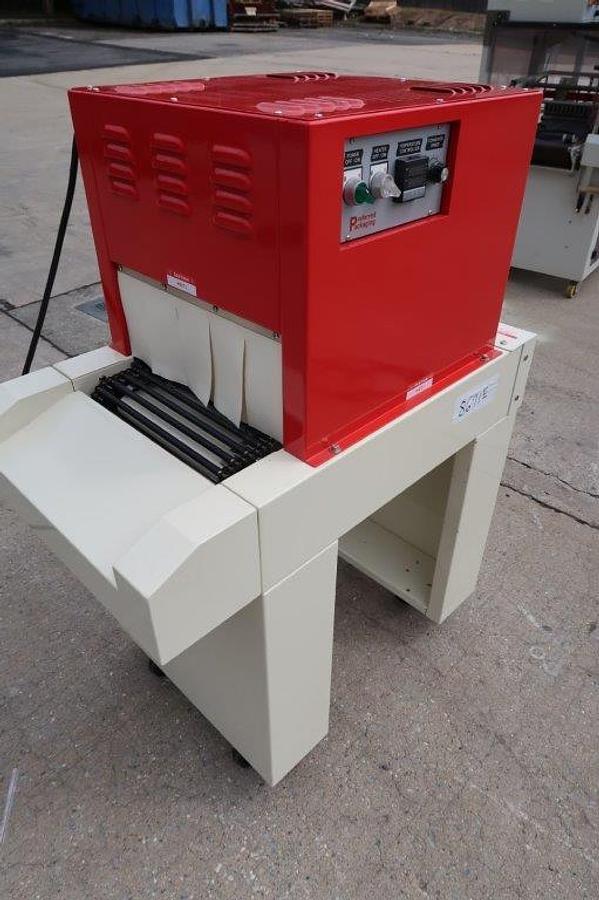
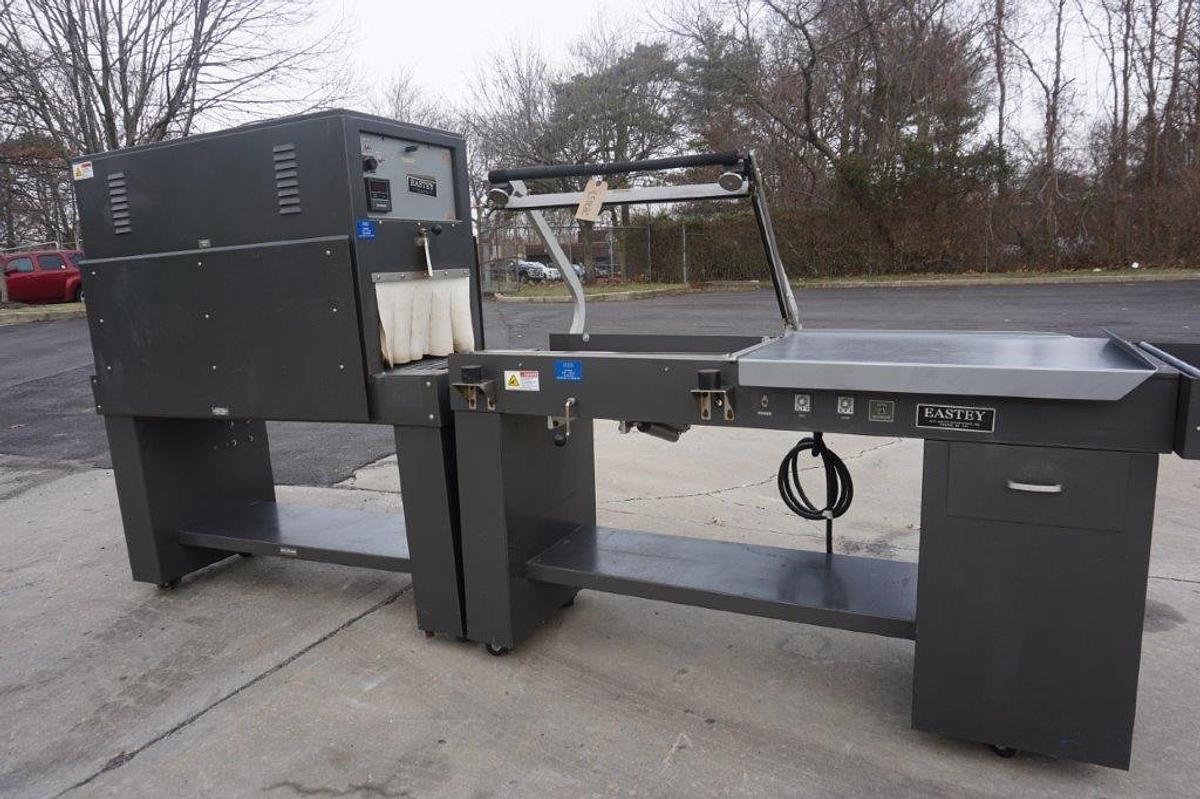
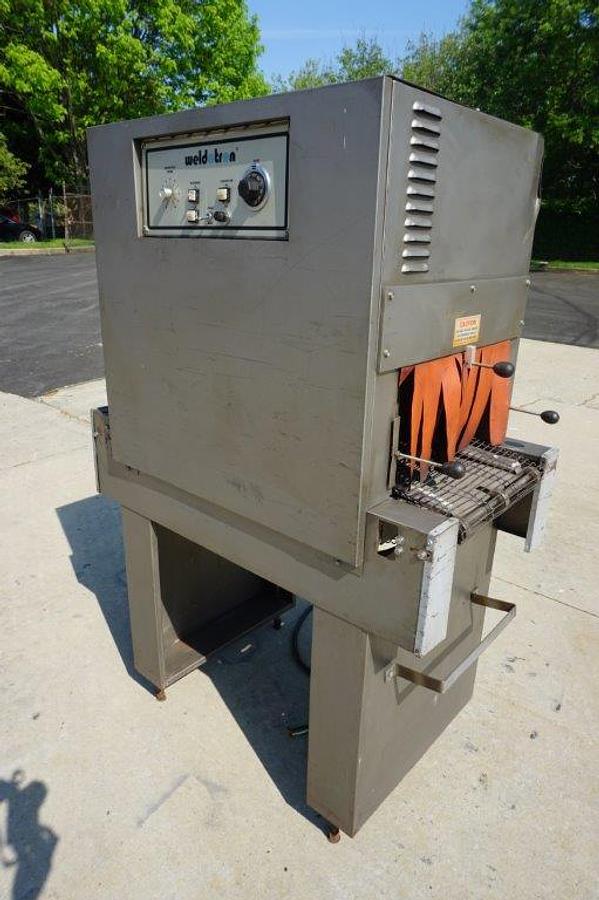
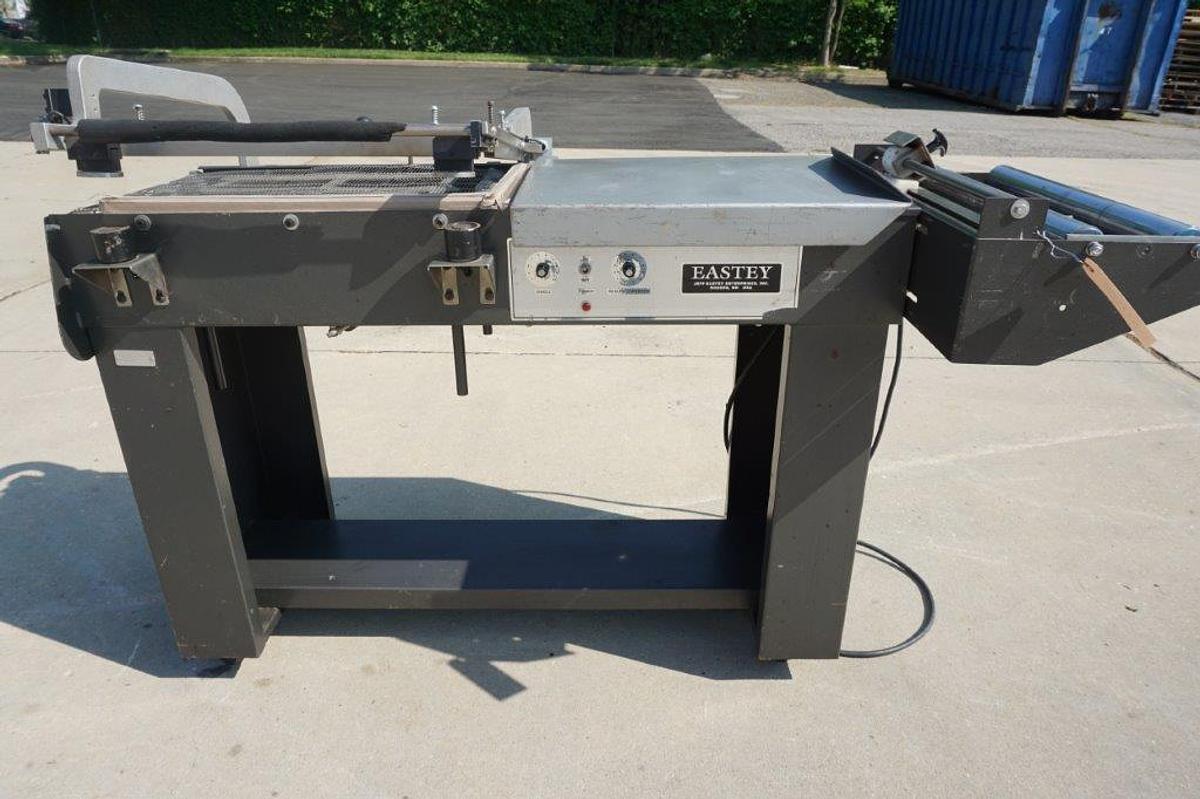
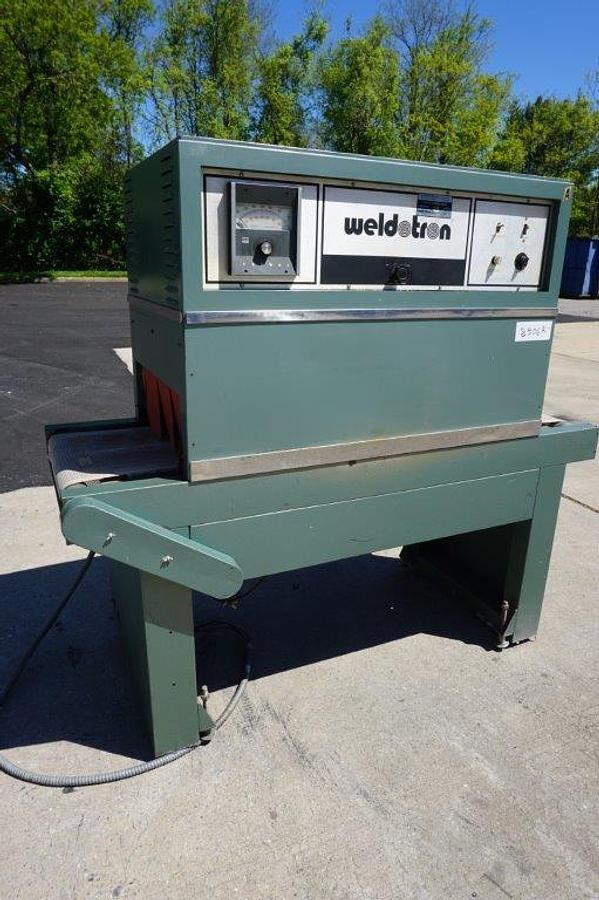
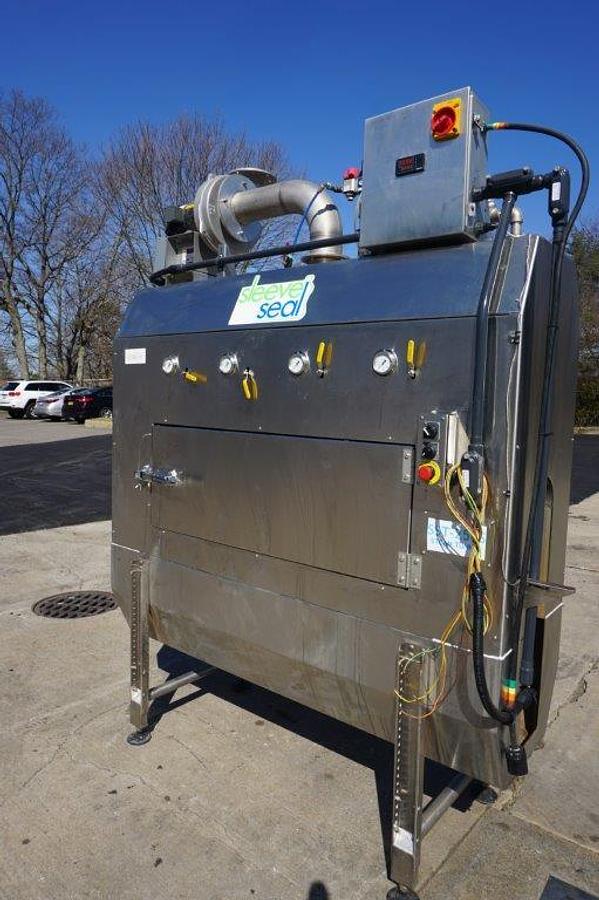
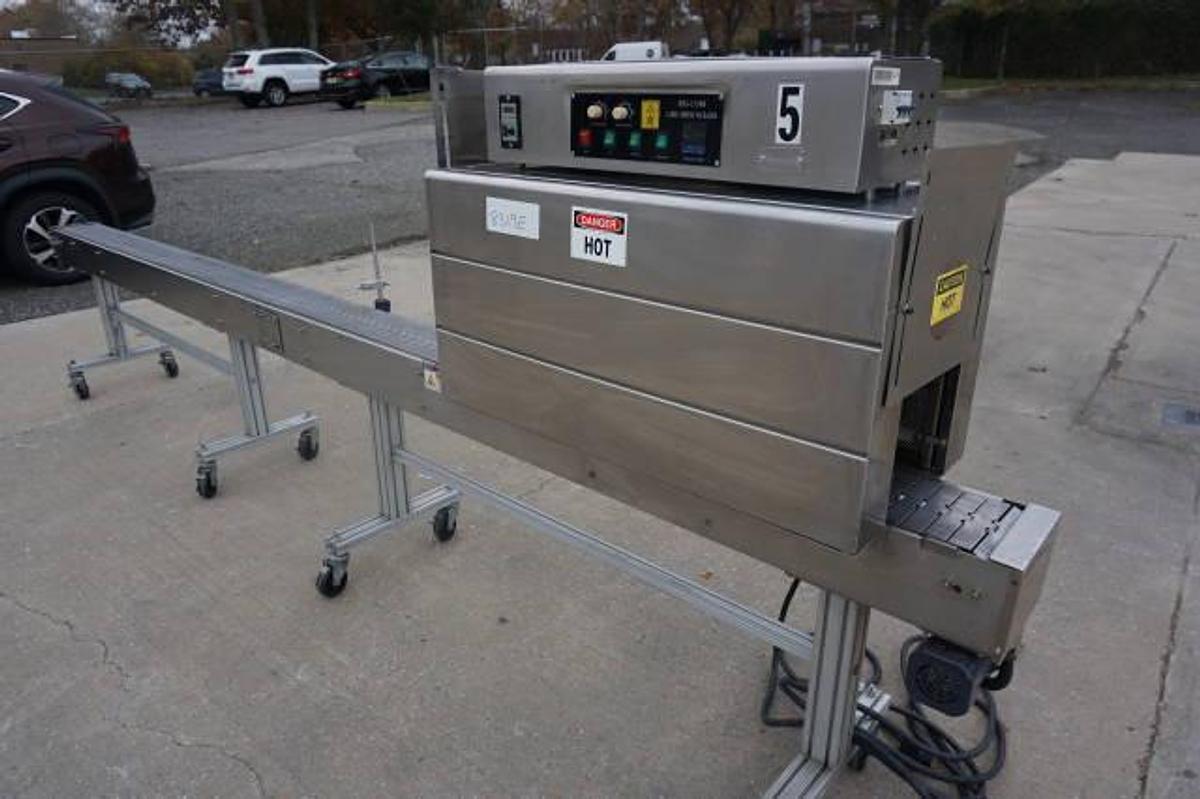
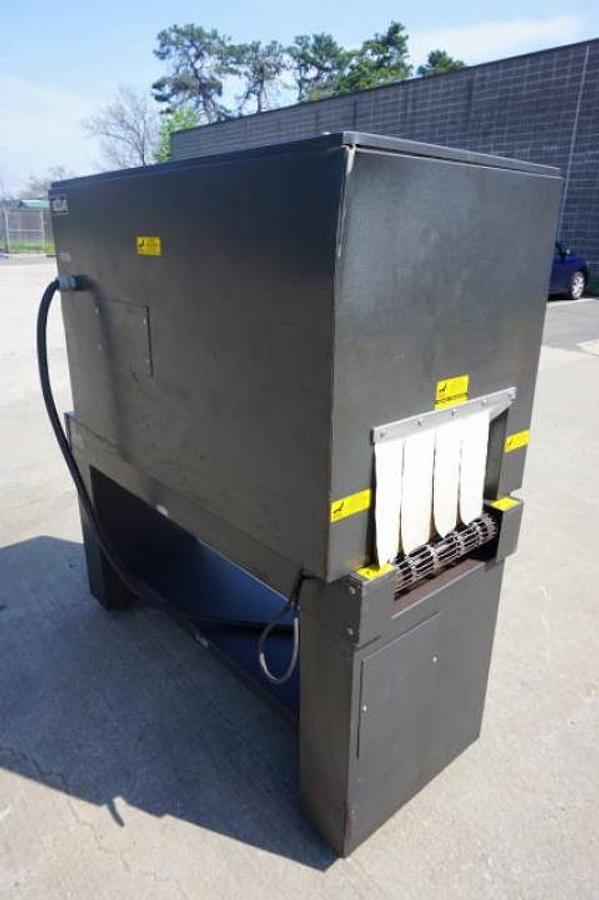
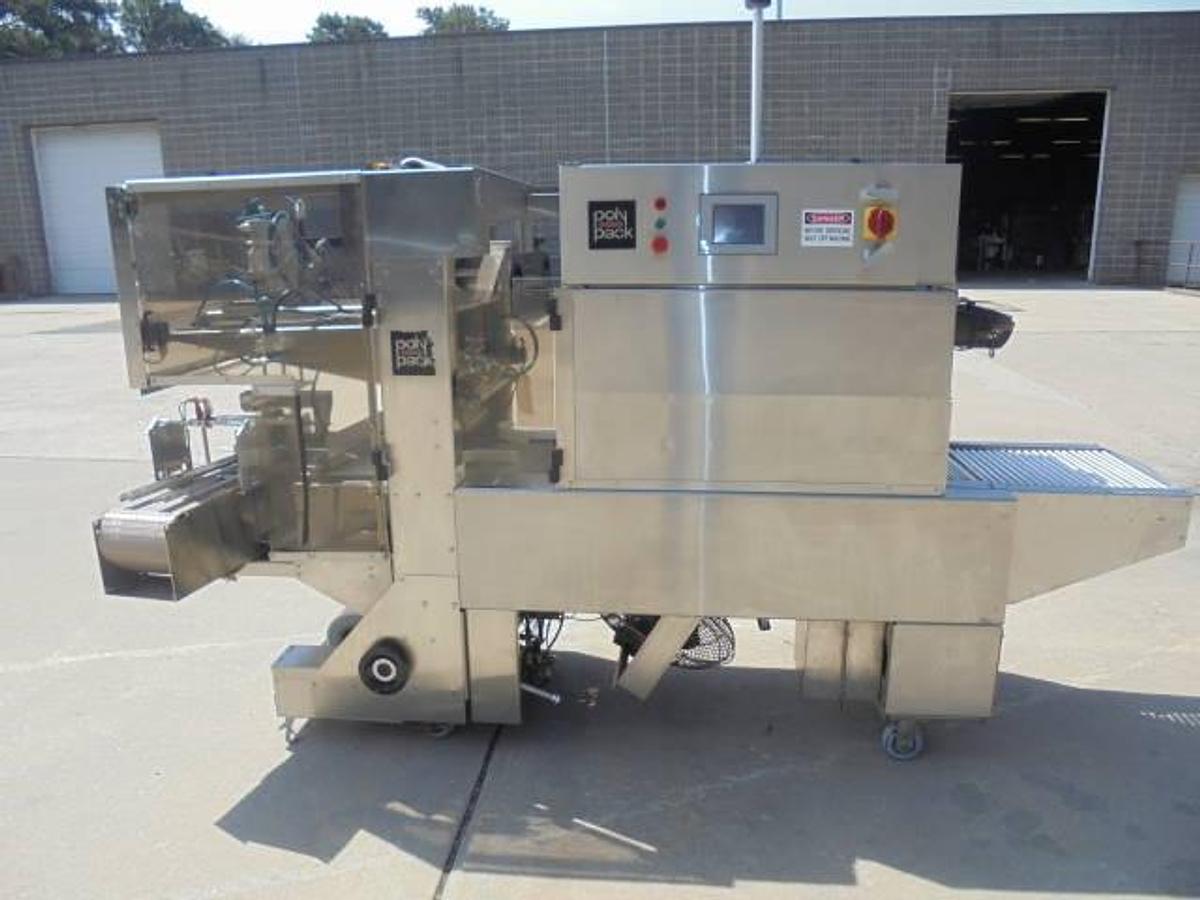
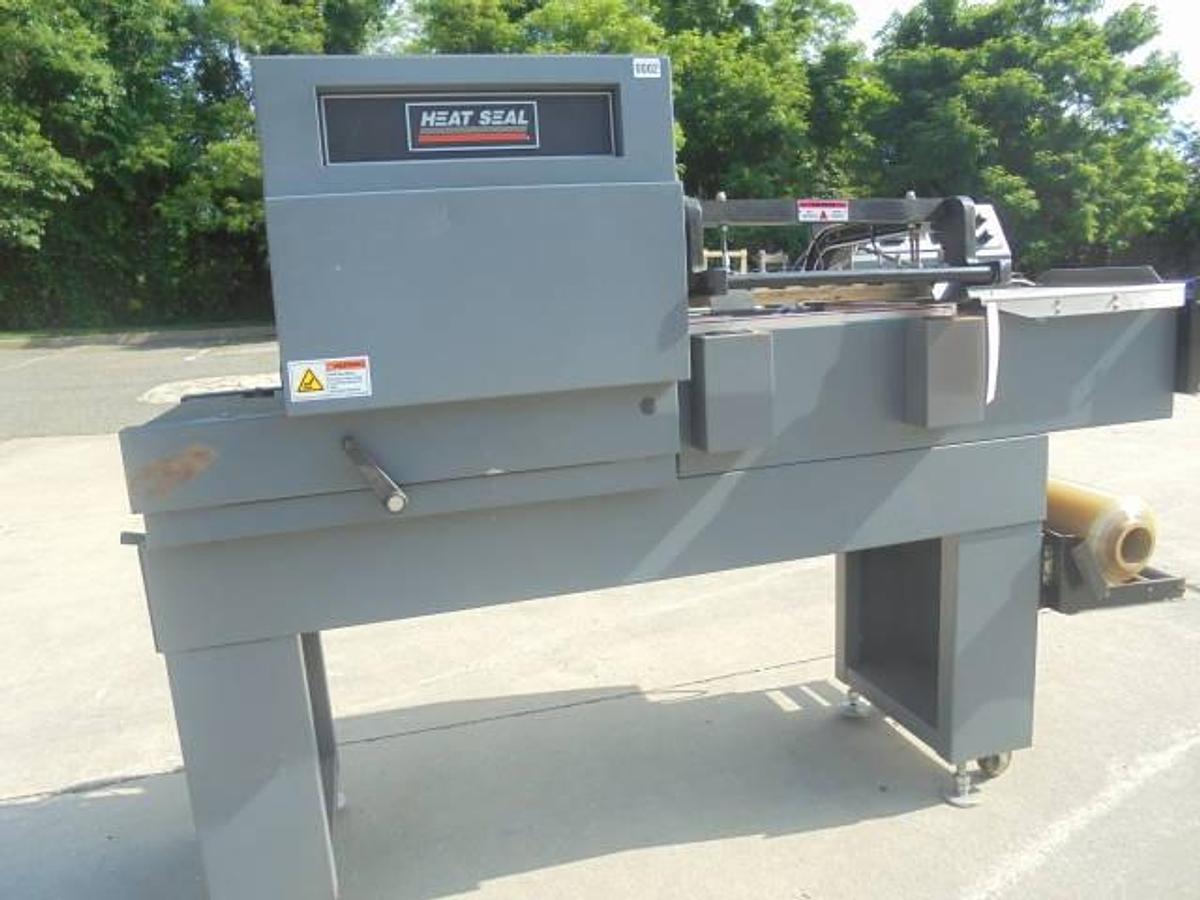
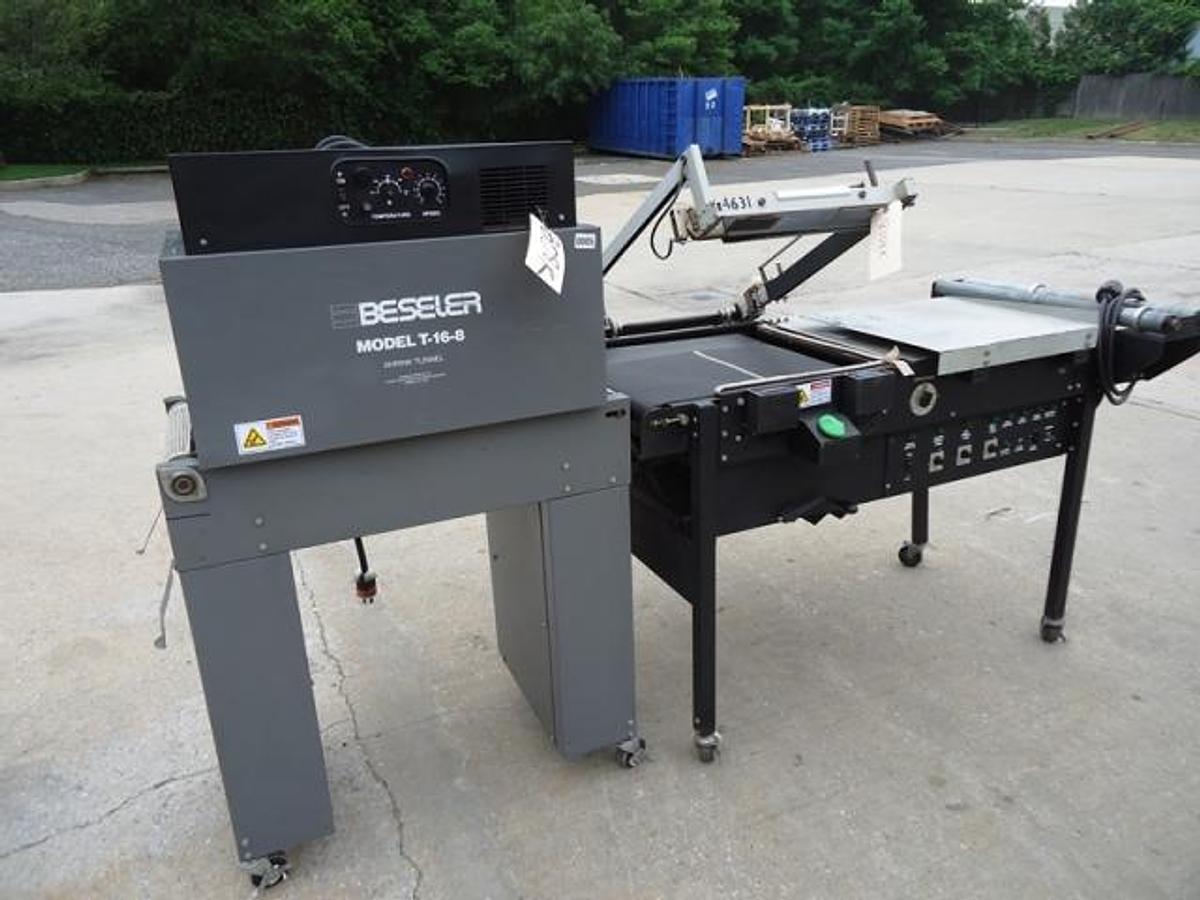
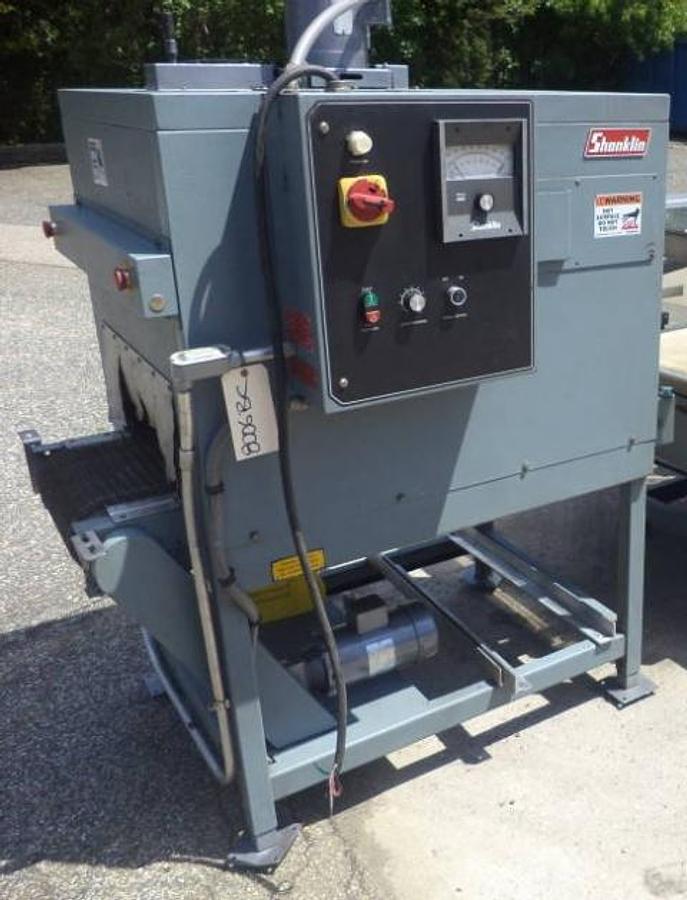
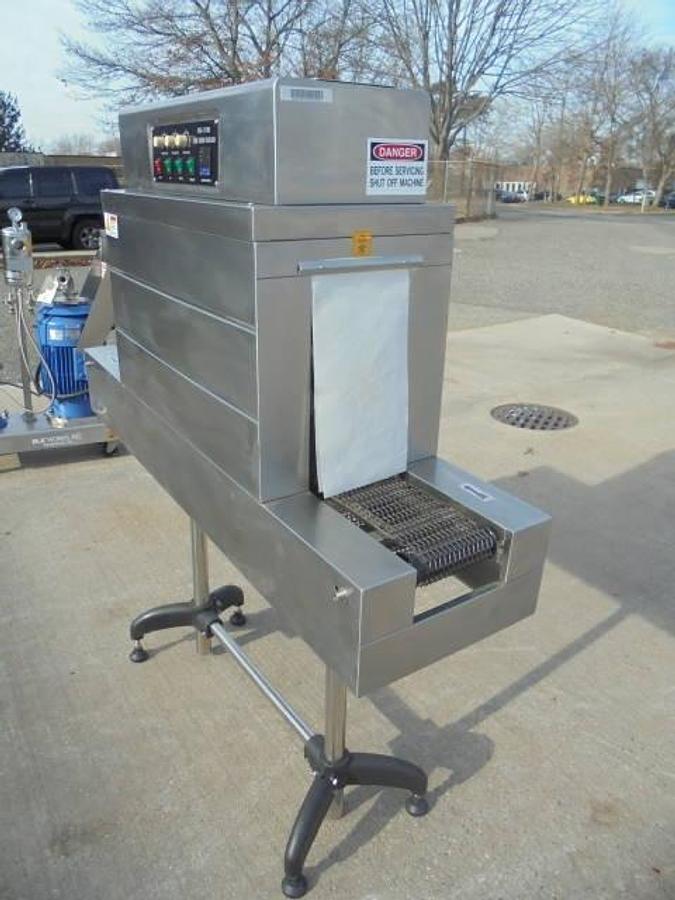
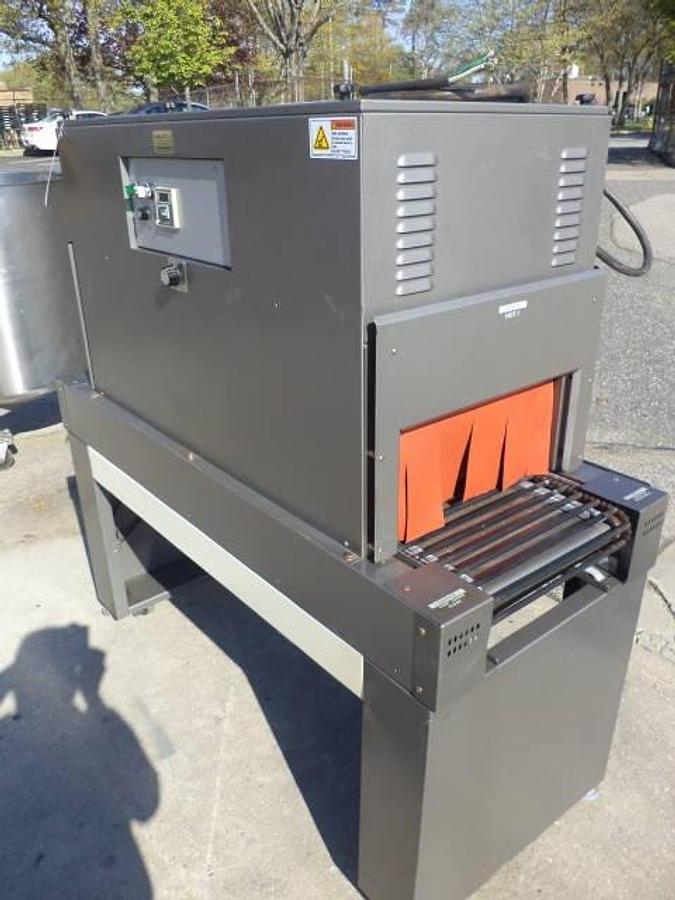
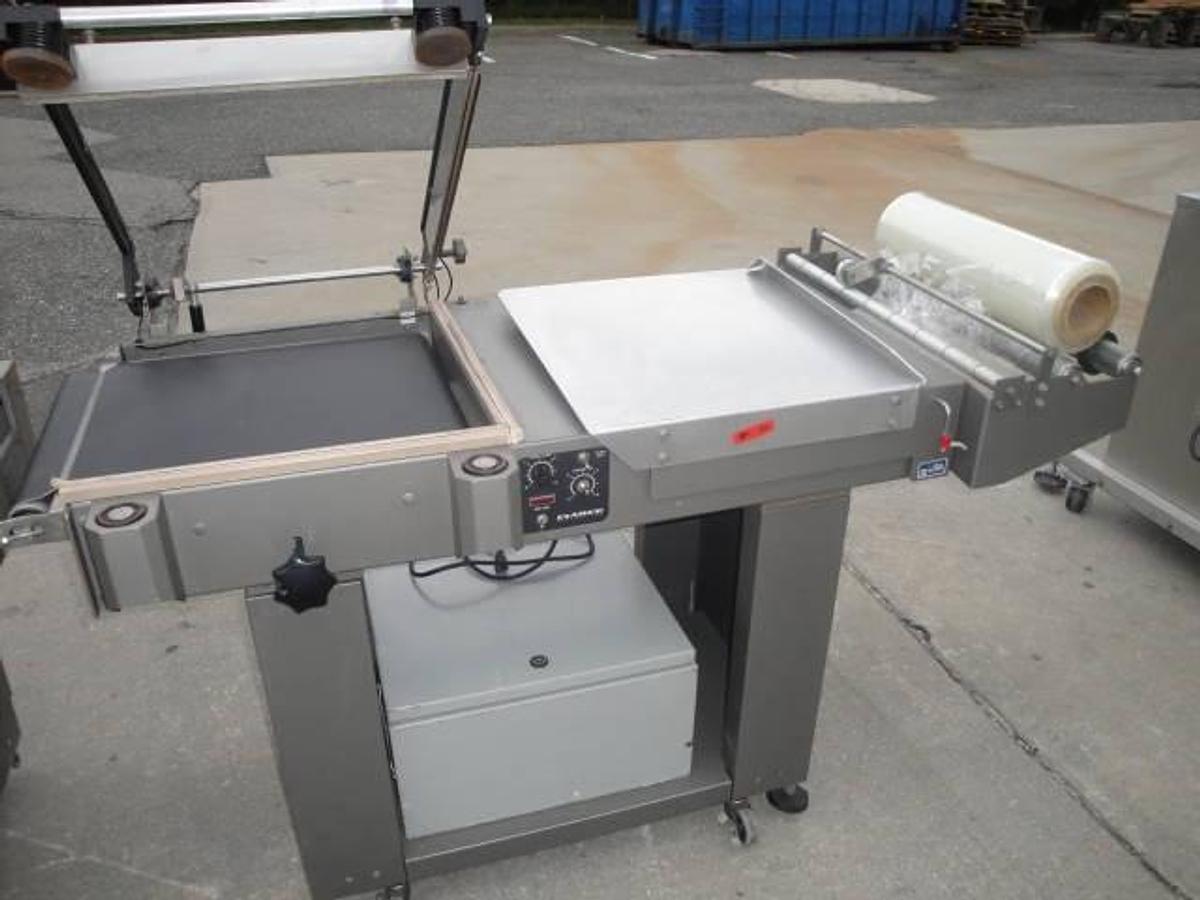
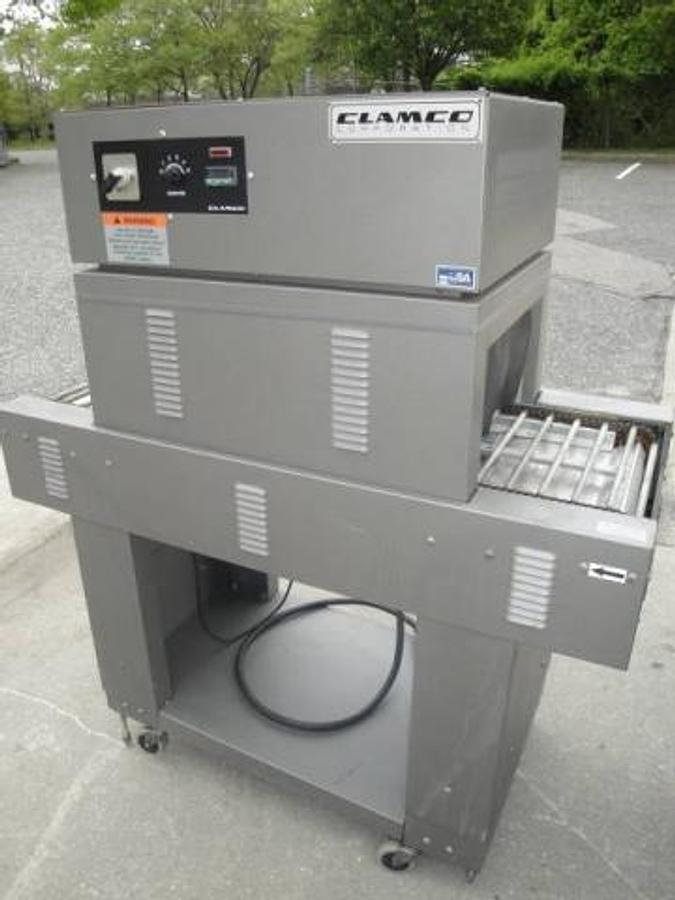
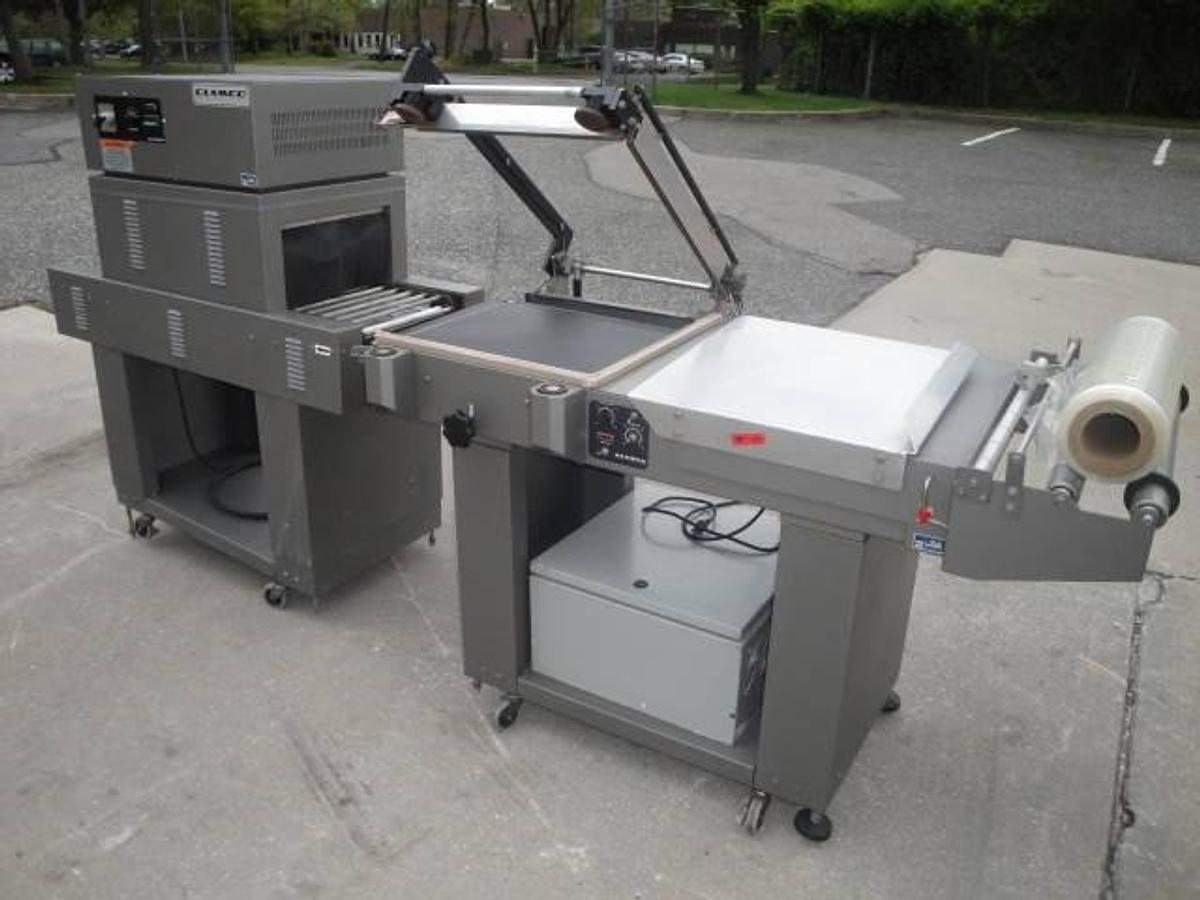
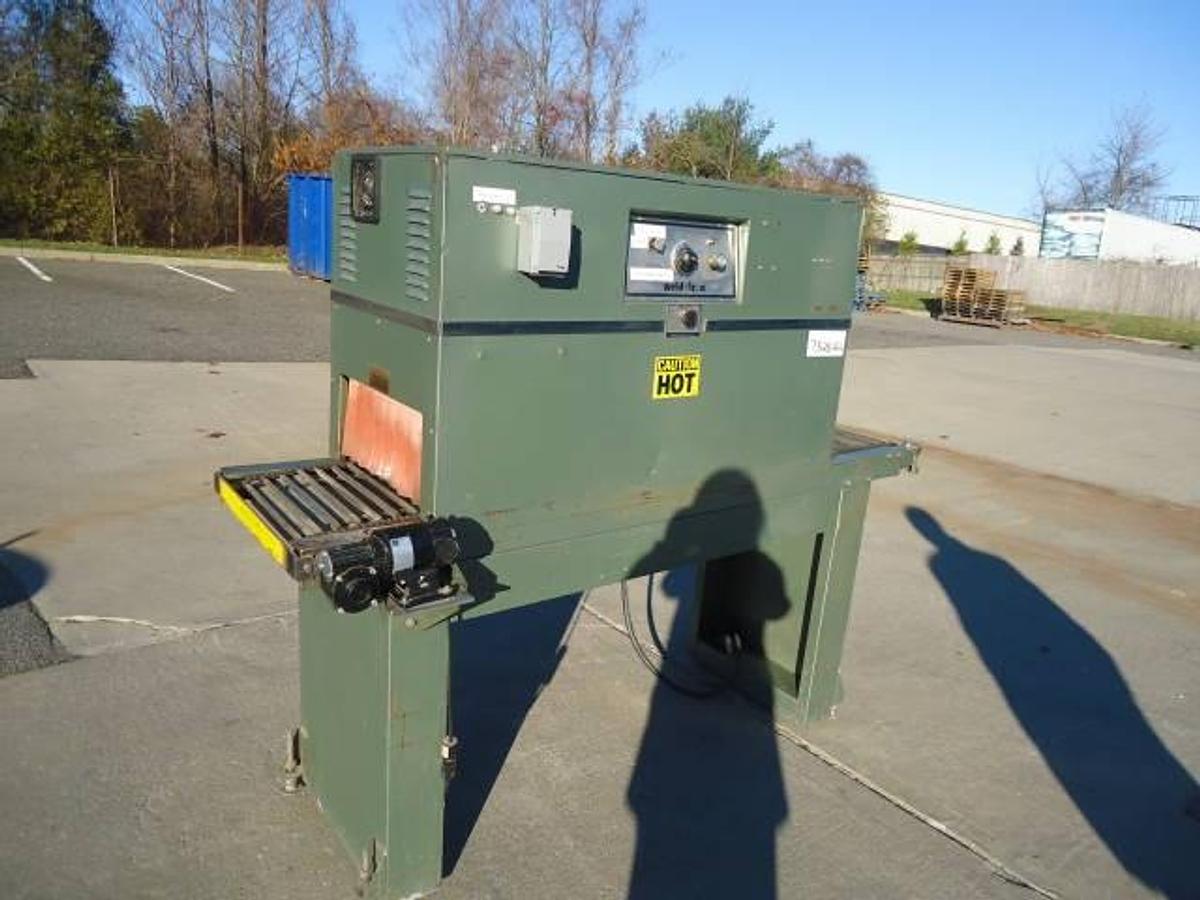
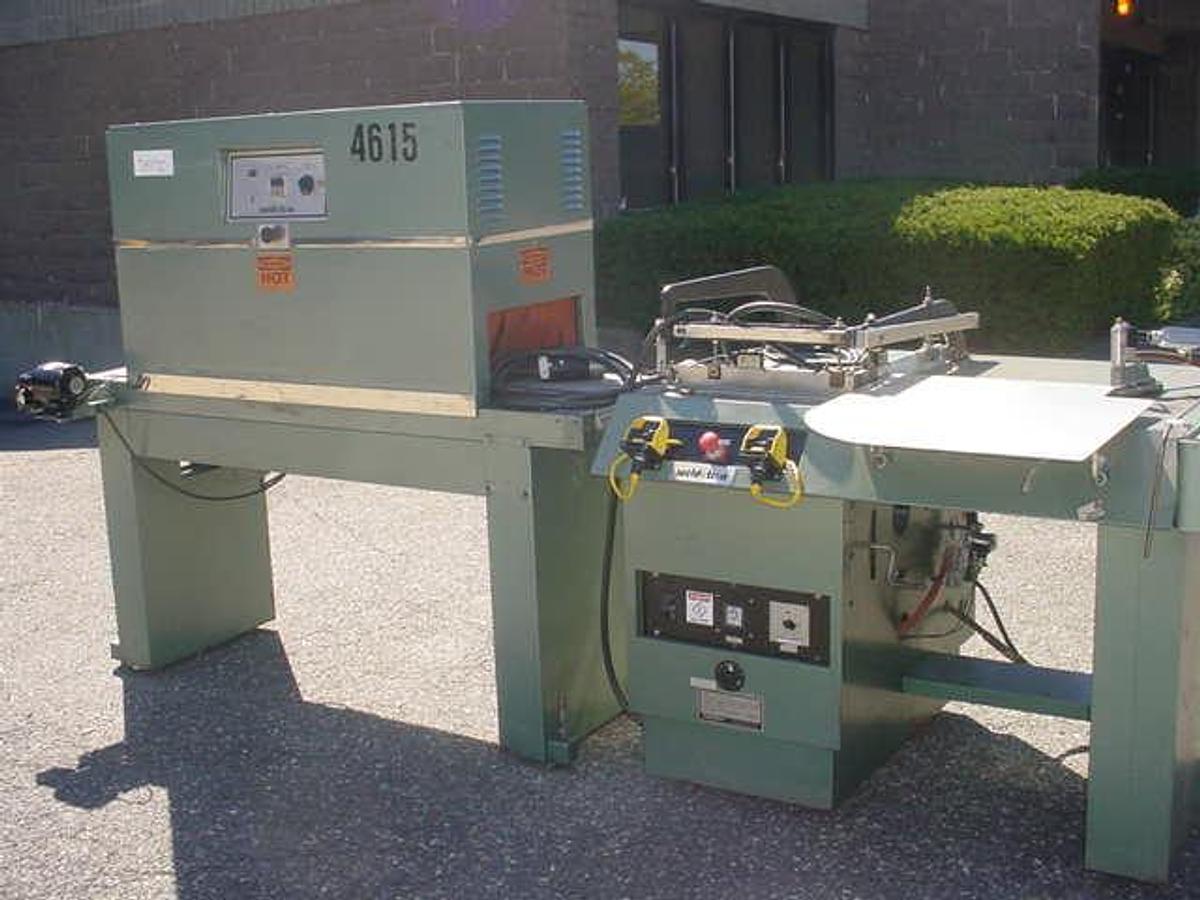
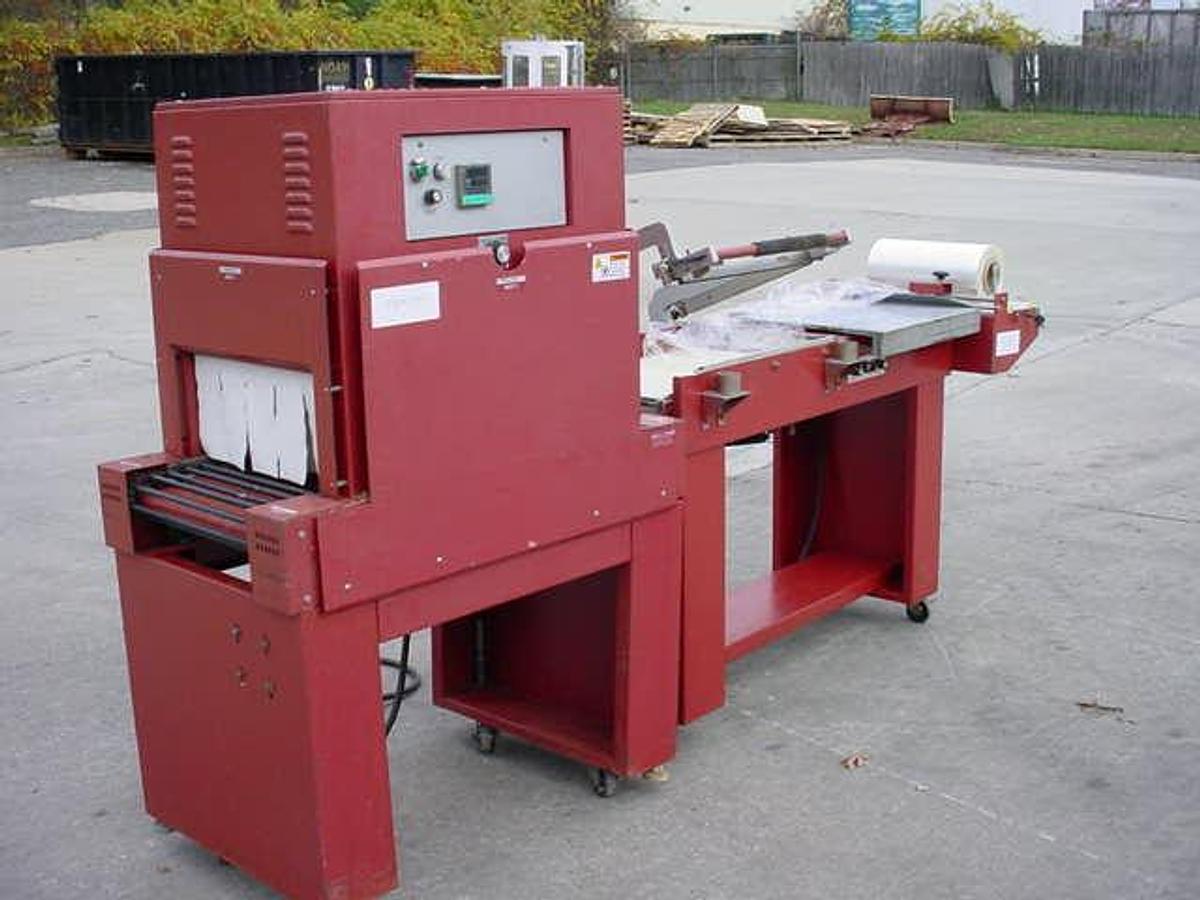
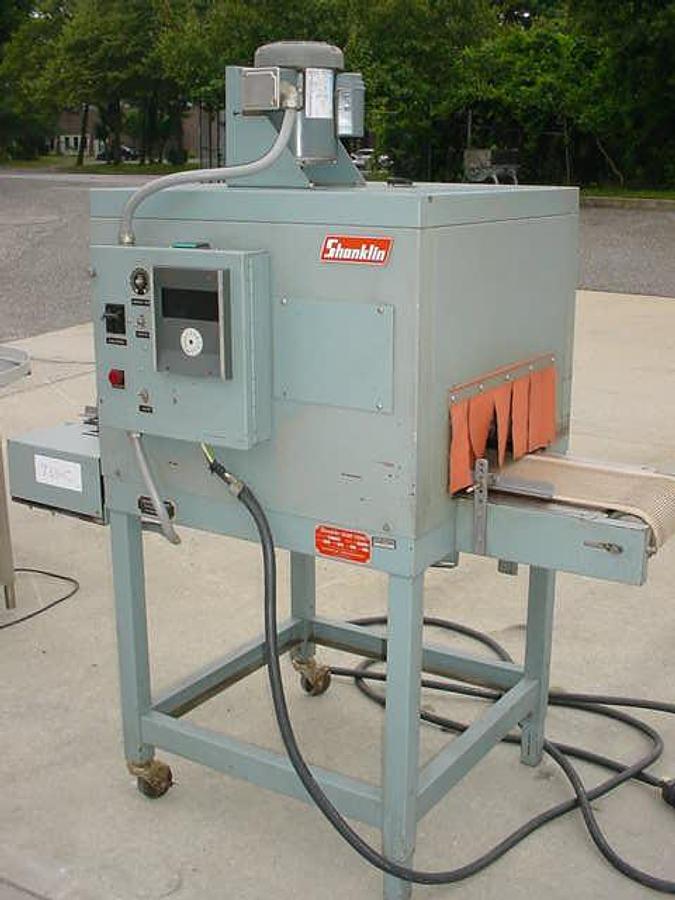
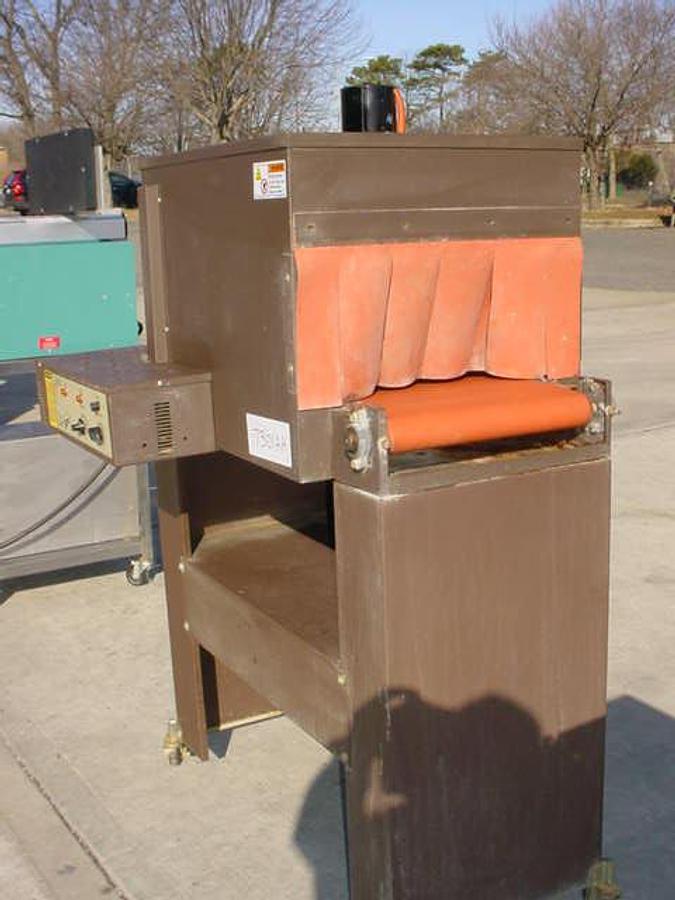
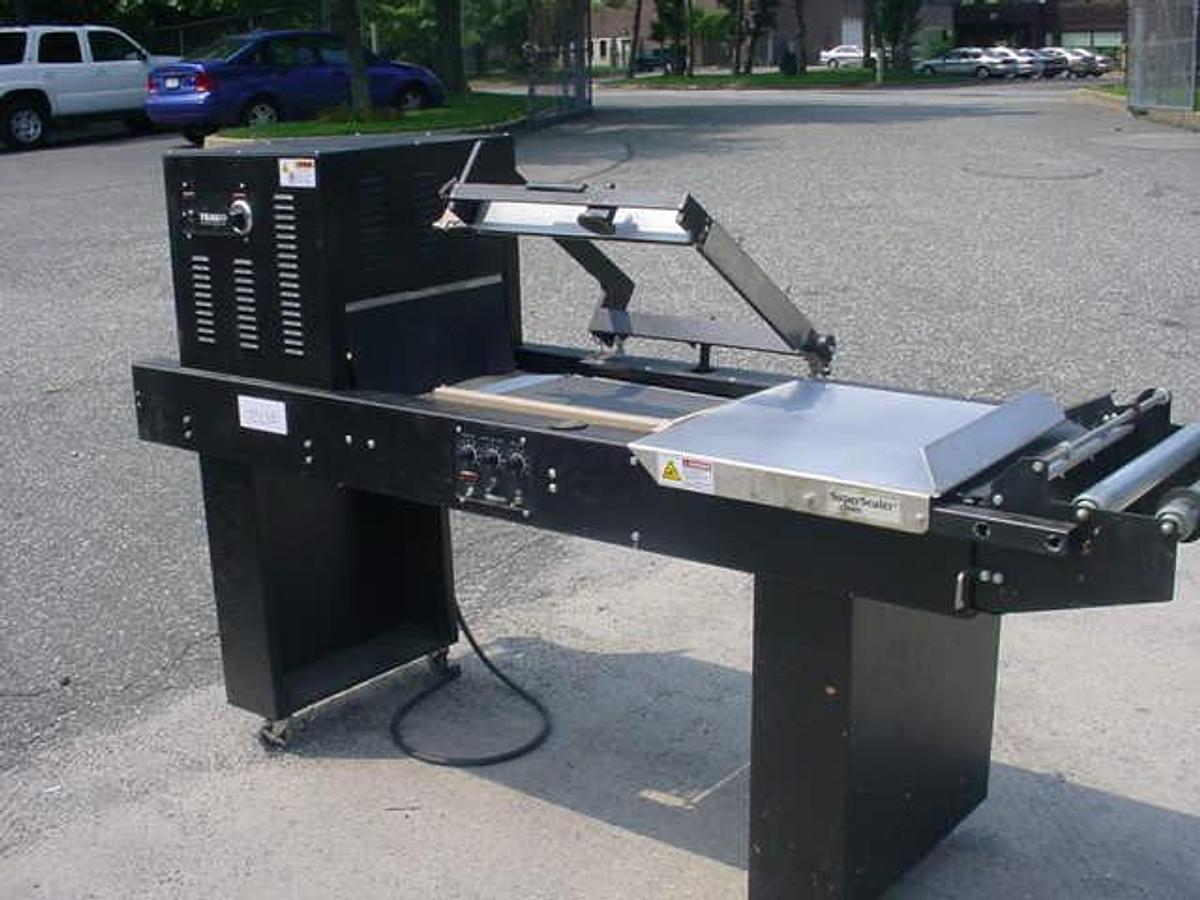
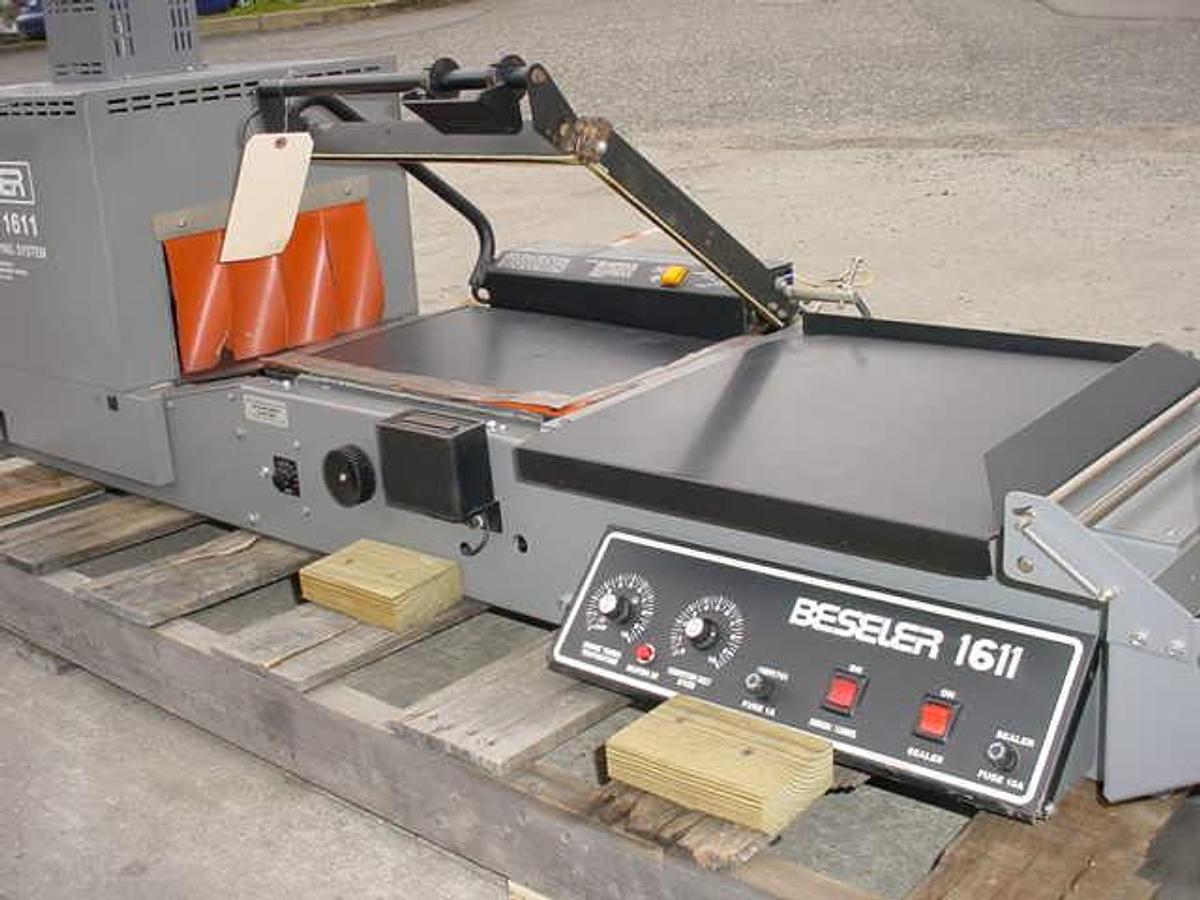
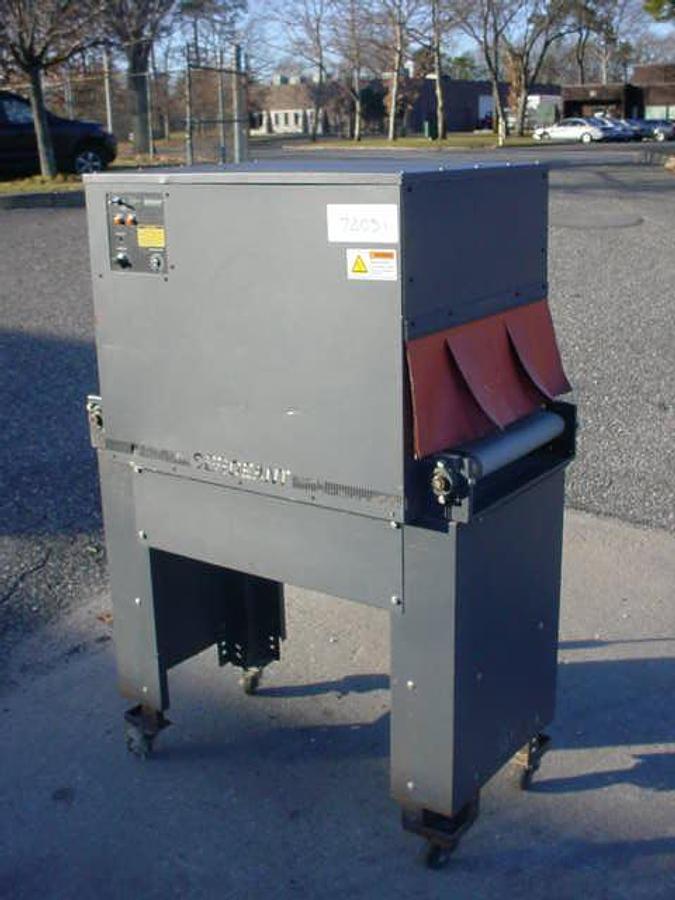
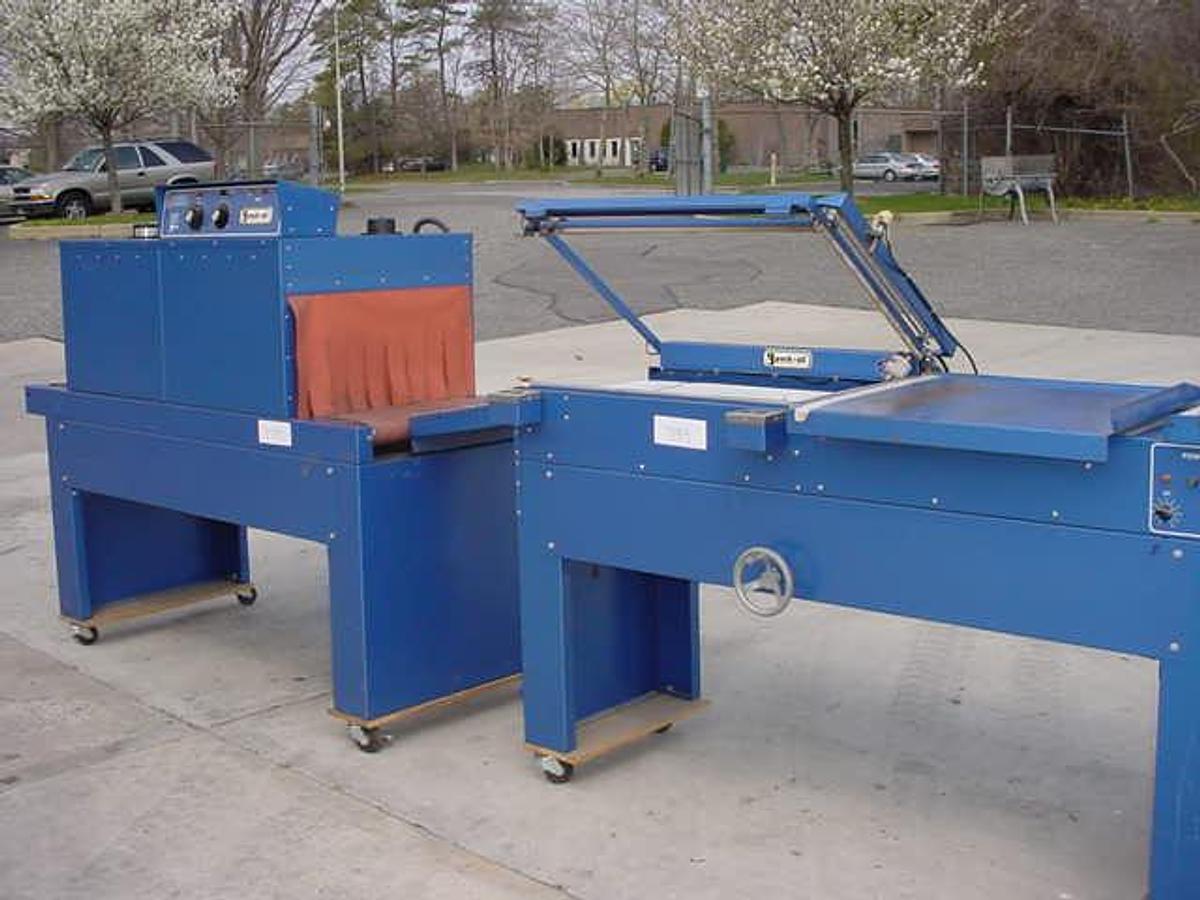
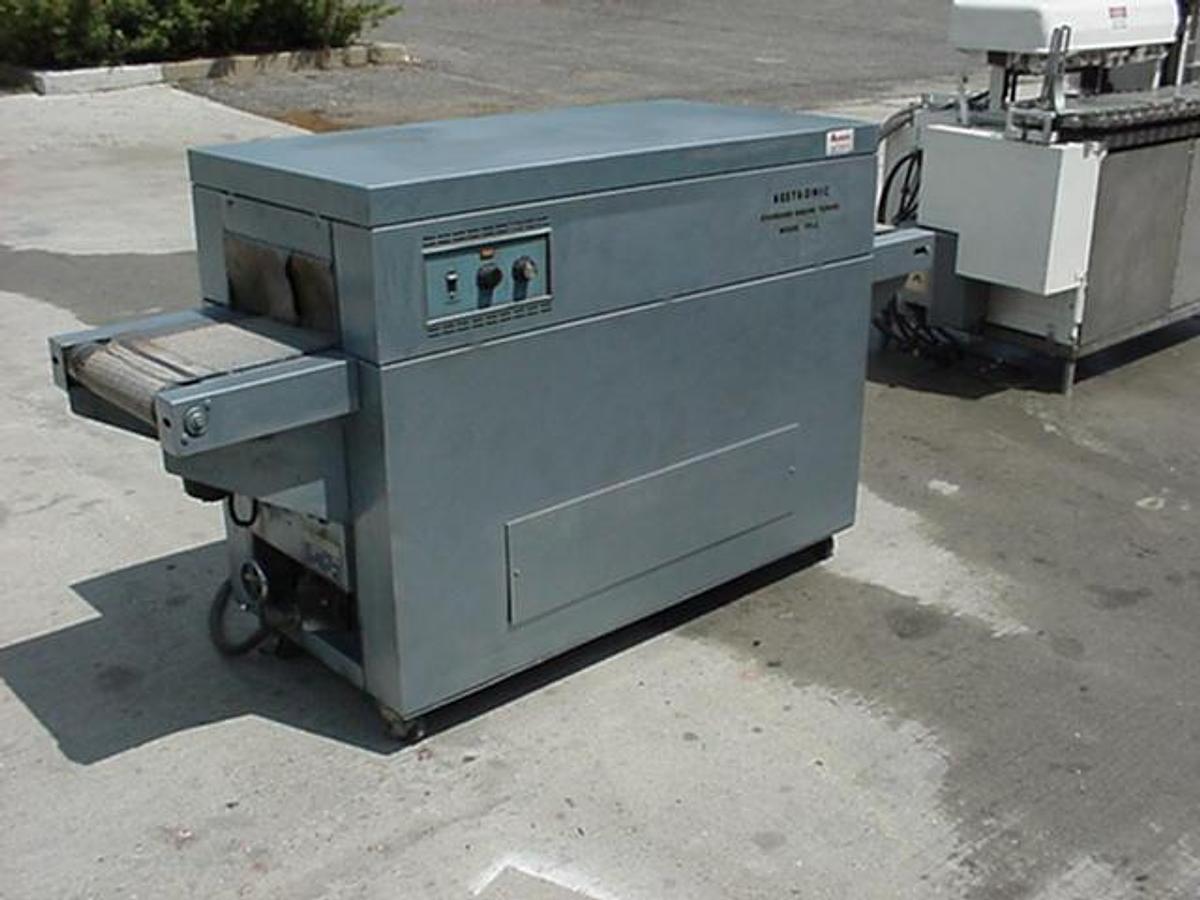
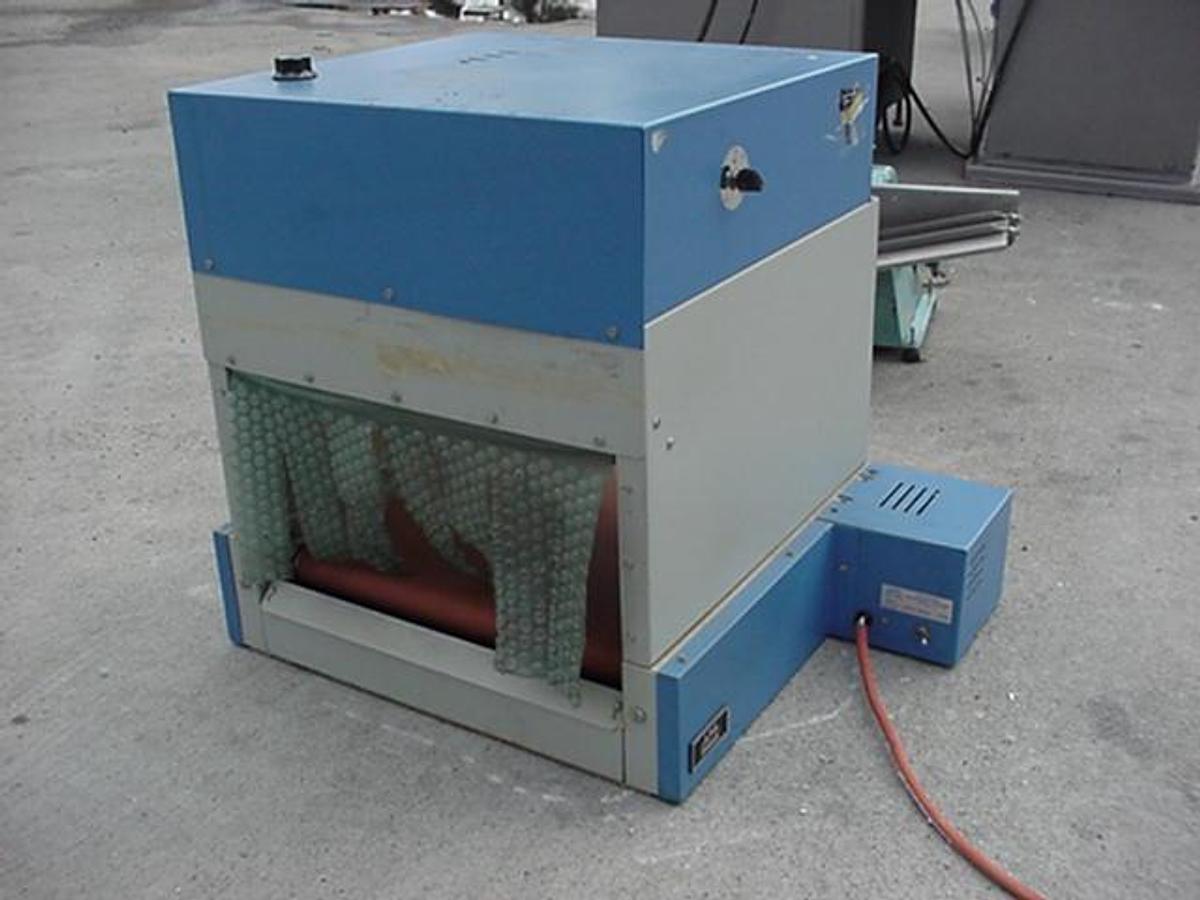
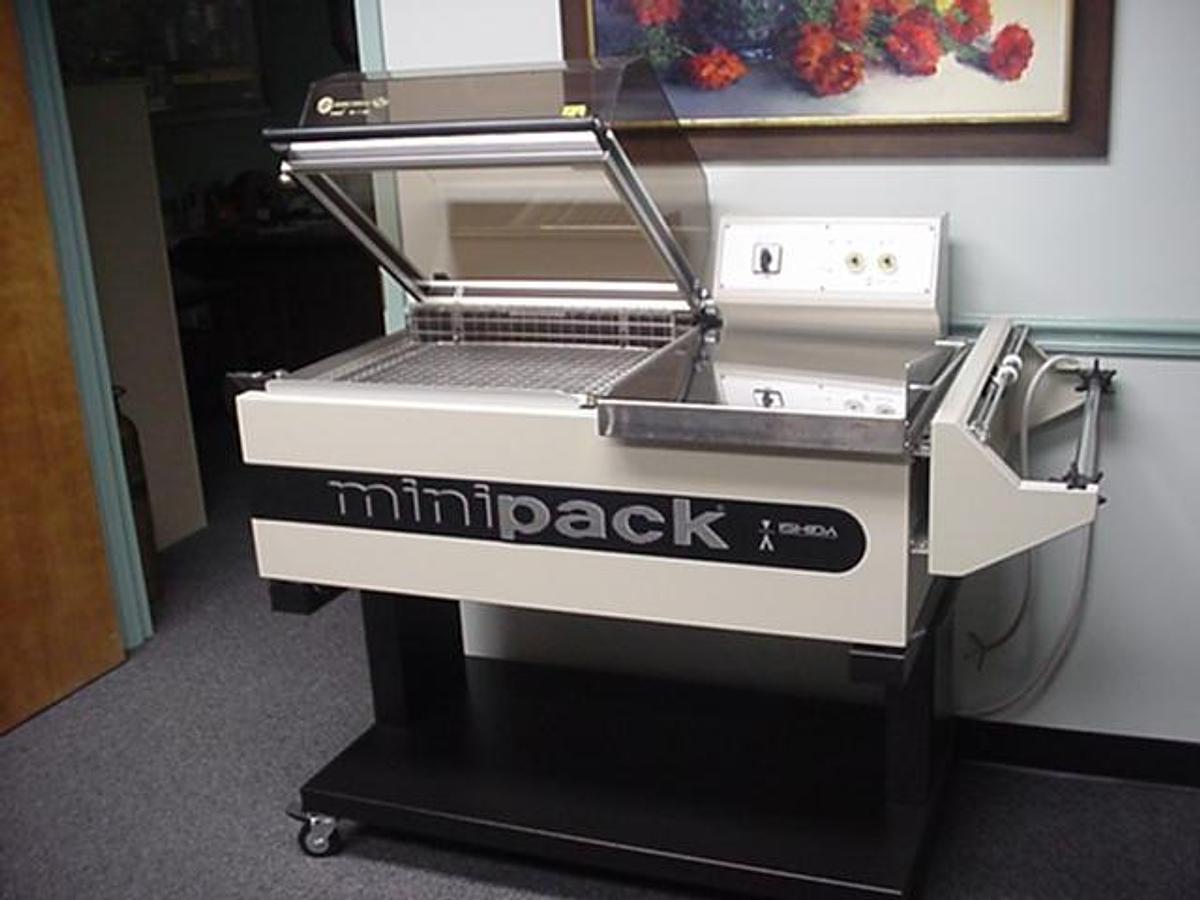
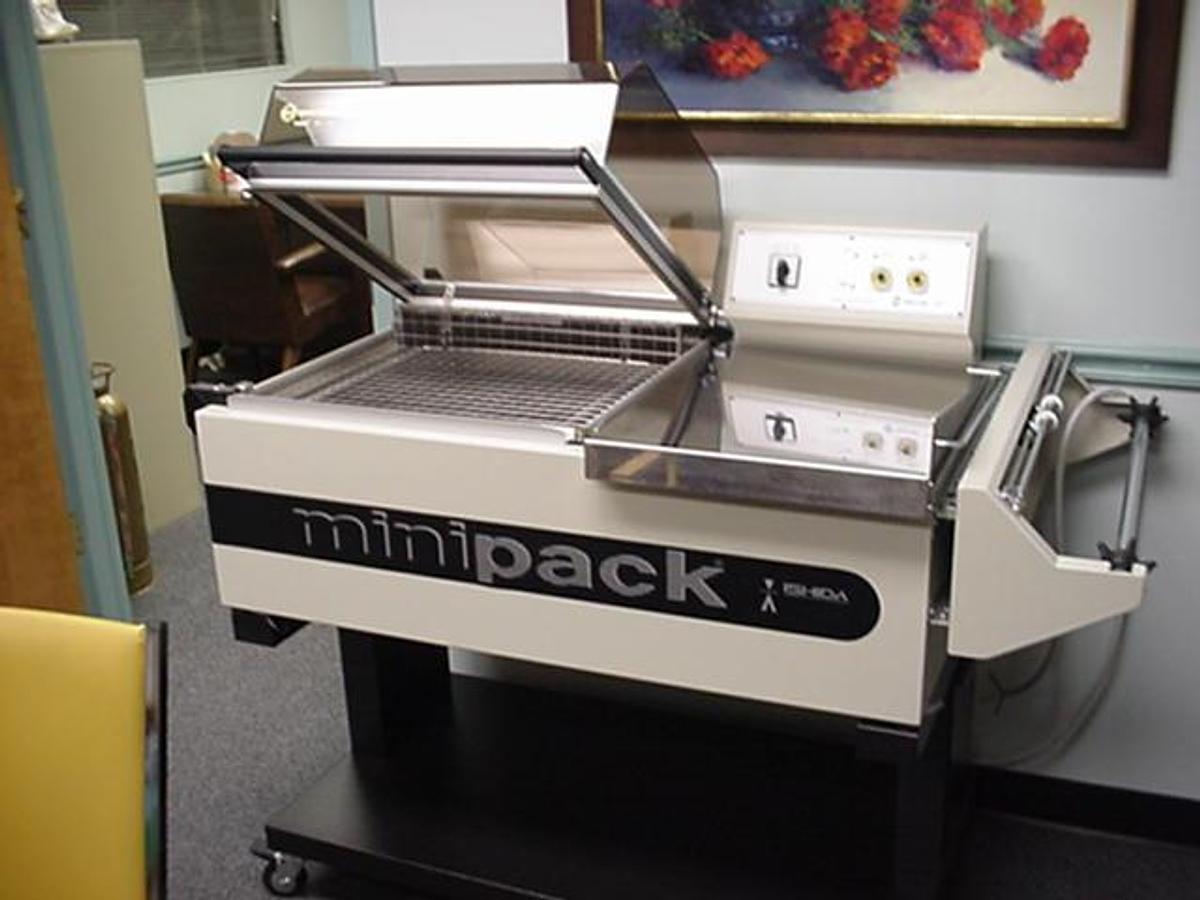
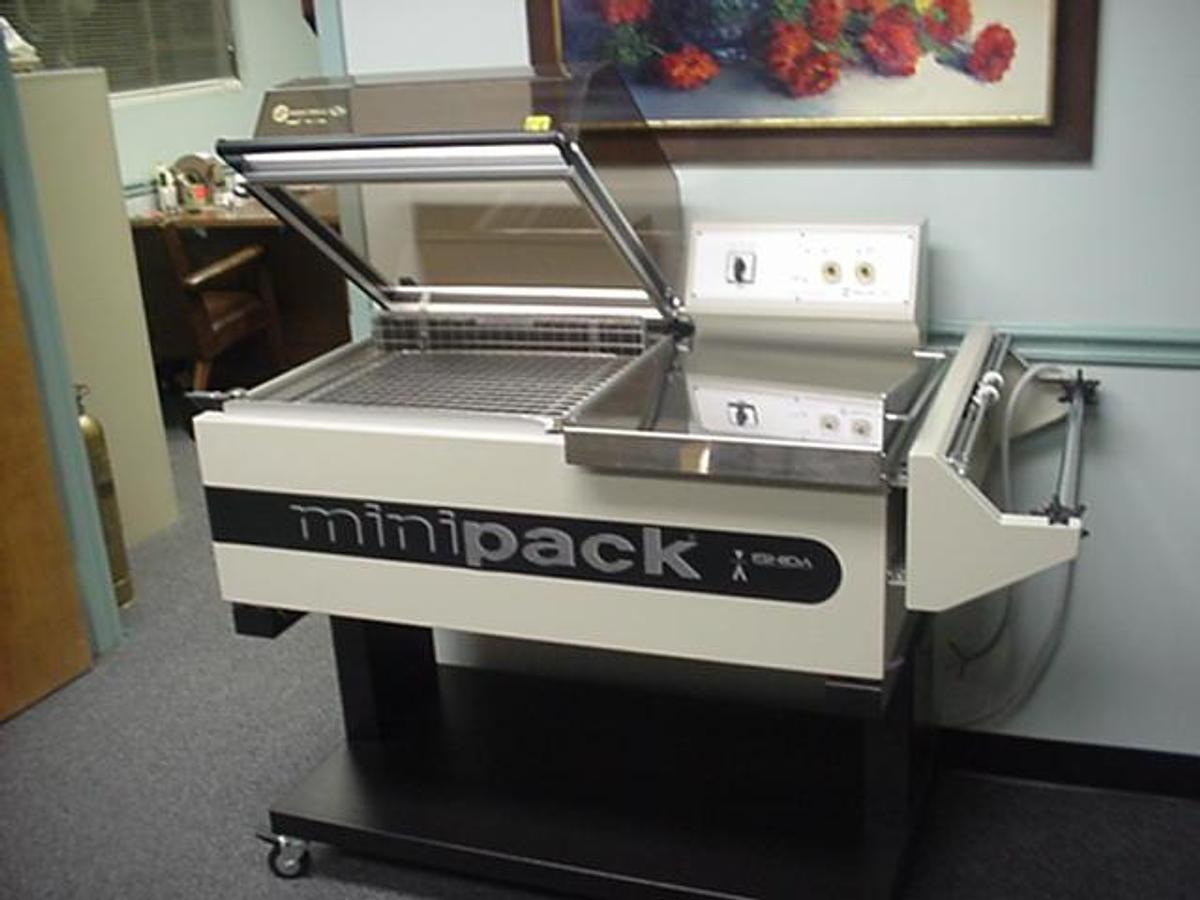
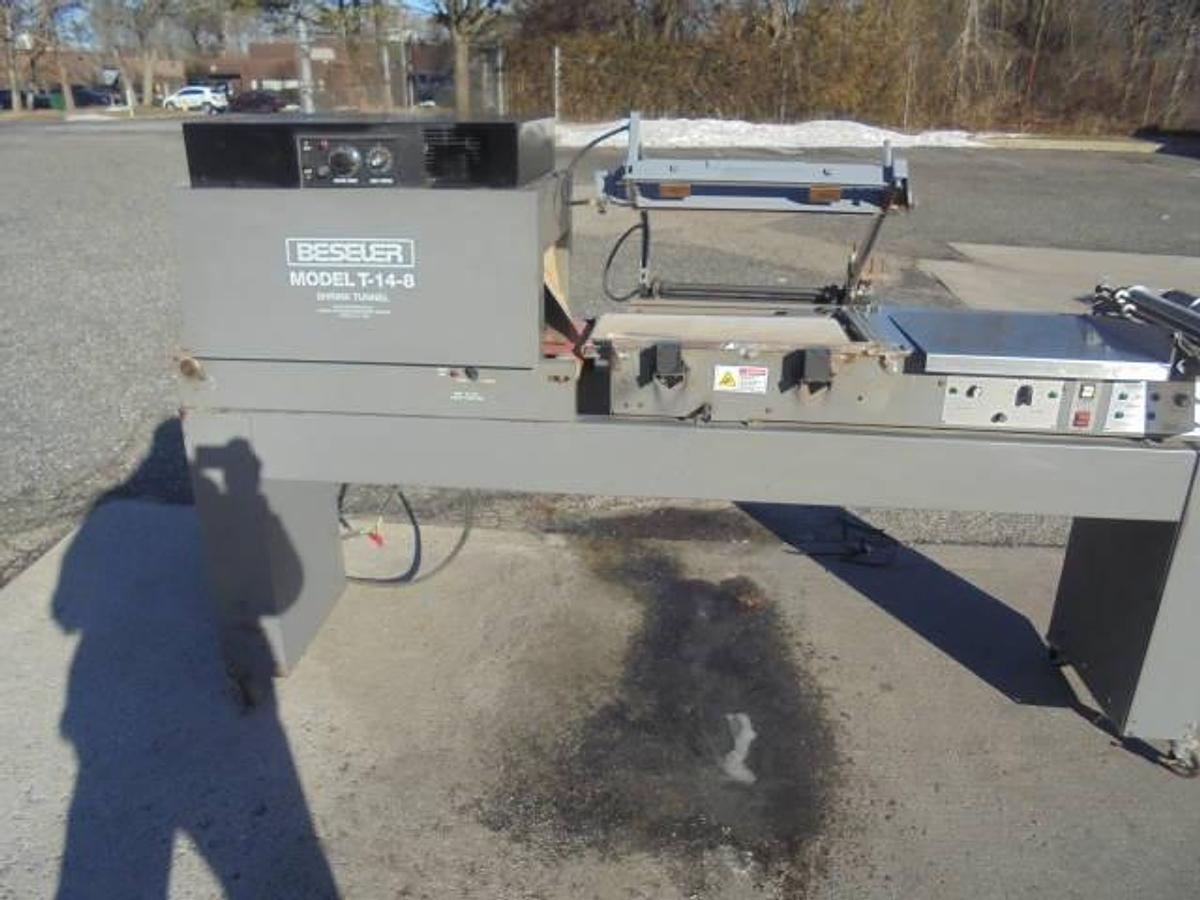
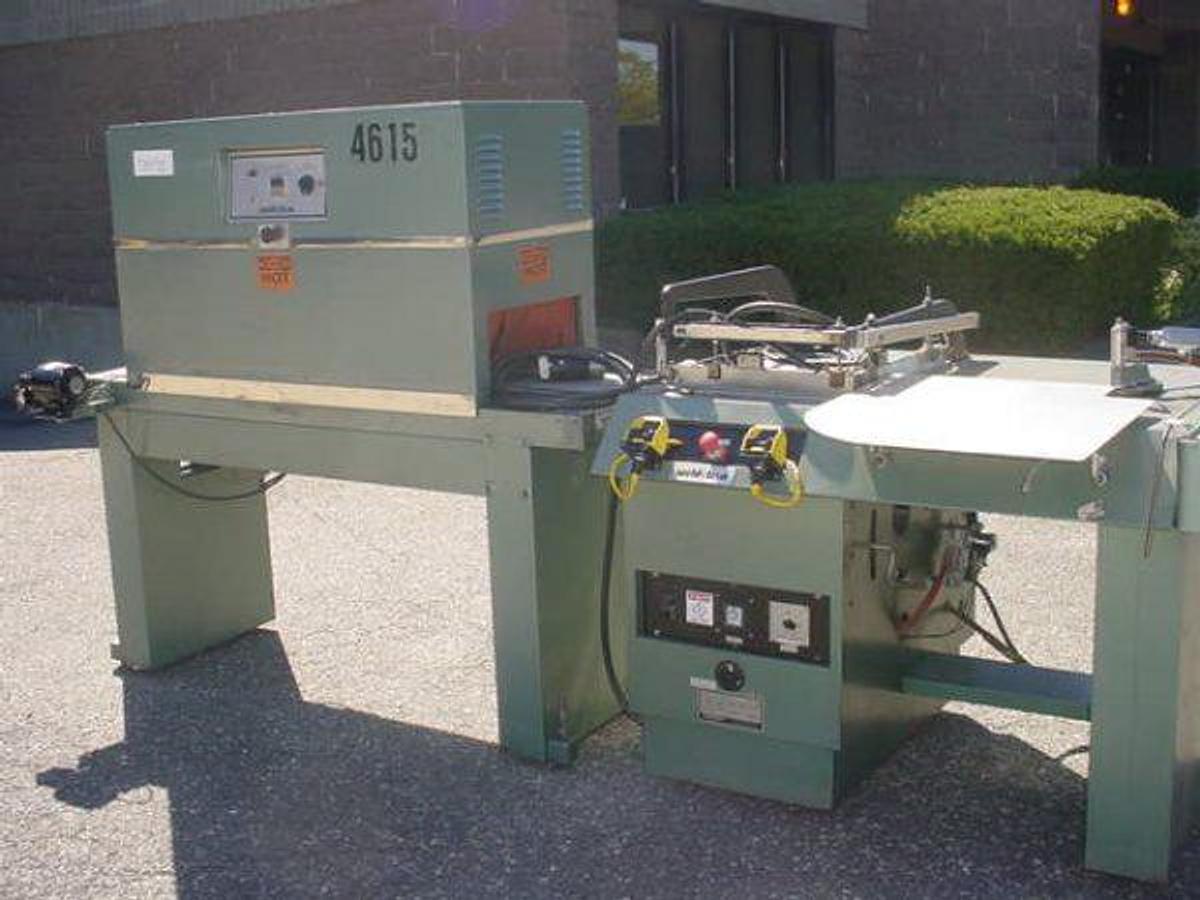
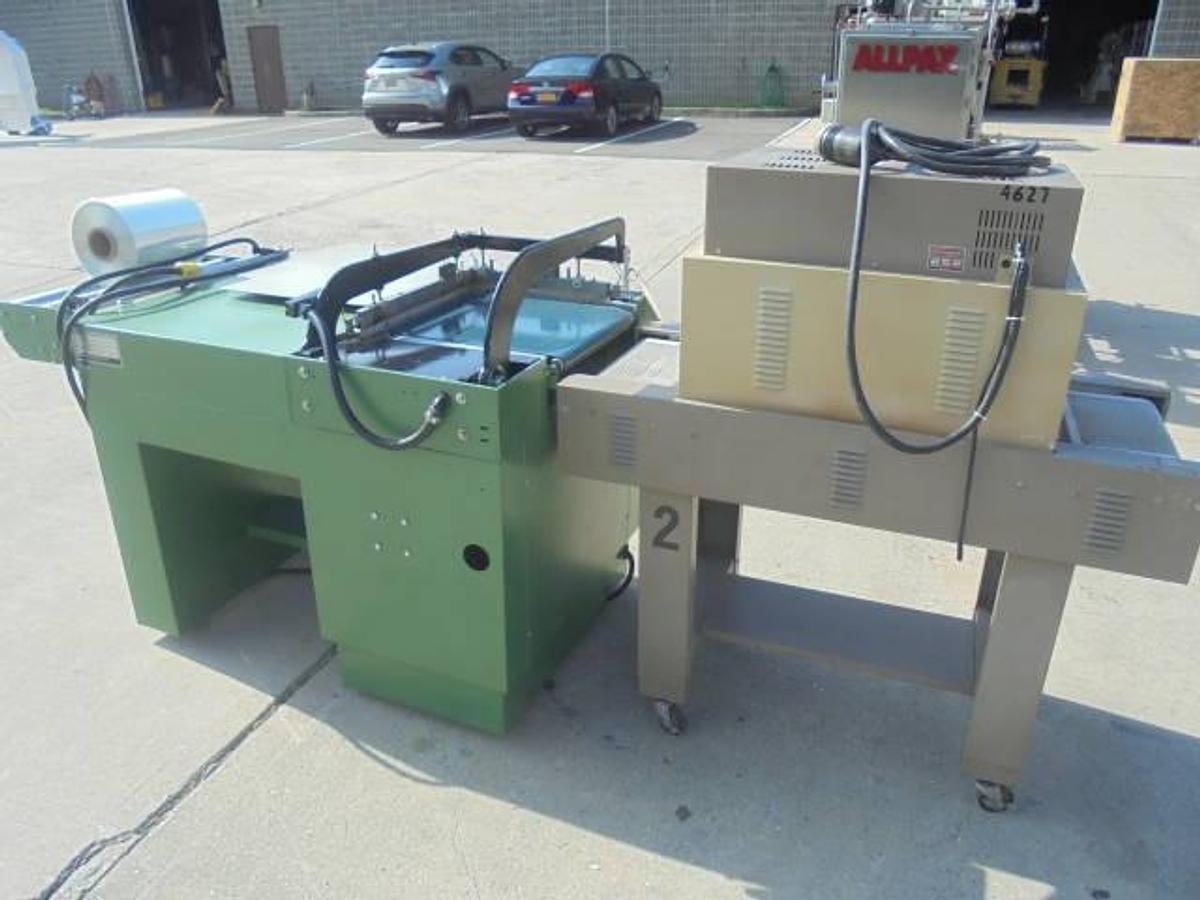
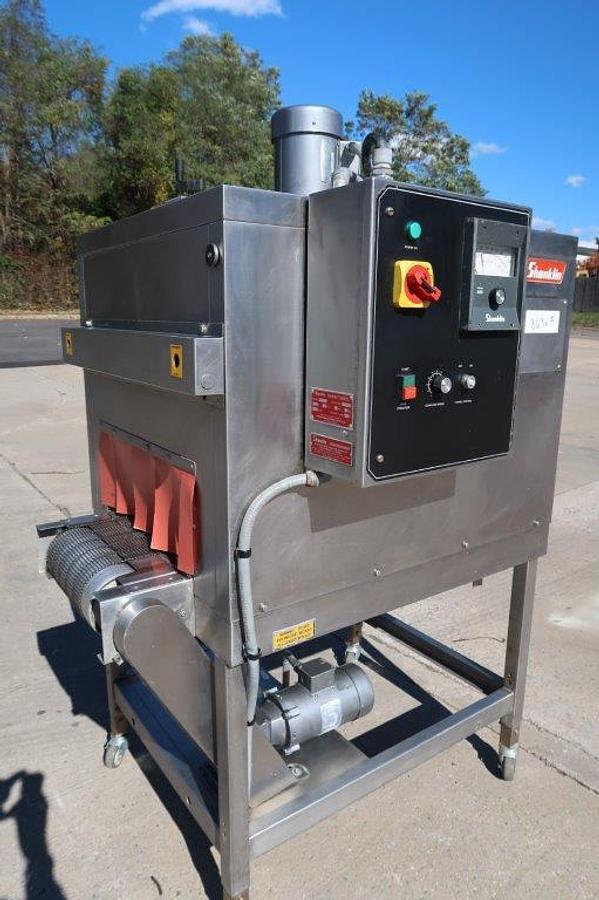
We stock a selection of shrink packaging equipment including used shrink wrap machines for the shrink packaging industry. Our selection of shrink tunnel machines includes shrink wrap tunnels (heat shrink tunnels), automatic stretch wrappers, sleeve wrappers, shrink bundlers, and “L” bar sealers for sale. We are suppliers of numerous brands of stretch film wrappers including the ISHIDA shrink packager, SHANKLIN shrink wrapping systems and DOBOY shrink wrapping lines.
FAQ :
What types of used shrink equipment are available on the market?
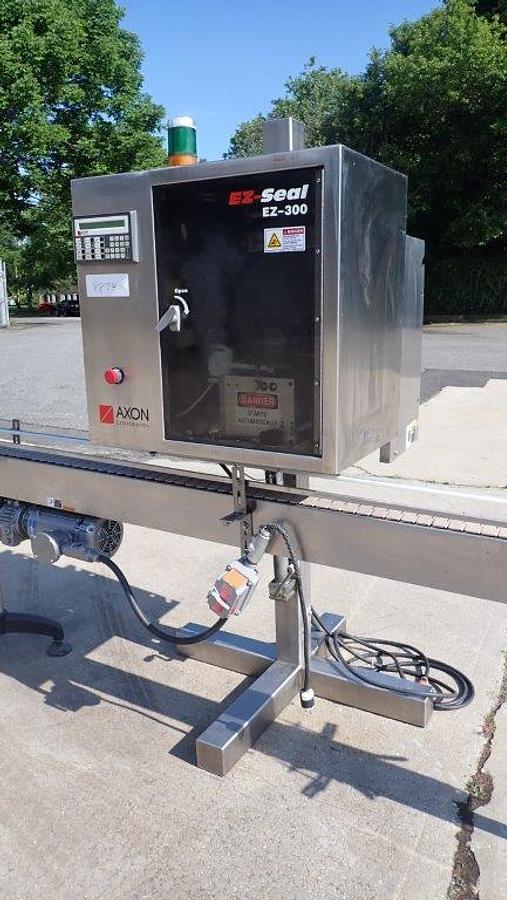
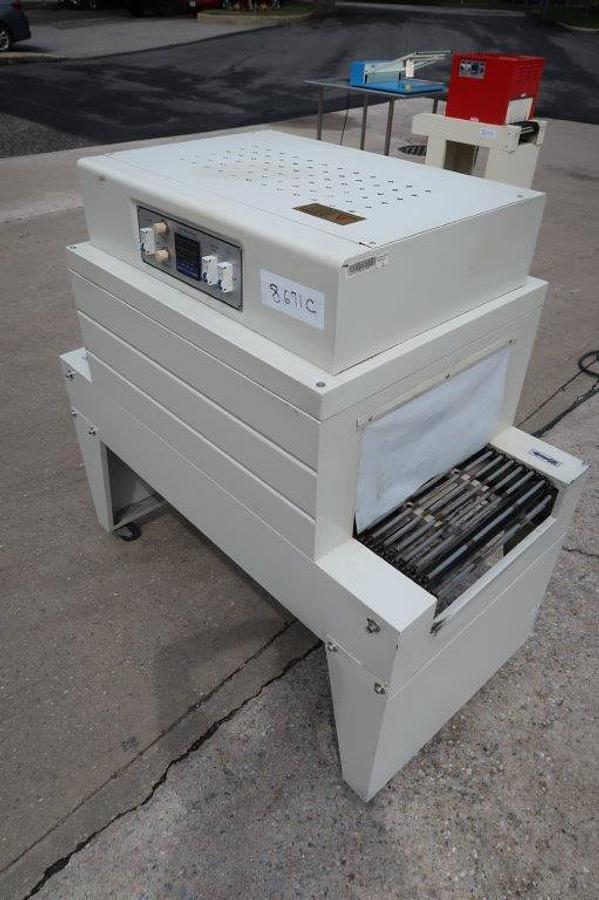
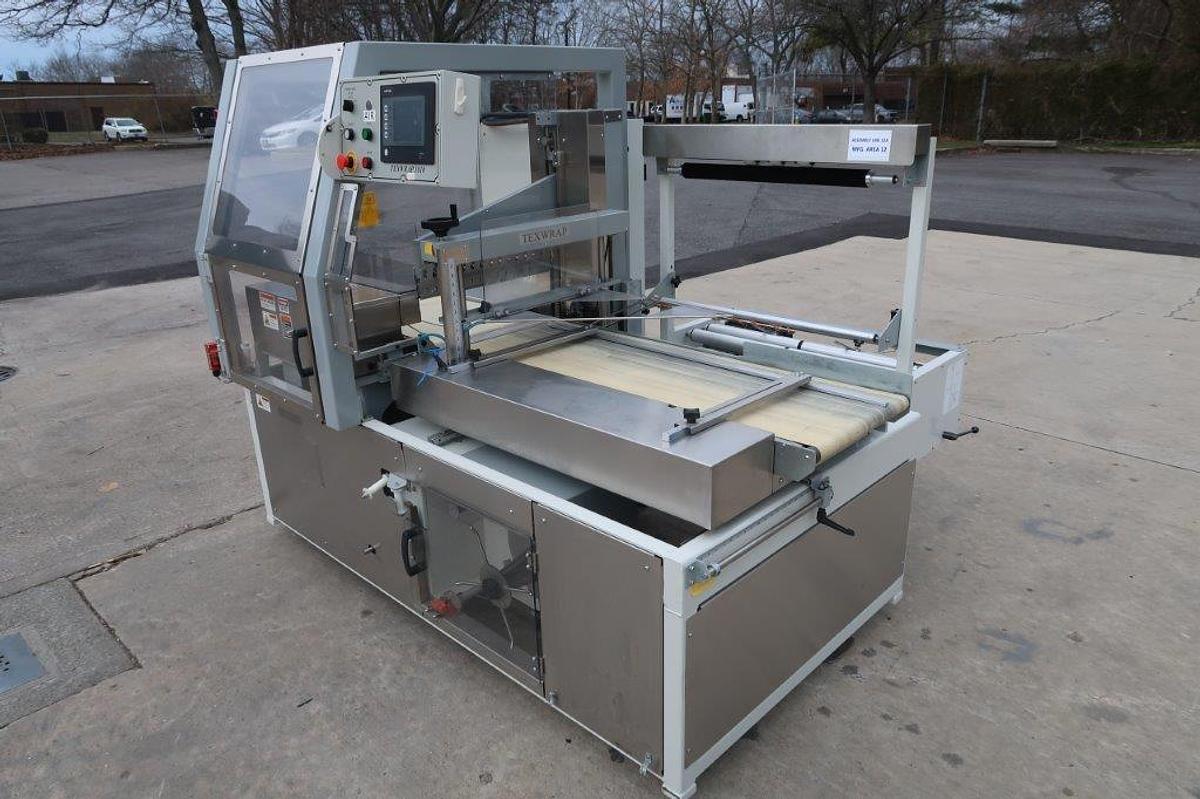
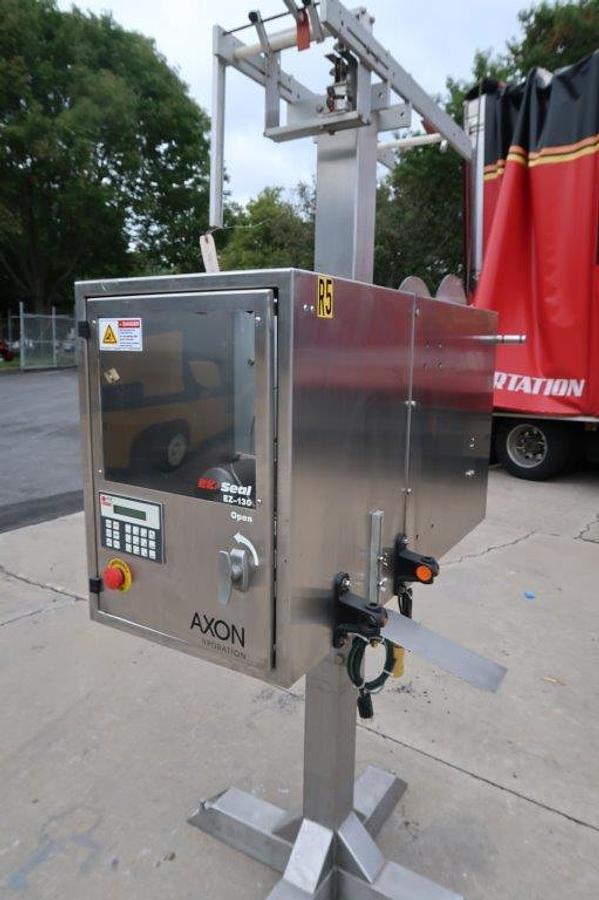
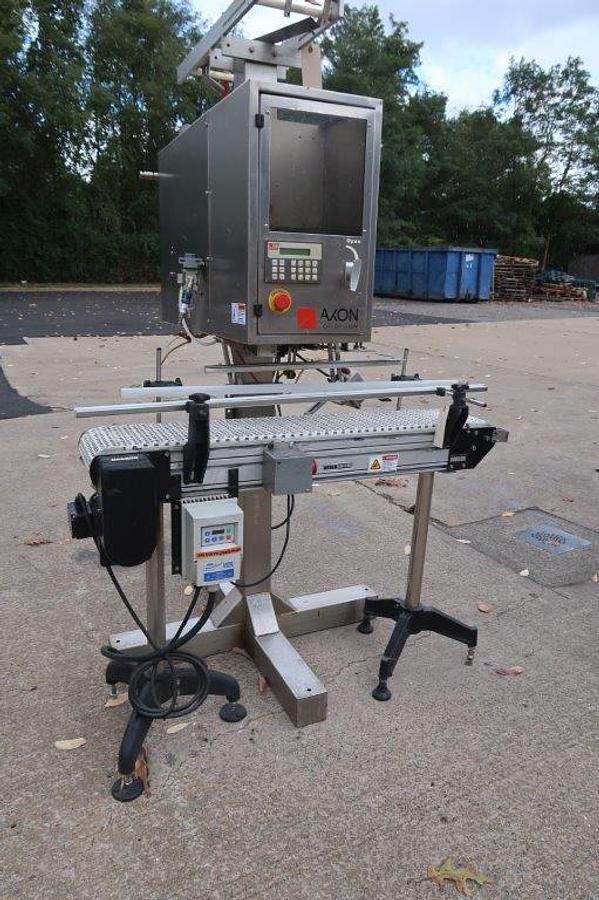
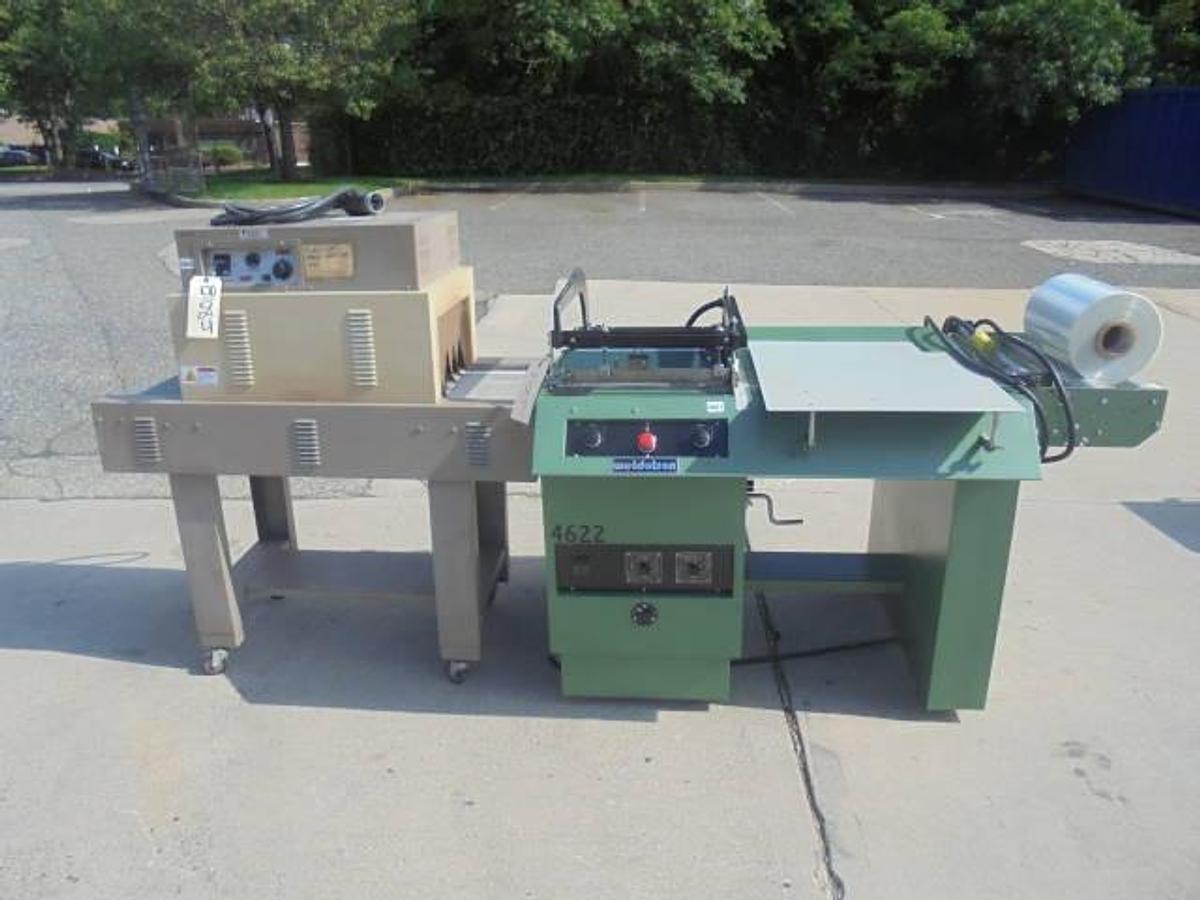
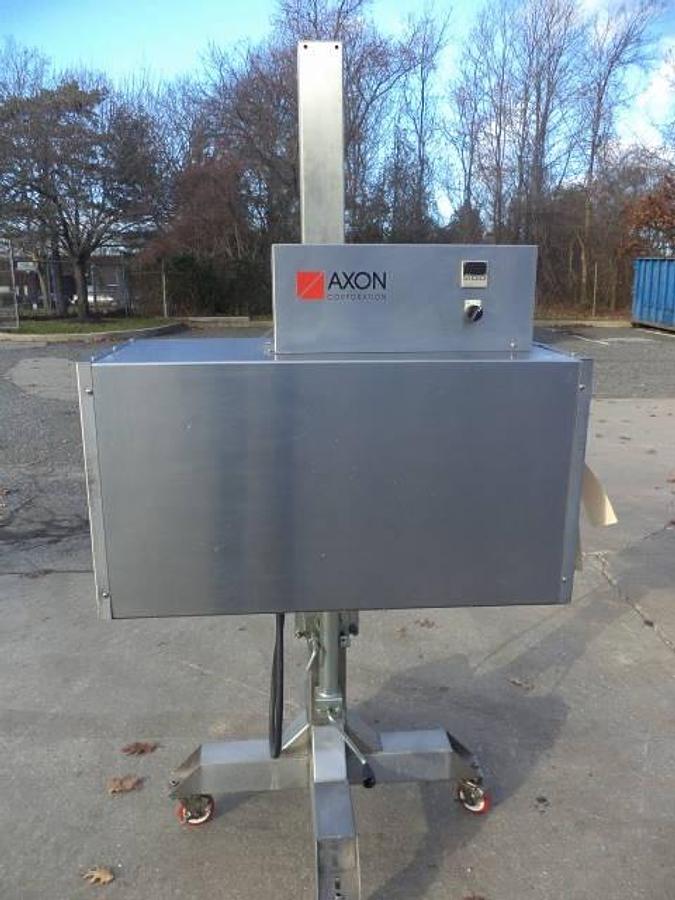
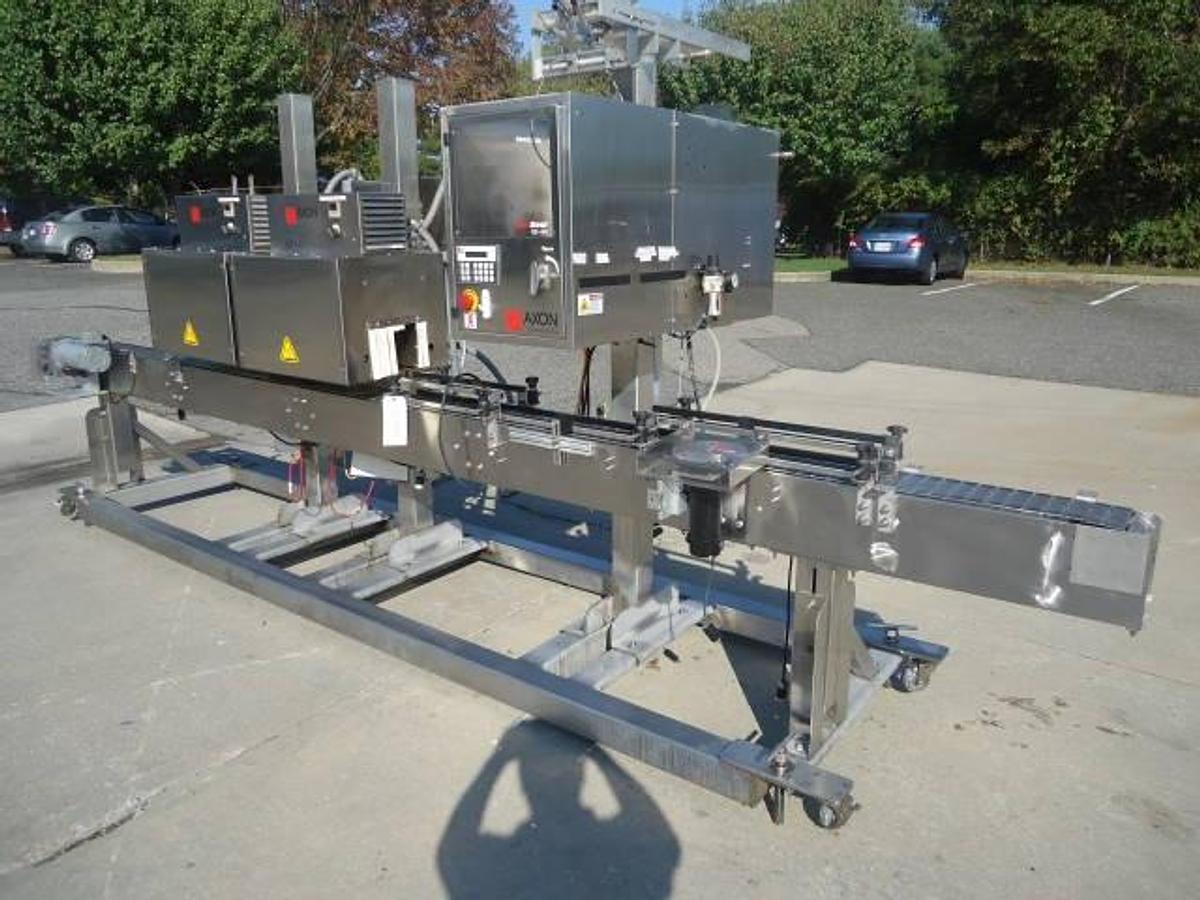
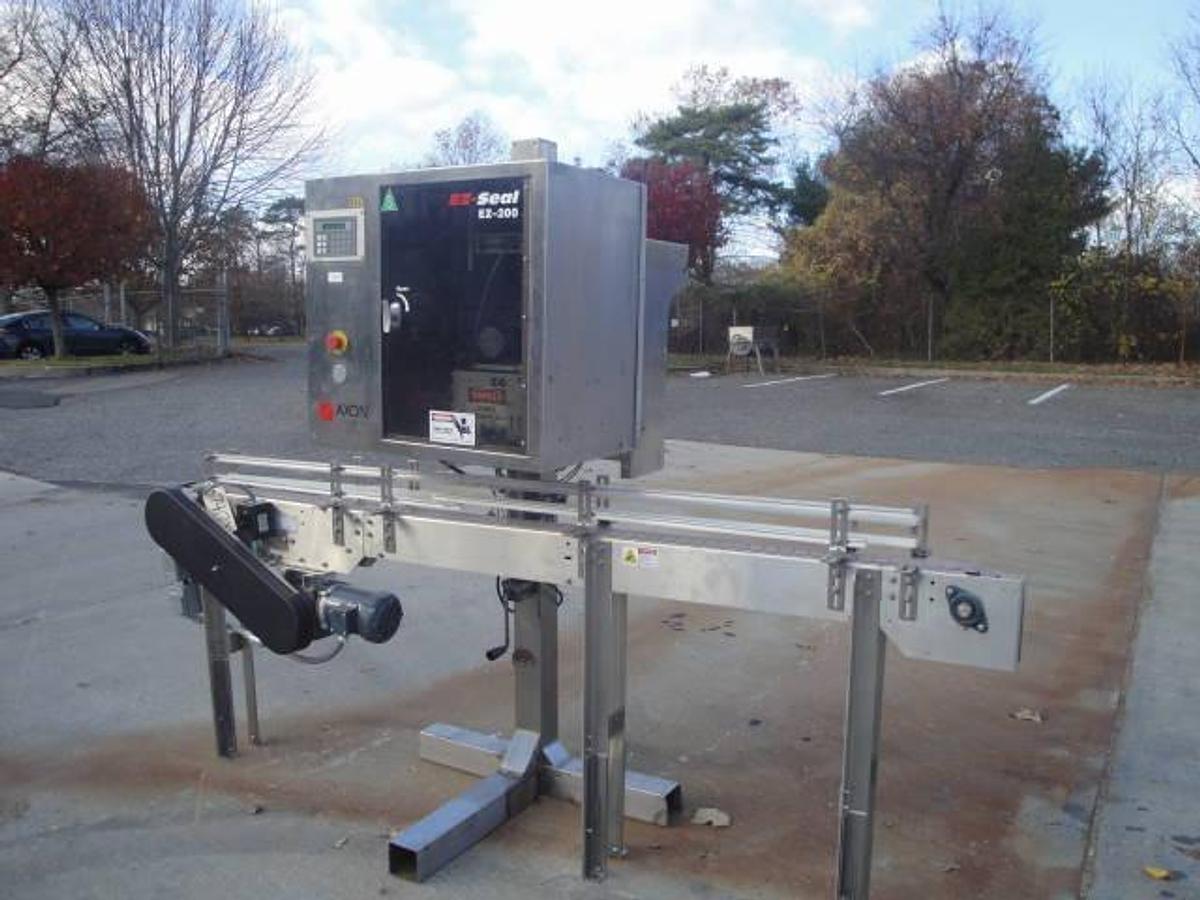
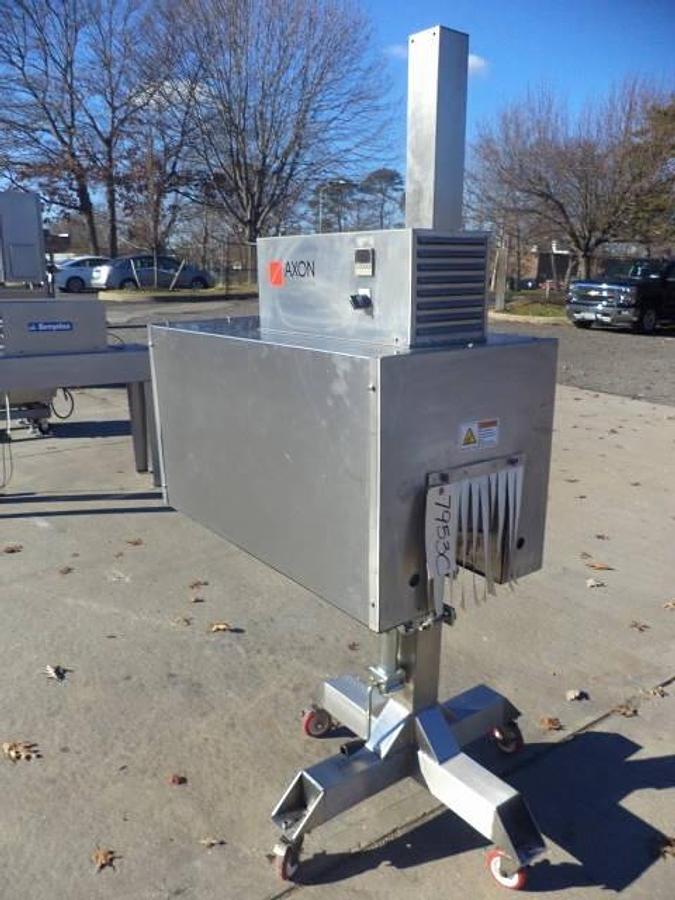
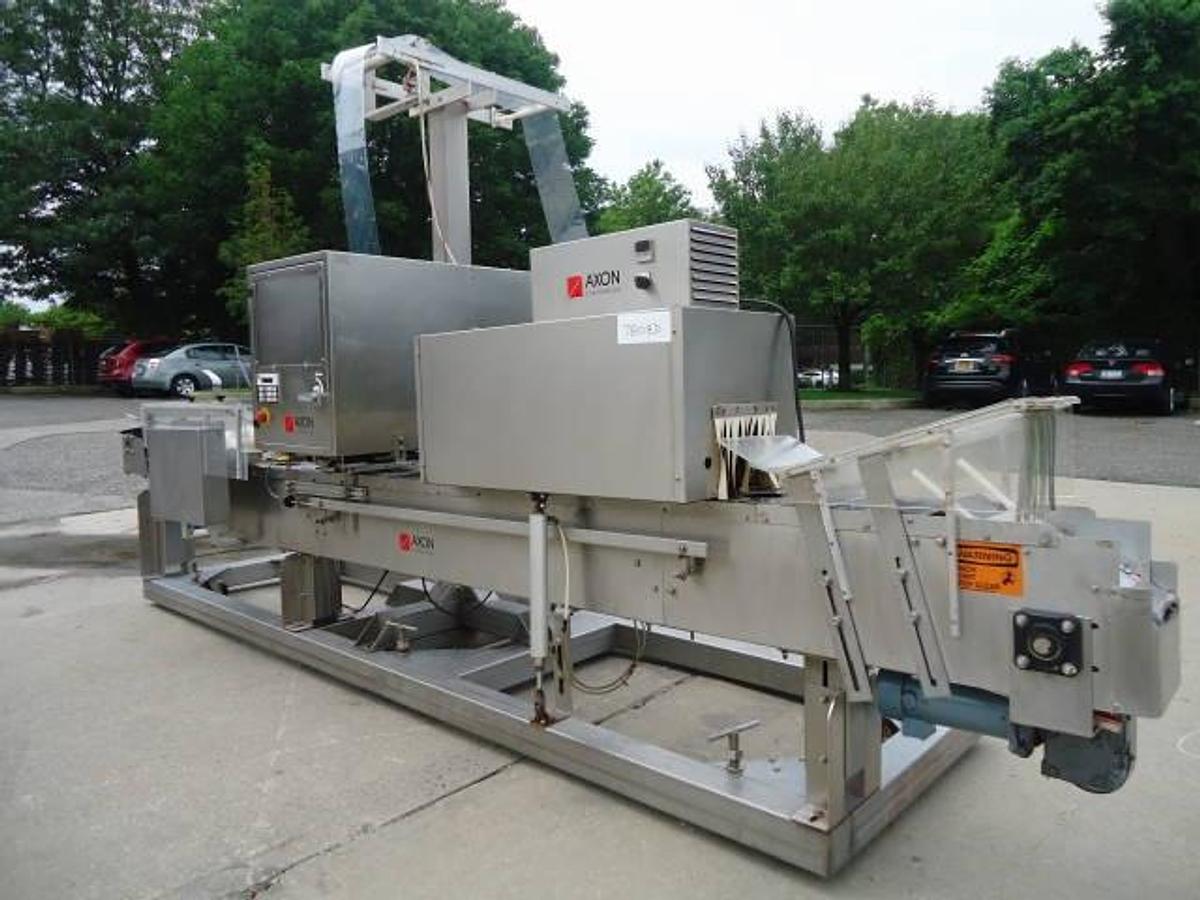
The used shrink packaging equipment market covers a fairly wide range of machine types, each serving a different role in the packaging process. The most common categories include L-bar sealers, side seal automatic shrink wrappers, conveyorized shrink tunnels, sleeve wrappers, shrink bundling machines, and tabletop combination units that pair a sealer with a tunnel in one portable footprint. Heat shrink tunnels come in a range of opening sizes, from compact tabletop models with openings around 10 inches wide to larger conveyorized units with 22-inch-wide openings suited to higher-volume production lines. Sleevers and neck banders, such as those made by Axon, handle tamper-evident banding and sleeve application for bottles and containers.
Brands that appear frequently in the used market include Shanklin, Weldotron, Eastey, Arpac, Axon, Ishida, Preferred Packaging, Texwrap, Clamco, and Polypack, among others. Each brand has its own strengths: Shanklin and Weldotron are well-regarded for heavy-duty conveyorized tunnels, while Axon is a go-to name for sleeve and neck-banding applications. Ishida shrink packagers are popular in food packaging environments. When shopping for used equipment, understanding which machine type fits your production workflow is the first step. A standalone shrink tunnel, for example, only applies heat to pre-sealed packages, while an L-bar sealer handles the sealing step before the product enters the tunnel. Many operations purchase both as a matched pair, and used dealers often sell them as combination units.
What is the difference between a shrink wrapper and a shrink tunnel?
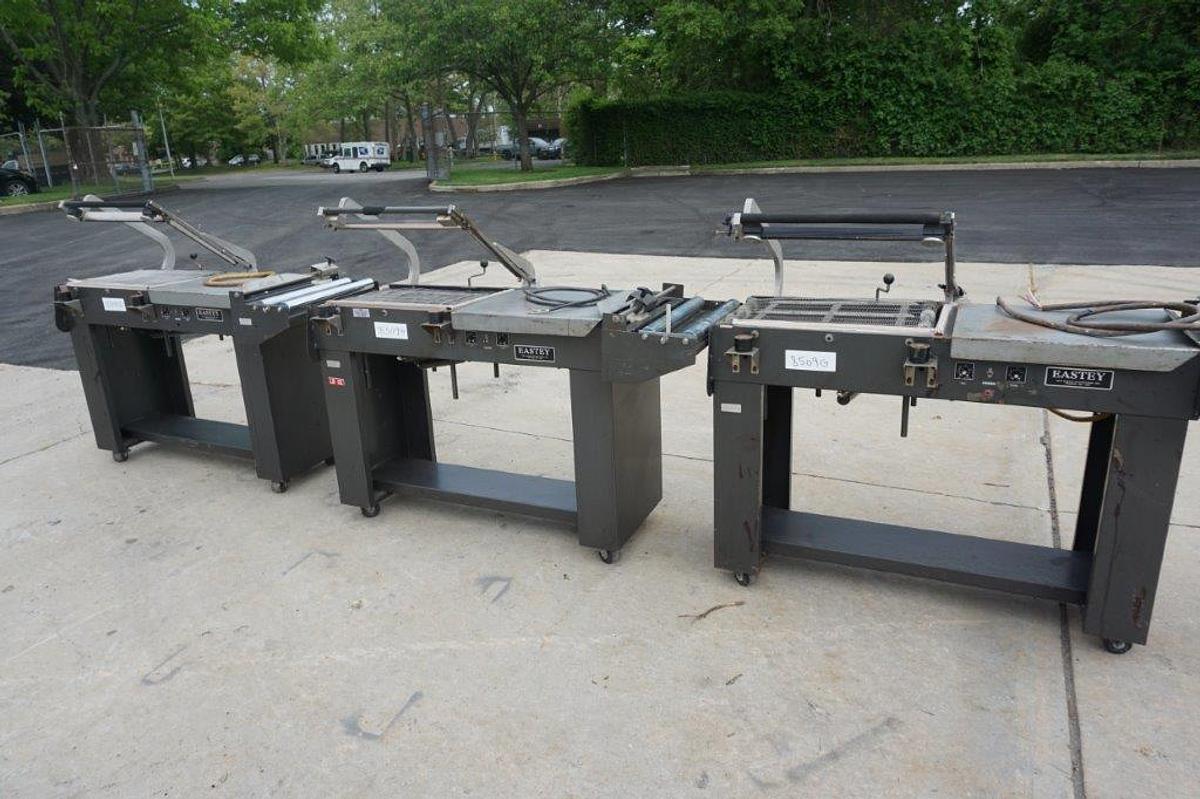
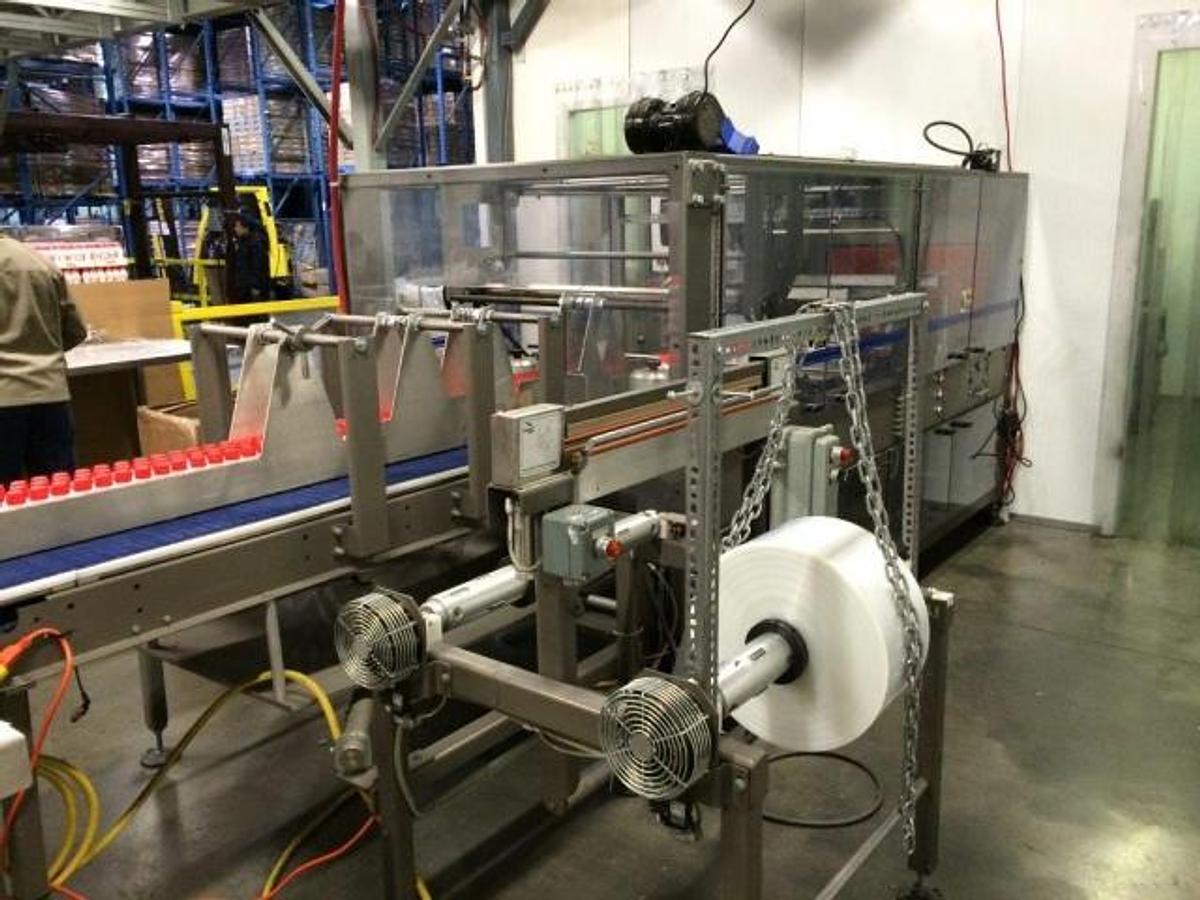
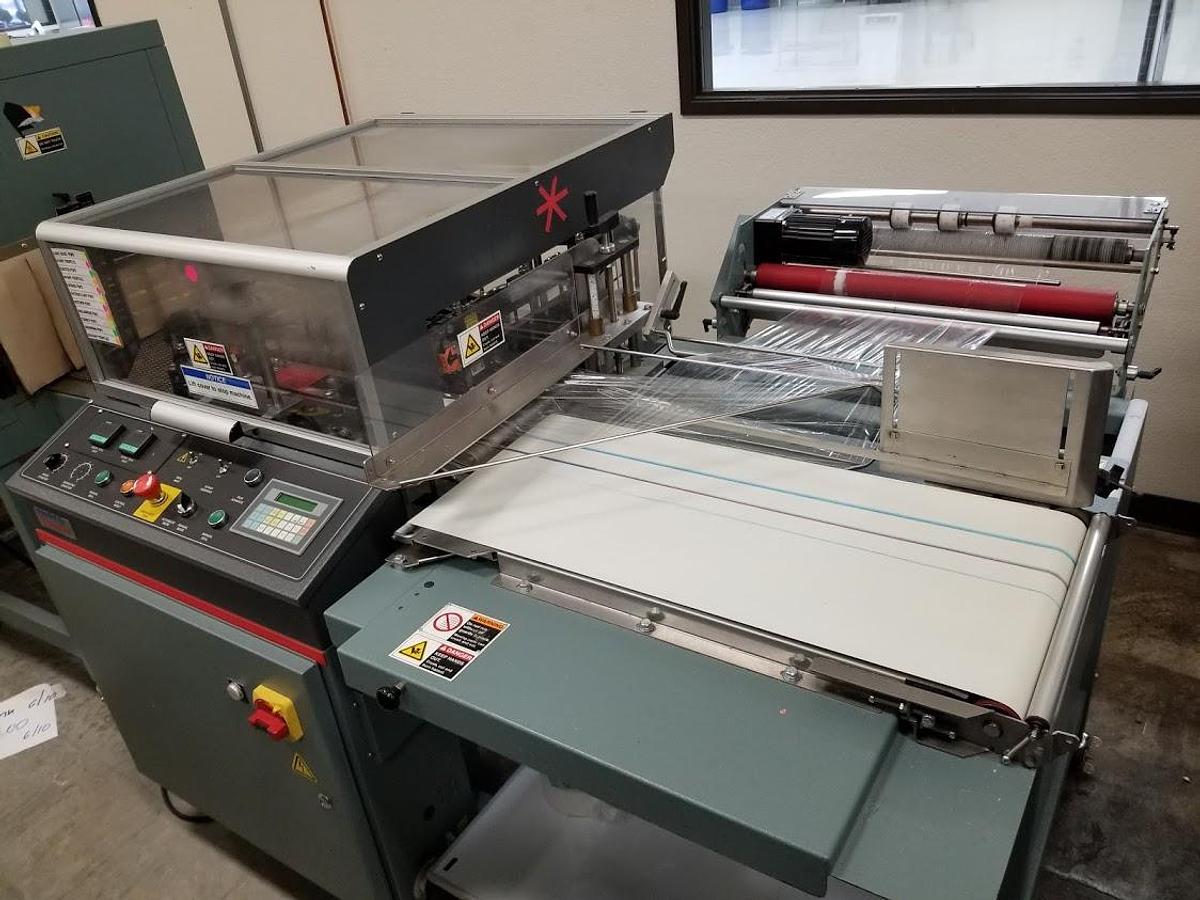
A shrink wrapper and a shrink tunnel are two distinct pieces of equipment that work together in a complete shrink packaging line, though they are sometimes confused or sold as a combined unit. A shrink wrapper, which includes L-bar sealers, side sealers, and sleeve wrappers, is responsible for enclosing the product in shrink film and making the seal. The machine cuts the film to the appropriate length and heat-seals the edges around the product, creating a loosely wrapped package ready for heat application. Automatic shrink wrappers can do this at high speeds with minimal operator involvement, while semi-automatic and tabletop models require more hands-on handling.
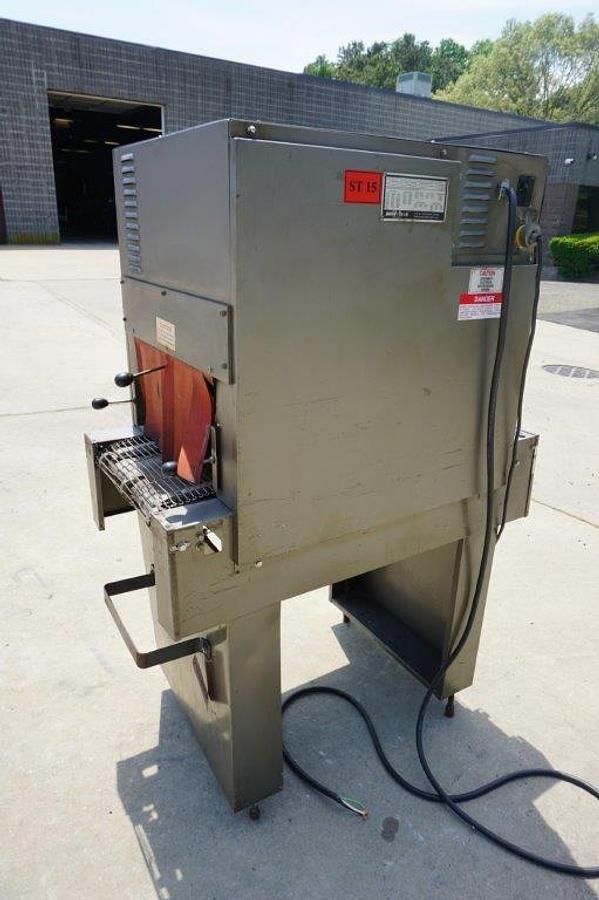
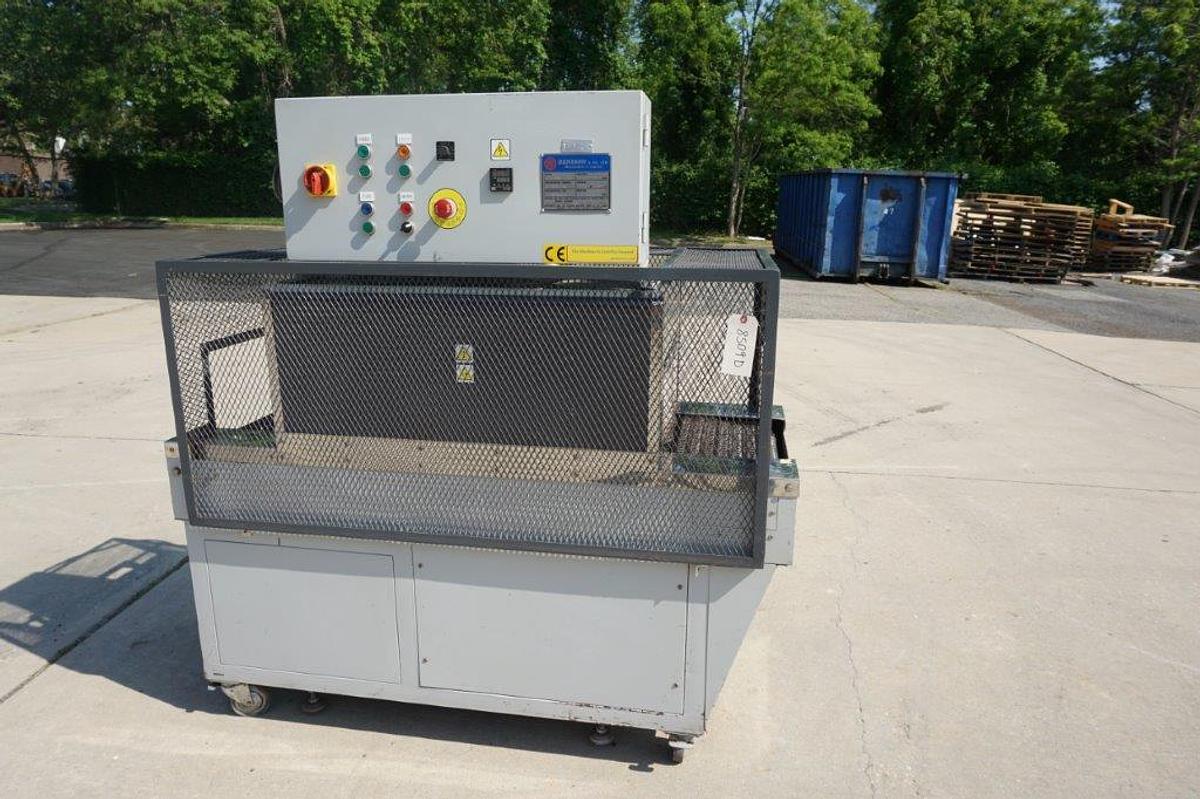
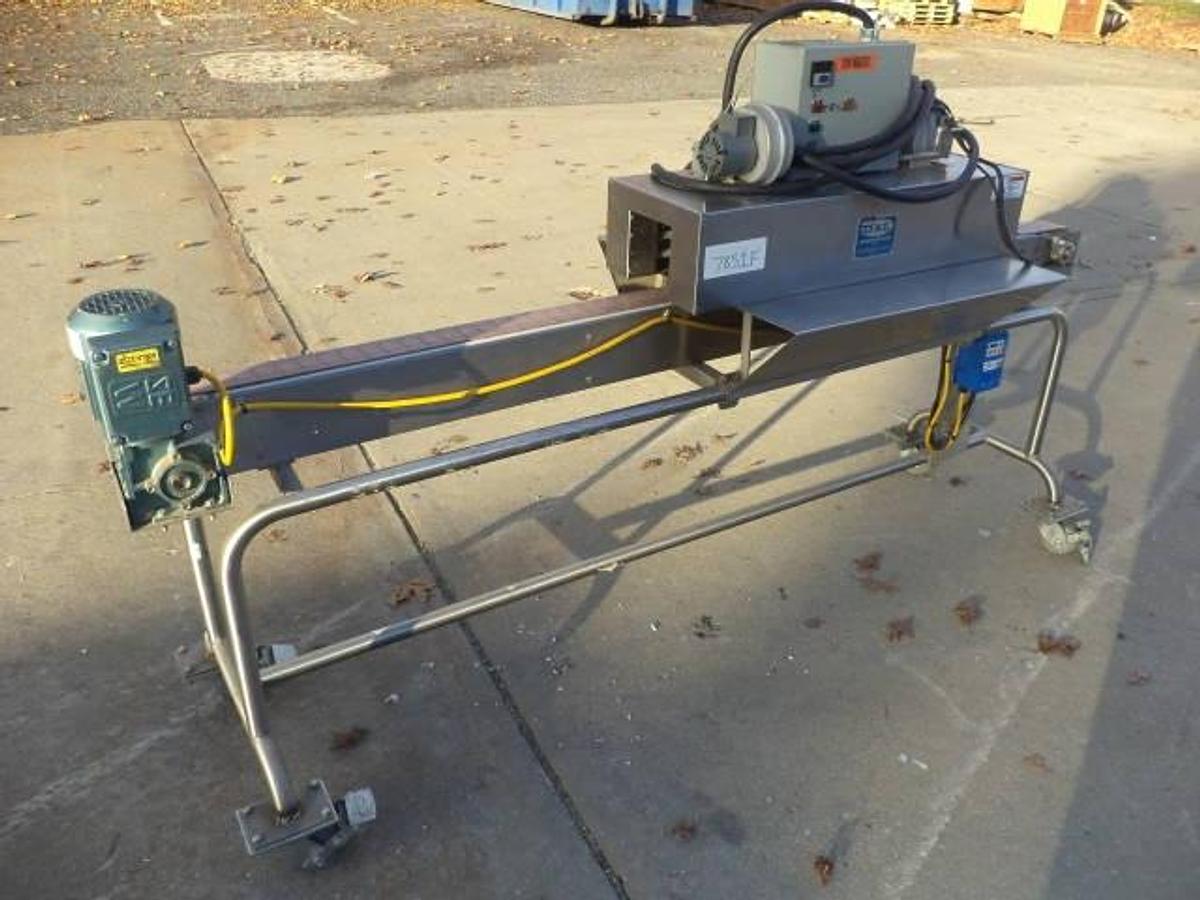
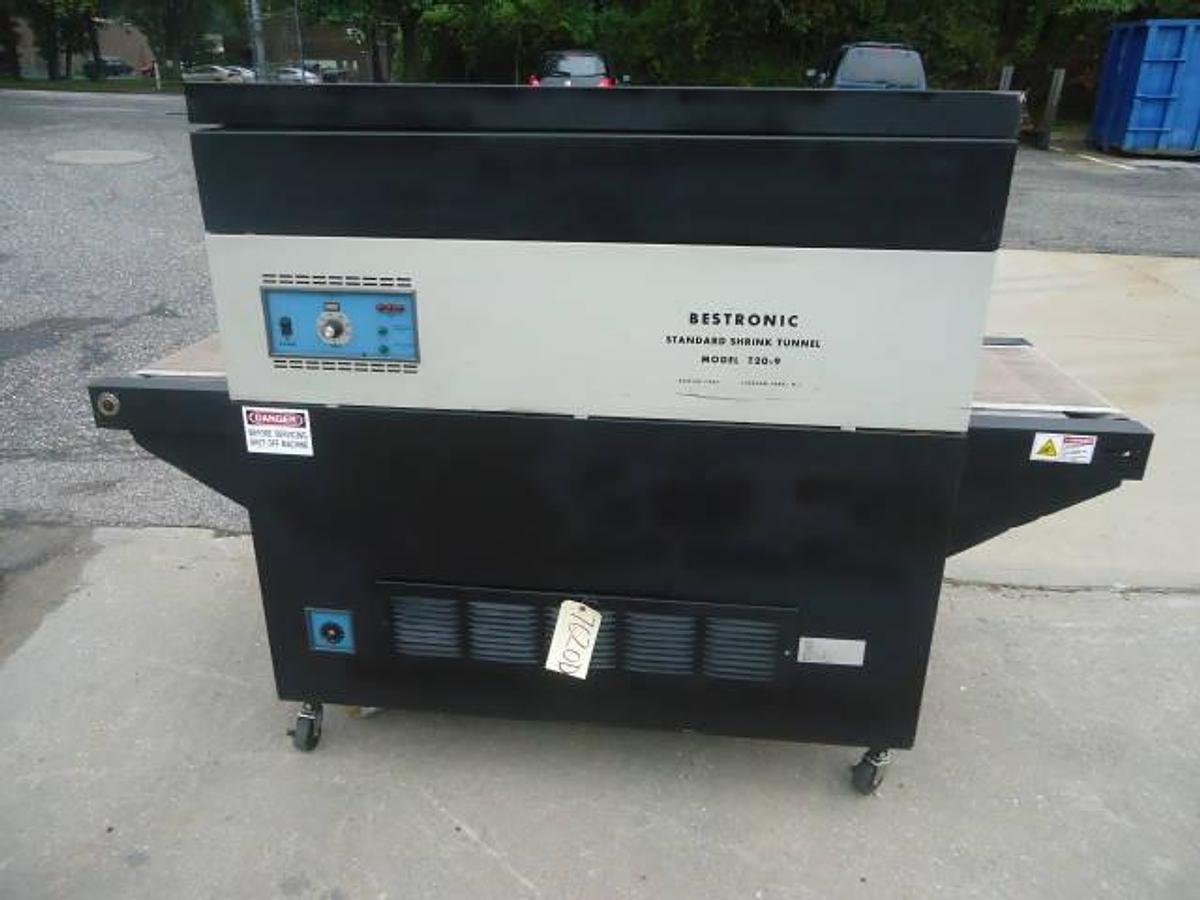
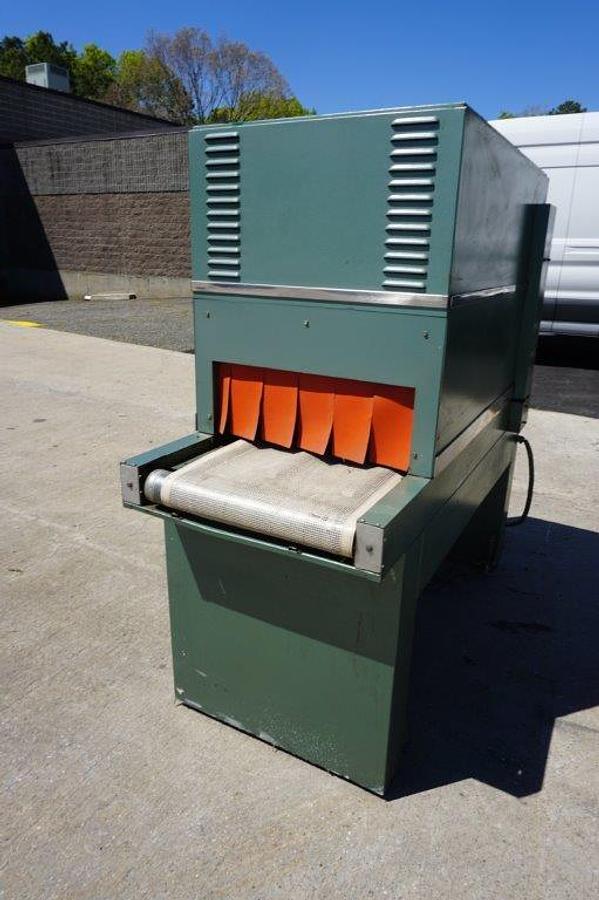
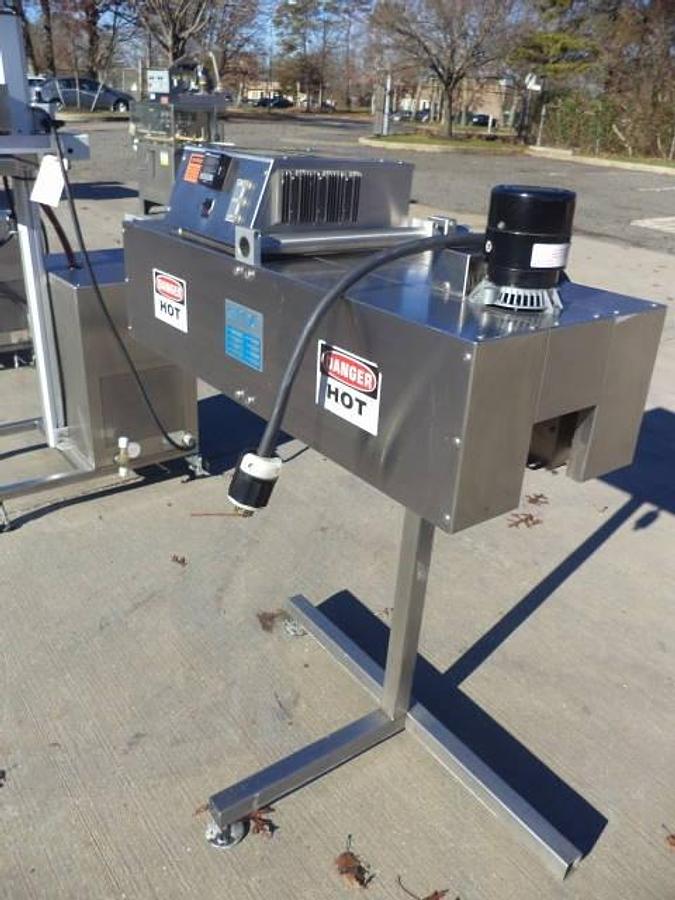
A shrink tunnel is the downstream component that applies controlled heat to the wrapped package, causing the film to contract tightly around the product. Tunnels vary significantly in opening size, belt speed, and temperature range, and the right tunnel specs depend on the type of shrink film being used. PVC film, POF (polyolefin), and polyethylene each require different temperature settings and dwell times to shrink properly without burning or distorting. When evaluating used equipment, it is important to verify that the tunnel's temperature range and belt speed are compatible with the film type your operation uses. Some used listings include both the sealer and tunnel as a package, which can simplify sourcing and help ensure the two components are properly matched for throughput.
What should I inspect before buying used shrink equipment?
A thorough inspection before purchasing used shrink equipment can save a buyer from costly surprises after delivery. The most important areas to examine are the heating elements and temperature controls in a shrink tunnel, the sealing wires or bars in an L-bar or side sealer, the condition of the conveyor belt, and the integrity of the electrical panel and wiring. Worn sealing wires are a common issue on used sealers and are relatively inexpensive to replace, but they should factor into your price negotiation. On tunnels, uneven heat distribution or malfunctioning blower motors can cause inconsistent shrink results that are harder and more expensive to fix. Ask the dealer specifically about the condition of these components and request photos or video if you cannot inspect in person.
Reputable used equipment dealers typically accommodate in-person inspections, virtual walk-throughs, or recorded video of the machine running. If the equipment is still installed at a production facility, it may be possible to observe it running live product, which gives the clearest picture of its current condition. Keep in mind that most equipment dealers do not have the permitting or setup to run actual production, so testing at a dealer's warehouse is usually limited to powering the machine on and running the conveyor or sealing cycle without film or product. Buyers should also check the machine's production speed rating against their throughput requirements, verify the power requirements (single-phase vs. three-phase, voltage, and amperage), and confirm that the opening dimensions of the tunnel are large enough for their product dimensions. Consulting the manufacturer directly about parts availability and support for the specific model and age of the machine is also a smart step before committing to a purchase.
Does used shrink equipment come with a warranty?
Warranties on used shrink equipment are handled very differently than on equipment purchased directly from a manufacturer. Manufacturers typically only extend warranty coverage to the first purchaser of a machine, and that coverage does not transfer when the equipment changes hands. Used equipment dealers generally sell machinery on an as-is basis, meaning the buyer accepts the machine in its current condition at the time of sale. This is standard practice across the used industrial machinery industry and is not a red flag in itself, but it does place the responsibility for due diligence squarely on the buyer.
Because there is no warranty safety net, selecting a reputable dealer with a long track record in the shrink packaging equipment space becomes especially important. A dealer who specializes in packaging machinery will have deeper knowledge of the equipment, more accurate condition descriptions, and a stronger incentive to maintain their reputation through honest transactions. Before purchasing, buyers should take full advantage of inspection opportunities, ask detailed questions about the machine's history and condition, and consult the manufacturer to understand what level of technical support and parts availability they can expect for that particular model and age of machine. Some models from established brands like Shanklin, Weldotron, or Axon have strong parts support even for older units, while others may have limited availability for wear parts or electrical components.
What are the most reputable brands to look for when buying used shrink equipment?
Several brands have built strong reputations in the shrink packaging industry and tend to hold their value well in the used market, largely because of their build quality, parts availability, and manufacturer support. Shanklin is one of the most recognized names in shrink tunnels and automatic sealers, known for heavy-duty construction and reliable performance across a wide range of production environments. Weldotron conveyorized tunnels are another staple in the used market, particularly their 7000-series models, which are known for durability. Axon is the dominant name in sleeve application and neck banding equipment, and their EZ-series machines appear frequently in used listings. Arpac is well-regarded for shrink bundling applications, and Ishida is a trusted name in food-grade shrink packaging.
Other brands worth considering include Eastey, Preferred Packaging, Texwrap, Clamco, and Polypack, all of which have established histories in the packaging machinery space. When evaluating a specific machine, the brand reputation is just one factor. The model's age, the availability of replacement parts (especially sealing wires, heating elements, and conveyor belts), and the level of support the manufacturer still offers for that particular unit all matter considerably. A well-maintained machine from a reputable brand can deliver years of reliable service in a commercial production environment. Buyers should research the specific model number and reach out to the manufacturer or their authorized service network to confirm parts and technical support before finalizing a purchase.
Is used shrink equipment reliable enough for commercial production?
Used shrink packaging equipment is widely used in commercial production environments across food, beverage, pharmaceutical, consumer goods, and industrial packaging operations. Many of the machines that appear in the used market were running in active production facilities until recently, which means they have a proven track record of handling real production demands. Brands like Shanklin, Weldotron, and Axon built their reputations on machines that are mechanically straightforward and designed for long service lives, which is a big reason why they continue to perform reliably even after years of use. The key variable is not whether used equipment can handle commercial production, but whether a specific machine has been properly maintained and is in good working order at the time of purchase.
Buyers should pay close attention to production speed ratings, measured in packages per minute, to confirm the machine can meet their throughput requirements. A tunnel or sealer that was rated for 40 packages per minute when it was manufactured may still hit that mark if it has been well maintained, but wear on conveyor components, heating elements, or sealing wires can reduce effective output over time. Asking the dealer about the machine's service history, requesting an inspection, and verifying that critical components are functional before purchase will give a much clearer picture of what to expect. For operations with tight production schedules, it is also worth having a qualified technician evaluate the machine upon arrival and address any wear items before putting it into full production service.
What power requirements should I verify before purchasing used shrink equipment?
Power compatibility is one of the most practical details to confirm before committing to a used shrink equipment purchase, and it is easy to overlook until the machine arrives at your facility. Shrink tunnels, in particular, draw significant electrical power because of their heating elements, and many commercial-grade tunnels require three-phase power at 208V, 240V, or 480V depending on the model. Smaller tabletop tunnels and portable L-bar sealers are more commonly designed for single-phase 110V or 220V service, making them easier to integrate into facilities that do not have three-phase power available. Mismatched power requirements can mean expensive electrical upgrades or the need for a phase converter, both of which add to the total cost of ownership.
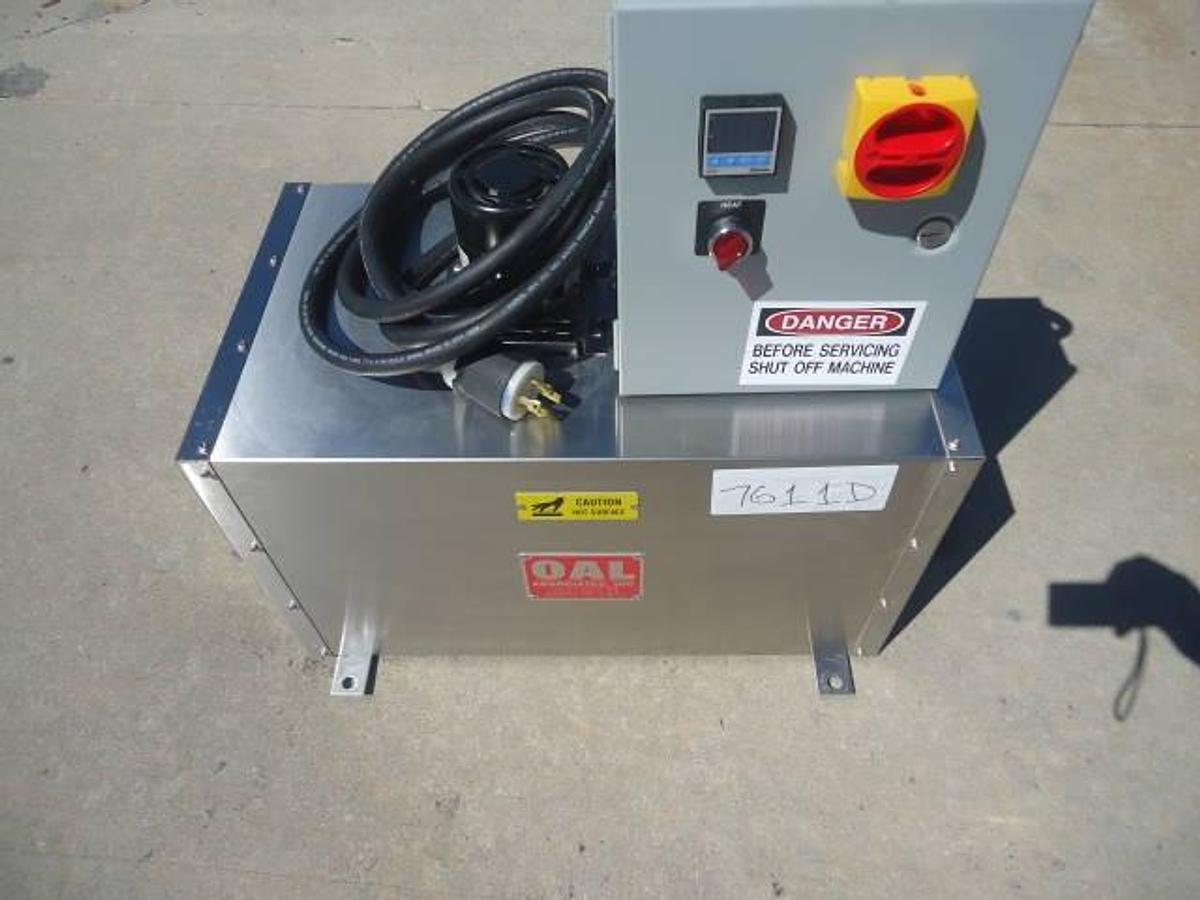
Beyond voltage and phase, buyers should verify the amperage draw of the machine and confirm that the facility's electrical panel can handle the load without requiring a dedicated circuit upgrade. The machine's nameplate data, which is usually found on a label affixed to the electrical panel or main frame, is the most reliable source for this information. When inspecting a used machine, ask the dealer to confirm the power specs and cross-reference them with the manufacturer's documentation if available. It is also worth checking whether the machine's plug configuration or disconnect type matches what is standard in your facility, since adapters and rewiring add time and cost before the equipment can go into service. Addressing these details upfront prevents the frustration of receiving a machine that cannot be powered up without additional infrastructure work.
What is the difference between 'used as-is' and 'refurbished' shrink equipment?
The distinction between used as-is and refurbished shrink equipment comes down to how much work has been done to the machine before it is offered for sale, and that difference has a direct impact on price and what you can expect when the equipment arrives. A used as-is machine is sold in the condition it was found, which could mean it came directly out of a production facility and is fully functional, or it could mean it has been sitting idle and has not been tested or serviced. The buyer takes on the responsibility of assessing condition and addressing any issues after purchase. This is why thorough pre-purchase inspection is so important for as-is equipment.
A refurbished or reconditioned machine has gone through some level of inspection, cleaning, repair, and testing before being offered for resale. The scope of refurbishment varies by dealer and is not standardized across the industry, so it is worth asking specifically what work was done. Some dealers replace wear parts like sealing wires, conveyor belts, and heating elements as part of the process, while others focus primarily on cleaning and cosmetic restoration. A properly reconditioned machine typically commands a higher price than a comparable as-is unit, but the added confidence in its condition can be worth the premium, especially for buyers who do not have in-house technical staff to evaluate and service machinery. In either case, buyers should ask detailed questions about the machine's history and condition and take advantage of any inspection opportunity offered by the dealer before finalizing the purchase.
How does tunnel opening size affect which products a shrink tunnel can handle?
The opening dimensions of a shrink tunnel, typically described as width by height, define the maximum product size the tunnel can accommodate. A tunnel with a 10-inch-wide by 6.5-inch-high opening is well suited to small retail products like boxed goods, bottles, or multi-packs of modest size, while a tunnel with a 22-inch-wide by 9-inch-high opening can handle significantly larger products or multi-unit bundles. Buyers should measure their largest product dimensions, including any packaging or tray that will pass through the tunnel, and select a machine with an opening that provides a comfortable margin above those measurements. Running a product that nearly fills the tunnel opening can restrict airflow and lead to uneven shrink results.
Beyond the physical opening size, the tunnel's internal chamber length and belt speed also affect how evenly and thoroughly the film shrinks. Longer chambers and adjustable belt speeds give more control over dwell time, which is the amount of time the product spends in the heat zone. This matters more with thicker films or larger products that require more heat exposure to shrink properly. When reviewing used tunnel listings, pay attention to both the opening dimensions and the belt speed range, and cross-reference those specs against the film type and product dimensions you work with. Many used listings include these specifications in the machine description, and dealers can usually provide additional technical details on request.
What should buyers understand about shipping and delivery costs for used shrink equipment?
Shipping costs for used shrink equipment can vary considerably depending on the size and weight of the machine, the distance it needs to travel, and the level of packaging or crating required to protect it in transit. Smaller portable units like tabletop L-bar sealers or compact shrink tunnels can often be palletized and shipped via standard freight carriers at relatively modest cost. Larger conveyorized tunnels, shrink bundling machines, or heavy-duty automatic sealers may require custom crating and heavier-duty rigging equipment for safe loading and unloading, both of which add to the total shipping cost. Buyers should ask the dealer specifically about how the machine will be packaged and what rigging will be needed at both the origin and destination.
The full landed cost of used shrink equipment, meaning the purchase price plus all shipping, crating, rigging, and delivery charges, is what matters for accurate budget planning. It is not uncommon for freight and rigging costs to represent a meaningful percentage of the machine's purchase price, particularly for larger equipment shipping across long distances. Buyers should request a detailed breakdown of these costs from the dealer before finalizing the transaction rather than treating shipping as an afterthought. Some dealers have established relationships with freight carriers that specialize in industrial machinery, which can simplify the logistics and help ensure the equipment arrives without damage. Confirming that your facility has the appropriate unloading equipment, such as a forklift or loading dock, before the machine ships will also prevent delays and added costs on the receiving end.