Category
Manufacturer
Model
Used Powder Fillers for Sale
Pre-Owned Auger, Volumetric, and Net Weigh Powder Fillers In Stock
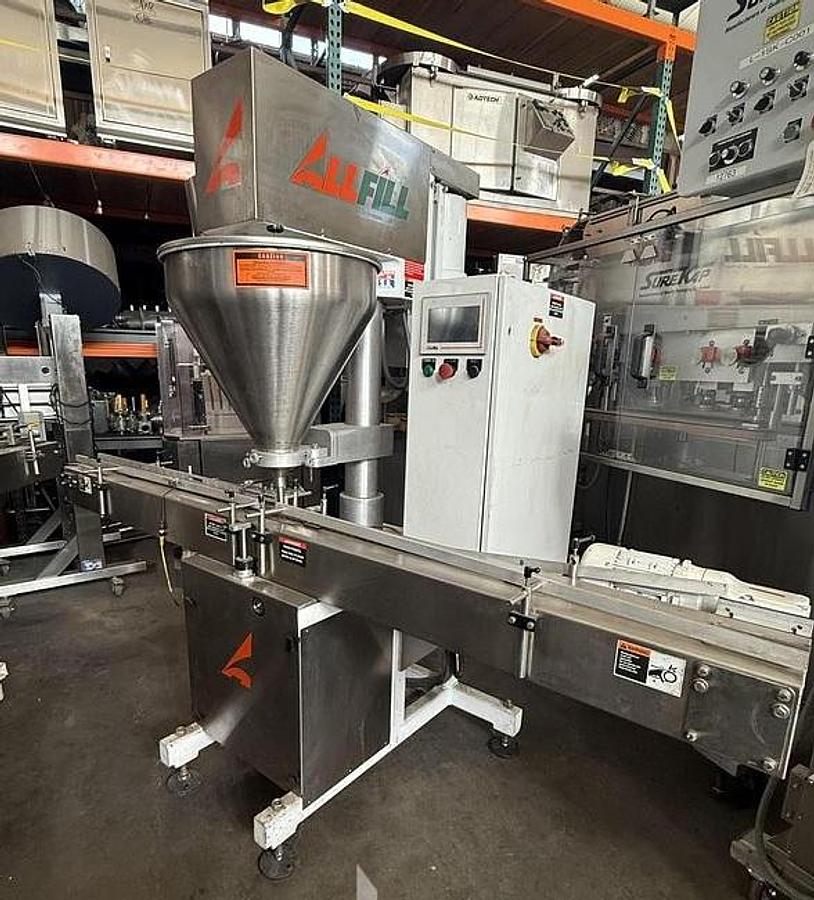
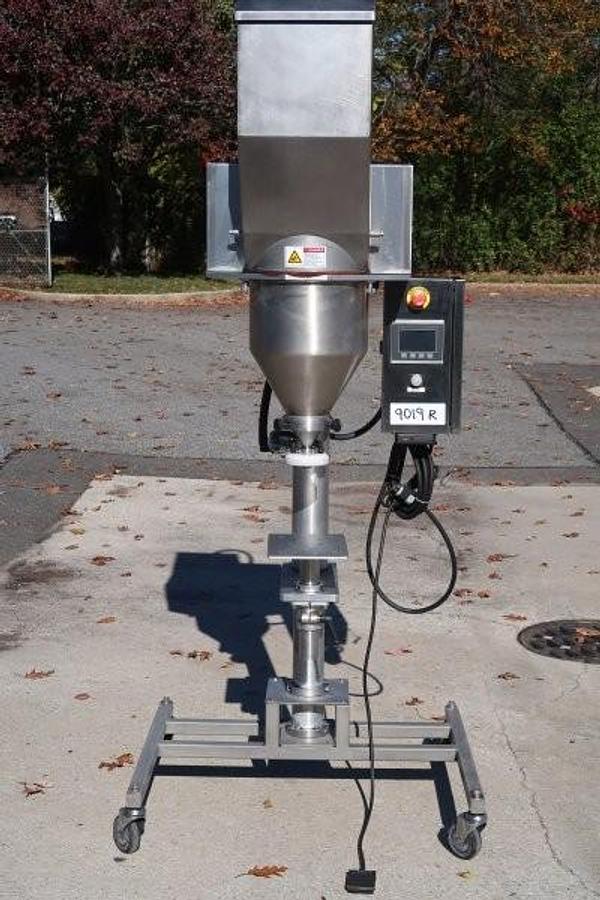
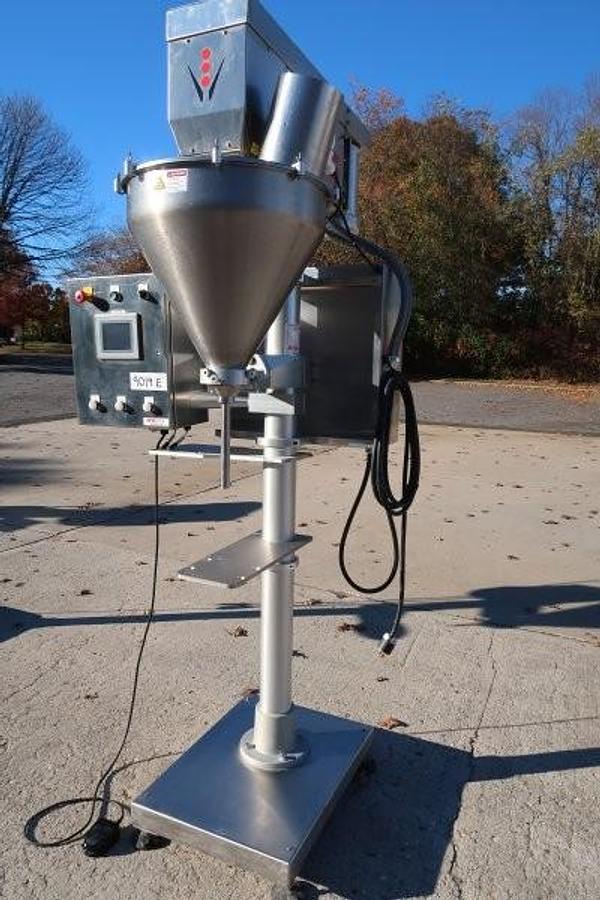
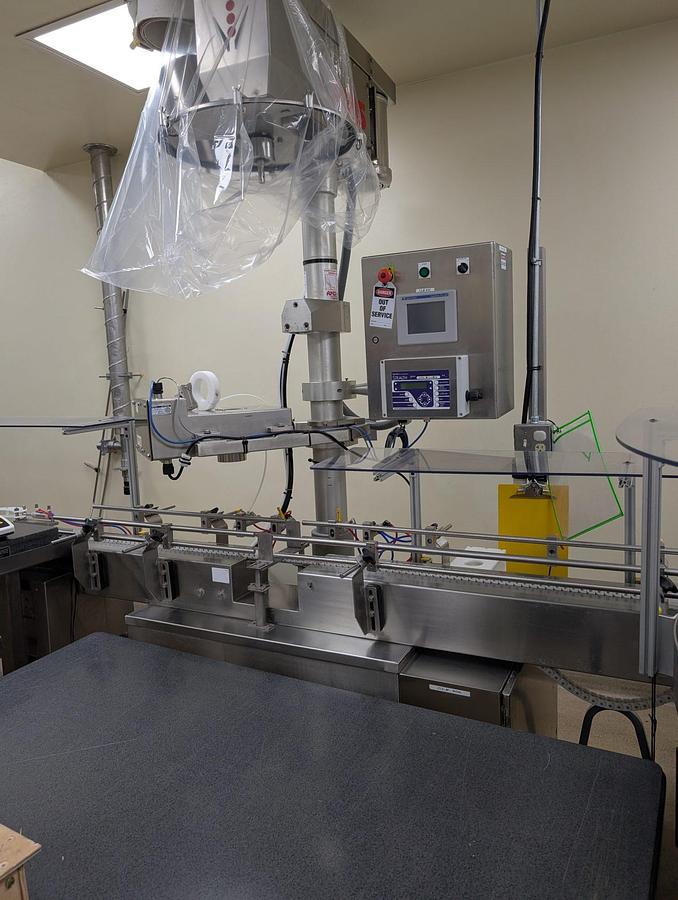
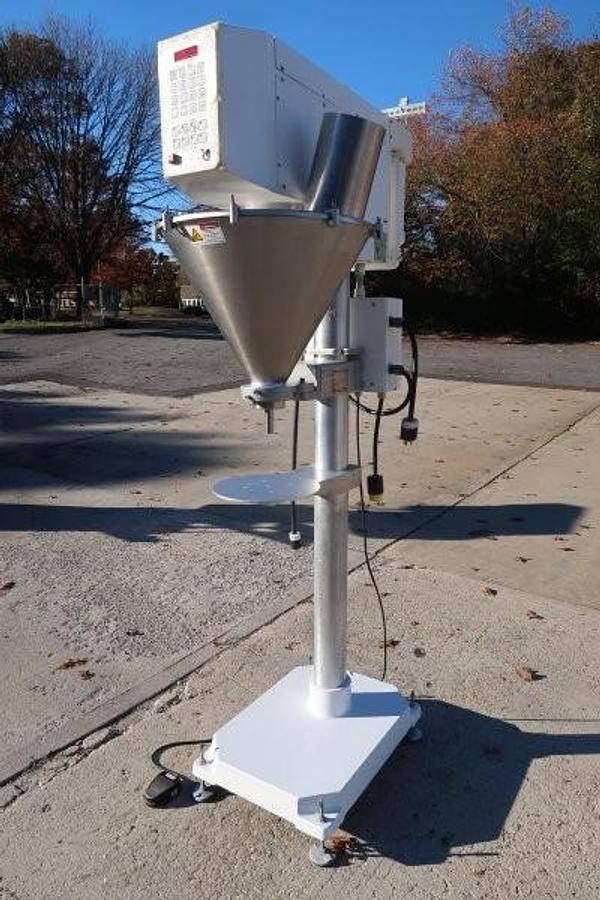
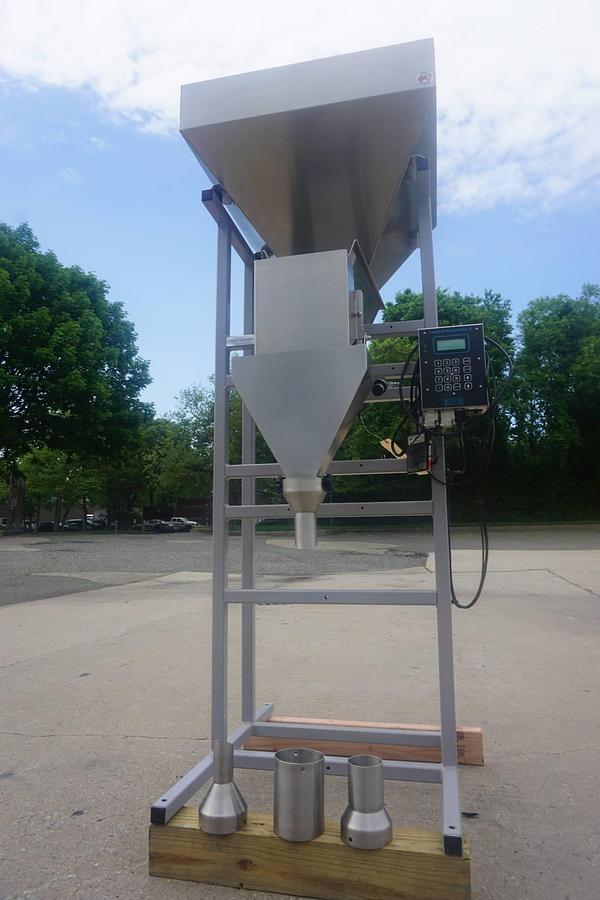
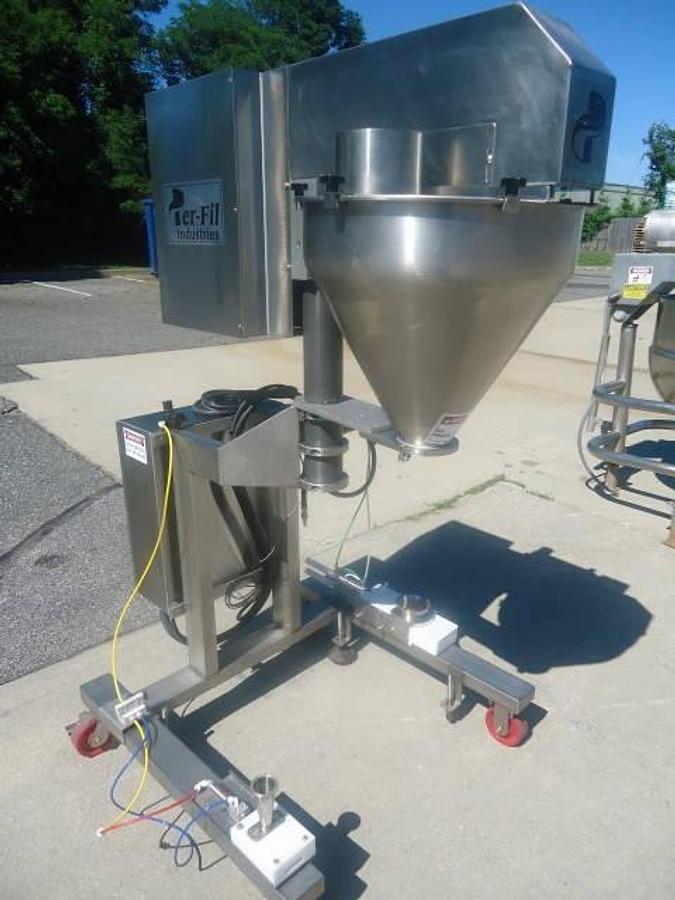
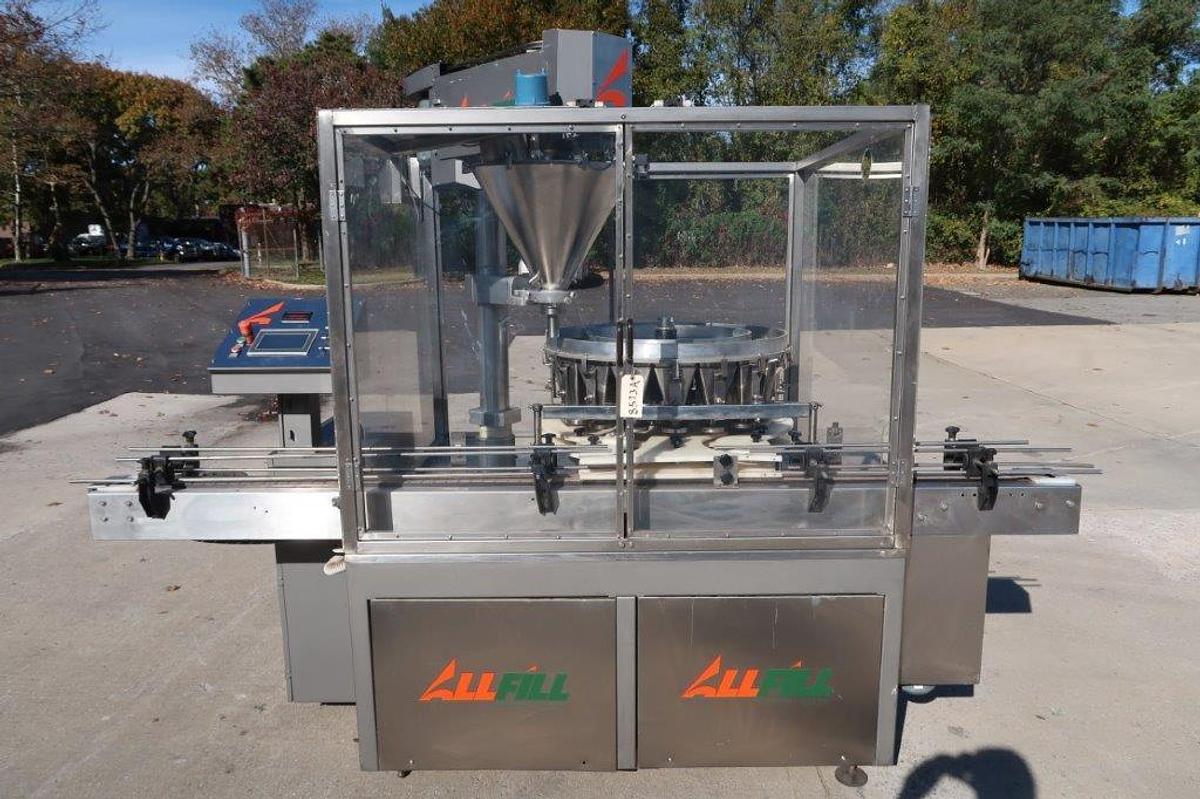
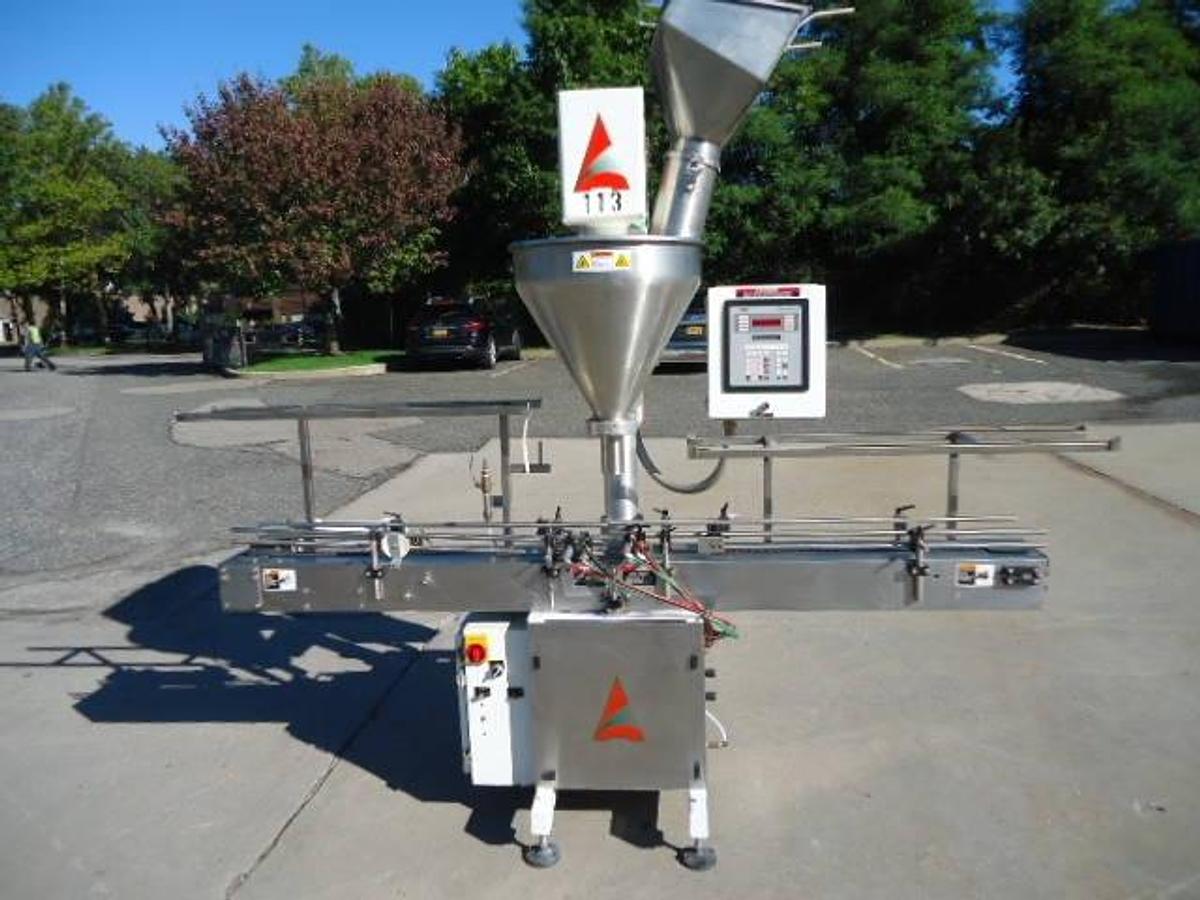
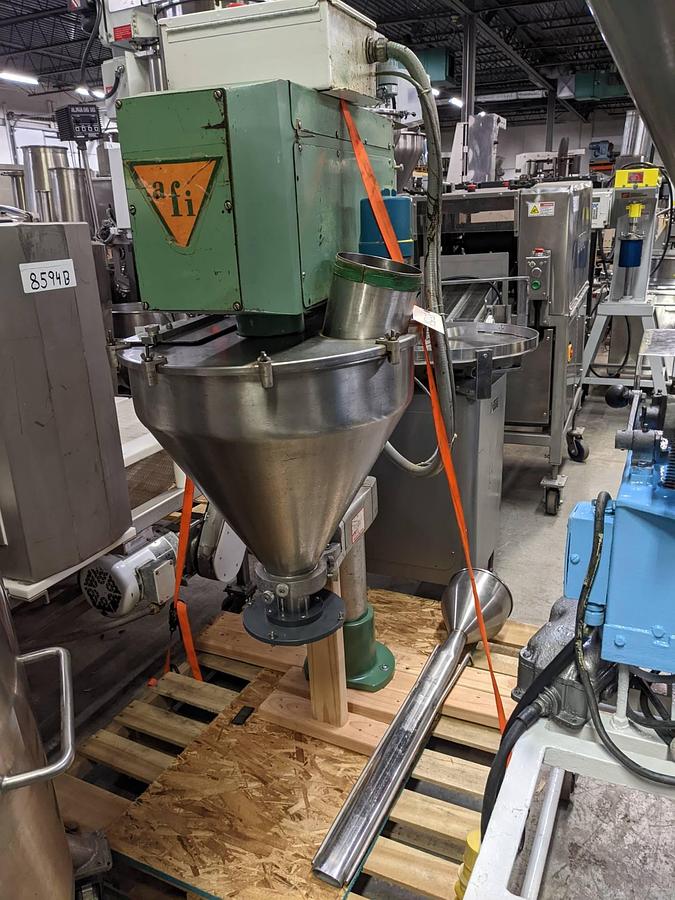
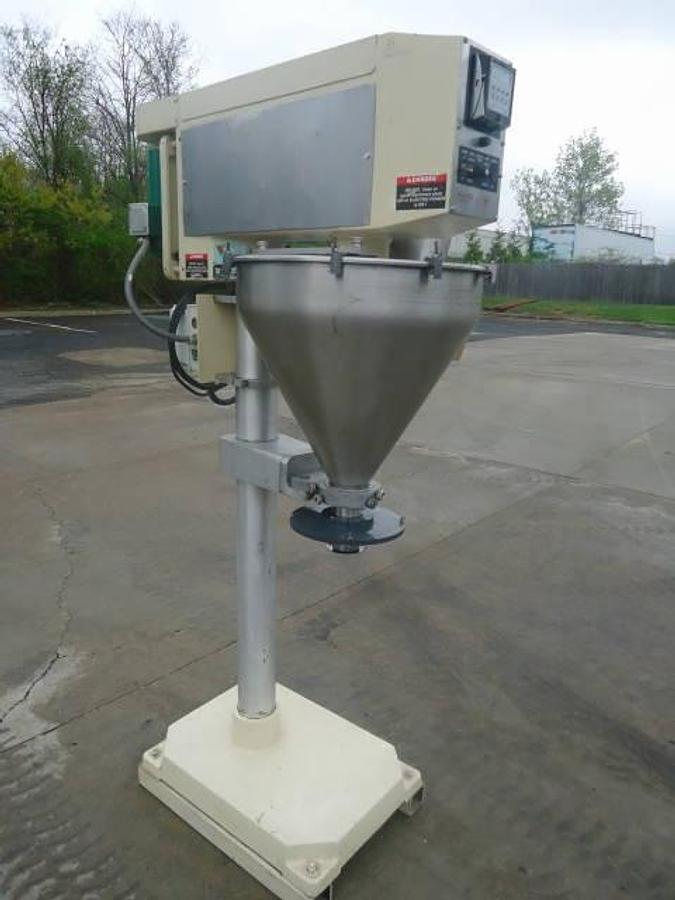
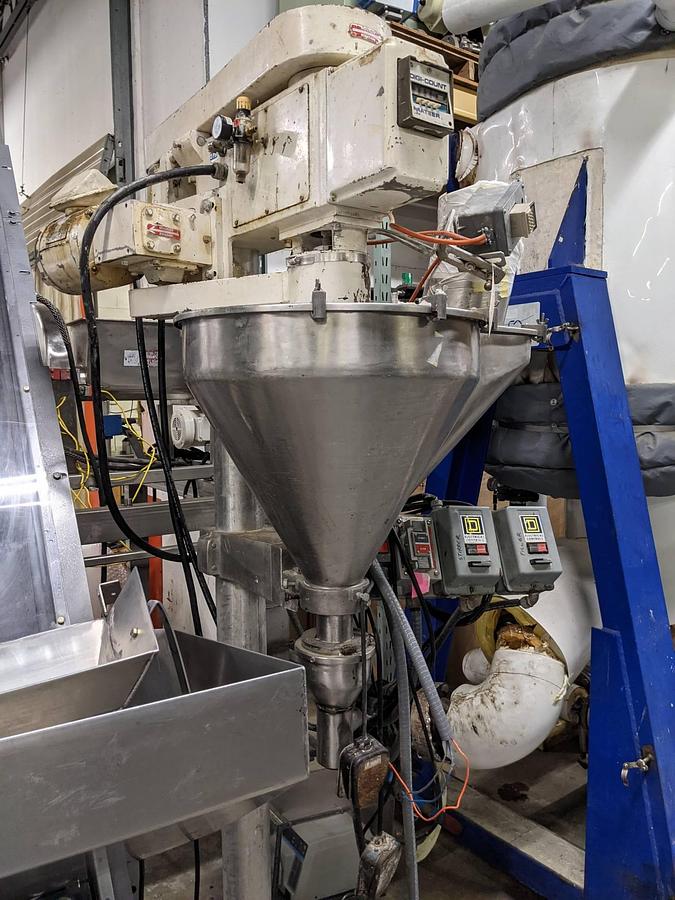
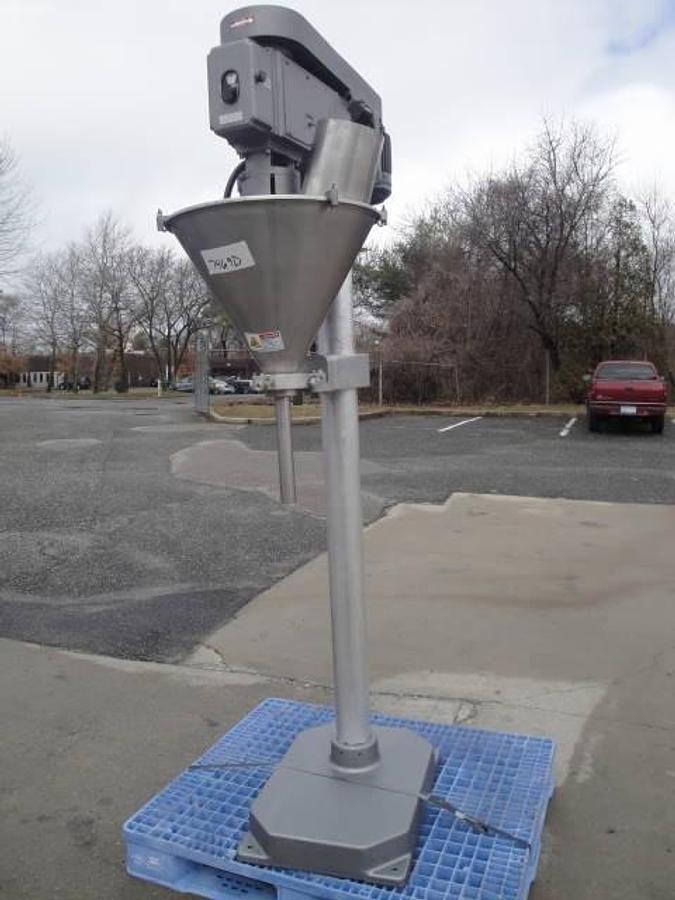
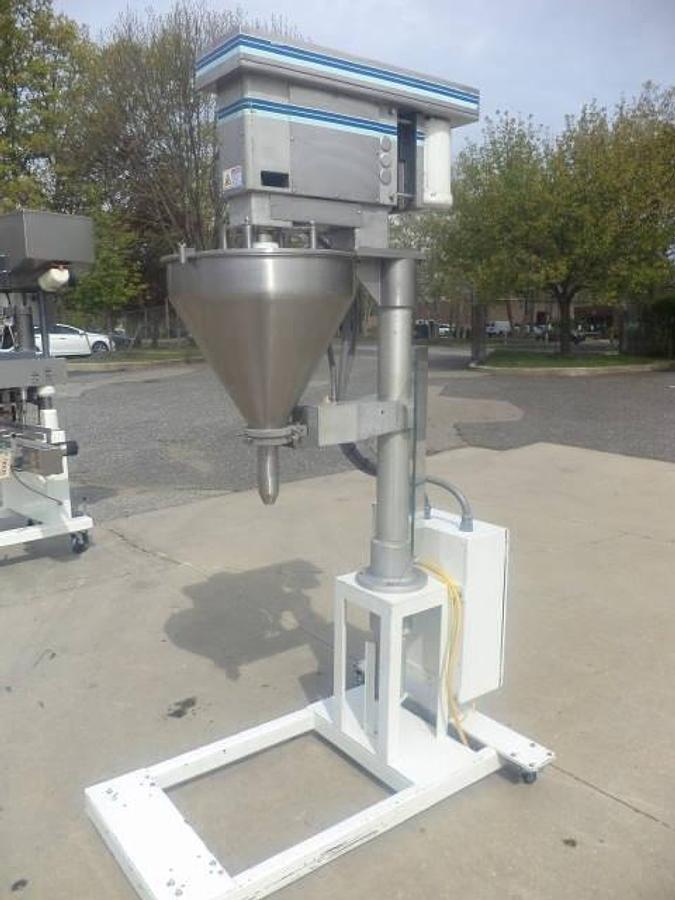
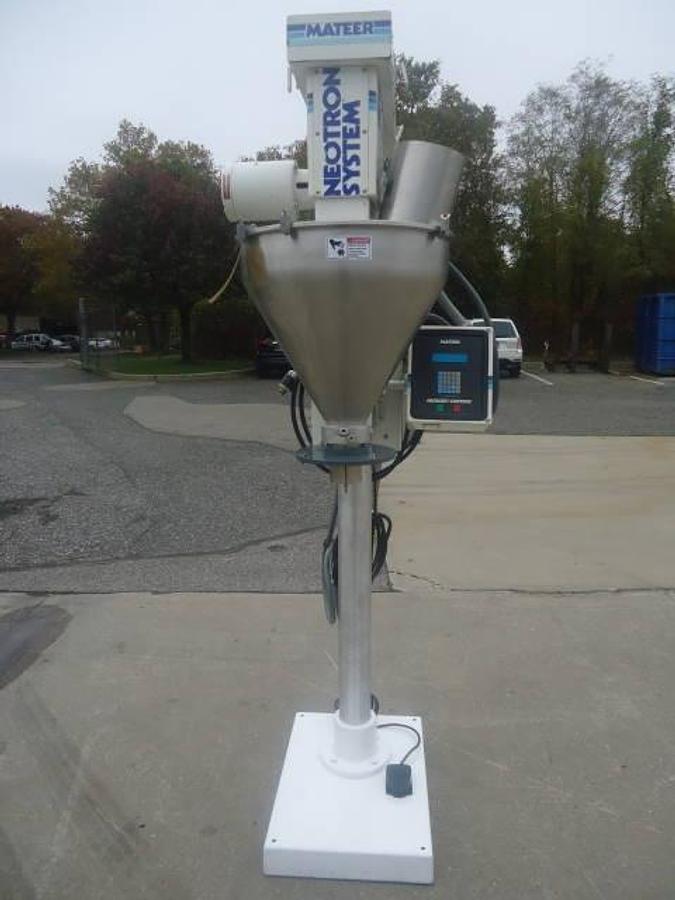
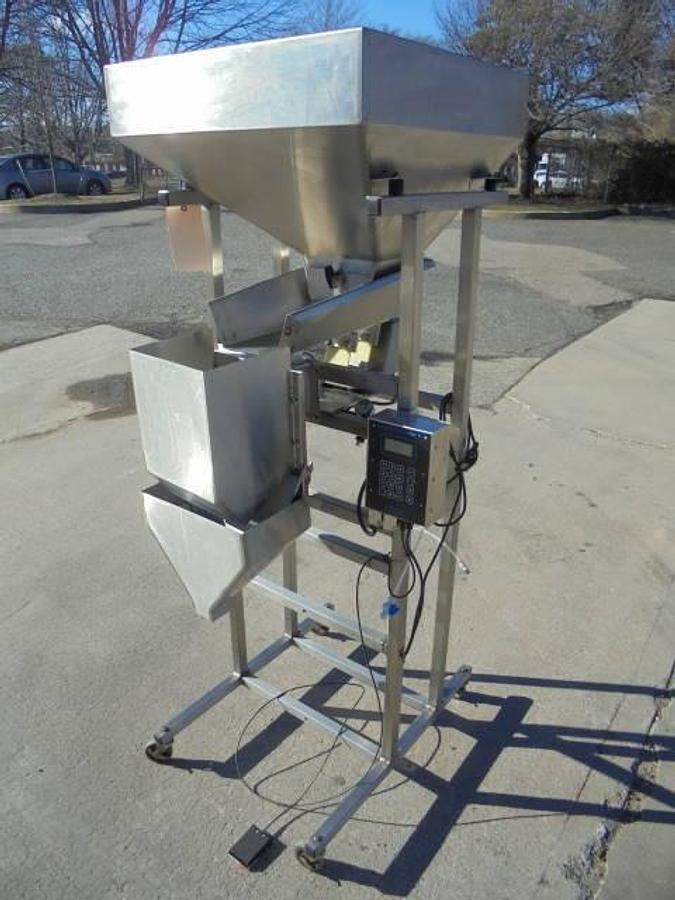
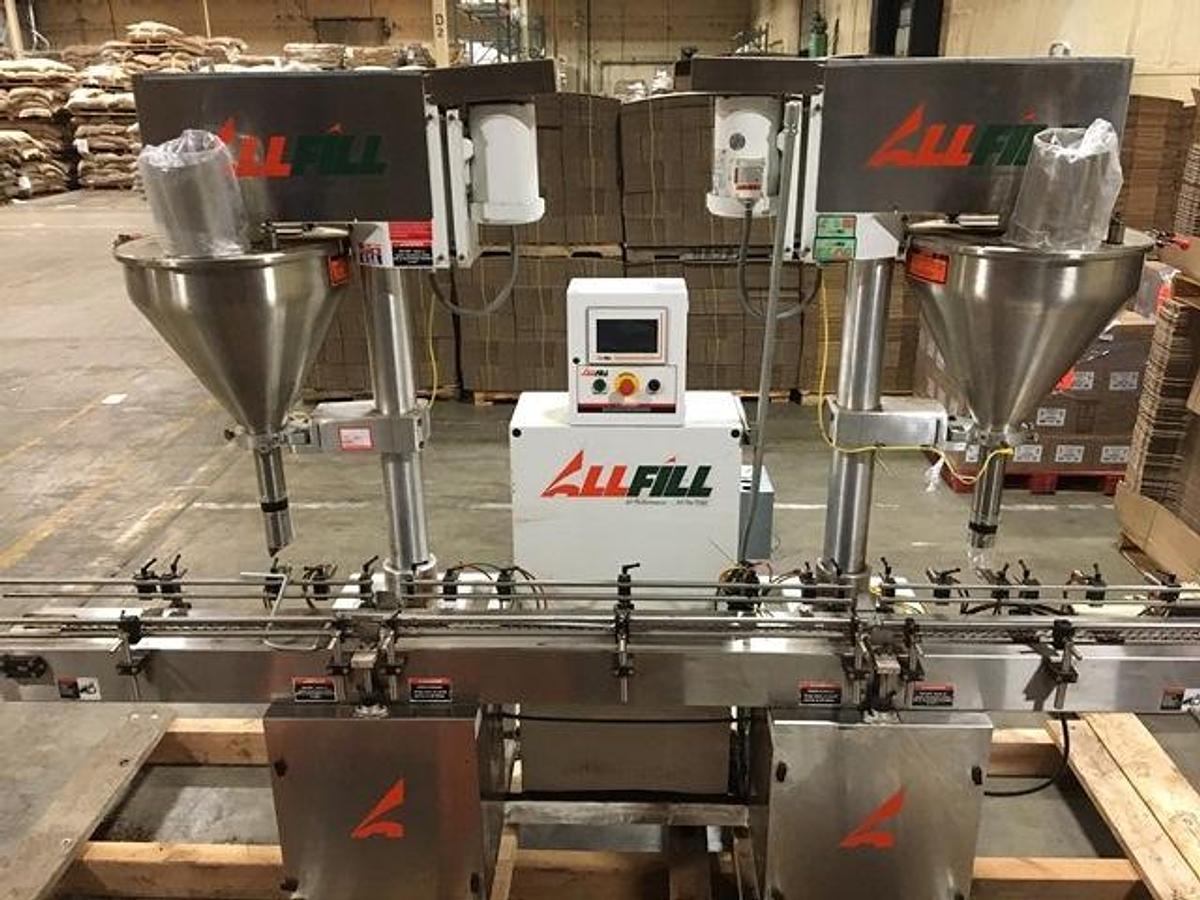
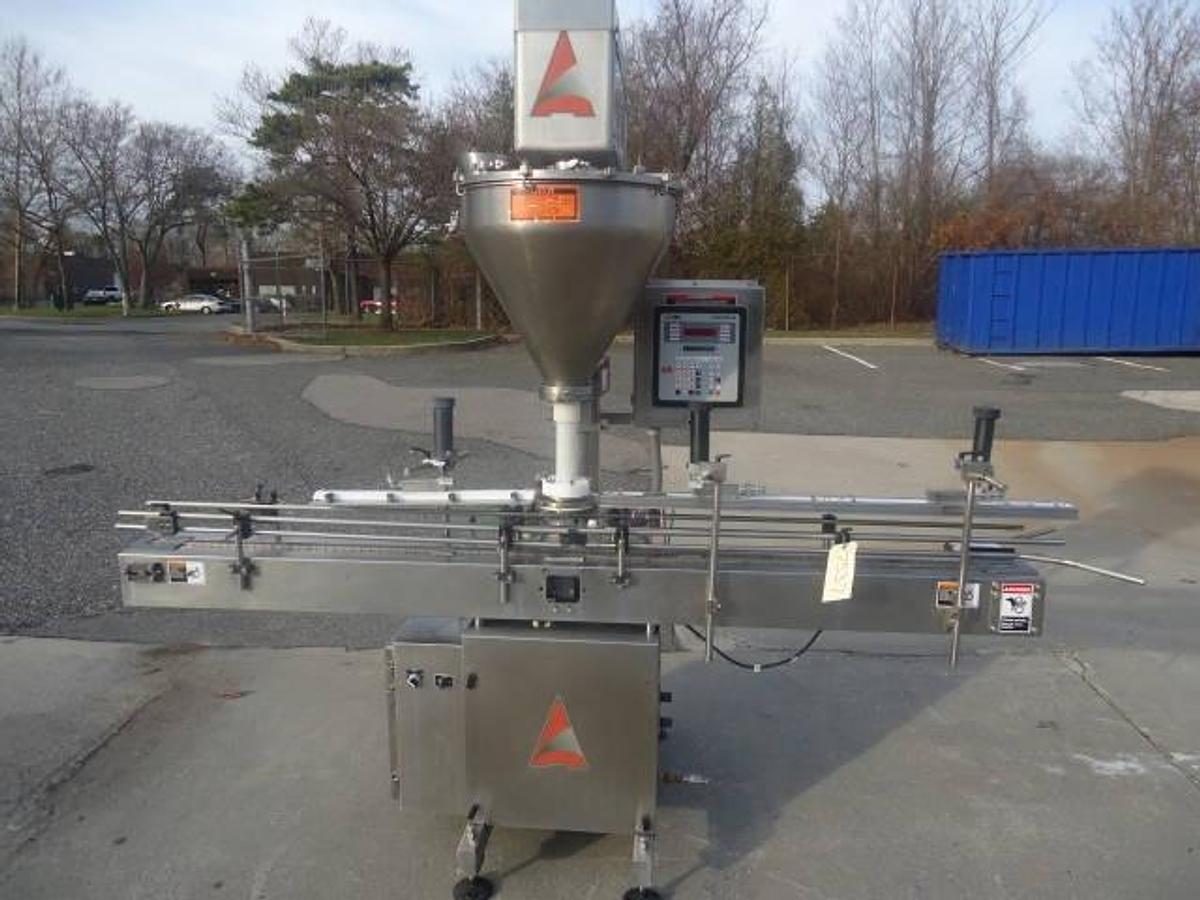
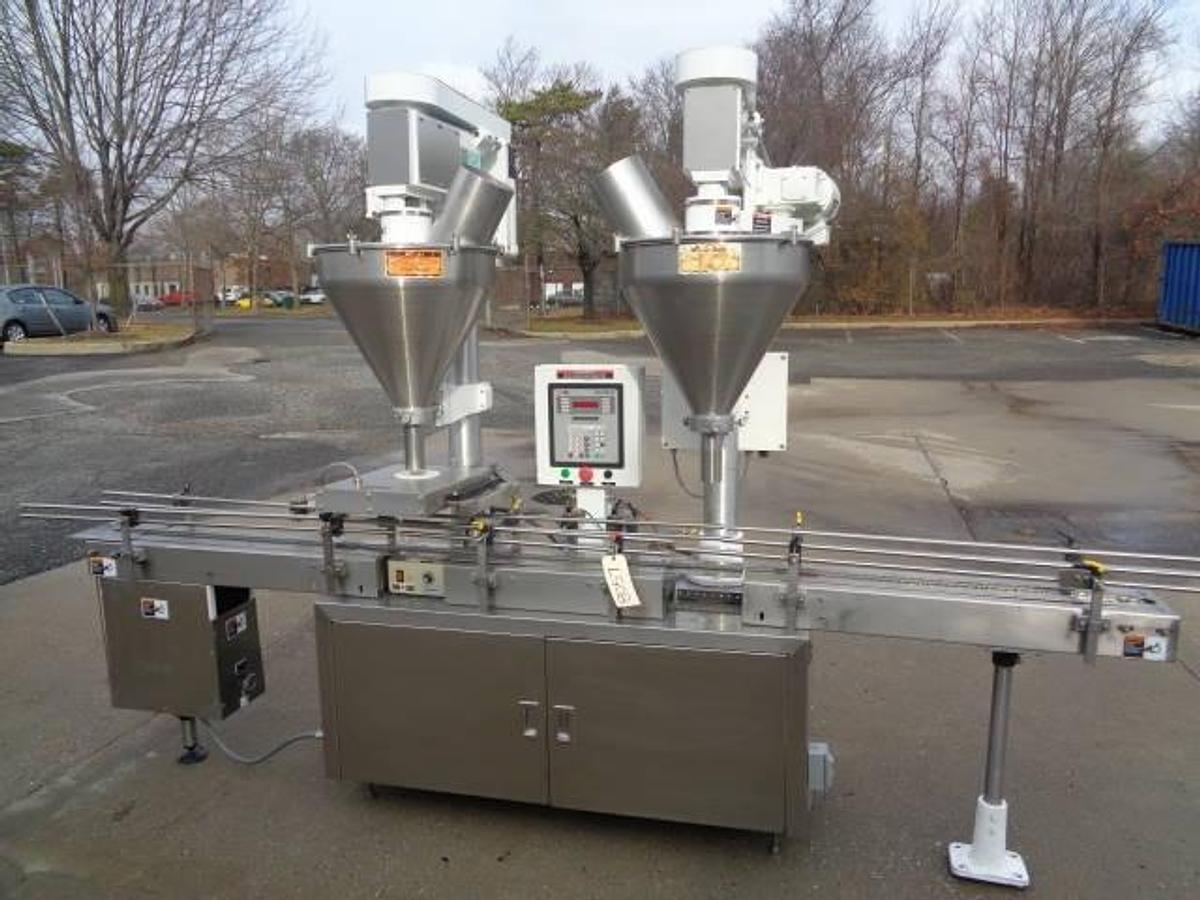
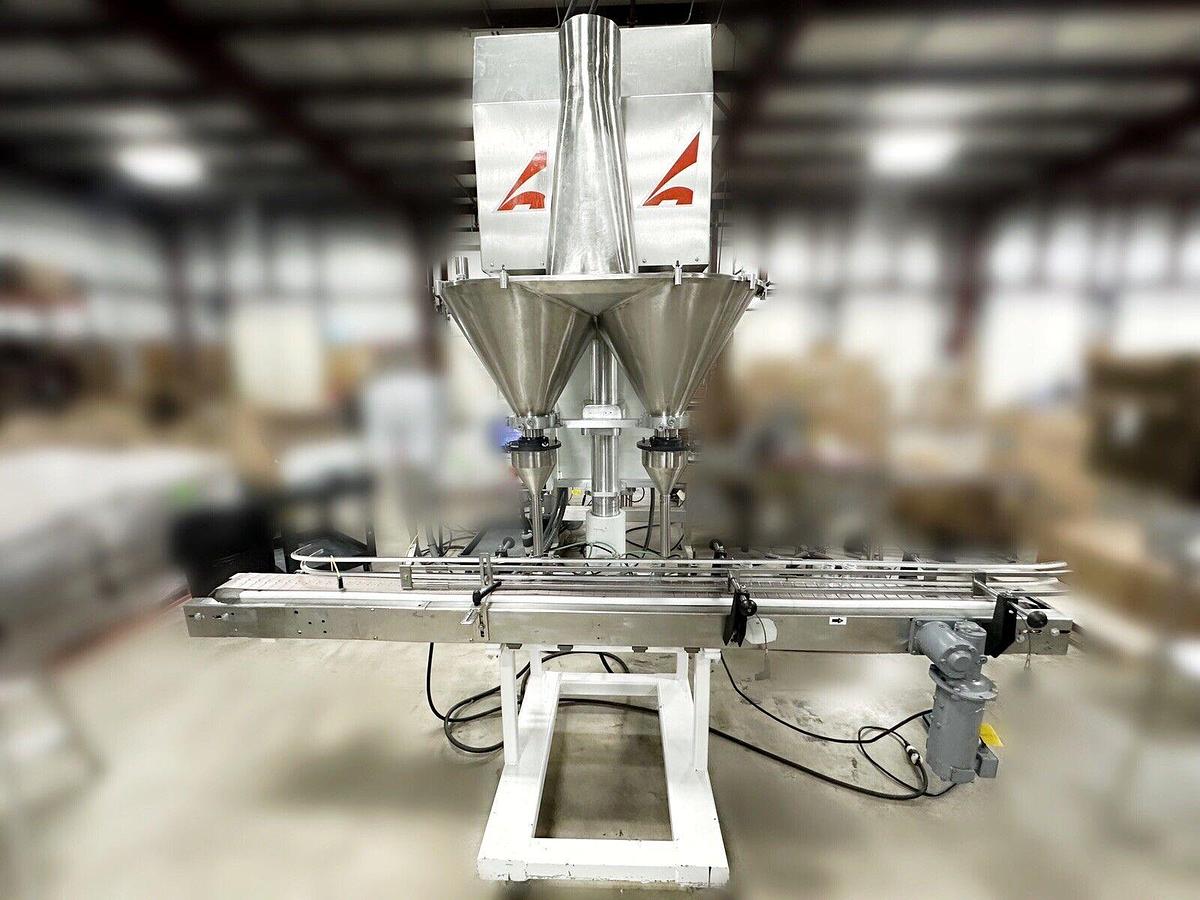
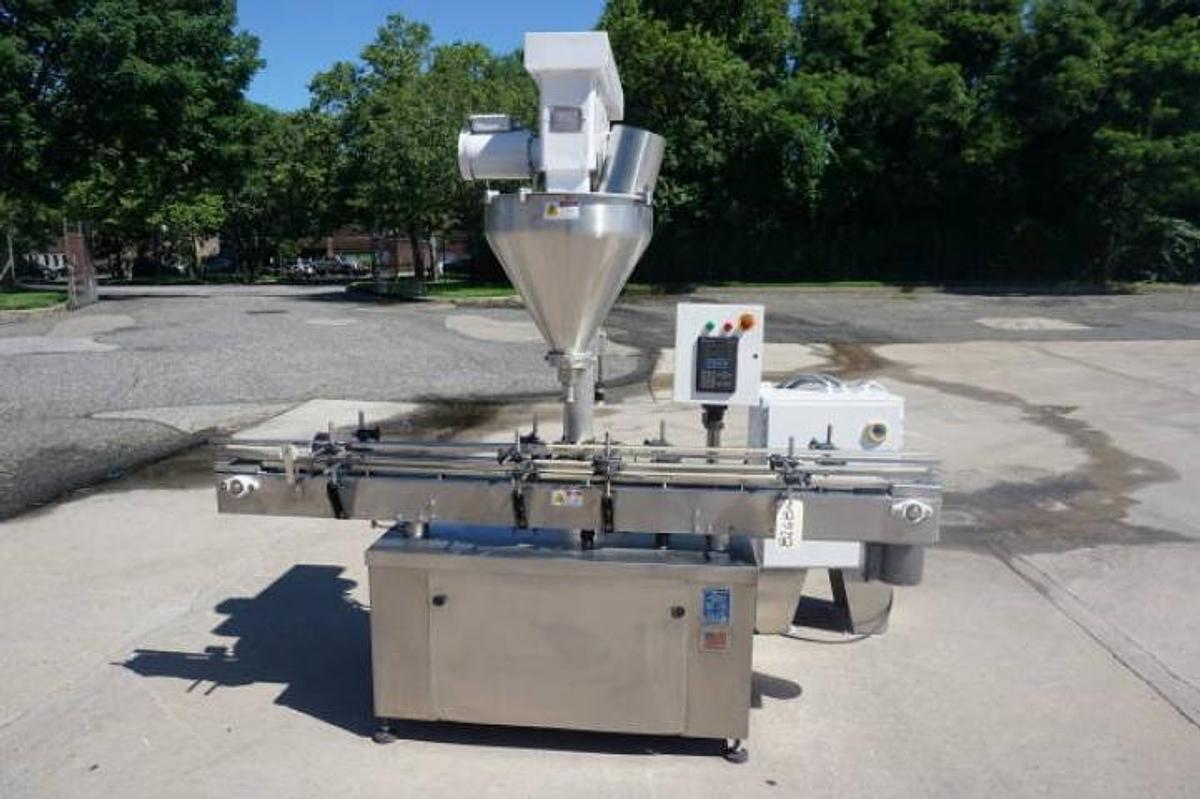
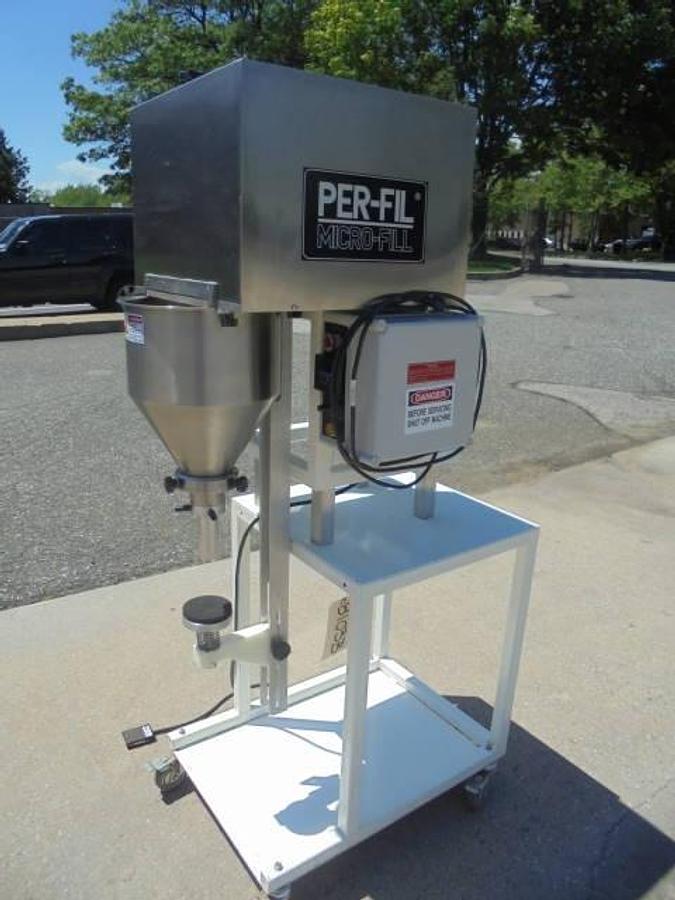
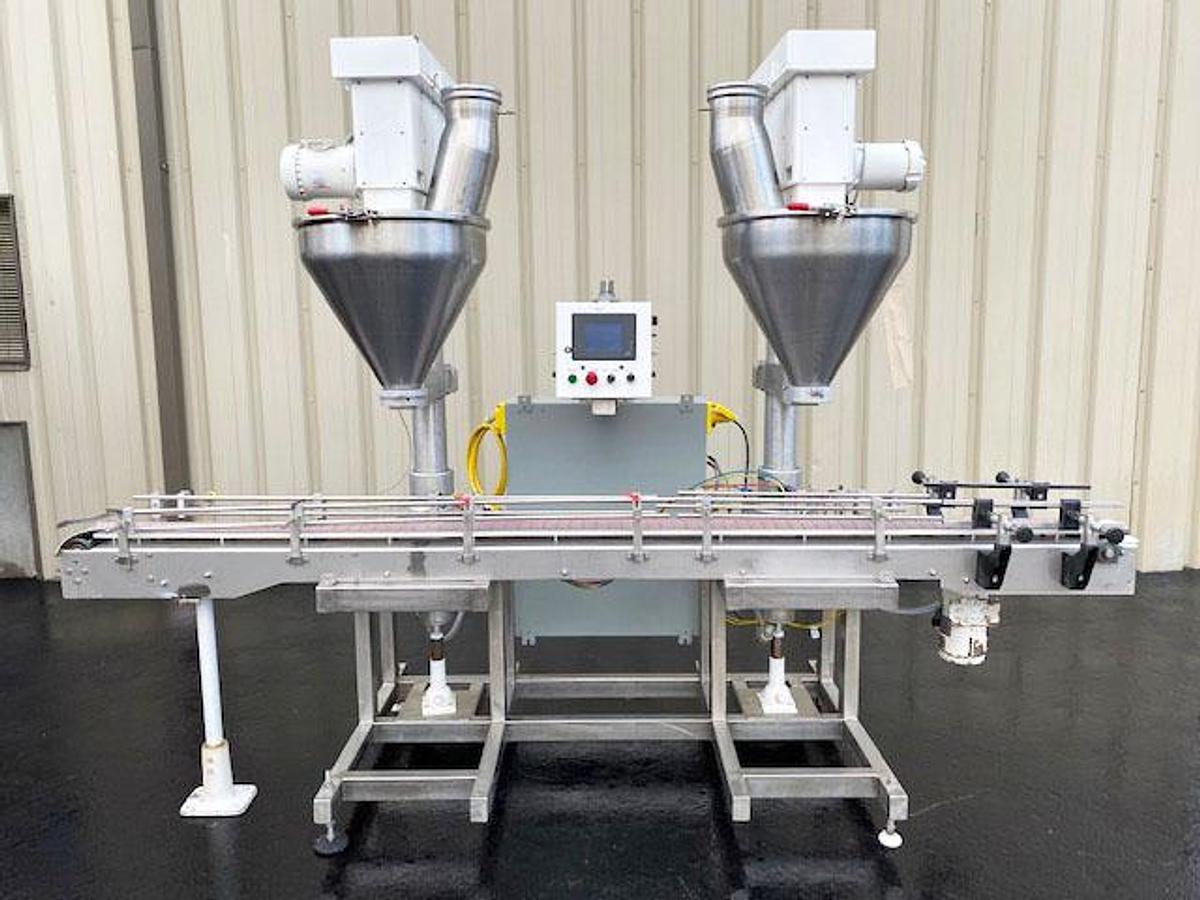
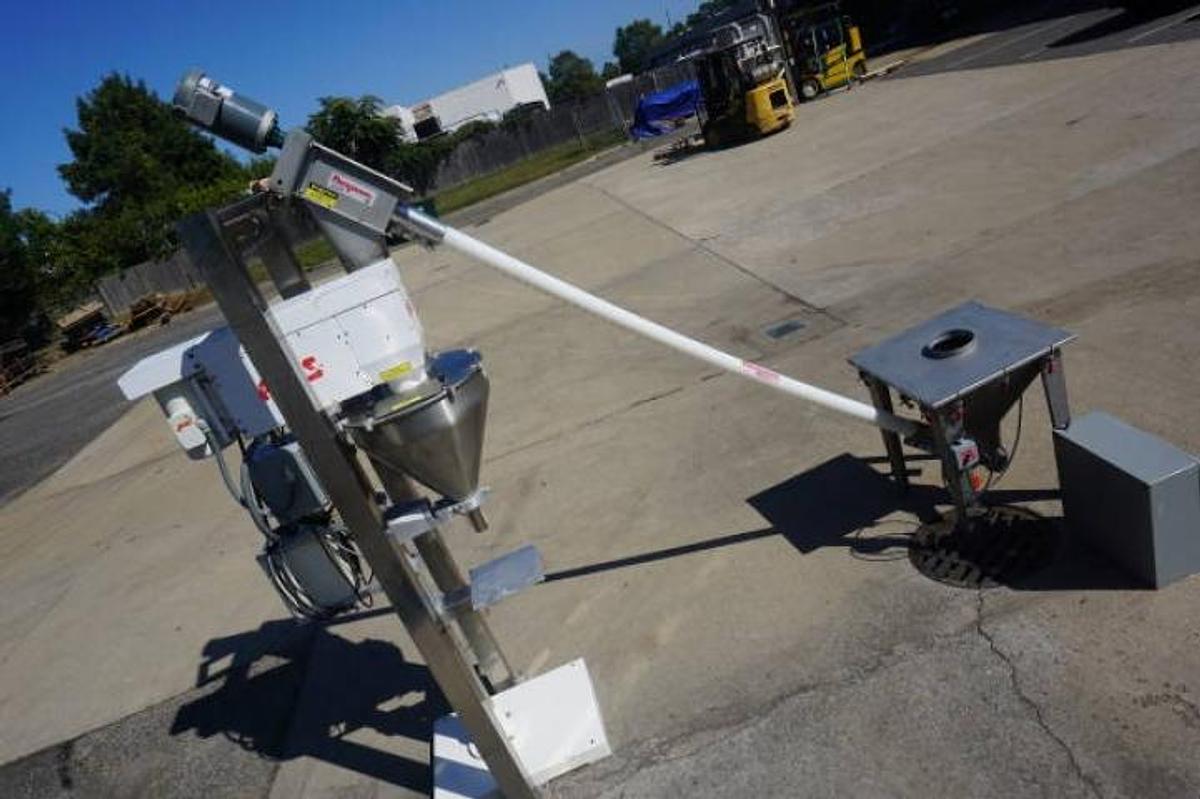
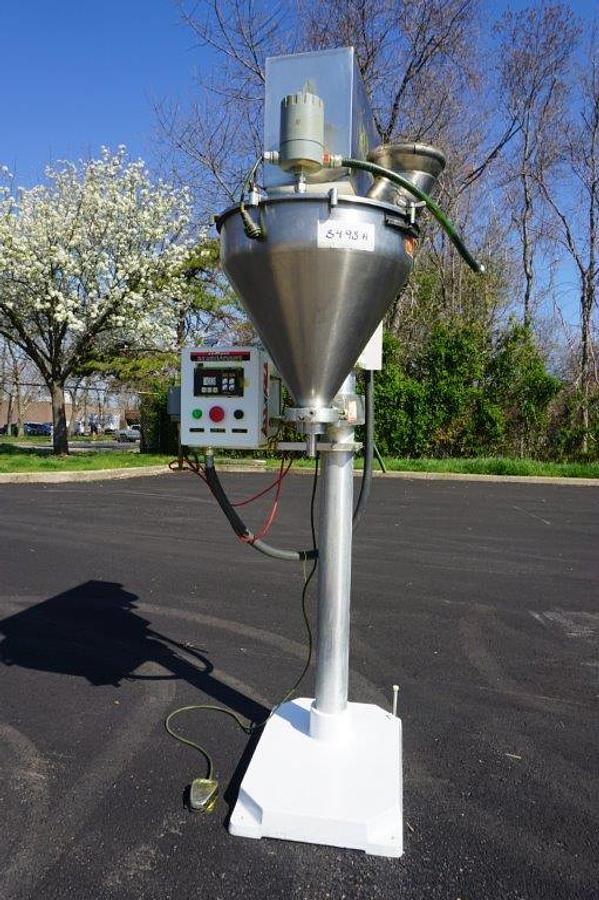
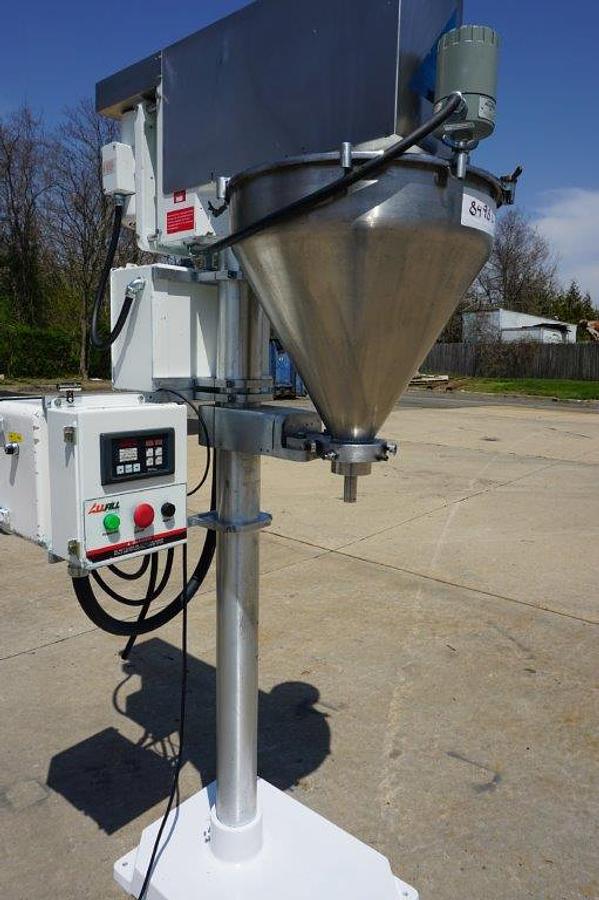
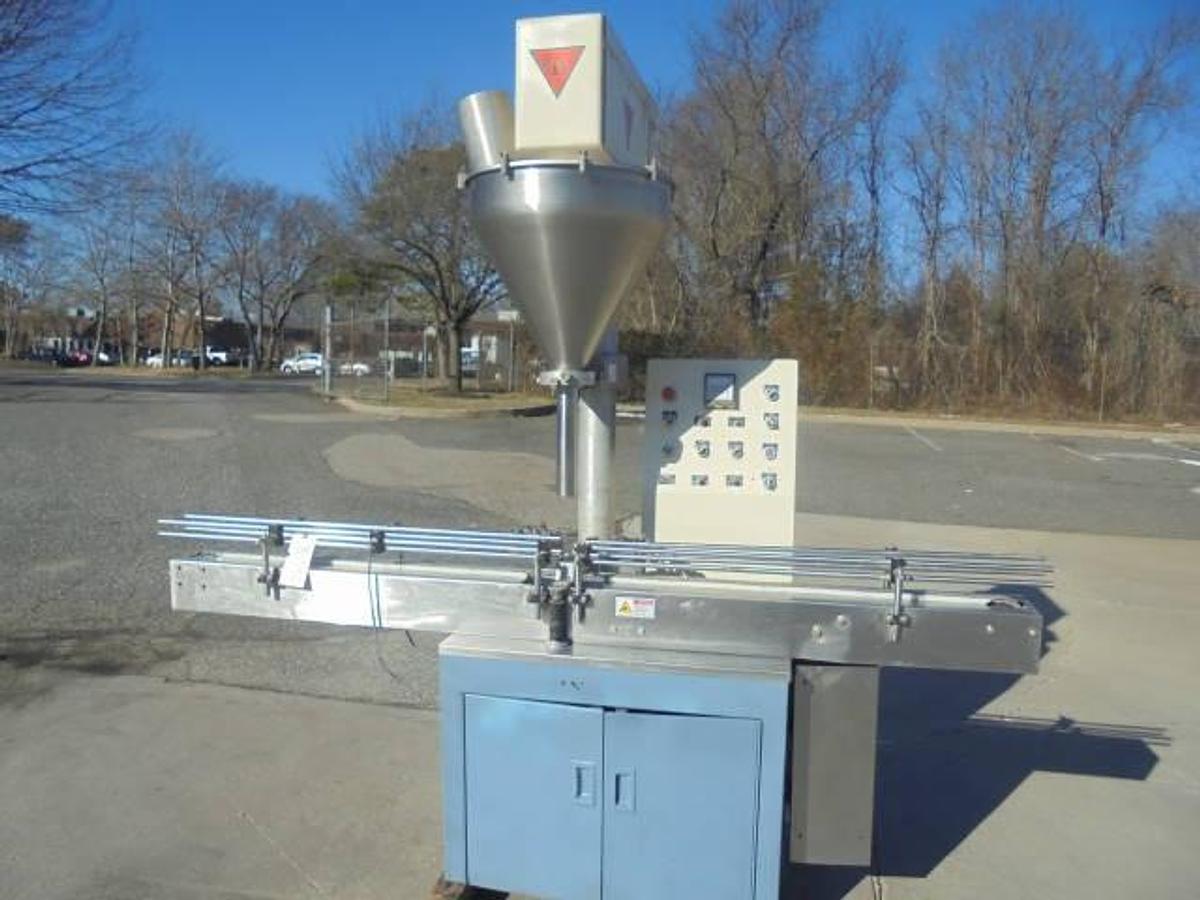
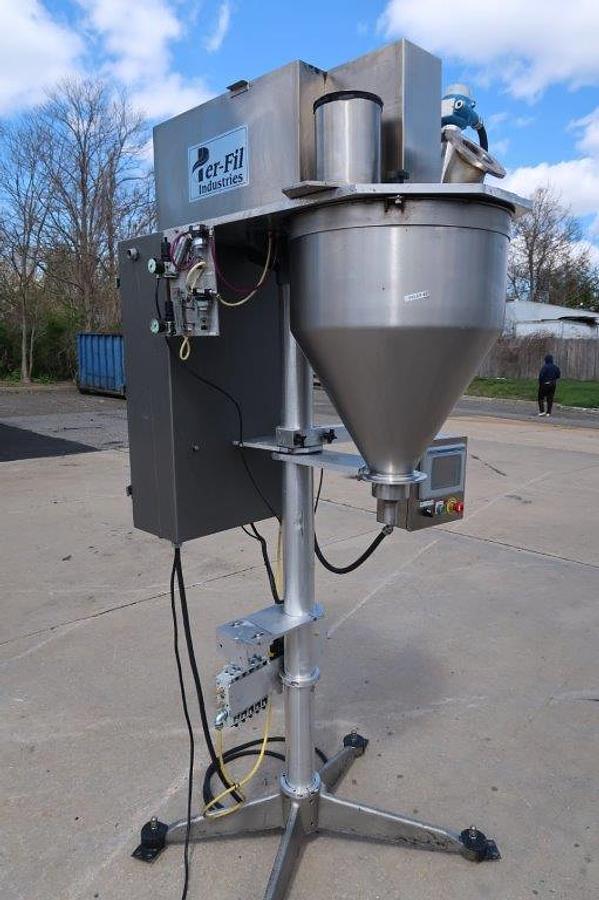
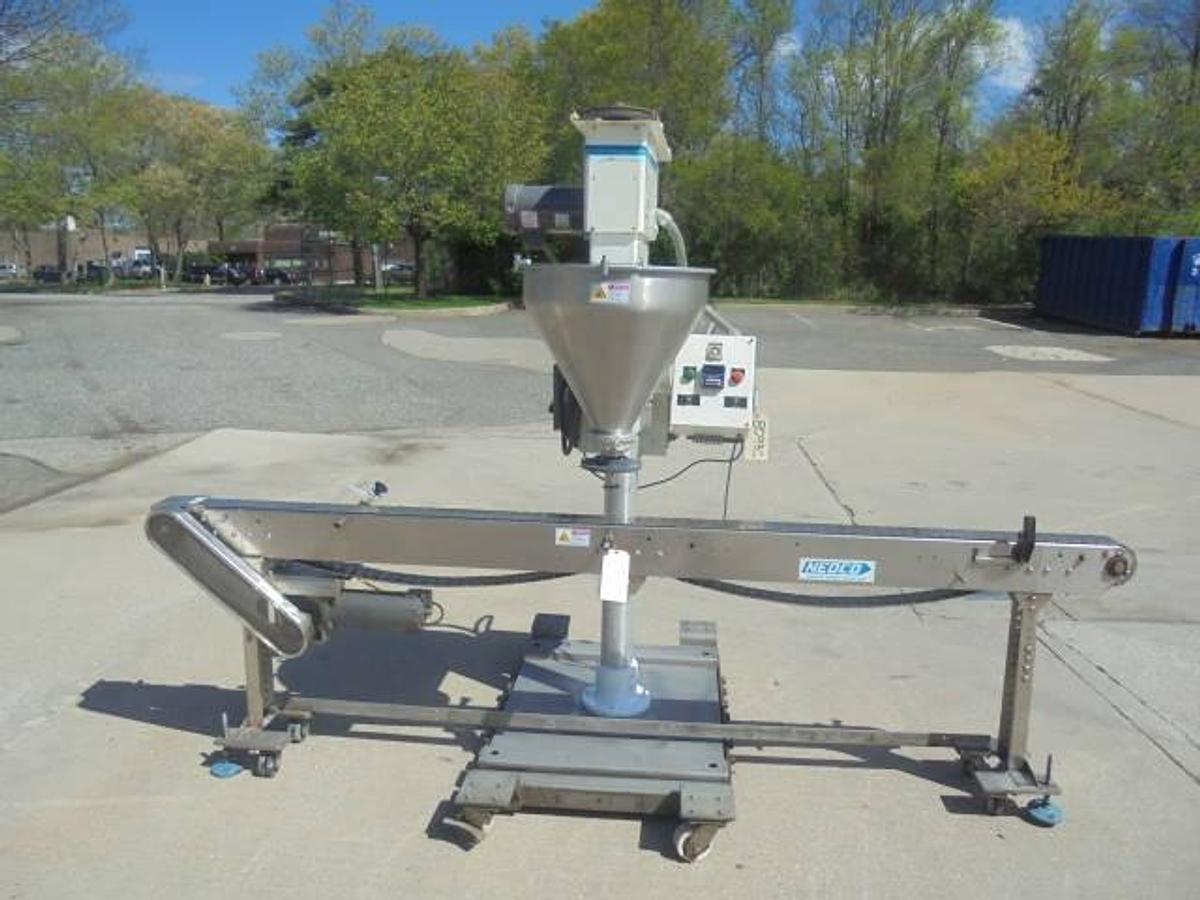
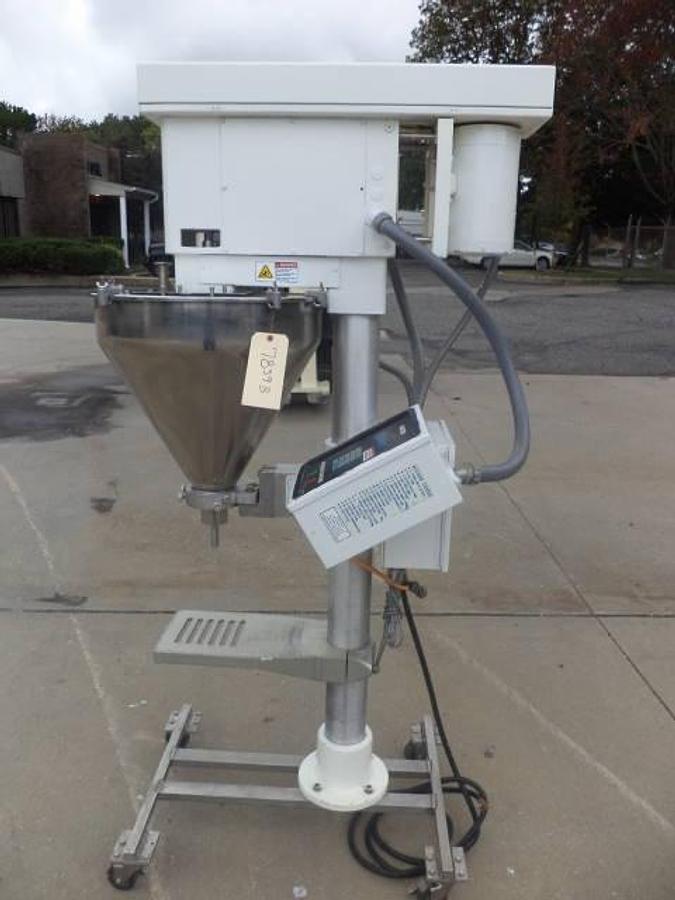
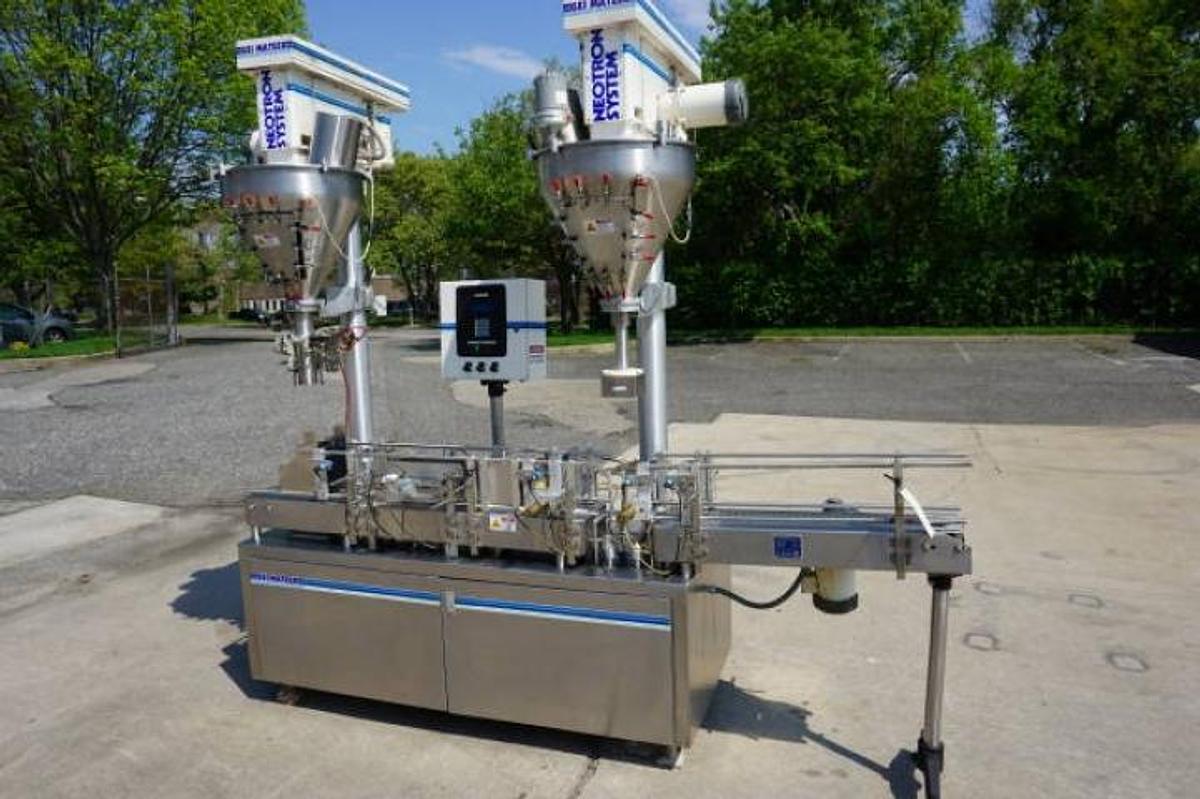
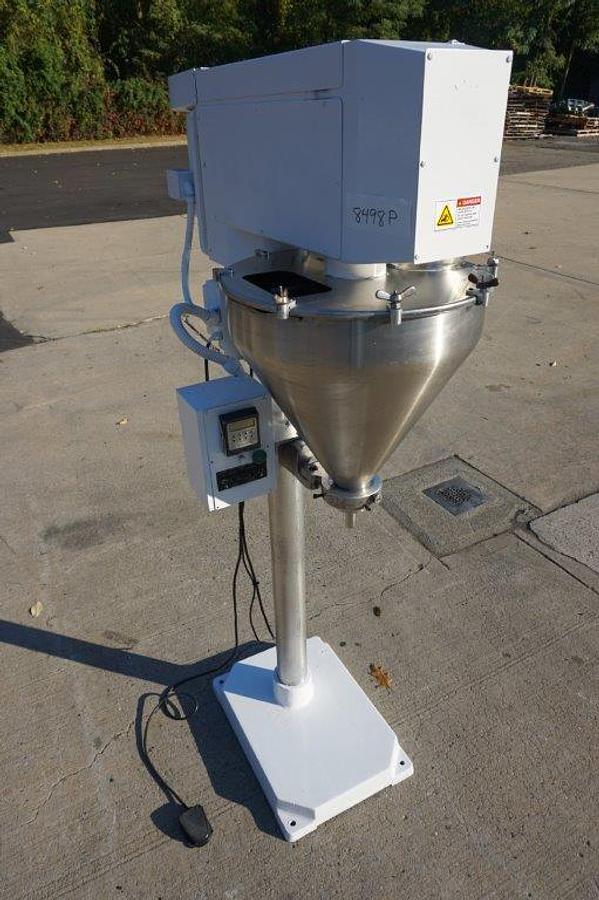
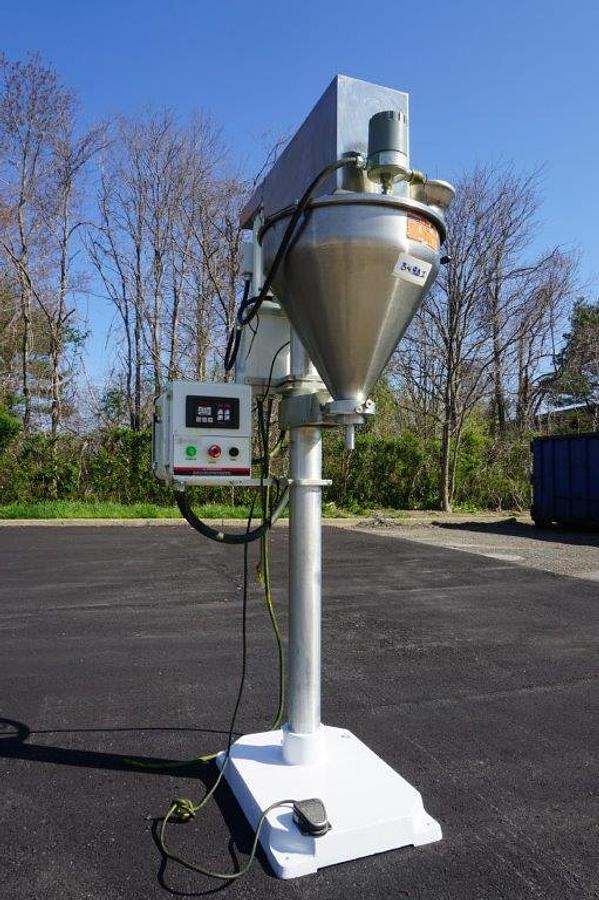
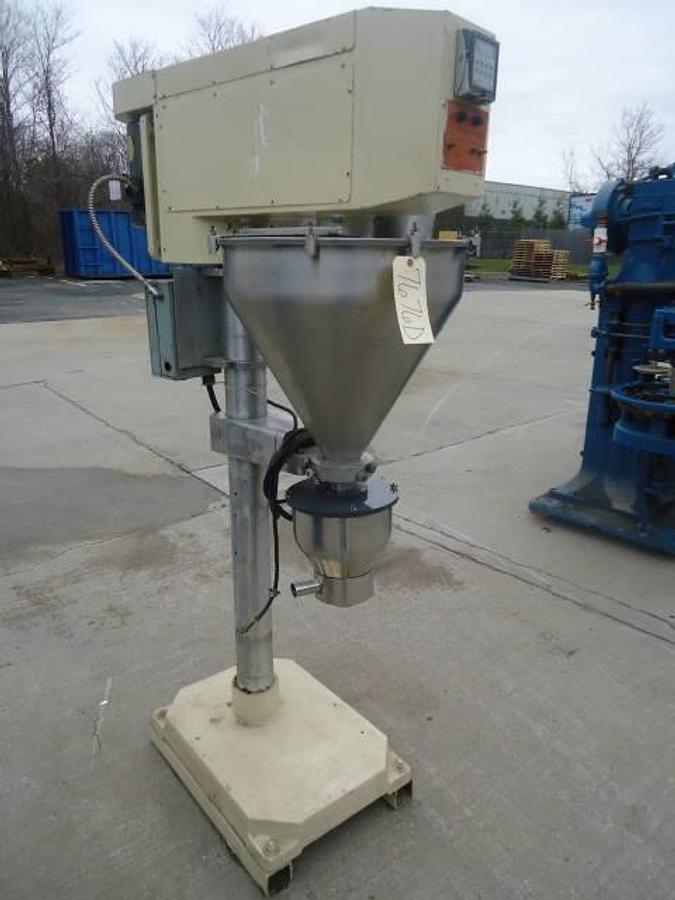
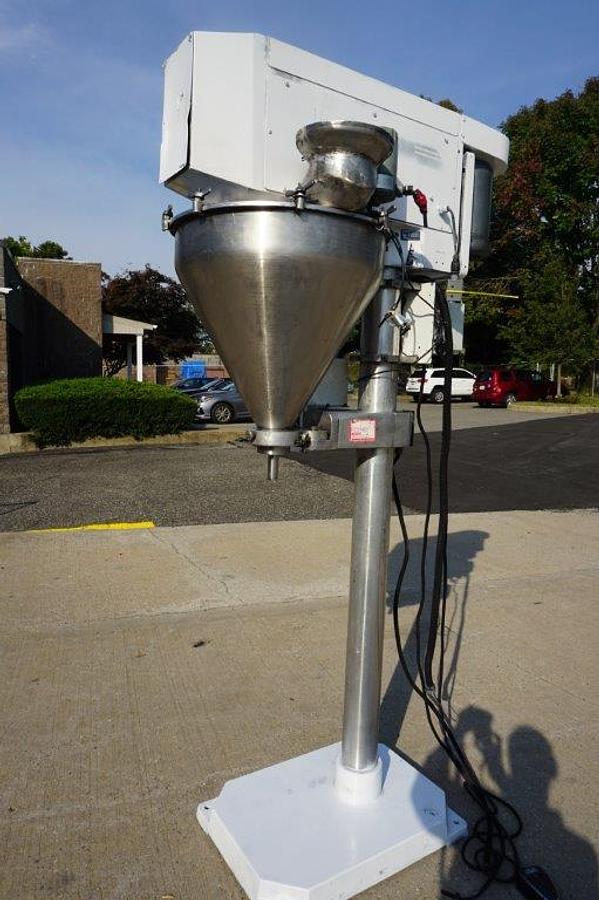
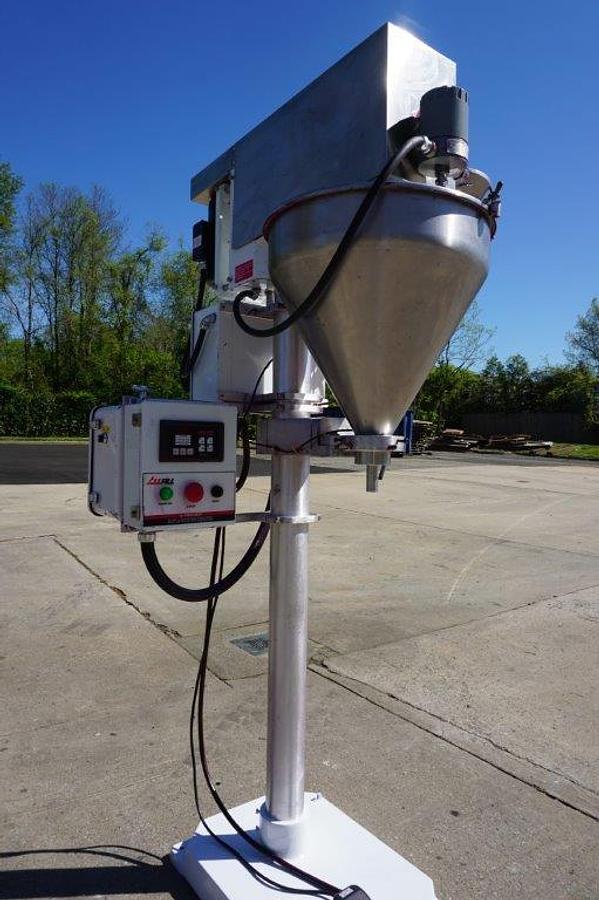
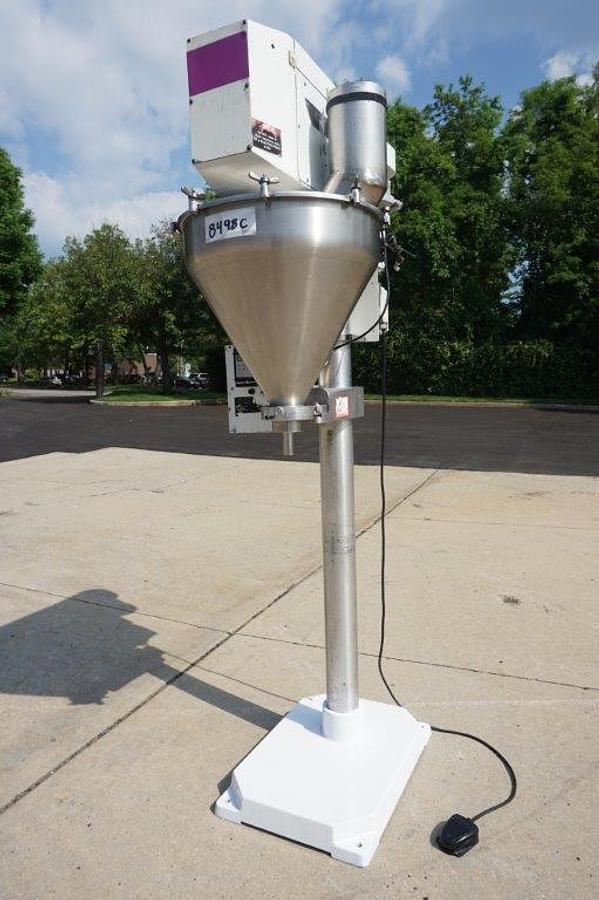
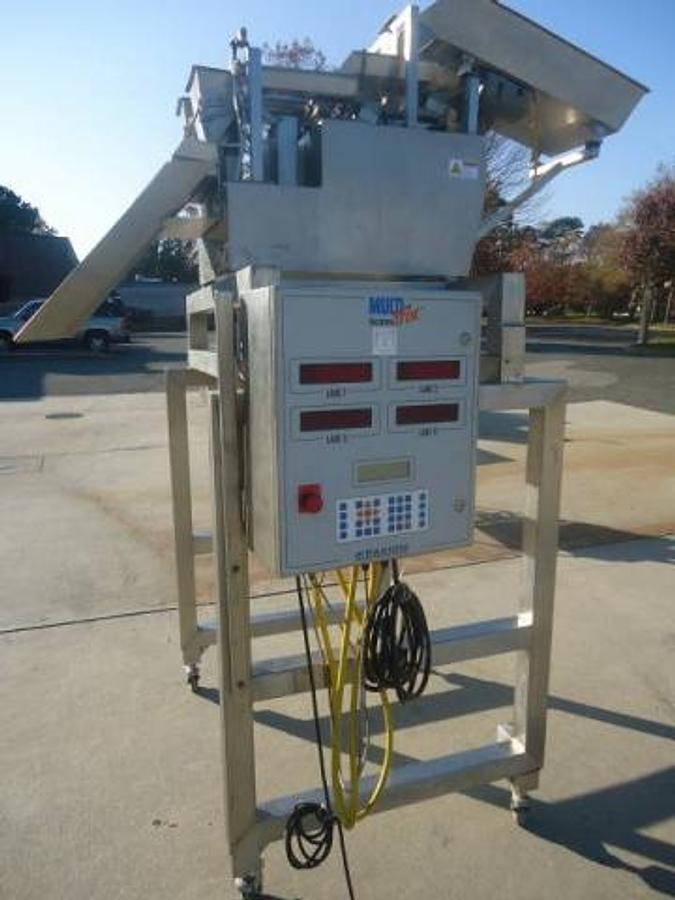
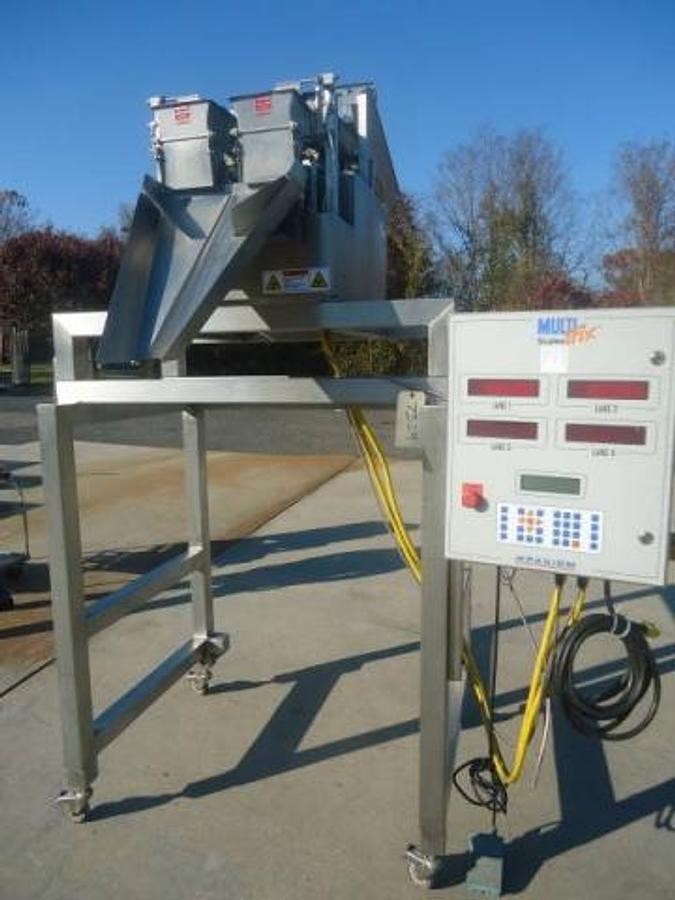
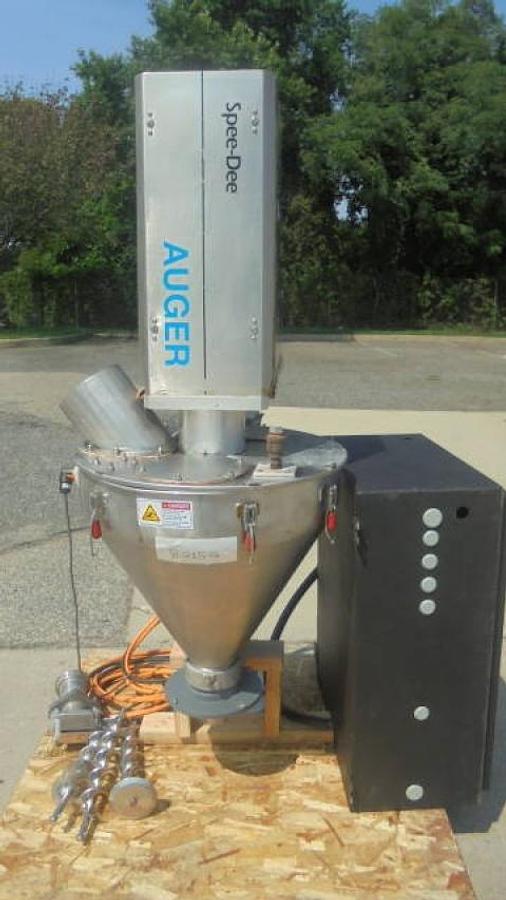
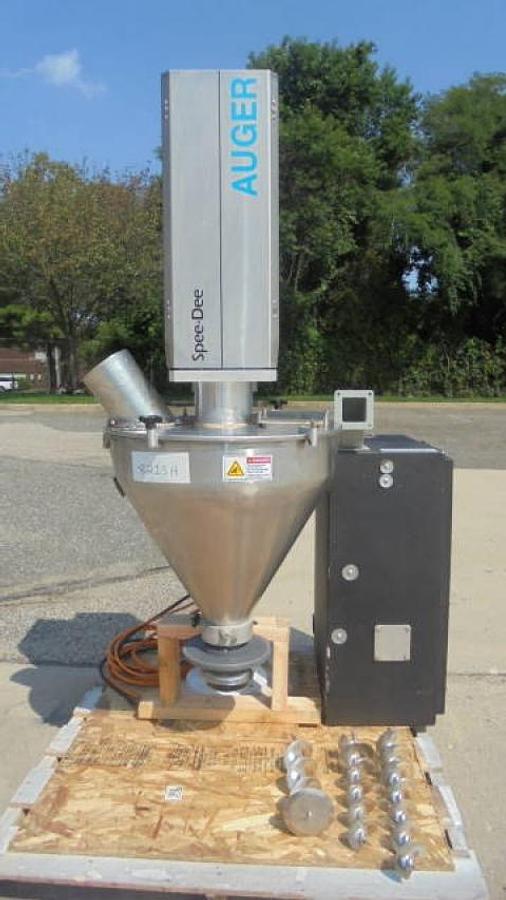
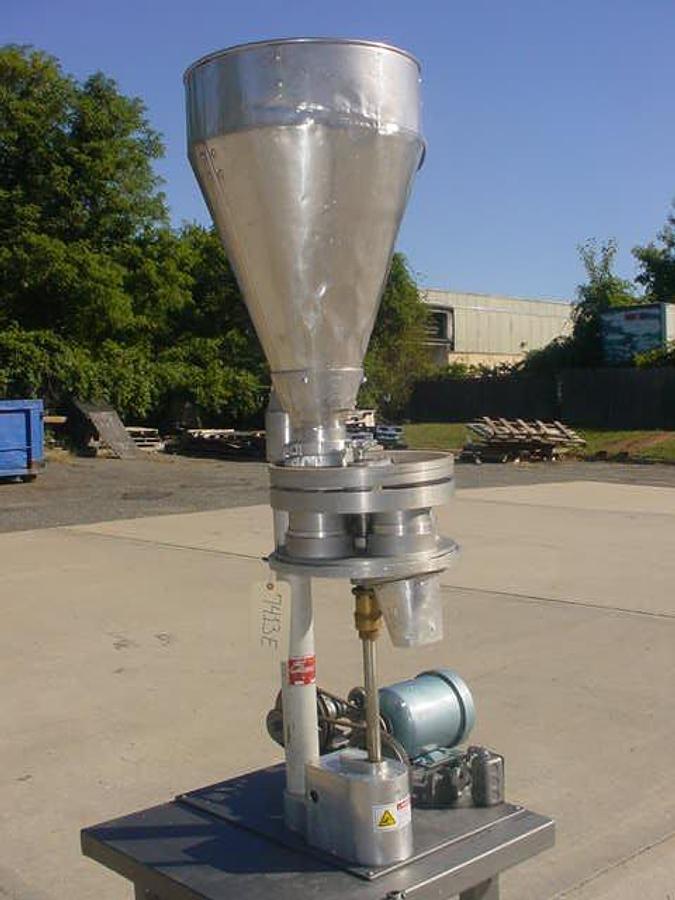
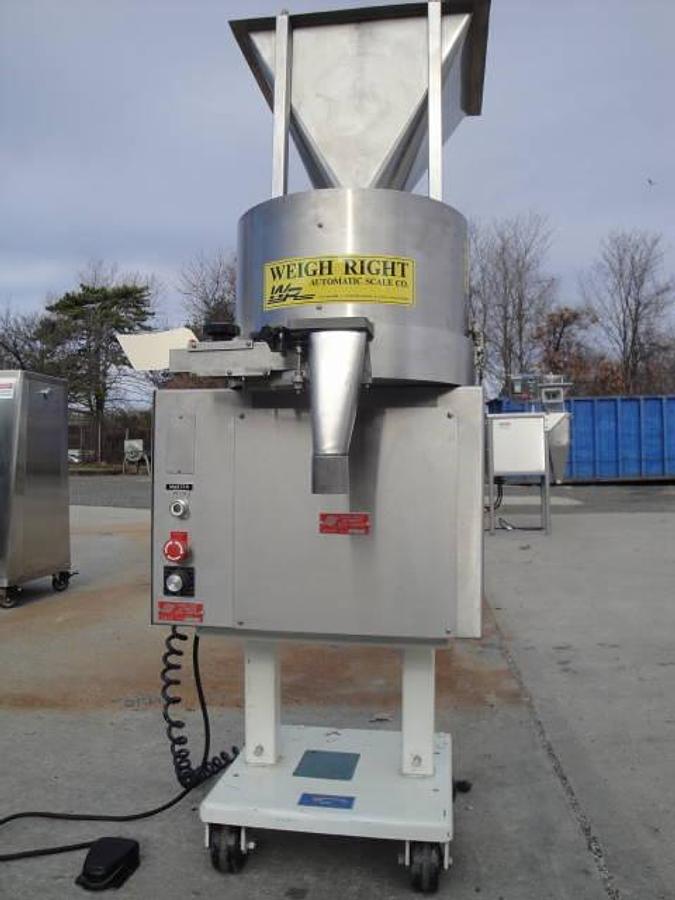
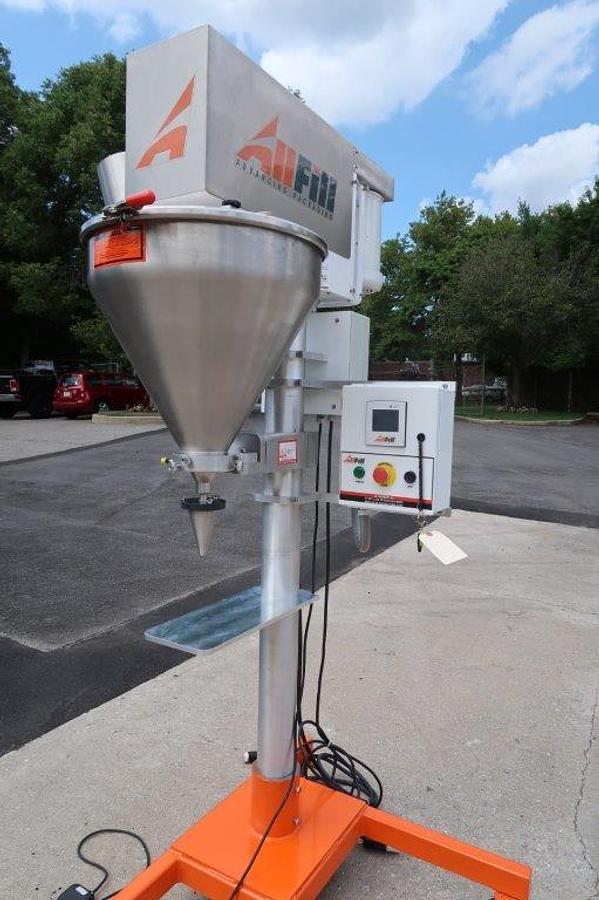
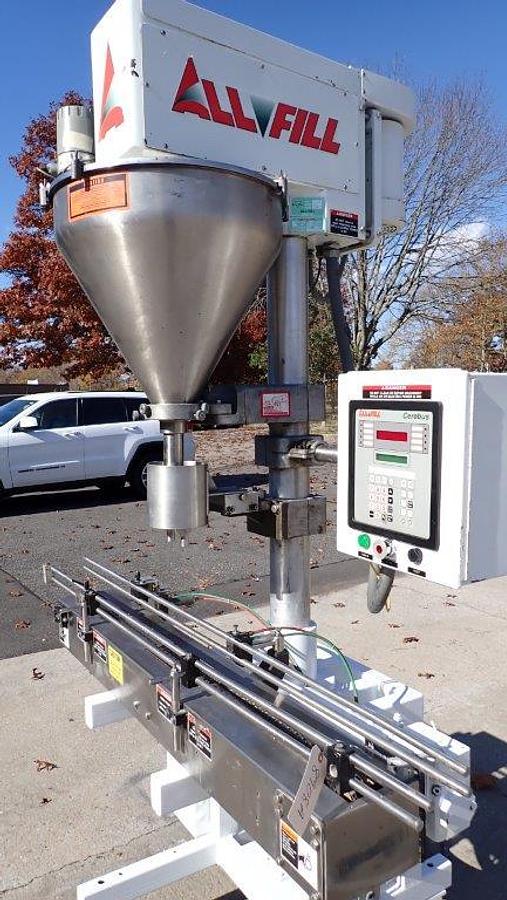
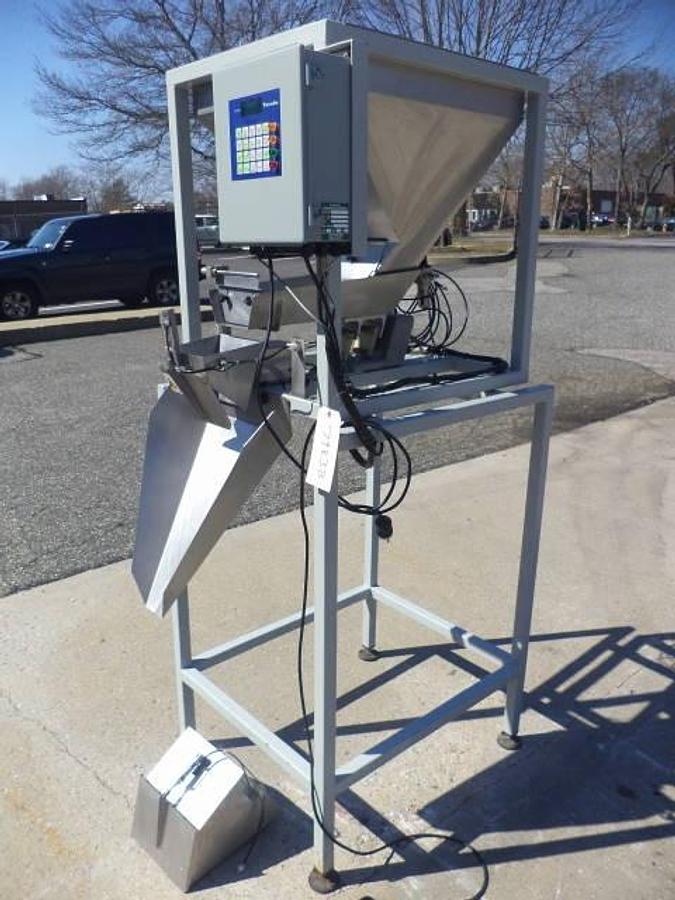
Wohl Industries stocks used powder fillers for food, nutraceutical, and chemical packagers. You get pre-owned auger fillers, volumetric cup fillers, and net weigh powder fillers. Auger fillers dose flour, spices, protein, and drink mix by screw count. Volumetric fillers run free-flowing powder at speed. Net weigh systems hold tight weight on high-value product. Fillers feed jars, pouches, cans, and bags. Buying used cuts your capital cost and lead time. We inspect every machine before we ship. We have sold processing and packaging equipment since 1968. Send us your powder and fill weight, and we match you to the right filler.
FAQ :
What is a powder filling machine used for?
A powder filling machine is designed to dispense measured quantities of dry powder or granular product into containers such as bottles, jars, cans, pouches, or bags. These machines are used across a wide range of industries including food and beverage, pharmaceuticals, nutraceuticals, cosmetics, agricultural chemicals, and industrial chemicals. Common products filled on these machines include protein powders, spices, flour, coffee, detergents, vitamins, dry supplements, and powdered chemicals. The goal is to automate the filling process to improve speed, consistency, and accuracy compared to manual filling.
The filling mechanism varies depending on the product's flow characteristics and the required accuracy. Auger fillers use a rotating screw to meter powder from a hopper into a container and are well-suited for free-flowing and non-free-flowing powders alike. Volumetric cup fillers work by measuring a fixed volume of product per cycle, which makes them a good fit for free-flowing granular materials. Net weight fillers use a scale to fill by target weight rather than volume, which is preferred when fill accuracy is critical and powder density can vary. Each type has specific strengths, and matching the machine type to the product is one of the most important decisions a buyer will make.
What does a used powder filling machine typically cost?
Pricing for used powder filling machines varies considerably based on the machine type, brand, age, configuration, and overall condition. A basic semi-automatic single-head auger filler from a reputable brand like All-Fill or Spee-Dee might be found in the range of a few thousand dollars, while fully automatic inline or rotary systems with conveyors, dual heads, or integrated controls can run into the tens of thousands. Complete powder filling lines that include a filler, conveyor, and capper can command higher prices still. The used market offers significant savings compared to purchasing equivalent equipment through a manufacturer, which is one of the primary reasons buyers seek out pre-owned machines.
Beyond the purchase price, buyers should account for the full landed cost of the equipment. Shipping, rigging, and crating expenses can add meaningfully to the total, particularly for larger or heavier machines that require specialized loading and unloading equipment. If the machine needs refurbishment, tooling changes, or replacement parts to suit a specific application, those costs should be factored in as well. Getting a clear picture of the machine's current condition through inspection before purchase is the most reliable way to avoid unexpected costs after delivery.
What is the difference between an auger filler and a volumetric cup filler for powder applications?
Auger fillers and volumetric cup fillers are the two most common mechanisms used in powder filling, and they work quite differently. An auger filler uses a rotating helical screw inside a tube to move a controlled amount of powder from a hopper into a container. The fill weight is determined by the number of auger rotations per cycle, which can be adjusted electronically. Auger fillers handle a broad range of powder types, including fine, sticky, or non-free-flowing materials, and they are widely used in food, pharmaceutical, and nutraceutical applications. High-quality auger fillers can achieve fill tolerances in the range of plus or minus 0.5% to 2%, depending on the product and machine condition.
Volumetric cup fillers work by filling a fixed-volume cup or cavity with product and then depositing that measured volume into the container. They are generally faster than auger fillers at equivalent price points and work best with free-flowing, relatively uniform granular products like rice, sugar, or seeds. Because they measure by volume rather than weight, fill accuracy depends on the consistency of the product's bulk density. If the powder's density shifts due to moisture, temperature, or particle size variation, fill weights will drift. For applications where weight accuracy is critical, an auger filler or a net weight filler is typically the better choice. Used versions of both types are available on the market from brands such as All-Fill, Spee-Dee, Mateer, and Per-Fil.
What types of powder and granular products can be filled using a used powder filling machine?
Used powder filling machines are capable of handling a wide spectrum of dry products, though the right machine type depends heavily on the product's physical characteristics. Free-flowing granular products such as sugar, salt, rice, coffee, and seeds are well-suited to volumetric cup fillers or auger fillers with standard tooling. Fine, light, or aerated powders such as flour, protein powder, powdered milk, cocoa, and pharmaceutical powders typically require an auger filler, often with an agitated hopper to prevent bridging or clumping. Sticky or hygroscopic powders that tend to absorb moisture and clump together may need specialized auger flights and hopper designs.
Beyond food products, used powder filling machines are commonly found in nutraceutical and supplement production, cosmetics (talc, dry shampoo, face powder), agricultural chemicals, cleaning products, and industrial applications. Buyers sourcing used equipment for pharmaceutical or food use should pay close attention to the machine's construction materials. Food-grade stainless steel contact parts and FDA-compliant components are standard requirements in those industries, and verifying that a used machine meets these standards is an important part of the pre-purchase inspection process. Machines that were previously used in chemical or industrial applications may not be suitable for food or pharma use without significant refurbishment.
What are the main parts of a powder filling machine?
A powder filling machine consists of several key components that work together to meter and deposit product accurately. The hopper is the holding vessel that stores bulk powder and feeds it into the filling mechanism. In many designs, particularly for non-free-flowing powders, the hopper includes an agitator, which is a paddle or stirring device that keeps the powder moving and prevents bridging or packing. The auger, in auger-type fillers, is the helical screw that sits inside a tube below the hopper and physically moves a measured amount of powder with each rotation. The drive motor and controller govern auger speed and the number of rotations per fill cycle, which directly determines fill weight.
Below the auger, a fill tube or nozzle directs the powder into the container. The container is typically positioned on a scale, a conveyor, or a manual platform depending on whether the machine is automatic or semi-automatic. Automatic machines add a conveyor system, container indexing mechanism, and sensors that detect container presence and trigger the fill cycle. The control panel or controller allows operators to set and adjust fill parameters. On more sophisticated machines, servo motors replace standard drive motors to give finer control over auger movement and improve fill accuracy. When evaluating a used machine, each of these components should be inspected for wear, damage, and functionality, as parts like auger flights, seals, and control systems can affect performance significantly.
What filling weight ranges can used powder filling machines handle?
Used powder filling machines cover a broad range of fill weights, from very small doses measured in fractions of a gram up to several kilograms per container. Small-scale auger fillers used in pharmaceutical or nutraceutical applications may be set up to fill capsules or small bottles with doses as low as 0.5 to 5 grams. Mid-range machines commonly used in food and supplement production typically handle fills from around 5 grams up to 1 or 2 kilograms. Larger net weight or scale-based fillers designed for bulk food, agricultural, or industrial products can handle fills of 1 kilogram up to 25 kilograms or more per container.
The achievable fill range of any specific used machine depends on the auger diameter and pitch, the hopper capacity, the drive system, and the control resolution. Most auger fillers are set up with a specific auger that is optimized for a particular fill range and product type. Changing fill weight significantly, or switching to a very different product, may require changing the auger, fill tube, or hopper configuration. When reviewing a used machine listing, checking the specifications for the stated fill range and the included tooling gives a buyer a clearer picture of whether the machine is suited to their application without major modifications.
What is the typical filling speed of a used powder filling machine?
Filling speed varies widely across machine types and configurations. Semi-automatic single-head auger fillers operated with a foot switch typically produce somewhere between 10 and 30 fills per minute, depending on the fill weight, powder flow characteristics, and operator pace. Fully automatic single-head inline machines with conveyors generally reach speeds in the range of 20 to 60 containers per minute. High-speed rotary auger fillers or dual-head automatic machines, such as the All-Fill DHA-600 or GEI/Mateer dual-head configurations, can achieve significantly higher output, sometimes exceeding 100 fills per minute on lighter fills with free-flowing products.
For used machines, actual throughput may differ from the manufacturer's rated speed due to wear on drive components, changes in control calibration, or the specific product being run. A machine that was originally rated at 40 containers per minute may still perform close to that level if it has been well maintained, or it may require servicing to reach that output. Buyers who need to hit a specific production target should discuss the machine's recent production history with the seller and, where possible, arrange an inspection or video demonstration to see the machine cycling. Factoring in realistic throughput rather than peak rated speed is important for accurate production planning.
How can a buyer verify the condition of a used powder filling machine before purchasing?
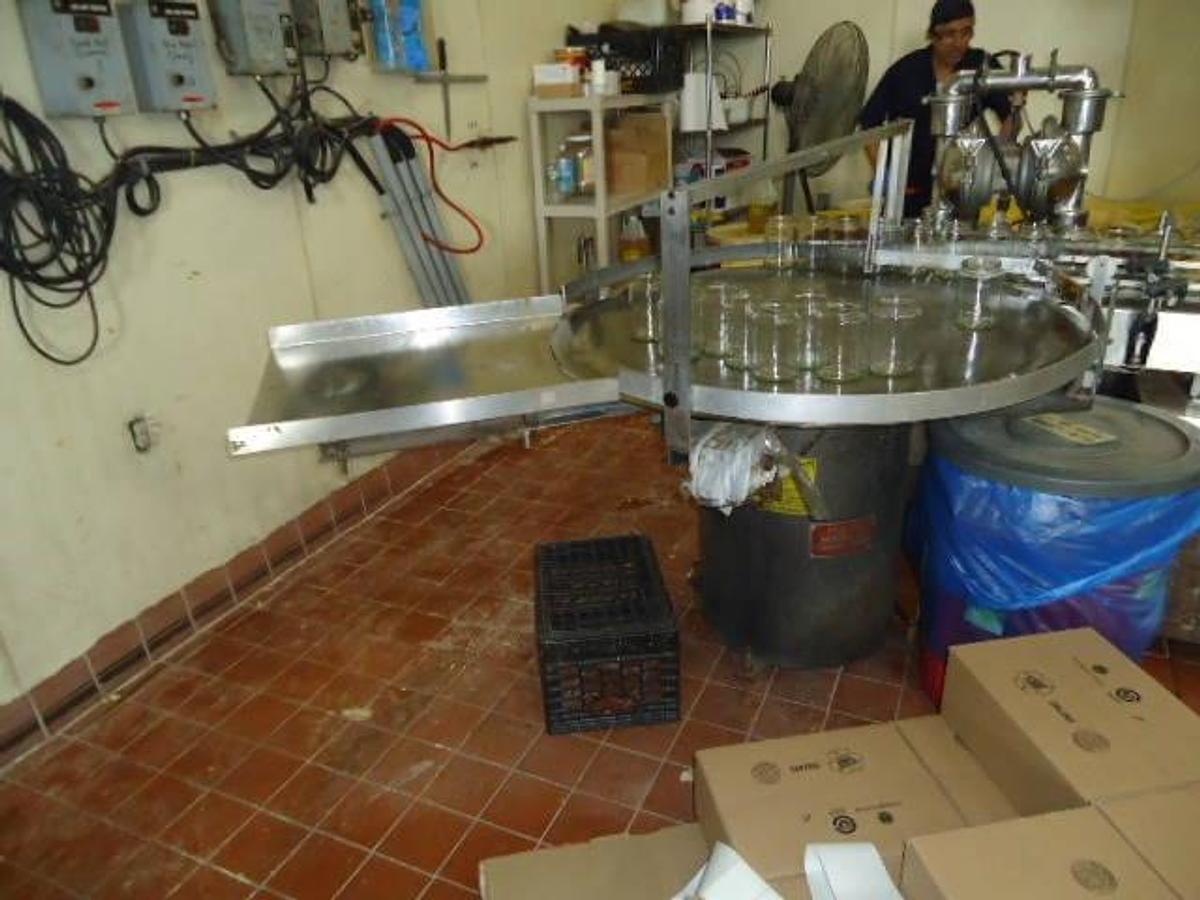
Verifying the condition of a used powder filling machine before committing to a purchase is one of the most important steps in the buying process. Reputable used equipment dealers typically offer in-person inspections, virtual walkthroughs, or detailed video captures of machines so buyers can assess the equipment's current state. For machines that are still installed and operating at a production facility, it may be possible to arrange an inspection at the plant where the equipment is in use, giving the buyer a direct view of how the machine performs in a real production environment. Machines that have been decommissioned can still be inspected physically or via video to check for visible wear, corrosion, missing parts, and the condition of key components like the auger, hopper, seals, and control system.
Buyers should also research the machine's age, the industry it was previously used in, and whether it has undergone any refurbishment. A machine coming out of a food or pharmaceutical facility may have stricter maintenance records than one from an industrial application. It is worth contacting the machine's manufacturer directly to ask about parts availability and support for that specific model, since older or discontinued models may have limited spare parts on the market. Because used equipment is typically sold as-is without manufacturer coverage, the thoroughness of the pre-purchase inspection is the buyer's primary protection. Selecting a dealer with a long track record of selling packaging and filling machinery, and one that specializes in the relevant industry, significantly reduces the risk of buying equipment that does not meet expectations.
What should buyers know about shipping and delivery of a used powder filling machine?
Shipping a used powder filling machine involves more logistics than standard freight because these machines are heavy, often awkwardly shaped, and sensitive to impact damage. Proper packaging is essential to prevent damage in transit. Depending on the machine's size and weight, this can range from standard pallet strapping to full custom wooden crating. The level of packaging required directly affects shipping costs, and buyers should ask the seller specifically about how the machine will be prepared for transport before agreeing to a purchase. Smaller tabletop or pedestal-mounted auger fillers are relatively straightforward to ship, while large automatic inline systems or complete filling lines may require heavy-duty rigging for both loading at the seller's facility and unloading at the destination.
Rigging costs, which cover the labor and equipment needed to safely move heavy machinery onto and off a truck, are typically separate from freight charges and can add meaningfully to the total cost. Buyers should request a full breakdown of packaging, rigging, and freight costs to understand the complete landed cost before finalizing the transaction. For international shipments, customs documentation, import duties, and compliance with destination country regulations add additional complexity. Most used equipment dealers require full payment before the machine ships, so understanding all associated costs upfront avoids surprises after the sale is complete.
What maintenance does a used powder filling machine require, and how easy is it to find replacement parts?
Regular maintenance on a powder filling machine focuses on a handful of areas that experience the most wear. The auger and auger tube are in constant contact with product and should be inspected for wear on the flights and for any corrosion or pitting, particularly on machines used with abrasive or corrosive powders. Seals, gaskets, and bearings require periodic replacement and are among the most commonly needed spare parts. The hopper agitator, if present, should be checked for proper function and for wear on the agitator paddles. Drive belts, motor brushes on older machines, and electronic control components are also items that may need attention over time. Keeping the machine clean, particularly in food and pharmaceutical applications, is not just a maintenance issue but a regulatory one.
Parts availability depends significantly on the machine's brand, age, and model. Brands with a long history in the filling equipment market, such as All-Fill, Spee-Dee, Mateer, and Per-Fil, generally have better parts support than obscure or discontinued brands. Before purchasing a used machine, it is advisable to contact the manufacturer directly to confirm what parts and technical support are available for that specific model. Older machines may have limited or no factory support, which means buyers would need to rely on third-party machining or fabrication for certain components. This is a meaningful factor in the total cost of ownership and should be weighed alongside the purchase price when evaluating a used machine.