Category
Manufacturer
Model
Used Dryers for Sale
Pre-Owned Fluid Bed, Tray, and Rotary Dryers In Stock
Wohl Industries stocks used dryers for food, pharmaceutical, and chemical plants. You get pre-owned fluid bed dryers, tray dryers, rotary dryers, and tunnel dryers. Fluid bed dryers dry granules and powder for tablets and food mixes. Tray dryers handle small pharma and specialty batches. Rotary dryers run high volumes of grain, minerals, and chemicals. Tunnel dryers move product on trays or belts through heated zones. Set airflow and temperature to hit your moisture spec. Buying used cuts your capital cost and lead time. We inspect every machine before we ship. We have sold processing and packaging equipment since 1968. Send us your product and load, and we match you to the right dryer.
FAQ :
What types of used industrial dryers are available on the market?
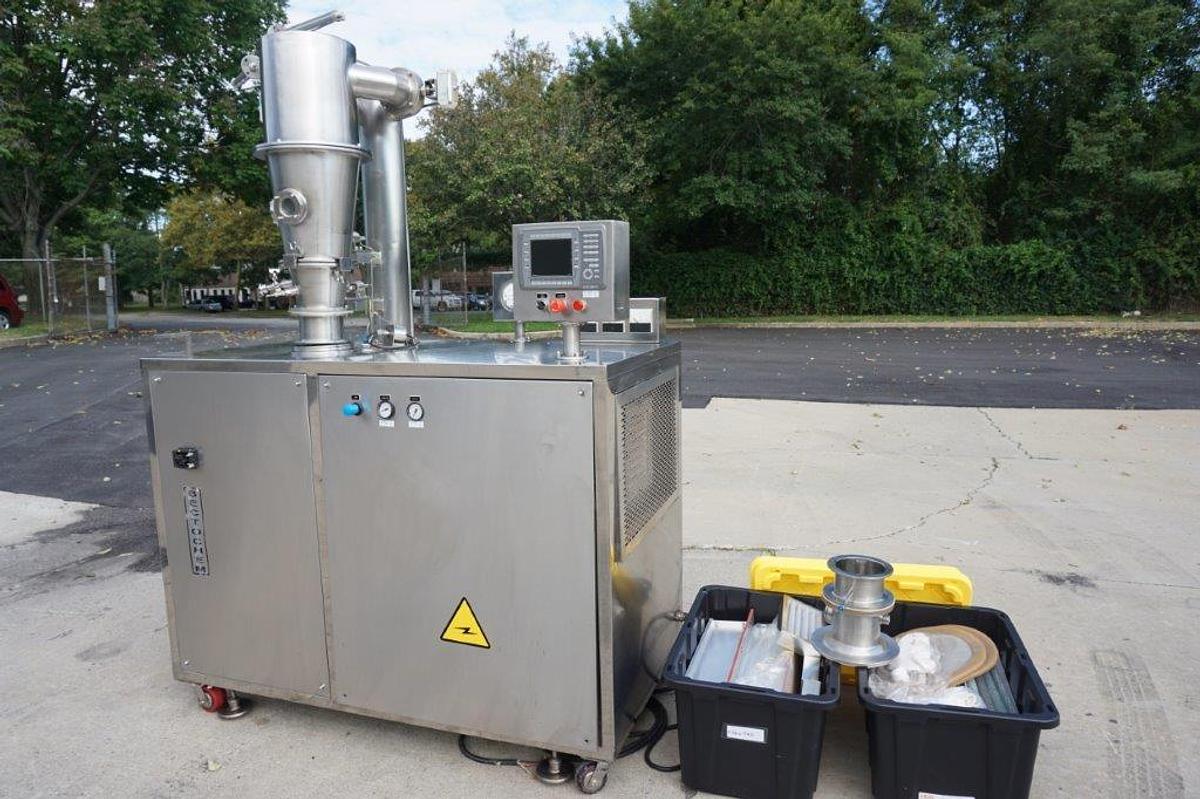
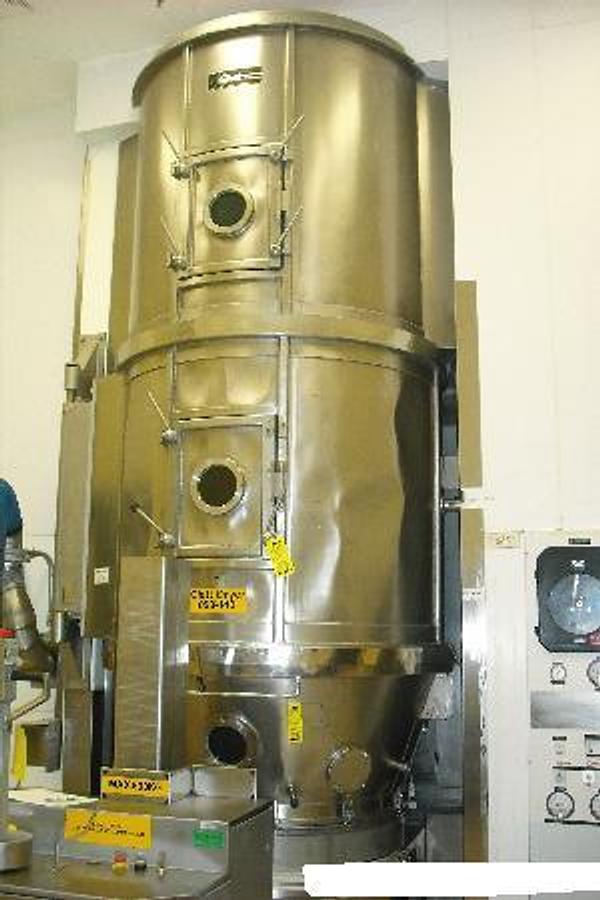
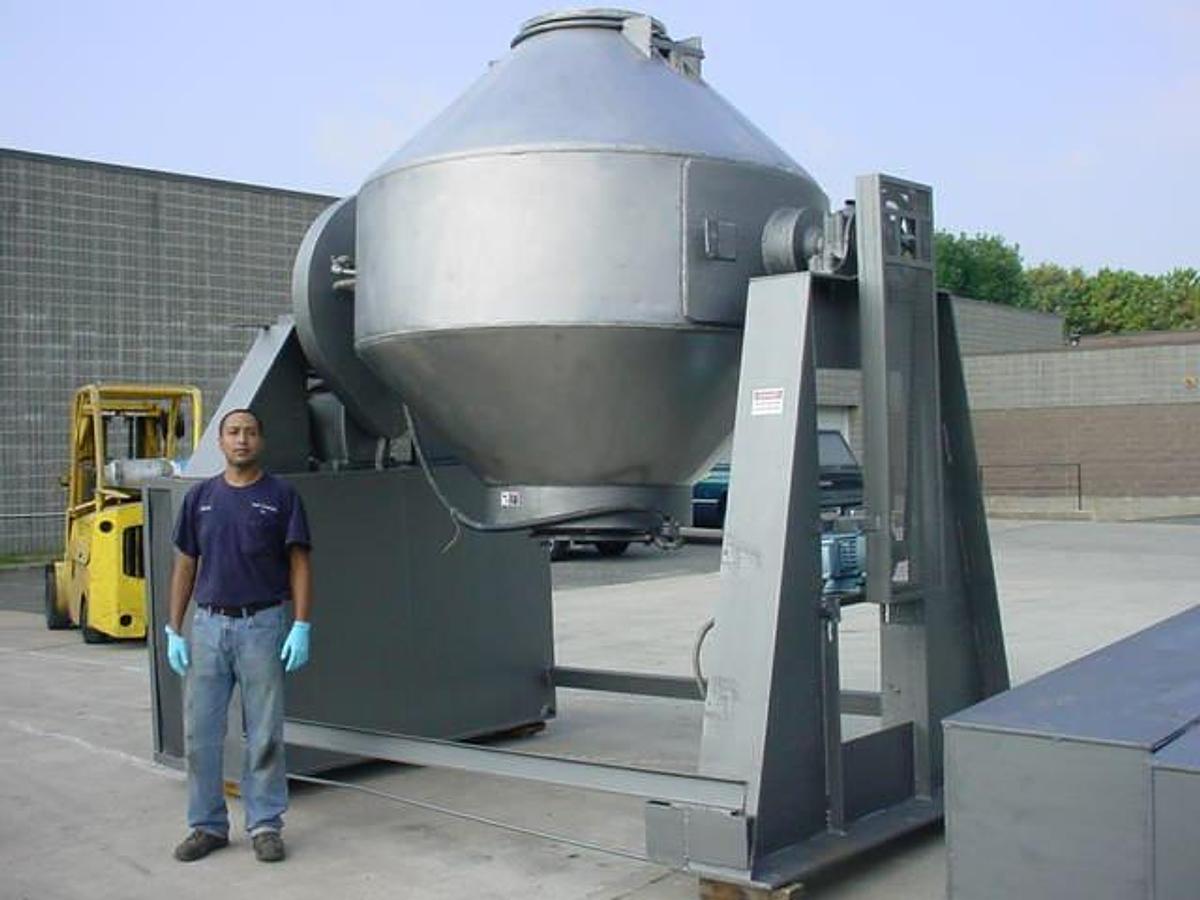
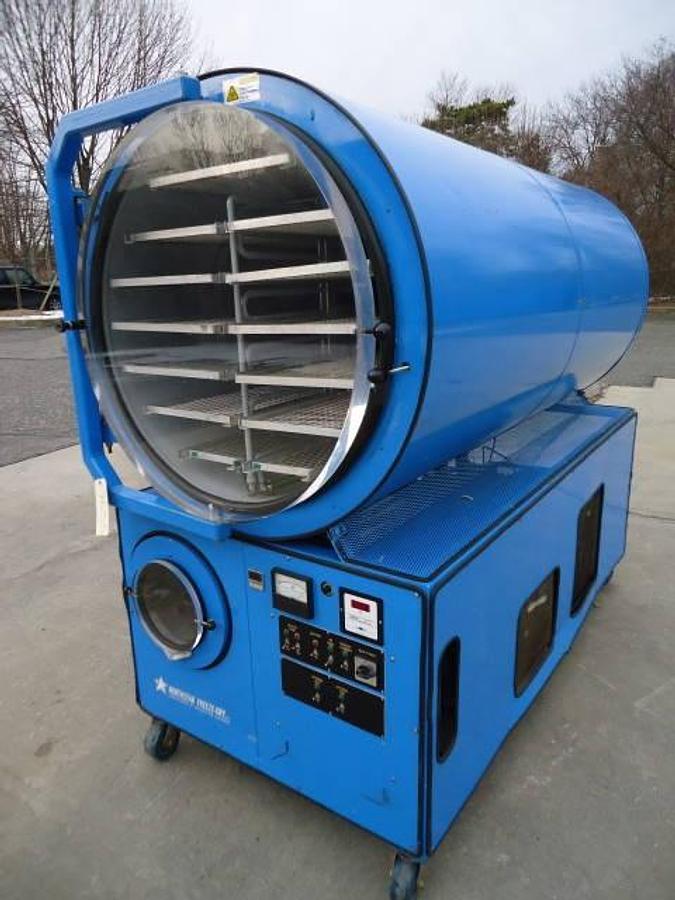
Used industrial dryers come in several distinct configurations, each designed for specific materials and production processes. The most common types include belt dryers (also called conveyor or apron dryers), fluid bed dryers, freeze dryers, double cone dryers, drum dryers, rotary dryers, spray dryers, and vacuum shelf dryers. Belt dryers move product continuously through a heated chamber on a perforated belt, making them well-suited for food processing and bulk agricultural materials. Fluid bed dryers suspend particles in a stream of heated air, which makes them a popular choice in pharmaceutical granulation and fine chemical production. Freeze dryers remove moisture through sublimation under vacuum conditions, preserving heat-sensitive products like biologics, specialty foods, and pharmaceuticals. Double cone dryers combine gentle tumbling with vacuum drying, often used for powders and granules in pharmaceutical and chemical applications.
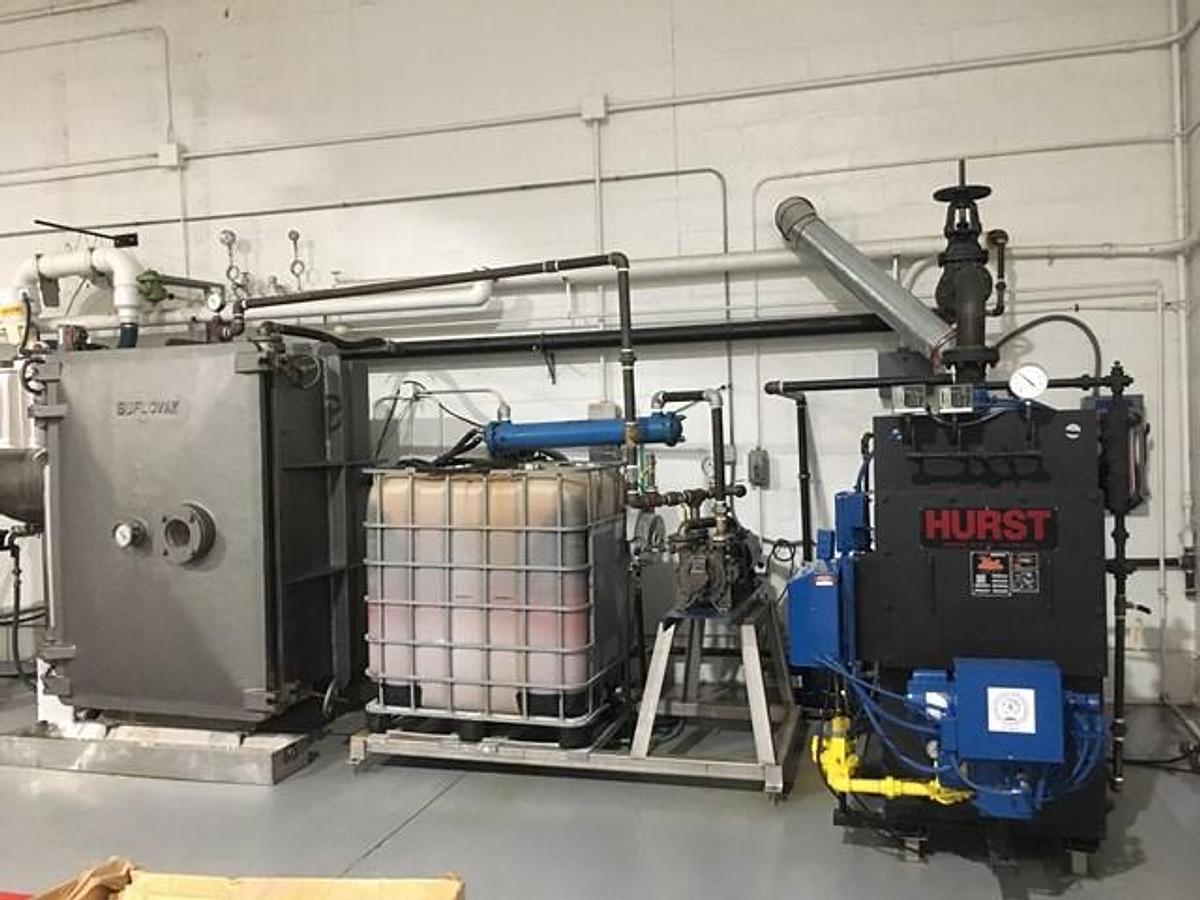
Drum dryers and drum flakers handle slurries and liquid-phase materials by spreading them onto a heated rotating drum, then scraping off the dried film. Vacuum tumble dryers, such as twin-shell V-blenders with vacuum capability, allow simultaneous blending and drying of sensitive materials. The used equipment market carries all of these types across a wide range of sizes and manufacturers, so buyers can often find machines that closely match their existing process requirements without paying the premium associated with purchasing directly from a manufacturer. Knowing the specific drying mechanism your process requires is the most important first step before evaluating any used equipment listing.
What industries commonly purchase used industrial dryers?
Used industrial dryers serve a broad cross-section of manufacturing and processing industries. Pharmaceutical manufacturers are among the most active buyers, relying on fluid bed dryers, freeze dryers, and vacuum dryers for granulation, lyophilization, and powder processing under strict GMP (Good Manufacturing Practice) conditions. Food processing operations purchase freeze dryers for preserved foods, drum dryers for starches and dairy products, and belt dryers for grains, vegetables, and snack products. Chemical manufacturers use double cone dryers, rotary dryers, and vacuum shelf dryers for drying fine powders, pigments, resins, and specialty compounds.
Agriculture and mining operations tend to favor high-throughput rotary and fluid bed dryers for bulk materials like fertilizers, minerals, and ores. Textile manufacturers use large conveyor and apron dryers for fabric processing. Laboratory and research facilities purchase smaller bench-scale or pilot-scale freeze dryers and fluid bed units for R&D work. The used equipment market is especially attractive to these industries because industrial dryers are capital-intensive assets, and a well-maintained used machine can perform at the same level as a comparable machine purchased directly from a manufacturer, often at a fraction of the cost. Buyers from regulated industries like pharma should pay particular attention to the documentation history and configuration of any used dryer they consider purchasing.
How do I verify the condition of a used industrial dryer before buying?
Verifying the condition of a used industrial dryer requires a systematic approach, and reputable dealers will accommodate the process. The first step is requesting detailed photographs and specification sheets covering the dryer's mechanical components, electrical panels, interior surfaces, seals, and any auxiliary systems like blowers, condensers, or vacuum pumps. Many dealers can also provide video walkthroughs or conduct a live video inspection so a buyer's engineer or technician can ask questions in real time and direct the camera to specific areas of concern. For high-value purchases, arranging an in-person inspection is strongly advisable, and most established dealers will facilitate access to the equipment at their warehouse or, in some cases, at the facility where the machine is still installed.
It is worth understanding that most used equipment dealers do not have the permits or production infrastructure to run actual product through a dryer during an inspection. What a buyer can typically assess includes the physical condition of contact surfaces (especially important for food-grade and pharmaceutical equipment), the integrity of seals and gaskets, the condition of heating elements or steam coils, the state of the control system, and whether all major mechanical components are present and undamaged. Buyers should also consult directly with the dryer's manufacturer to understand what parts and technical support are available for that specific model and age of machine, since older or discontinued models may have limited parts availability. Combining a thorough inspection with manufacturer consultation gives buyers the clearest possible picture of what they are acquiring.
What should buyers know about warranties on used industrial dryers?
Warranties on industrial equipment are typically offered only by the equipment's manufacturer, and they apply to machines purchased directly through authorized channels. Used industrial dryers are sold on an as-is basis, which is standard practice across the used equipment industry. This places the responsibility for evaluating condition squarely on the buyer, which is why the inspection process is so critical. Buyers should not assume any form of implied guarantee of performance, and any representations about condition should be carefully reviewed before a purchase agreement is signed.
Given the as-is nature of used equipment transactions, selecting a dealer with a long, verifiable track record in the specific industry is one of the most important risk-mitigation steps a buyer can take. Dealers who specialize in industrial processing equipment will have deeper knowledge of the machines they sell, more accurate condition assessments, and a greater stake in their reputation than a general liquidator. Buyers should also contact the dryer's manufacturer directly before finalizing a purchase to understand what level of technical support, spare parts, and service documentation is available for that particular model. Age, model generation, and whether the product line is still active all affect how much ongoing support a buyer can realistically expect after the sale.
What is the typical price range for used industrial dryers?
Pricing for used industrial dryers varies considerably depending on type, size, brand, age, and condition. Small laboratory-scale freeze dryers and bench-top fluid bed units can be found in the low thousands of dollars, while mid-size pharmaceutical fluid bed dryers from established manufacturers like Glatt can range from roughly $15,000 to over $100,000 depending on capacity and configuration. Large-scale continuous belt dryers, drum dryers, and production freeze dryers for food or pharmaceutical use can command prices well into six figures for machines in good working condition from reputable brands.
Beyond the purchase price itself, buyers should factor in the total landed cost of the equipment. This includes freight and logistics, any rigging or crane work required for loading and unloading, and any reconditioning, parts replacement, or installation work needed before the machine is production-ready. A dryer listed at a lower price point may require significant investment to bring up to operational standards, while a higher-priced machine from a specialized dealer may have already been cleaned, inspected, and tested. Getting a clear breakdown of what is and is not included in the asking price, along with a realistic estimate of any additional costs, allows for a true apples-to-apples comparison between listings.
What are the most reliable brands of used industrial dryers?
Several manufacturers have built long-standing reputations for producing durable, well-engineered industrial dryers that hold up well in the used equipment market. In the belt and conveyor dryer category, Wolverine, Proctor & Schwartz, and Jetzone are consistently regarded as reliable workhorses across food processing and industrial applications. For fluid bed dryers, Glatt is widely considered the benchmark brand in pharmaceutical manufacturing, with machines that are frequently sought after on the used market because of their robust construction and strong parts support from the manufacturer. In the freeze dryer segment, brands like Northstar (also marketed under related model families) and Virtis appear regularly in used equipment inventories and have established service networks.
For drum dryers and drum flakers, Buflovak and Phoenix are well-known names with a long history in chemical and food processing applications. Patterson-Kelley is a respected name in vacuum tumble dryers and twin-shell blender-dryers. Gemco is a recognized manufacturer of double cone blenders and dryers used in pharmaceutical and chemical production. Brand reputation matters in the used market for two reasons: machines from established manufacturers tend to be built to higher tolerances and last longer, and buyers are more likely to find spare parts, service manuals, and technical support from the manufacturer for well-known models. Before purchasing any used dryer, it is worth contacting the manufacturer directly to confirm parts availability for that specific model and serial number range.
How do I determine the right size used industrial dryer for my application?
Sizing an industrial dryer correctly requires understanding both the physical characteristics of the material being dried and the throughput demands of the production process. For batch dryers like fluid bed dryers, double cone dryers, and vacuum shelf dryers, capacity is typically expressed in cubic feet or liters, and buyers need to match the batch size to their production schedule. For continuous dryers like belt dryers and drum dryers, the key metrics are throughput rate (pounds or kilograms per hour), the moisture reduction required (initial versus final moisture content), and the residence time the material needs inside the dryer to reach target dryness.
Energy input capacity, expressed in BTUs per hour or kilowatts, is another critical sizing factor, as is the available utility infrastructure at the buyer's facility, including steam pressure, electrical service, compressed air, and exhaust or emissions handling. Buyers sourcing used equipment should obtain the full technical specification sheet for any machine under consideration and have a process engineer or equipment specialist review it against their actual production requirements before committing to a purchase. One practical advantage of the used market is that buyers can often find machines that were previously used in a nearly identical application, which reduces the uncertainty around how the dryer will perform. Dealers who specialize in a particular industry segment can often help match buyers to appropriate equipment based on application details.
How does the age of a used industrial dryer affect its value and usability?
Age is one factor in evaluating a used industrial dryer, but it is not the only one and often not the most important. Industrial dryers are built for long service lives, and a well-maintained machine that is 20 or 30 years old can still perform reliably if its key components, including heating systems, seals, drive mechanisms, and control systems, are in sound condition. What age does affect significantly is parts availability and manufacturer support. Older machines, especially those from discontinued product lines, may have limited or no factory parts support, which means buyers need to assess whether critical wear components can be sourced from third-party suppliers or fabricated as needed.
Age also affects control systems. Older dryers may use obsolete PLCs or relay-based control panels that are difficult to repair or integrate with modern facility systems. Upgrading controls adds cost but can extend the practical working life of an otherwise sound machine considerably. From a valuation standpoint, machines that are older but have undergone documented refurbishment or control upgrades may command higher prices than newer machines in poor condition. Buyers should focus on the actual condition and component history of the machine rather than the manufacture date alone, and should ask dealers specifically about the condition of wear parts, heating elements, seals, and control systems as part of any pre-purchase evaluation.
What should buyers expect regarding shipping and logistics for used industrial dryers?
Shipping a used industrial dryer involves more complexity than standard freight, and buyers should plan for this early in the purchasing process. Small laboratory dryers may ship on standard pallets via LTL (less-than-truckload) freight carriers, but larger production-scale machines typically require specialized packaging such as custom crating to prevent damage in transit. The level of crating and protection required directly affects shipping costs, and buyers should ask the dealer for a detailed breakdown of packaging, loading, and freight charges before finalizing a purchase. Understanding the full landed cost, meaning the purchase price plus all shipping and handling expenses, is essential for accurate budgeting.
Larger or heavier dryers often require professional rigging for loading at the dealer's facility and unloading at the buyer's site. Rigging involves cranes, forklifts, and specialized equipment operators, and these services carry additional costs that vary based on machine weight, dimensions, and site accessibility. Buyers should confirm with the dealer exactly what rigging is included in the quoted price and what will be their responsibility at the receiving end. For machines still located at a production facility rather than a dealer's warehouse, coordinating access, scheduling, and loading logistics may involve additional lead time. Asking for a complete logistics plan in writing before signing a purchase agreement helps avoid unexpected costs and delays.
What payment terms are typical when purchasing used industrial dryers?
Payment practices in the used industrial equipment market are fairly consistent across reputable dealers. The standard expectation is full payment prior to shipment, which protects the seller from non-payment after a machine has been prepared for shipping and loaded. This is the norm rather than the exception, particularly for buyers who are purchasing from a dealer for the first time. Payment is typically made by wire transfer, though some dealers may accept other forms of cleared funds. Buyers should confirm accepted payment methods early in the negotiation process to avoid any delays once a purchase agreement is reached.
Some dealers extend payment terms to established customers with a history of repeat transactions, but this is at the dealer's discretion and not something a first-time buyer should count on. For large purchases, buyers may want to consult with their bank or a financing company that specializes in equipment loans, as used industrial equipment can sometimes be financed through third-party lenders independent of the dealer. Before sending any funds, buyers should verify the dealer's legitimacy through references, business history, and any available industry affiliations. Reputable dealers with a long track record in industrial equipment sales are generally transparent about their payment process and will provide clear documentation including invoices and bill of sale.