Category
Manufacturer
Model
Lee
Lee specializes in manufacturing high-quality equipment for the bakery industry. Their machines include mixers, ovens, and proofers, designed to enhance production efficiency and product quality. Lee’s focus on innovation helps bakers achieve consistent results in their products.
FAQ:
What sizes do Lee jacketed kettles come in?
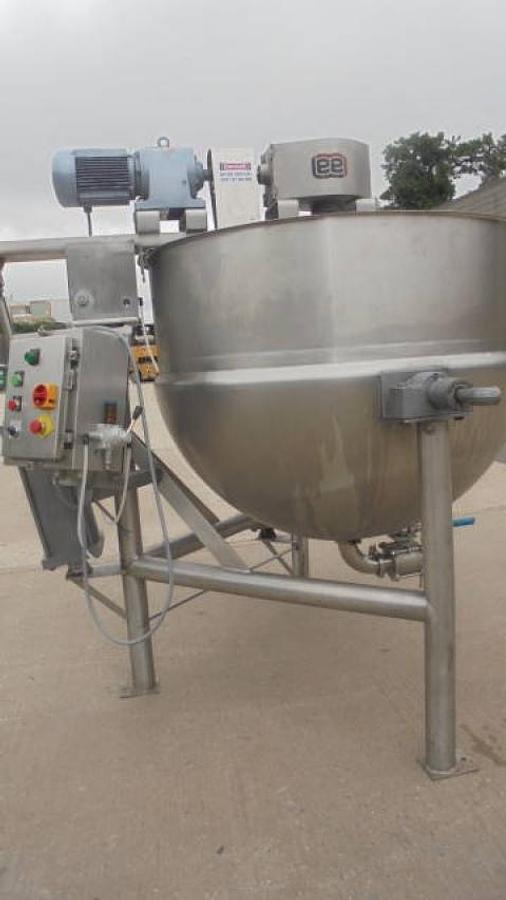
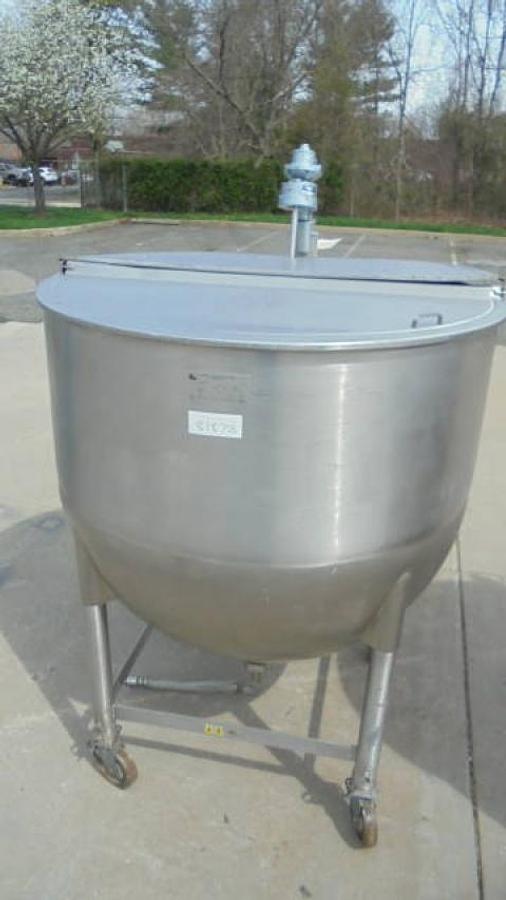
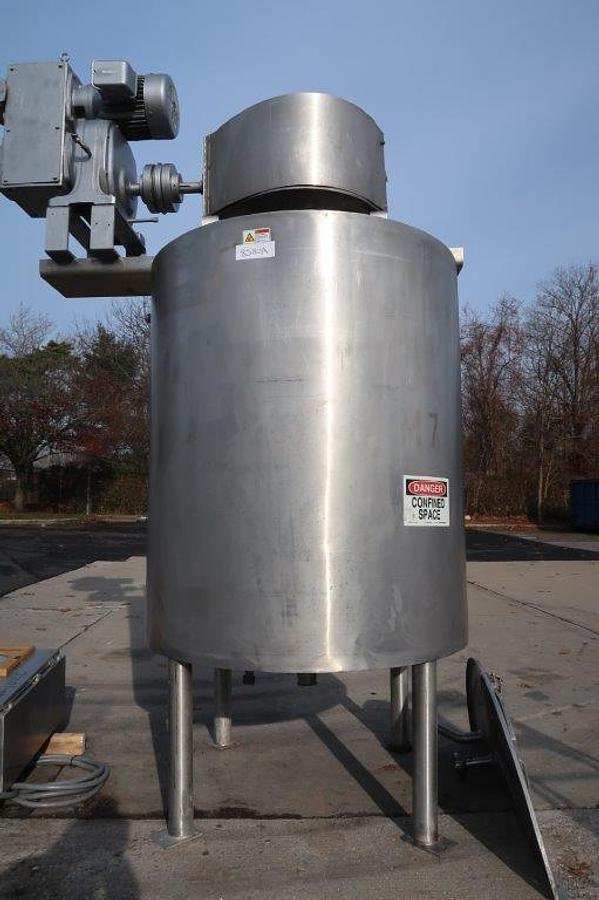
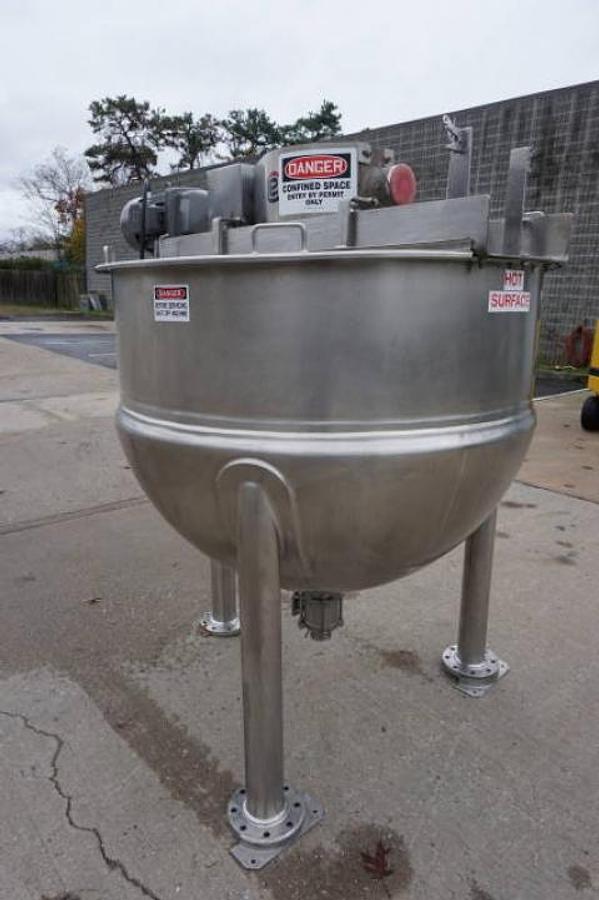
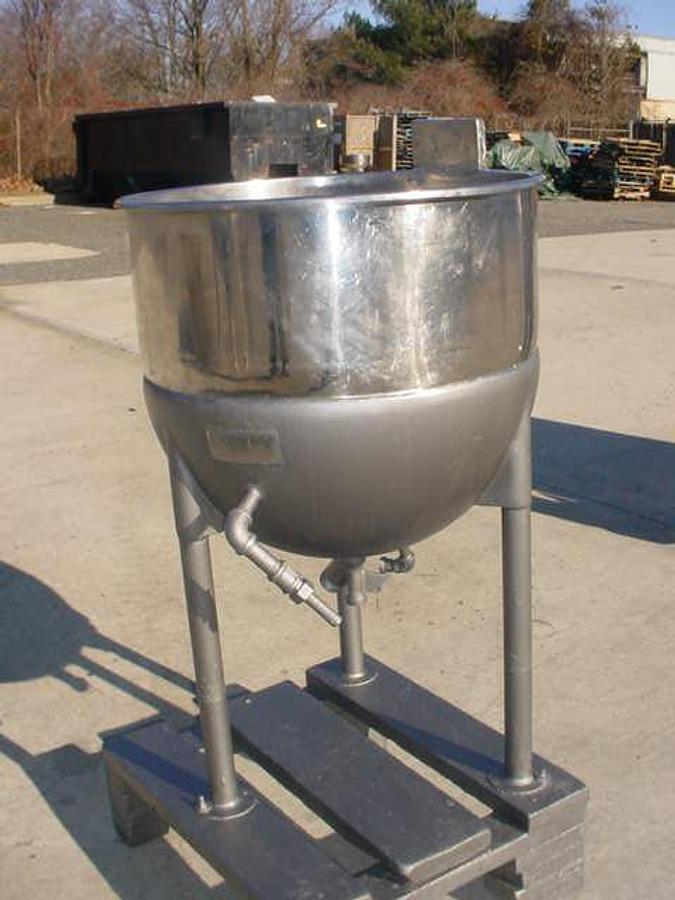
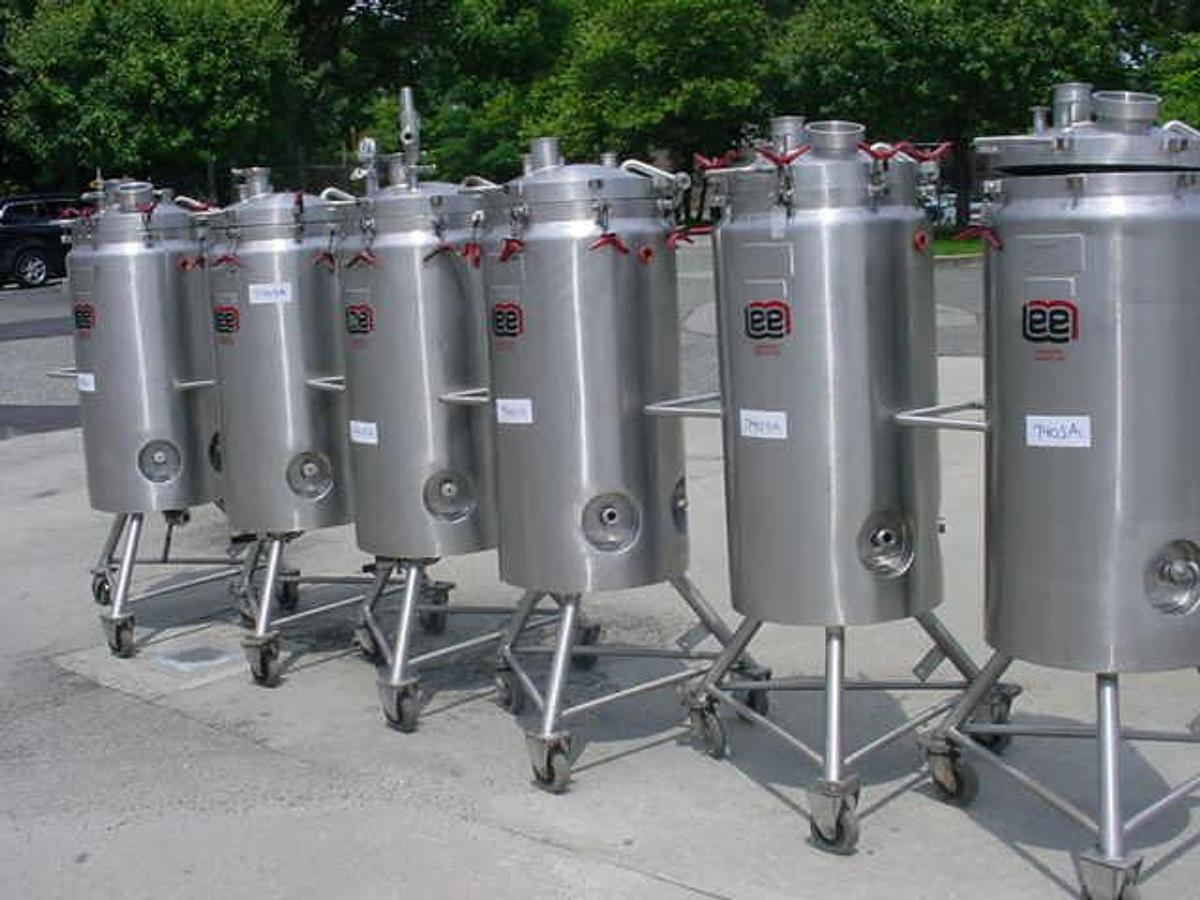
Lee jacketed kettles cover an exceptionally wide range of capacities, making them practical for small-batch R&D work all the way up to full-scale industrial production. On the used market, units are regularly available from as small as 10 quarts and 20 gallons up to 1,000, 1,500, 2,000, and even 5,000 gallons. Common mid-range sizes include 30, 40, 50, 60, 80, 100, 150, 200, 250, 300, 400, 500, and 600 gallon configurations, giving buyers a lot of flexibility when matching a kettle to a specific production volume.
Choosing the right capacity depends on batch size, product viscosity, and how frequently the kettle will be cycled during a shift. A food manufacturer running continuous production might prefer a larger vessel to reduce the number of batches per day, while a specialty cosmetics or pharmaceutical operation often favors smaller kettles for tighter process control and easier cleaning. Because used Lee kettles span such a broad size range, buyers can often find a unit that closely matches their throughput requirements without having to overbuy on capacity.
What is a jacketed kettle and how does the jacketed design work?
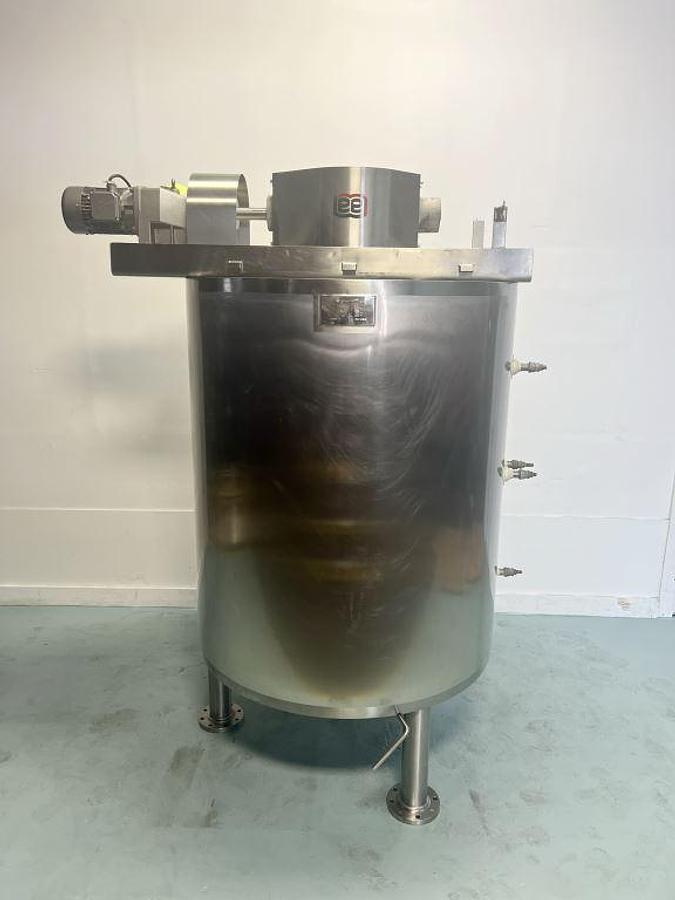
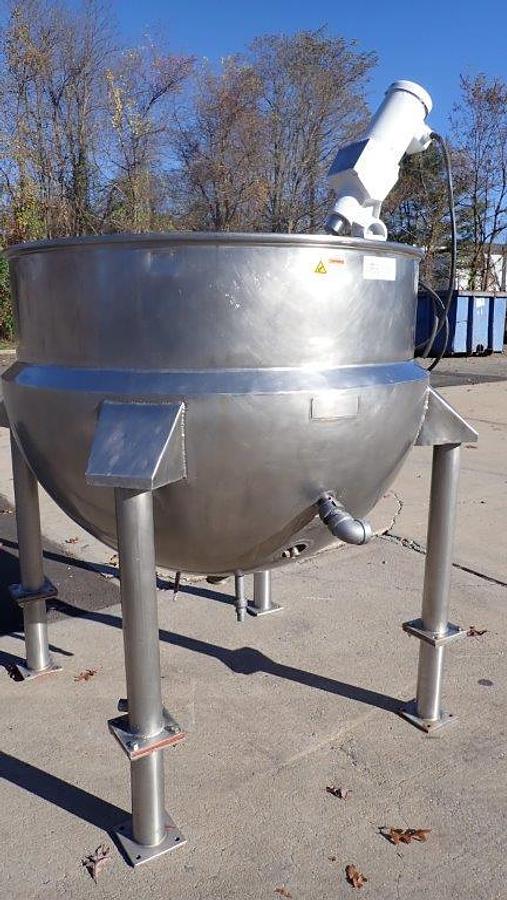
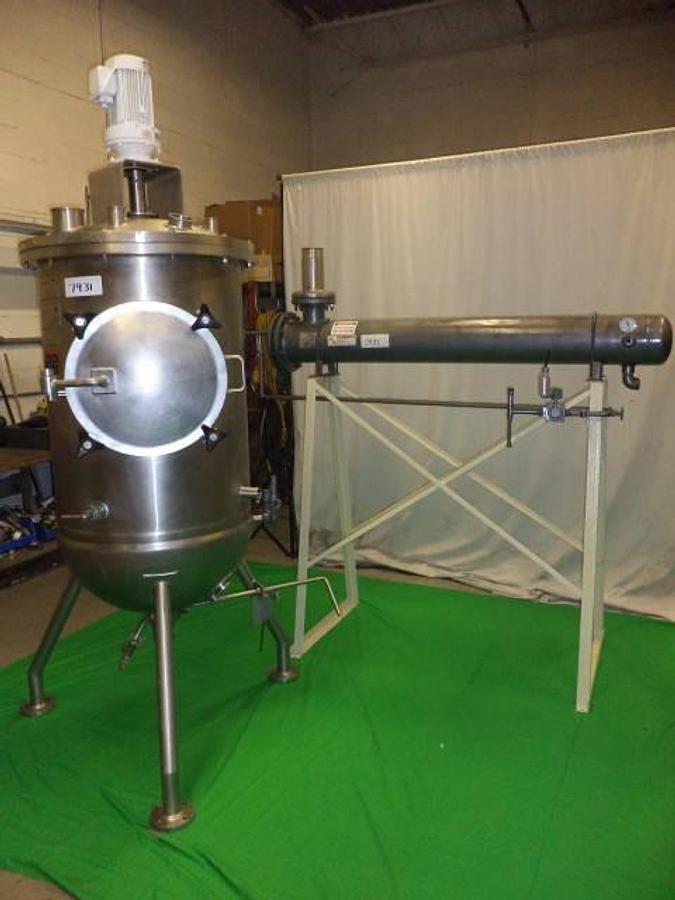
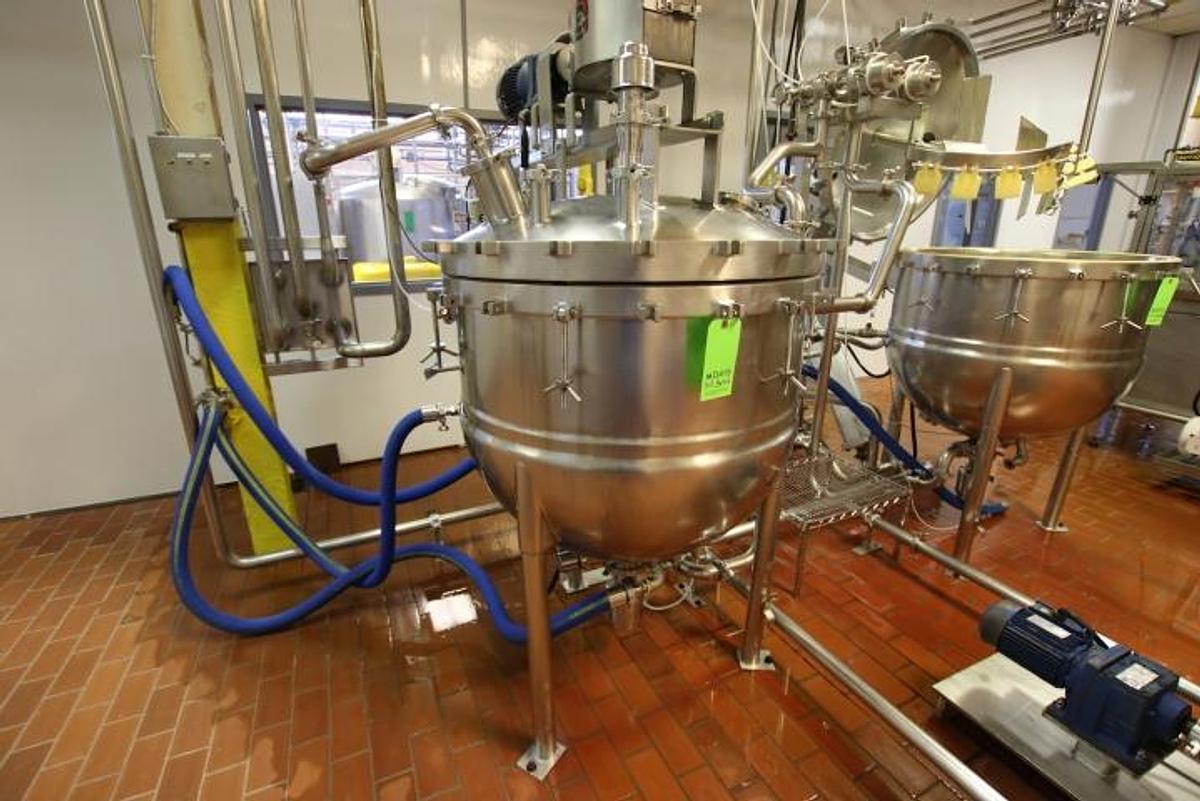
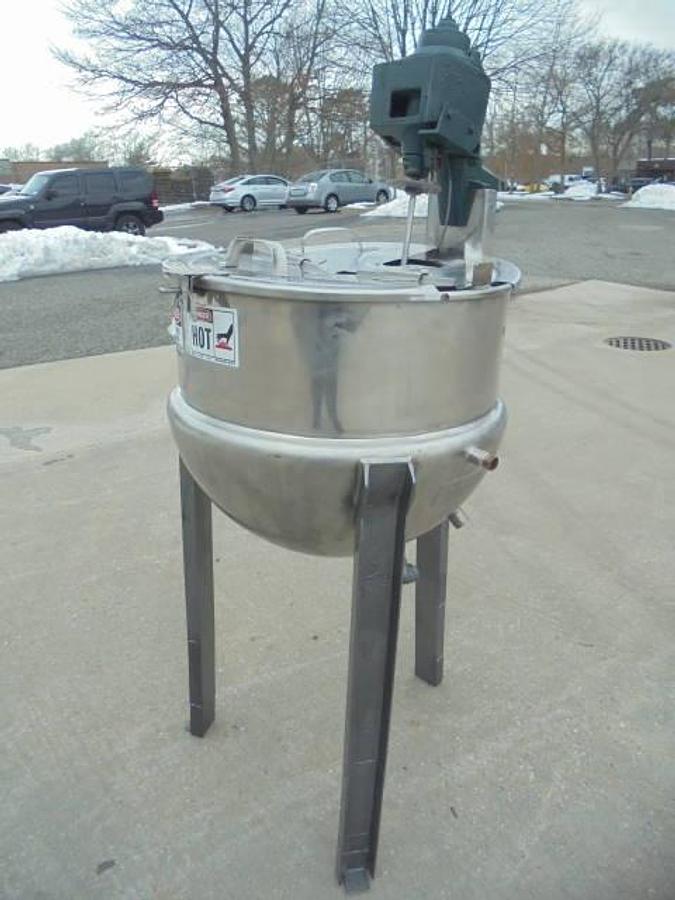
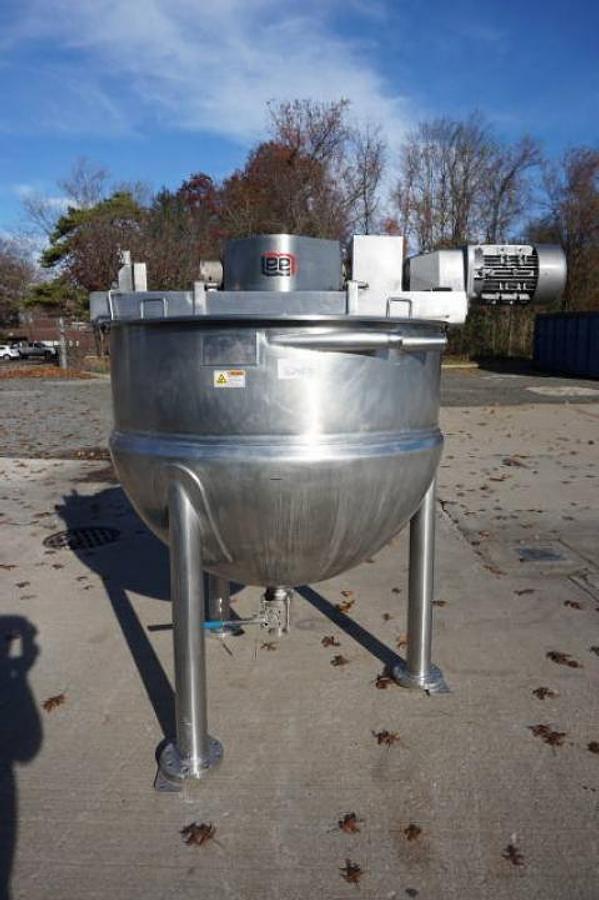
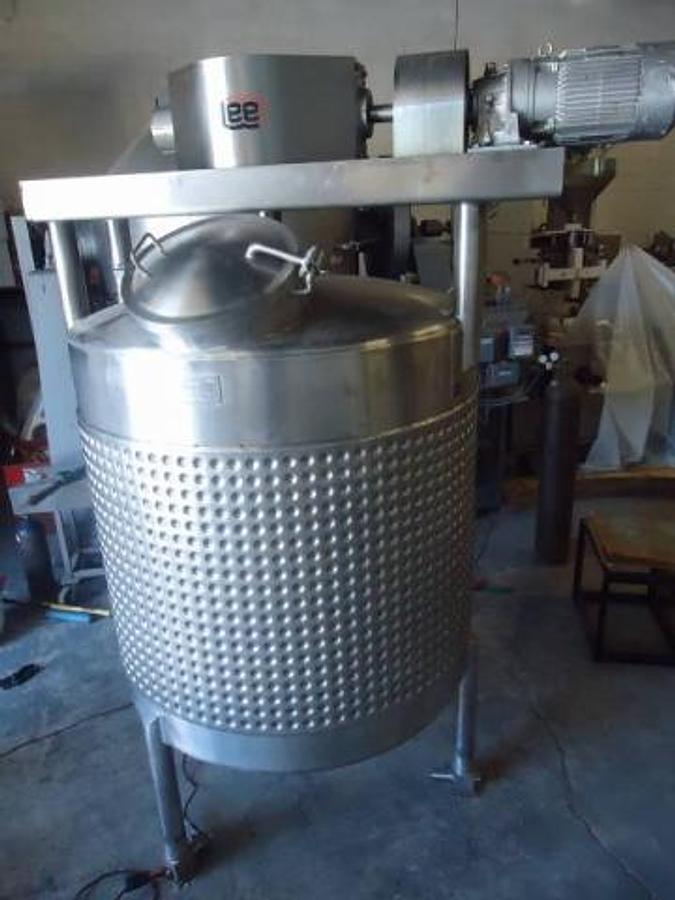
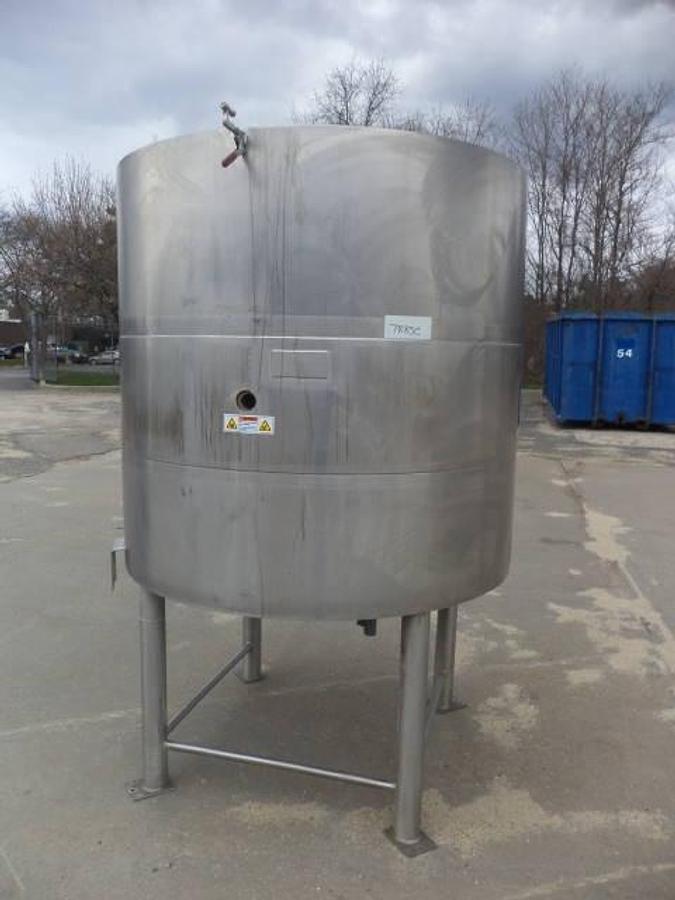
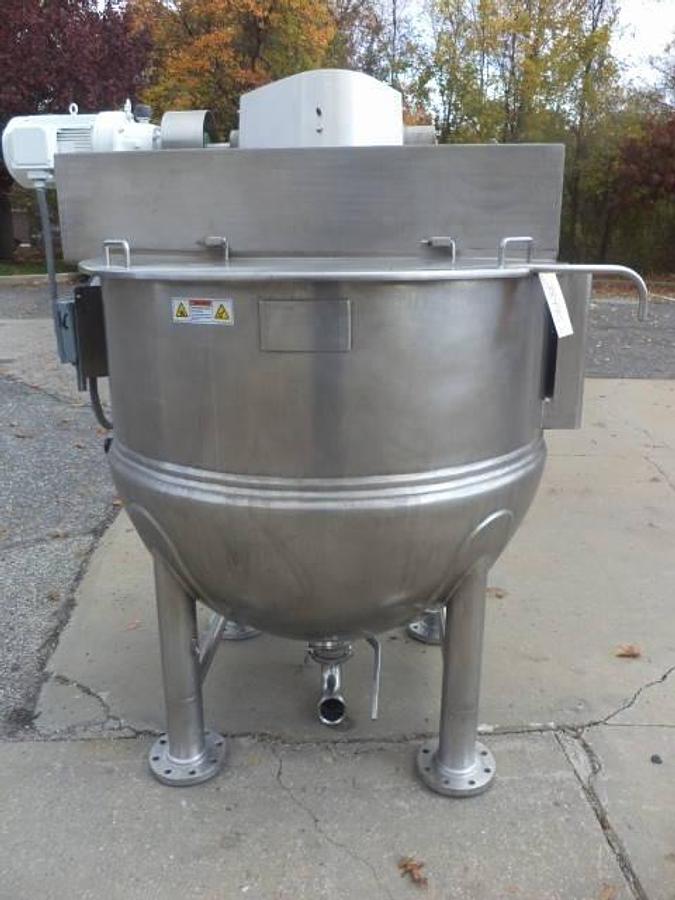
A jacketed kettle is a double-walled vessel where the space between the inner and outer walls, called the jacket, serves as a heat transfer zone. Steam, hot water, or chilled water is circulated through this jacket to heat or cool the product inside the vessel without applying direct flame or an immersion element to the batch. This indirect heat transfer method gives processors much more precise temperature control, which is critical for products that can scorch, separate, or degrade if exposed to uneven or excessive heat.
The jacket pressure rating is an important specification to check when evaluating a used Lee kettle. Units in the market are commonly rated at 40, 45, 90, 100, 125, or 150 PSI, and the appropriate rating depends on the steam pressure available at the facility and the temperature requirements of the process. Higher jacket pressure ratings allow for higher steam temperatures and faster heat-up times, which can be a significant factor in high-volume production environments. Buyers should confirm that their facility's steam supply and pressure relief infrastructure are compatible with the jacket rating of any kettle under consideration.
What materials are Lee jacketed kettles constructed from?
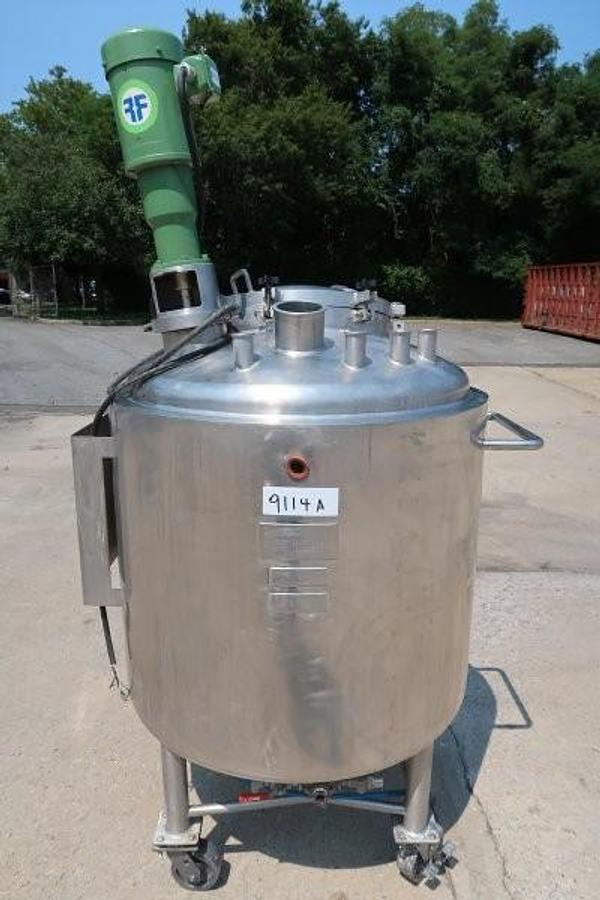
Lee jacketed kettles are predominantly built from 316 or 316L stainless steel, though some units are constructed from 304 stainless steel depending on the application they were originally designed for. Type 316 and 316L stainless steel contain molybdenum, which significantly improves resistance to chloride corrosion and pitting compared to 304. This makes 316 SS the preferred choice for food, dairy, pharmaceutical, and chemical processing applications where sanitation standards are strict and cleaning agents may be aggressive.
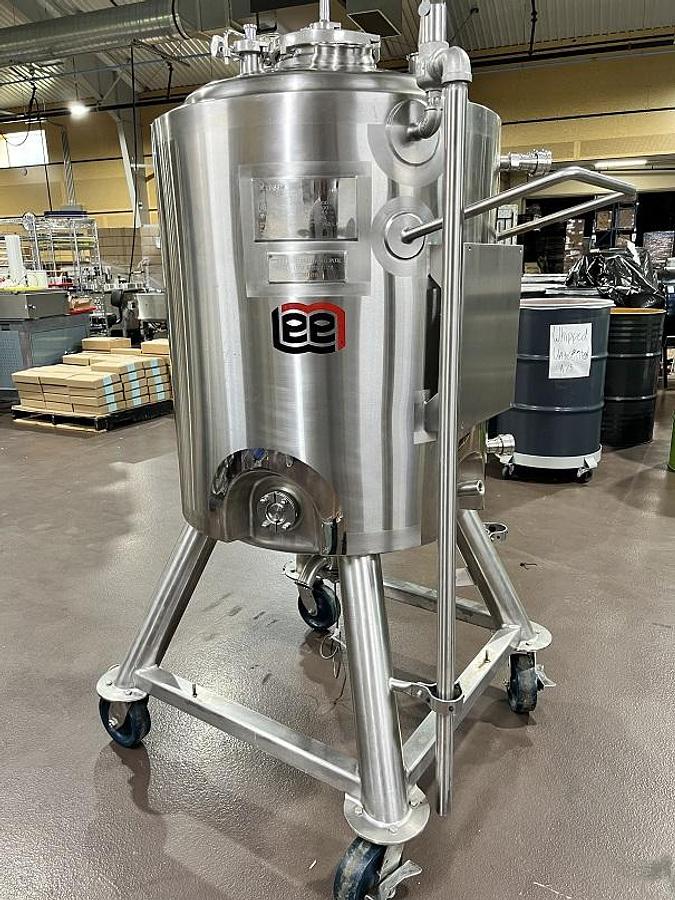
The 316L designation indicates a low-carbon variant of 316 stainless, which reduces the risk of carbide precipitation during welding and is particularly favored in sanitary and pharmaceutical environments. When reviewing used Lee kettles, the stainless steel grade is typically listed in the machine specifications and is worth confirming, especially if the intended application involves acidic or saline products. Many used units also feature tri-clamp fittings and polished interior surfaces, which are indicators of sanitary construction intended for food-grade or pharmaceutical-grade service.
What agitation and mixing configurations are available on Lee jacketed kettles?
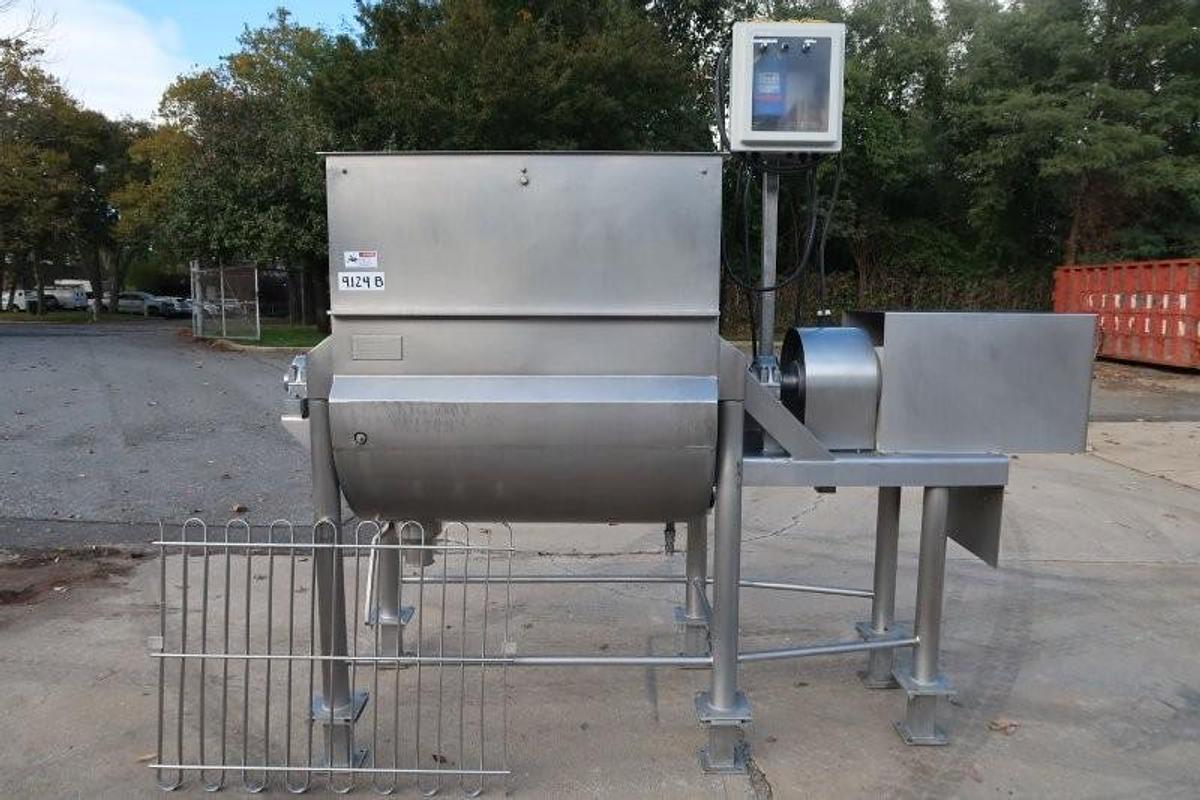
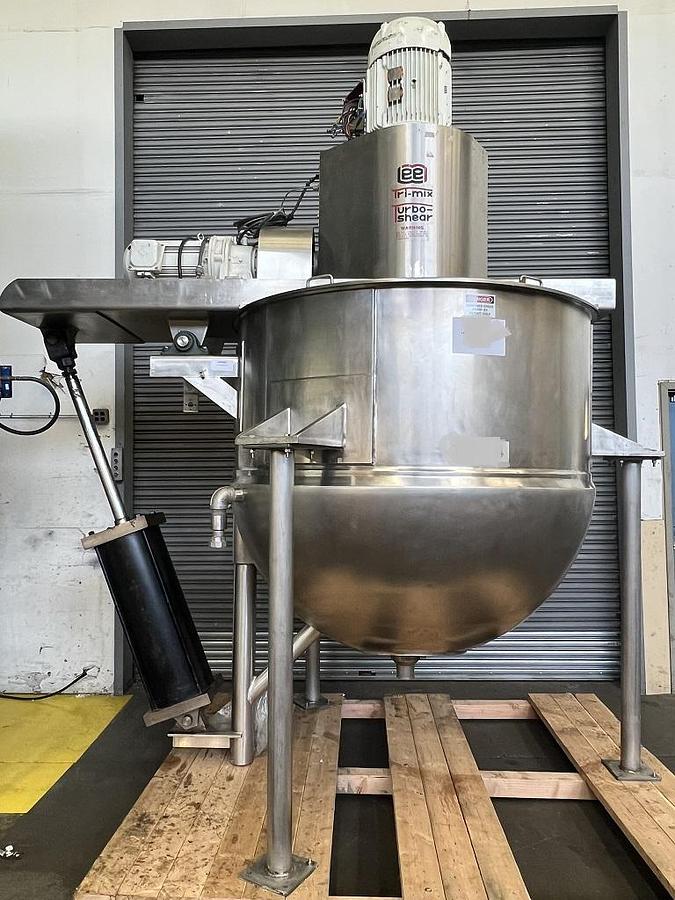
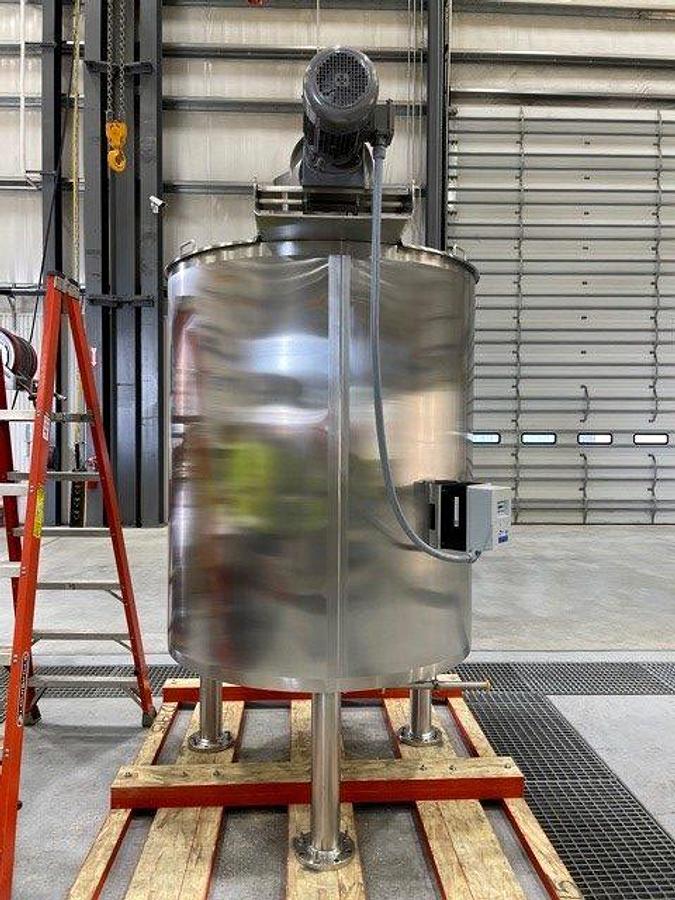
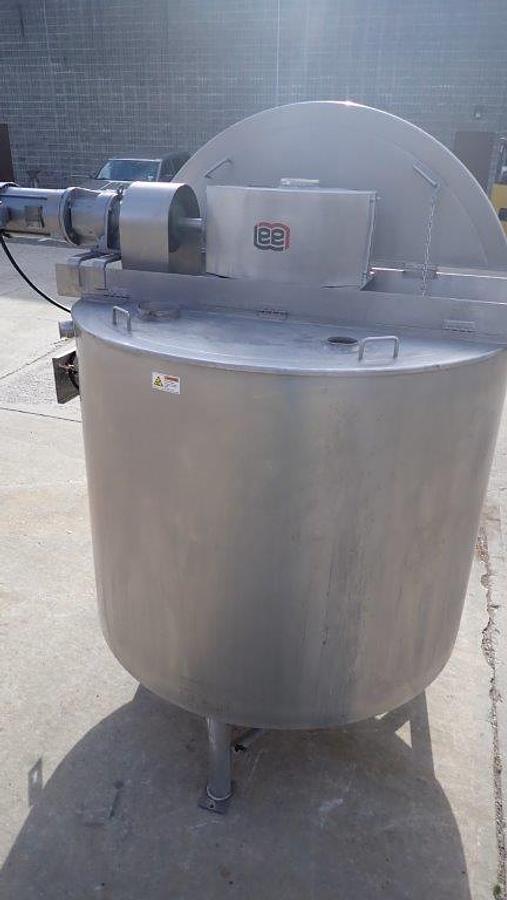
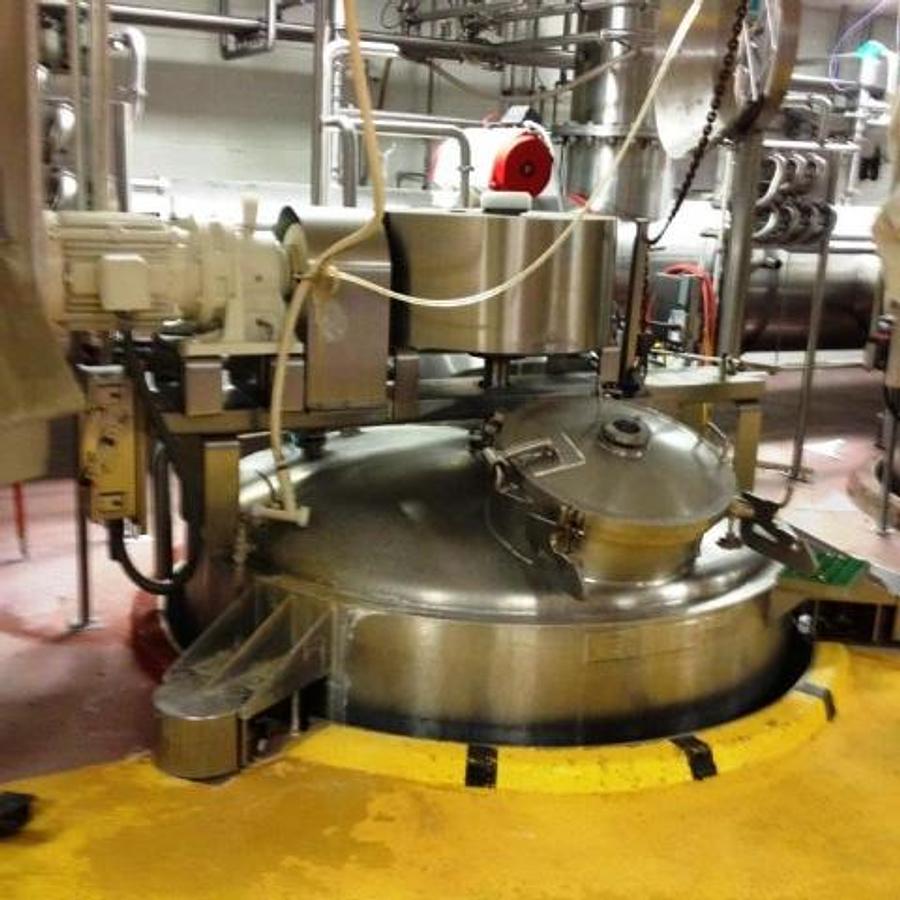
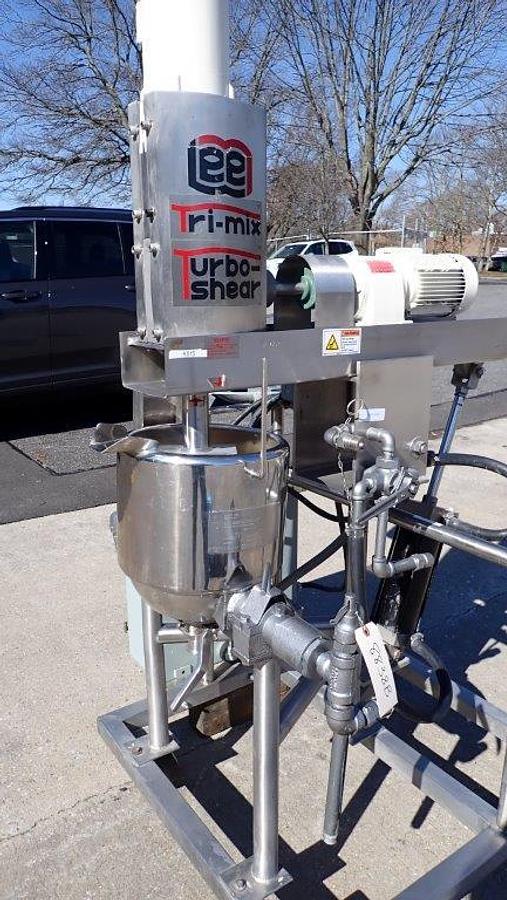
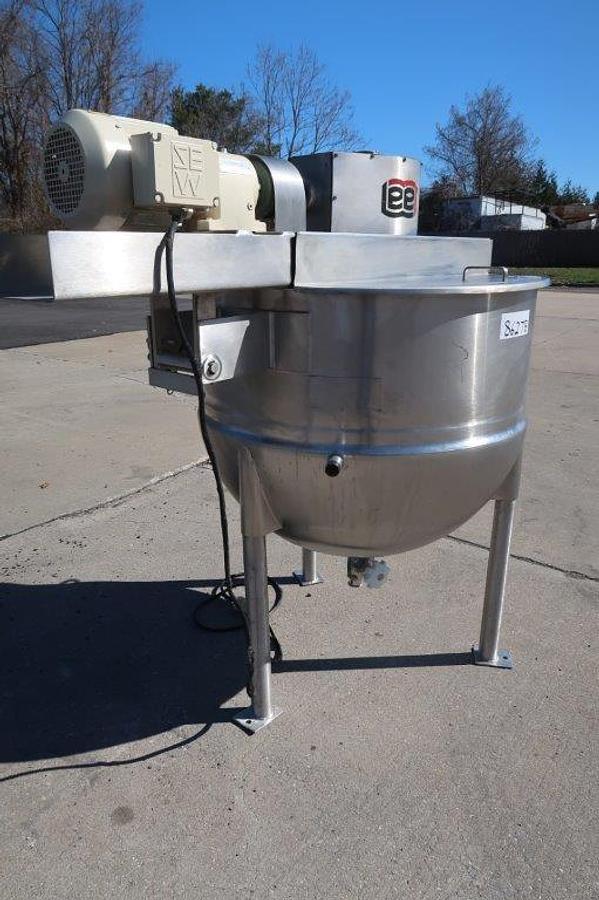
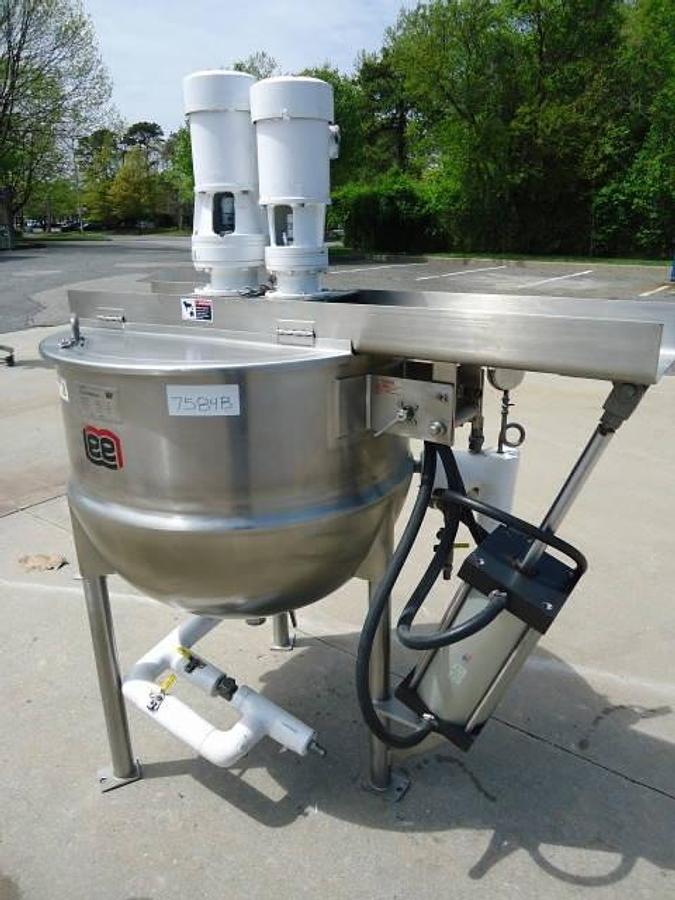
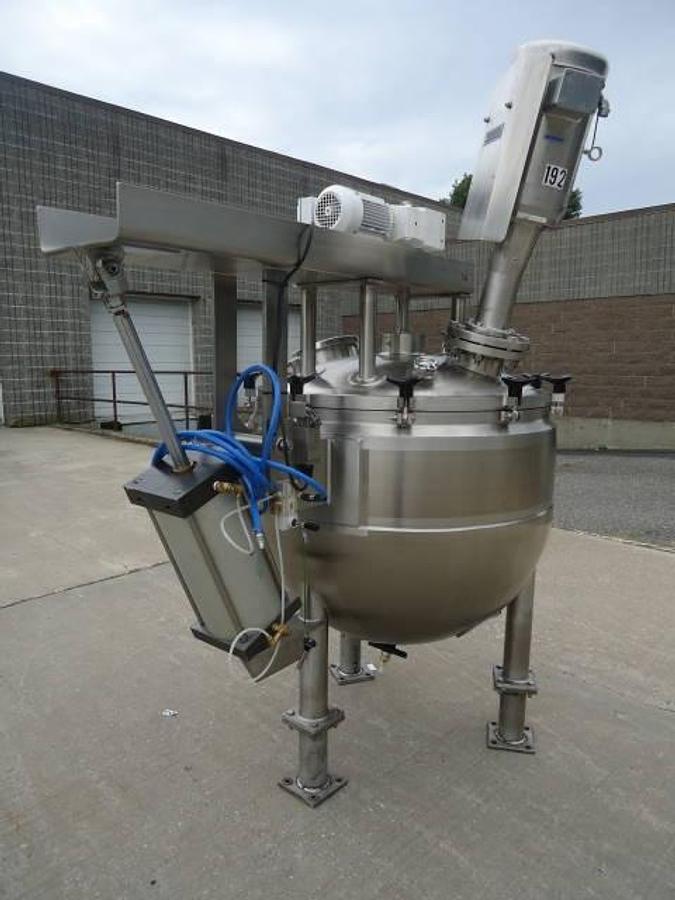
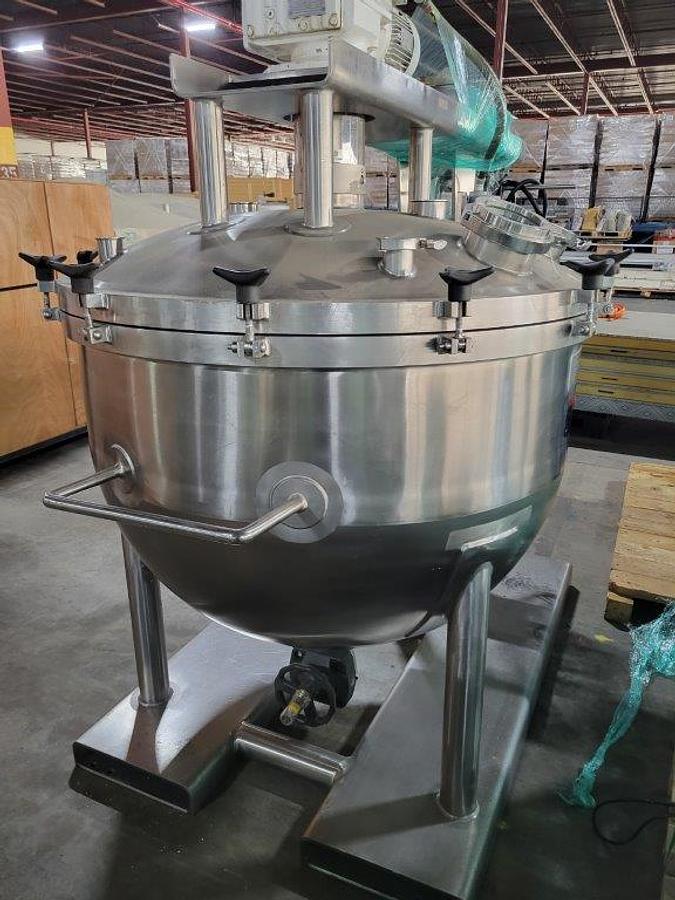
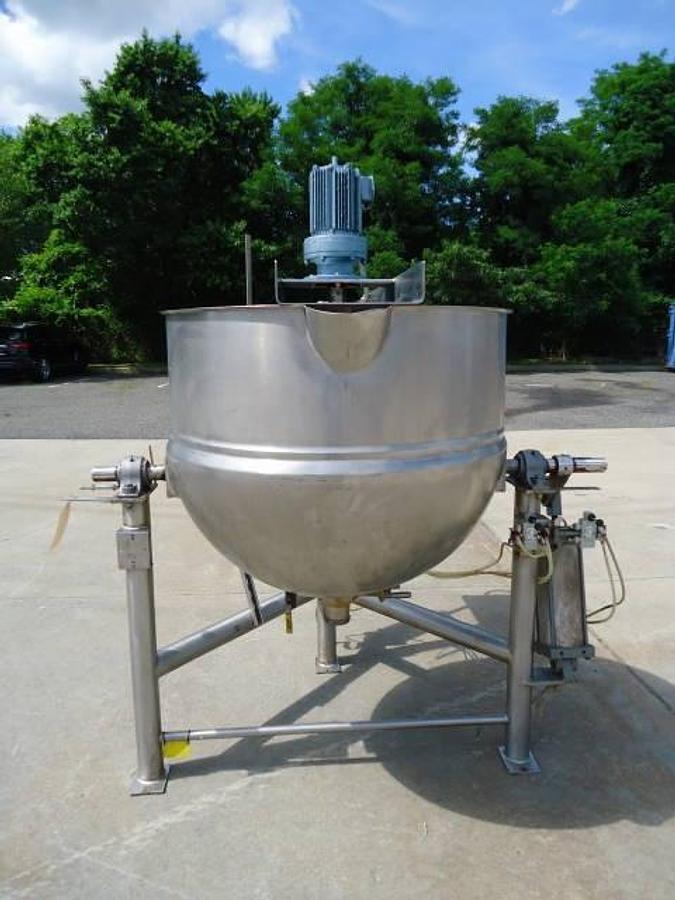
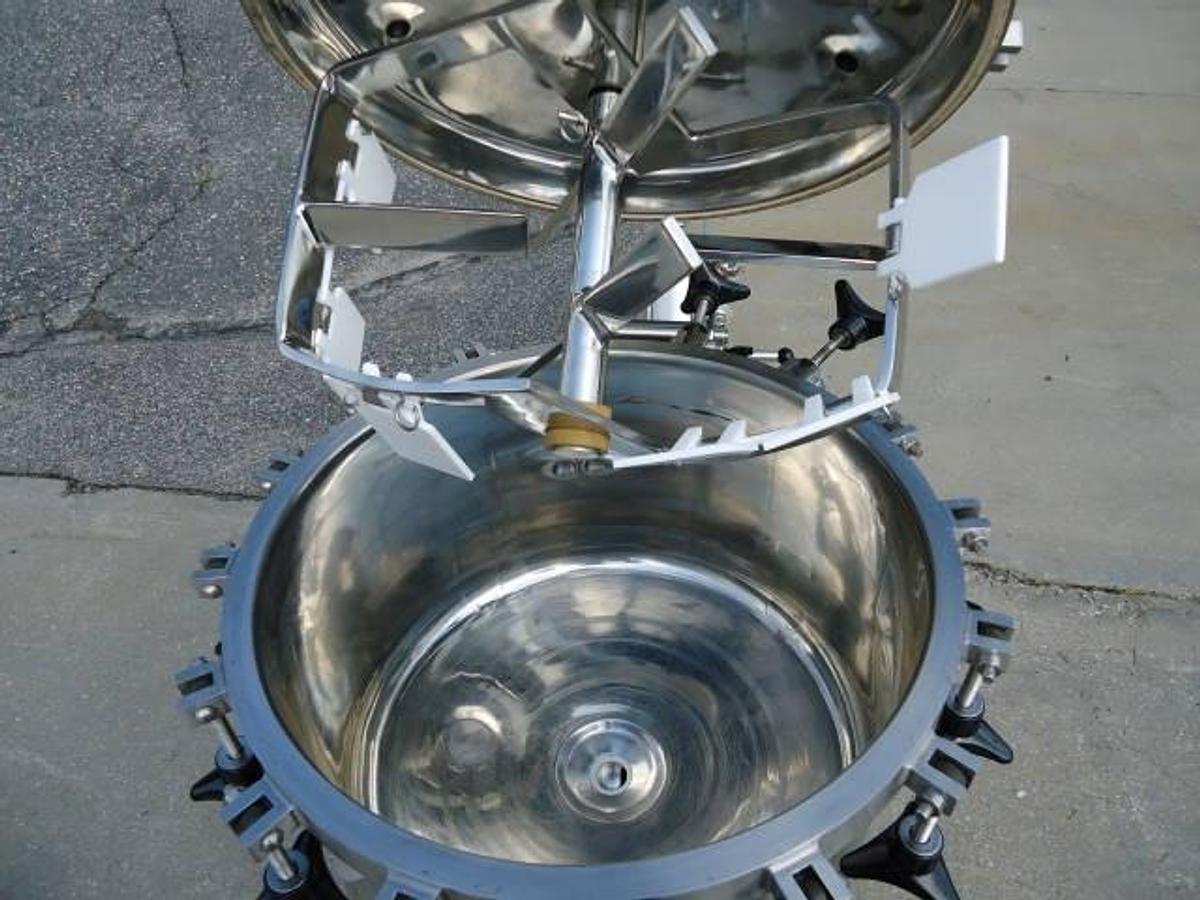
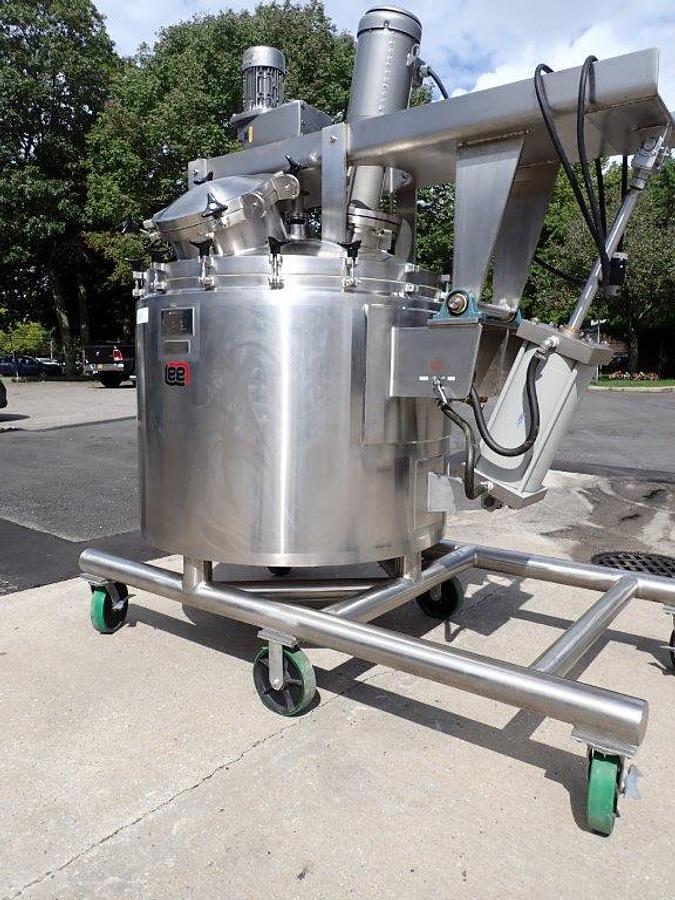
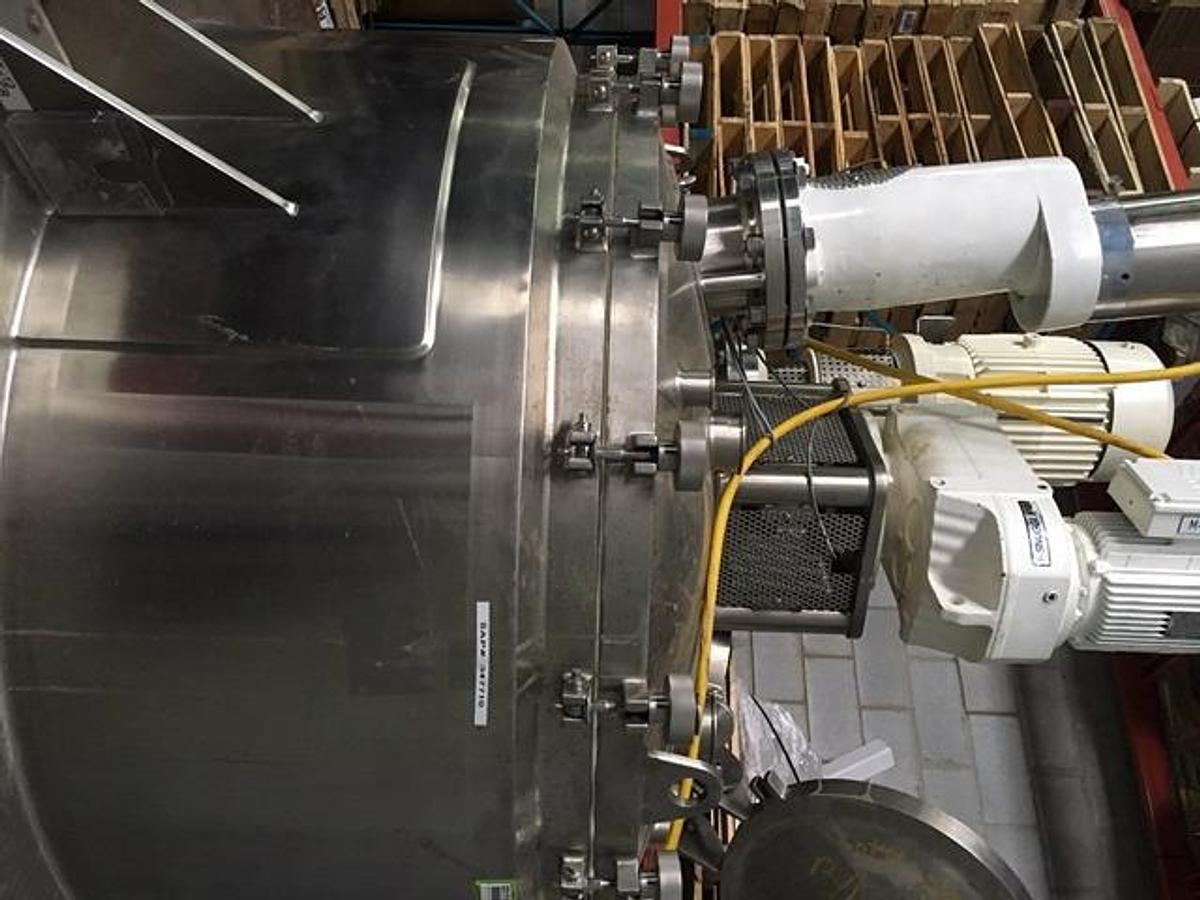
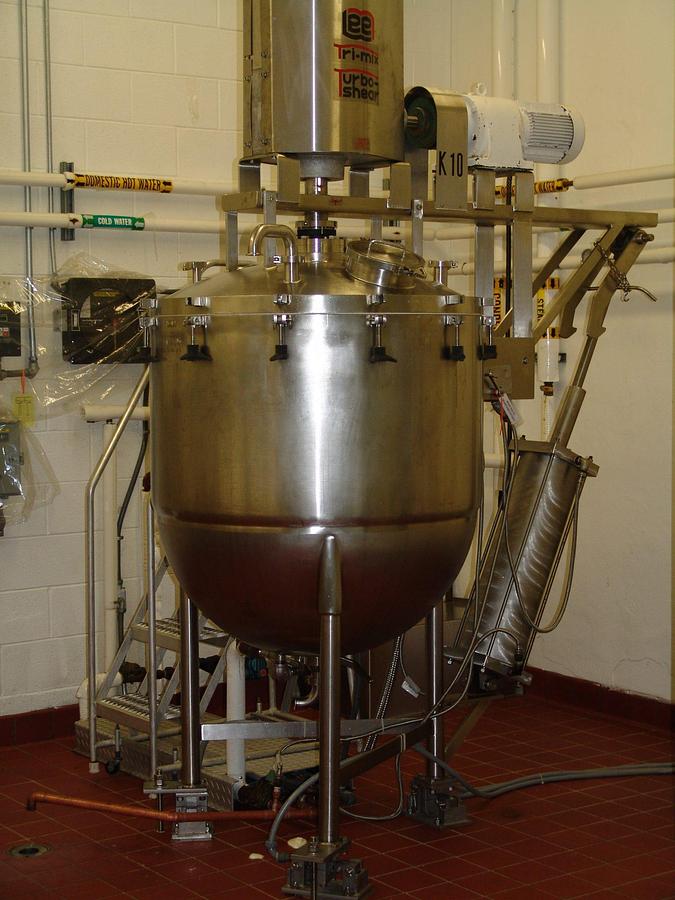
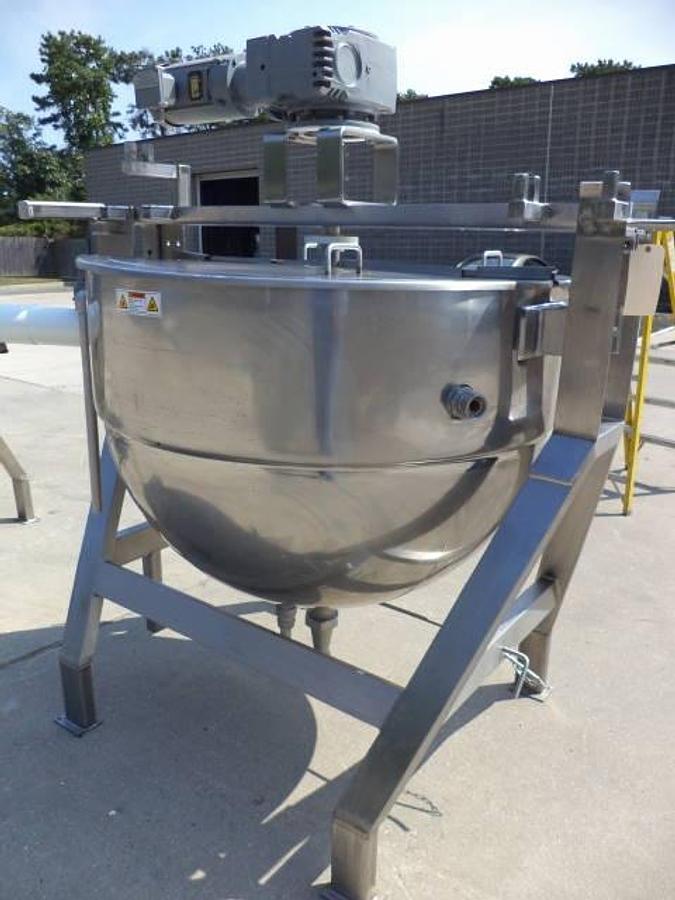
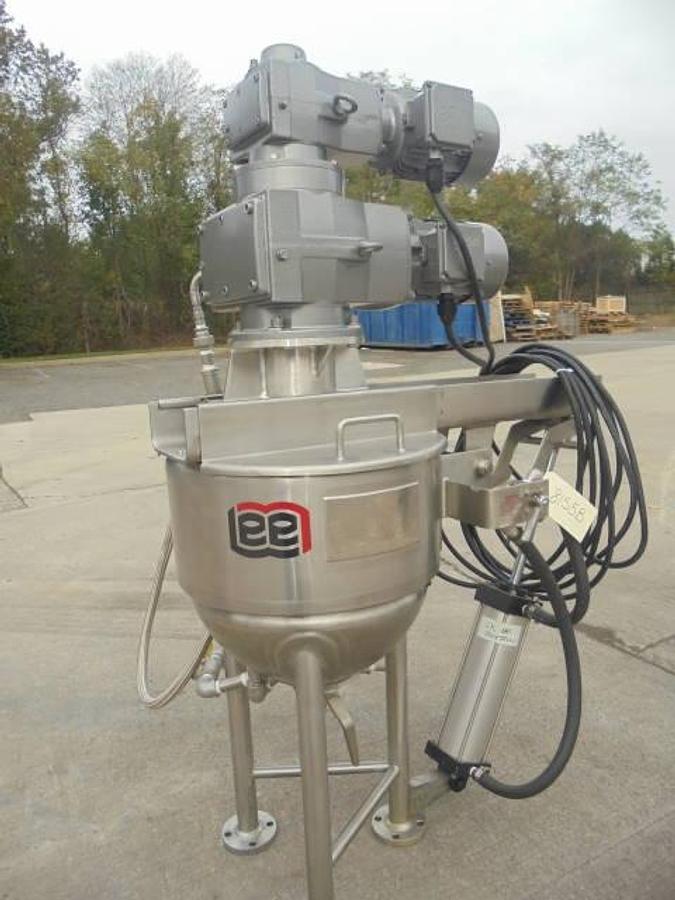
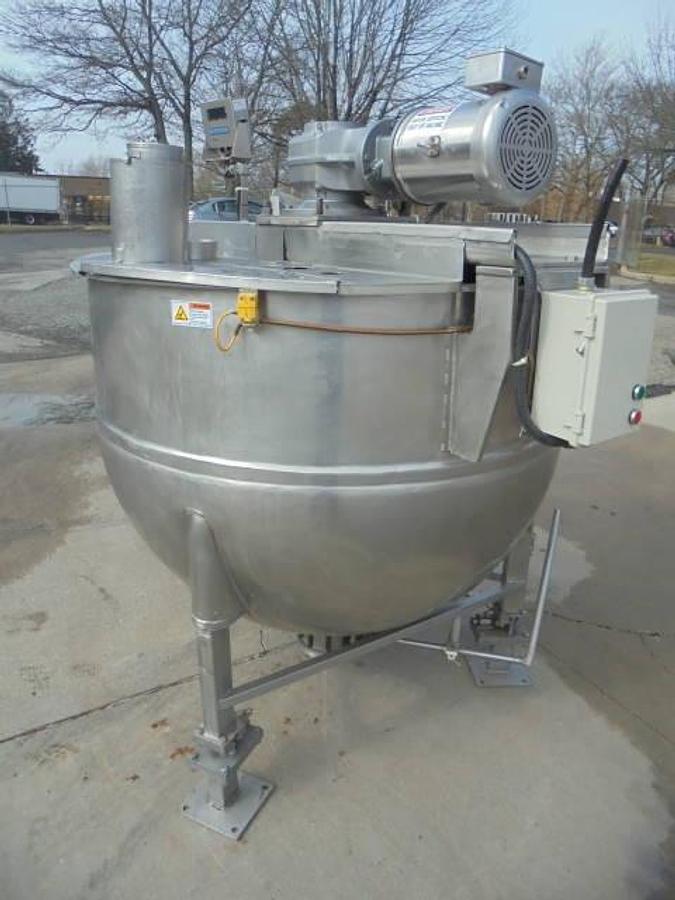
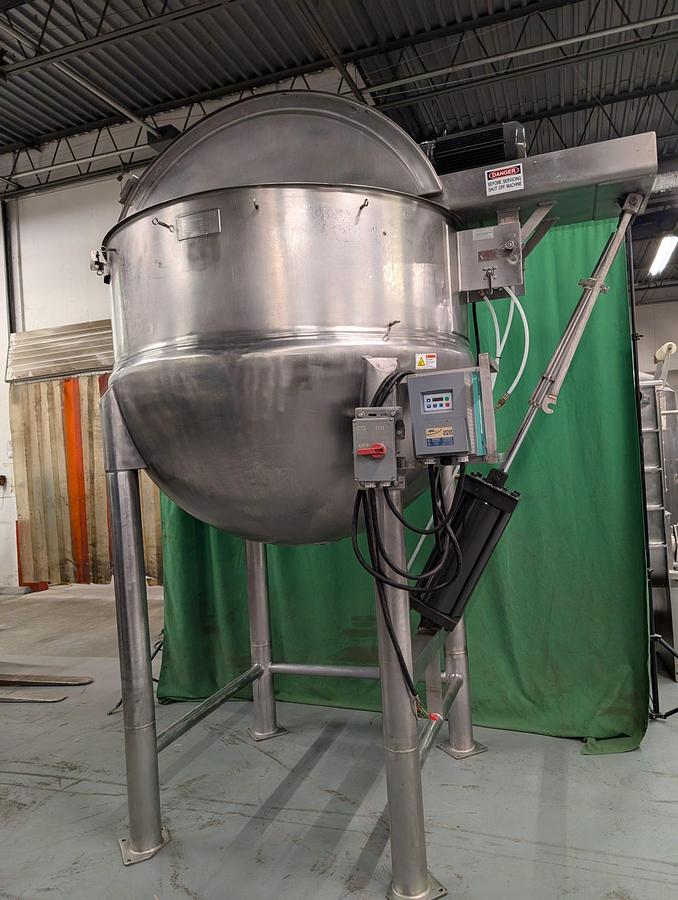
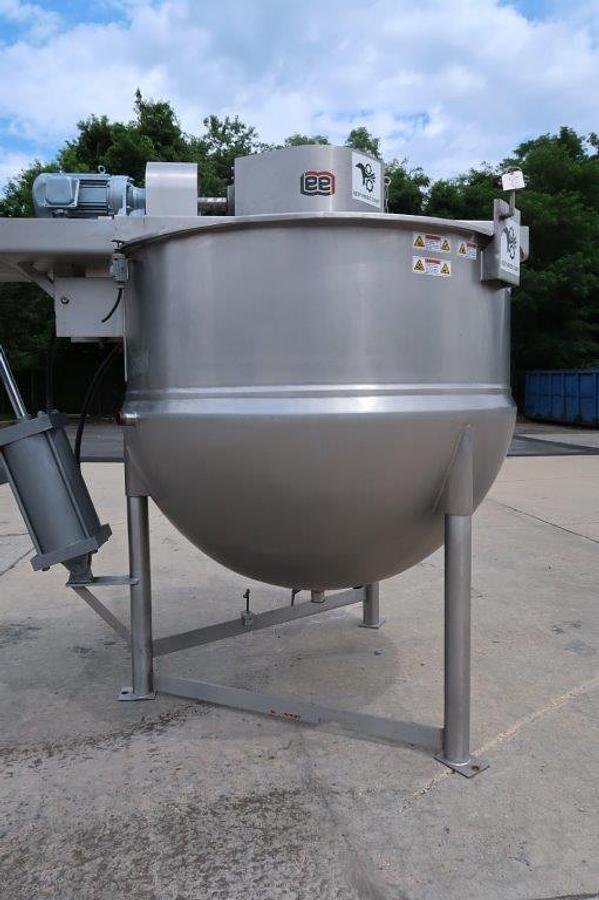
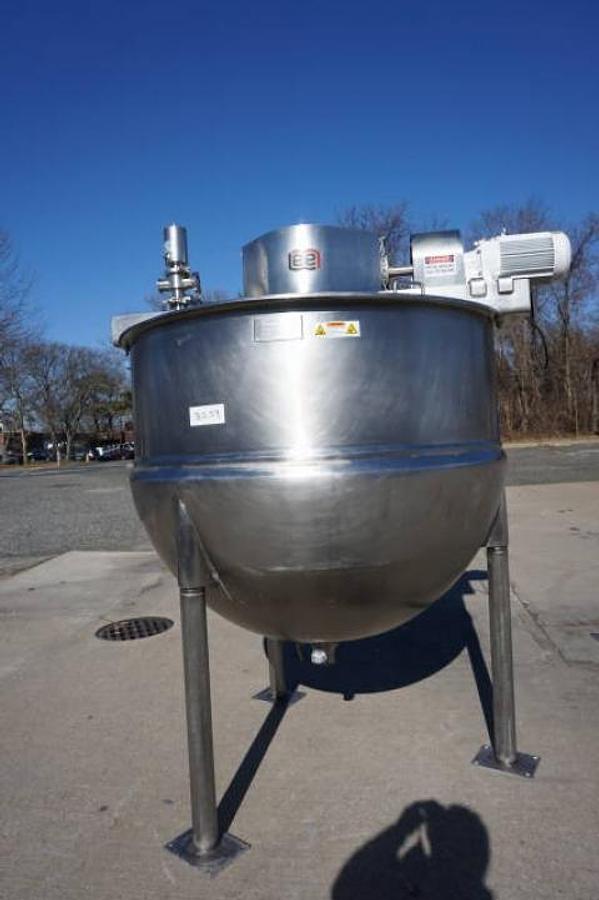
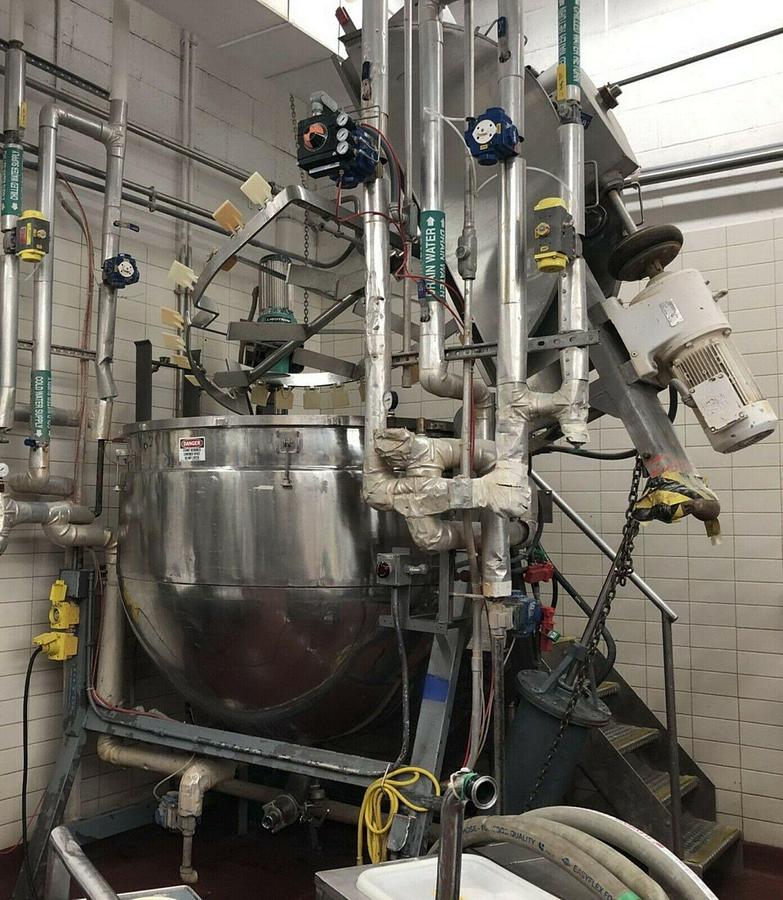
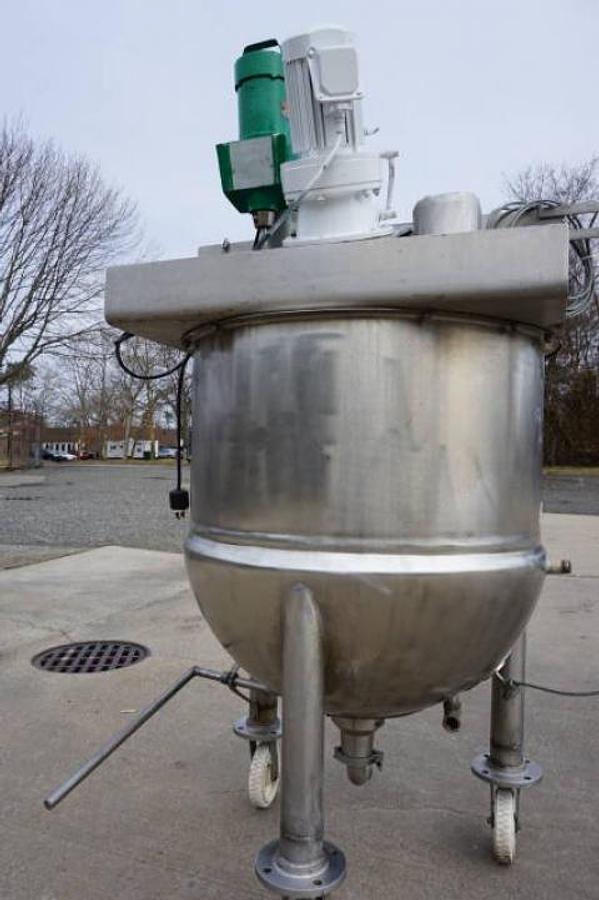
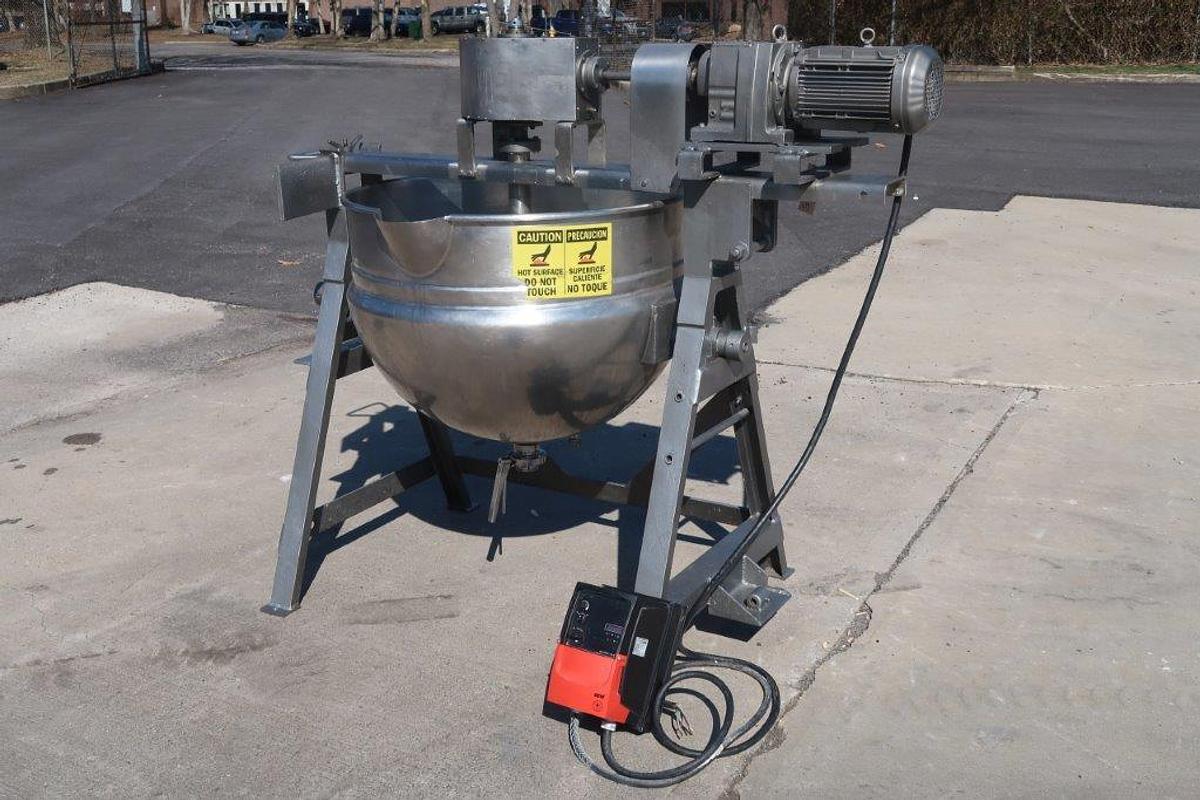
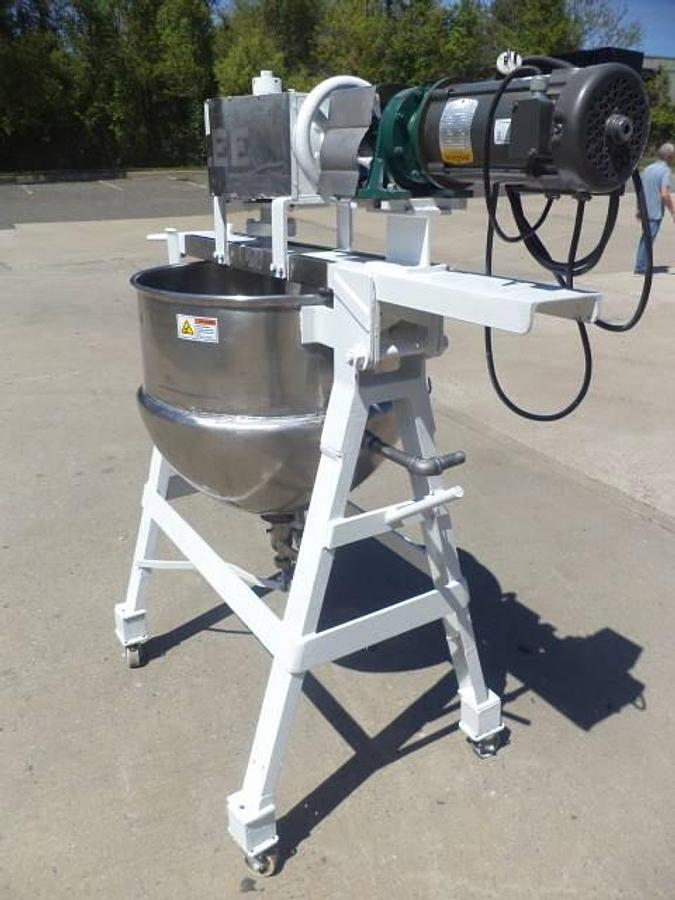
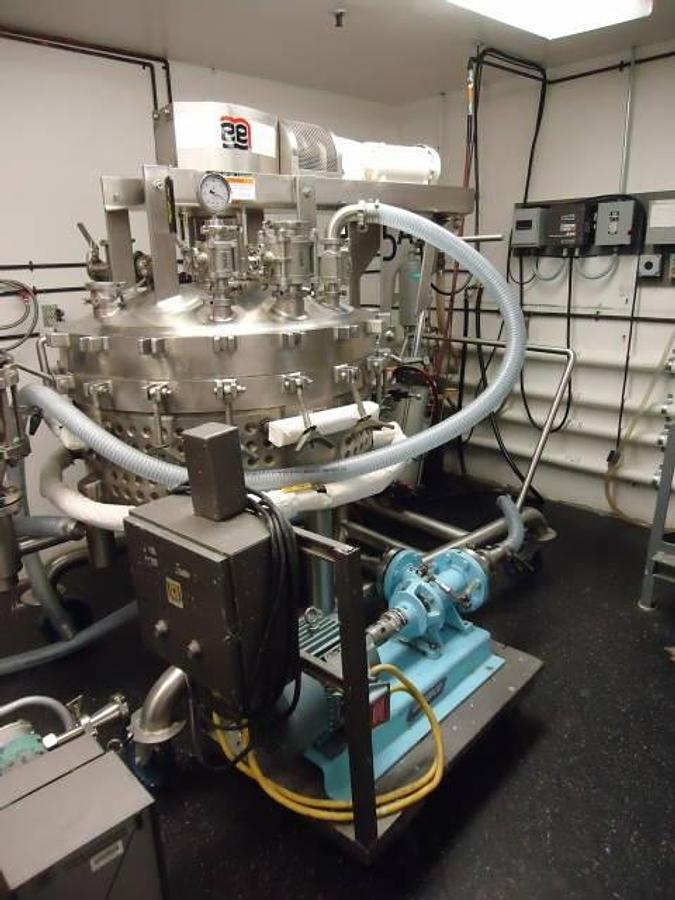
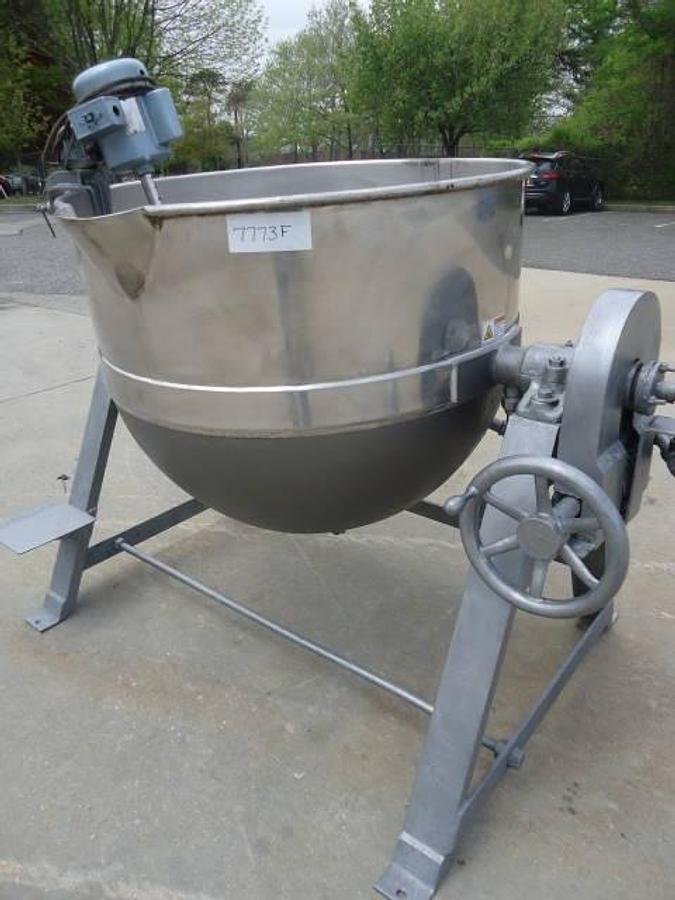
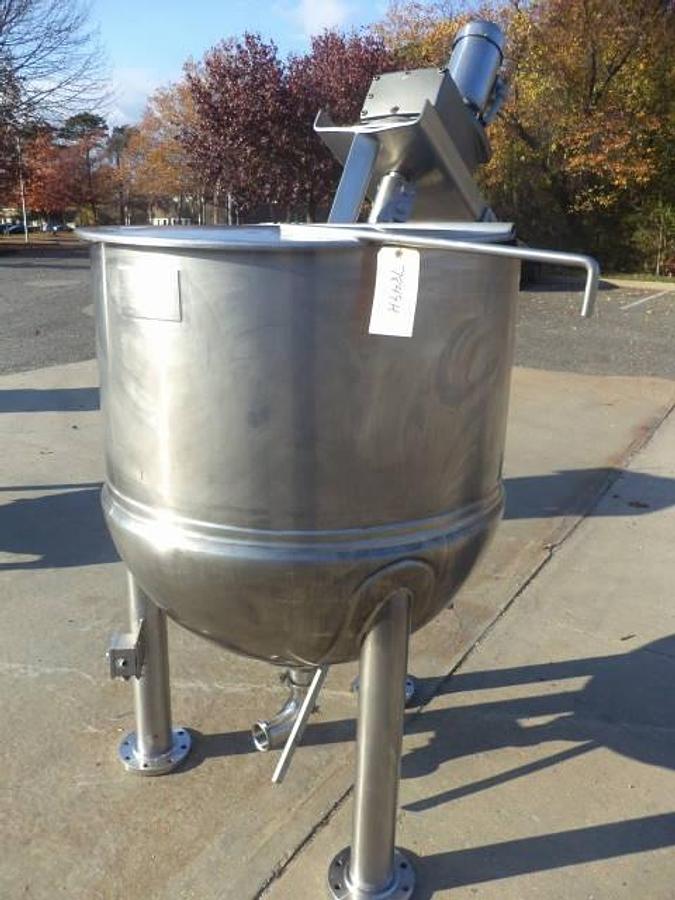
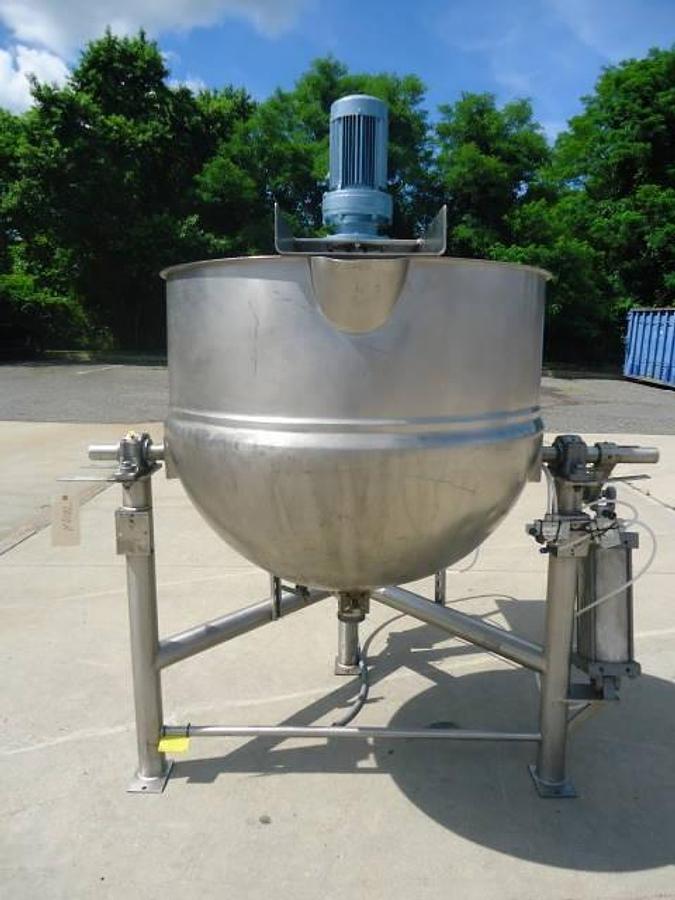
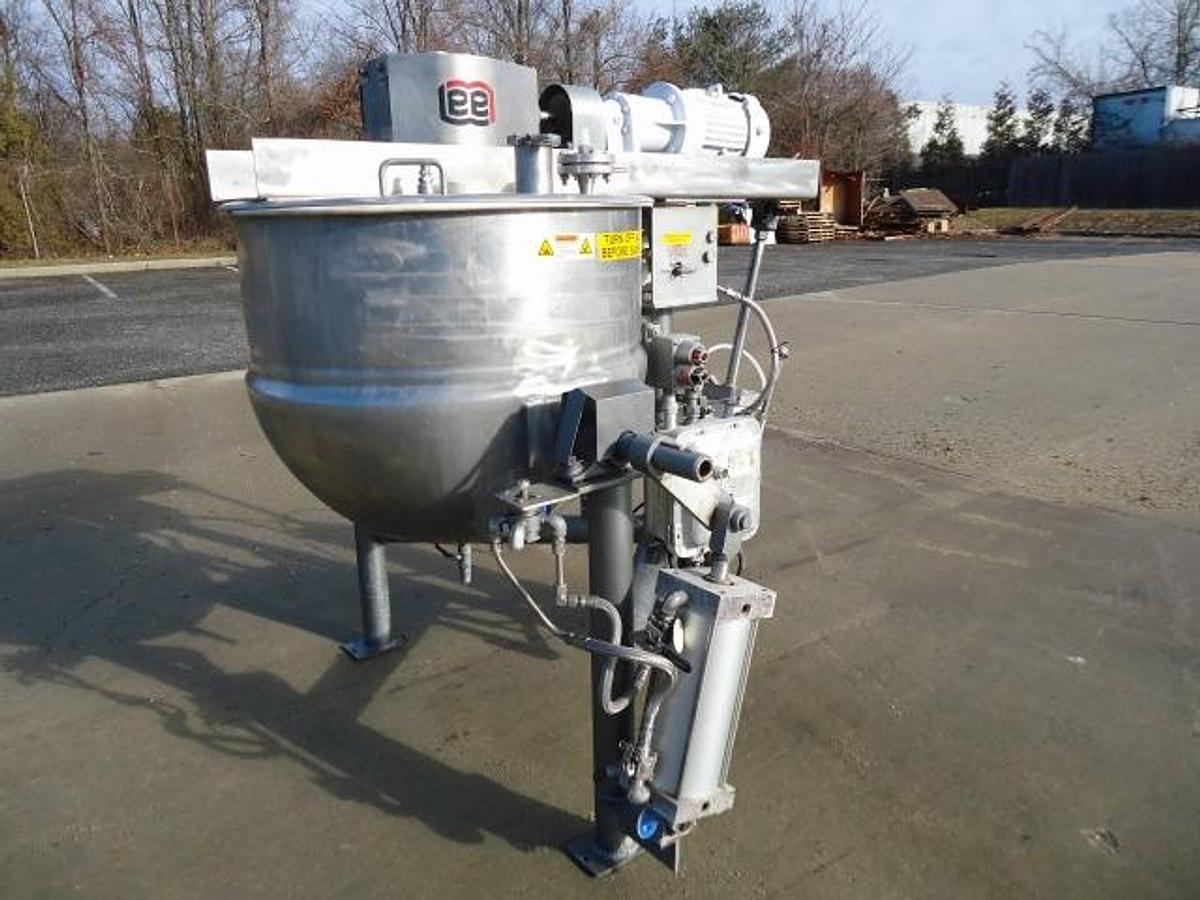
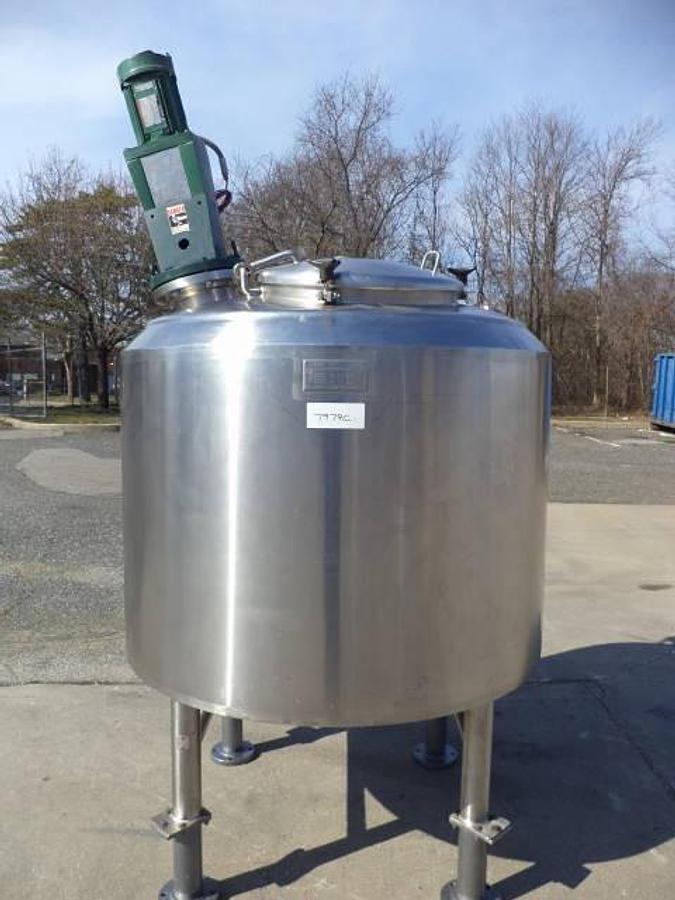
Lee jacketed kettles are manufactured in several agitation configurations to handle a wide variety of product viscosities and processing requirements. The most common type found on the used market is the double motion or dual motion kettle, which features two independently driven agitators that rotate in opposite directions. This design is effective for products that need thorough blending without dead zones. Other configurations include single scraper agitation, triple motion (sometimes called Tri-Mix), and high shear or homogenizing setups for emulsification applications.
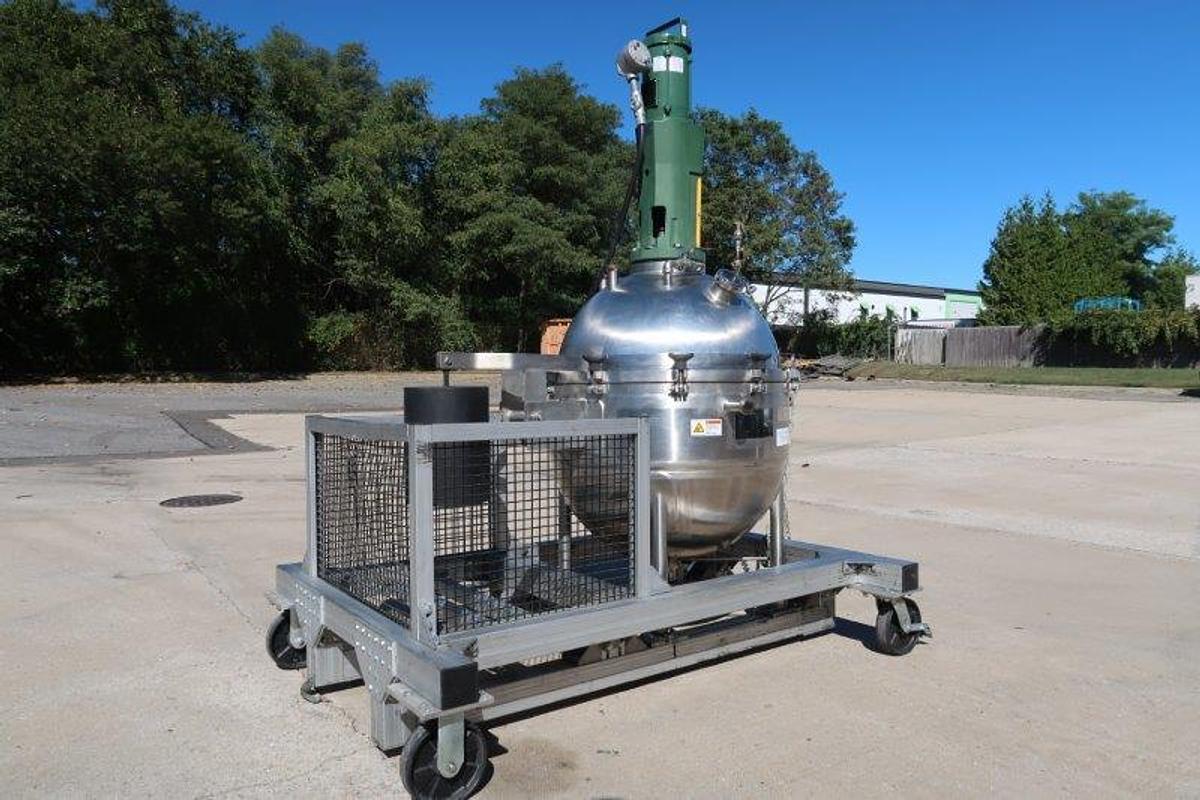
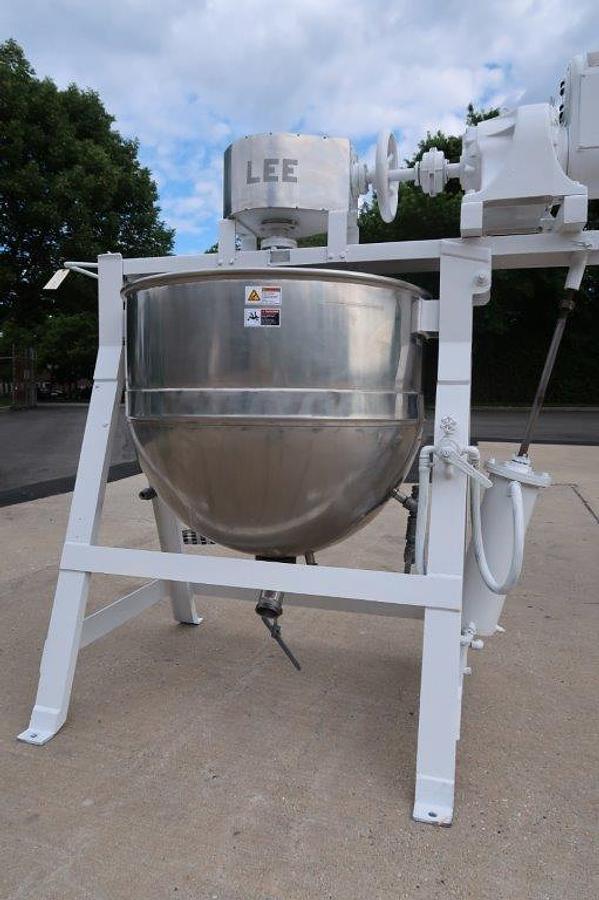
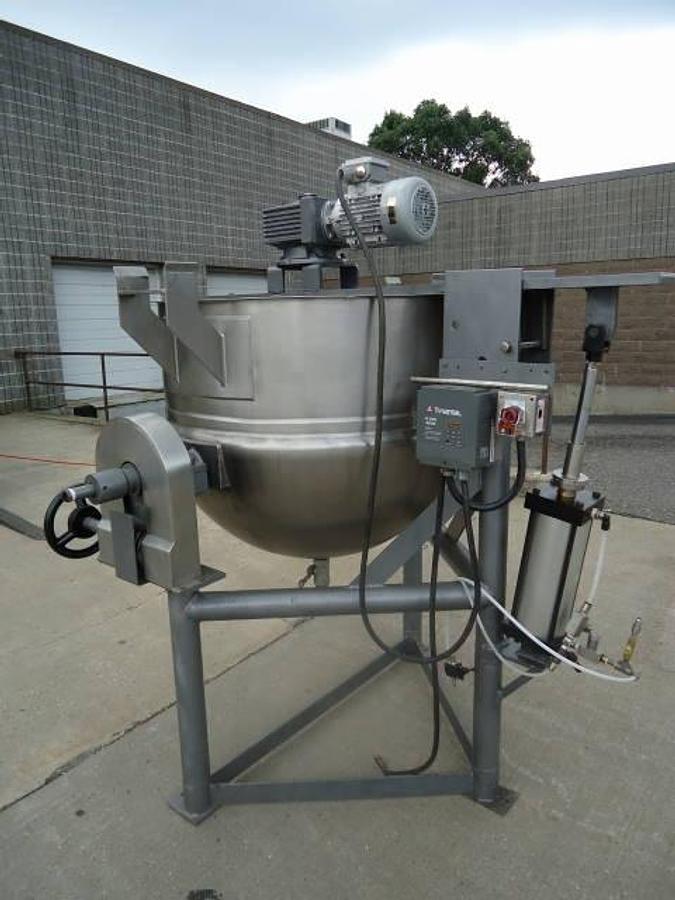
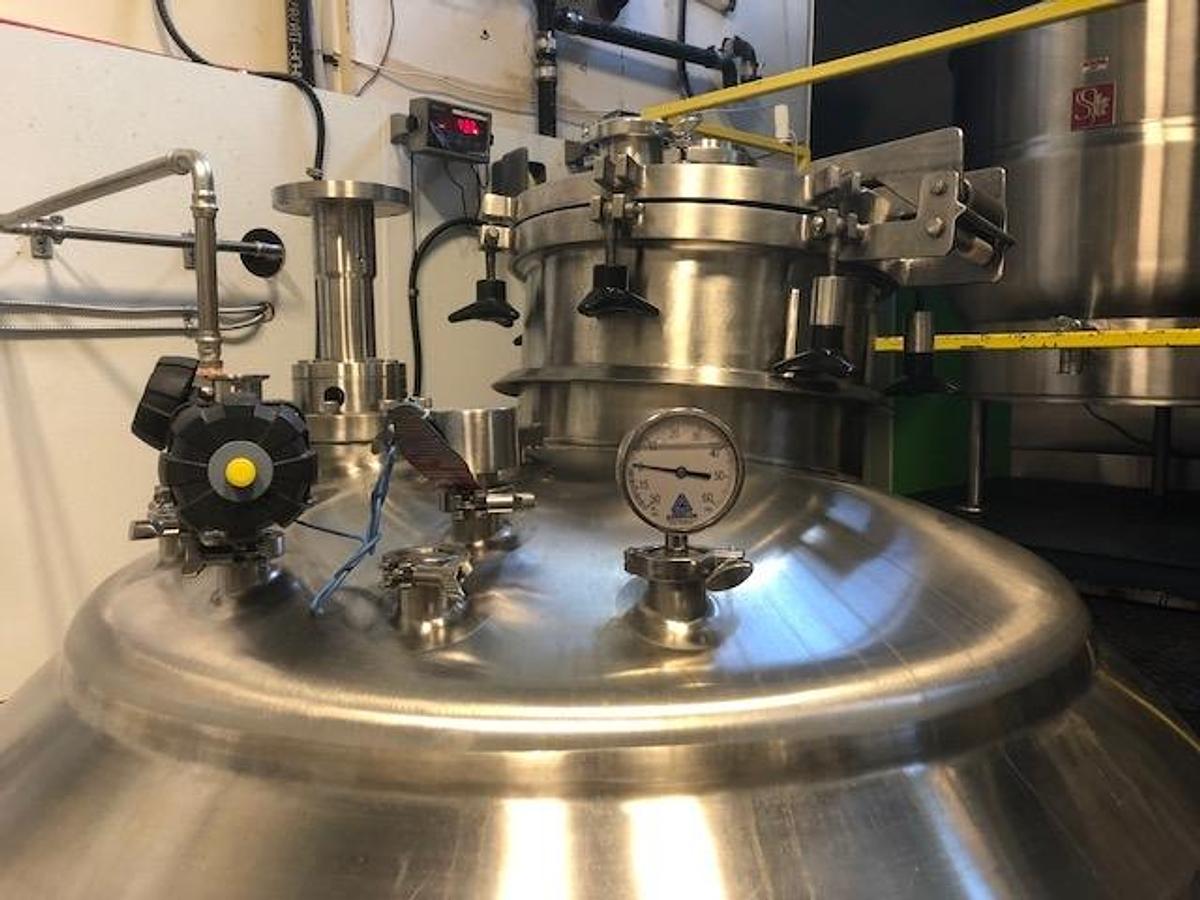
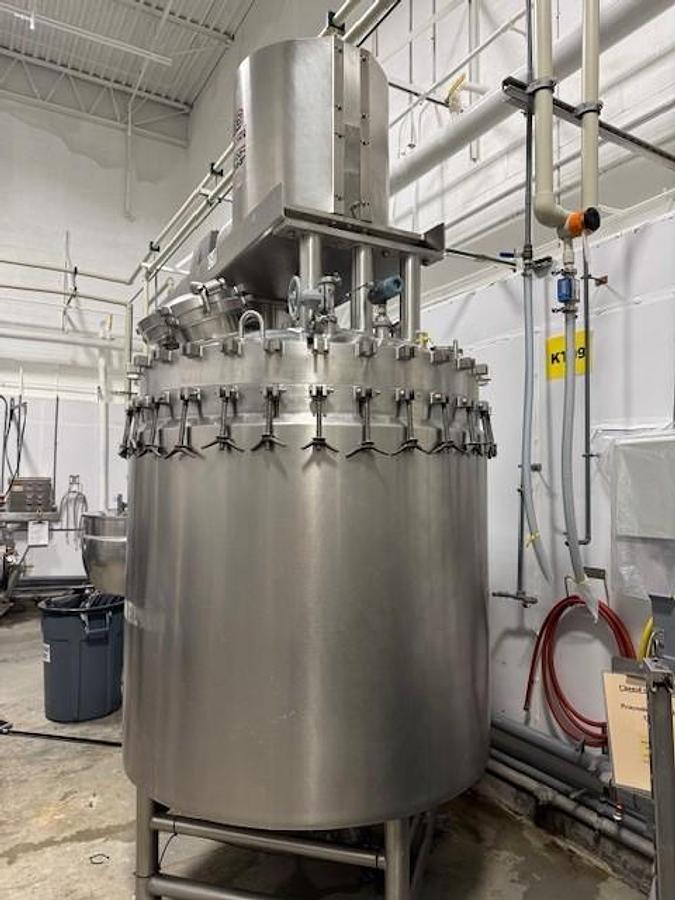
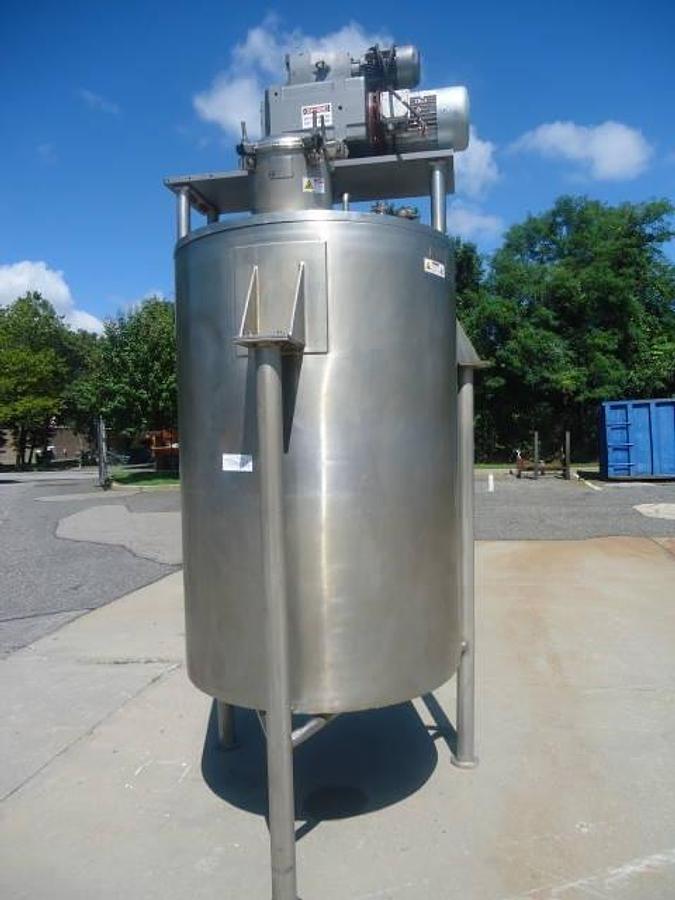
Scraper agitation is particularly useful for viscous or heat-sensitive products because the scraper blades continuously remove product from the heated vessel wall, preventing scorching and ensuring uniform heat transfer throughout the batch. Vacuum-capable kettles, which are also widely available in the used Lee kettle market, allow processing under reduced pressure, which is valuable for applications like vacuum cooking, degassing, or producing products that would otherwise oxidize or foam at atmospheric pressure. Some units also feature tilt-out agitation, which swings the entire agitator assembly out of the vessel for easier cleaning and product discharge.
What industries use Lee jacketed kettles?
Lee jacketed kettles are used across a broad range of industries where controlled-temperature batch processing is required. Food and beverage manufacturing is one of the most common applications, covering products like sauces, soups, jams, confections, dairy items, and dressings. The precise temperature control and sanitary construction make these kettles well-suited for processes that require consistent results batch after batch. Cosmetics and personal care manufacturing also relies heavily on jacketed kettles for producing lotions, creams, shampoos, and other emulsified products.
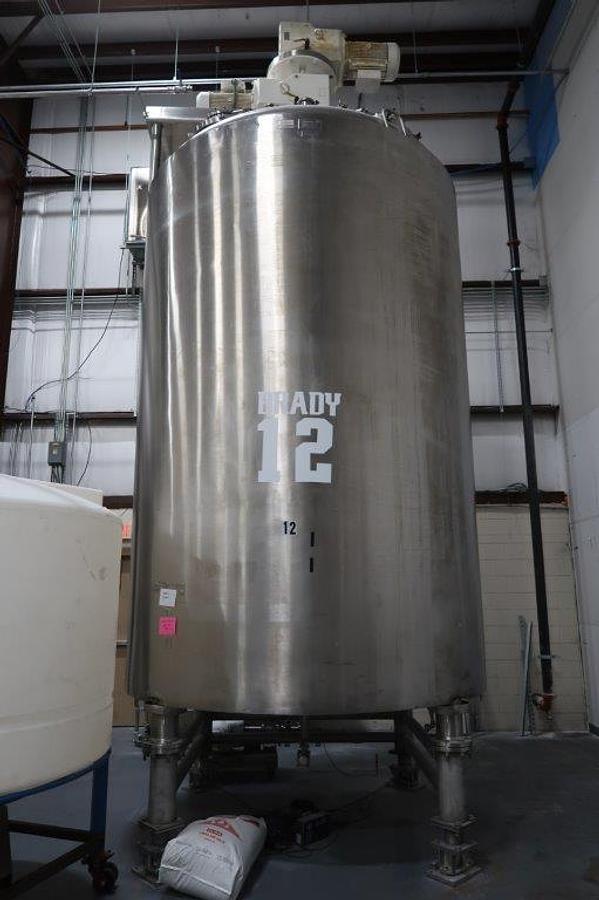
Pharmaceutical and nutraceutical manufacturers use Lee kettles for mixing and processing ointments, gels, and liquid formulations where cleanliness and process repeatability are critical. Chemical processing operations use them for reactions and blending that require temperature control or vacuum capability. The wide range of sizes, from small sanitary reactors under 25 gallons to large production vessels of 1,000 gallons or more, means that Lee kettles appear in both pilot-scale laboratory settings and high-volume manufacturing plants. This versatility is a large part of why used Lee kettles retain strong demand across multiple industries.
How do I determine the right capacity jacketed kettle for my production needs?
Selecting the right kettle capacity starts with understanding your target batch size and how that batch size fits into your overall production schedule. A common rule of thumb is to size the kettle so the batch fills roughly 70 to 80 percent of the vessel's working volume, leaving enough headspace to prevent overflow during agitation or boiling. If your target batch is 80 gallons, for example, a 100 gallon kettle is typically a better fit than a 150 gallon unit, both for efficiency and for ensuring the agitator makes proper contact with the product.
Beyond batch size, consider product viscosity, heat-up time requirements, and how many batches per shift you need to run. High-viscosity products may require a kettle with scraped surface agitation to achieve adequate mixing, which can affect which capacity units are practical for your process. It is also worth factoring in future production growth. Buying a used kettle one size larger than your current needs is often more cost-effective than upgrading again in two or three years. Consulting with the equipment dealer about the specific models available and their agitation configurations can help narrow down the right fit for a given application.
What should buyers look for when inspecting a used Lee jacketed kettle?
A thorough inspection of a used Lee jacketed kettle should cover both the mechanical condition and the sanitary integrity of the vessel. On the mechanical side, check the condition of the agitator drive, gearbox, and seals. Worn seals can allow product to migrate into the drive assembly, which is both a contamination risk and a sign of deferred maintenance. The jacket should be inspected for signs of scale buildup, corrosion, or prior repairs, as any of these can affect heat transfer efficiency and structural integrity. Jacket pressure ratings should also be verified against the original nameplate data.
For the vessel interior, look closely at the weld quality, surface finish, and any signs of pitting or corrosion, particularly around fittings and discharge valves. Scratches or rough surfaces in a food-grade kettle can harbor bacteria and make cleaning difficult. Reputable used equipment dealers will typically accommodate in-person inspections or provide detailed video walkthroughs of the machine so buyers can assess its condition before committing to a purchase. Keep in mind that most dealers are not set up to run actual production tests, so the inspection focuses on physical and mechanical condition rather than live process performance. Buyers should also contact the manufacturer directly to determine parts availability and support options for the specific model and age of the unit being considered.
What is the difference between a hemispherical bottom and a flat bottom jacketed kettle?
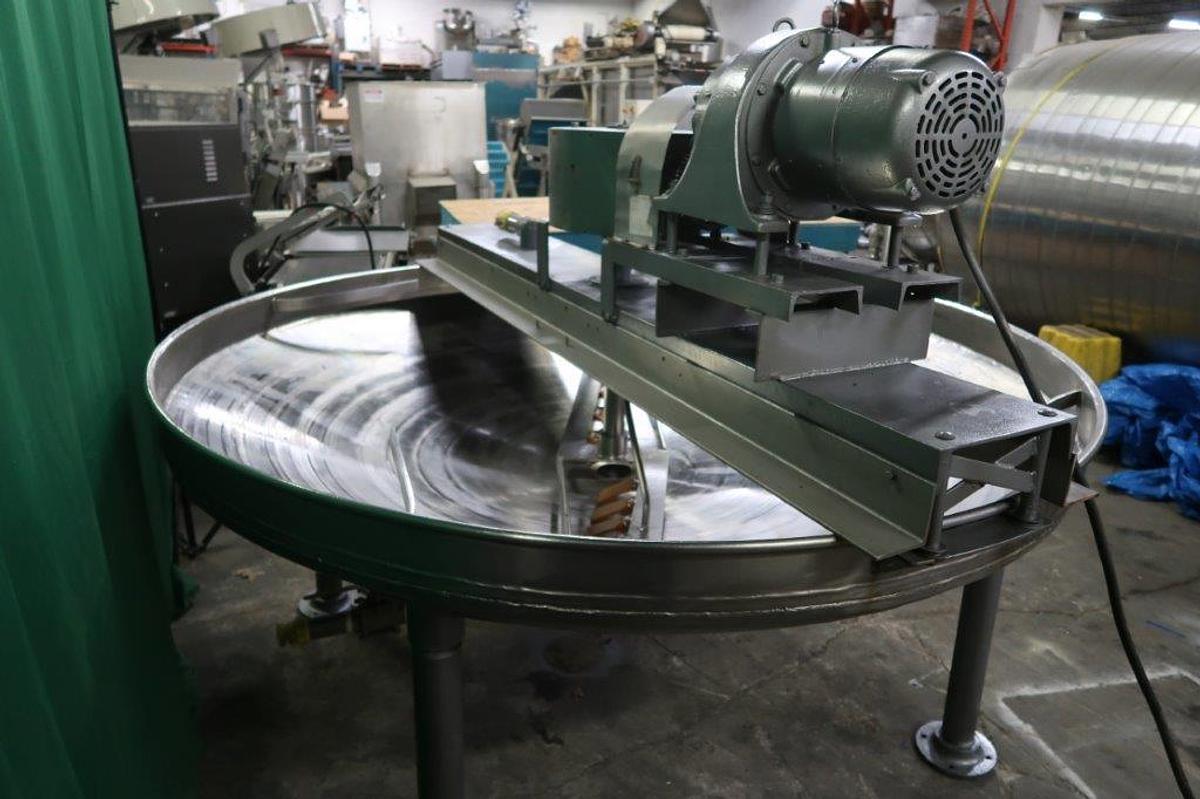
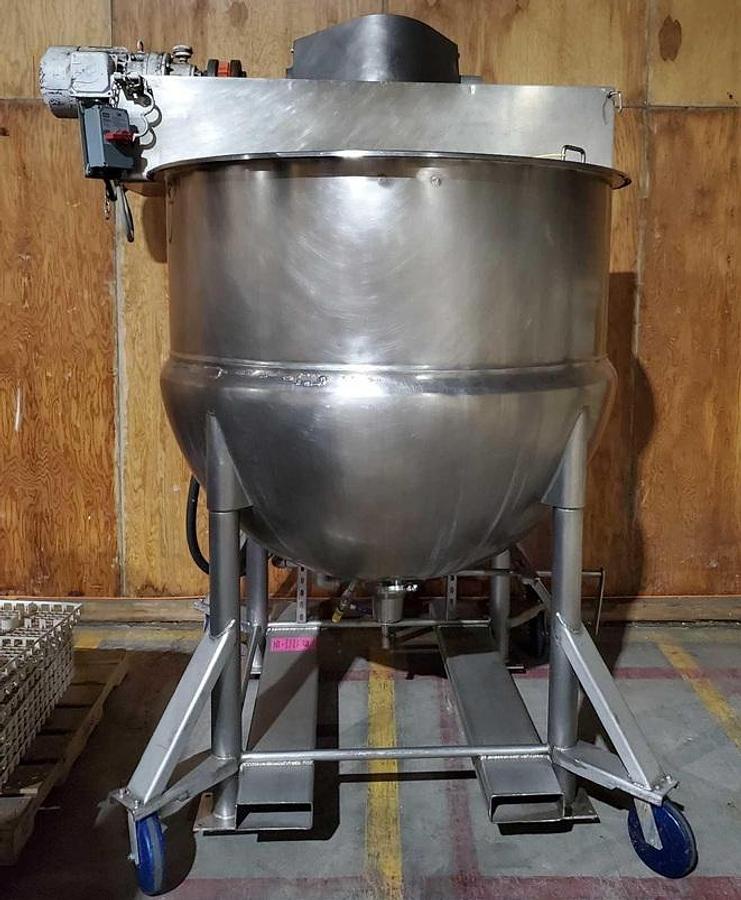
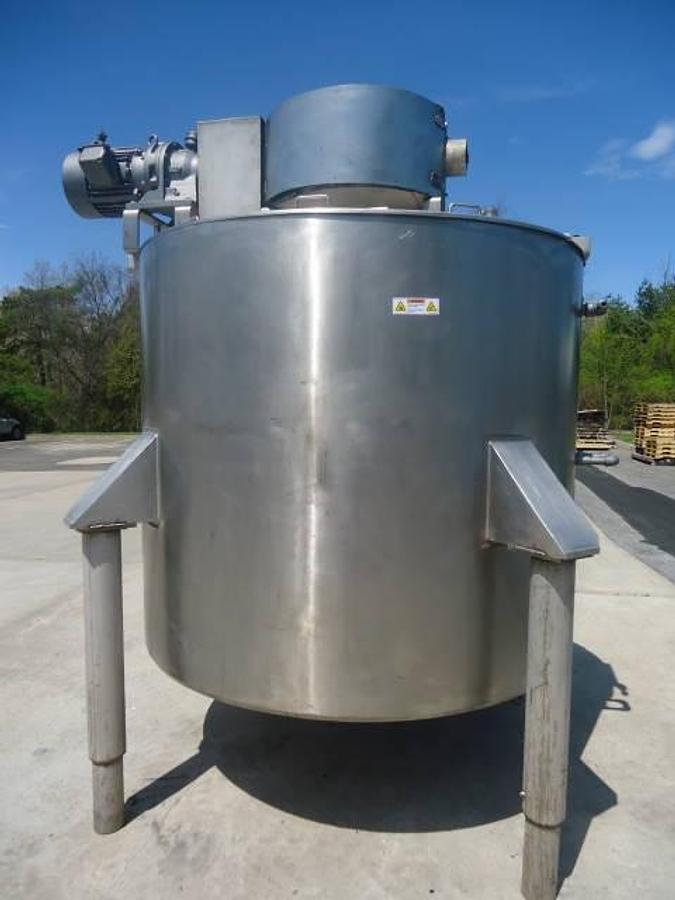
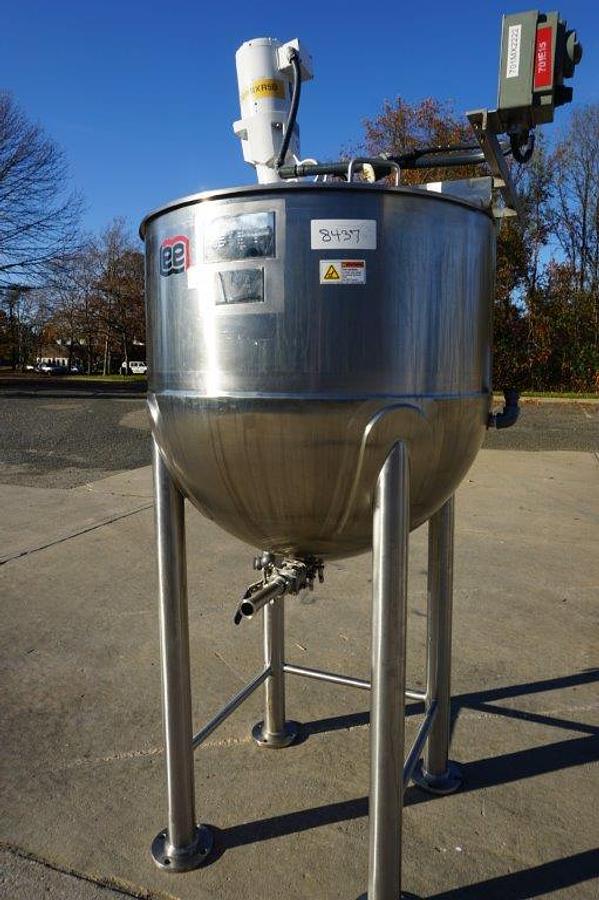
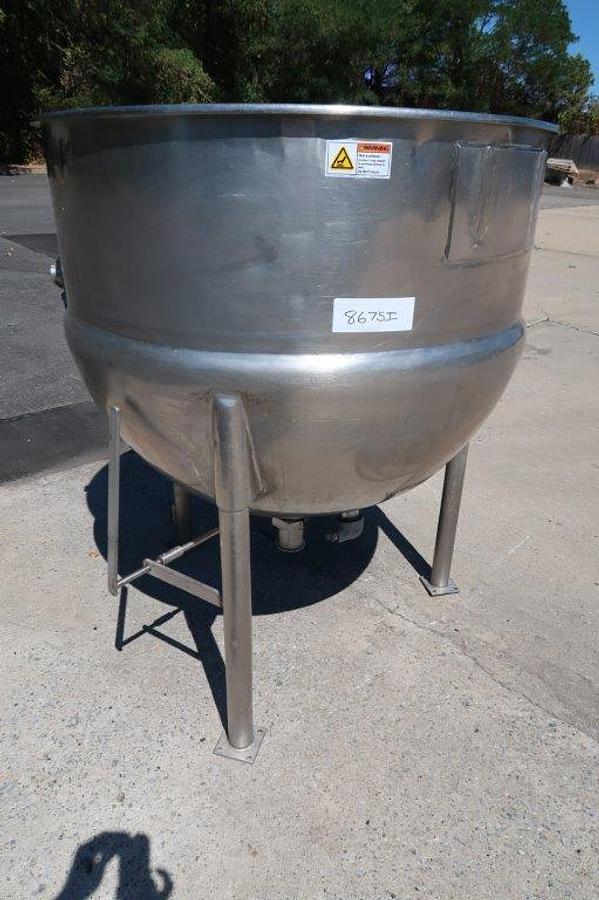
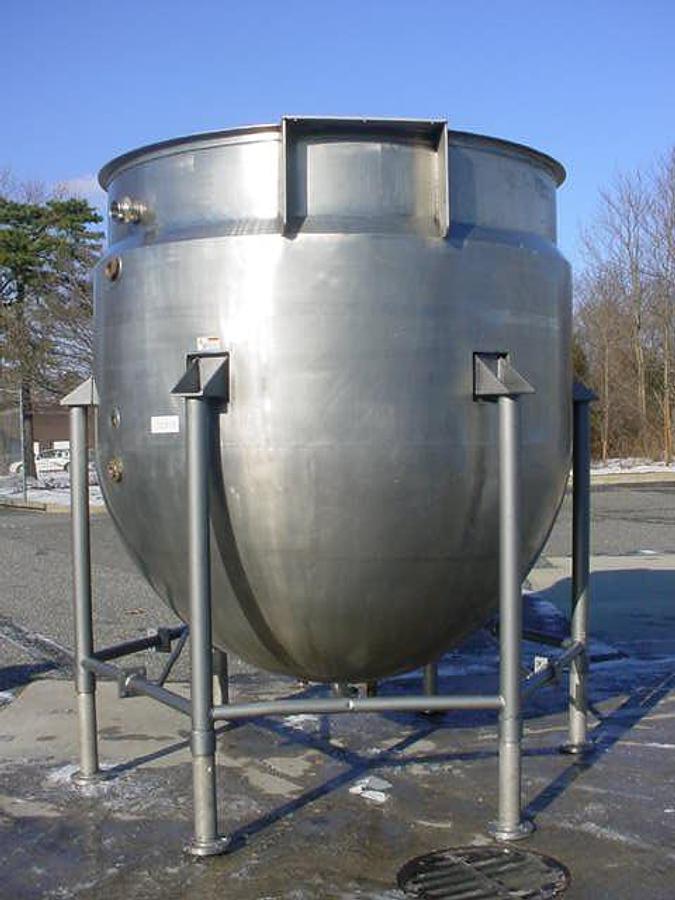
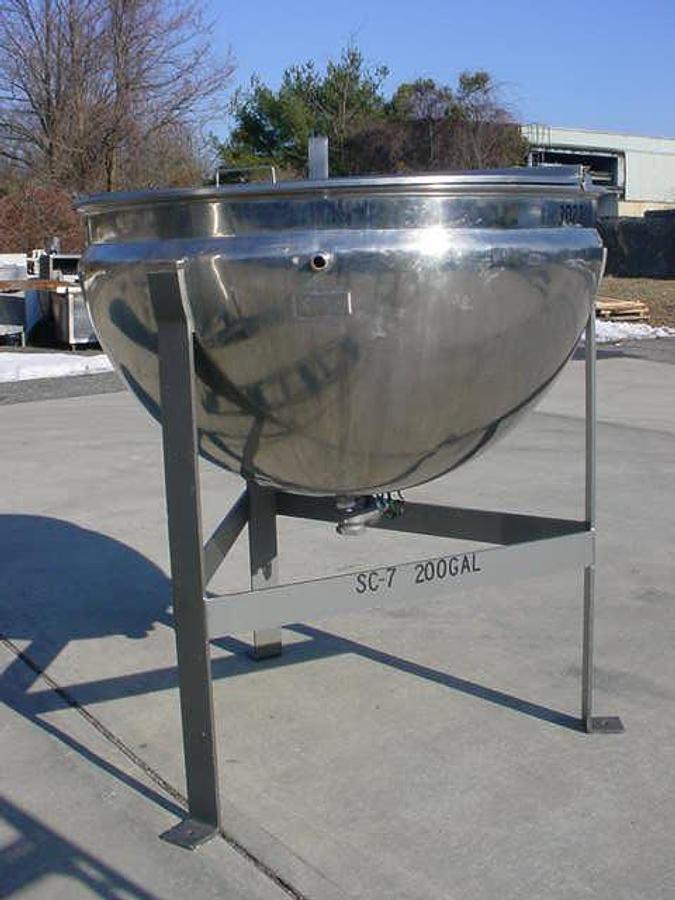
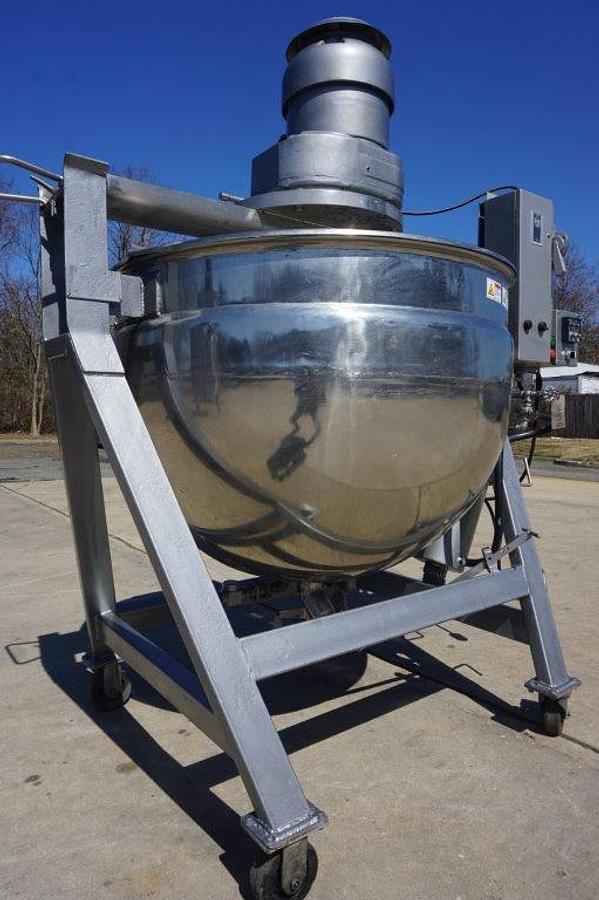
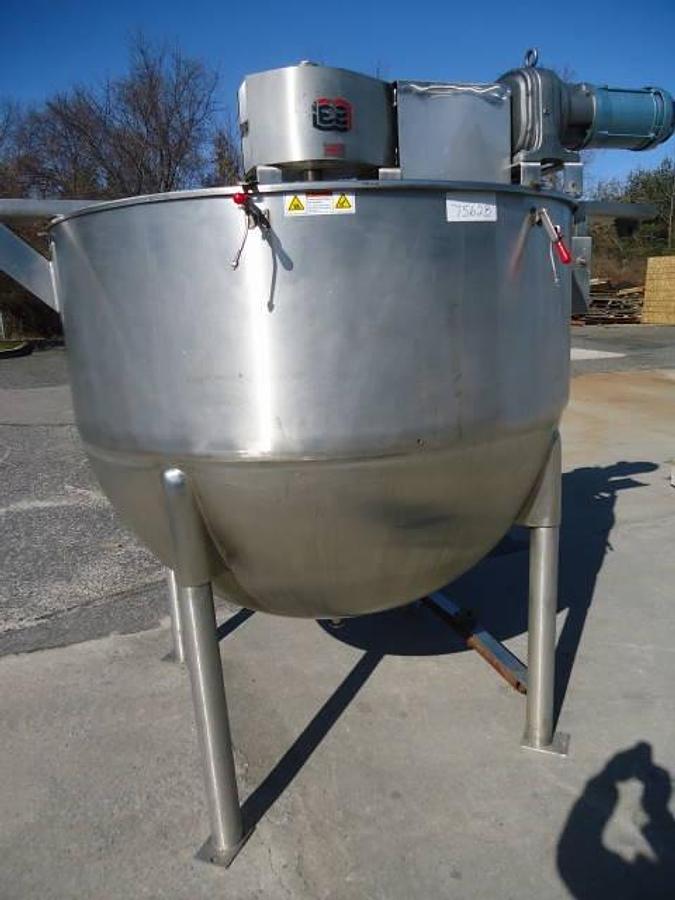
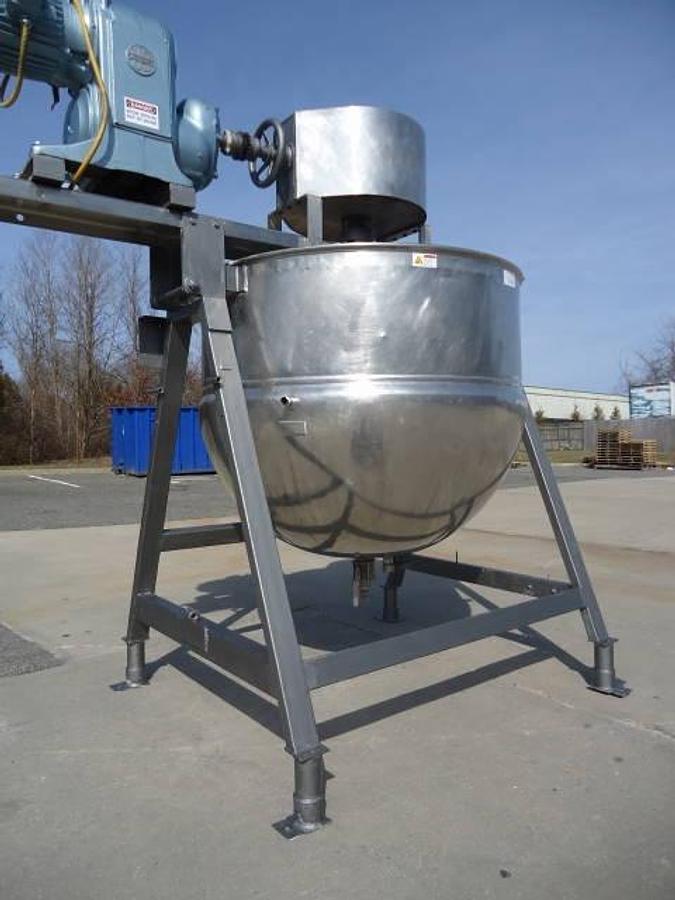
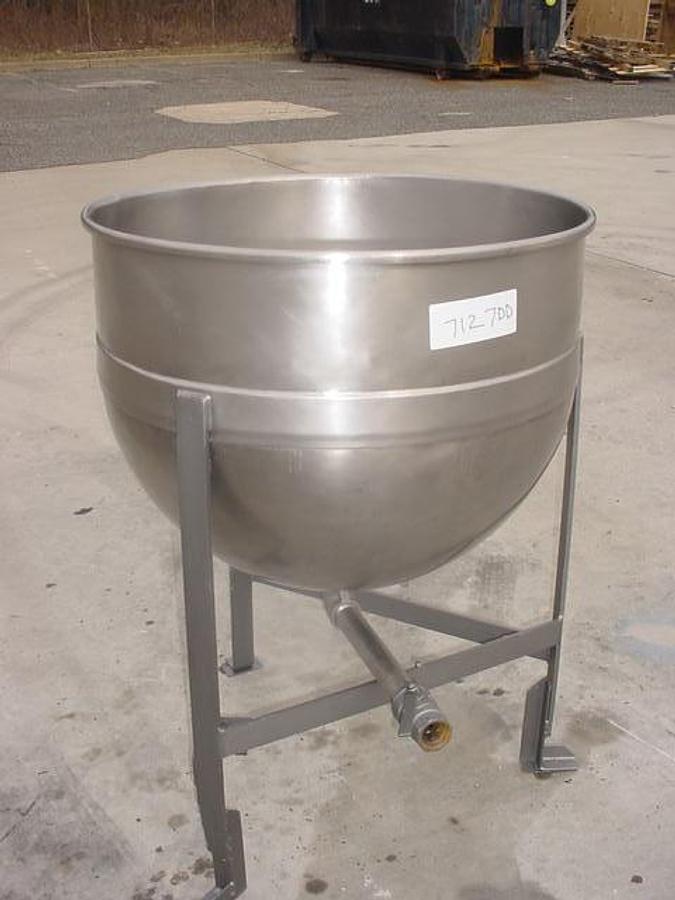
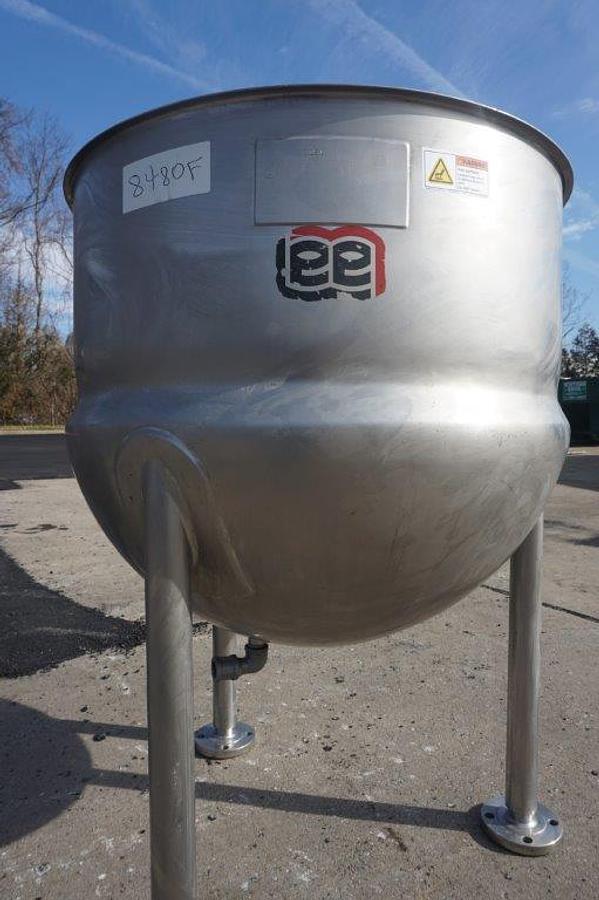
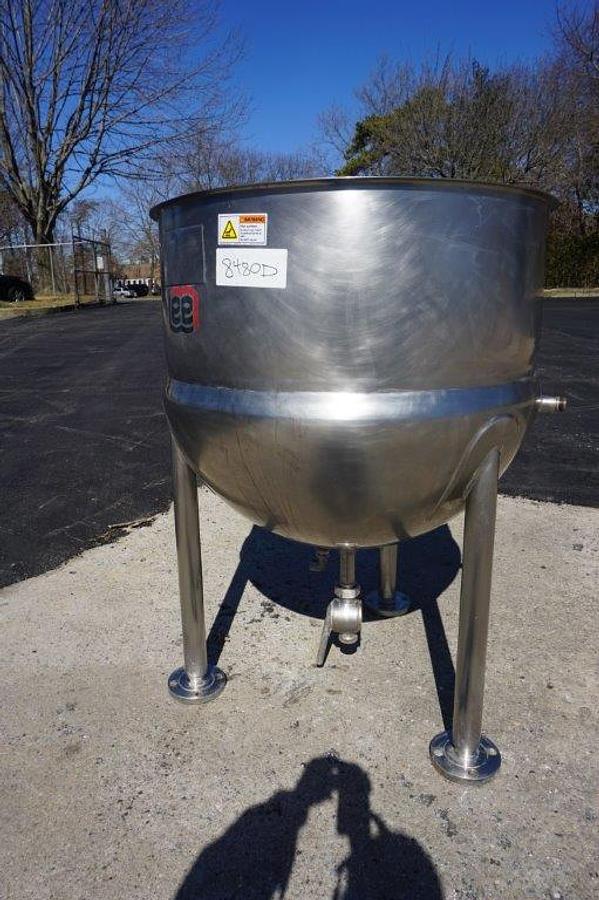
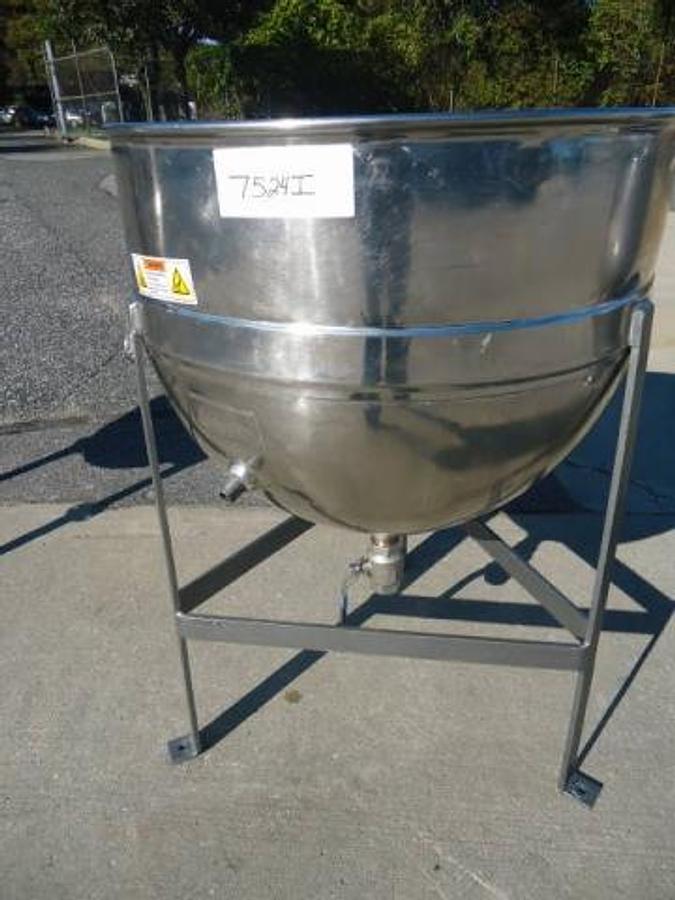
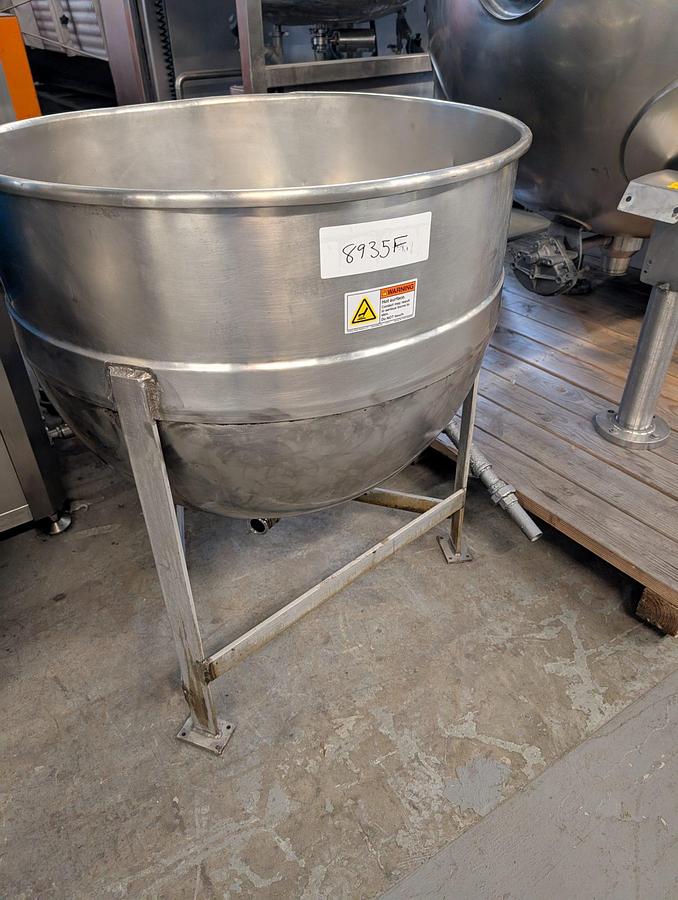
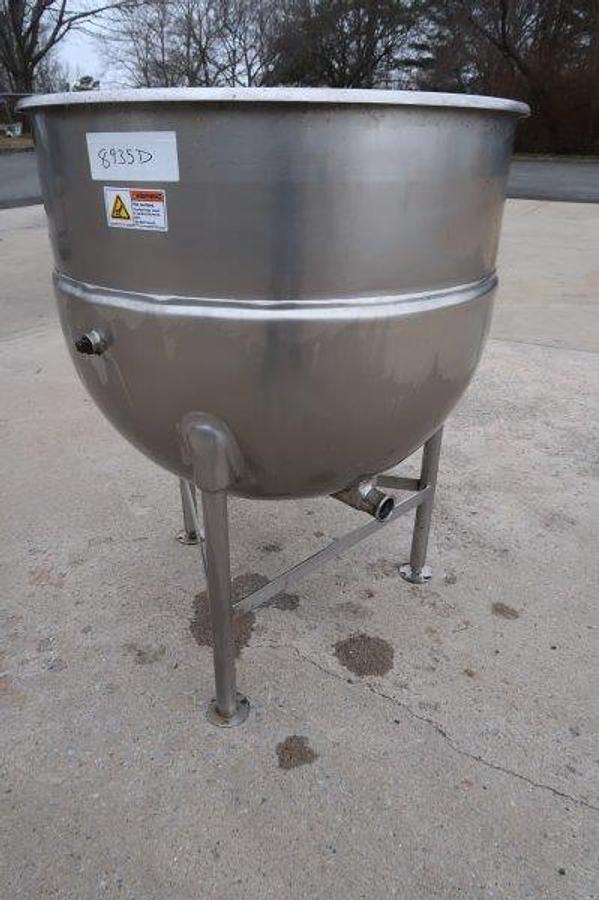
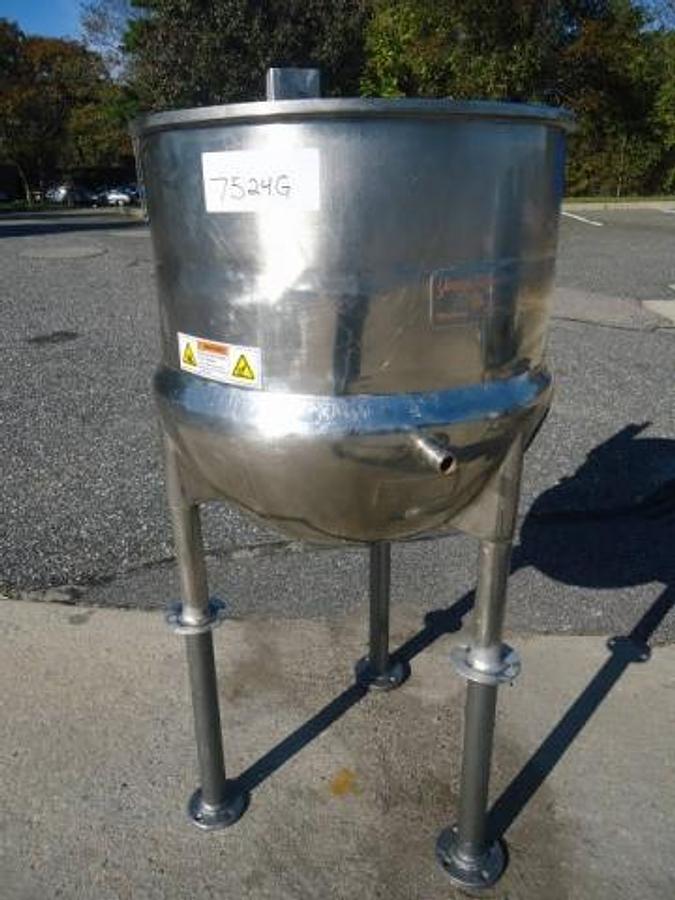
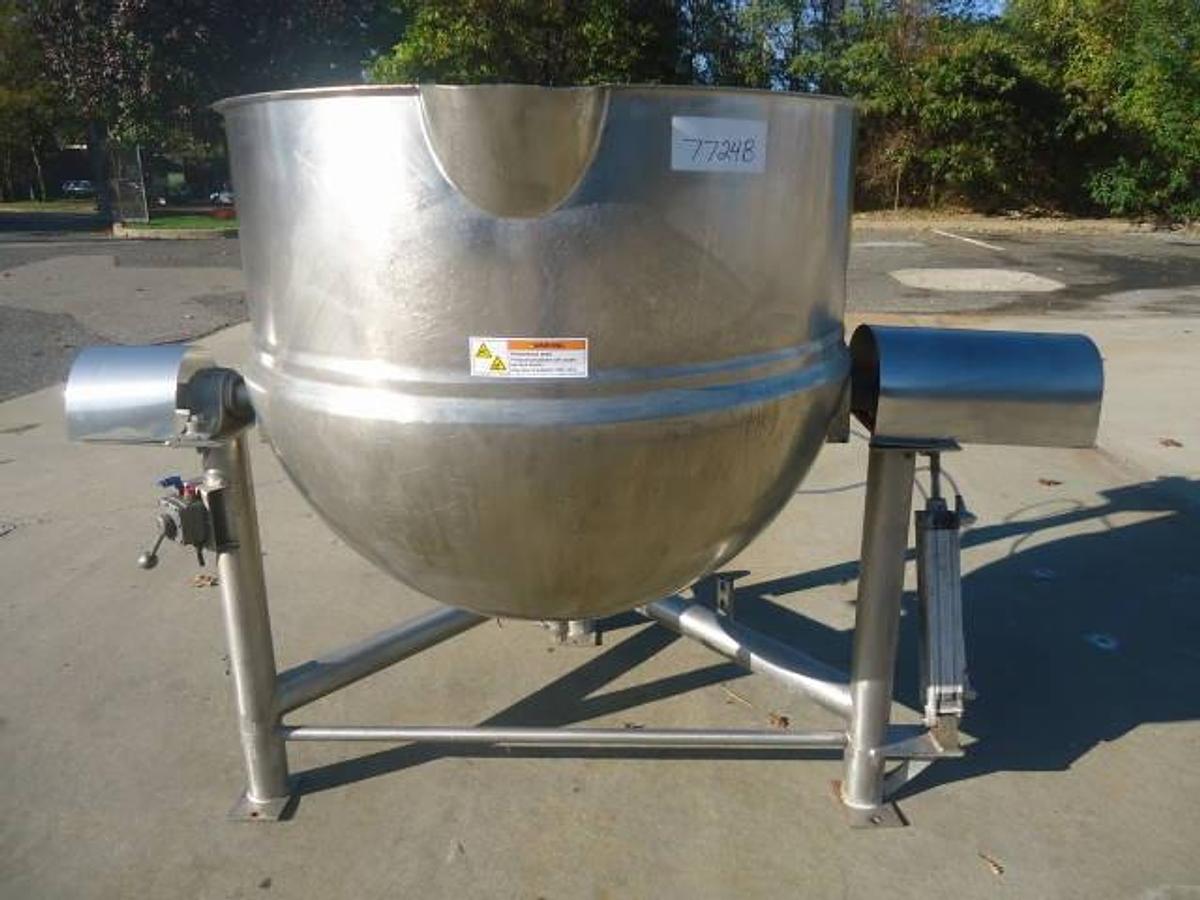
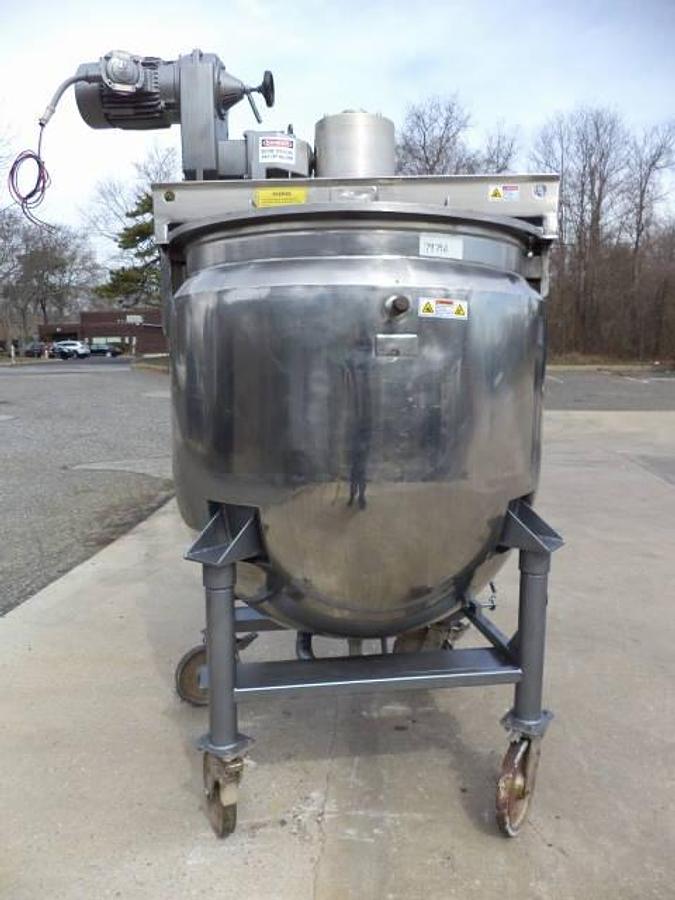
The bottom geometry of a jacketed kettle affects drainage, agitation effectiveness, and the types of products it handles best. Hemispherical bottom kettles have a rounded, dome-shaped lower section that allows for complete drainage of the vessel and ensures the agitator blades maintain close contact with all interior surfaces. This design is particularly effective for viscous products, sauces, and confections where leaving residual product in the vessel between batches is unacceptable from both a yield and a sanitation standpoint. The curved surface also distributes heat more evenly across the bottom of the batch.
Flat bottom or shallow-design kettles are better suited for applications where the product is less viscous or where the vessel is used more as a mixing tank than a cooking vessel. They can be easier to load and discharge in certain setups and may be preferable when the process does not require the tight agitator-to-wall clearance that a hemispherical design provides. On the used Lee kettle market, both configurations are available in a wide range of sizes, and the choice between them should be driven by the specific product being processed, the agitation type required, and the discharge method used in the facility.
What are the typical shipping and logistics considerations when buying a used Lee jacketed kettle?
Used jacketed kettles vary considerably in size and weight, and logistics costs can be a meaningful part of the total purchase price. Smaller units in the 20 to 100 gallon range can often be palletized and shipped via common carrier freight, though proper crating or bracing is important to prevent damage to agitator assemblies, fittings, and control panels during transit. Larger kettles in the 300 to 5,000 gallon range typically require flatbed trucking, and the loading and unloading process may involve heavy-duty rigging equipment such as forklifts or cranes, which adds to the overall cost.
Buyers should ask the selling dealer for a detailed breakdown of packaging, rigging, and freight charges before finalizing a purchase so there are no surprises in the landed cost. For very large vessels, it is worth confirming that the receiving facility has adequate door clearances, ceiling height, and floor load capacity to accommodate the kettle. International shipments add customs documentation and import duties to the equation. Getting freight quotes from multiple carriers and understanding exactly what the dealer's packaging includes is a practical step that experienced buyers of used process equipment consistently recommend.
What payment terms should buyers expect when purchasing a used Lee jacketed kettle?
Used process equipment transactions are generally structured differently from standard commercial purchases. Most used equipment dealers require full payment prior to releasing a machine for shipment. This is standard practice in the industry because the dealer has typically already committed to acquiring, inspecting, and holding the equipment, and the transaction involves physical goods that cannot be easily returned once shipped. Buyers who are working with a dealer for the first time should expect to pay in full upfront, and should factor this into their procurement planning and cash flow timeline.
Some dealers extend payment terms to established customers with a history of repeat purchases, but this is at the dealer's discretion and not something first-time buyers should count on. Wire transfers are the most common payment method for larger transactions, though other arrangements may be available depending on the dealer. Because used equipment is typically sold as-is, it is especially important to complete any inspections and confirm all specifications before submitting payment. Rushing the inspection process to move quickly on a purchase is one of the more common mistakes buyers make in the used equipment market.