Category
Manufacturer
Model
Balpack
Balpack is an innovative company providing packaging solutions, particularly in the pharmaceutical and cosmetics industries. Known for their blister packaging and cartoning machines, they offer equipment that ensures product safety and high-speed production. Balpack’s solutions are designed to be adaptable and integrate seamlessly into existing production lines.
FAQ:
What types of packaging machines does Balpack manufacture?
Balpack produces a range of packaging equipment primarily serving the pharmaceutical and cosmetics industries, though their machines are also used in food and consumer goods production. Their product line includes blister packaging machines, cartoning machines, filling and capping lines, and form-fill-seal (FFS) equipment. The brand is recognized for building machines that automate packaging processes to reduce labor requirements and increase throughput.
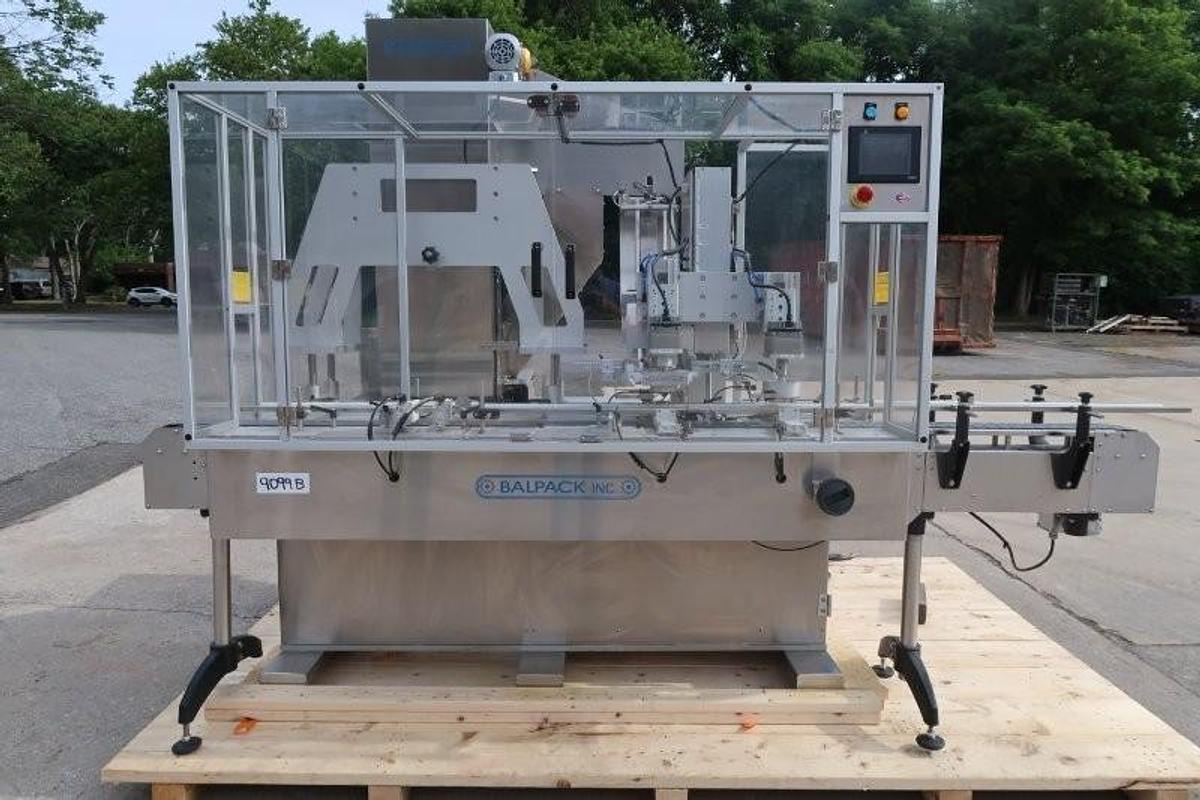
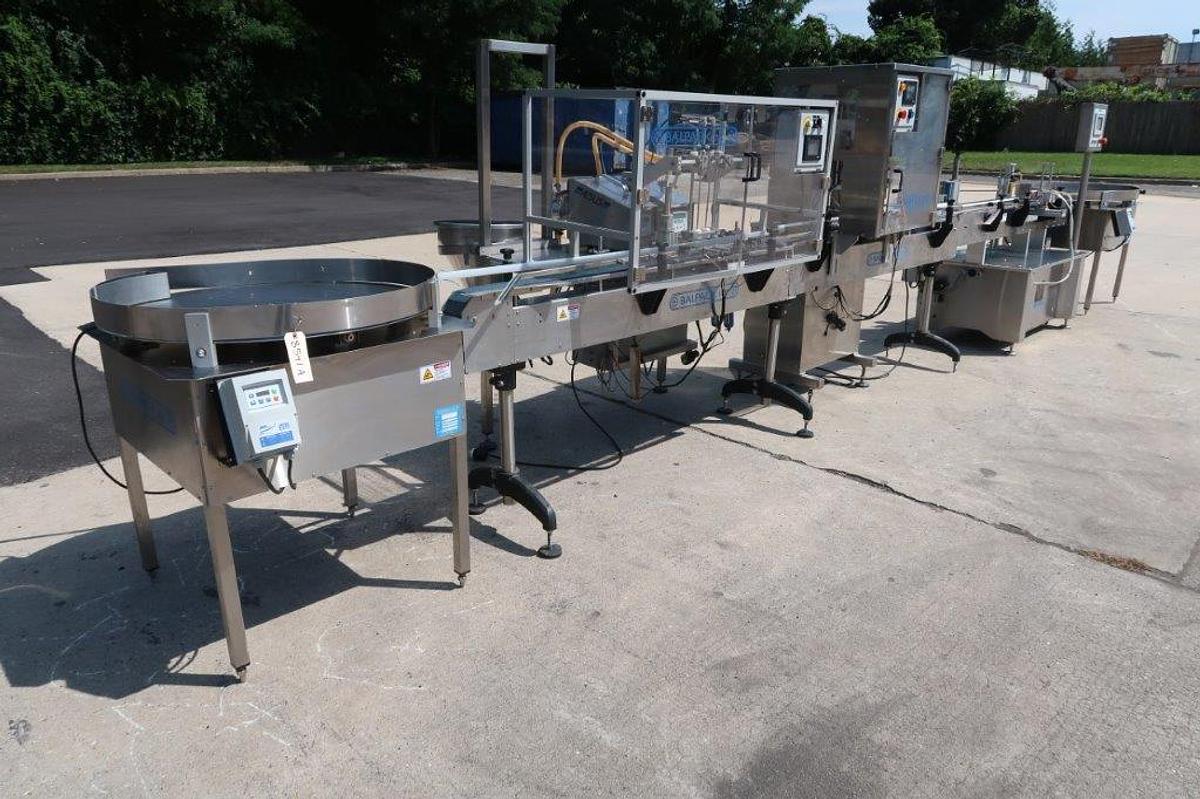
On the used market, buyers can find specific configurations such as dual-head gear-style pump filling and capping lines, which are designed for liquid or semi-liquid products that require precise volumetric filling followed by capping in a single integrated line. Balpack equipment is generally built for adaptability, meaning many models can be integrated into existing production environments alongside conveyors, checkweighers, labelers, and other downstream equipment.
What industries commonly use Balpack packaging equipment?
Balpack machines are most closely associated with the pharmaceutical and cosmetics sectors, where product safety, cleanliness, and precise dosing are critical requirements. Blister packaging, which is one of Balpack's core offerings, is heavily used for tablets, capsules, and unit-dose products in pharmaceutical manufacturing. Cartoning equipment from Balpack is similarly common in both pharma and personal care product lines.
Beyond those primary industries, Balpack filling and capping equipment sees use in food production, nutraceuticals, and specialty chemical packaging wherever liquid or viscous products need to be filled into bottles or containers at production speeds. The hygienic design standards built into many Balpack models make them well-suited for regulated environments where sanitation validation is part of the compliance process.
What should buyers know about purchasing a used Balpack machine?
Buying a used Balpack machine is a practical way to access well-built packaging equipment at a lower cost than sourcing comparable new equipment, but it does require more due diligence on the buyer's part. Used equipment is typically sold as-is, meaning there is no manufacturer warranty covering the transaction. The responsibility for verifying the machine's condition falls on the buyer, which makes the reputation and specialization of the dealer a critical factor in the decision.
Buyers should look for dealers who have a long track record in industrial and packaging machinery and who can provide detailed documentation about the machine's history, including its age, the industries it was used in, and any known service or repair history. A used Balpack filling and capping line manufactured in 2016, for example, would be worth evaluating for wear on pump components, seals, and capping heads. Requesting a thorough inspection before committing to a purchase is strongly advisable.
How can buyers inspect a used Balpack machine before purchasing?
Reputable used equipment dealers typically offer several inspection options to give buyers an accurate picture of a machine's condition. In-person inspections are the most thorough option, and some machines may still be installed at the facility where they were last used, allowing the buyer to see the equipment in its operational context. In cases where the machine is decommissioned or stored at a dealer's warehouse, on-site visits can still be arranged to physically examine components, check for wear, and review the overall mechanical condition.
For buyers who cannot travel, video inspections and detailed photo documentation are common alternatives. A dealer can walk through the machine on camera, demonstrating key mechanical functions and highlighting any visible wear or damage. It is worth noting that most used equipment dealers do not have the permitting or infrastructure to run full production trials with actual product, so functional testing is typically limited to dry cycling or demonstrating mechanical movement rather than live production output. Buyers should factor this limitation into their evaluation process and ask specific questions about the machine's last known operational status.
What packaging formats can Balpack machines handle?
Balpack's equipment portfolio covers several distinct packaging formats depending on the machine type. Their blister packaging machines produce the rigid cavity packs commonly used for pharmaceuticals, medical devices, and consumer goods like batteries or chewing gum. Cartoning machines handle the secondary packaging step, folding and closing cartons around primary packages at high speed. Filling and capping lines handle the specific task of volumetrically filling liquid or semi-liquid products into containers and then applying closures.
For buyers looking at form-fill-seal configurations in the Balpack lineup, supported formats can include pillow bags, gusseted bags, stand-up pouches, and sachets, depending on the specific model and its film handling capabilities. Changeover between product sizes and packaging formats is a feature buyers frequently evaluate, since flexibility directly impacts how quickly a line can be adapted for different SKUs or seasonal product runs. Checking the changeover requirements and available tooling for a specific used machine is an important part of the pre-purchase evaluation.
What is the typical production speed of Balpack packaging machines?
Production speed varies considerably across Balpack's different machine types and depends on factors like the packaging format, product characteristics, and the specific model in question. Blister packaging machines in general can range from around 15 to 60 blisters per minute on the lower end of the spectrum, with high-speed pharmaceutical lines capable of reaching several hundred cycles per minute. Cartoning machines operate at comparable speeds, often rated in cartons per minute, and filling and capping lines are typically rated in containers per minute based on fill volume and cap type.
For used machines specifically, the rated speed reflects the machine's design capacity under optimal conditions. Actual throughput on a used unit may depend on the condition of mechanical components like cams, servo drives, and sealing elements. Buyers evaluating a used Balpack machine for production planning purposes should ask the dealer for the model's rated speed and, where possible, cross-reference that against the manufacturer's published specifications to set realistic expectations for their line.
Are spare parts available for used Balpack packaging machines?
Parts availability is one of the most practical concerns for anyone purchasing a used packaging machine, and it is worth investigating before finalizing a purchase. For Balpack equipment, the availability of spare parts depends on the age of the machine and the specific model. Older or discontinued models may have limited support from the manufacturer, while more recent models are more likely to have parts still in production or available through authorized service channels.
Buyers are advised to contact Balpack's manufacturer directly to ask about parts availability and technical support for the specific model they are considering. This conversation can reveal whether the machine is still supported, what the lead times for critical components look like, and whether third-party parts suppliers carry compatible components. Some dealers who specialize in packaging equipment may also carry common wear parts for the machines they sell, which can be a useful resource during the initial commissioning period.
How difficult is it to install and operate a used Balpack packaging machine?
Installation and operational complexity for Balpack machines varies by machine type. A blister packaging or cartoning machine is a more mechanically complex system than a standalone filler, and will typically require experienced technicians for installation, line integration, and initial setup. Filling and capping lines like the dual-head gear-style pump configurations Balpack produces involve plumbing connections, pump calibration, and capping head adjustment that benefit from familiarity with similar equipment.
For used machines, there is an added consideration: the machine may not come with complete documentation, and settings or tooling from the previous owner's production run may need to be reconfigured. Buyers without in-house packaging engineers often work with third-party machinery service companies to handle installation and commissioning. It is worth asking the dealer whether any manuals, electrical schematics, or tooling are included with the machine, as this documentation can significantly reduce the time and cost of getting the equipment running in a new facility.
What are the typical shipping and logistics considerations for buying a used Balpack machine?
Shipping a used packaging machine involves more planning than standard freight because of the size, weight, and mechanical sensitivity of the equipment. Machines need to be properly palletized or crated before transport to prevent damage in transit, and the level of packaging required will affect the overall shipping cost. Larger Balpack machines, particularly full filling and capping lines or cartoning systems, may require professional rigging for loading and unloading, which is an additional cost that buyers should account for when calculating the total landed price of the equipment.
Buyers should ask dealers for a complete breakdown of packaging, rigging, and freight costs before committing to a purchase. Shipping quotes will vary based on the machine's dimensions and weight, the origin and destination locations, and whether the buyer needs liftgate service, inside delivery, or other special handling. For international shipments, customs documentation, import duties, and compliance with destination country equipment regulations add further layers of complexity that are worth addressing early in the purchasing process.
What payment terms are typical when buying used packaging equipment?
Most used equipment dealers require payment in full before a machine is released for shipping. This is standard practice in the industry and reflects the nature of used equipment transactions, where machines are often one-of-a-kind inventory items that cannot be easily restocked. Payment is typically accepted by wire transfer, and buyers should confirm the accepted payment methods with the dealer at the start of negotiations.
Some dealers may offer extended terms or financing arrangements to repeat customers or established buyers with a track record of prior purchases, but this is not the norm for first-time transactions. Buyers who require financing for larger equipment purchases sometimes work with third-party equipment financing companies that specialize in industrial machinery loans or leases. Clarifying payment expectations early in the process helps avoid delays once a purchase agreement is reached.