Category
Subcategory
Manufacturer
Model
Filters-press
Used Filter Presses
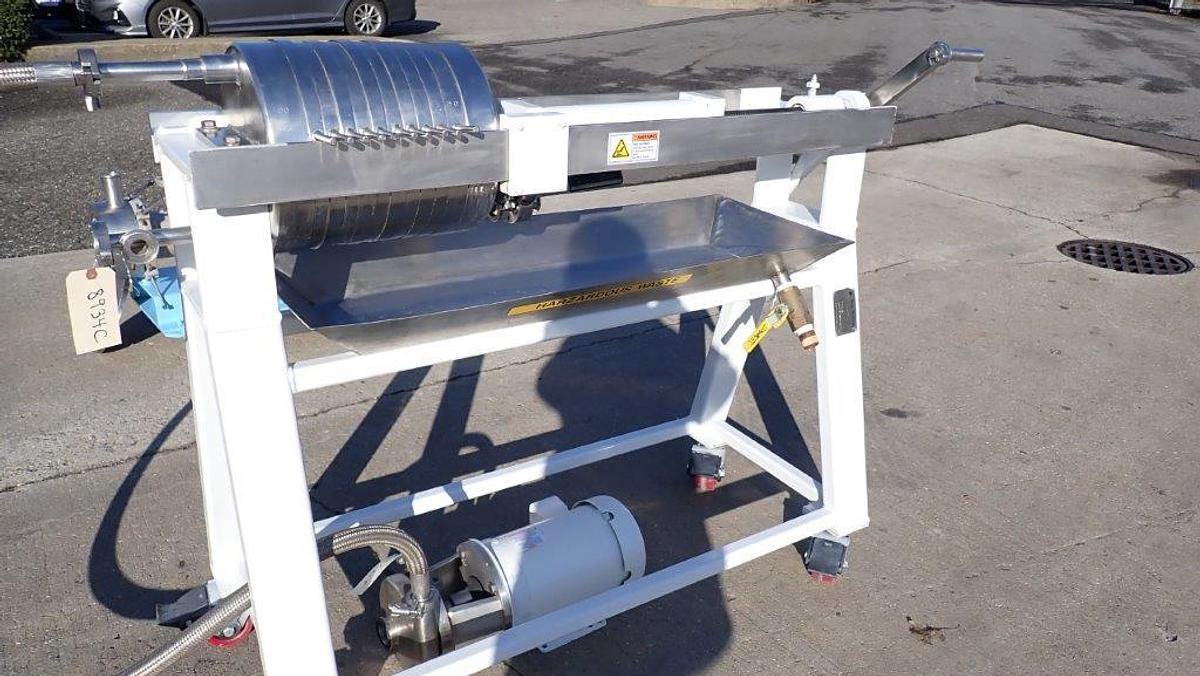
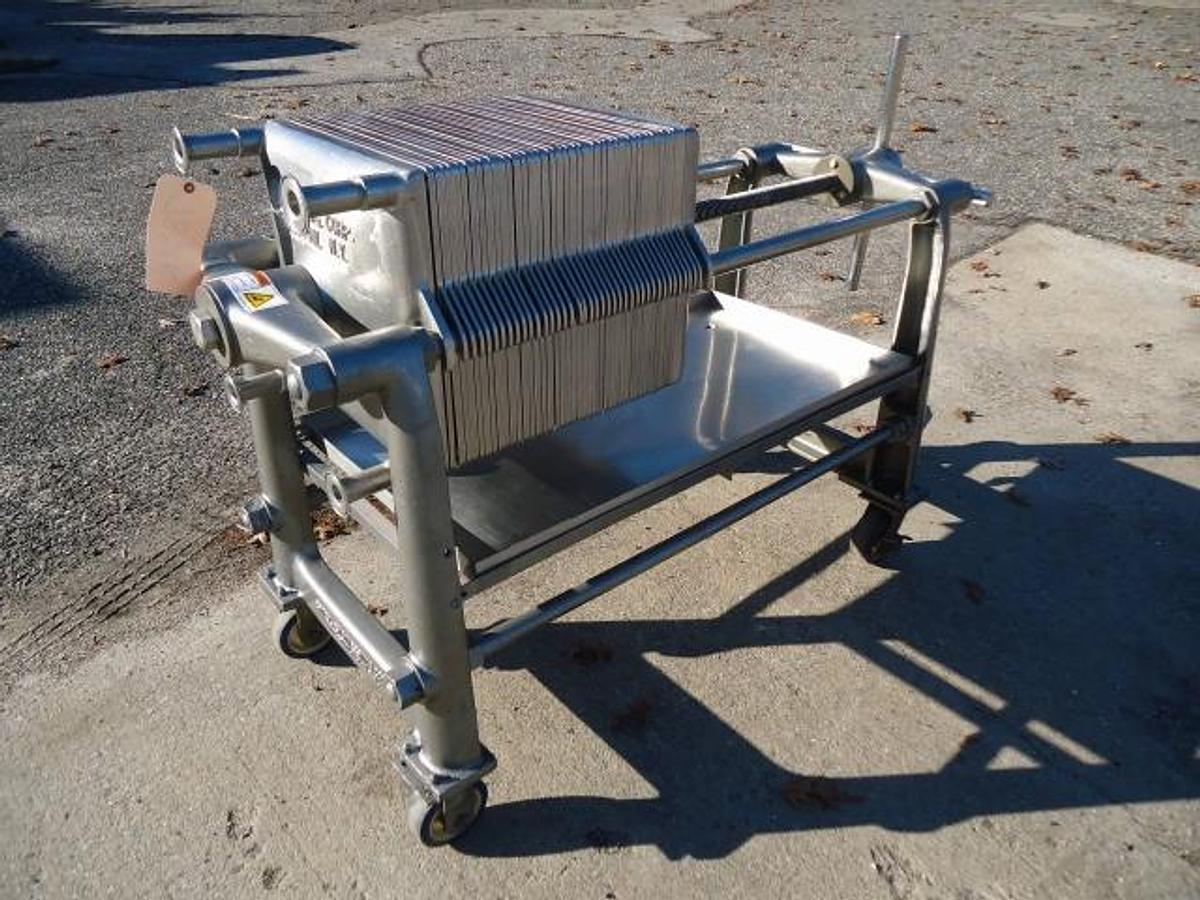
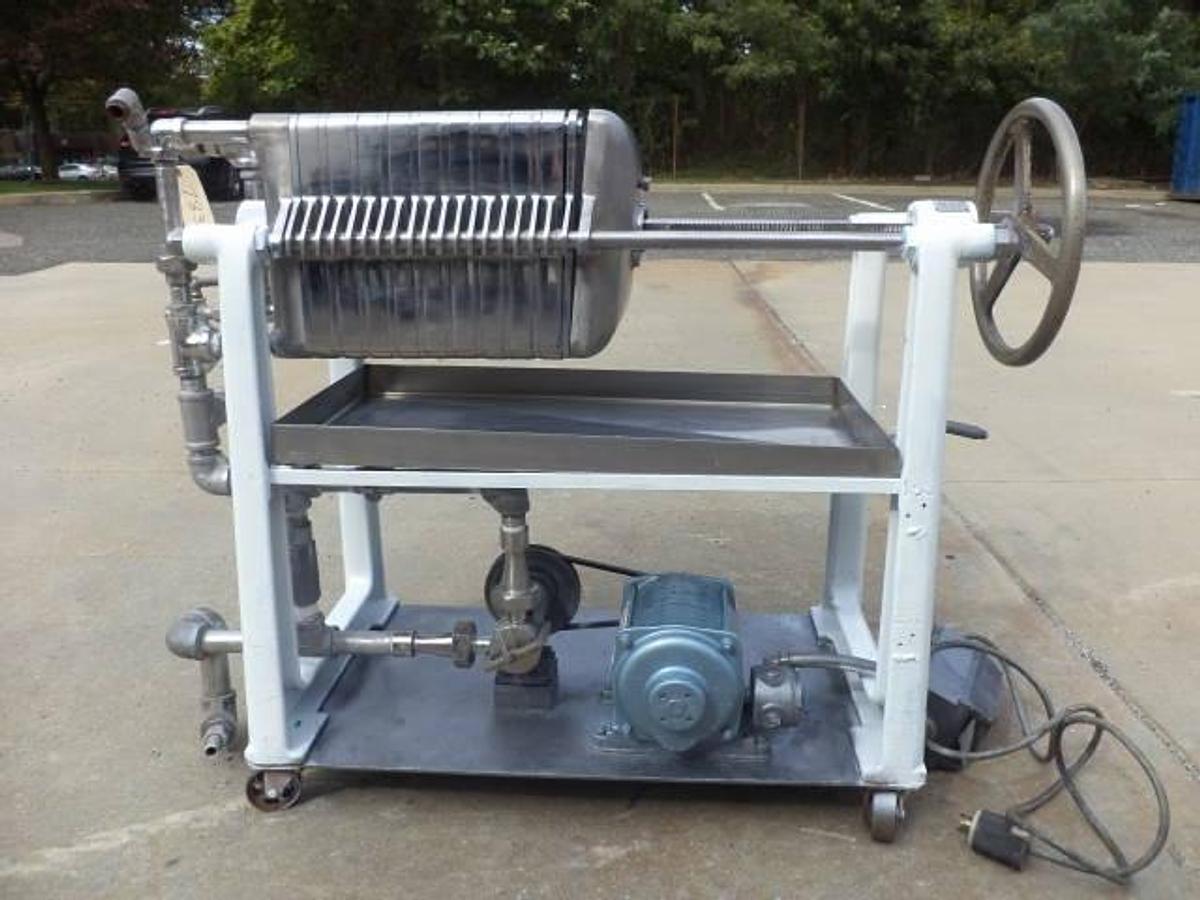
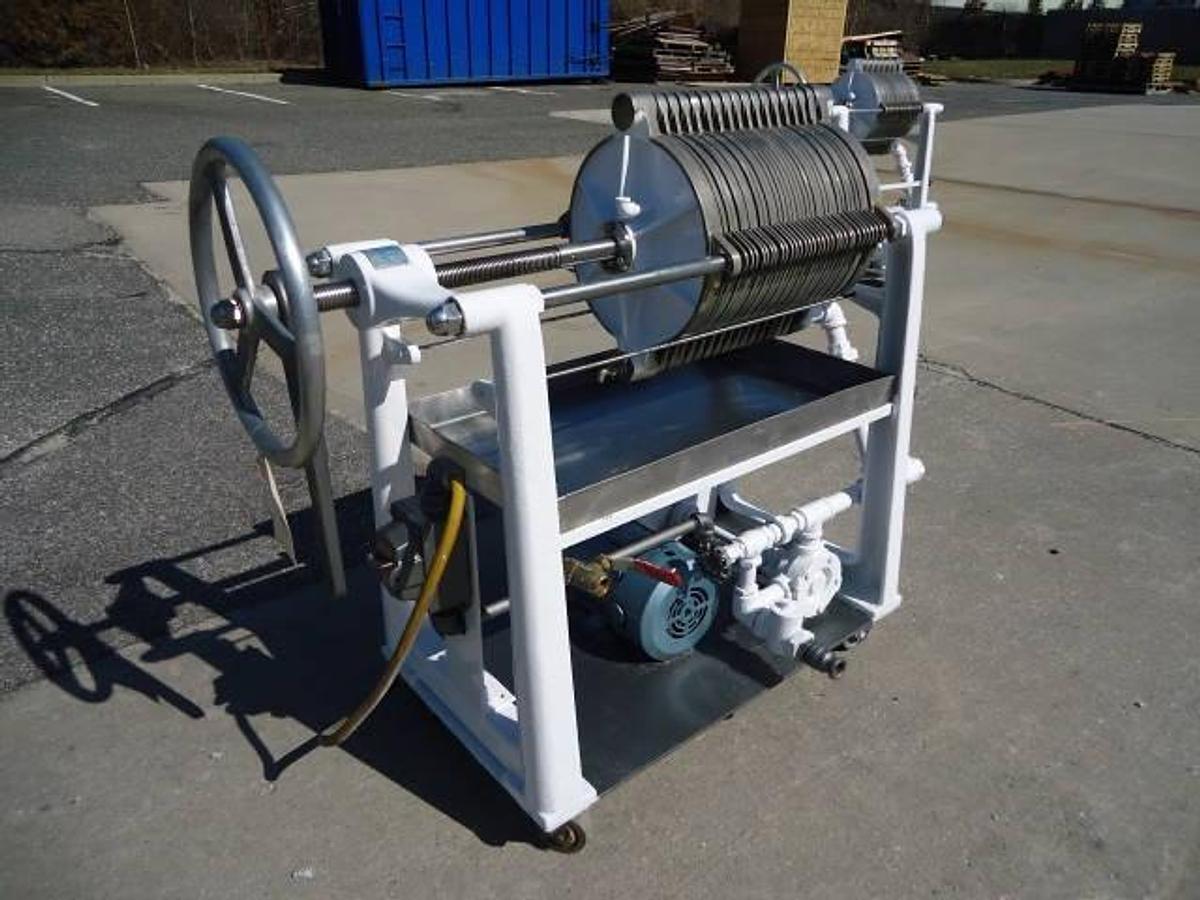
Filter presses are used to filter solids out of liquids by sending the liquid through multiple filter plates. The most popular form of filter press is the plate and frame filter press. We are suppliers of both used stainless steel filter presses and used polyprolene filter presses and we also stock sanitary filter presses. Our inventory of used filter presses includes STAR filter presses, SHRIVER filter presses, and ERTEL filter presses along with other brands.
FAQ :
What should I inspect before buying a used filter press?
The condition of the filter plates is the single most important thing to evaluate before purchasing a used filter press. Cracked, warped, or chemically degraded plates are costly to replace and can quickly eliminate any savings gained by buying used rather than purchasing a machine from a manufacturer. Each plate should be examined closely for surface damage, deformation, and signs of chemical attack, particularly if the press was used with aggressive solvents or acidic slurries. The frame, hydraulic closing system, feed ports, and manifold connections also deserve careful attention, as repairs to these components can be expensive and time-consuming.
Filter cloths are almost always in need of replacement on a used filter press, so buyers should factor that cost into their overall budget from the start. Beyond the physical components, it helps to ask the seller about the machine's application history, the types of materials it processed, and the operating pressures it routinely ran at. Reputable used equipment dealers will typically accommodate in-person inspections, video walkthroughs, or recorded video captures of the machine so buyers can get an accurate picture of its current condition. If the press is still installed at a production facility, some dealers can arrange access for a direct inspection on-site.
What is the difference between a plate and frame filter press and other types of filter presses?
A plate and frame filter press is the most widely used design in industrial filtration. It consists of alternating solid plates and open frames, with filter cloth positioned between each plate and frame assembly. The liquid slurry is pumped into the frames under pressure, the solids accumulate as a cake against the filter cloth, and the clarified liquid passes through and exits the press. This design is well suited to a broad range of applications because plate size, frame depth, and the number of plates can all be configured to match specific throughput and cake thickness requirements.
Other filter press designs include recessed chamber presses, where the recess is built directly into the plate face rather than requiring a separate frame, and membrane or diaphragm presses, which use an inflatable membrane to squeeze the filter cake after the initial filtration cycle for drier solids. Disc filter presses, such as those made by Ertel and Star, use circular filter discs stacked on a central shaft and are common in food, beverage, and pharmaceutical applications where sanitary construction is required. The right type depends on the solids concentration of the feed, the desired cake dryness, the chemical compatibility requirements, and whether the application calls for sanitary-grade materials like stainless steel or polypropylene.
What industries commonly use filter presses?
Filter presses are used across a wide range of industries wherever solids need to be separated from liquids efficiently. In food and beverage production, they are used to clarify juices, wines, and edible oils, and to dewater food-grade slurries. Pharmaceutical and chemical manufacturers use them to isolate active compounds, filter reaction byproducts, and produce dry filter cakes for further processing. Mining and minerals processing operations rely on filter presses to dewater tailings and recover valuable solids from ore slurries. Wastewater treatment facilities use them to reduce the volume of sludge before disposal.
Industrial and manufacturing applications include paint and pigment production, electroplating waste treatment, and the recovery of metal hydroxide sludges. Because filter presses are available in materials ranging from cast iron and carbon steel to stainless steel and polypropylene, they can be matched to the chemical and sanitary requirements of almost any industry. When evaluating a used filter press, buyers should confirm that the frame material, plate material, and seal compounds are all compatible with the specific process fluids and solids they intend to run. A machine that was used for wine filtration, for example, may be an excellent fit for another food-grade application but would need careful vetting before being repurposed for a chemically aggressive industrial process.
How do I determine the right plate size and number of plates for my application?
Sizing a filter press correctly starts with understanding two key variables: the volume of slurry you need to process per cycle and the concentration of solids in that slurry. Plate dimensions determine the filtration area per plate, while the number of plates determines the total chamber volume and the overall cake-holding capacity. Common plate sizes found in used equipment inventories range from 12-inch by 12-inch units suited for smaller batch operations up to much larger configurations used in high-volume industrial processes. A press that is undersized will require too many cycles to keep up with production, while an oversized press may be inefficient and difficult to operate with thin slurries.
Operating pressure is another critical specification to match. The press must be rated to handle the feed pump pressure required to push liquid through the filter cake at an acceptable flow rate. Frame material matters as well: stainless steel presses are required for food, beverage, pharmaceutical, and corrosive chemical applications, while polypropylene plate presses are often used in chemical and wastewater applications where acid or caustic resistance is needed. Before purchasing a used filter press, it is worth consulting with a filtration engineer or the equipment dealer to cross-reference the machine's specifications against your actual process parameters, including feed pump flow rate, solids loading, and desired cycle time.
Are replacement parts available for older used filter press models?
Parts availability is one of the most important practical concerns when buying a used filter press, and it varies considerably depending on the brand, model, and age of the machine. For well-established brands like Ertel, Star, Shriver, and SeitzSchenk, many components including filter plates, cloths, seals, and hydraulic parts have historically been available through the manufacturers or authorized service networks, though the level of support for any specific model depends on how long that model has been in production and whether the manufacturer still actively supports it. Buyers should contact the manufacturer directly before purchasing to understand what parts and technical support are realistically available for the specific machine they are considering.
For older or discontinued models, sourcing plates can be particularly challenging because plates must match the exact dimensions and port configuration of the existing frame. In some cases, third-party plate manufacturers can produce replacement plates to specification, but this adds lead time and cost. Filter cloths are generally more readily available across brands since they can often be cut and fabricated to size. Seals and gaskets are similarly easier to source as generic materials. The practical advice for buyers is to ask the seller about the machine's brand and model history, search for the manufacturer's current parts and service offerings, and budget for at least a basic set of spare seals and cloths as part of the initial purchase.
What is the difference between a reconditioned and an as-is used filter press?
A reconditioned filter press has been inspected, cleaned, and repaired by the seller before being offered for sale. This typically means worn or damaged components have been replaced, the hydraulic system has been serviced, and the machine has been tested to verify basic function. Reconditioned equipment generally commands a higher price than as-is units because the seller has invested labor and parts into bringing the machine to a better working condition. Some sellers who recondition equipment may also provide limited documentation of what was inspected and repaired.
An as-is used filter press is sold in whatever condition it is currently in, with no repairs or refurbishment performed by the seller. This places the full burden of inspection and evaluation on the buyer. As-is machines can represent excellent value when a buyer has the technical knowledge to assess the equipment accurately and the in-house capability to perform any necessary repairs. The key to buying as-is equipment safely is working with reputable dealers who have a long track record in the industry, taking full advantage of any inspection opportunities offered, and having a realistic budget for parts and service after the purchase. Used equipment dealers typically do not have production permits to run actual product through a press during inspection, so buyers should ask for video documentation, in-person walkthroughs, or access to the facility where the machine was last in service.
What are the most common signs of wear or damage to look for in a used filter press?
Plate condition is where most buyers should focus their attention first. Plates that are cracked, visibly warped, or show pitting and surface erosion from chemical exposure are expensive to replace and can make an otherwise reasonable machine a poor investment. Even minor plate damage can lead to bypass leaks during operation, which reduces filtration efficiency and creates cleanup problems. The filter cloths should also be examined, though on most used presses the cloths will need replacement regardless of their apparent condition, so this is more a matter of budgeting than a disqualifying factor.
Beyond the plates and cloths, buyers should look at the condition of the hydraulic closing system, including the cylinder, seals, and pressure gauge. A hydraulic system that leaks or cannot maintain closing pressure will allow slurry to bypass the plate sealing surfaces. The feed manifold, corner ports, and outlet piping connections should be checked for corrosion, cracks, or previous repair work that might indicate the machine was run at excessive pressure or with incompatible fluids. The frame itself should be inspected for straightness and for any signs of fatigue cracking at the support feet or side rails. If the press includes a feed pump, the pump should be evaluated separately for impeller wear, seal condition, and motor function.
What documentation or service history should a seller provide with a used filter press?
In an ideal transaction, a seller would provide the original equipment manual, a list of the plate specifications and materials of construction, any maintenance records from the previous owner, and documentation of the application the machine was used for. This information helps buyers verify that the machine's materials are compatible with their intended process and gives insight into how hard the press was run during its service life. Manuals are particularly valuable for older machines because they contain torque specifications, seal replacement procedures, and troubleshooting guidance that can be difficult to find elsewhere.
In practice, used equipment often changes hands without complete documentation, especially when machines come from plant closures or liquidations. Reputable dealers will typically be able to provide at minimum the make, model, plate dimensions, number of plates, and frame material, which are the core specifications needed to evaluate fit for a given application. Some dealers maintain records of where equipment came from and what it was used for, which is useful context even without formal maintenance logs. Buyers should ask specifically about the machine's process history, the types of materials it handled, and whether it was in active production or had been decommissioned before being offered for sale. This information shapes how thoroughly the machine needs to be inspected and what refurbishment costs to anticipate.
What is the typical lifespan of a filter press, and how does that affect buying used?
Filter presses are mechanically simple and built for long service lives. The frame and structural components of a well-maintained press can last several decades. Plates and filter cloths are the consumable elements of the system and have shorter service lives that depend heavily on operating pressure, cycle frequency, the abrasiveness of the solids being filtered, and the chemical aggressiveness of the process fluids. Polypropylene plates used in chemical applications may show surface degradation faster than stainless steel plates used in food-grade service, for example. A press that ran light-duty batch cycles in a winery will have a very different remaining service life than one that ran continuous high-pressure cycles in a mining operation.
When evaluating a used filter press, the number of cycles and the operating conditions matter more than calendar age alone. A 20-year-old press that was lightly used and well maintained may be a better investment than a 10-year-old press that was run hard with abrasive slurries. Asking the seller about the machine's application history and cycle frequency gives buyers a more meaningful picture than the manufacture date alone. Because used equipment is sold as-is without guarantees from the dealer, buyers carry the responsibility of assessing remaining service life through inspection and by consulting with filtration specialists or the original manufacturer about what to expect from a machine of that age and configuration.
What should buyers know about shipping and logistics for a used filter press?
Filter presses vary considerably in size and weight, from compact 12-inch disc presses that can be moved with standard pallet equipment to large plate-and-frame units that weigh several thousand pounds and require professional rigging for loading and unloading. The cost of getting a used filter press from the seller's location to the buyer's facility can be a significant part of the total landed cost, and buyers should request detailed shipping quotes before finalizing a purchase. Packaging requirements also vary: smaller machines may ship on standard pallets, while larger units may need custom crating to prevent damage to plates, manifolds, and hydraulic components during transit.
Buyers should ask the seller specifically about how the machine will be prepared for shipment, what rigging equipment is available at the seller's location for loading, and what the buyer will need on their end for unloading. Freight class, carrier selection, and whether the shipment requires flatbed or enclosed transport all affect the final cost. For international shipments, additional considerations include export documentation, customs classification, and import duties. Getting clarity on all of these logistics costs upfront, before committing to a purchase, helps buyers avoid surprises and accurately compare the total cost of a used machine against other options.