Category
Subcategory
Manufacturer
Model
Piston Fillers, Positive Displacement Fillers
Used Piston Filling & Positive Displacement Equipment
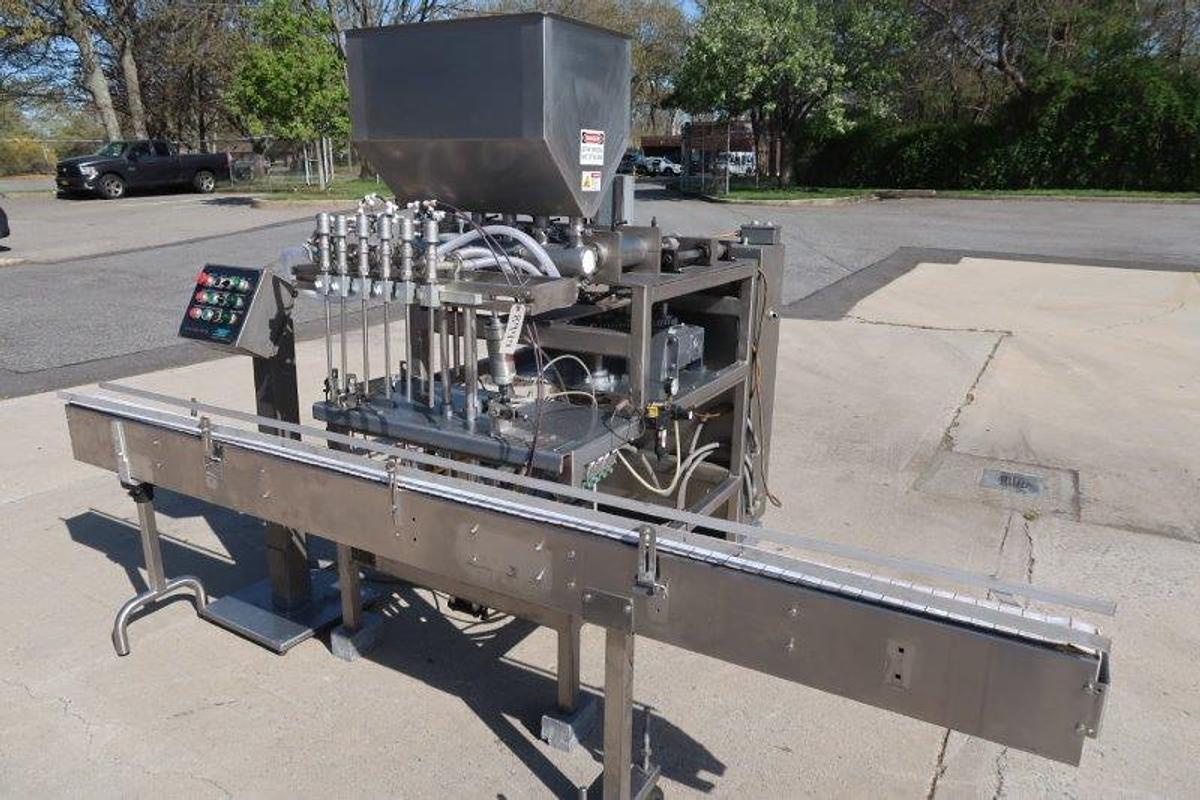
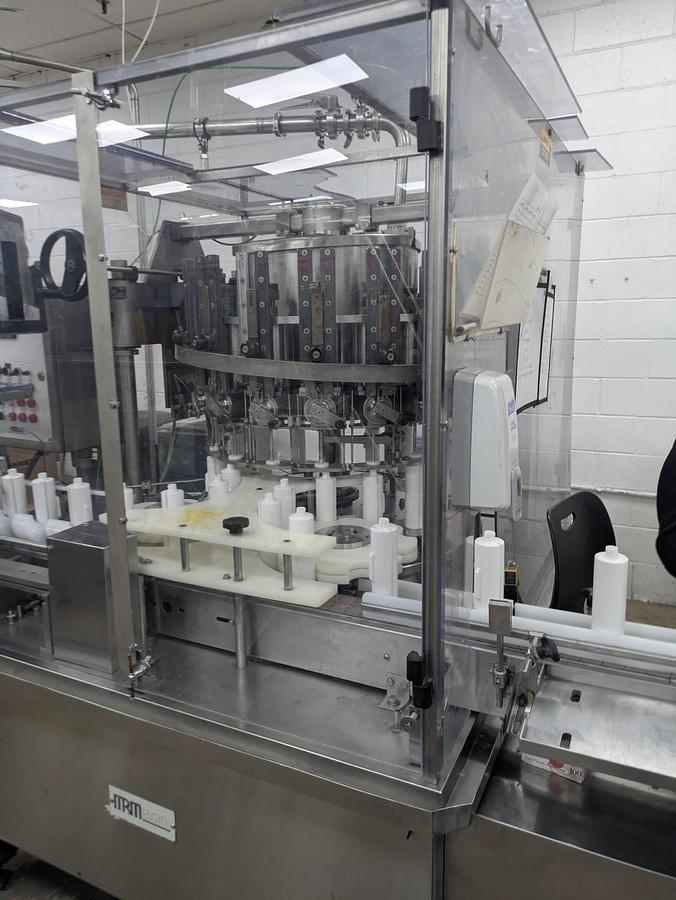
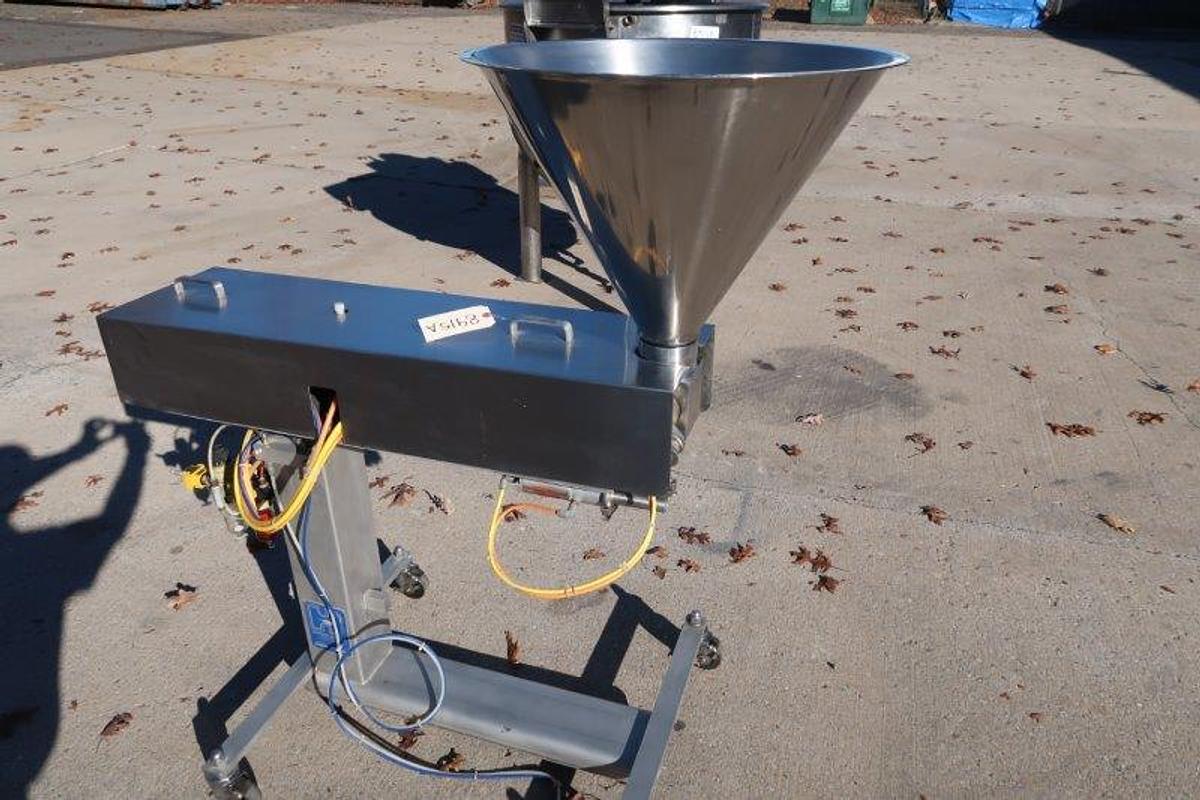
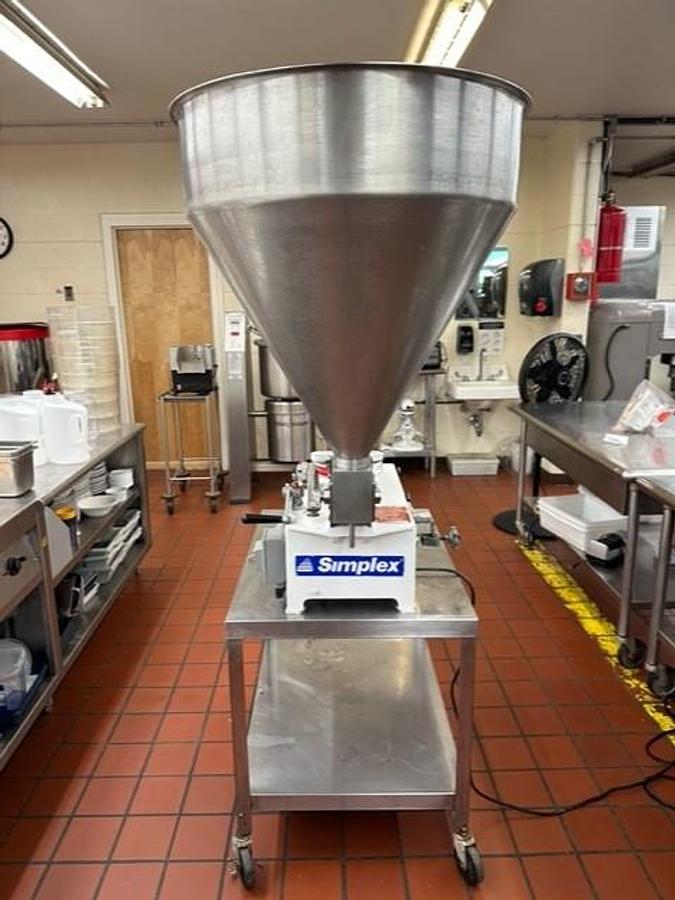
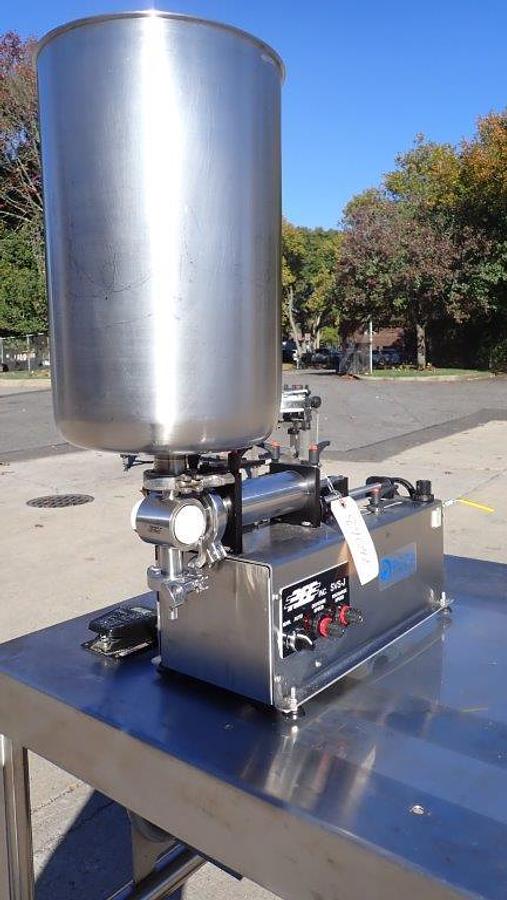
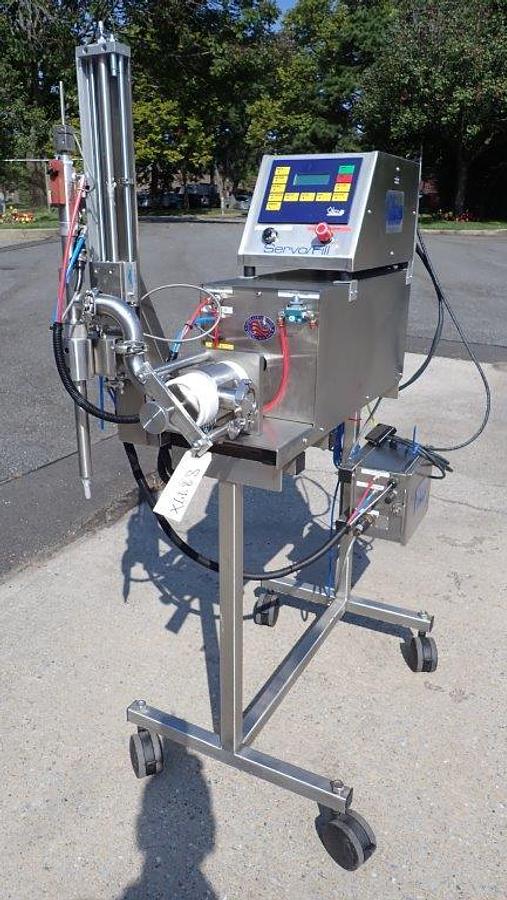
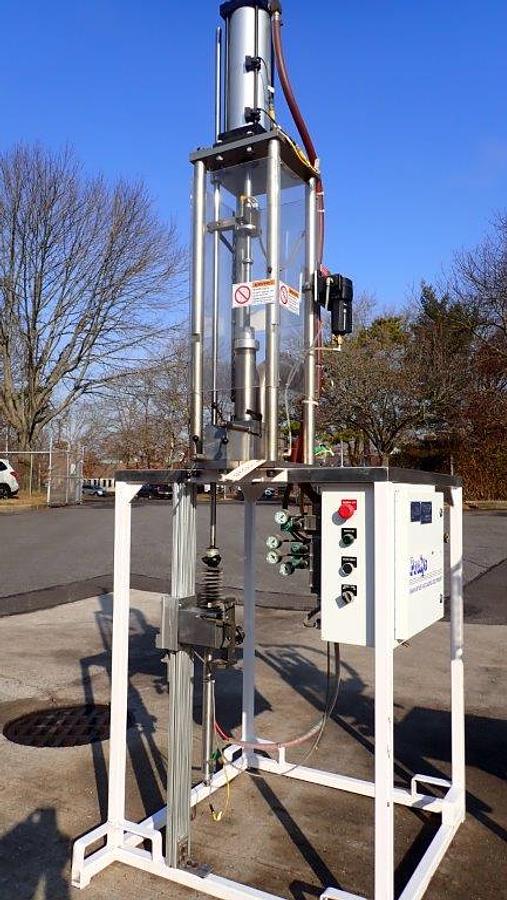
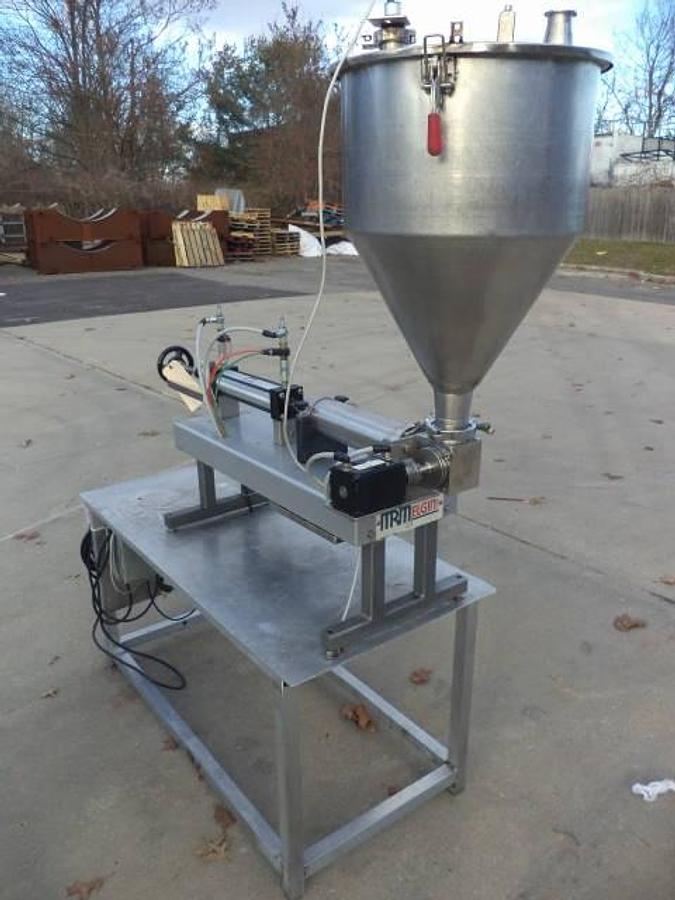
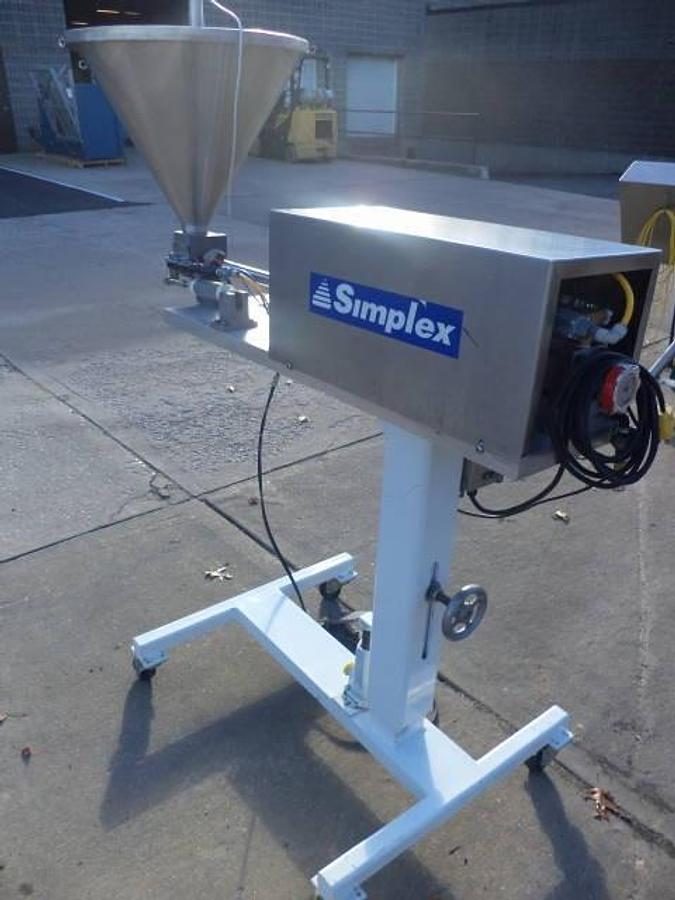
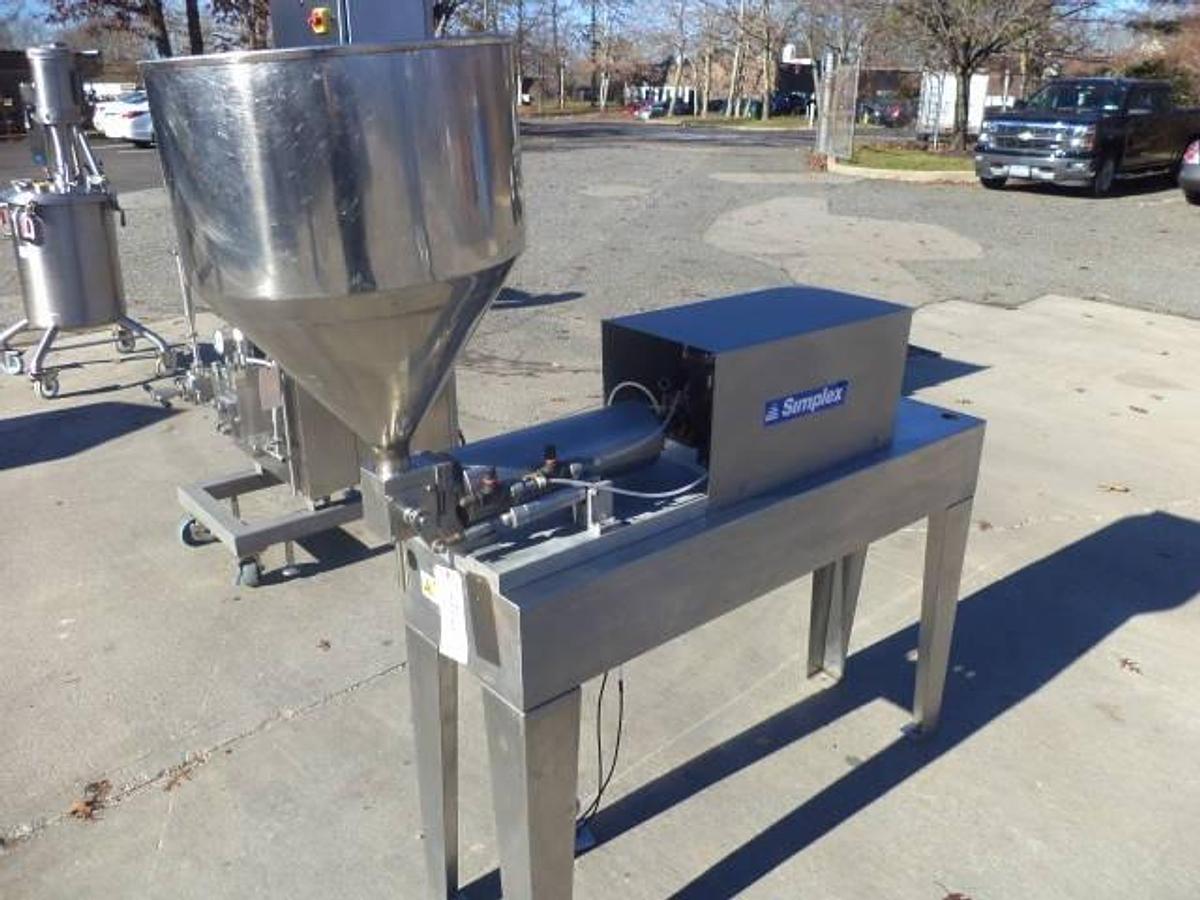
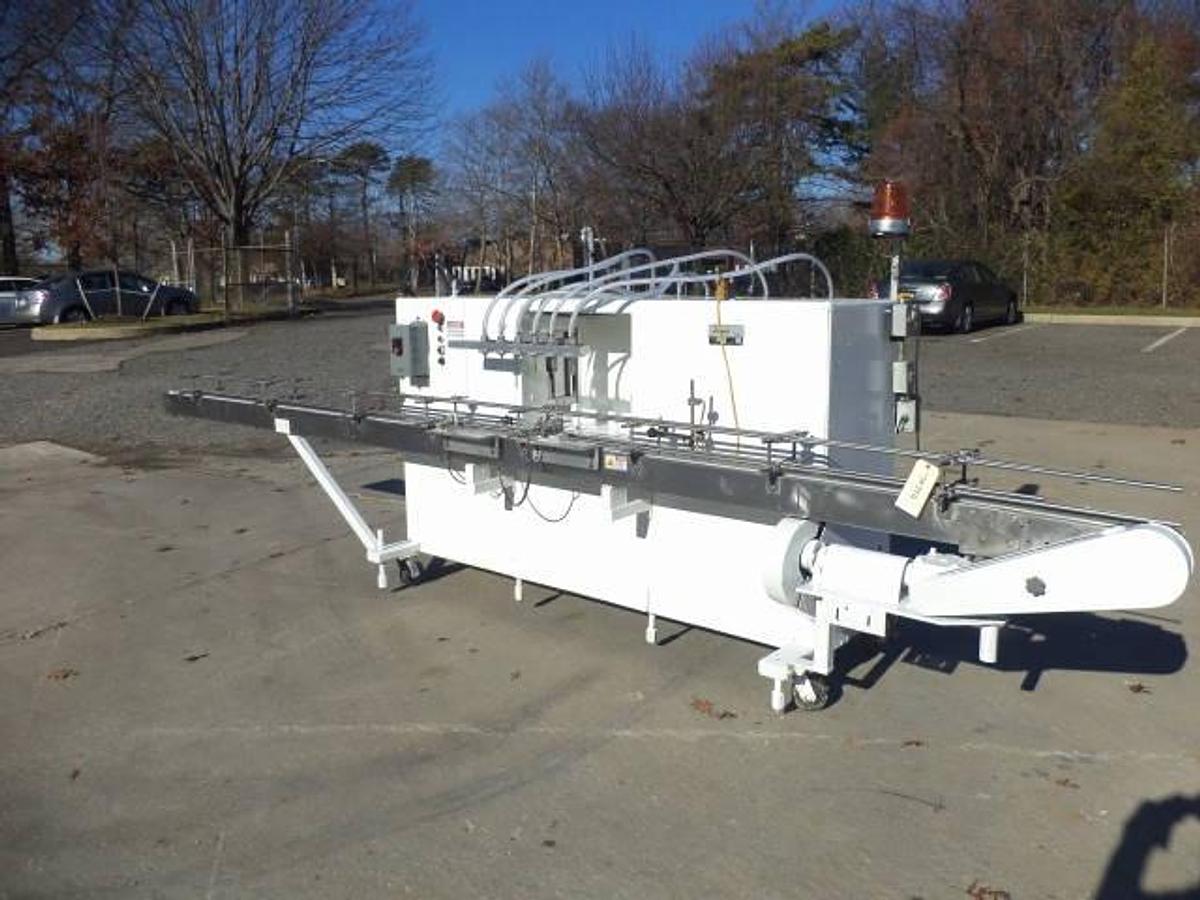
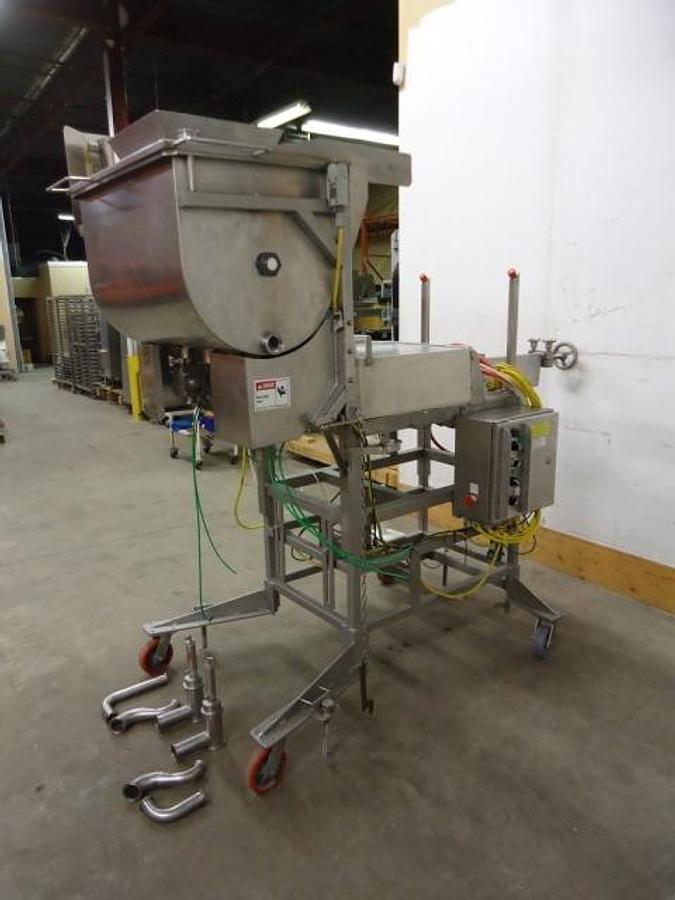
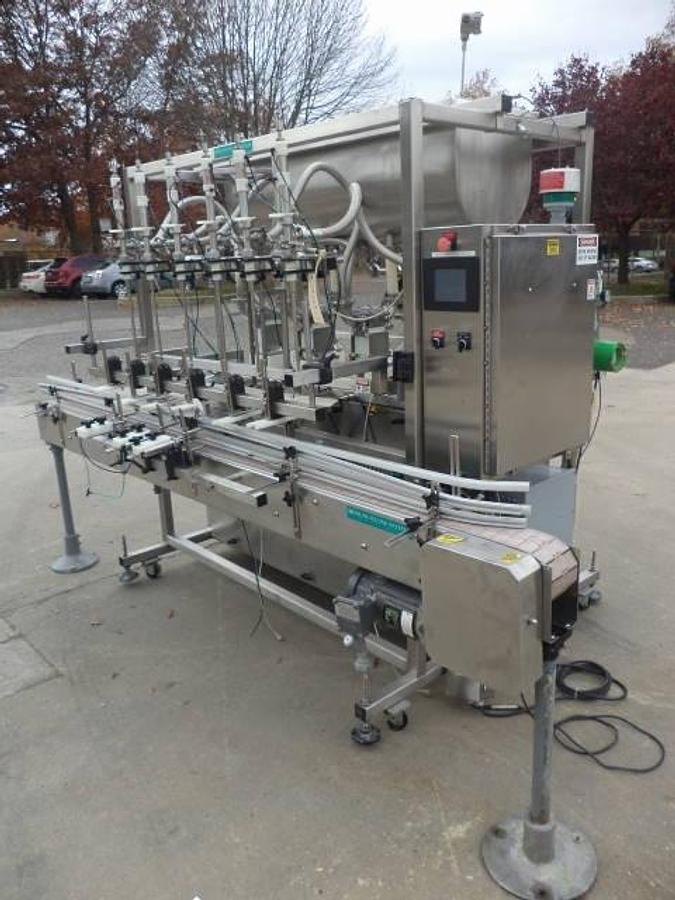
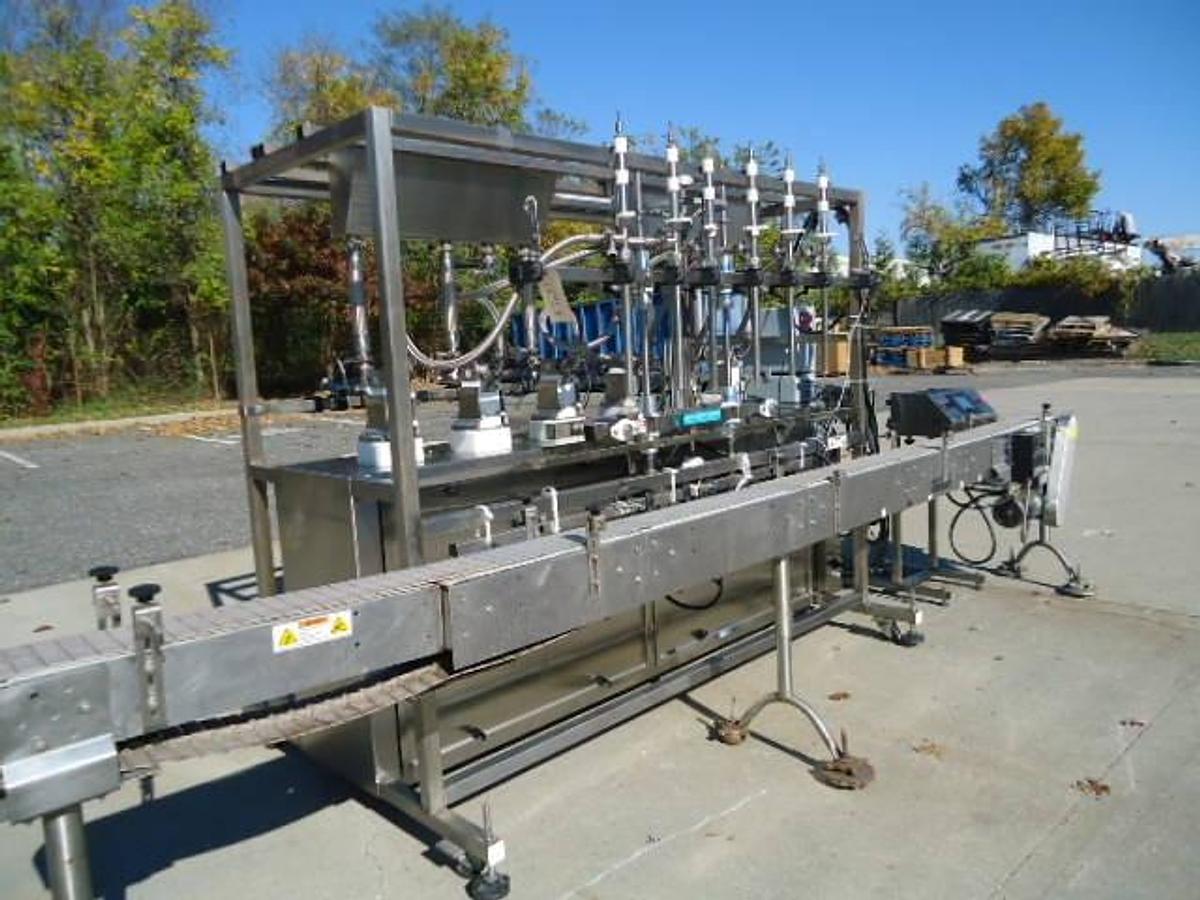
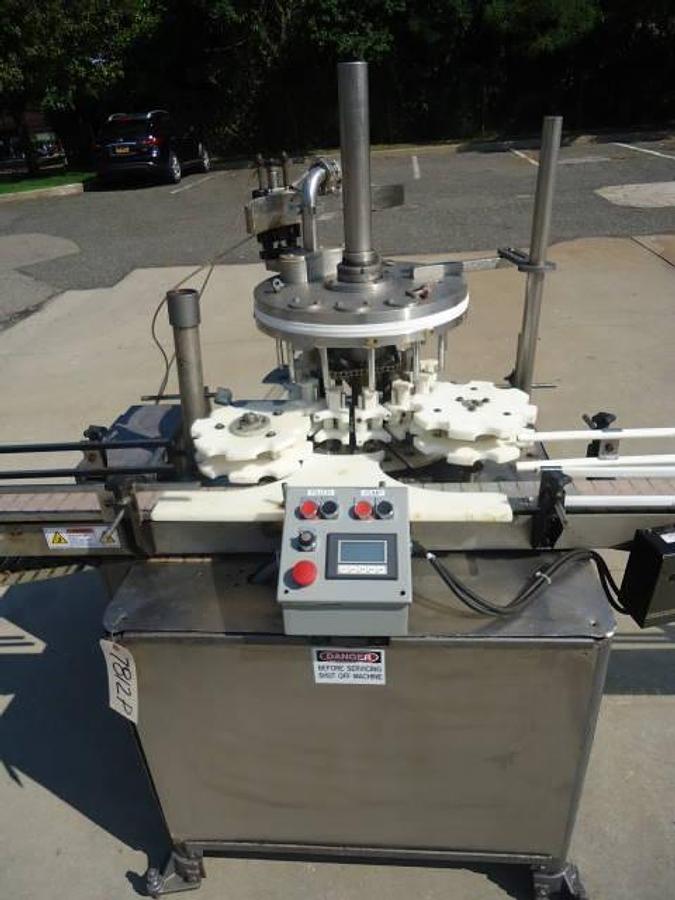
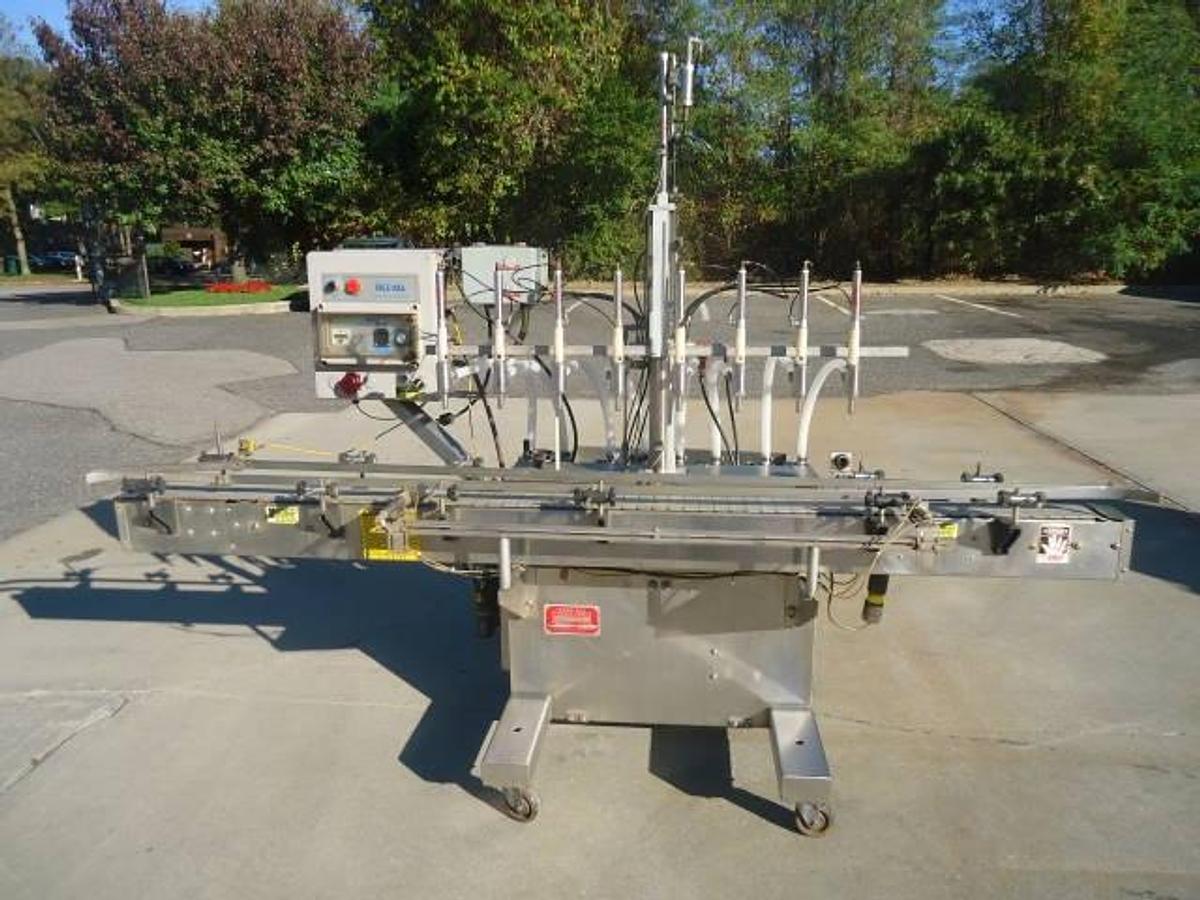
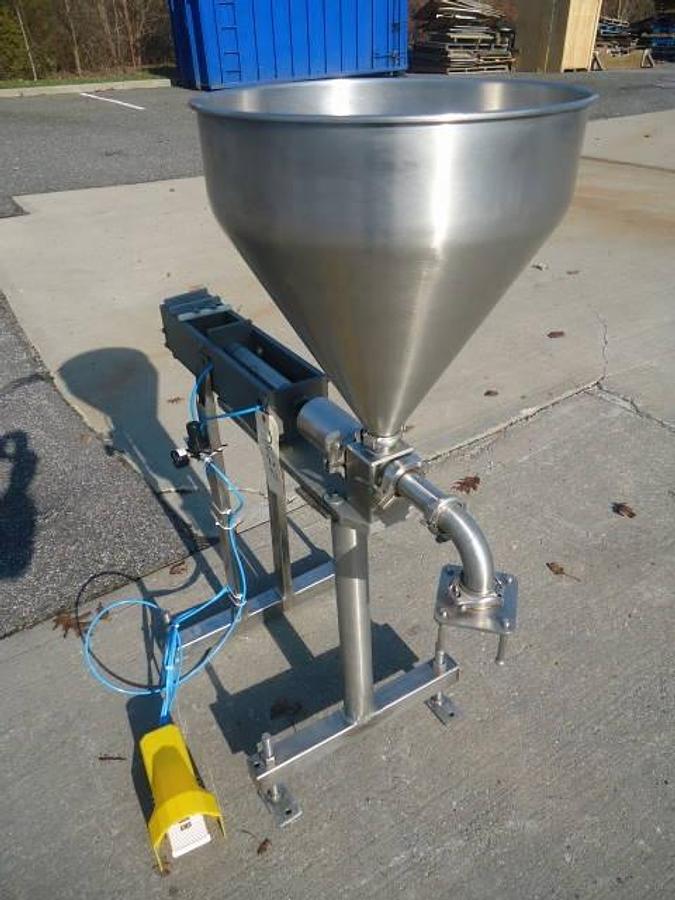
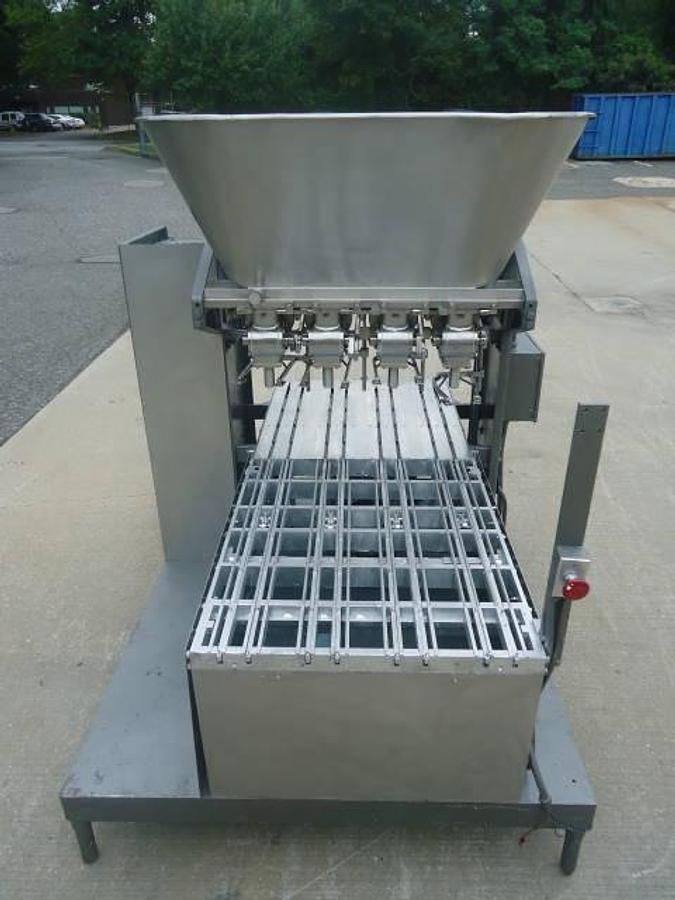
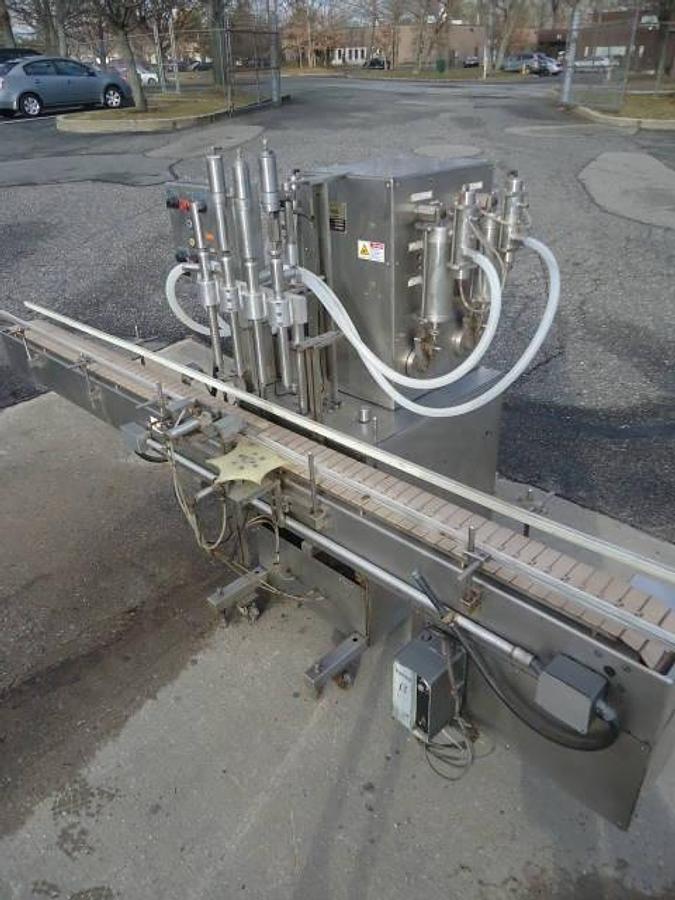
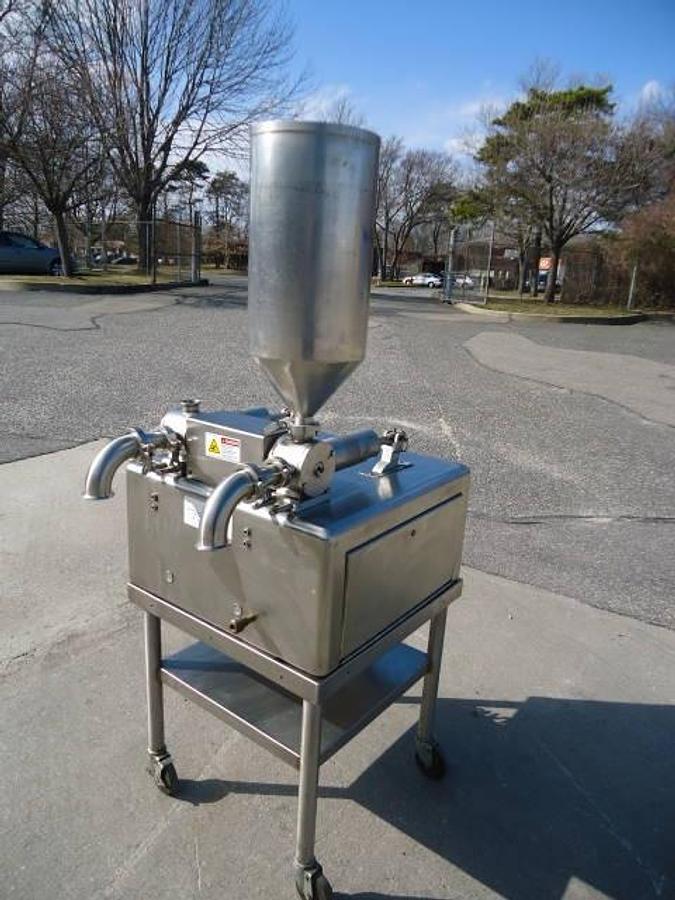
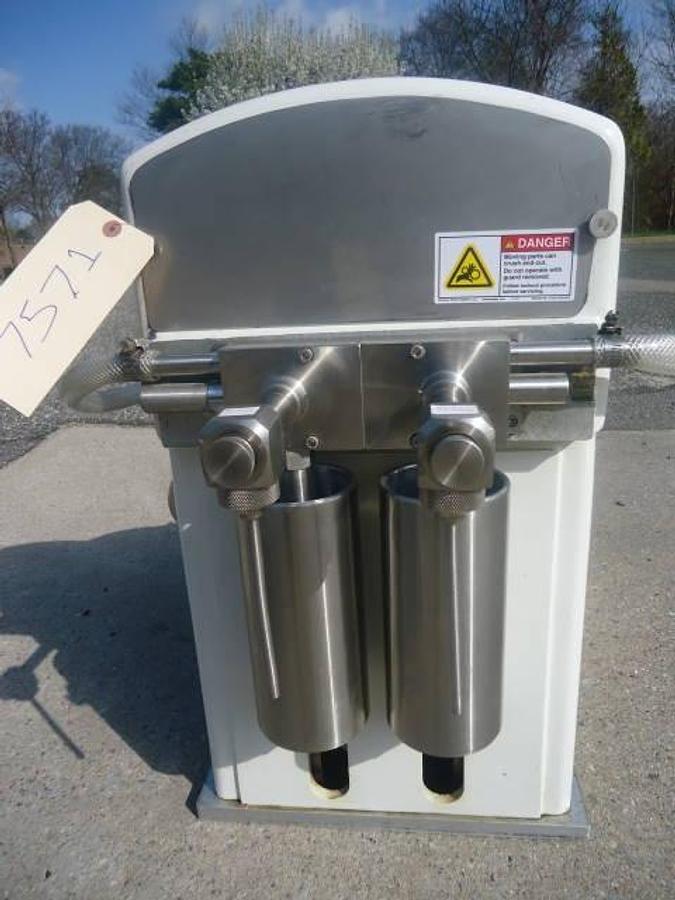
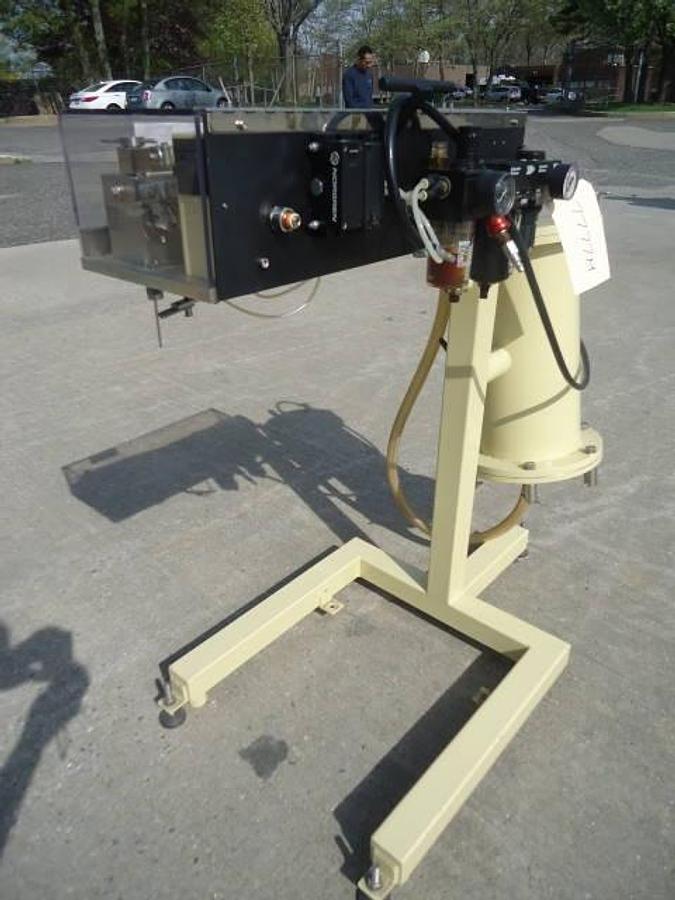
Positive displacement filling machines are used to fill viscous product not suitable for standard liquid fillers. Piston fillers are one type used to fill products such as creams, lotions, hand sanitizers, sauces, salsas and other high viscosity products. We are suppliers of automatic piston fillers and semi-automatic piston fillers. Our inventory of used piston filling equipment includes SIMPLEX piston fillers, ACCUTEK, and the FILAMATIC piston filling machines for sale. Other types of positive displacement fillers available to buy today include pump style fillers which are manufactured by INLINE FILLING SYSTEMS, ODEN, and KALISH, and time controlled fillers that are manufactured by PACIFIC, MRM VERSA-FIL, and BINER ELLISON.
FAQ :
What is a piston filler and how does it work?
A piston filler is a type of positive displacement filling machine that uses a cylinder-and-piston mechanism to move product from a supply hopper into containers with high volumetric accuracy. During the fill cycle, the piston retracts to draw a precise, measured volume of product into the cylinder, then advances to push that product out through a nozzle and into the container below. Because the fill volume is controlled by the physical stroke length of the piston rather than by flow rate or timing, these machines deliver very consistent fills even when product viscosity changes between batches.
This mechanical approach makes piston fillers especially well-suited for thick, chunky, or particulate-laden products that would clog or stall other filler types. Common applications include creams, lotions, hand sanitizers, salsas, sauces, gels, and similar high-viscosity materials. Piston fillers are available in a wide range of configurations, from single-head tabletop units operated by foot pedal or air pressure, to fully automatic inline machines with 12, 16, or even 20 fill heads running at high production speeds. The piston size, typically expressed in ounces or cubic centimeters, determines the maximum fill volume per cycle, and many machines allow the stroke to be adjusted to dial in smaller fills within that range.
What types of products are piston fillers designed to fill?
Piston fillers are purpose-built for products that are too thick, too viscous, or too particulate-heavy for standard gravity or overflow fillers. In the food industry, they are routinely used for salsas, pasta sauces, jams, peanut butter, salad dressings, honey, and similar products. In personal care and cosmetics, they handle lotions, creams, serums, shampoos, conditioners, and hand sanitizers. Pharmaceutical and nutraceutical operations use them for ointments, gels, and liquid supplements. Industrial applications include lubricants, adhesives, and certain chemical compounds.
The key factor that determines whether a piston filler is the right choice is product viscosity and the presence of particulates or chunks. Because the piston draws product in mechanically, it can handle materials that would never flow on their own through a gravity-fed system. Some piston filler models are equipped with agitated hoppers, which keep thick or settling products moving and prevent bridging at the cylinder inlet. Others include heated hoppers or jacketed cylinders for products like chocolate or wax that need to stay warm to remain pourable. When evaluating a used piston filler, confirming that the cylinder diameter and seal materials are appropriate for the specific product being filled is an important step before purchase.
What fill volume ranges are typically available in used piston fillers?
Used piston fillers on the market cover an extremely wide range of fill volumes, from small-volume pharmaceutical and cosmetic machines filling a few milliliters per cycle up to large industrial units with pistons sized for fills of a gallon or more. Common piston sizes seen in the used equipment market include 260cc, 520cc, 600cc, and 1,000cc units on the mid-range side, and machines with 32-ounce, 36-ounce, 94-ounce, 132-ounce, and even 170-ounce pistons for larger container formats. Some machines, like the Filamatic DAB-8 tabletop model, are configured around 260cc pistons, while heavy-duty inline fillers may use pistons sized for gallon containers or beyond.
For most machines, the piston stroke is adjustable within the maximum cylinder volume, so a 32-ounce piston filler can typically be set to fill 16 ounces, 24 ounces, or any increment up to its rated capacity. This adjustability makes used piston fillers flexible across different SKUs as long as the fill target falls within the machine's range. Buyers who need to fill a variety of container sizes should pay close attention to both the maximum piston volume and the minimum adjustable fill, and confirm with the seller whether the stroke adjustment mechanism is functioning correctly on the specific unit being considered.
What configurations of used piston fillers are available, and how do they differ?
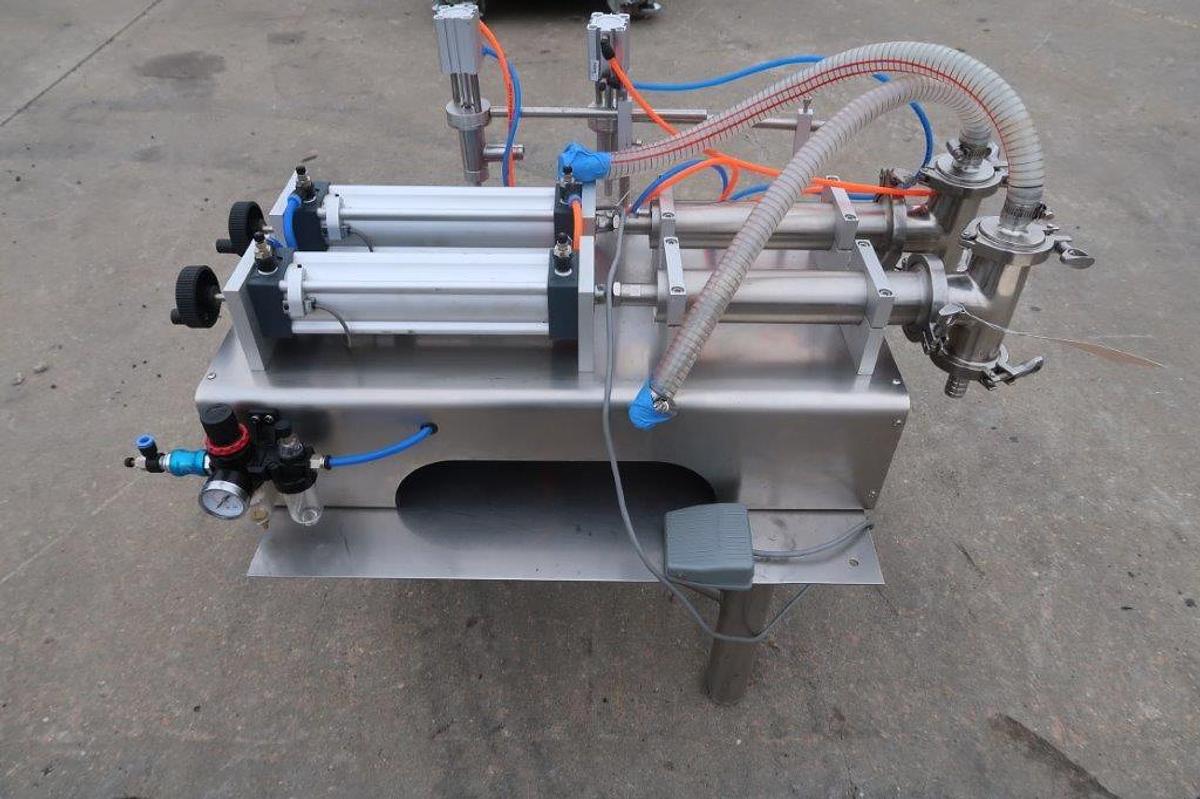
Used piston fillers come in several distinct configurations that affect throughput, footprint, and the level of operator involvement required. Tabletop or benchtop single-head units are the most compact option and are typically air-operated or foot-pedal actuated, making them a practical choice for small-batch production or startups. Semi-automatic machines in this category, like various Simplex and Geyer models, require an operator to position each container but deliver accurate, repeatable fills. Dual-head tabletop fillers, such as the Filamatic DAB-series machines, double output while keeping a small footprint.
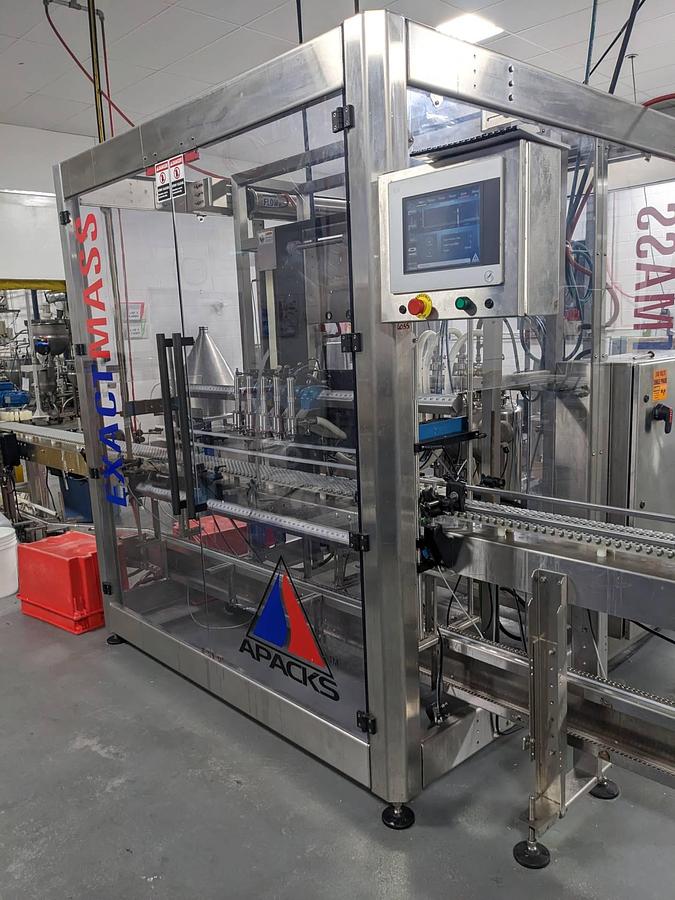
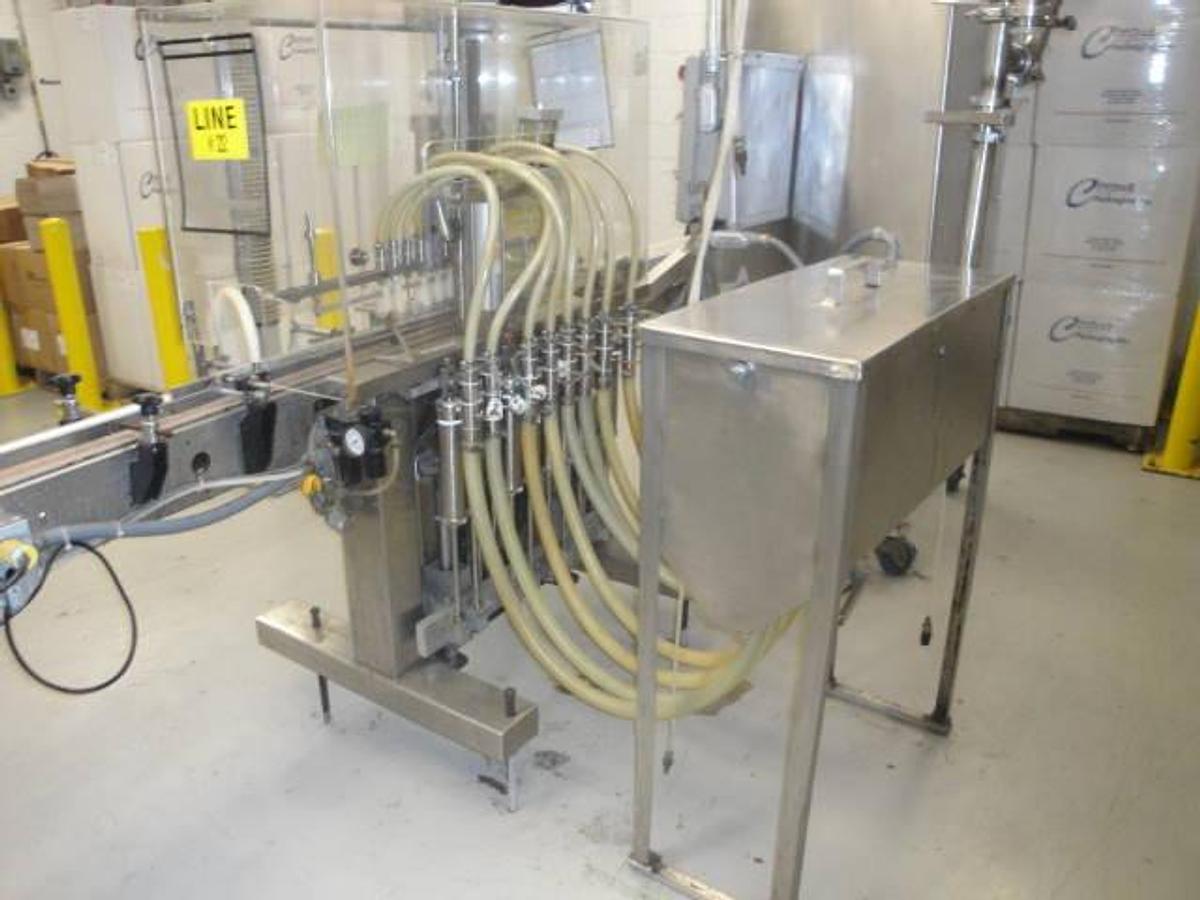
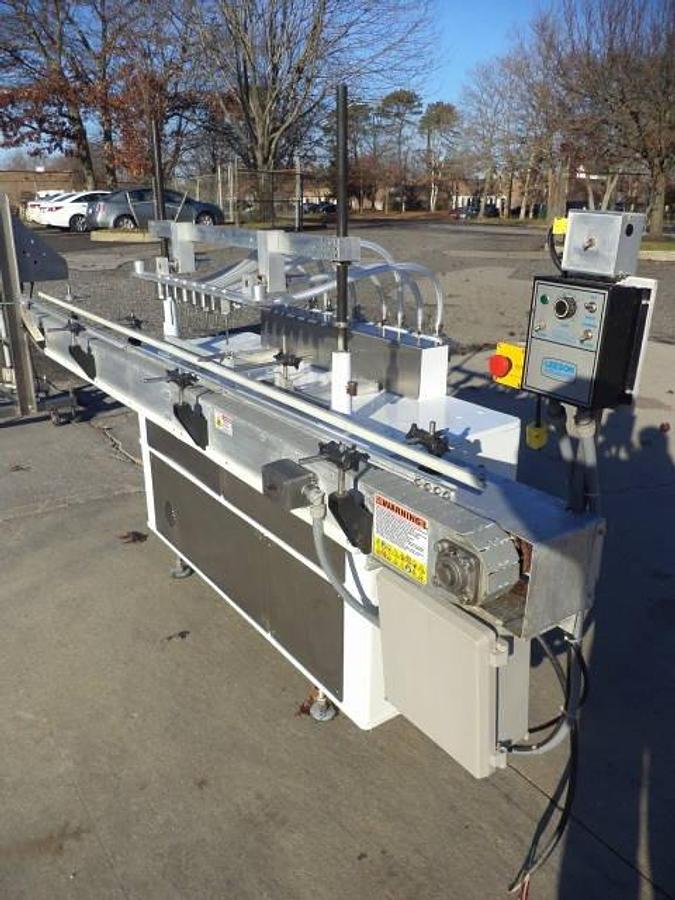
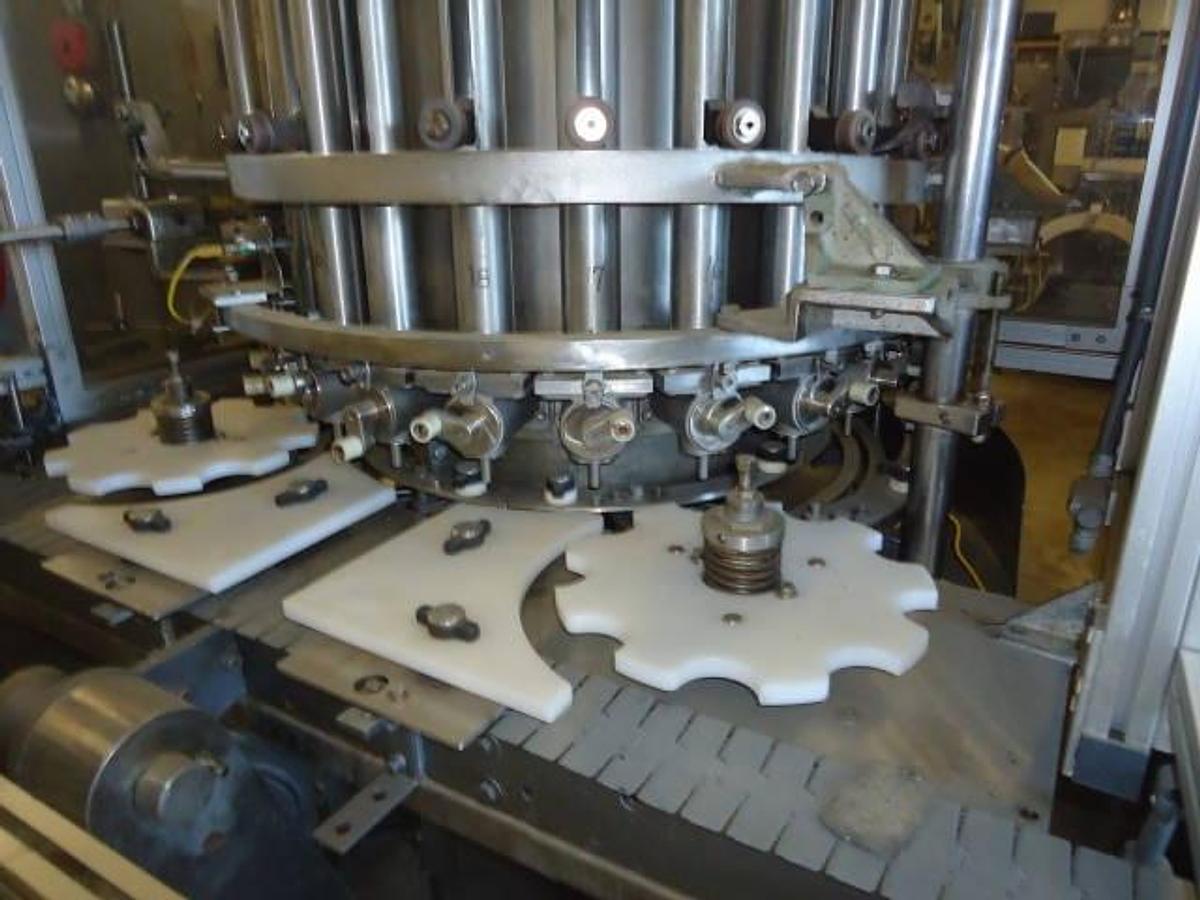
Fully automatic inline fillers represent the higher end of the used market and are designed to integrate with conveyors, cappers, and labelers as part of a complete packaging line. These machines, which may have 4, 6, 8, 10, 12, 16, or even 20 fill heads, index containers into position, fill them simultaneously, and discharge them without operator intervention. Rotary piston fillers, like the MRM Versa-Fil and Pfaudler designs, move containers in a circular path for even higher speeds. Portable piston fillers, such as certain Simplex and Hinds Bock models, are mounted on casters and can be repositioned between lines. Understanding which configuration matches current production volume and floor space is one of the most important decisions when shopping for a used piston filler.
What should I inspect before buying a used piston filler?
Buying a used piston filler requires a more thorough evaluation than purchasing standard off-the-shelf equipment, because the machine's condition directly determines how quickly it can be put into production and what refurbishment costs to expect. The most important mechanical components to assess are the piston and cylinder bore for wear, scoring, or corrosion; the seals and o-rings for condition and compatibility with the intended product; the nozzle and valve assembly for proper seating and shutoff; and the drive mechanism, whether pneumatic, electric, or servo, for smooth, consistent operation. Requesting a video of the machine cycling under power is a reasonable minimum standard, and an in-person inspection is preferable when feasible.
Beyond the mechanical condition, buyers should ask about the machine's maintenance history, how long it has been out of production, and what product it was last used with. A machine that filled water-based sauces will be in a different state than one that ran adhesives or heavily abrasive slurries. It is also worth checking with the manufacturer directly to understand parts availability and technical support for that specific model and age, since older or discontinued machines may have limited spare parts in circulation. Reputable used equipment dealers will typically accommodate in-person or video inspections and can often provide photos of key wear components. Buyers should factor any needed seal replacements, cleaning, or calibration into the total cost of acquisition before comparing prices across listings.
Are used piston fillers sanitary and food-safe for production use after purchase?
Many used piston fillers were built to sanitary or hygienic standards and feature stainless steel product-contact surfaces, FDA-compliant seals, and designs that allow for thorough cleaning between runs. Brands like Filamatic, Simplex, Hinds Bock, and Cozzoli have long histories of producing sanitary-grade filling equipment for food, beverage, cosmetic, and pharmaceutical applications, and used examples of these machines are frequently available on the secondary market. However, the fact that a machine was originally built to sanitary standards does not automatically mean it is ready for food-safe production after sitting idle or being used in a different application.
Before putting a used piston filler into food or pharmaceutical service, buyers should inspect all seals, gaskets, and o-rings and plan to replace them as a standard practice, since elastomers degrade over time regardless of use. The cylinder bore and nozzle components should be checked for pitting or surface damage that could harbor bacteria. CIP (clean-in-place) compatibility is an important feature to verify if the production environment requires in-line sanitation. Consulting with the machine manufacturer about recommended sanitation protocols for that specific model is a practical step, as is working with a qualified equipment technician to validate the machine's condition before it enters a regulated production environment. A used machine in good mechanical shape can absolutely meet food-safe requirements, but that determination requires a proper inspection rather than assumptions based on the machine's listed specifications alone.
What brands of used piston fillers are most commonly available on the secondary market?
The used piston filler market includes a broad range of manufacturers, and certain brands appear frequently because of their long production histories and widespread adoption across food, cosmetic, and pharmaceutical packaging operations. Simplex is one of the most commonly seen brands, with models ranging from single-head tabletop units like the AS-1 to four-piston automatic machines like the V-400. Filamatic, produced by National Instrument Corporation, is another frequently traded brand, with tabletop models like the DAB-5 and DAB-8 as well as larger multi-head automatic machines with piston sizes up to 1,000cc. Hinds Bock, Kaps-All, MRM/Elgin, and Accutek are also well-represented in the used market across a range of head counts and automation levels.
Other brands that appear regularly include Inline Filling Systems, Oden, Acasi, PackWest, All-Fill, Cozzoli, Geyer, REB, and Colborne, among others. For pump-style positive displacement fillers, which operate on a similar principle but use a rotary pump rather than a piston, brands like Kalish, Oden, and Inline Filling Systems are common. The availability of any specific brand or model fluctuates based on what facilities are decommissioning at a given time, so buyers with flexibility on brand but specific requirements around fill volume, head count, or automation level tend to have the best results finding suitable used equipment.
What is the difference between a piston filler and other types of positive displacement fillers?
Positive displacement filling is a broad category that describes any filler where a fixed, measurable volume of product is displaced into a container during each fill cycle, as opposed to fillers that rely on fill level, weight, or timed flow. Piston fillers are the most common type and use a reciprocating cylinder-and-piston assembly to draw in and expel product. The fill volume is set by the piston stroke, making these machines highly accurate and well-suited for thick or particulate products. They are available in single-head tabletop formats all the way up to high-speed rotary configurations.
Pump-style positive displacement fillers, sometimes called gear pump or peristaltic fillers, use a rotating pump element rather than a piston to move product. Brands like Oden, Inline Filling Systems, and Kalish produce pump-style fillers that are well-suited for free-flowing to moderately viscous liquids and offer smooth, continuous flow rather than the reciprocating action of a piston. Time-and-pressure fillers, produced by manufacturers like Pacific and MRM Versa-Fil, use a pressurized product supply and a timed valve open period to control fill volume. Each approach has tradeoffs in terms of product compatibility, fill accuracy, cleanability, and maintenance requirements. For very thick, chunky, or shear-sensitive products, piston fillers are generally the preferred choice because the mechanical displacement does not rely on consistent product flow characteristics.
Do used piston fillers come with a warranty?
Warranties on used filling equipment are handled very differently than on equipment purchased directly from a manufacturer. Manufacturers typically extend warranty coverage only on equipment they sell directly, and that coverage does not transfer to subsequent owners. Used equipment dealers, by standard industry practice, sell machinery on an as-is basis, which means the responsibility for evaluating the machine's condition rests with the buyer prior to purchase. This is why thorough pre-purchase inspection is so important in the used equipment market.
To protect themselves, buyers should prioritize dealers with a long track record of selling packaging and filling equipment, since established specialists are more likely to accurately represent a machine's condition and accommodate proper inspections. Requesting in-person access, a video inspection, or detailed photos of wear components before committing to a purchase is a reasonable and standard expectation. Buyers should also contact the original manufacturer of any machine they are considering to understand what level of technical support, replacement parts, and documentation is still available for that model and production year, since this varies considerably across brands and machine ages. Factoring in potential refurbishment costs before finalizing a purchase decision is always a sound practice with used industrial equipment.
What should buyers know about shipping and logistics for used piston fillers?
Shipping a used piston filler involves more planning than standard freight because filling machines contain precision components, fluid pathways, and in many cases delicate pneumatic or servo-driven mechanisms that can be damaged by improper handling in transit. Smaller tabletop and benchtop units can often be palletized and shipped via standard LTL freight with appropriate blocking and bracing, but larger inline automatic fillers with conveyors or multi-head assemblies typically require custom crating to prevent damage. The level of packaging required directly affects shipping cost, and buyers should ask the dealer specifically what packaging method will be used and what that adds to the total price.
For heavy or large machines, rigging may be required for loading at the dealer's facility and unloading at the destination, and this is typically an additional cost that buyers need to account for when calculating the true landed cost of the equipment. Some machines being sold are still located at the production facility where they were last used rather than at a dealer's warehouse, which can affect inspection logistics and loading arrangements. Buyers should confirm the machine's current location, who is responsible for deinstallation if applicable, and what the full freight quote includes before finalizing a purchase. Getting clarity on these details upfront avoids surprises and allows for an accurate comparison of total acquisition cost across different listings.