Category
Manufacturer
Model
Compressors-air Screw Air Compressors & Pump Air Compressors
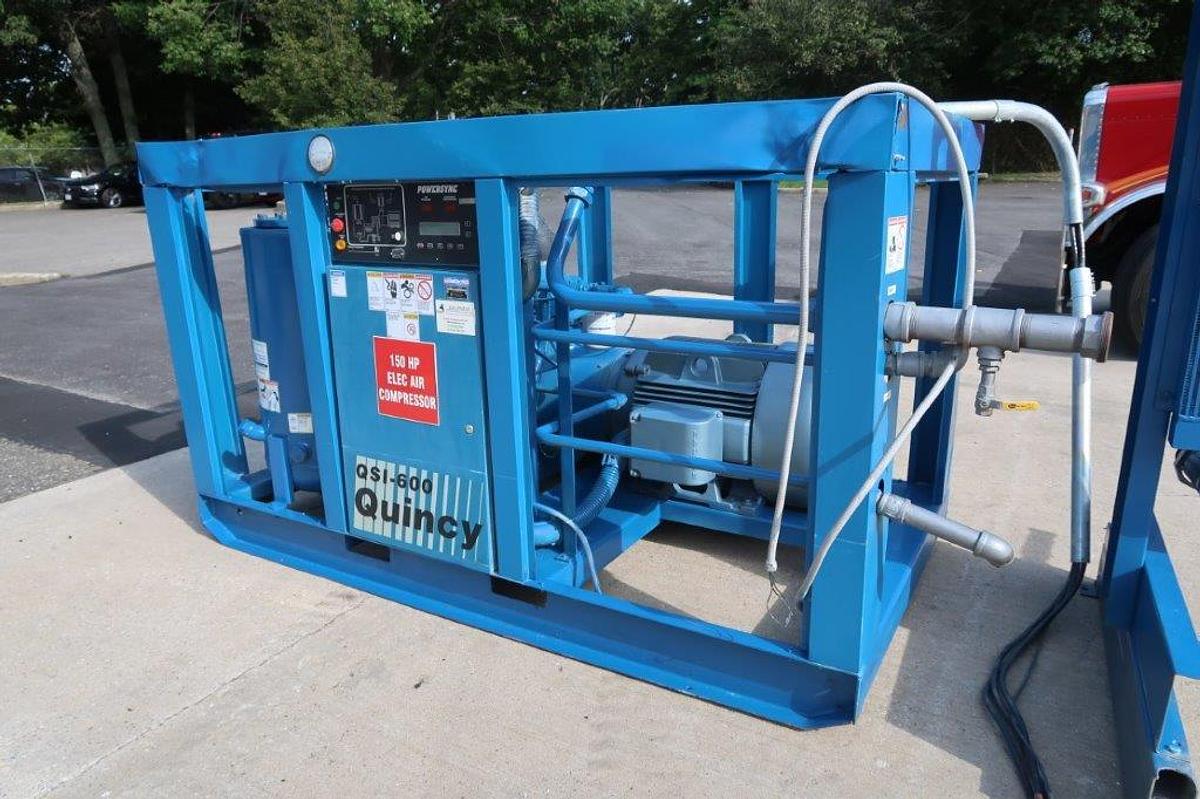
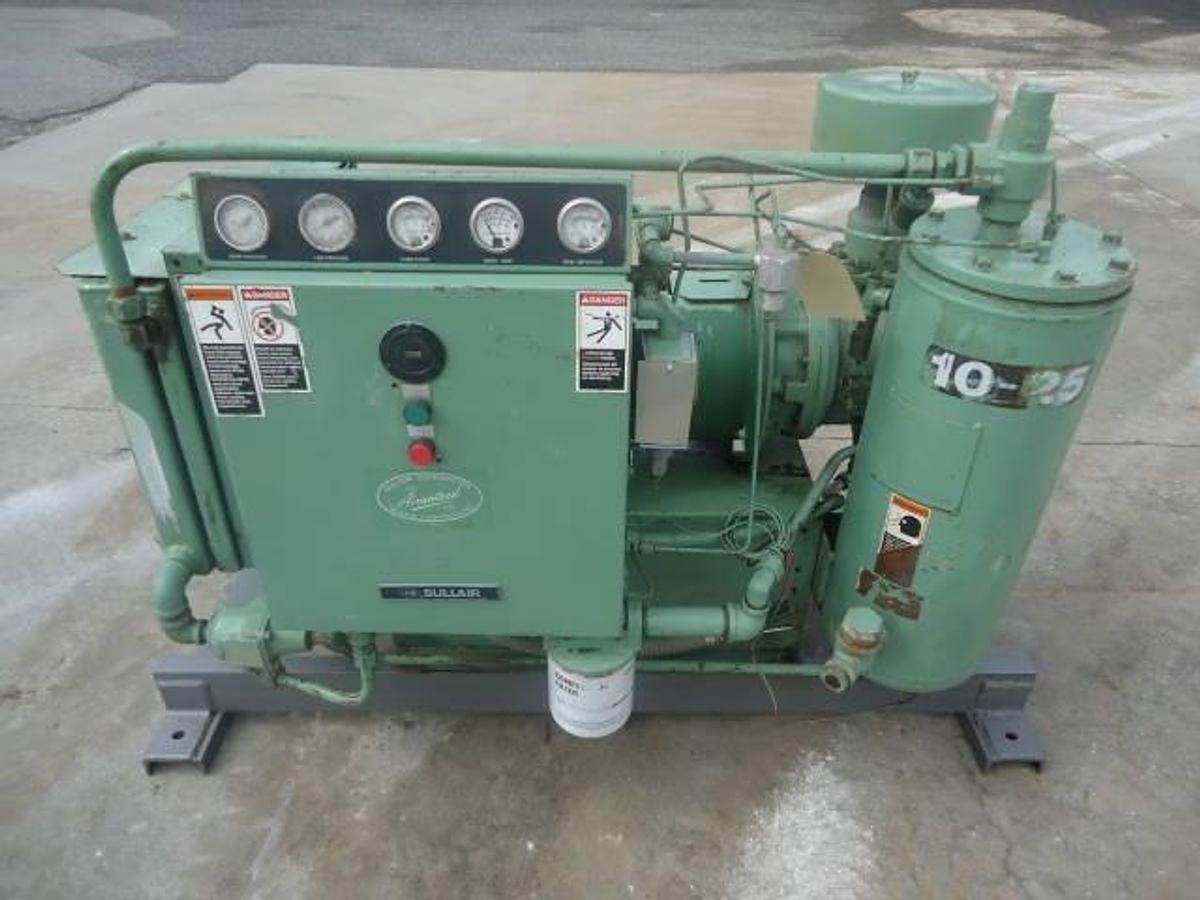
We carry a selection of used air compressors including screw air compressors and pump type air compressors. Our stock includes brands such as the INGERSOLL RAND air compressor and the QUINCY air compressor in a variety of capacities and horse powers.
FAQ :
Is it worth buying a used air compressor?
For most buyers, a used air compressor represents solid value, particularly for industrial and commercial applications where the machines are built to run for decades. A well-maintained rotary screw or reciprocating compressor from a reputable brand like Ingersoll Rand, Quincy, or Sullair can still have thousands of productive hours left in it, and the purchase price is typically a fraction of what a comparable unit would cost if sourced directly from a manufacturer. The key is understanding what you're buying. Used equipment is sold as-is, so the burden of due diligence falls on the buyer rather than the seller.
The value proposition improves further when you factor in that heavy-duty industrial compressors are engineered for longevity. Oil-lubricated models in particular tend to hold up well over time, running quieter and lasting longer than oil-free designs. Buyers who take the time to inspect a machine carefully, review its maintenance history, and verify that parts and service support are still available for that model will generally come away with a reliable piece of equipment at a significant cost savings compared to buying new.
How much is a used air compressor worth?
Pricing on used air compressors varies widely depending on horsepower, type, brand, age, condition, and included accessories. A small portable unit in the 3 to 15 HP range might sell for a few hundred to a couple thousand dollars. Mid-range industrial units in the 25 to 100 HP range commonly trade between $2,000 and $15,000 depending on hours, condition, and whether ancillary equipment like air dryers or expansion tanks are included. Larger, high-capacity rotary screw compressors at 150 HP and above can command significantly more, sometimes reaching $30,000 or higher for units in good working order.
Brand recognition plays a real role in pricing. Machines from established industrial manufacturers tend to hold their value better because parts availability and service support are easier to secure. Condition factors like rust on the tank, worn belts, or a spotty maintenance record will pull the price down, while a machine that includes a compressed air dryer and tank as a complete system often commands a premium because the buyer is getting a ready-to-run setup rather than individual components. Getting a sense of current market pricing requires looking at multiple listings and factoring in the full landed cost, including shipping, rigging, and any immediate servicing the machine may need.
What should I look for when buying a used air compressor?
The inspection process for a used air compressor should cover both mechanical and structural elements. Start with the tank. Look for surface rust, pitting, or any signs of repair welds, since a compromised tank is a safety issue and not something to overlook in favor of a lower price. Check the motor nameplate to confirm the horsepower and voltage match your facility's electrical supply. Listen to the machine run if at all possible. Unusual knocking, rattling, or excessive vibration can indicate worn bearings, valve problems, or internal damage that isn't visible from the outside.
Beyond the physical inspection, ask about maintenance history. A compressor that has had regular oil changes, filter replacements, and valve servicing will almost always outperform a neglected unit regardless of age. Check the condition of belts, hoses, and fittings, since these are wear items that add cost if they need immediate replacement. For rotary screw compressors, hour meters are a useful reference point, though hours alone don't tell the full story without knowing how the machine was used and maintained. If you're buying remotely, request a video walkthrough or arrange a virtual inspection so you can see the unit running before committing.
How do I know if a used air compressor is in good working condition?
The most reliable way to assess condition is a live inspection, either in person or through a video walkthrough arranged with the seller. A reputable dealer will start the machine and let you observe it running under load. Pay attention to how quickly it builds pressure, whether it holds pressure without cycling excessively, and whether there are any unusual sounds during operation. Check for oil leaks around the pump, fittings, and hoses, and look at the condition of the air/oil separator and filters as indicators of how well the machine was maintained.
It's worth noting that most equipment dealers don't have the permitting or production setup to test a compressor the way it would be used in an actual manufacturing environment. What they can do is demonstrate that the machine starts, runs, builds pressure, and shuts off correctly. For compressors that are still installed and running at a plant before being decommissioned, there may be an opportunity to observe the machine in active production, which provides the most complete picture of its operating condition. Buyers should also contact the manufacturer directly to confirm what service support, parts, and technical resources are available for the specific model and age of the unit they're considering.
What is the difference between a single-stage and two-stage used air compressor?
A single-stage compressor compresses air in one stroke from atmospheric pressure to the final tank pressure, typically up to around 125 to 135 PSI. These units are well-suited for light to moderate intermittent use, such as powering pneumatic tools in a small shop or garage setting. They tend to be simpler mechanically, which can make them easier and less expensive to service. When buying used, single-stage units are common in smaller horsepower ranges and are a practical choice for buyers who don't need continuous high-volume airflow.
A two-stage compressor compresses air in two steps, with an intercooler between stages, allowing it to reach higher pressures more efficiently and with less heat buildup. This design is better suited for continuous or heavy-duty industrial applications where the compressor runs for extended periods and the demand for air is consistent. Two-stage units generally run cooler, put less stress on internal components over time, and are the standard choice in manufacturing and production environments. For buyers evaluating used industrial compressors, a two-stage unit in good condition is often the better long-term investment for demanding applications, even if the upfront cost is higher than a comparable single-stage machine.
What CFM and PSI ratings do I need for my application?
CFM, or cubic feet per minute, is the more critical specification for most buyers and is often underestimated compared to PSI. CFM measures the volume of air the compressor can deliver, and your tools or processes will each have a minimum CFM requirement at a given PSI. If the compressor can't deliver enough CFM, it will struggle to keep up with demand and cycle constantly, which accelerates wear. A general rule of thumb is to add up the CFM requirements of all tools that might run simultaneously and then size your compressor to handle that load with some headroom, typically 25 to 30 percent above the calculated demand.
PSI requirements vary by application. Most pneumatic hand tools operate effectively at 90 to 100 PSI, while sandblasting, certain spray finishing operations, and industrial processes may require higher pressures. Tank size also factors into the equation. A larger tank stores more compressed air and reduces how often the motor has to cycle on to meet demand, which is particularly important for applications with high but intermittent air draw. When evaluating a used compressor, confirm the rated CFM at the operating PSI your application requires, not just the maximum PSI the unit can produce, since those are different numbers and both matter for matching the machine to the job.
How to buy a used air compressor?
Start by defining your requirements before looking at any specific machines. Know the CFM and PSI your application demands, the voltage and phase of your electrical supply, and the physical space constraints of where the compressor will be installed. With those specs in hand, you can filter available inventory by type (rotary screw vs. reciprocating), horsepower, and capacity rather than getting distracted by machines that won't work for your setup regardless of price. Dealers who specialize in used industrial equipment will typically carry multiple brands and configurations, which gives you better options than a general reseller.
Once you've identified candidates, request an inspection. Whether in person, via video, or through detailed photos, you want to see the machine's current condition before committing. Ask about the maintenance history, the reason for the sale, and how long the dealer has had the unit. Understand the full cost before finalizing anything. That means asking about packaging, rigging, and freight charges in addition to the purchase price, since shipping a large industrial compressor can add meaningful cost depending on distance and the equipment required for loading and unloading. Payment in full before shipping is standard practice in the used equipment industry, so factor that into your planning as well.
What types of used air compressors are typically available on the market?
The used market for air compressors covers a wide range of types and configurations. Rotary screw compressors are among the most common in industrial settings and are frequently available used in horsepower ranges from around 5 HP up to several hundred HP. These machines are designed for continuous duty cycles and are a staple in manufacturing, automotive, and processing facilities. Reciprocating (piston) compressors, both single-stage and two-stage, are also widely available and cover everything from small portable units to large tank-mounted industrial machines. Brands like Ingersoll Rand, Quincy, Sullair, and Speedaire appear regularly in used equipment inventories.
Beyond the compressor itself, used listings often include ancillary equipment such as compressed air dryers, expansion tanks, and filtration systems. Buying a compressor that already includes a dryer and tank can simplify installation and reduce total project cost, since those components would otherwise need to be sourced separately. Horsepower ranges in the used market span from small 3 HP units suitable for light shop use all the way to 150 HP and larger units built for high-demand industrial production. Buyers should also pay attention to whether a unit is tank-mounted or base-mounted, as that affects installation requirements and portability.
Do used air compressors come with a warranty?
Warranties on industrial equipment are typically offered by the original manufacturer and are tied to the machine being purchased through authorized channels. Once a compressor enters the used market, that manufacturer coverage generally no longer applies. Used equipment dealers typically sell machines as-is, which means the buyer accepts the equipment in its current condition without a guarantee of performance or longevity. This is standard practice across the used industrial machinery industry and is why thorough pre-purchase inspection is so important.
Because there's no warranty safety net, buyers should focus their due diligence on two things: the reputation and track record of the dealer they're buying from, and the condition of the specific machine. A dealer who has been in the used equipment business for many years and specializes in industrial machinery is a meaningfully different proposition than a general reseller with no particular expertise. Dealers with deep experience in their category will typically be more transparent about a machine's condition and history. Buyers should also contact the manufacturer directly before purchasing to understand what service support, technical resources, and parts availability exist for the model in question, since older or discontinued models may have limited support regardless of where the machine is purchased.
What are the risks of buying a used air compressor, and how can buyers protect themselves?
The primary risks fall into a few categories: hidden mechanical wear, tank integrity issues, and mismatched specifications. A compressor that looks clean externally can still have worn valves, a failing pump, or a motor running outside its rated parameters. Tank corrosion is a safety concern, not just a cosmetic one, since a compromised pressure vessel can fail under load. Electrical issues, including wiring that doesn't match the buyer's facility voltage or phase, can mean the machine isn't usable without additional work. And buying a unit with the wrong CFM or PSI output for the intended application is a common and costly mistake.
Buyers protect themselves primarily through inspection and research. Request a live or video demonstration of the machine running. Ask for documentation of maintenance history if available. Verify the electrical specs match your facility before purchasing. Look into parts availability for the specific model, particularly for older machines, since a compressor is only as useful as your ability to service it. Choosing a dealer who specializes in used industrial equipment and has a verifiable history in the business reduces risk considerably compared to buying from an unknown source. The used equipment market is well-established and transactions happen successfully every day, but the as-is nature of these sales means the buyer's preparation and judgment are the main safeguards.